How has your site changed over time?
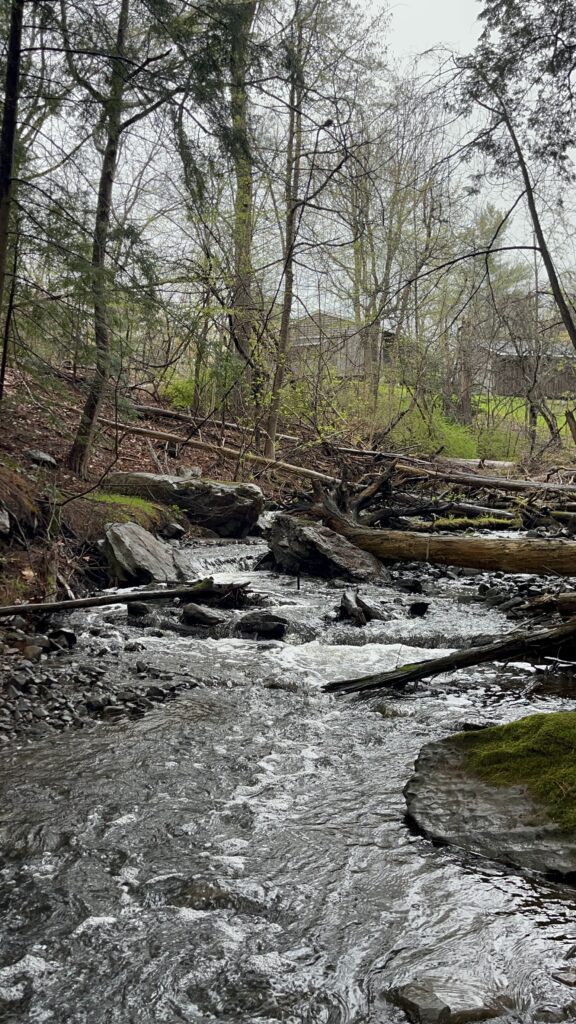
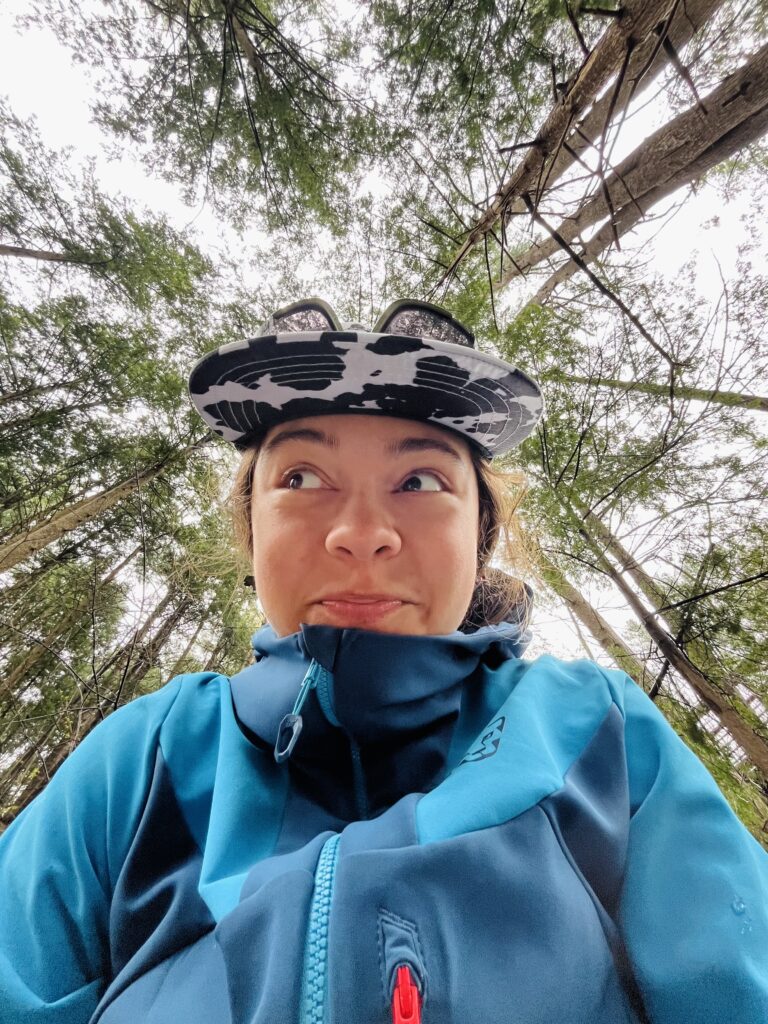
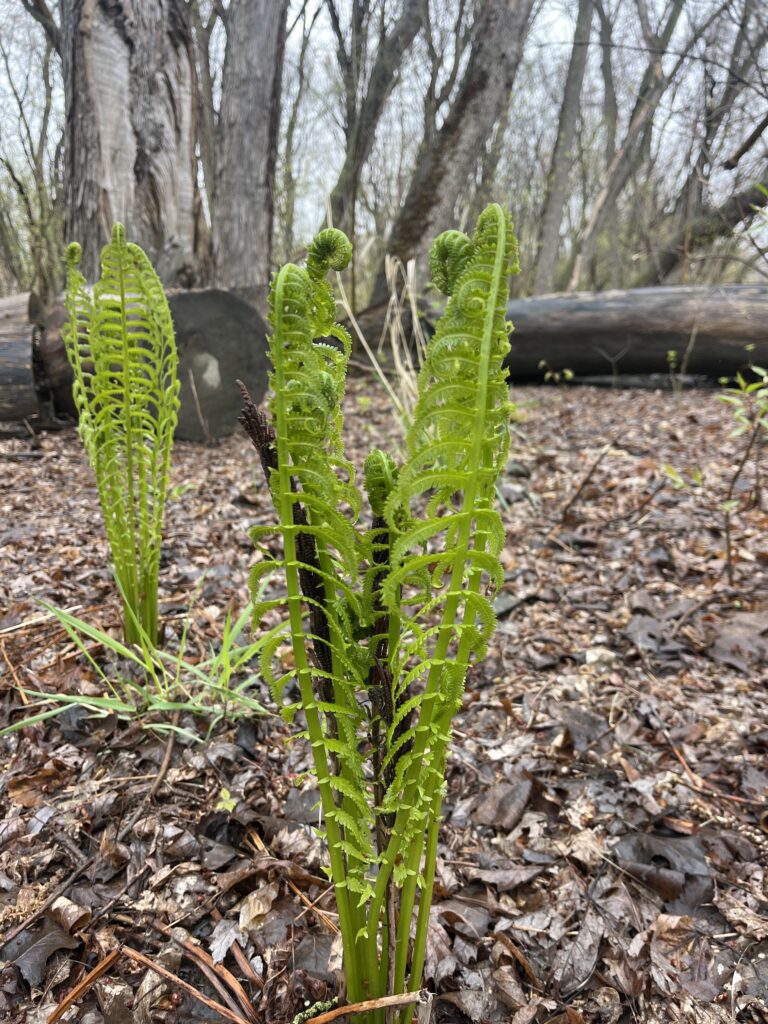
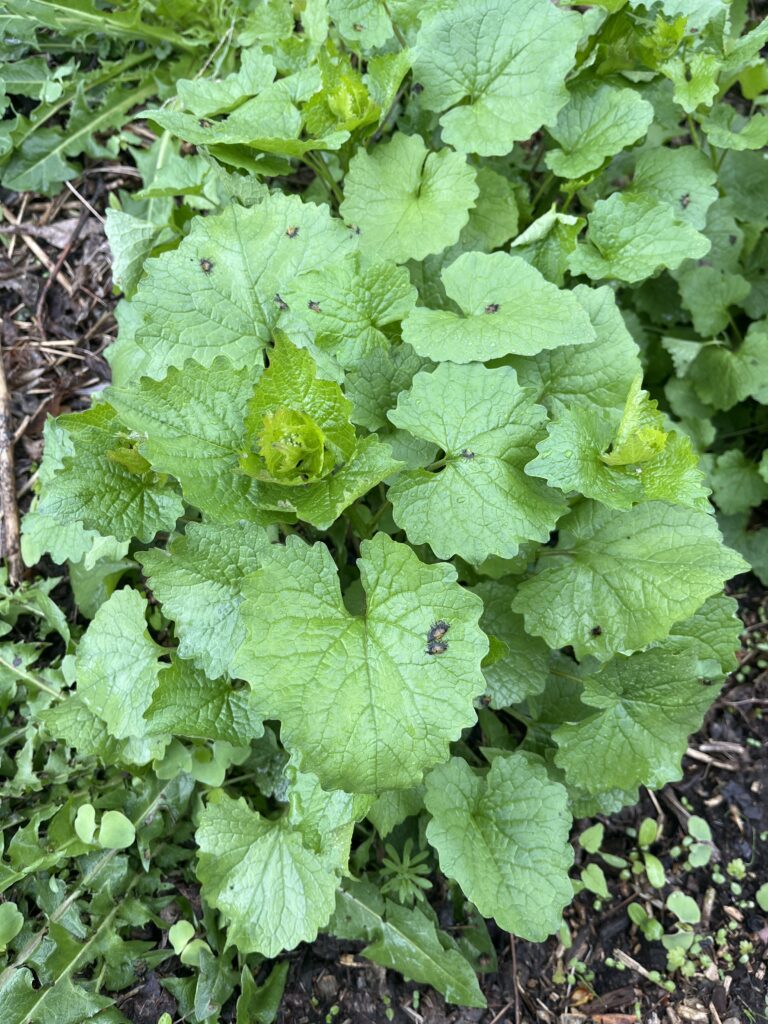
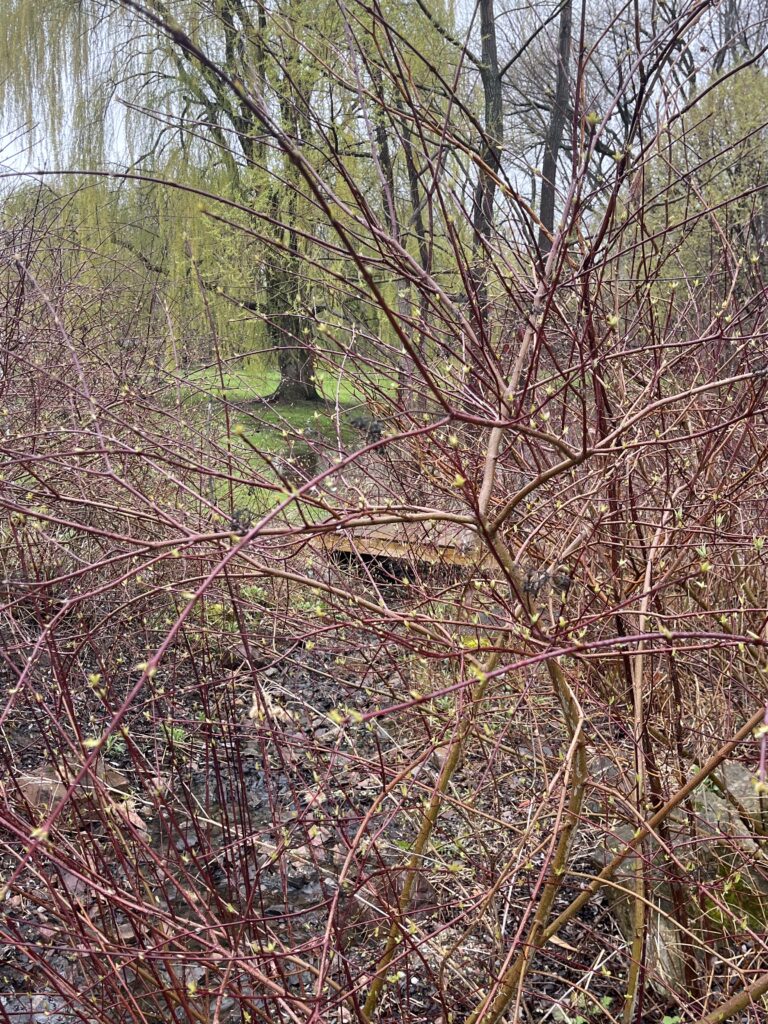
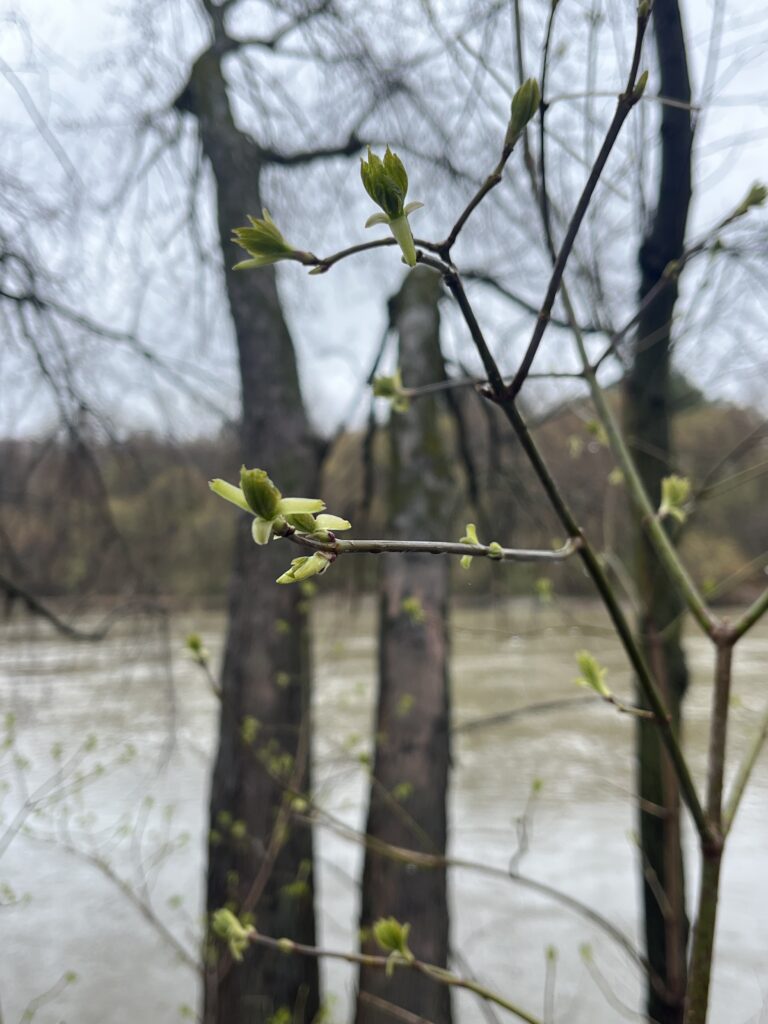
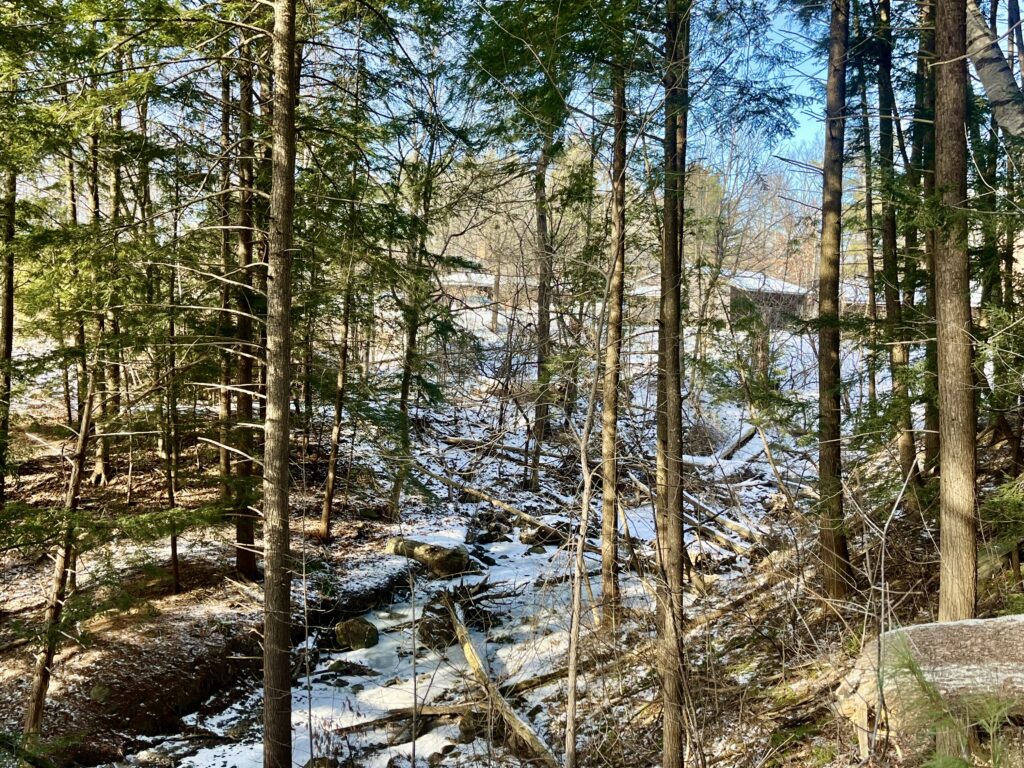
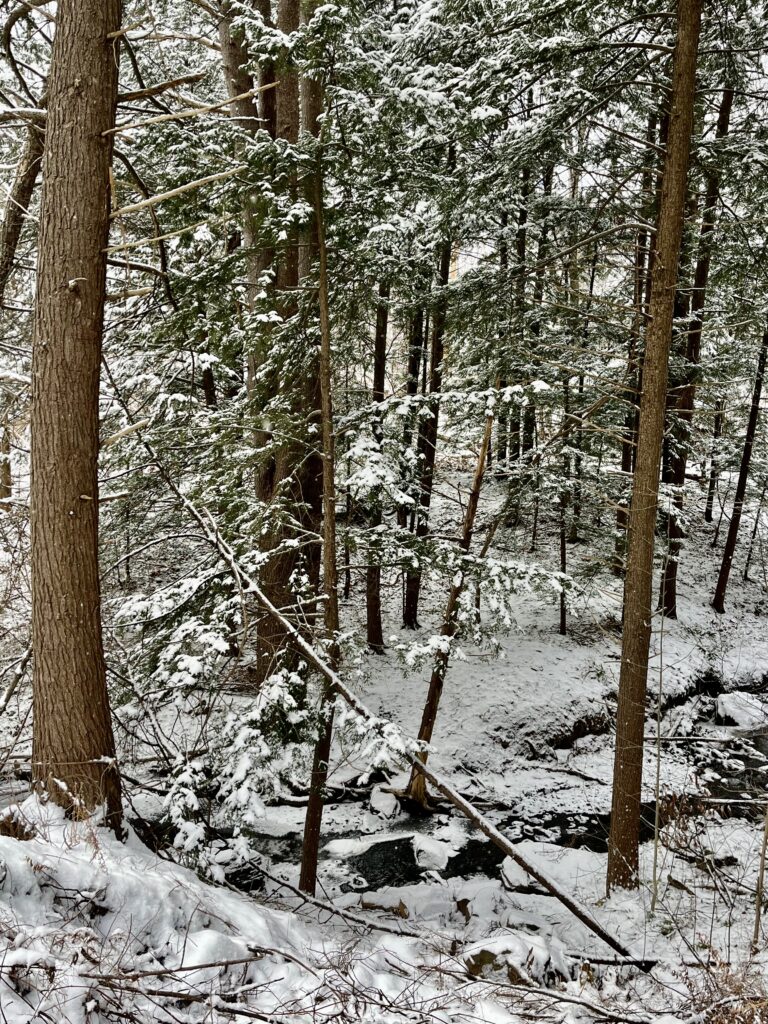
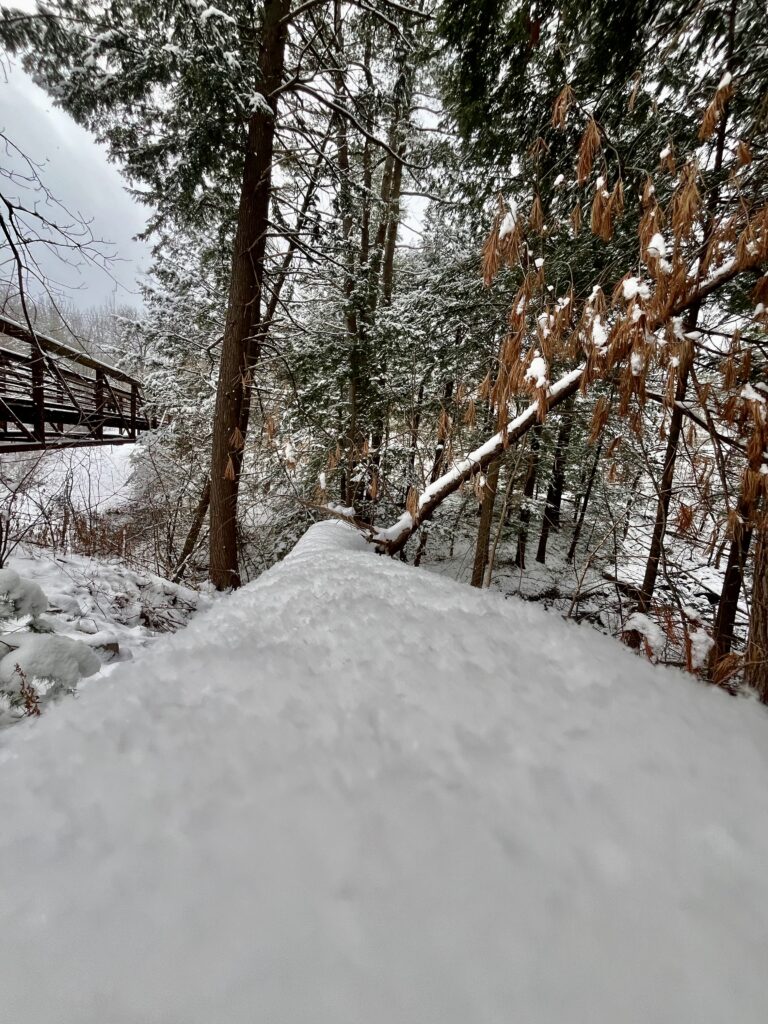
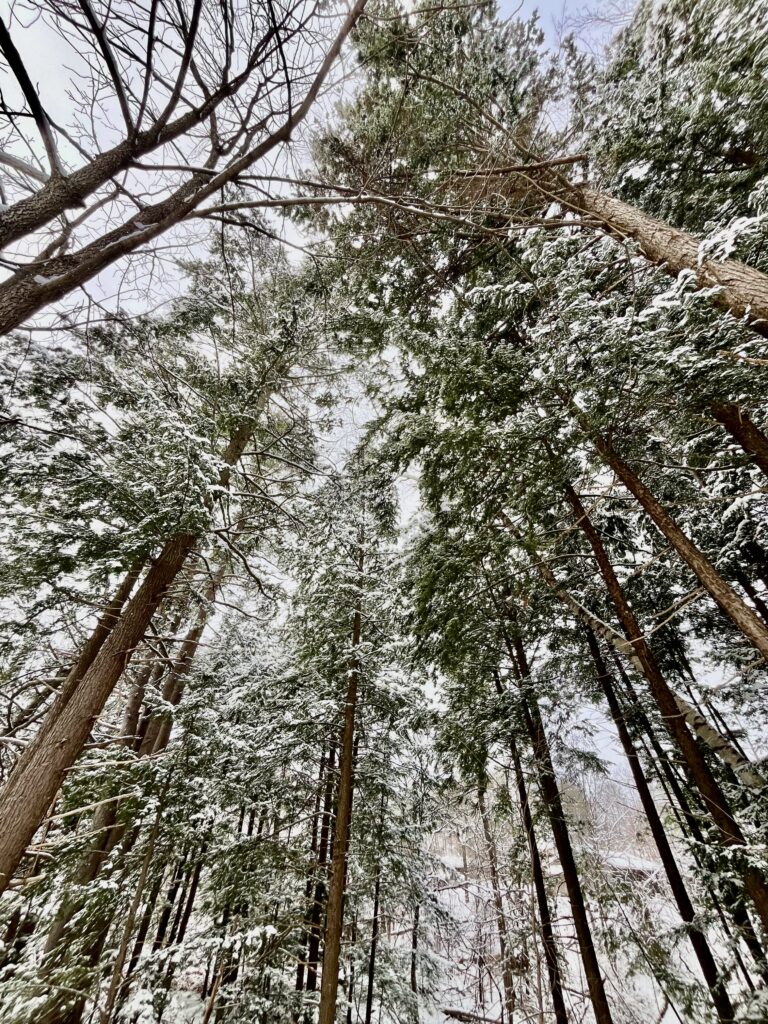
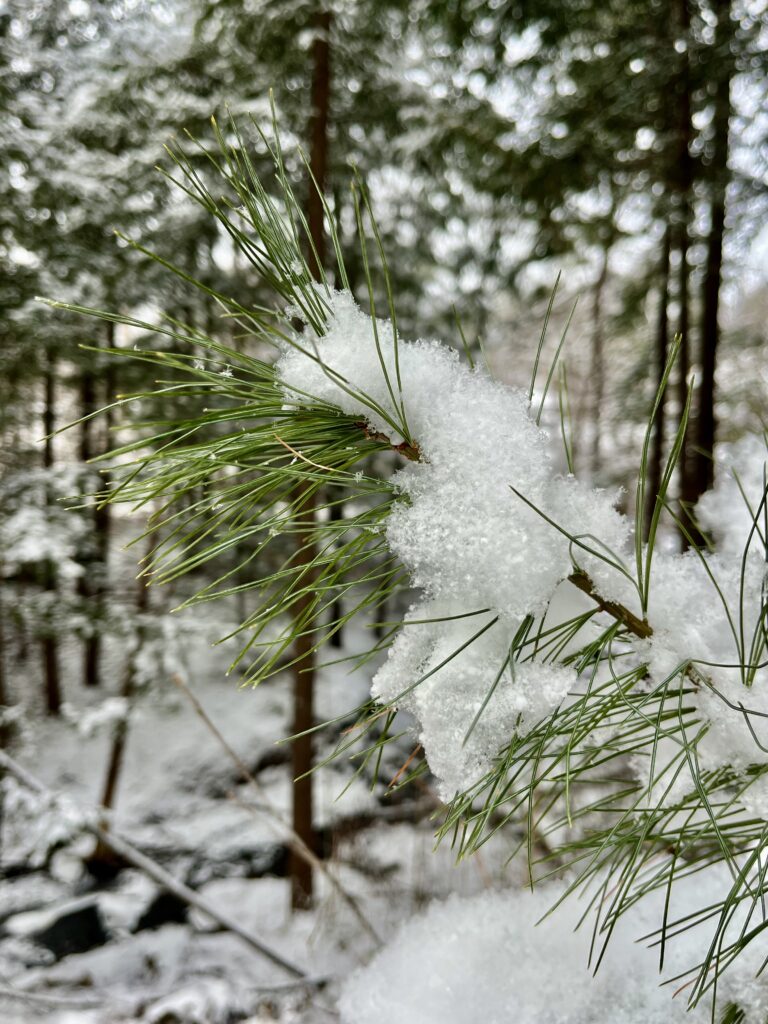
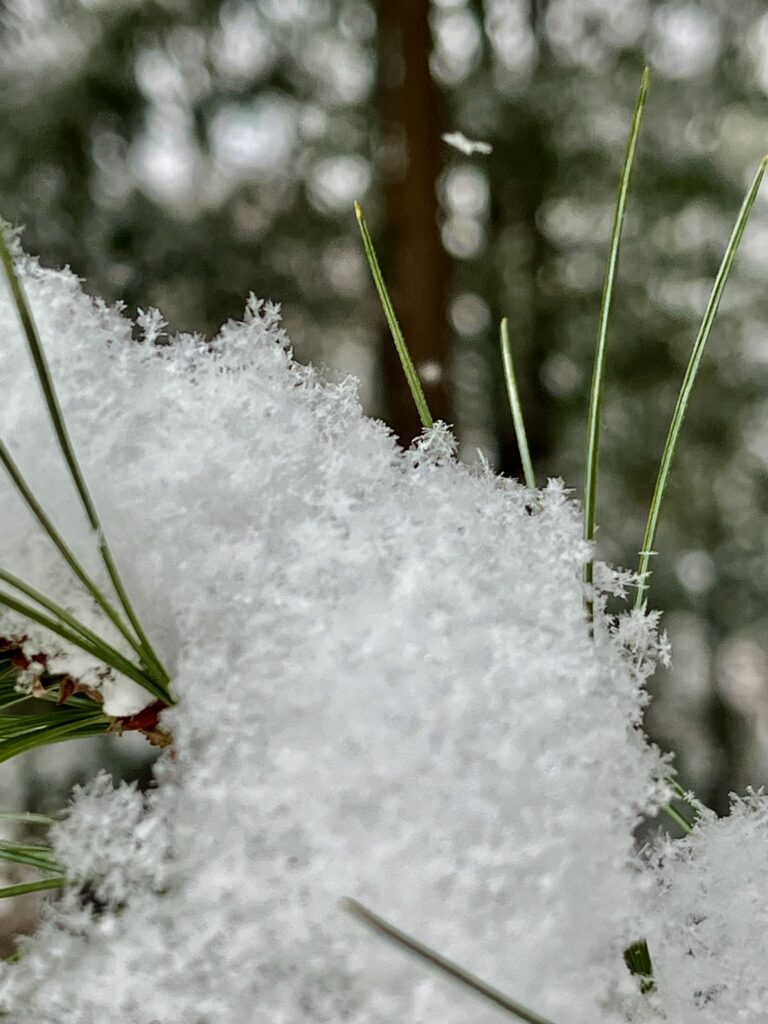
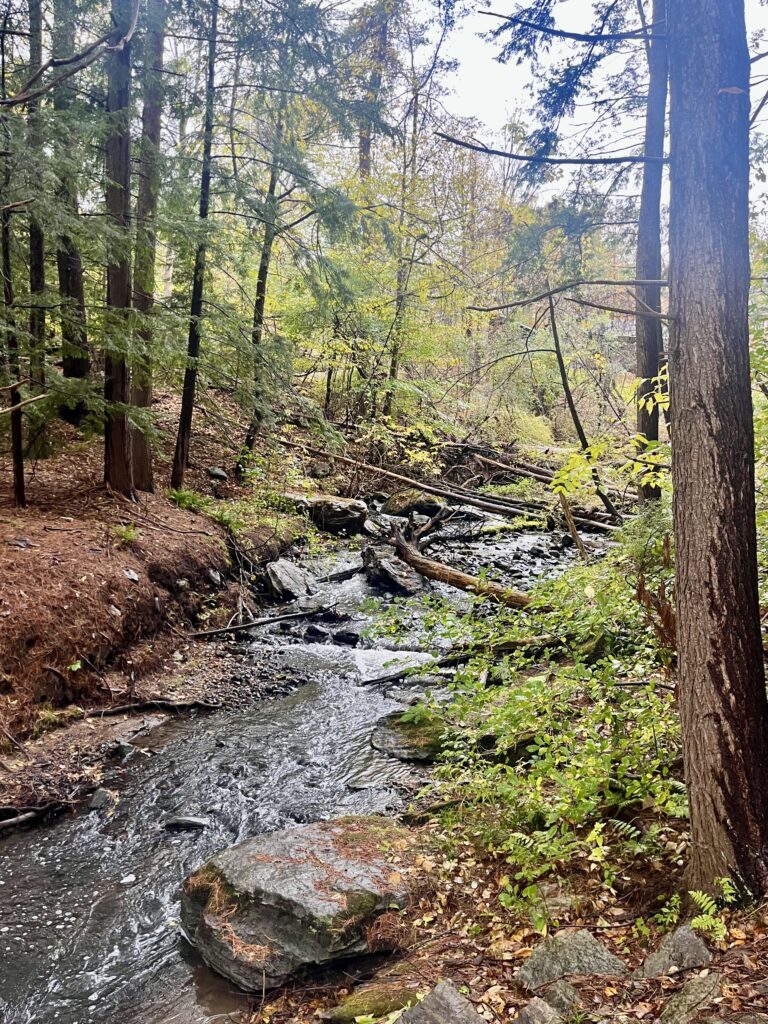
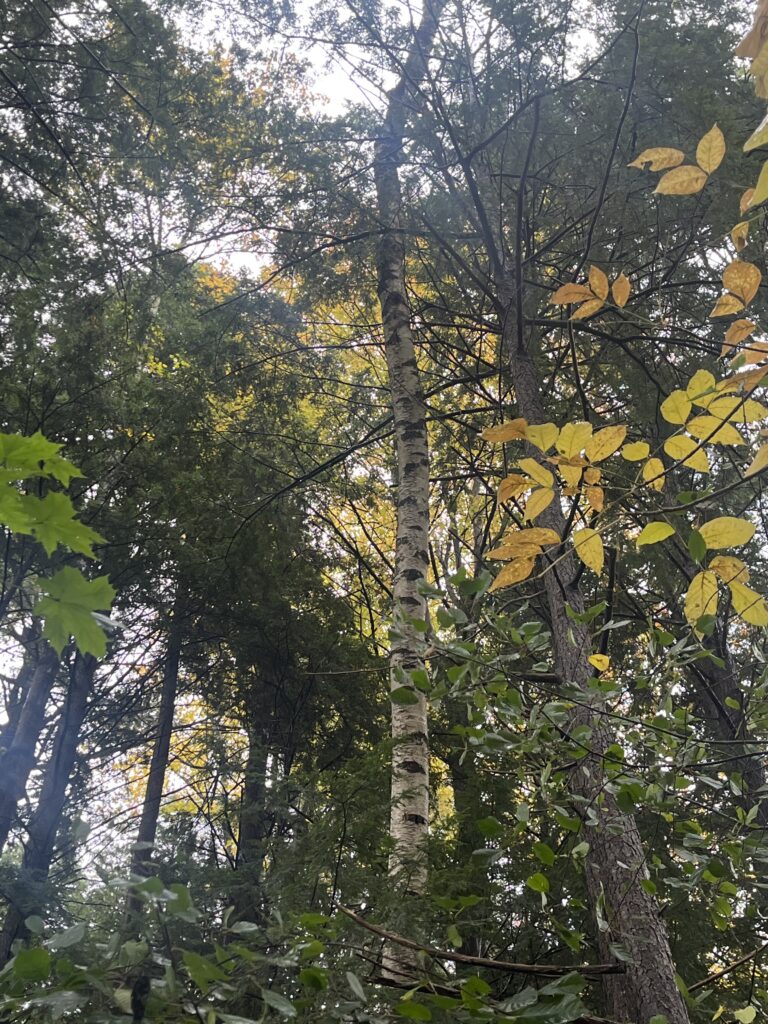
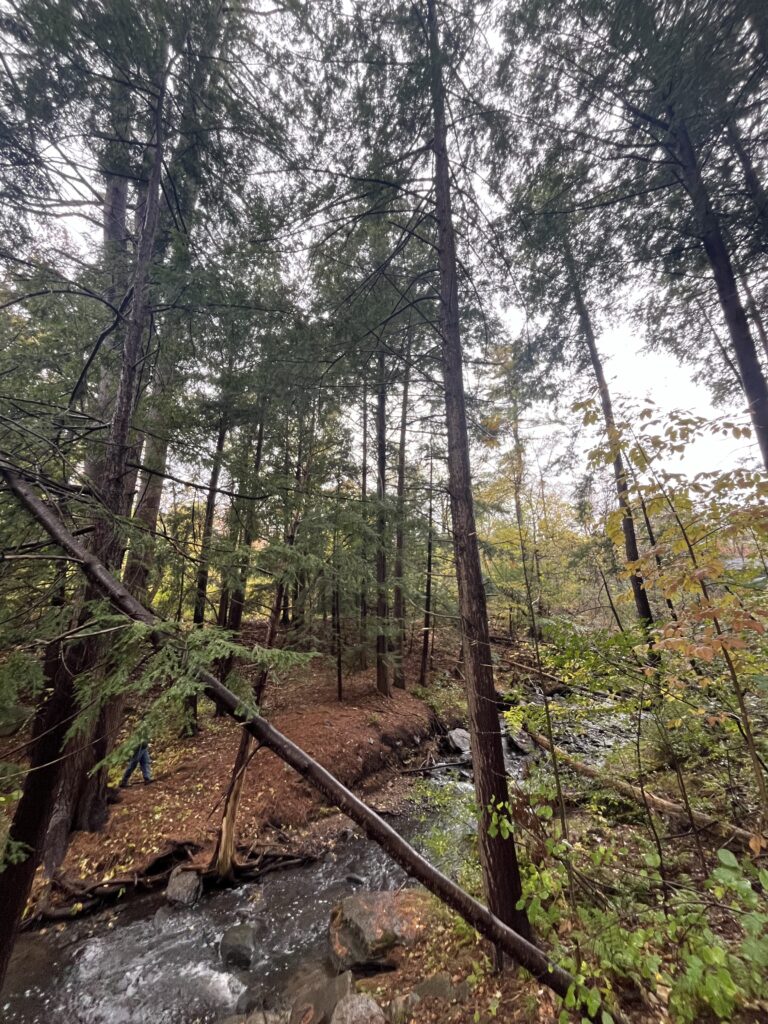
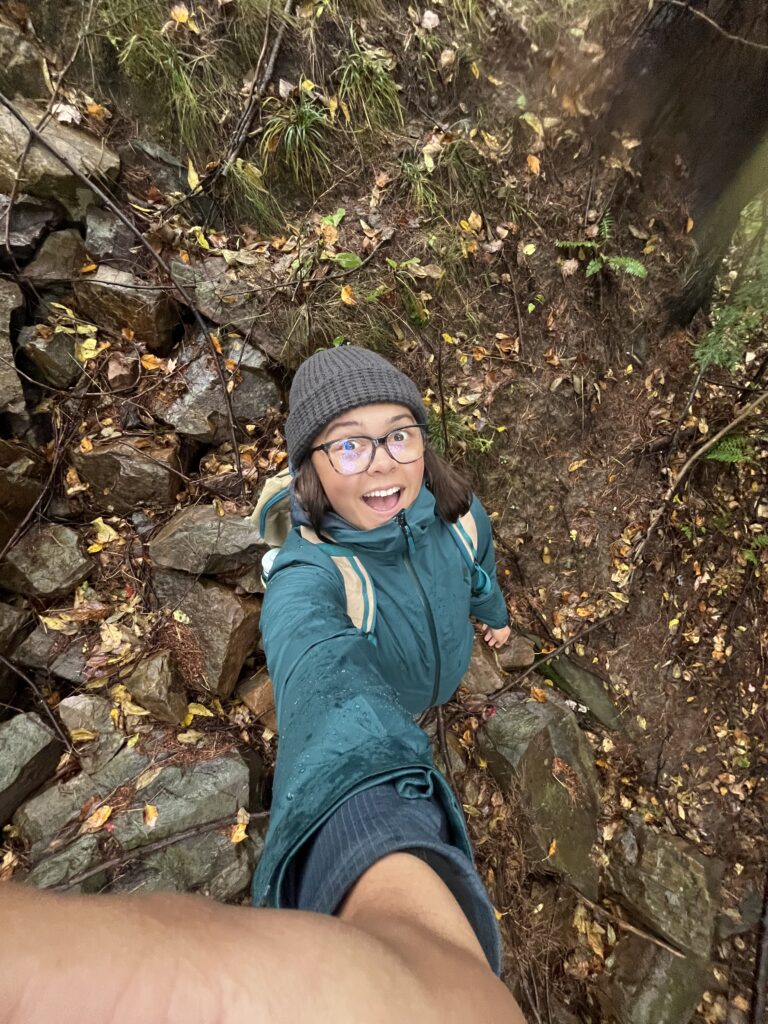
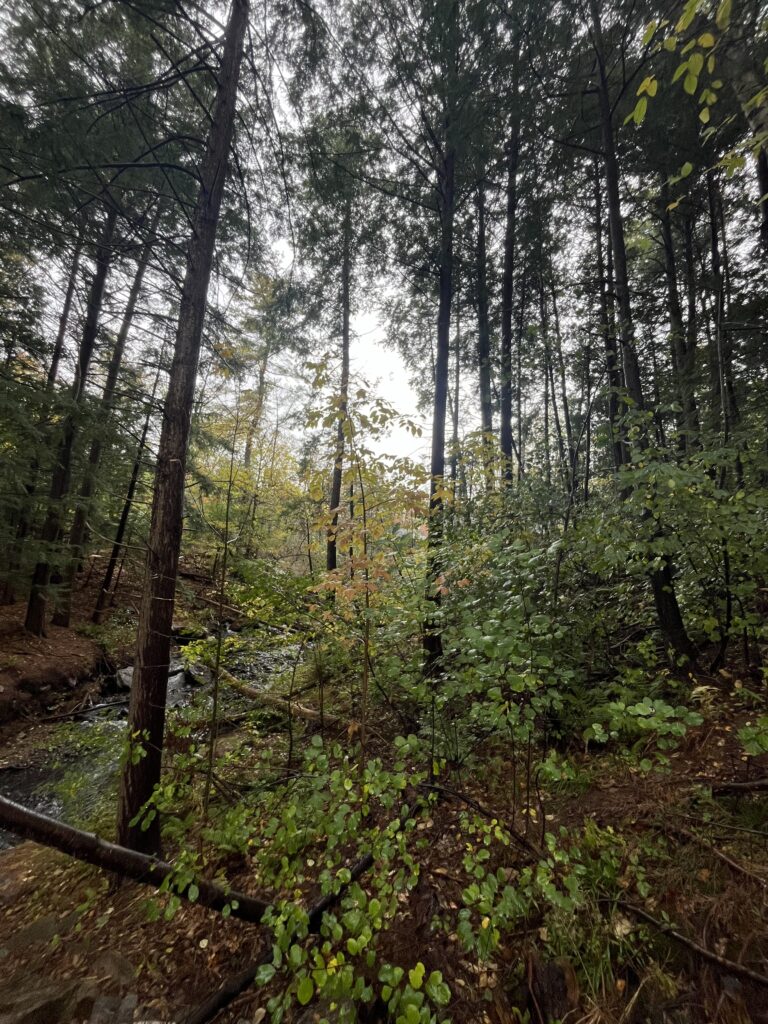
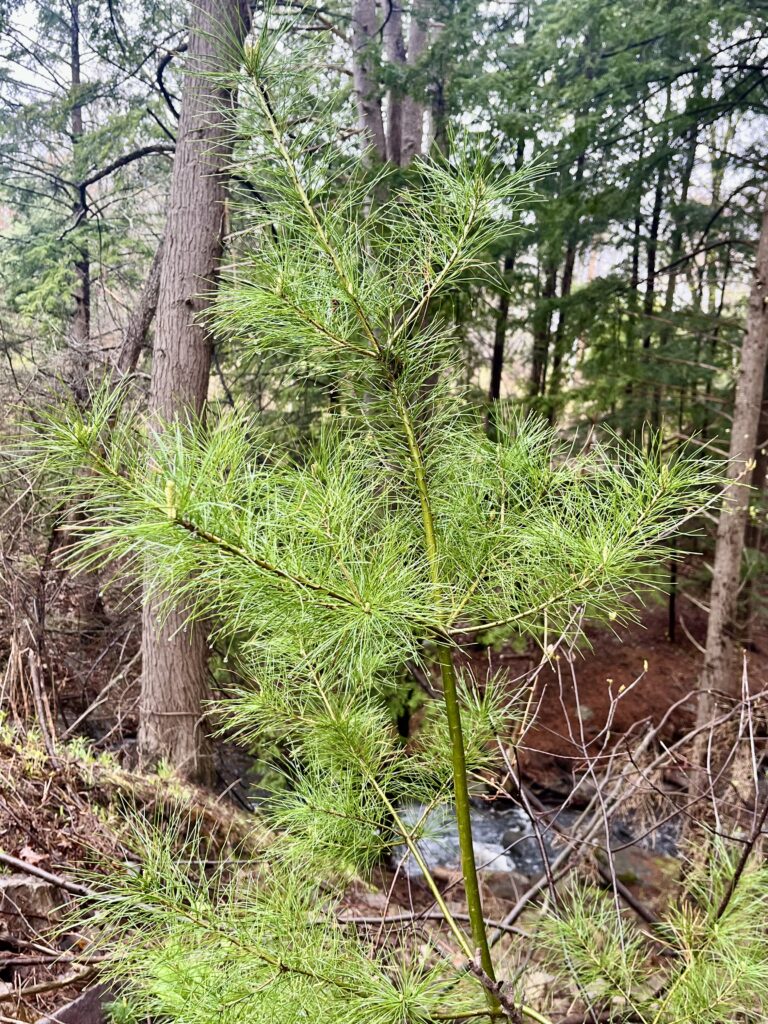
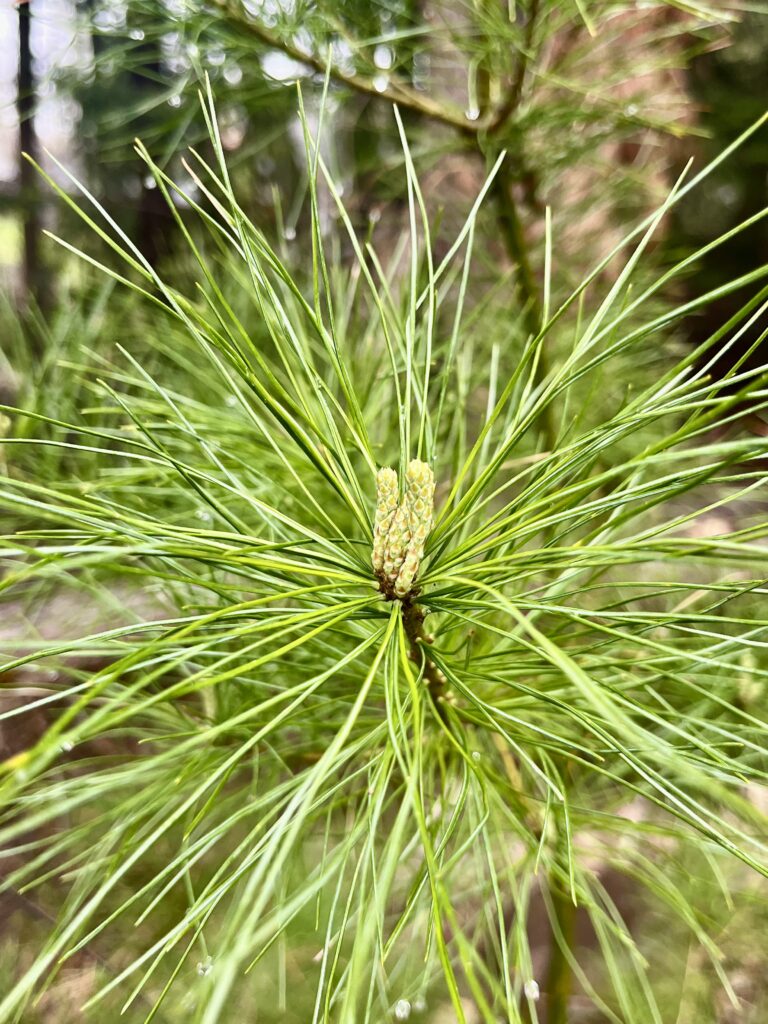
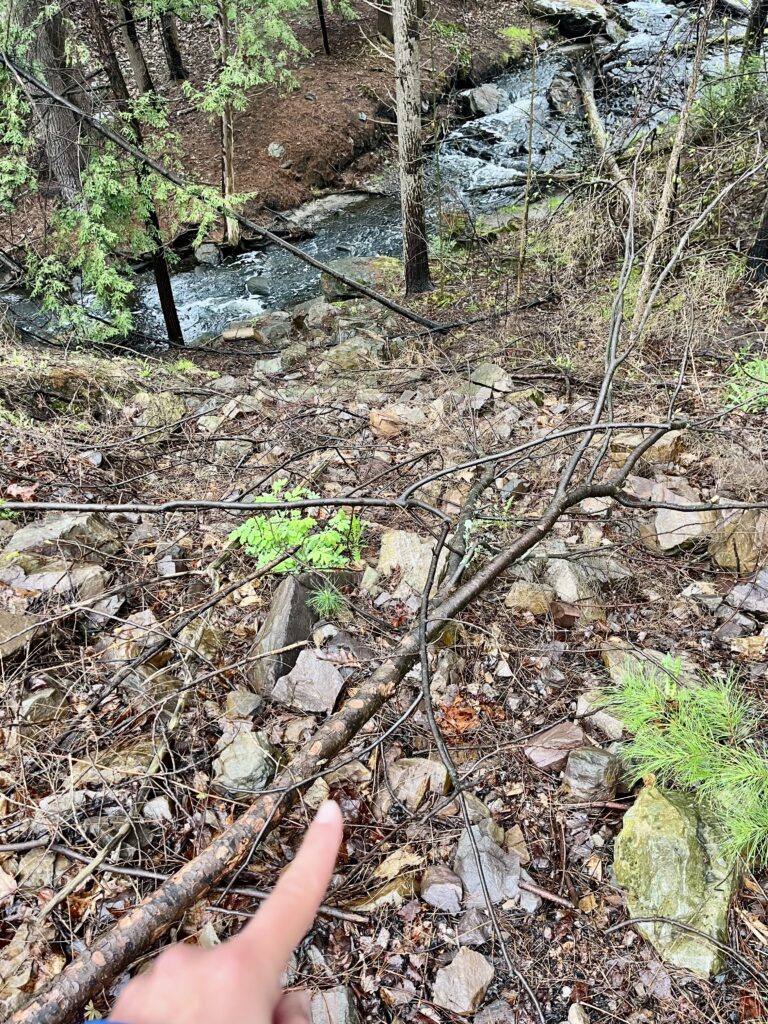
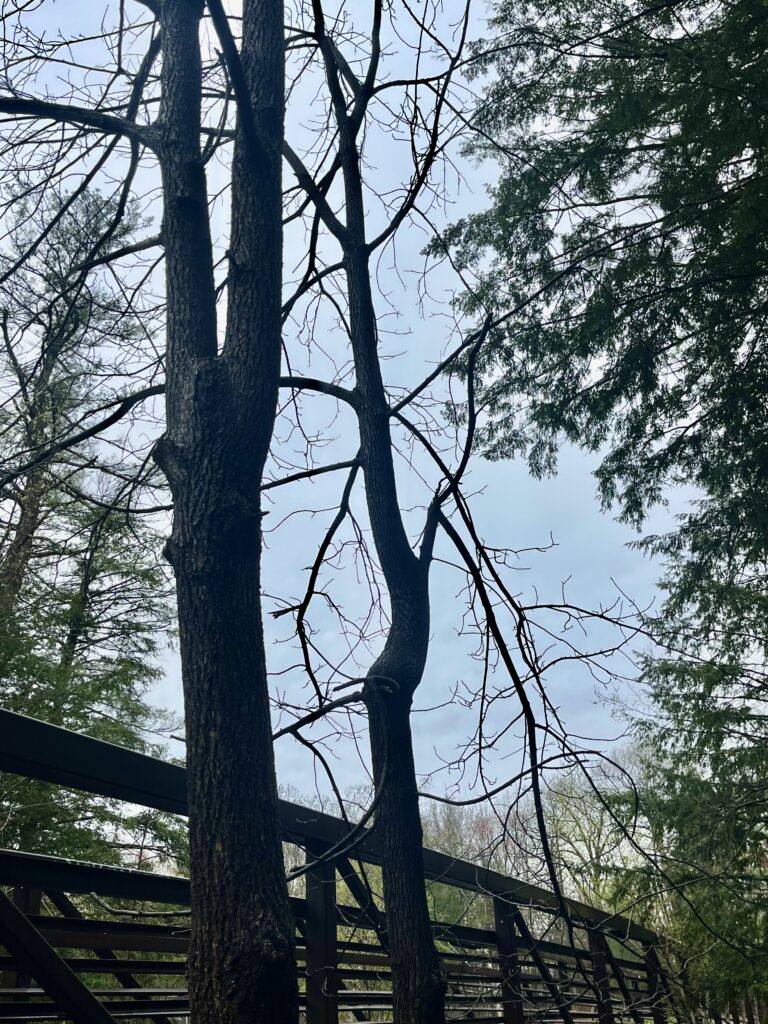
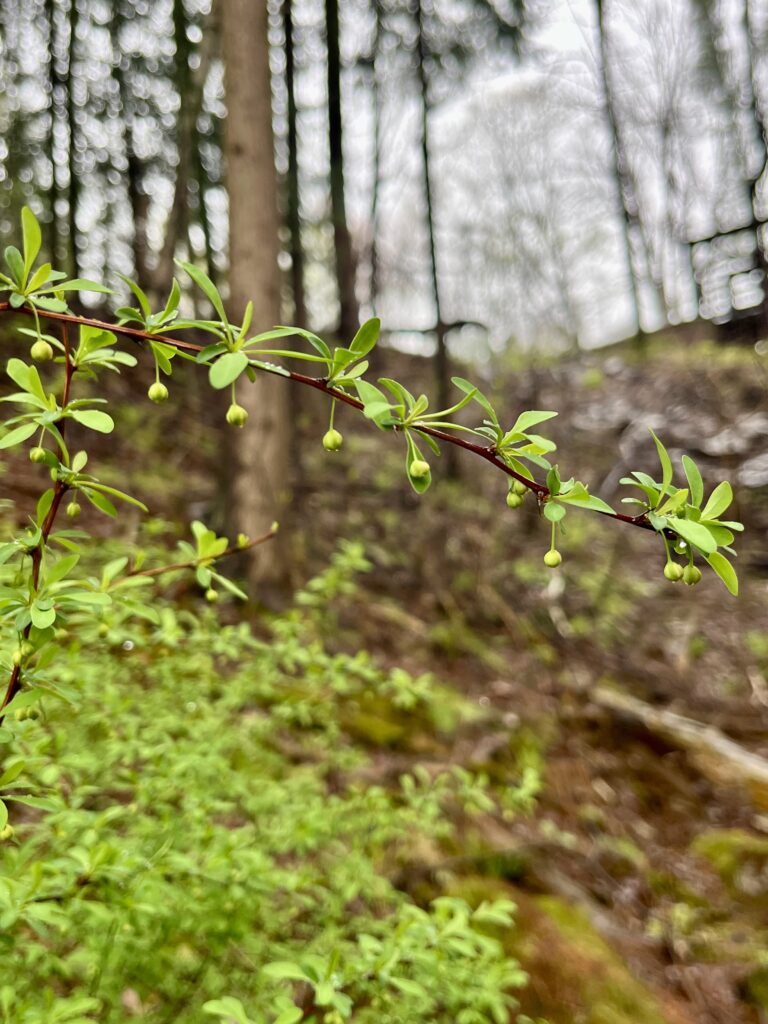
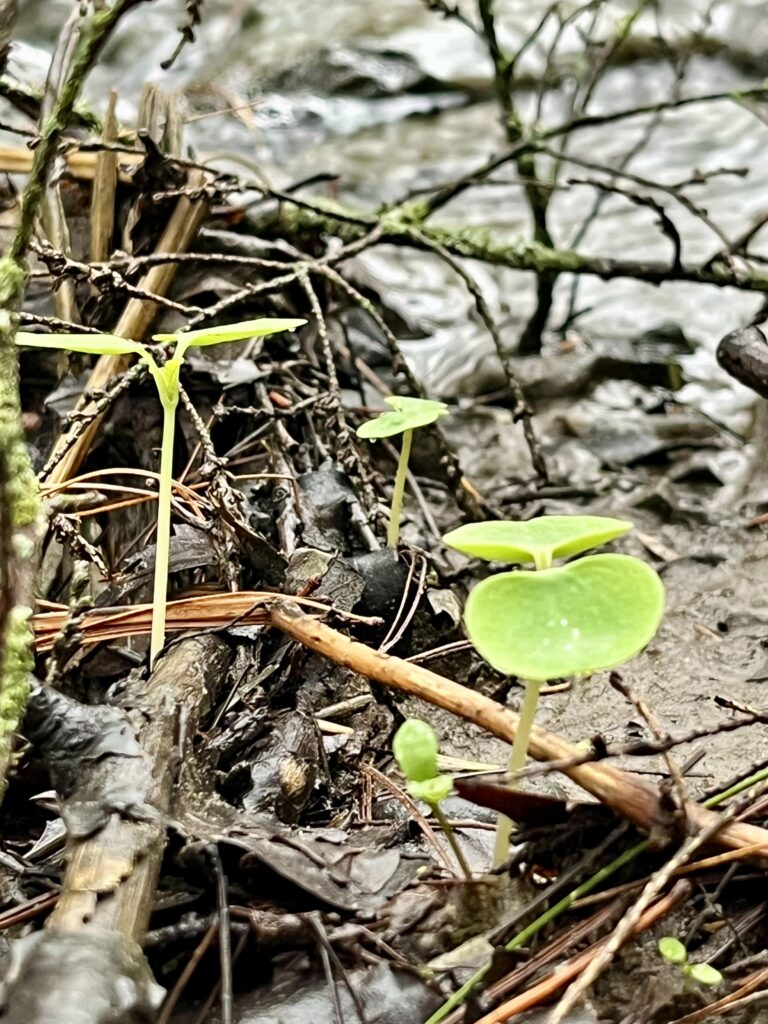
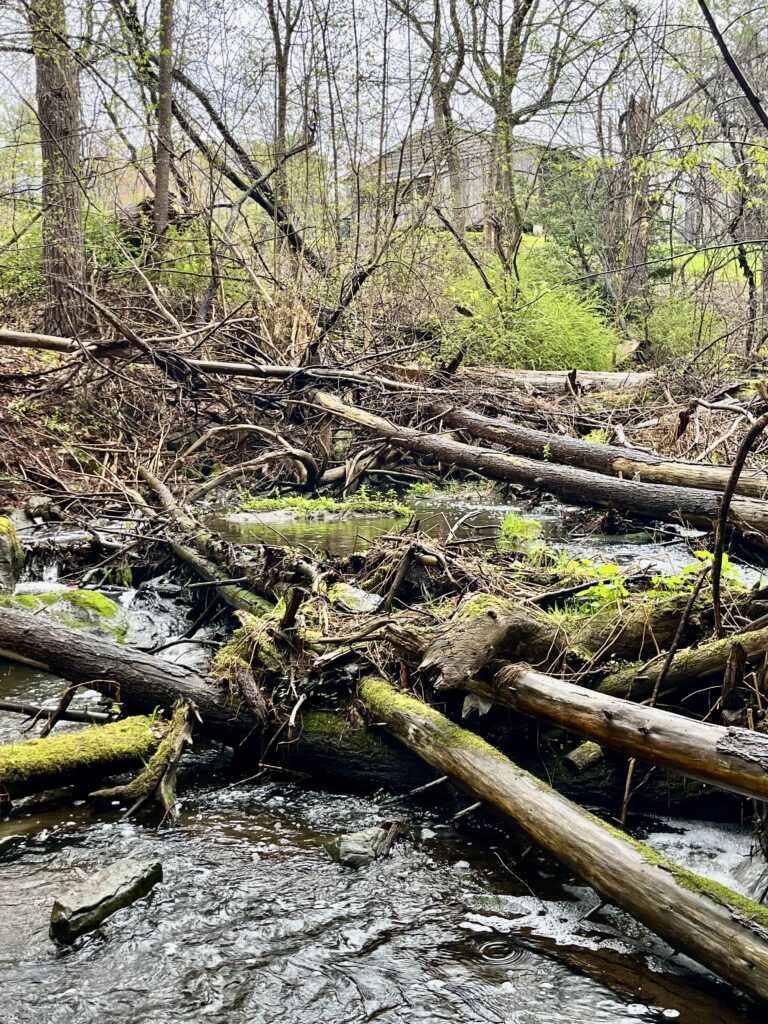
The understory of my site has experienced significant changes over time due to it being predominantly small beech trees, ferns, and smaller woody plants that bloom in the spring. However, the overstory of my site has stayed relatively the same from September to May as it consists mainly of Norway Spruces and Eastern White Pines, which do not experience leaf loss or change in color during the winter. When I first entered my site, I noticed a new fallen branch that was blocking the path I normally take down to the water. This encouraged me to look up at the tree it had fallen from, a Norway Spruce, only to find that there were many other branches that had broken but were still hanging up in the tree. Additionally, the Eastern White Pine that I have been tracking over the seasons now has a green stem, which I didn’t notice before, and new buds in the middle of all of the needles. Finally, I have noticed additional erosion on the sides of the stream bed. This is most likely from heavy rain events and the snow, which are increasing the water level.
What are the major and minor landmarks you’ve become familiar with?
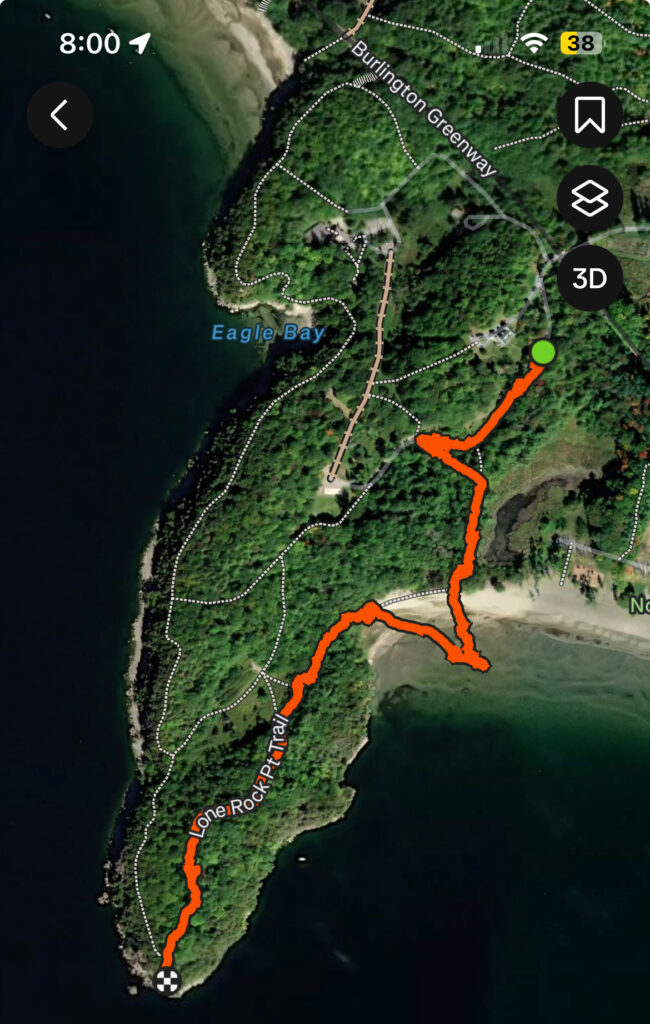
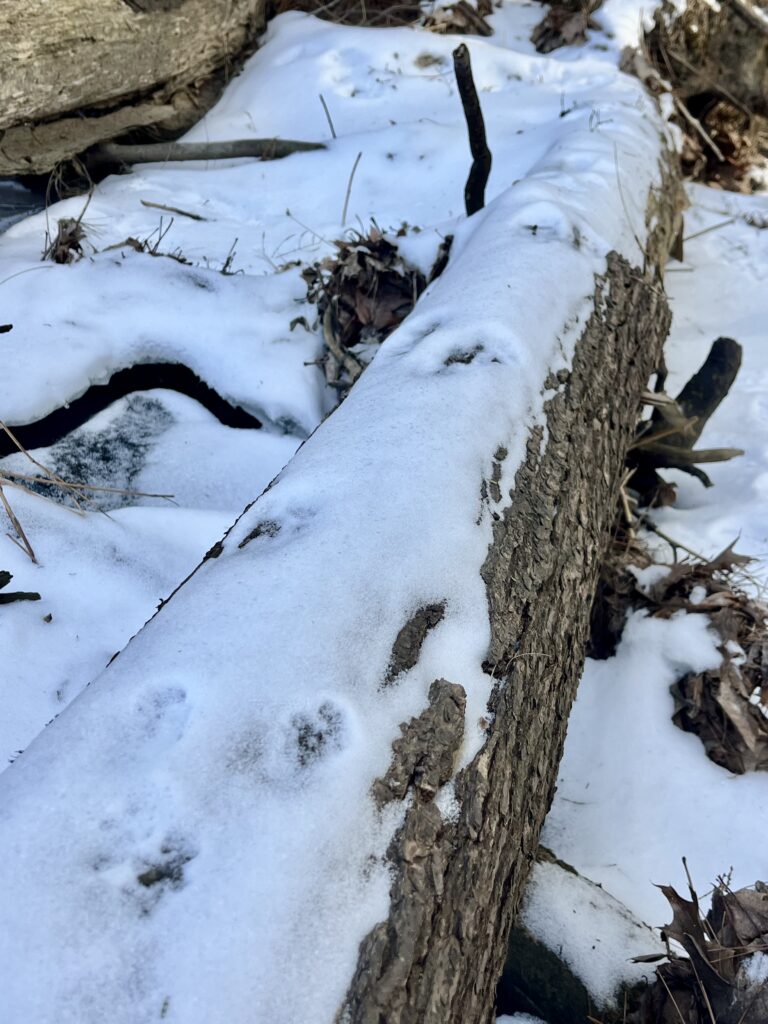
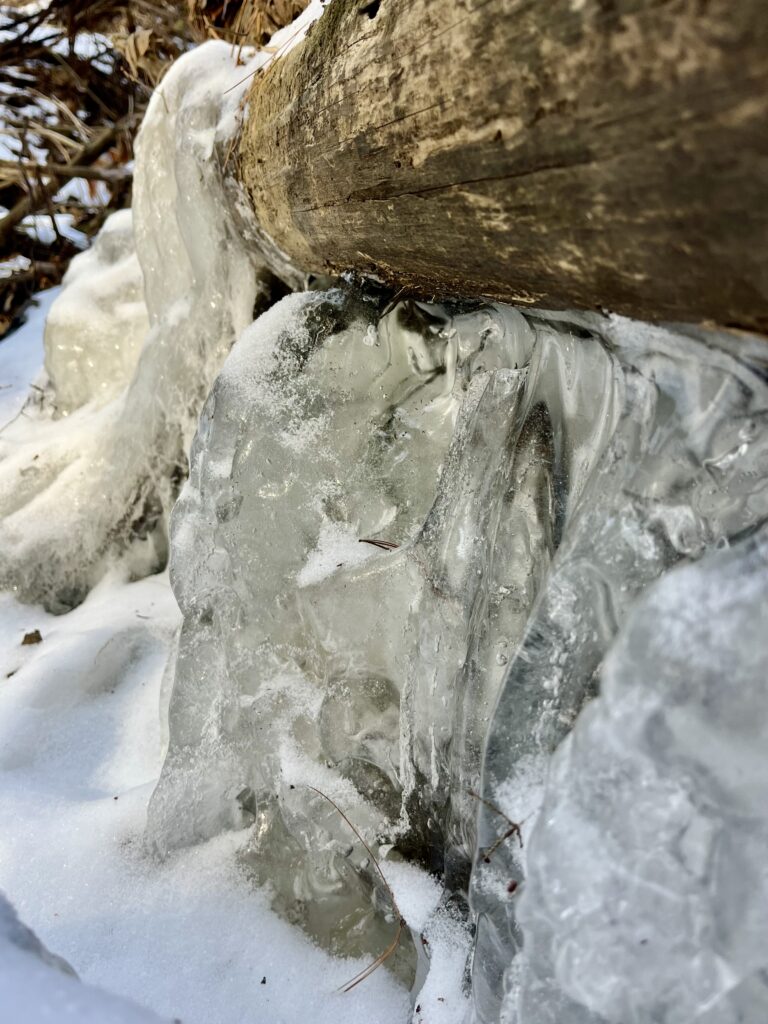
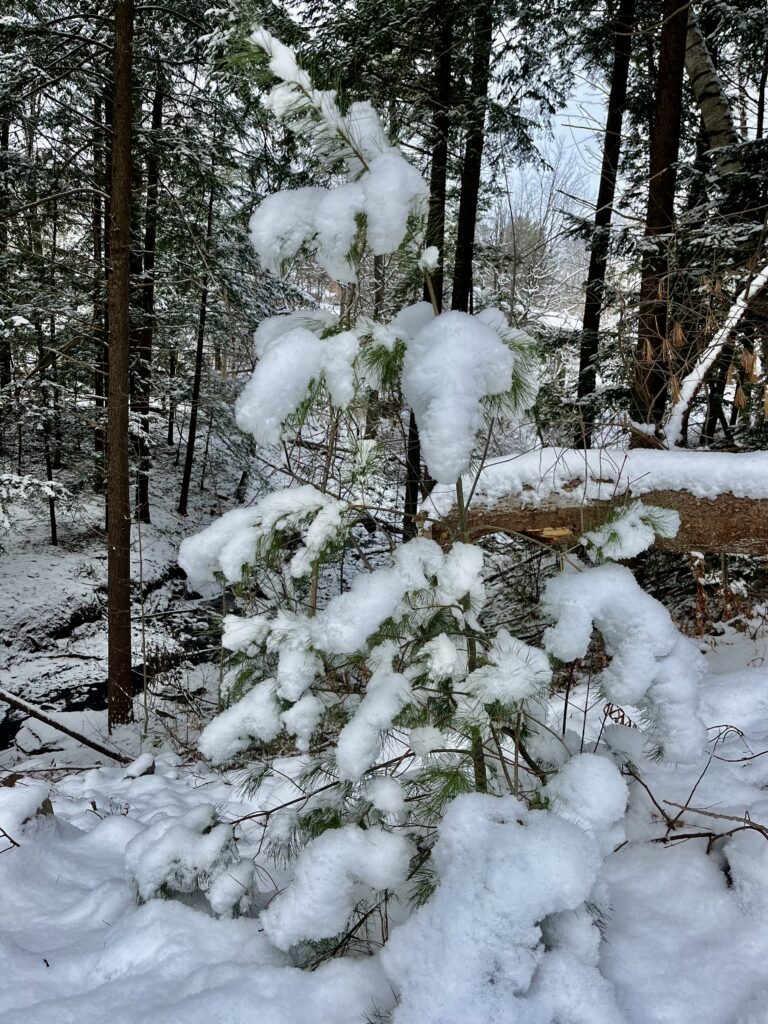
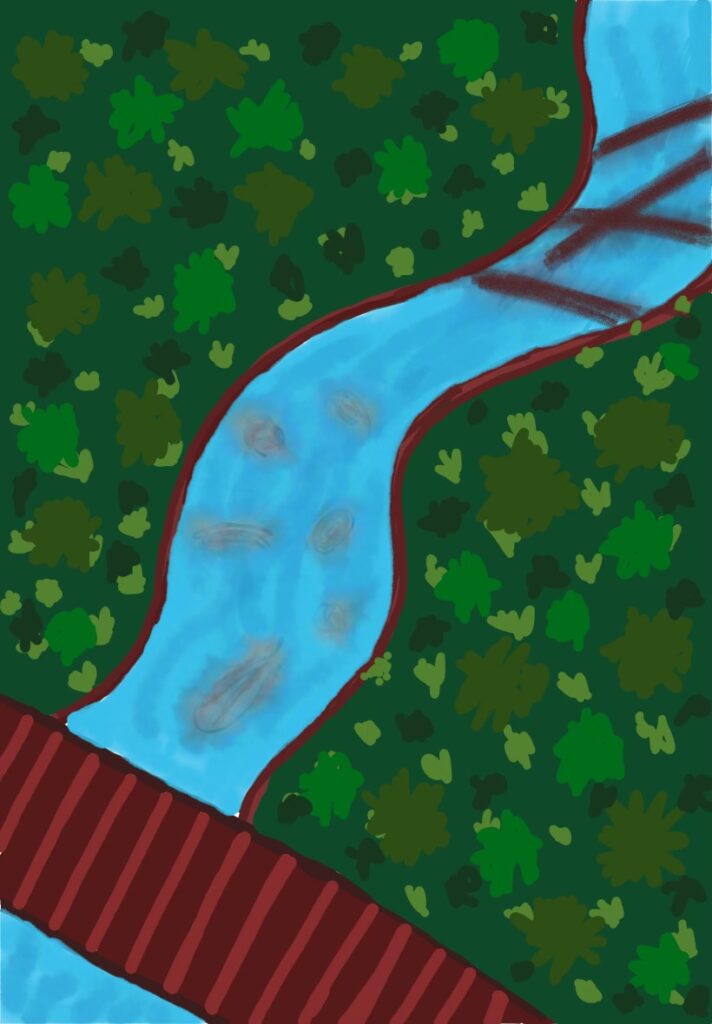
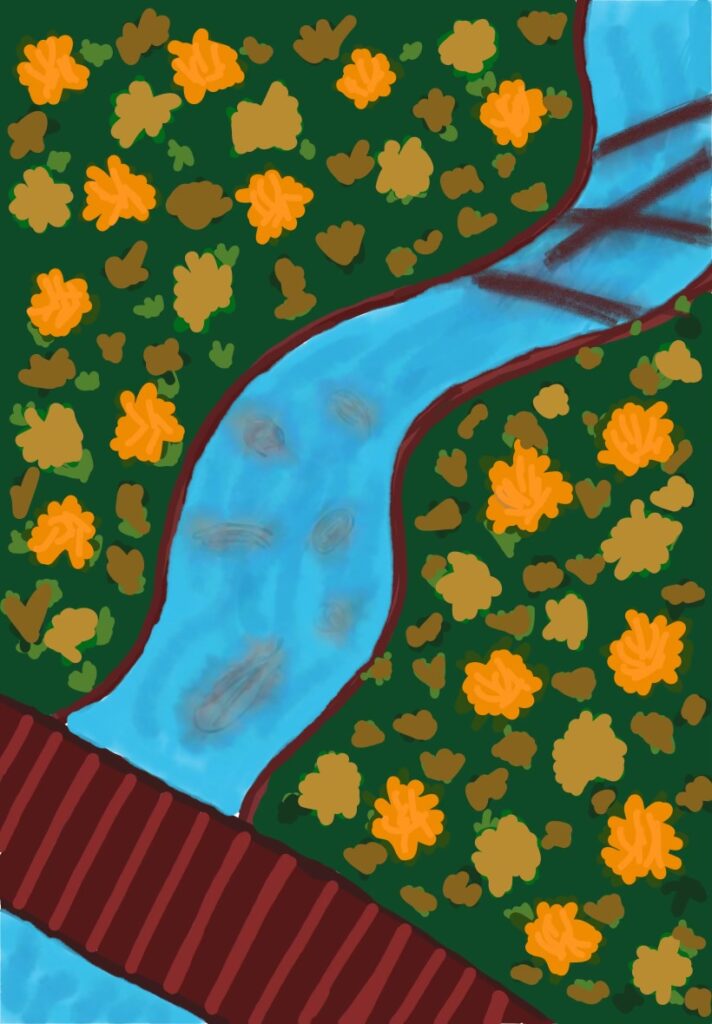
The major landmark is the bridge that my phenology site sits underneath, along with the largest Norway Spruce that towers over the bridge and shades part of the stream. The minor landmarks are the young Eastern White Pine that greets you as you venture down the steep hill to the stream, the downed log that lies across the upper part of the water bank, and the snag on the right side of the stream.
In what ways do nature and culture intertwine here?
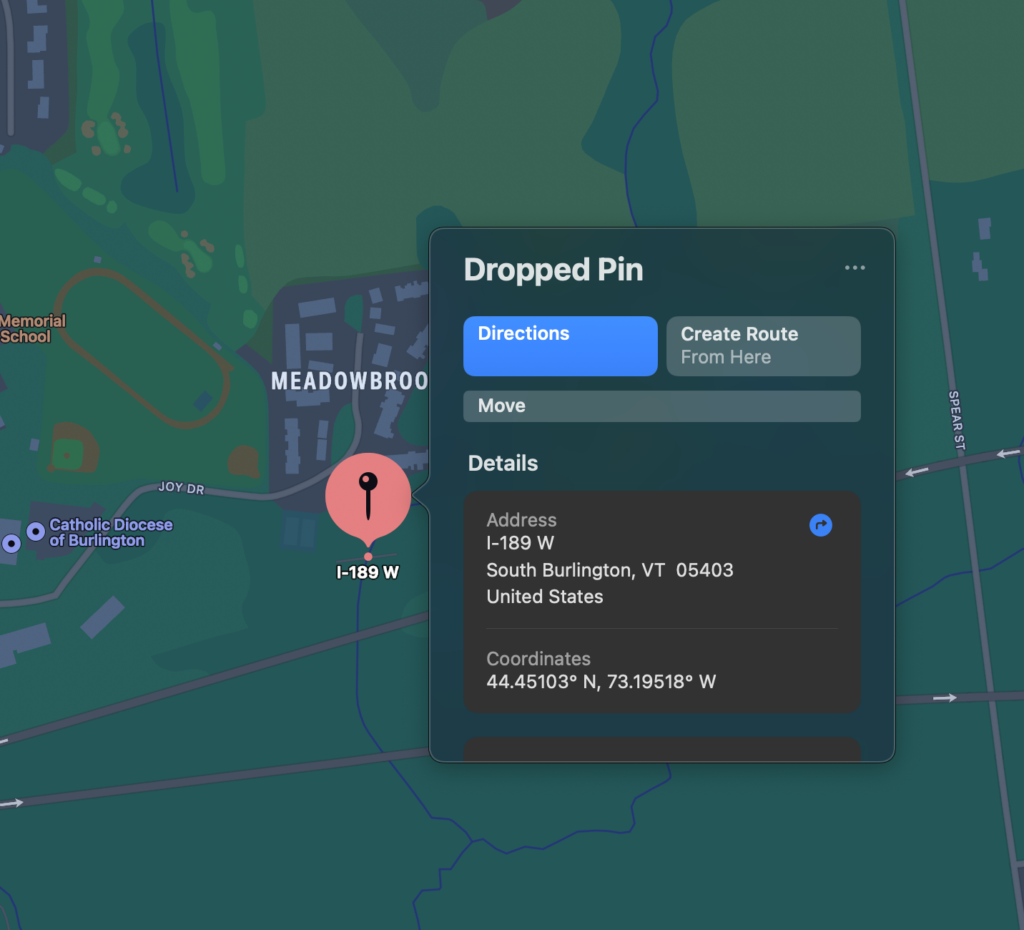
This natural area is right below one of the biggest recreational paths in Burlington. The path is paved, starts at the UVM campus, and leads right down to the waterfront. As people recreate, they move between urban life and the natural world, which illustrates how Burlington specifically has been designed to invite an interaction with the environment, along with living in a more developed area. Despite being so close to this highly trafficked path, the natural area remains slightly hidden as it is located directly below the bridge that everyone crosses. It’s only when you pause and slow your pace to really look around that you begin to notice the layers of plants, the sounds of birds, and the shift from pavement to dirt. This separation shows how nature can exist right alongside our cultural routines and how it is always waiting to be seen and appreciated when we take the time to be present.
Do you consider yourself a part of your place? Why or why not?
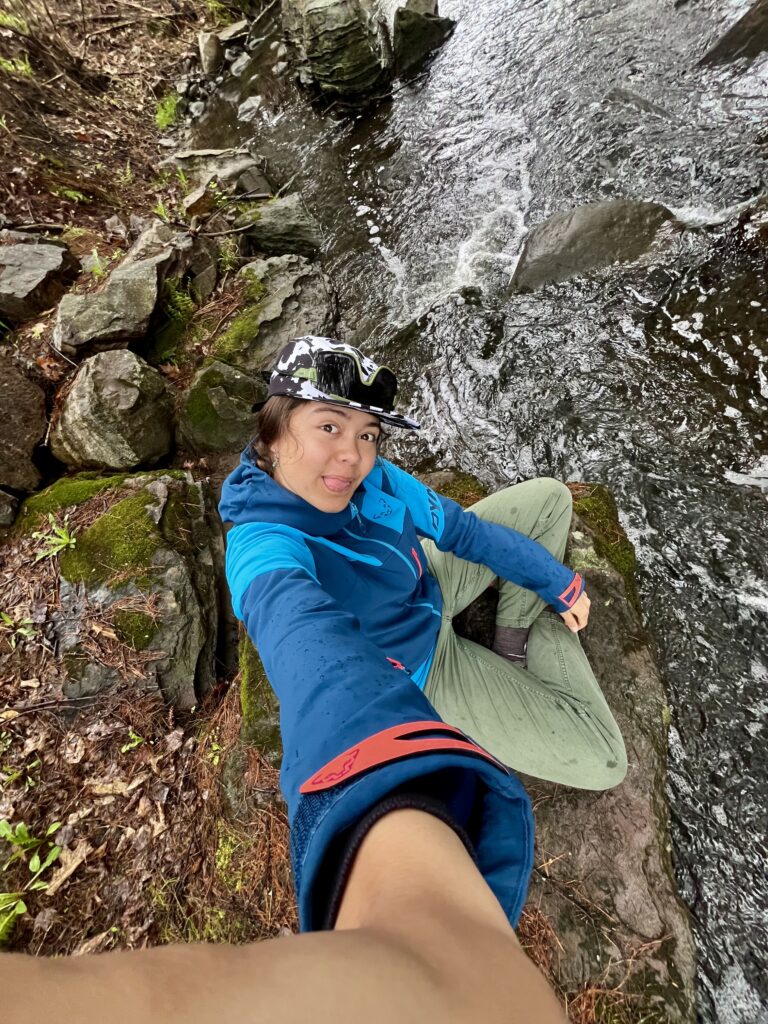
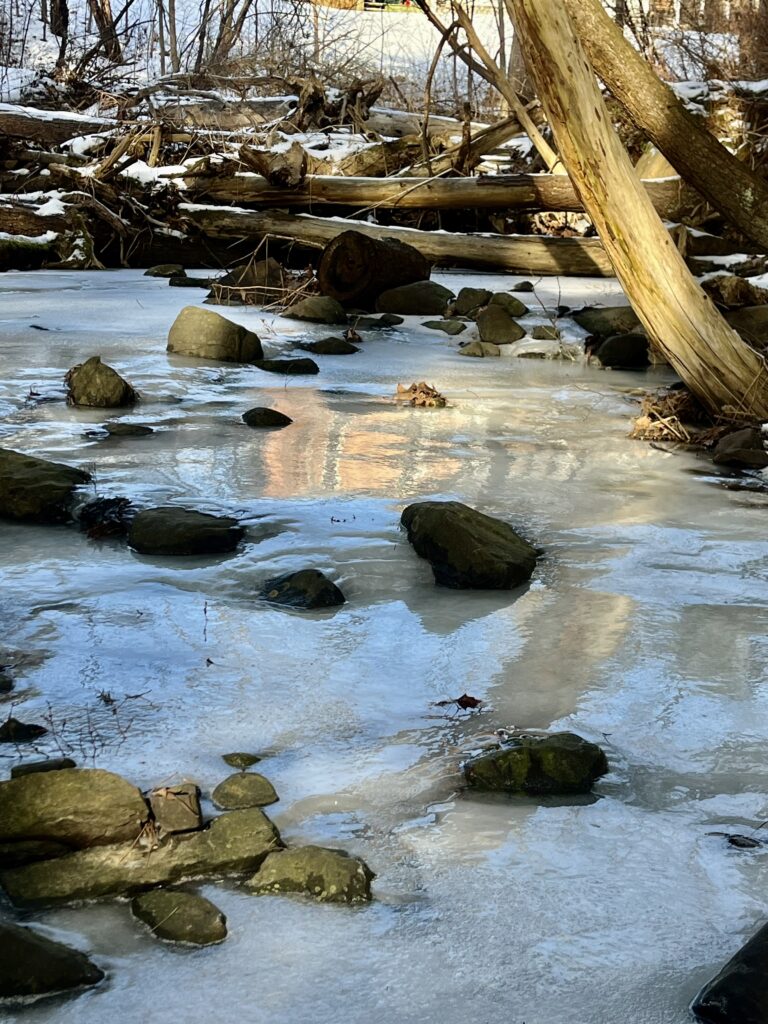
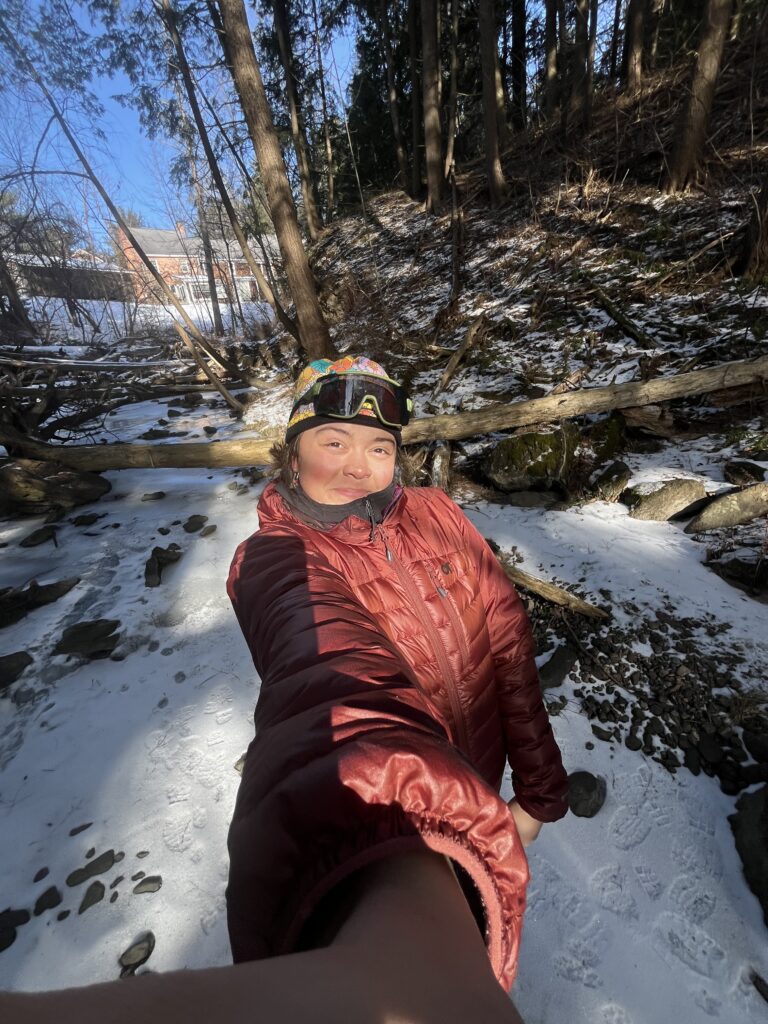
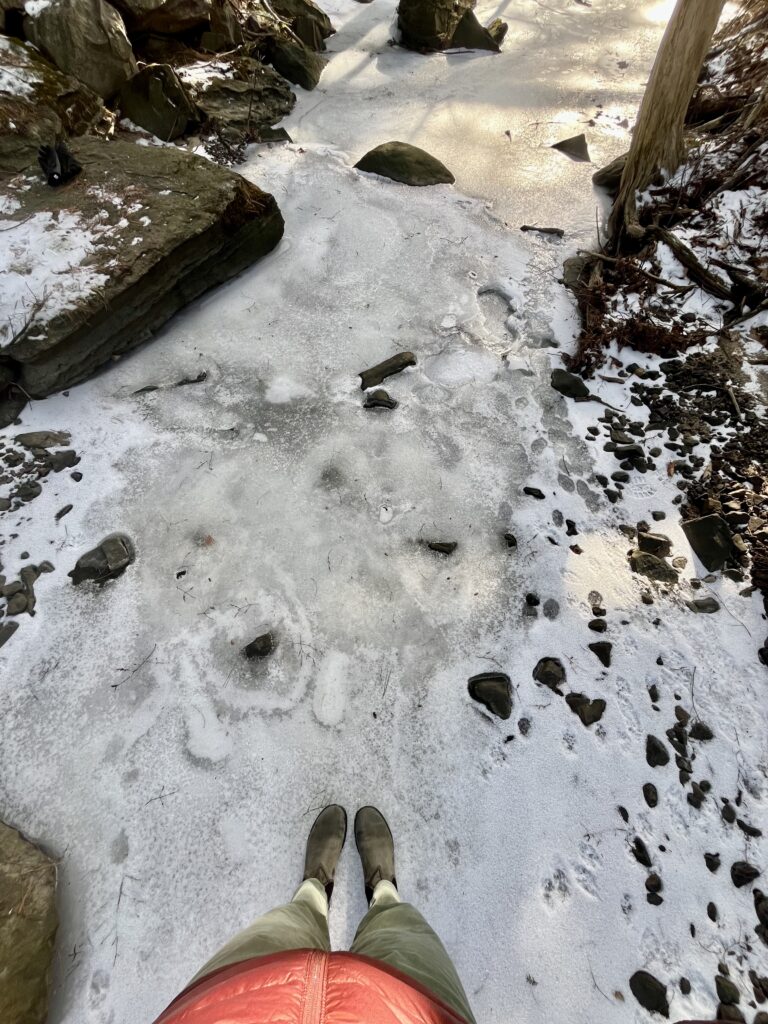
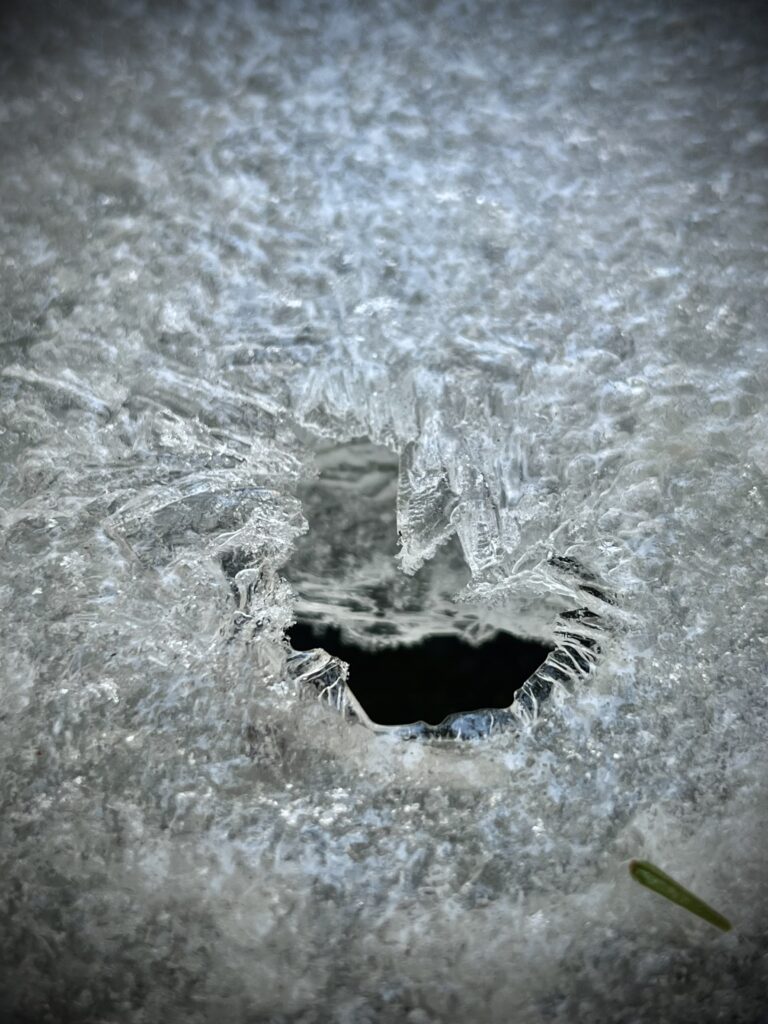
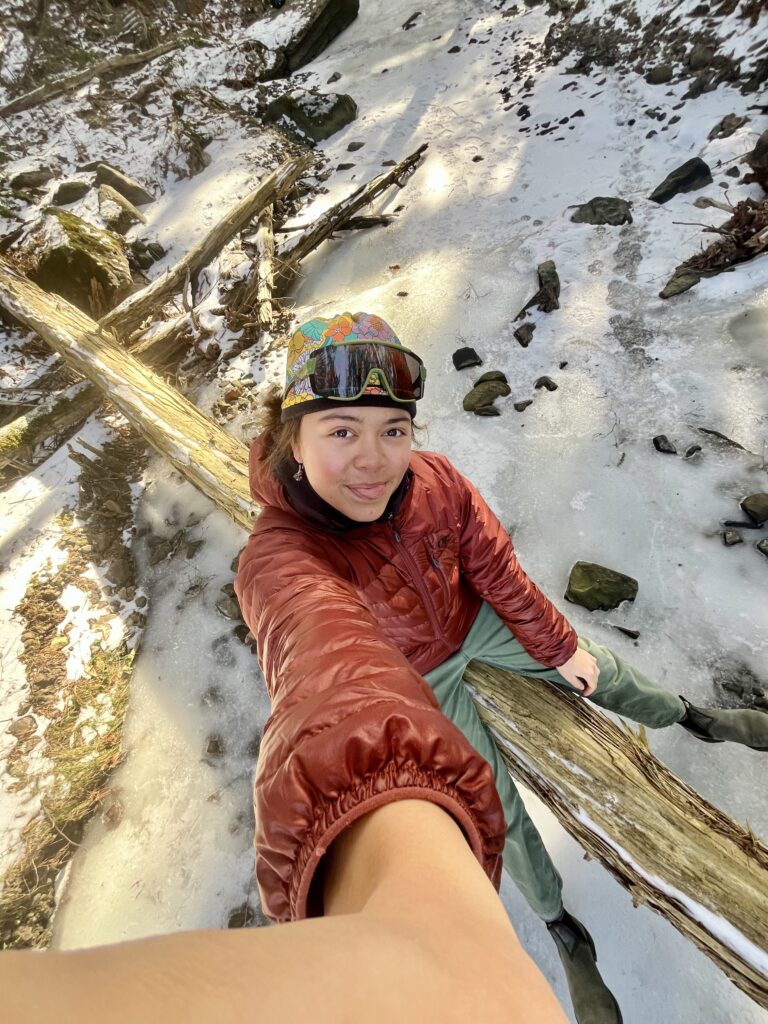
I definitely consider myself a part of my phenology spot because I have spent the whole year getting to know it, through multiple weather events and seasons. Today, I felt especially a part of it because after exploring the phenology, I sat on a rock right in the stream and meditated/thought about what I was grateful for. This helped me be present in my spot and ground myself with the smells, sounds, and feelings of the area. Getting in touch with all of my senses just for 10 minutes enhanced my experience and allowed me to feel like I was a part of this place and adding to it, rather than a mere visitor. Additionally, since this is not a natural area made for human recreation, I feel especially connected to this place because it is a hidden gem under a bridge with minimal direct human intervention. Over the school year, I have gotten to know this place and watched it evolve, and am now familiar with many of the stories and life that thrives here. Spending time wading on the river bank or sliding on the ice that froze over in the winter has allowed me to become part of the stories of this place, rather than an outsider hearing about them. This whole project has provided me the space and time to reflect and appreciate the small intricacies of nature, and I now feel a sense of responsibility to protect my phenology spot as it holds a special place in my heart.