
Emma Hoyle
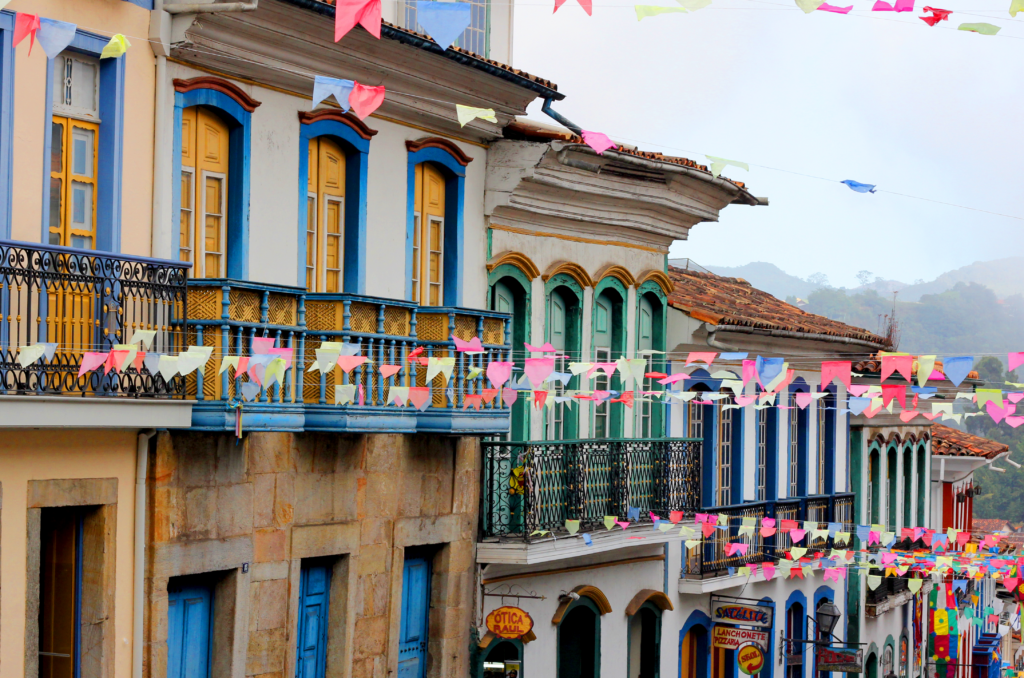
The material basis of Brazil: The economy of colonial Brazil heavily relied on its mass amount of natural resources. Brazil, at the time, was the world’s largest exporter of diamonds along with shipping out gold. The Portuguese worked to develop a plantation system as well to grow sugar cane, making Brazil one of the world’s lead exporters of sugar. Tobacco was also grown at a steady rate. This labor was primarily conducted by slaves. Initially, slaves were found in Brazil and brought in locally, but this was short lived when enslaving natives of Brazil became prohibited. Most slaves were then sent over from Africa to work on plantations.

The political and judicial basis of Brazil: The indigenous Brazilians, Amerindians, had no governmental system before the Portuguese arrived. Non-white people were not able to participate in the local government, leading the white colonists to take rule over Brazil. A governor was imposed in 1549 to bring about some sense of order. They imposed discriminatory laws to maintain their power where their children were only allowed to marry into other European families.
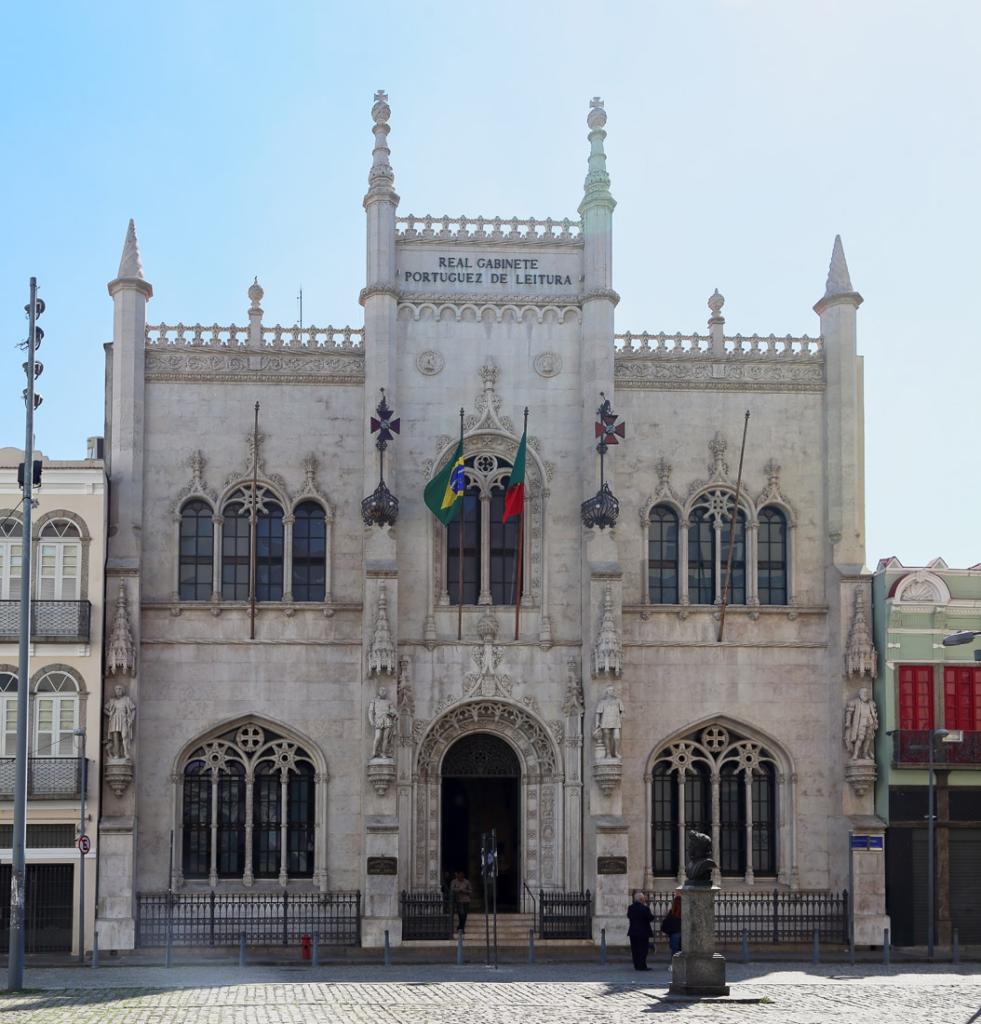
The ideological foundation of the colony: Bringing about religious order was a key point the Portuguese used to justify their presence in Brazil. It was important to them to spread the Catholic faith to the indigenous people in order to break the language barrier and give them a sense of faith.
