Phenology 5 – Final Post!!

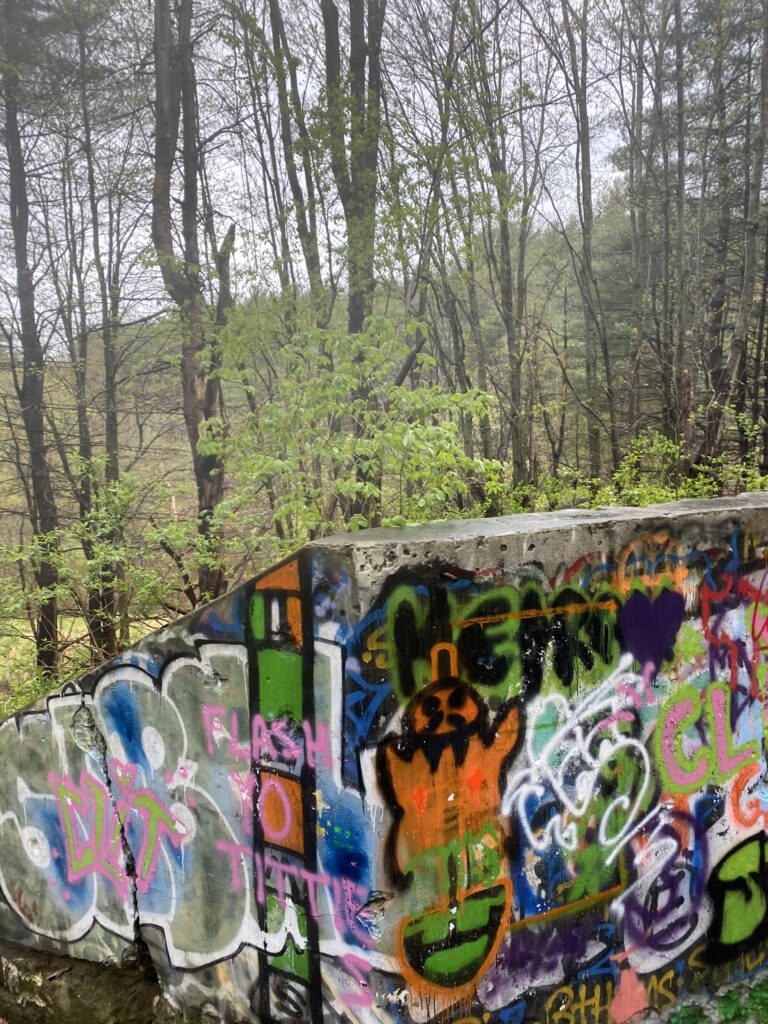
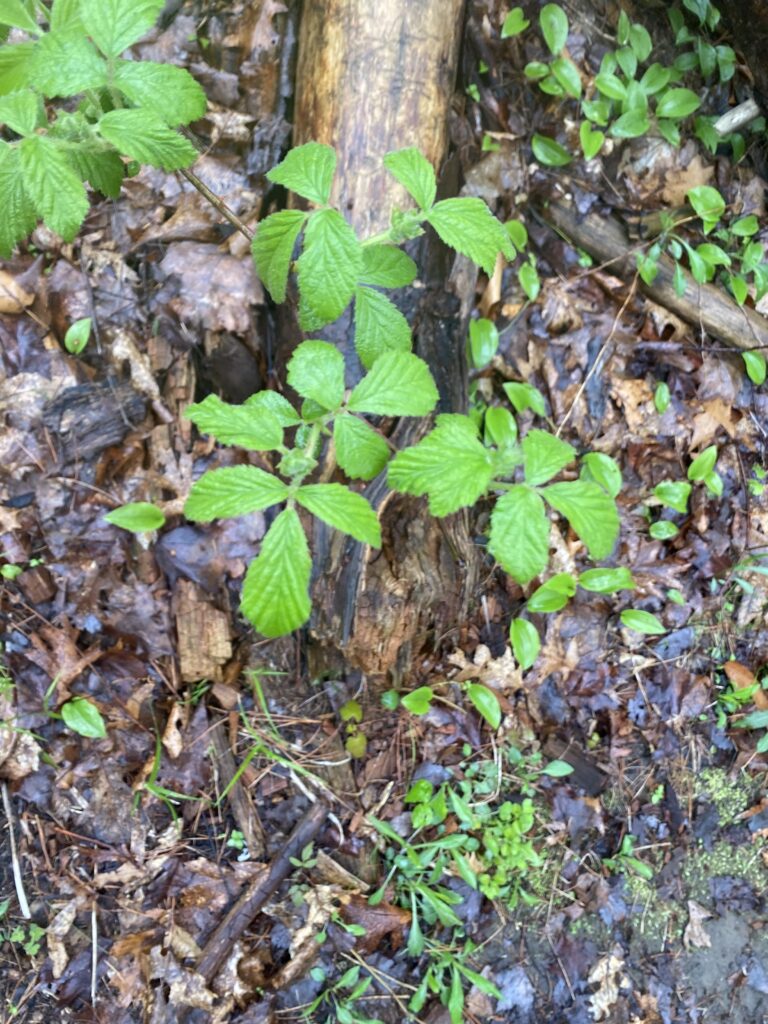
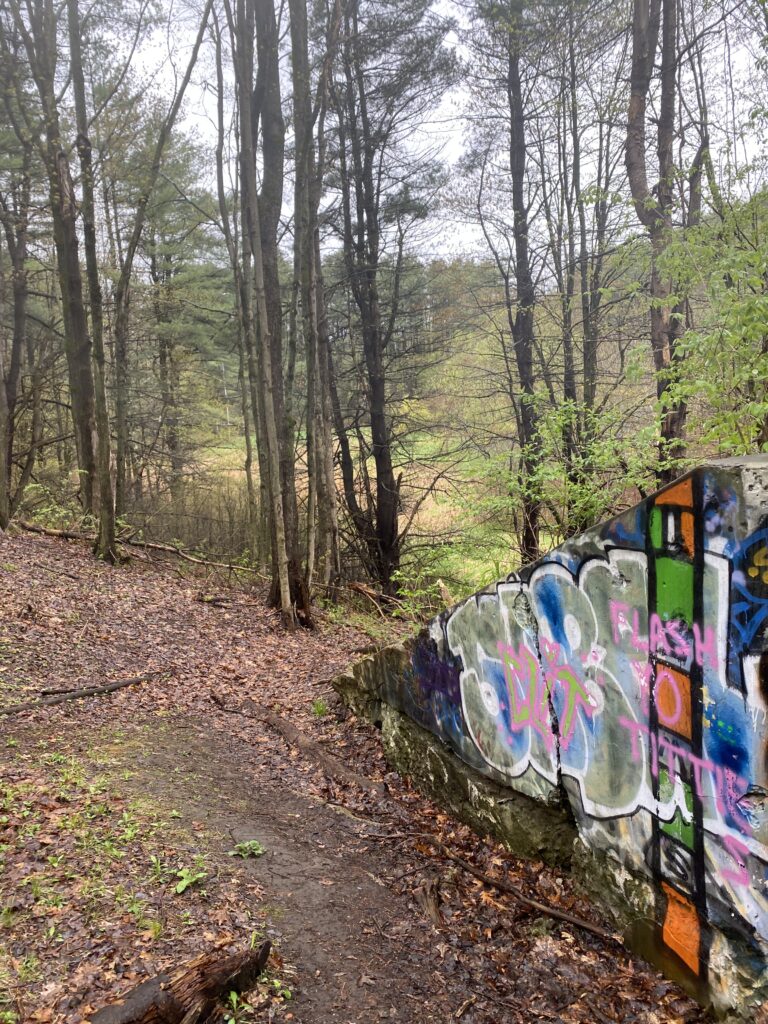
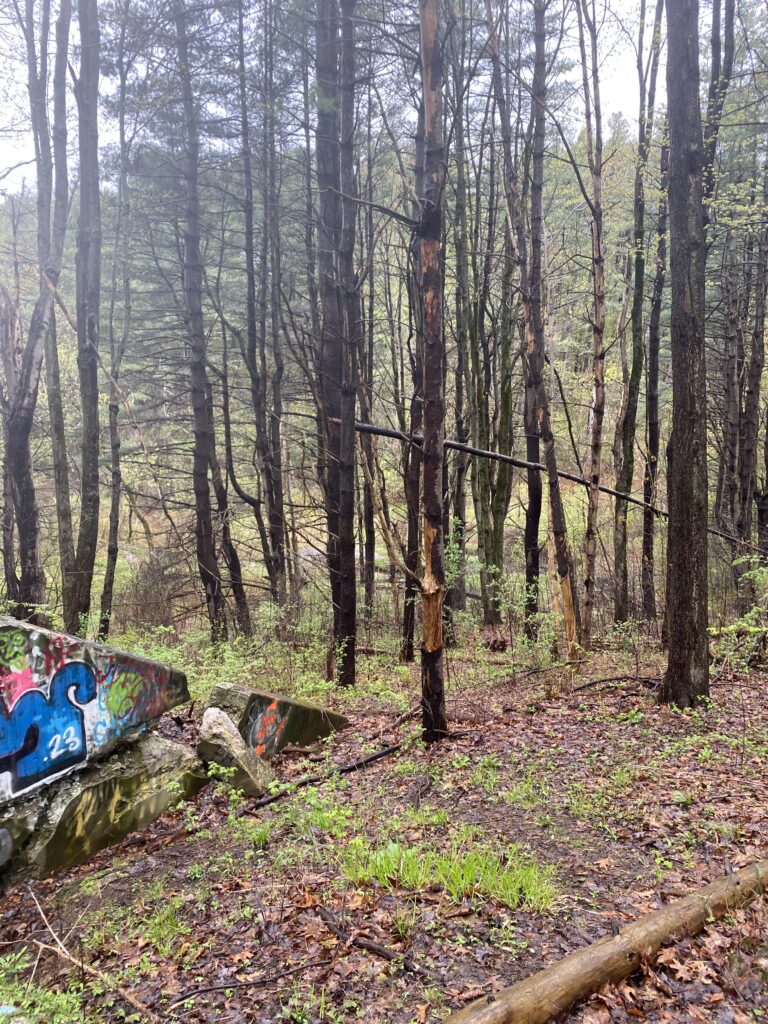
Today was probably my favorite visit to my phenology site this entire year. Almost all of the trees were blooming at least a little bit and I had a bit of an adventure getting to my site as it was very muddy. The tally on how many times I fell was about 5 and my clothes are now interesting shades of brown, but hiking out there in the rain was very refreshing and there was a lot of bird activity. I specifically heard chickadees and mourning doves.
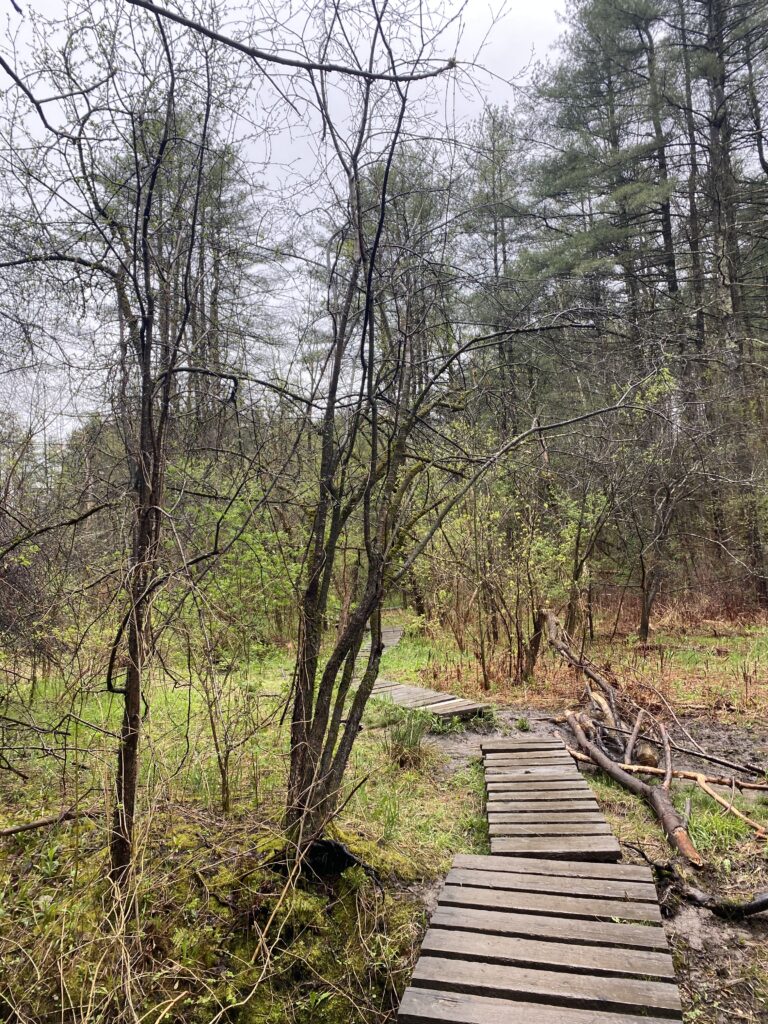
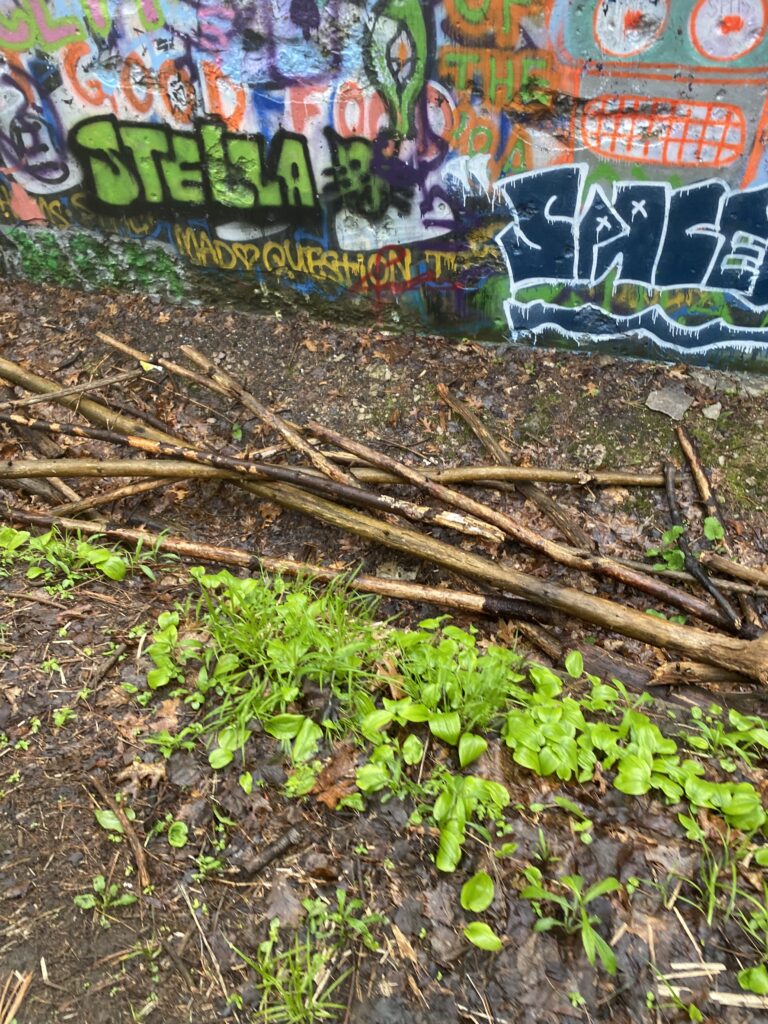
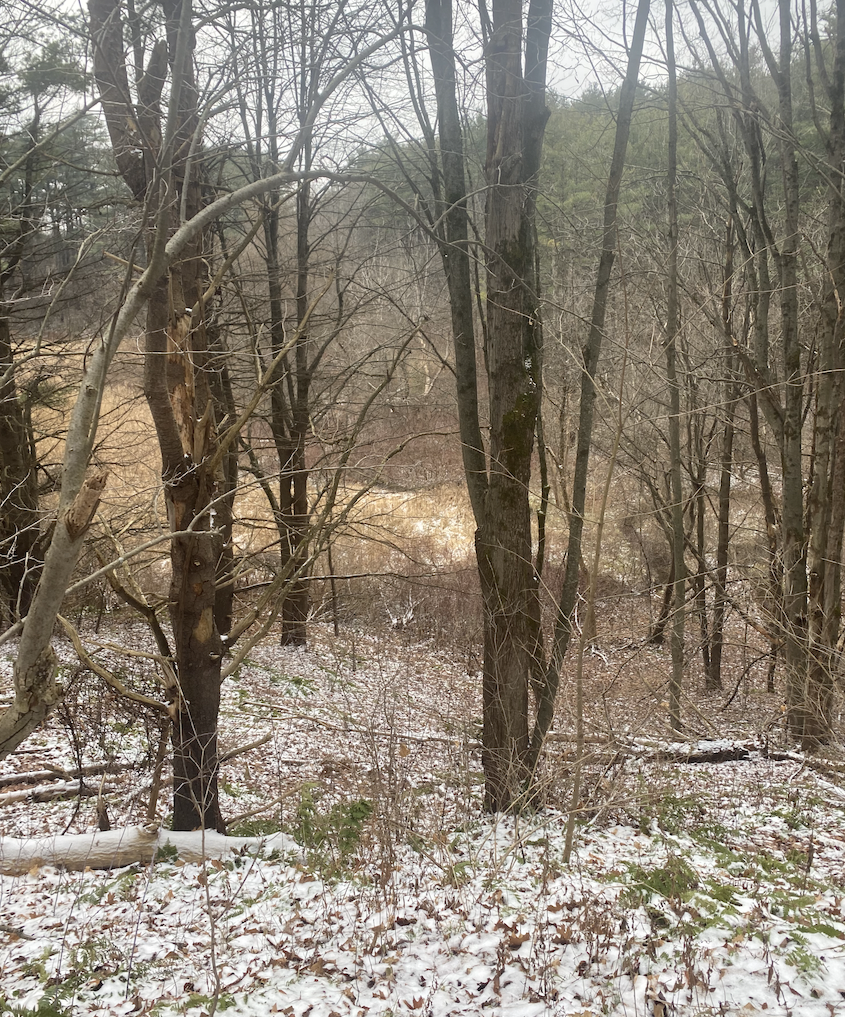
My site has definitely changed phenologically over the course of this year. This was the first time I had been there were everything was completely green. The brook was also rushing much faster than I had ever seen it and the ground was a lot more muddy when during this year it was usually hard packed and/or frozen.
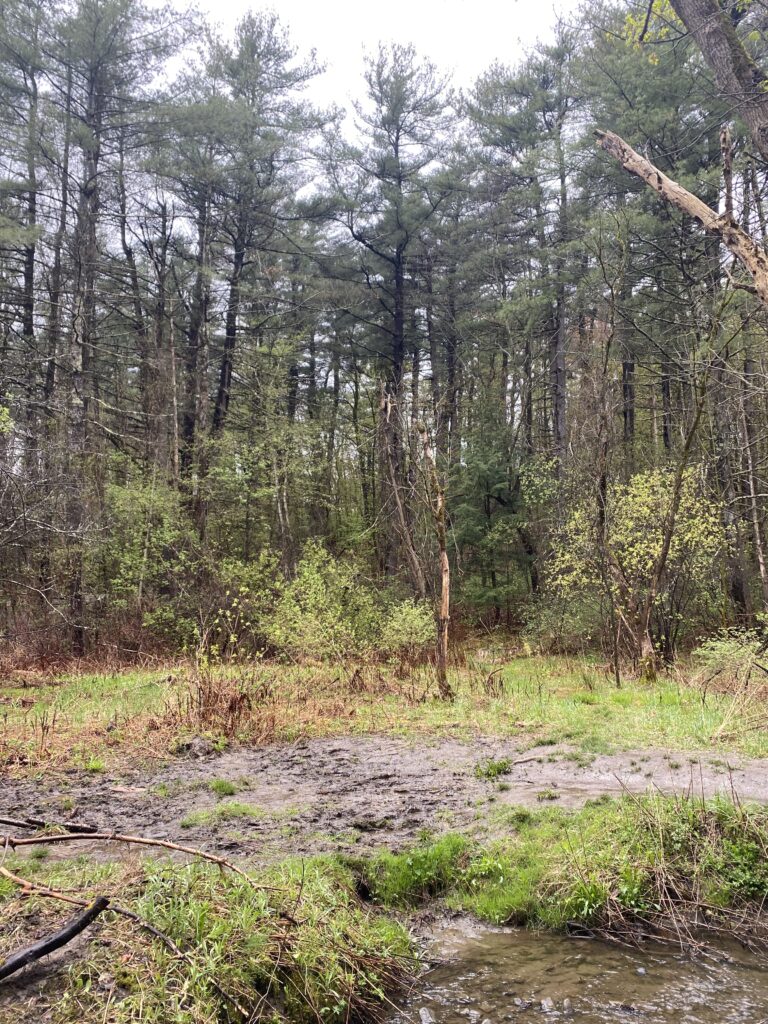
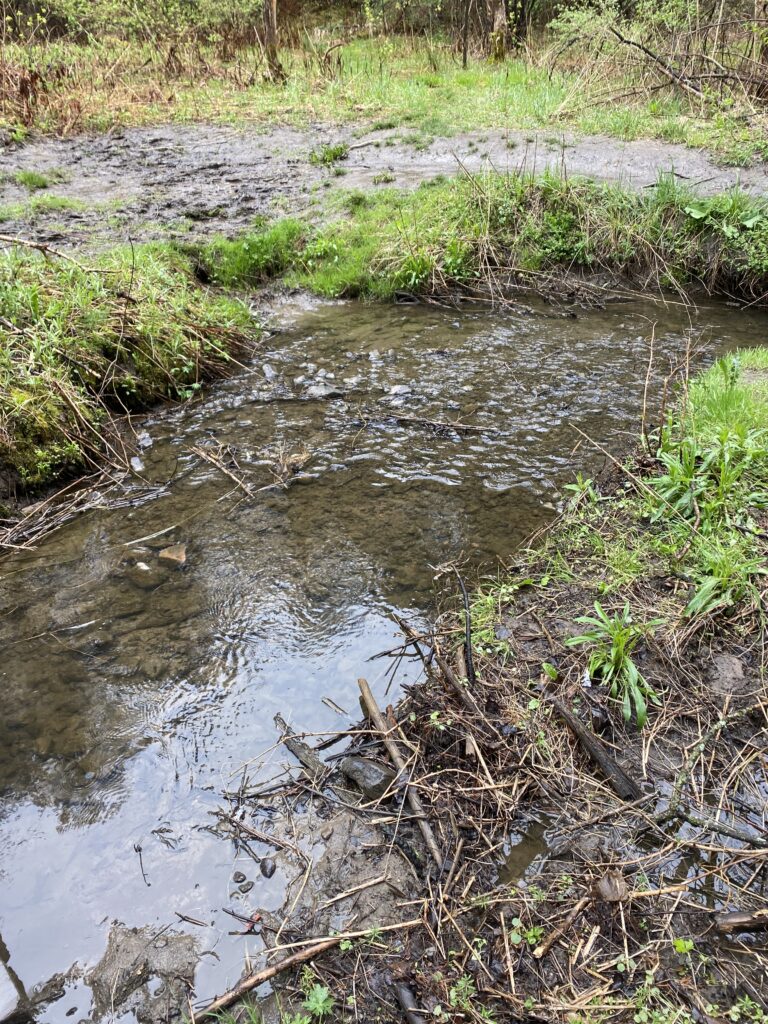
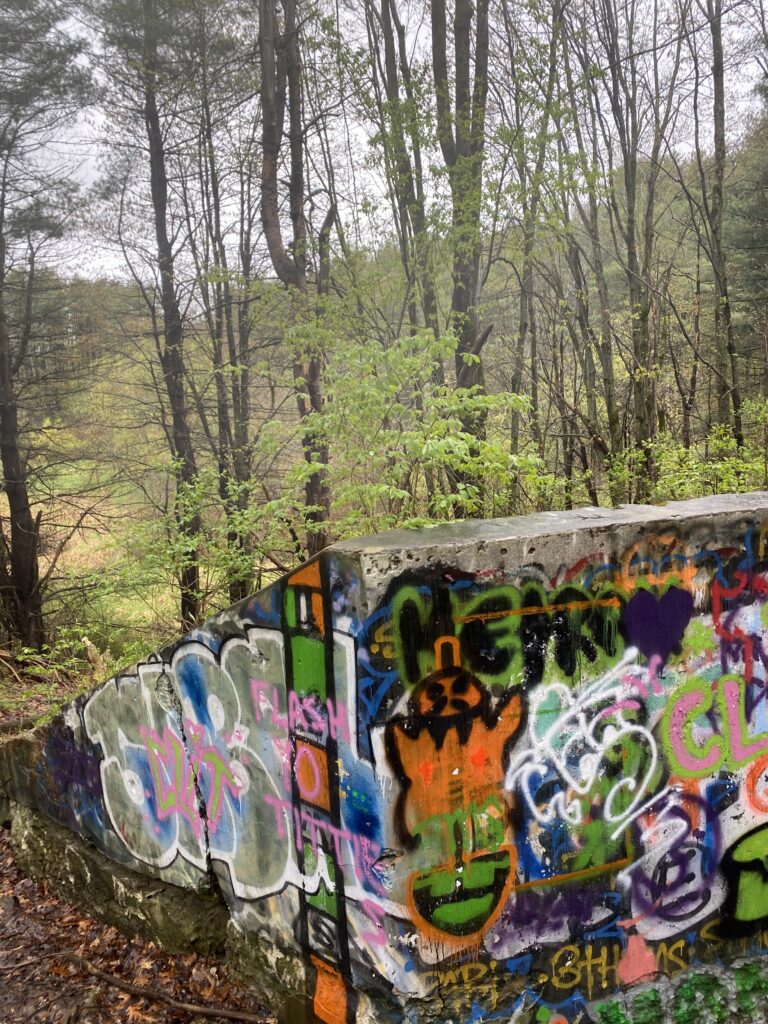
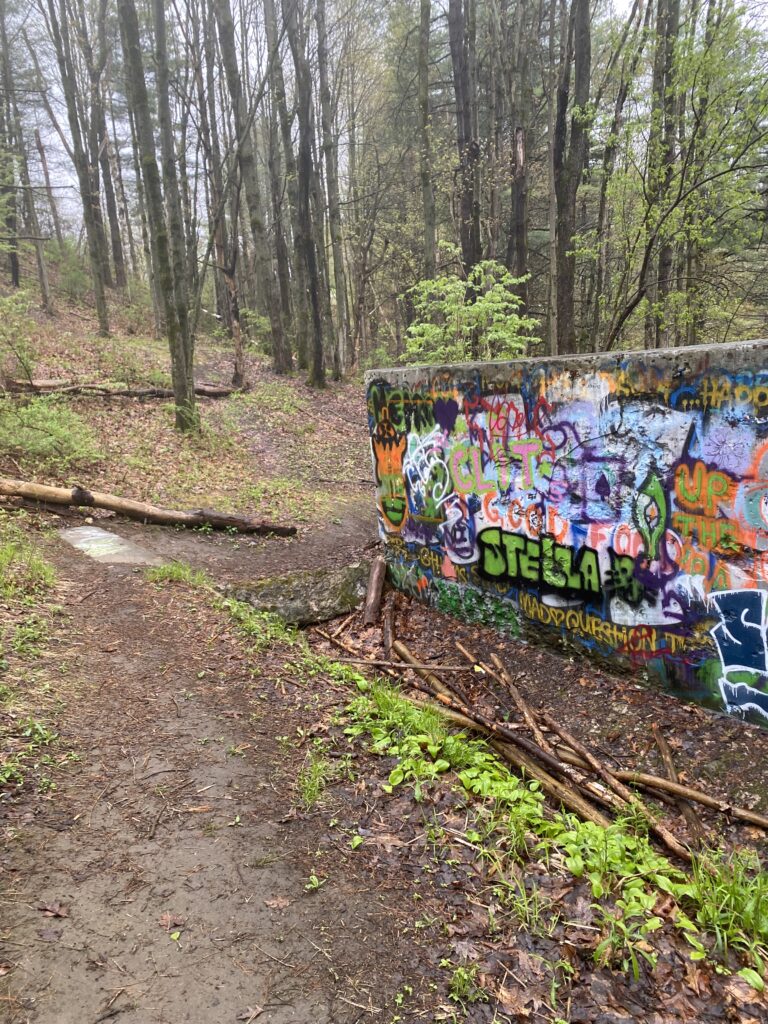
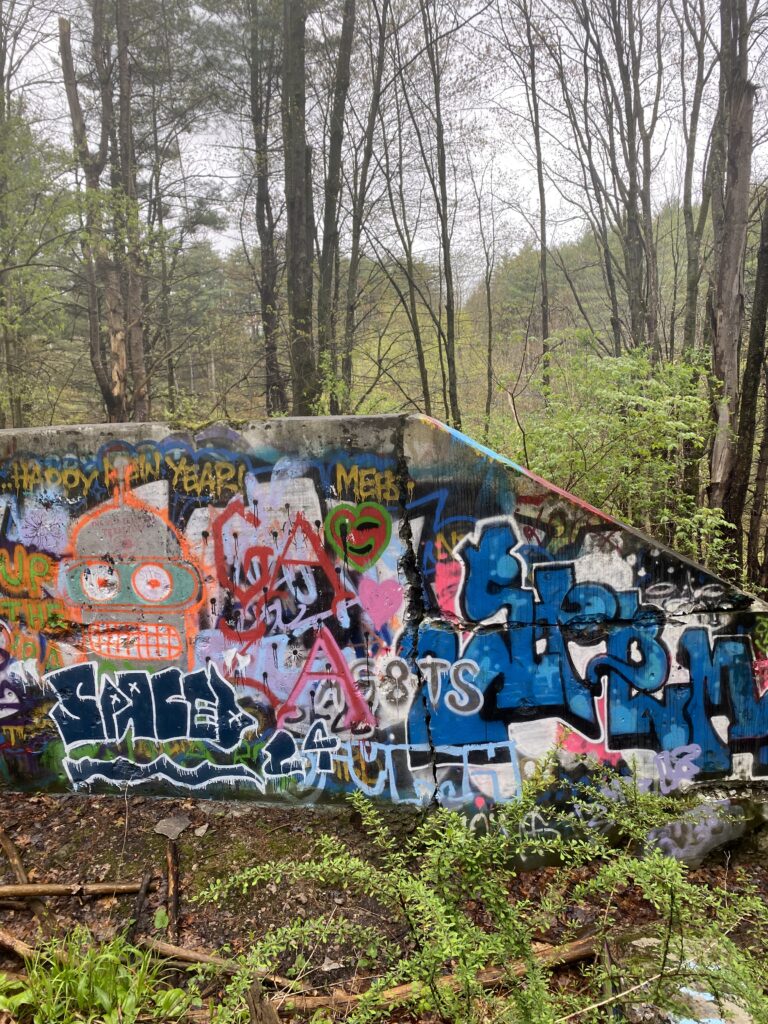
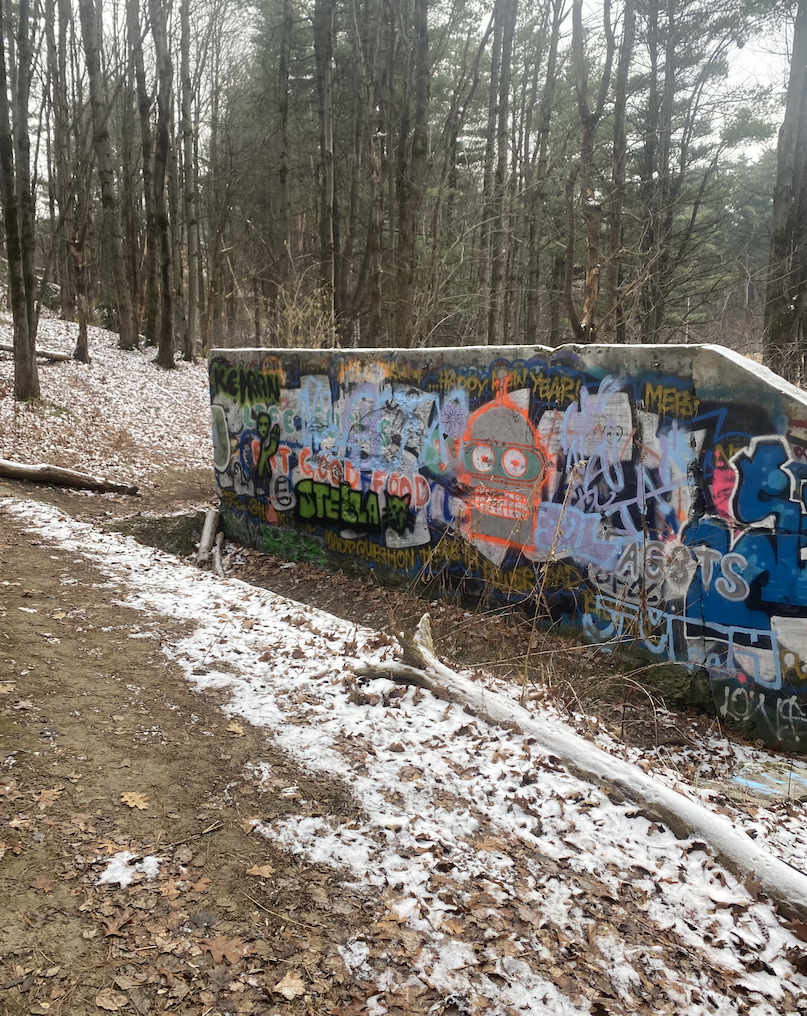
I have become mostly familiar with the bunker at my site, it’s where I usually sit to sketch and reflect. I have also become unfortunately acquainted with the wooden walkways as I have a tendency to slip off of them. Another landmark I usually recognize is the large white pine near the entrance to Centennial Woods and the Beaver Brook.

Nature and culture intertwine greatly here. I feel very much connected with the entire community of UVM and specifically RSENR because of everyone’s shared experience using this space over their education here. I also think a lot about the past uses of Centennial and the bunker and I wonder what the experiences others who came before me have had. Knowing the historical background of Centennial makes me feel more connected with the history of Vermont that we have learned about in lecture when in the beginning of the year I definitely felt like an outsider in this space. Centennial Woods exemplifies a major theme of the culture in Vermont of prioritizing the outdoors and free spaces for people to recreate and practice experiential learning.
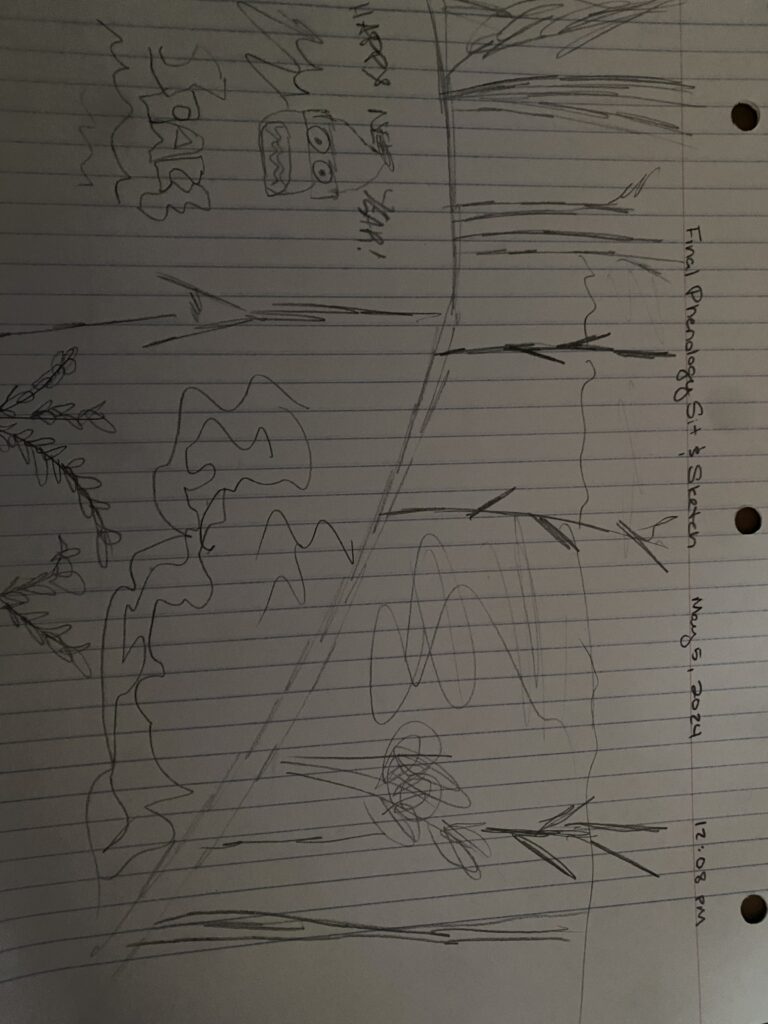
At the beginning of my time visiting my phenology site, I did not feel like I was a part of this place. But as I have continued to build a relationship with it and learned about it and the natural history, I now feel like I am a part of it. I have spent a lot of time at my site even when I wasn’t completing assignments and I feel like I understand the space. This blog is also a good way to cement that I have been there and on the off chance that someone finds it in the future, they will think I was a part of this spot in the future, too.
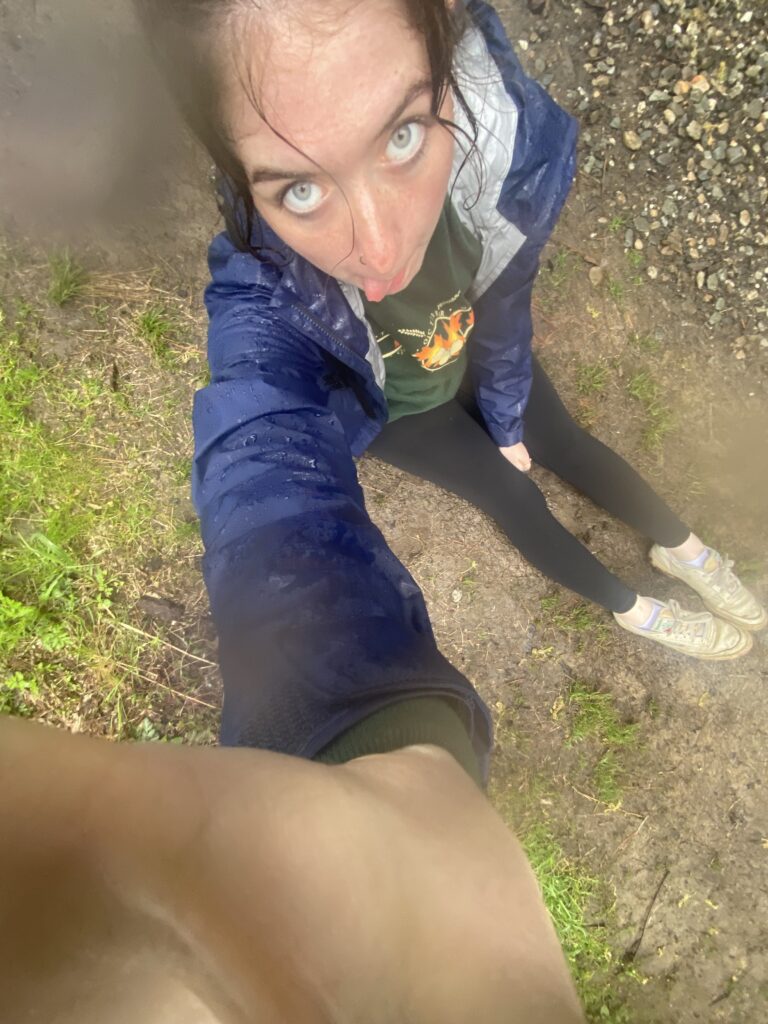
Me post-slipping in the mud for the fifth time 🙂

Phenology 4 – BioBlitz!

Over the course of the BioBlitz, I explored areas of campus near my dorm and the woods behind my close friend’s house just off the Belt Line by the Intervale.

I had a lot of fun using iNaturalist, I am consistently impressed by its ability to identify wildlife that I was not initially able to recognize. It was also fun to be outside during the beautiful weather and seeing spring come to life as the leaves and flowers came back.

I encountered many different species in my exploration, and I documented the three that I could get a good picture of. I was most excited to see another Eastern Newt as I had just learned about them for the first time in the Birds of VT Museum Lab. I was also pleasantly surprised to see a ring-billed gull. We have so many in my hometown on Cape Cod, and I remember being initially fascinated that they lived in Vermont too, as I thought they only lived on the coast.

I thought it was super interesting that so many cities in Texas were participating in the city nature challenge as I don’t often think of it as a hub of environmental studies or biodiversity. That really helped reframe my perspective. I’d be really interested to see the reports coming in from Monterrey and Trinidad as they had high numbers of species and their wildlife is so different from Vermont’s.

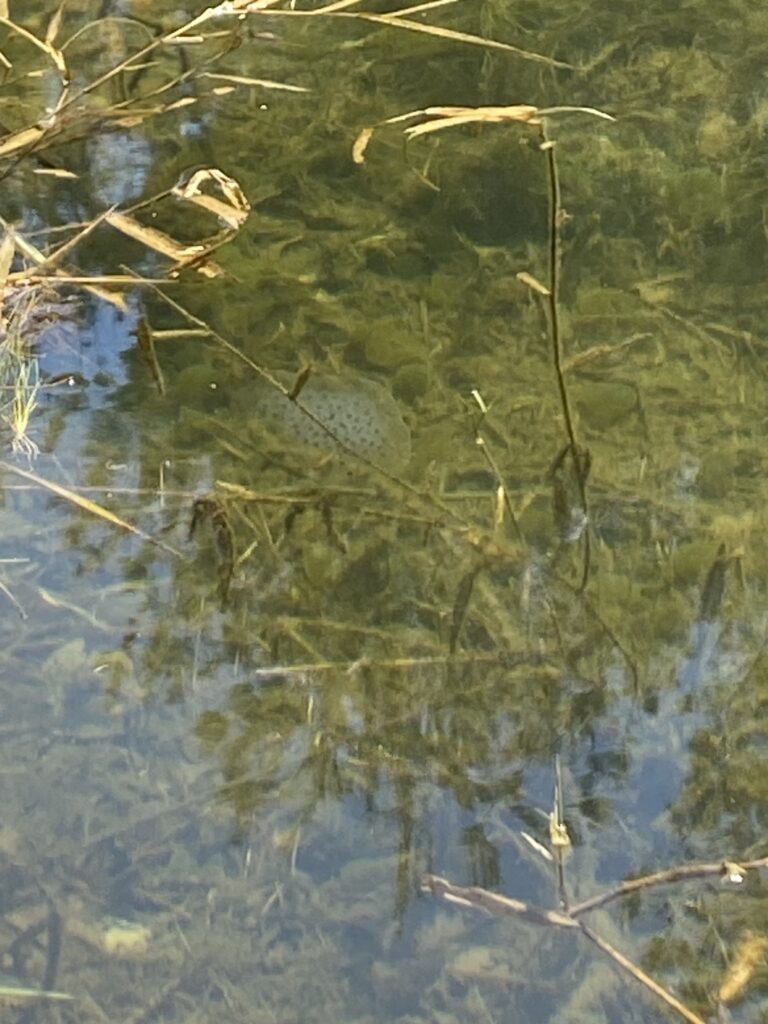
Above is the frog spawn and newt that I observed in the woods behind my friend’s house in a small — what I believed to be — vernal pool.

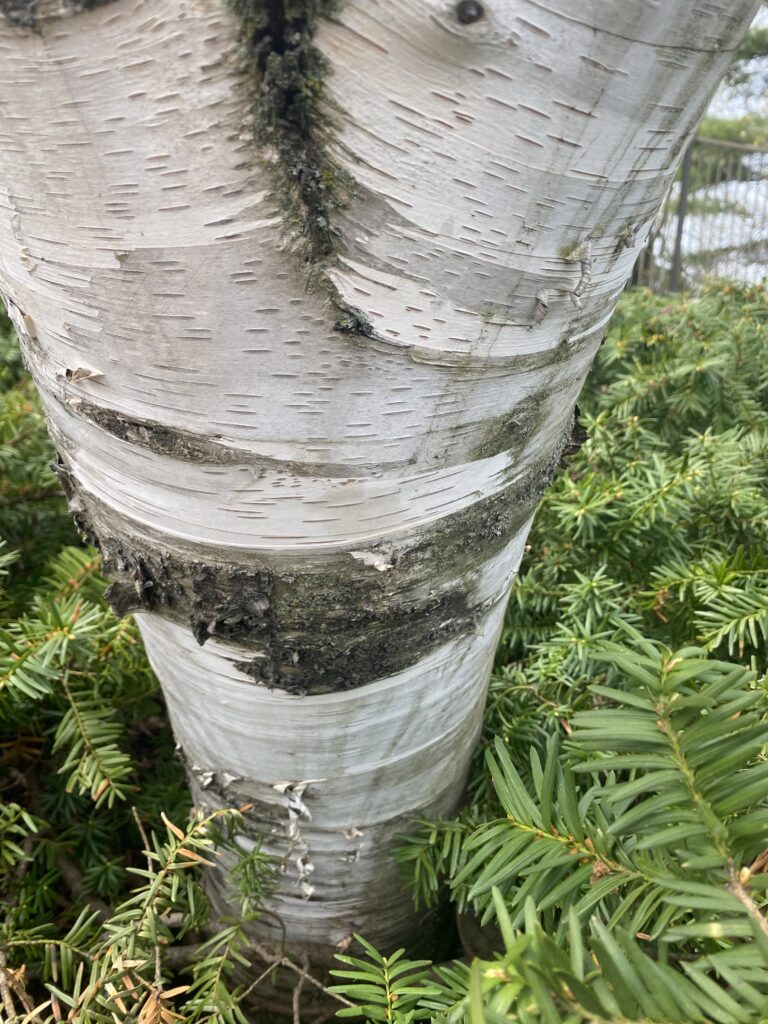
This is a picture of the paper birch I observed.

Phenology 3 – Early Signs of Spring!

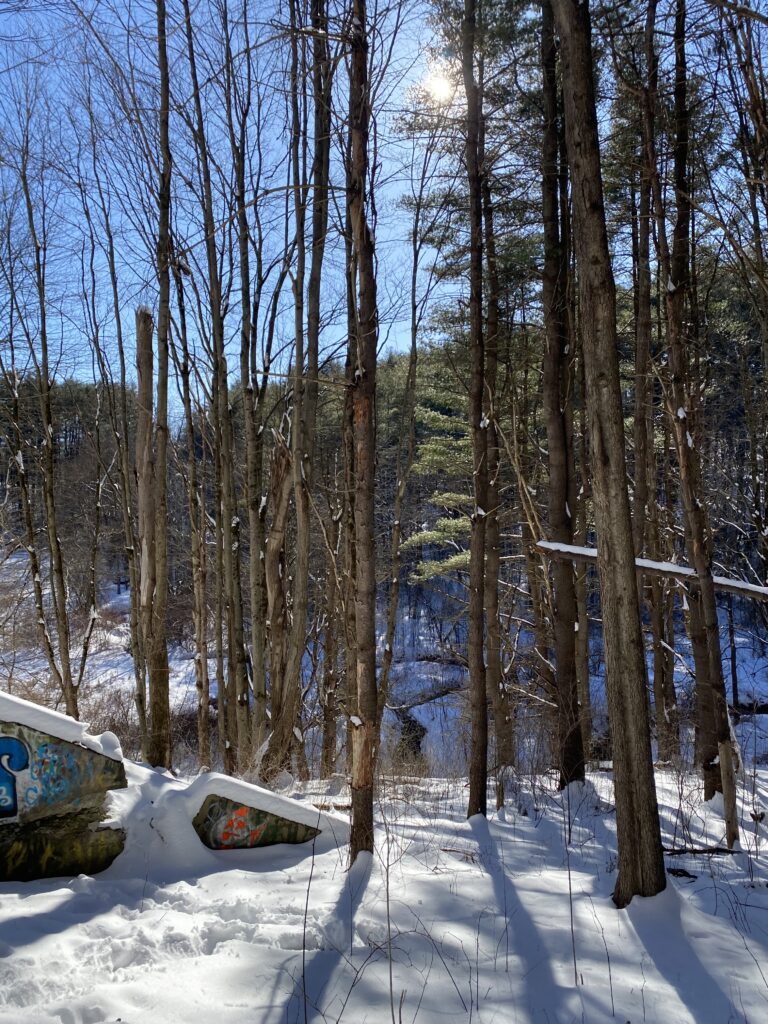
I returned to my original phenology spot at the bunker in Centennial Woods this Sunday afternoon (March 24). It was about 25°F outside but since it was so sunny, it felt more like 35-40°F and I was sweating a bit while walking to and from my site. It had snowed almost a foot the day before, and there was around six inches of fresh snow on the ground all throughout Centennial Woods. The brook was not frozen, though, so the water was still flowing and the snow was beginning to melt in the sun.

The sun was shining directly through the trees, and the weather app predicted temperatures in the 40-50 range this coming week, so this snow will likely melt and give way to mud soon.
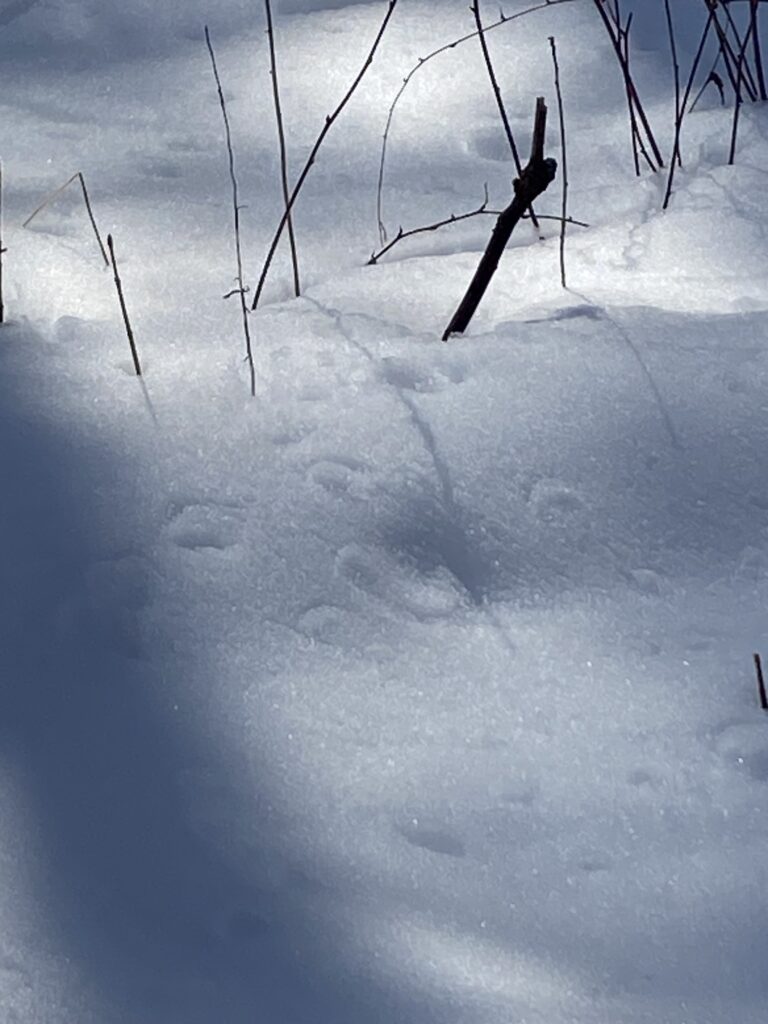
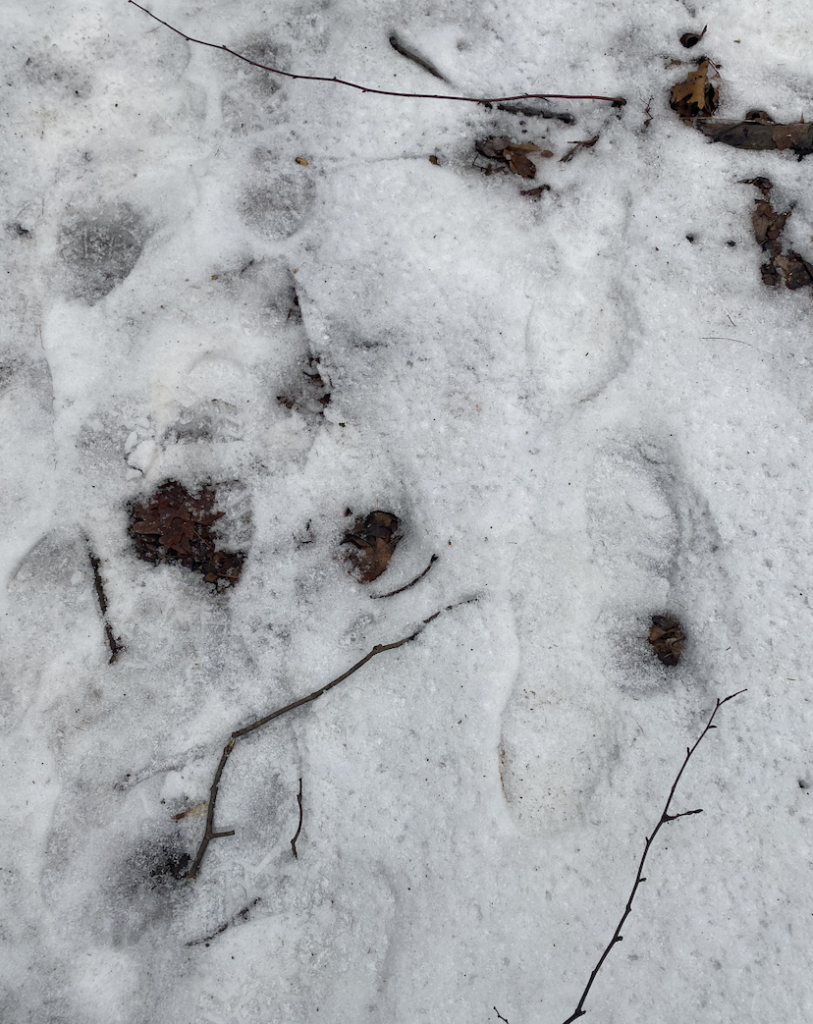
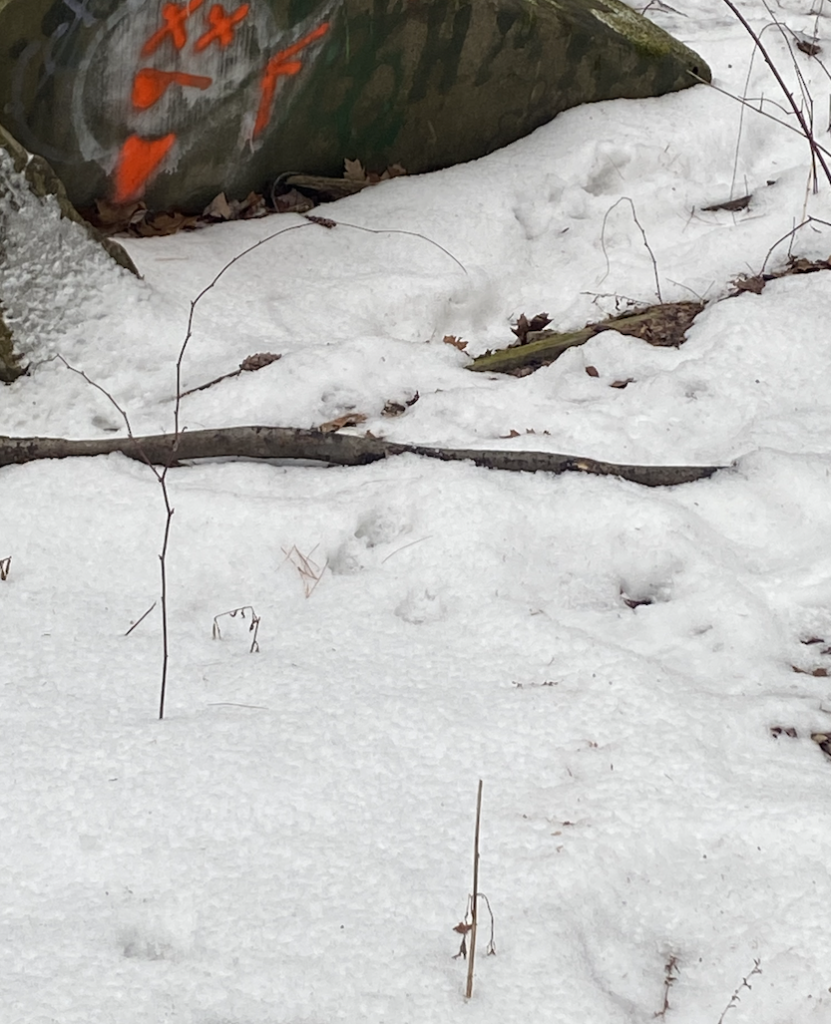
There were few tracks in the snow other than human and domestic dog, but I did find these interesting patterns, which could also have been from melting snow.
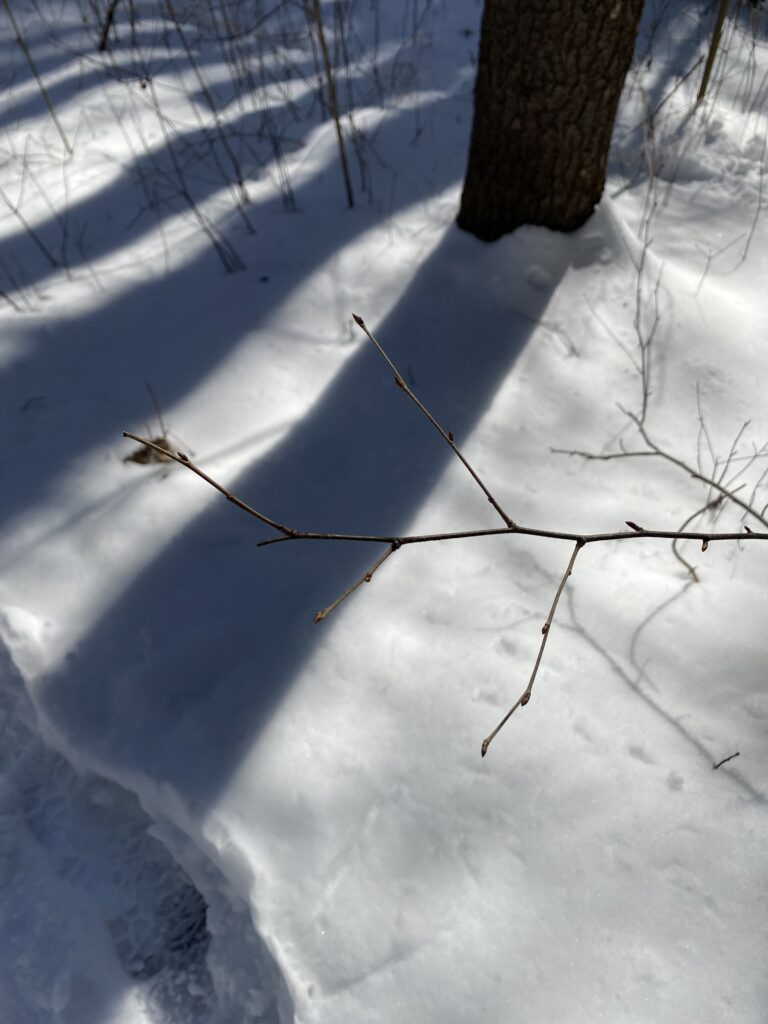
These buds on a paper birch were the ones that I found at my site that seemed most prominent. It was hard to imagine signs of spring in such snowy conditions, but these buds were indicative that spring and a return of green forests is imminent.

I recognized the birdsong of chickadees (my home state’s state bird!) and I saw a few gray squirrels running between the trees, but it was a relatively quiet afternoon in Centennial Woods save for a plethora of NR1020 students out and about to complete their assignments.

Phenology 2 – Wildlife in Burlington!

I went on the Island Line Bike Trail in Burlington out by Leddy Park. I walked for about 1.5 miles for a 3-mile round trip on Sunday, February 18. It was about 28°F but the wind was strong at 17.4 mph, which made it feel much colder. I encountered a lot of fresh snow from the night before and partly cloudy skies.

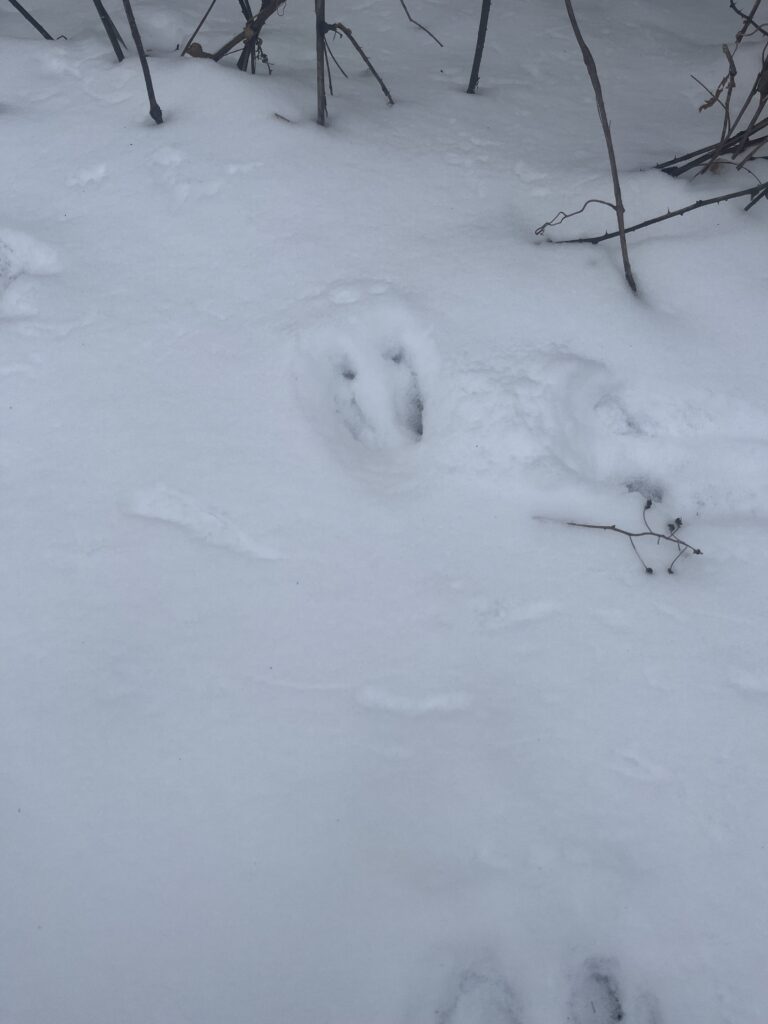
The majority of tracks on the trail were human and domestic dog, but there were lots of wild animal tracks running parallel or perpendicular across the bike path. My experience with iNaturalist was good, it was easy to pinpoint my location from the coordinates saved with the image, which made uploading the images when I had service easy.

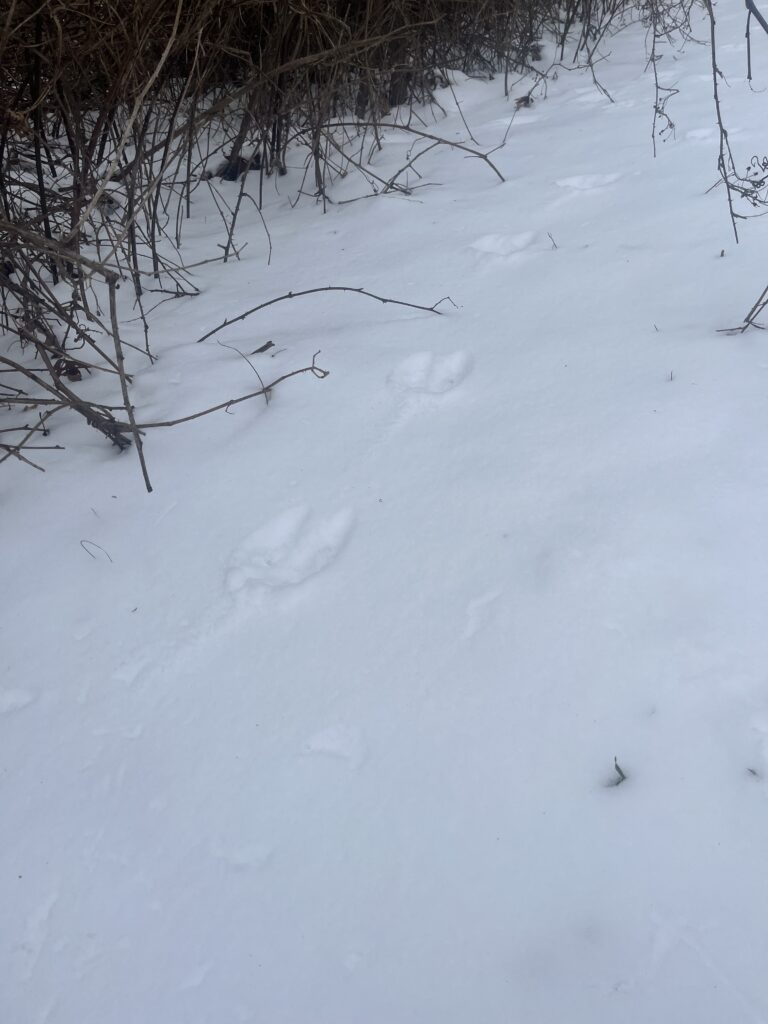
The first tracks I saw I hypothesized to be grey squirrel tracks. I saw many squirrels active in the area, I observed the bounding gait pattern in the tracks, many tracks led up to trees and stopped there as the squirrels climbed the trees. As shown below, the tracks stopped at the foot of a tree. Also, the area was mostly deciduous oaks and maples, which are characteristic of grey squirrel habitats so I was able to choose the grey squirrel over the red one.

The second tracks I saw I hypothesized were snowshoe hares. I mostly used the fact that the back feet were much larger than the front feet and the size was accurate for a snowshoe hare. Also, iNaturalist suggested that those animals were very active in that area.

Phenology 1 – Returning Visit!

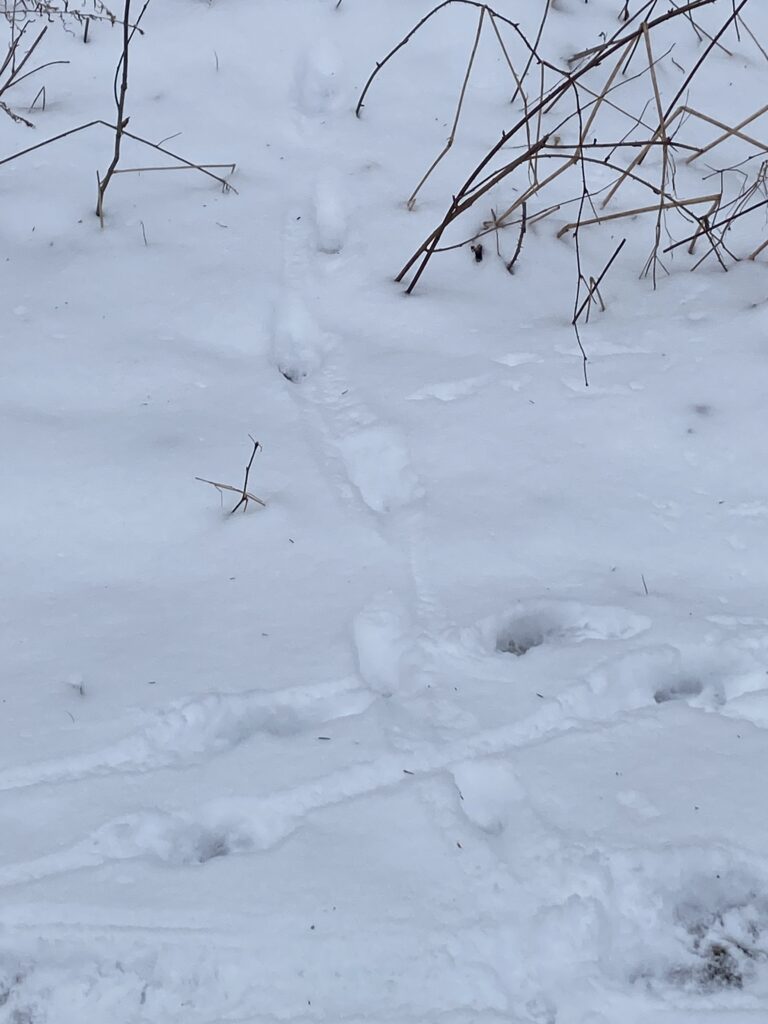
However, by the bunker wall there were small tracks that looked like they may have belonged to a rabbit as all four prints seemed to have been moving in unison in a hopping motion.

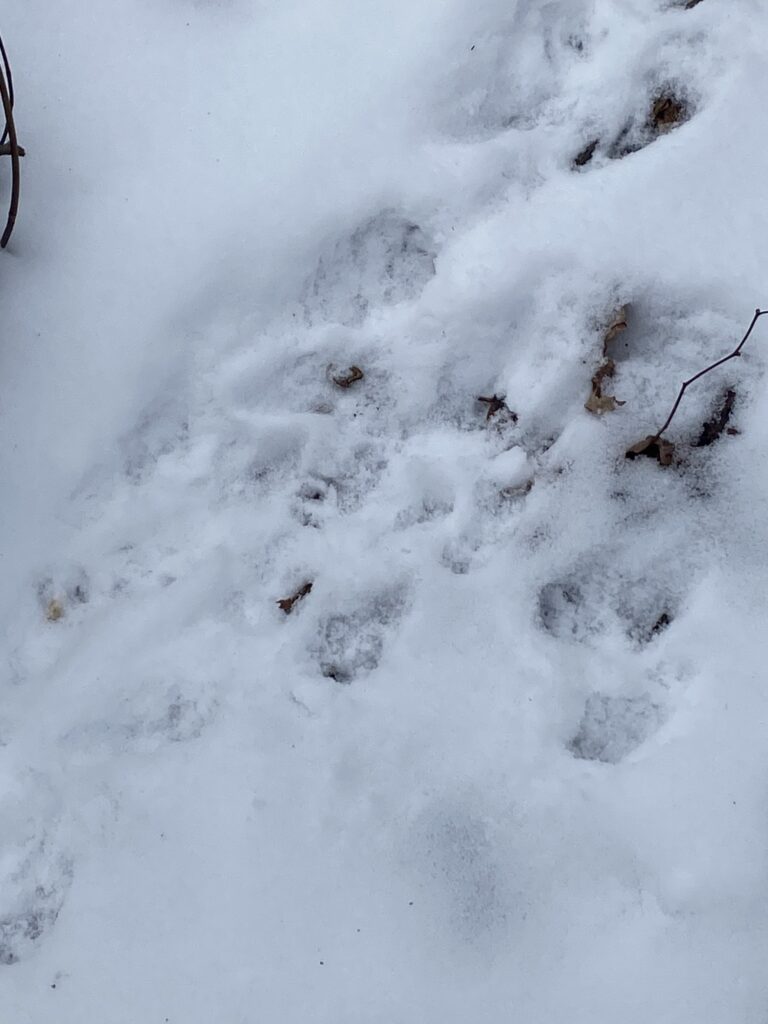
The most distinct prints were that of the dogs that were taken for walks in the woods.

Phenology-wise, not much has changed. There are still no leaves on the trees and the underbrush mostly appears to be dead. The ground is more hard packed with ice, but the nearby stream was still free-flowing.

Phenology Assignment #5

The foliage has completely changed at my phenology site. There are no leaves left hanging on the trees — save for the few eastern white pines in the area still having their leaves. You could say that it is certainly “stick season” now. The leaf litter on the ground has continued to decompose and the entire forest floor is either mud or leaves currently.

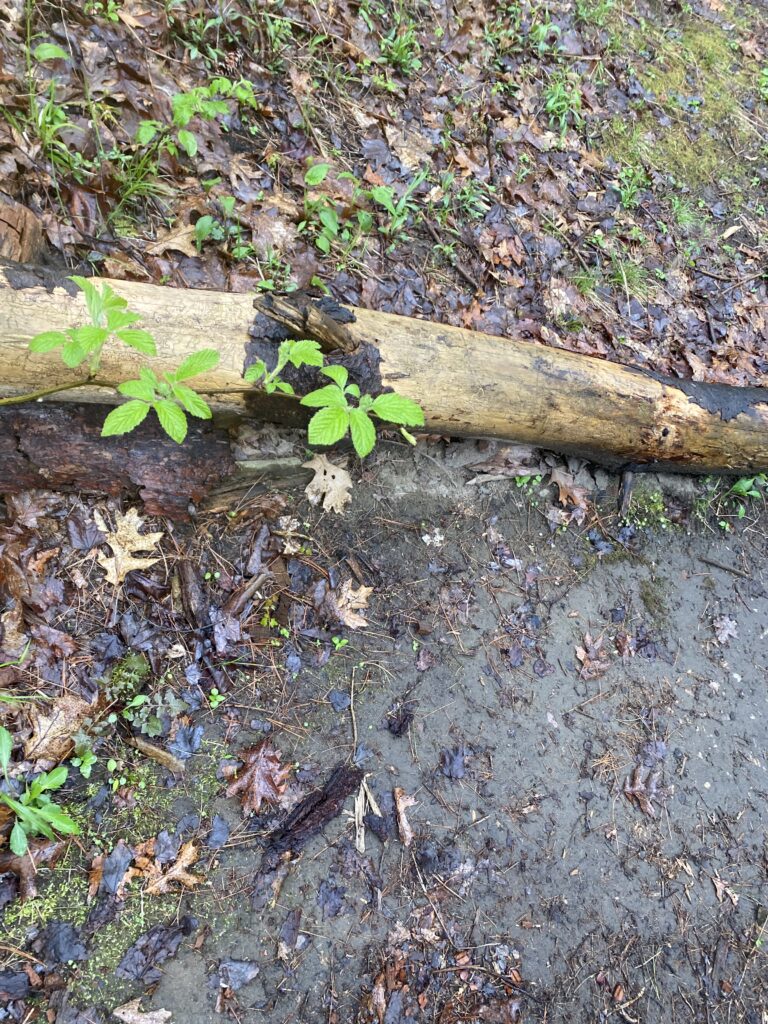
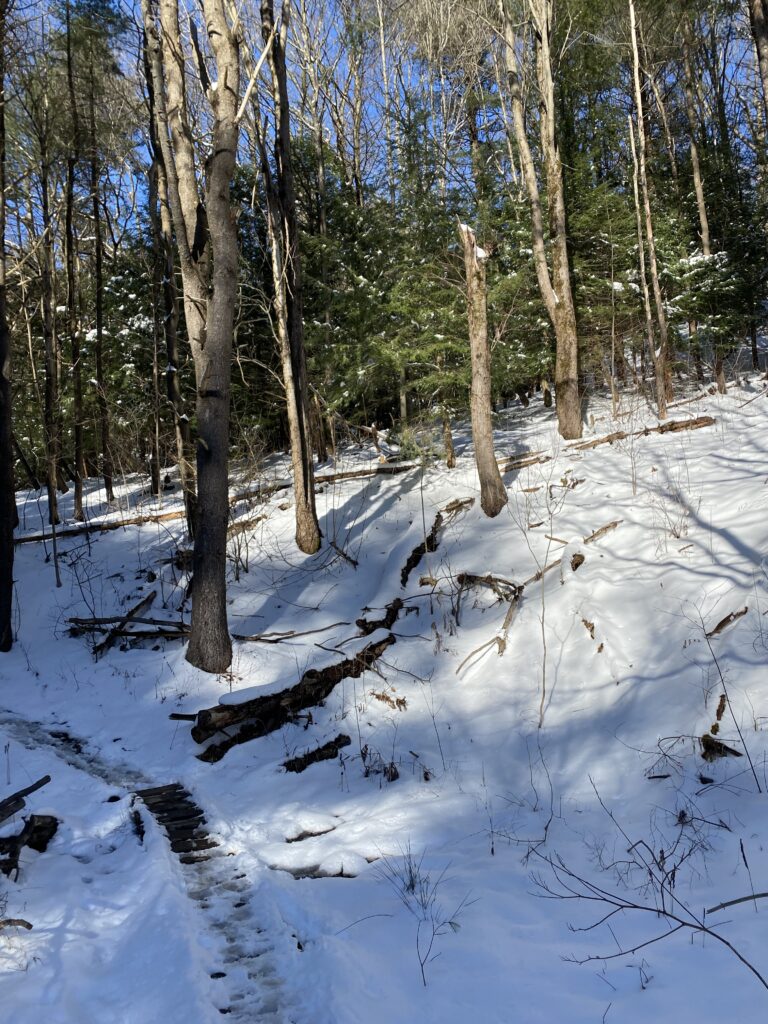
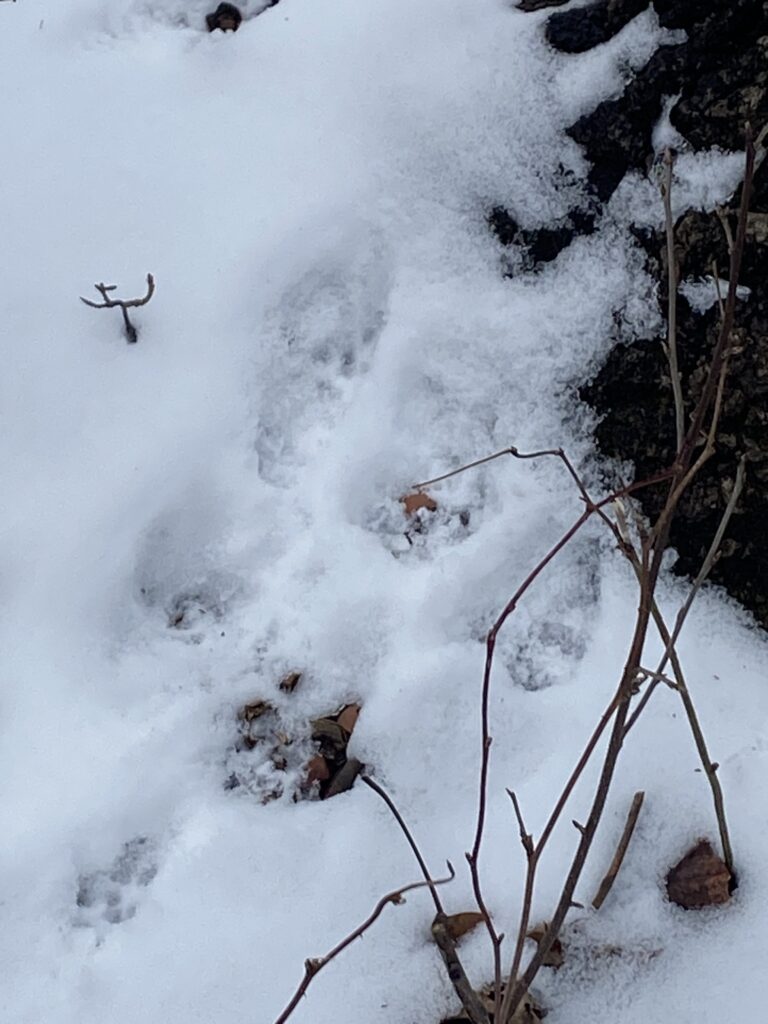
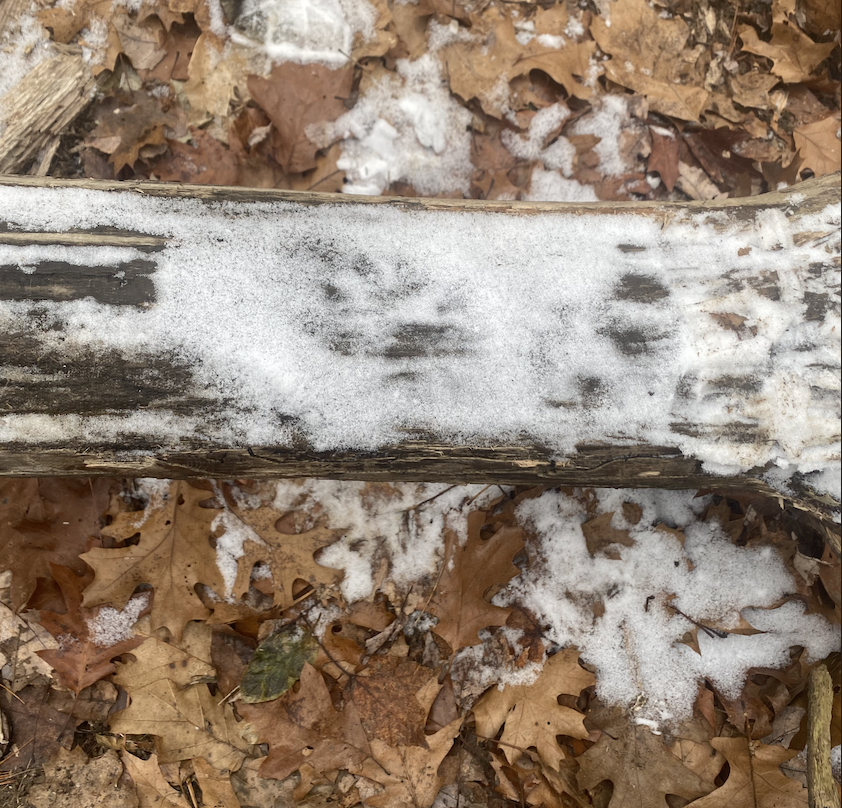
I did observe what looked like some mammal paw prints in the snow on the log pictured above but other than that there was minimal animal activity. I could not hear any birds and I saw one gray squirrel on my walk out of the woods back towards campus.

It had recently rained when I went to visit, but there was more snow left in Centennial Woods than there was on campus, which I found very interesting. The walk was a bit tricky as well because all of the mud had frozen solid, making the ground uneven and slippery. It was a pleasant visit, though, because the temperature was higher than it has been in the past week which allowed me to sit and reflect for a while without being too cold.

What I enjoyed most about my phenology site was the quiet it provided. It takes me only about fifteen minutes to walk from my dorm to Centennial Woods, but it feels like an entirely different world. It is much quieter and more peaceful, which I definitely appreciated on this last visit due to the stress of finals week. I loved having access to a little pocket of nature without having to travel far and I really enjoyed bringing friends out to visit it that had never thought to visit the natural areas on campus. I will definitely be returning to this spot as a place of reflection and relaxation in my years to come at UVM.

Phenology Assignment #4

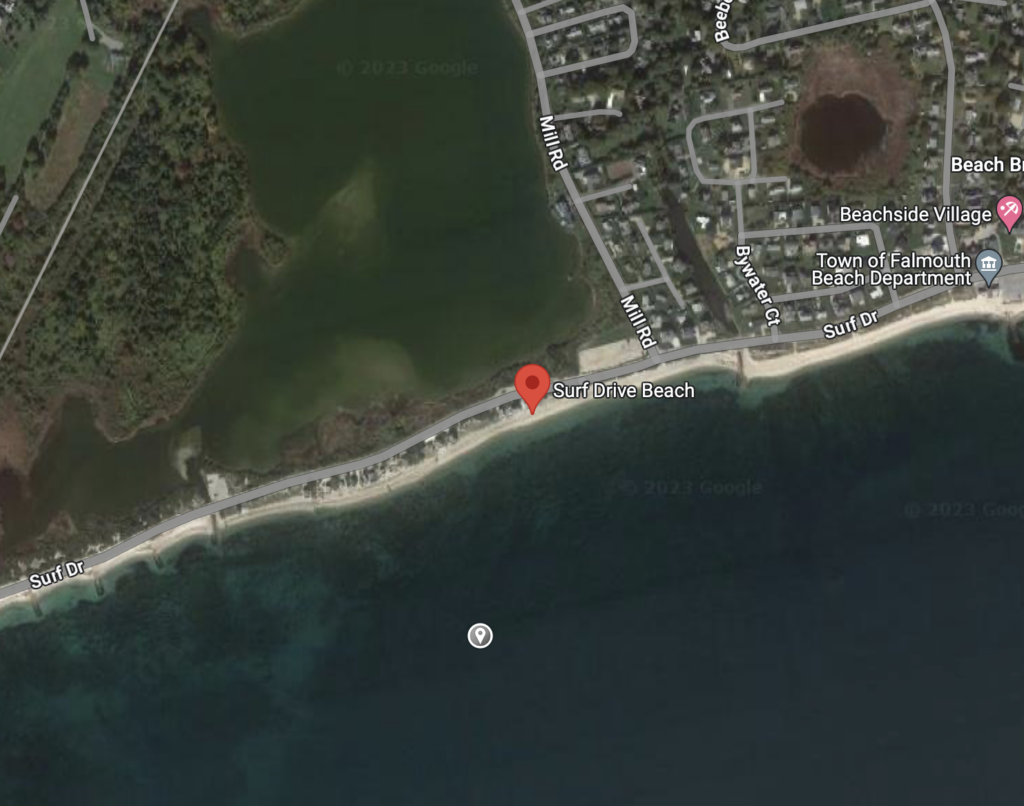
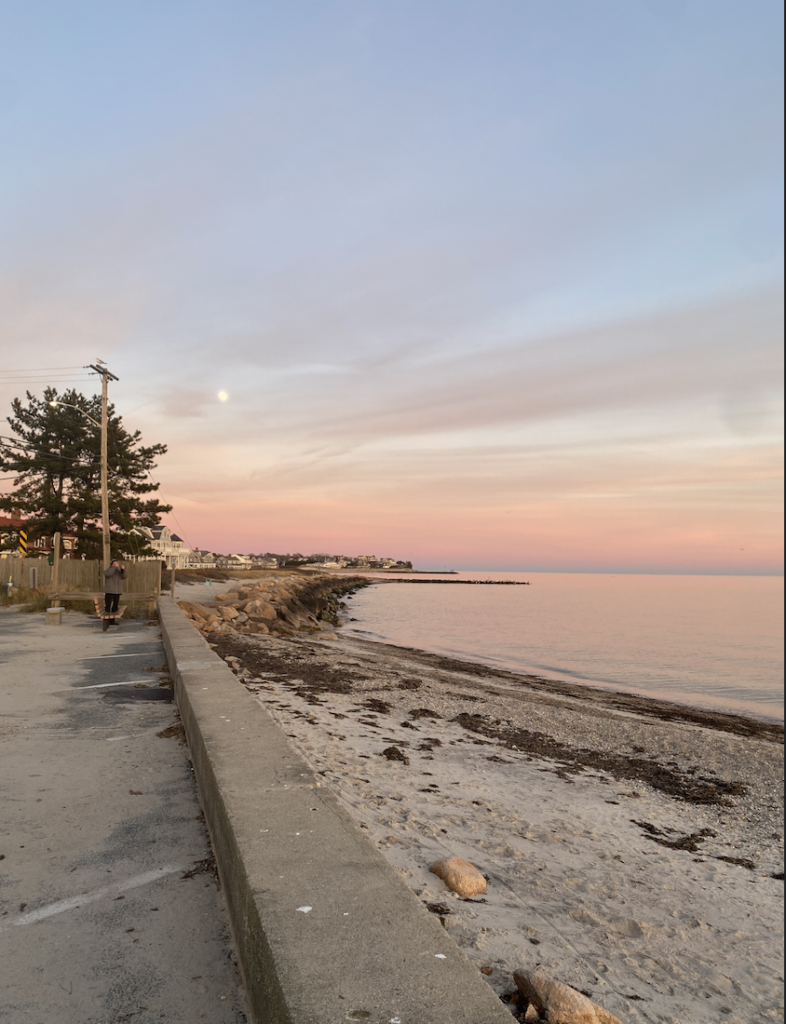
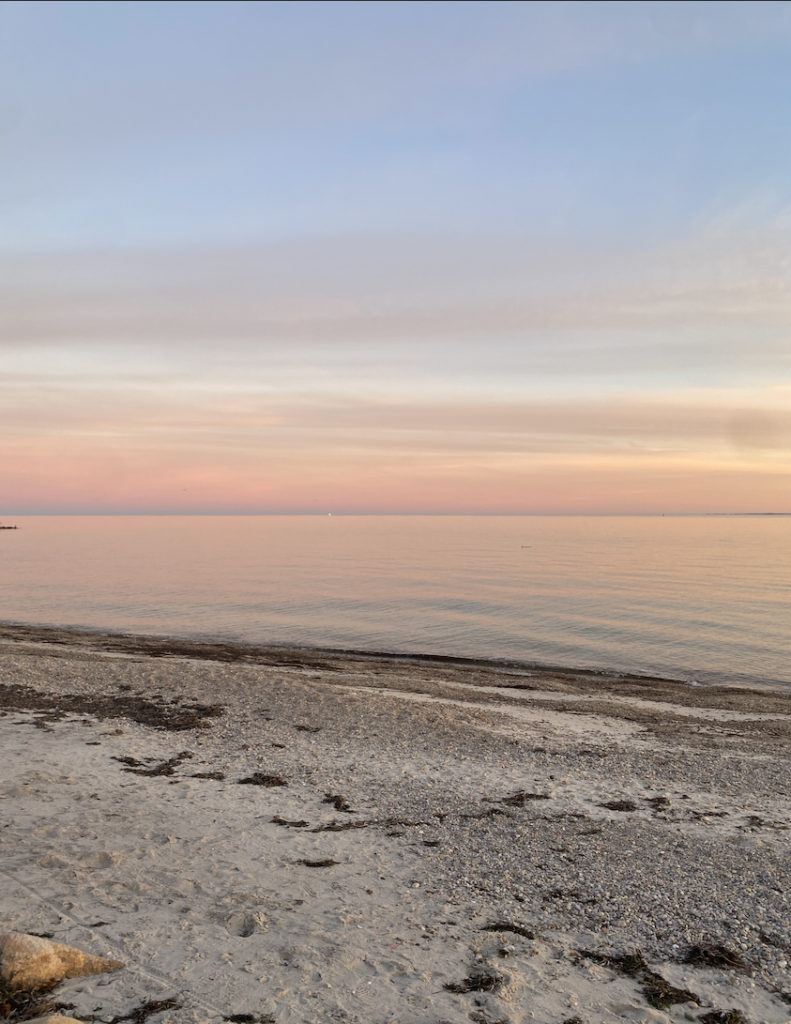
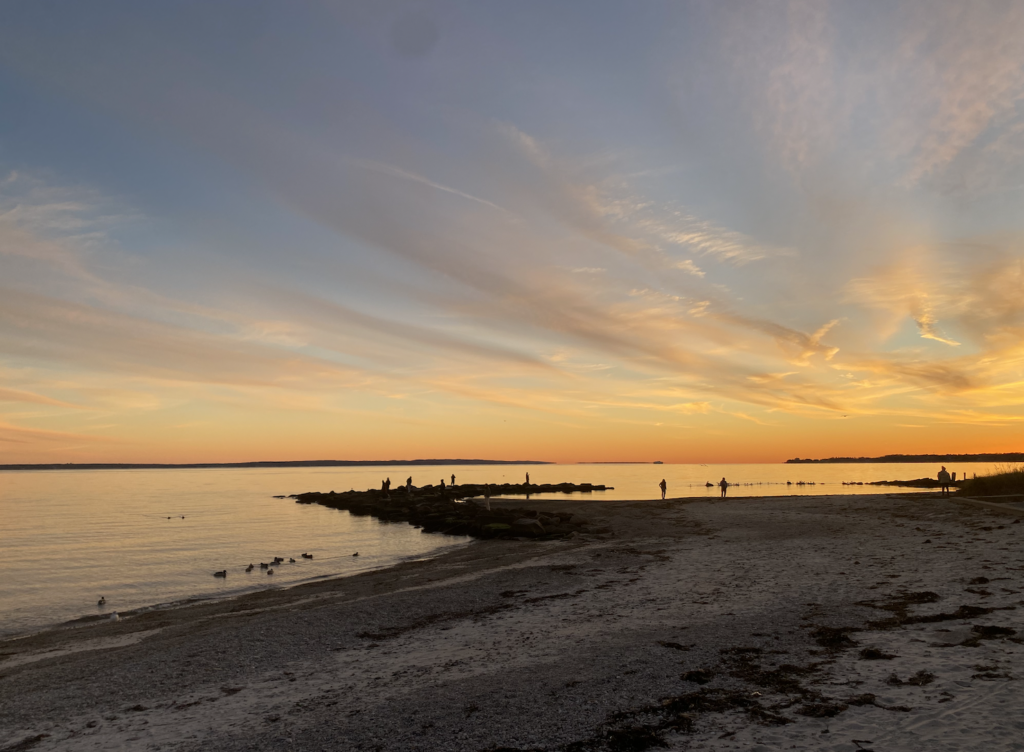
The new site that I chose to visit during the Thanksgiving Break was Surf Drive Beach. It is one of the more popular beaches in my hometown of Falmouth, Massachusetts. It was the beach I grew up going to with my family because it is within walking distance of my house. Though much busier during the summer tourist season, Surf Drive is a popular place for sunset-watching in the fall and winter, which is what I did while I visited.

Surf Drive Beach is very different ecologically from Centennial Woods (my phenology site back at UVM). For starters, the beach is a completely different ecosystem than a forest. There are much less trees and most vegetation are small beach grasses. This area is also more “developed” as there is a parking lot right on the beach. A fun similarity that I found, though, is I’ve seen seagulls fly over Centennial Woods, and there are PLENTY of seagulls at this beach. The Cape is also further South and closer to the coast than Centennial Woods, so it was about 10°F warmer at the beach today than in Centennial Woods. The leaves on the surrounding deciduous trees are still present and vibrant colors, whereas in Centennial Woods, most leaves have already fallen.

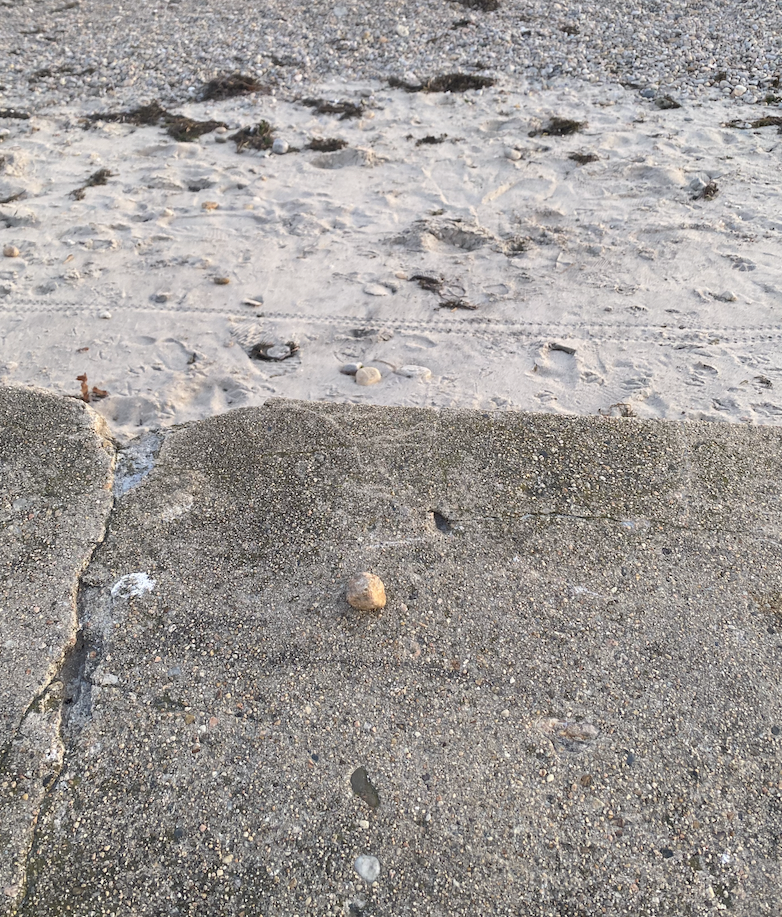
As my “gift”, I collected a pebble from Centennial Woods before I left campus, and I left it on the stone wall at Surf Drive Beach. I’m not sure what will happen to this rock or where it will go next, but I like that it serves as a small connection between two of my favorite natural spaces.

Phenology Assignment #3

My experience:

I went to my phenology site on Monday, November 6. It was a “feels like” temperature of about 35°F so it was pretty cold, but the sun was out and the area I was sitting in was dry so it was a pretty enjoyable experience. It was very quiet in the woods today other than the wind rustling the leaves. I didn’t see many animals out either. It was very calming to be sitting out there alone as there were no other students in the area and it was the first time I had been truly alone in a while, as you’re always surrounded by people in your dorm or in class.

Changes in Vegetation:

All of the deciduous trees had had their leaves either start to change color or had their leaves fall off. Most of the paper birches still had their leaves and they were very bright yellow. There were a lot of bright red maple leaves on the ground around the bunker. The various ferns and shrubs I observed during my last visit were still alive.

Phenology Project First Post!

Introduction:

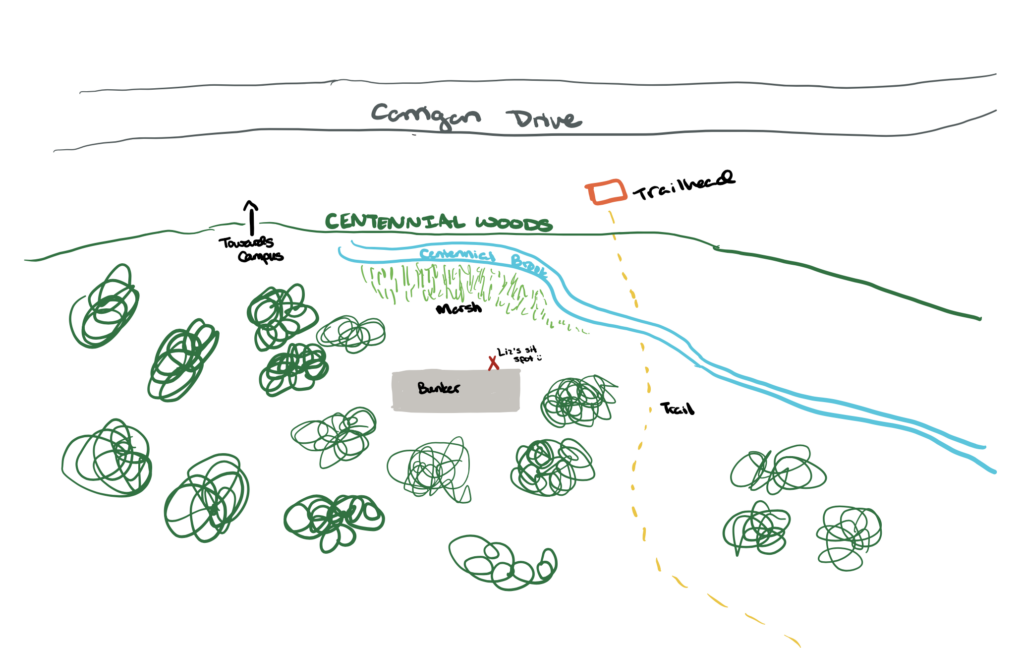
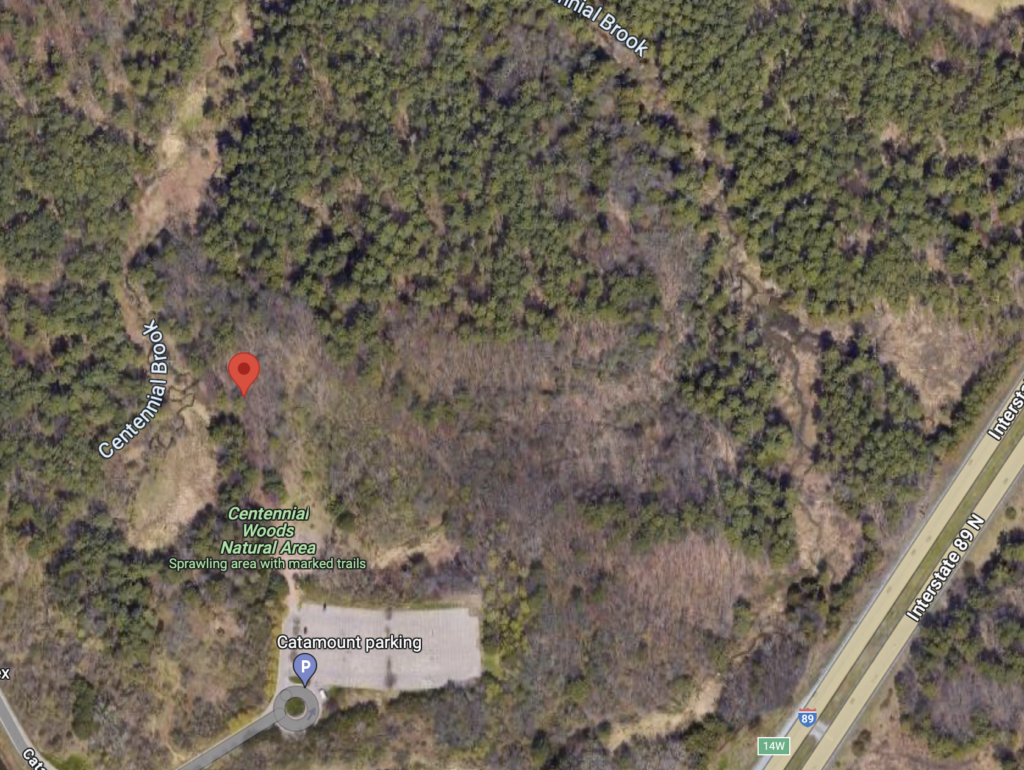
The place I chose is the clearing in front of the abandoned bunker in Centennial Woods on the UVM Campus. I reached this place by walking down Carrigan Drive past the police station to the trailhead. Then I followed the trail until I reached the clearing after the boardwalks, and then took a smaller trail to the right to go up a hill towards the bunker.

Vegetation:

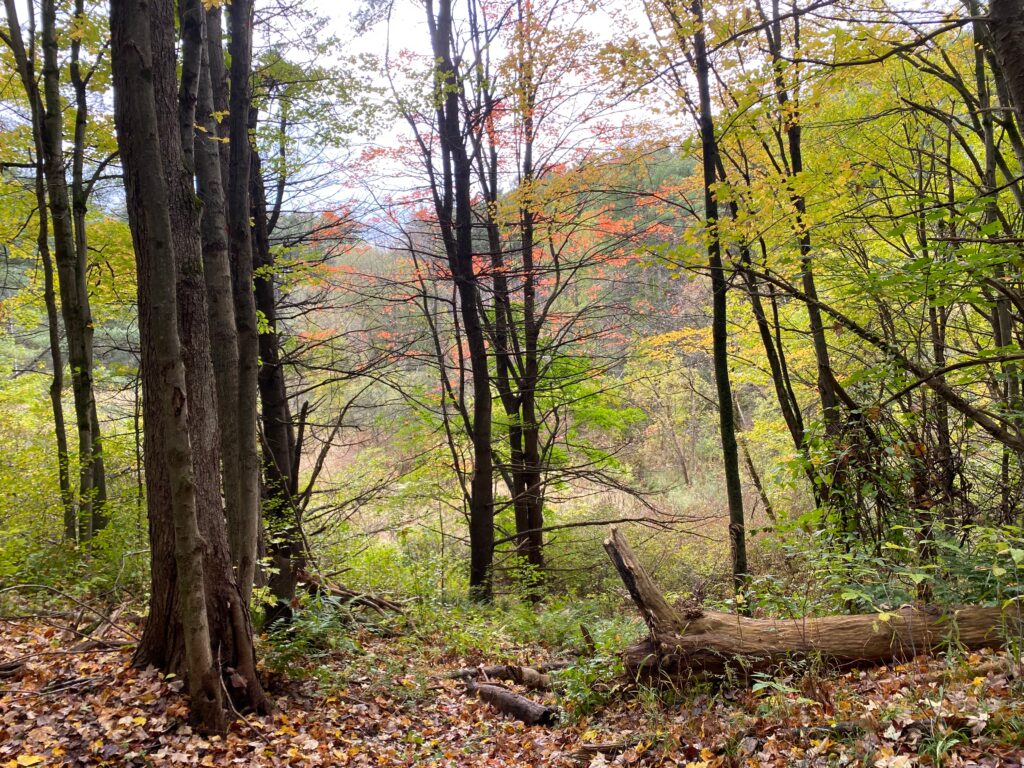
This area was comprised mostly of birch and maple trees that grew up the hill that the bunker was on. There was also a collection of grasses and ferns throughout this clearing as well.

Most common types of woody plans:

The most common types of woody plants that I observed were paper birch, northern red oak, red maple, sugar maple, common buckthorn, spinulose wood fern, and mountain arum.

Map:

Skip to toolbar