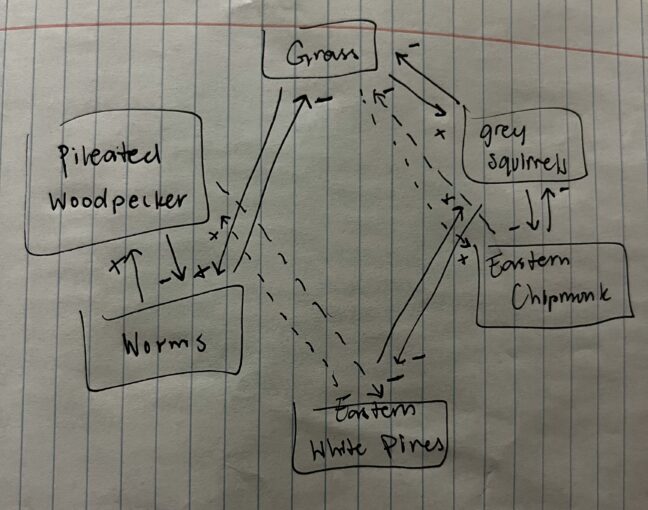
Species Diagram – Red Stone Pines

A UVM blog
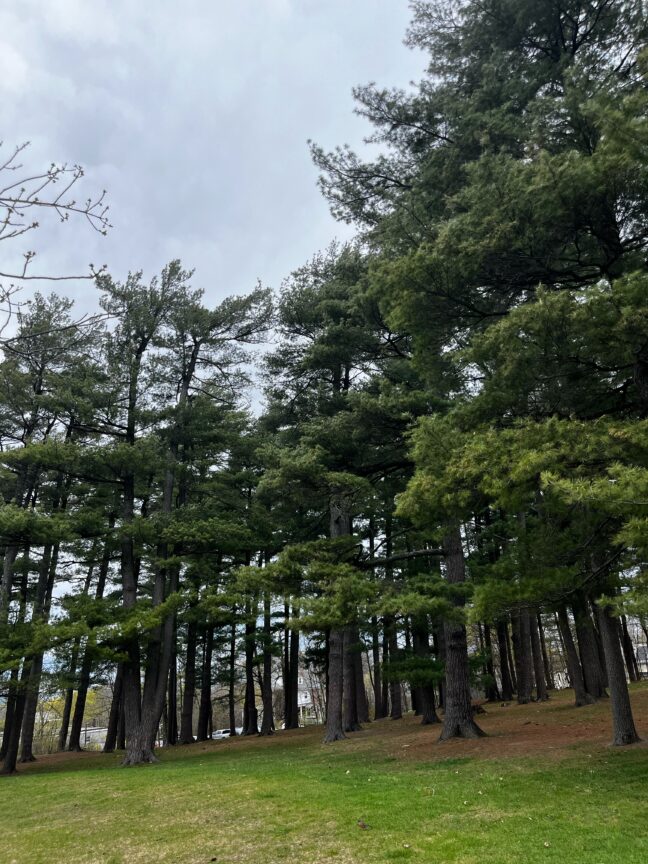
The Red Stone Pines is home to beautiful scenery and an abundance of species that are right on campus. This phenological spot is the perfect place for people to hammock and hang out in during the warm months. There’s a large social culture in this spot, and the natural aspects of it make it a very pleasant place to be.
I do think that I am apart of this place. I’ve seen this spot change during every season and I’ve spent a lot of time here both with friends and by myself. I feel like I am very familiar with it overall, which makes me feel a part of it. I look forward to being closer with it over the next few years.
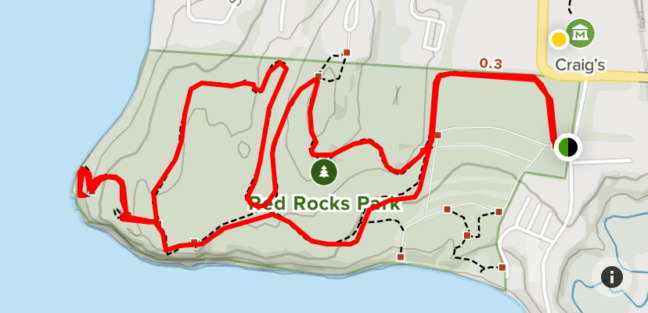
Red Rocks Trail map
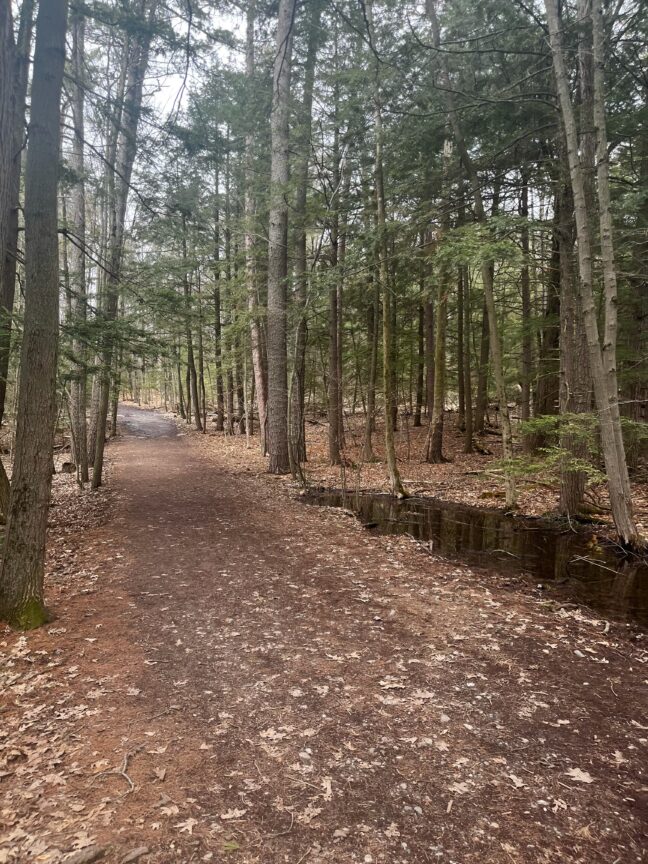
For this blog posting I explored the Red Rocks park area in South Burlington, about a 5-10 min drive from the University of Vermont. I had to do a project for another class using iNaturalist, so I thought I would post my findings for this project simultaneously. I really like using the app because it helps me put a name to the things that I see during everyday life. It was also cool to see people in the same area identifying different species and I also thought it was helpful that people could critique another person’s findings. Some of the species I encountered were the common hackberry, bleeding hearts, white pine, white cedars, yellow trout lilies, and mulleins. We also paid attention to the bird species and some of the ones we identified were black-capped chickadees, pileated woodpeckers, northern cardinals, and pine warblers. I think overall this challenge is a really cool opportunity to see what other people experience on a daily basis and how different it is from what I see. An example of something interesting I saw was a picture of a sheep and wild rabbits in Bolivia, which I wasn’t really expecting to see.