Posts

Phenology Assignment #5

Hi!

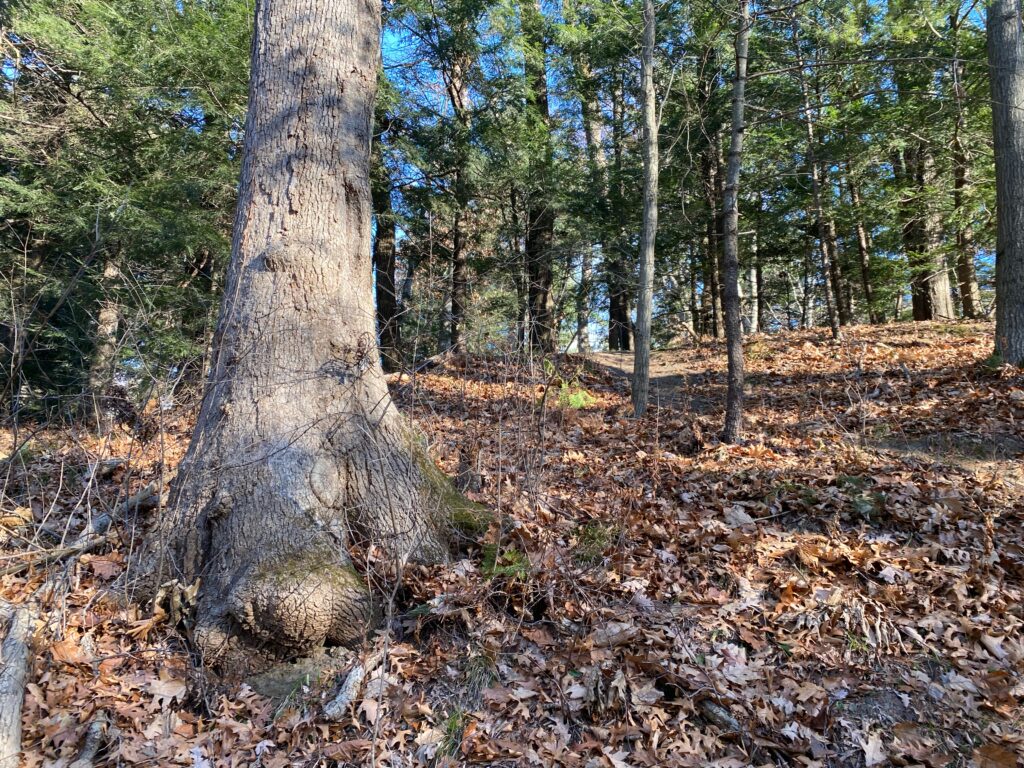
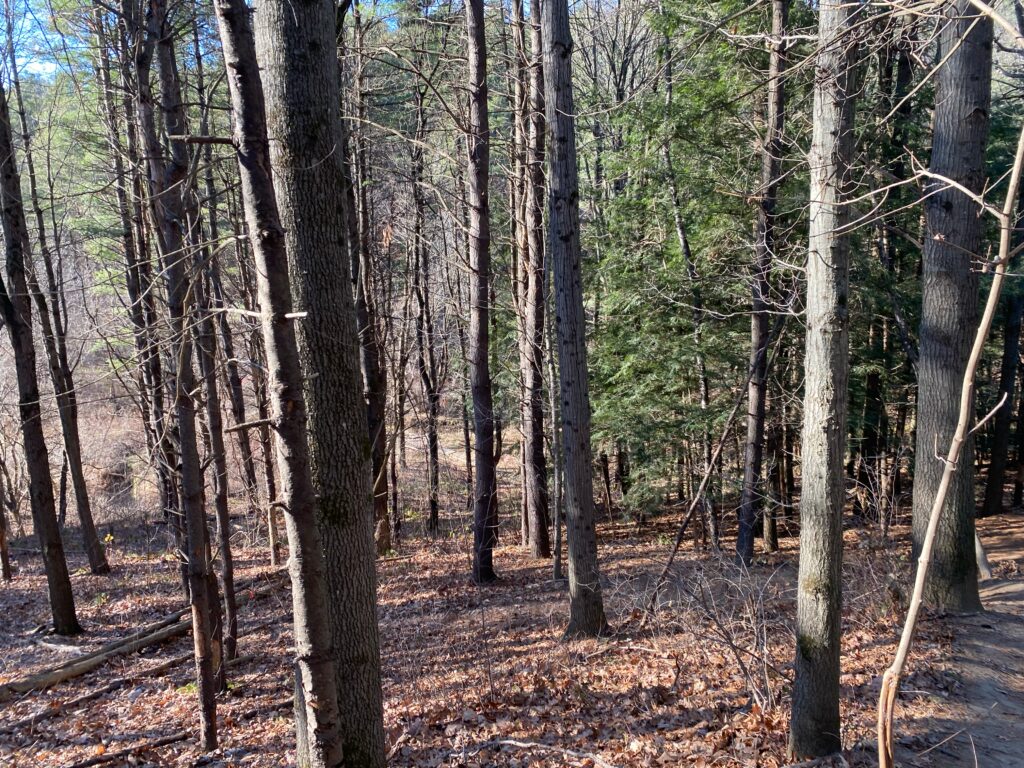
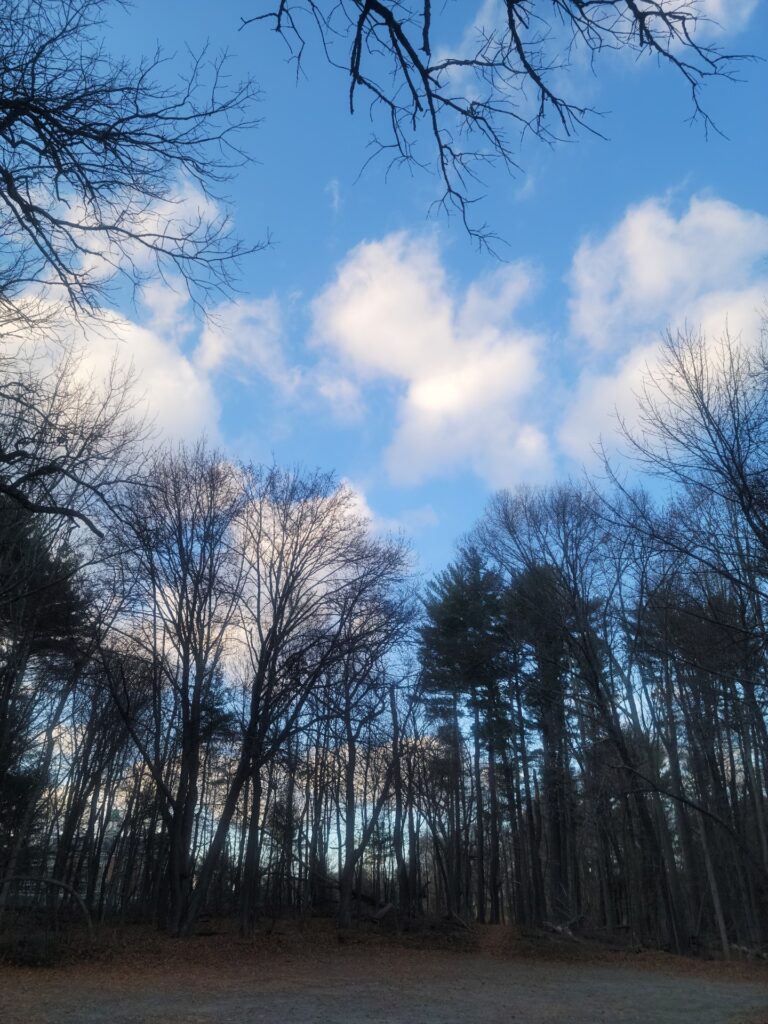
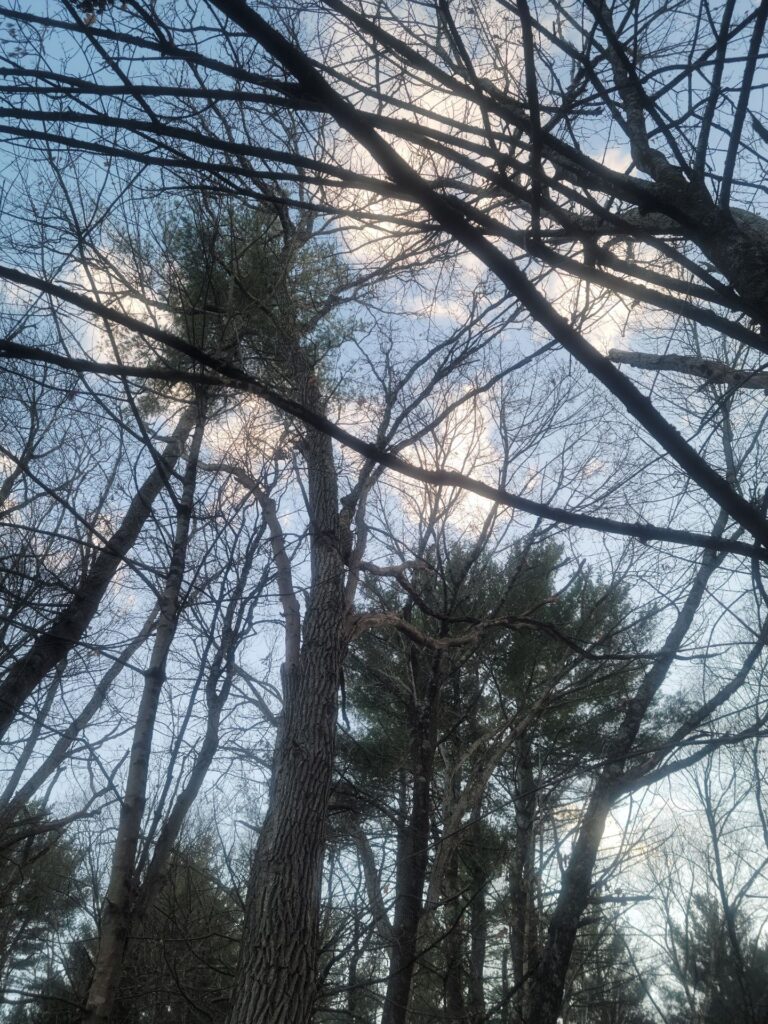
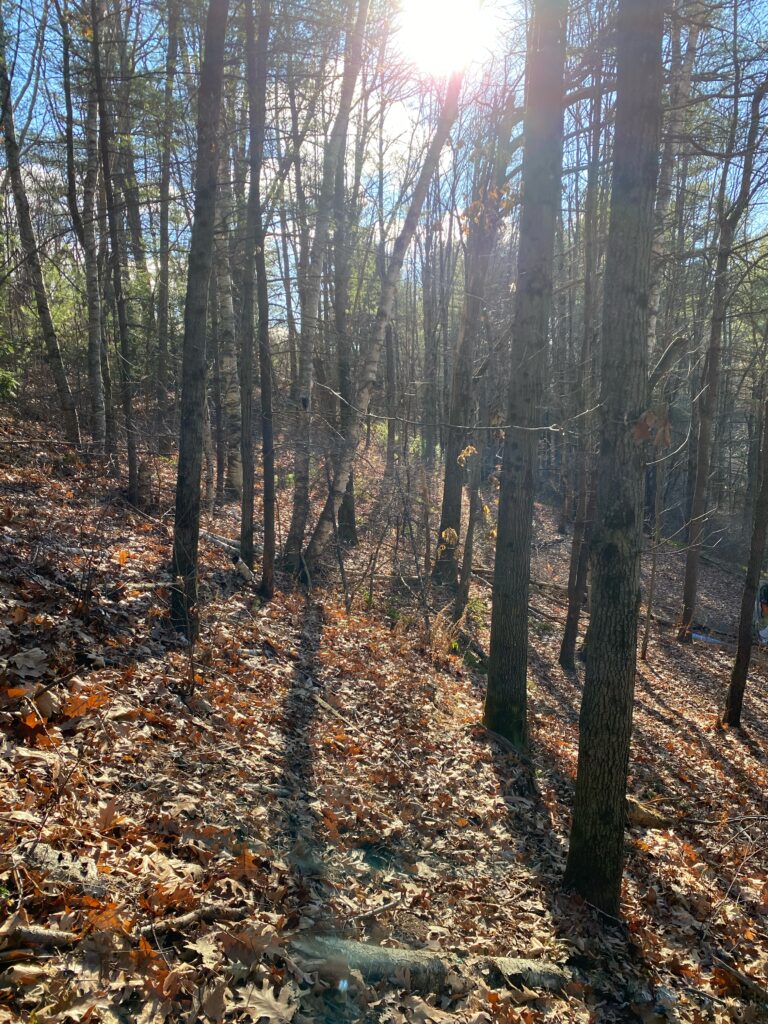
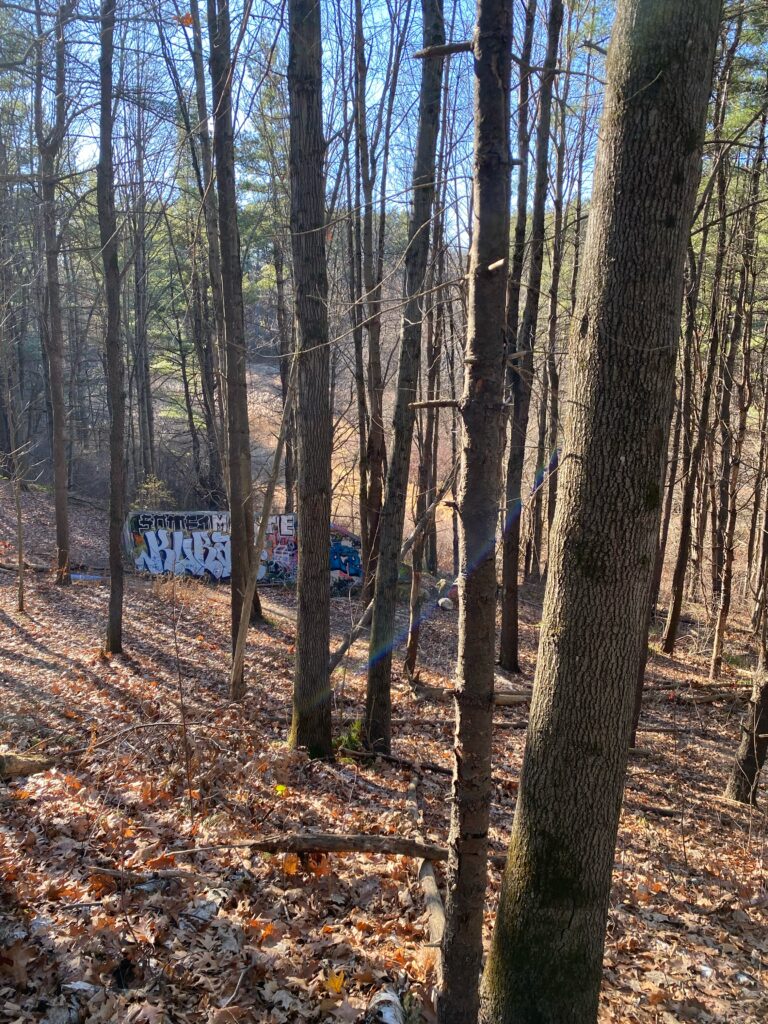
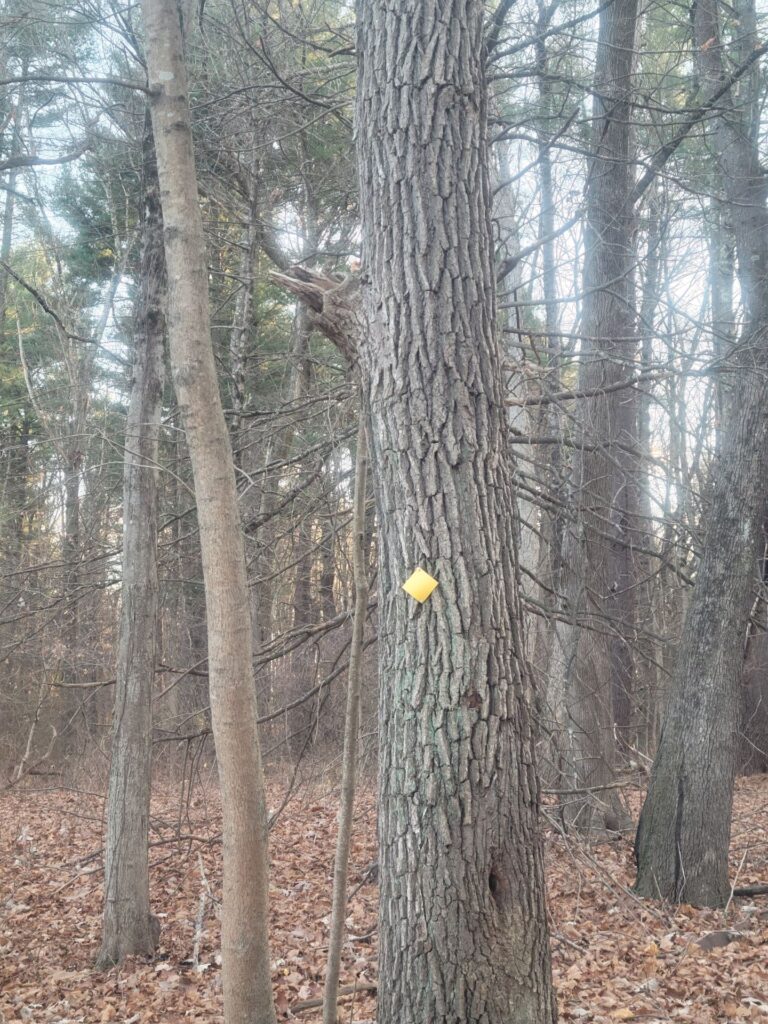
The foliage at my phenology location has changed, as most of the leaves have fallen from almost every tree except the evergreens, such as Eastern White Pines. I did not identify any persistent vegetation or fruit at my phenology spot. The leaf litter and duff on the forest floor are much more significant than when I last visited my phenology spot. The only sign of decomposers and decomposition that I noticed was the smell of wet leaves, which allowed me to identify that decomposition was occurring, which was less prevalent when I previously visited my phenology spot. The only animal activity that I observed was the sounds of some birds. The animal activity has decreased as I have been visiting my phenology spot. Initially, I was able to notice some scat and was able to see some birds, however, with the cold leading to bird migration and the leaf litter, I was unable to notice any visible scat or see any birds.
What aspects of your phenology place do you enjoy the most?

The aspect of my phenology place that I enjoyed the most was that it was away from the human world. Going to my phenology place gave me a sense of disconnecting from the busy reality of everyday life. It allowed me to reconnect with the natural world and feel grounded and this assignment made me make time for that when I otherwise may not have.
Phenology Assignment #4

Hi!

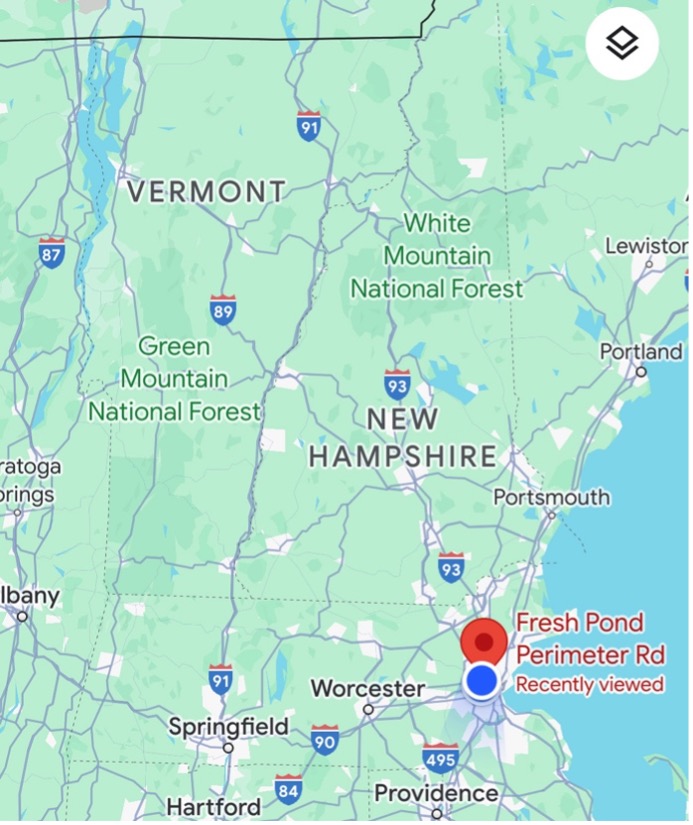
My phenology spot for this assignment was at Fresh Pond, Cambridge, MA.

Brief comparison of the ecology and phenology of my new place in Cambridge, MA to my place in Centennial Woods in Burlington

I spent some time in my new place, a small clearing in the forest at a local reservoir near where I live called Fresh Pond in Cambridge, MA. As I spent time there, the amount of intact foliage was one of the largest key differences I noticed between my phenology spot in Cambridge and my phenology spot in Burlington. At my last visit to my Burlington phenology location, most deciduous trees were bare, having previously lost most of their leaves. However, in Cambridge, some of the trees had intact leaves just past the peak in foliage. Another thing about the ecology of this place that I noticed was how much more human activity was visible from it than in my phenology place in Burlington. The human activity I noticed varied from seeing carest to the noise pollution of the nearby road to even just headlights from the street just through the forest more people walking through the space. Finally, I saw much more wildlife activity in my phenology place in Cambridge than in Burlington. There were many more visible birds, including geese and ducks, as well as squirrels, than at my phenology place in Burlington. I concluded that this was due to the lack of protected land in the area for the habitats of these animals, resulting in their closer contact with human activities. 

Phenology Assignment #3

November 3rd, 2024

Hi!

15 minutes of Silence in my Phenology Site Sit Spot Reflection

This Phenology site observation began with fifteen minutes of quiet sitting in the center of my site. I used my senses to engage with my place and make deeper observations. I was able to breathe more deeply this time and noticed the smells of wet leaves, pine needles, and decaying plant matter. I also noticed the lack of scents that are present in everyday urban life, such as cigarette smoke and engine exhaust. There was a presence of the sound of birds, and I could even hear running water from the small brook near my phenology site if I listened closely enough. The amount of noise pollution was significantly less than in an urban environment like downtown Burlington. However, if I focused enough in my sit spot, I was still able to pick out the man-made noises that existed, such as airplanes and cars off of the nearby road. Overall, the environment of my phenology spot had a much more tranquil atmosphere than the urban development landscape in which I typically spend the majority of my time. During these fifteen minutes, I found that I was much more capable of breathing deeply and was more in tune with myself.

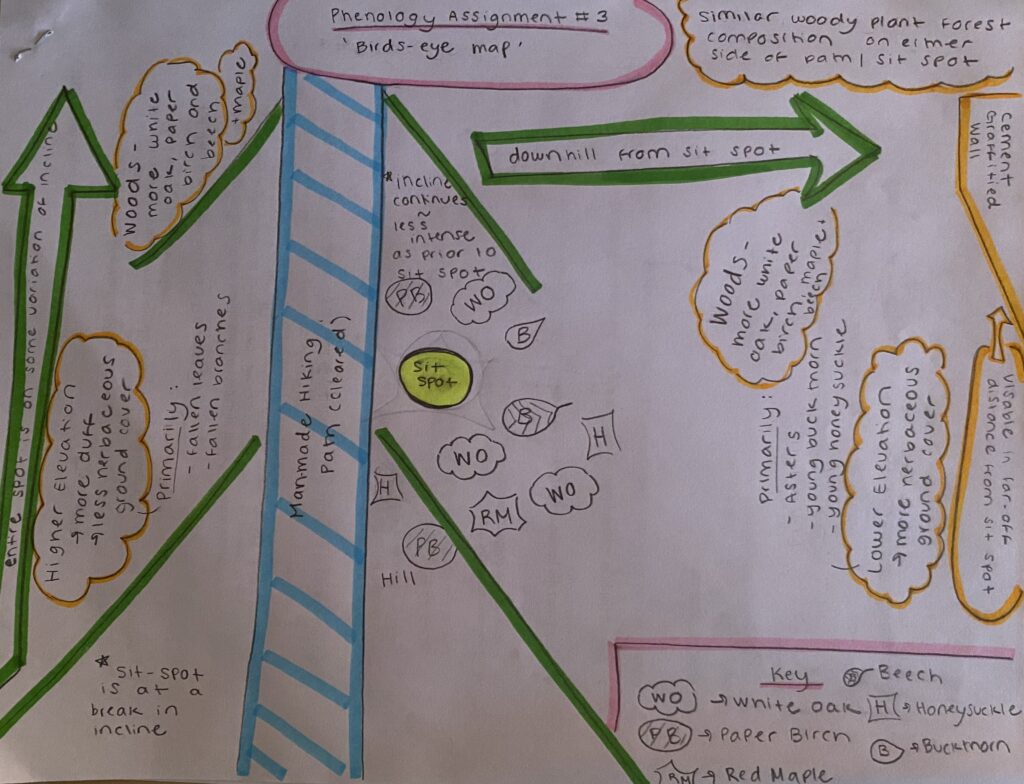
Birds-eye Map

Changes in Vegetation Appearance

As for changes in vegetation since my prior visit to my phenology spot, I noticed that many trees, aside from evergreens, had lost a majority of their leaves. Although some leaves had remained intact on the branches of trees like Maples, Beeches, White Oak, and others, the vibrancy of their leaf colors had gone down drastically. Instead of being vibrant hues of yellow, orange, and red. I observed the forest color makeup to consist of dark green from the evergreens and a variation of brownish-yellow, orange, and red. Additionally, I was able to observe that the trees that had shed their leaves had led to a significant increase in the amount of duff littering the forest floor. This duff consisted of undecayed organic matter such as leaves and branches and it covered much of the herbaceous ground cover that I observed on my last visit to my phenology site.

Phenology Assignment #2

Introduction to My Place:

Google Maps location: https://www.google

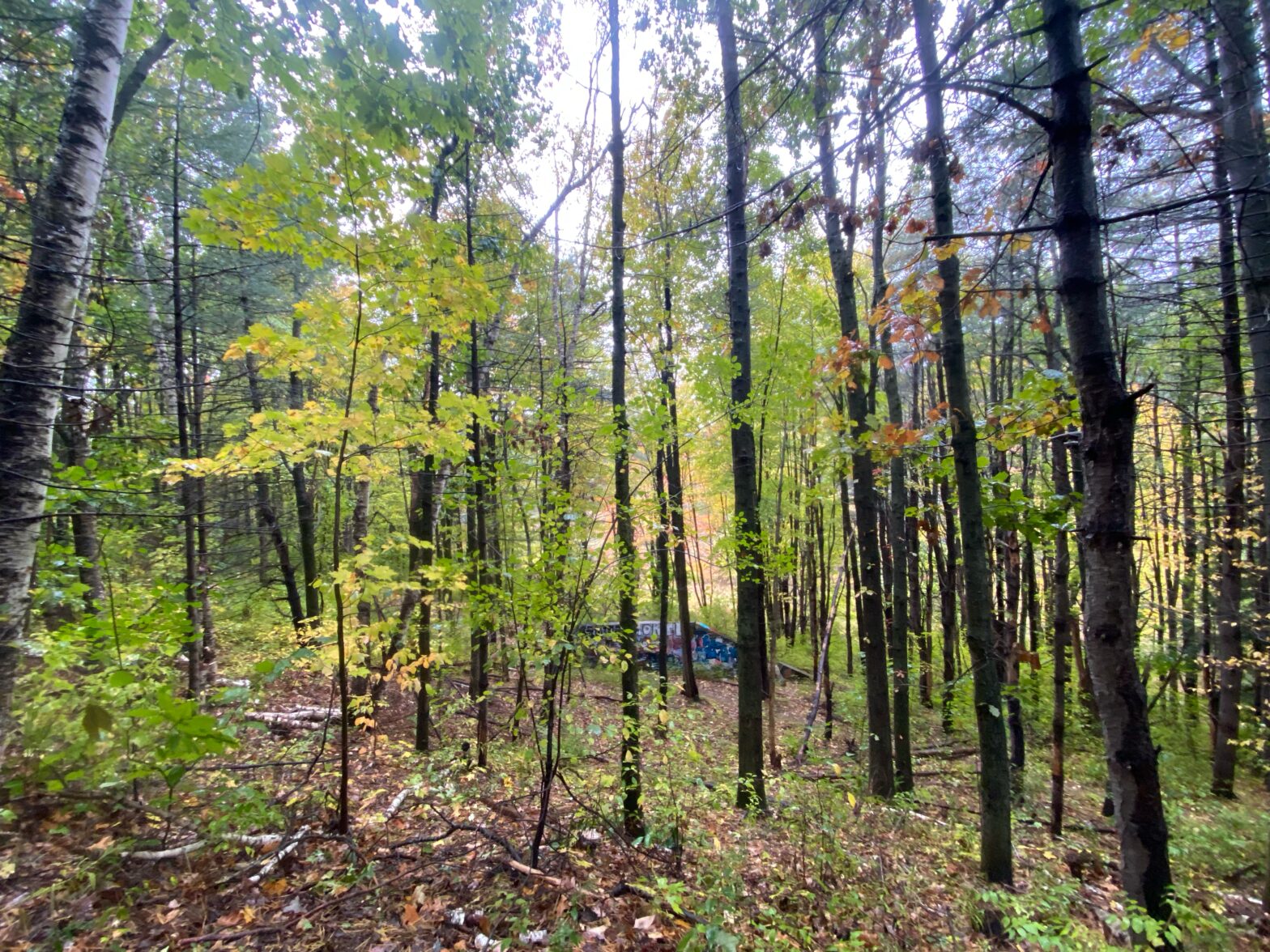
My phenology site is located in Centennial Woods. It is a partial overhang, it is towards the middle of a reasonably inclined portion of the trail. It is approximately a five-minute walk from the trailhead. I selected this spot because it is quite forested. However, it still has a reasonable amount of sunlight coming through the canopy reaching the ground. So this has resulted in this space having a variety of larger woody plants and smaller, younger woody plants and ground cover. I thought this might be interesting to watch evolve over the next few months as the smaller vegetation grows and is affected by the changes in the weather.

Vegetation Description:

 The vegetation at my phenology site varies between smaller saplings and ground-cover shrubbery, as well as established trees. I observed a significant number of white oak trees, both older and younger plants. Additionally, there were several invasive woody plants that I identified, including morrow’s honeysuckle and buckthorn. The woody plant vegetation still has many leaves intact with some slight seasonal color changes.

Common Woody Plants:

Skip to toolbar