The global BioBlitz

I thought it was incredibly interesting how so many groups gathered together to utilize this tool and document the spring phenological changes and species that are returning to life as the winter is behind us. In a world that can seem so full of hatred and unrest, this is one of the moments that shows how beautiful humanity can be as we all get together on iNaturalist to show people from all around the world our home.

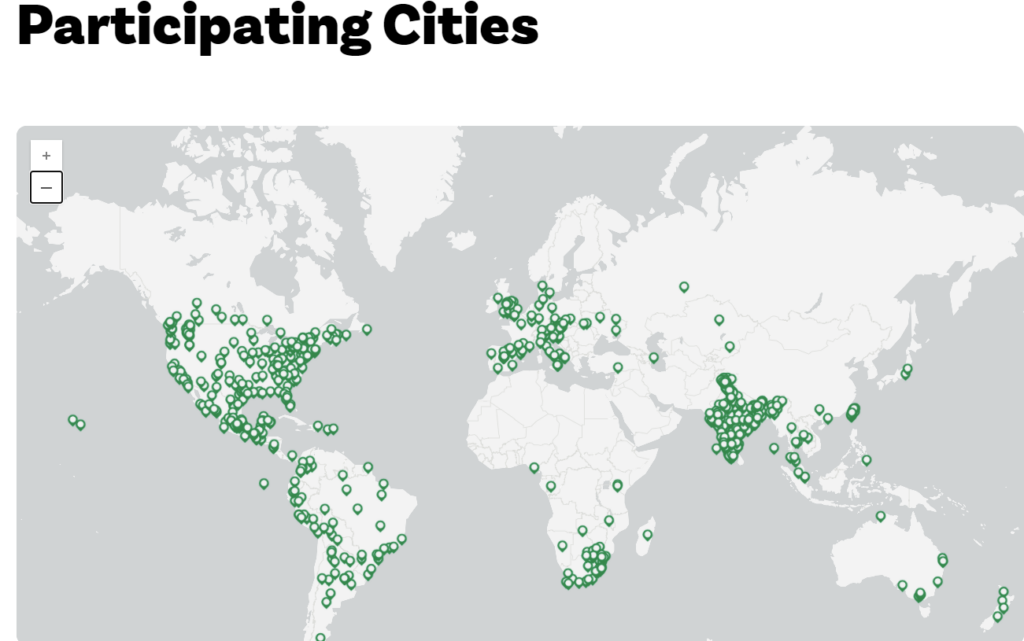
I also thought it was interesting in how many places were participating that I had never heard of. It wasn’t just places like DC and Baltimore, but there were cities from around the world. That was really exciting to see what their phenology was like.
iNaturalist

My experience using iNaturalist was not the best because I could not get it to load for most of my walk and when it did I was curious if the photos ever ended up posting. This could be my fault because I did not have good service, but I would hope that the images ended up uploading for everyone to see once I got wifi at home.

City Nature BioBlitz

I explored the waterfront and the bike path to see what birds I could spot. That was a very nice because I was able to go down for a walk there after lab finished early and take in the sunlight and warm day. 

Burlington Greenway: Bike Path Rehabilitation Project | Burlington Parks,  Recreation & Waterfront

I noticed so many seagulls along the waterfront and I thought that was interesting because I just noticed them in such large numbers today. I also saw a couple of grey squirrels and Canadian geese. 

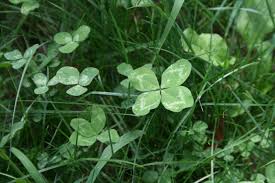
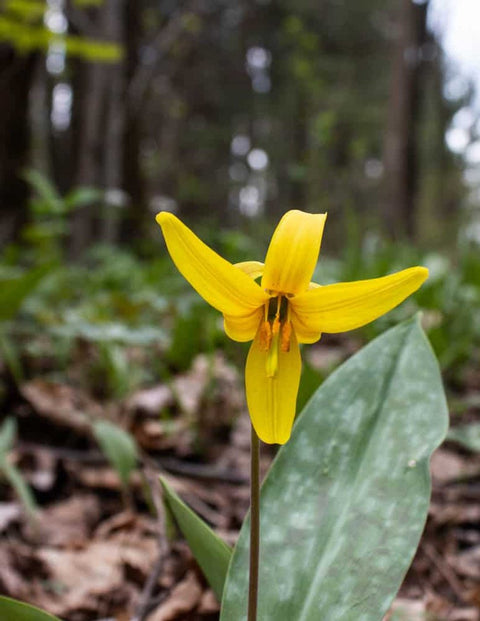
In terms of flora, I observed ground ivy, clovers, and other tiny plants that I could not completely identify. However, I believe that may be violets, garlic mustard, and possibly yellow trout lily.

Four-Leaf Clovers Considered Lucky ...
Yellow Trout Lily For Sale | Nance Plants

My Personal Connection With Centennial Woods From This Year.

 I would say that I consider myself a part of Centennial Woods. For the better part of the last six months, I have visited Centennial Woods time and time again to document and explore the phenological changes. This was a very welcomed opportunity because without a car it was hard to access wilderness areas, and being able to go to this urban wild area was really a lifesaver. There have been many times that I went to Centennial Woods just to read or relax and there have been other times that I went to go running or take a short hike and explore. Either way, Centennial Woods has been a prevalent part of my school year and I do feel very connected to this place. I thoroughly believe that this is a place that I will return to in the future.

Culture and Nature in Centennial Woods

Centennial Woods is a big example of how culture and nature are intertwined, as it is an urban wild. Centennial Woods provides an excellent opportunity for the culture of the University of Vermont to thrive. Stereotypically UVM is a very outdoorsy school, but as seen time and time again, the environment is not seen as accessible for everyone and Centennial Woods provides an accessible place for all cultures to connect with nature. 

Final Phenology Observations

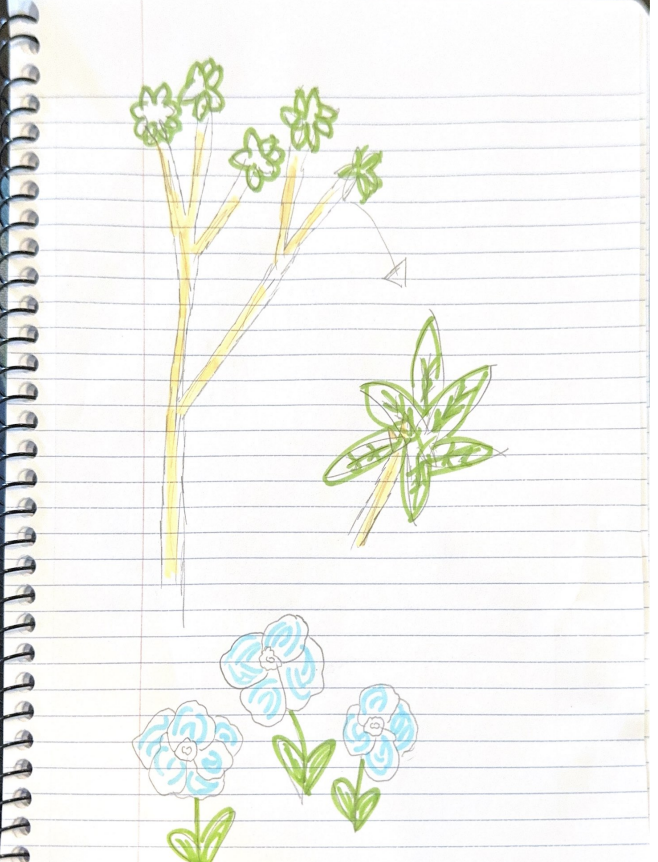
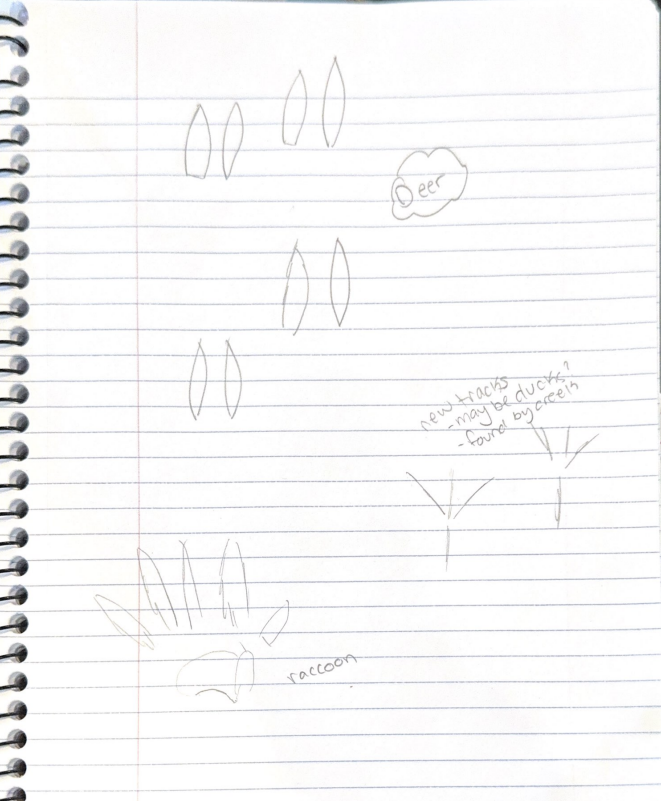
When I returned to my phenology spot I wanted to focus on my connection with the place, so I wanted to sketch what I saw instead of just taking photos.  

What I observed was that there was life coming back to Centennial Woods and everything was so much greener. Most, if not all, of the trees were budding and finally had leaves coming back. I went back after it had rained so I also noticed a plethora of animal tracks from animals and their young becoming more active as it warms up. 

Overall the biggest thing that I noticed was how the plants seemed to come alive. There were sprouts of young plants coming up, and I saw a number of tiny flowers emerging from the ground similar to the ones on the trail at the Birds of Vermont Museum, and the color really added a lot to the blooming environment. 

Spring Phenological Changes

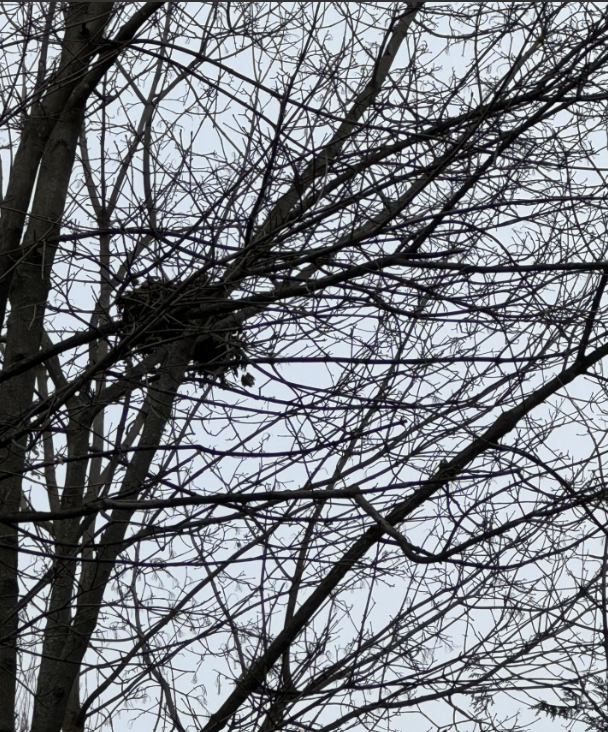
Since the start of the first semester, I have witnessed Centennial Woods through many phenological changes. As we enter the start of spring I noticed the rejuvenation of the phenological aspects of centennial woos: buds on trees, some green patches, and the signs of animals returning (bird nests and sounds of animals in the brush. I did not see any tracks however that may have been from the snow melting and washing away the tracks this week. I look forward to seeing what is coming up for centennial woods.

Bird Activity

I did not hear any birds while I was at my spot, but a friend that I was with, who is an avid birder, suggested that it was due to the impending storm as we did this Friday evening. This being said we did notice signs of bird life.

Budding trees

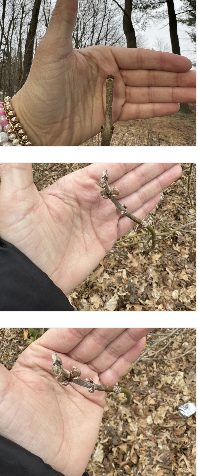
Upon observations, I noticed that many of the trees had begun to bud, with the exception of evergreens. Every limb appeared to have new buds waiting for the arrival of spring.

iNaturalist Observations

My NR 1020 classmates and I observed cotton tail rabbit tracks while we were heading to go get coffee. We took a small detour to follow the rabbit tracks for a good distance around the CWP building and into the surrounding woods. We followed the tracks for about 10 minutes. Unfortunately, it snowed the night before we found the tracks, so it was difficult to see the tracks however using a ruler and tracking guide to decide the tracks were from a rabbit.