
Part 1:
Monday, July 5th, 11:30 pm. Today the temperature outside is around 76 at the time of observation, with cloudy skies, no wind, and a slight chance of rain later in the day.
Part 2:
When I arrived, I decided to take a closer look at the nonliving things that make up my site. I feel like for the past couple of weeks I’ve been focusing on the trees/other plants and animals that live in this particular area. Today, I decided to be a little bit more curious about the dead wood and organic decaying matter around my site. The first thing I noticed was that there weren’t a lot of large fallen trees or branches in this area. Joppa Hill Farm is used for educational purposes, so it is very evident that they manage this area well. With that being said, there were quite a few rotting stumps on my site. My guess is that these were either trees that were harvested for wood or cut down to prevent a hazard. Other than that, there were smaller branches but nothing too substantial in size. As for the decaying matter, it was pretty typical of what you’d see in any New England Forest (lots of leaves and pine needles/cones).
Part 3:
Something I found intriguing about my site and something I’ve noticed all across the state of New Hampshire is how many stone wall structures we have. All across the Joppa Hill Loop Trails, there are stone walls. I’ve become super accustomed to seeing them and stepping over them while hiking, but I’ve never really stopped to think about why they are there and where they came from. When I got home from visiting my site, I did a little bit of research. I figured out that the stone walls were often used as property lines or to keep farmers’ animals in/other harmful pray out. They also served a dual purpose because when farmers plowed their lands, they took all the rocks and constructed these stone walls. For many, it probably seems so simple, but to me, I find it so fascinating how these walls have survived for hundreds of years. It is wild how I can be walking deep in a forest and all of a sudden come across a stone wall. Imagining that at one point the land where I’m standing was not heavily populated with huge trees, instead, it was a big open field used for farming.
Part 4:
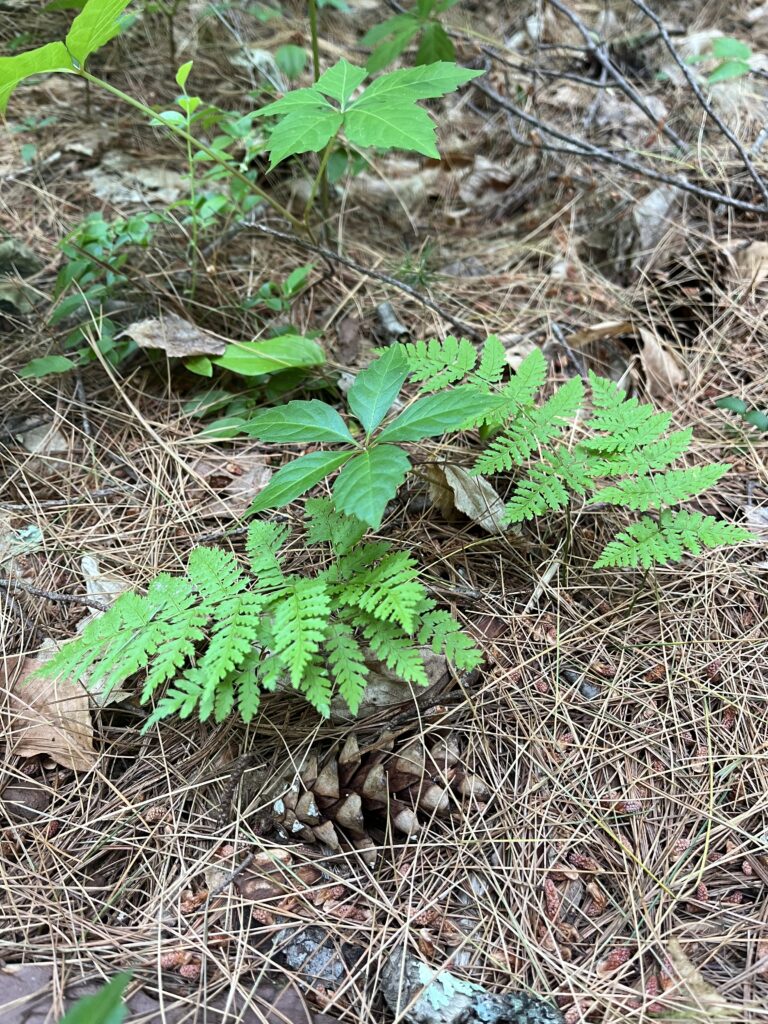
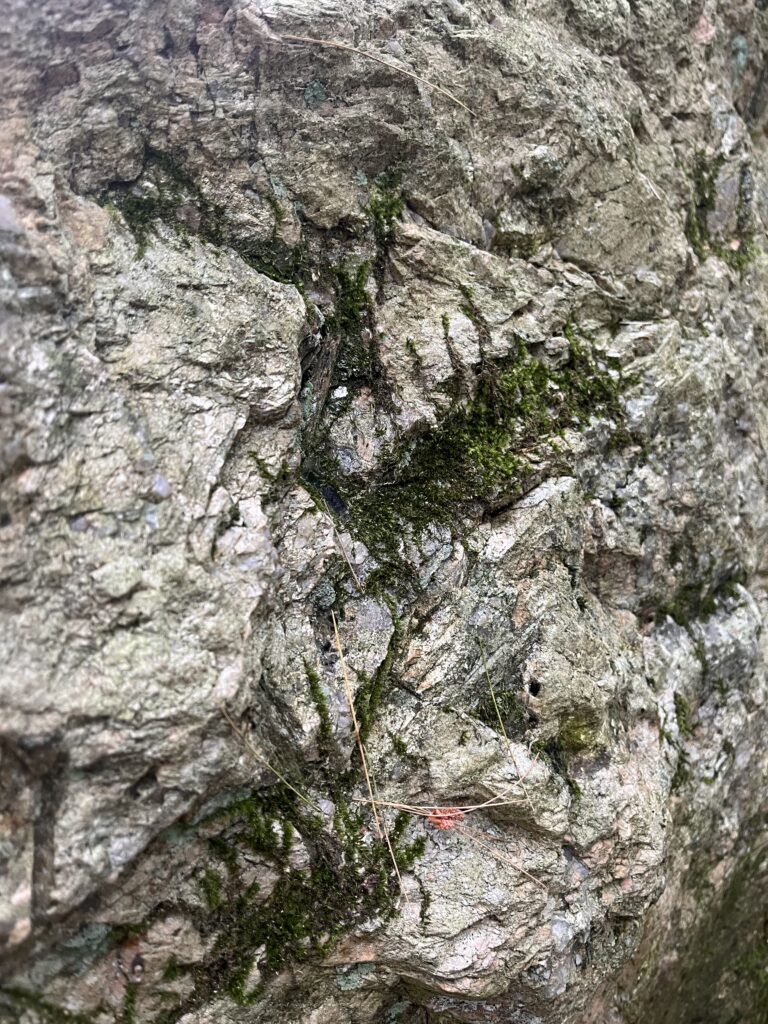
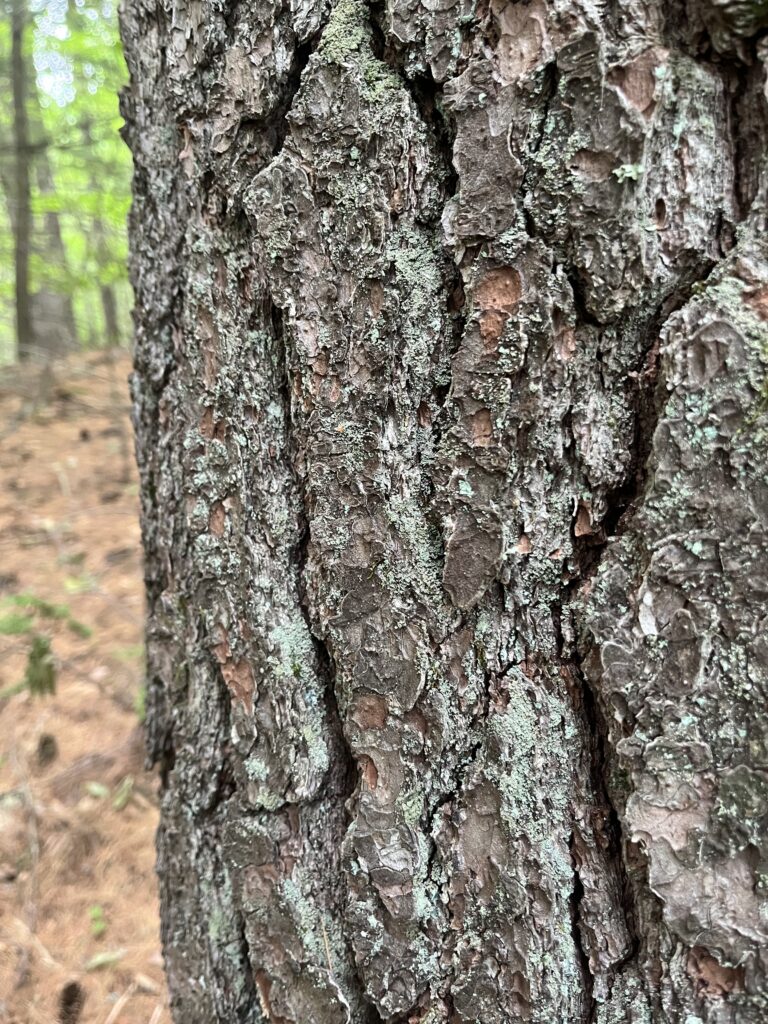
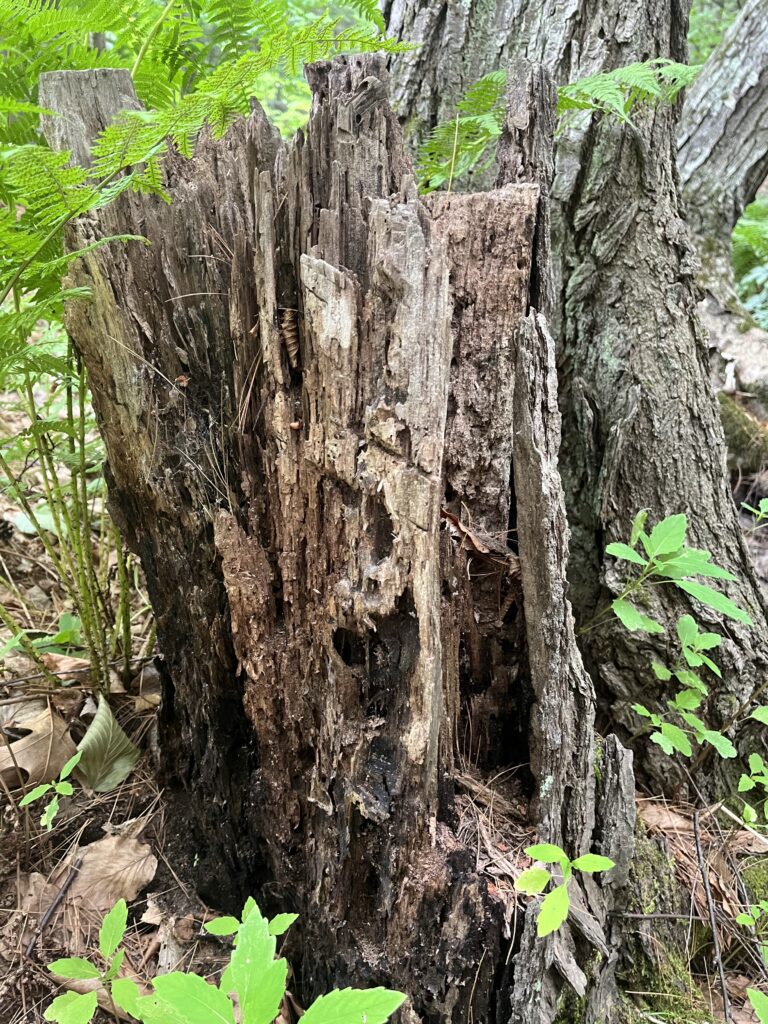
Conclusion:
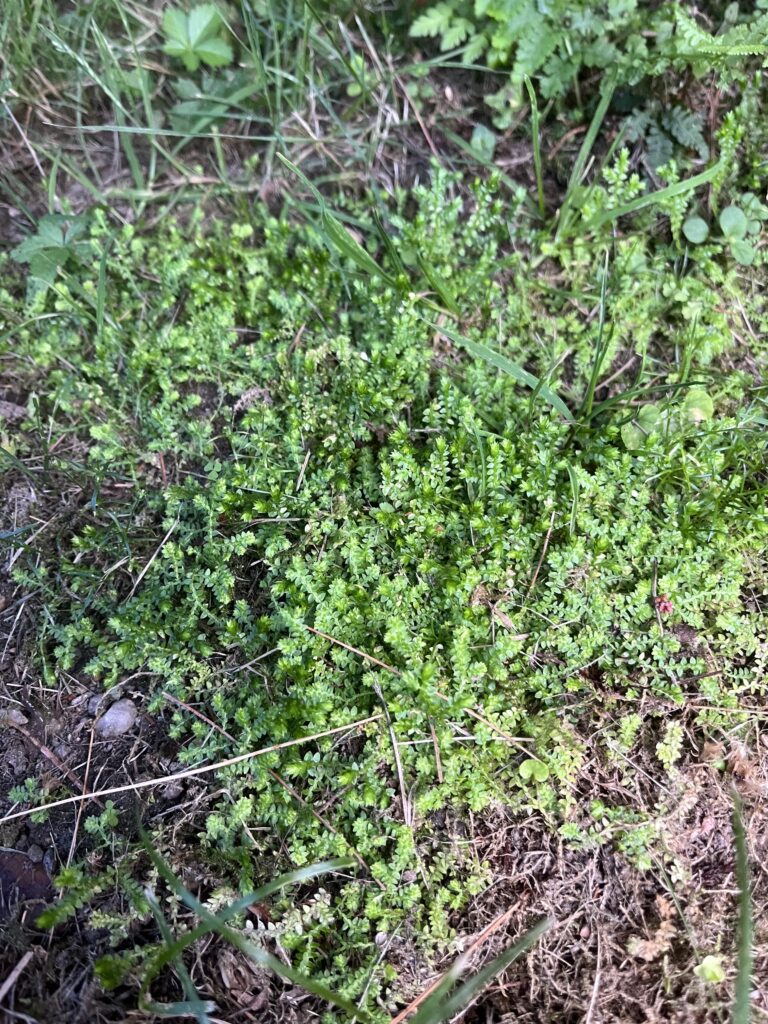
Photographing images while at my site had a similar effect to last week when I sketched certain objects. I do feel as if sketching made me find objects that were relevant to this area where I’ve been making observations and not completely impossible for me to sketch. While photographing, I noticed myself taking a lot more pictures, just because it was super easy to click a button and be done. So although photographing still helped me slow down a little bit. I think sketching made me stop and think about my area much more.