
During the BioBlitz week , I visited Rock Point. It was interesting to come back to the site that we had lab at in the first semester and seeing how much the area has changed. There was little leaves on the trees and tide that day was very high. Personally, I don’t really like using iNaturalist, but I understand the pros of it and like how it encourages a community where you are. The most interesting thing I learned was that even though a place might have more people but that doesn’t mean they’ll have more observations.
Posts
Return to My Phenology Spot
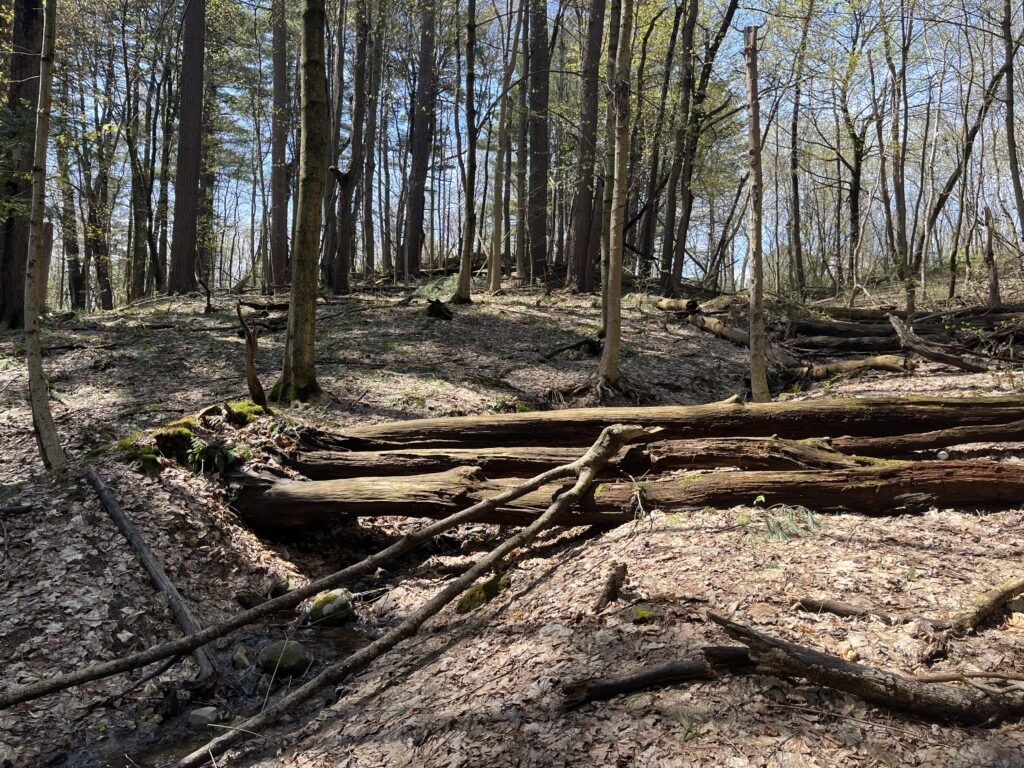
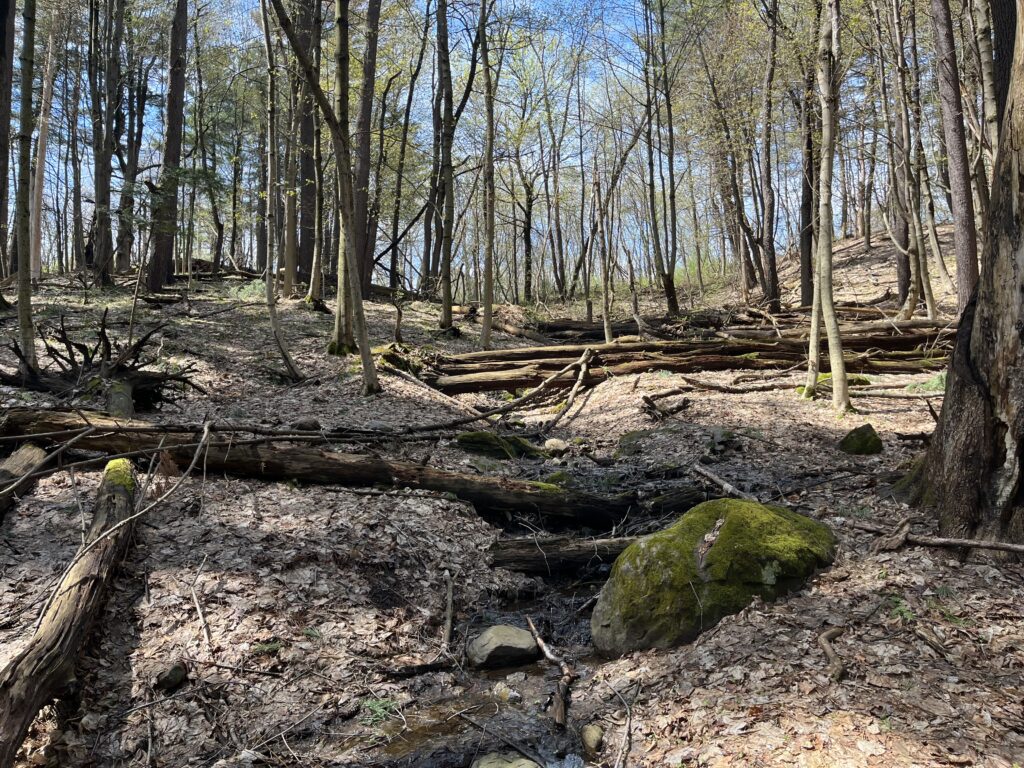
The spot feels like it hasn’t changed all too much since the last time I visited. It gained some more leaves both on the ground and starting to grow on the trees. The trees still remain mainly leafless but more forest floor plants are growing. Some of the landmarks I’ve grown accustom too such as the dead tree that I turn left at to get to the trail near my spot. The spot itself is very quiet spot but is still near a trail meaning many people walk by but since its off the path its doesn’t see much foot traffic. I don’t know if I consider myself a part of the space I rarely visit.

Tree Phenology Part 3
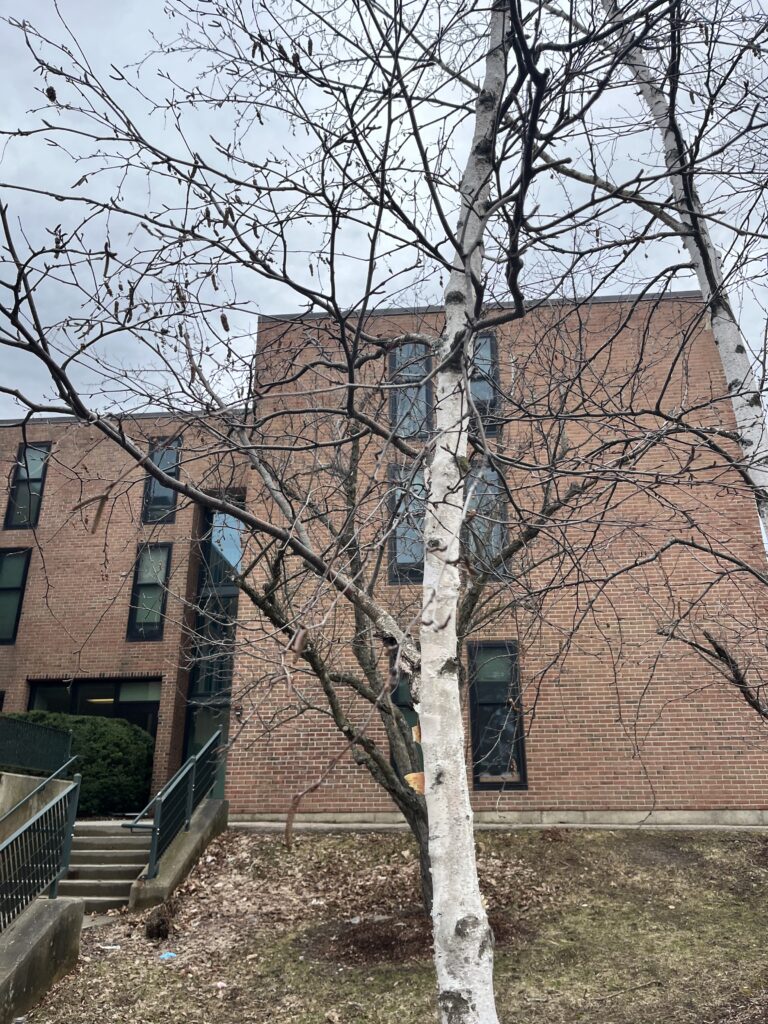
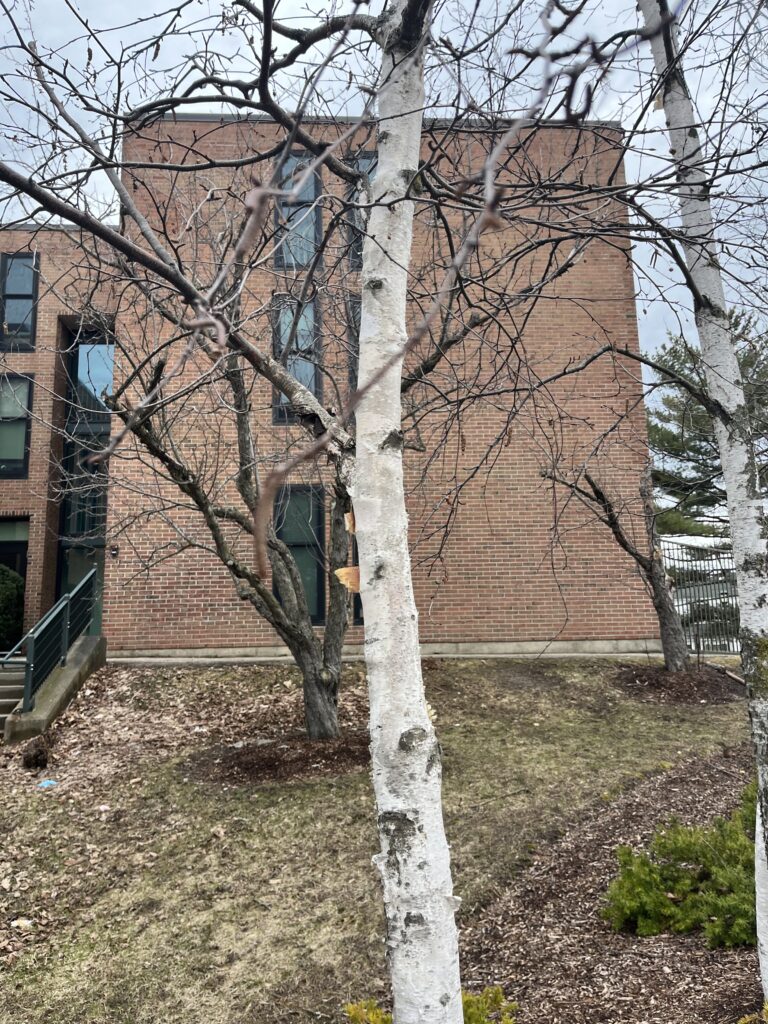
The birch tree is starting to look like its ready to start growing leaves. The buds are at their longest, about a 1/4 of an inch. Some of the buds toward the top of the tree even looked like leaves were breaking out. Overall, the leaves should be coming soon.
Tree Phenelogy Part 2
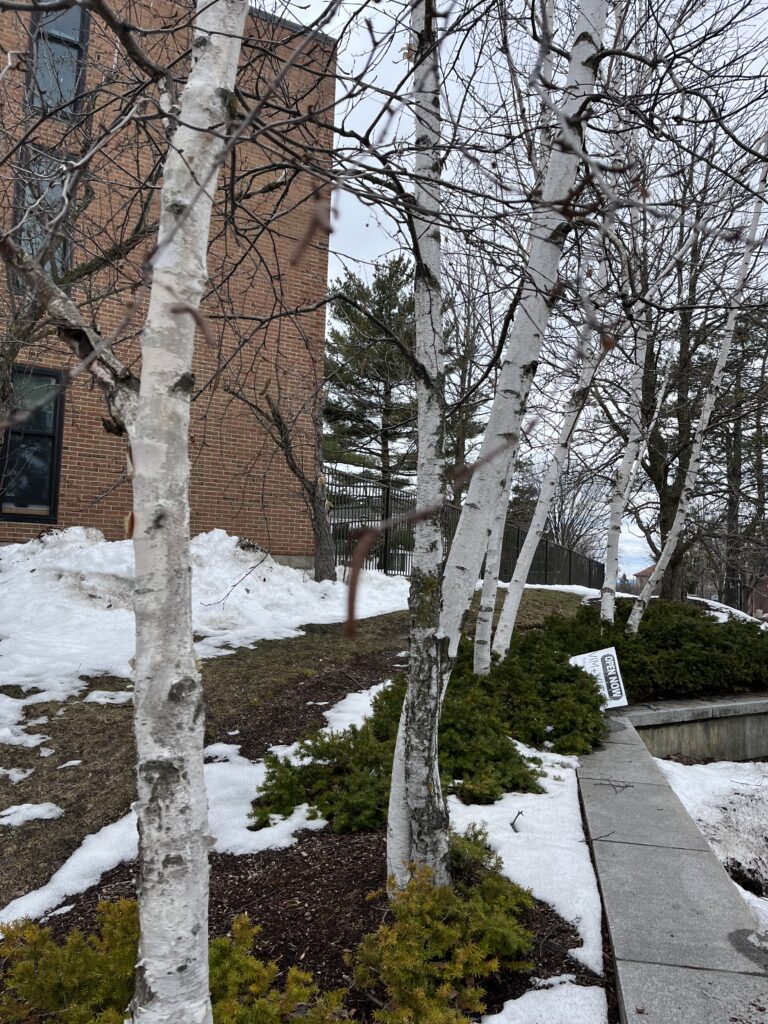
There were very little changes between my first and second visit of my tree. The buds seem to be a little longer than before and there are more of them than I remember, but other than that it is virtually the same. I am excited to see when the buds start becoming leaves and watching the tree “come back to life”


Tree Phenology
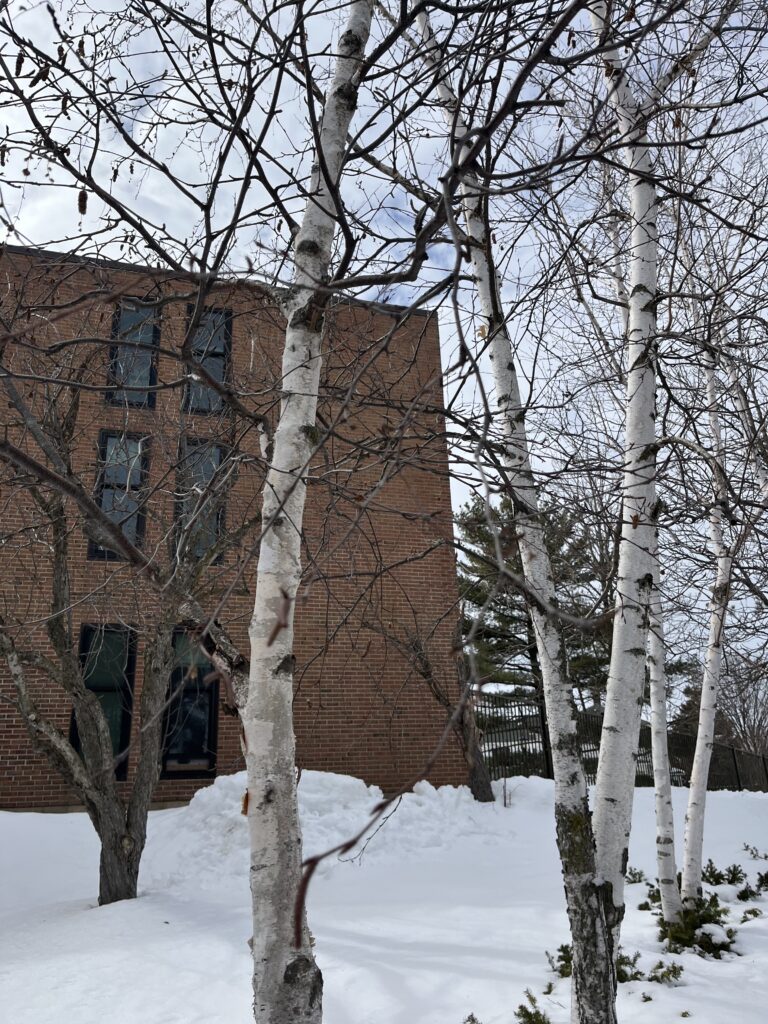
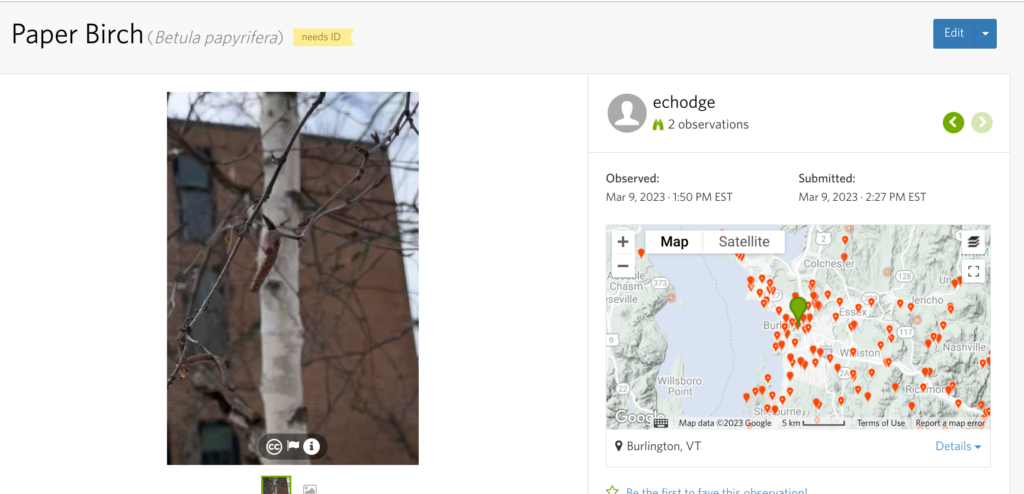
The tree was identified by signature white bark. There were no leaves yet however, there were many buds to be seen which indicated the arrival of leaves that come in around April and May.

iNaturalist Observation
I went to the beach by the Leddy Park Ice Rink with a friend and we found some ducks. The Mallard was pretty simple to identify since it had the signature green head. Using iNaturalist was fun, it was interesting seeing my classmates observations and the different species in the area. It was difficult to take a good picture because i was scared i would accidentally scare the ducks away

First Post of Spring Semester
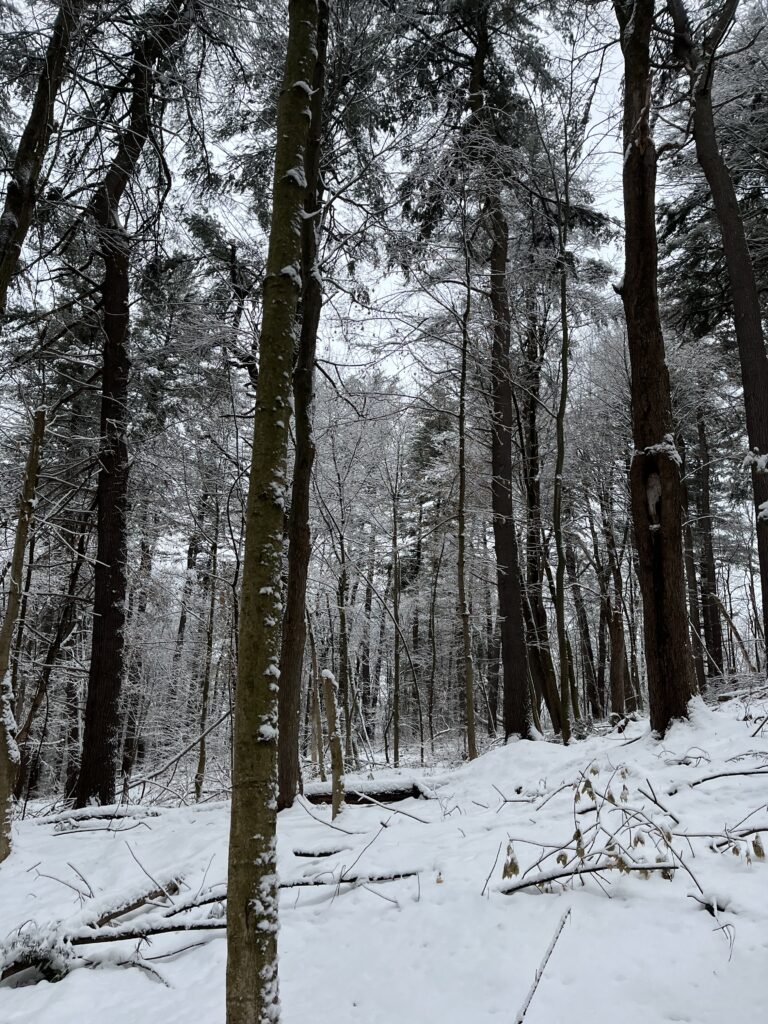
The overall landscape and elements have not changed drastically. However they are covered in around 4 inches of snow. The branches of the trees are weighed down by the weight of all the snow. The small stream of water is still running and is not frozen over. I believe I found rabbit tracks in the snow as well as I heard birds, sothe wildlife has adapted to the weather change




Final Post of the Fall Semester
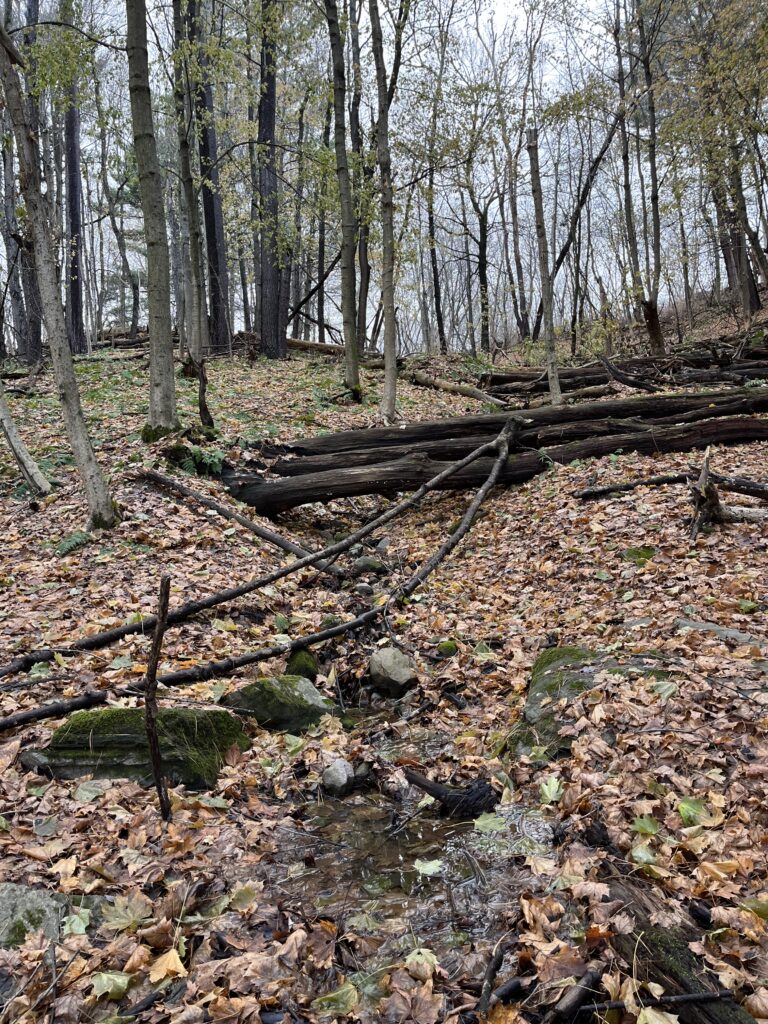
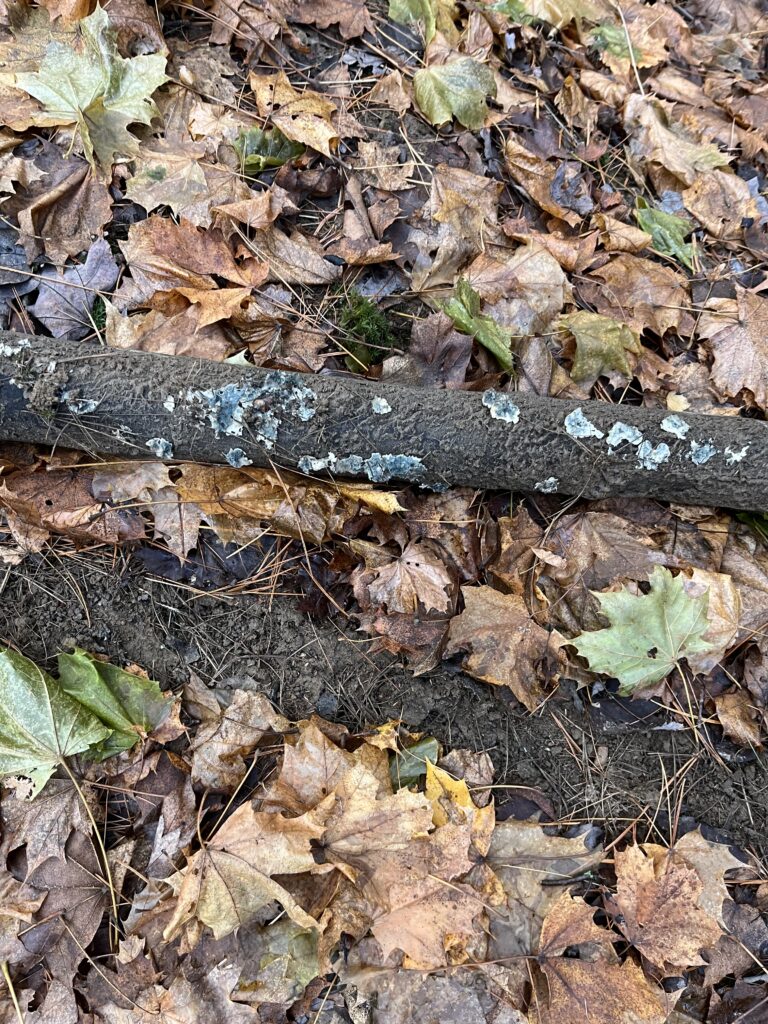
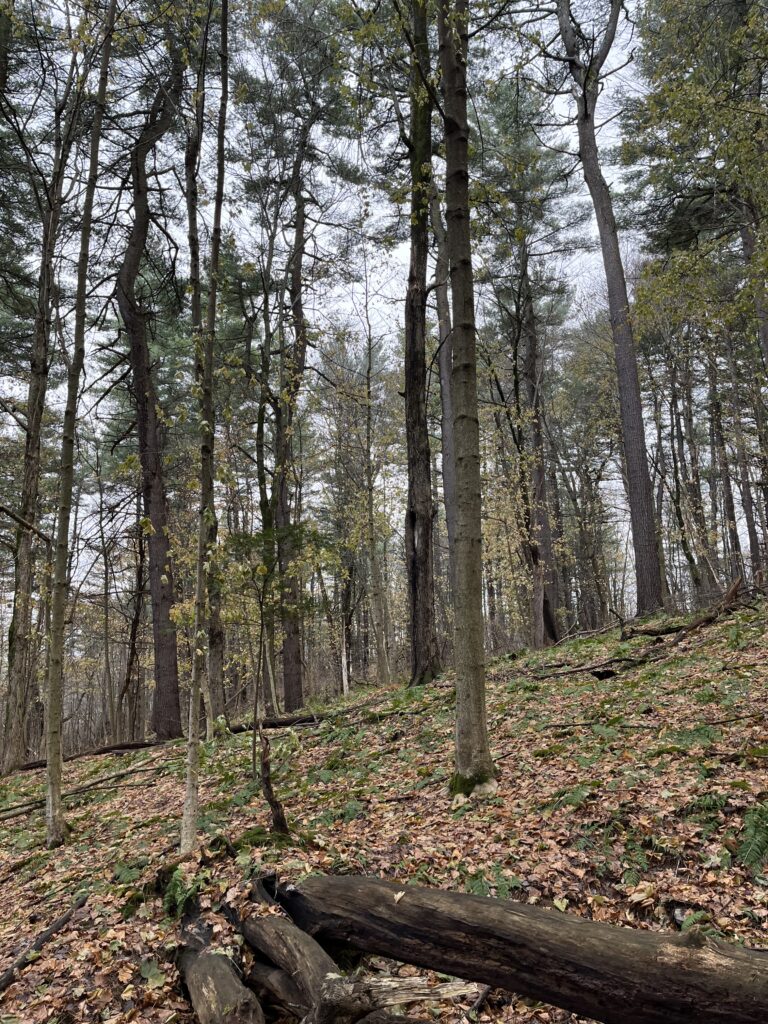
Almost all of the trees have lost their leaves, the Norway Maples still have leaves but they are almost all gone. The forest floor is covered with the fallen leaves, there is no visibility of the dirt and grass below. There are also more fallen trees then my past visits, with signs of early decomposition. I saw some birds and heard a woodpecker farther in the distance and some very small insects. For the most part there was no obvious signs of animal living in my spot. My favorite part of my phenology spot is how open it feels, it is a very peaceful place in which you are surrounded by nature but not in a lost in the woods type of way
Thanksgiving Break Entry
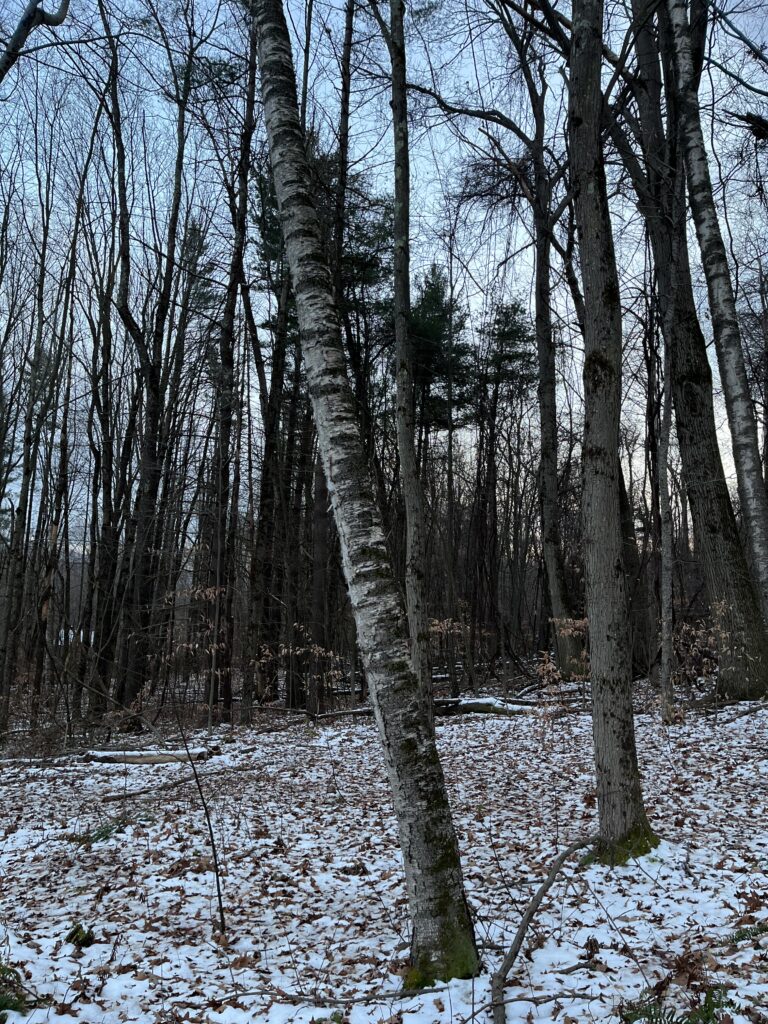
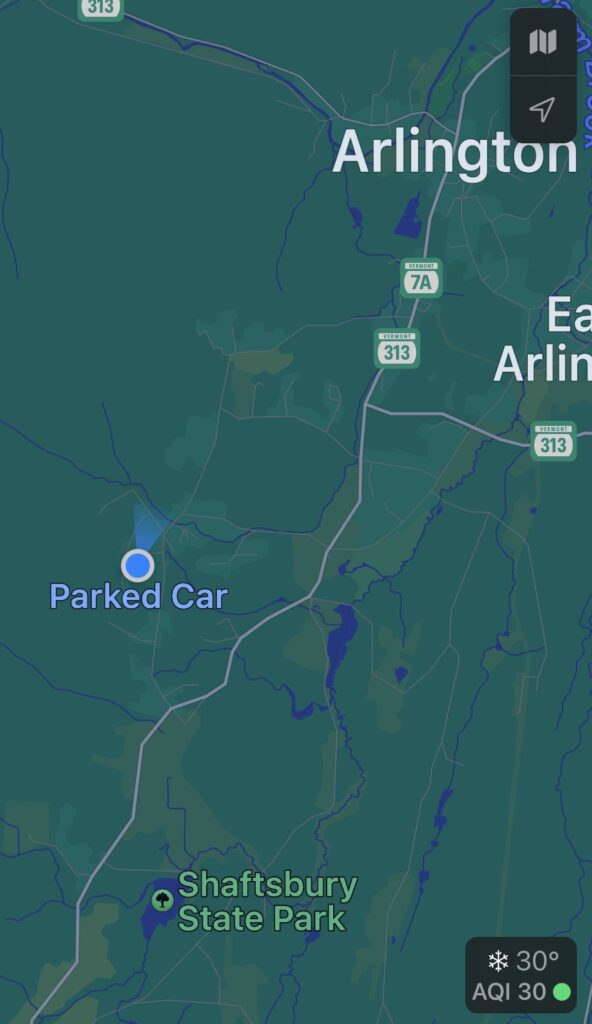
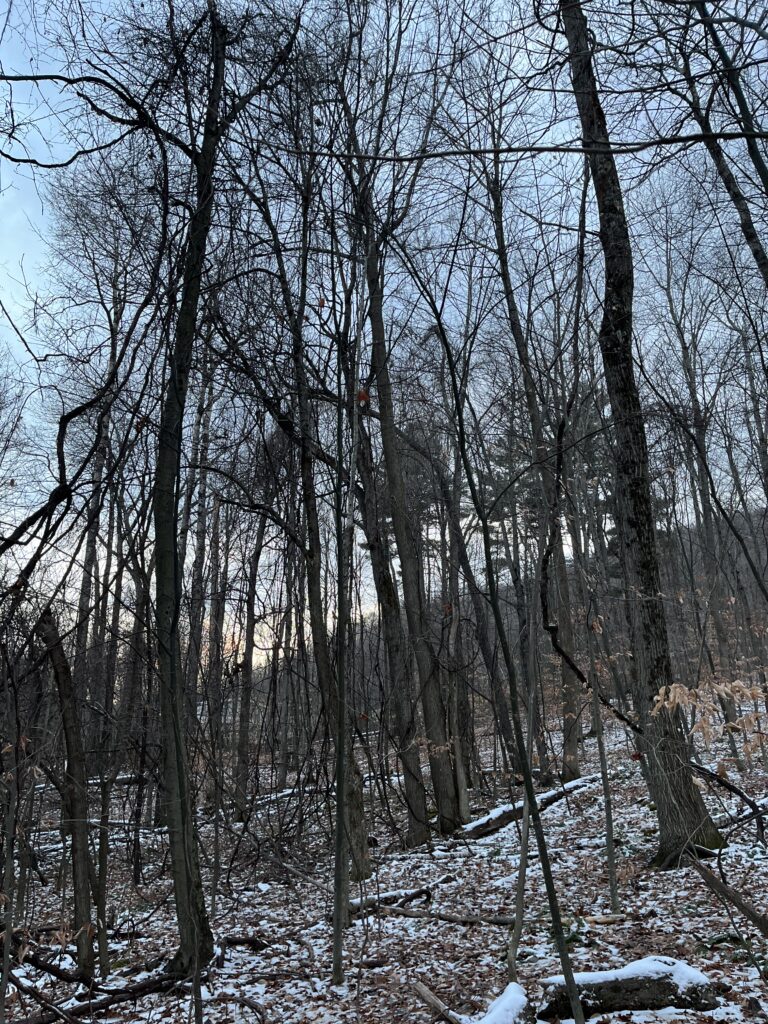
I chose my Grandma’s backyard as my Thanksgiving phenology spot. She live on a mountain in Bennington surrounded by the trees. I saw many species including Red Maple, Paper Birches, American Beech. There was at least an inch or two of snow on the ground, so it was hard to look for species which live on the floor. However, the high amount of leaf litter was very clear to see. The species and patterns are not very similar to my phenology, where my was more spacious and filled with pine needles on the ground, this spot had trees closer together and not as much coniferous trees.
Map of My Spot
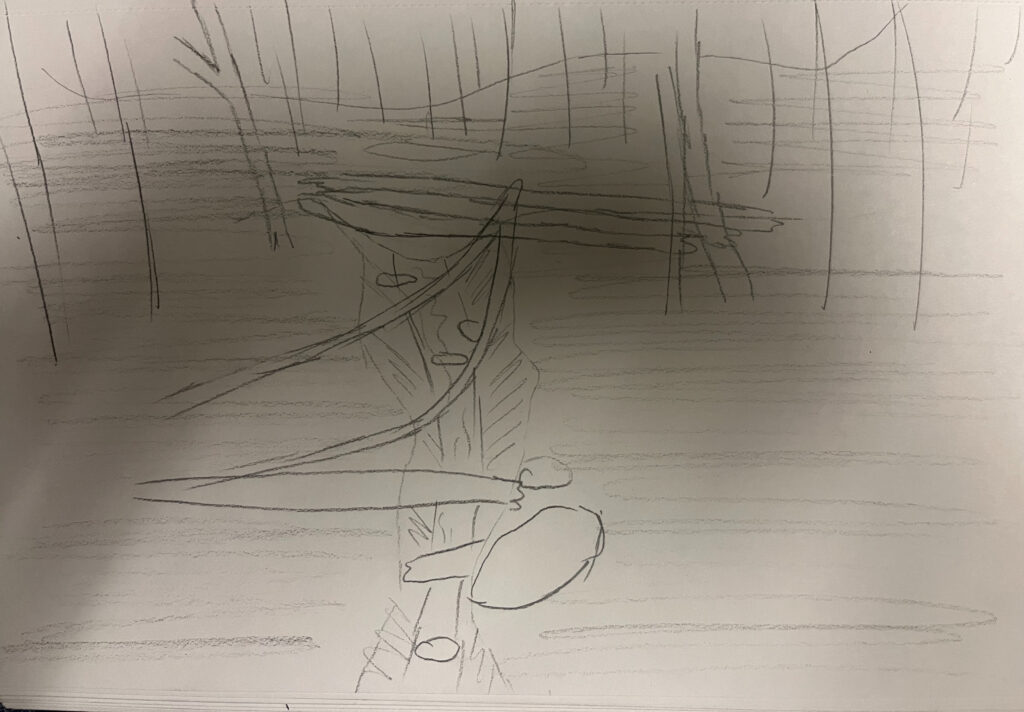
The overall vegetation of the area has not changed, however the looks of the existing vegetation has. Both the Norway Maple and White Oak trees have lost their leafs covering up what lives in the understory like the wood fern and moss. The transition of seasons in very clear and makes for a great place to sit and think. Below is a hand-drawn map of the area (Leaves on the trees were included to help differentiate betweeen the species even though they are not present currently)
