Phenology Blog

10/14
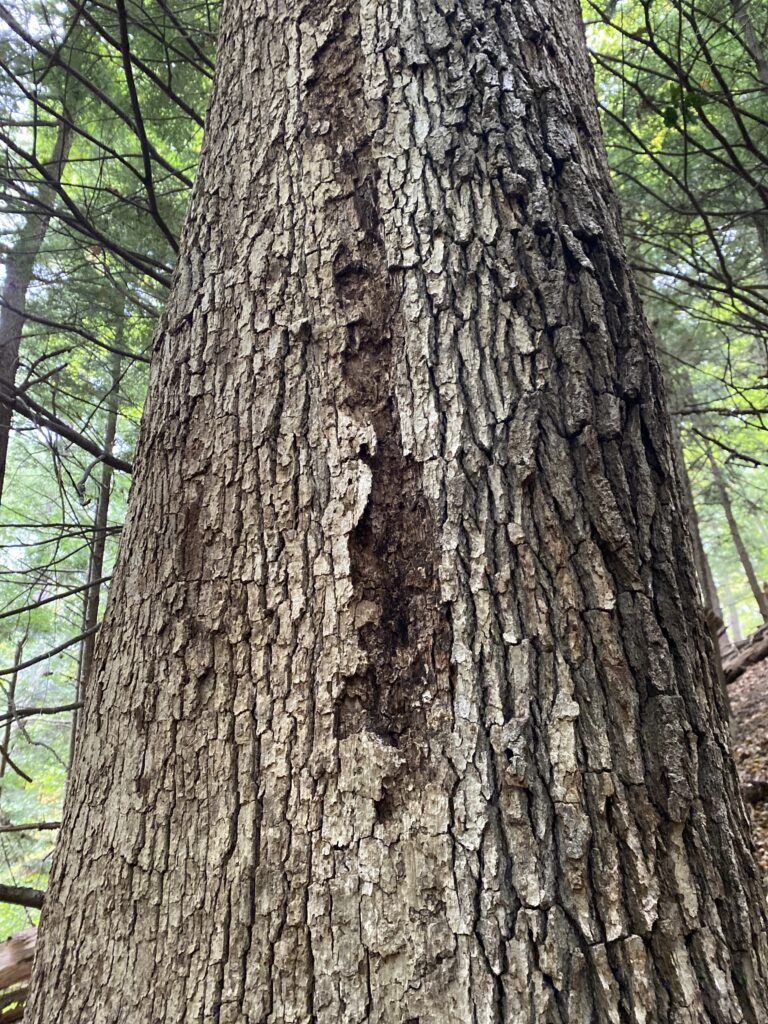
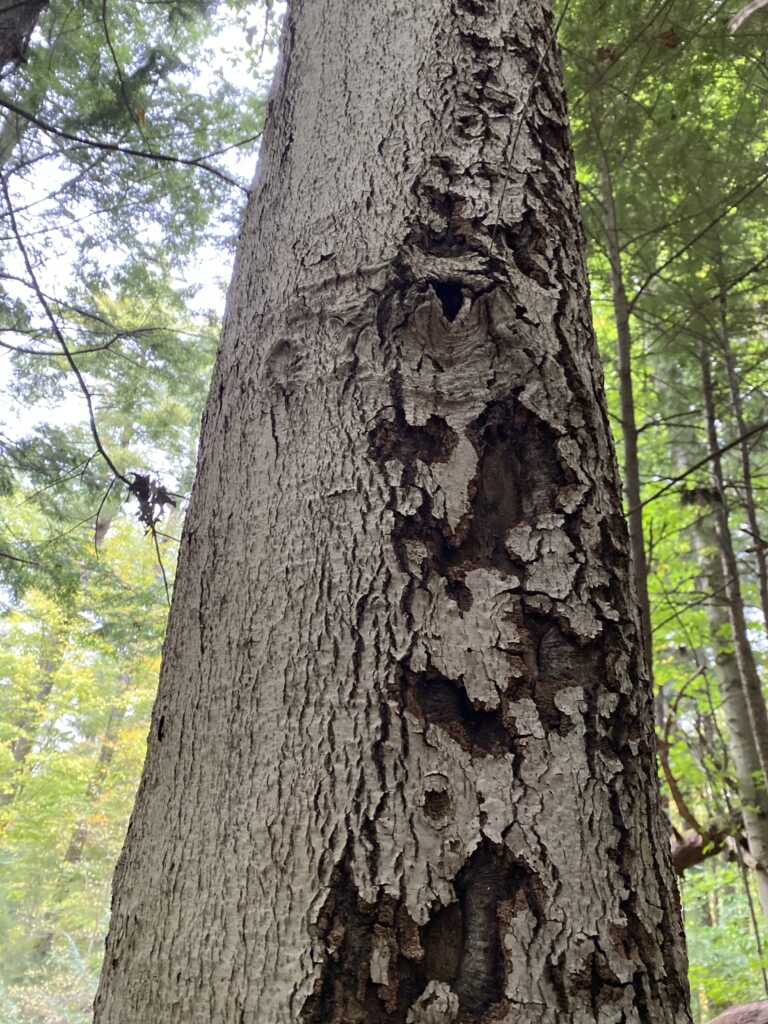
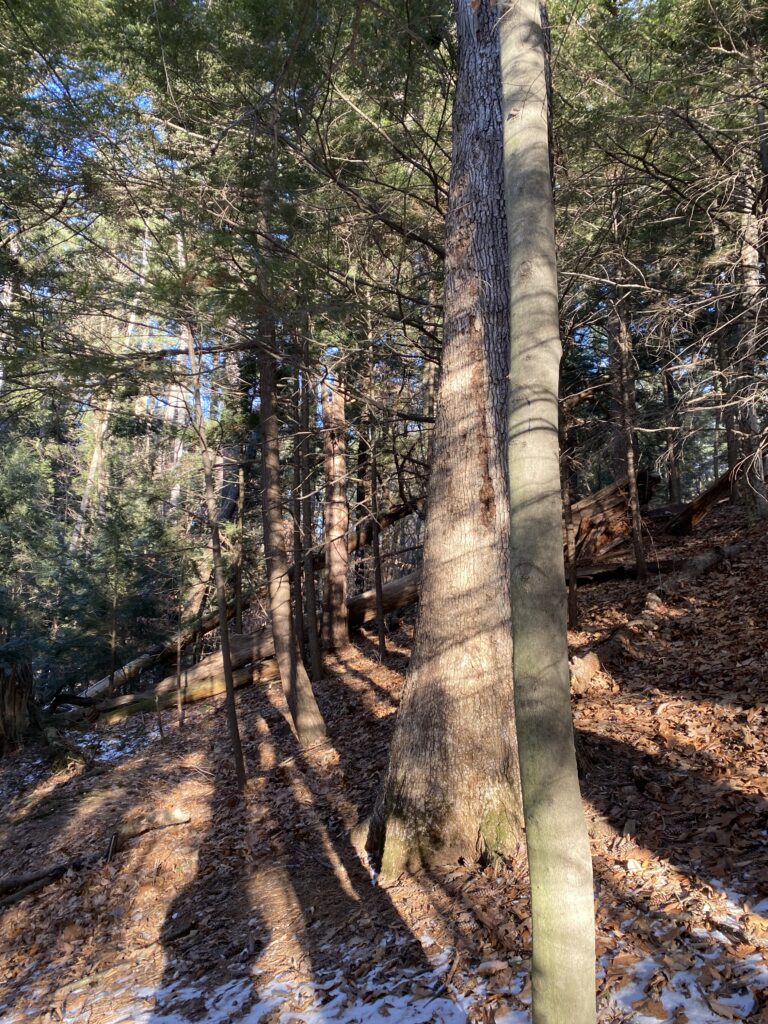
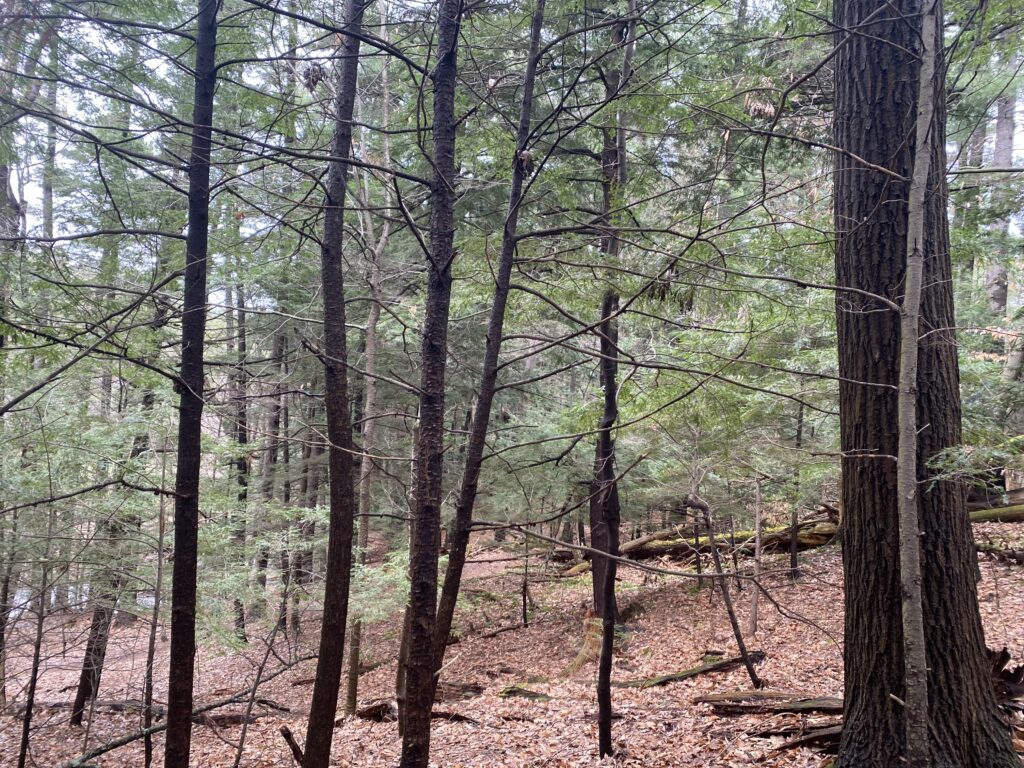
My spot is in Centennial Woods, centered around a tall white oak. This oak is across the brook and about half way up the hill in the more open section where the trail widens. It is vaguely across from the bunker.
I chose this spot because I just really liked where it is in Centennial Woods. I wanted a central tree to work off of, and this oak was prominent with smaller trees and vegetation around. It seemed like a place where I could easily note changes over time.
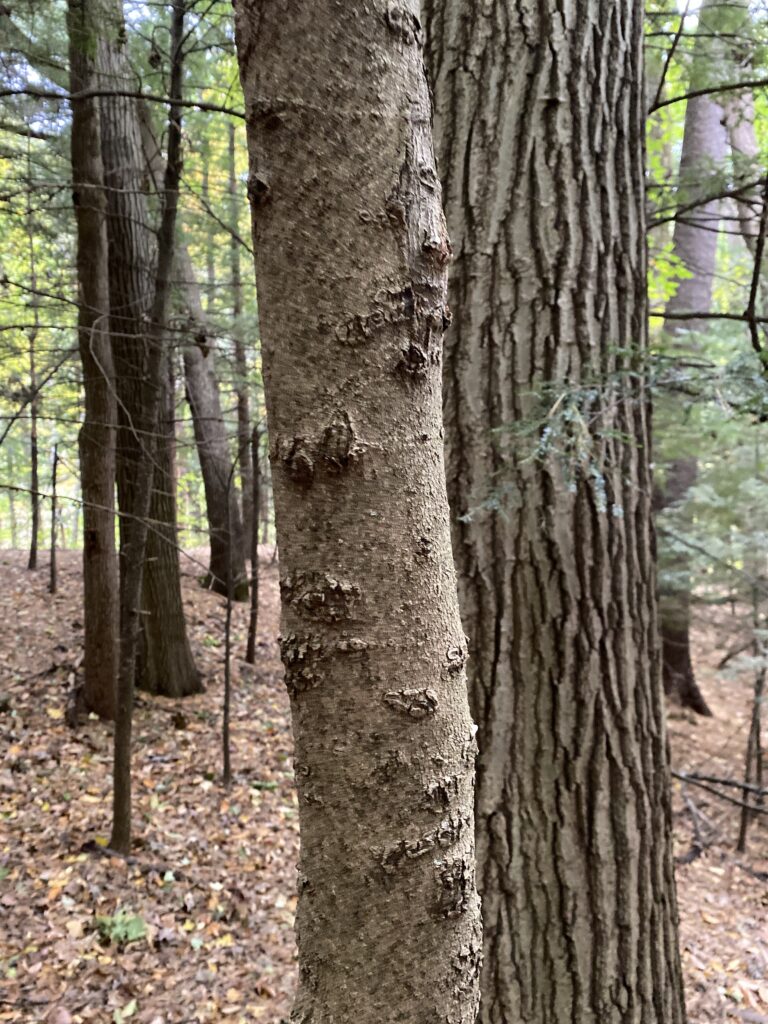
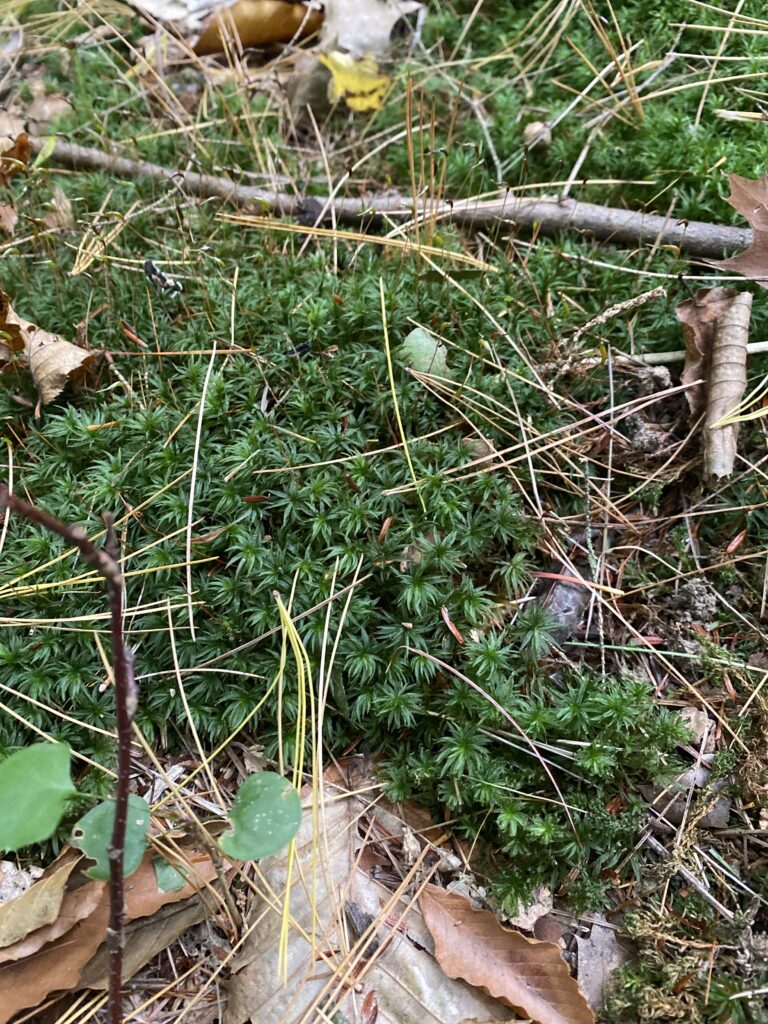
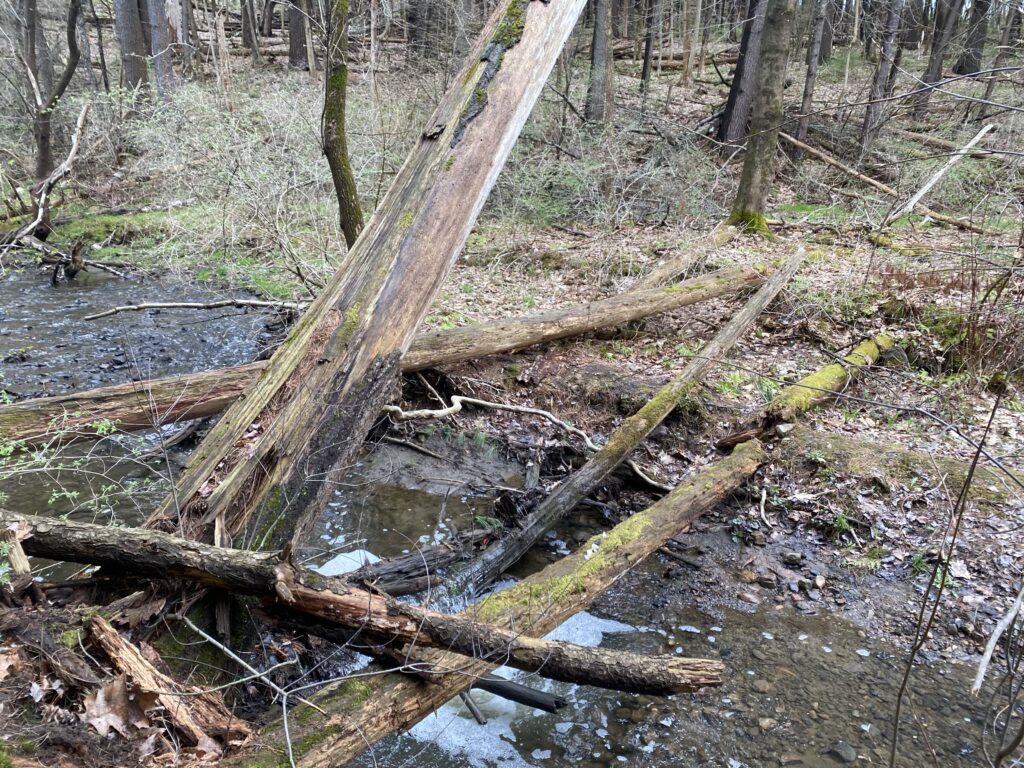
In this area, the majority of the vegetation are trees species. The central white oak is a part of the over story, and the younger surrounding trees are a part of the understory. Some ferns and moss can be found on the forest floor as well as some fallen trees.
Tree Species Observed
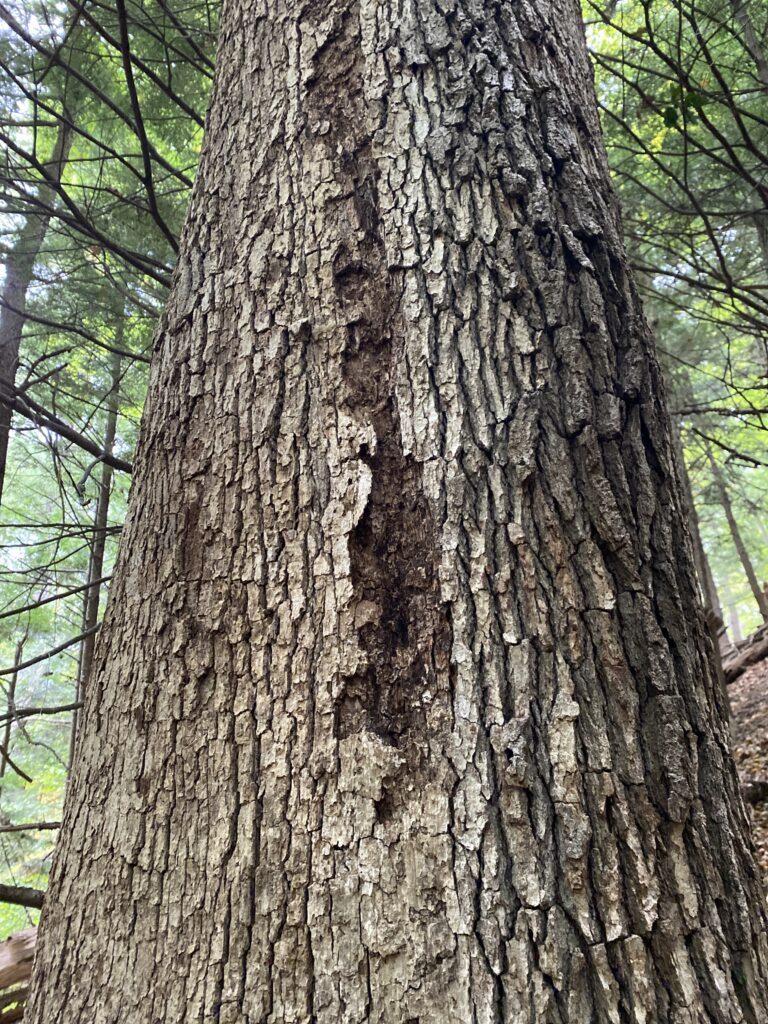
- Northern Red Oak
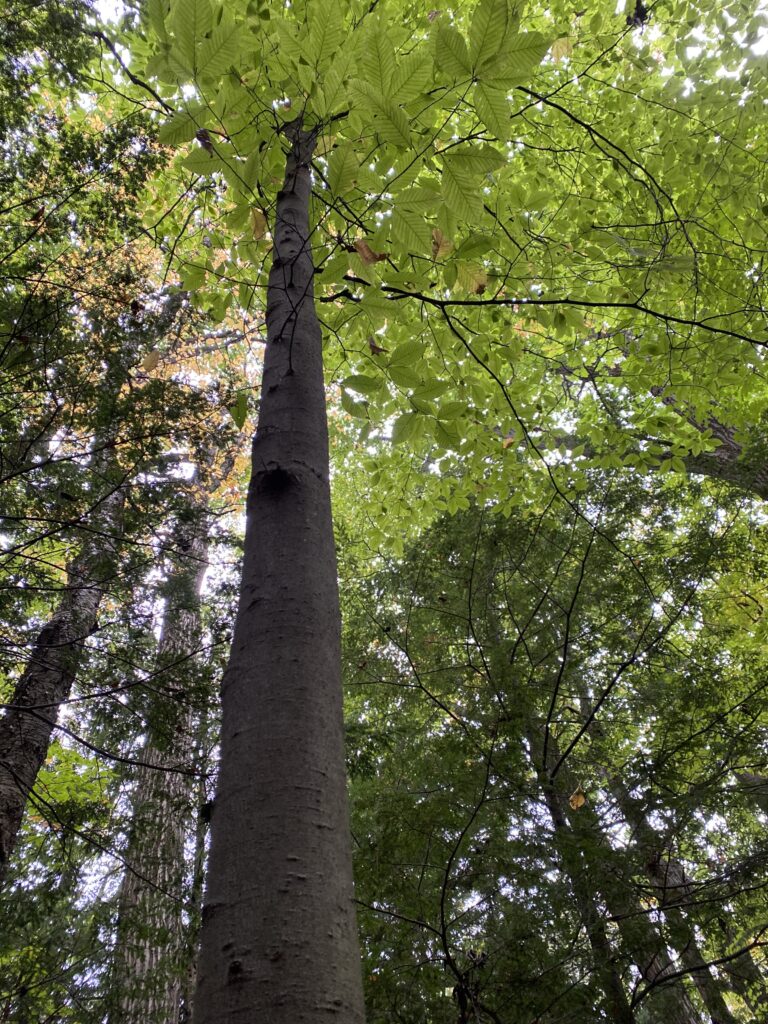
- American Beech
- White Oak
- Eastern Hemlock
- Yellow Birch
- Sugar Maple
Other Species
- Catherine’s Moss
- Black Witches’ Butter
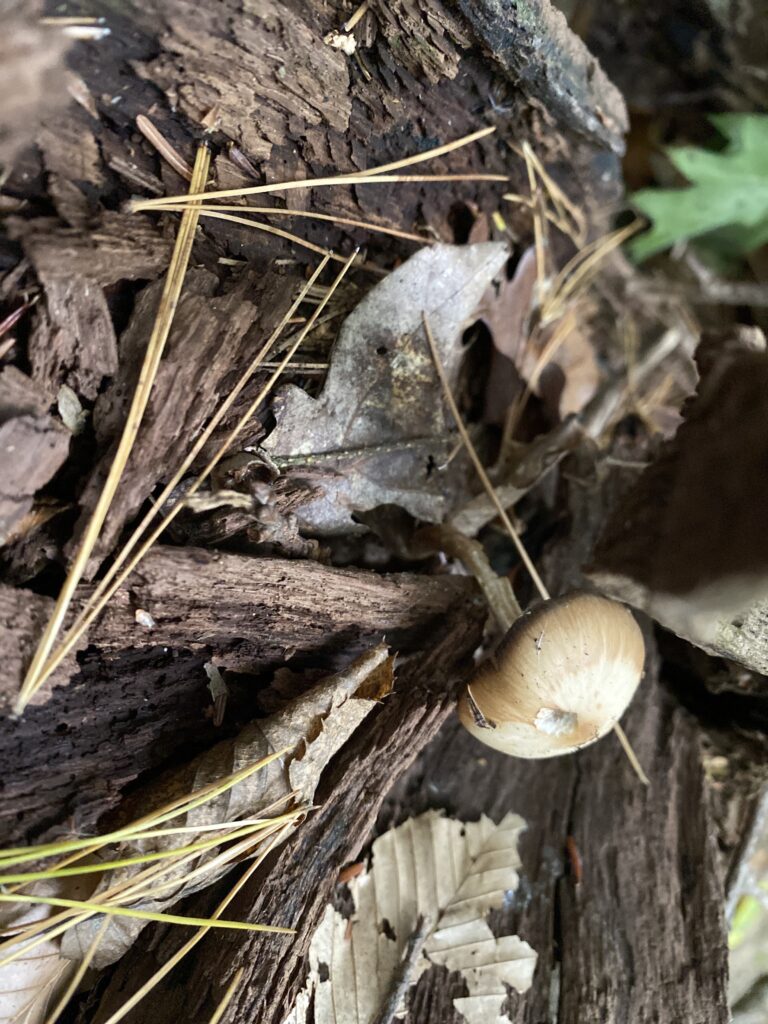
- Unknown Mushroom
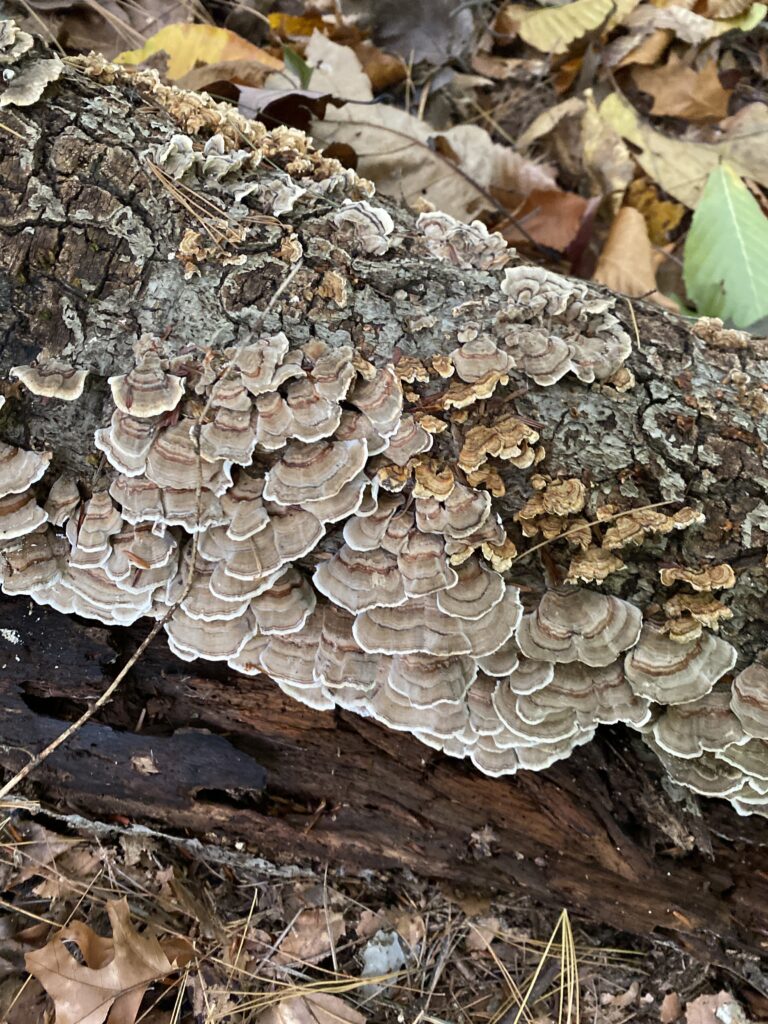
- Turkey Tail






10/29
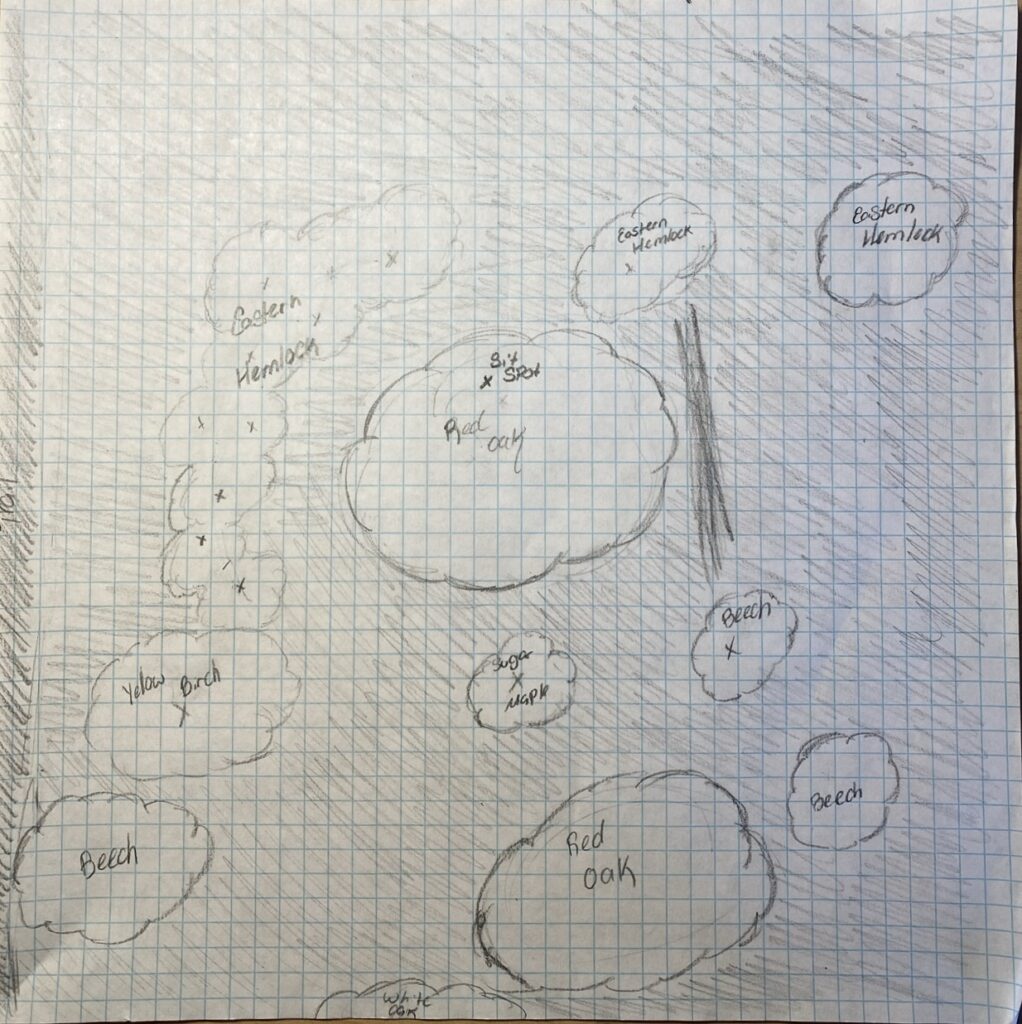
On my return to my spot I was interested to see what had changed since my last visit. The leaves are turning and I was exited to see how that would change the look of my site. Many of the trees in my spot are hemlocks, so not much changed in that right, but interestingly, the leaves on the central red oak were still partially green, with the rest already brown and falling. The beech leaves were a beautiful yellow-orange. I also noticed some new mushrooms as well as evolutions in the ones I saw last time. Below is a birds eye view rendition of my sit spot.
11/27
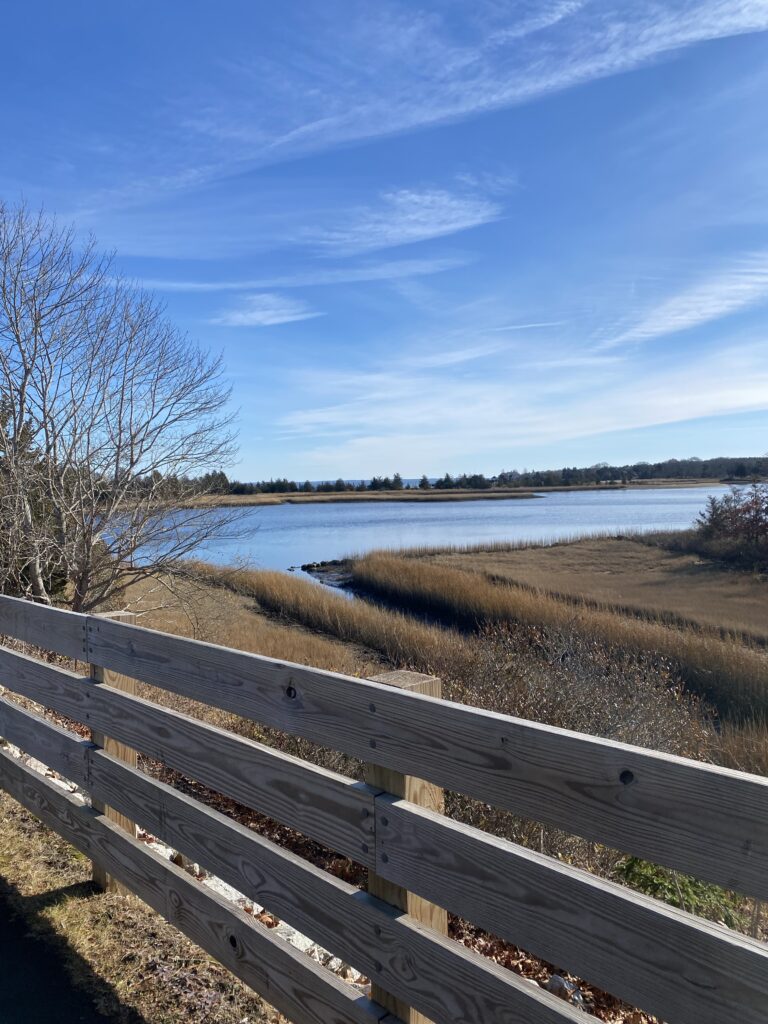
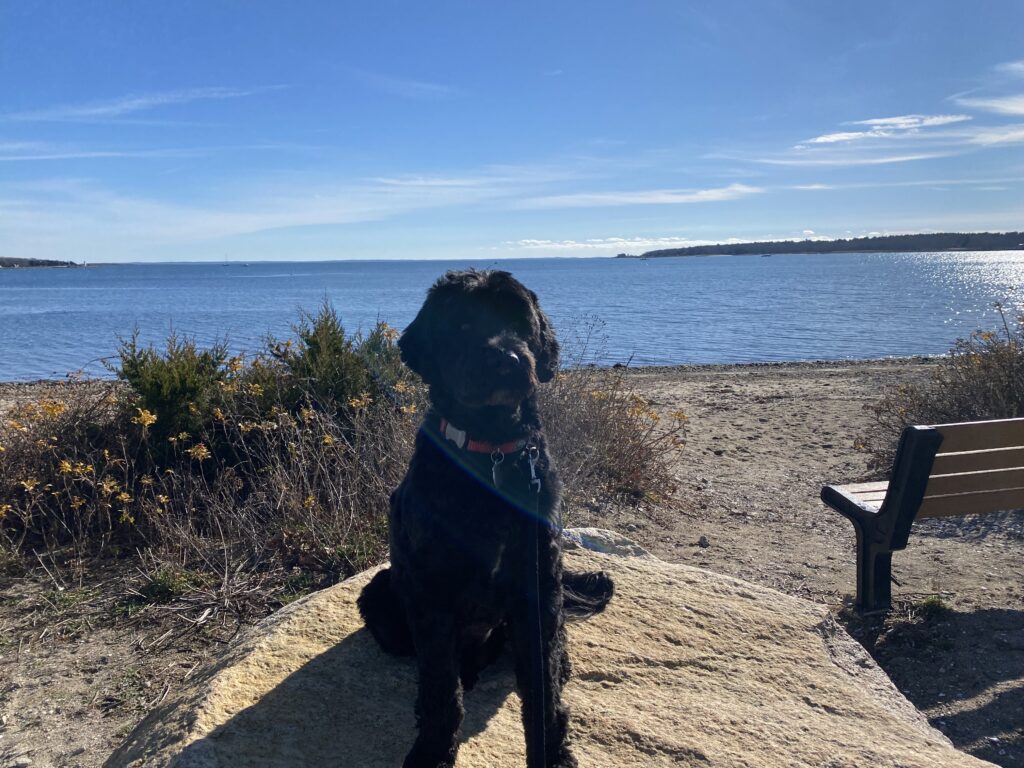
Going home for Thanksgiving, I was asked to find a new phenology spot. I decided to go on a walk with my dog and visit the beach, walking by my old preschool, Shining Tides, on the way. This spot sits on the beach, overlooking Mattapoisett Harbor, where a new boardwalk has been built, connecting the Mattapoisett Rail Trail to Mattapoisett town center.

My phenology spot is on the beach between the wrack line (where waves deposit) and the newly constructed boardwalk/salt marsh.
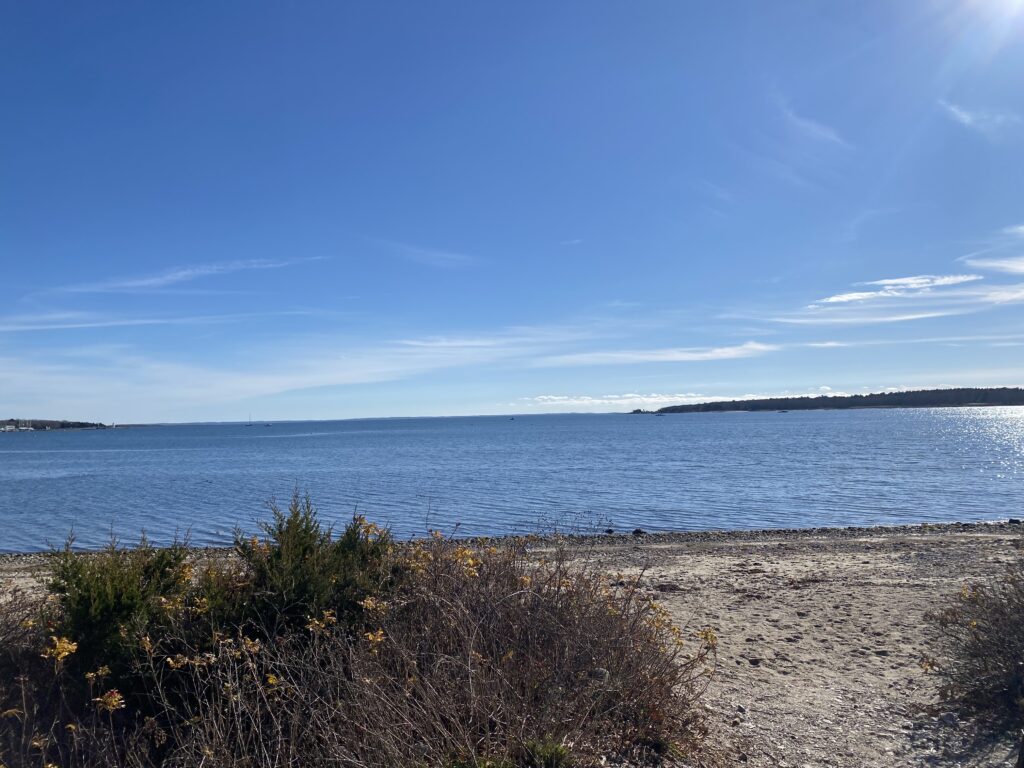
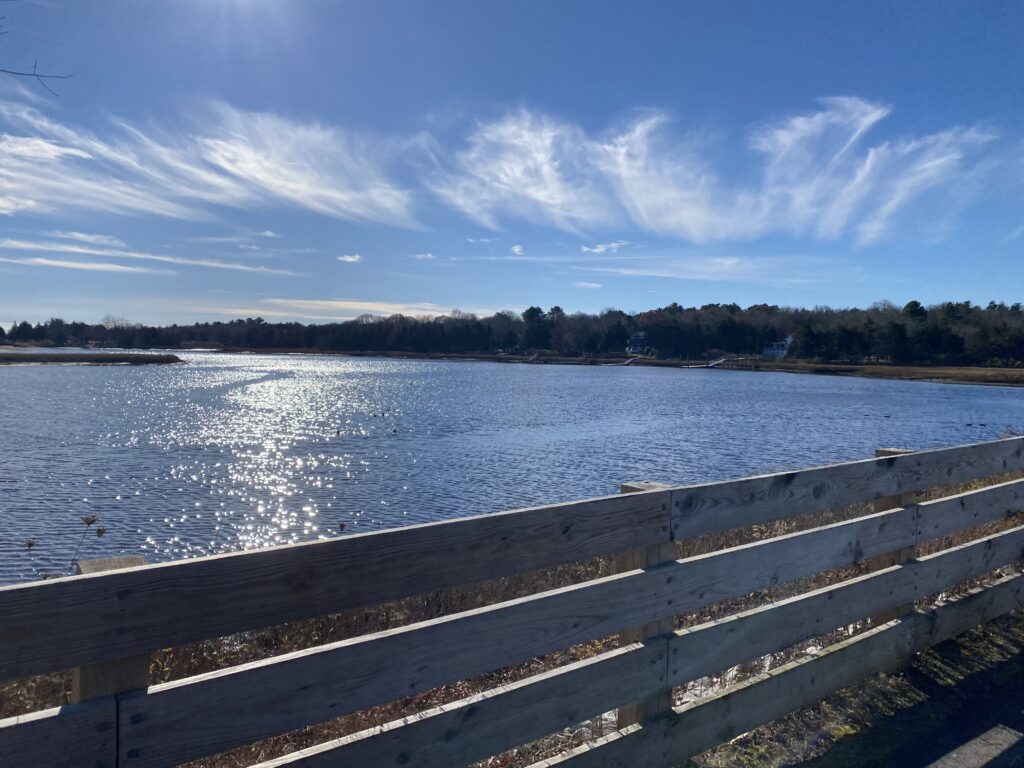
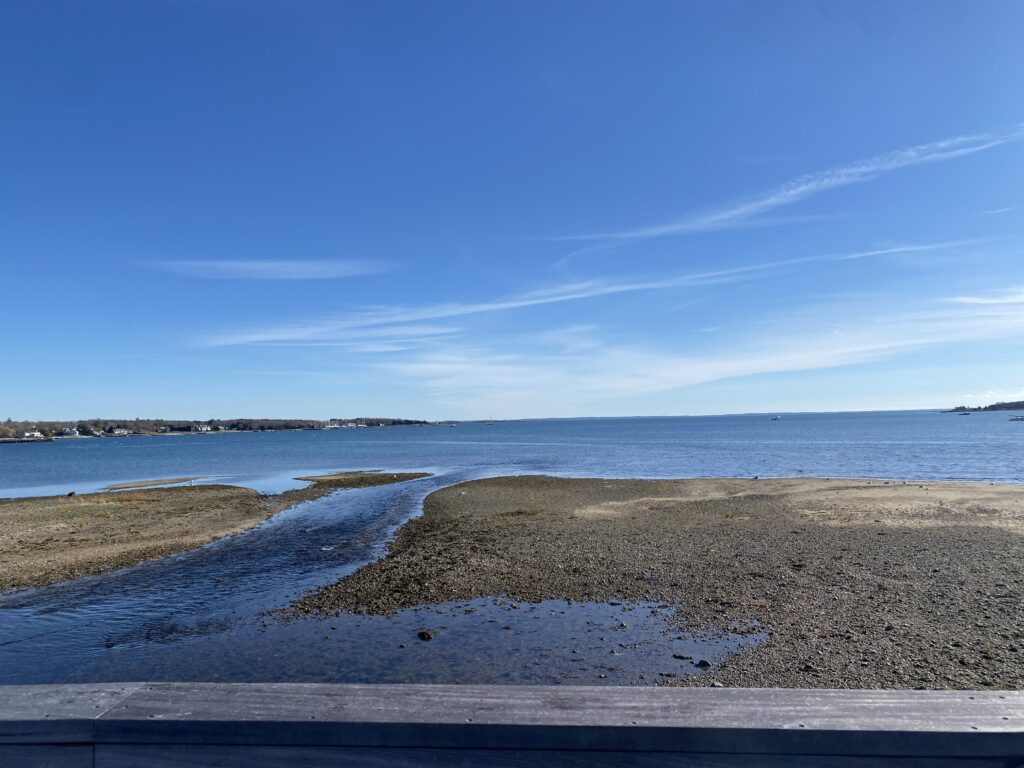
This spot falls under the marine intertidal sand beach and has a salt marsh behind it. On the beach there is very little vegetation except for some rosa rugosa. However the salt marsh is filled predominantly with salt-water cord grass as well as some other grass species, including invasive common reed (phragmites australis). Eastern red cedar are the dominant tree species as they are salt tolerant.
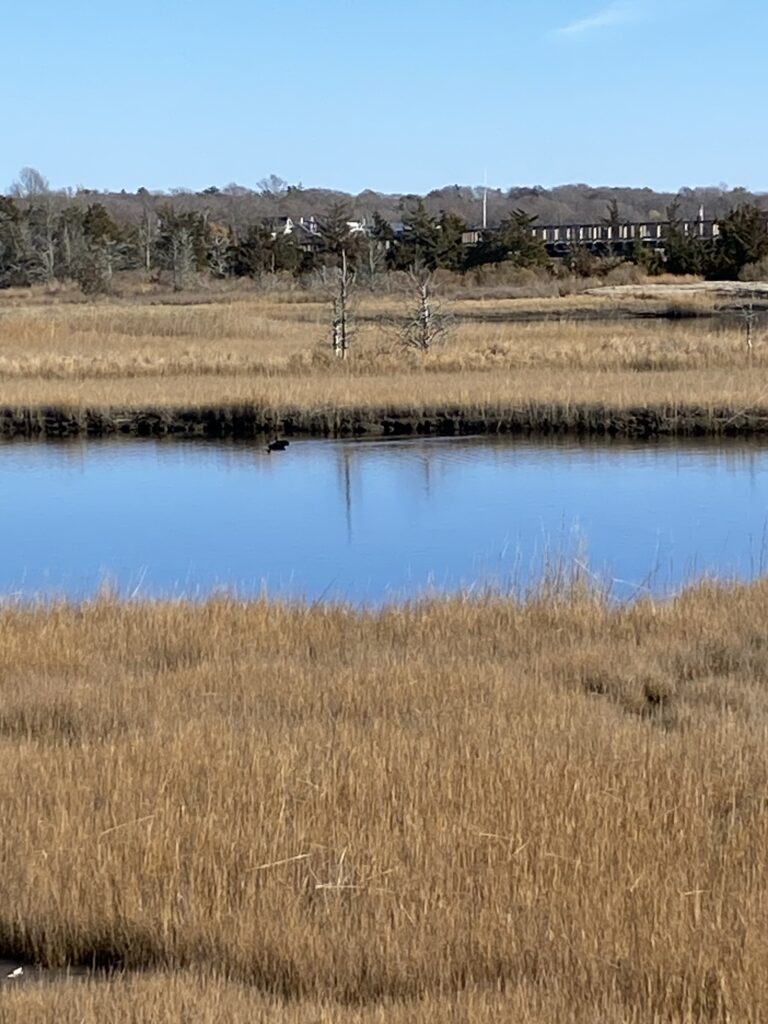
The majority of the wildlife I could see was from a distance, as I had my dog with me, but I was still able to see a variety of species. These included the American Black Duck, Herring Gull, and what is likely a Carolina Wren (audio below).
In comparison to my phenology spot in Burlington, this space is comprised of completely different natural communities. It was really interesting to return to the coast and be at a beach that belongs to a body of salt water as opposed to Lake Champlain. It was interesting to see many of the trees common in my phenology spot disappear as I got closer to the beach. They are almost completely different, which is what I was trying to achieve by choosing a spot on the beach, a natural community very prominent in my area.
12/7
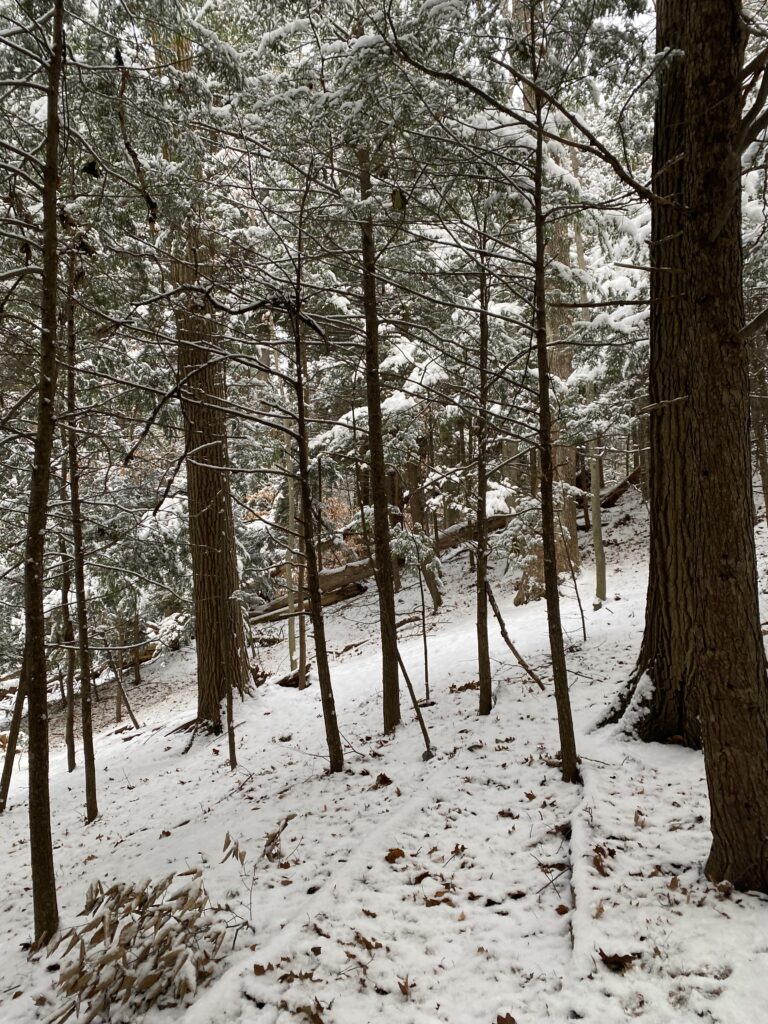
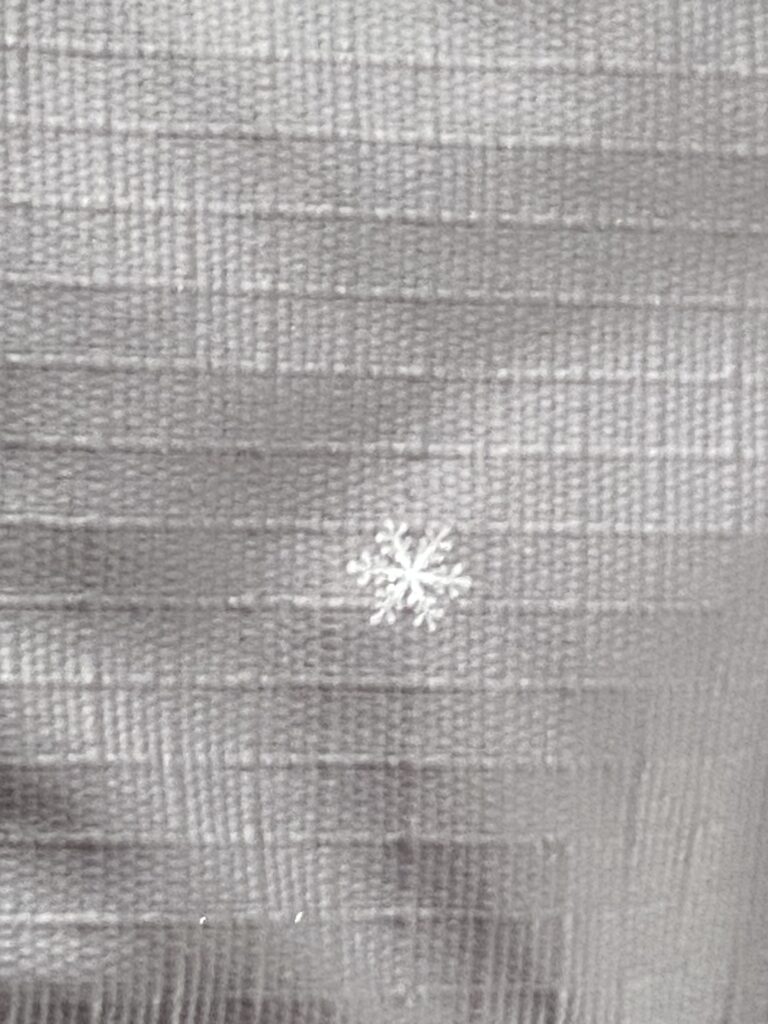
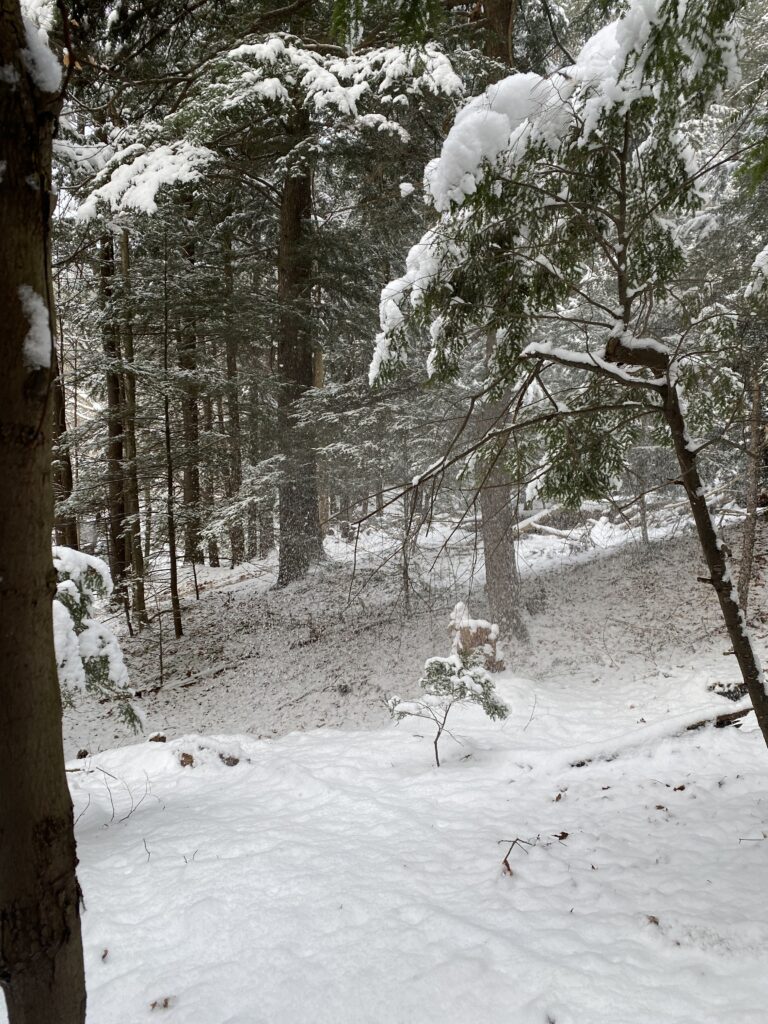
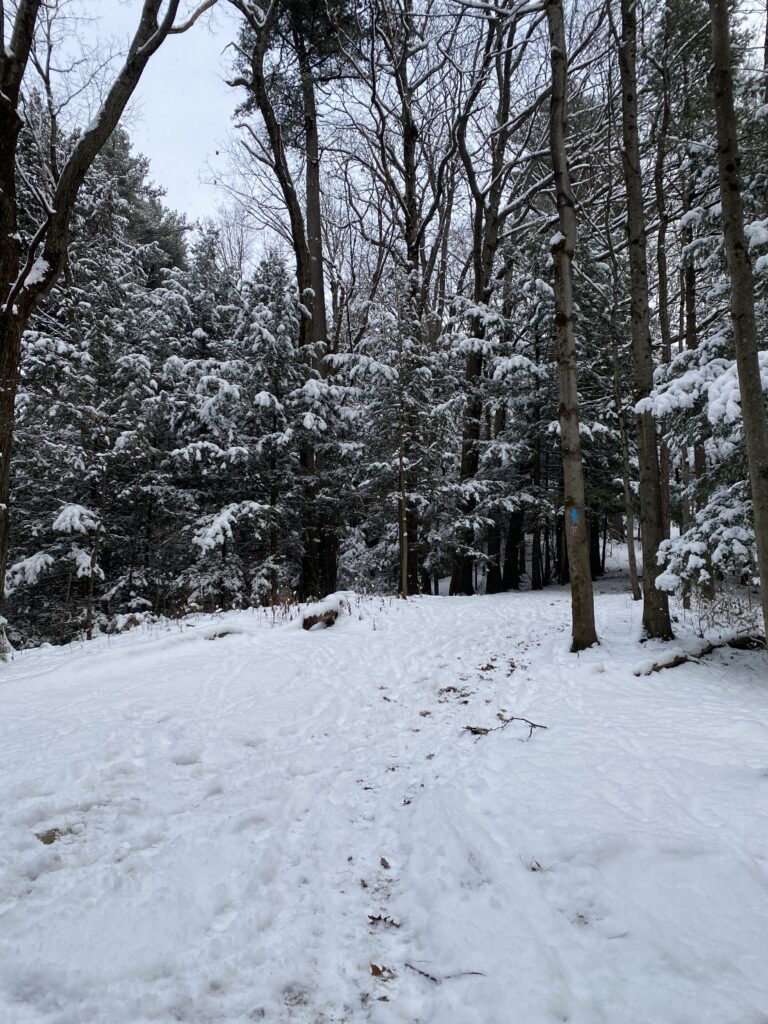
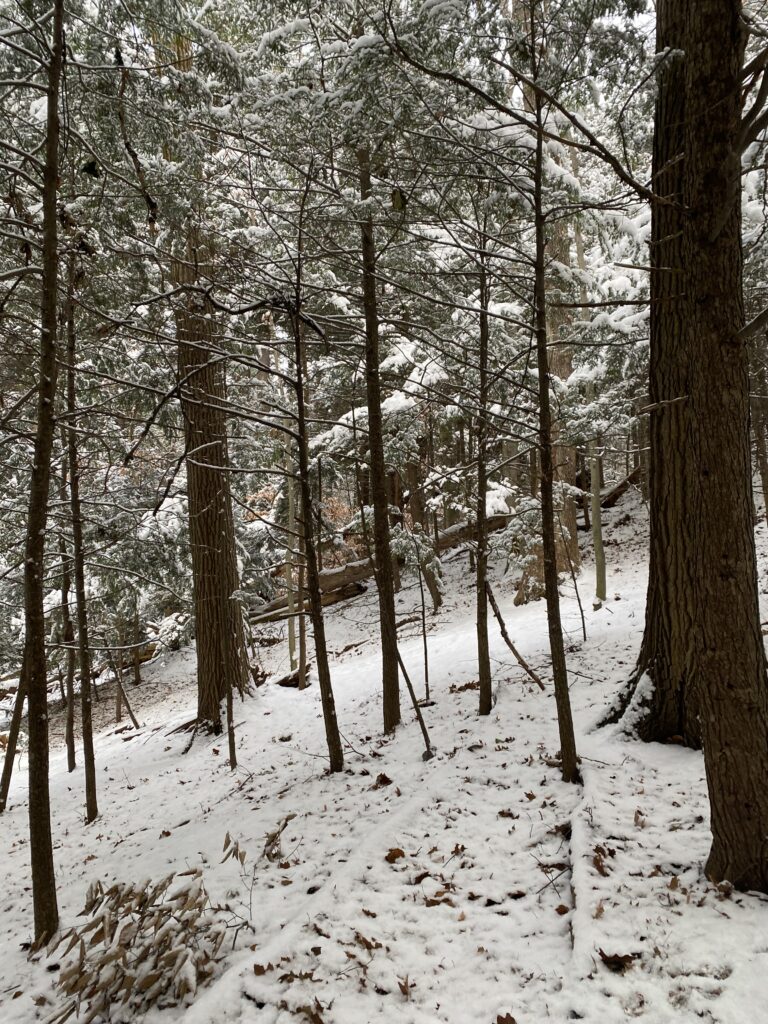
Snow has fallen in Centennial Woods! The first substantial snow of the season has coated the woods in a layer at least an inch thick.
Upon return to my spot, I was greeted with beautiful snow covered boughs and pristine snow immediately off the trails. Walking to my spot I saw a number of people walking the trails, enjoying the snow. It was incredibly peaceful at my spot, the air quiet, with the only audible sounds being overladen branches occasionally dumping snow onto the ground. The only green remaining at my site is that of the numerous Eastern hemlock that encircle the now barren red oak. An American beech still clings to a couple of dead leaves in its crown; the fallen leaves resting under the pristine blanket of snow.
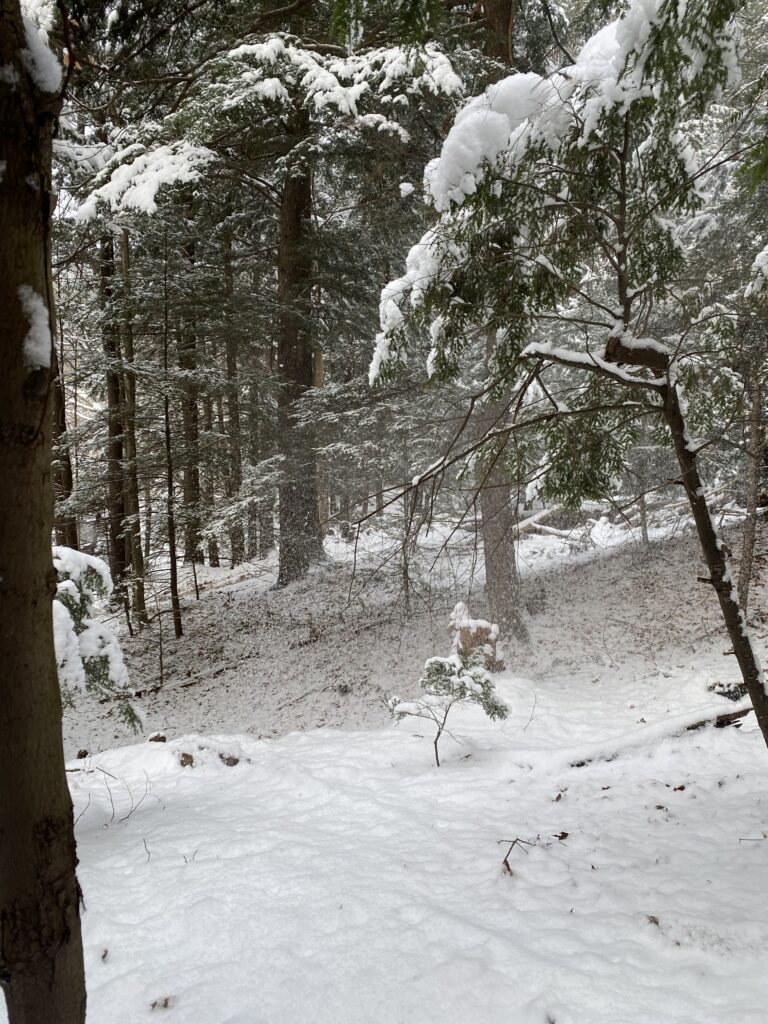
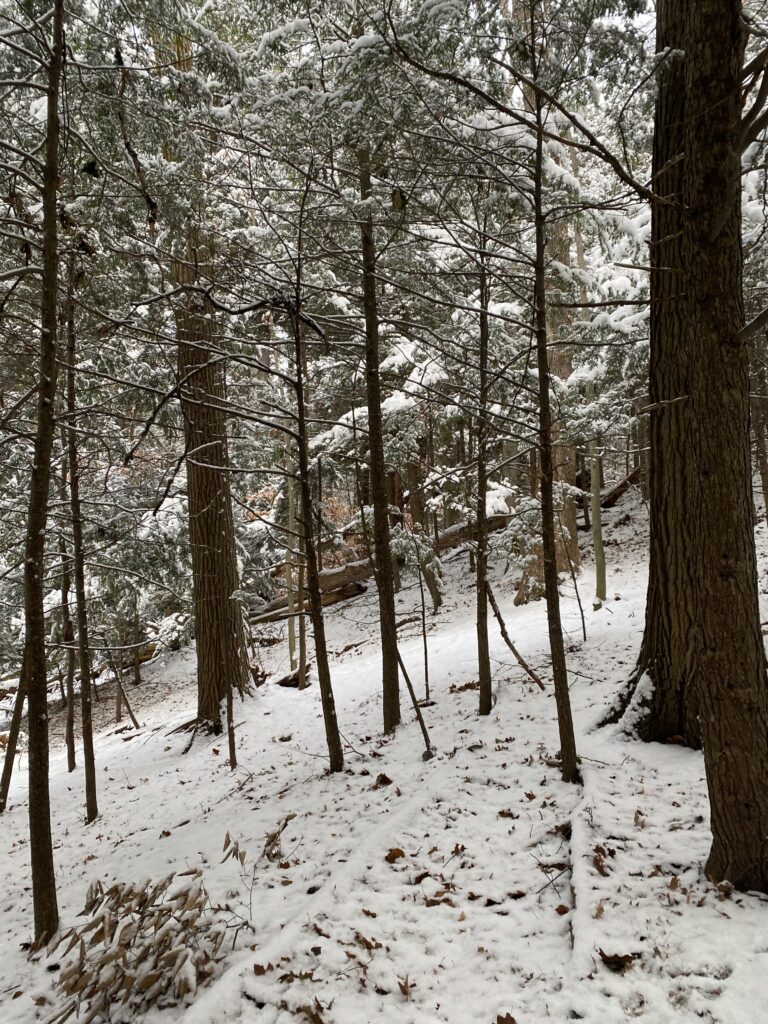
Above are images taken from my phenology site
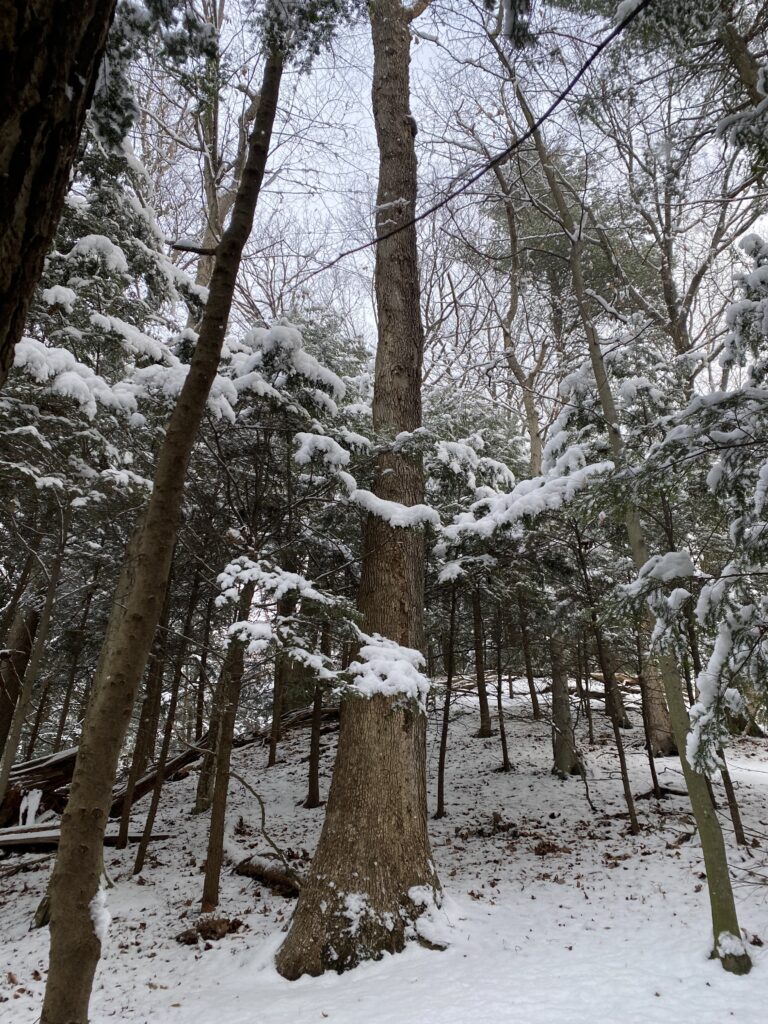
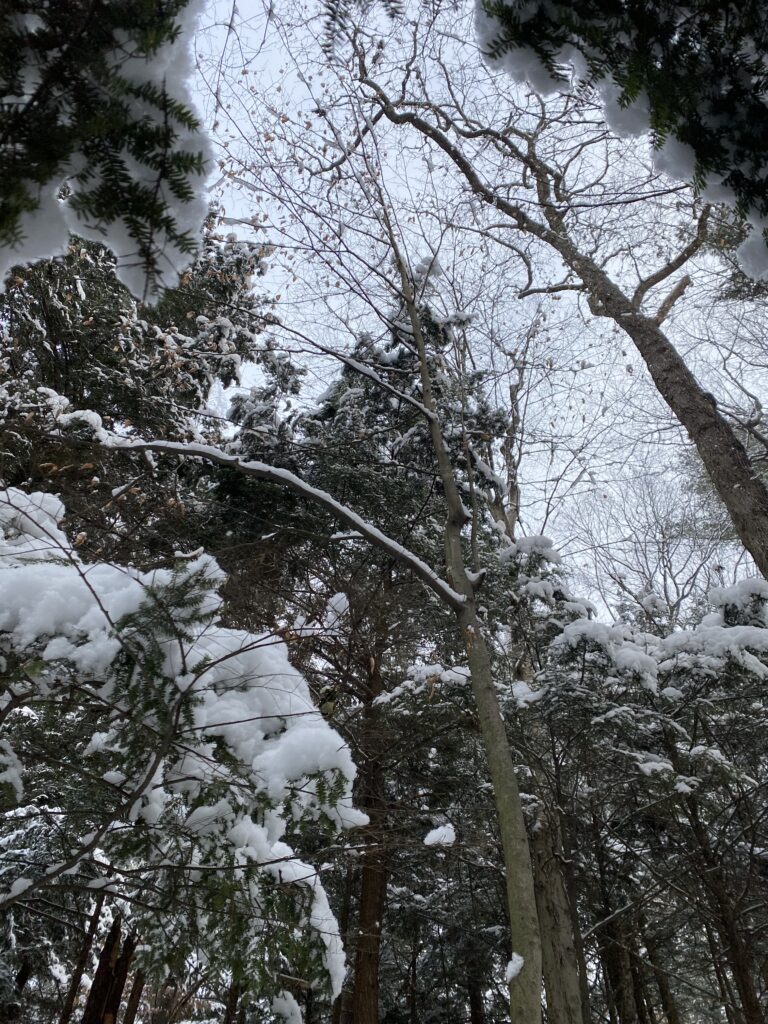
Below are various images and videos taken from Centennial Woods
Snow falling in Centennial Woods
1/26
First Phenology site visit of 2025 and semester 2!
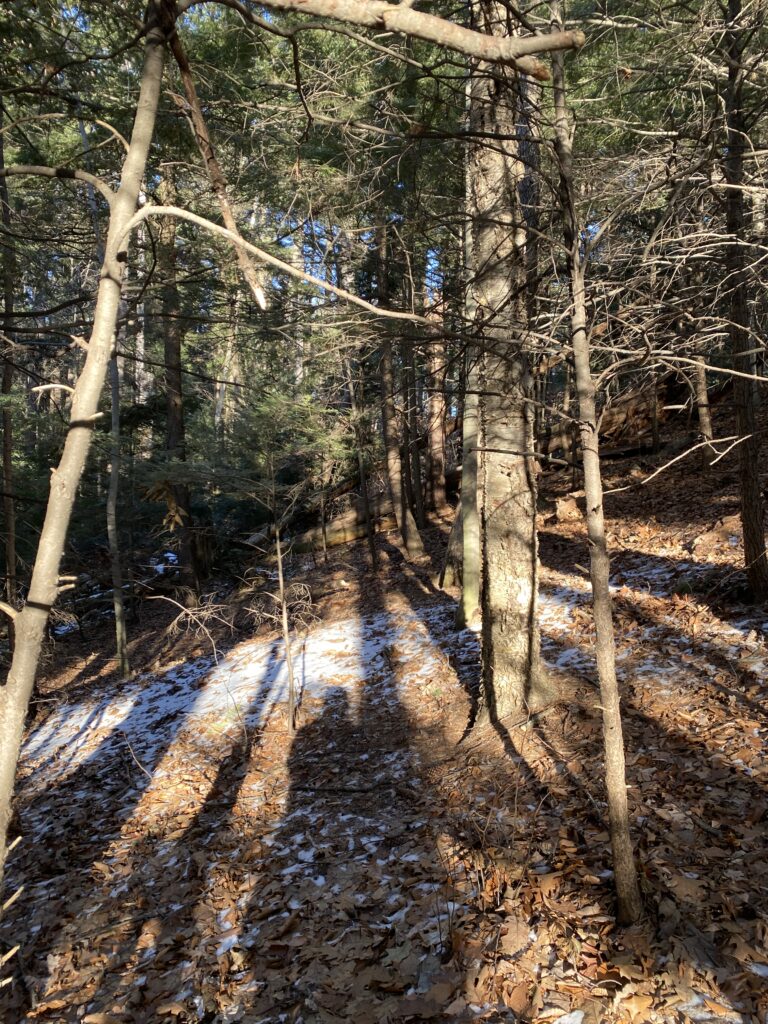
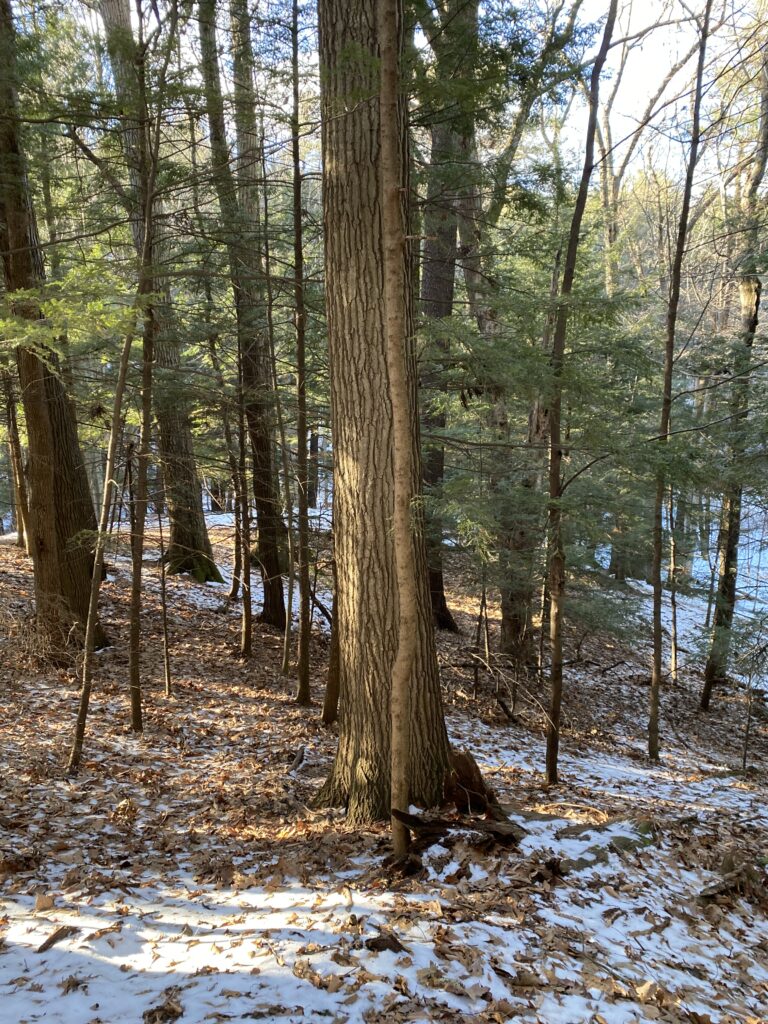
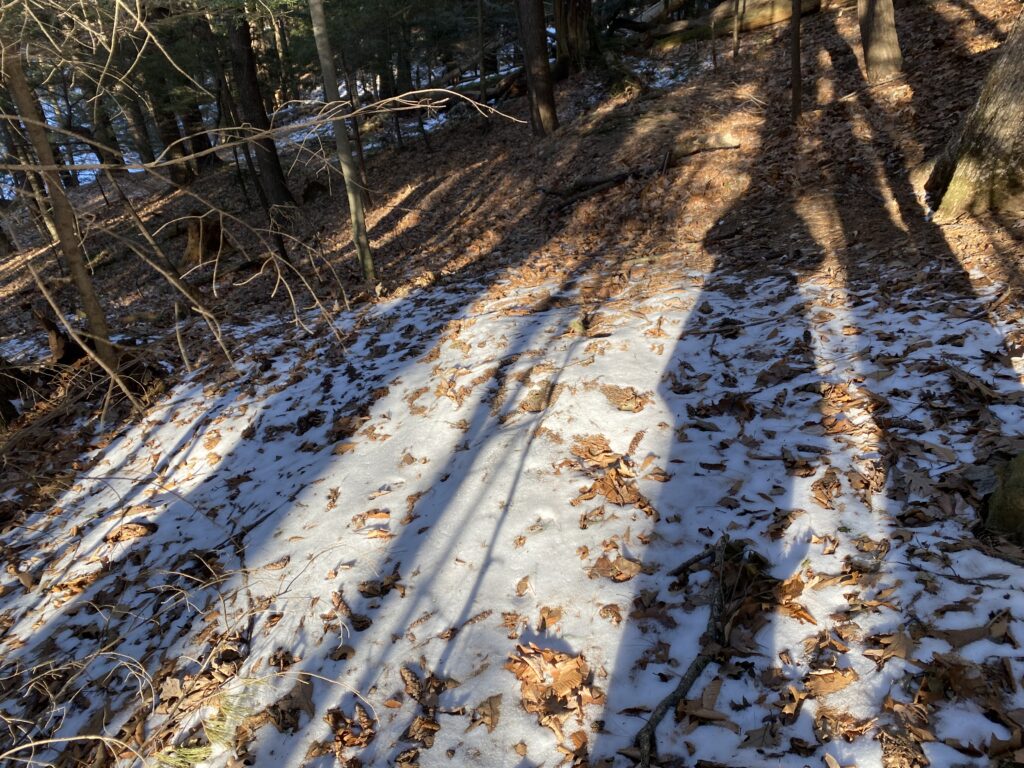
There is still some snow in the woods but not nearly as much as my last visit. The amount lessens as you walk further into the woods, but there are still some stubborn patches that dot the floor. There wasn’t enough snow to see any animal tracks or signs. Below are some images of my site.
2/23
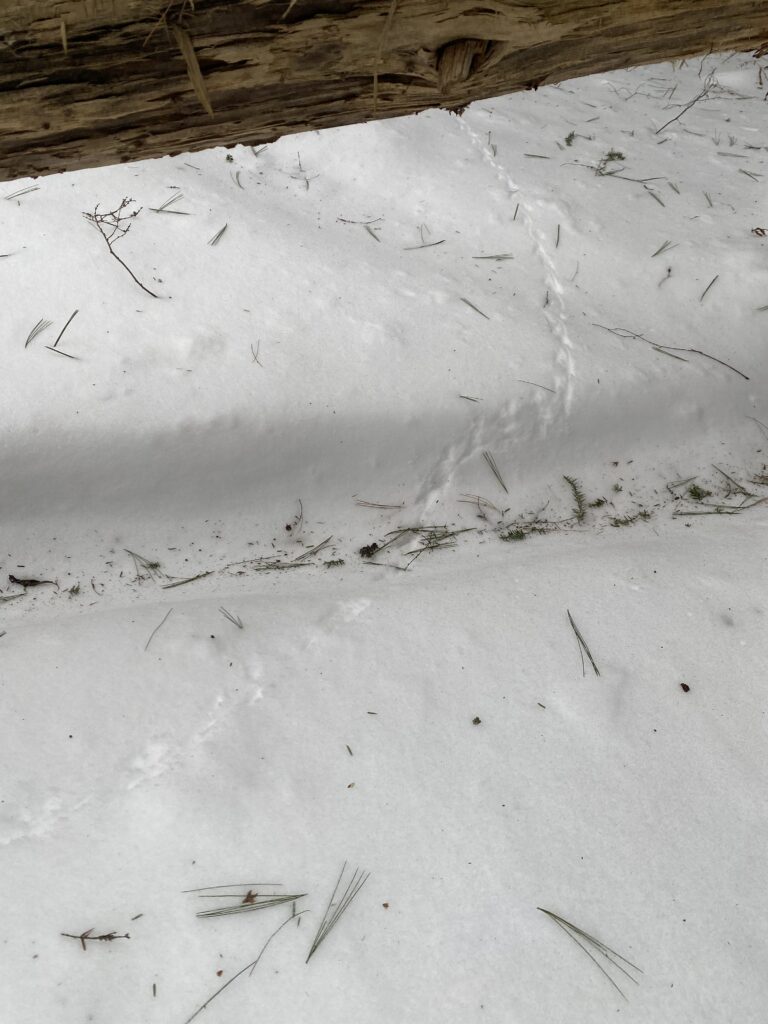
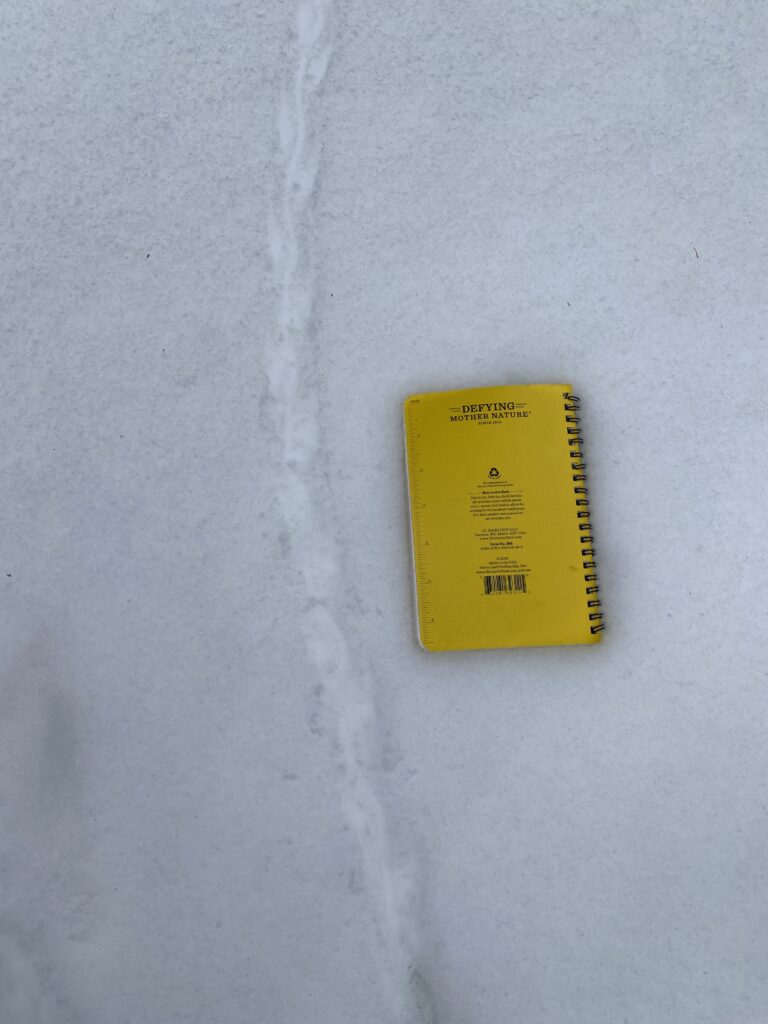
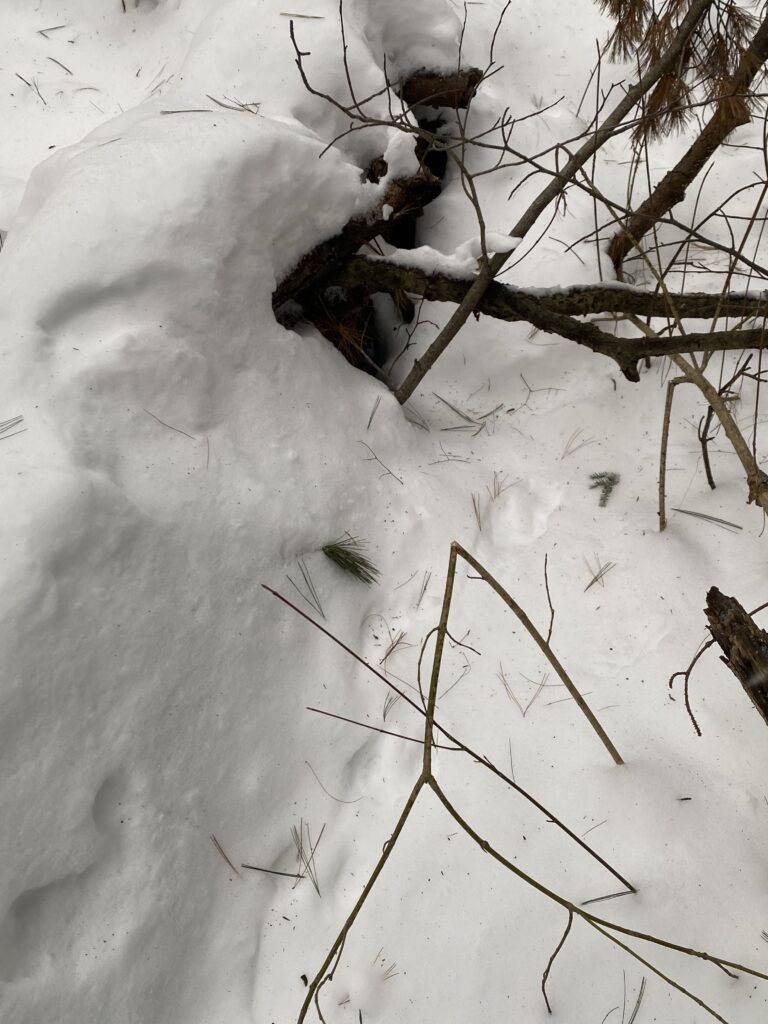
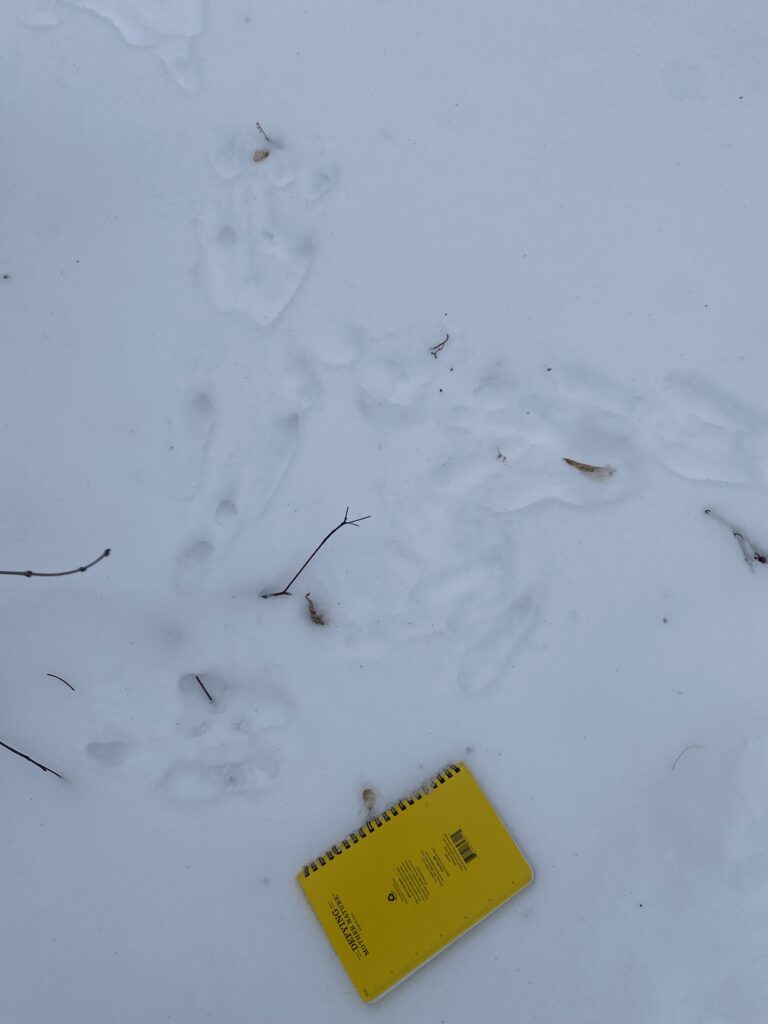
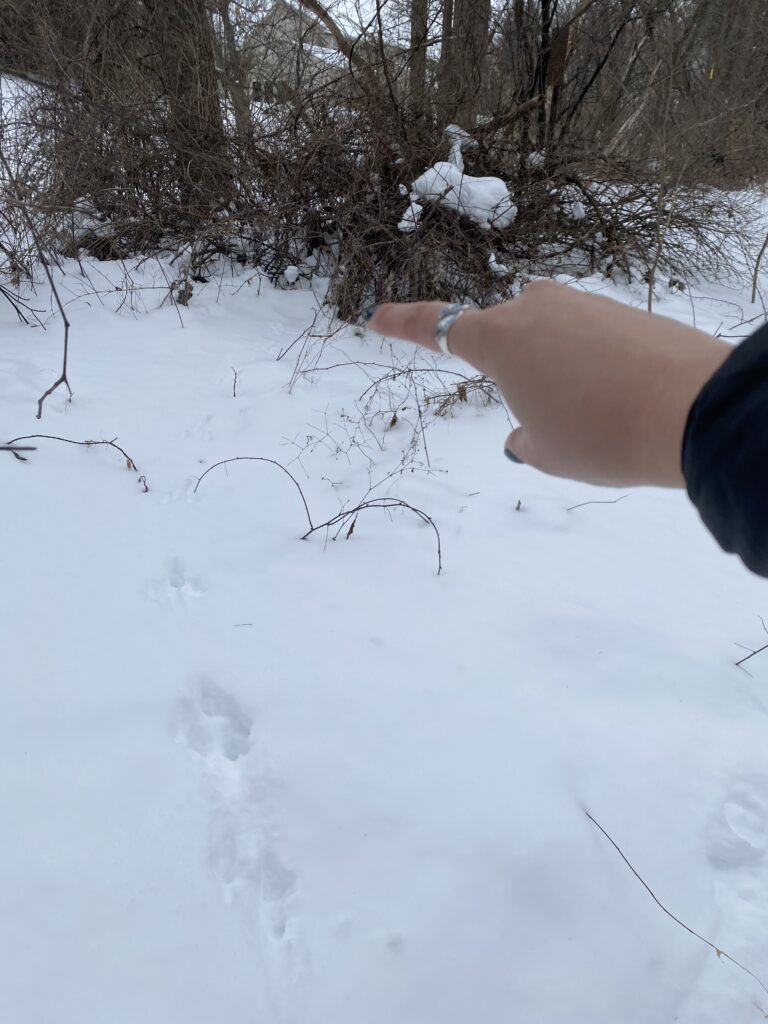
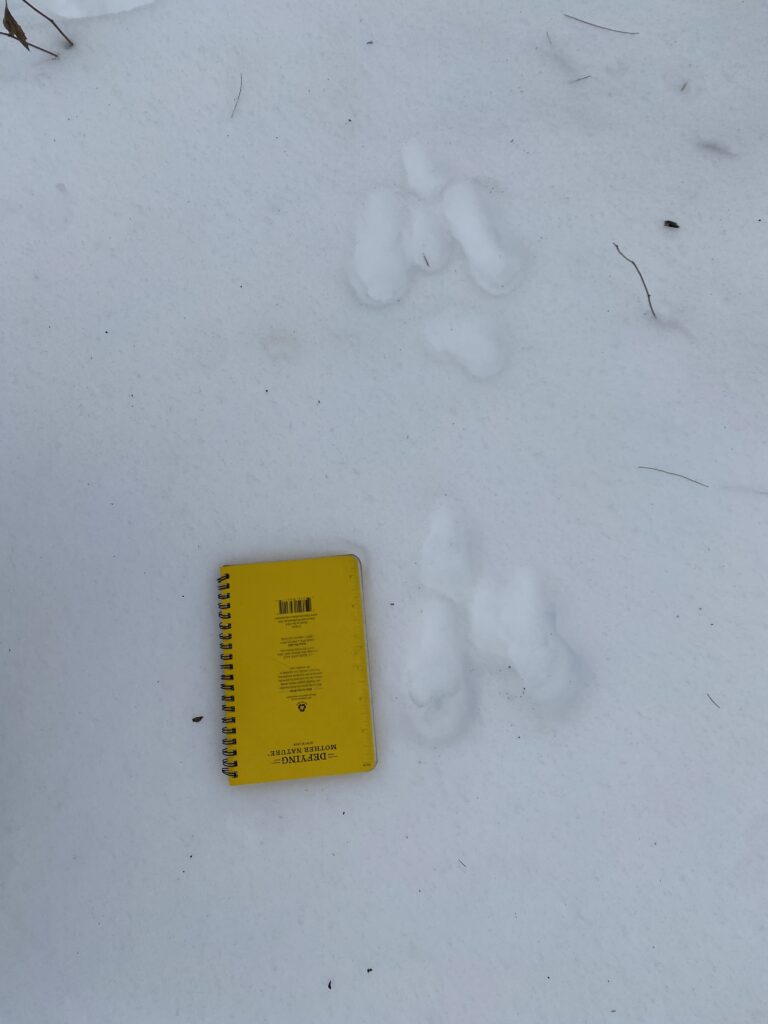
Some of my friends and I took a walk around to do some tracking in Centennial Woods. We took this opportunity to explore parts of the woods away from our phenology spots and see new parts of the property. The majority of our observations were rabbits or hares, but we saw some squirrel and small rodent tracks. I’m unsure exactly as to whether the tracks belonged to regular rabbits or snowshoe hares, but due to their size, I’m leaning towards snowshoe hares. It was easier to determine the squirrel tracks because they would end abruptly at a tree where they either climbed up or jumped down. We also observed a den with tracks around it that I believe belong to a snowshoe hare. Below are some of the photos from this trip.
4/11
Phenology Walk
On this walk, I was really able to take a closer look at the phenology of leaves, something I never really looked to closely at. Generally, buds were not in the bud break stage and only on the sugar maple were they beginning. It did not seem as though there was any progress towards bud break and leaf out, which may be due to the colder temperatures we have been experiencing.
On the NPN website, I read “Status of Spring.” It was really interesting to see how spring is arriving in different parts of the country as time moves along. It was interesting to find out that the mathematical models used to determine “the start of spring” are based off of historical timing for cloned lilac and honeysuckle cultivars. In the context of climate change, it may be interesting to see if the changes in the climate will effect the phenophases of these plants and how that will effect the predictions/manifestations of spring.
4/25-27
City Nature Challenge
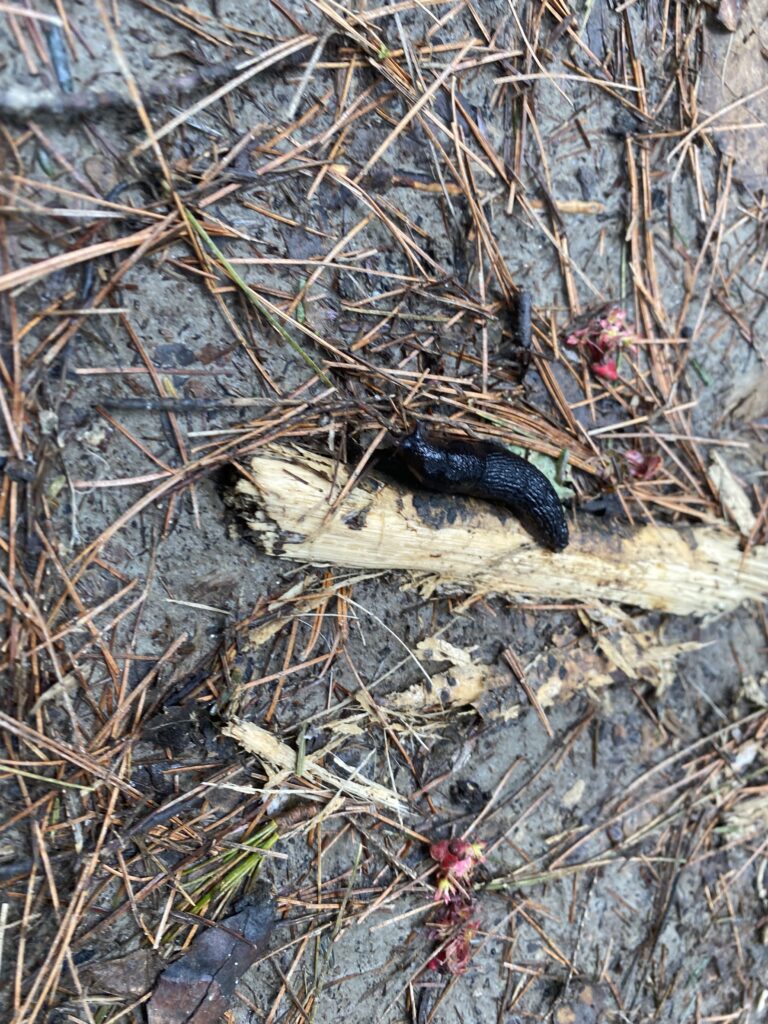
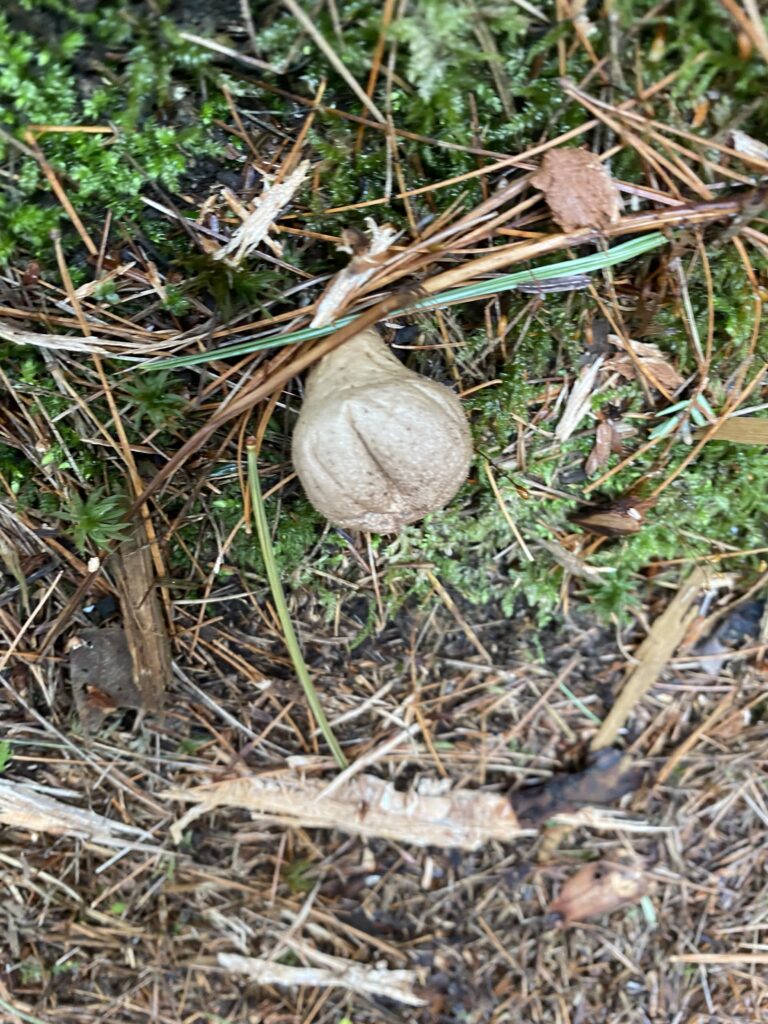
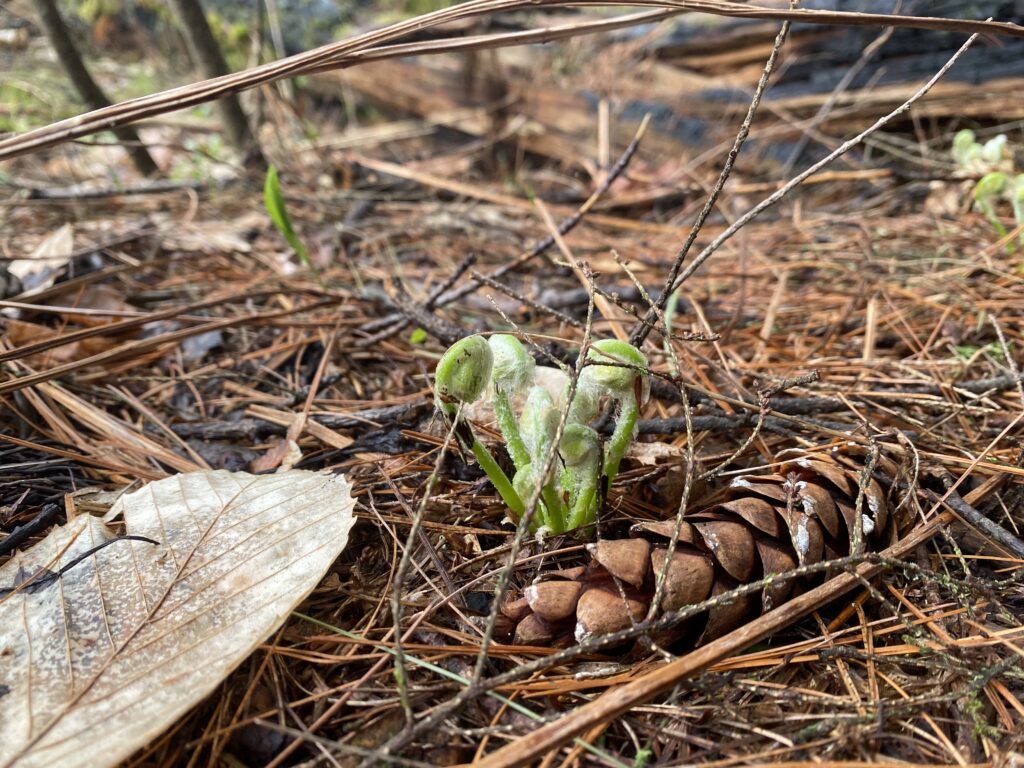
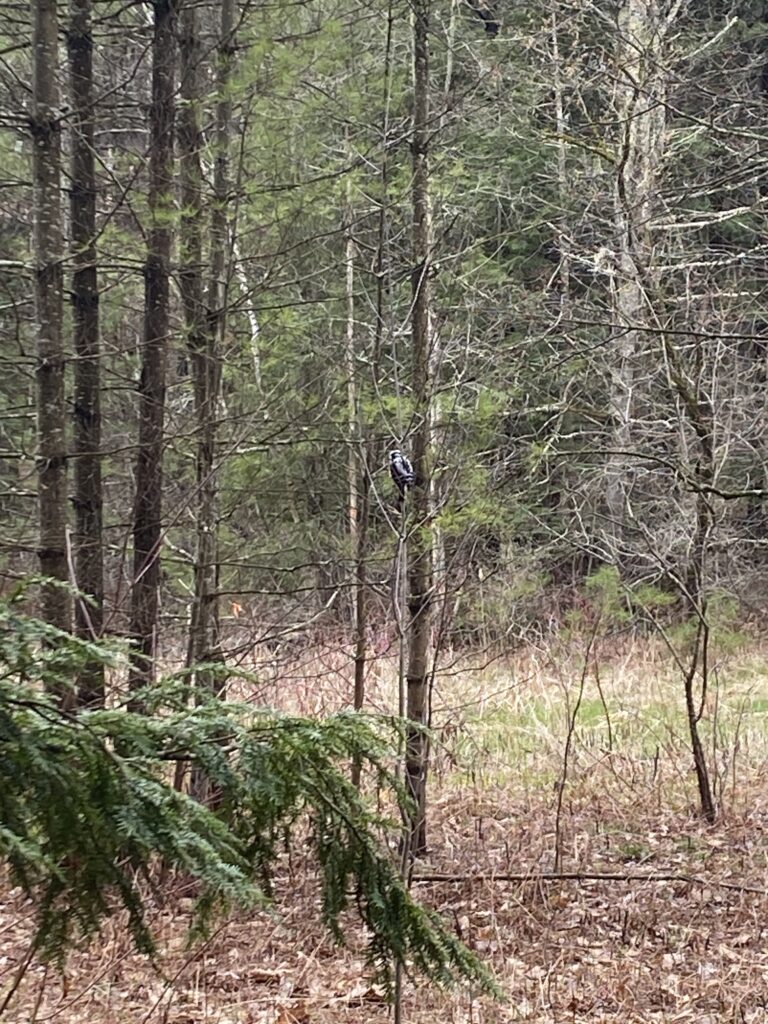
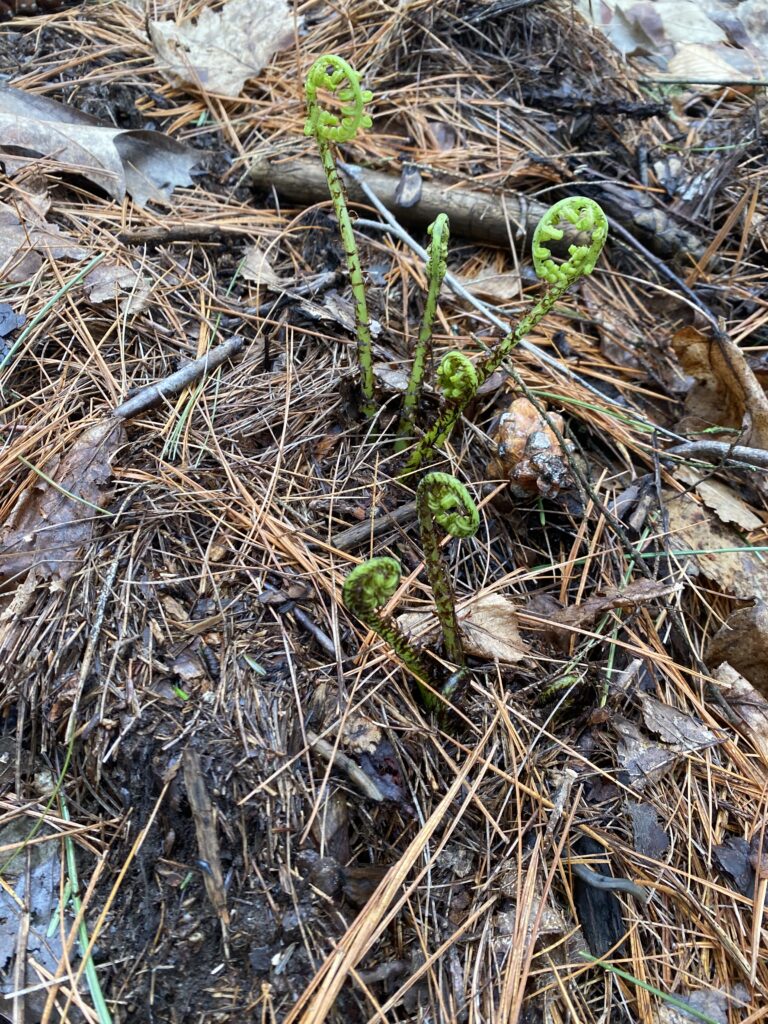
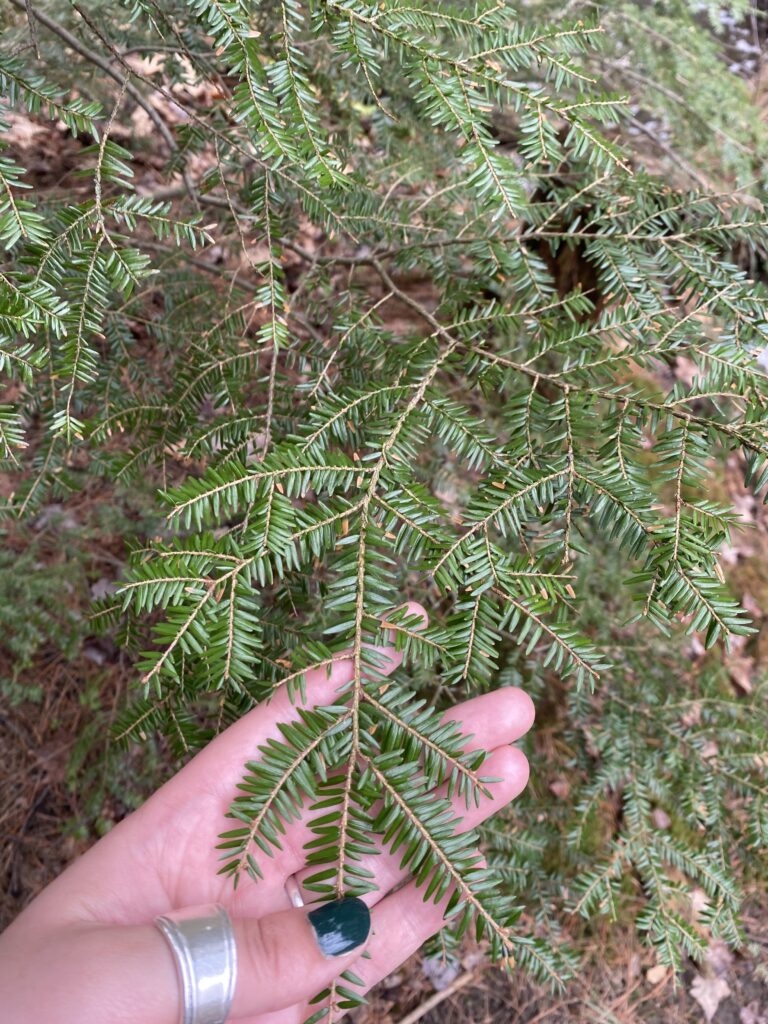
This weekend I took part in the Bioblitz in Centennial Woods. I was able to see and record a number of species. I have attached a list below of what I saw and some pictures as well. I was able to capture ~20 different species over the weekend! Unfortunately, for some reason iNaturalist only added 10 of the total species to the project. It was really fun to go around with the purpose of going out and looking for species and just have fun with it. It’s also really cool to see how many different places are doing this and what they’re finding in their communities.
Plants Found
– Puffball mushroom
– Honeysuckle
– Eastern Hemlock
– Ostrich Fern
– Black Raspberry
– Eastern White Pine
– Common Lichen
– Wood Fern
Assorted dicots/small plants
Vertebrates/Invertebrates found
- Spider
- Arion Slug
- Black Capped Chickadee
- Woodpecker
- Cardinal
- (Other birds heard but not photographed)
4/26
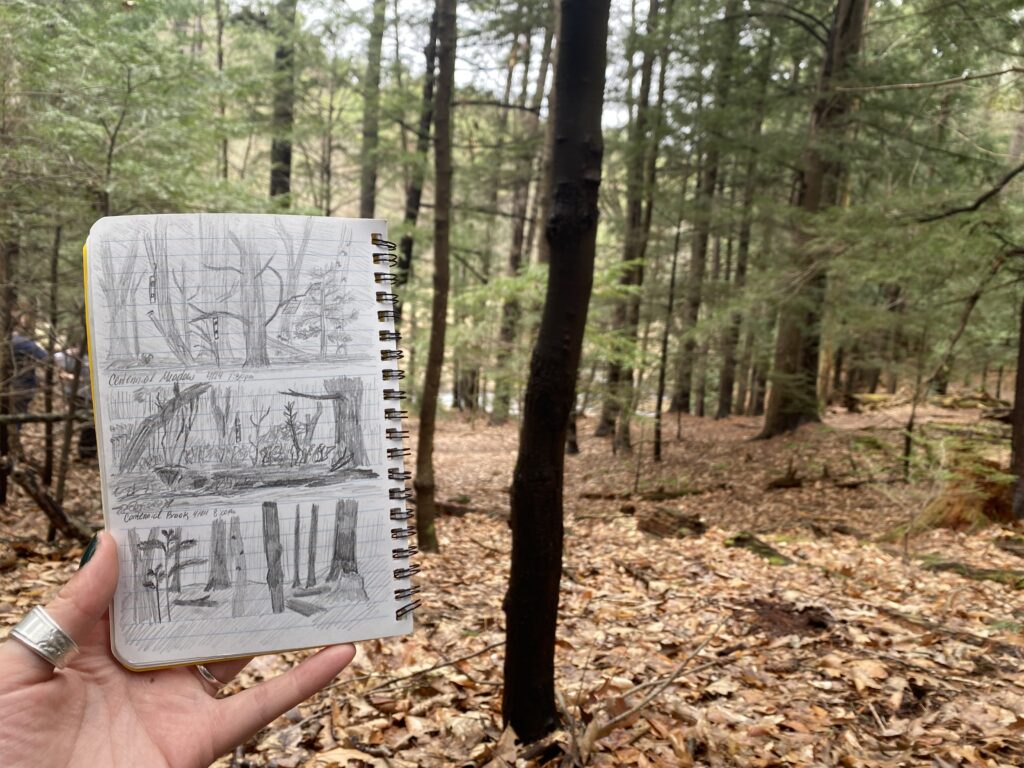
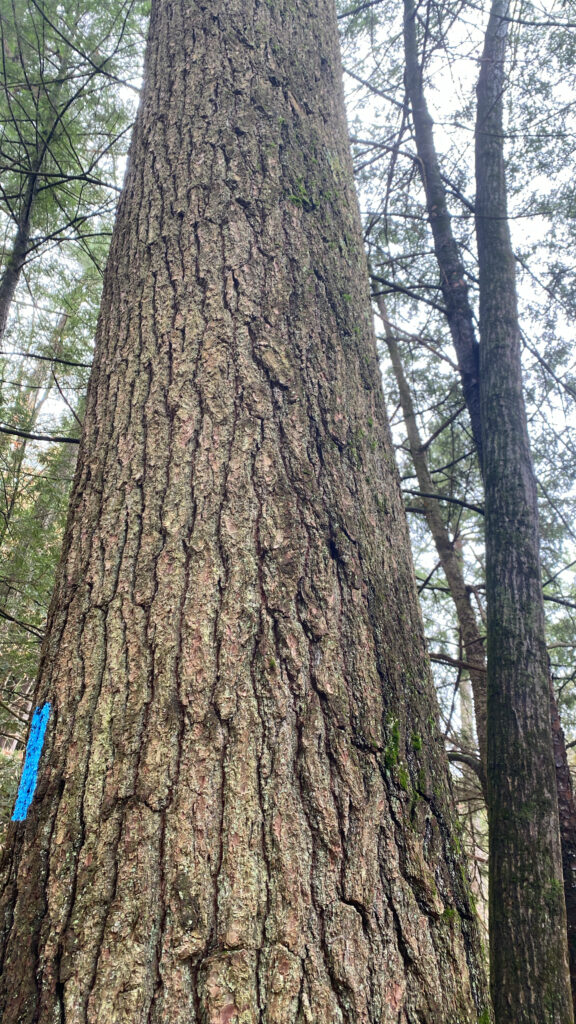
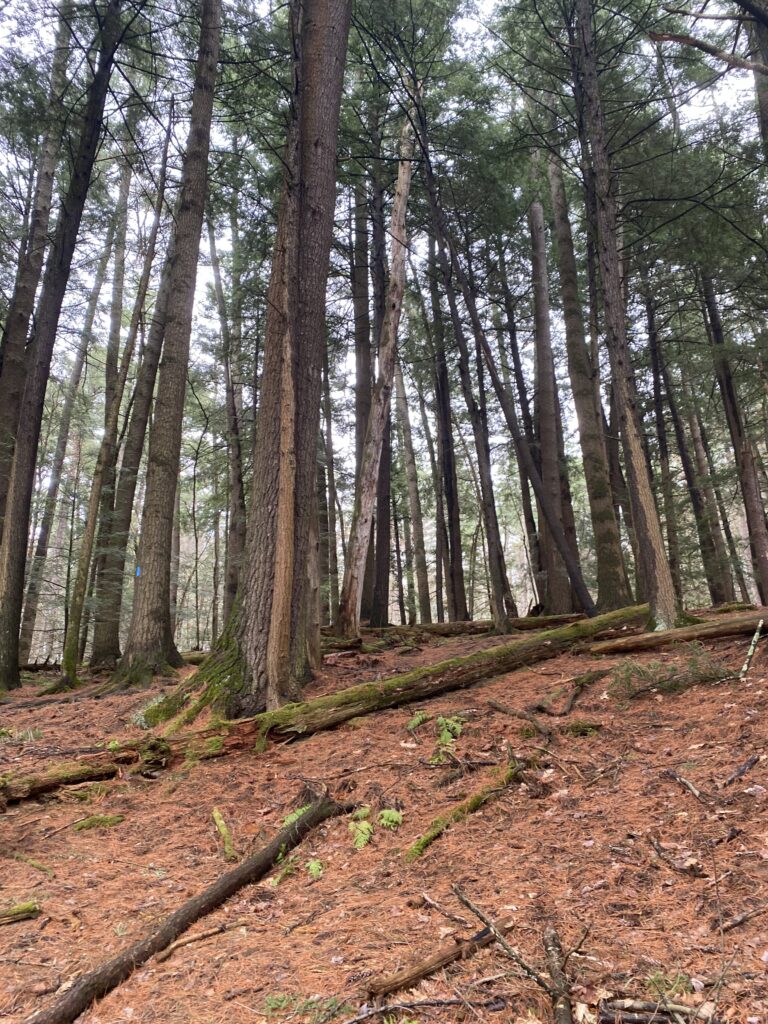
My final visit to my phenology spot for the year! Through the months, not much has changed majorly, but it has been very interesting to observe the phenology of the place, with the changing leaves and snow. Centennial Woods is a place where both nature and culture intertwine. People walk their dogs, hike, or just hang out in these woods. Centennial serves as a location in which people can enjoy themselves in nature essentially in their own backyards.
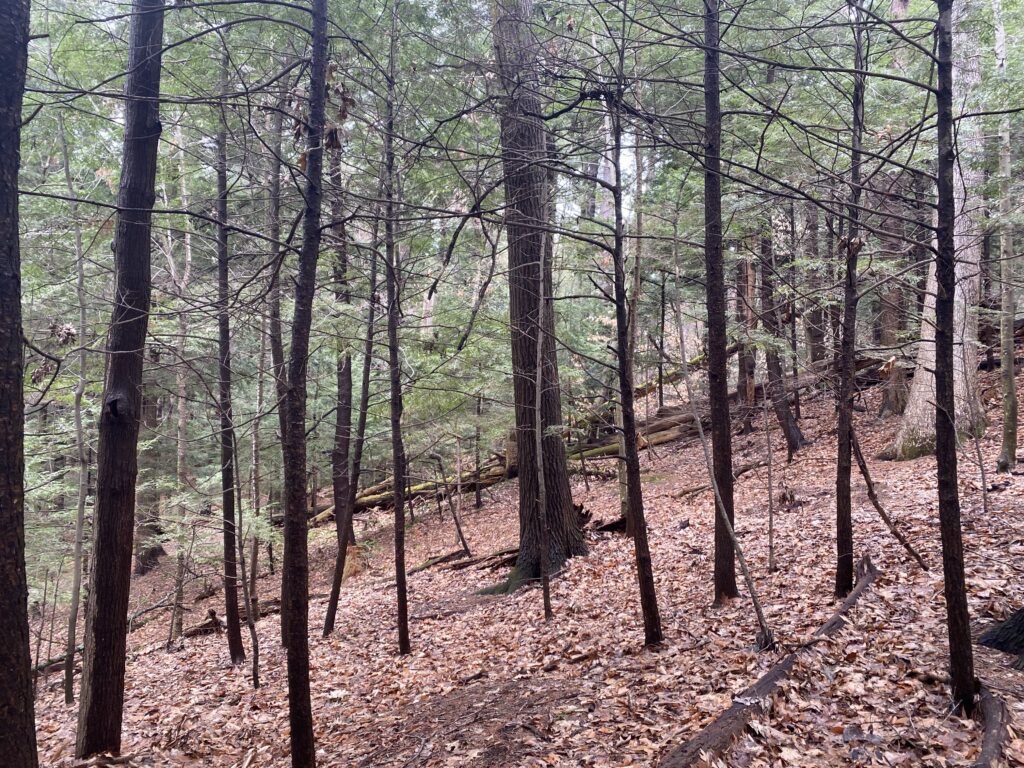
This white oak has served as the center of my phenology spot and the main location identifier.
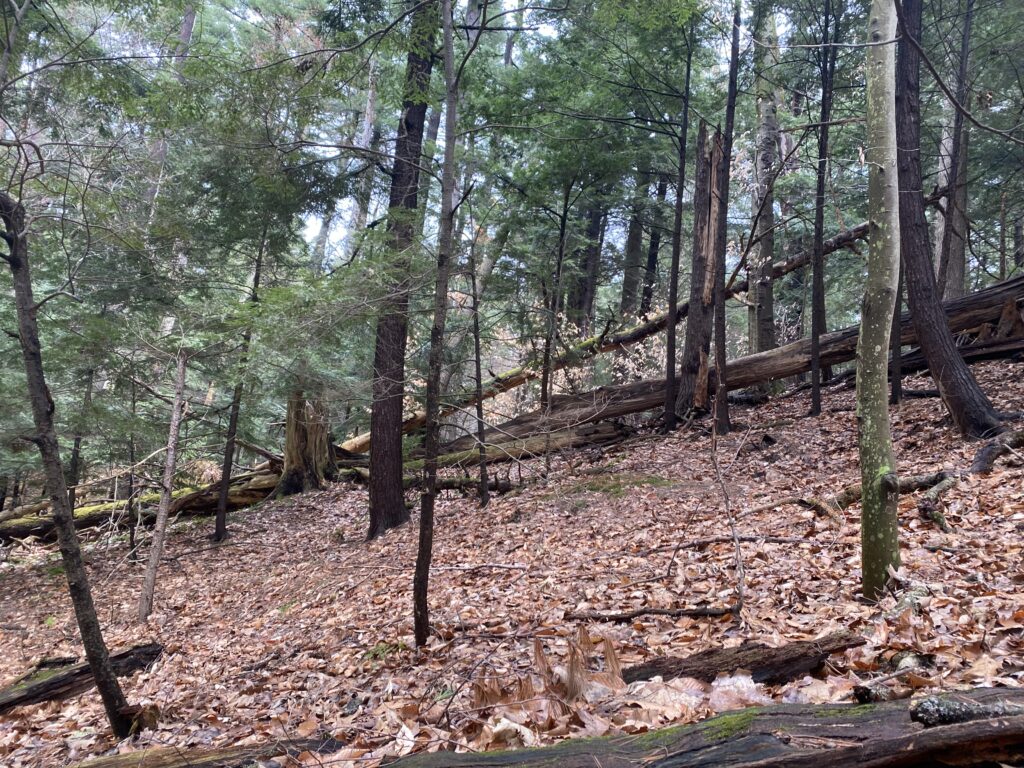
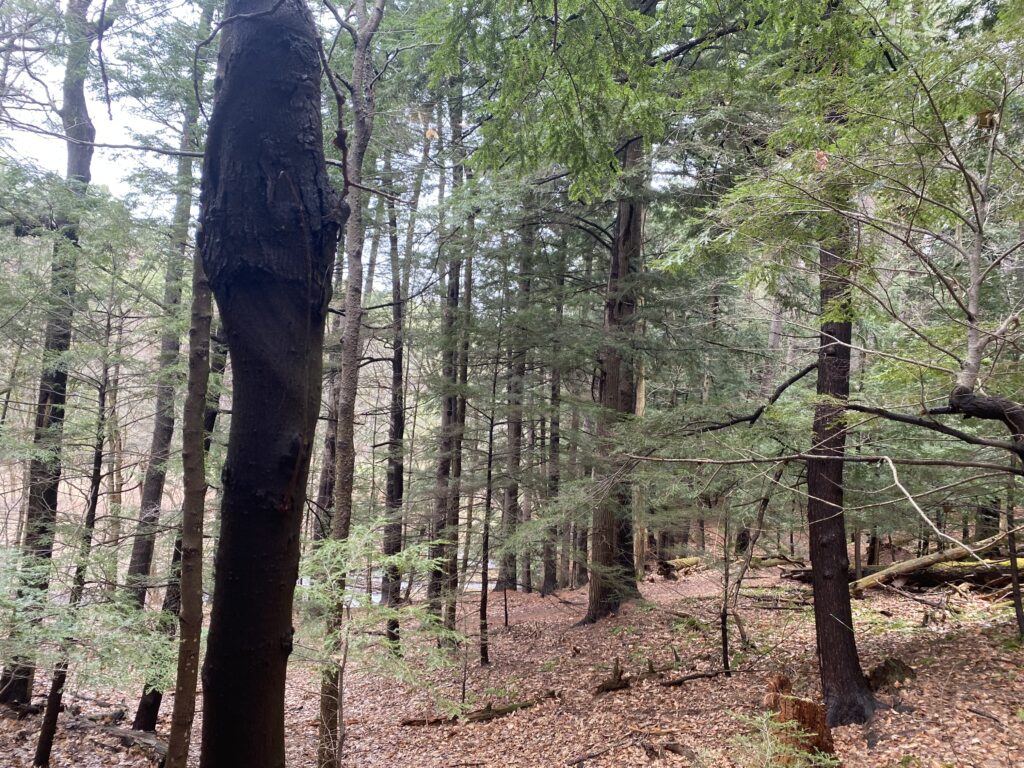
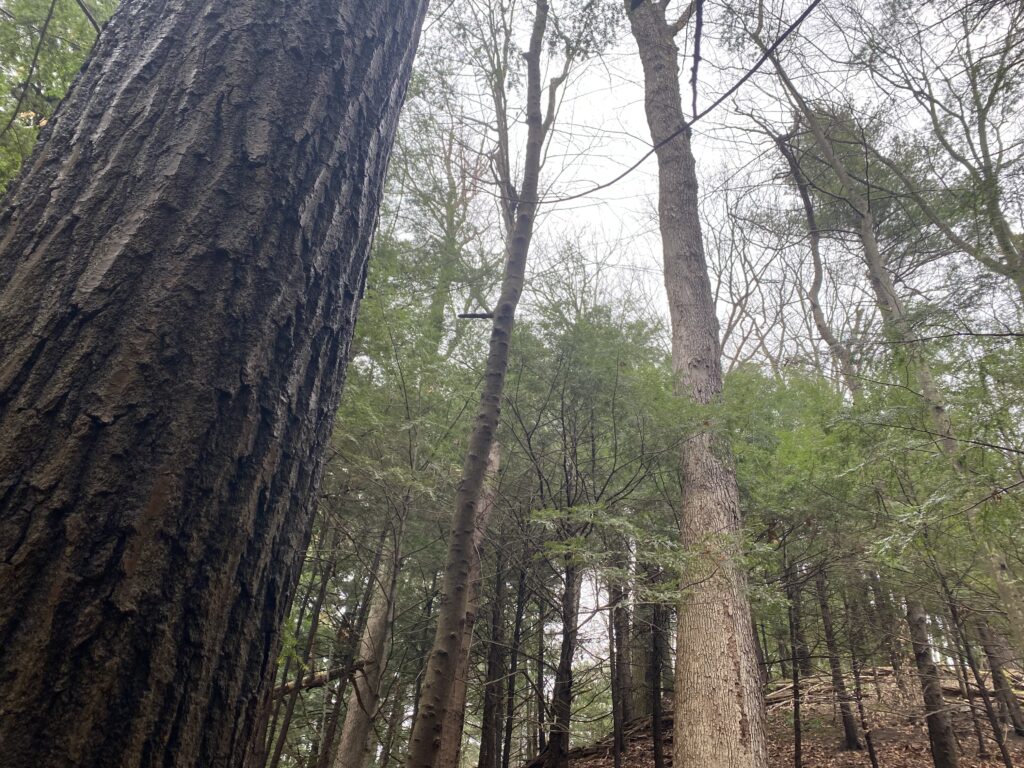
Below are a collection of images from my final visit to my spot, a place I have grown very connected to. It’s a spot where I can sit quietly with my thoughts and just listen to whatever is happening around me. I’ve also really enjoyed drawing again, so next year I may try to do a series showing this spot all through the seasons. I’ll be very excited to return to it next year and see whats changed!
Hi, this is a comment.
To get started with moderating, editing, and deleting comments, please visit the Comments screen in the dashboard.
Commenter avatars come from Gravatar.