Feeds:
Posts
Comments

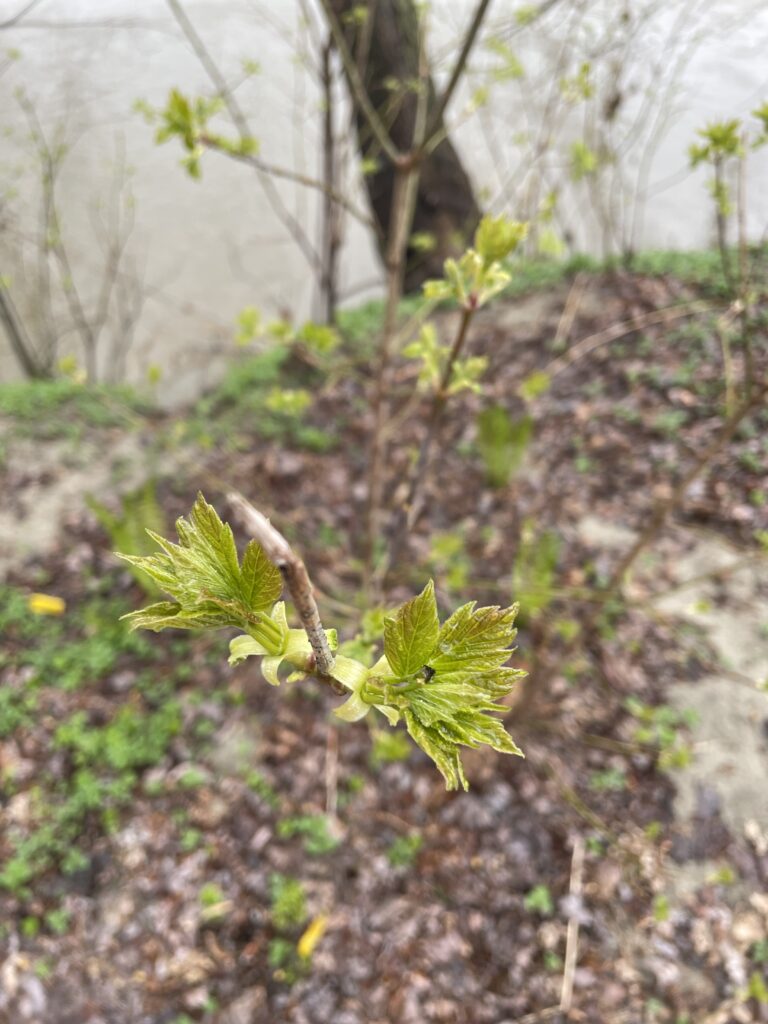
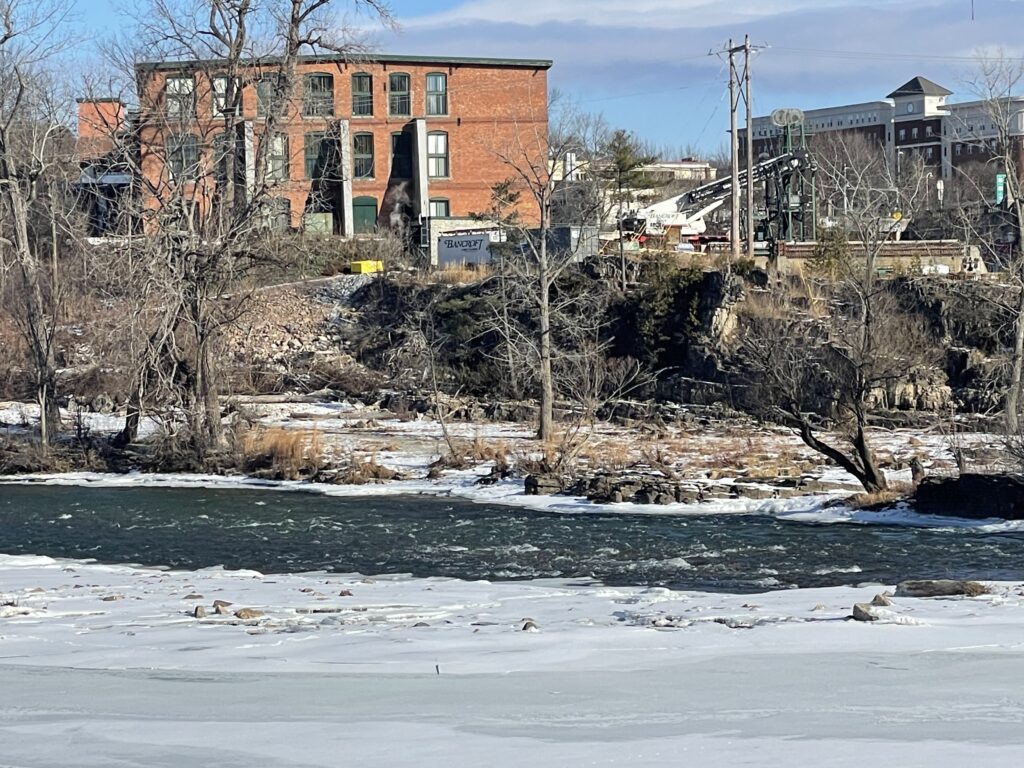
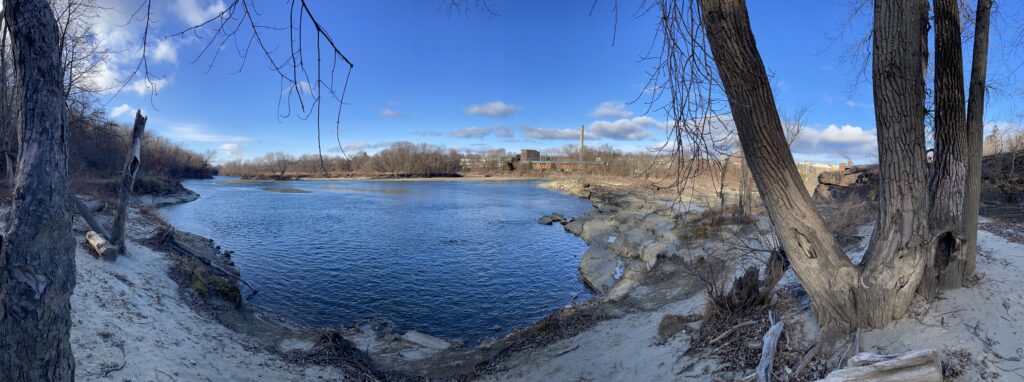
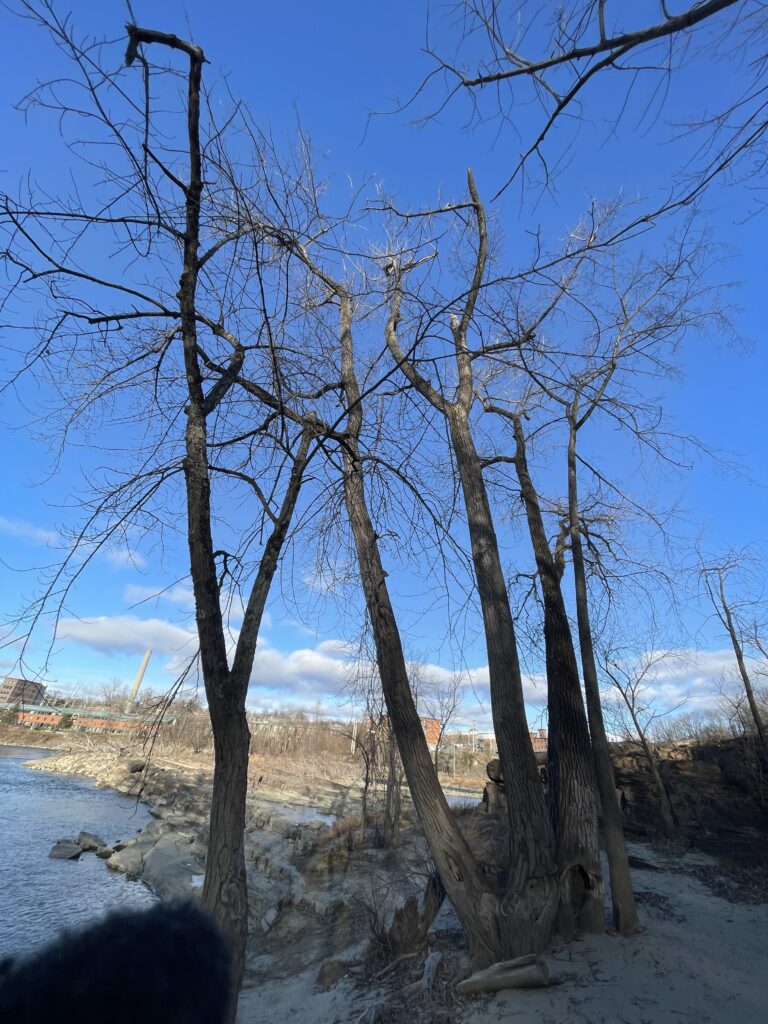
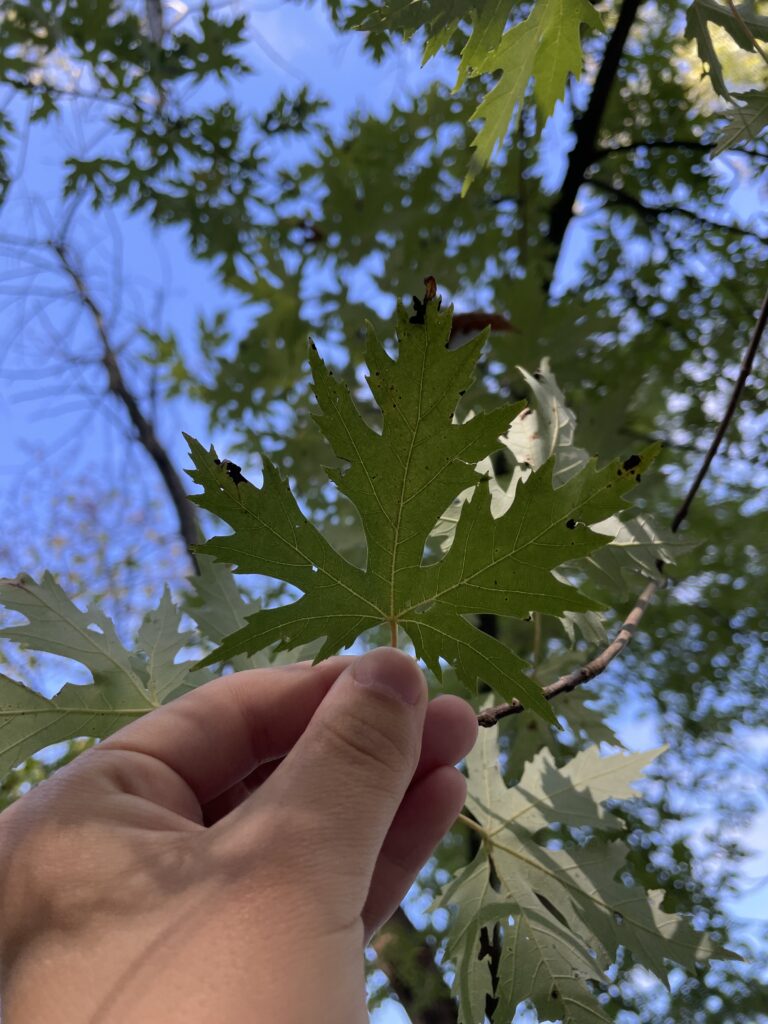
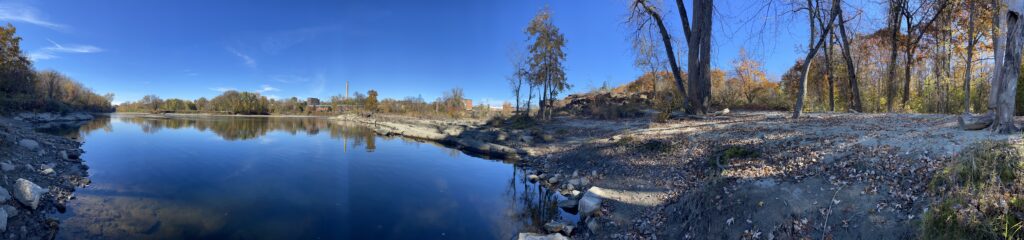
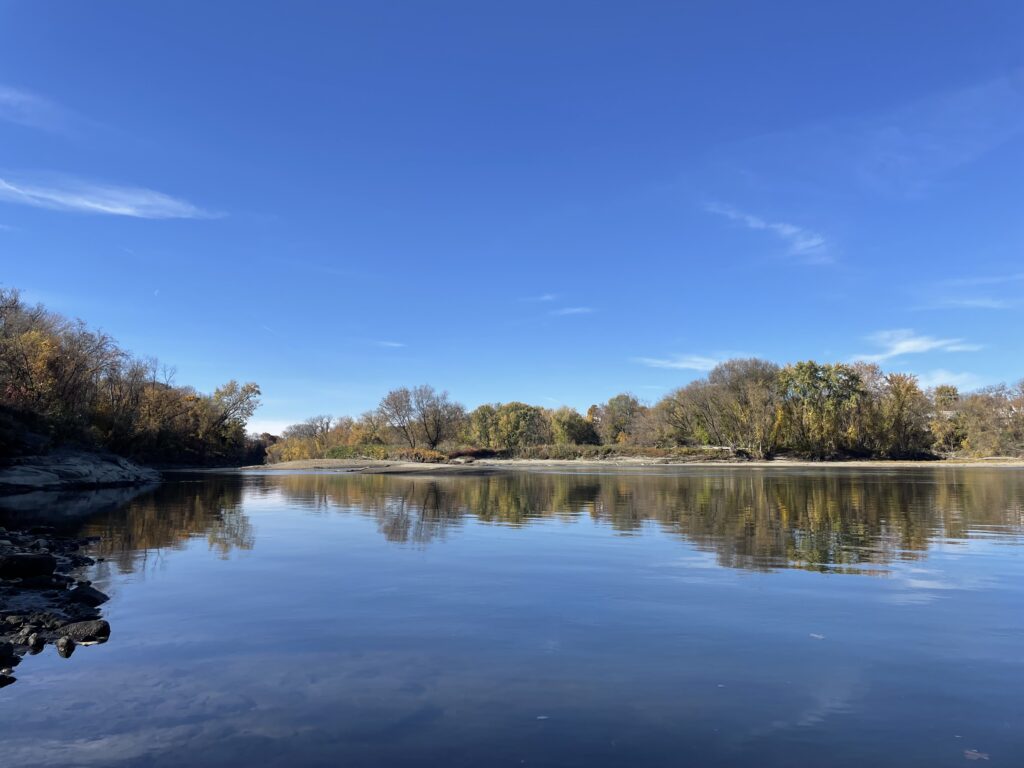
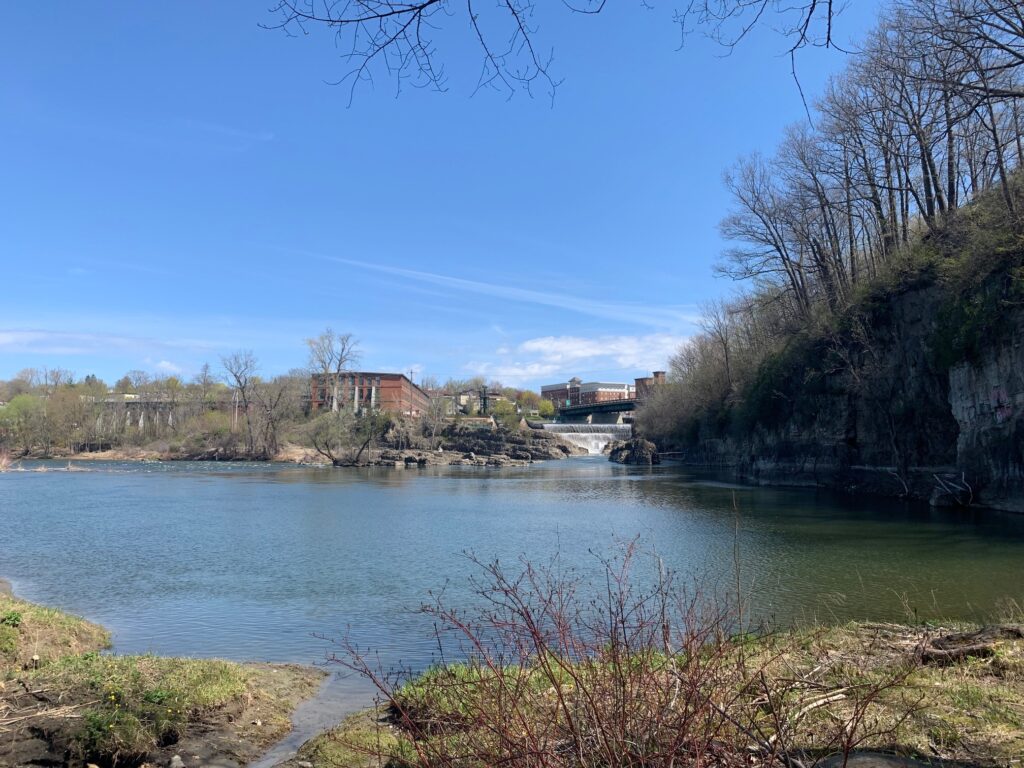
Today I returned to my phenology site at Salmon Hole. Things seemed to be more in bloom. While some trees were still bare, many had budding leaves. The silver maple I’ve been observing over the course of the year has started to bud as well. The water is not frozen at all and appears as it did when I first visited Salmon Hole in September and October. 

Nature and culture definitely intertwine at Salmon Hole. Salmon Hole is a popular spot for fishing and is located right next to downtown Winooski. It’s an important place for outdoor recreation and community engagement with nature. Salmon Hole is also a great place to hike, observe birds, and take in the Winooski River.

I definitely consider myself a part of my phenology site. Visiting it over the past year and seeing the phenological changes has created a deep connection to Salmon Hole for me. It has been a place I have consistently returned to and hope to visit again in the next 3 years.

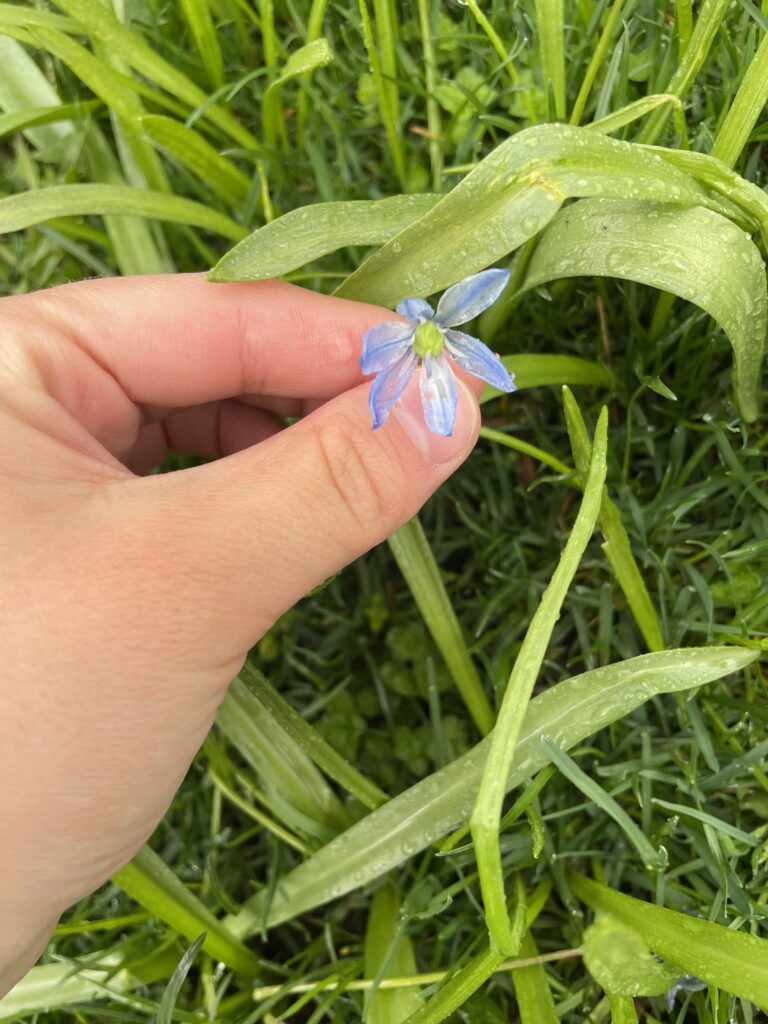
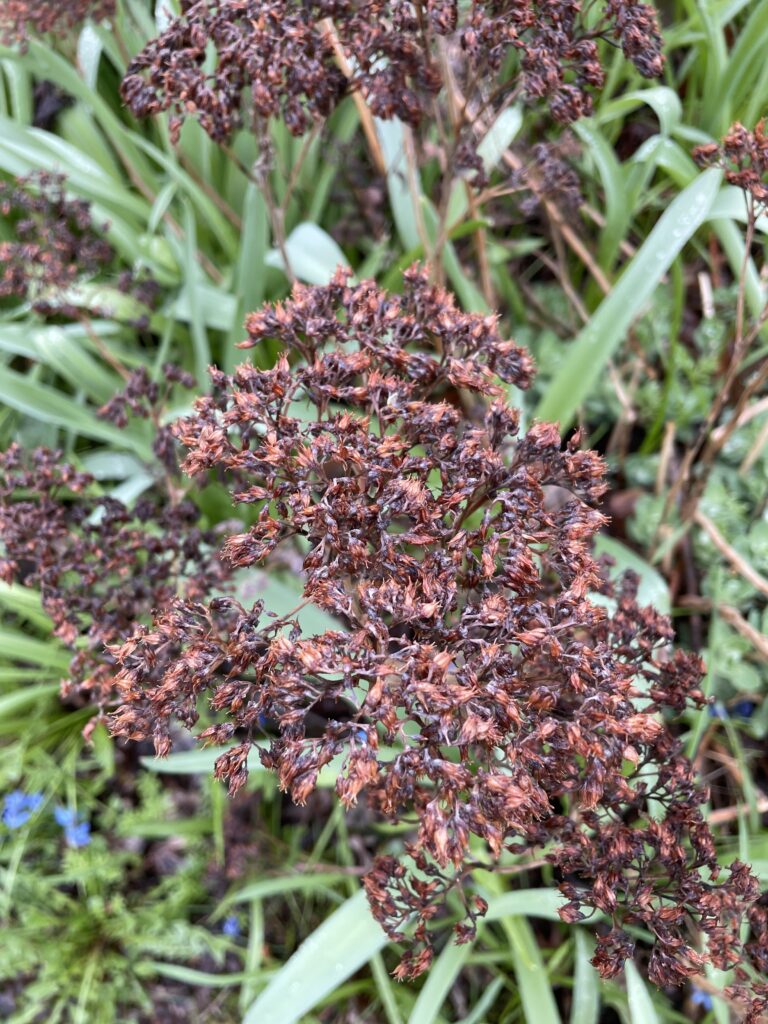
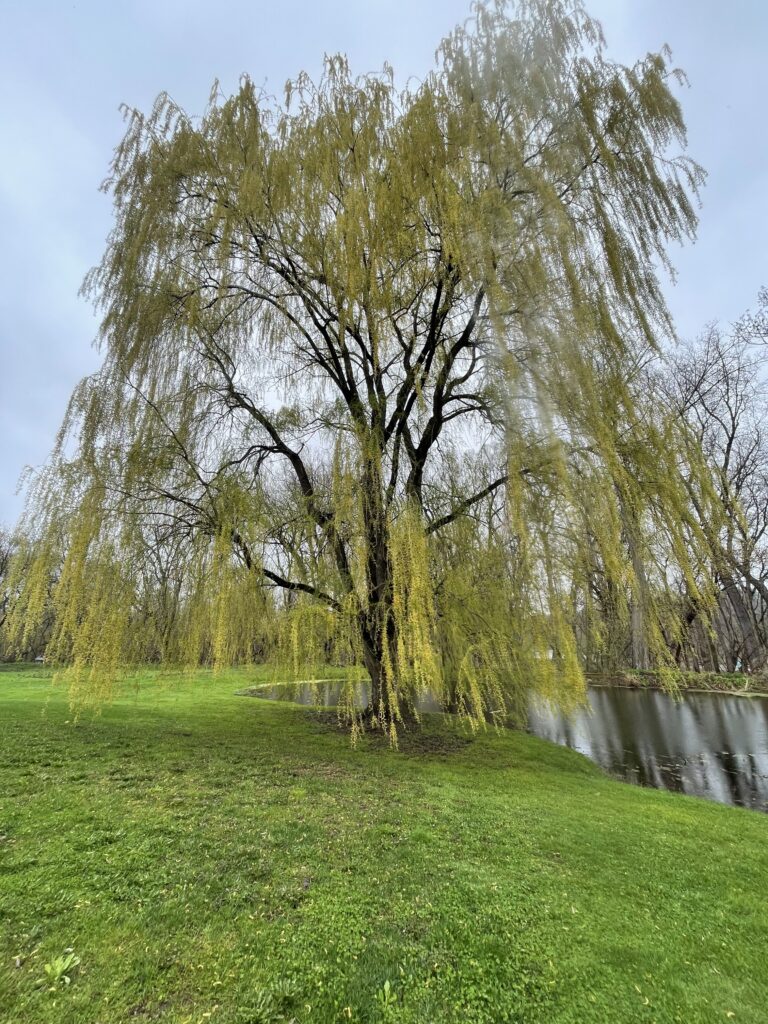
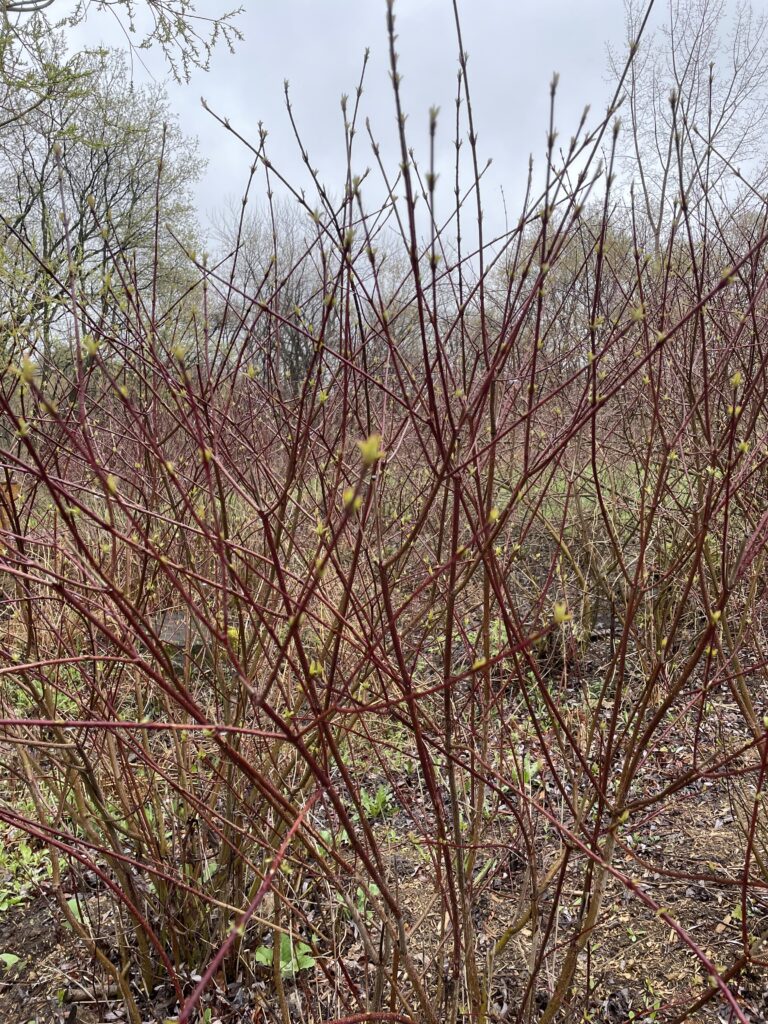
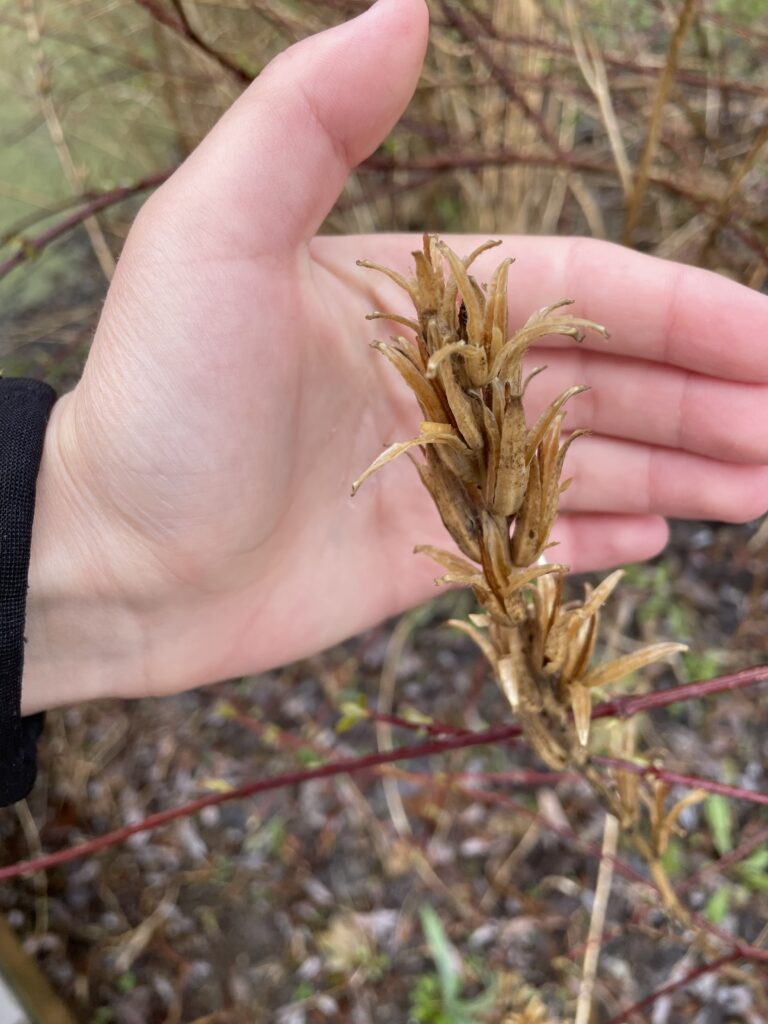
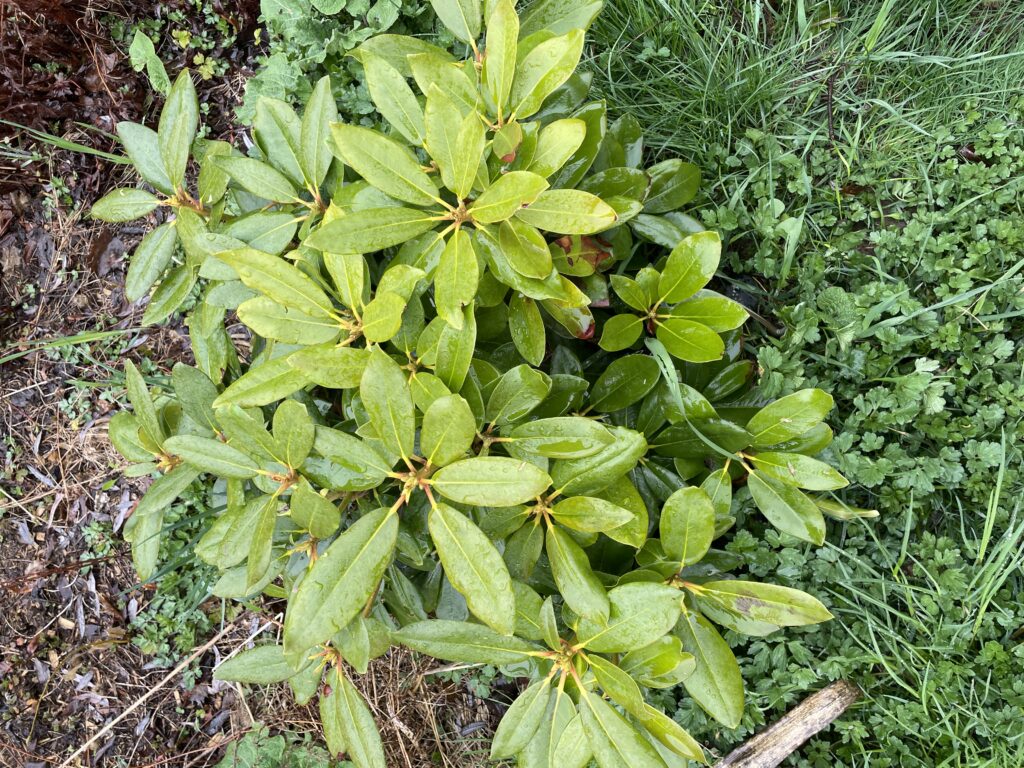
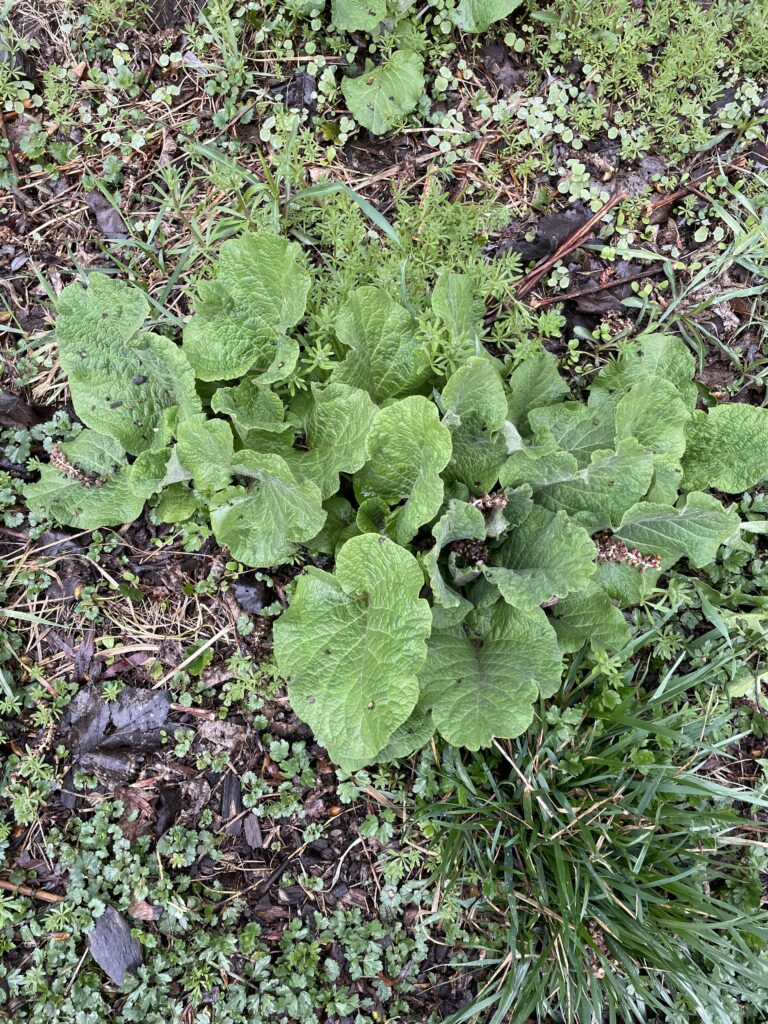
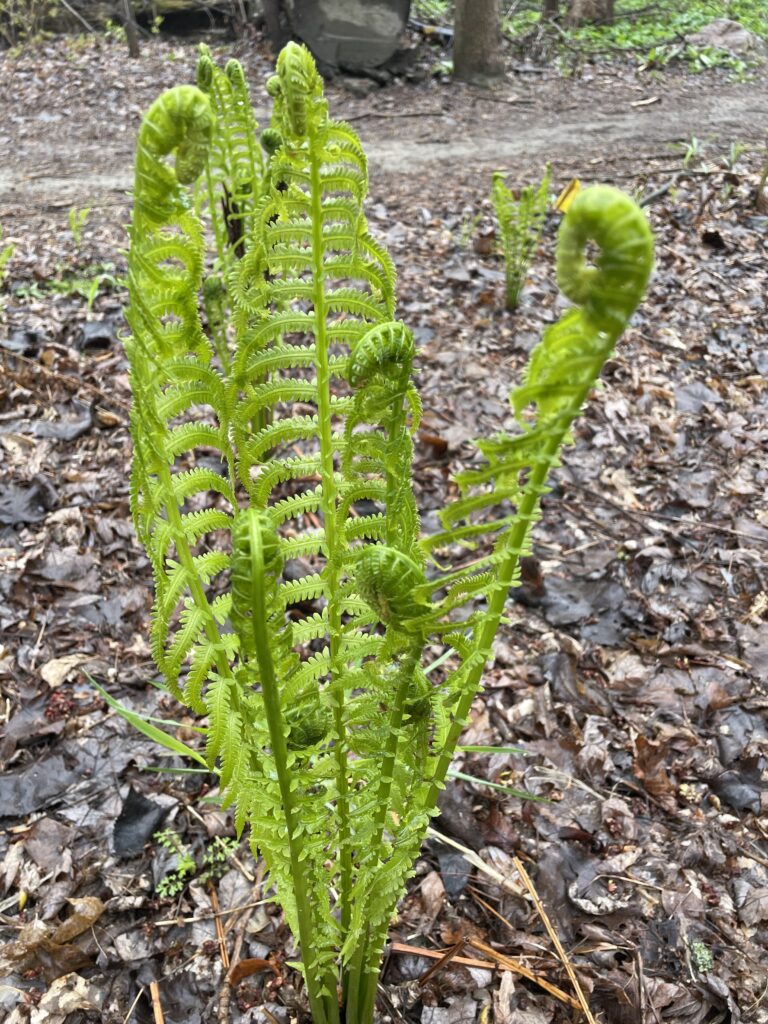
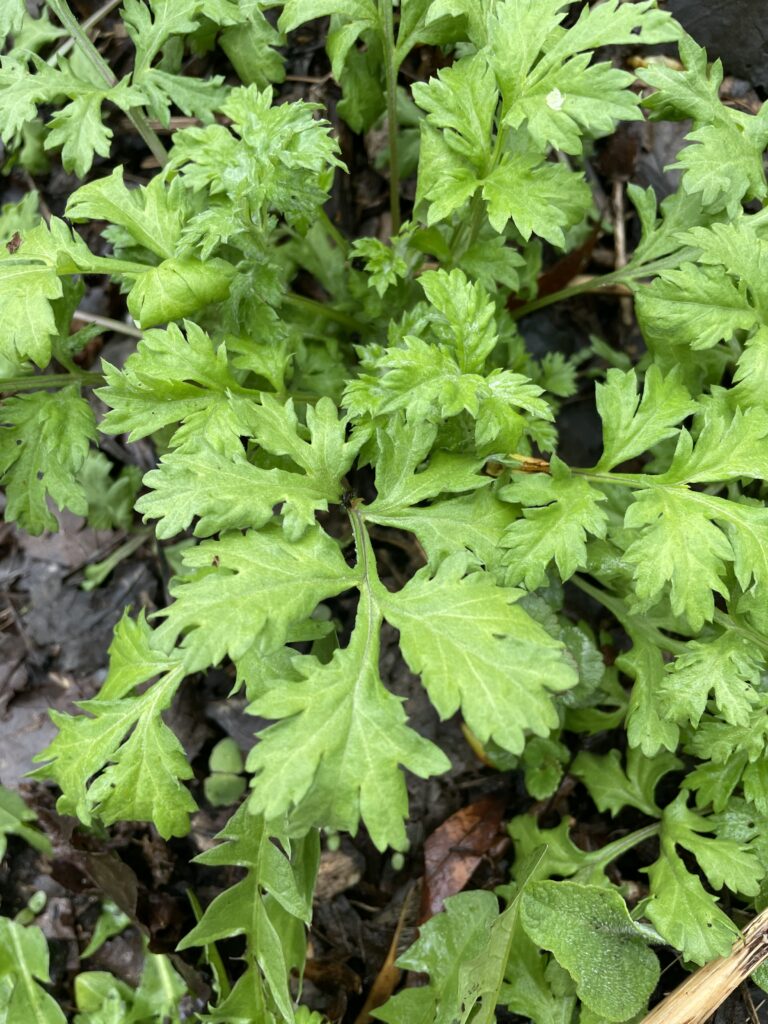
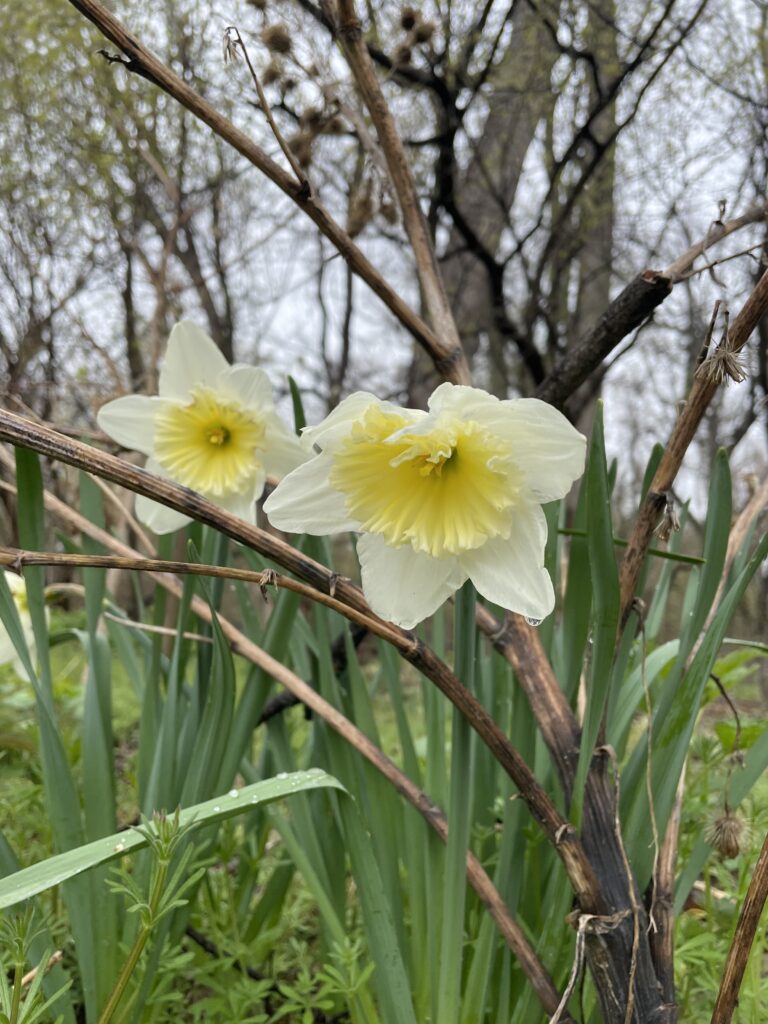
I explored the Intervale for the BioBlitz project. Using iNaturalist, I identified 11 different species including common daffodil, ostrich fern, mugwort, greater burdock, great rhododendron, broomrape, boxelder, red osier dogwood, weeping willow, orpine, and squill. I found iNaturalist to be very intuitive and easy to use.

I also took a look at the City Nature Challenge for the greater Burlington area. Similarly to the Intervale, boxelder, weeping willow, red osier dogwood, greater burdock, and mugwort were found all over Burlington. Surprisingly, I didn’t see anyone else ID ostrich fern, which I noticed right away at the Intervale due to its unique fiddlehead shape.

Taking a look at the Manhattan City Nature Challenge, several species seen in Burlington were also found in Manhattan. This includes poison ivy, mugwort, and dandelion. Shifting a bit further from the Northeast US, Mumbai ID’d sacred fig, Indian banyan, and sea almond amongst others. These have not been identified in Vermont. I found the distribution of some of Mumbai’s species to be interesting. While not identified in Vermont, sacred fig was identified across Lake Champlain, in Elizabethtown, NY. Similarly, Indian banyan was identified in Syracuse, NY and Boston, MA.

iNaturalist link: Observations

Squill

Orpine

Weeping Willow

Red Osier Dogwood

Broomrape

Great Rhododendron

Greater Burdock

Ostrich Fern

Common Mugwort

Common Daffodil

Boxelder

Today, I went out on my phenology walk. All five trees had no breaking buds, no leaves or flowers, and no signs of new spring growth. To be honest, this isn’t very surprising, as it’s still pretty early in the season. I wouldn’t expect buds to start breaking until later this month or potentially early May. Today certainly didn’t feel like spring, as it was a crisp 38°F at the time of walk.

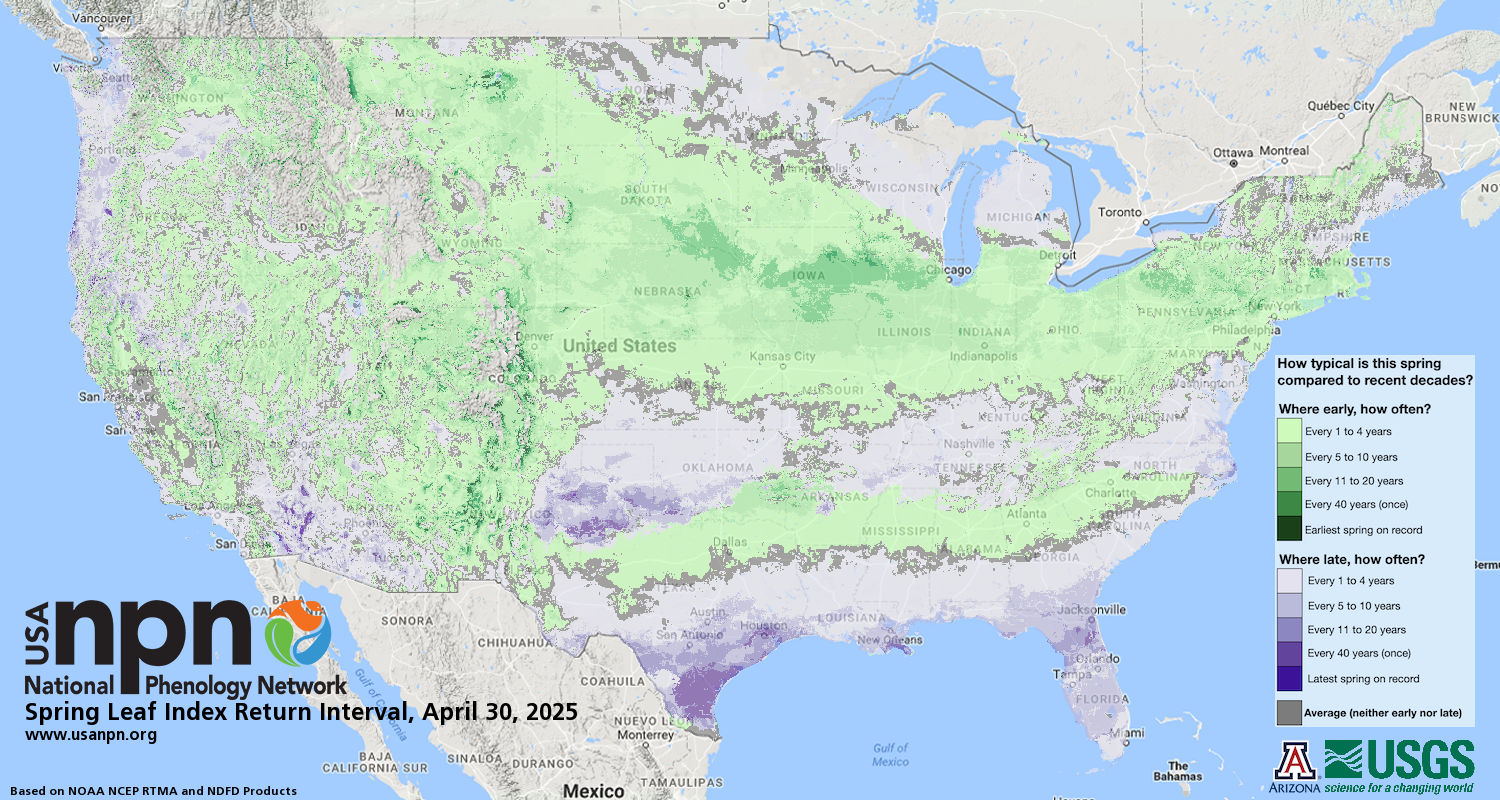
Taking a look at the National Phenology Network website, I found an interesting map displaying the Spring First Leaf Return Interval (or how typical this year’s phenological changes are compared to past years). For some reason, I can’t add the image of the map here, so I will link the website below. As of today, April 2nd, the map shows earlier than typical leaf return in states such as Nebraska, Iowa, Missouri, Indiana, Ohio, southern Pennsylvania, New Jersey, Connecticut, northern Mississippi, northern Georgia, northern Alabama, South Carolina, Utah, Arizona, New Mexico and northeastern Texas. These early leaf returns aren’t incredibly atypical, occurring around every 1-4 years. Conversely, states such as Florida, southern Texas, Louisiana, southern Alabama, southern Mississippi, southern Georgia, Tennessee, and Kentucky are seeing later than usual leaf returns (by around 1-4 years). This spring seems to be split between being early and late, depending on location. No data has been listed yet for Vermont, as spring has not yet started here. According to the Vermont Forest Health Insect and Disease Observation (linked below) from May 2022, “Sugar maple trees at our longterm phenology monitoring site in Underhill, VT broke bud on May 5, 2022. This was very close to the long-term average for budbreak at the site (May 3).” From this information, it seems that early May is the typical bud-break time, at least for Sugar maples. It will be interesting to see how our data compares to this timeline as my peers collect data into the end of the month.

https://www.usanpn.org/files/npn/maps/six-leaf-return-interval-2025.png

https://fpr.vermont.gov/sites/fpr/files/doc_library/2022%20Forest%20Health%20May%20Observations.pdf
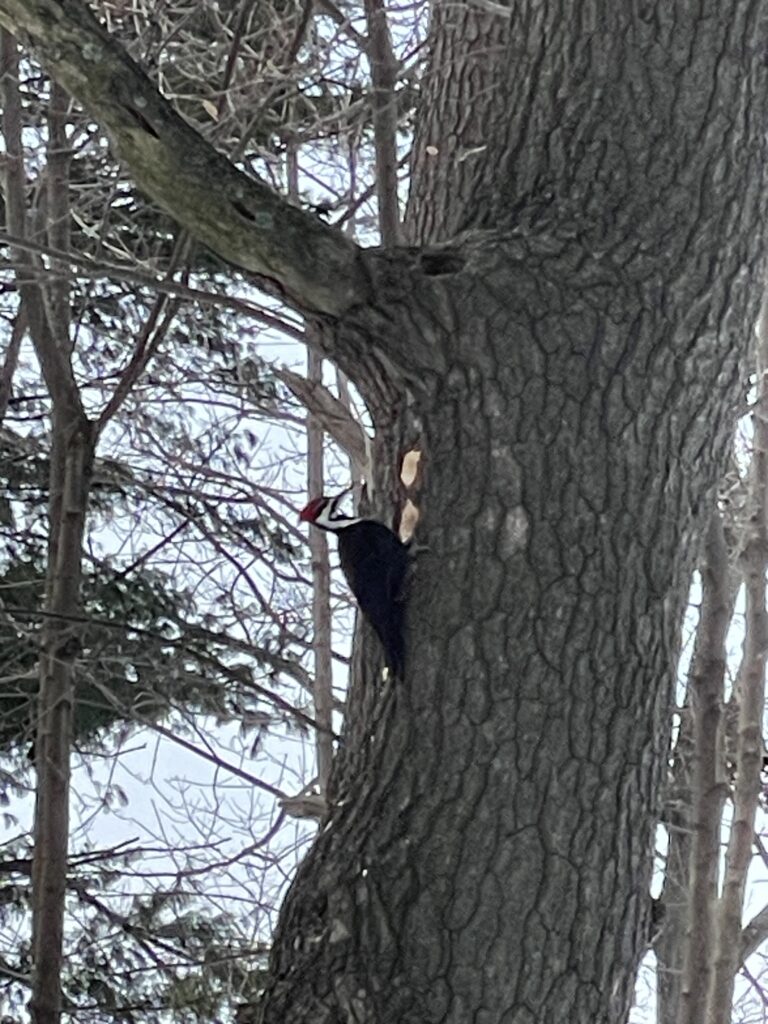
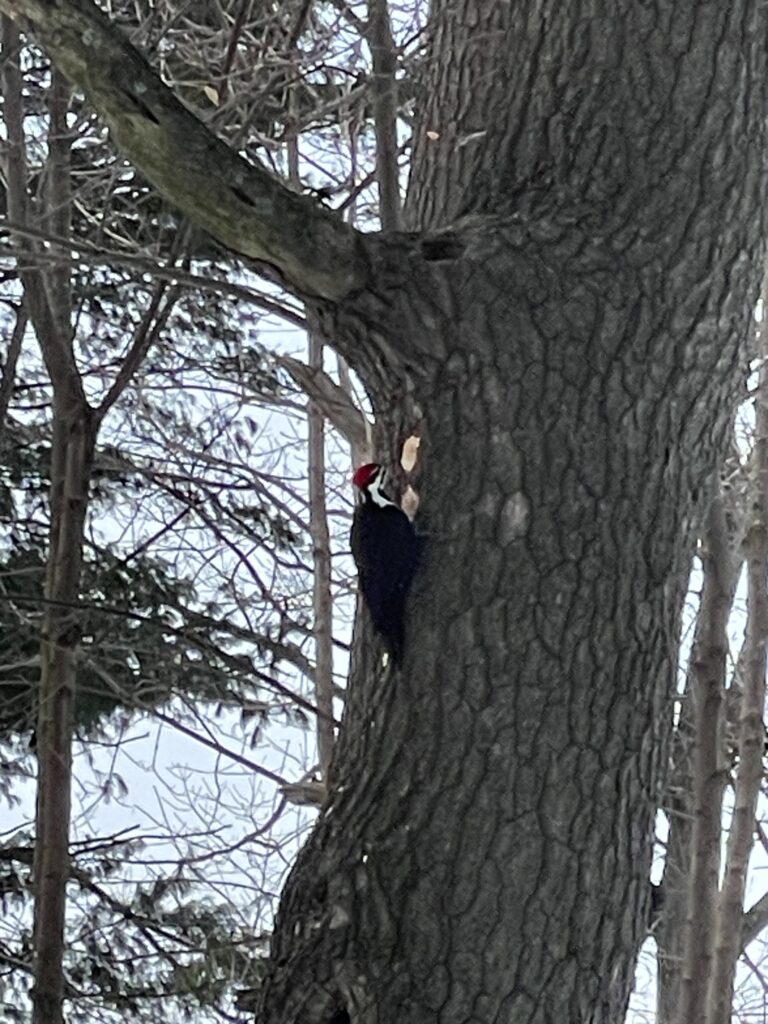
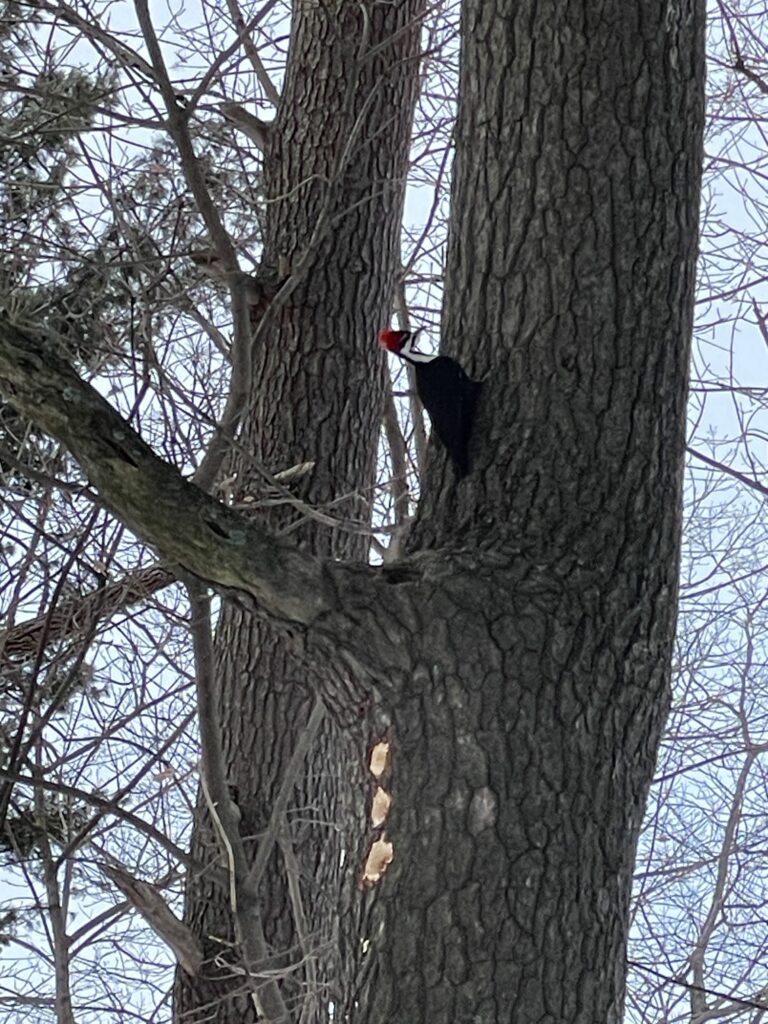
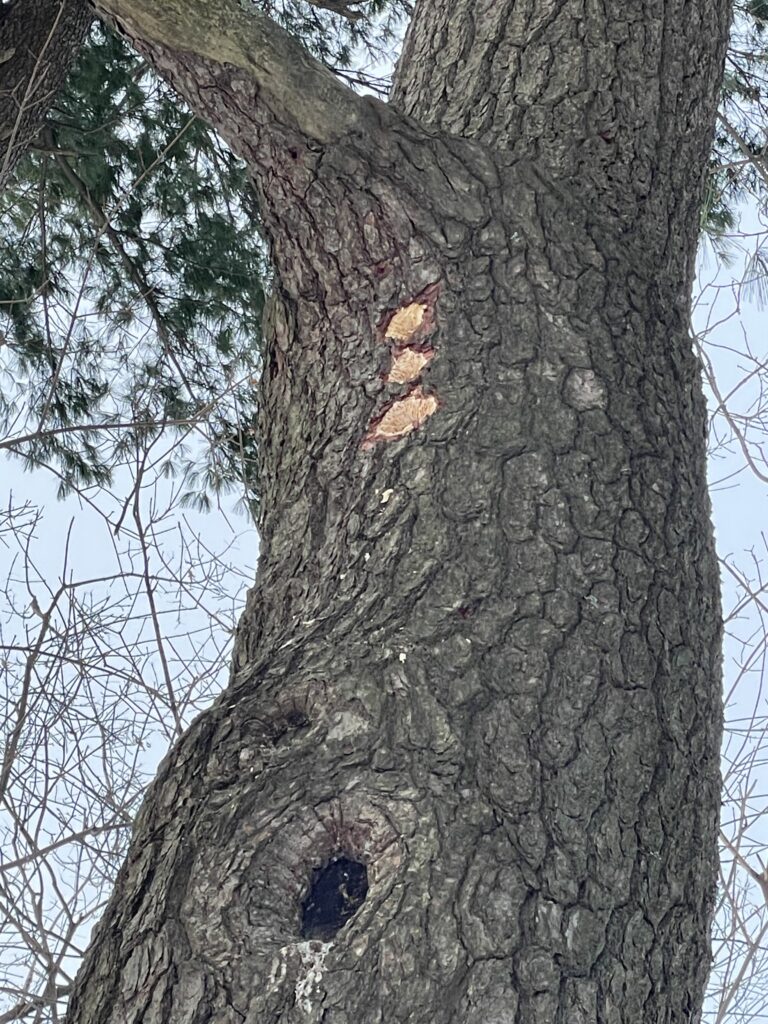
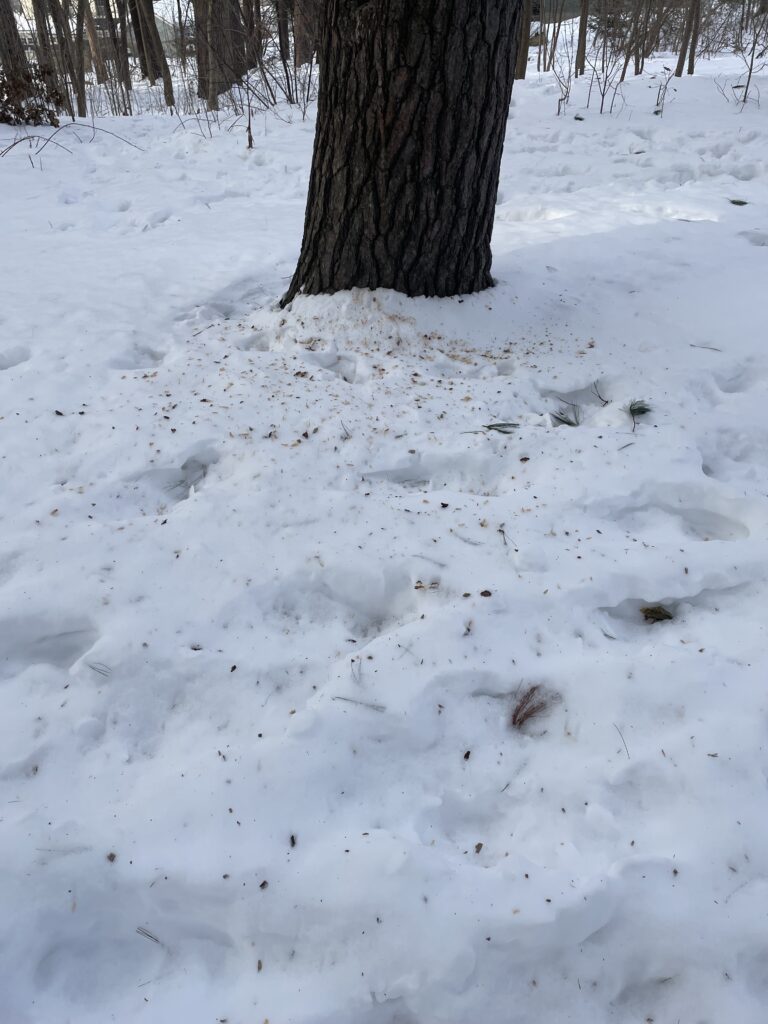
I went to the Redstone Pines to look for tracks with a friend. We initially didn’t see many prints besides human ones. However, while we were looking, we heard the distinct tapping of a woodpecker! Sure enough, a pileated woodpecker was pecking away at a tree.
Here’s some audio of the woodpecker!

This bird was pretty easy to identify as a woodpecker based solely on its behavior. Afterward, I looked up some of the different kinds of woodpeckers found in Northern Vermont, and instantly was able to tell this is a pileated woodpecker. Pileated woodpeckers are large, almost the size of a crow, with distinct black and white stripes, a black body, and a red head.


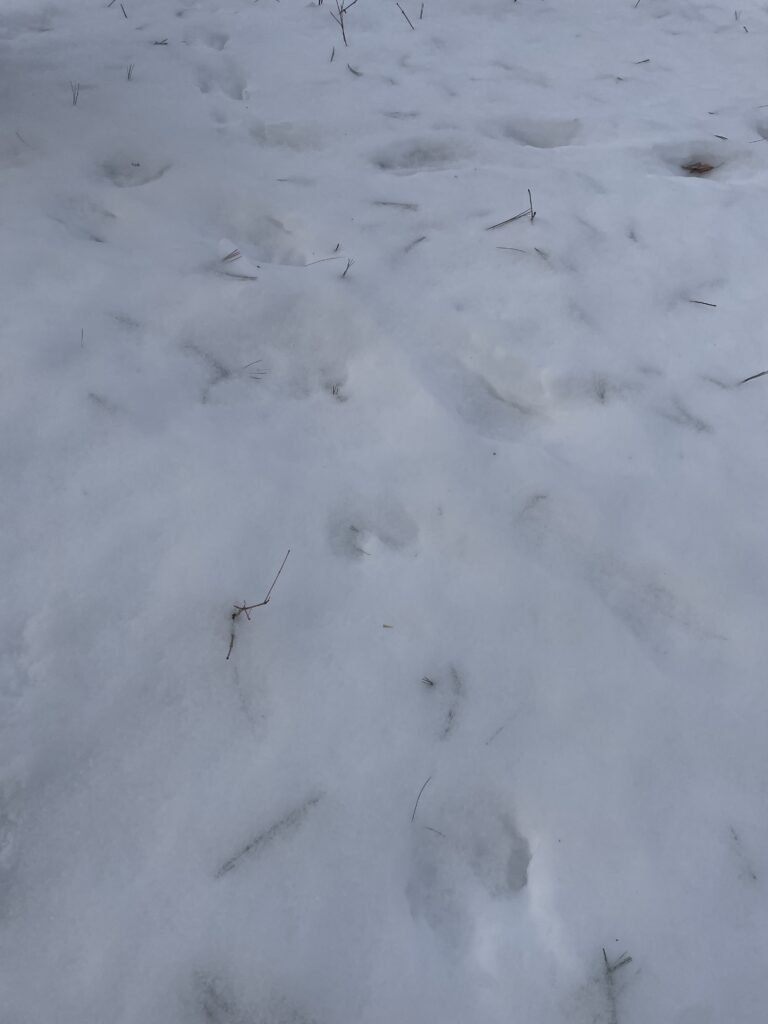
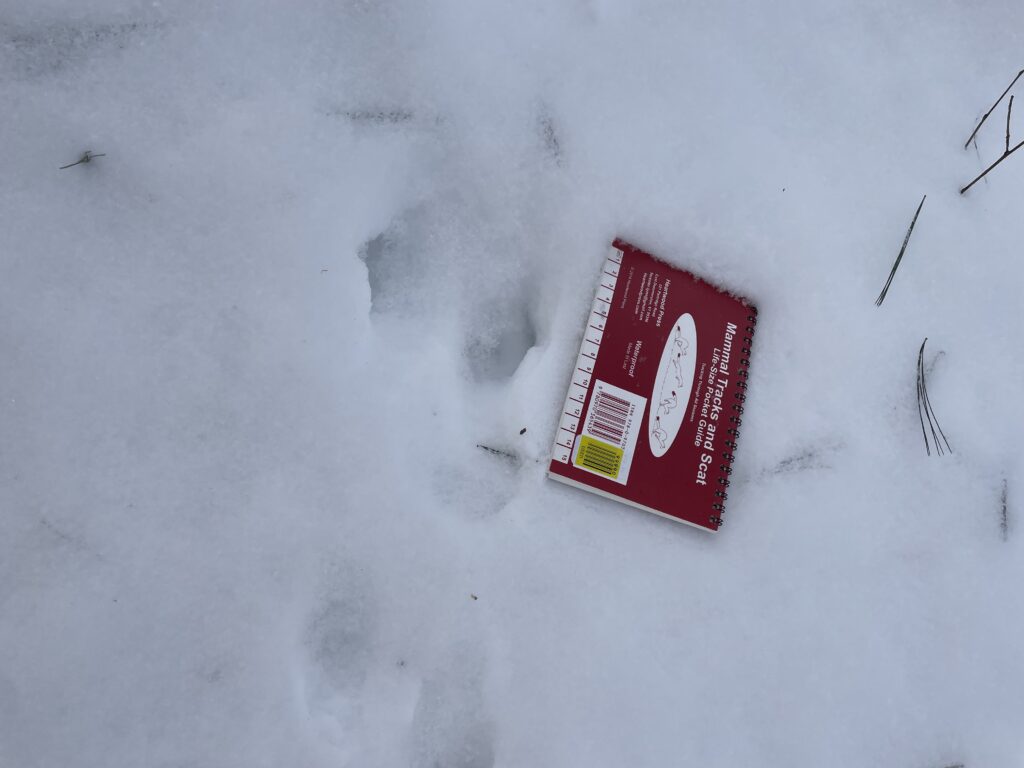
We also observed prints of what we believe to be a deer. Using my Mammal Tracks and Scat Pocket guide, I was able to measure the length of these tracks to be about 7-8cm. According to the guide, deer tracks can be 6-9 cm in length. The tracks also emulate the curved hoof shown in the guide. While I am unsure what kind of deer this may be, white-tailed deer seem to be the most prevalent species in the area.

Animal Tracks

Man’s Best Friend

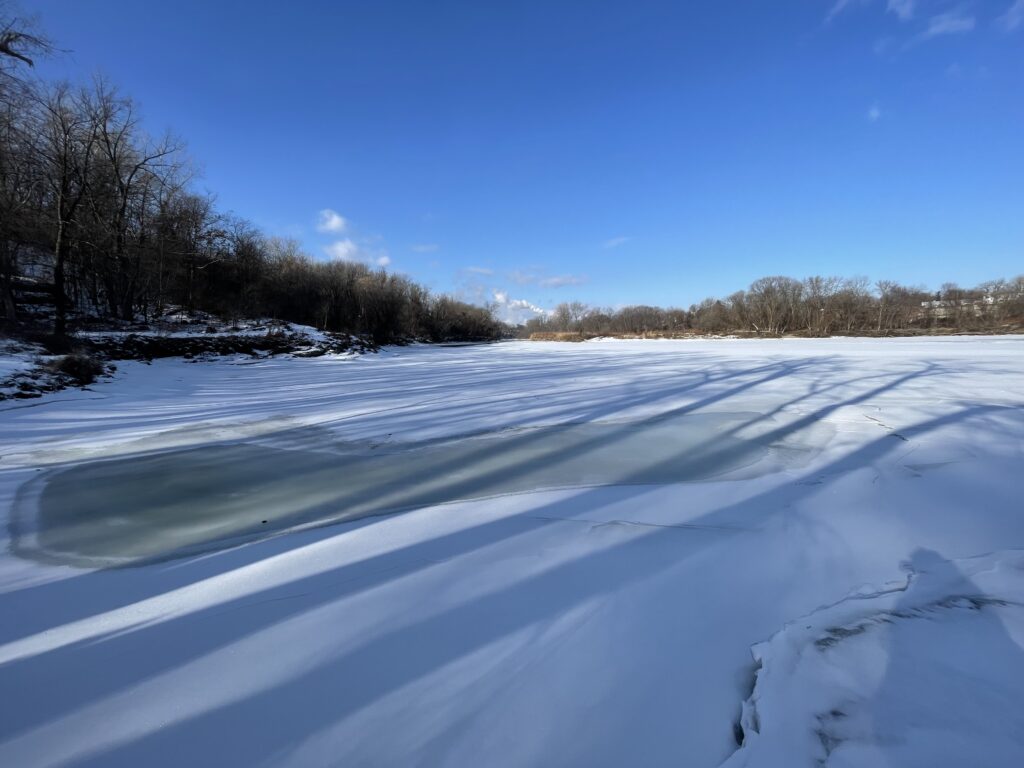
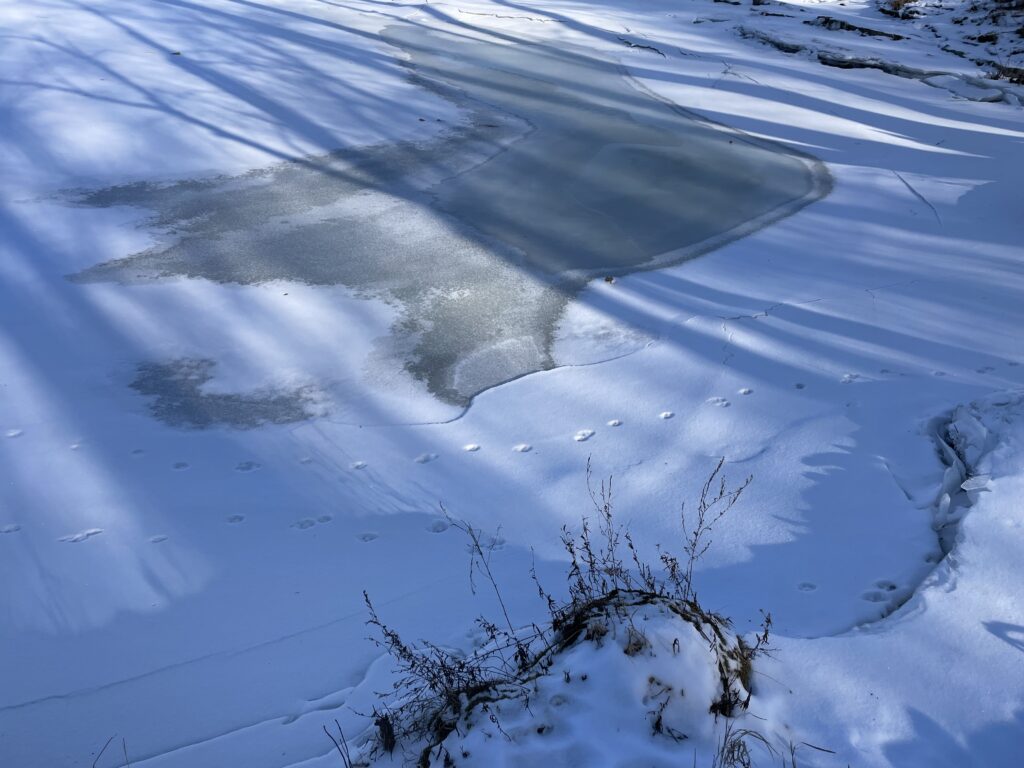
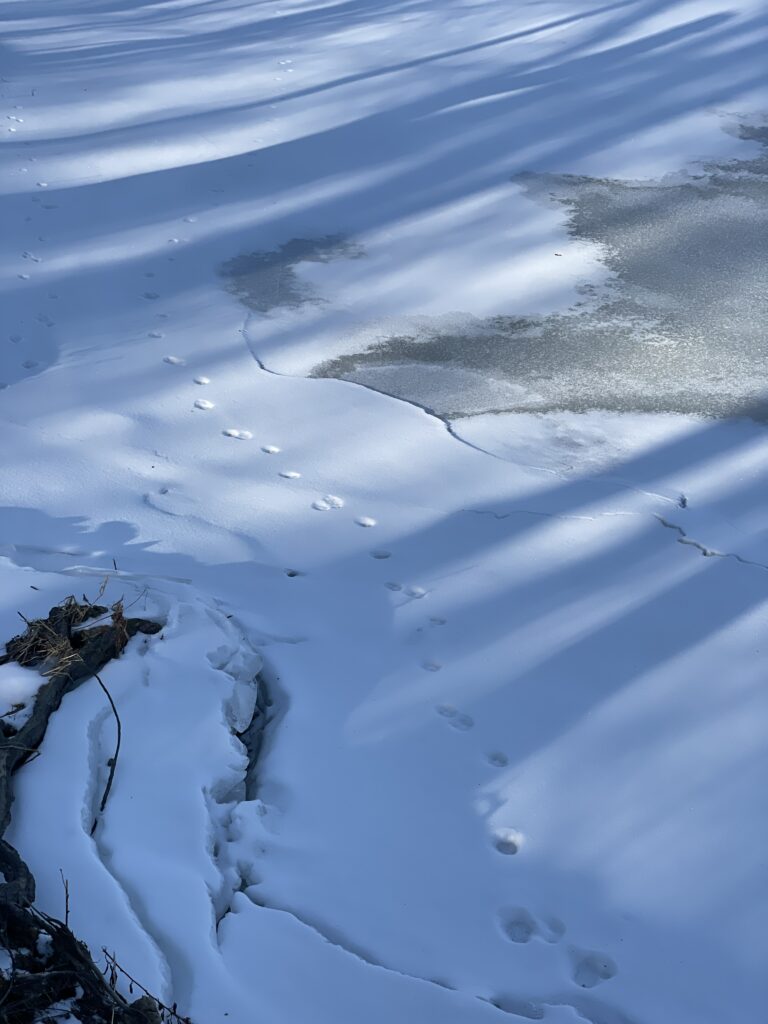
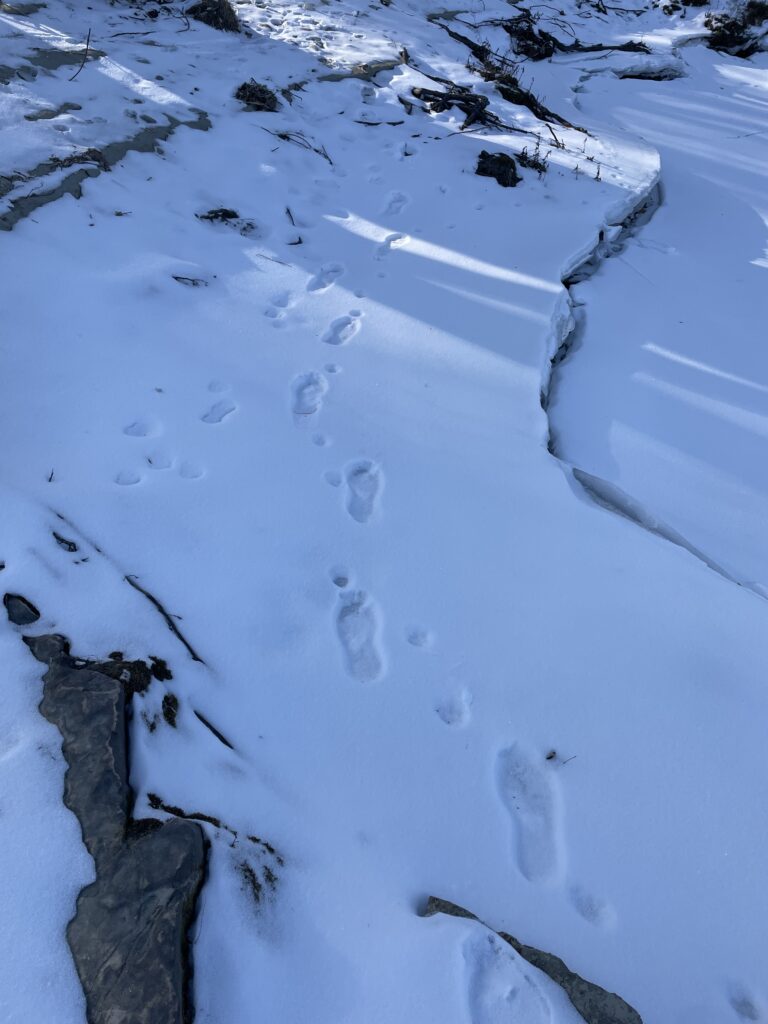
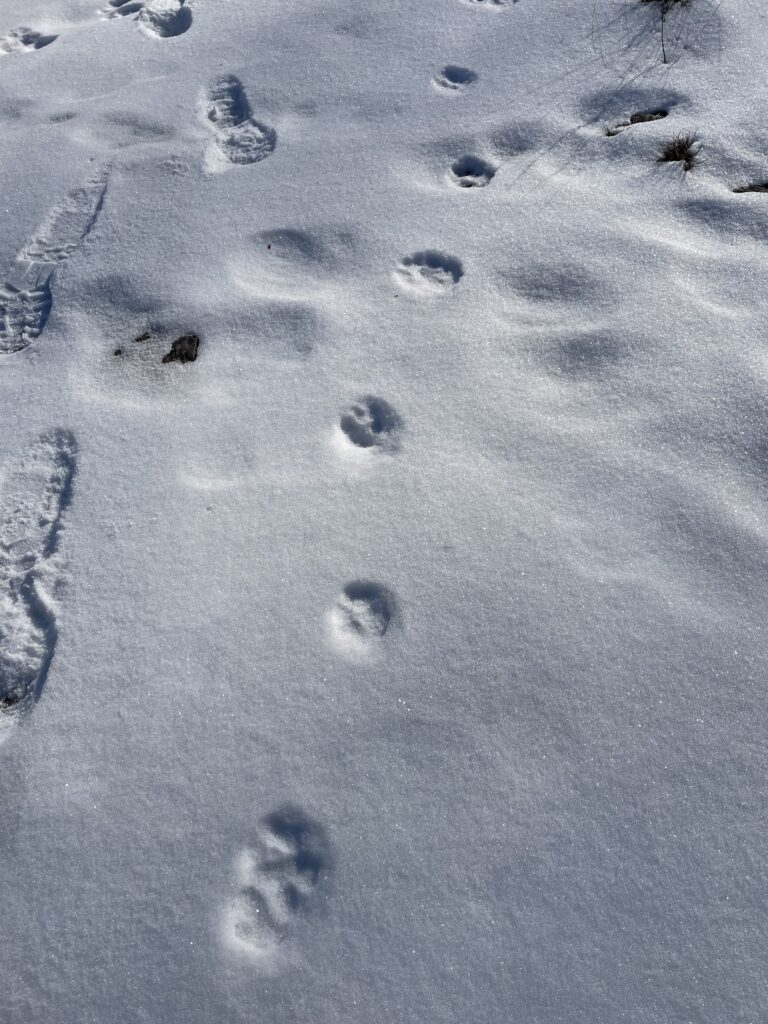
I noticed these tracks right along the edge of the water. I believe the animal prints belong to a dog as they are closely followed by the human footprints. The human prints stop along the edge of the river, while the dog tracks continue out onto the edges of the frozen water, as you can see in the first and second pictures.

More Dogs??

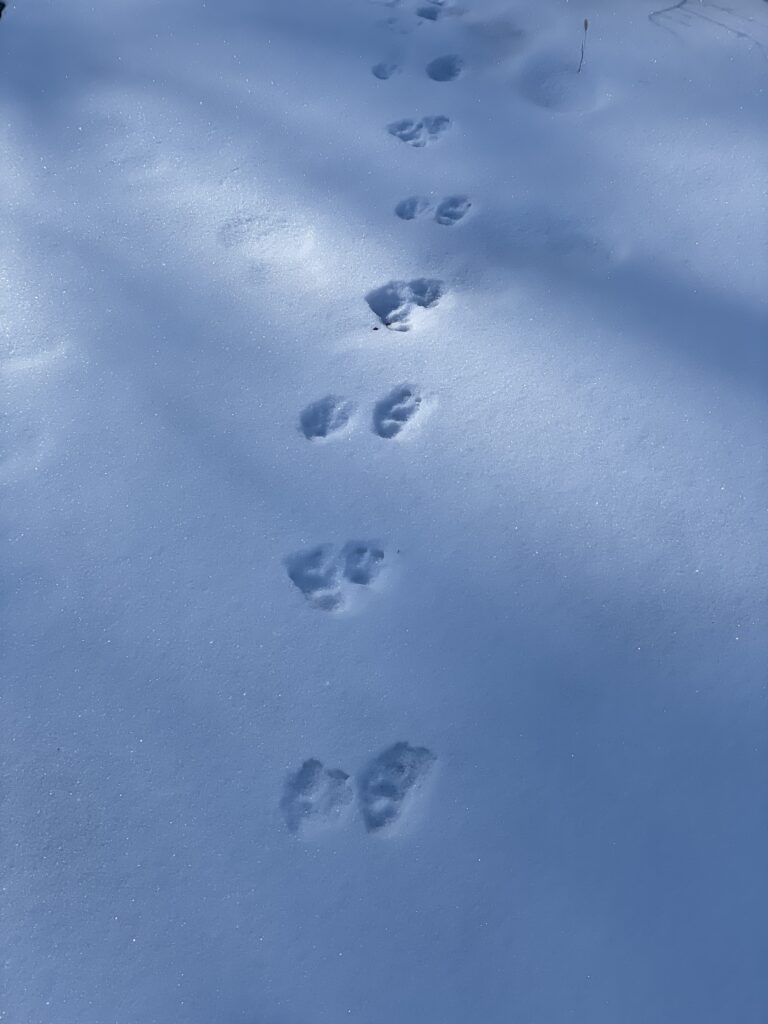
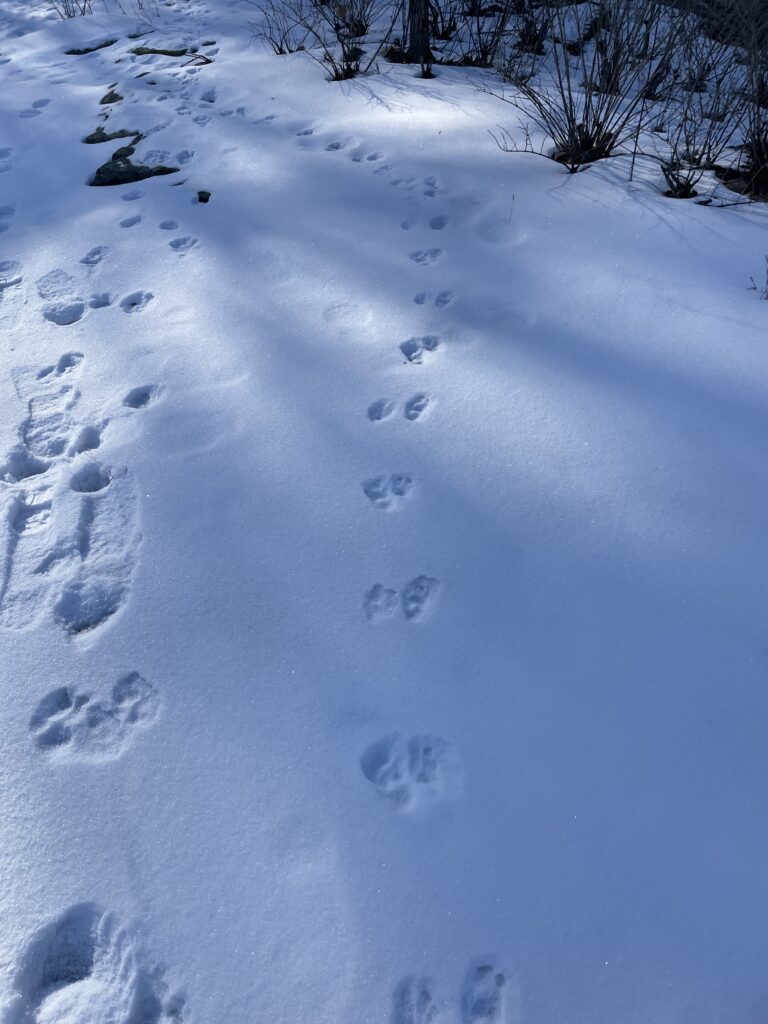
I’m not entirely sure what kind of animal these prints belong to. The tracks in the first two pictures are followed closely by human tracks and lead to the trail from which you can exit/enter. If I had to guess, I’d say these are also dog tracks. I wouldn’t be surprised if all of the above prints are dog prints as Salmon Hole is a pretty popular spot for activities like dog walking and fishing. In the autumn, I didn’t notice any signs of wildlife, perhaps due to Salmon Hole’s proximity to a busy road and downtown Winooski. In my opinion, these prints likely just belong to some of our domesticated four legged friends.

Phenological Changes

Snow and Ice

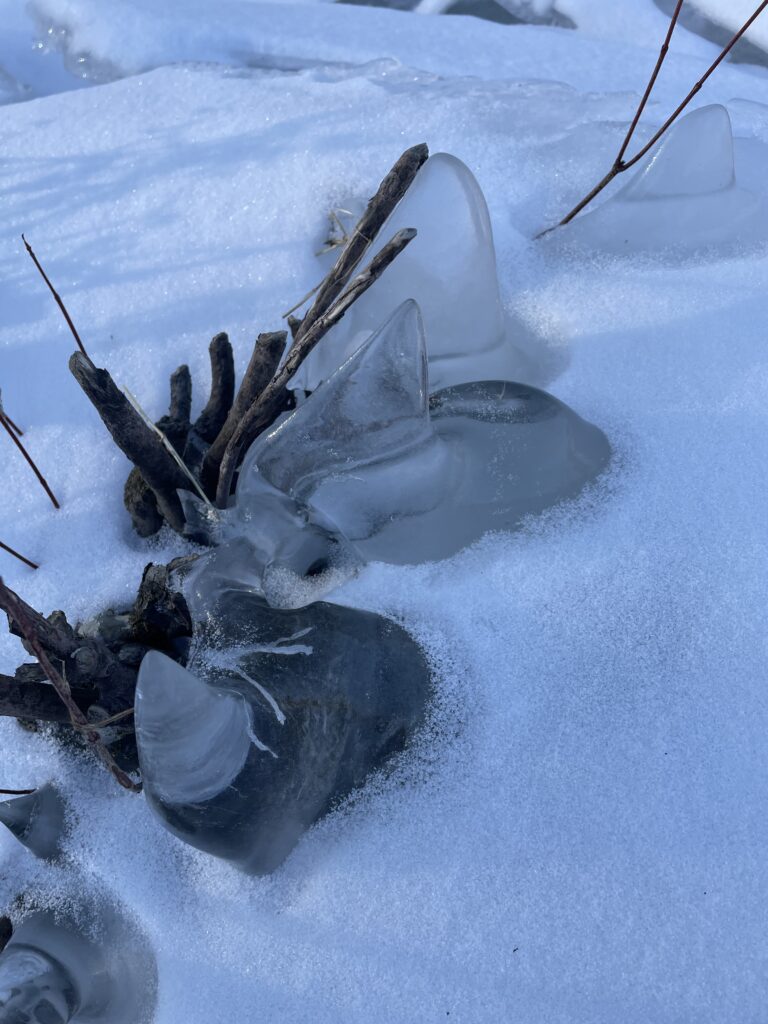
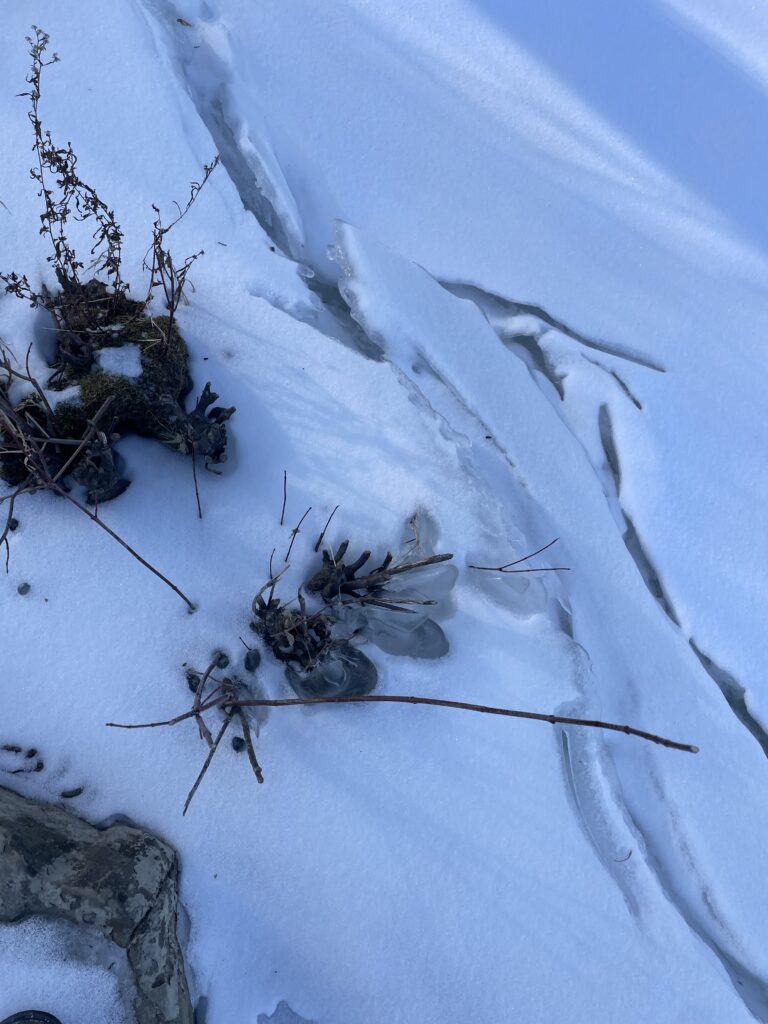
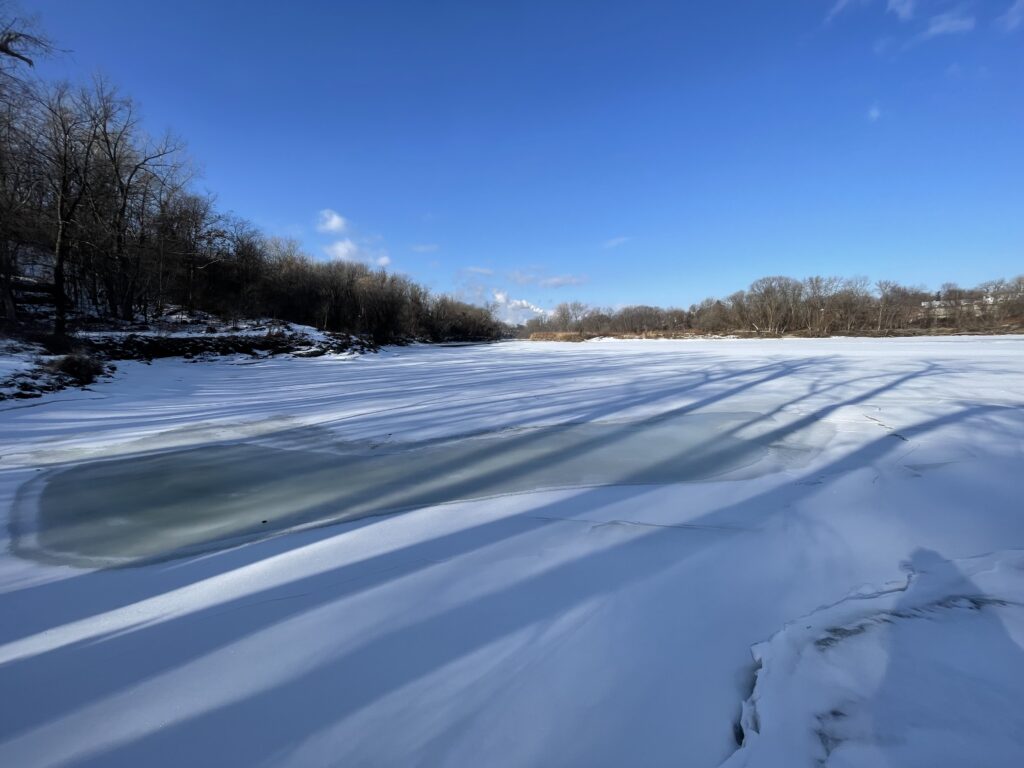
Since my last visit, the Winooski River at Salmon Hole has mostly frozen over. There is a section towards downtown Winooski that is not frozen over, but otherwise, the river is covered with a layer of ice and snow.

Oriental Bittersweet

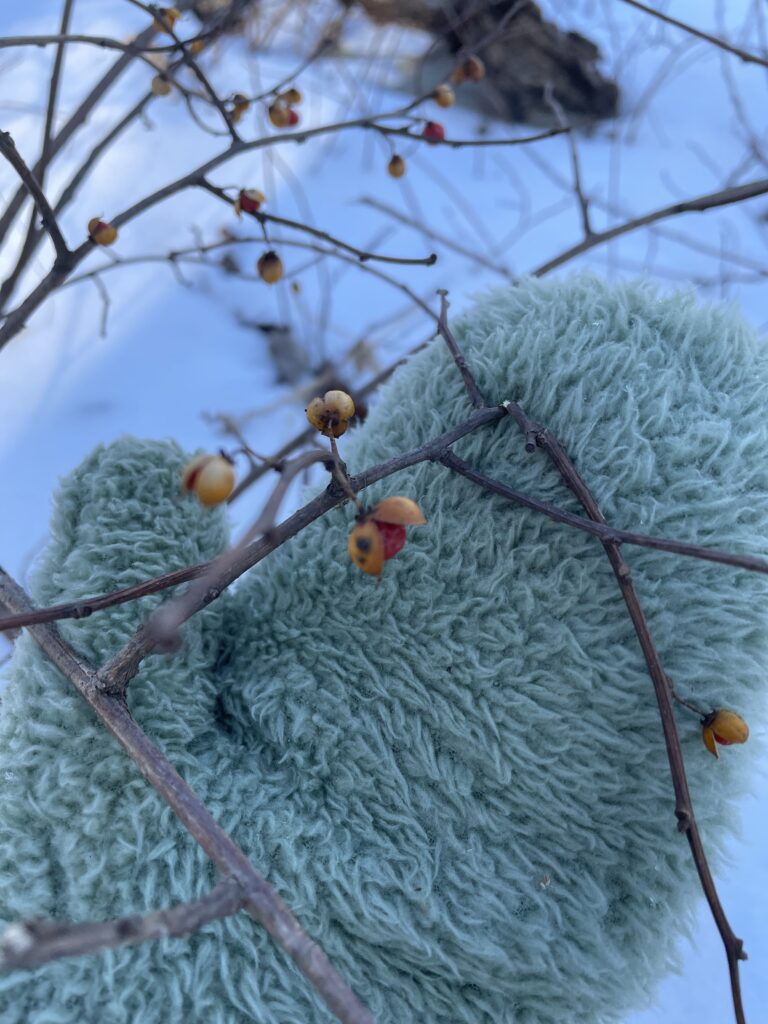
The Oriental Bittersweet I noticed in the fall is still present at Salmon Hole, but it’s berries seem to be less abundant.

Trees

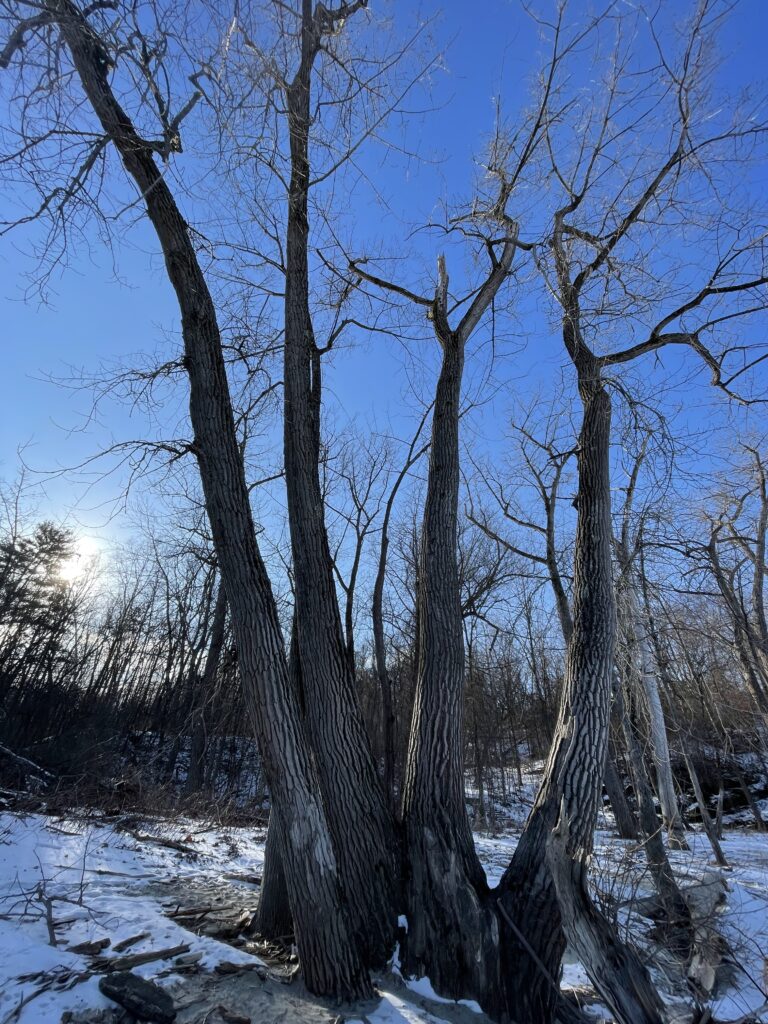
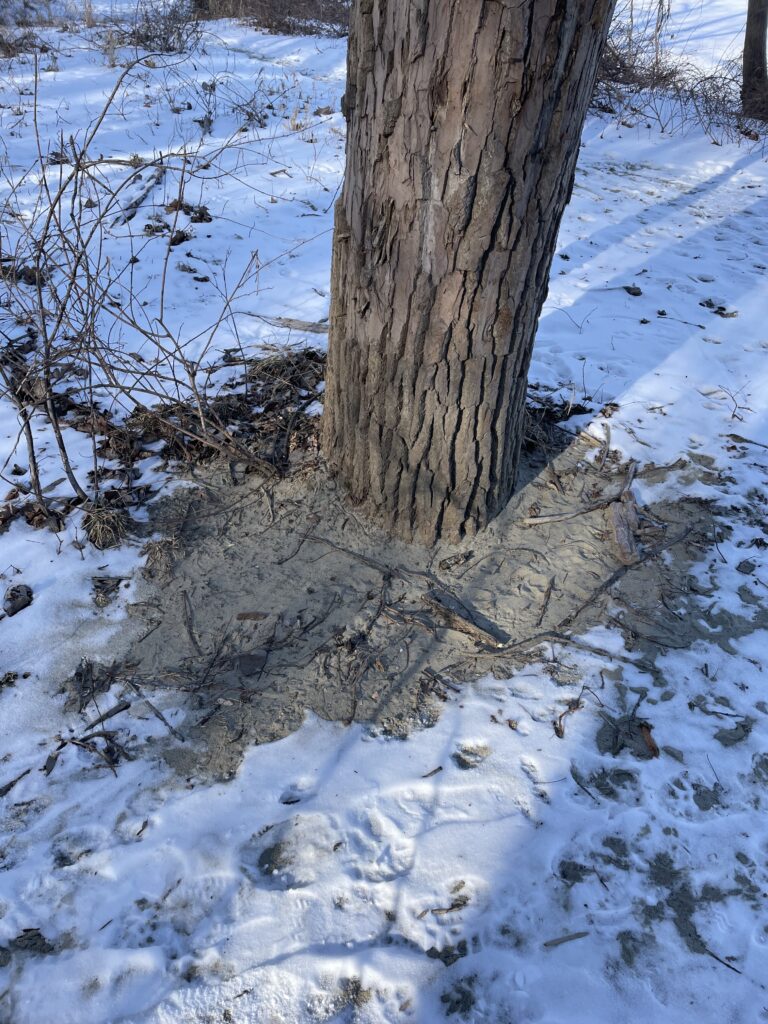
The trees I identified during my previous visits look pretty much the same as the last time I was here. However, I did notice that there was no snow around the base of the trees, while the rest of the ground was covered in snow.

Brrr! It was a chilly one at Salmon Hole today! With winter break coming up, and my first semester at college coming to a close, this is my last post of the year.

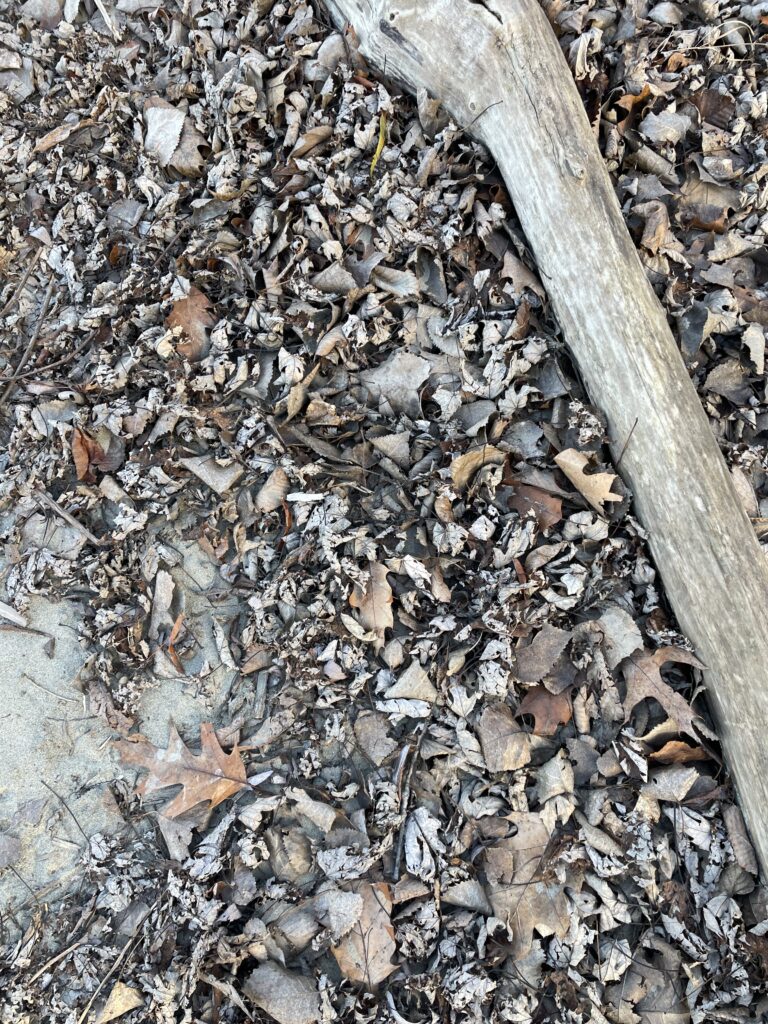
Since my last visit, the last of the leaves have fallen. The leaf litter covering the ground looks to be in the beginning stages of decomposition. While there are still some whole leaves, most are sort of crumpled up and shredded. I noticed that many of the leaves had holes in them. While I was not able to observe any, this could likely be from insects such as beetles or caterpillars chewing through the leaves.

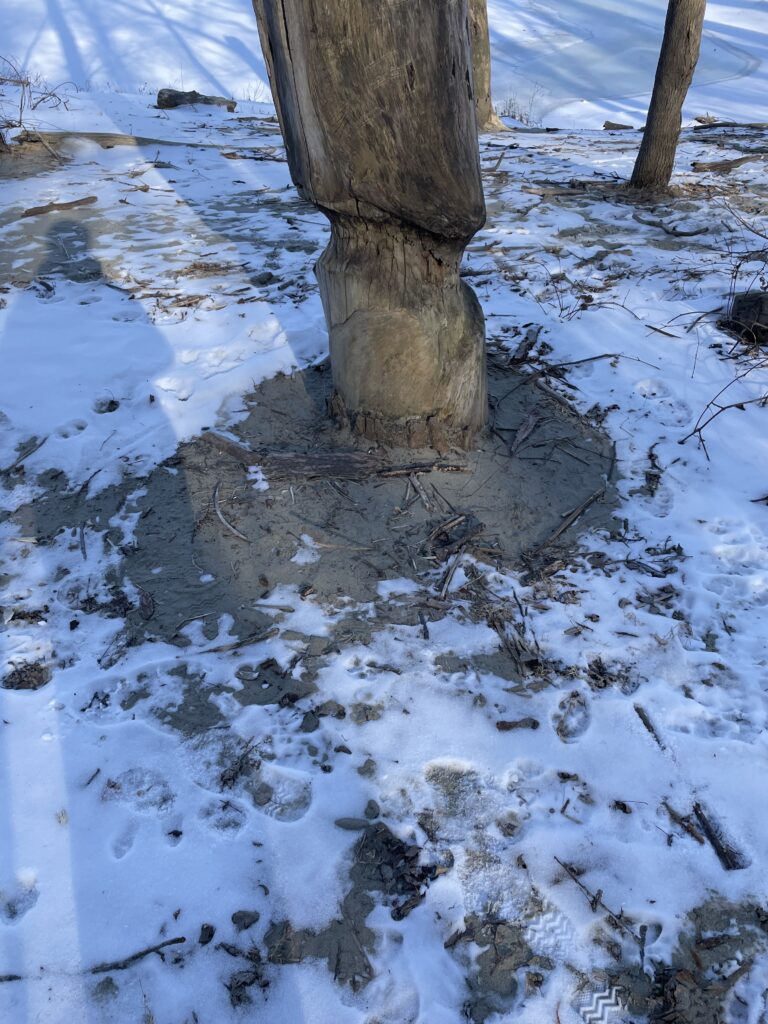
Again, I was unable to find any signs of wildlife. The only tracks in the sand were human footprints and the imprints of dog paws. I believe the lack of wildlife at my spot is due to its proximity to a busy road. Perhaps the noise of cars and visitors scares away most wildlife.

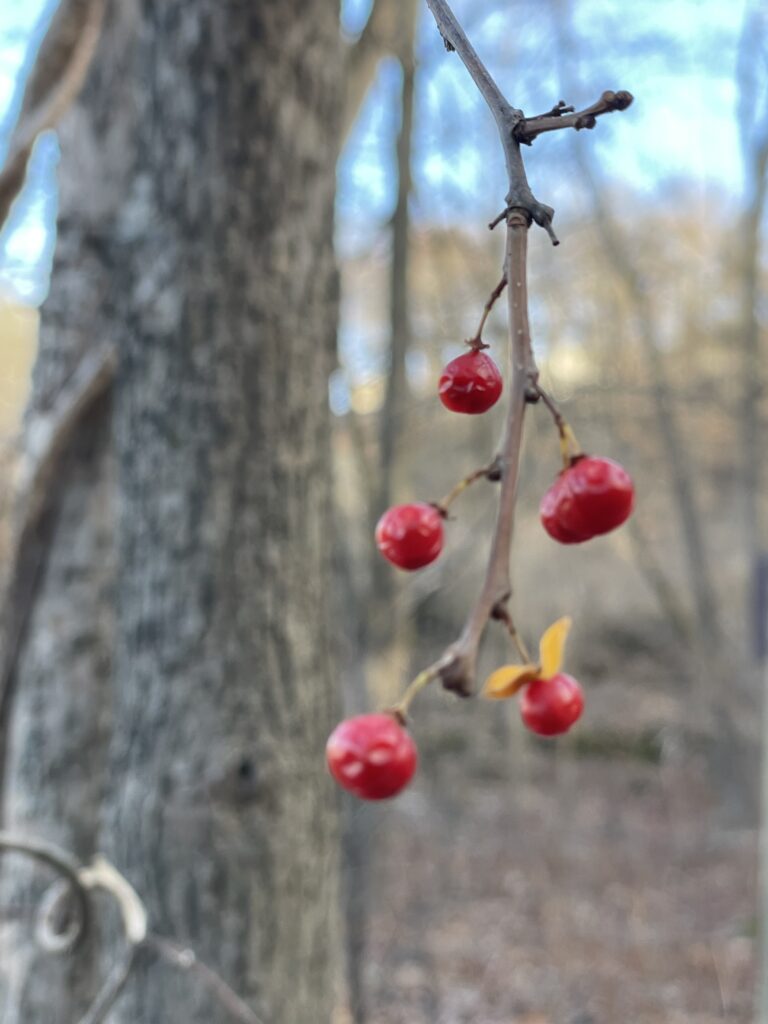
The Oriental Bittersweet I noticed on my last visit is still there, although there seem to be a lot less berries. I noticed the yellow shells of many of the berries had fallen off. It was difficult to tell if there was actually less of the plant at my spot this time, or if the vine was just harder to notice without the bright berries. Regardless, the bittersweet that I did notice did not appear to be cut or managed by humans at all, leading me to believe that this invasive is not being actively managed by the Winooski Parks Department.

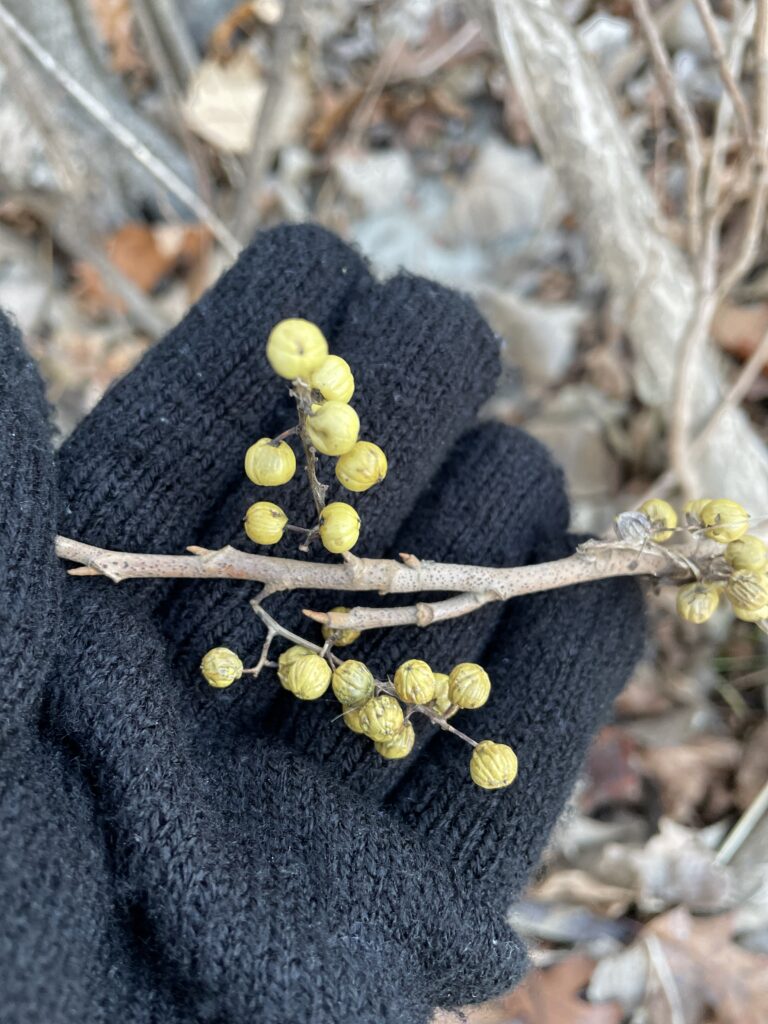
Uh oh… upon a quick Google image search, the first word of every possible identification of this plant is “poison”. These seem to be the berries of either poison oak, ivy, or sumac; although sumac is the least likely of these options as it does not usually grow this far north in Vermont.

I also noticed a plant I hadn’t seen at Salmon Hole before. These red leaves seem to belong to the Japanese Barberry plant. Japanese Barberry is non-native and invasive.

One of my favorite things about Salmon Hole is the amount of things you can observe there. You can watch the Winooski River rush and flow, observe the geology of the large expanse of rock there, or acquaint yourself with the trees and vegetation that grow along the shore. While my project has mostly focused on trees and plants, I am very interested in exploring and learning more about the aquatic life in the river as well as the geologic history of the big, flat rocks.

Over Thanksgiving break, my new phenology spot is my front yard.

Google Maps Link

3 huge White Oaks in my front yard!

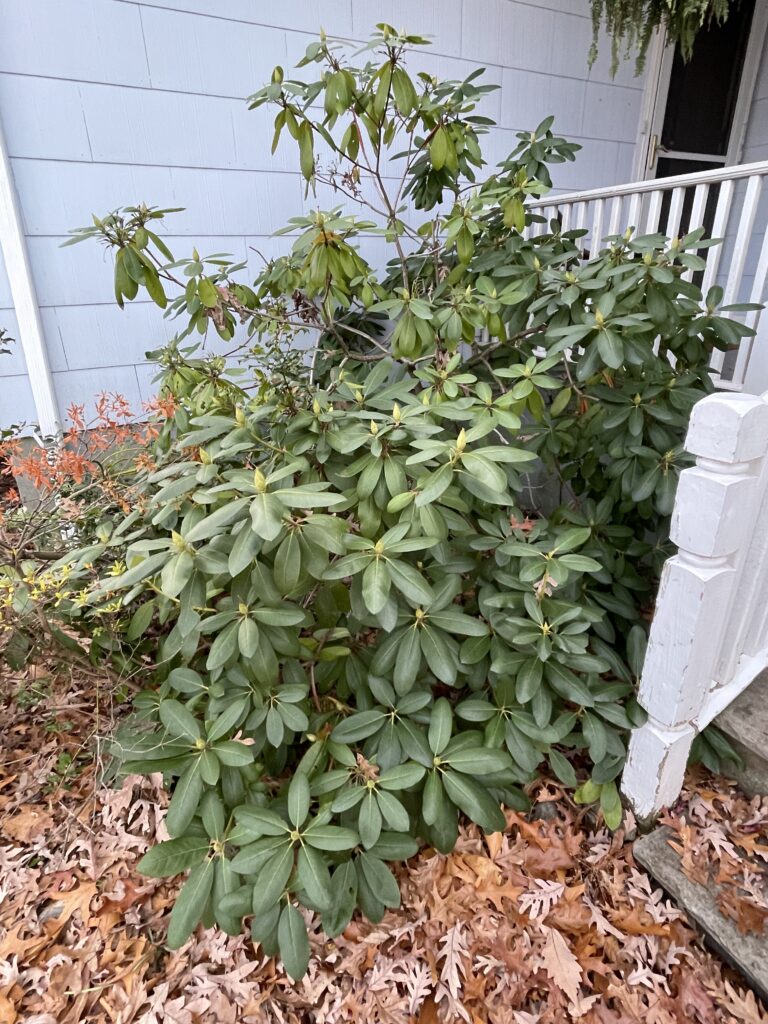
Rhododendron shrub by the porch.

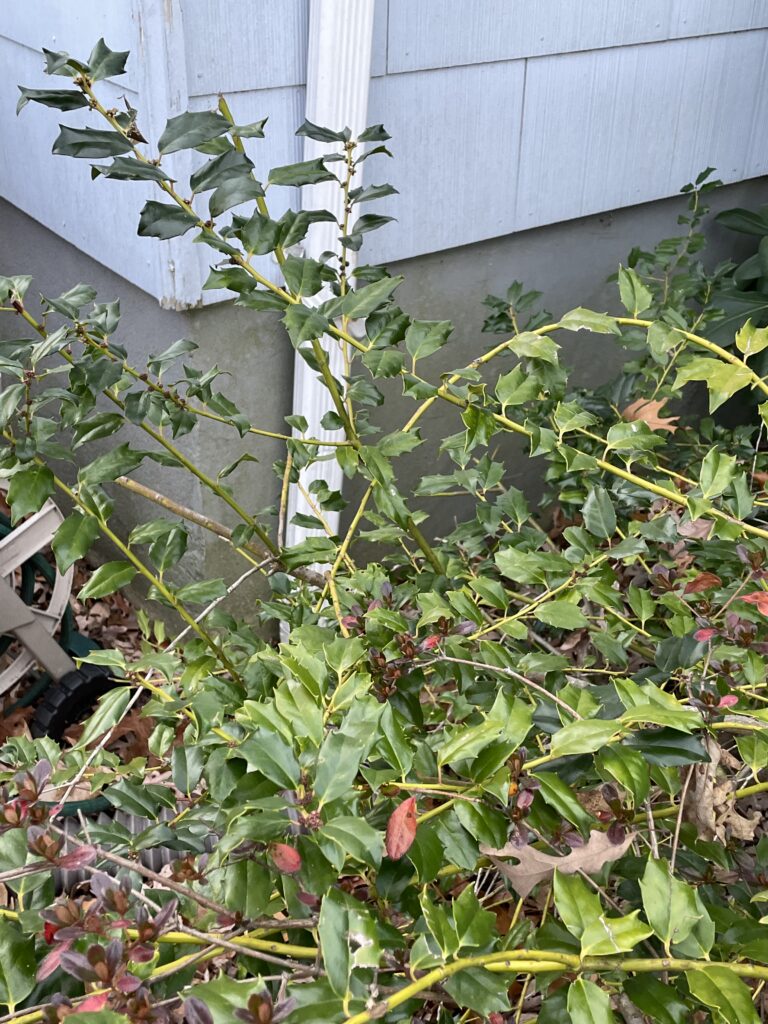
Holly bush by the porch.

Ecology & Phenology of My Front Yard vs. Salmon Hole

Starting with the similarities, the trees at both Salmon Hole and my front yard at home have lost most of their leaves at this point. Both locations feature oaks; my front yard has 3 tall white oaks and Salmon Hole has a chestnut oak. However, most of the bushes and trees in my front yard have been planted while much, if not all, of the vegetation at Salmon Hole has grown naturally. Invasive species such as Oriental Bittersweet are prevalent at Salmon Hole, while my front yard doesn’t have much, if any, invasive species. Also, Salmon Hole is located on the Winooski River, while my front yard is about a half mile from the local river, Toms River.

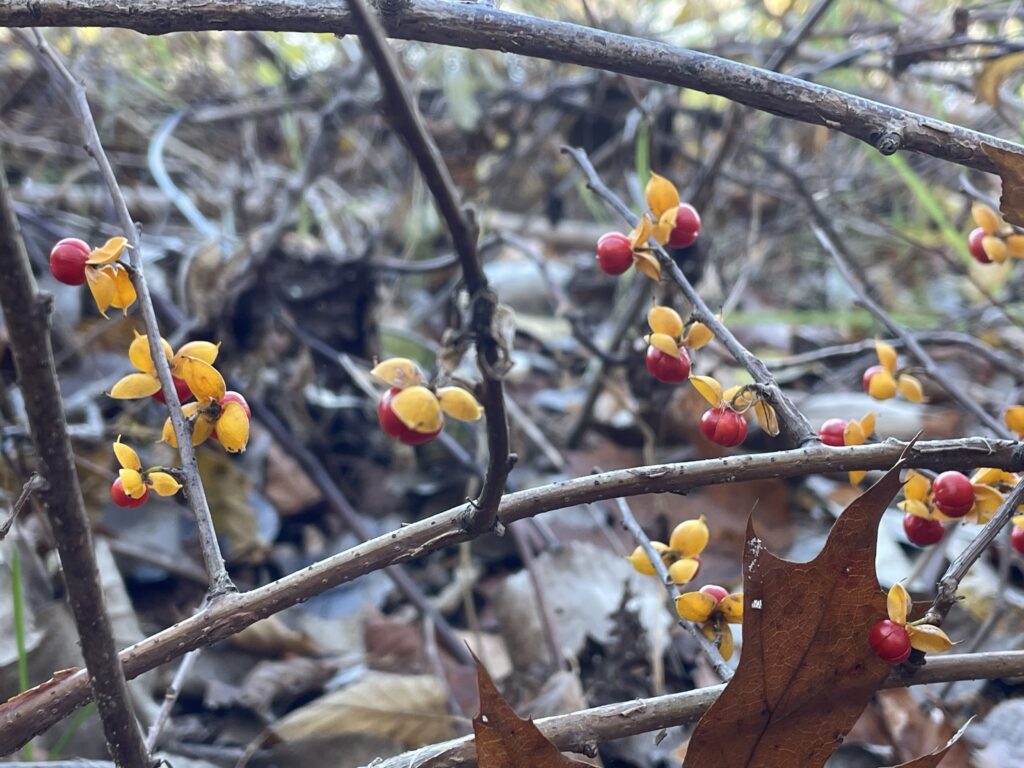
Perhaps the most unique and distinct observation from my October visit was the presence of these red berries with bright yellow shells. These berries were all over my phenology spot, in vines along the ground and up into trees. I later identified this to be Oriental Bittersweet; a highly invasive, non-native woody vine. I did not notice these during my last visit in September, but I doubt all of these Oriental Bittersweet vines suddenly colonized my spot within less than a month. Upon further research, I discovered that Oriental Bittersweet berries ripen in the fall and persist into the winter. It’s likely that the berries had not yet ripened at the time of my last visit, and I missed their flowers in the brush.

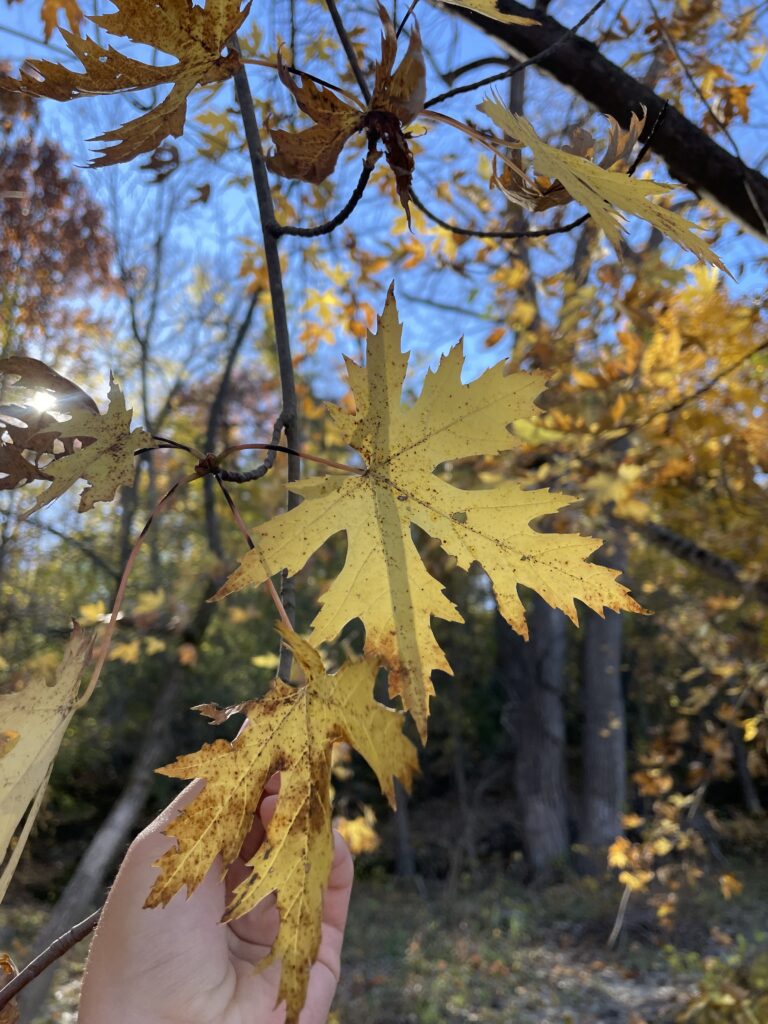
The silver maple I identified in September still had most of its leaves intact. However, the leaves changed from bright green to light yellow with brown spots.

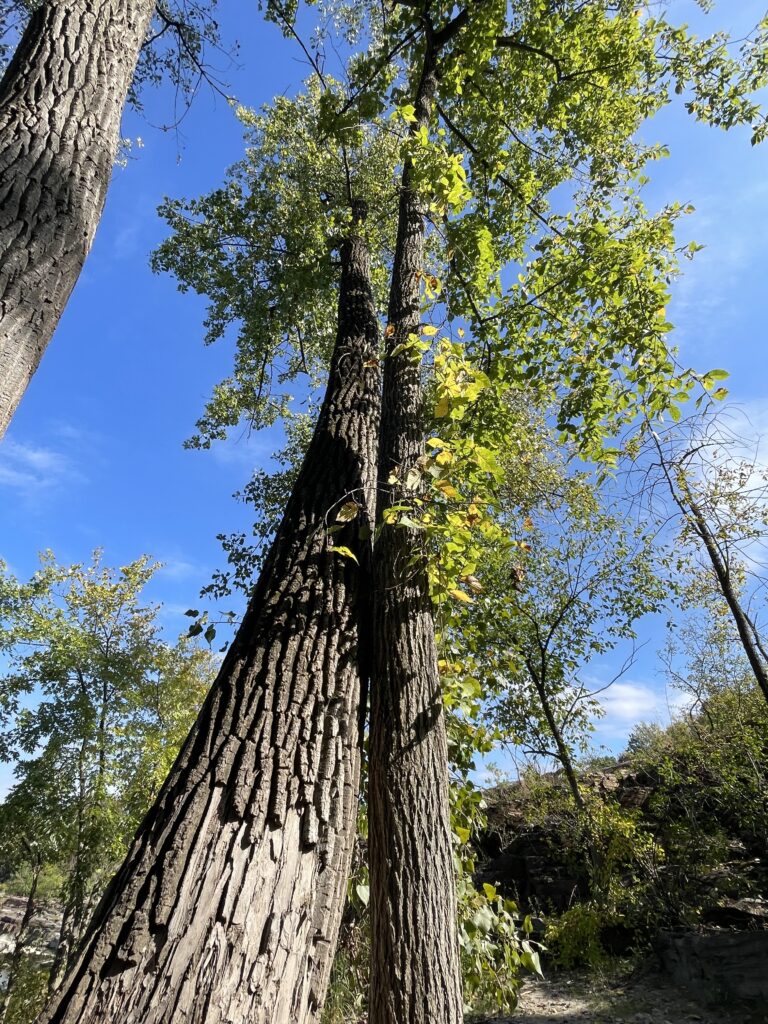
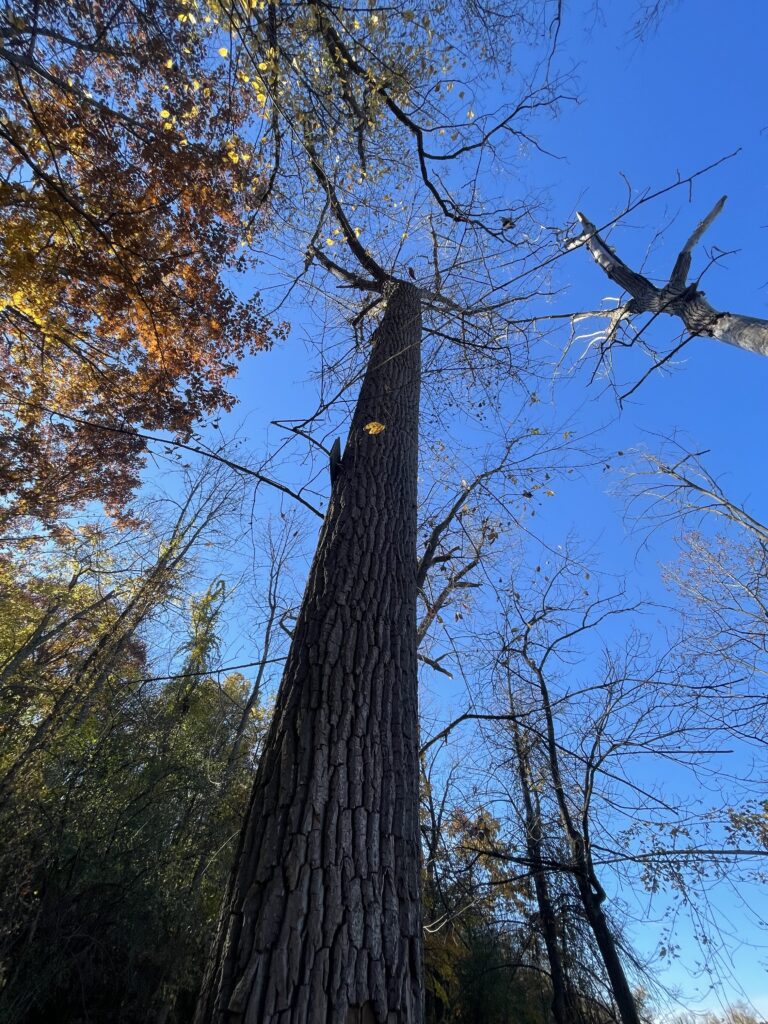
While I don’t think the tree in the right picture is the same one as the one pictured on the left, I do believe both trees are the same species (chestnut oak). In September, the leaves were still green and fully intact on the tree. However, come late October, all the leaves had fallen.

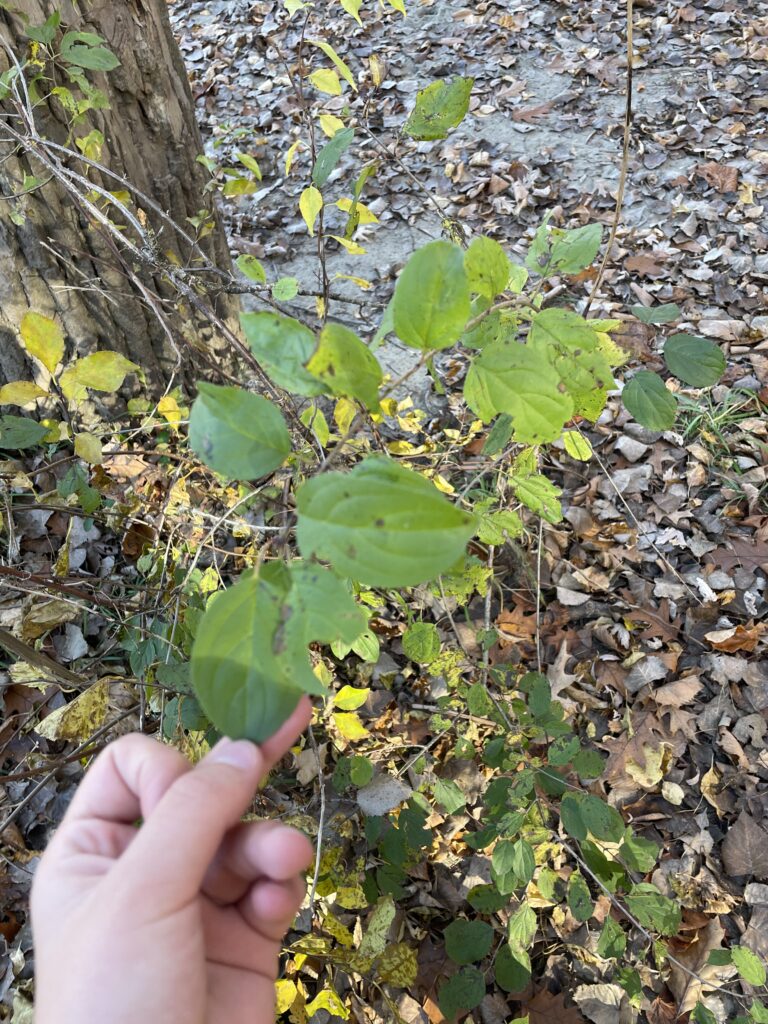
I believe this is the same Glossy Buckthorn I observed in September, although I am not certain as it appears less glossy. Regardless, buckthorn is still present at my phenology site, and doesn’t appear to have been altered much by the changing temperature.

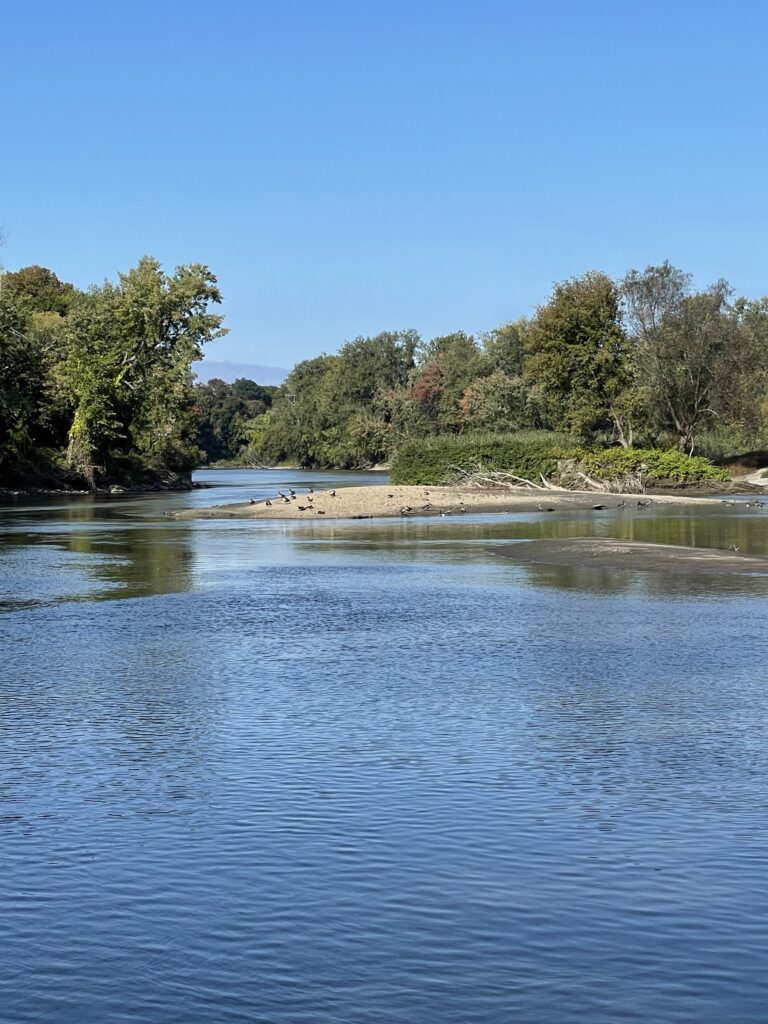
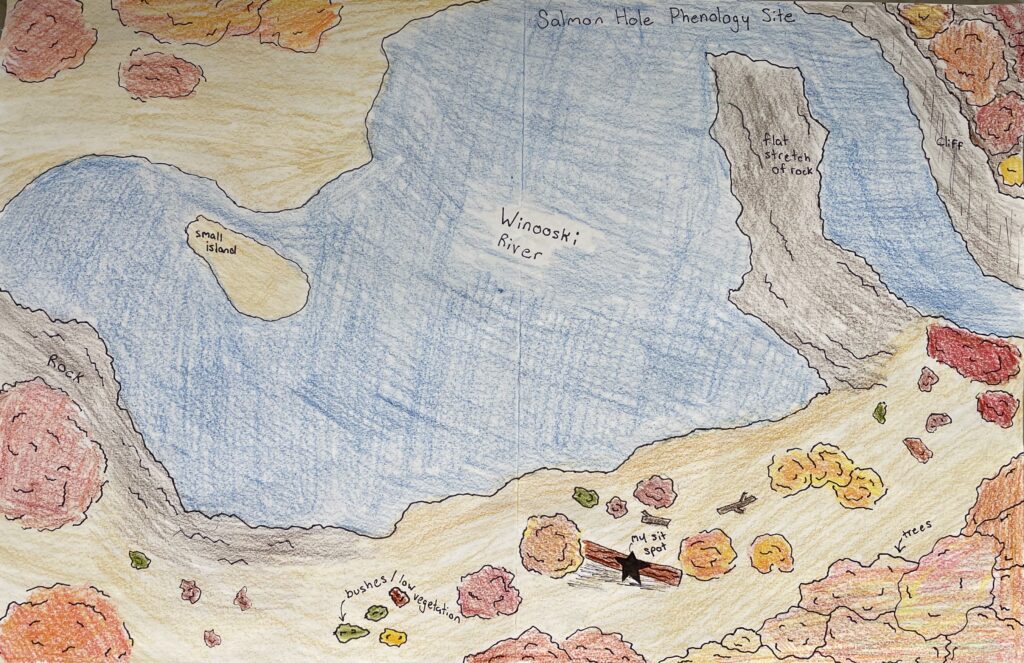
My sit spot was a fallen tree, which was sandwiched between the branches of an adjacent tree, to form somewhat of a bench diagonally off the ground. I decided to lay on my back on the trunk, and observe the sounds and sights of my surroundings. It was a standardly chilly October afternoon, around 50°F, with little wind and clear skies. As I sat quietly, I noticed a lack of wildlife around me. At the time of my last visit, in September, I observed what I think were ducks (it was hard to tell from so far away) on the little island out on the river. This time, the little island was bare. I believe the ducks probably began their migration south for the winter. Also, I didn’t observe any squirrels or chipmunks. I even walked the shoreline of the river around my spot to see if I could find any fish, but did not see any. I believe they were probably just further out than I could see, in the deeper water towards the middle of the river. I did, however, hear some quiet bird calls in the distance. Unfortunately, I couldn’t identify them and they didn’t pick up on my recording.

Ducks out on the island from September.

Birds-Eye-View Map

Older Posts »

Skip to toolbar