Posts

Final Blog Post

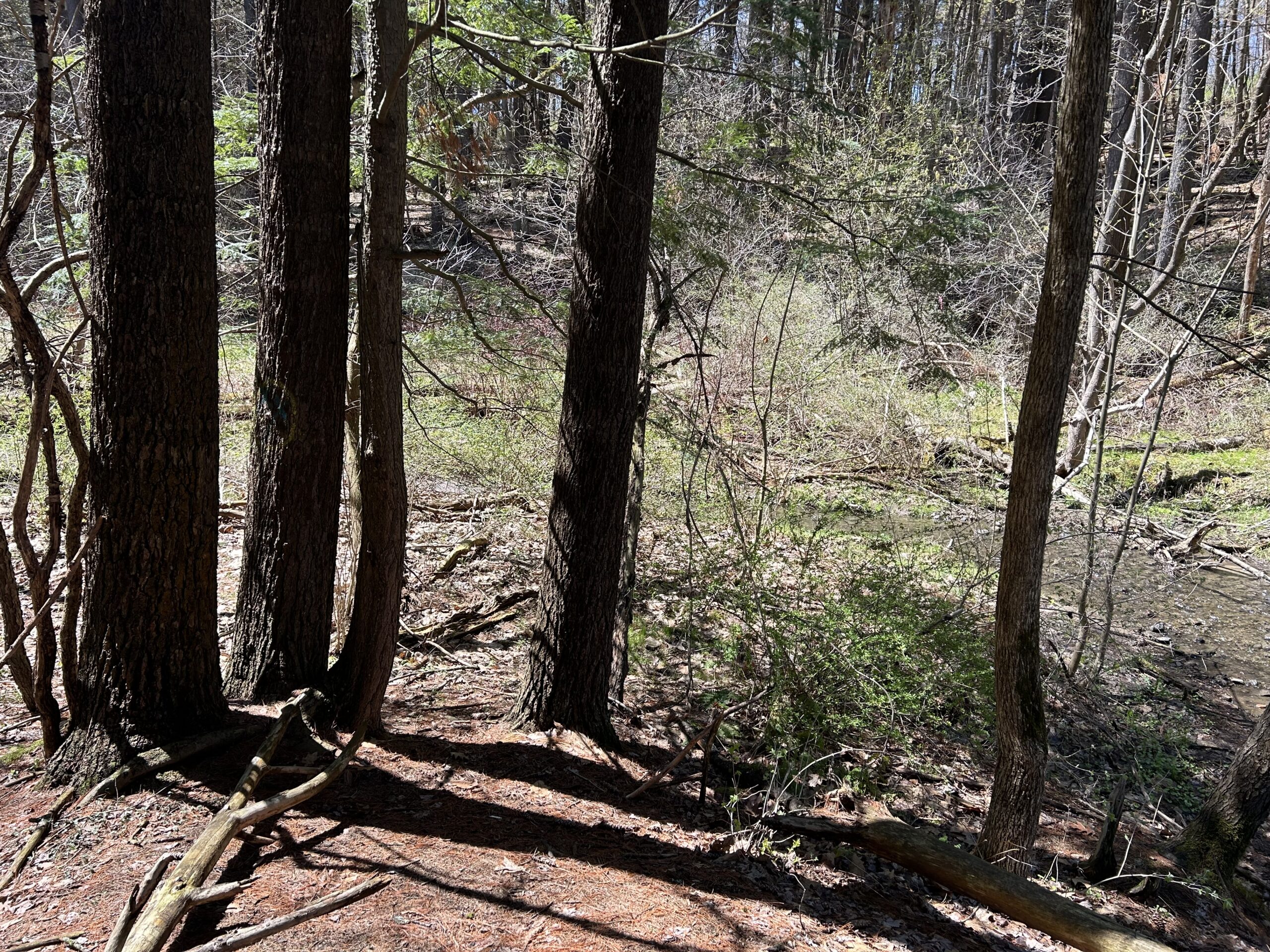
This past Monday, I visited my phenology site for the final time this semester. It was a bittersweet moment, as I have enjoyed my visits and will miss coming to this peaceful spot. Evidence of spring was all around for this visit and it was an absolutely gorgeous day. Things were starting to look much more similar to how they did when I first came here in the fall. The snow was long gone, and plants were beginning to come to life. Many trees had begun to bud, and several ferns had begun popping up along the streambank. Due to recent rains, the stream was running fast and high. I could hear chickadees in the trees above, and there were several sparrows rustling through the underbrush.
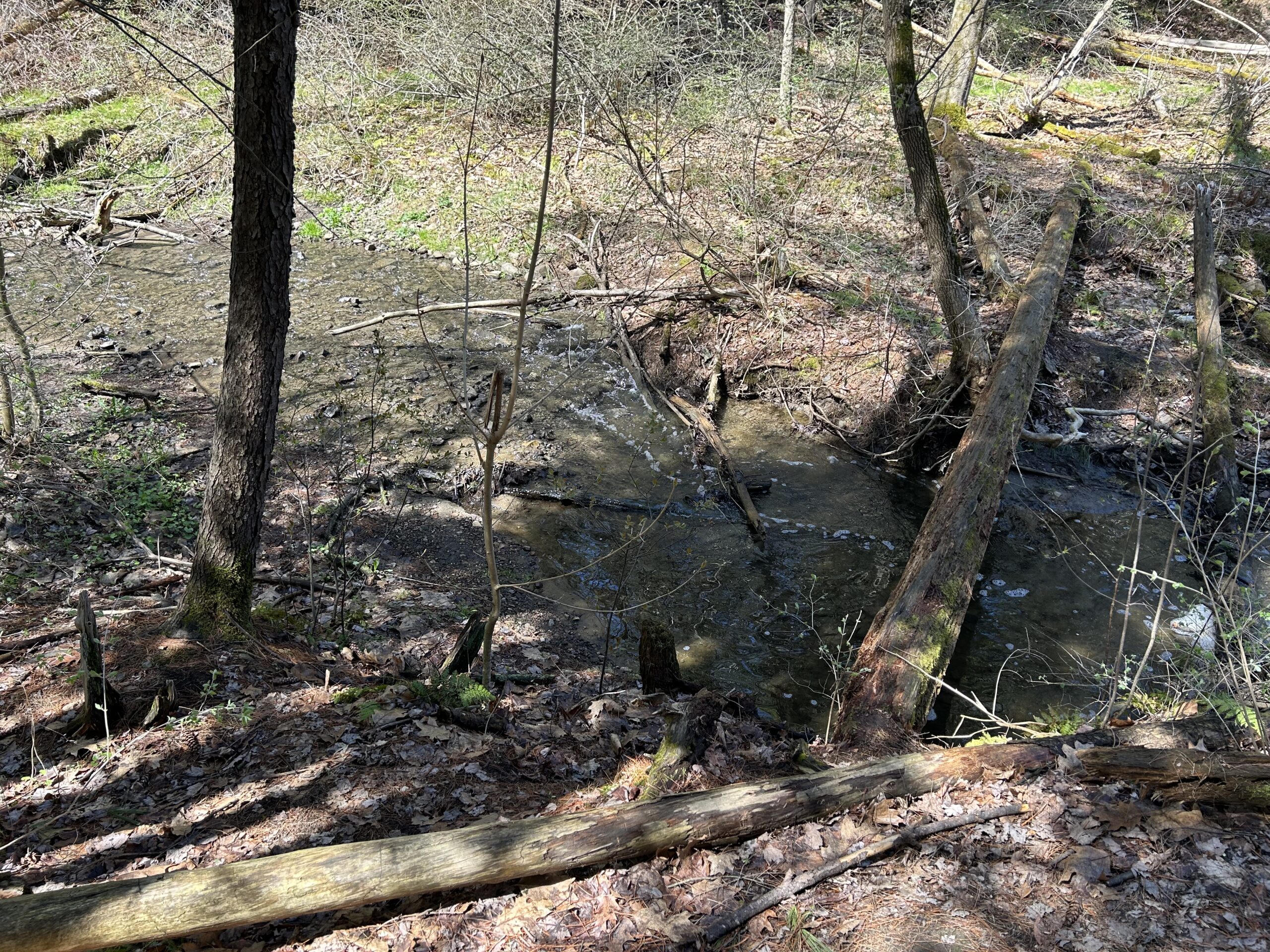
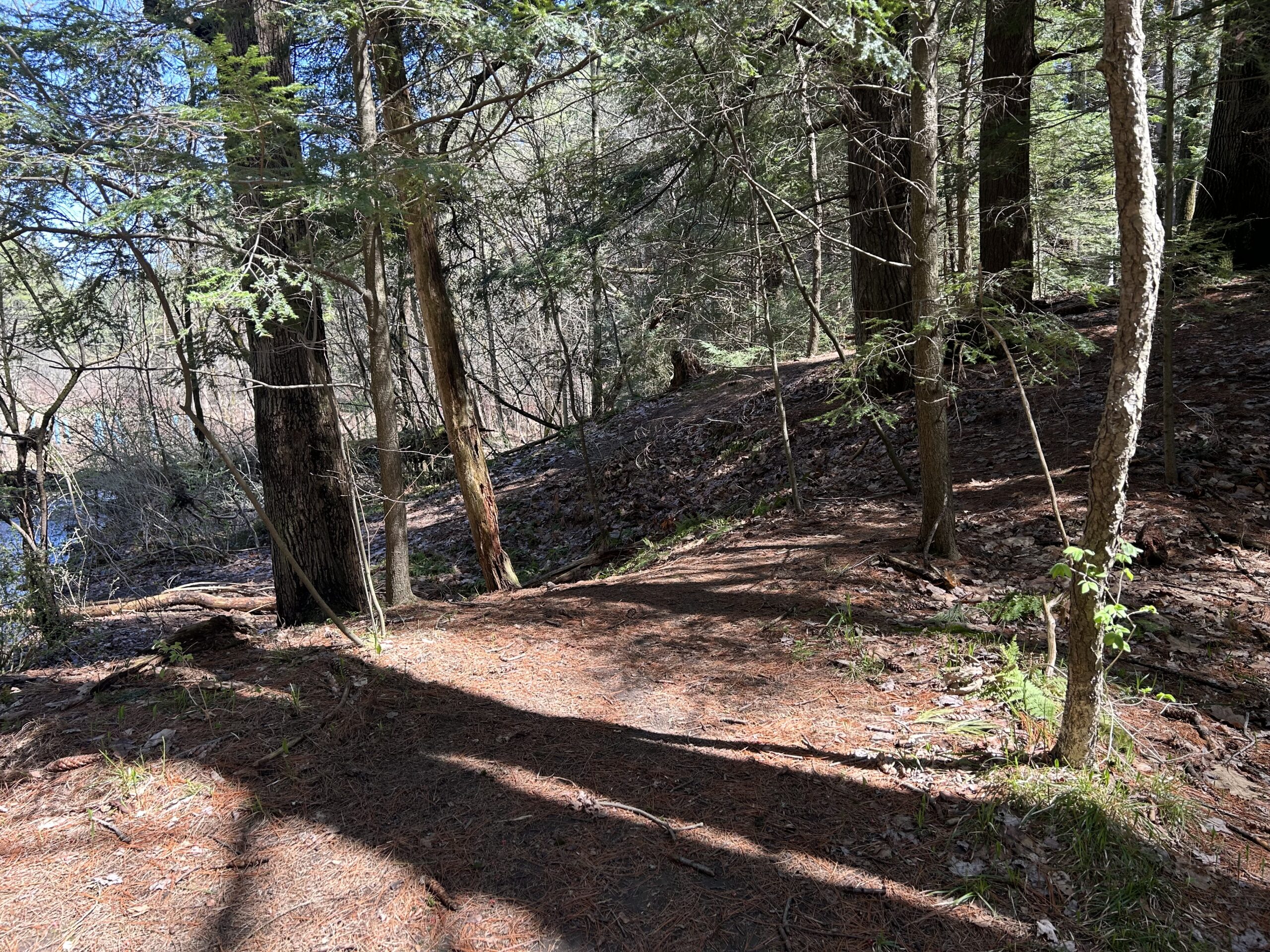
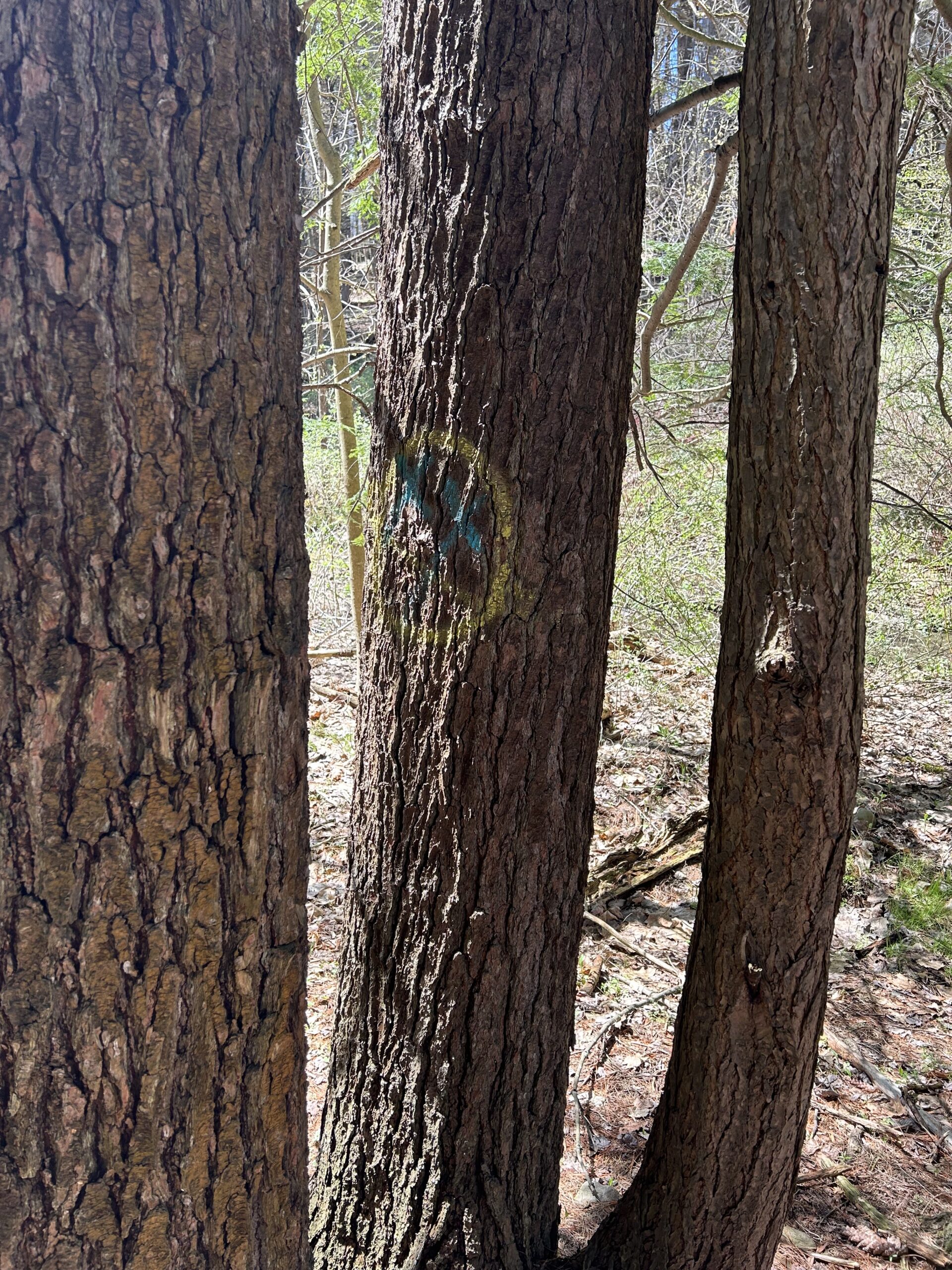
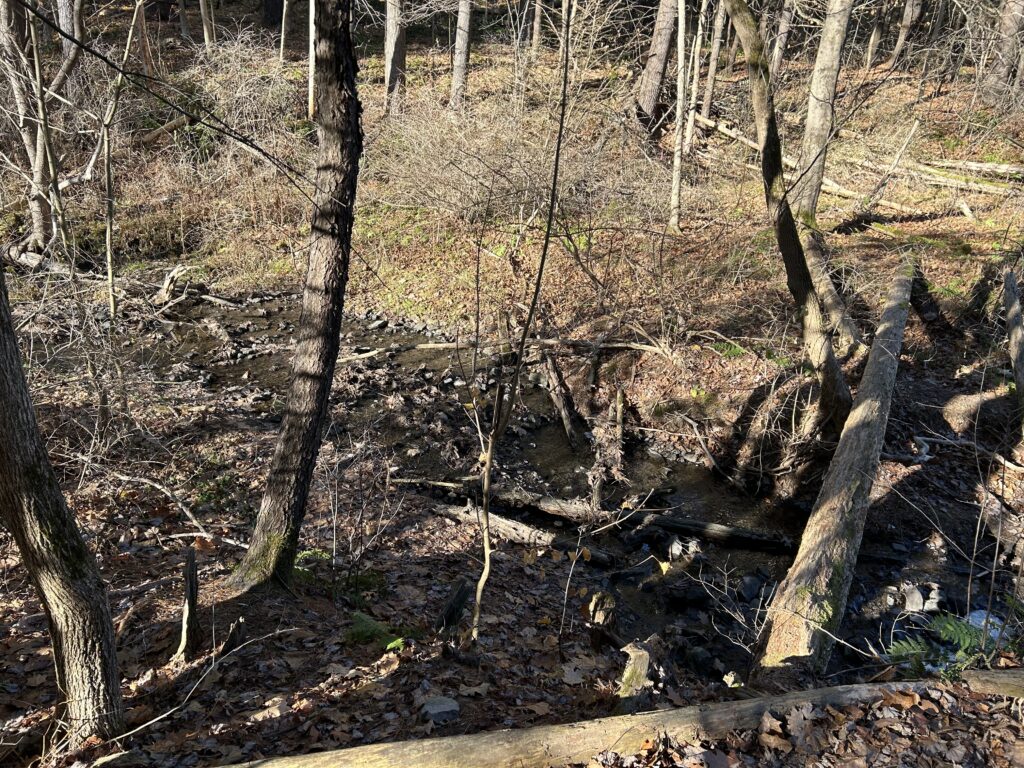
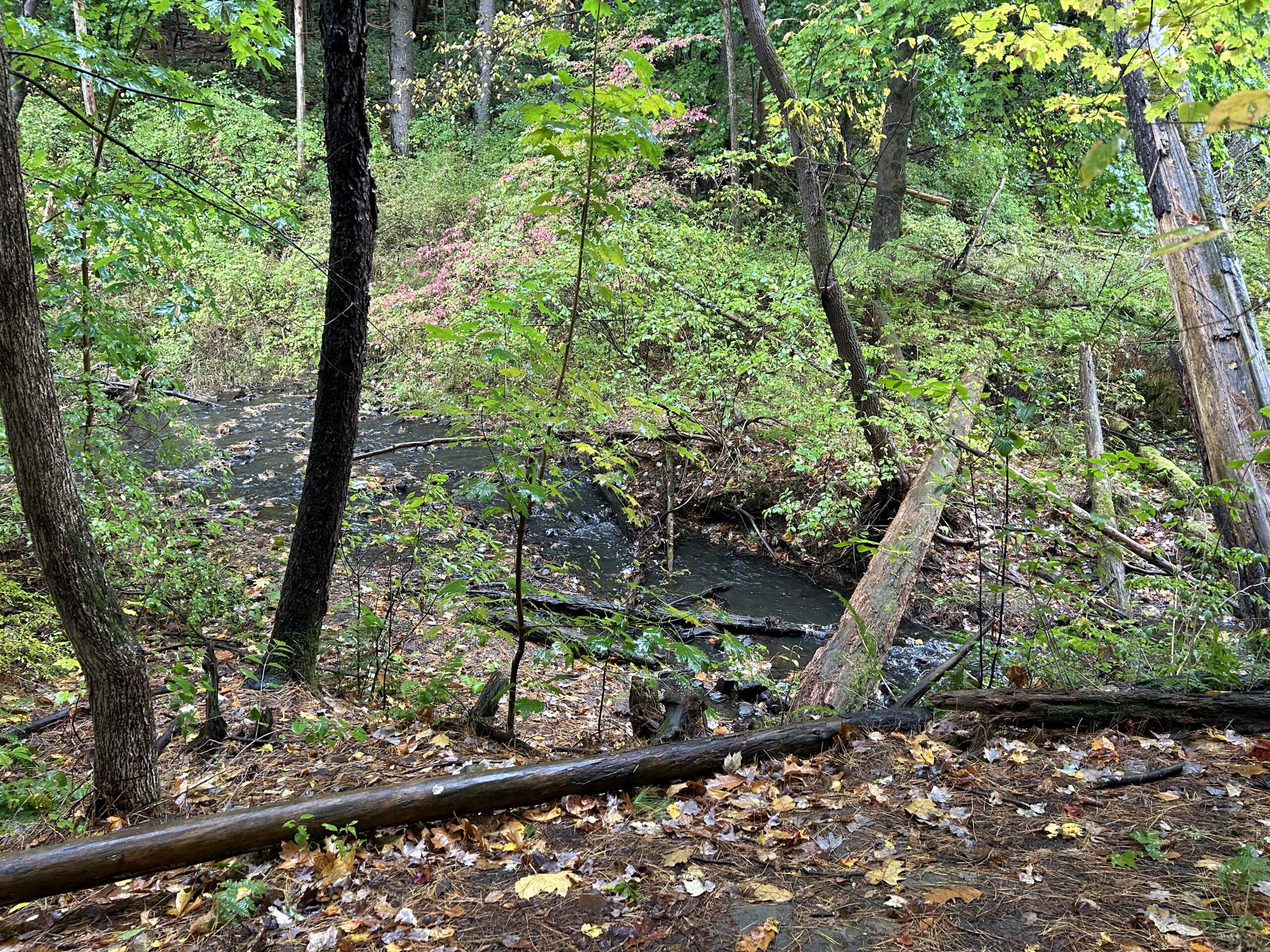
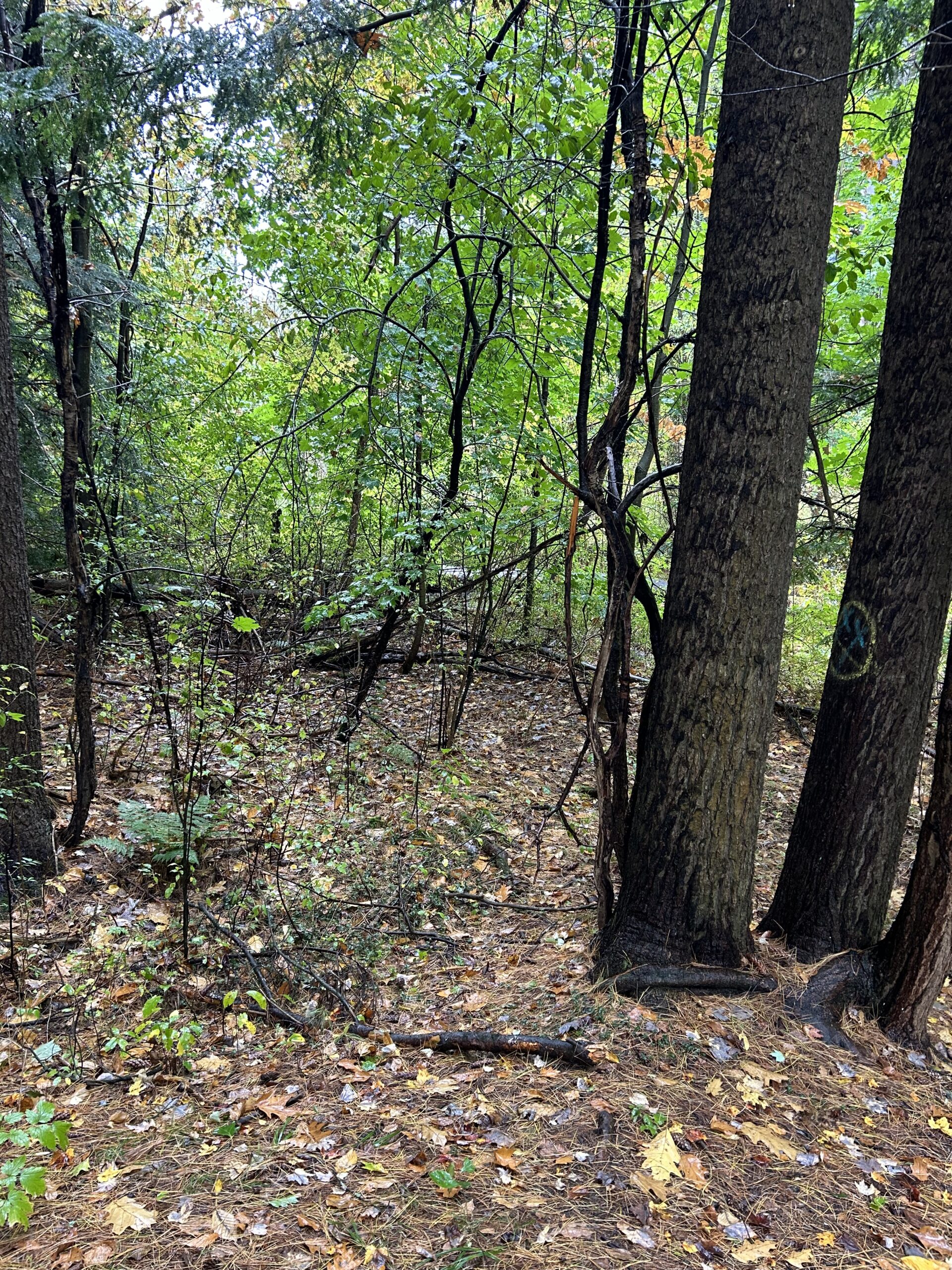
The landmarks that I have become familiar with are the stream, the towering Eastern White Pines that surround the site, and the small Eastern Hemlocks that grow there. I have also become familiar with the different downed and dead trees that lay in and across the stream. There is also a human made landmark at the site, which is a spray painted face on one of the pine trees.

Nature and culture are intertwined here in Centennial Woods through the network of trails and human recreation that occurs. Humans utilize this place for its natural beauty and as an escape from the busy city life just minutes away. Humans give back by preserving this natural space and maintaining the natural communities that exist here.

I am not sure if I would consider myself a part of this site because I have not left any sort of mark on it. I have not been a part of any sort of conservation or cleanup effort, and I have not done anything to give back to nature here. The site has certainly left an impact on me though as it as given me a connection to nature when school has been at its busiest. It has given me an escape and a place to feel at peace when I am stressed and under pressure. So in that way, this site is a part of me.
City Nature Challenge

For the City Nature Challenge BioBlitz, I took a walk across campus from my dorm on Redstone to Centennial Woods. Along the way I stopped at places like the redstone pines, the garden outside Jeffords Hall, and the Davis green to observe different species.

My experience using iNaturalist was great. The app was super easy to use and I liked how it automatically uploaded my observations to the City Nature Challenge and my lab group so I did not have to worry about doing it each time. The recommended species were also super helpful for identifying species I wasn’t 100% sure about.

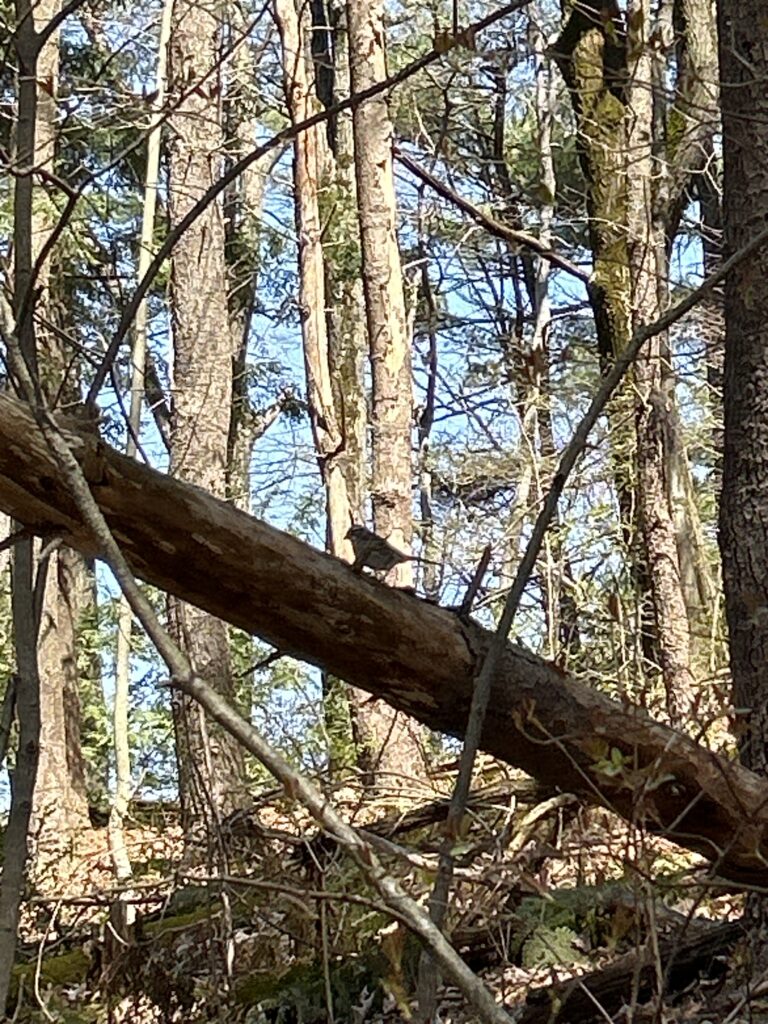
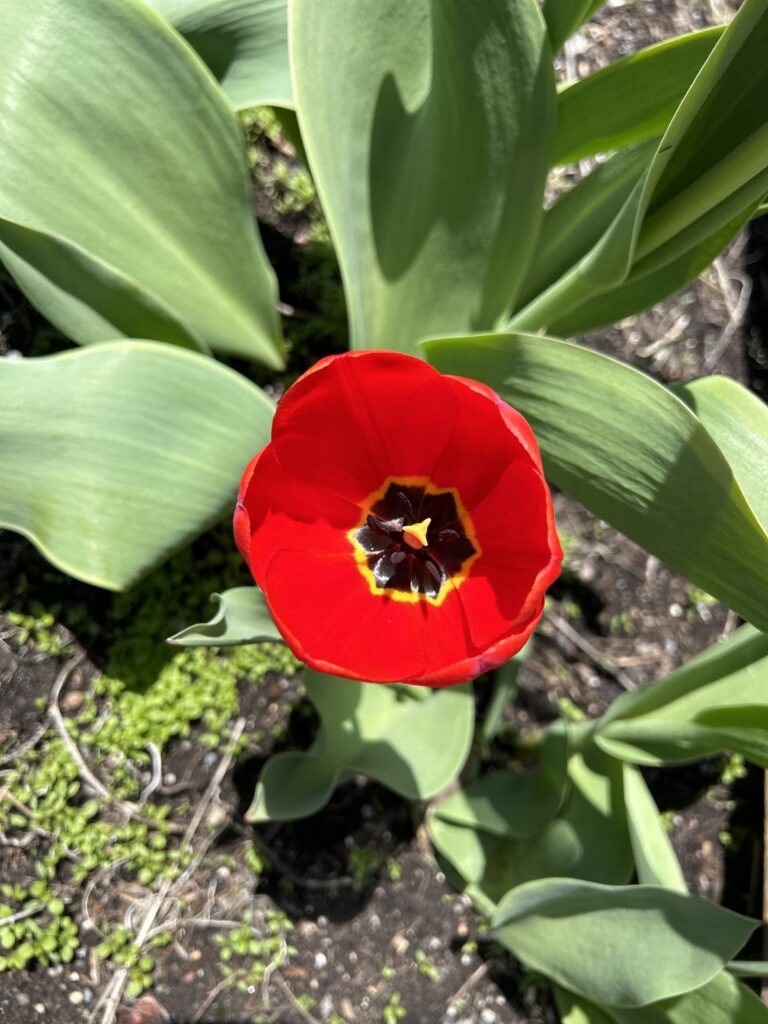
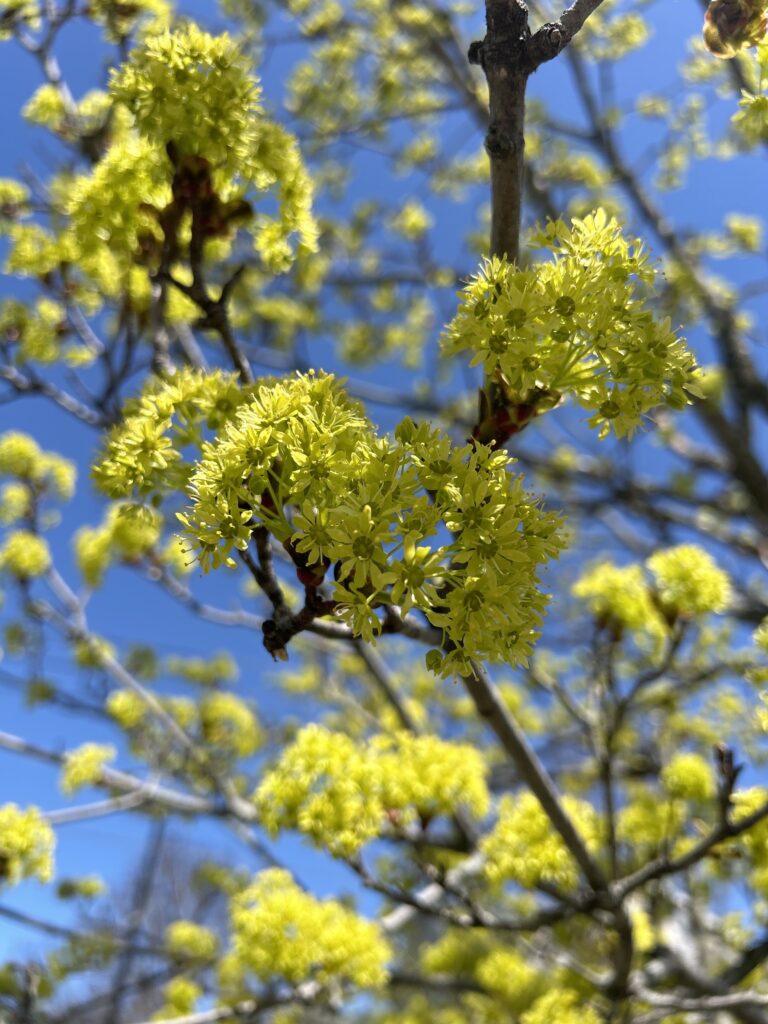
In total, I identified 12 different species of trees, flowers, birds, and animals. Some of my favorites were the chipping sparrow I saw in Centennial Woods and the tulips I saw in the Jeffords garden. Some of the species I identified are pictured below.

Garden Tulip
Norway Maple
Chipping Sparrow
A map of the path I took

What I find most interesting about the reports coming in from other cities across the globe is the sheer number of people participating and the number of observations they are making. There are almost 100,000 people making observations and the top city has over 110,000 observations. I think that it is so cool that people worldwide are coming together to appreciate nature in their own backyards.

Spring Phenology Walk

I went out for my phenology walk on Monday March 31st. After a weekend of cold, icy, and snowy weather, it was nice for the sun and warmth to return today and create the perfect conditions for my walk. Three of the five trees i visited, the Red Oak, the White Oak, and the Norway Maple had no real signs of phenological change going on. All of them had developed buds, but they had not begun breaking. The white oak still had a majority of its leaves from last year, though they were all dead. The Sugar Maple was very close to having its buds breaking, with a few just beginning to have the leaf tips break out. The Red Maple by far showed the most signs of spring, with almost all of its buds broken and small red developing leaves showing. It seems that in general, the maple trees were further along in their spring development.

On the NPN’s website I explored their maps that document the start of spring. Both their “Spring Leaf Index” and “Spring Bloom Index” gather data from across the country to analyze if the start of spring is happening at the “normal” time as compared to their long term average. So far this year, things have been variable, with spring arriving 13 days early in places like Boston, MA, and arriving almost 2 weeks late in the Pacific Northwest. This data collected overtime can help us here in Vermont analyze the effect climate change is having on our state. We can use comparisons to the long term average to help determine if our springs our starting earlier and therefore winters getting shorter. This can help us determine the impacts this might have on native species that rely on phenological cues for their survival.

Wildlife Signs in Burlington

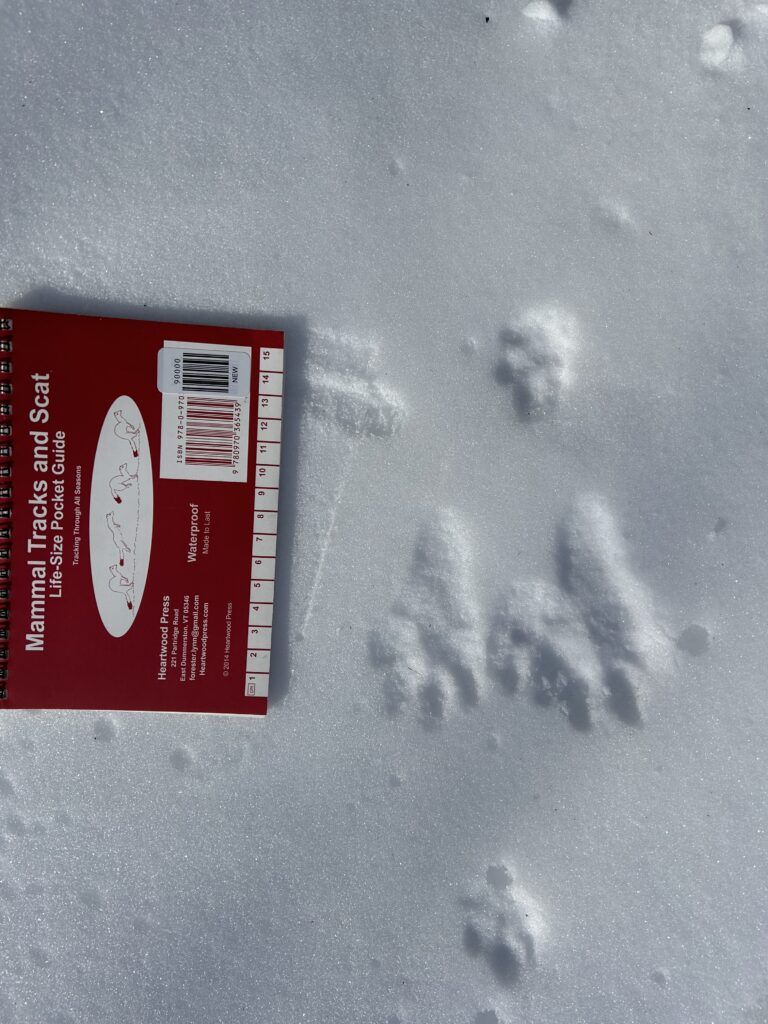
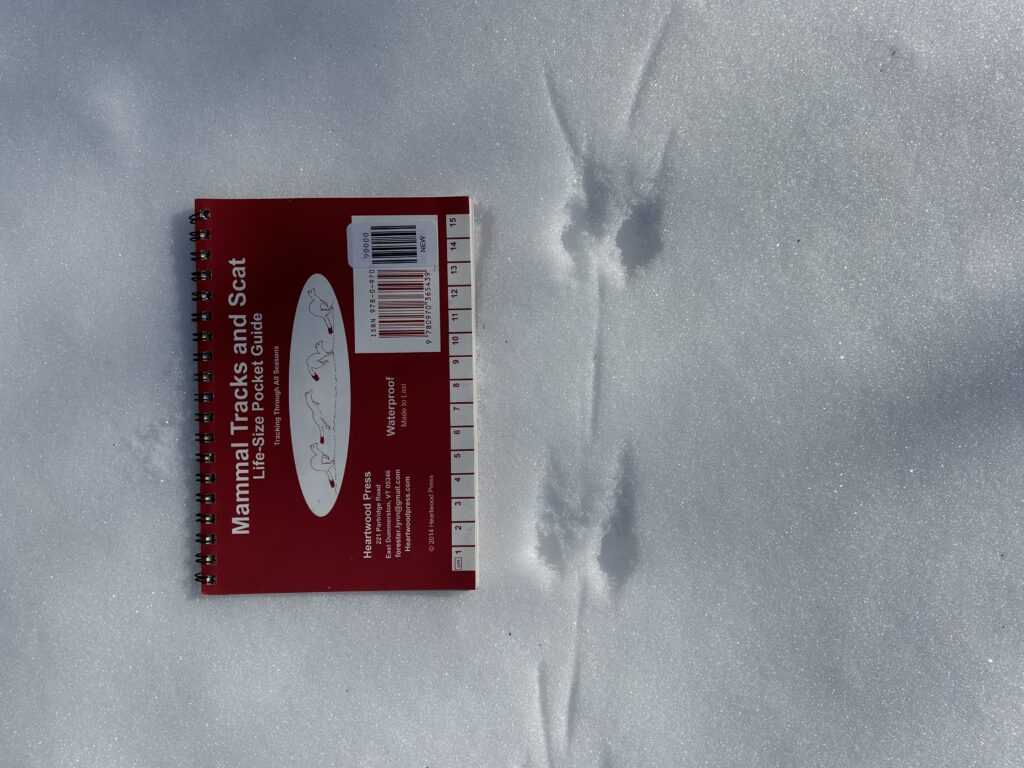
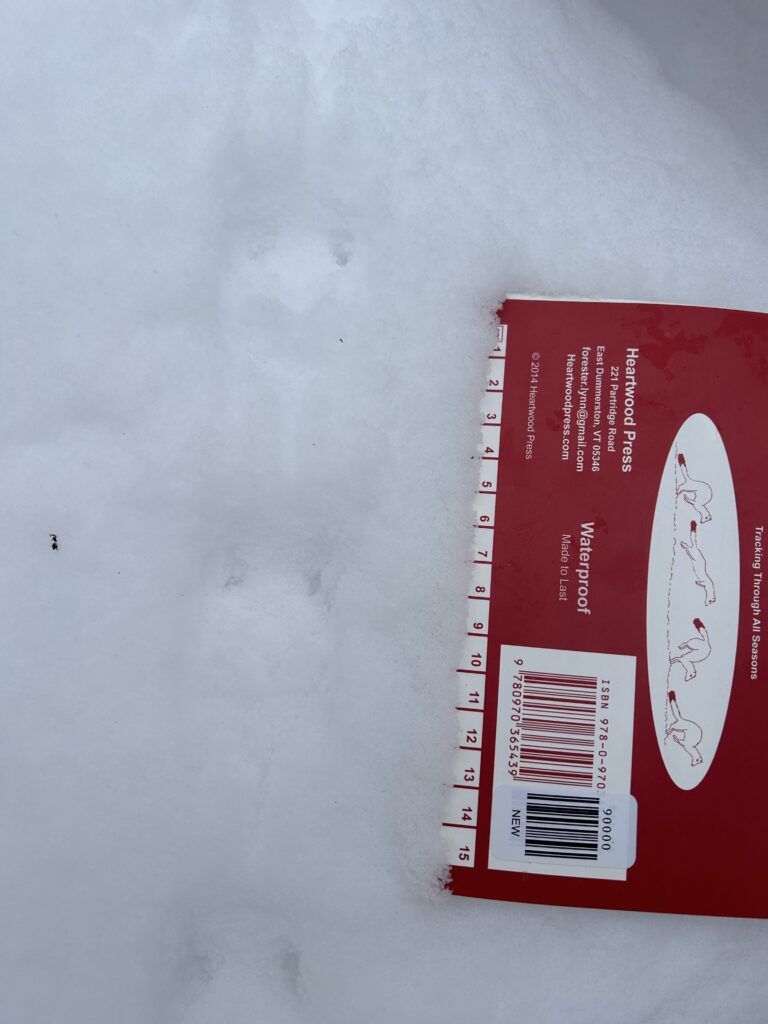
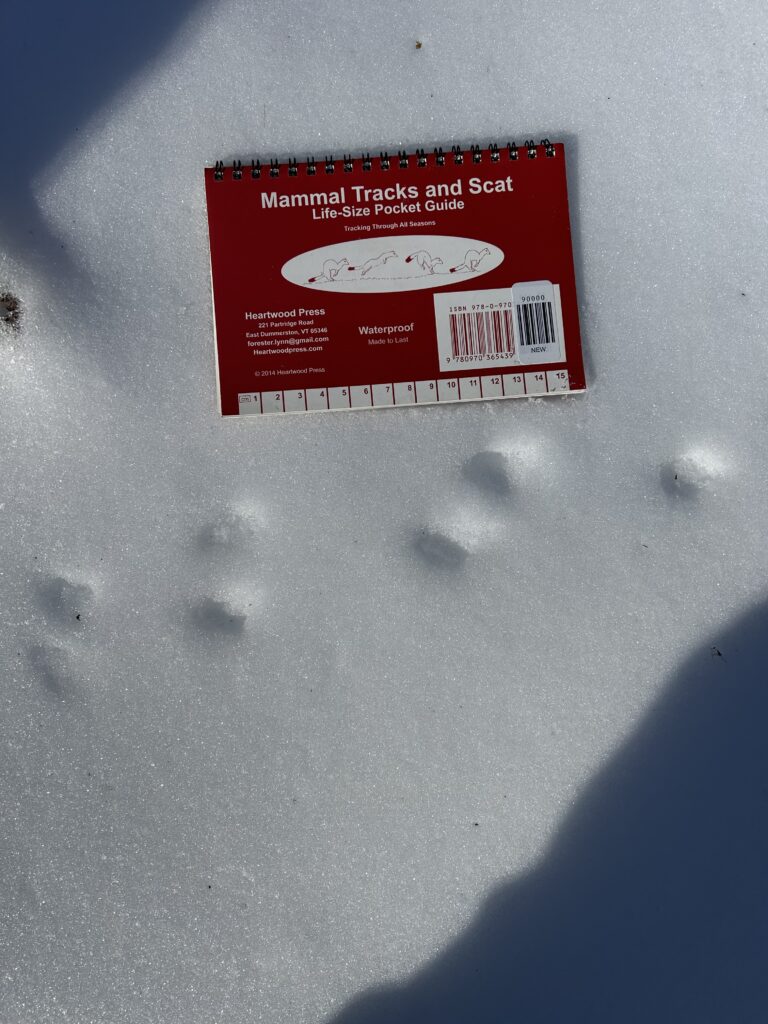
Over the past week I observed and recorded wildlife signs using iNaturalist around the city of Burlington. I visited both the Intervale for lab as well as made some observations around campus. I observed lots of tracks, mainly of white footed mice, as well as lots of squirrels on campus. I also observed some shrew and eastern cottontail tracks at the Intervale. I identified most of tracks by measuring their size as well as determining the gait pattern. Mice tracks were easy to identify due to the tail drag left behind. The squirrel tracks could be identified by their galloping gait. There was also some debate over if the rabbit tracks that we found were from a snowshoe hare or an eastern cottontail, but I determined based on the size of the hind foot that they were from the latter. Overall, the process of using iNaturalist was very convenient, especially as the recommended identifications helped me on some that I wasn’t totally sure on.

Eastern Cottontail Tracks
Mouse Tracks from the Intervale
White Footed Mouse Tracks from Redstone Pines
Shrew Tracks

Bonus Tracks!

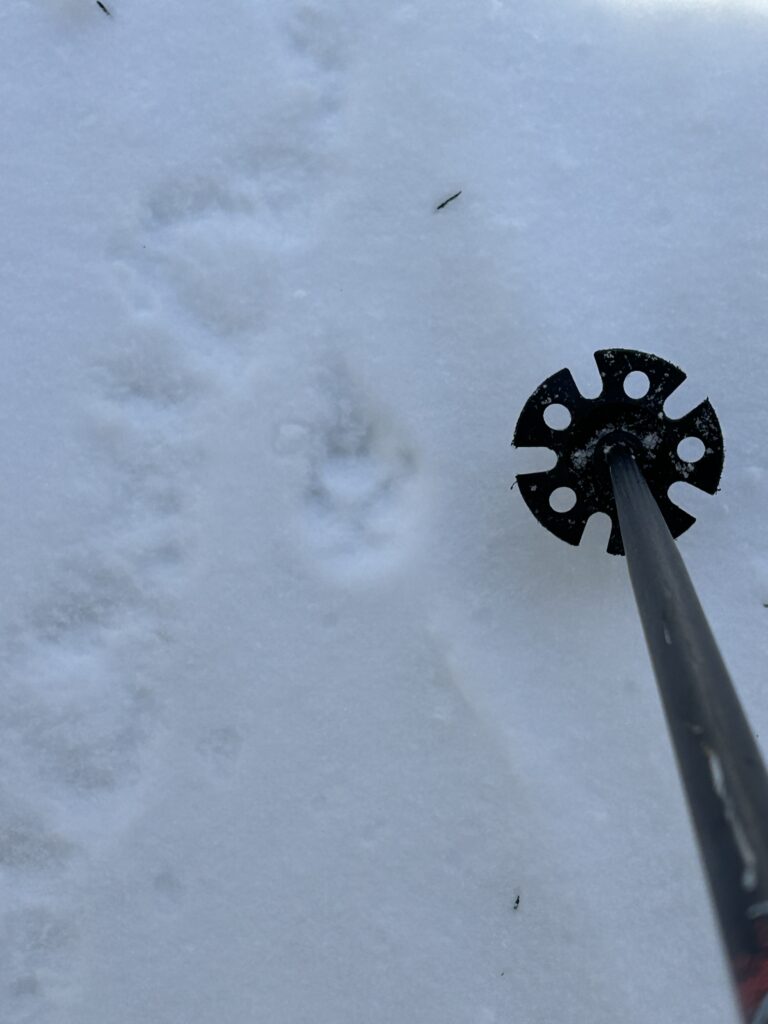
While out skiing at Sugarbush this weekend I discovered what I believe to be coyote tracks in the woods off the Exterminator trail. I identified the tracks by the presence of claws, the X shape that is made, and the number of toes

January Visit

Welcome back to my phenology spot for the new year! It was nice to return to Centennial Woods after over a month away, and I was very excited to see it looking a bit more like winter with the thin layer of snow blanketing the ground.

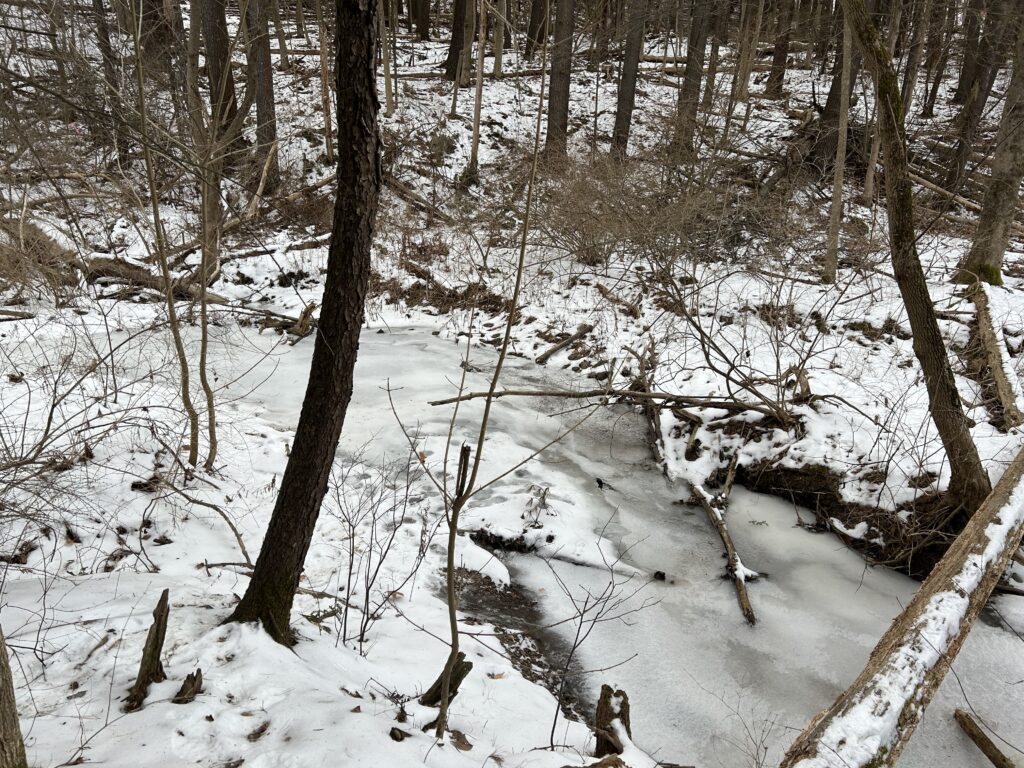
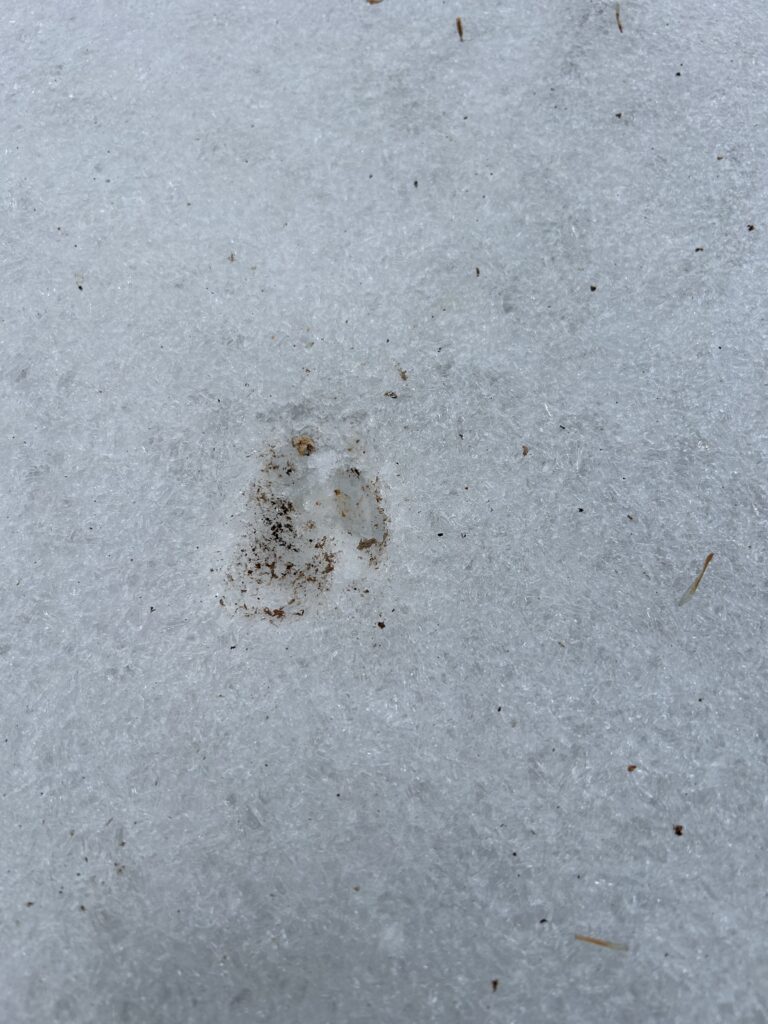
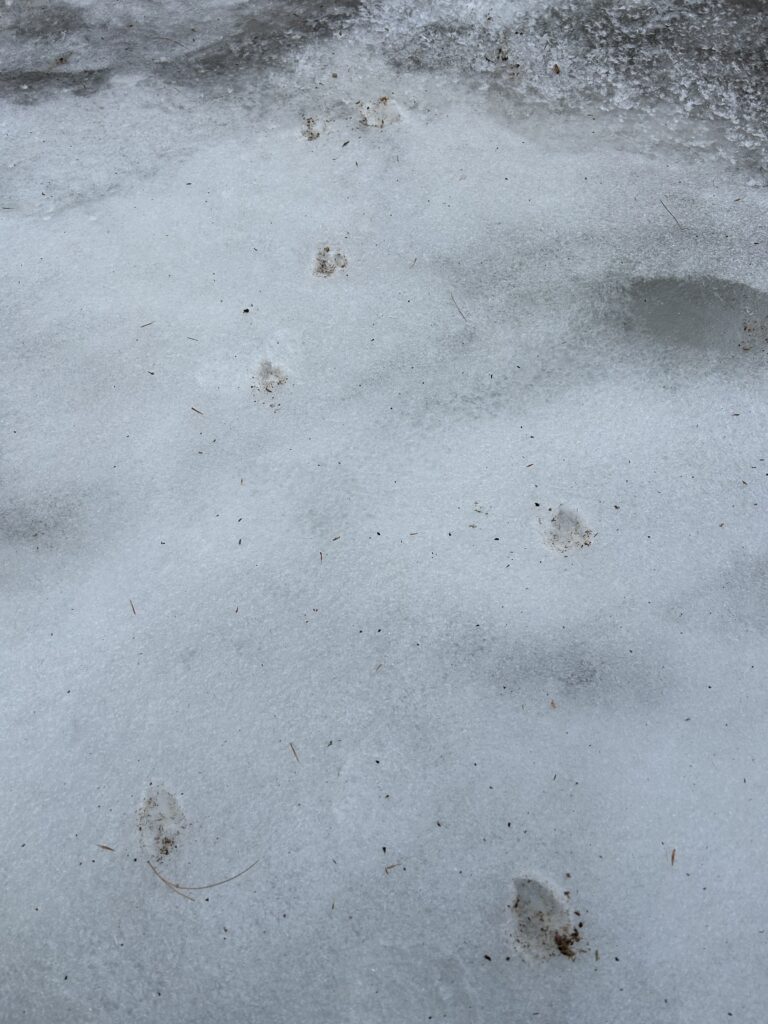
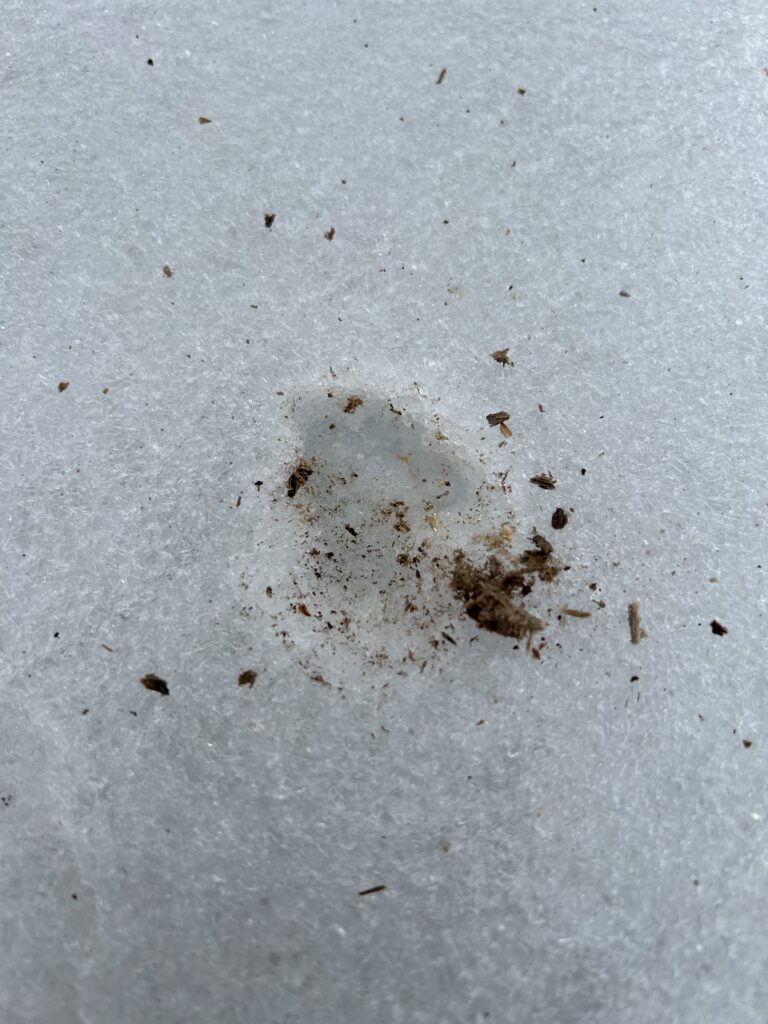
In terms of phenological changes, much was different. The few green plants that still remained in December have either been buried in snow, or decomposed; except for the few Eastern Hemlocks nearby. The stream has frozen solid, with ice thick enough for me to walk across. The ice also revealed some animal tracks. I’m not sure what produced the tracks, but they are very small, only about 2 inches across. Other than these tracks and the occasional call of a crow, there were not any other signs of wildlife.

December Visit

Today I got to visit my phenology spot for the final time this semester. It was a bittersweet moment, as I am excited for the winter break ahead, but will miss the time I have spent here in nature. Much has changed in the month since I last visited my spot and it is clear that winter has set in. Unfortunately, the little snow we have gotten over the last week has melted, but the forest still seems prepared for the cold months ahead. All of the deciduous trees have shed their leaves, and the only green that still remains in the canopy is from the needles of the eastern hemlocks and white pines. The area around the stream, which was once teaming with plant life, is now barren, and all that remains are piles of leaves. To my surprise, there are still an number of ferns alive in the area, but much less than a few months ago. The leaves on the ground have also decomposed quite significantly. There was not much sign of animal activity in the area, but I’m not very surprised, as I haven’t seen much on past visits. Although, a number of bird songs could still be heard echoing through the air.

I have greatly enjoyed coming to visit this spot over the last semester. It has given me a nice break in my routine and the opportunity to take some time to connect with nature during school. I think what I have enjoyed most about my spot is observing the stream. It was very calming to sit, close my eyes, and listen to the water rushing by. It was also very interesting to observe all of its intricacies and how it changed over the course of the fall and beginning of winter. I definitely hope to come back to visit my spot in the future.

New Phenology Place

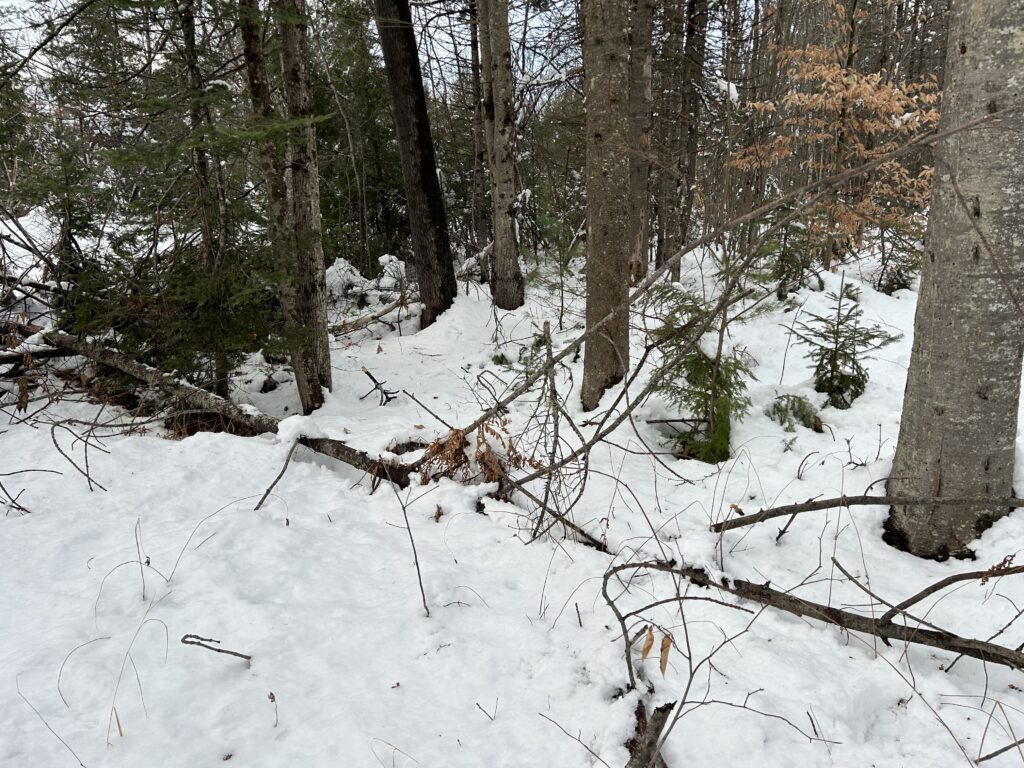
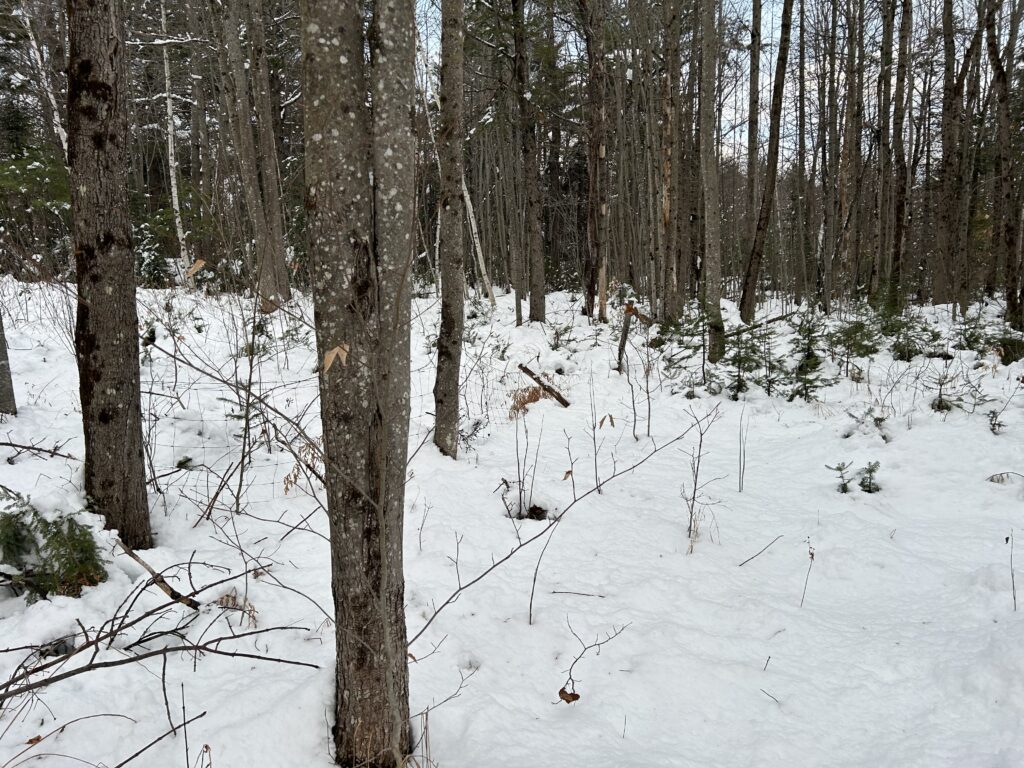
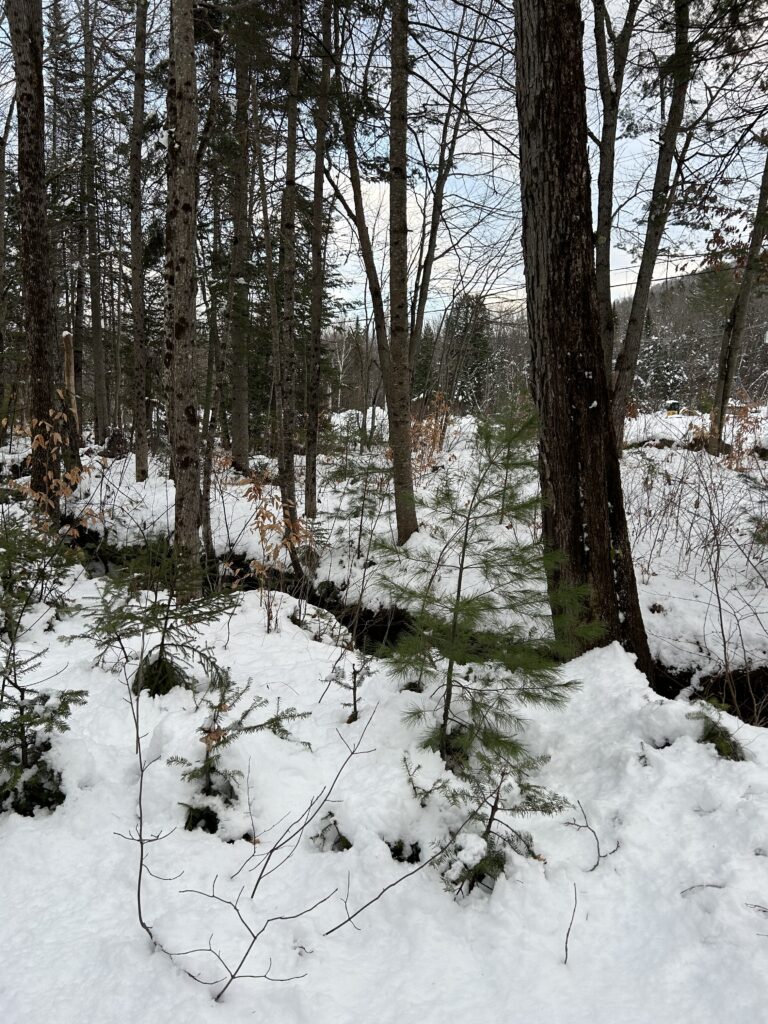
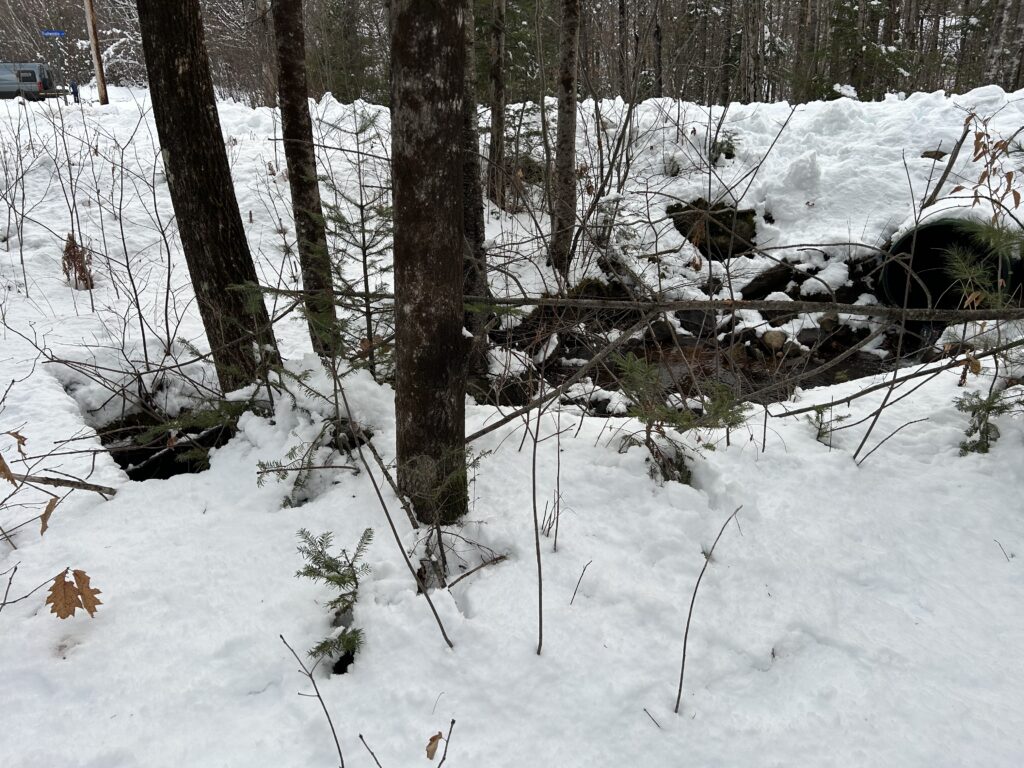
Welcome to my new phenology spot! Over Thanksgiving break I returned home to Maine and chose a new spot in the woods behind my camp.

I was lucky enough to be able to visit my new spot just after the first big snowstorm of the season. It was so nice to see the trees and ground covered in snow, and it created a nice contrast with my spot in Burlington. The two sites share many similarities. They are both in beautiful forest stands with a stream running by. Both are dominated by hardwoods, with some conifers mixed in. The new site specifically has many young trees, a majority of which are white pine and hemlock. The new site also has much more human activity in and around it. There is a bridge over the stream, and the water runs through a culvert under a road nearby. The site is surrounded on two sides by roads, and by a house on another. There is also an old wire fence that stretches between a number of the trees.

Second Visit

Today I got to visit my phenology spot again and took some time to sit and really take in my surroundings without any distractions. Today was a cold, but still pleasant November day. It was overcast and fairly windy. I found it very enjoyable to take a break from my usual school routine and simply relax in nature. I took some time to reflect on the past few months and appreciate the natural setting around me. Although peak foliage has long past, there were still some beautiful colors on display in the forest.

A bird’s-eye view of my phenology spot

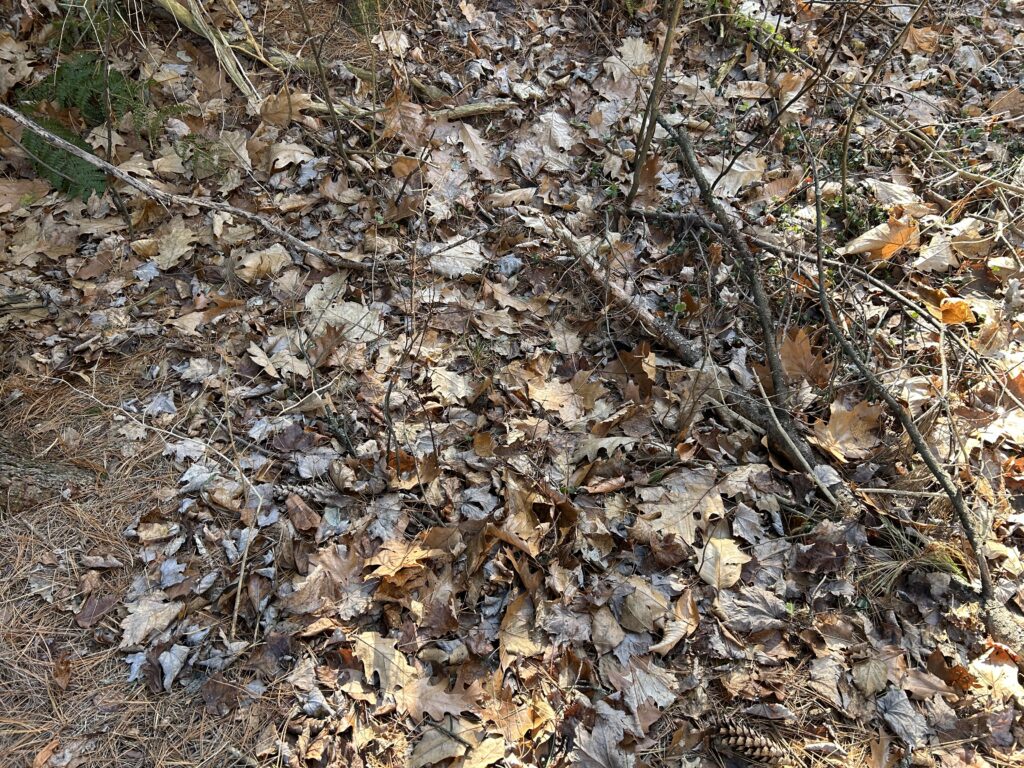
Not much has changed since my last visit here. Since many of the trees in the area are evergreens they still have their needles, but the few hardwoods around have lost most of their leaves, although some remain, showing off brilliant yellows. The few ferns in the area seem to have all disappeared for the winter, and the ground where they once stood is covered by fallen leaves.

Introduction

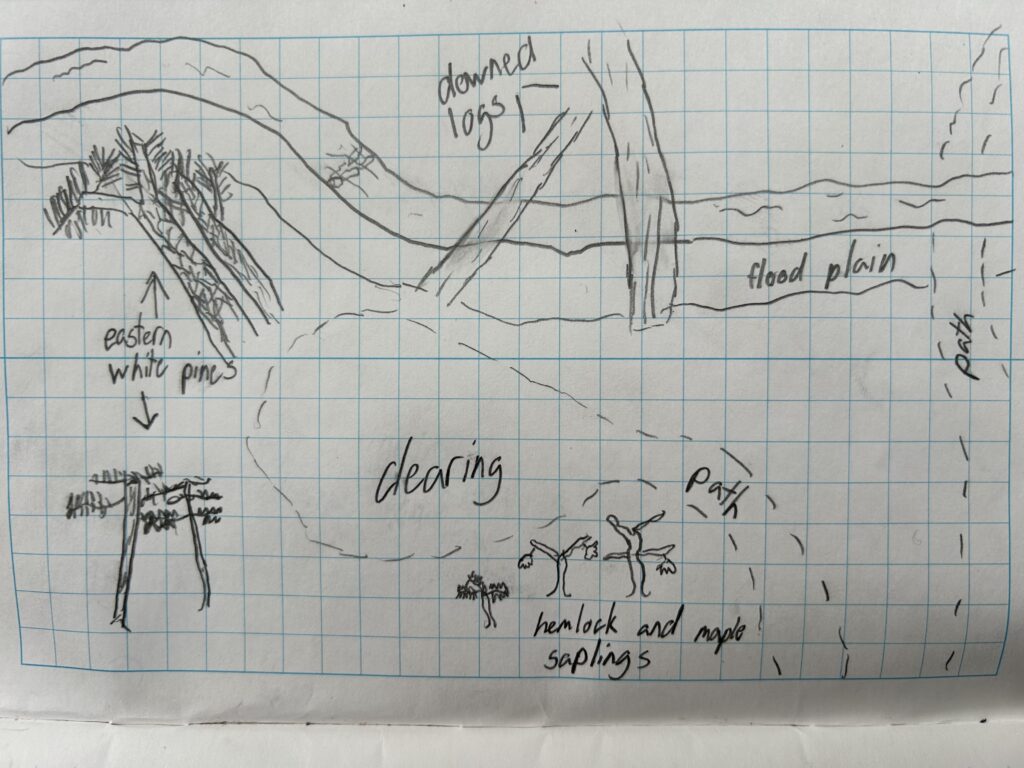
Welcome to my phenology blog! My plot is located within Centennial Woods, right along Centennial Brook. To get there, start from the trailhead off Catamount Drive and follow the primary trail past the biodiversity restoration project to the next clearing. From there, take the trail on the right that leads down to the brook and over a foot bridge. You will soon reach another large clearing that is a crossroads for a number of trails. From here take the first left down a small trail that quickly comes to a dead end next to the brook. You have reached my phenology plot! I chose this place after first discovering it during the self-guided walk of Centennial Woods. I liked how it was slightly separated from the main trail, and offered a quite spot to observe the brook and surrounding environment.

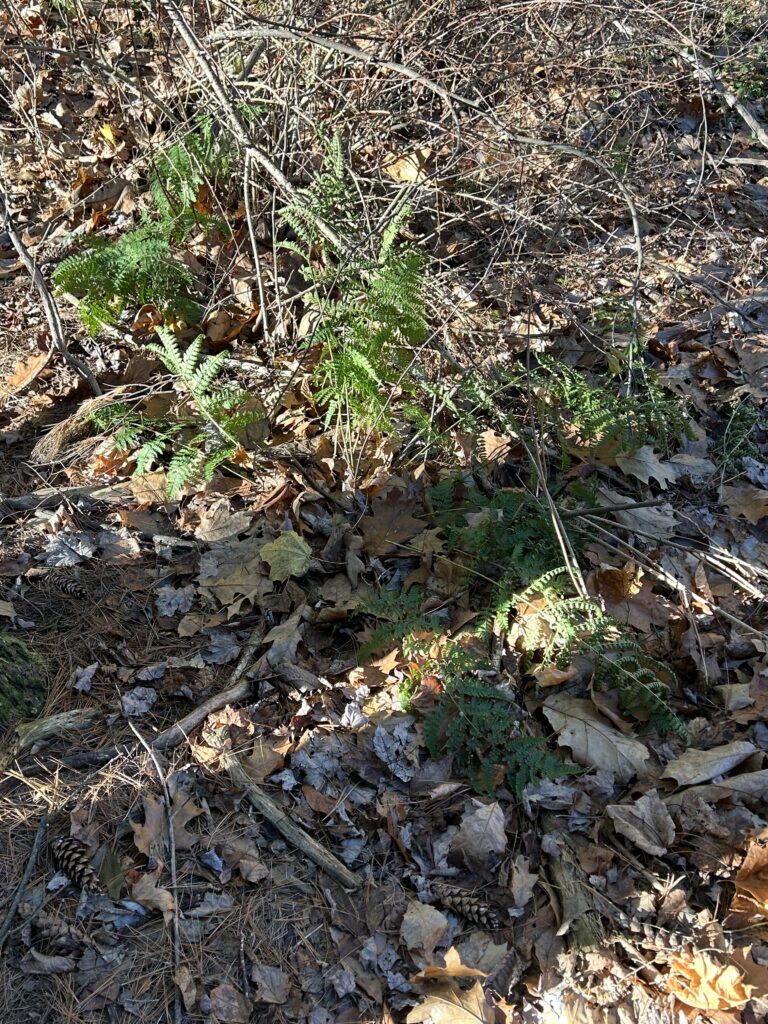
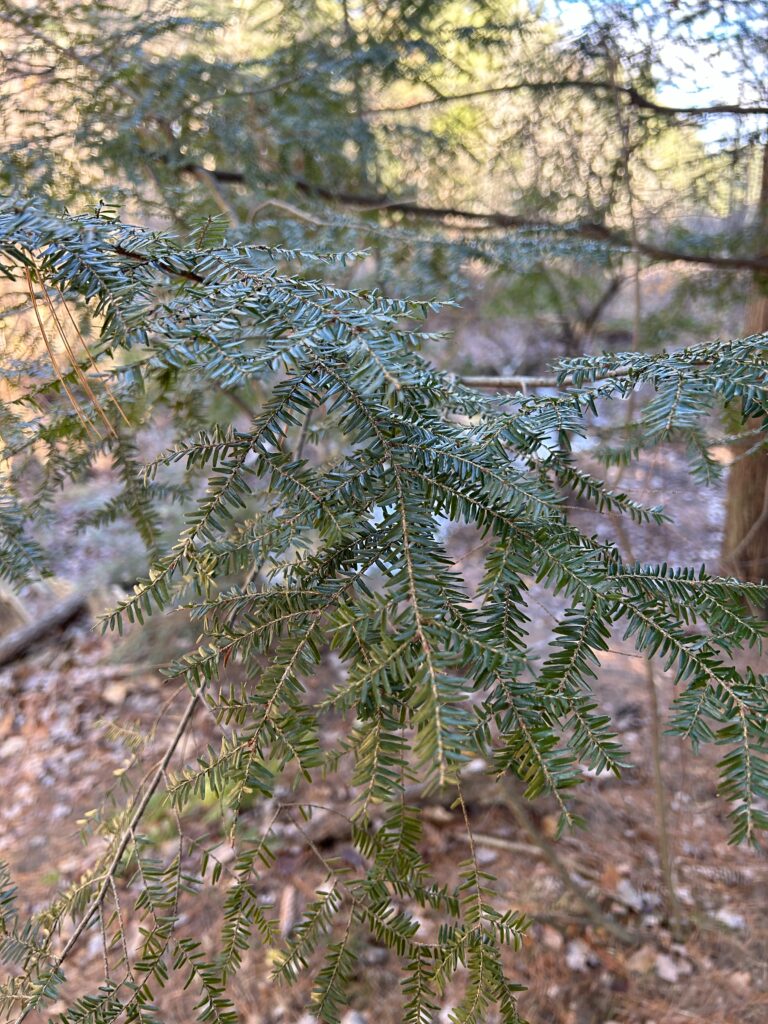
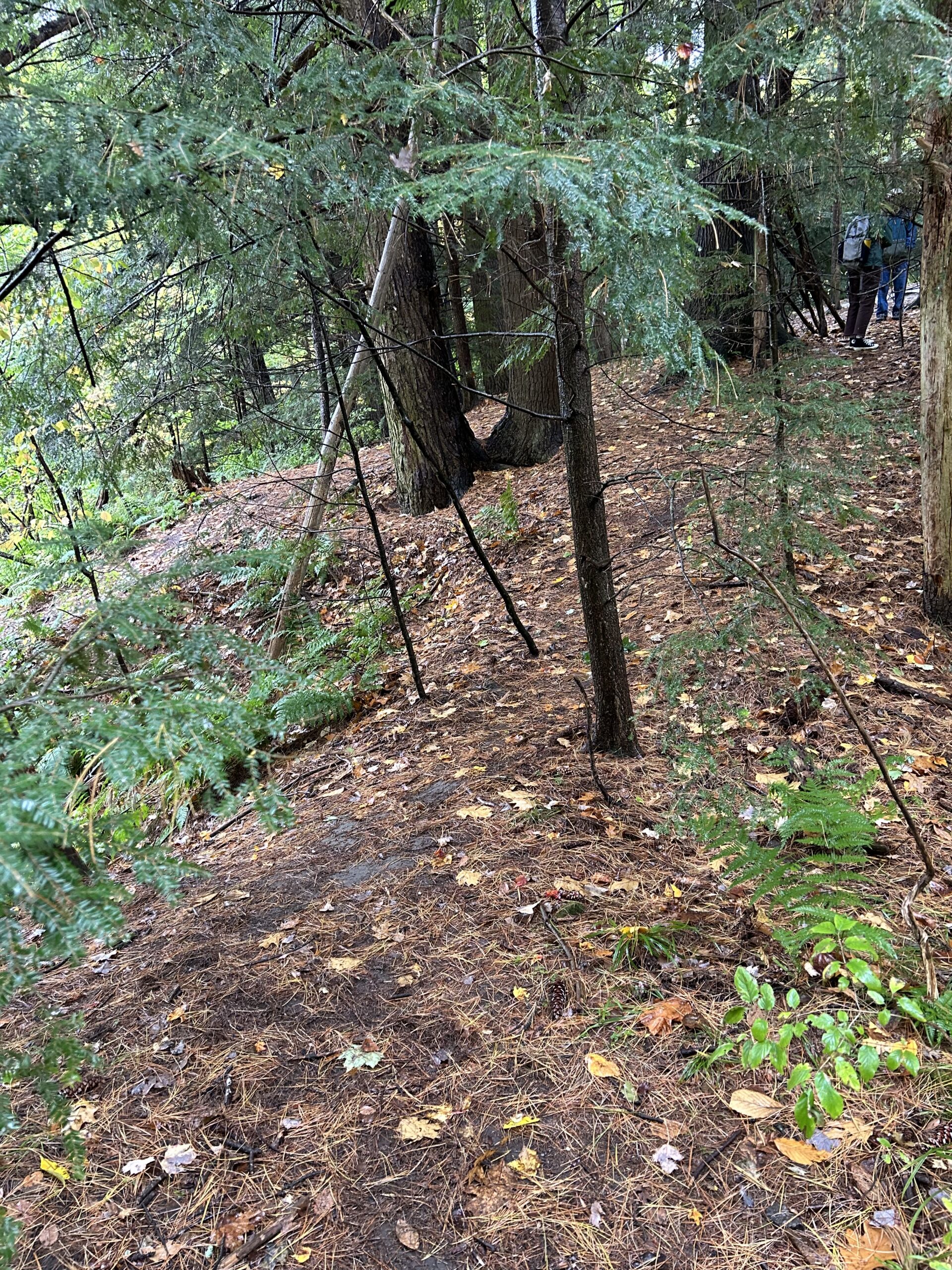
My phenology plot has a pretty good variety of vegetation. There are a lot of young trees, mostly eastern hemlocks, along with some birch and maple, in the understory. They are only about 6 to 10 feet tall. Surrounding the young trees are a number of towering eastern white pines, maples, and hemlocks. Closer to the ground and surrounding the stream, there are a few different ferns and small saplings. There are a few downed trees and branches littering the ground as well in different stages of decomposition.

Common Woody Plants

Skip to toolbar