Posts

Final Phenology

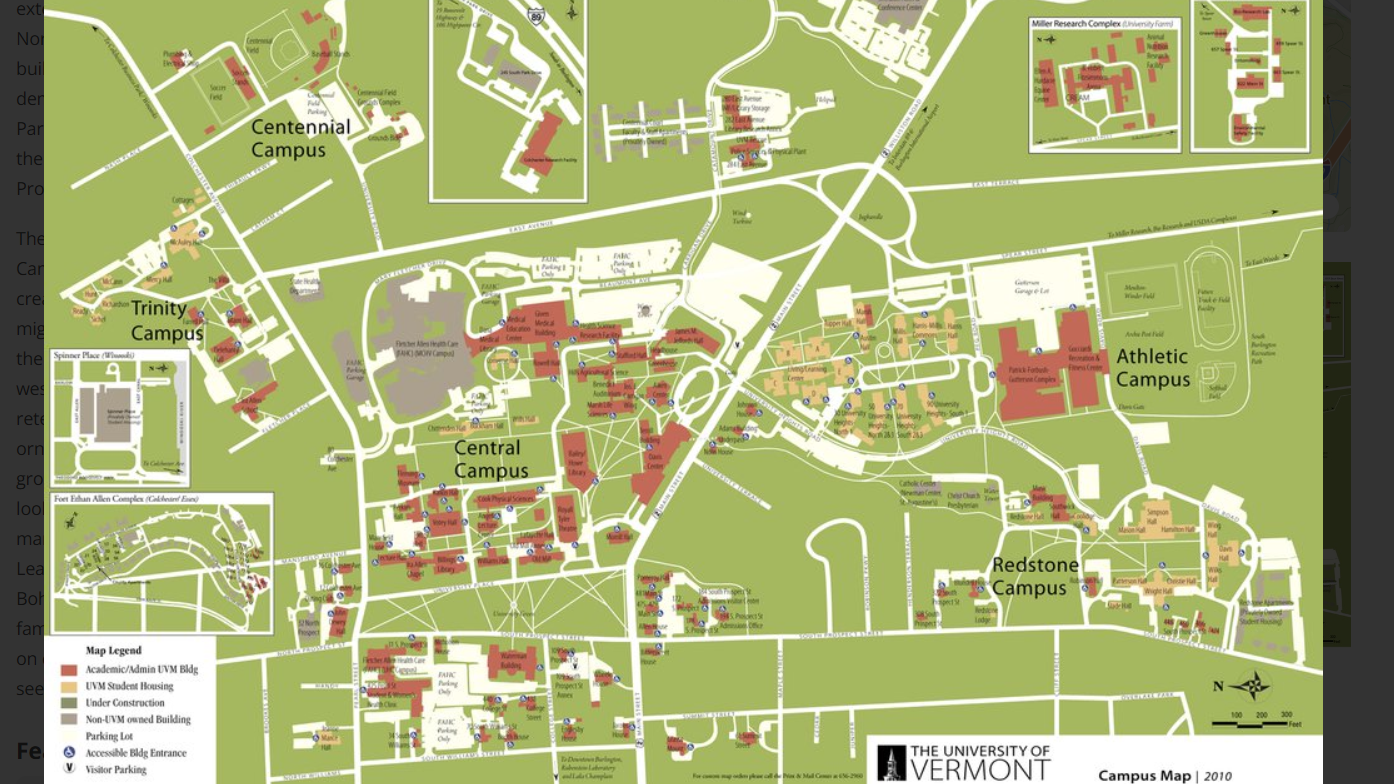
For the four-day urban BioBlitz, I explored the edges of campus around Redstone as well as Trinity campuses. This experience was very interesting to see what was on campus and see the amount of diversity that exists in the small area of the UVM campus. I encountered around 24 species during my exploration. I found it very interesting to see the number of species coming from other cities. I feel like we take for granted how many animals are in a specific area, we only consider the ones we might see on a day-to-day basis and do not think about the ones that are still there and were there well before humans.
Phenology Assignment #6

Connor Salo

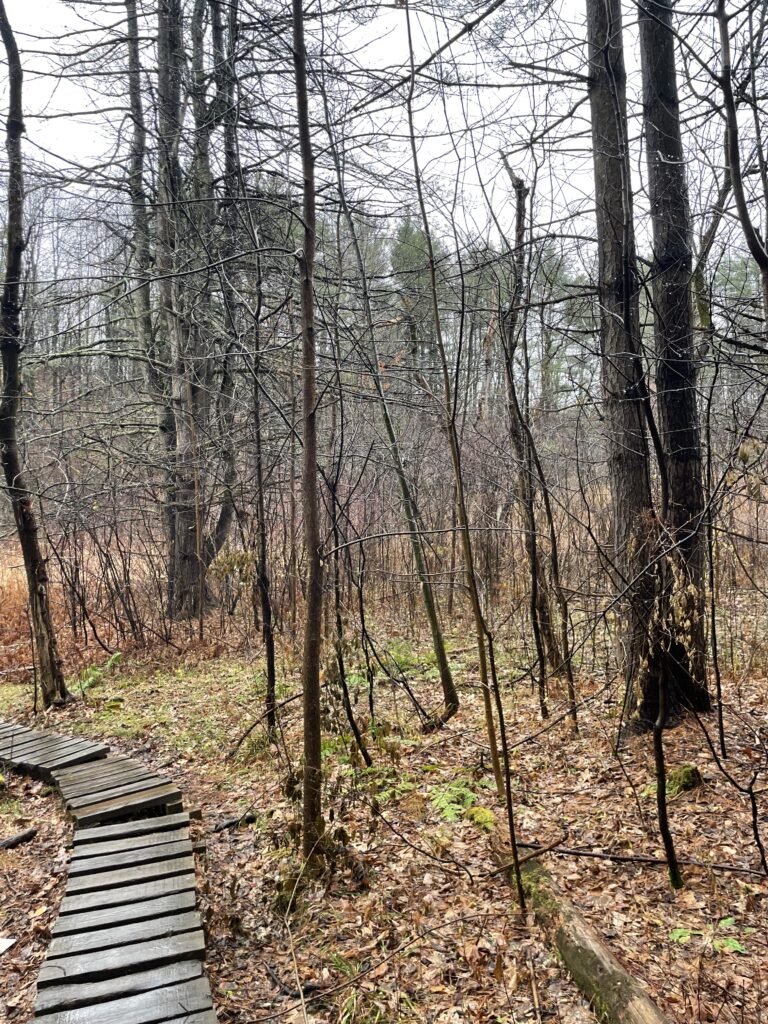
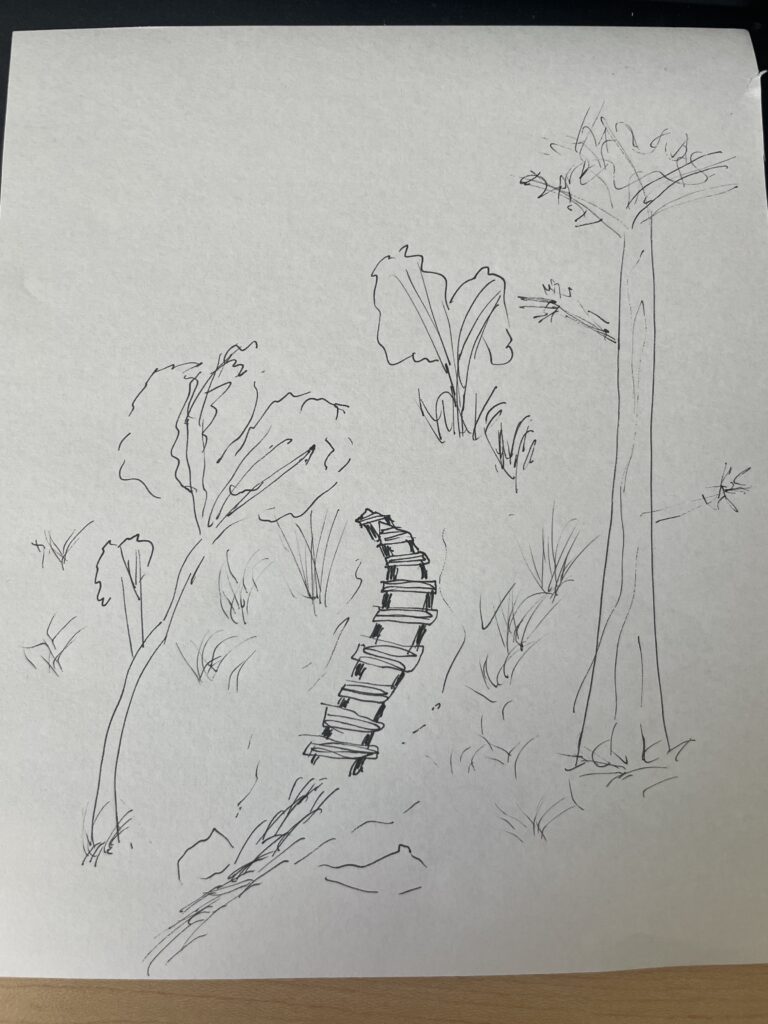
My site has not changed very significantly over time from storms or humans. The trail still seems the same since I first came to my phenology site in the winter. Some of the trees and rocks have become minor landmarks for me. The bridge running through my phenology spot is definitely one of the larger landmarks. This area provides a great spot for people to interact with nature and enjoy the natural beauty of Centennial Woods. I do consider myself part of my place because of how much I have visited and studied it. I believe that I am as intertwined with this area as the bridge and trail that run through it.

Tree Revisit

3/27/23

I revisited my tree since getting back and noted very little change in the tree. There are some buds now that are starting to turn green that the leaves will eventually pop out of. It seems that they have a few weeks to go until any leaves come out. Revisiting this area was nice to see how the tree has changed even though it was not that much. It was nice to feel as though I was looking after a tree in an area.

Spring Break Phenology

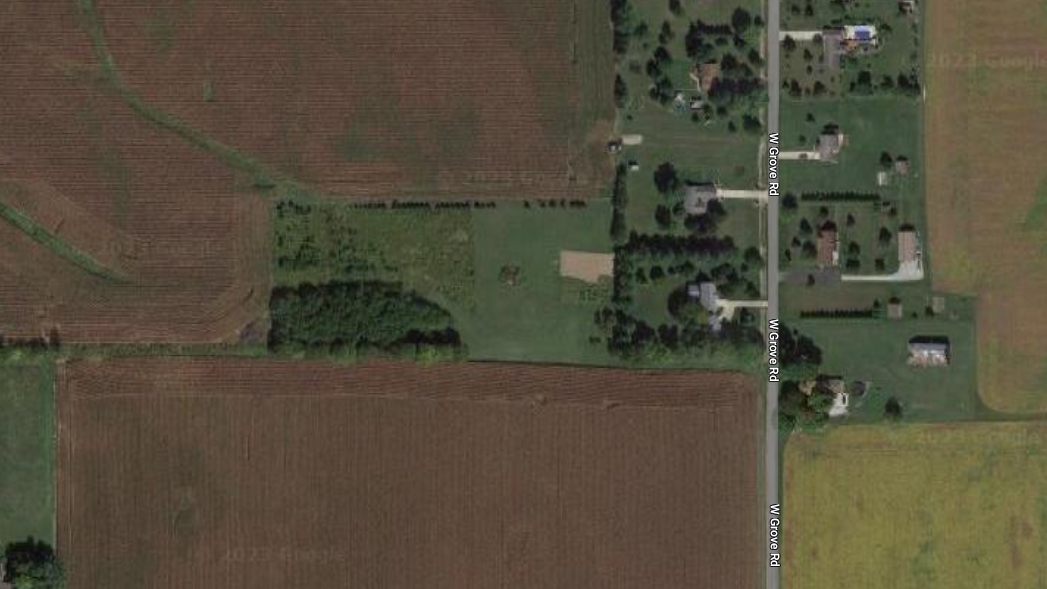
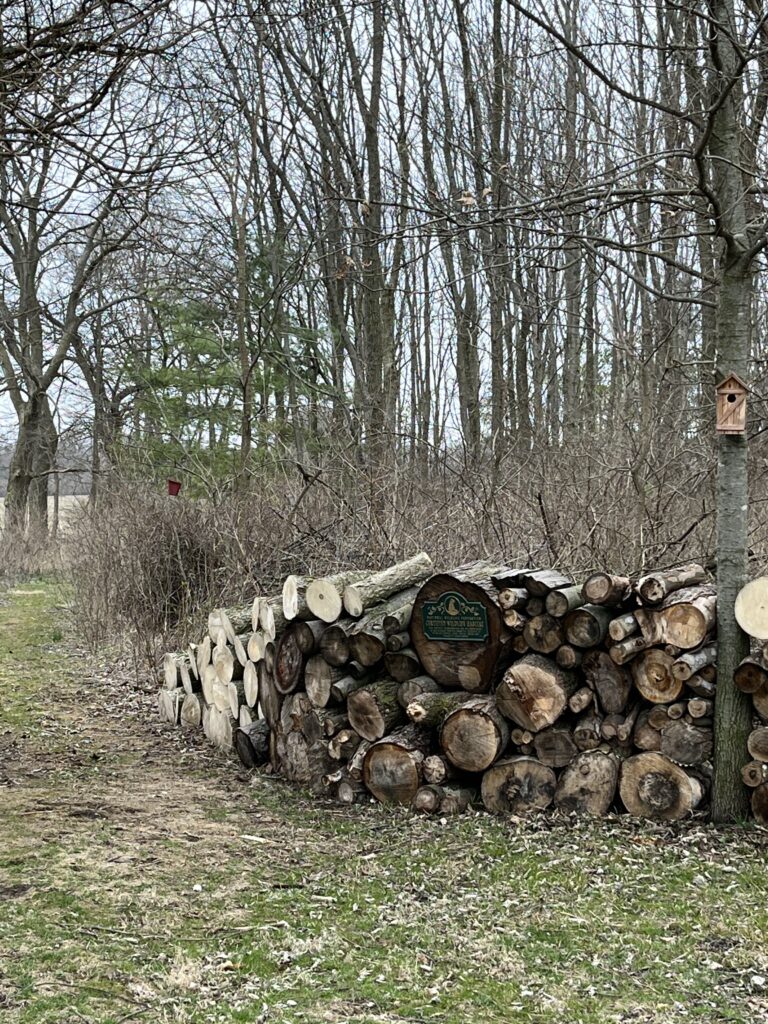
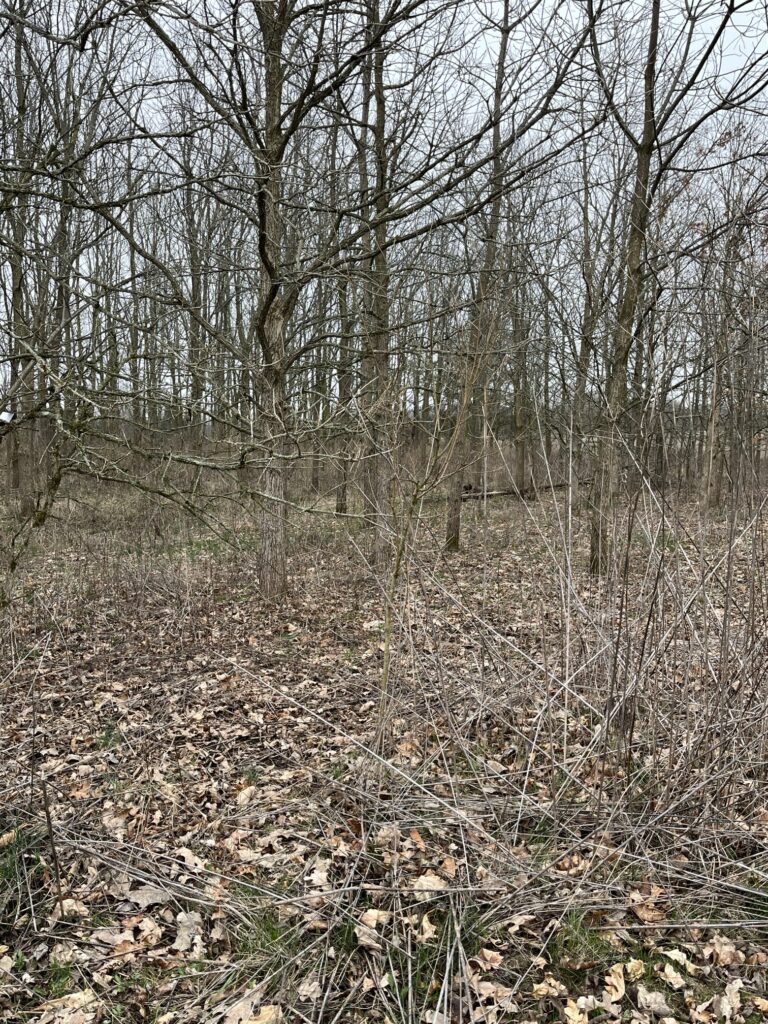
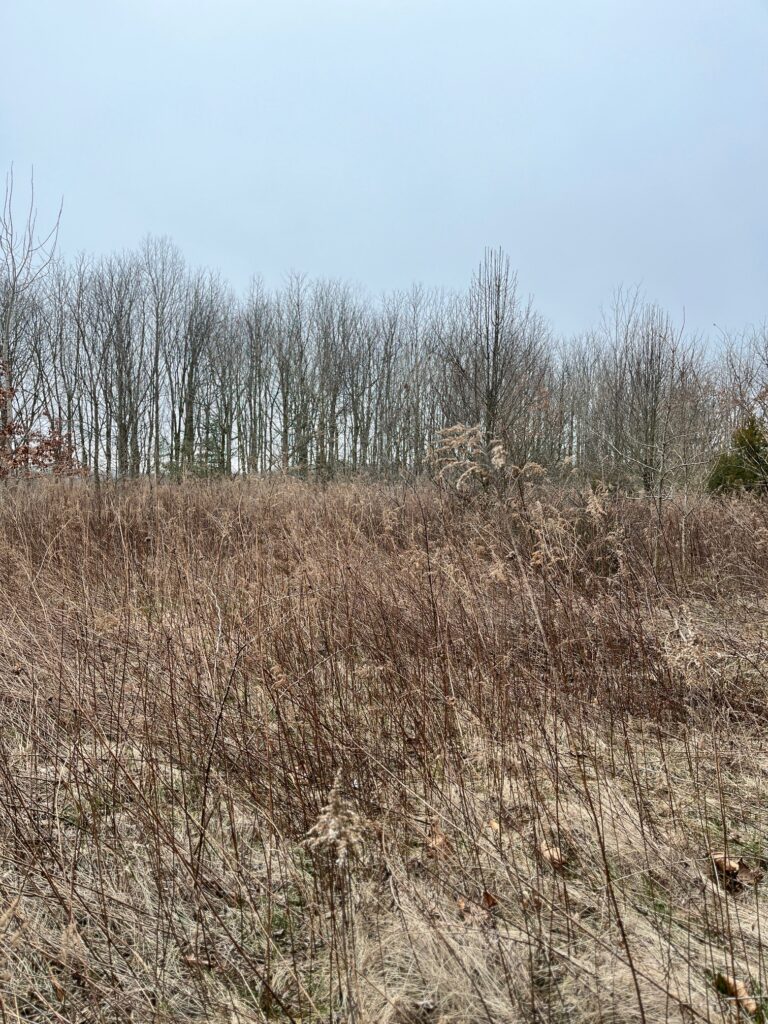
The area in which I am immersing myself in the woods behind my mom’s house in Centerville Indiana. On either side of the woods is a corn field and in front of the woods is a field that used to be forested and was then deforested for horse riding. The woods are very young and have only been around for 20-30 years. There are significantly more birds here than in Burlington or anywhere else in Vermont. This may be because of all the bird feeders but I am sure the warmer climate has a significant effect. Some trees are starting to bud and it seems as if spring is just around the corner.

Tree and what it looks like

Yellow Birch

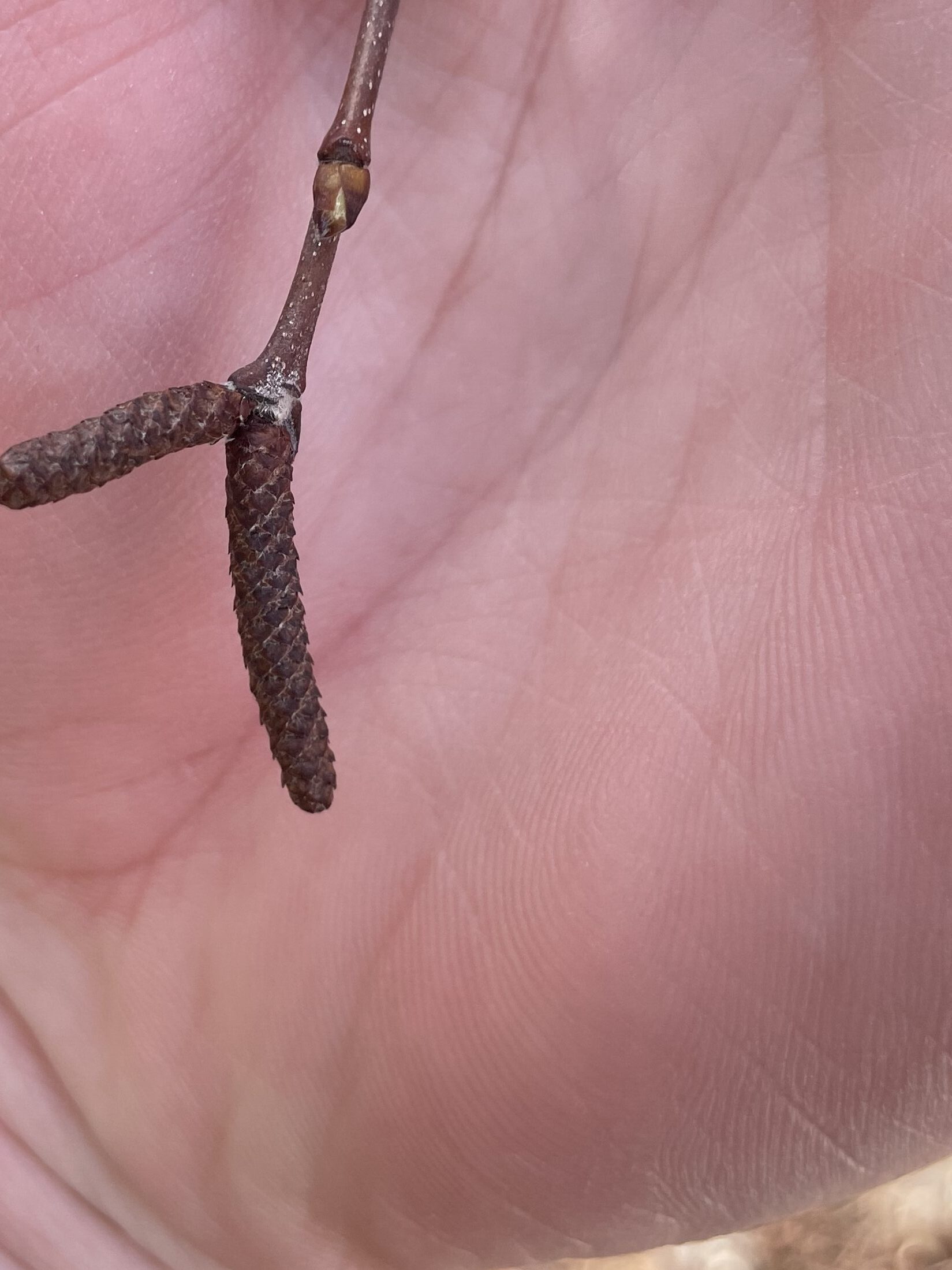
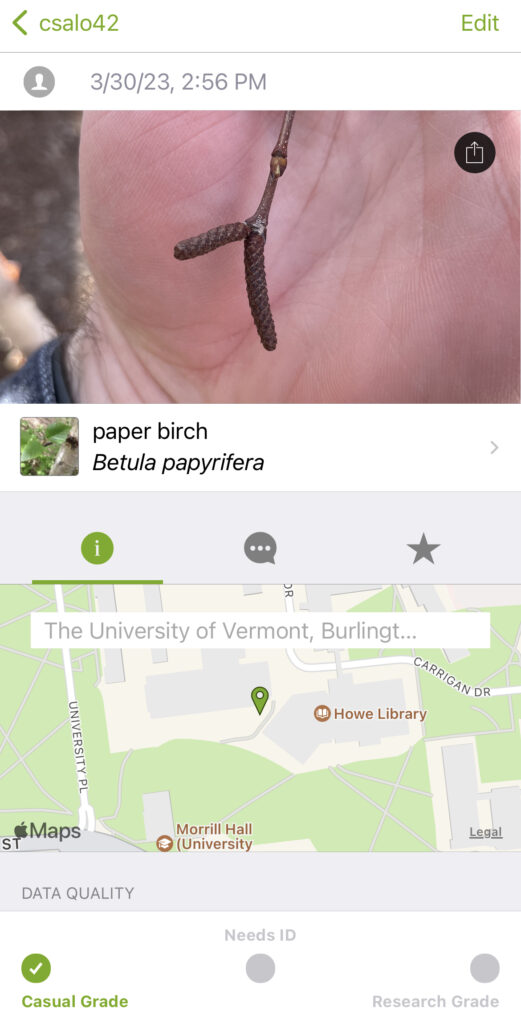
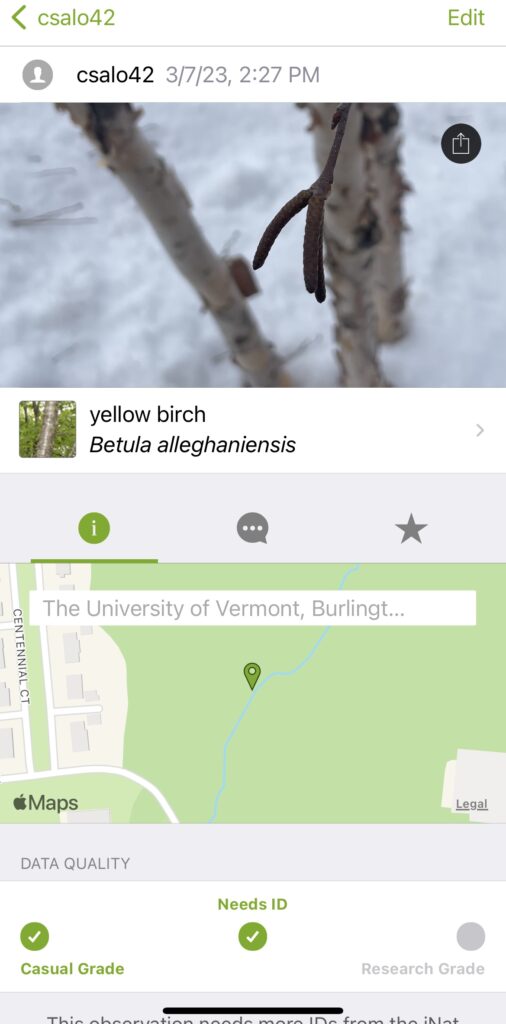
For this phenology assignment, I found a yellow birch that does not have evidence of flowering yet. It will certainly wait until the temperatures are warmer (likely closer to the end of March or mid-April). I was able to identify this tree by its bark and buds. The buds of birch trees look familiar but there is a slight difference between them. The majority of my identification, however, came from the bark.

Semester 2 Phenology Post

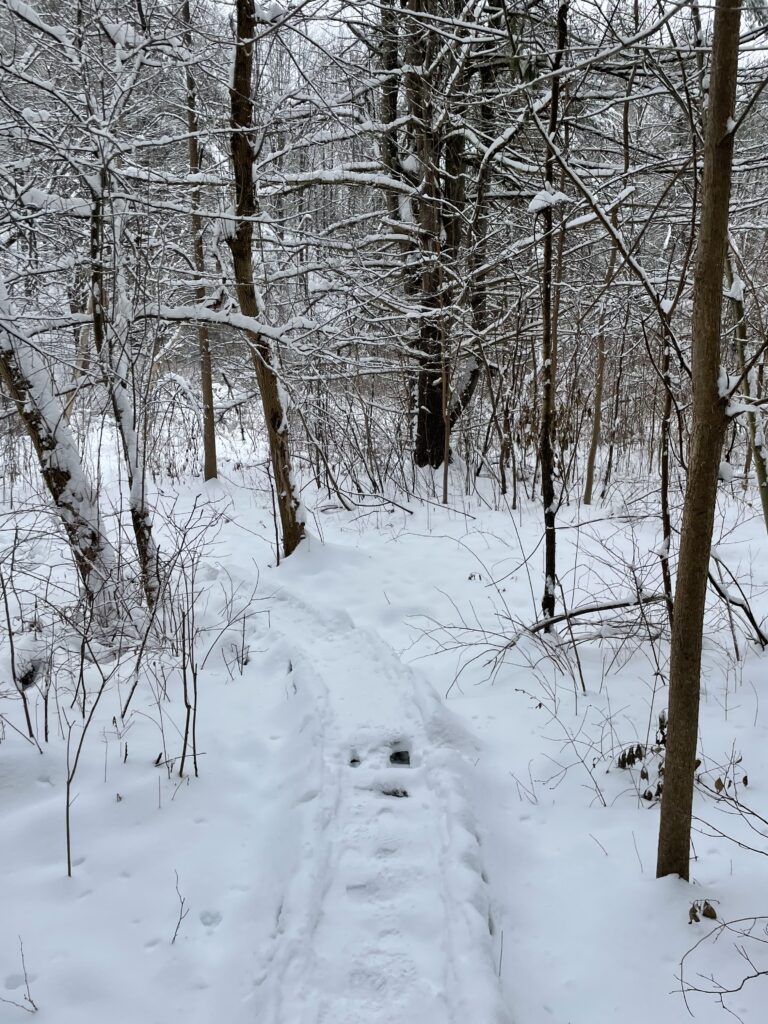
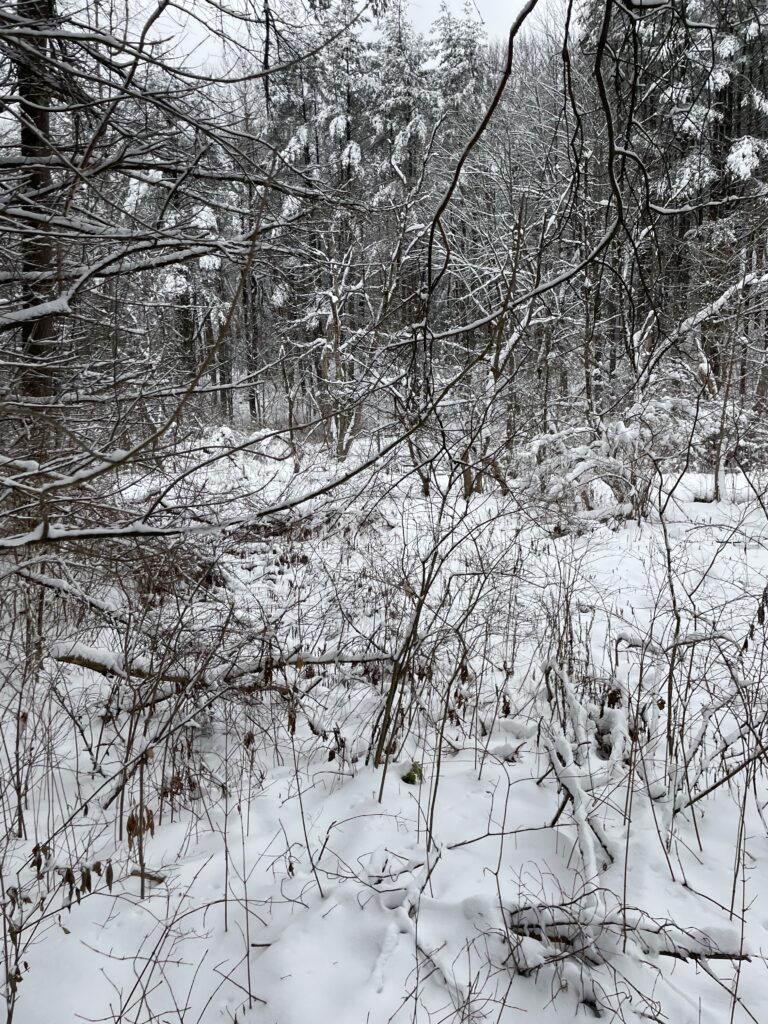
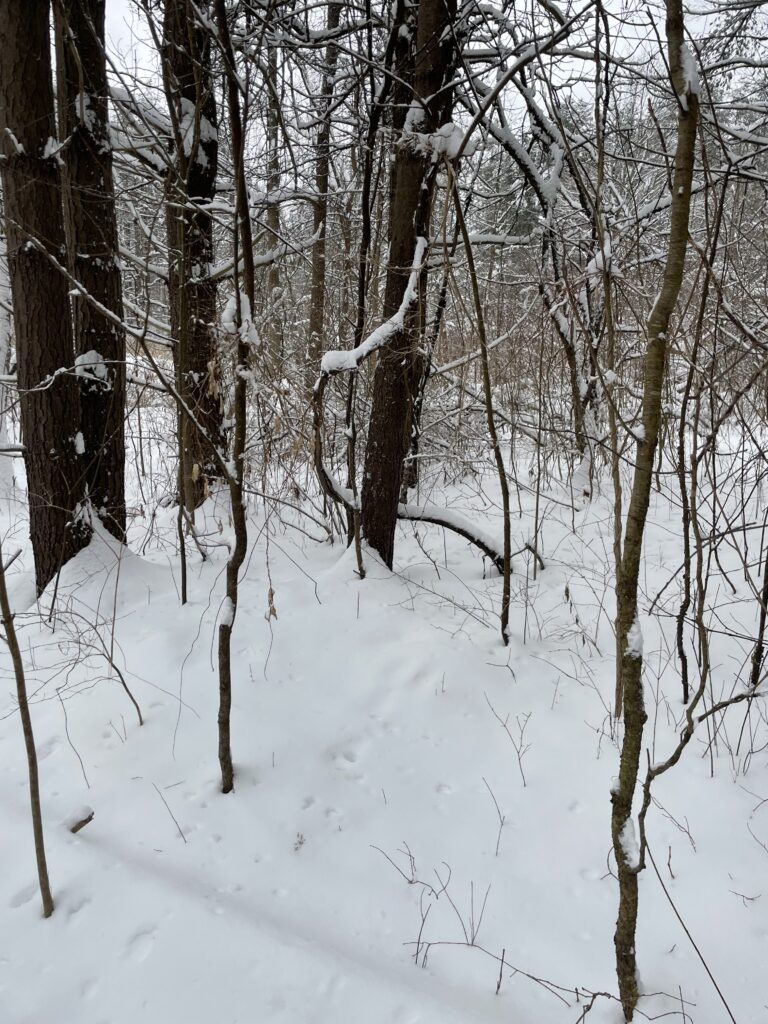
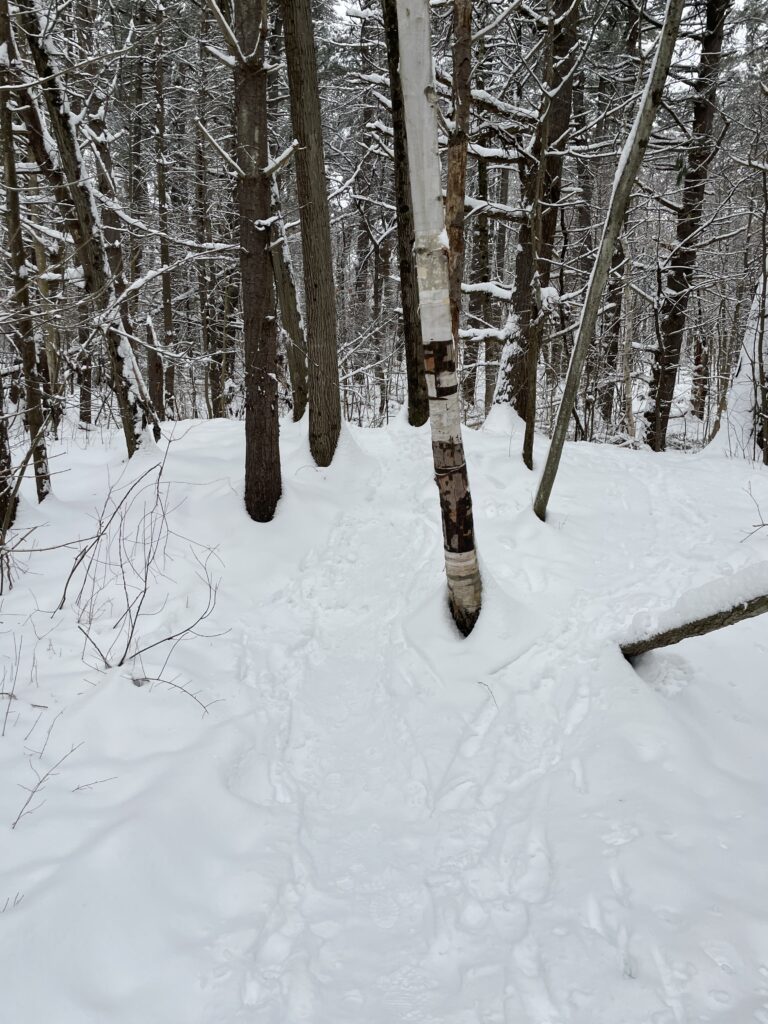
In my phenology site, which I did not change since last semester, there was little to no evidence of wildlife in the area. I saw some smaller prints that may have been birds but for the most part, the only tracks were human tracks on the trail. My site is now covered in snow and it is enough for small mammals to hide under the snow.

Dec. 10th

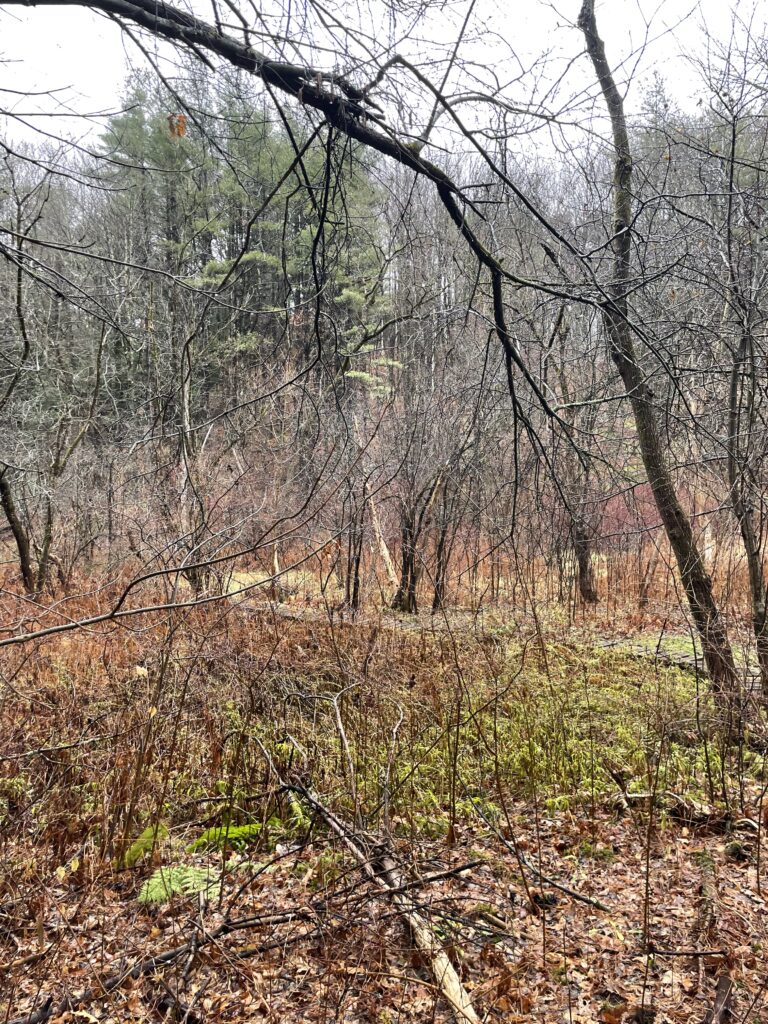
Most of the trees in my phenology site lacked the leaves they had at the beginning of my phenology project. All of the woody plants lost their leaves and the area is primarily brown and dead looking. There were, however, a few ferns and green patches of plants but they were few and far between. Other than the one gray squirrel, there were no tracks or marks from animals or any animal activity that was not human in the area.

What I enjoyed the most about my phenology site was the tranquility that it brought me. For whatever reason, this place spoke to me and made me feel welcomed and calm. It was a nice treat to visit this area every now and then for an assignment.

My home phenology site

Sutton Vermont

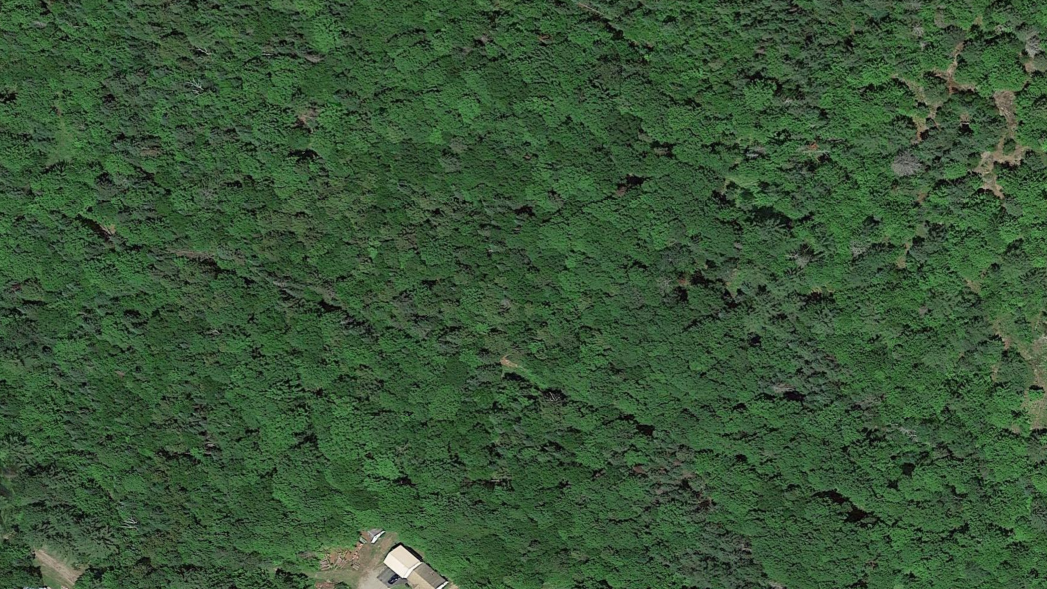
This is an overhead view of the area in my phenology site. The specific area on my site was at the top of the photo. This is the highest point in my backyard and I find it incredibly peaceful and calming.

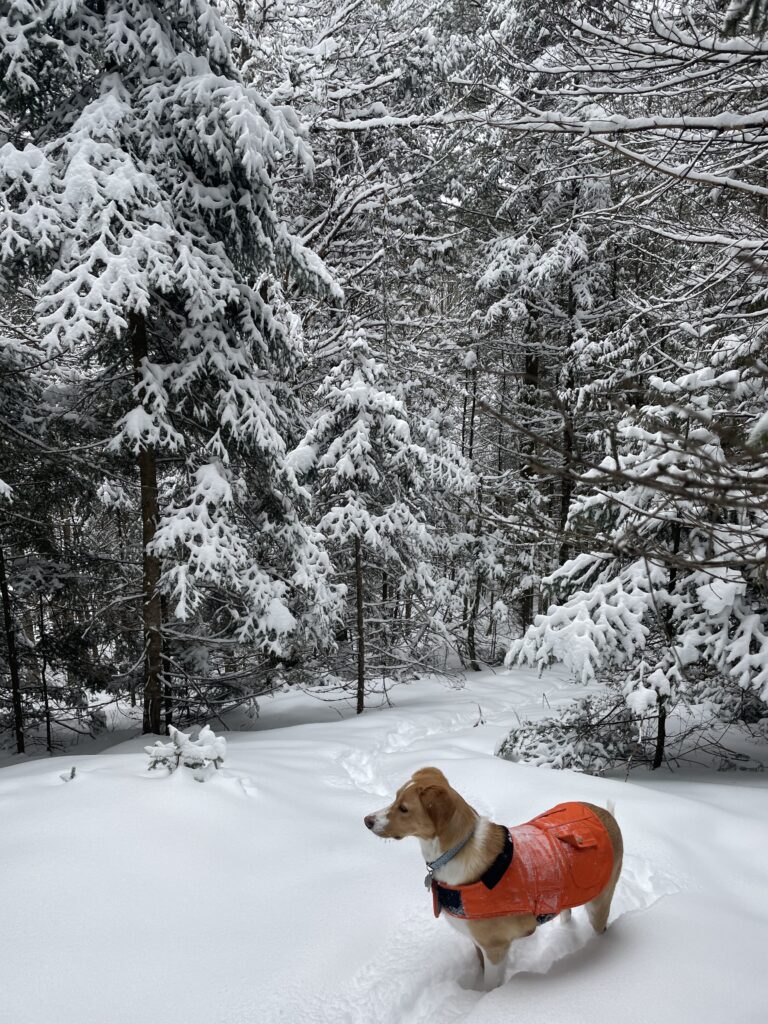
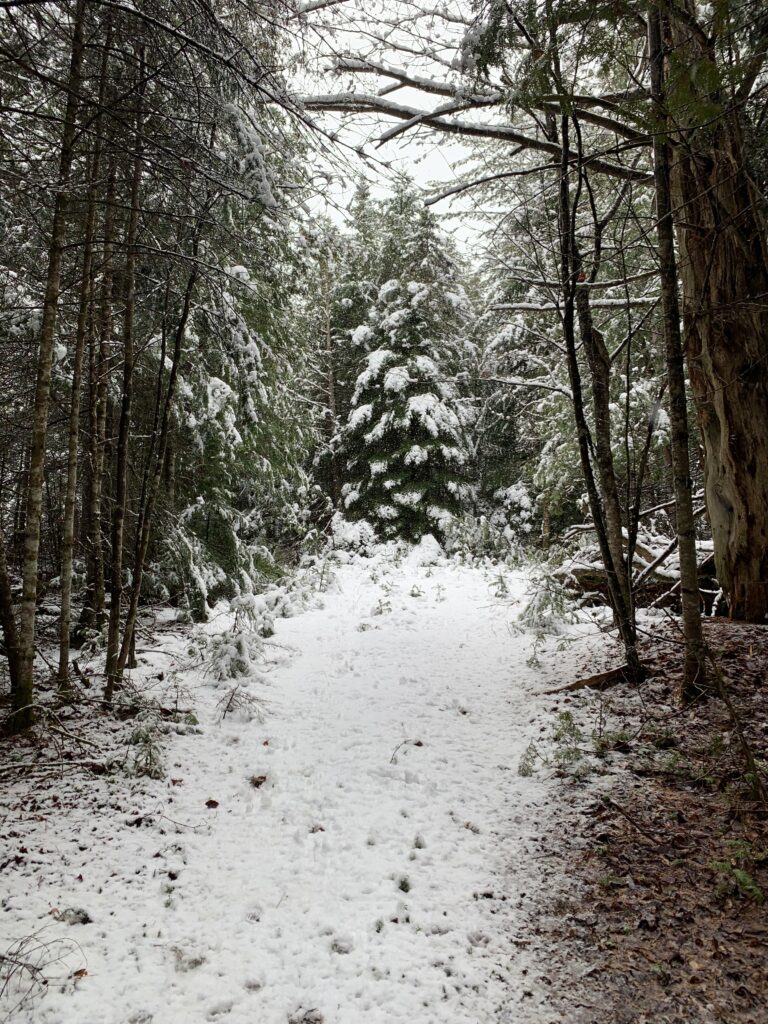
Here are a couple of photos to depict how pretty this area is and how important is for me and what I like to do. I enjoy taking my dog on walks through these woods every chance I get.

This area is similar to yet different from what we have studied here in Burlington. Since it is still in Vermont there is a lot of sandy soil and pine trees. Similarly to some of the forest land around Burlington, this land was pasture only a hundred or so years ago. Now it is a young forest that is flourishing. However, there are many cedar trees in this area and it has a much less developed feel to it.

Hello NR1!

My Phenology Assignment, 

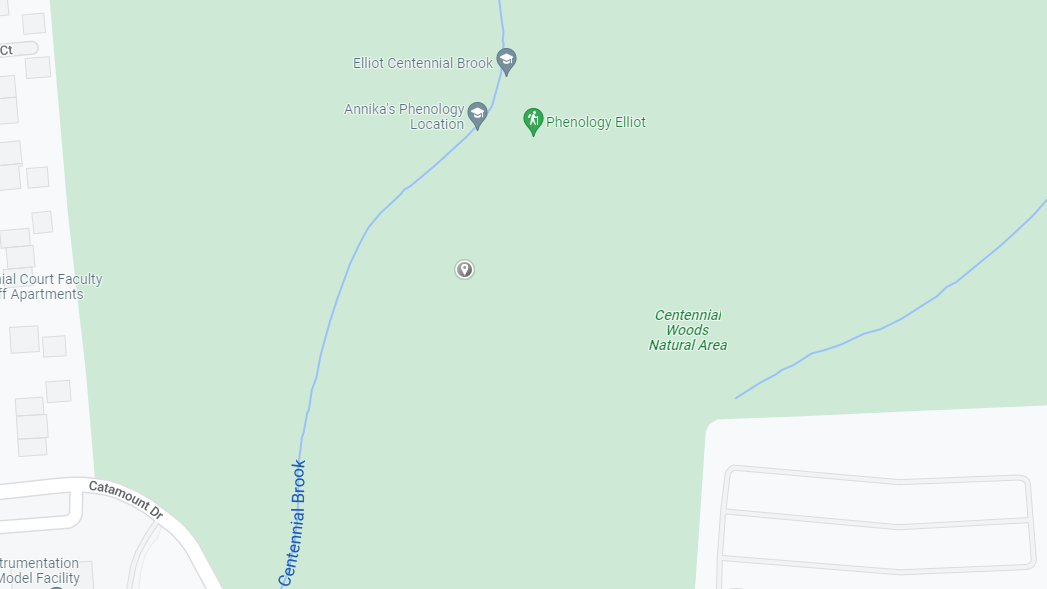
For my phenology assignment, I chose a spot in the centennial woods that I liked from our first lab there. I chose this place because I found it calming as well as very interesting. I love the vegetation and trees in this area. It will be very interesting to see how this area transforms through the season and what changes will occur to it.

The Location in Centennial Woods

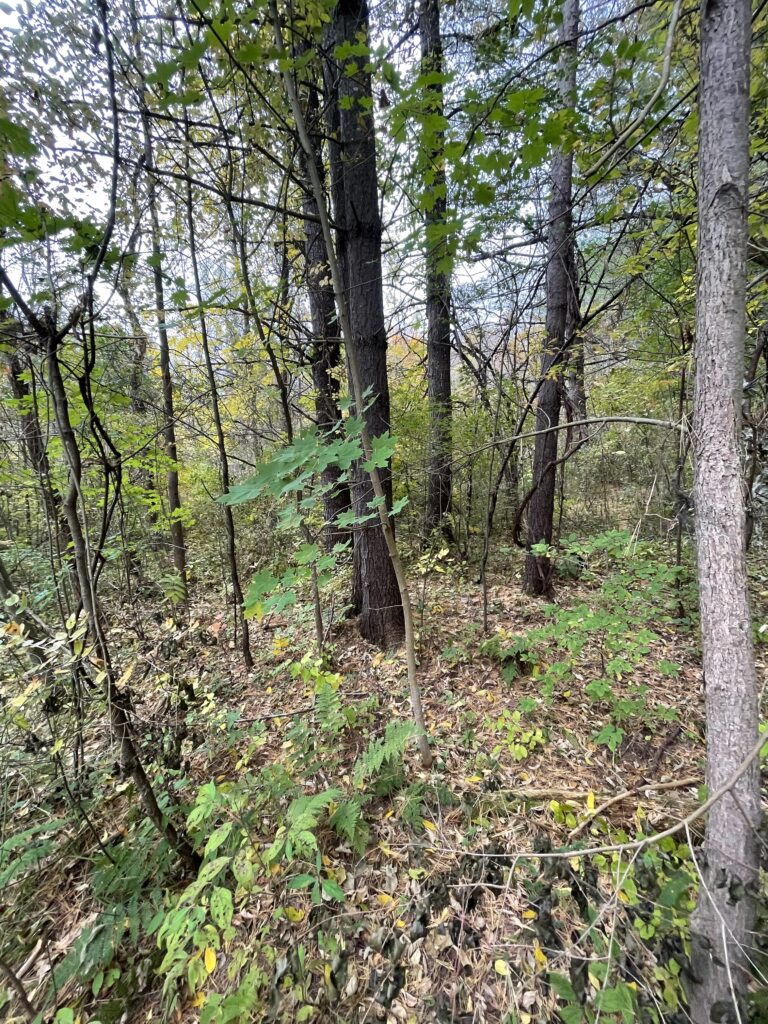
In this area, there are sugar maples, Canadian weed grass, paper birch, Eastern white pine, and dogwood. I think the small hill behind this area and the brook running right alongside the area I choose to make for a unique and strong ecosystem. I already can not wait to go back!

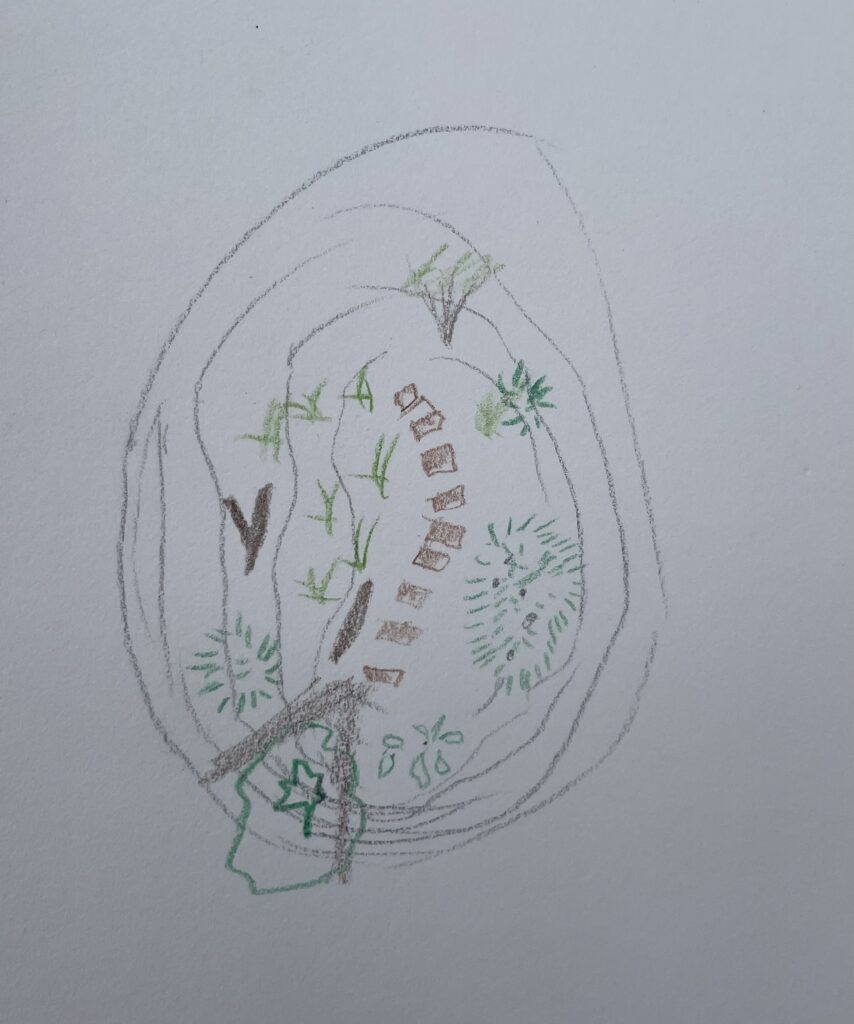
Sitting down in the middle of my site was very calming. It was relaxing to hear the birds and other animals around me while I drew the birds-eye view of my site. This was definitely one of the highlights of my day and will stick with me for the rest of the day. Some change I noticed from the last time I was there was that almost all the leaves from the deciduous trees were gone. They were either already on the ground or there was only a handful left on the tree.

Skip to toolbar