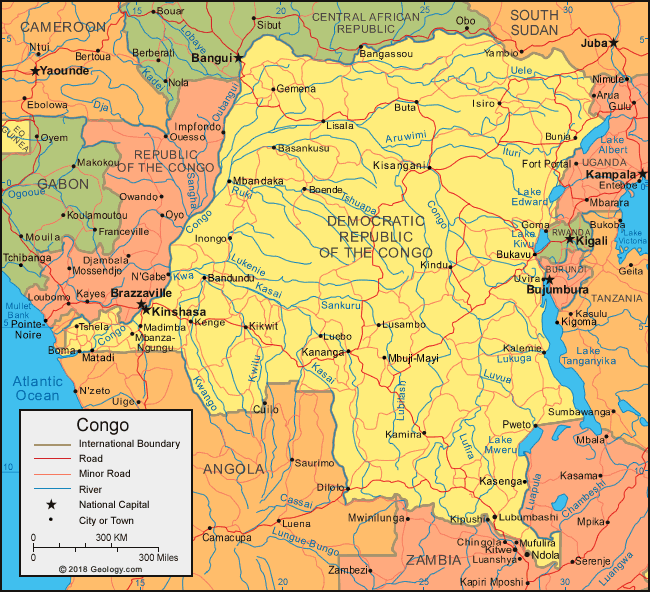
The Democratic Republic of the Congo, or DRC, is a country in Africa that was subjected to cruel colonial rule. Almost entirely landlocked, the country has a small stretch of coastline of about 25 miles on the Atlantic Ocean. Between the 14th and 19th centuries, the Kingdom of Kongo ruled in the west and the Luba-Lunda states controlled the east. The Atlantic slave trade undermined these kingdoms as outsiders vied to control the trade within the country.
In 1878, King Leopold II of Belgium began to colonize the DRC. He said that his goal was to bring about the end of the slave trade. He convinced 450 Congolese groups to sign treaties with him, allowing him to declare the land his private property in 1885. He named it the Congo Free State, and used a colonial military to commit atrocities against the people of the Congo and force them into the rubber industry. For example, Leopold would kidnap Congolese men’s families and force the men to work brutal jobs in hopes that their families would be returned to them. If they resisted, their villages were burned and families were killed. Leopold’s military was also infamous for cutting off the hands of Congolese people.
Private companies controlled by Leopold extracted natural resources from the country. Rubber concessions led to the deaths of millions of people. Ivory was also an incredibly lucrative resource for Leopold’s regime. His companies forced Congolese village chiefs to support the rubber industry. These concessions impact the stability and development of the country to this day.
After Leopold, the Belgian government ruled the DRC from 1908 to 1960. Though not quite as brutal as the murderous king, the circumstances for the Congolese people were plagued by Belgian’s notion of their superiority and need for complete control. Like Leopold, Belgium maintained control of the nation by entreating local chiefs to rule their own separate peoples according to Belgian interests. There was still forced labor and only white people were allowed to participate in political decisions. White and Black people were racially segregated.
Because of this legacy, the government of the Congo has been unstable, and conflicts still ravage the country.
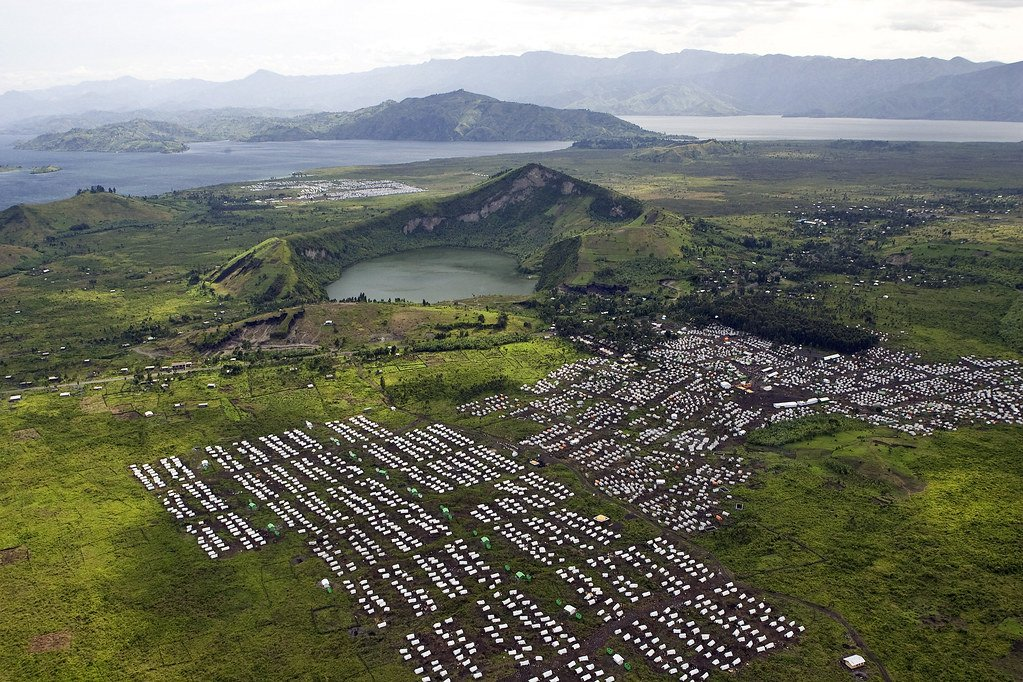
Below is a refugee camp of people displaced by the constant struggles for power.
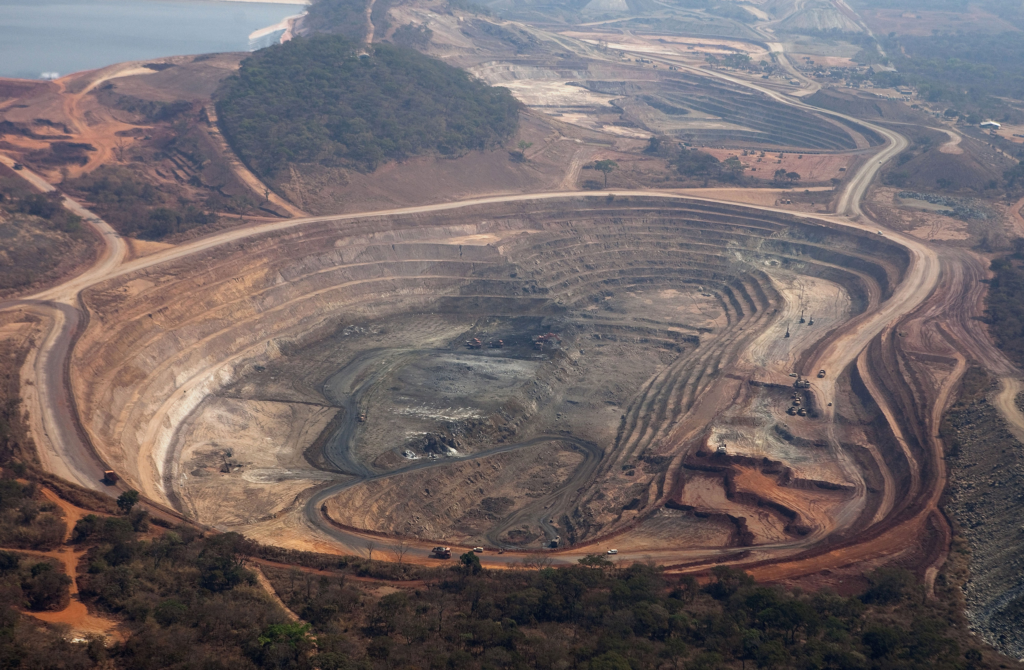
Copper mining was initiated in 1910 by the Belgians and it impacts the land still today. Lubumbashi is the second largest city in the DRC, based around the mining industry.
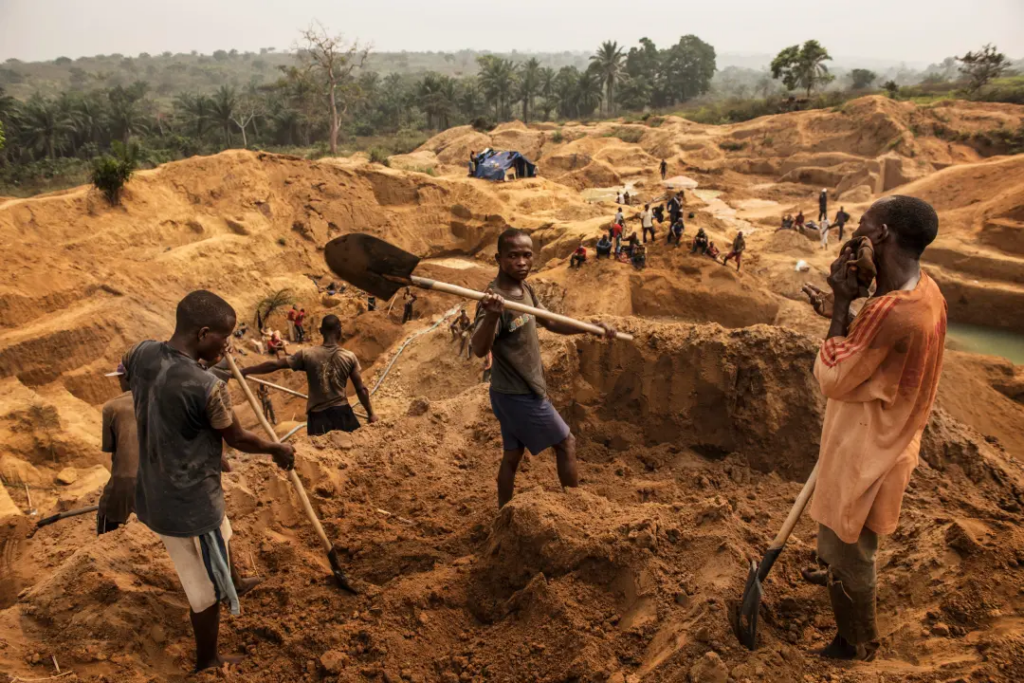
Diamond mining is another extractive industry that exists today.
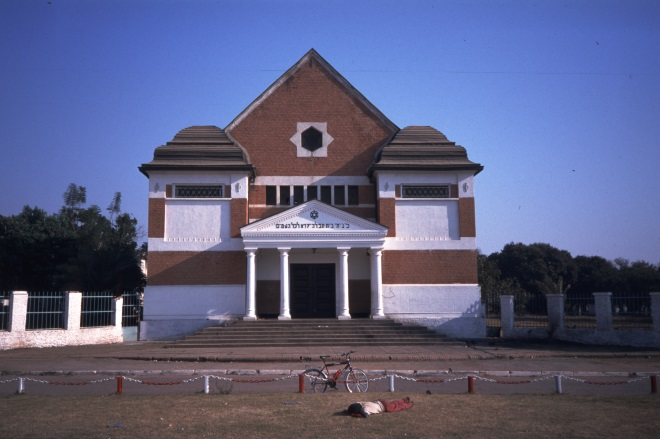
Belgian architecture such as this synagogue can be seen in the DRC today.
Finally, this train station in Lumbumbashi is a remnant of colonial rule.

Sources
Baker, Aryn. “Inside the Democratic Republic of Congo’s Diamond Mines.” Time, 27 Aug. 2015, time.com/4011617/inside-the-democratic-republic-of-congos-diamond-mines/?xid=newsletter-photos-weekly. Accessed 25 Jan. 2024.
CATALYST Team. “How King Leopold’s Colonial Legacy Still Haunts the Congo Today.” CATALYST PLANET, 31 July 2023, www.catalystplanet.com/travel-and-social-action-stories/2022/7/26/how-king-leopolds-colonial-legacy-still-haunts-the-congo-today-zxhsd. Accessed 25 Jan. 2024.
“Democratic Republic of the Congo.” Encyclopædia Britannica, Encyclopædia Britannica, Inc., 11 Jan. 2024, www.britannica.com/place/Democratic-Republic-of-the-Congo. Accessed 25 Jan. 2024.
Finances, RDC. “Lubumbashi : Accusée de Pollution, l’entreprise Minière CDM Appelle à l’expertise Des Services de l’environnement.” RDC Finance – RDC Économie: Toute l’information Économique de La RDC, rdcfinances.com/autres-secteurs/environnement/archives-environnement/1183-lubumbashi-accus%C3%A9e-de-pollution,-l%E2%80%99entreprise-mini%C3%A8re-cdm-appelle-%C3%A0-l%E2%80%99expertise-des-services-de-l%E2%80%99environnement.html. Accessed 25 Jan. 2024.
Lagae, Johan. “Belgian Imperialism: The Colonisation of the Congo.” Architectural Review, 25 July 2020, www.architectural-review.com/essays/belgian-imperialism-the-colonisation-of-the-congo. Accessed 25 Jan. 2024.