A UVM blog Phenology

Posts

May 4, 2022

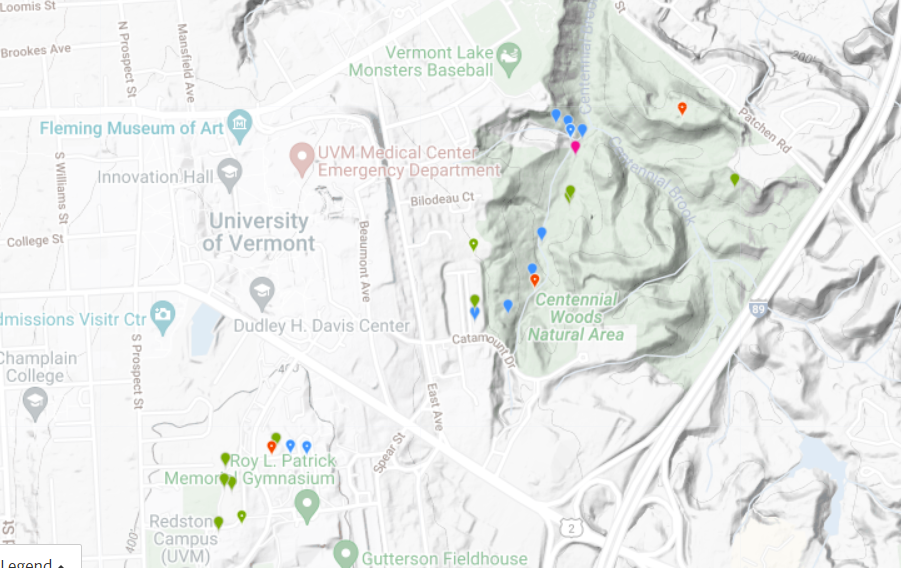
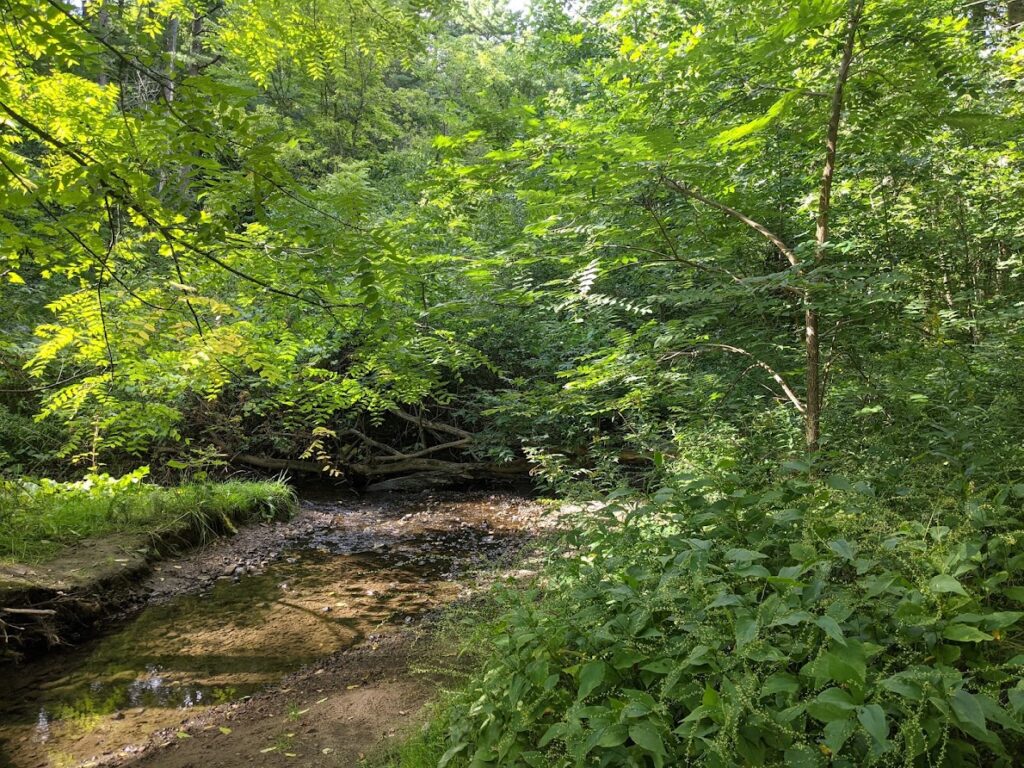
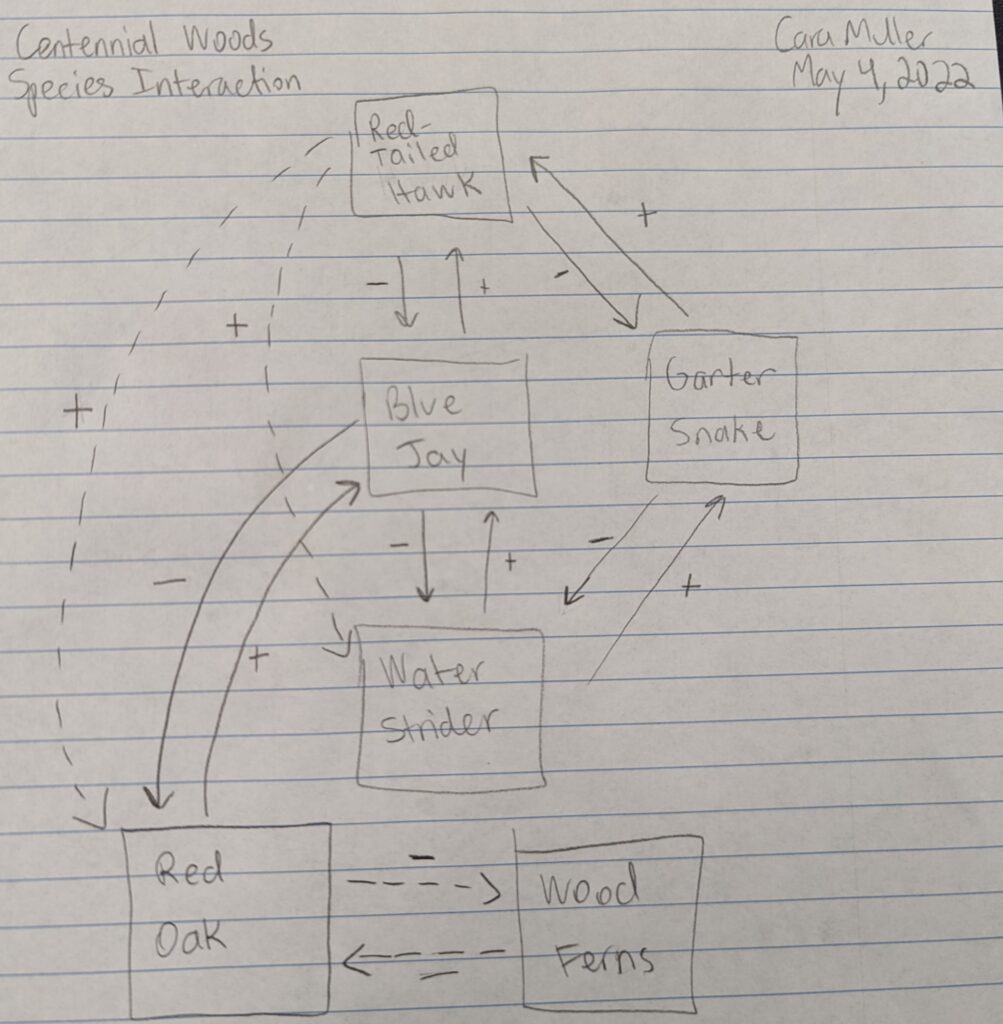
Centennial Woods was a great place to observe phenology. Throughout the year, I saw changes in the plants and animals here that signaled the changing seasons. I especially enjoyed looking for mammal tracks in the snow and listening for bird songs.
September 3, 2021

Nature and culture are heavily intertwined in this place. Centennial Woods is important for residents of Burlington since it is accessible and located in the middle of this developed area. Even though there are plenty of beautiful natural places in Vermont, having one close to home is extremely beneficial for people’s physical and mental health. It also helps create a strong sense of place to spend time in nature in one’s home city. This encourages people to connect with nature and gives reason to preserve it.
February 20, 2022

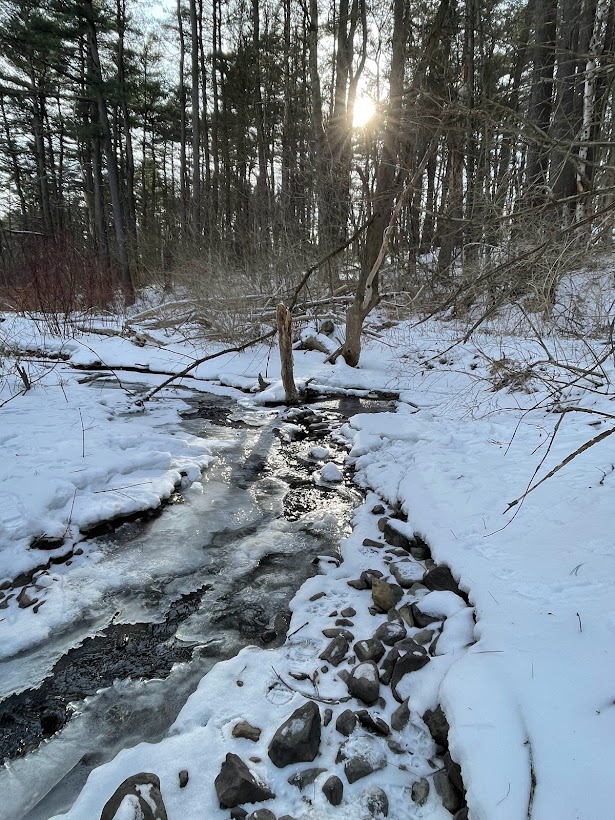
I consider myself a part of my place. Centennial is definitely somewhere that I will spend time in the future as a Burlington resident. I feel connected to it because I have spent time observing the wildlife that inhabits it and have noticed patterns throughout the year. Even though this natural area is intended for the entire community, I feel a personal connection since I understand it intimately.

April 30, 2022

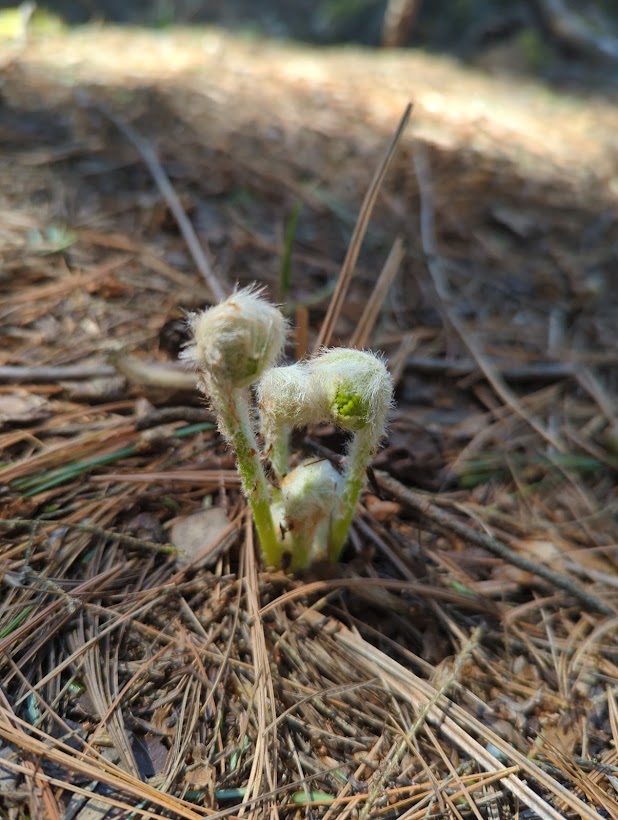
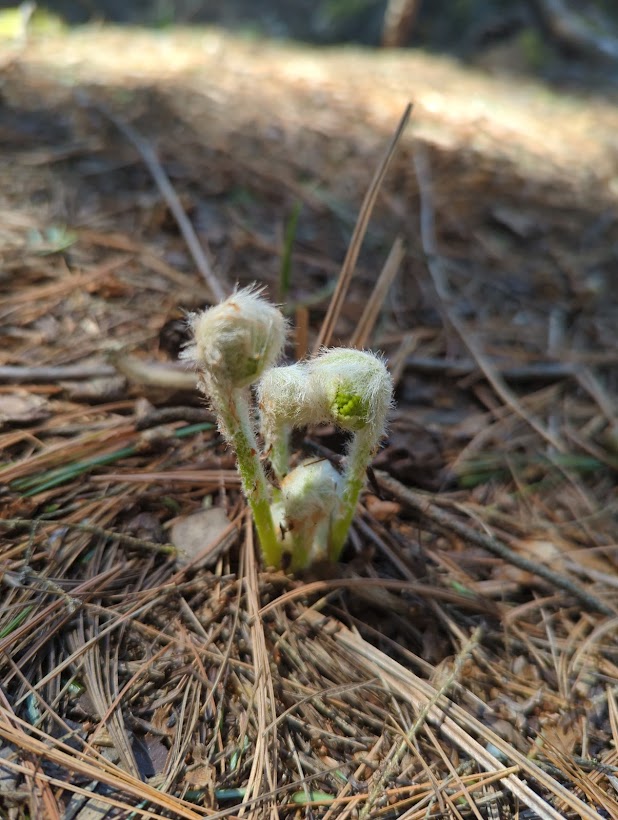
On this final visit to my site, I observed signs of spring. There were many more birds out and about. The vegetation was blooming, including ferns sprouting and trees budding.
April 30, 2022

April 30, 2022

Yesterday, I took a stroll through Centennial Woods to participate in the City Nature Challenge. I also found plenty of species around campus. I totaled 23 observations of 21 different species, plus some others that didn’t make it onto iNaturalist.

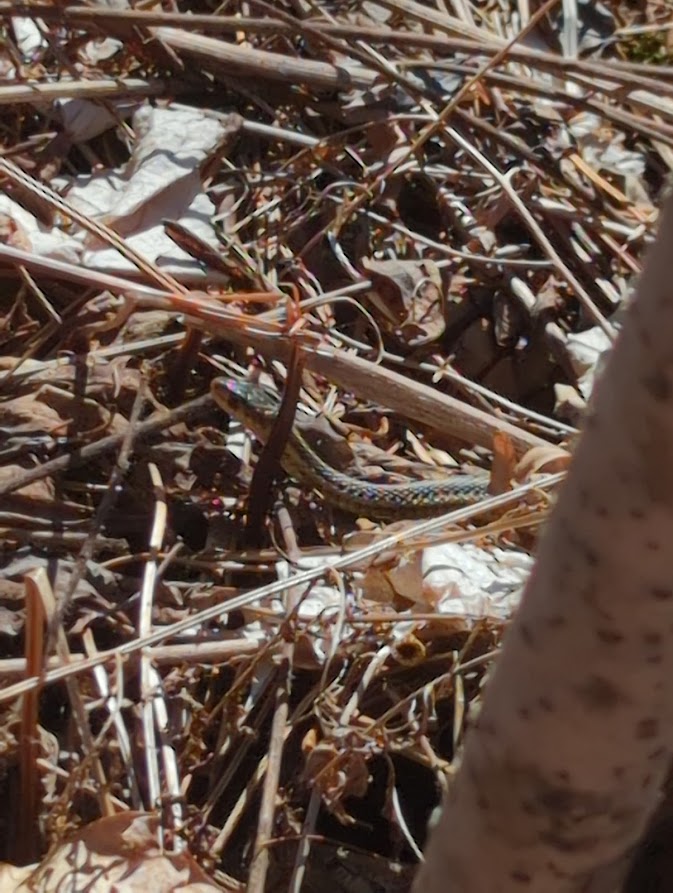
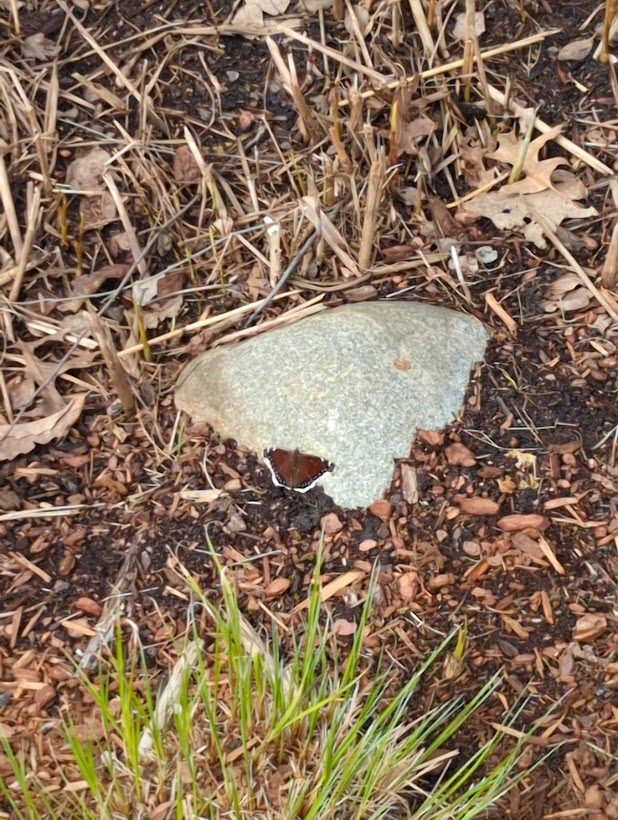
Some of the bird species I found included Black Capped Chickadee, Crow, Raven, Pine Warbler, American Goldfinch, Red Breasted Nuthatch, and Blue Jay. Plus lots of robins and gulls as usual. I also found some insects, like a Tiger Beetle and a Mourning Cloak. Also, a little Garter Snake!

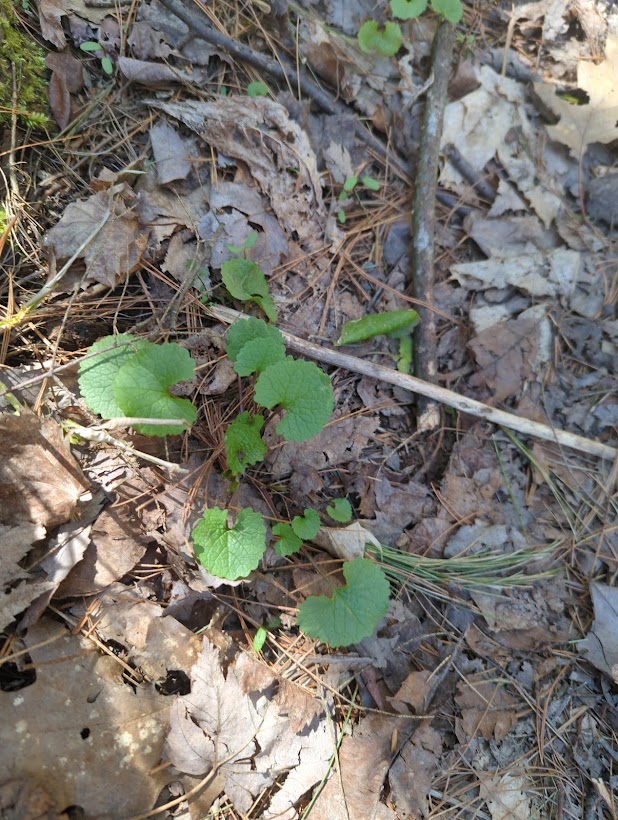
I also saw some cool plant species, like Garlic Mustard and some ferns that I couldn’t quite identify.

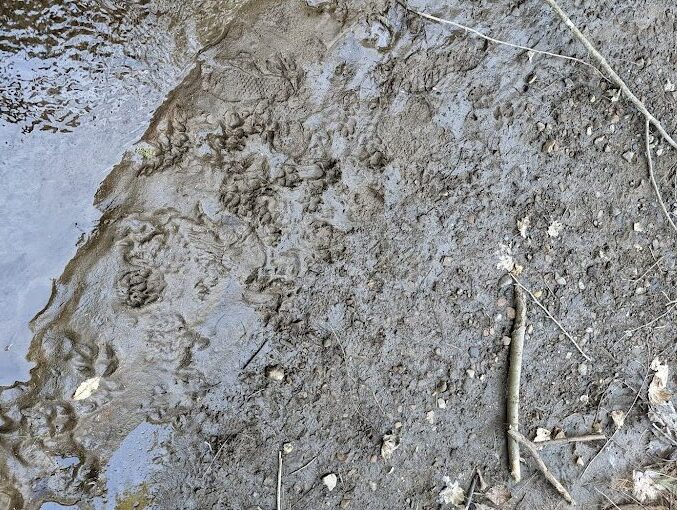
I couldn’t find a lot of mammals, just some gray squirrels. I did see some interesting tracks in the mud, though. Most were from dogs, but some of the tracks by the brook had five toes, maybe from a raccoon or a fisher.

After adding my observations to iNaturalist, I checked out the page for the Philadelphia area since that’s where I’m from. It was cool to see a lot of the same species, like garlic mustard, blue jays, robins, and even some woodpeckers. They also have spotted lanternflies, which are invasive, and luckily I don’t see those in Vermont. I also checked out Cape Town, South Africa, which had a lot of marine species. People have recorded sea urchins and sponges, plus lots of shore birds. They’ve also seen ostriches, which are cool.

March 12, 2022

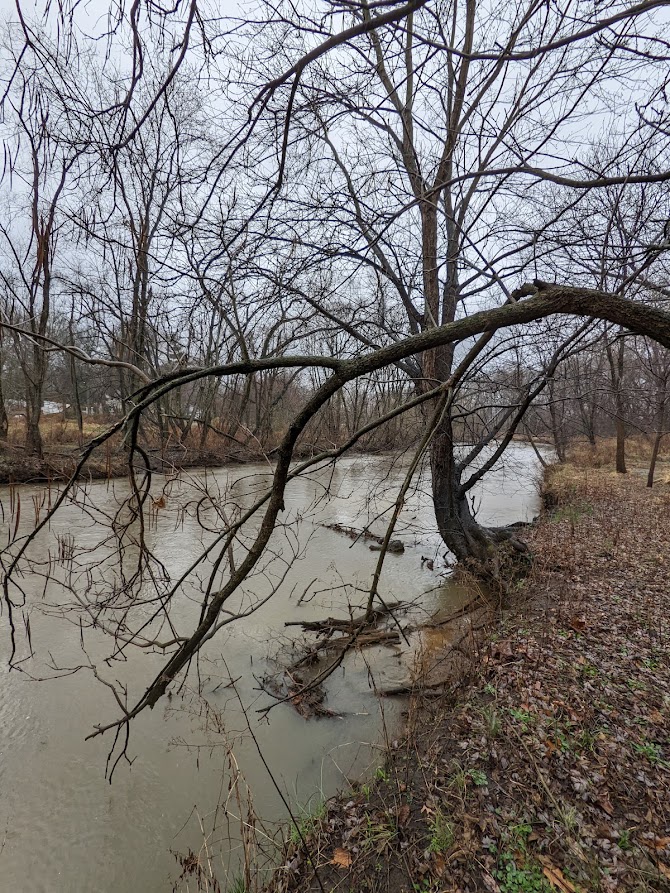
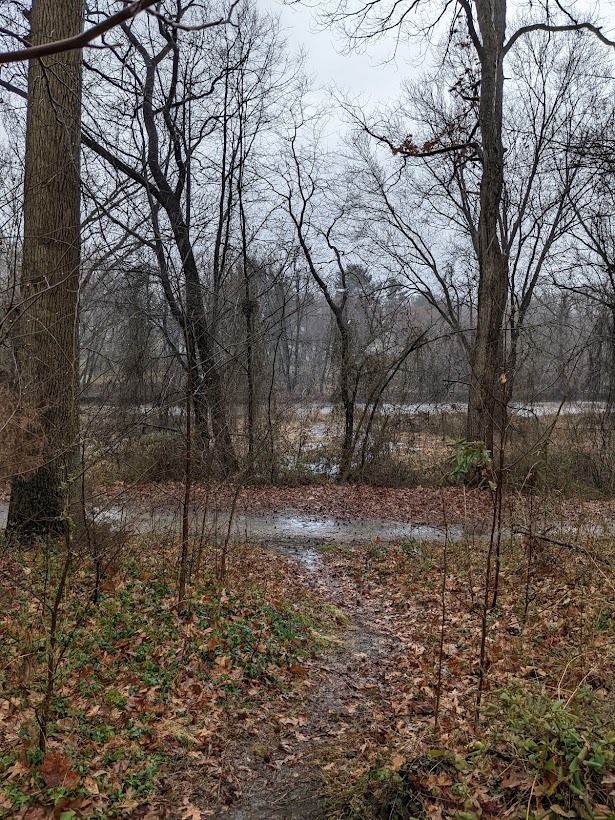
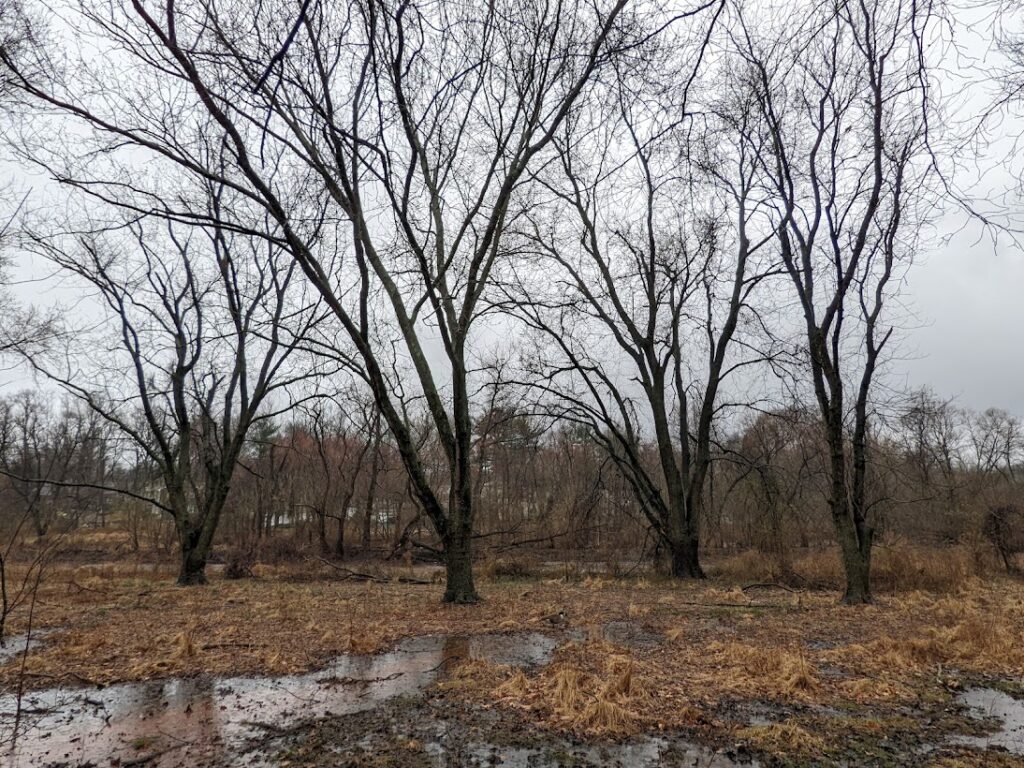
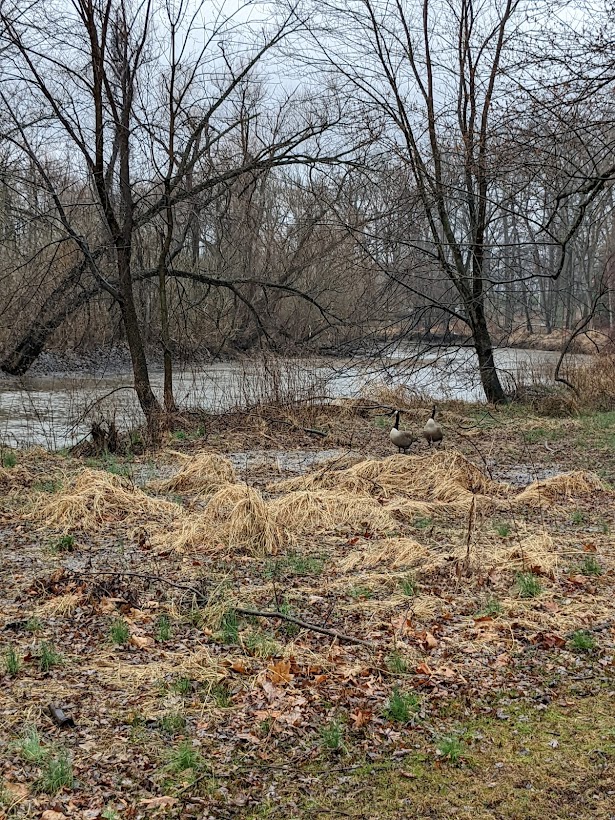
For this phenology assignment, I visited Pennypacker Park in Haddonfield, NJ. This park is one of many in the area that surrounds the Cooper River. The park is considered a historical landmark because of a dinosaur skeleton that was discovered there in 1858. This section of the park that I visited was only 30 feet or so from a major road and a paved bike path, so it is well traveled. Over the years, the Cooper River has had issues with runoff pollution, including road salts and animal waste (especially from the geese who love this spot).

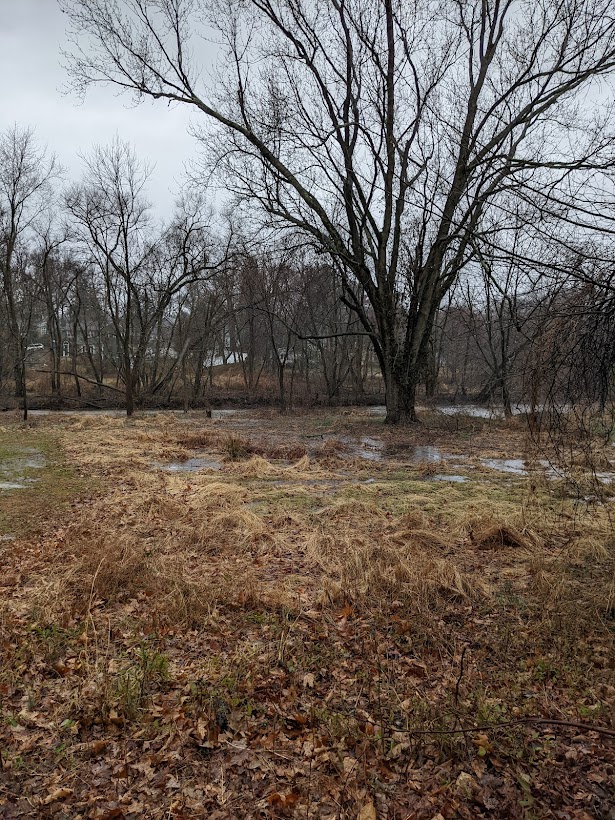
The trees in this park are mainly a variety of oaks and maples. The birds I was able to spot were American Robins and Canada Geese. It was raining pretty hard, so wildlife was hard to find. The park was very muddy and will continue to be as the snow ends for the year. The Norway Maples are starting to have bright red buds, which signals it will soon be time for them to bloom.

The rain made me notice how important this landscape is for collecting stormwater. Since the wetlands are adjacent to multiple major roads, it is important that they stay healthy to control flooding and filter pollutants from the river. Plus, this provides plenty of habitat for many species. This park is similar to my usually site, Centennial Woods, in that they are both a natural area in the middle of a densely developed area. Both sites provide recreation for people and important ecological services which serve the community.

February 20, 2022

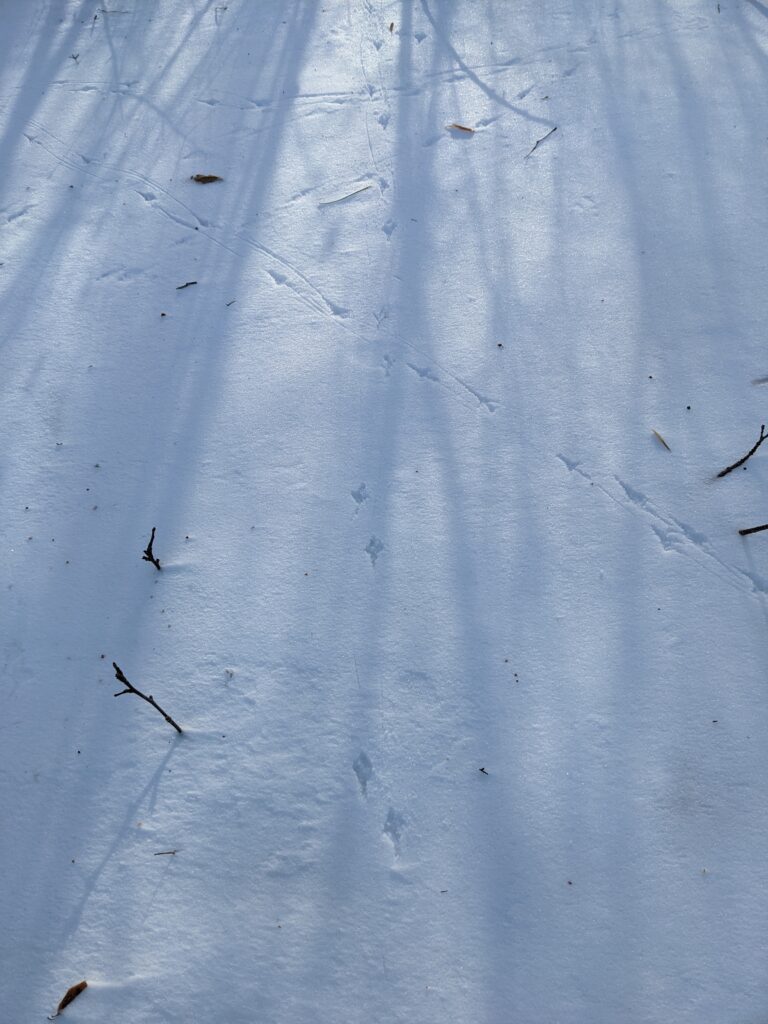
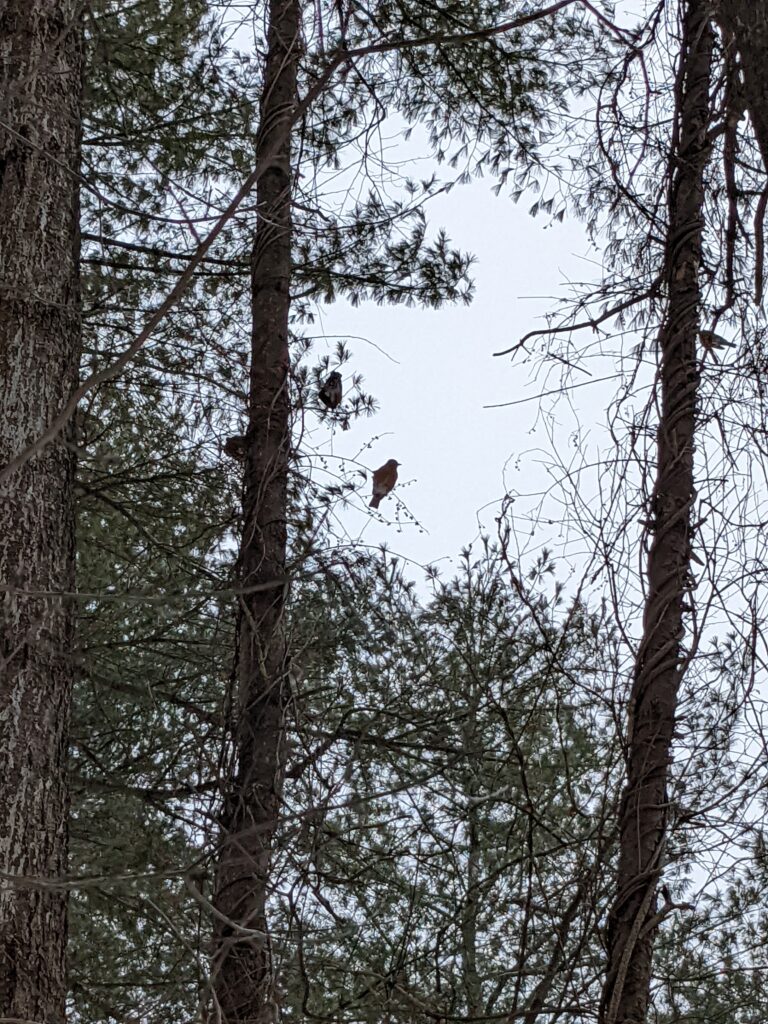
Lots of tracks today in Centennial Woods! I took my usual walk along the trail and found lots of evidence of wildlife out and about. First, I observed some birds. There was a flock of American Robins with one European Starling hiding in their midst. I also saw a flock of American Crows and heard a woodpecker.

Robin Tracks

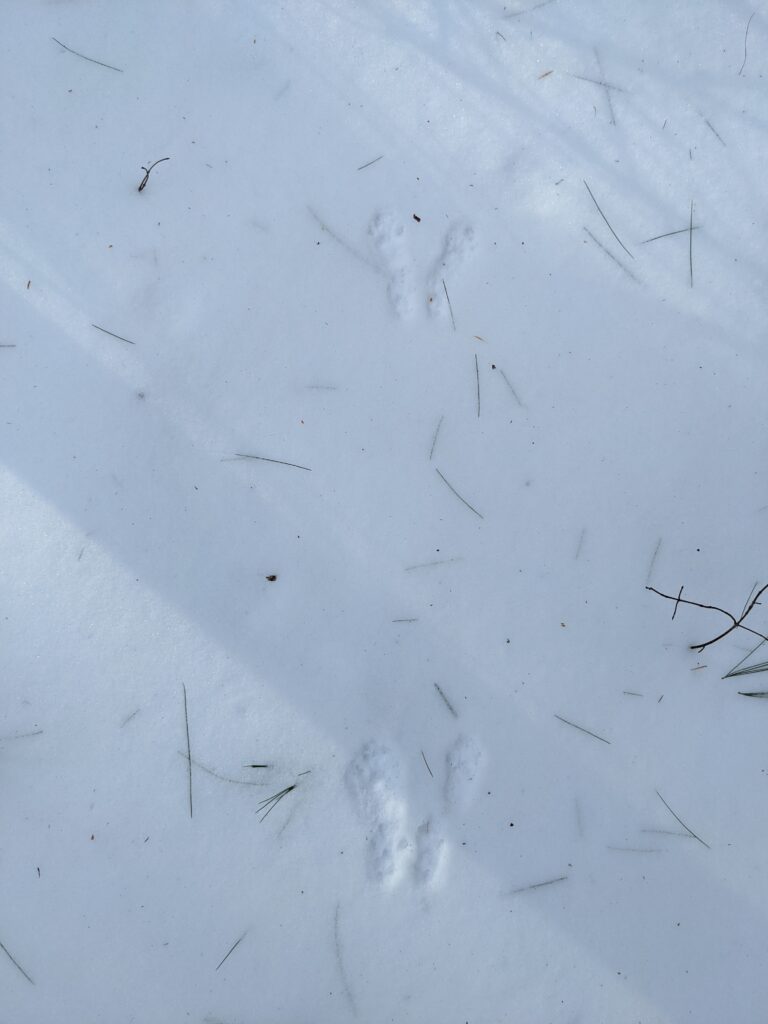
The fresh snow provided some great tracks today. I saw countless Gray Squirrel and chipmunk prints along the trail. I also saw some hare prints and some mouse tracks.

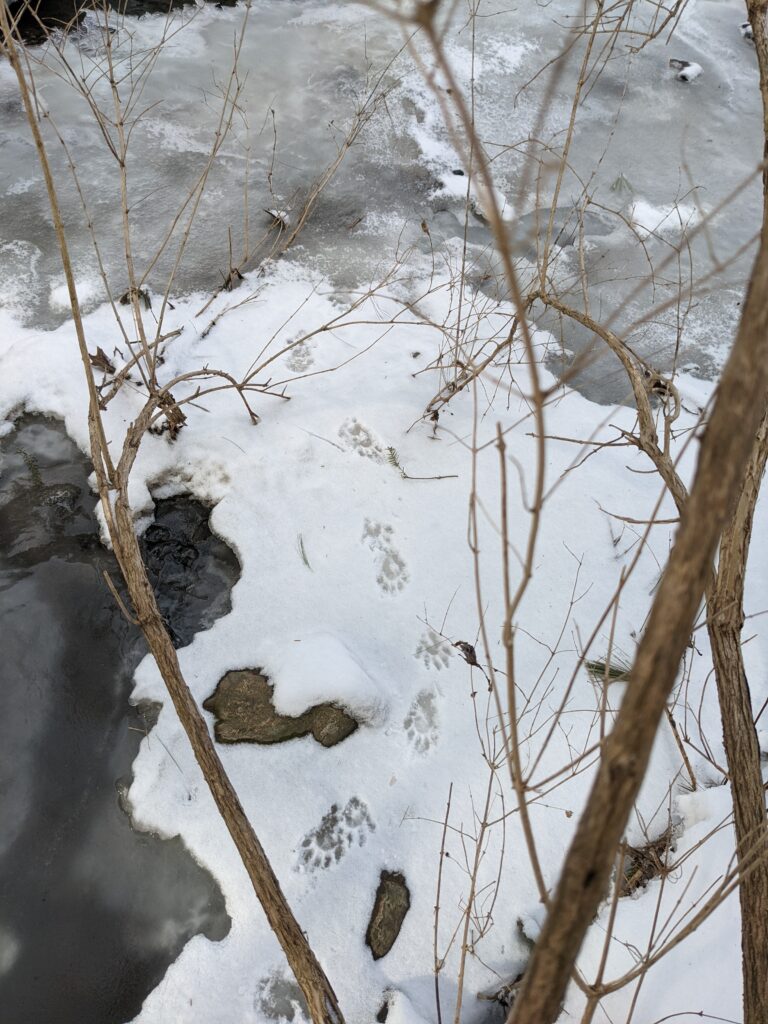
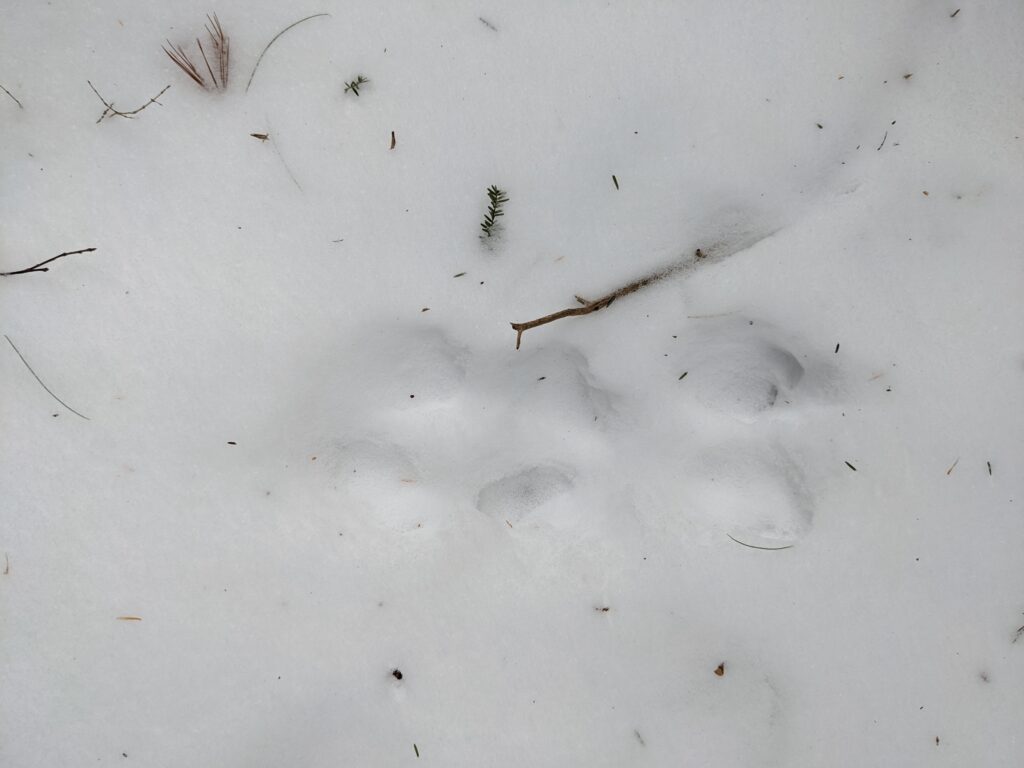
The most interesting tracks I found were right along the brook. They had five toes and were about 2-3 inches long. The toes were long and straight, and there was a raised space in the middle of the toe pad. I’m not entirely sure what these were. They are likely from an otter, although the brook doesn’t seem like enough water for an otter. There also could have been multiple sets of tracks in this one space, since some were longer (like a raccoon or porcupine) and some were some were rounder (like woodchuck or a fisher).

January 29, 2022

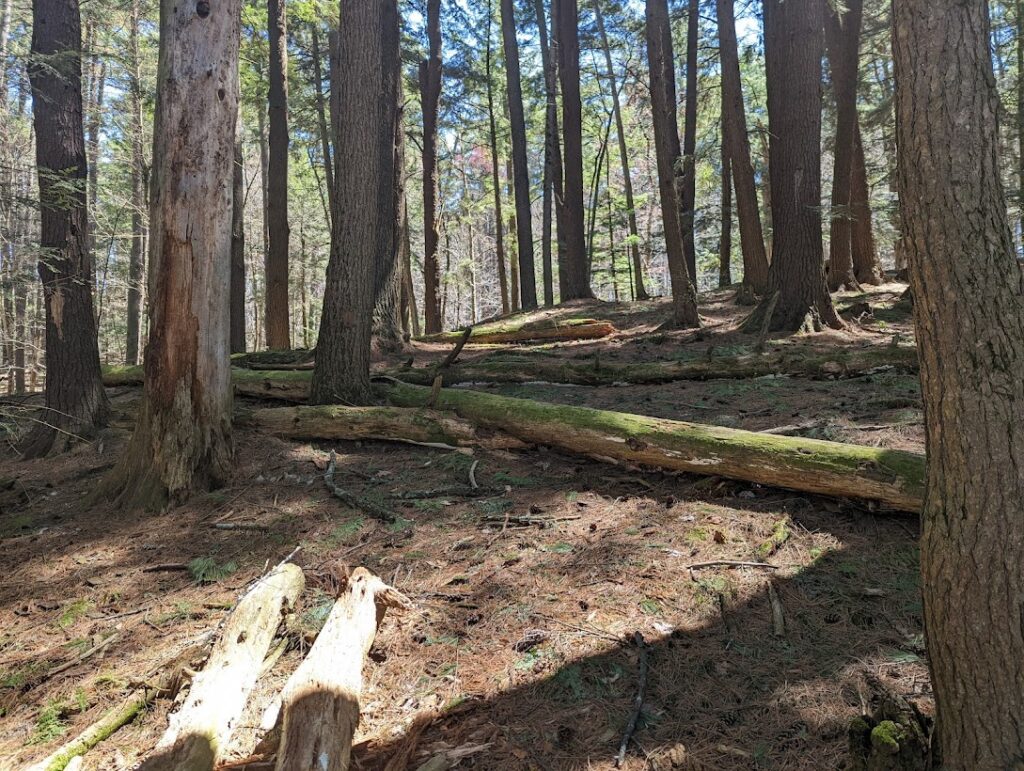
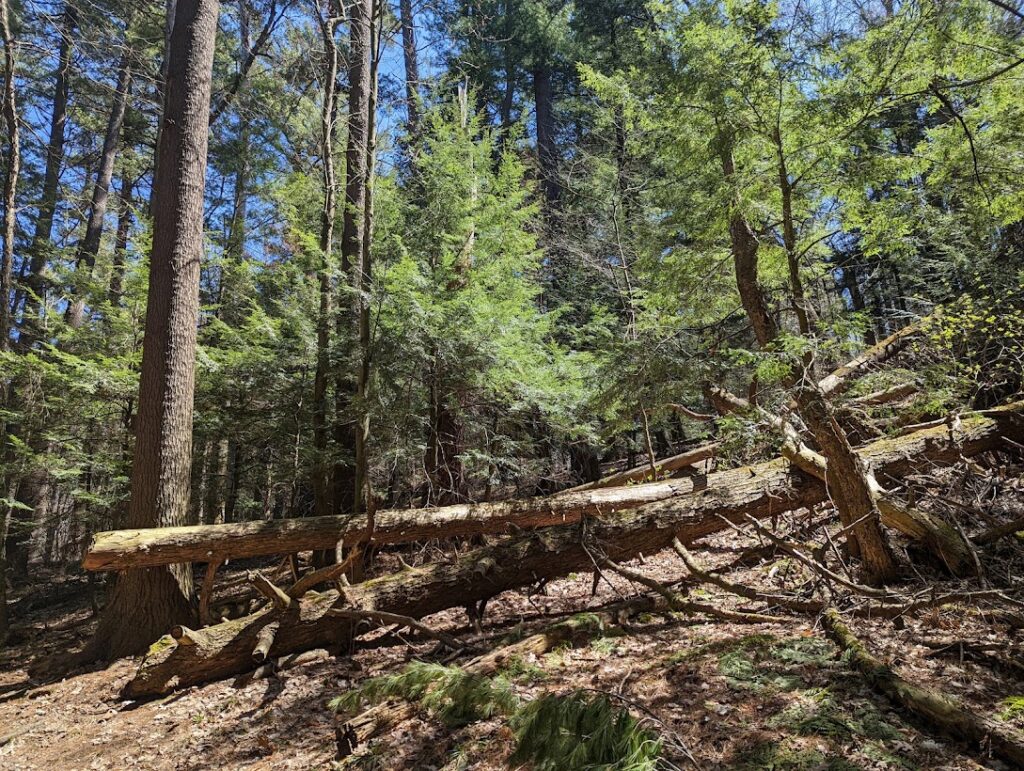
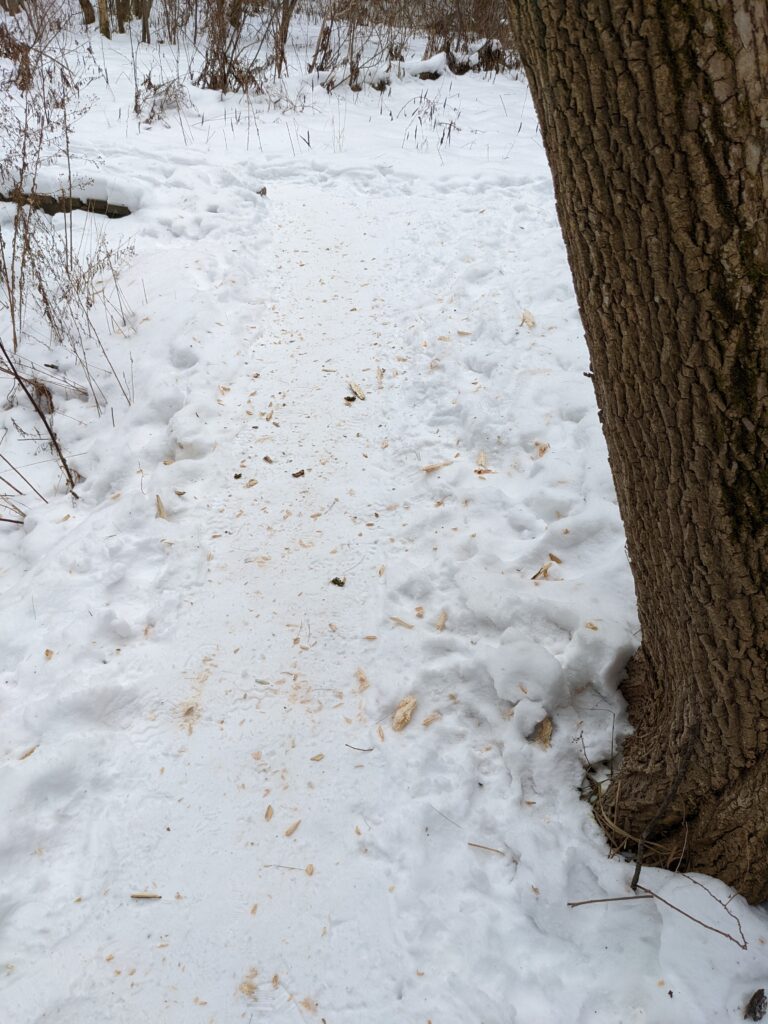
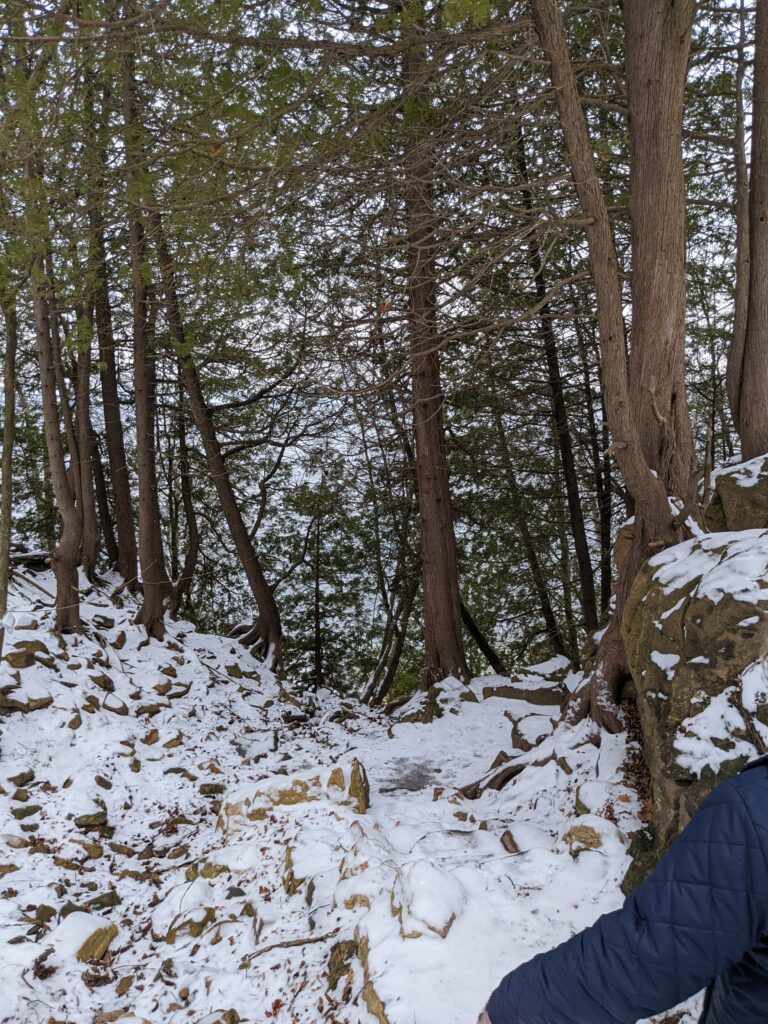
For this semester, I chose a new phenology spot in Centennial Woods. I chose the Eastern Hemlock stand along the trail as my center point. Today, it was only 2 degrees with strong winds, but the trees provided some relief from the cold. The only green left in the woods was on the hemlocks and Eastern White Pines, everything else was missing its leaves. Along my walk to the hemlock clearing, I saw a group of American Robins in the trees. I also heard a woodpecker and saw the evidence of its feast in the snow.

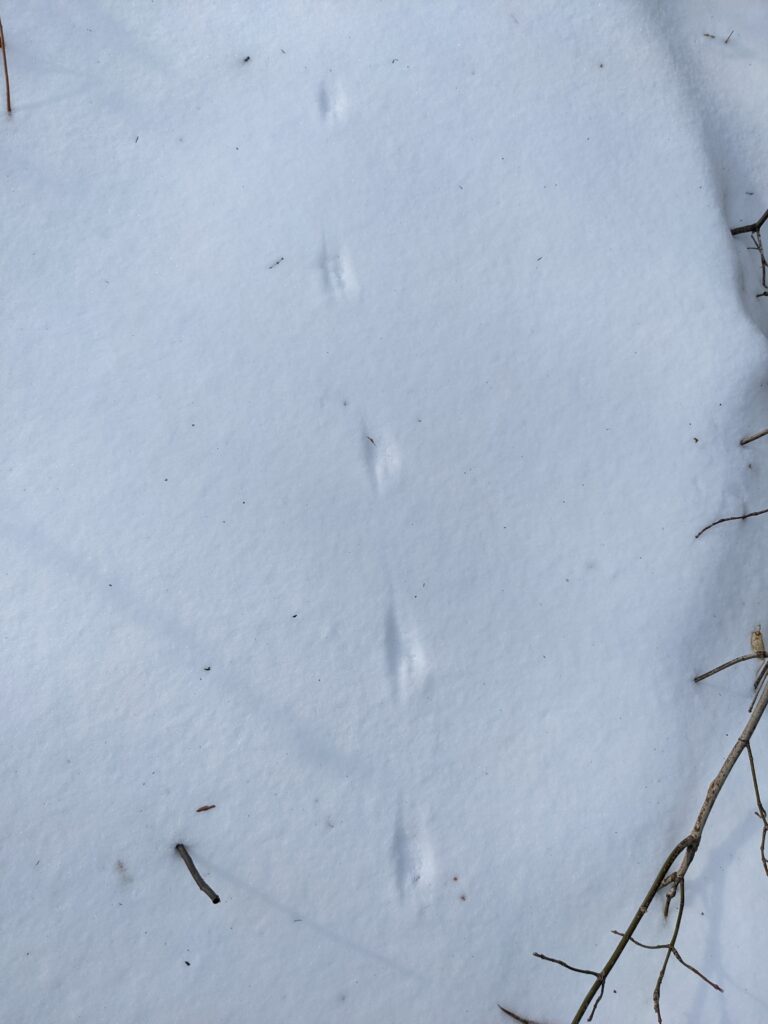
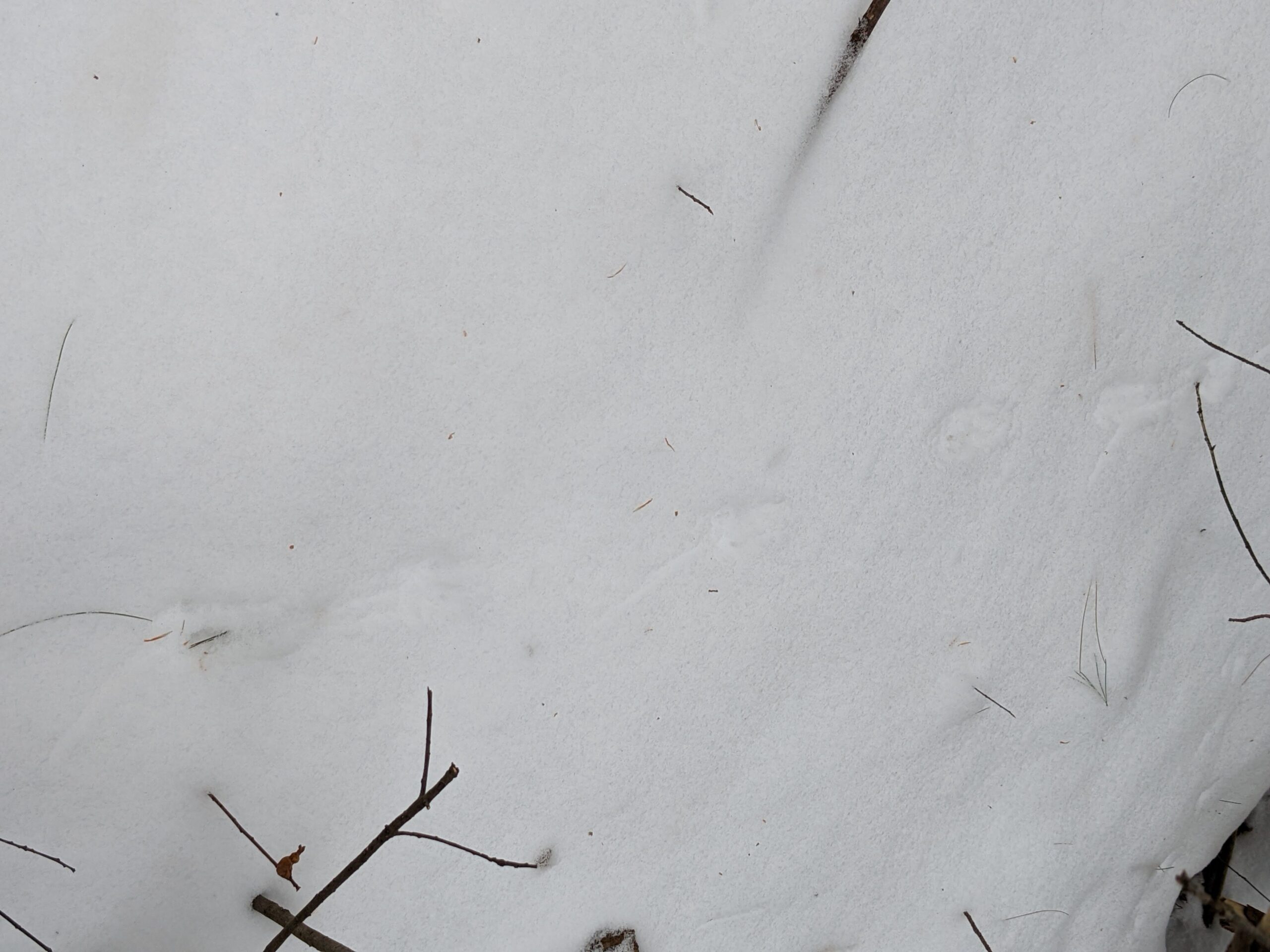
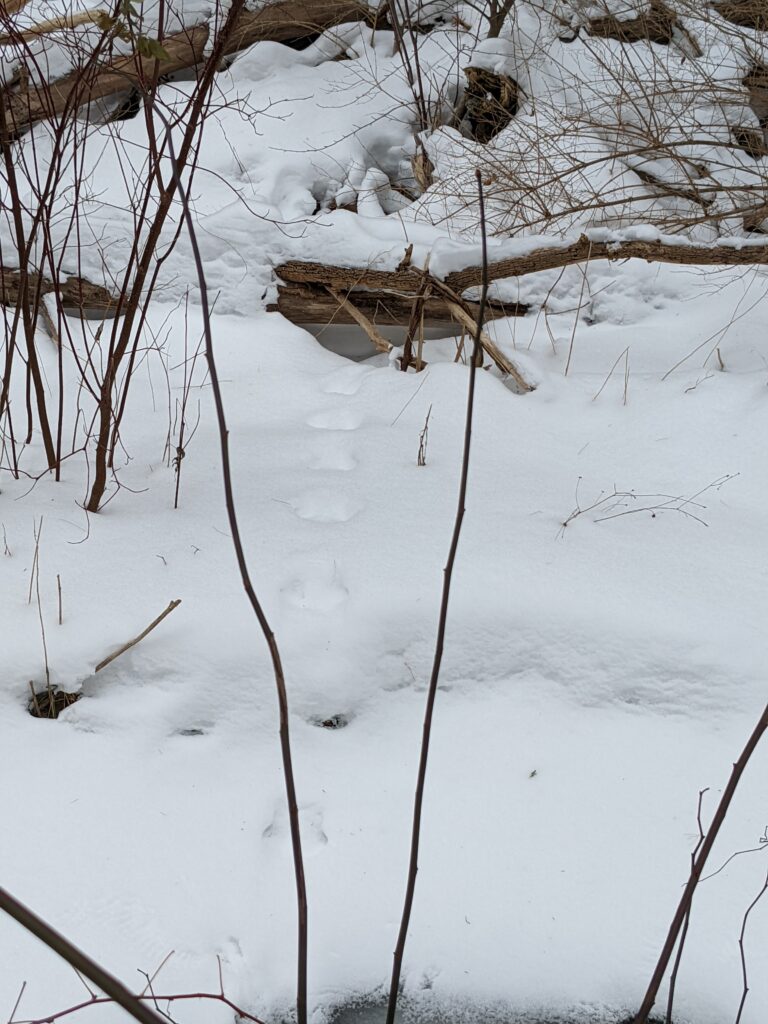
Animal tracks were hard to find on this trip. There hasn’t been much fresh snow lately, and the strong winds probably don’t help. Nonetheless I was able to find some evidence of wildlife in this frozen forest. The first set I found was from a mouse, made obvious by the tail marks in between the tracks. At the edge of the hemlock stand closer to the brook, I found what I think are tracks from a snowshoe hare. It could be another small mammal since the outline of each footprint was blurred, but the space between them and the arrangement made me think it was a hare or rabbit of some kind.

Dec 10, 2021

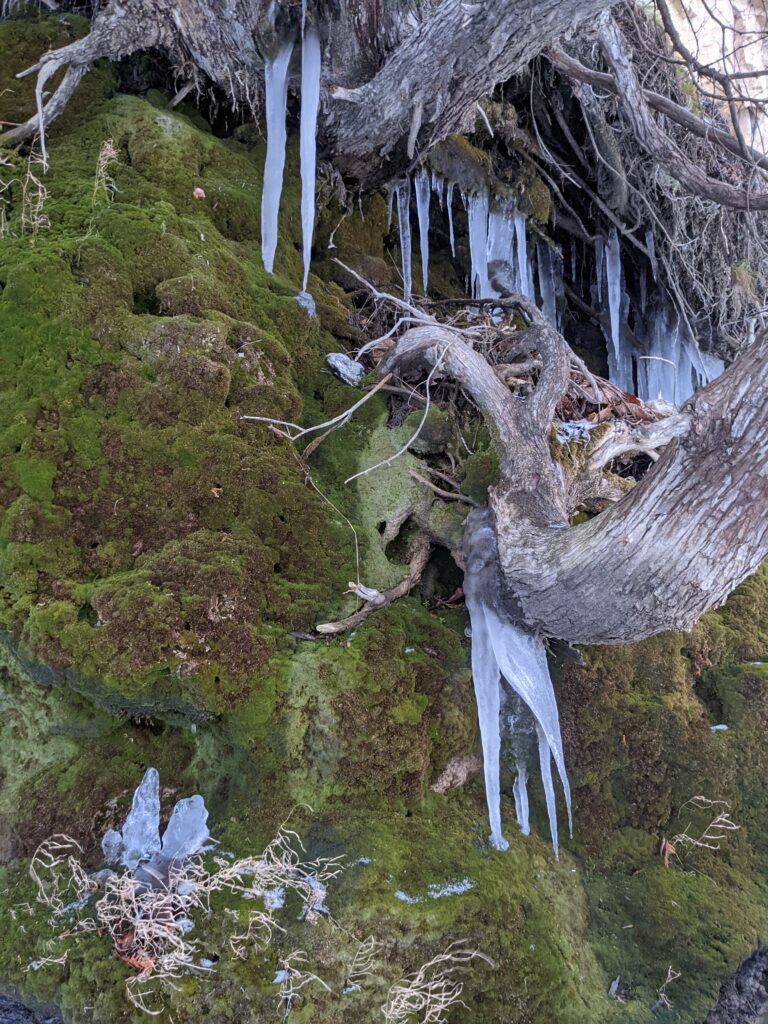
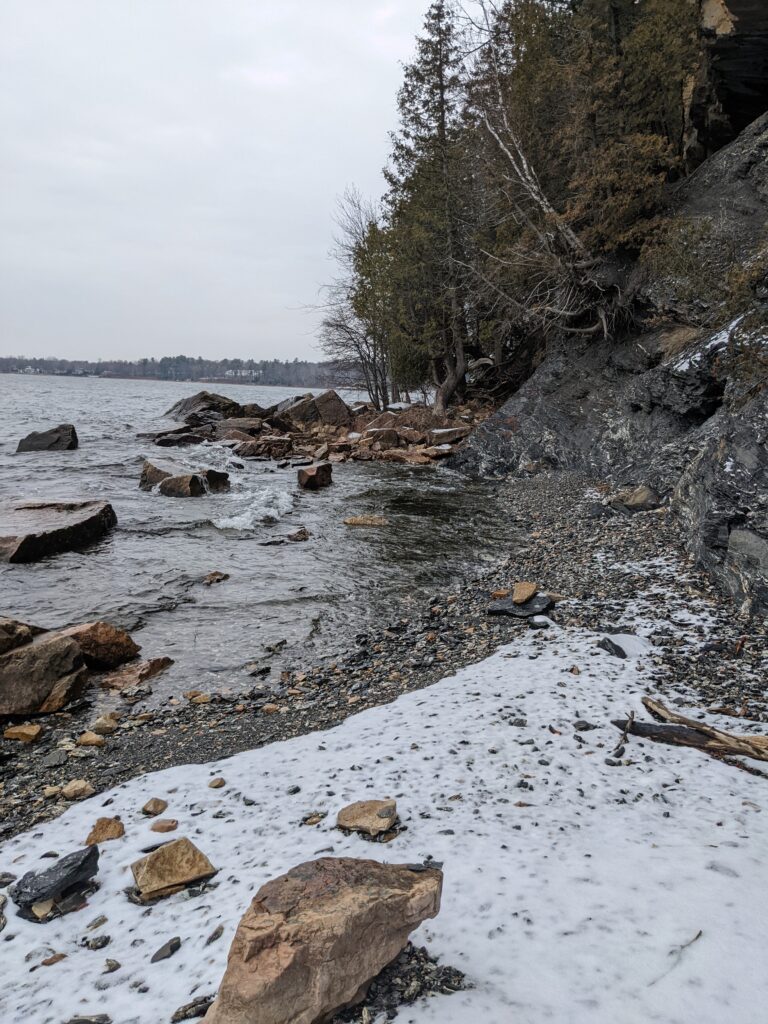
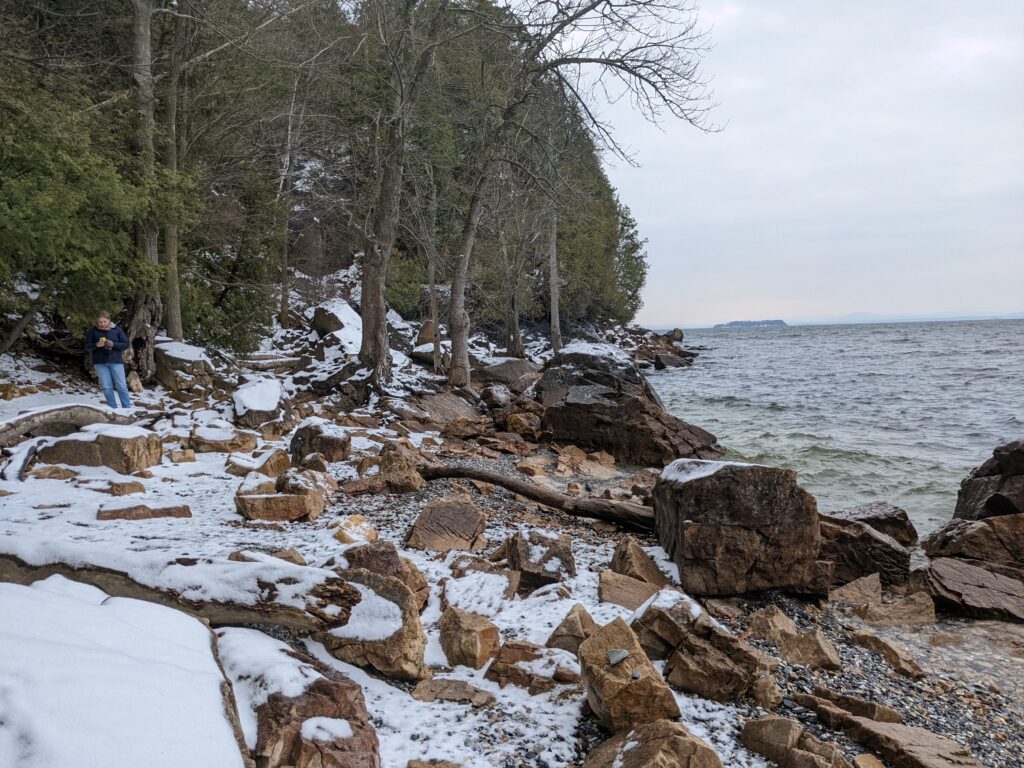
This visit to Rock Point highlighted the unique landscape in a new way. It was about 35 degrees today with some snow left on the ground. The water was higher than usual today, and the center point of my spot was covered. This is probably because of the recent snow, which has melted and runoff into the lake. I was impressed by the icicles I found underneath the cedar roots.

Most of the trees have lost their leaves at this point. I was able to identify some sugar maples and American beeches by their buds. The Eastern white pines and Northern white cedars are still green. I found cones from these two trees throughout the area. I also spotted some mysterious milkweed, which I had not noticed before.

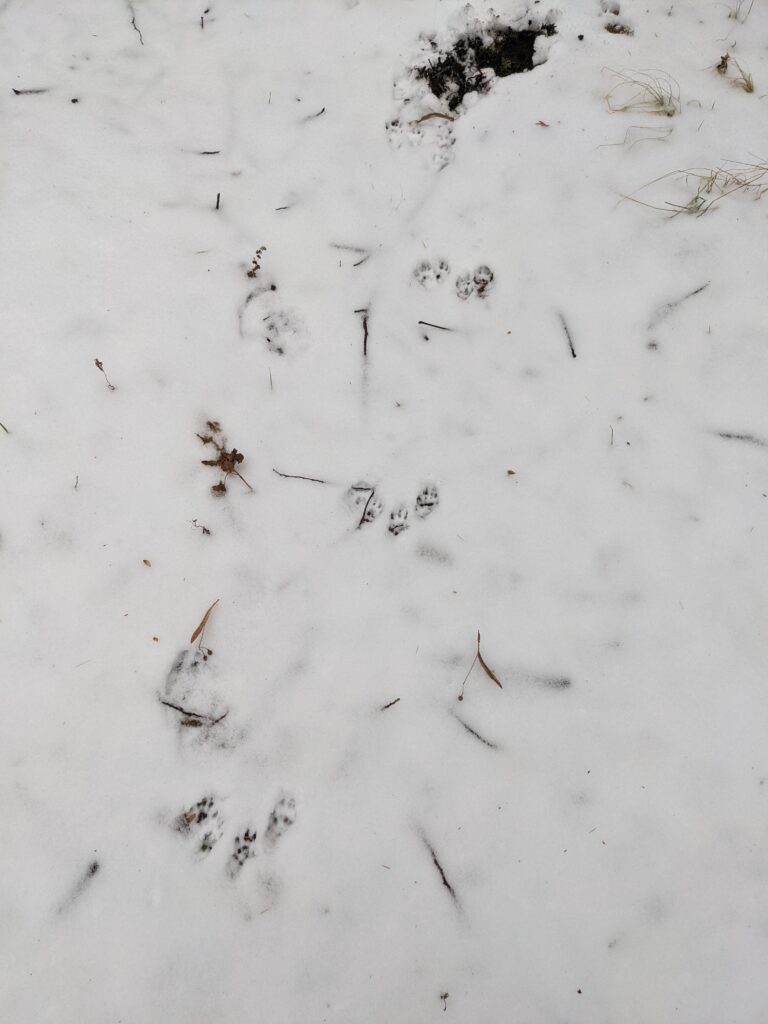
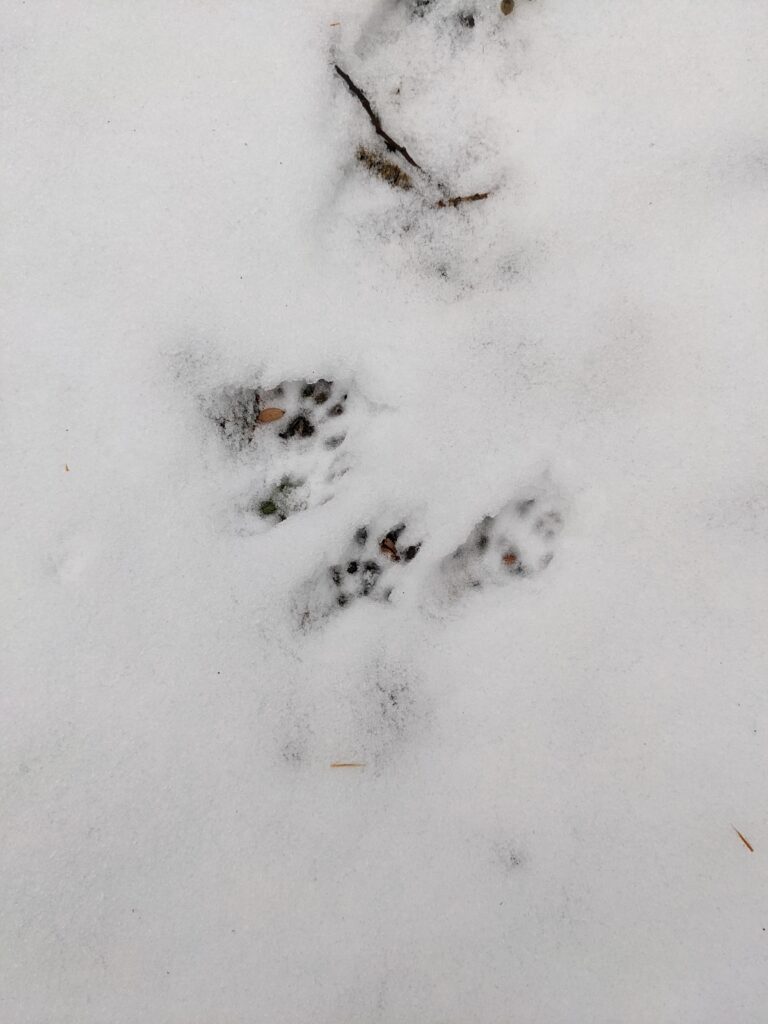
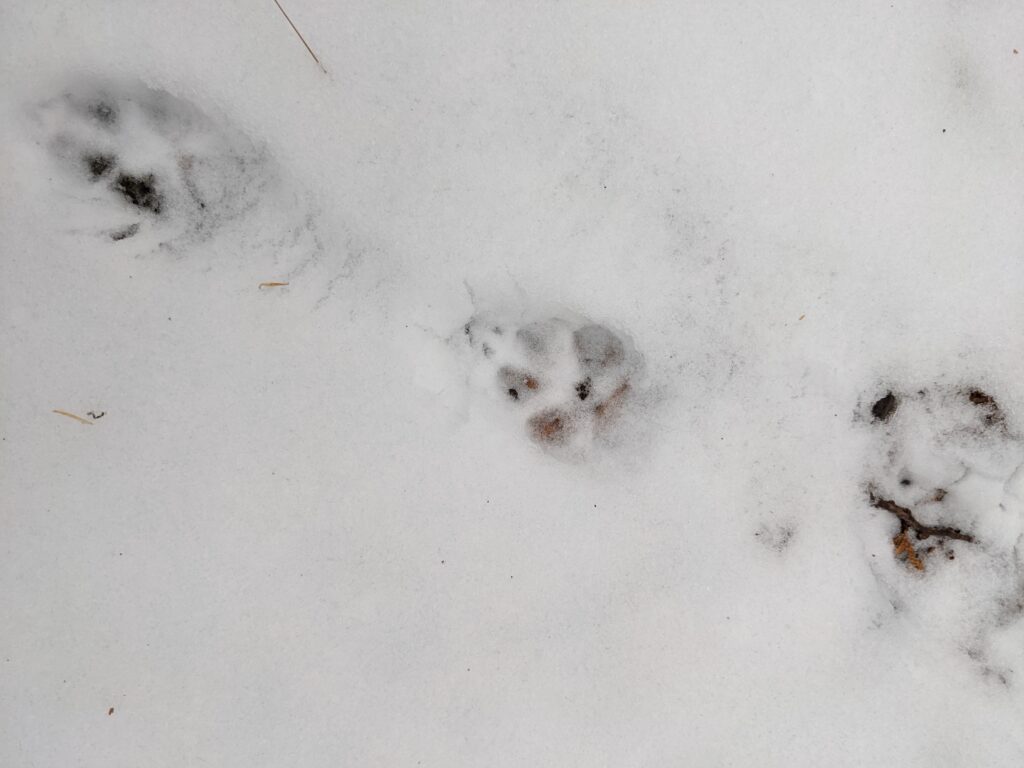
Since there was fresh snow, I was able to find some animal tracks. First, there was a set with four prints close together, which I can only assume is a rabbit. These went all over in different directions from the water to the bike path.

I also found what I think are red fox tracks. I did share the path with a few dogs which left tracks, but these seemed promising. They went in a straight line perpendicular to the path and had claw marks, making me think it was a fox. The tracks led to a spot where the snow had been dug up then continued.
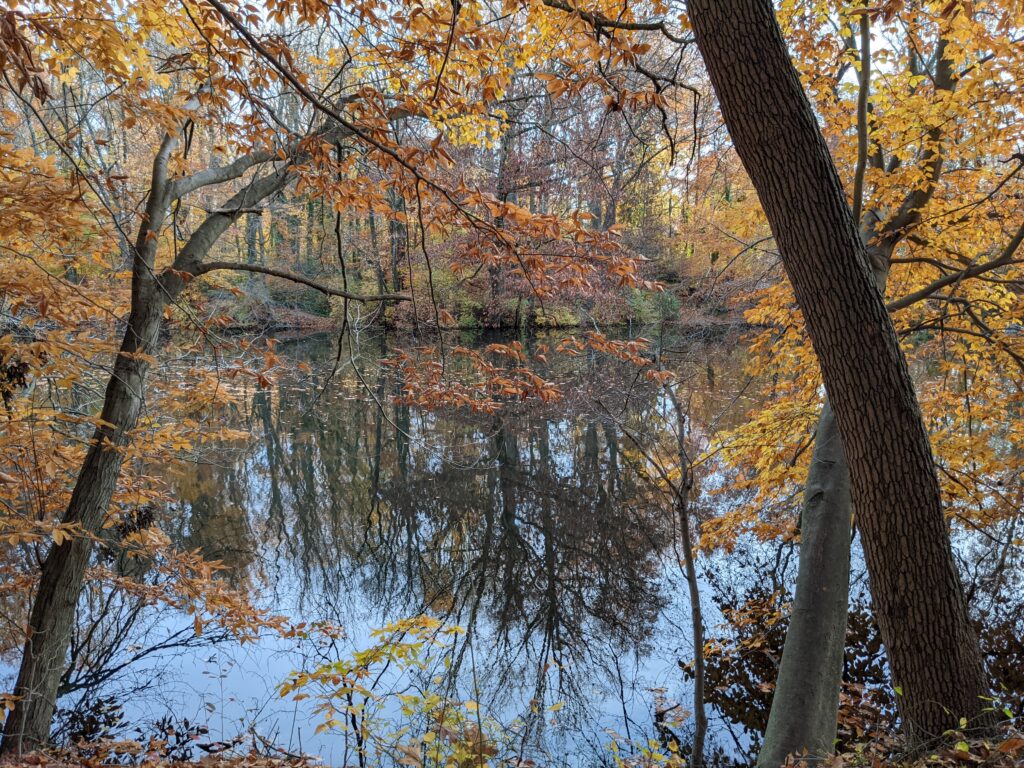
November 22, 2021

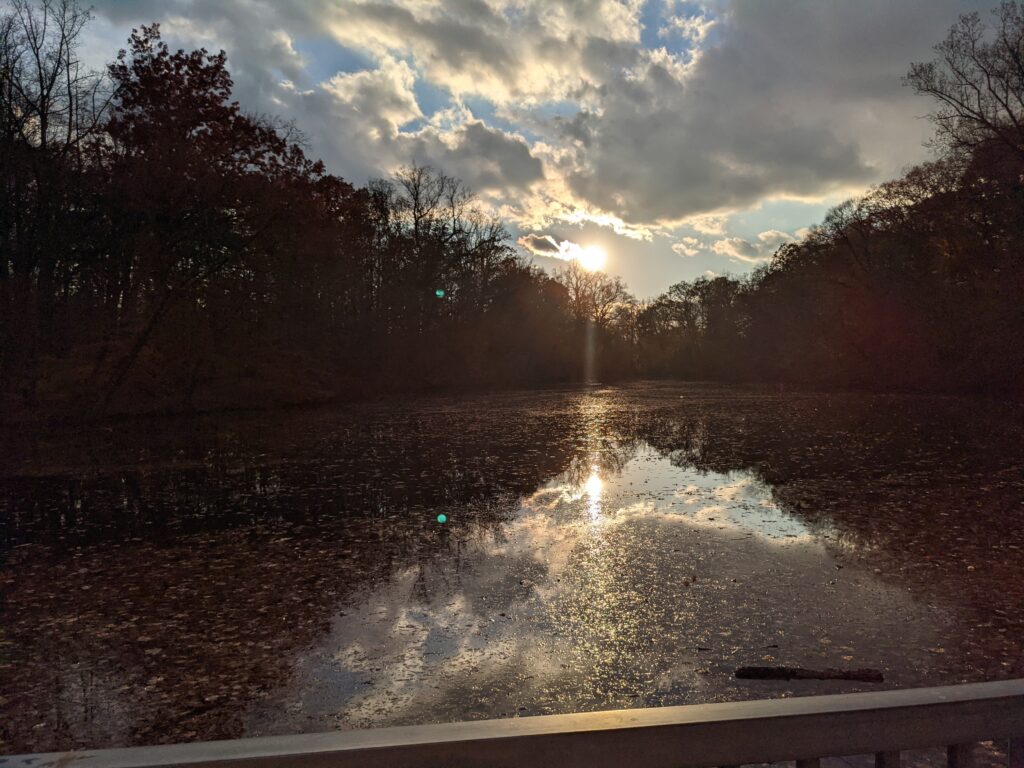
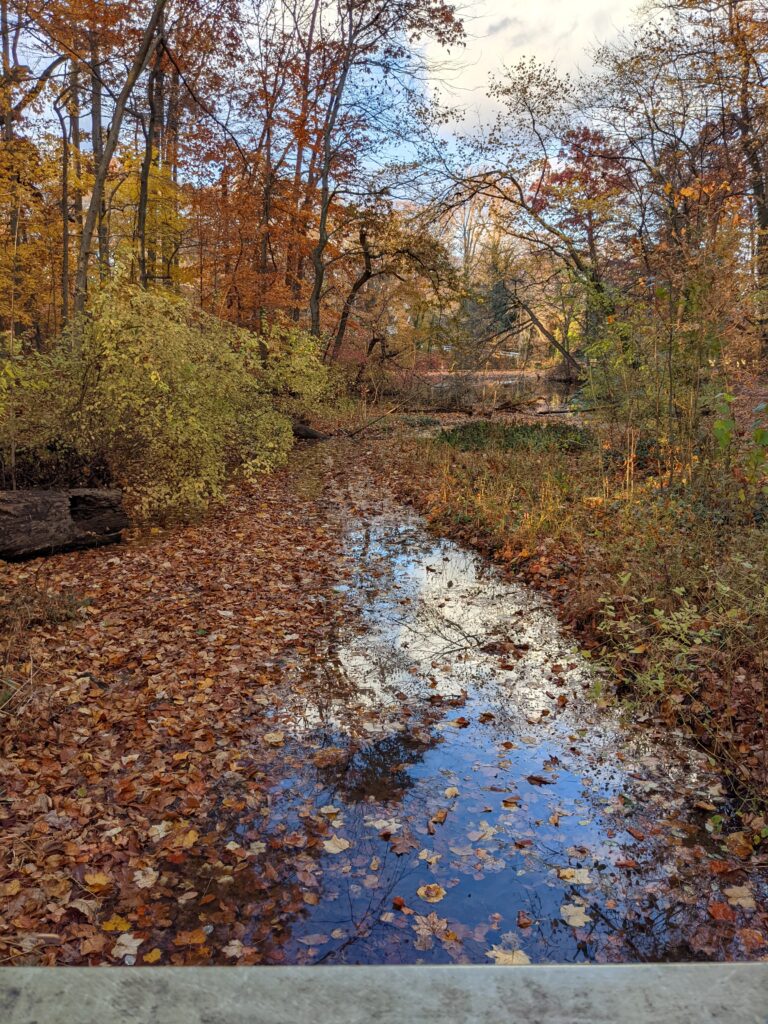
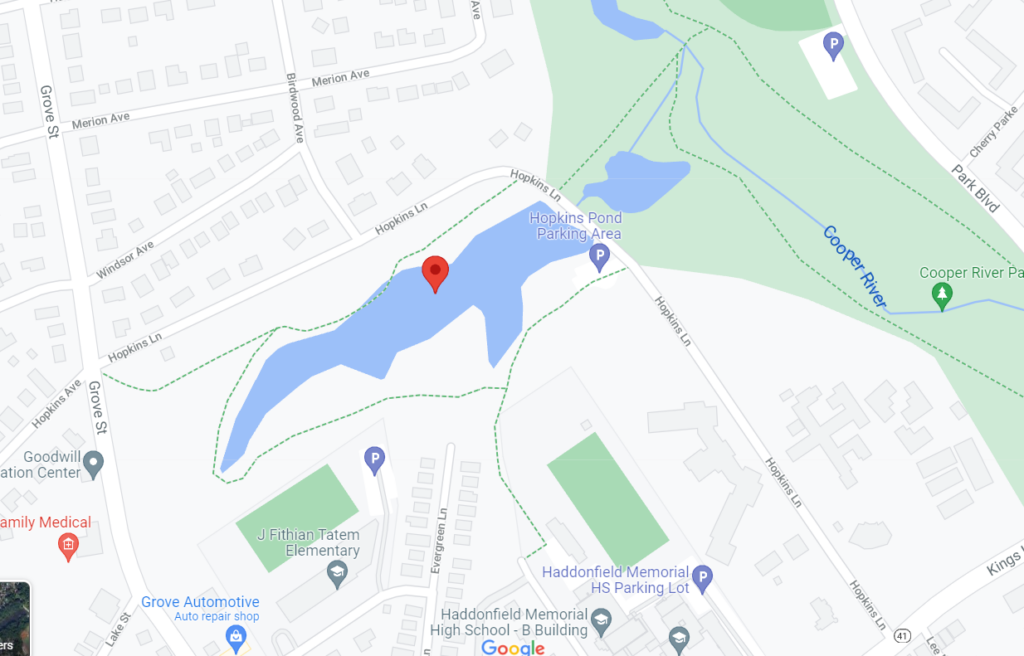
For my Thanksgiving break phenology place, I visited Hopkins Pond and the surrounding park in Haddonfield, New Jersey. This is a special place to me because it is directly next to my elementary and high schools, so I’ve spent lots of time walking around it.

About half the trees I was able to identify were similar to those found in Burlington:

  • American Beech
  • Northern Red Oak
  • White Oak
  • Norway Maple
  • Red Maple

I also found some trees that I haven’t seen in Burlington:

  • Tulip Poplar
  • Sassafras
  • American Holly
  • Southern Red Oak

This spot is very different from my usual phenology spot, Lone Rock Point. The only tree these two spots have in common is the American Beech, which makes sense because both spots have fairly sandy soil, which beeches like. Hopkin Pond also has a lot of English Ivy, which makes up the majority of the understory vegetation, while Rock Point has more ferns. Hopkins Pond park has more foot traffic than Rock Point since it is in the middle of the neighborhood. Because it is easily accessible, lots of people walk through it with their kids or their dogs, or people cut through the park to get to the schools. It is also managed by the town, so the vegetation is controlled to allow for easy access and recreation, including open spaces of mowed grass. Another reason it is different from Rock Point is the difference in climate. Especially this time of year, New Jersey is warmer than Vermont, so the trees here still have most of their leaves. Also, the Red Maples at Hopkins Pond are much smaller and less abundant than ones in Burlington, which could be because of the climate or just because they are outcompeted by other species in this spot. A similarity between the two spots is that both Lake Champlain and Hopkins Pond have blue-green algae. Both are surrounded by developed areas, so they have similar problems with runoff and pollution. However, there are no agricultural areas adjacent to Hopkins Pond, so the eutrophication has a slightly different cause.

Oct 31, 2021

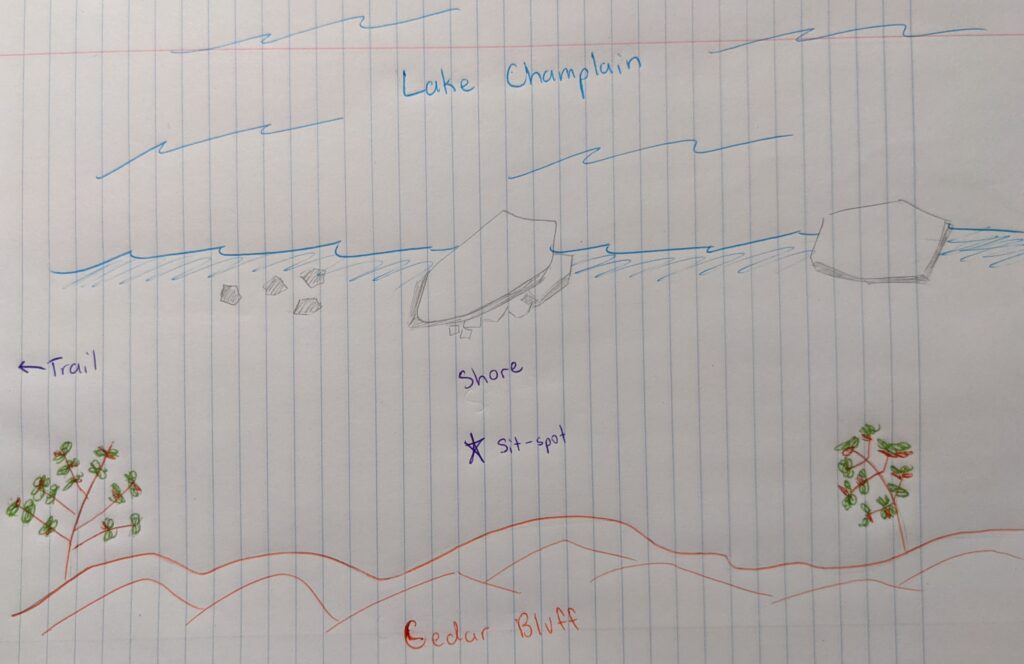
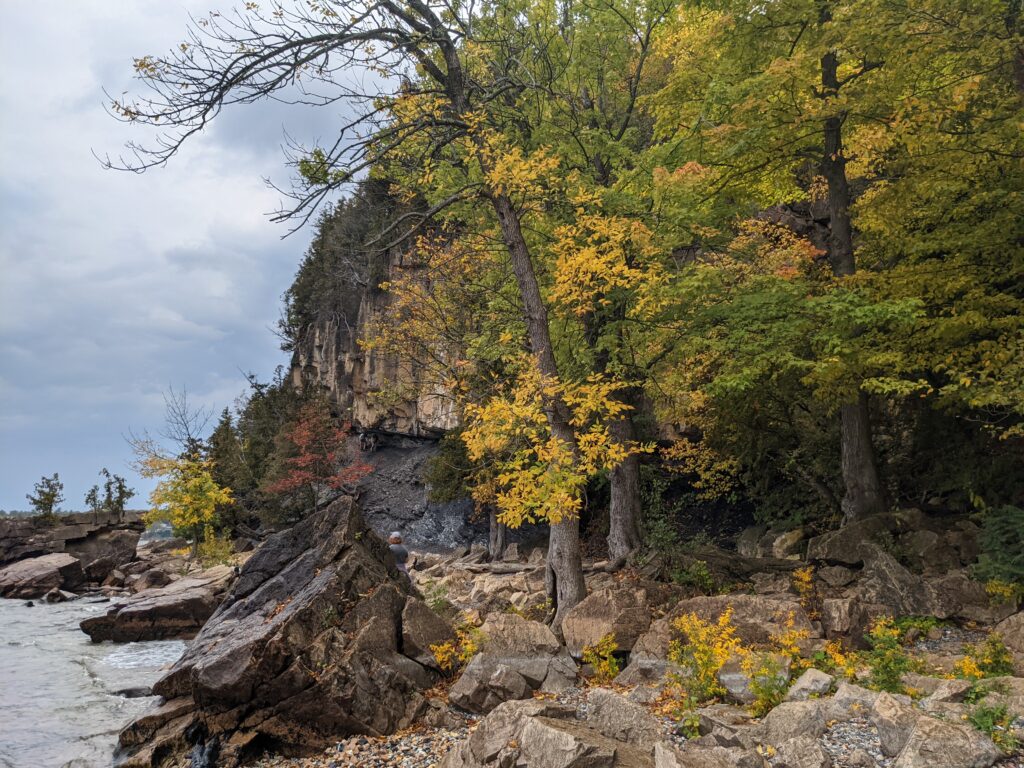
For this visit, I found a spot halfway between the shore and the bluff, about 100 feet from the base of the trail. From here, I can observe the water, the changing vegetation, and see down the beach in both directions. This day, it was rainy and windy and there was a lot of fog over the lake. There were no people around, so the only sound was the water. I didn’t really find any wildlife, other than some worms and slugs enjoying the rain.

As for the vegetation, the maple and beech trees have far fewer leaves than the last visit. The cedars have started to change color and drop their leaves as well, which is new.

October 16, 2021

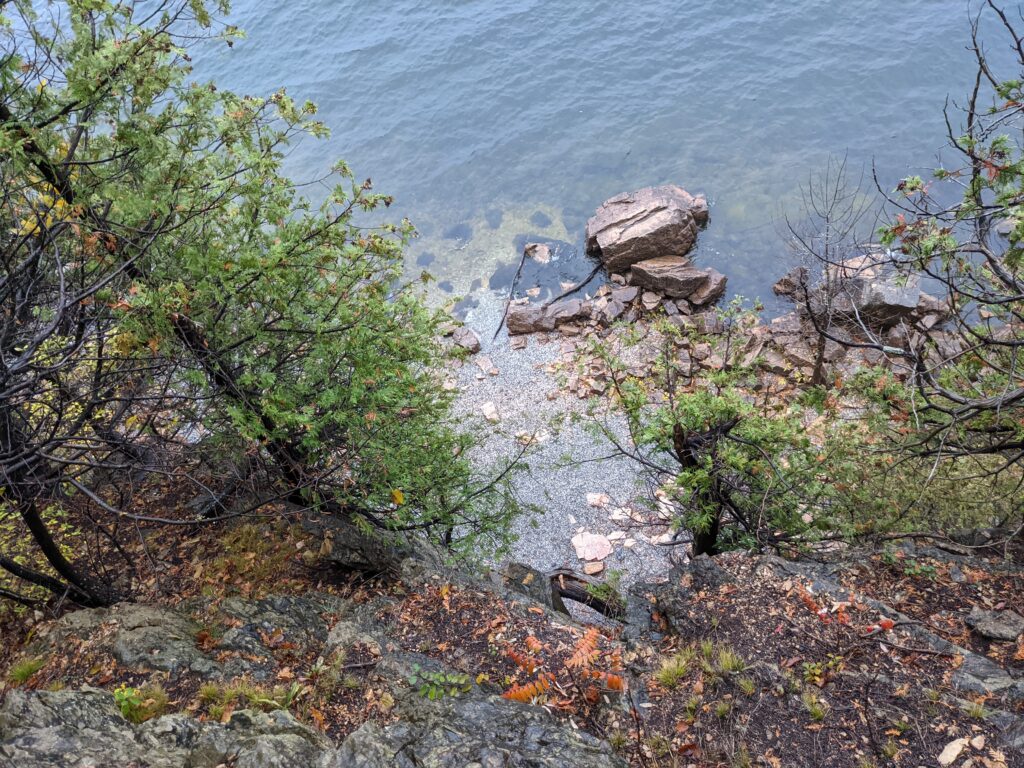
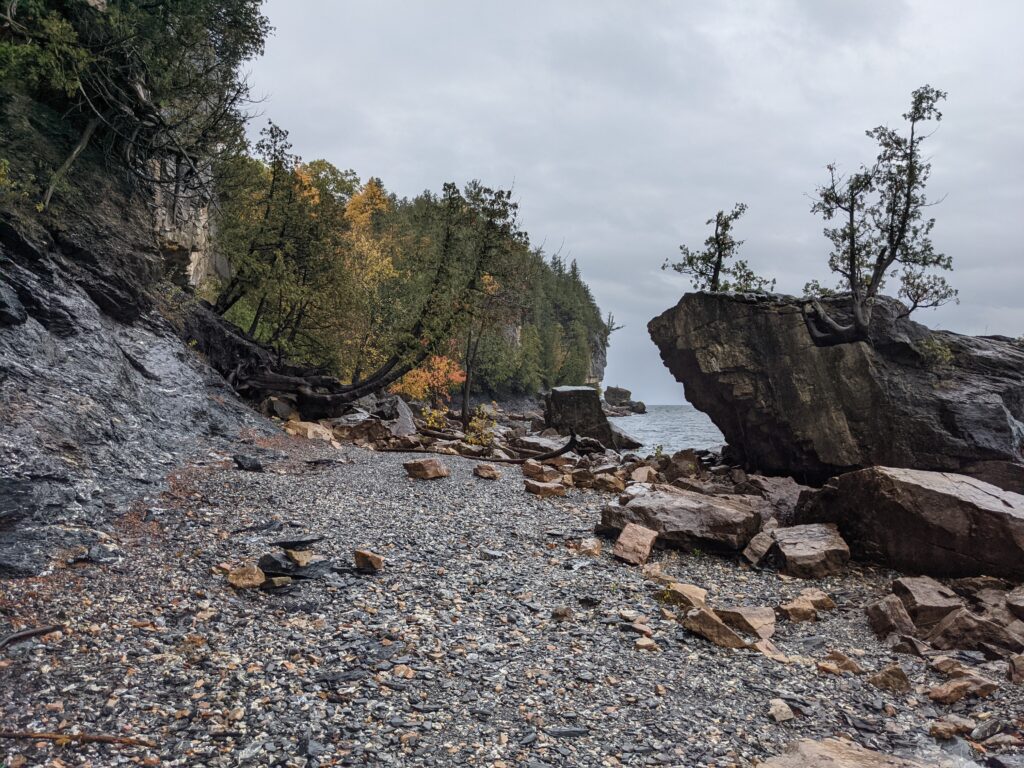
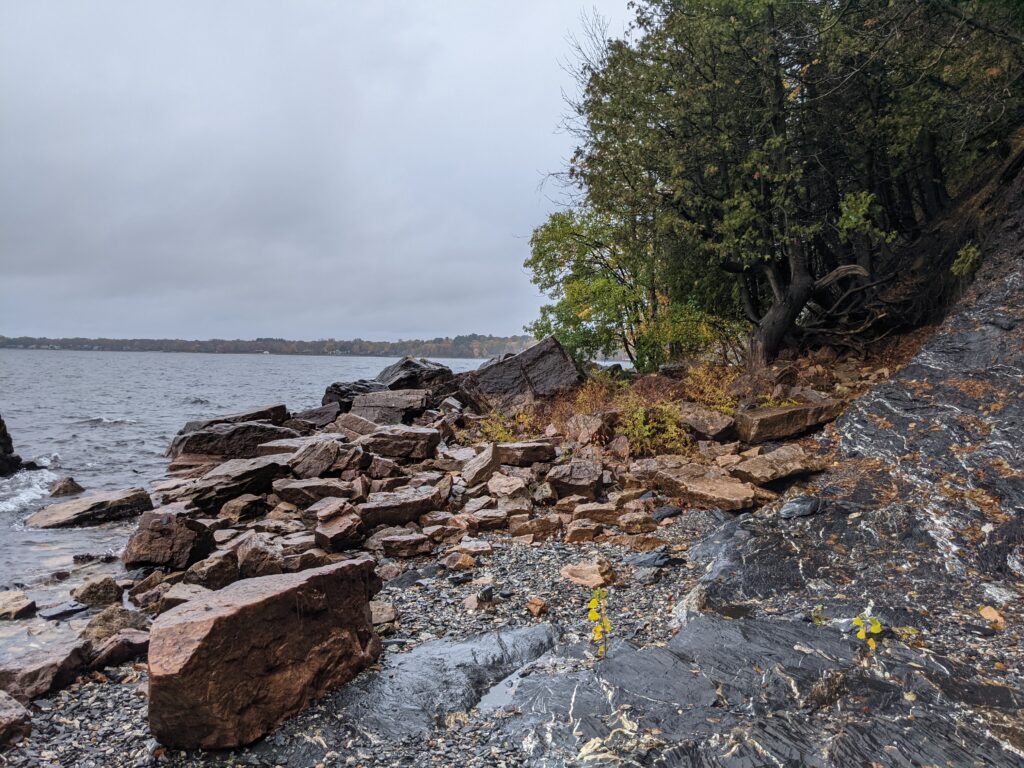
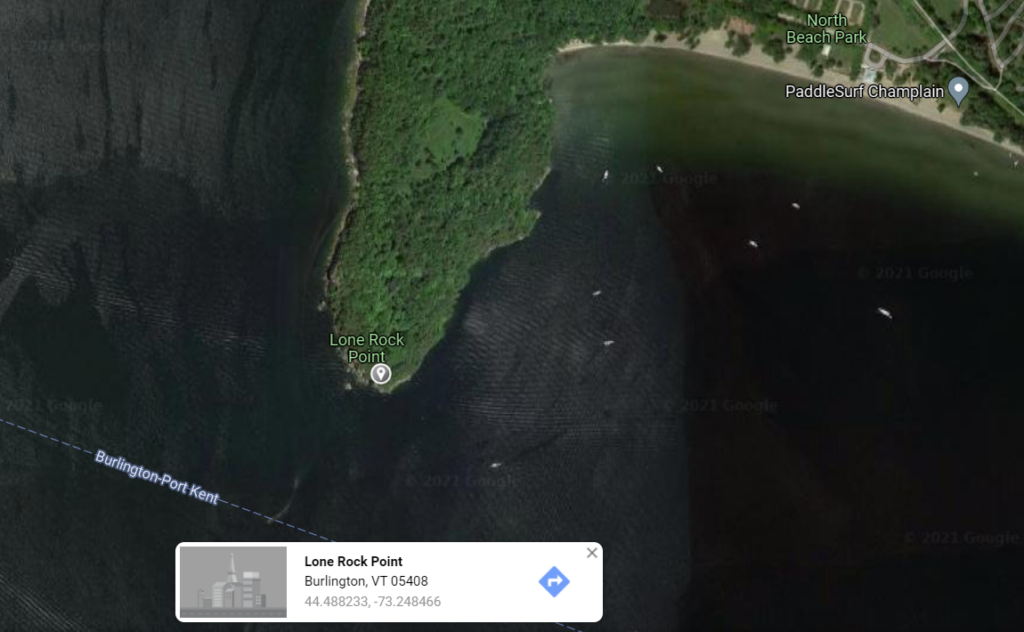
My phenology spot is at Lone Rock Point. Today, I followed the trails and hiked through the forest to get to the thrust fault down by the water. It was 74 degrees and cloudy with some rain. I chose this spot because after visiting it for our lab, I thought it was really cool and couldn’t wait to go back. It’s such an interesting natural community and I think it will be fun to watch it change throughout the seasons.

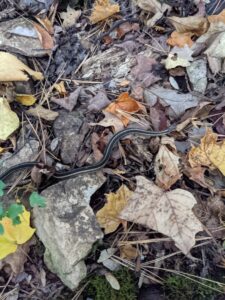
The main tree species at this spot is the Northern white cedar. There were also some sugar maples, American beeches, and buckthorn. I ran into a little garter snake as well!

Skip to toolbar