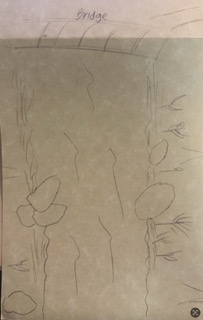
For the NR1 project, I chose the stream that runs through Centennial Woods. I chose this location due to the variety of vegetation and diversity in wildlife that includes but isn’t limited to birds, reptiles etc… which surrounds the area. The stream is easily accessible if one just follows the trail in the woods through the main entrance. More specifically the area I chose was near the mini bridge that goes over the stream. The stream can be found in different parts of the woods such as more near the coniferous area or the deciduous area. The vegetation around this stream is usually jewel weed, poison ivy, buckthorn, nightshade and lots of low lying bushes and smaller flowers. The trees that surround the area vary but include Eastern White Pines, Sugar Maples, Eastern Hemlock, Green Ash, and Black Cherry. There are lots of minnows within the stream and newts as well amongst the edges of the stream within the rocks.
Experience in Centennial Woods:
Sitting for 15 minutes there was a very relaxing experience. I could hear the wind rustling the leaves and bird calls. The stream flowed and the water noises were nice. I saw squirrels and chipmunks running around the logs and trees that surrounded the area.
This location has changed drastically since the first time I got here. Now that it is colder most of the leaves have fallen off the trees. There are still some bushes and ferns that have some leaves on them being the only green left in the area. The wildlife remains the same as there are still minnows, and newts in the stream and surrounding it. The stream itself has remained the same and it’s only the trees surrounding it like the Sugar Maples that have lost their leaves. The only tree that still has its needles is the Eastern White Pine.
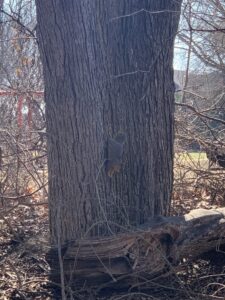
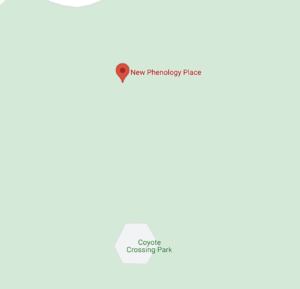
Phenology Spot in Texas
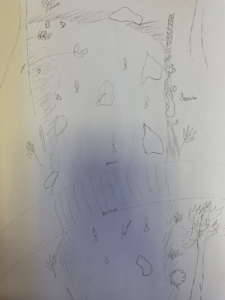
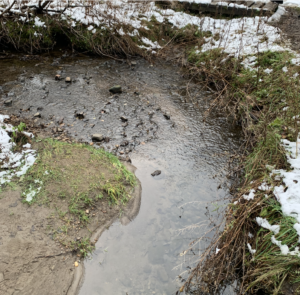
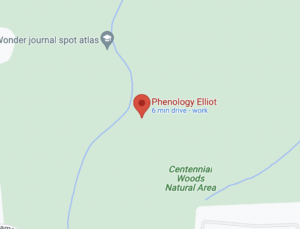
This phenology spot is relatively small compared to Centennial Woods. It is located inside a neighborhood park and is a small area filled with hardwoods. Compared to the amount and variety of conifers and hardwoods and shrubs that exist in the Centennial Stream, here there is only hardwoods which have lots all their leaves by this time of year. To me it is special because there is a small amount of wildlife here like woodpeckers and squirrels that live here.
January 30
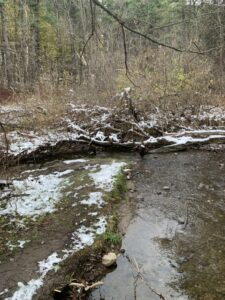
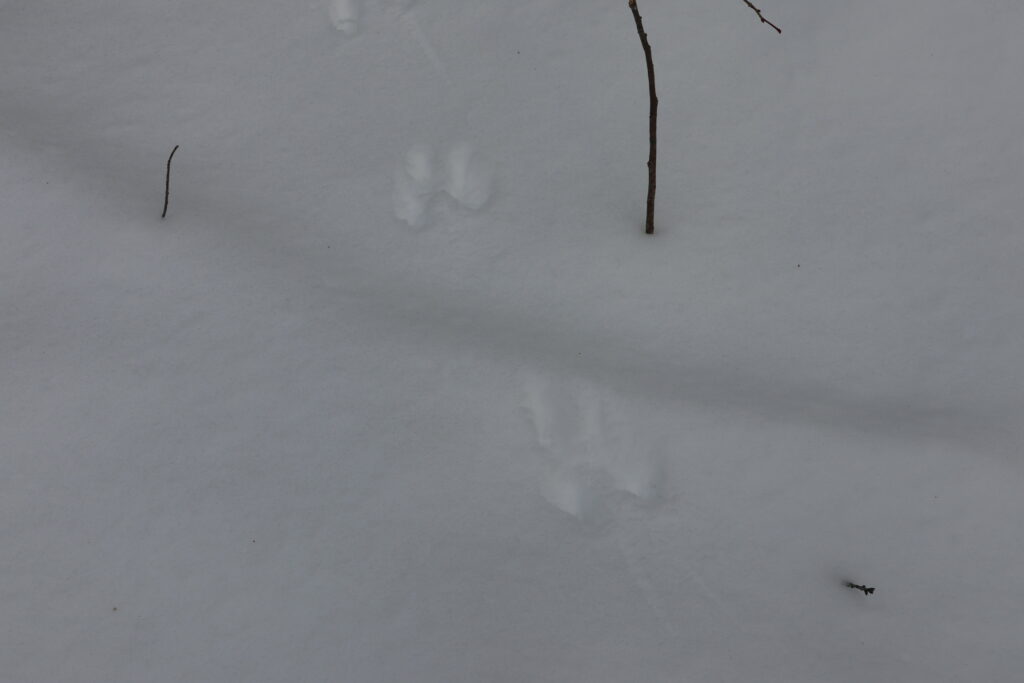
Since the last time I returned there has been a lot more snow and lot less green in the surrounding area. There are animal prints of squirrels and rabbits surrounding the pond. The pond itself is frozen around the edges. The grass that grew around the stream is barely there and a lot less abundant. Only the coniferous trees that are nearby still have their leaves that remain. In the picture below is not the most recent picture, as it has snowed a lot since then and now it is covered in snow.
February 20
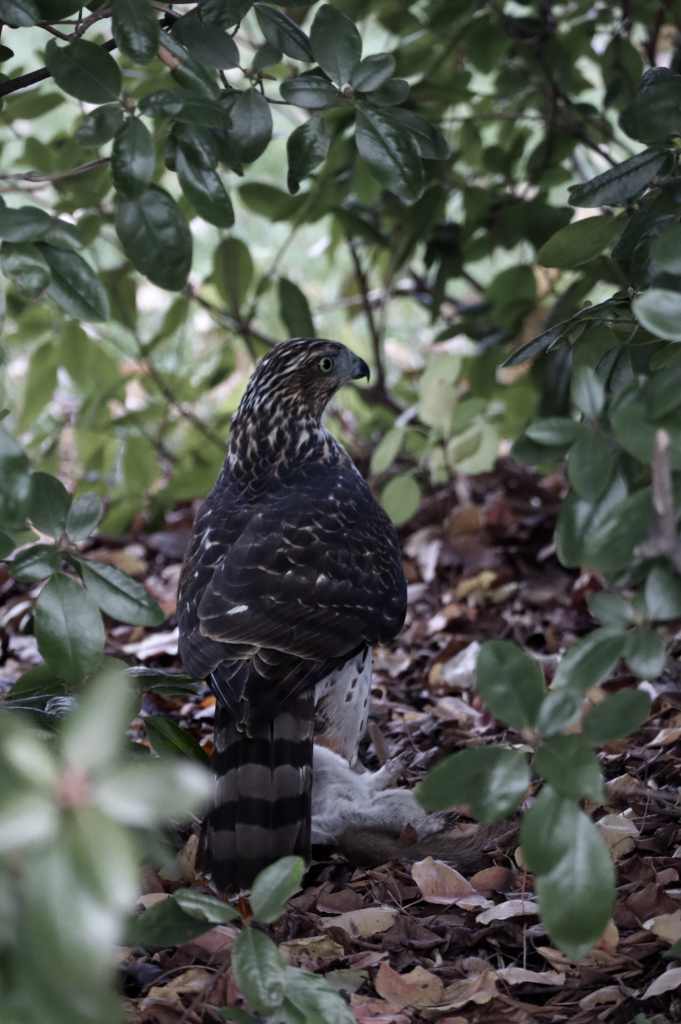
I decided to go to the waterfront to try and find birds such as waterfowl or other kinds of birds. I found a hawk, and he was flying with a squirrel and had landed under a bush right by the water front. It took me a while to identify but I believe it is a cooper’s hawk. I was debating between a red tailed hawk and a cooper’s hawk due to the similar markings on their body as well as the stripes on their tails but I differentiated it because this hawk’s tails feathers did not have a tint of orange/red that red tailed hawks do.
March 11
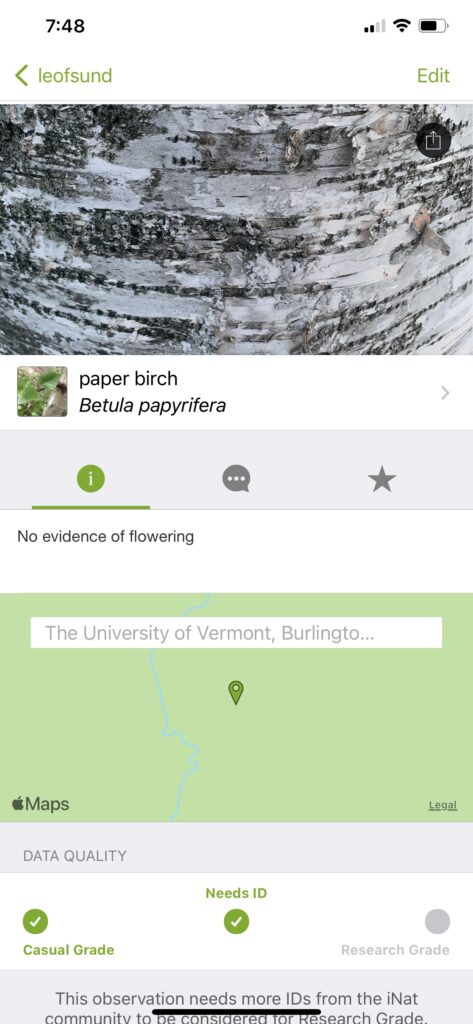
I found a fully grown paper birch (a lot of it was peeled) near my phenology spot. The most identifying feature about it was the bark since it was white. There are many birches in which the bark peels off, but only the paper birch has white bark in which it peels off like paper which is why I identified it as that. Because of the fact it was fully grown and in the winter there was no evidence of flowering.
Spring Break
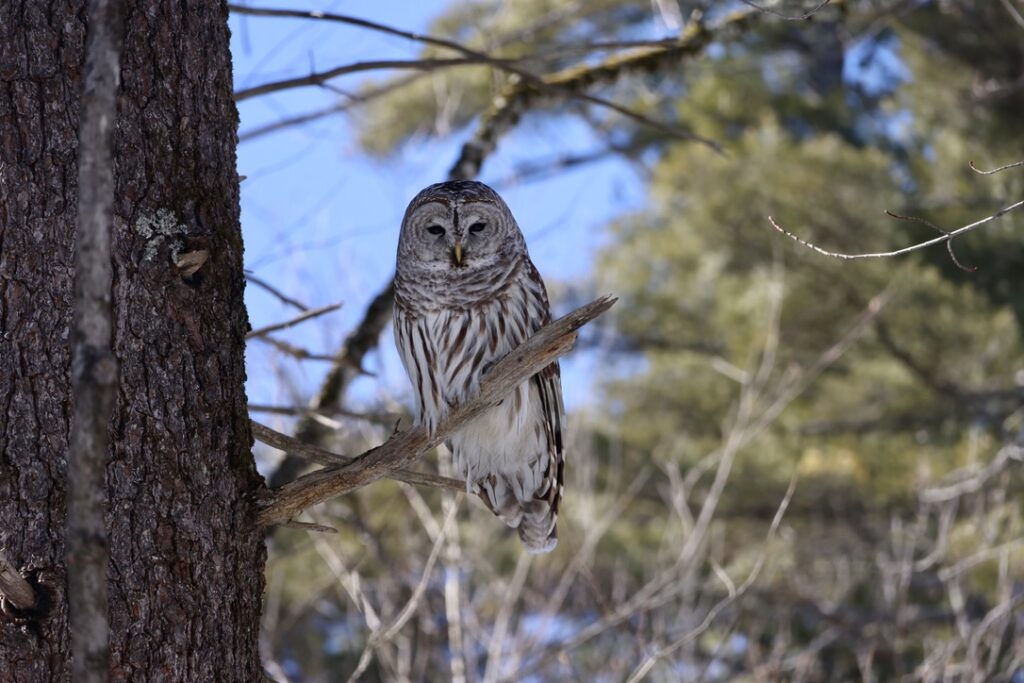
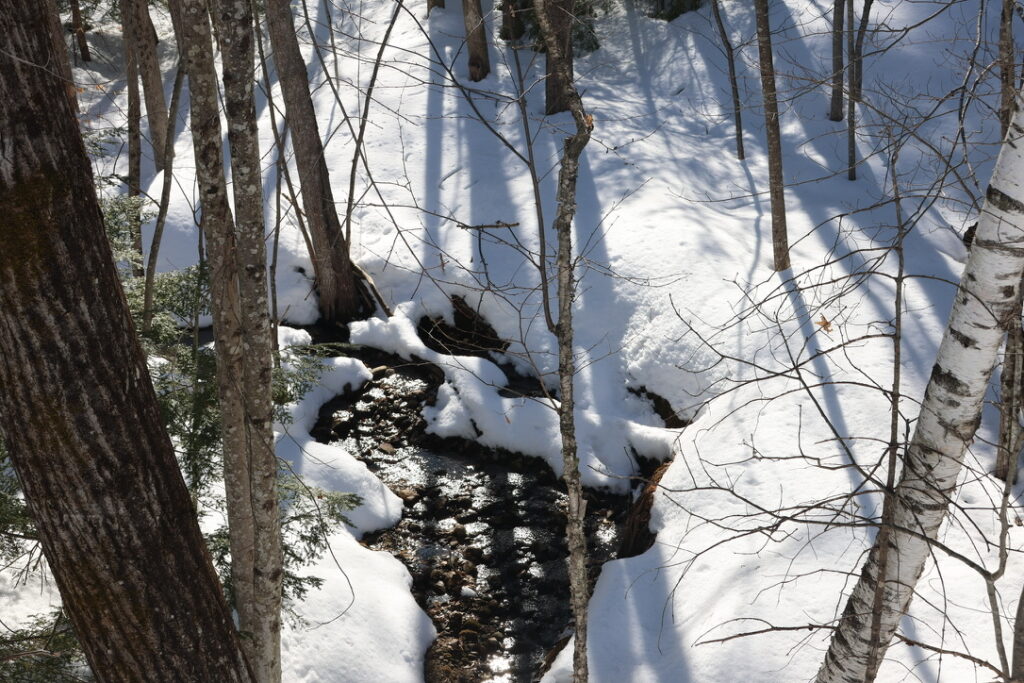
The place I chose was by the Waukewan Lake. There were lots of trees ranging from paper birches, to eastern pines, and to oak trees. There was an abundance of conifers in the specific area I chose, but if you were to walk further down either way there would be more patches of deciduous trees. I found a barred owl sitting on a tree right by the lake staring over it. Below are pictures that surrounded the environment the owl was in and the phenology spot I chose.
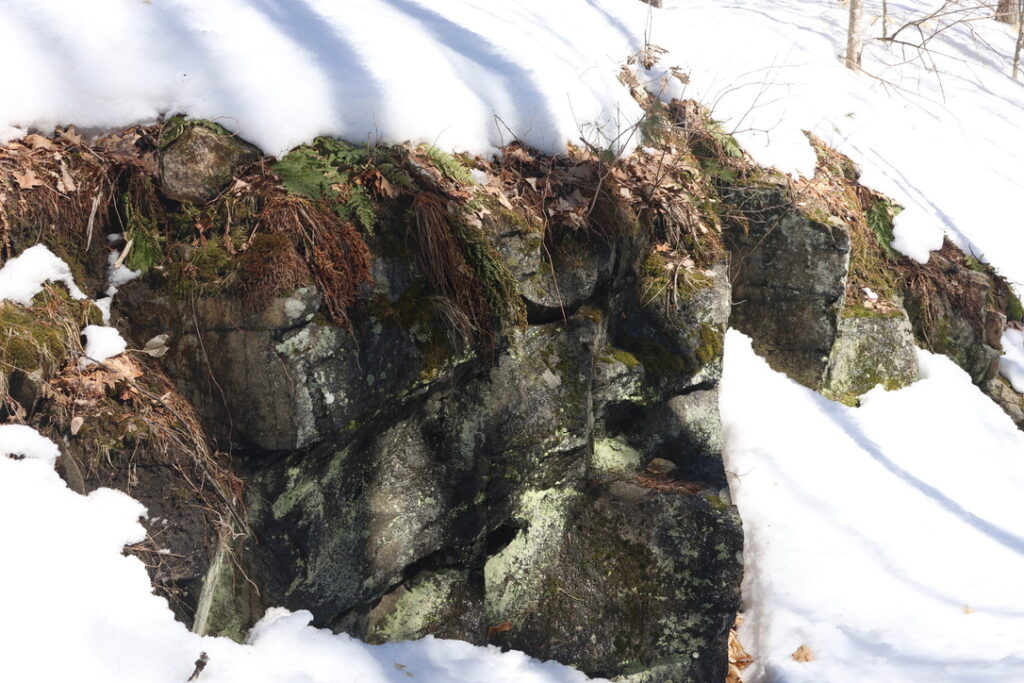

March 27
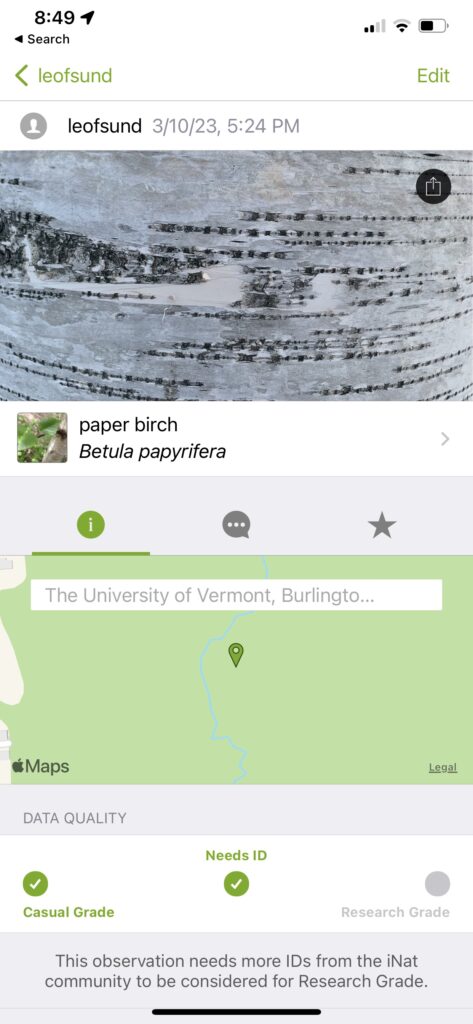
I revisited the tree and now there is no snow surrounding it unlike the last time I visited. The tree remains the same and looks identical as to how it did last time. It was nice seeing the area without snow since I haven’t in a while and since it was warm the stream wasn’t frozen.
April 10

Revisiting the tree, there were no differences compared to the last two times I went. The differences were in the environment and nature that surrounded the tree. It has started to get warmer and grass has started to grow along with other plants. Birds were more visible and auditory around the area and the area in general just seemed more lively.
April 24
My site has changed a lot over time but not permanently, only due to the seasons. As it is now spring time, there is a lot more green, as well as tree buds starting to bloom. It has rained a lot recently as well causing the stream to be more full than usual. The changes are all seasonal and there hasn’t been any human or permanent damage to it. I am now familiar with the nightshade that grows near it, the bridge that comes over the stream, the different rocks that lay around it, the different types of trees that lay there etc… Because of the fact there is a bridge, this means there are always people that walk through here and acknowledge this stream. This is a place of where humanity and nature come together. Though as a human, I do not consider myself a part of this place. I consider the plants and the animals that thrive around here to be apart of it. I only come here to visit for my phenology project or just for fun, I do not depend on the water there, I do not depend on the plants or the rocks nor the trees. For this reason I do not feel like I am apart of it, even though I still feel connected to it.