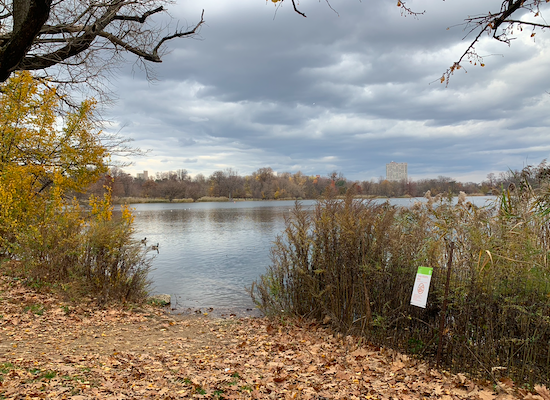
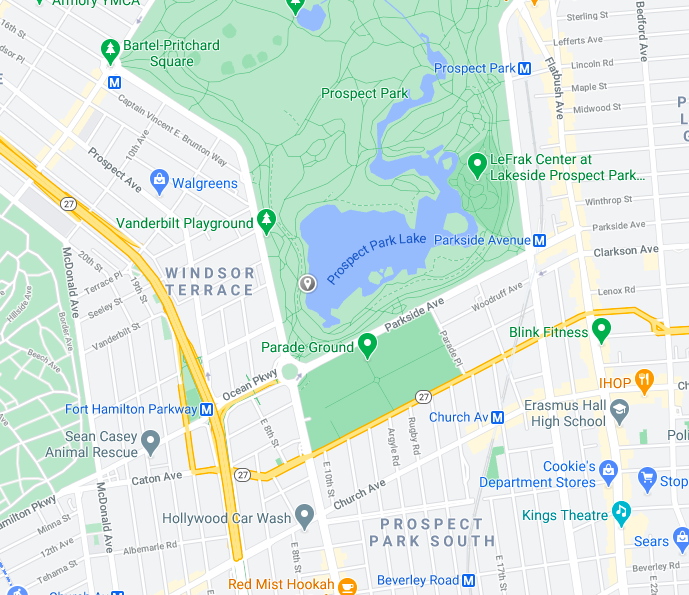
This is my Spot in a Prospect Park. It is about a mile away from my home and is definitely very different than the spot I chose in Centennial Woods. It is heavily trafficked, as it is in an urban area. Additionally, it is on the intersection of Prospect Park Lake and a foot trail. The proximity to water has several ecological affects on the focal species of the spot and how they change through the seasons. For example, there are several grasses and weeds seen on the circumference of the lake and there are also many species that grow underwater. According to the New York State department of Conservation, several submerged plant communities are composed mostly of coontail, curly leaf pondweed, elodea, yellow floatingheart and floating water primrose. The lake typically doesn’t freeze in the winter, however these species do go through more drastic phases of decay than those in Centennial Woods.
Additionally, as pictured below, my new phenology sight is home to elm trees and Northern red oak trees, one of which can definitely be found in close proximity to my original phenology spot.
Lastly, the wildlife of this natural area is certainly more limited than that of the original phenology spot in Centennial Woods. This is due to the air air, water and noise pollution of the city as well as the overwhelming amount of people and traffic. There are, however, many duck and geese in the Prospect Park Lake.

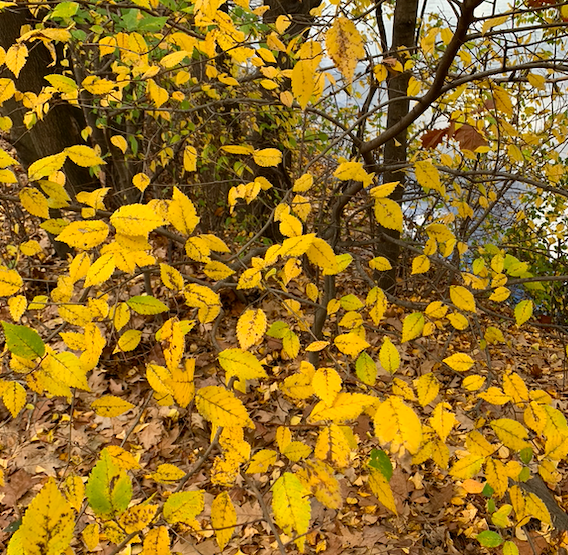


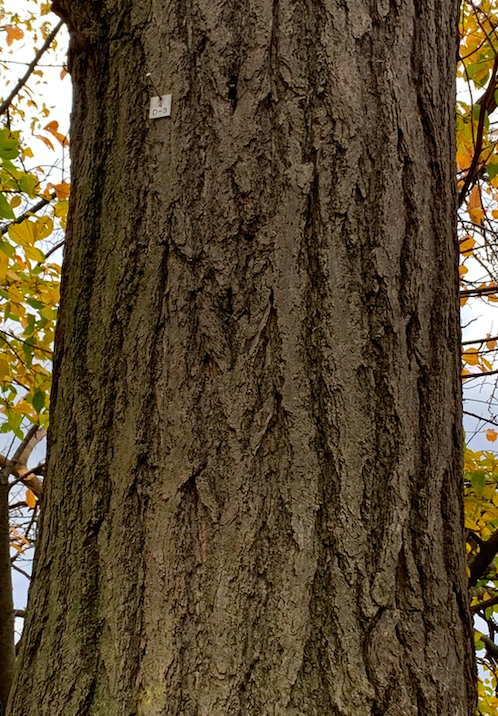
My new spot also has Northern red oaks. These can also be found in the areas around my original phenology spot.