Posts

Final Centennial Woods Visit

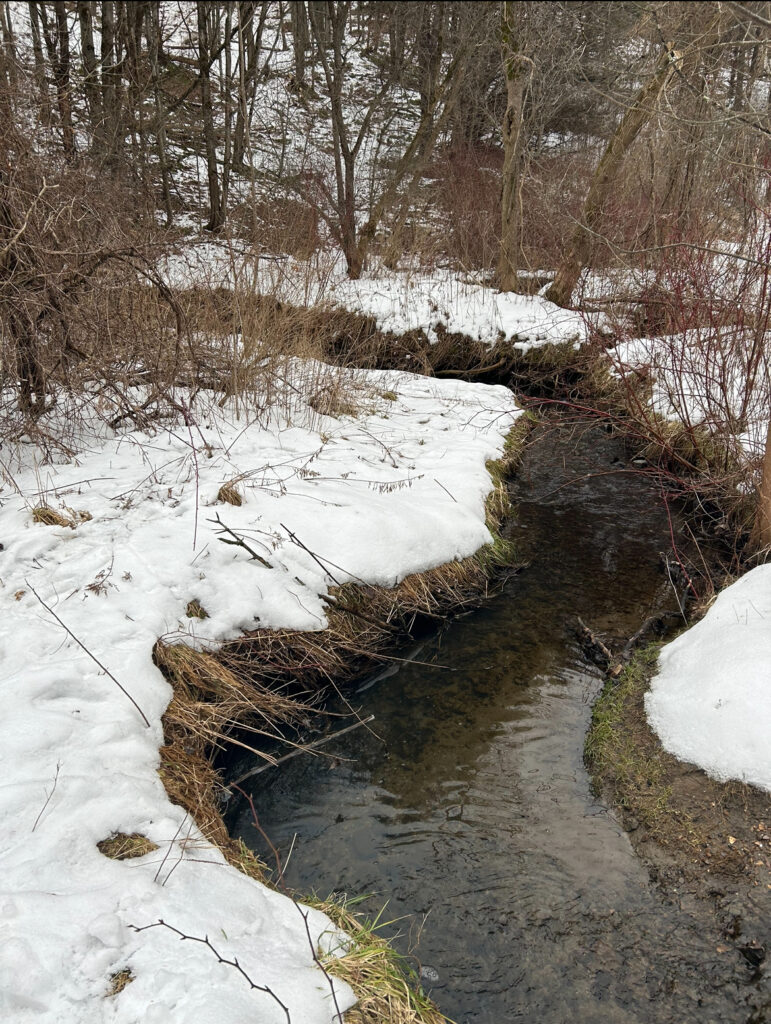
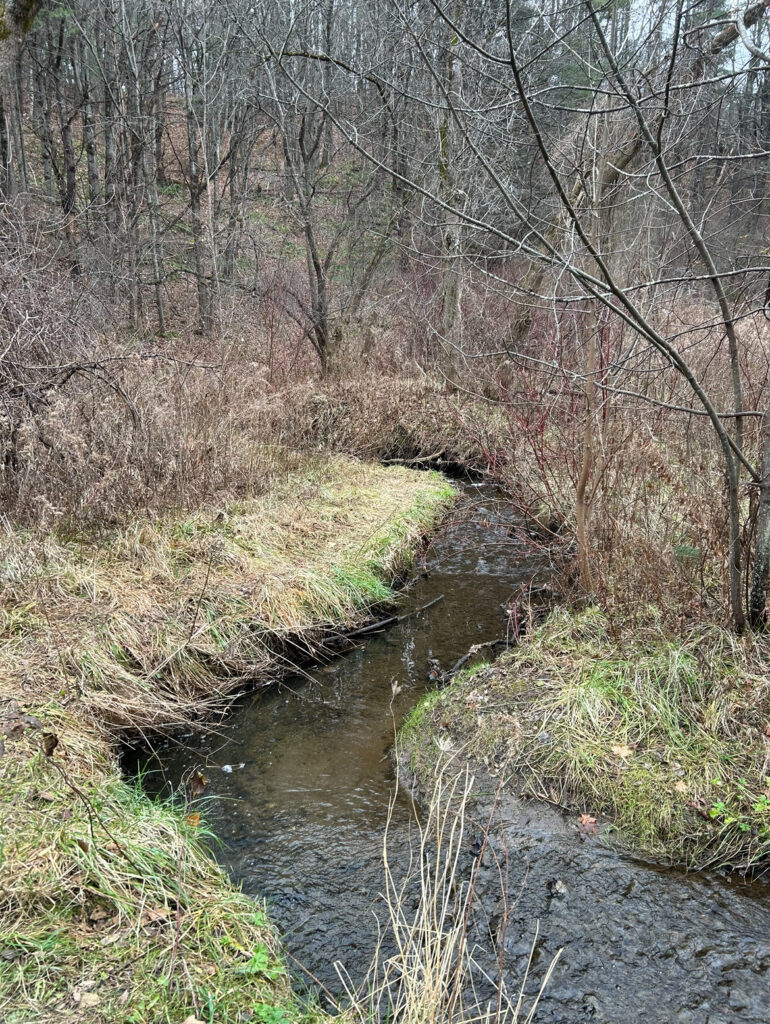
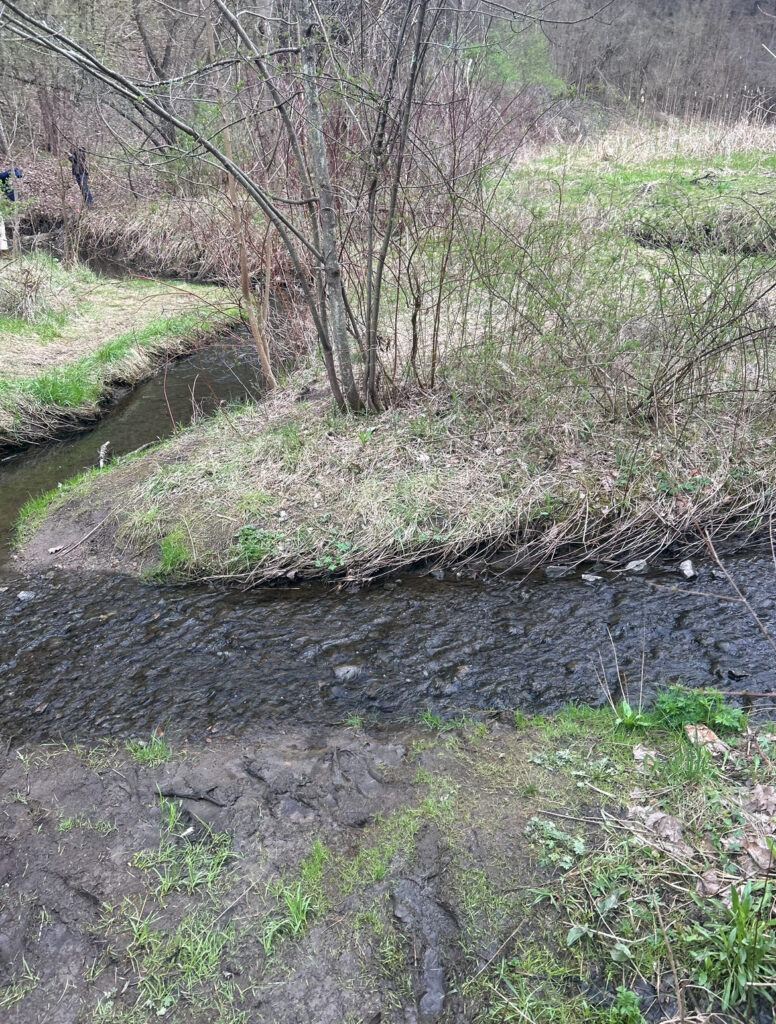
The biggest change I noticed every time I returned to my site was in water levels of the stream. I really enjoy water, and watching the stream change every time I would go to my site. The other way my site has changed is very traditional, but the plants changed in huge ways that had great tells of how the seasons were changing along with it. When I first went, the plants and trees still had leaves. As it moved into winter, the trees shed their leaves and became just sticks in the ground. Now, the trees and plants have buds showing signs of leaves returning soon. Watching these changes really made me appreciate my time here and getting to witness how my spot went to sleep in the winter and returned for the spring.

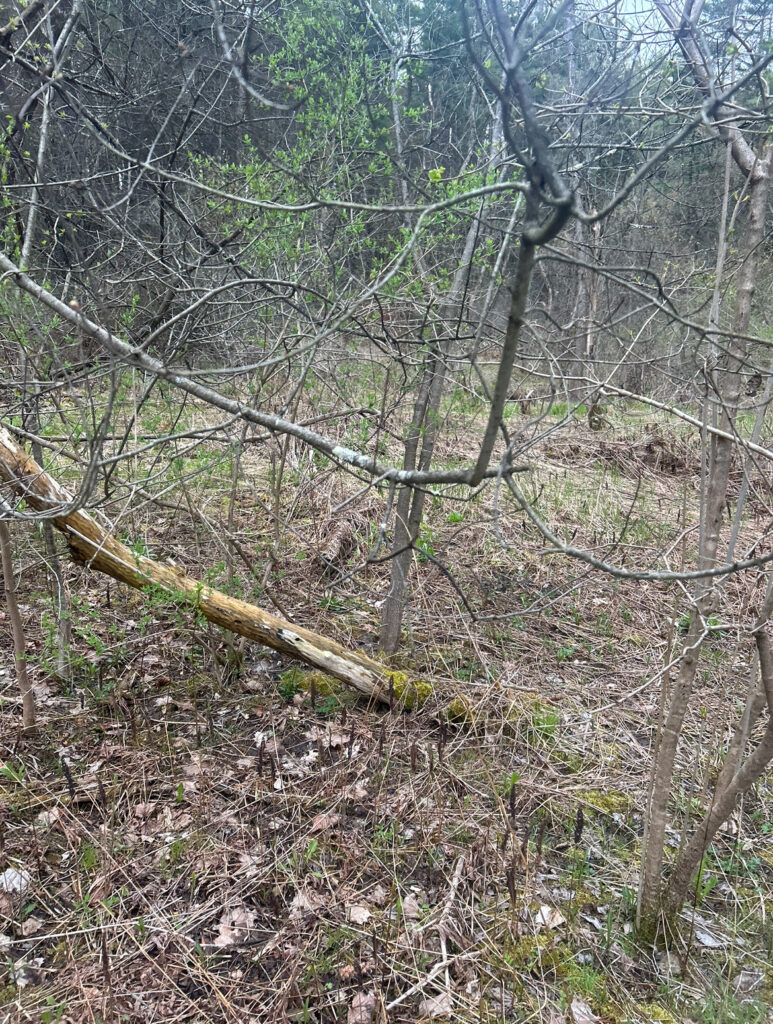
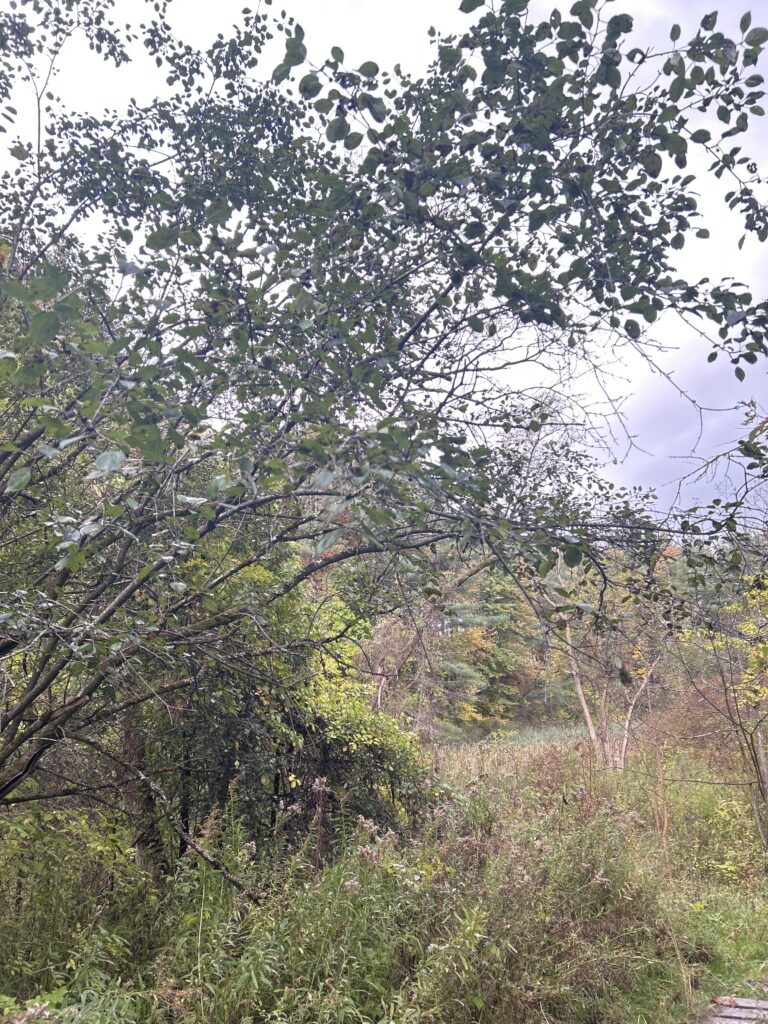
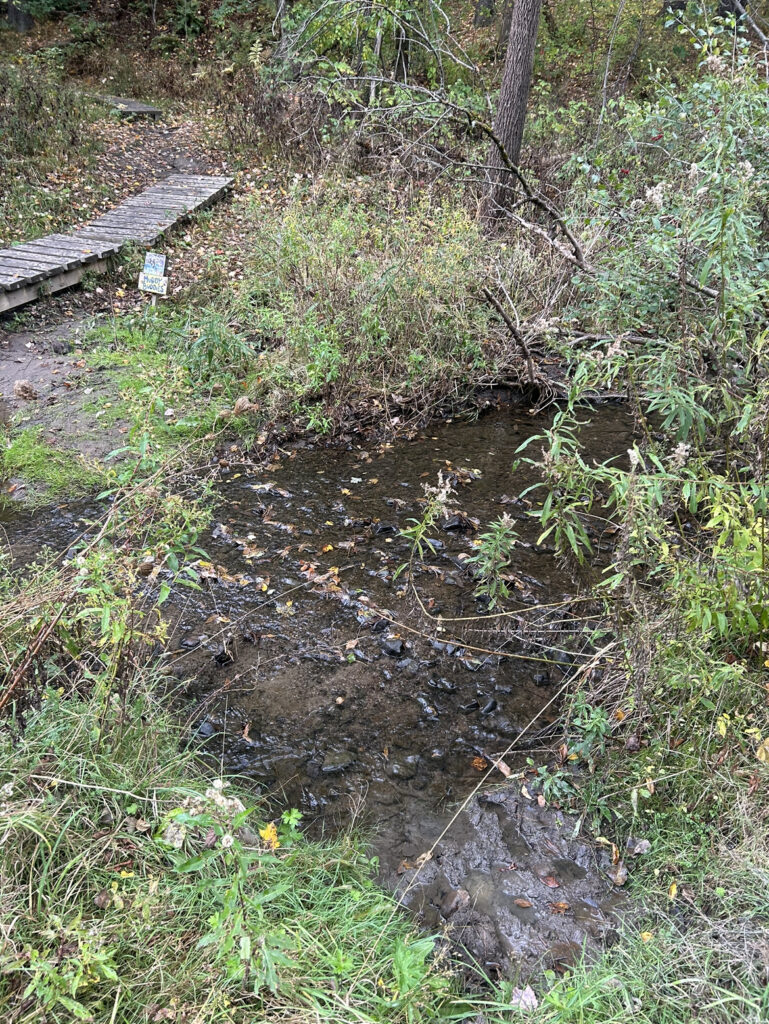
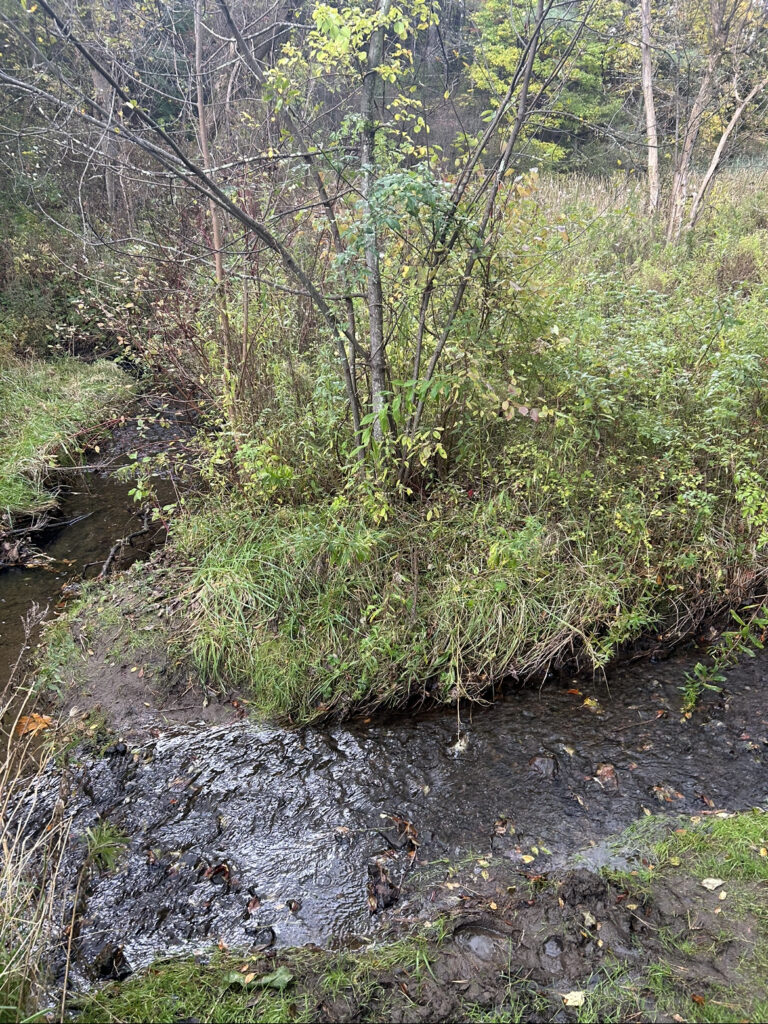
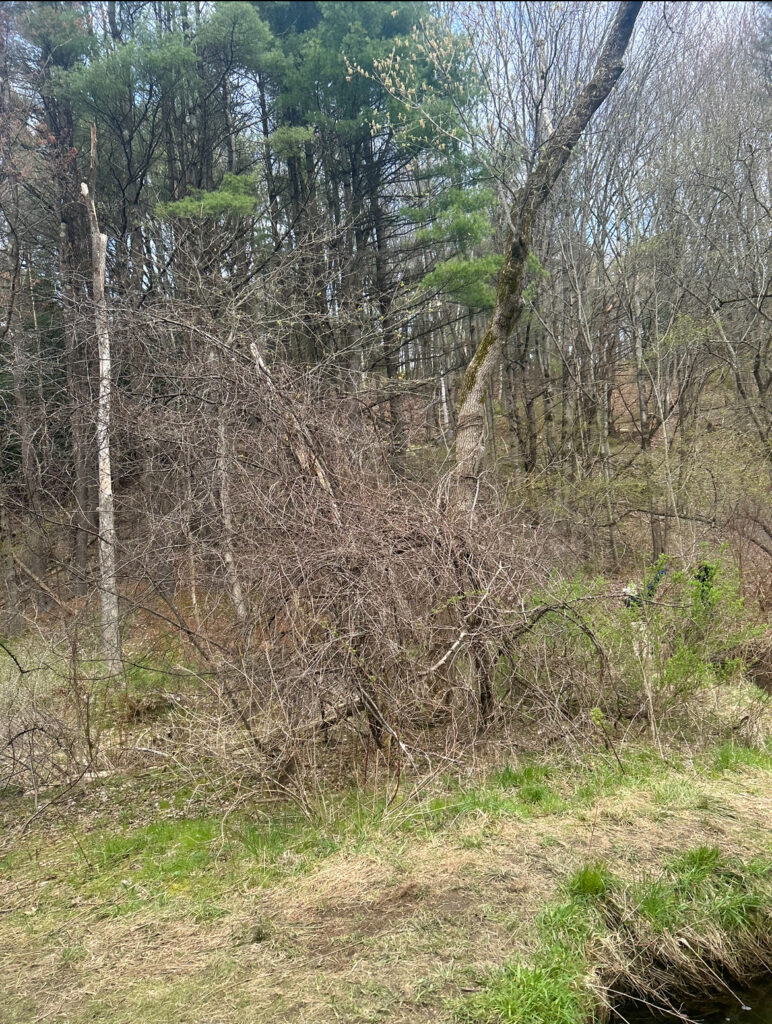
A major landmark of my spot was the flowing stream and bridge. This landmark is why I chose this spot in the first place, because I wanted to watch and witness changes in water. Another major landmark was the little island in the middle of the stream, and it was a nice thing to look at separately from everything else and identify separately. One minor landmark I would say is a tree to the left of my sit spot, because that is the tree I would photograph and watch change throughout all of my visits to my phenology spot. All three are pictured below!

Culture and nature have huge ties together here. Centennial Woods is a frequented area of Burlington when people want to go on trail walks and it is a place of connection between the campus community and the general population in Burlington. Many people come here to walk their dogs, socialize with friends, or just be in nature in a generally more urban area. The culture of socialization and nature are so intertwined and interconnected, and Centennial Woods shows this so well. In past blog posts I discussed how heavy the foot traffic was in this area, and while sometimes it may be detrimental when connecting culture to nature it is beautiful and connects people to the environment. Whether they are part of it or just a viewer, the culture of people and nature are at a crossroads in Centennial Woods.

I wouldn’t consider myself a part of this place, but I am definitely a visitor. Even in a high traffic area like Centennial Woods, I still think the land should remain as untouched and unaffected as possible. I’m a viewer of this part of Centennial Woods for sure, but I am not actually changing any part of it. To be truly part of a place you have to participate in all aspects of it, and I am not doing anything I am just observing and enjoying. I would love to be a part however, and one day I hope to come back and help the area in some way to pass from just a viewer to a part of it.
Urban Bio Blitz

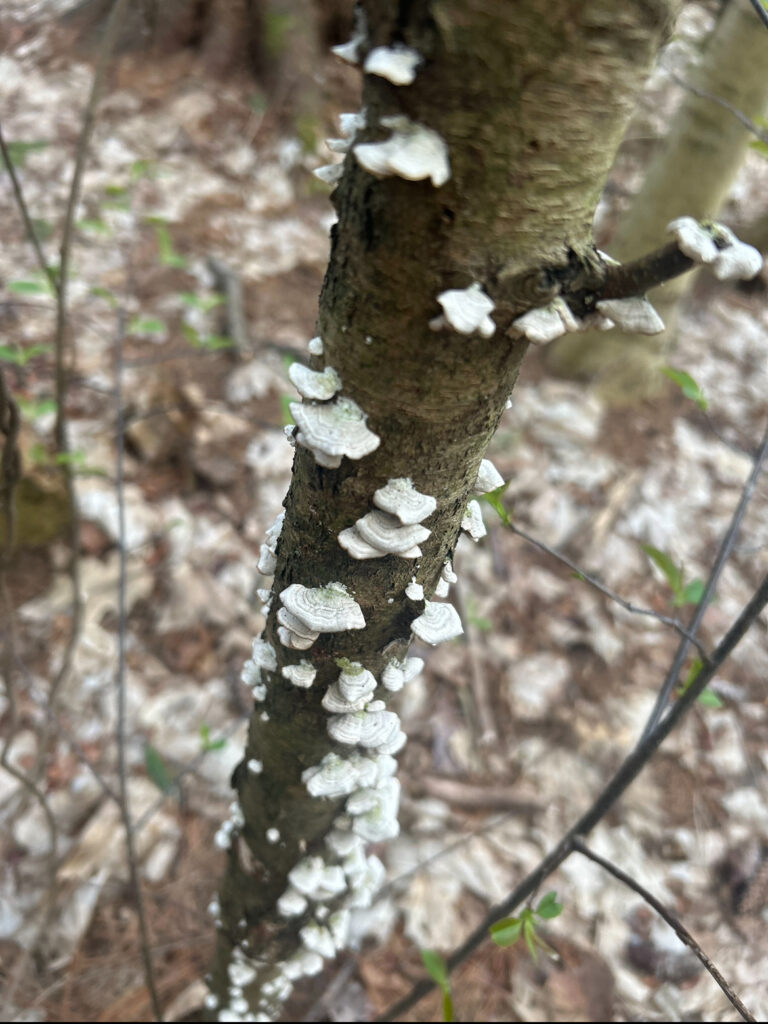
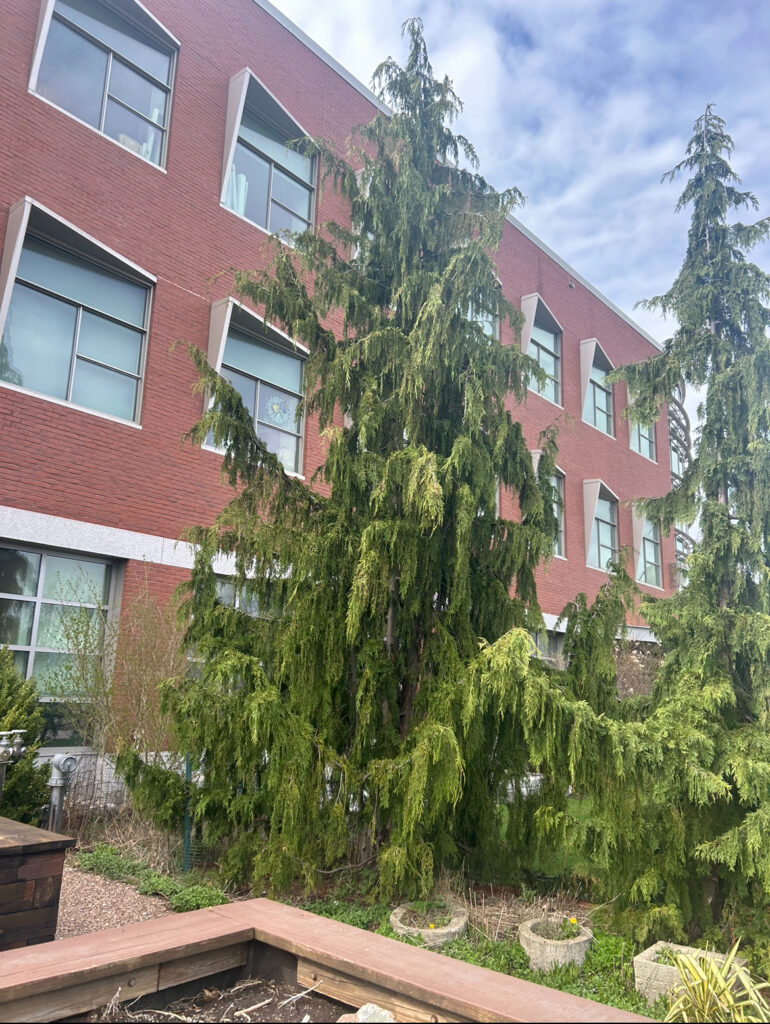
The areas I explored were some on campus spots on the walk to Centennial, through Centennial Woods towards Trinity, and plants around Trinity Campus. I saw 62 species. iNaturalist definitely has a learning curve, but as I got into identifying more species it was easier and I was able to update faster. Some of the species I saw were hard to identify and iNaturalist also didn’t know what they were so I had to leave it blank, but I did my best to identify. In general I really enjoyed using iNaturalist. I thought it was interesting to see the most common species in other areas. I liked to see the native species and what people were finding most often in other cities compared to what we were finding here in Burlington. Below are some of my favorite things I saw!

Signs of Spring in Centennial Woods

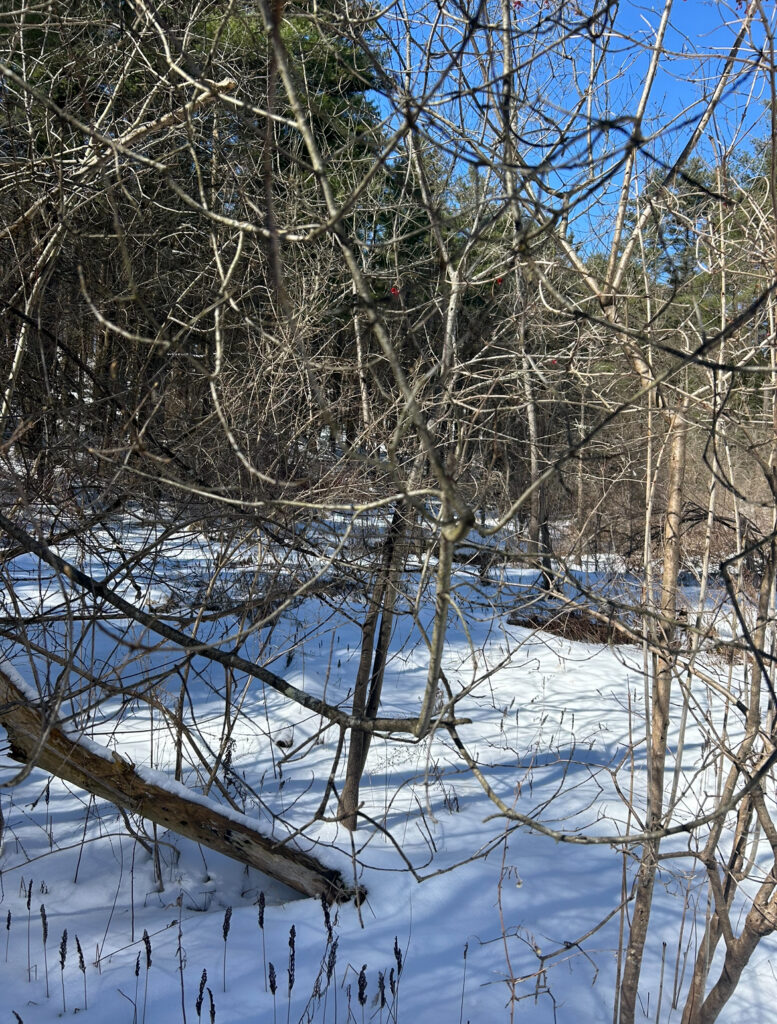
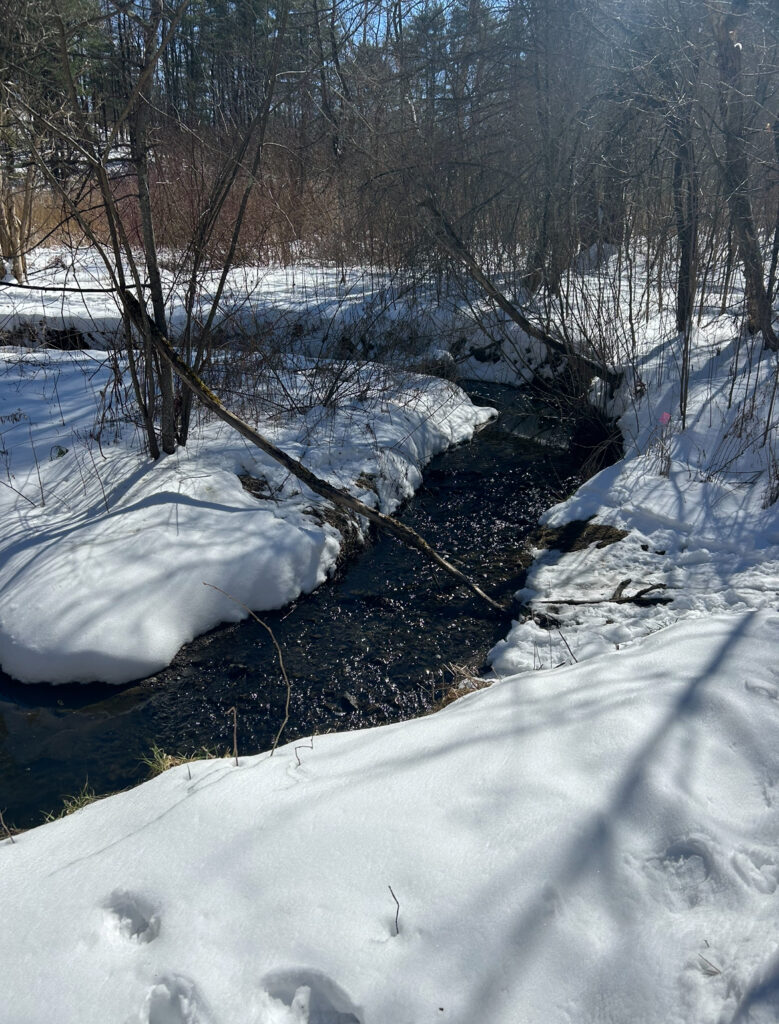
Despite the snow, there is definitely some signs of spring in Centennial! Looking at the trees I could definitely some buds, and hopefully this weekend’s cold weather doesn’t hurt them. I also heard some bird action, and while I was there there was a very active bird who was making lots of noise. Another thing I noticed was there was definitely more water in the stream, which is another sign of spring coming! While there wasn’t any mud and there was quite a bit of snow, spring is still definitely on its way to Centennial.

Phenology 2 – Burlington Wildlife

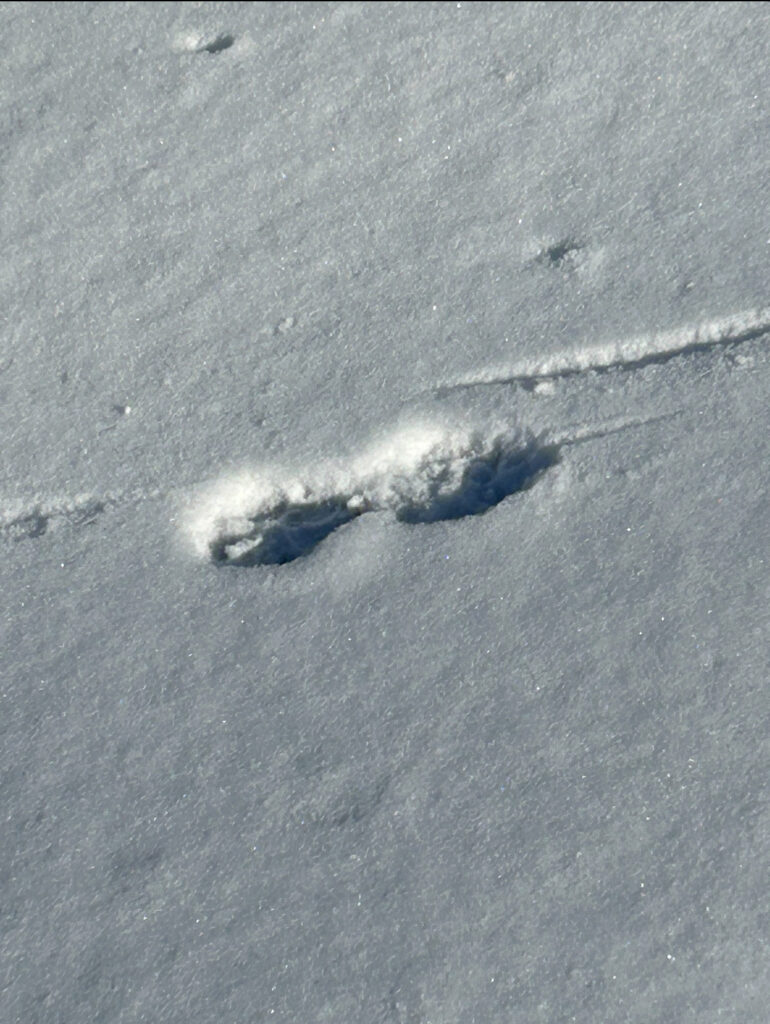
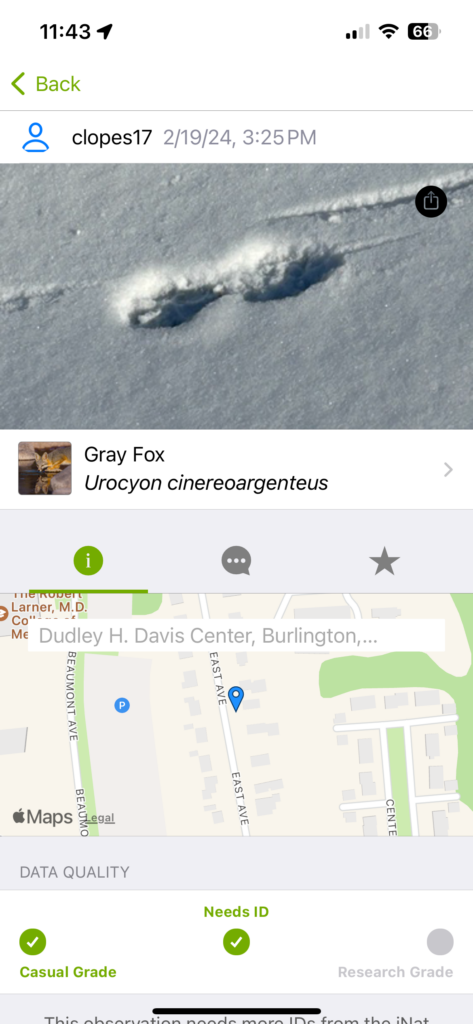
I walked up and down East Street looking for identifiable tracks. Using iNaturalist was definitely a learning curve, but seeing all the different species was cool. The visibilty of some of the tracks were slightly difficult and a lot of the ones I saw were in someone’s lawn but I was able to find one that looked similar to a cottontail rabbit track. It was hard to photograph however and I did not get a photograph of it. The other track I saw was much harder to identify because there were limited prints, but I believe it is something with 4 toes and an X. It is hard to see from the picture but I came to the conclusion it was a gray fox based on my area, the surrounding prints, and the size.

Return to Centennial Woods

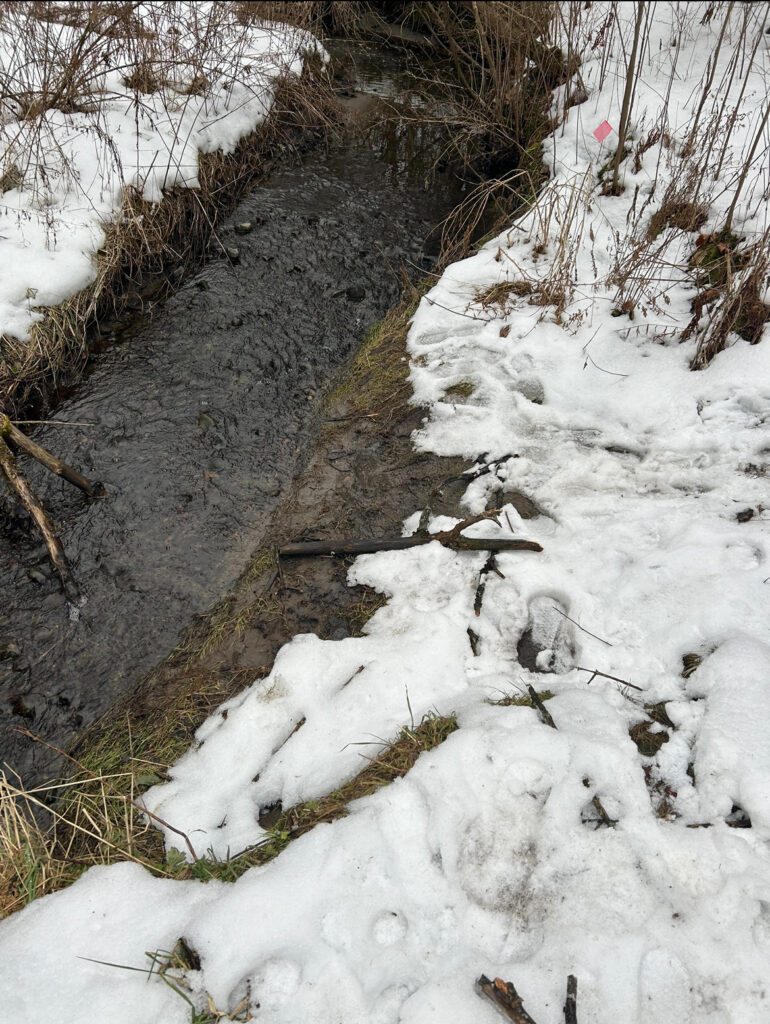
There was limited wildlife activity that could be detected in my spot. My spot is a heavy foot traffic area and a lot of the footprints I could see and photograph were human, and I couldn’t find any identifiably animal prints. There were definitely some phenological changes since my last visit however. There was now snow, and it also was much more serene. I saw no animals my entire time there, and the water was running but nothing much else was going on. The trees and plants looked similar to the previous visit, but the added snow changed the look of the spot a lot.

Phenology Assignment 5 (Centennial Woods)

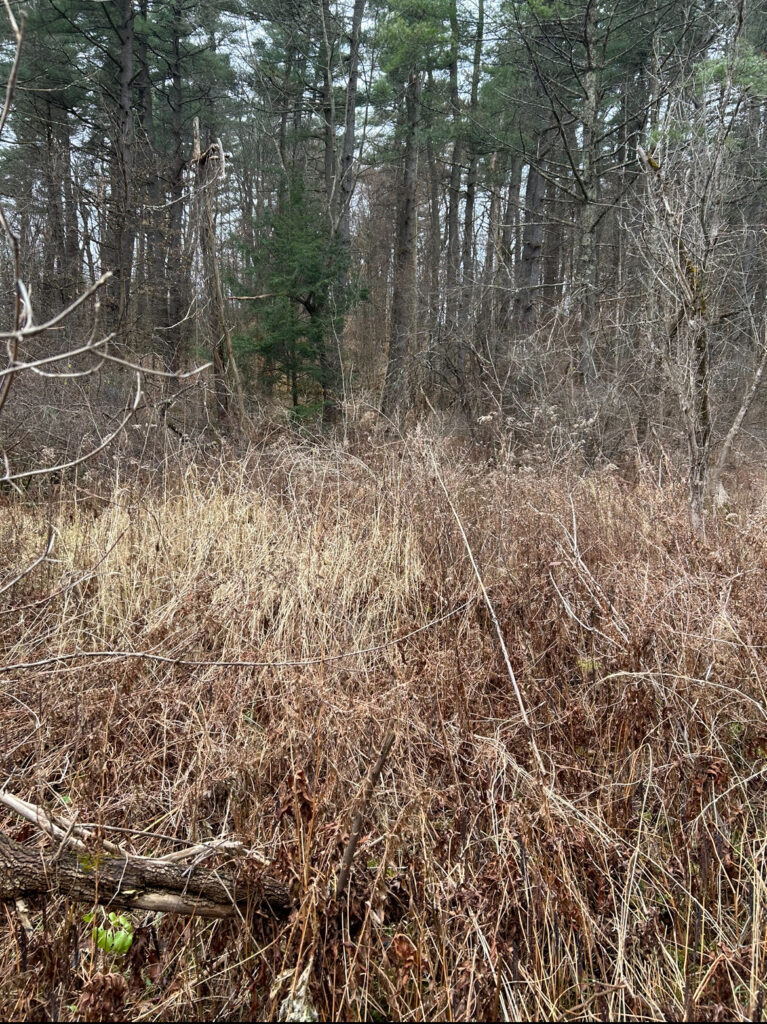
The foliage in Centennial Woods has changed so much since my last visit. The leaves are gone off the trees but are stuck in some of the lower to the ground foliage. There is still some grasses but they are getting ready to wind down for the winter, and they are mostly brown. There isn’t much in terms of decomposition since the leaves haven’t really hit the ground yet, any that have are decomposed. The others are still stuck in woody low ground foliage.

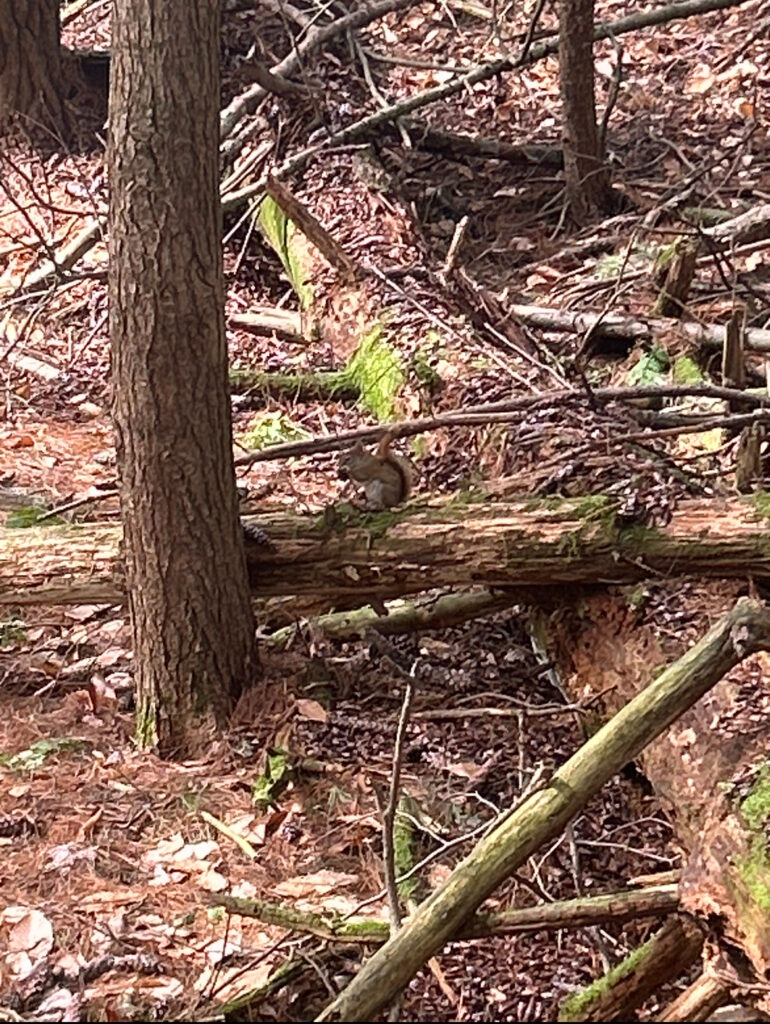
I looked around to try and find any signs of animals but there were no marks or anything to signify this. This is interesting because on my way into my spot in Centennial I saw 4 different squirrels but once I reached my spot I didn’t see anything in way of animals. I have seen animals or signs of animals here before but maybe now that it’s getting colder they are less active.

The aspect of my phenology place I enjoy the most is the stream. The stream is part of the reason I picked it and every time I go in I’m excited to see how the stream and the surrounding areas have changed and developed through the seasons and I can’t wait to see the changes into spring and summer.

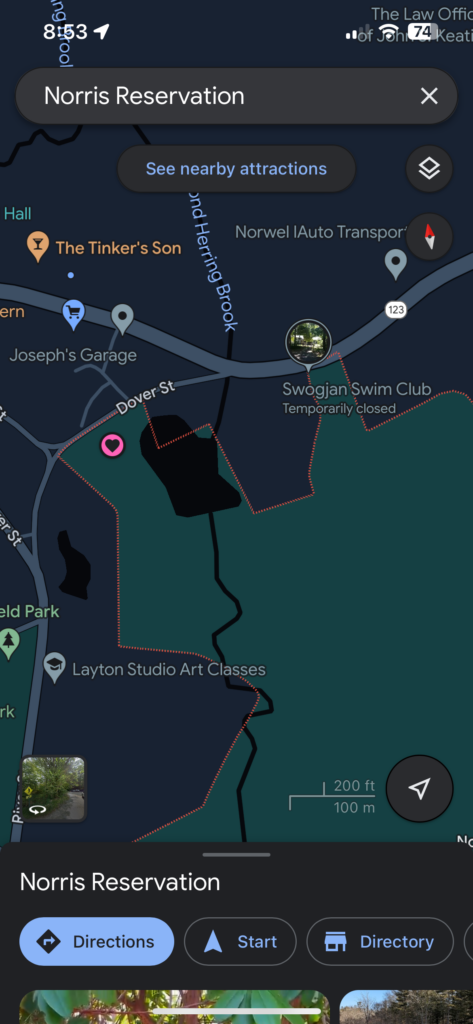
Norris Reservation Norwell MA

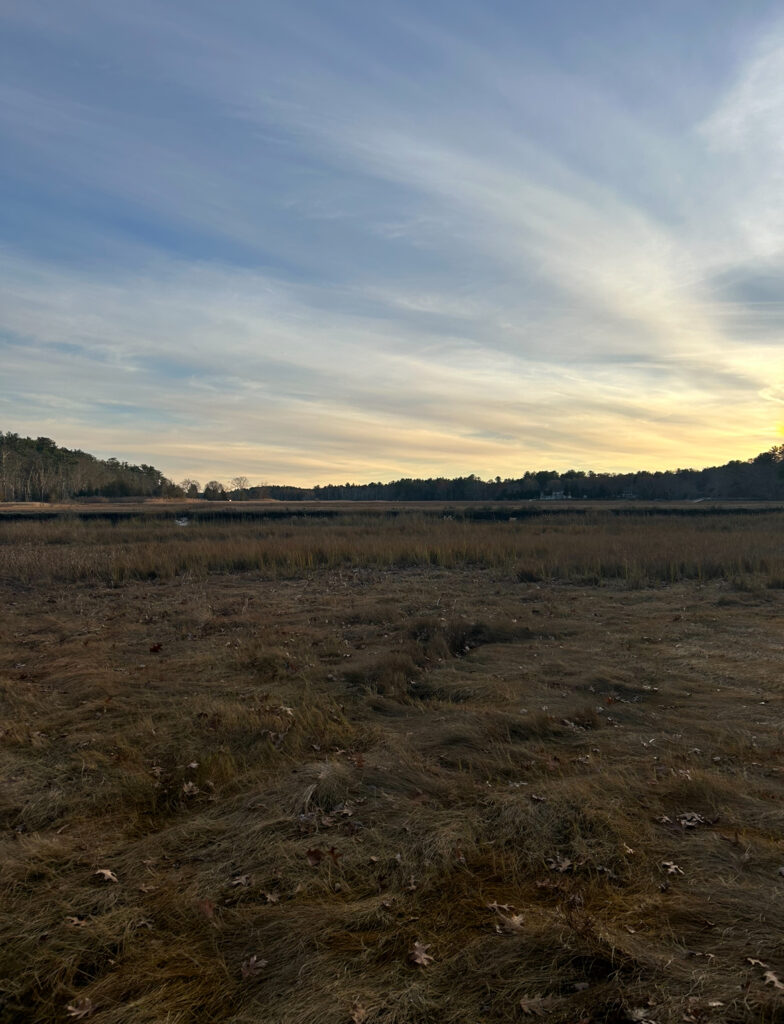
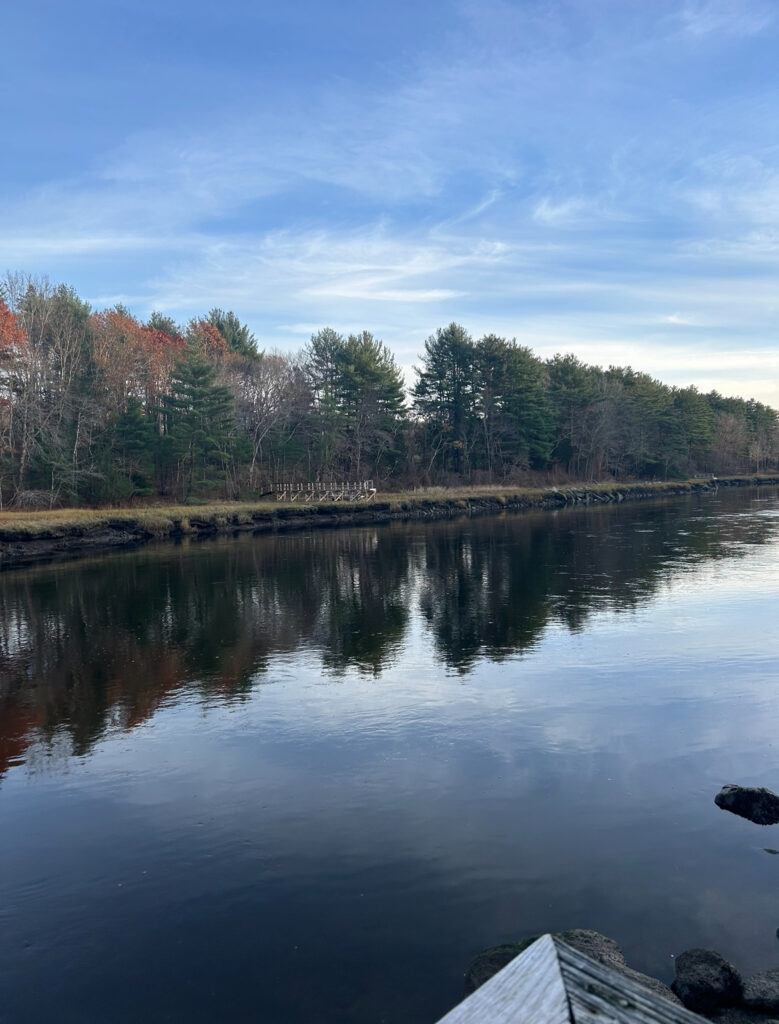
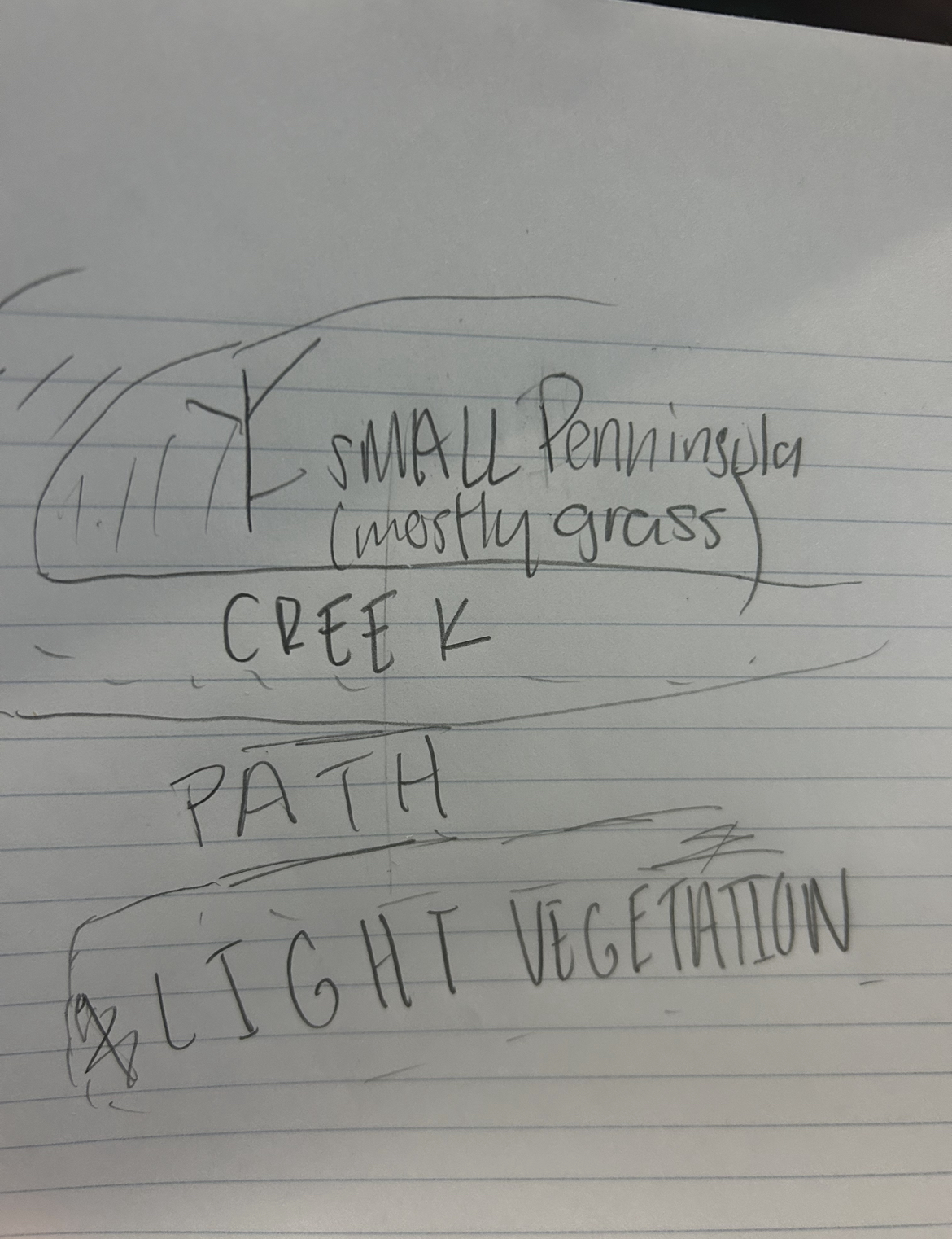
When choosing a place near my home, I wanted to choose a place similar to Centennial Woods. The place I chose is a nice walking loop that feels similar to Centennial Woods as well as a little brook. The differences are that it backs up to both a lake and a brackish river, which I think is interesting. I really enjoyed the brackish river, and I even walked out onto the marsh with my dogs! The overall vibes of the walk were similar to the Centennial Woods vibes, even with these differences in bodies of water.

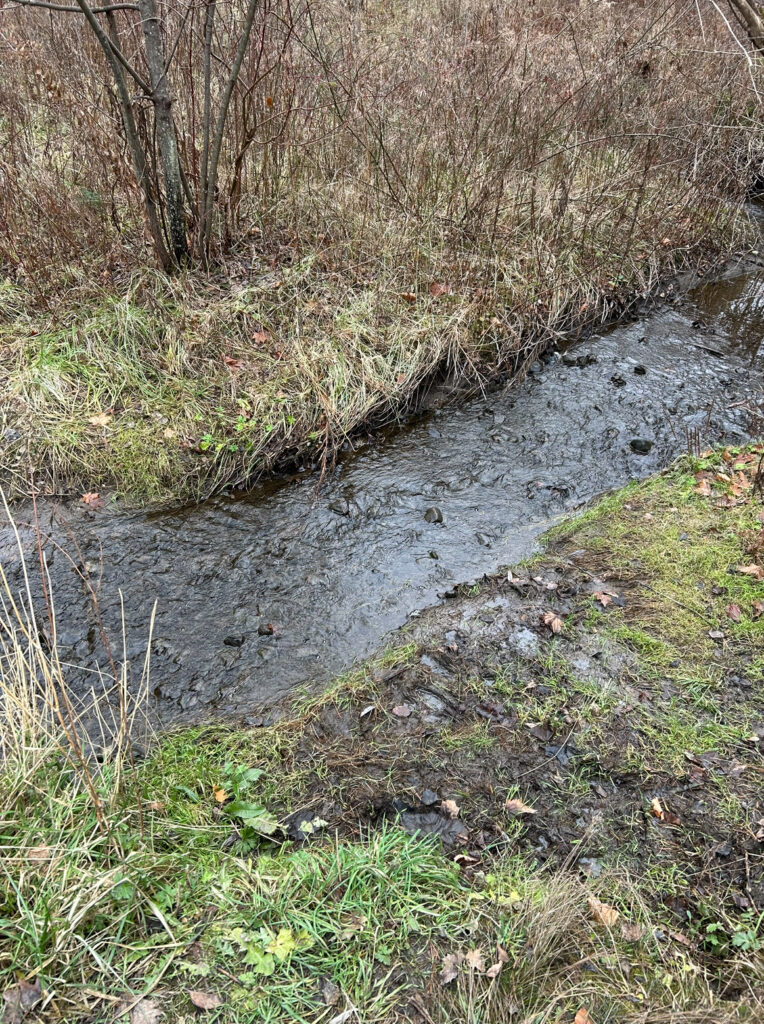
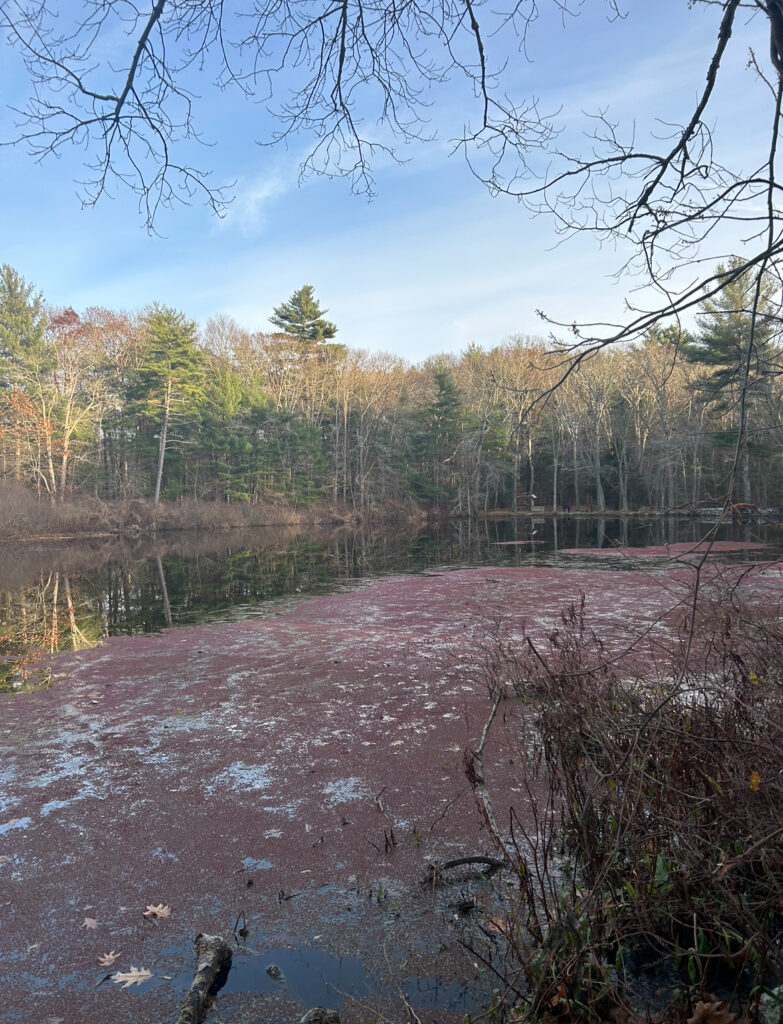
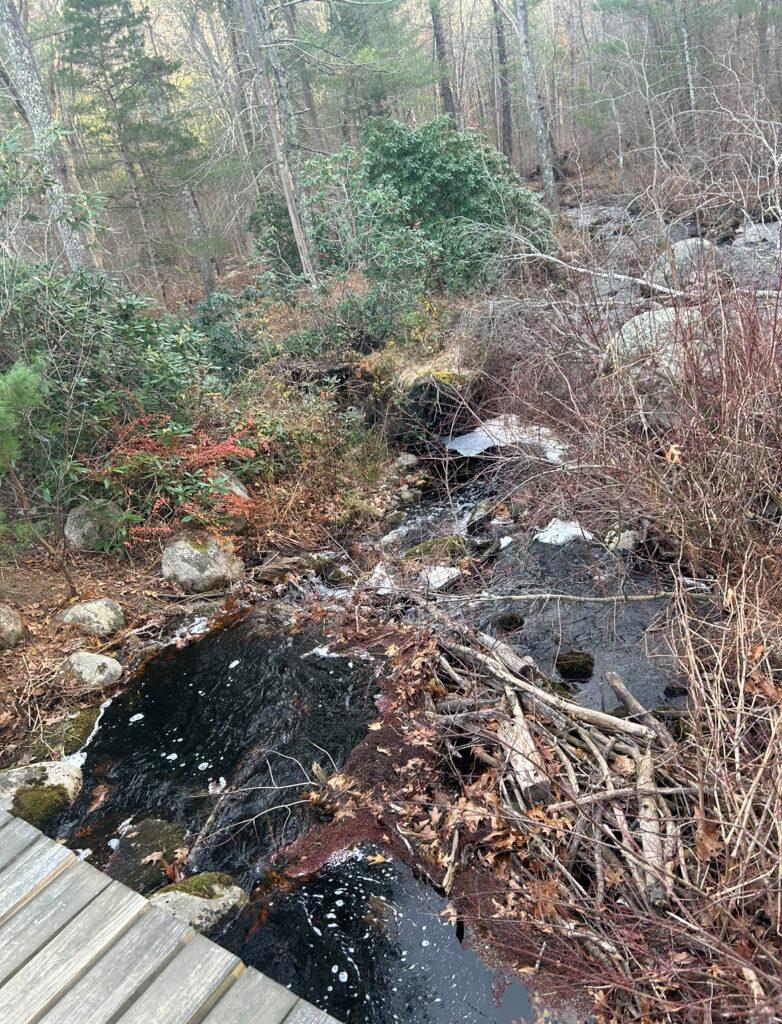
Here’s the river, stream, and 2 angles of the brackish river!

The heart is where I was!

Centennial Woods – Updates from the End of October/Beginning of November

Using my senses and sitting in my phenology spot for 15 minutes I heard a strange silence within the outdoors. The spot I chose you can slightly hear the road, but it is mostly a peaceful silence. I used this more as a time of silence to get a feel of my place. I sat there and thought about nothing other than existing in Centennial Woods, and other than a few minor distractions it was very calm and a nice reset.
The only noticeable changes since my last visit include a thinning of leaves. While all the trees haven’t lost their leaves yet, the majority have much less then the last few weeks. The water was still running and there were still plants, so the changes have not been huge yet.

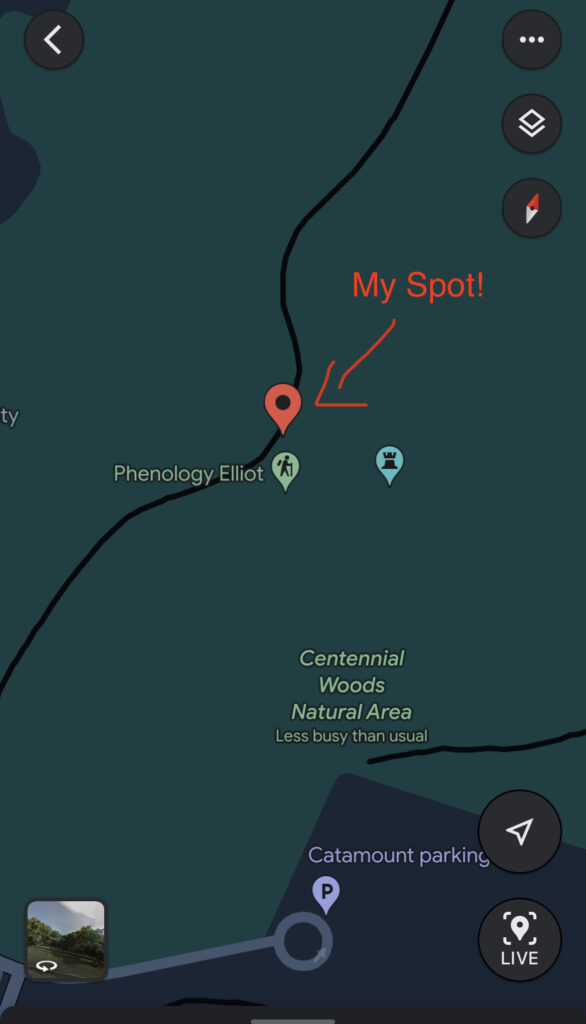
Here’s a map of my location!

Intro to Centennial Woods

The spot I’ve chosen to study is in Centennial Woods, right along the bridge over the stream. To get there, you enter Centennial Woods through the entrance which is near police station. You walk along the trail and take a left at the first fork and go straight through the second fork in the trail. I chose this spot because I enjoyed exploring Centennial Woods in the intro lab, and I had a specific draw to the area with the water. I had seen a garter snake right around this spot the first time I went there, and I want to see more wildlife and watch the changes of this area throughout the year. Some of the tree and woody plant species I’ve seen there include the Buckthorn, Norway Maple, Northern Red Oak, and White Oak as well as a bunch of short plants and other greenery. Compared to the area that you walk through to get to my phenology spot, there are a lot less established trees and a lot more low plants and younger trees. The trees I did see were definitely younger or smaller than the thicker coverage of the rest of the forest.

Skip to toolbar