Posts

May 7

Centennial Woods – May 5

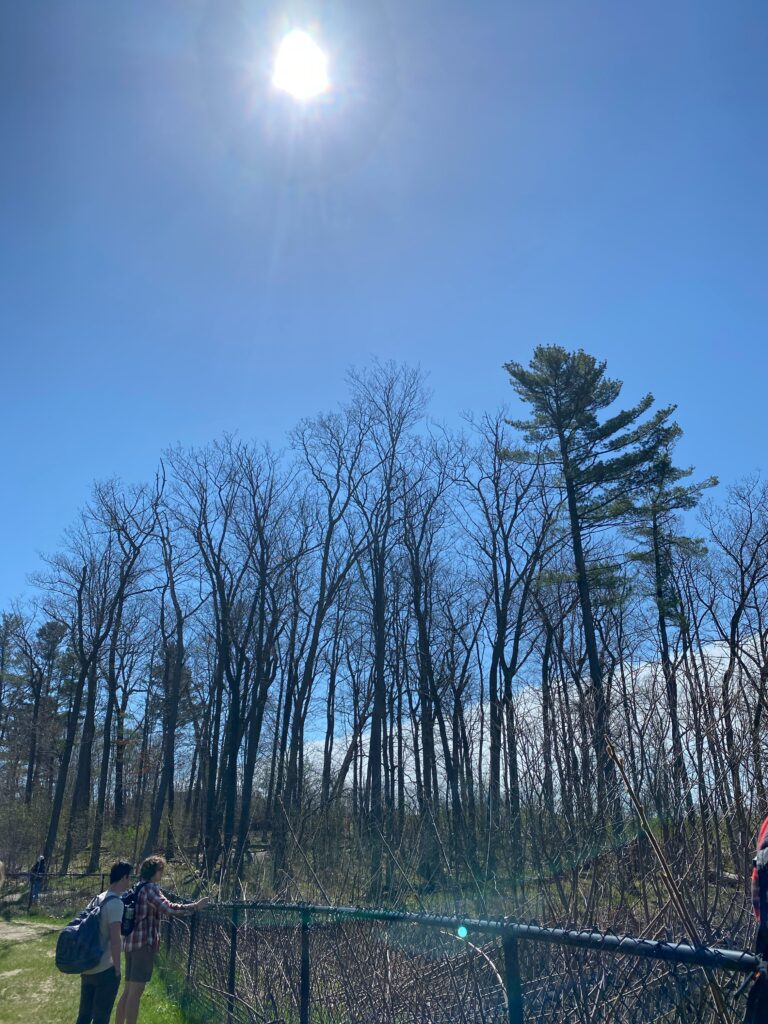
Nature and culture intertwine at Centennial Woods because the forest brings the UVM community and greater Burlington Community together. The layout of the woods encourages recreation through the seasons – hiking and walking trails run through the park, and when there is snow it is accessible for visitors to go snowshoeing or cross-country skiing. Because the woods are so close to UVM’s campus, it is easy for students to visit for classes or just to immerse themselves in the local Vermont nature.

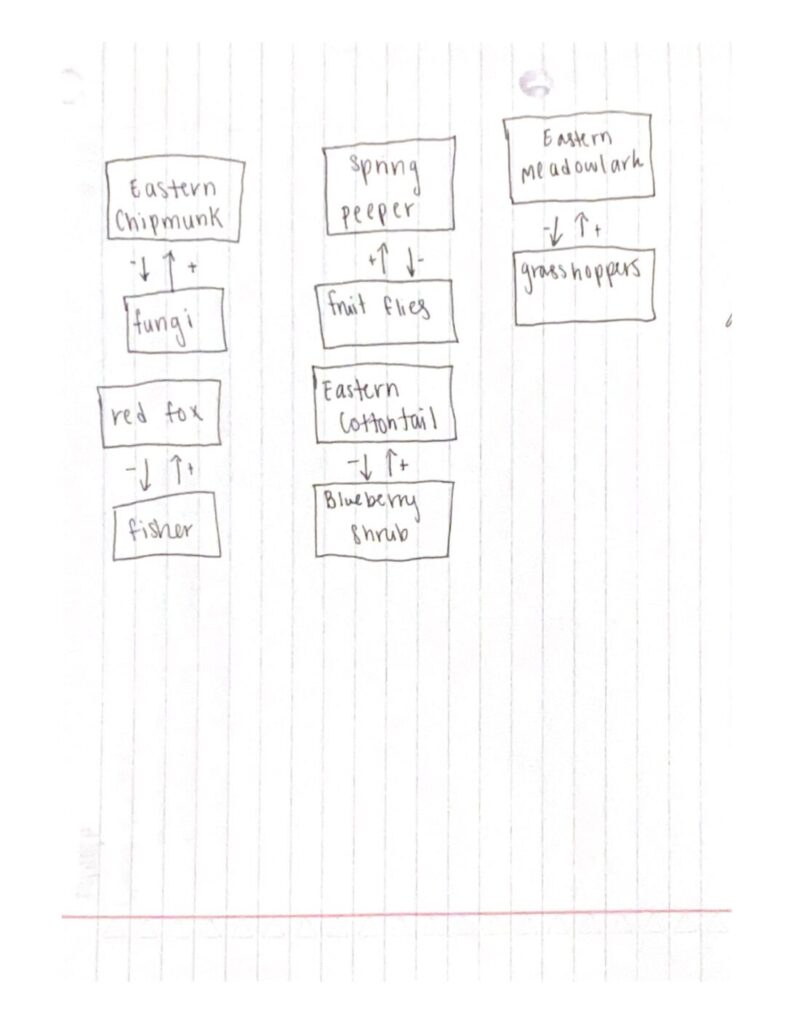
I believe that every person that inhabits this area is a part of the natural environment as a place. Although I have not interacted with Centennial Woods in a way that has altered or benefitted the environment, I have learned from its natural community throughout the course of a year while examining the species that inhabit the place and its ecosystem functions.
Phenology Assignment – 3/14/22

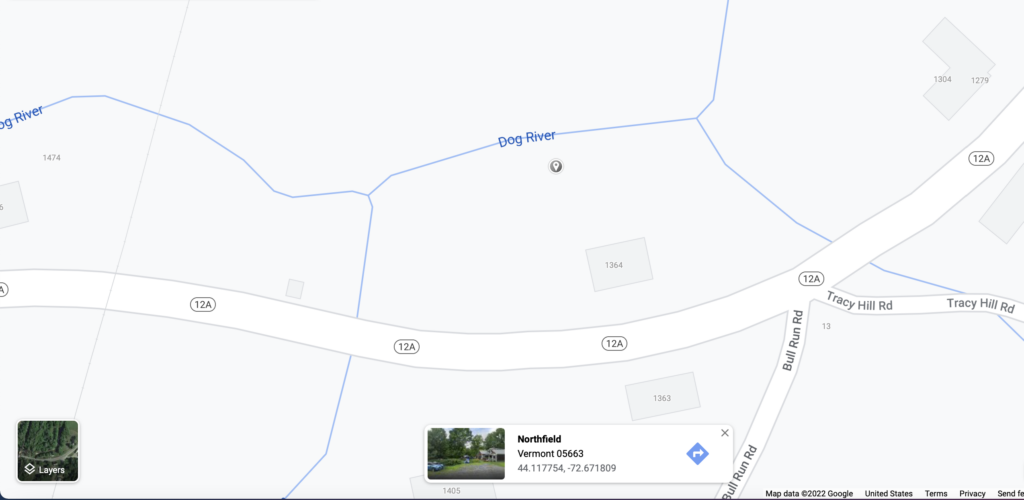
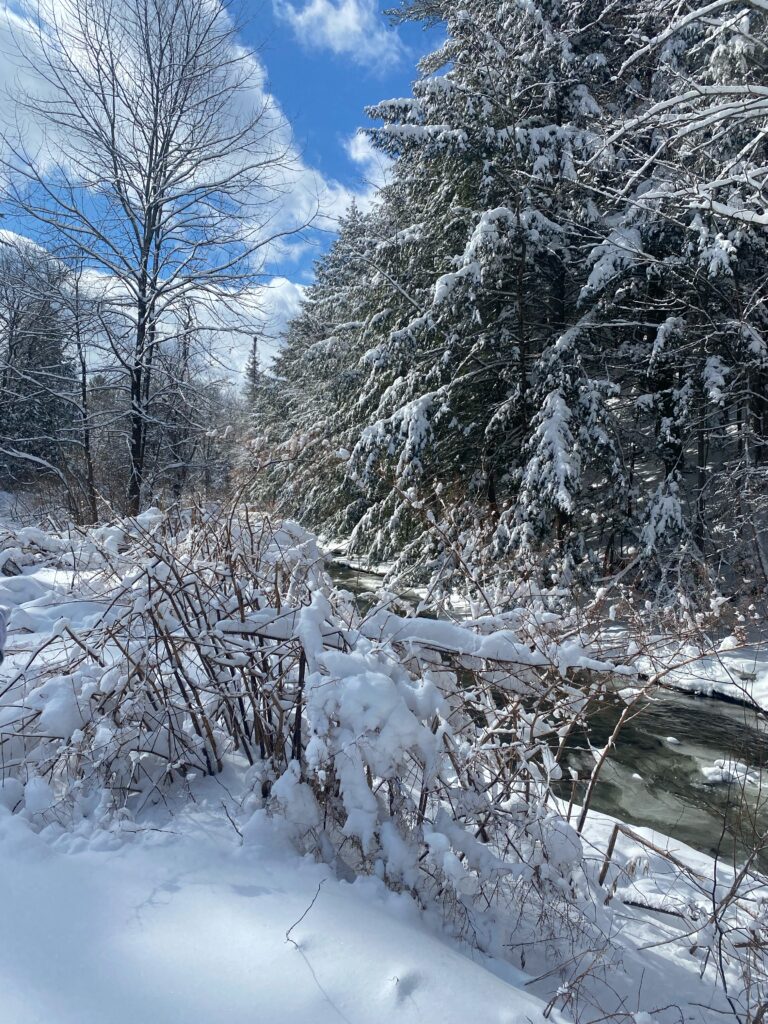
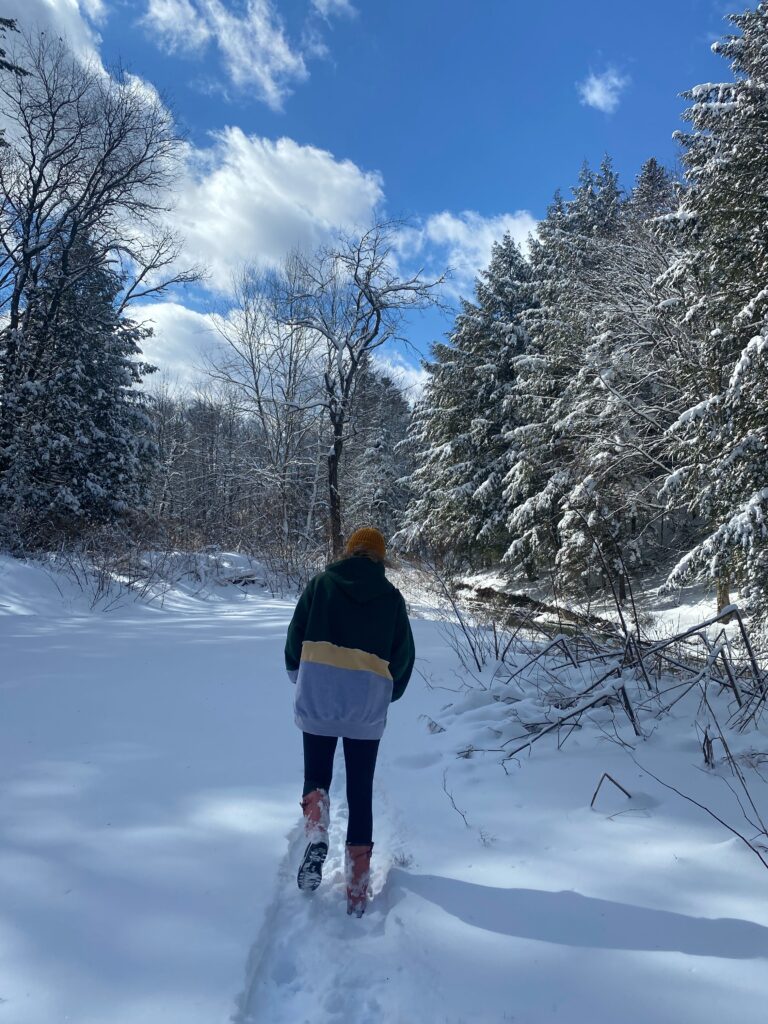
Over spring break, I stayed with a friend who lives in Northfield, Vermont. Only a short walk from her house is a river (Dog River) that runs through a field on one side and a small tract of forested land on the other. We do not know how long ago the river has formed, however, it has gone through periods of flooding while also going through periods where the water level was much lower. On the wooded side of the river, there are large, old-growth coniferous trees and some hardwoods. There are also much younger trees on the other side, close to the rivers edge. On the same side, there were bunches of dead hardwood bushes. We did not see or hear any birds, which was most likely due to the combination of the freshly fallen snow and the sound of the river masking the sound of any birds.

Dog River, Northfield, Vermont

2/21/22

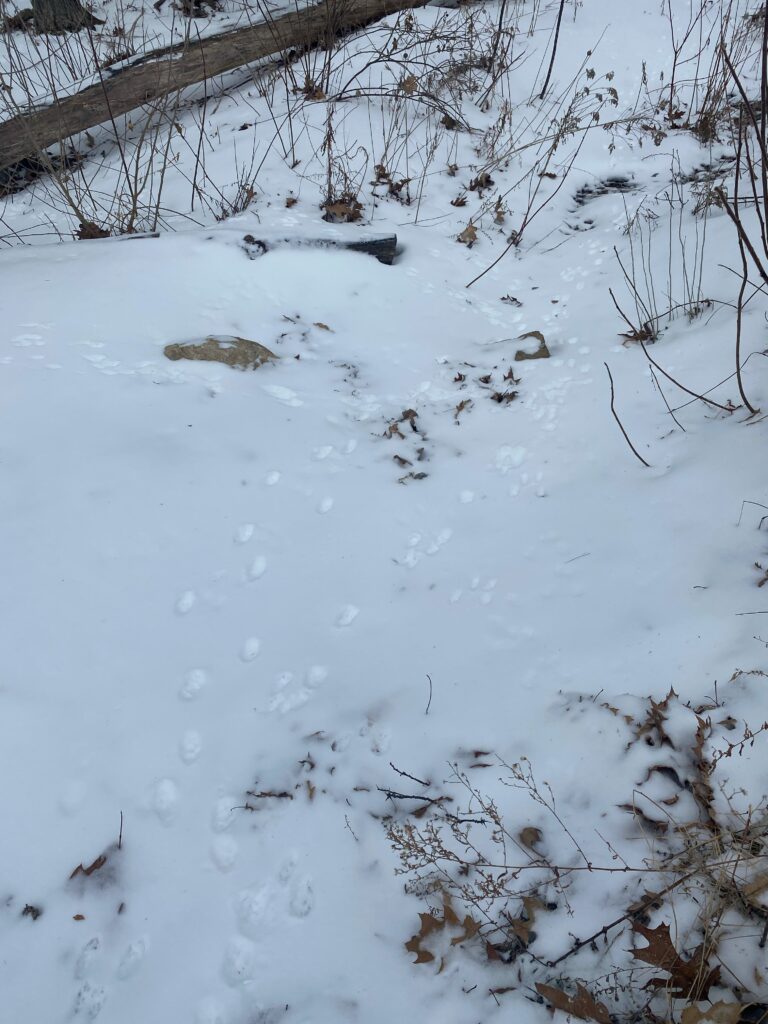
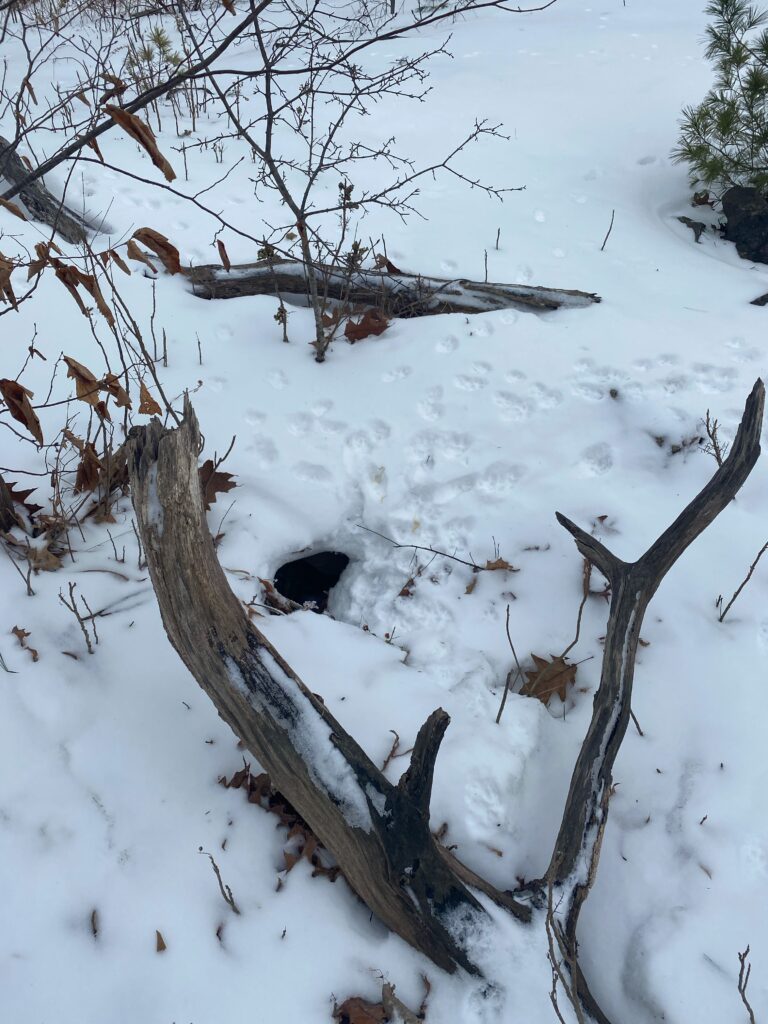
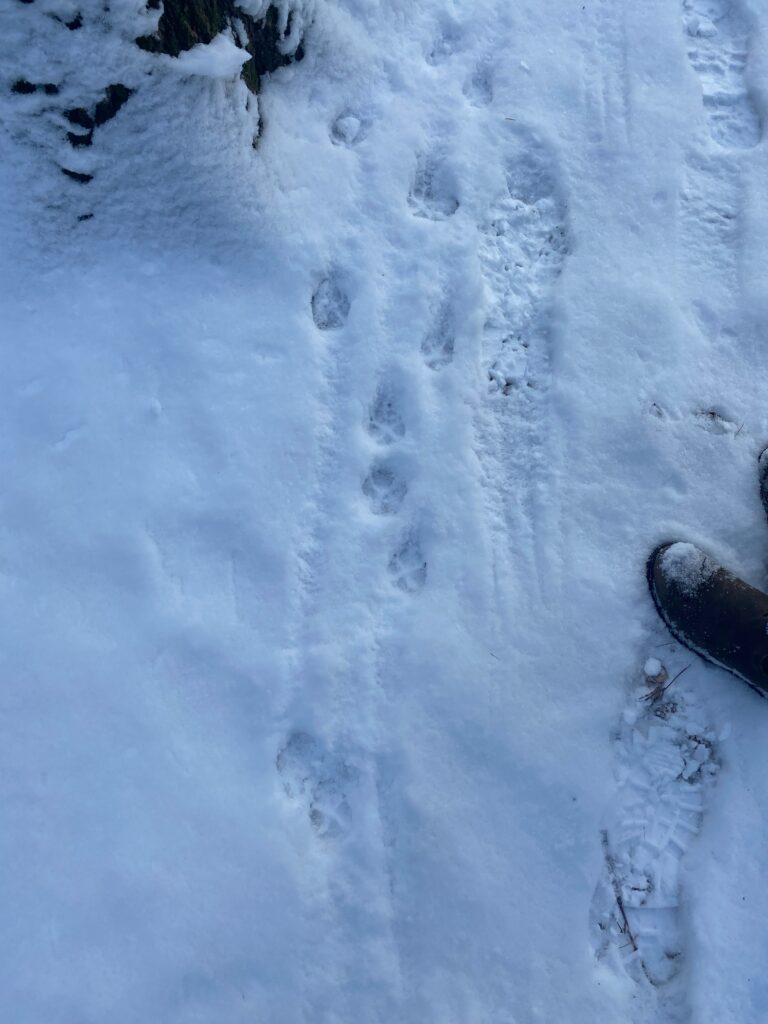
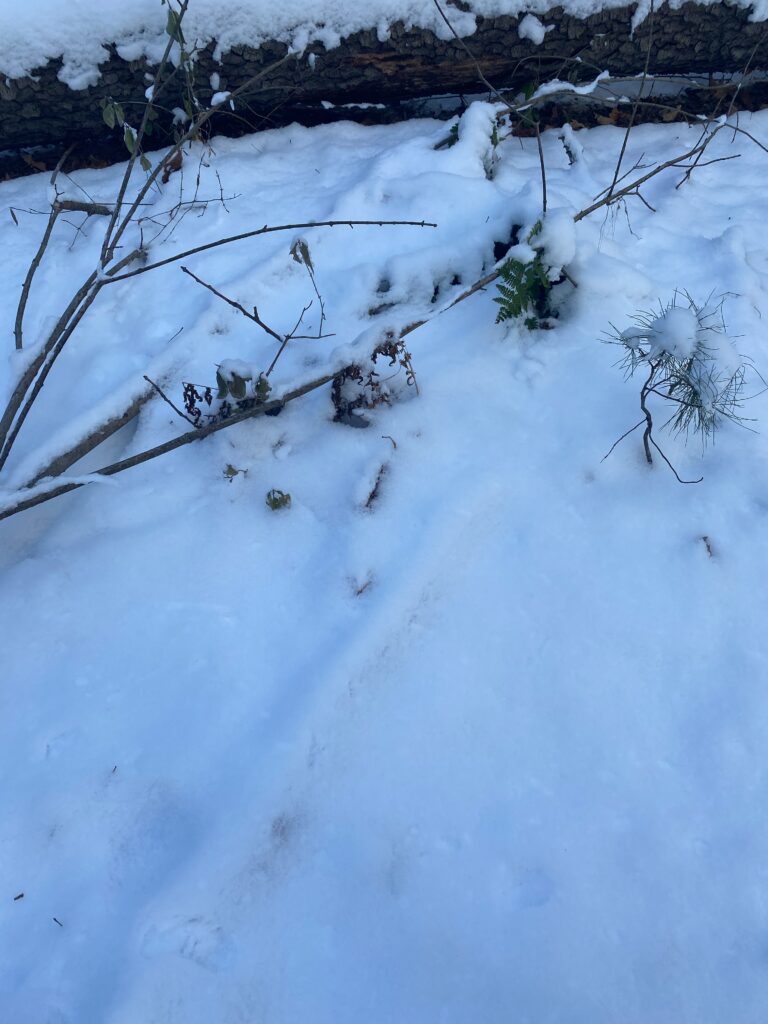
On Sunday 2/20, a friend and I walked to the woods just off Redstone Campus, next to the Redstone Lofts. At the beginning of the path, before fully entering the woods, we saw overlapping trails of different tracks, which were leading to one spot under a log. The first trail that we saw contained small, pacing tracks that were slightly covered in snow so the shape of the prints was difficult to make out. We then saw a trail of small, more detailed tracks that could have either been from a gray fox or a fisher. They were small and could not have been longer than an inch, however, it was difficult to tell whether or not the tracks were from a walker or a bounder.

We then saw some more bound tracks, the size of which were small, probably less than an inch. These most likely came from a weasel. All of the different trails of tracks led to a hole that went underground, which is most likely where some of the animals live. The hole was also right near a small watering hole.

I used iNaturalist to try to identify the species’ I found based on their tracks. Some other users commented to help try to identify the species. Some comments did not exactly match what species’ we thought the tracks were from, however some were helpful in further being able to identify the species.

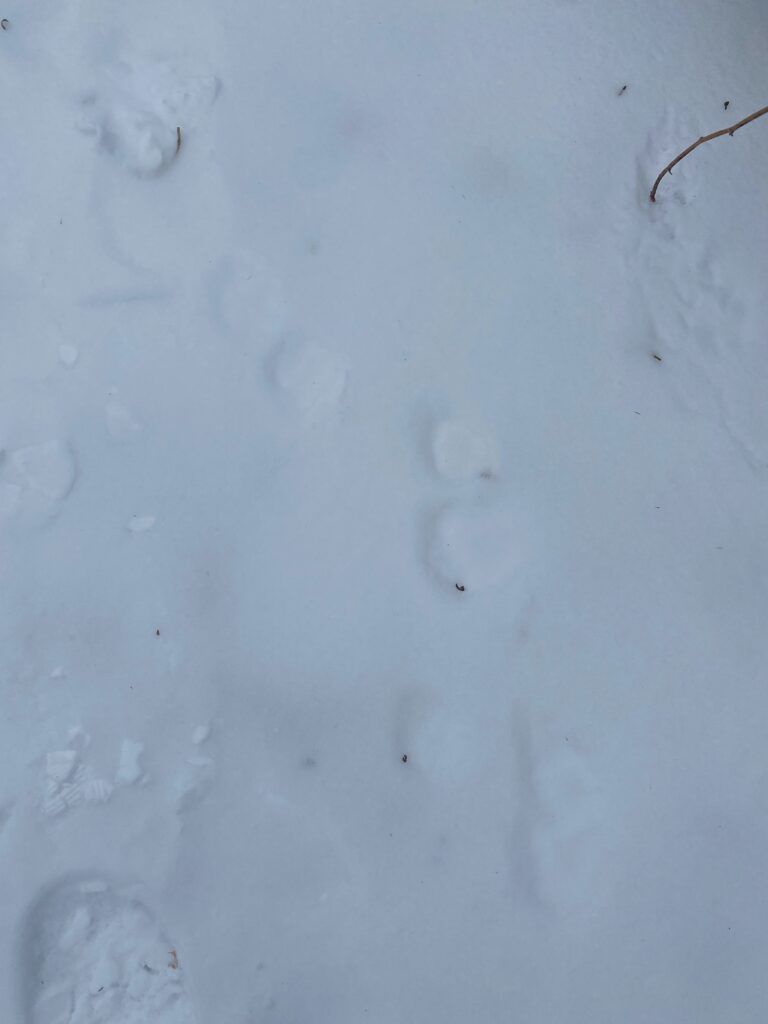
Pacing Tracks

1/28/22

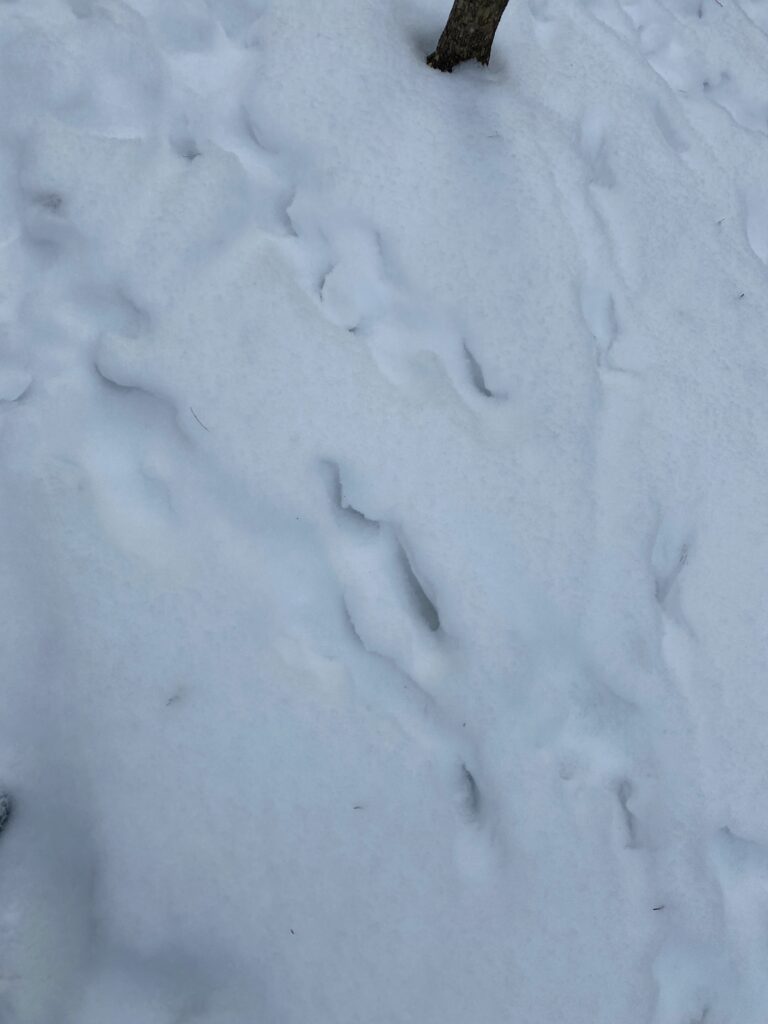
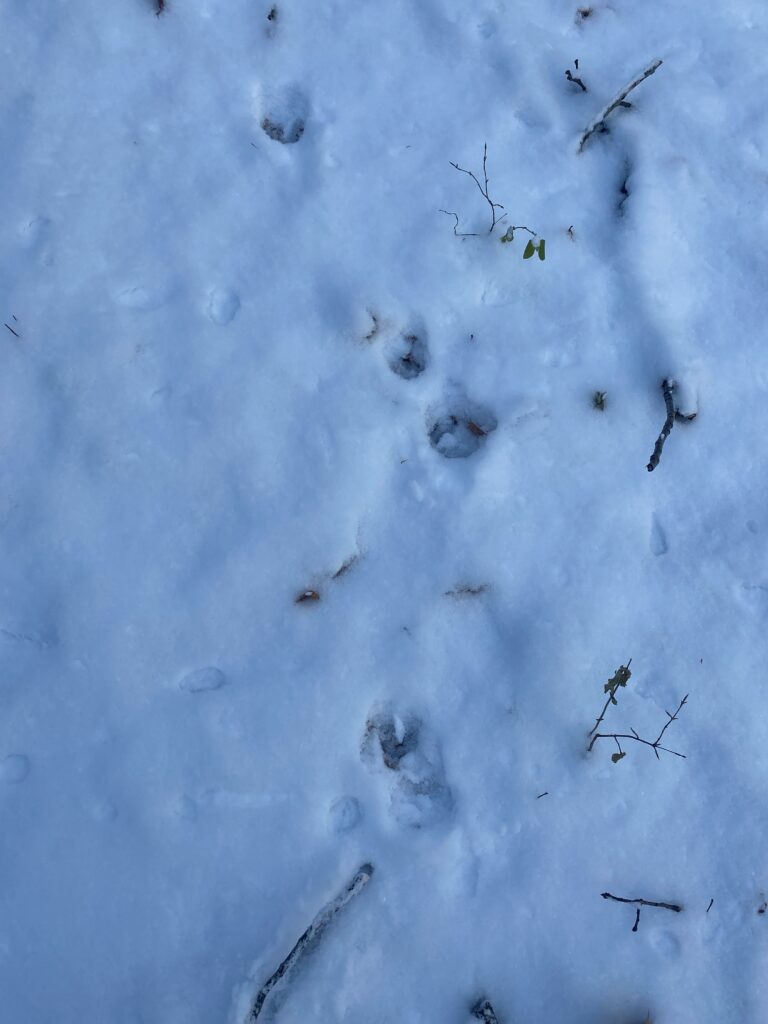
Here I found what seem to be either deer tracks or tracks from some other animal trekking through the woods. It is difficult to tell what animal the tracks come from, as snow was freshly falling as I was walking through the woods and the tracks were starting to become covered.
Same animal tracks
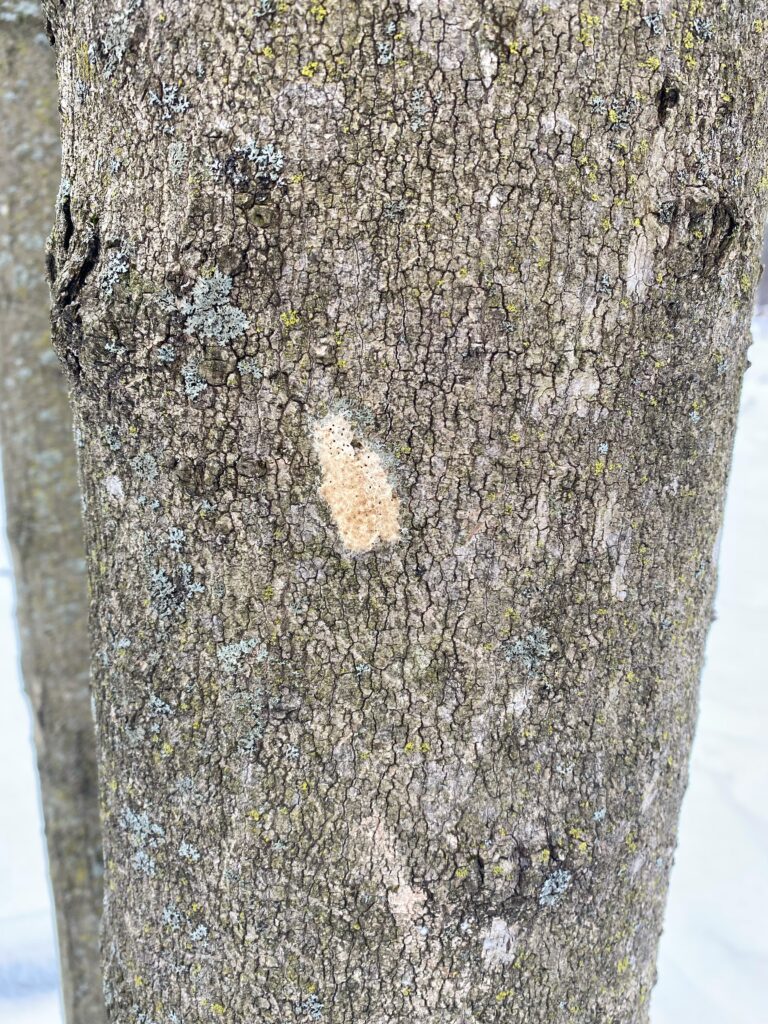
On some of the trees around my phenology site were these cocoons that most likely contained insects.
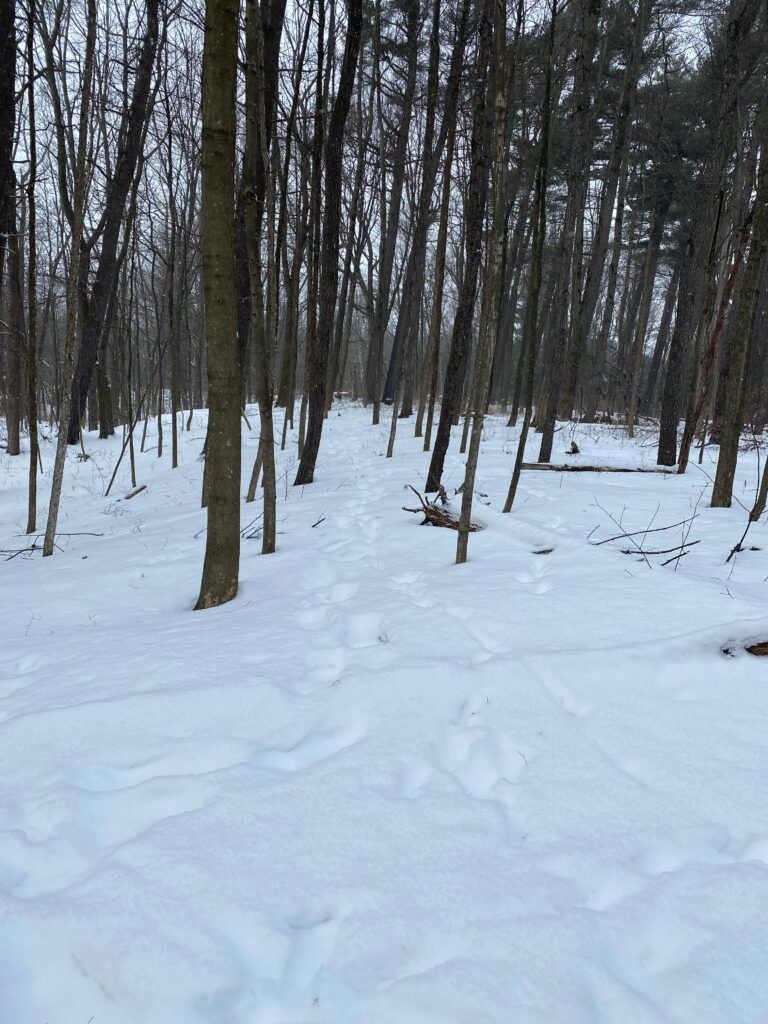
The most noticeable difference between my site this week and the last time that I visited in December is the amount of snow. Now in late January, there is much more snow on the ground that has accumulated. Other than that, the site looks pretty similar with some animal tracks through the snow and the same trees and plants.

Blog Post – 12/11/21

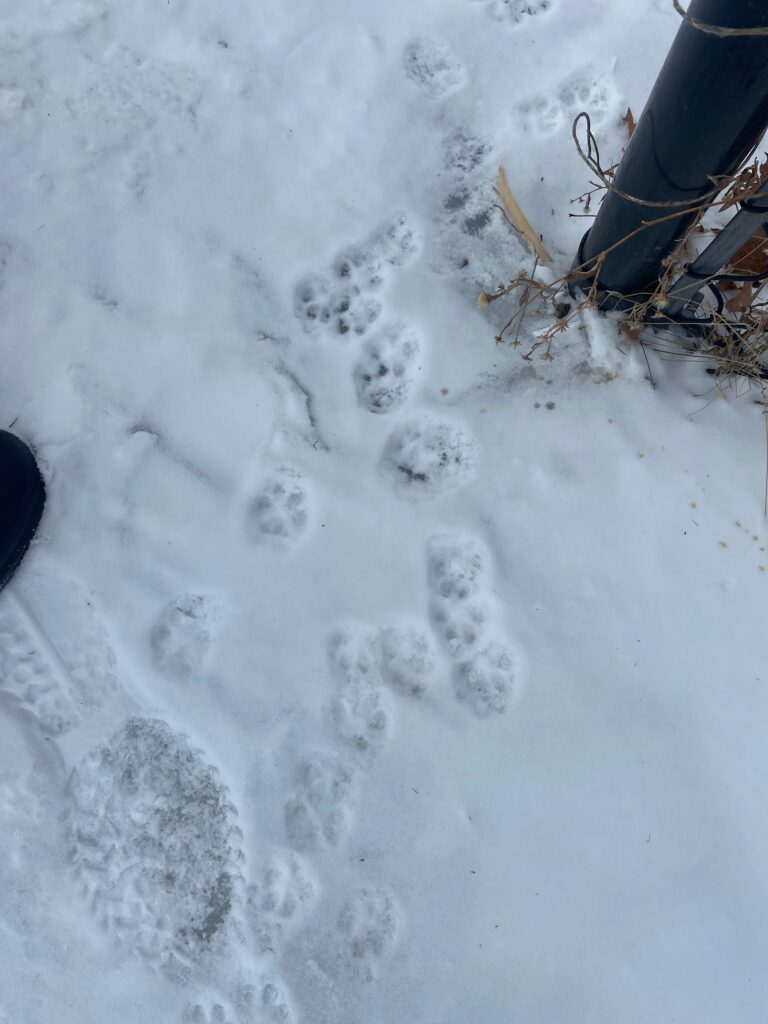
Deer tracks in the snow

In the top photo, we found deer tracks in the snow. Because the snow had freshly fallen that morning, however, it was difficult to find many other animal tracks in the snow. There were some human footprints and paw prints from dogs, however there were not many tracks from the natural species that live in this area.

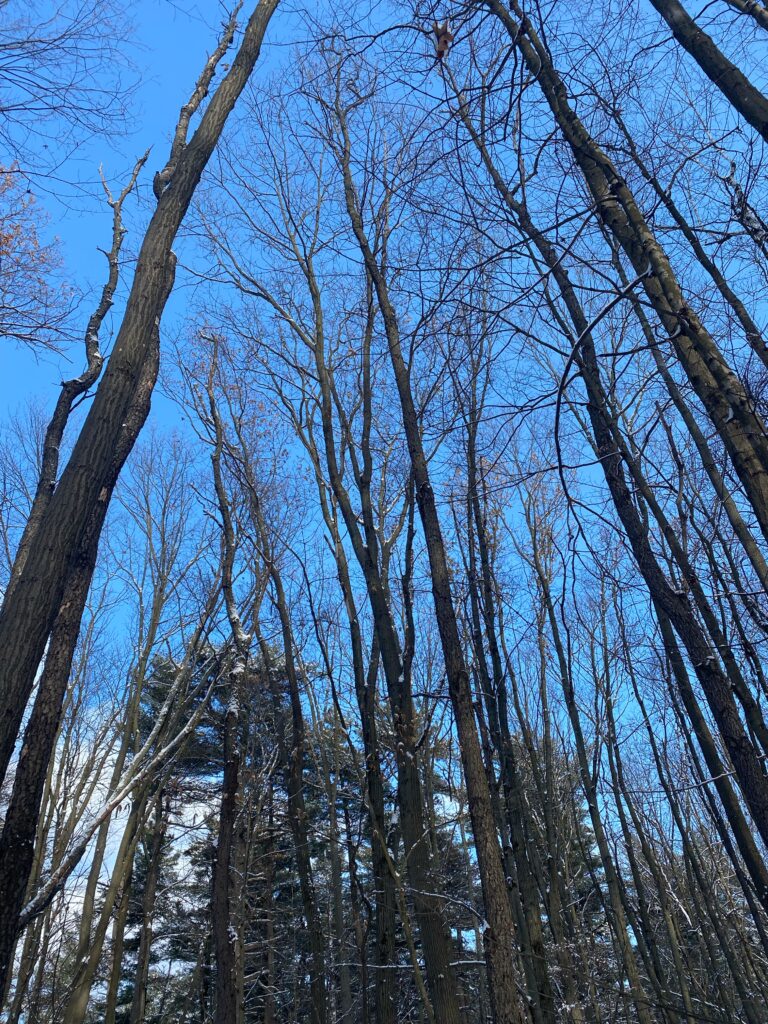
Hardwood trees lost all leaves, but coniferous trees in the back still have their needles

Conifers retain their leaves year round, while hardwood trees in the Northeastern US loose their leaves when the temperature drops for the winter. In my phenology spot at Centennial Woods, all the leaves have fallen off the hardwood trees, while the deciduous trees still have their needles.

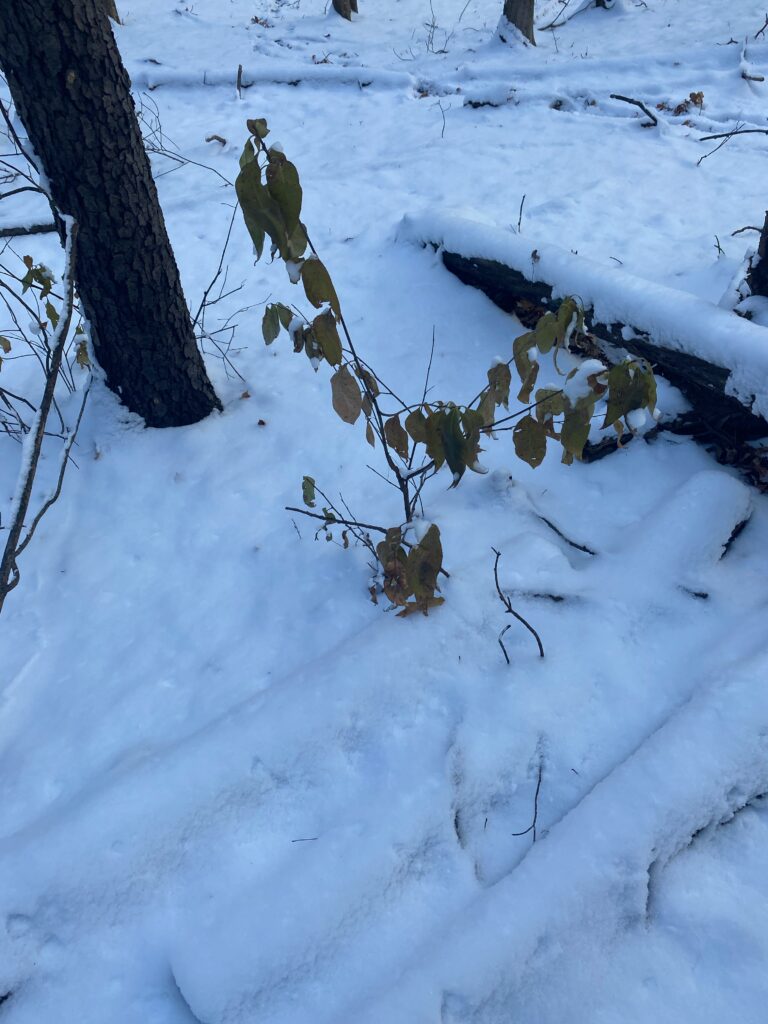
Tree sapling growing through the snow

Although the ground of the forest was covered in snow and the temperatures were cold, there were still some small plants growing such as young tree saplings and ferns.

Blog Post 3 – 11/12/21

Phenological Event Map – Walk from UVM’s Redstone to Central Campus

For my phenological event map of the city of Burlington, I decided to walk on UVM’s campus from the Central Campus to Redstone Campus. Although this walk is on the campus of UVM, while walking trees and other plants on South Prospect Street and Main Street can be seen. This week, the colors of the leaves in this area are beautiful and have almost all changed color. At the beginning of the walk, right outside of the Davis Center after crossing Main Street, there are many Maple Trees that have turned orange to the left of the path. As I continued walking, I could see paper birches to my right, which had leaves that had turned yellow. As I was walking, there were also many yellow and orange leaves on the path that had fallen as I was walking. In the middle of the walk, there were so many different species of trees that had turned different colors. Most were hardwood/deciduous, and there were many maple and beech trees. Most had turned orange or yellow, but some were red or had not changed color yet. There were also many trees close to the path that had lost almost all of their leaves.

November 1, 2021

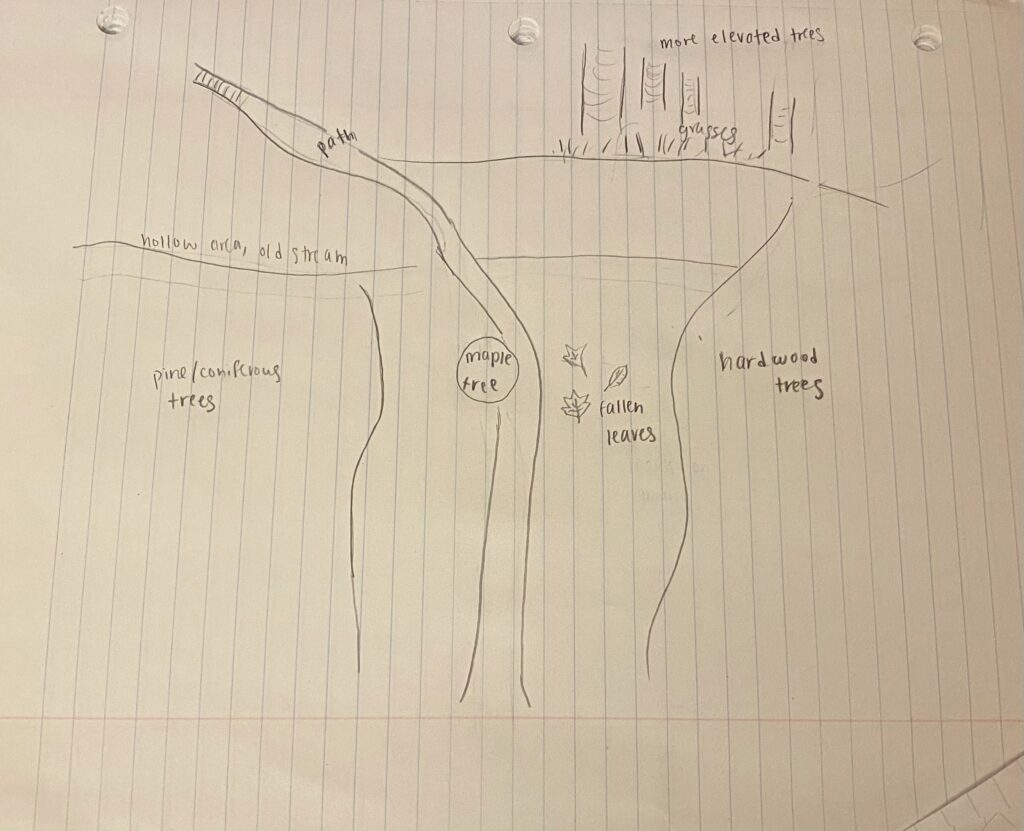
This week, I sat in silence for 15 minutes in the center of my phenology site. I chose to sit under a Maple tree that is just in front of a path that goes through the site in the woods. As I sat in this spot, I closed my eyes in to hear the sounds that were happening around me. I could mostly hear wind in the distance, with some gusts rustling leaves every so often. I could also hear birds chirping in the distance. When I opened my eyes, I could see some leaves moving with the wind, and some falling off the trees. The temperature of the air was cold, about 46 degrees. There was also a slight breeze, and the air smelled of wet bark and leaves. Compared to the first time I visited the spot, most of the leaves have changed color as of this week. Most are yellow, and some are still green.

Birds-Eye View Site Map

Blog Post 1 – 10/13/21

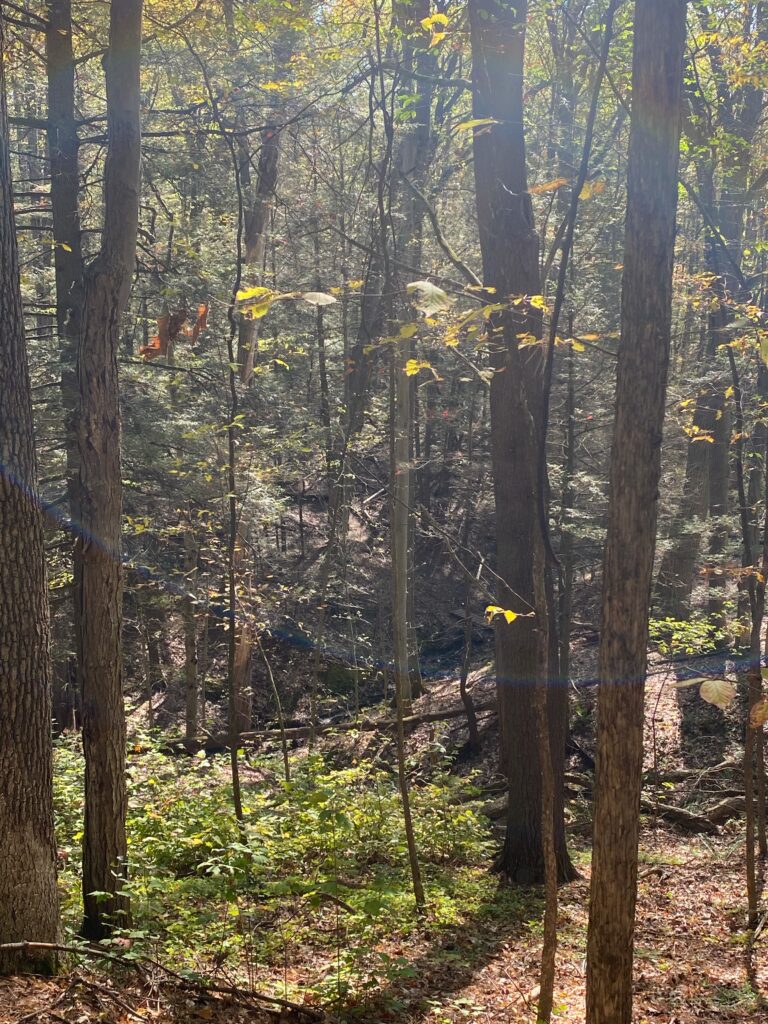
My phenology site is in the middle of Centennial Woods, in an area where an almost completely dried up brook runs through the forest. Centennial woods is only about a five minute walk from UVM’s Central Campus, so I chose this area because it is easy to get to and it provides a refuge from the stress of daily life on campus. In just a few minutes, you can walk from the busy roads near campus to these completely secluded woods. To get to the specific area of the woods that I chose, you have to walk through the woods for a few minutes. Once you get past a slightly steep incline on the trail, the area that I chose is to the right. The area spans either side of the brook, and there is a slight decline on the path to get to the other side. The area is heavily concentrated with mature trees, and some parts of the understory are covered.

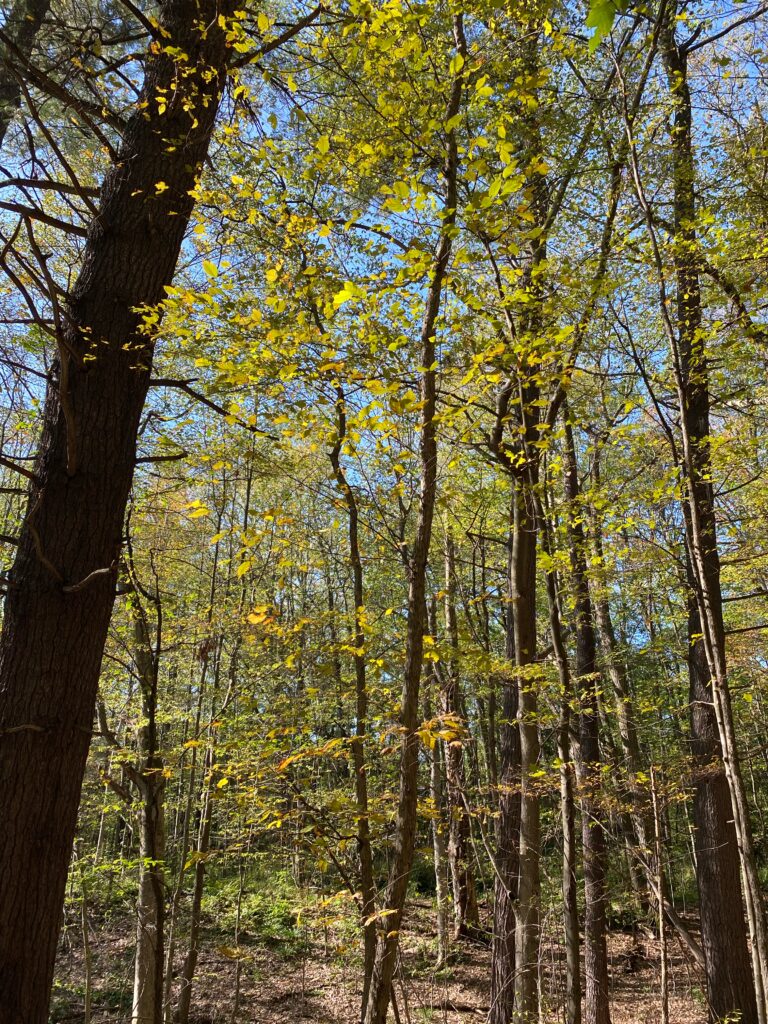
On either side of the brook, there are many hardwood trees. On the left side, there is a more concentrated amount of coniferous trees as well. The understory has some ferns and other smaller, woody plants. The hardwood trees in the area are mostly maple and beech trees, while the side of the area that has more coniferous trees consists of hemlocks and eastern white pines. The understory mainly consists of wood ferns.

Hardwood over story (mostly maple and beech)

Skip to toolbar