Abandoned Railroad, Westtown, NY 10998
Today is Wednesday, July 5th at about 1:30 p.m. Despite the frequent thunderstorms we have been having, it is still blistering hot. As of right now, the temperature is averaging 85 degrees. It continues to be muggy and I am beginning to wonder if I am in Florida and not New York. As usually, the coverage from the tree canopy makes the weather more bearable.
Today, I was disappointed when I didn’t notice anything drastically different at my site. The creek was flowing a bit faster due to the heavy rains as of late, but that was the only obvious thing. However, as I continued to look, especially for subjects for my photos, I began to notice things I had not before. Firstly, there is an animal bone that I found on my first visit and I have been putting it back at the same spot every time to see if someone or something will take it: It was still there. Secondly, mayapples are abundant in the wooded areas where I live. These are also commonly known as American mandrakes or ground lemons. They are called mayapples because they flower in May and sometimes early June. Today is the first time this season that the fruit is beginning to ripen. You have to be really careful when foraging these fruits because if you eat them too early, or eat anything other than the fruit, it is very poisonous. I have eaten one of these fruits when I was young at a nature summer camp which probably wasn’t the best idea but I didn’t die and remember liking the taste.
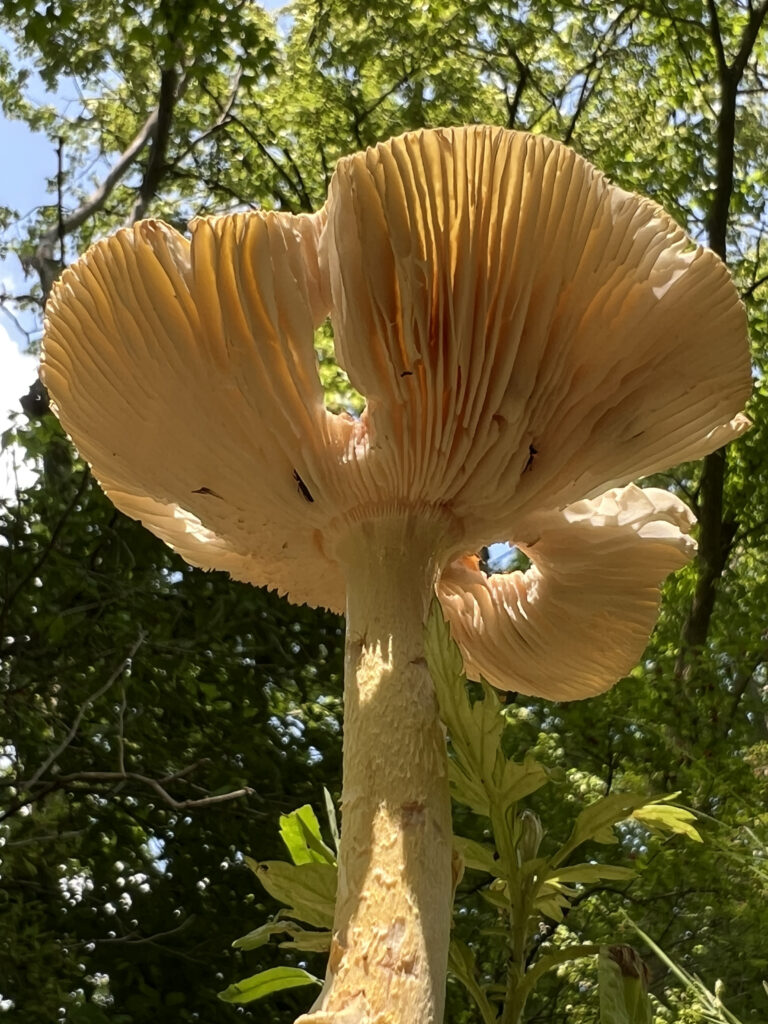
When looking for things to take pictures of, I found an interesting mushroom. It is one of the only mushrooms that I found that has some gill-like structure on the bottom of it (see picture below). I was curious as to why the underside of the mushroom was structured in this way. It reminded me of how our intestines are coiled for more surface area and wondered if that had anything to do with it. I discovered that my reasoning was correct. Well, partly. The gills, also known as lamella, are shaped in a way to maximize surface area for spore dispersal but they also act as support for the cap, or top, of the mushroom.
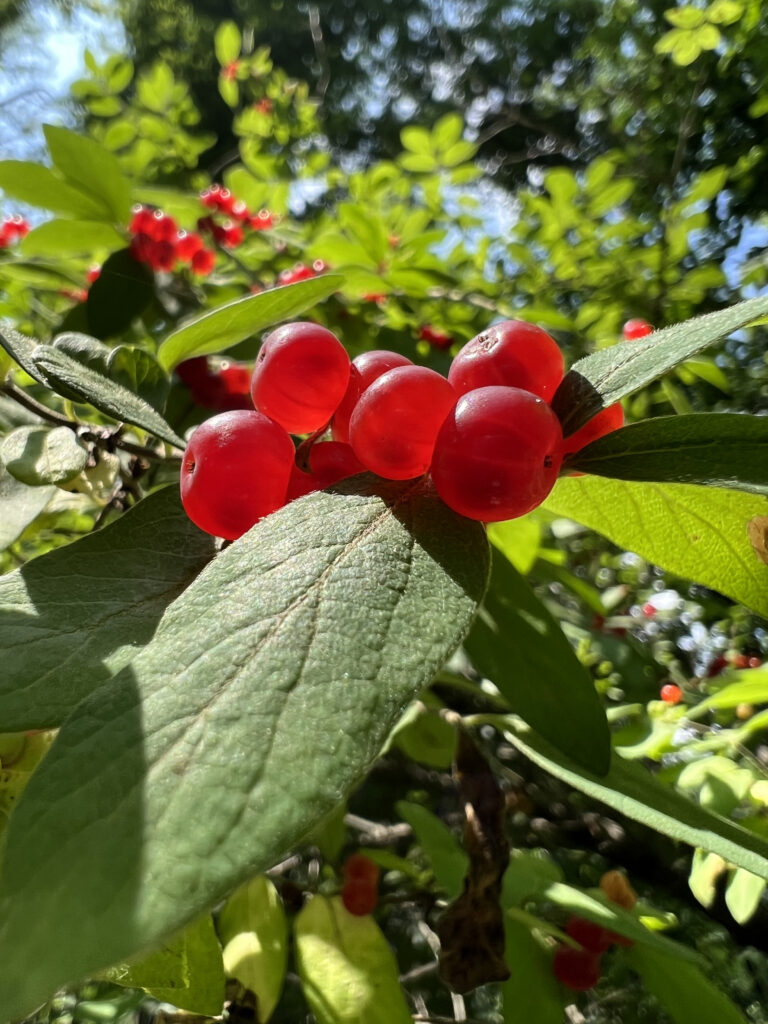
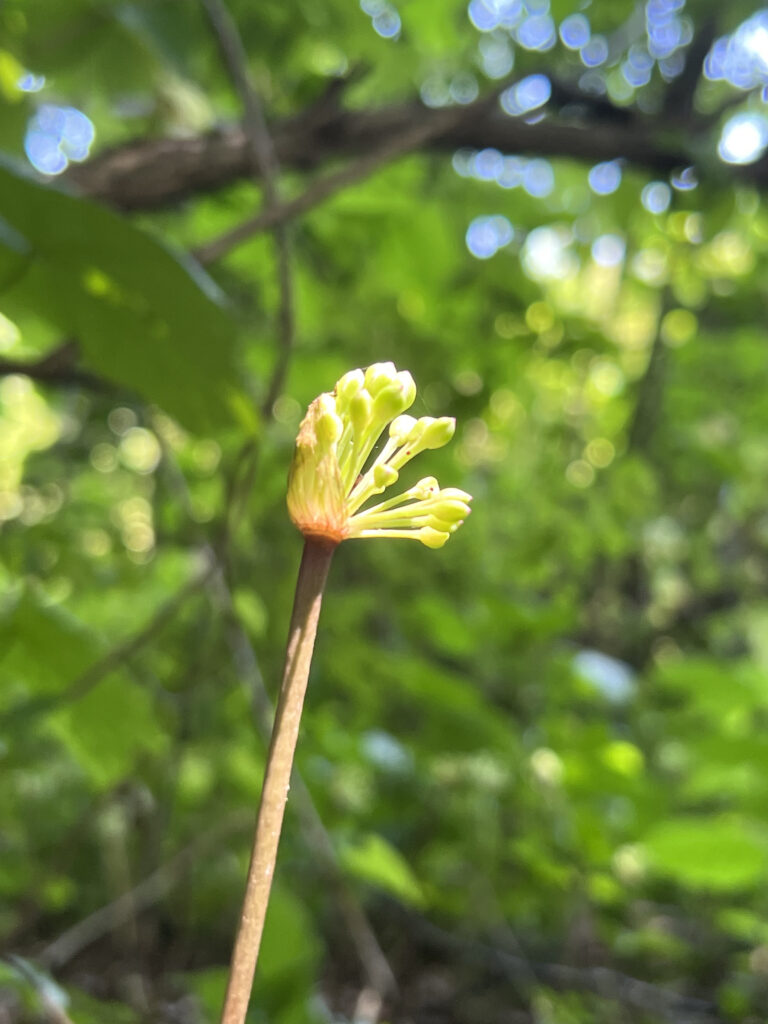
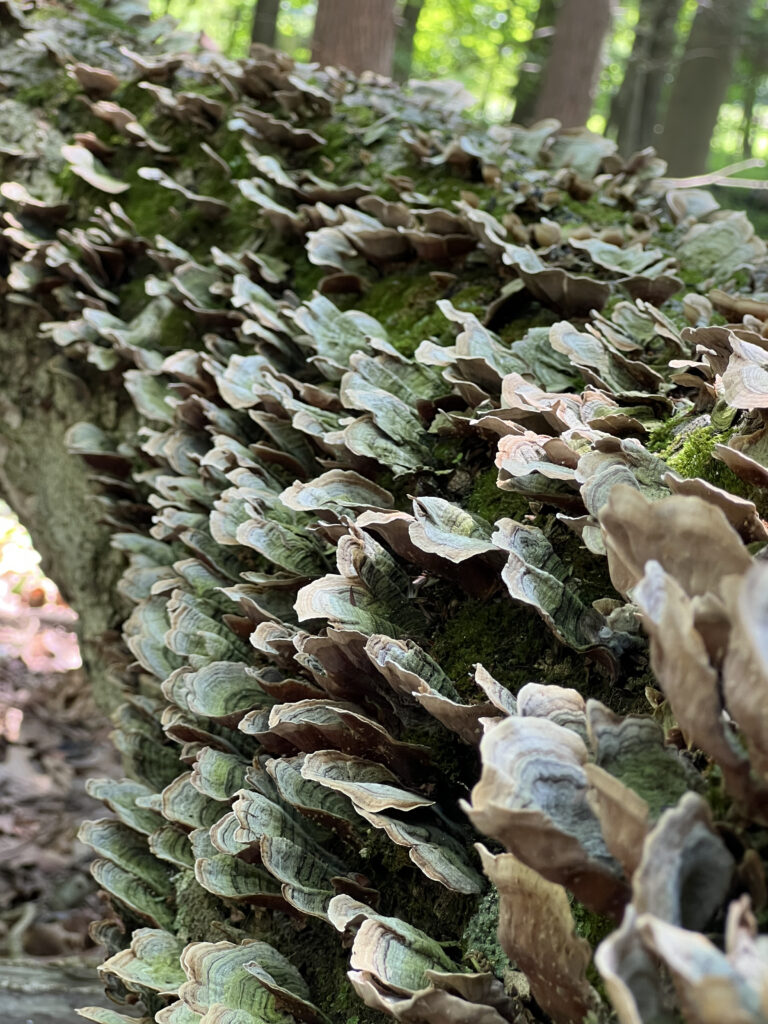
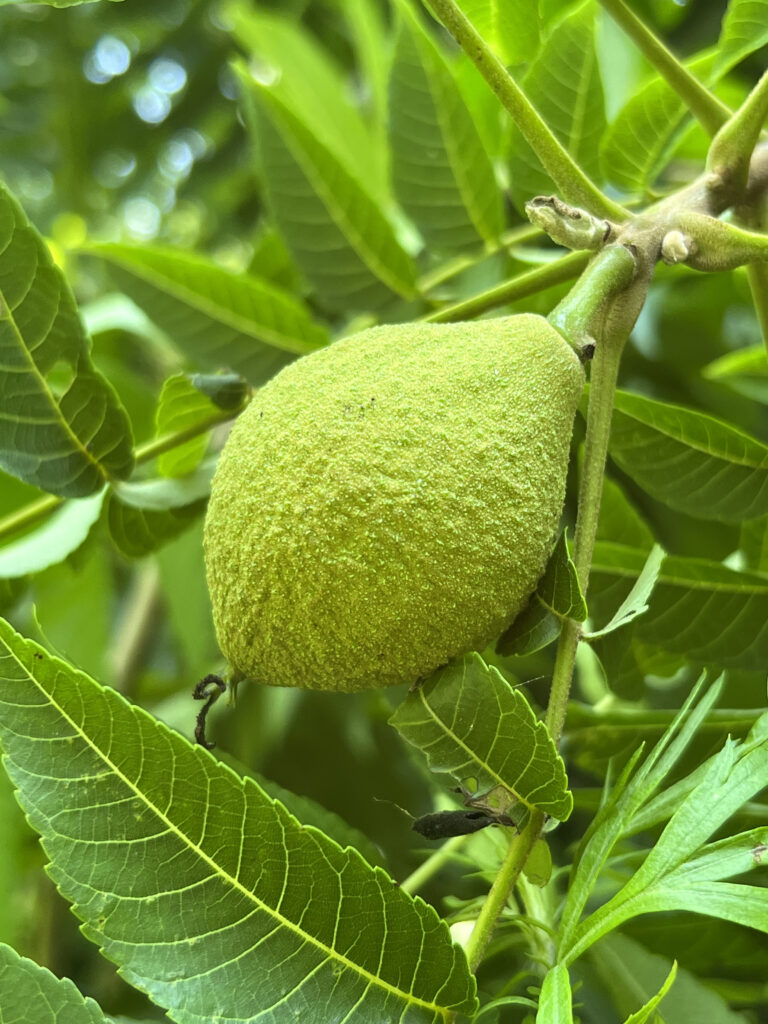
Similar to sketching, this exercise made me look more closely at my site and I discovered things I would have otherwise missed. I look at my feet a lot when I walk and this made me pick my head up and become more aware of my surroundings. This took a lot less time and effort than sketching but made me look for details in a different way. While sketching I was looking for details in the subject themselves but with photography I was looking at details in my site itself. I will continue to implement both of these exercises in my future.