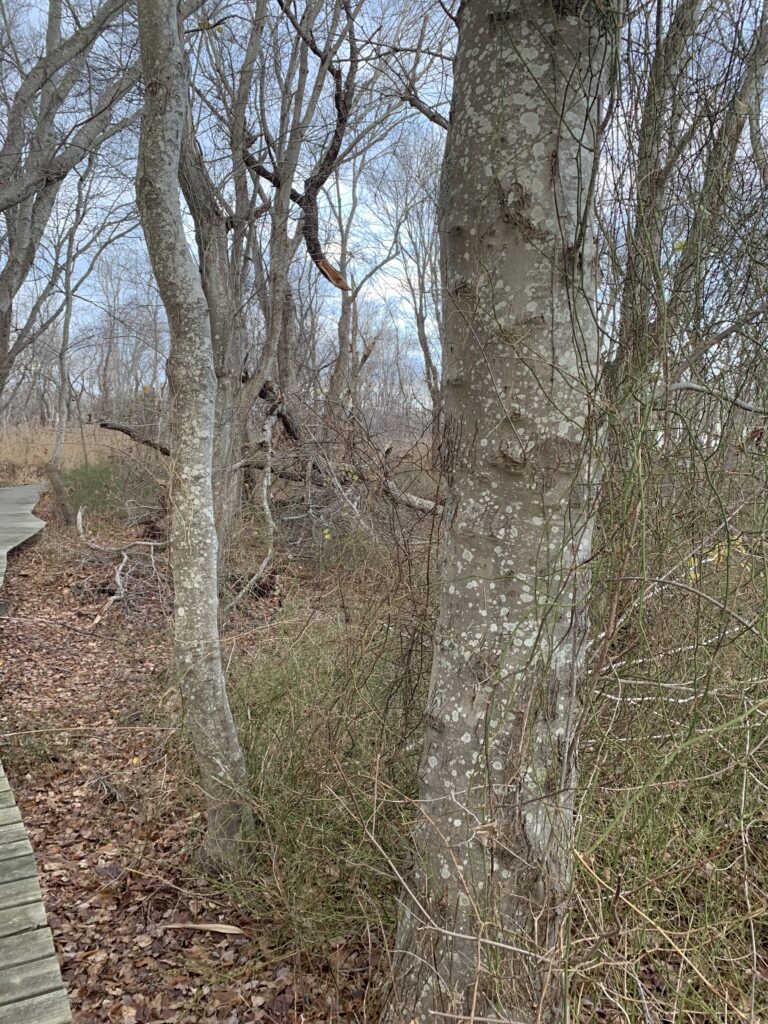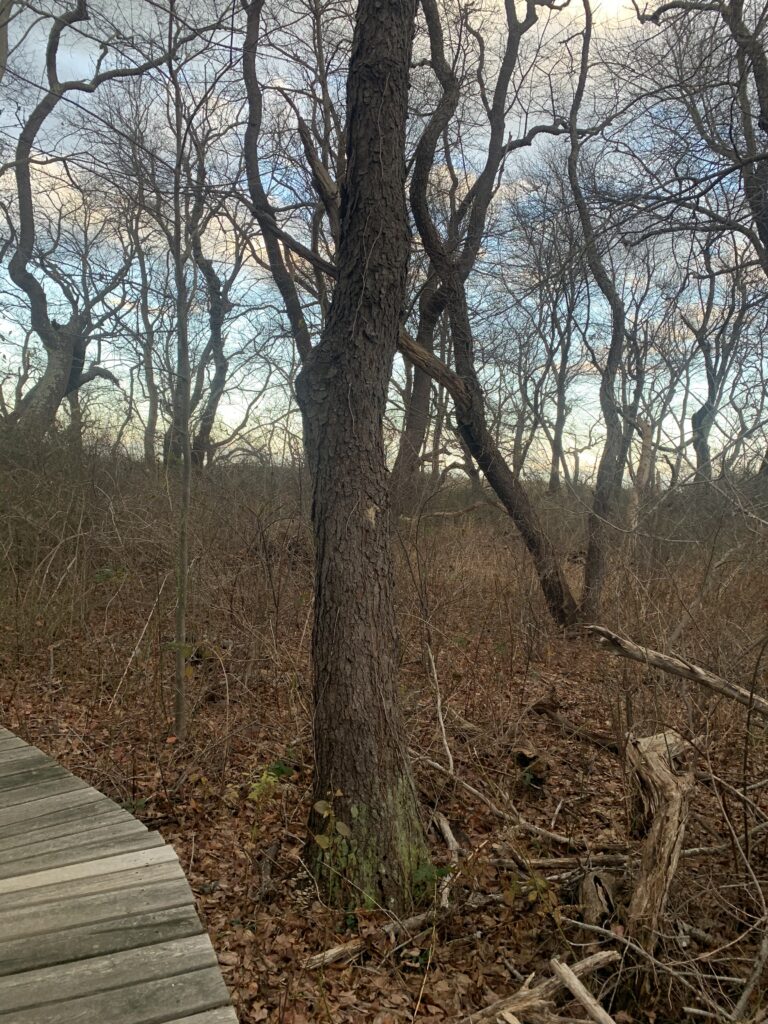
Having recently returned home, roughly 250 miles from my original phenology site, I thought it was appropriate to chose my towns best nature reserve as my new one. The Daniel Webster Wildlife Sanctuary, owned by the Massachusetts Audubon Society, consists of miles of trails traversing woodlands, wetlands, and grasslands. A common site for photographers and birders, there is always an abundance of visible wildlife as long as you know where to look.
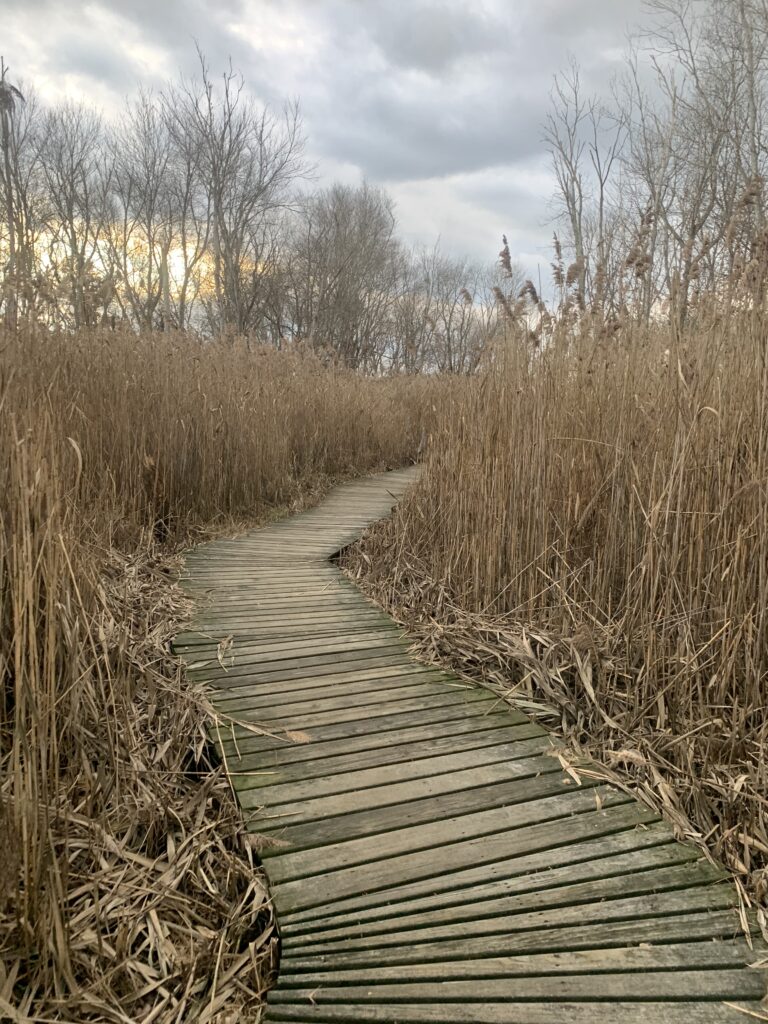
The Daniel Webster Wildlife Sanctuary is vastly different than Rock Point in Burlington. While Rock Point has a plethora of cedar and birch trees fueled by the calcium rich soil, the Sanctuary has multiple landscapes all with their own little ecosystem. The area I focused on though, the wetland area, has large amounts of different species of reeds (as seen in the photo above) for vegetation and an abundance of American Beech and Northern Red Oak. These trees prefer the slightly acidic, moist clay soil that is present at the wildlife sanctuary. Where Rock Point has exposed bedrock sits well above the water line, Daniel Webster has very moist and clay like soil resulting in an entirely different community of organisms. Eastern White Oak is present as well but not as strongly.