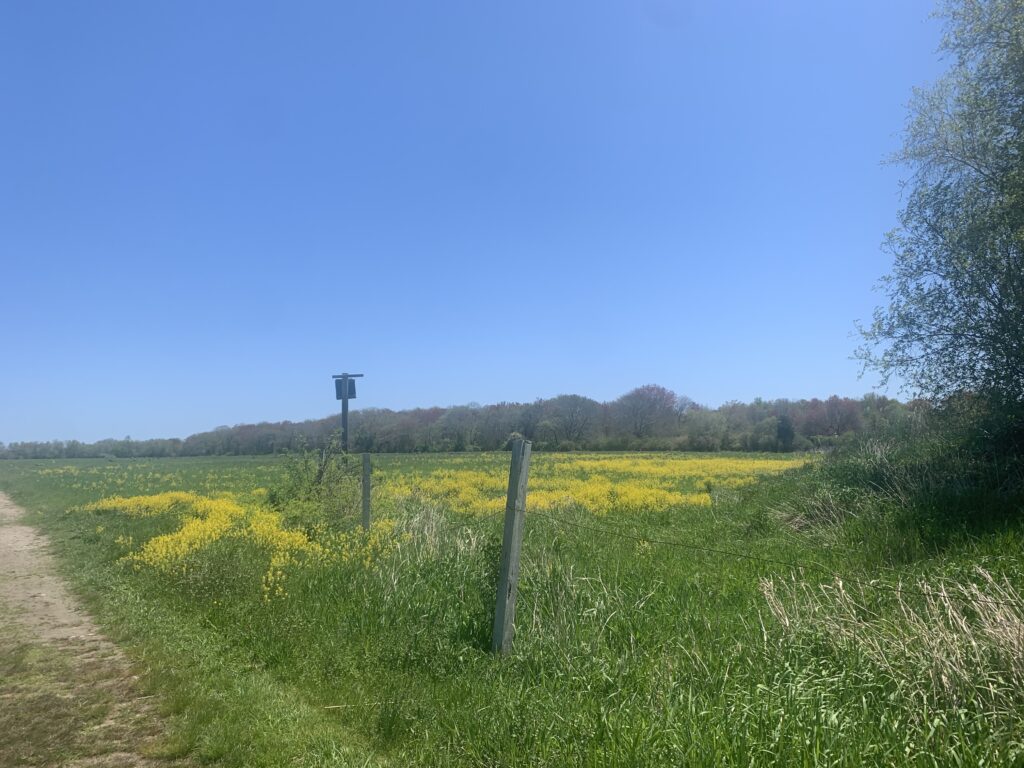
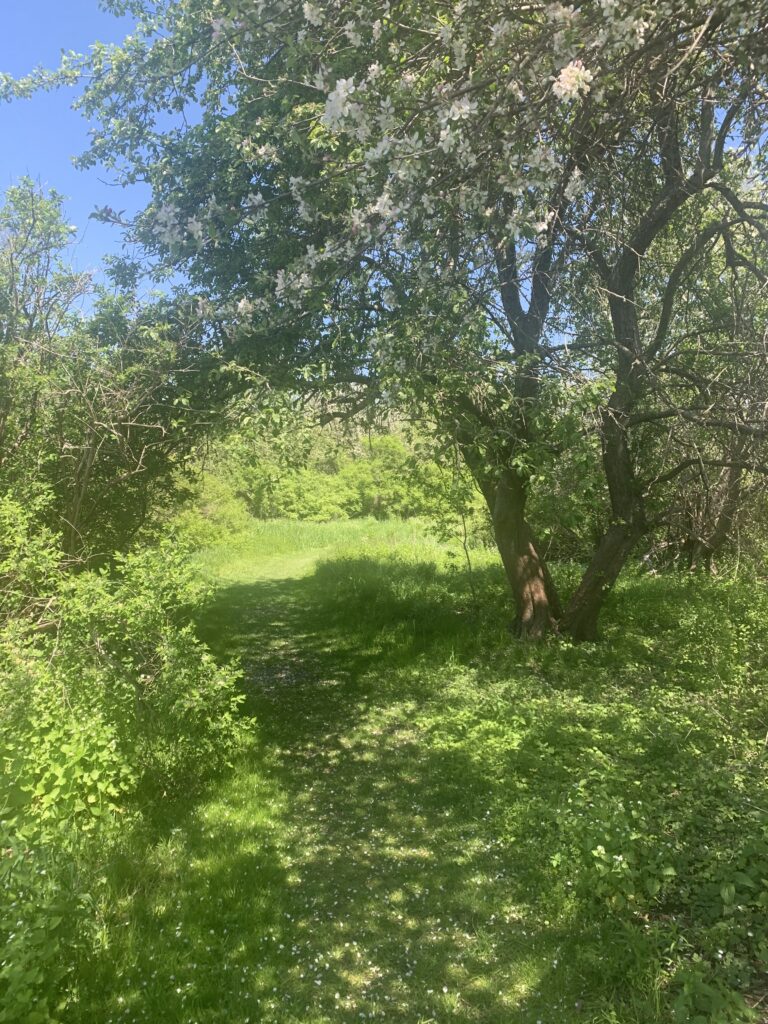
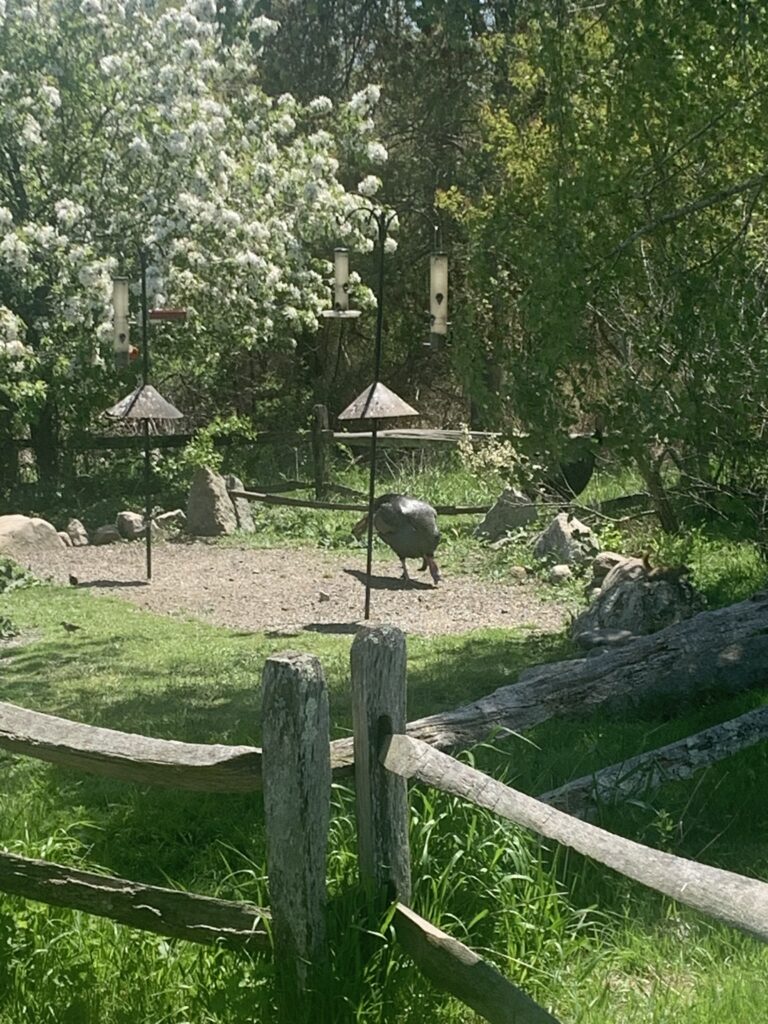
Sadly, I was unable to visit my phenology site for a final time this week because I went home a bit earlier than expected. But, here in my hometown of Marshfield, MA spring is in fully effect with beautiful weather and greenery all around. Not being able to see my phenology site in Burlington, I went back to my Marshfield site that I hadn’t visited in since winter break, the Marshfield Audubon. The last time I had seen this place it was knee high in snow, still beautiful, but not easily navigable. Now its nicely cut paths are walled with tall grass and reeds and the trees are starting to fill up again so once you get into the wooded area its like you’re in a natural wonderland. Its a very peaceful and nostalgic place to me after having gone there all my life. Given I’ve spent so much time there, I do consider myself part of it in at least a small way. Anyone who grew up in my town has memories of going to the Audubon with their parents for birthdays or for the harvest festival and getting pulled around on tractor rides. For those who lived here their whole lives everyone makes a trip there at least a few times in the spring and summer for a nice relaxing walk. Its one of the few places in Marshfield you can actually say that culture and nature intertwine after being a key part of the town for decades. It really is an amazing place.
Posts
City Nature Challenge (May 3rd)
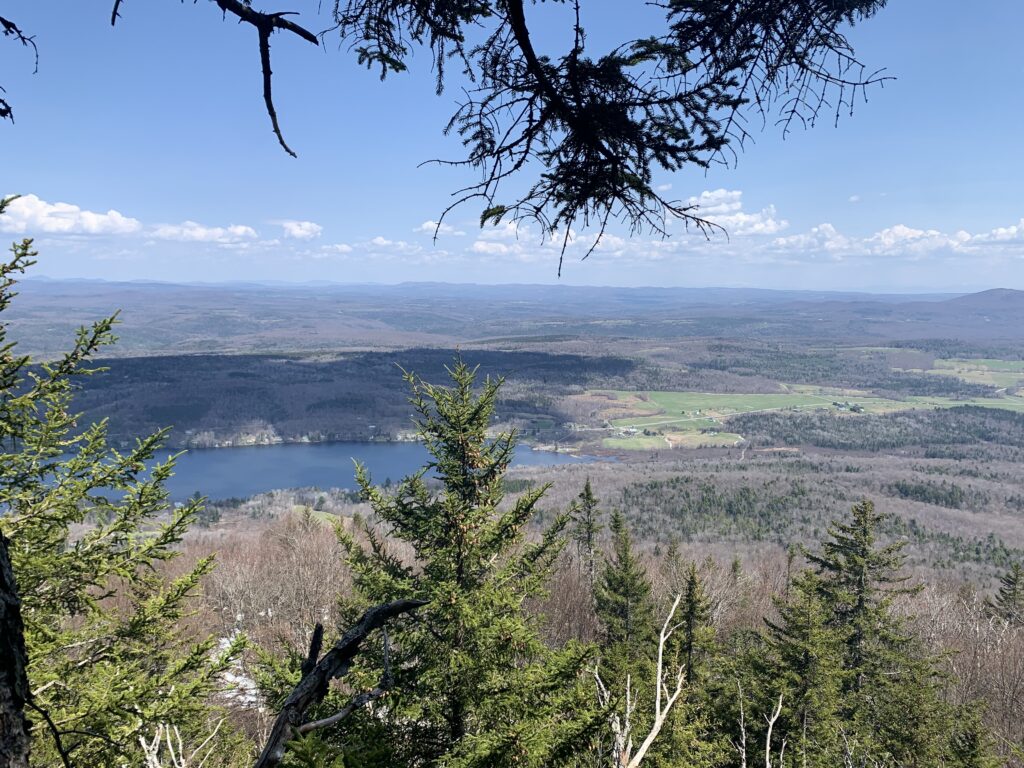
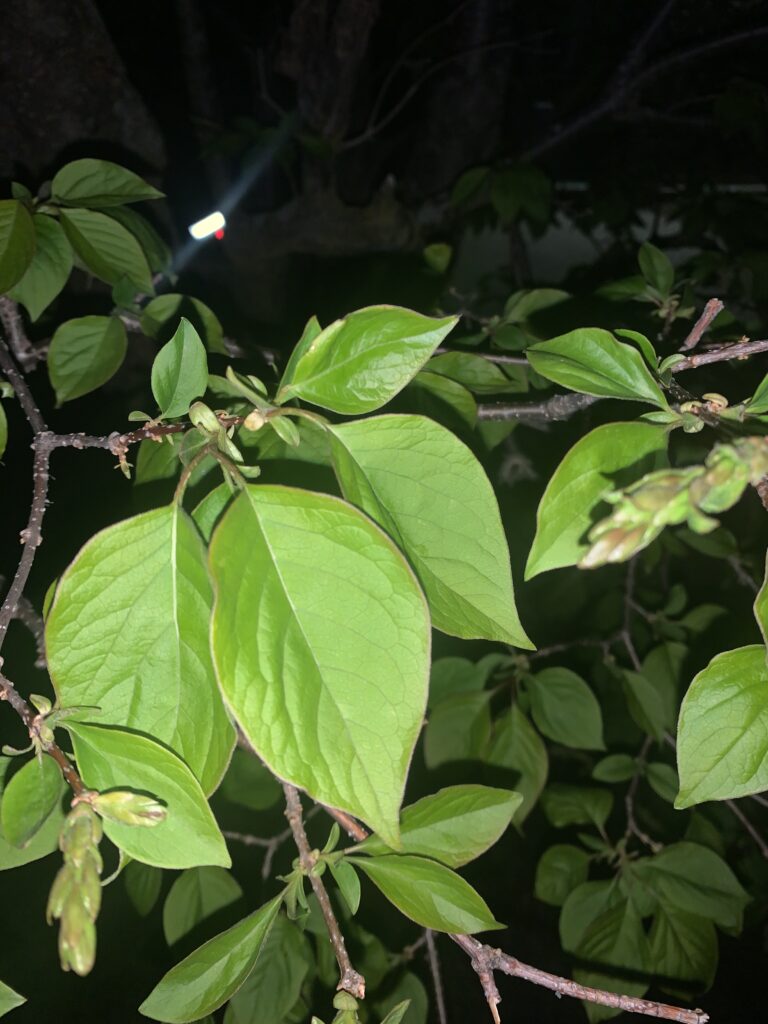
The city nature challenge was quite fun actually. I did not participate in it as much as some of the other kids in our class (for those in it you know who im talking about), but it was still a great experience. It was one of my first times actually using iNaturalist and going through it in depth and I was impressed with how easy and helpful it is. I was also just a huge fan of the concept of the City Nature Challenge, especially after seeing so many people within our lab group and those in other groups so genuinely excited to go outside and participate in it. I only took a few picture because I tend to leave my phone in my room when I go out or at least try to keep it in my bag, but I did get a nice picture while on a hike of some evergreens with a nice view as well as one of the street trees behind my building that I always wondered what was. The opportunity overall is great, and its really nice to see something that challenges people to go outside and get in touch with nature, no matter what it is you’re doing.
Springtime In Burlington
Spring has sprung in Burlington and the greenery is coming back. My new spot, the little walking trail in between the golf course and Redstone campus, is going back to what I originally remember it as. When I visited it over the winter, the true beauty I remember it having was lost as all the leaves on the trees were gone and all the dorm buildings within sight were visible. As the weather gets better, the leaves are growing back and turning the spot back into a little slice of paradise. I went there with some friends and no phones over the weekend to set up hammocks and hang out and do homework. Finally I was able to relax and listen to the bird calls going back and forth, sadly I’m not trained enough to know them by ear. Other than that, the most excitement we got out of wildlife was watching squirrels jump between branches from tree to tree. I spent some time flipping over dead logs in hopes of finding salamanders but was disappointed when I didn’t, but honestly I didn’t try hard enough with it. Either way, the nice weather has me so excited for what’s to come phenology and life wise.
Changing Phenology in Burlington
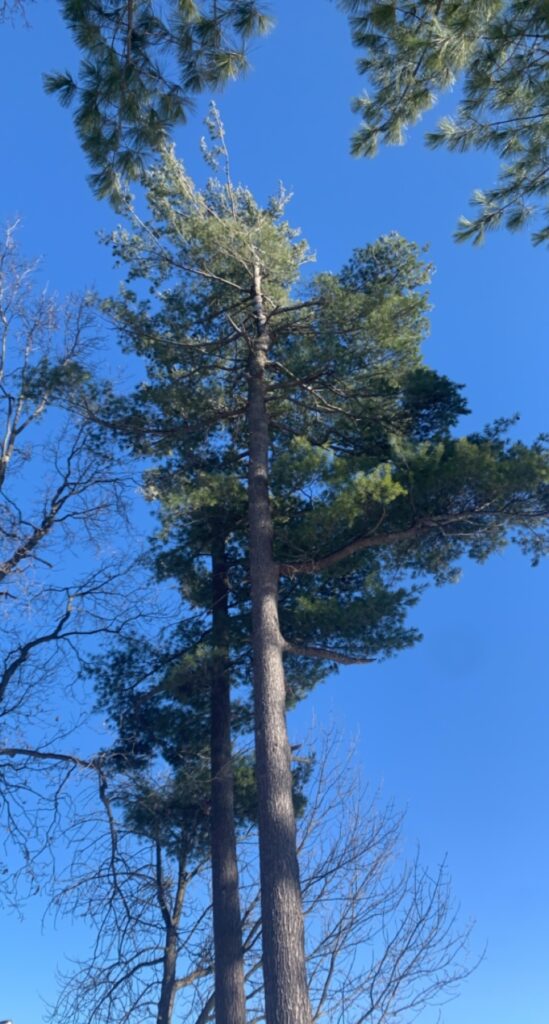
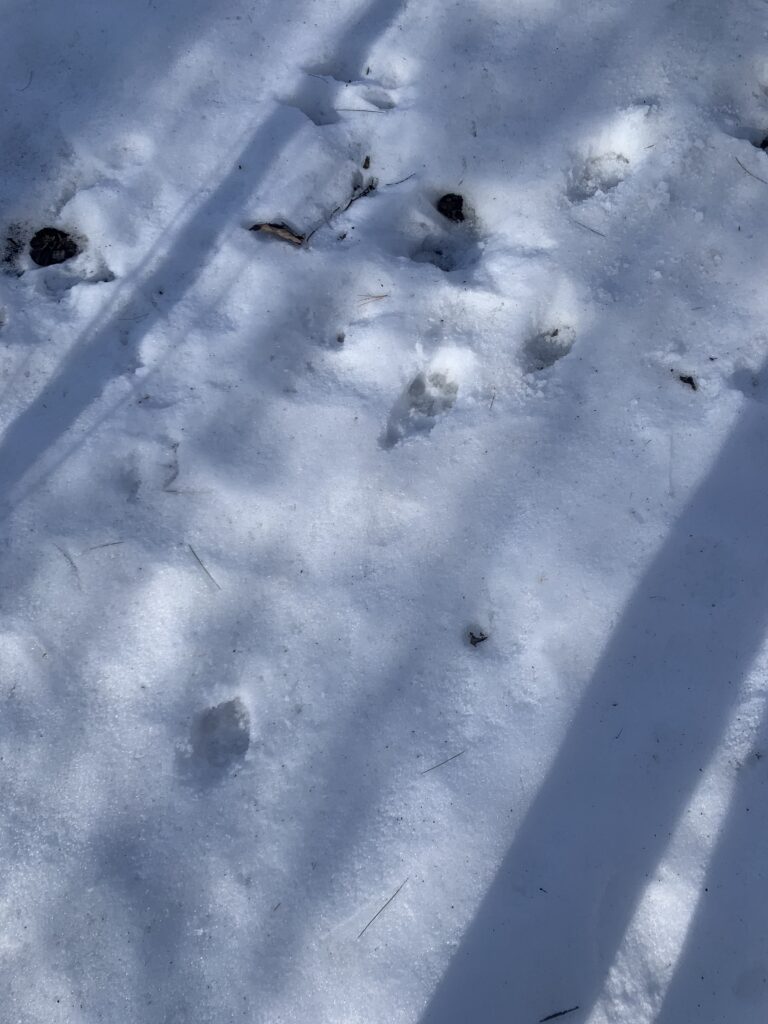
Walking through Burlington was very nice today, with the sun shining high in the sky and little wind, making it out to feel much warmer than usual. I felt that besides weather wise, the phenology was relatively similar to two weeks ago, the last time I went out actively observing and recording. Being so sunny and warm, most of the large ice formations and icicles on the sides of buildings have melted away. I went back to my phenology sight and was glad to be able to sit down in a nice peaceful area, but was disappointed to see crushed beer cans and cigarette butts littered on the ground. The snow was very compacted everywhere I went from human use so it was hard to find tracks, but going off trail I could see faint ones of squirrels and what was most likely a dog but possibly a coyote. I could see holes in trees from woodpeckers which I always love, but what was really hoping for was a red-winged blackbird. I was unlucky with that sadly, but hopefully as the warm weather returns they’ll be more abundant. I love the evergreens looming above supplying me with my needed dosage of greenery among all the barren trees. I can’t wait for in a couple of weeks or months and fresh grass is exposed and trees start budding for spring.

Another Semester of Phenology Sites!
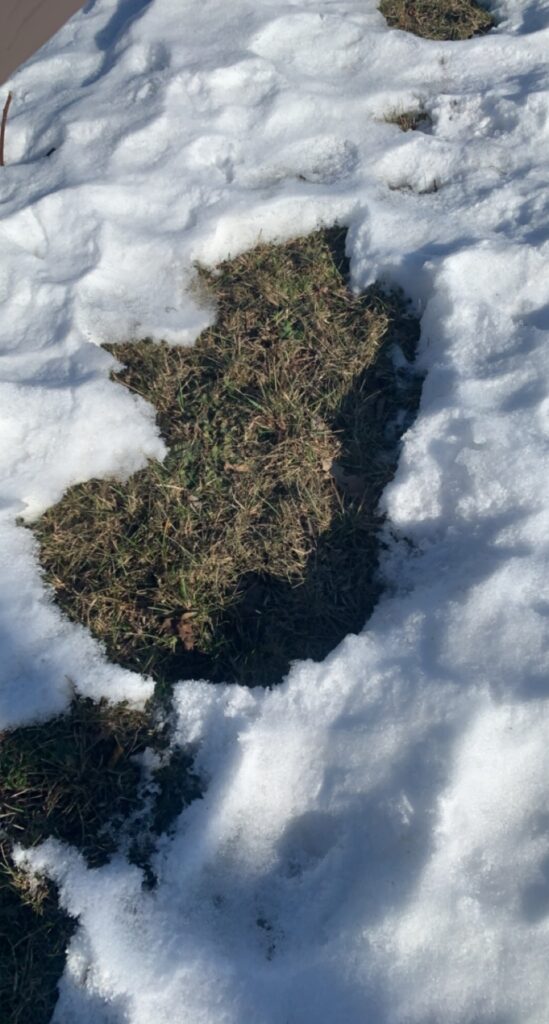
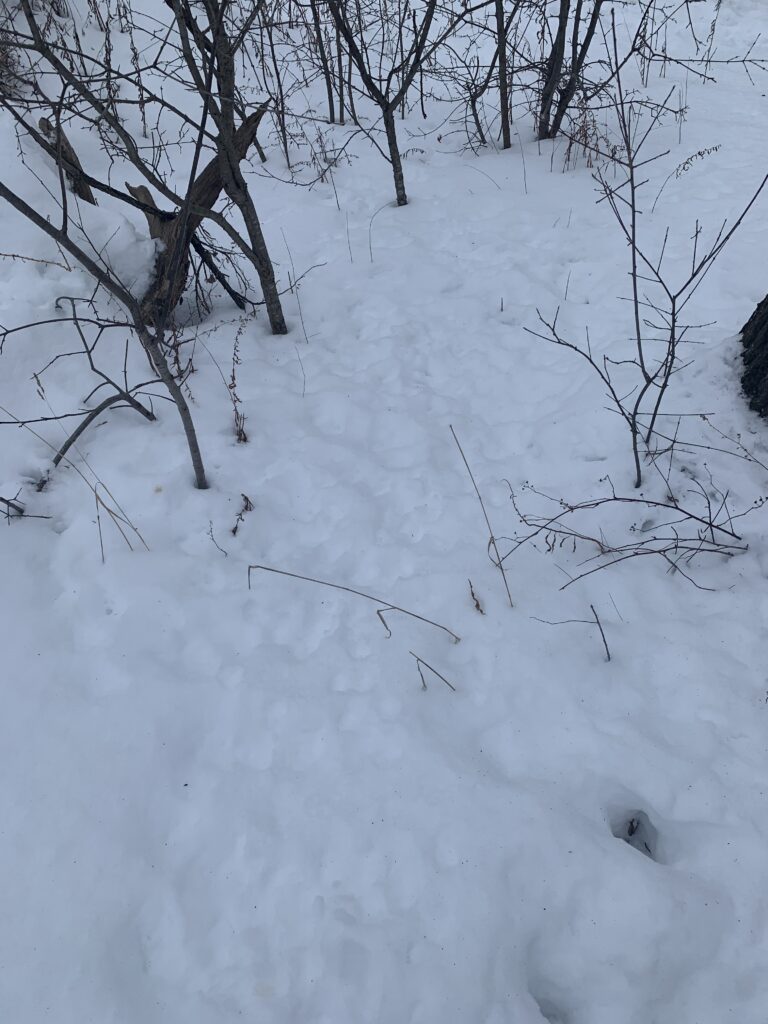
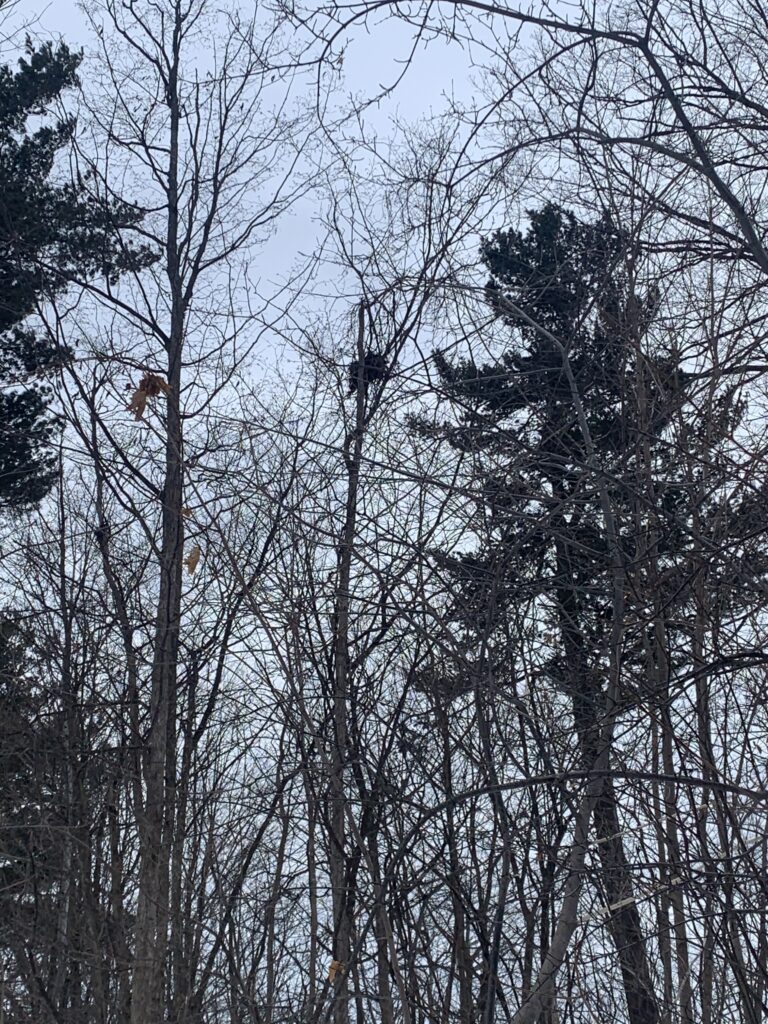
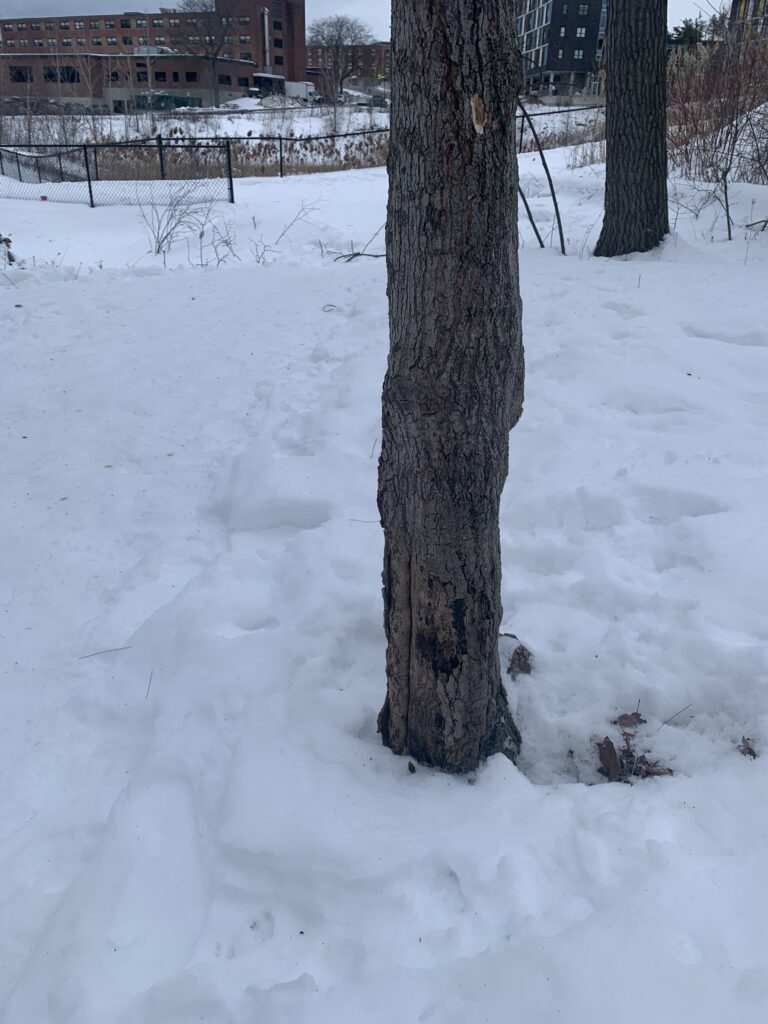
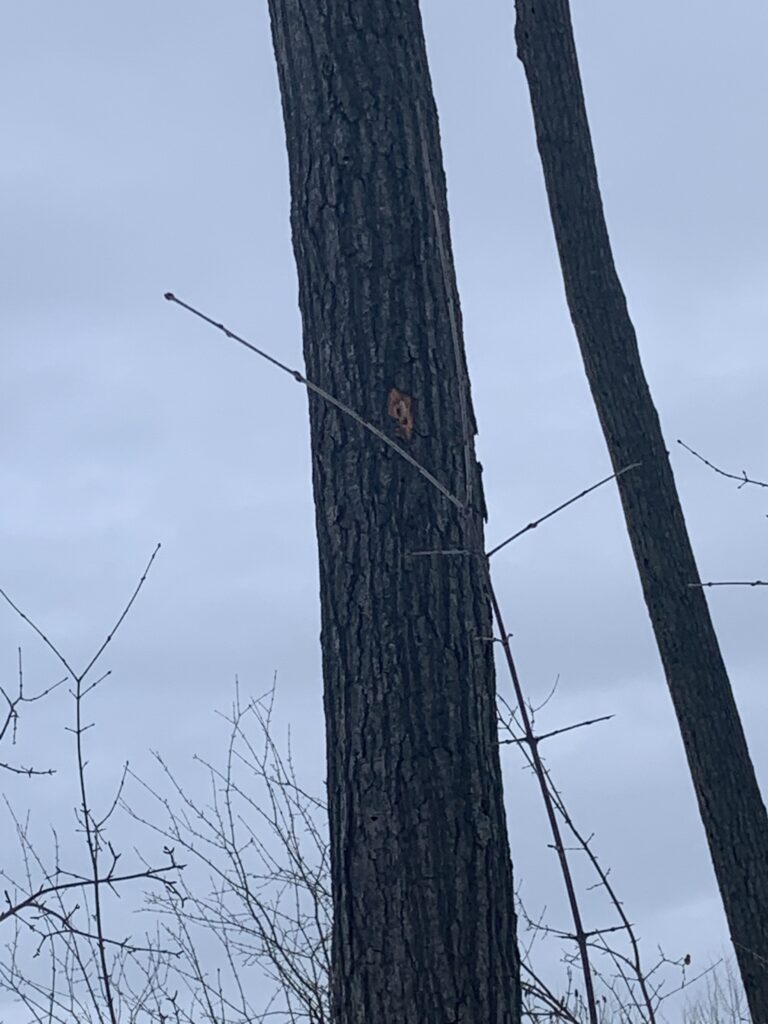
Given spring semester, though sounding warm and pretty, is very cold, I decided to move my phenology site from Rock Point to a much closer one. Immediately upon arrival at UVM last weekend, I walked over to the golf course to go sledding with some friends. To get there I leave my dorm building, take an immediate right, and just walk straight past the parking lot and through the woods until arriving at the gold course. I didn’t think it was necessary to map given its small size. It was this small patch of woods separating the parking lot and golf course that I chose as my new phenology site. As you’ll see in the pictures I took there, it is obvious large amounts of wildlife live in the area and pass through the site. Bottoms of trees were clawed at, narrow woodpecker holes were scattered along trees, along with the plenty of nests clearly visible from ground level.
History to Marshfield’s Audubon
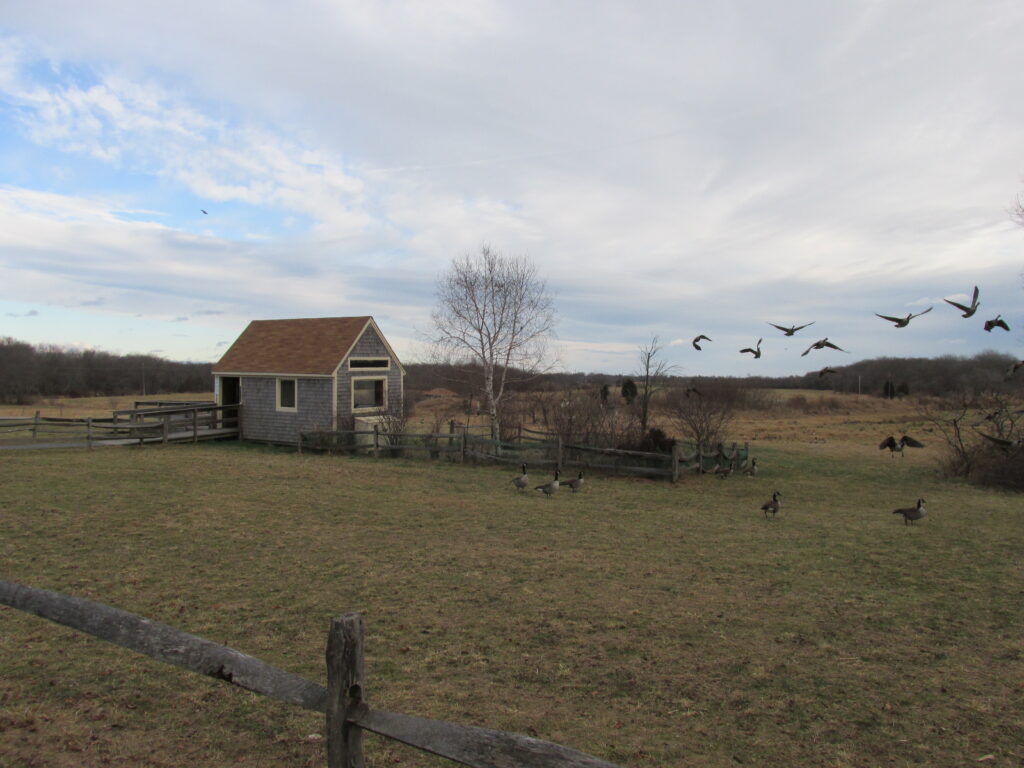
As talked about in my previous post, Marshfield’s Daniel Webster Wildlife Sanctuary, commonly referred to as the Audubon, is now used for scenic walks, bird watching, conservation education, and much much more. Before this though in the 1800’s, Walton Hall, the owner of the land and the Webster estate, used it for his dairy cattle to graze upon. It was passed down through the family until given to the Massachusetts Audubon Association, which takes care of it and runs its programs to this day. For years to come, this will be a highlight of our town not only for its beauty, but for its educational purposes as well.
Daniel Webster Wildlife Sanctuary
Having recently returned home, roughly 250 miles from my original phenology site, I thought it was appropriate to chose my towns best nature reserve as my new one. The Daniel Webster Wildlife Sanctuary, owned by the Massachusetts Audubon Society, consists of miles of trails traversing woodlands, wetlands, and grasslands. A common site for photographers and birders, there is always an abundance of visible wildlife as long as you know where to look.
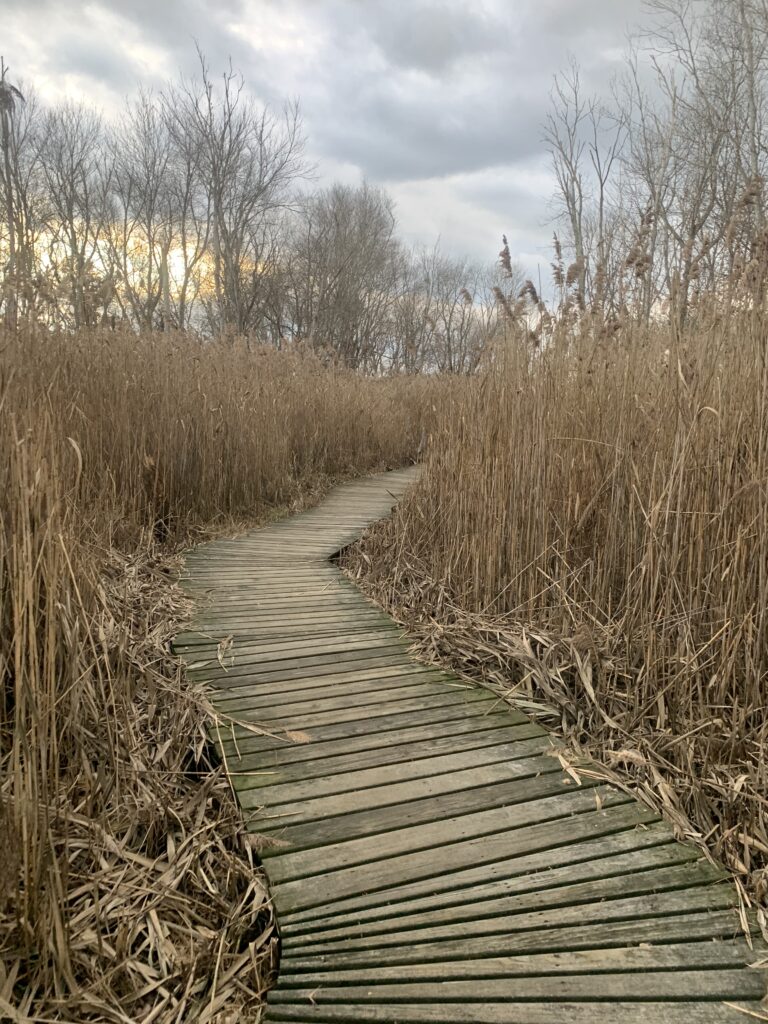
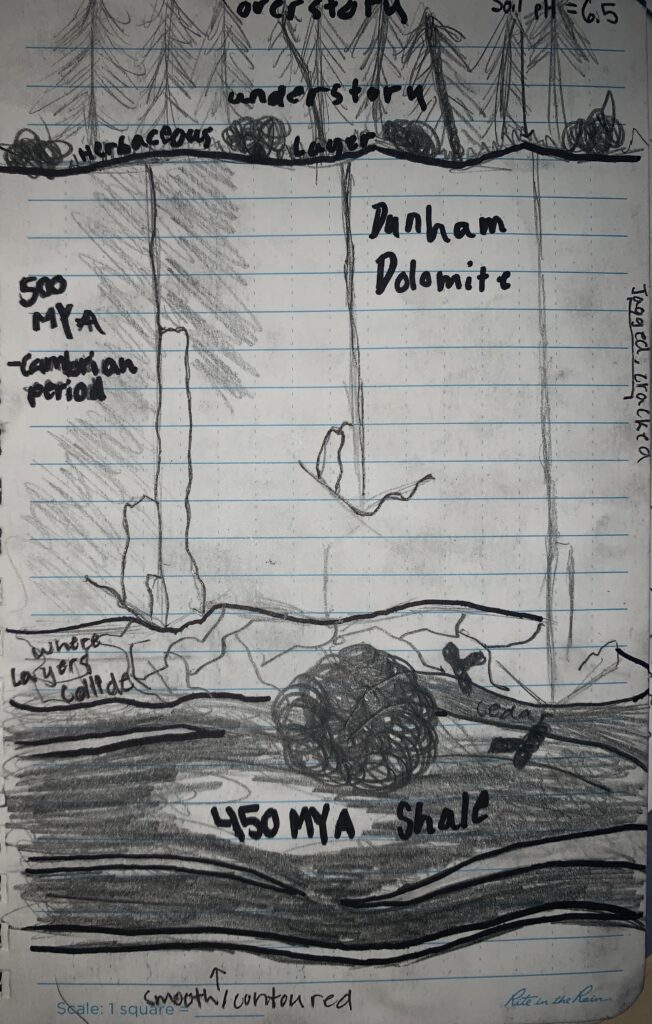
The Daniel Webster Wildlife Sanctuary is vastly different than Rock Point in Burlington. While Rock Point has a plethora of cedar and birch trees fueled by the calcium rich soil, the Sanctuary has multiple landscapes all with their own little ecosystem. The area I focused on though, the wetland area, has large amounts of different species of reeds (as seen in the photo above) for vegetation and an abundance of American Beech and Northern Red Oak. These trees prefer the slightly acidic, moist clay soil that is present at the wildlife sanctuary. Where Rock Point has exposed bedrock sits well above the water line, Daniel Webster has very moist and clay like soil resulting in an entirely different community of organisms. Eastern White Oak is present as well but not as strongly.
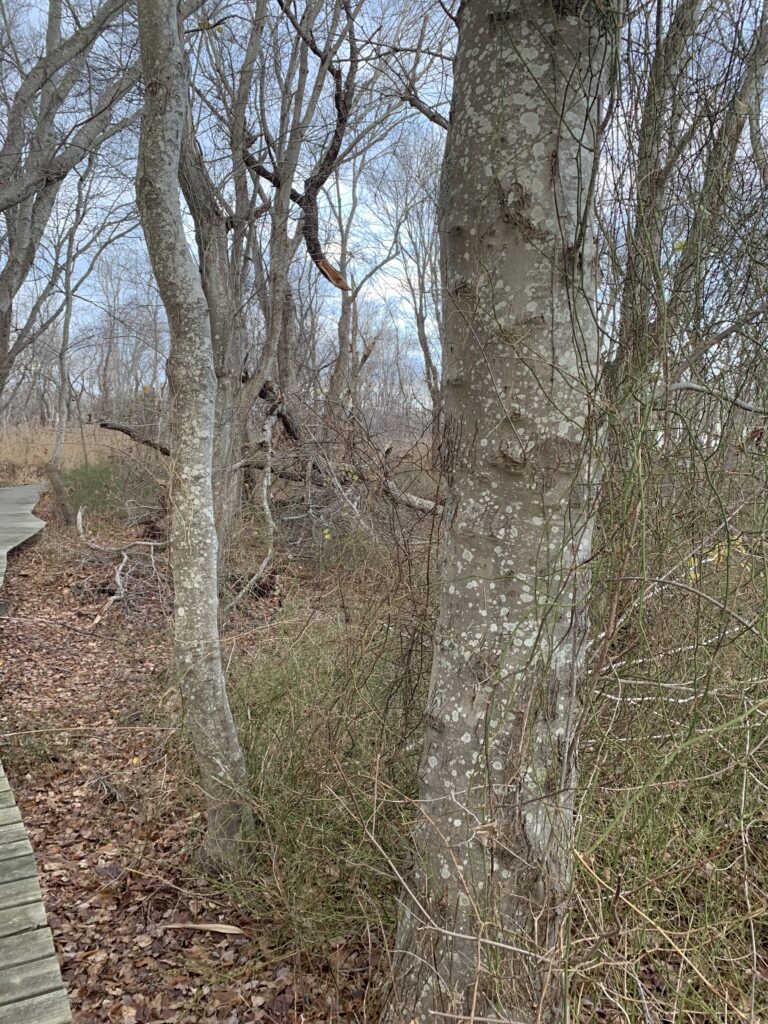
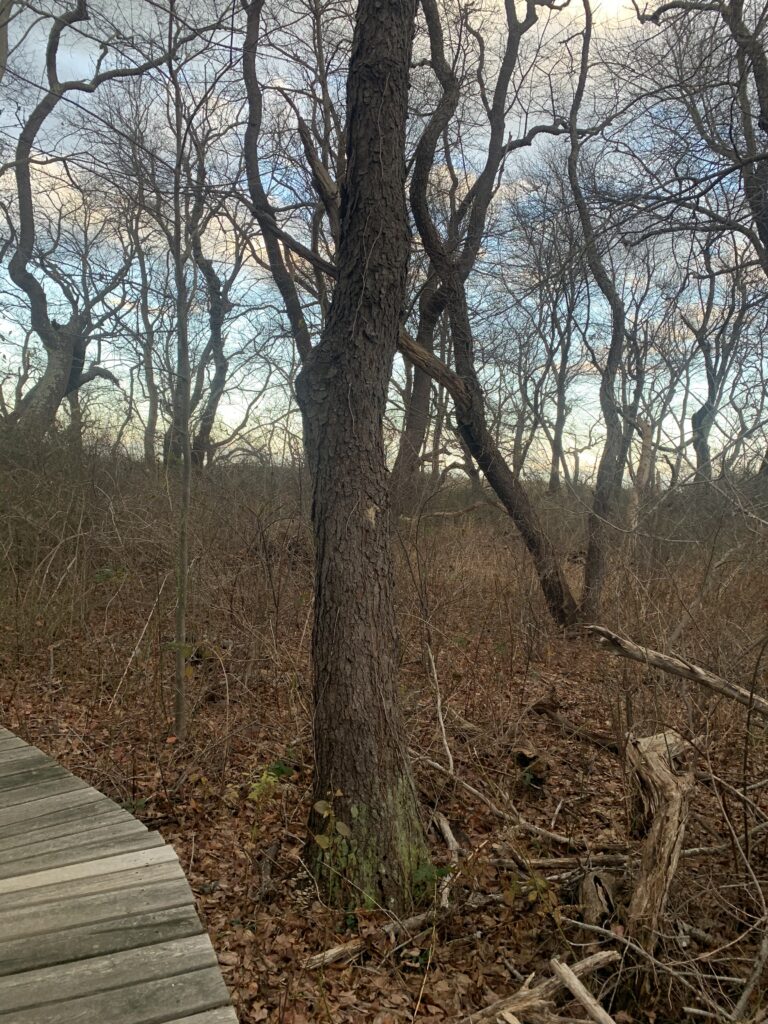
Event Map and Site Visit Update
It was great to walk through my phenology site, or Rock Point, with the great weather we’ve been having the last few days. It was a weird feeling though, walking through the woods with all their leaves on the ground yet its over 60 degrees and sunny out. Closer to the water, the prominent cedars and pines still held their dark green color and leaves. The tall birches still had some leaves bright with yellow. Being out there just made me feel in touch with nature, and was actually a perfect day to work on poetry. I would never consider myself a poet for I lack that talent, but it was still fun to try. After writing a few short ones, I wrote the one below and drew out an event map, which is also below. I didn’t name the poem because I couldn’t think of a good one, but I also like the unnamed aspect. Both tasks actually brought me closer with my phenology site. I’m really going to miss visiting here when we leave for thanksgiving break.
The squirrels and birds move amongst the leaves and trees
The warmth in the air is countered by the Lake Champlain Breeze
With peace on land, water, and in the air
The serenity of nature brings me not anger or fear, but a happy tear
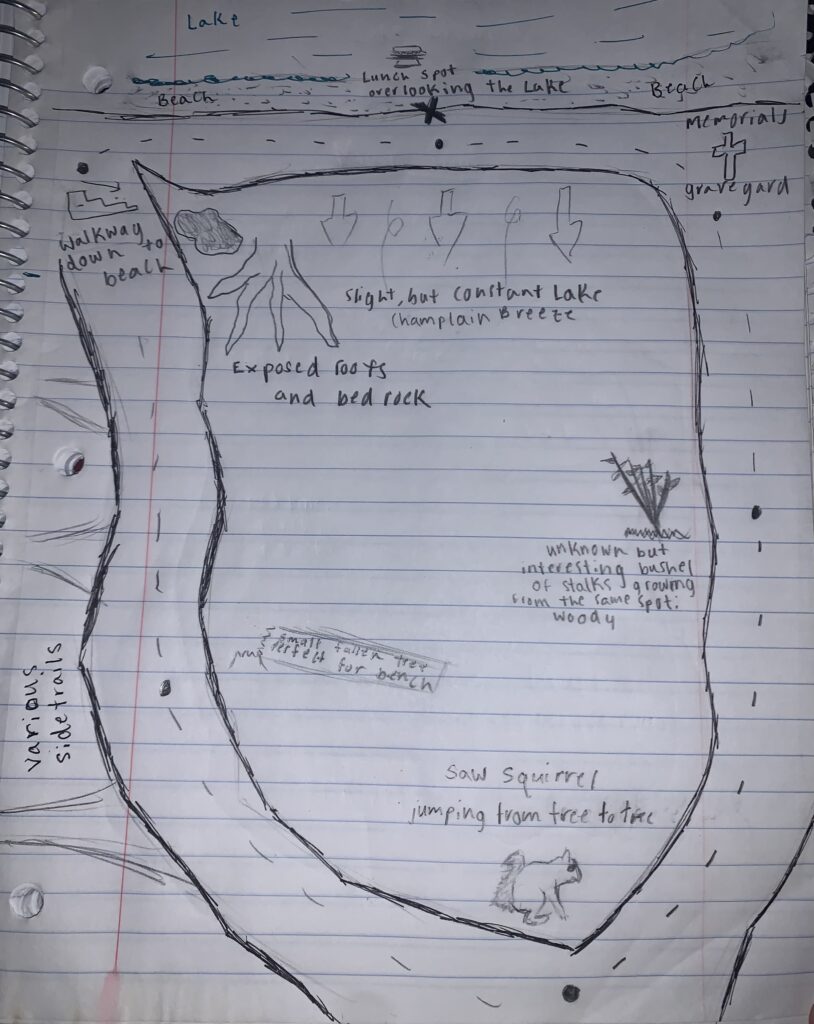
A Quick Visit Update and Map of Phenology Spot
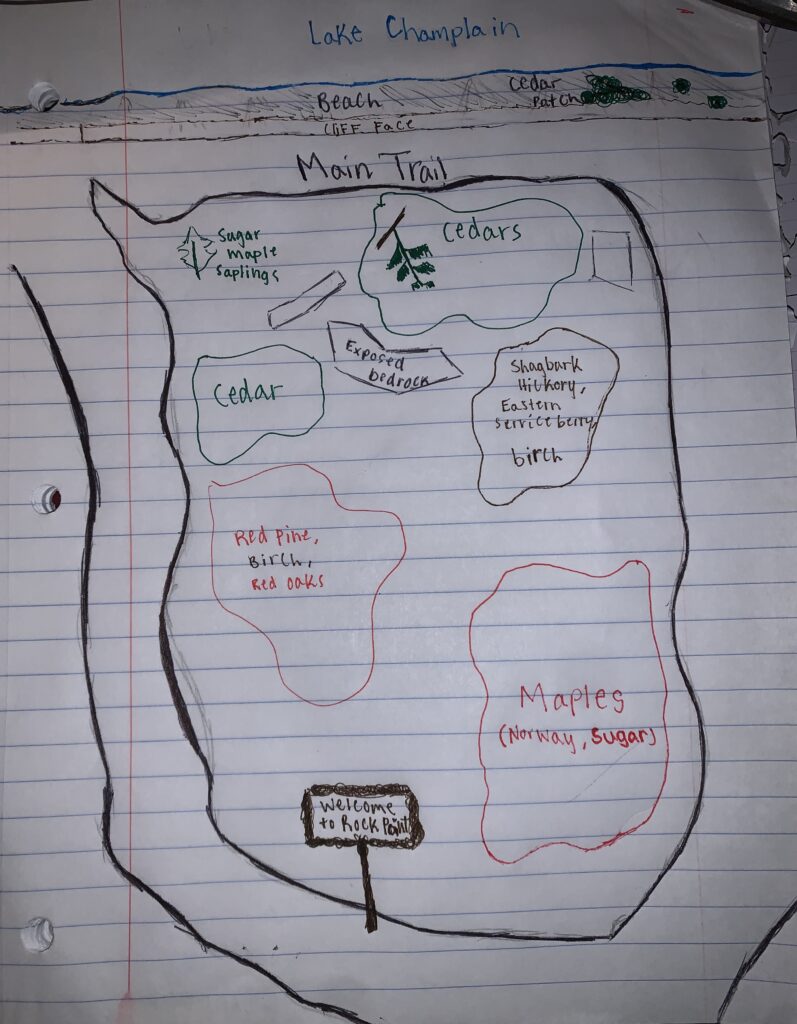
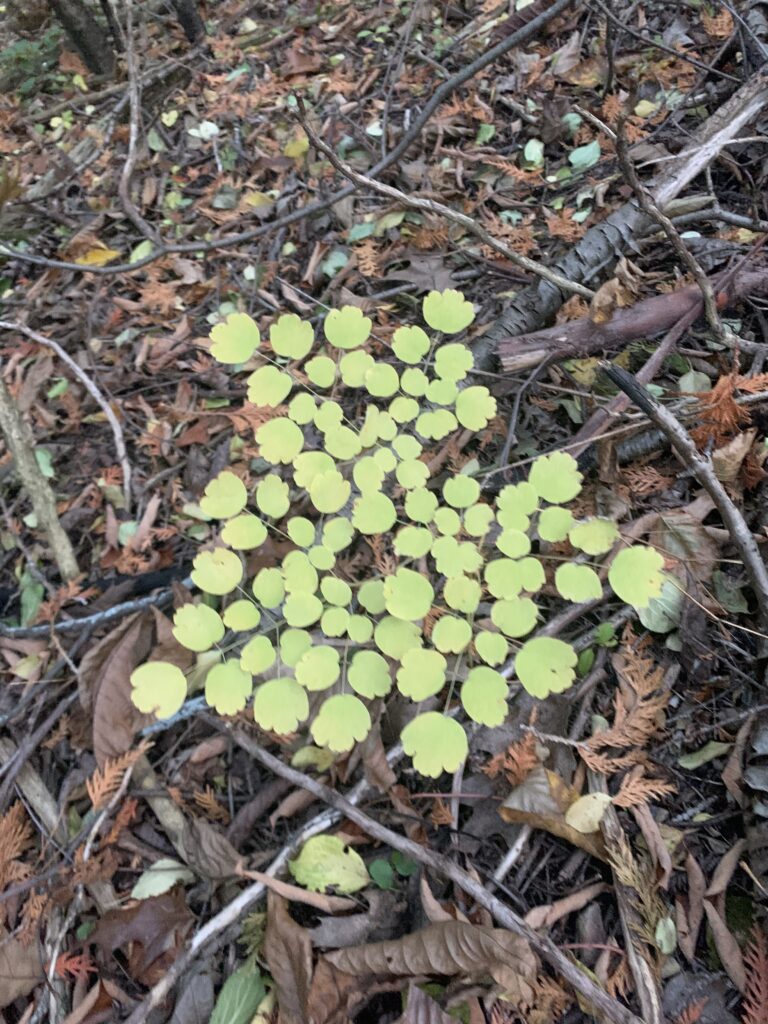
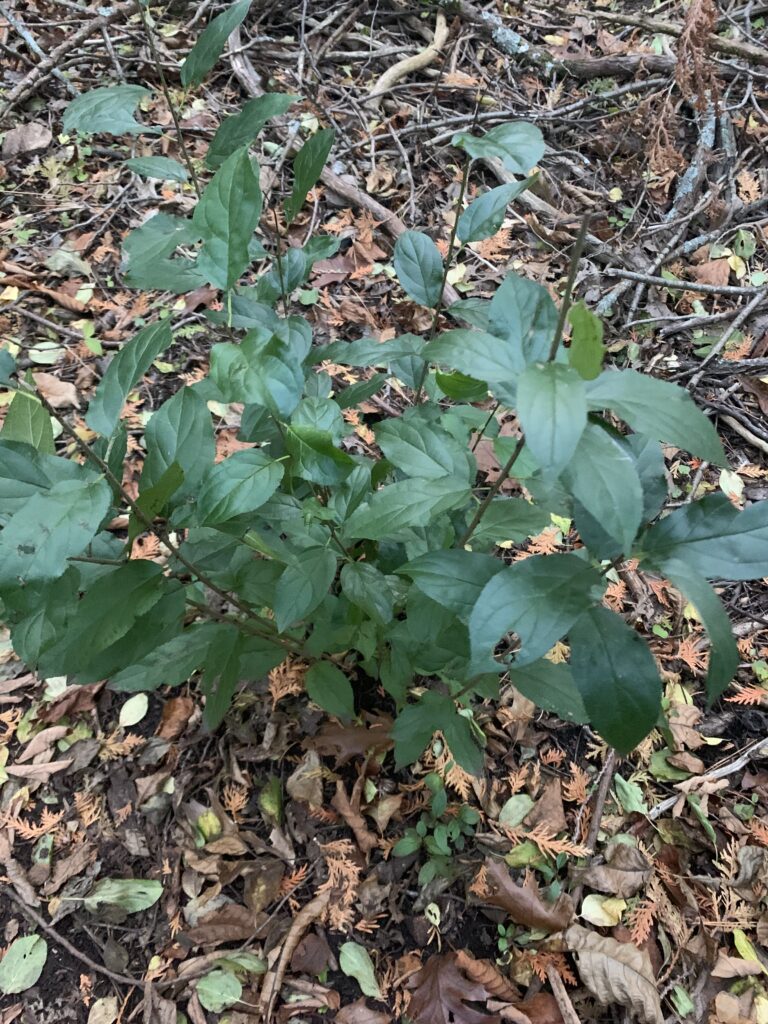
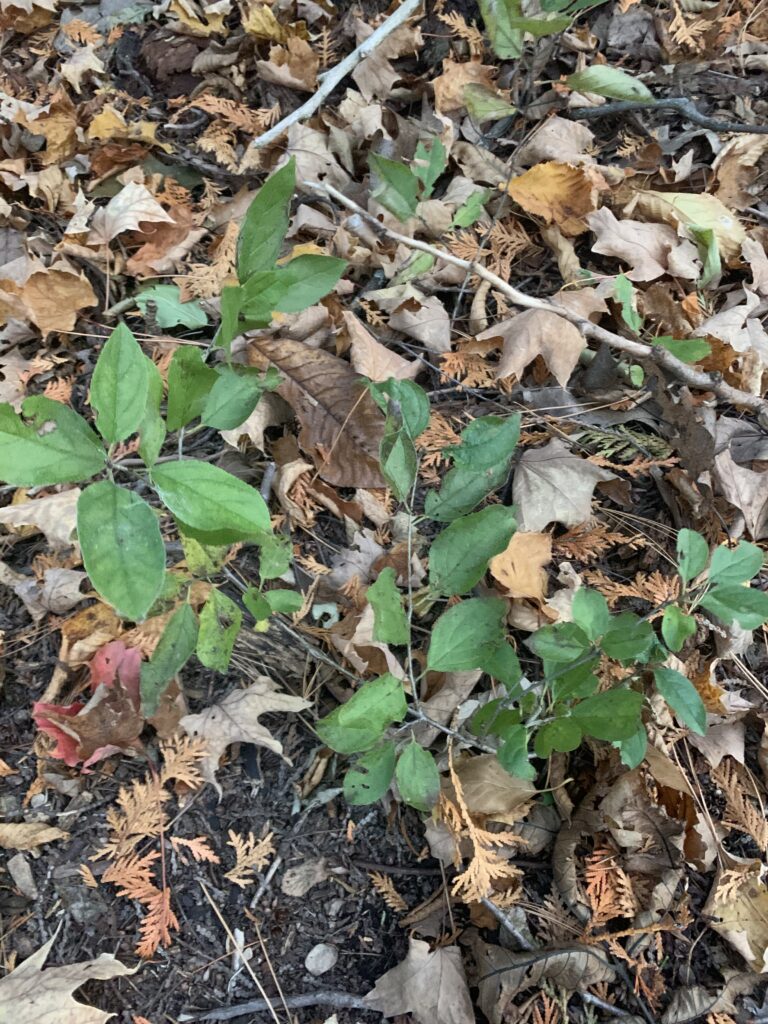
Today I went back to rock point to my sit spot and was very pleased with my visit. Lots of leaves falling but they trees still had plenty of color on them. The understory and vegetation were not highly populated, with mostly some maple and birch saplings. It’s my favorite time of the year right now and I was glad to spend an afternoon there. I went around sunset and couldn’t get any pictures of wildlife, but from past experiences squirrels and chipmunks are common to see as well as various birds. Next time I hope to have some better pictures of the surrounding animals.
My Phenology Spot
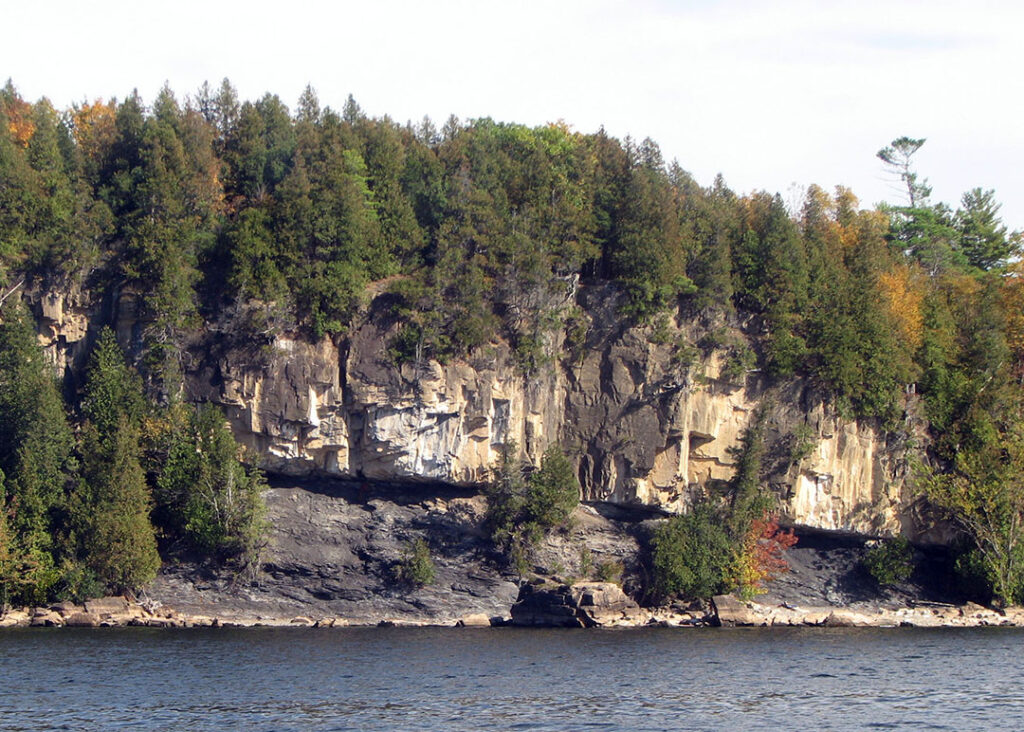
When assigned to find a peaceful, natural area, and observe it as the season changes, I chose my favorite place in Burlington, Rock Point. After attending a brief lab there, I went back a few times to have lunch and enjoy some time to myself. I would walk by the waterfront and skate park until arriving at Rock Point, where I would walk to the top of the cliff before walking down to the water. Here I could isolate myself in my thoughts while also getting a taste of back home in Marshfield, MA, right on the water.
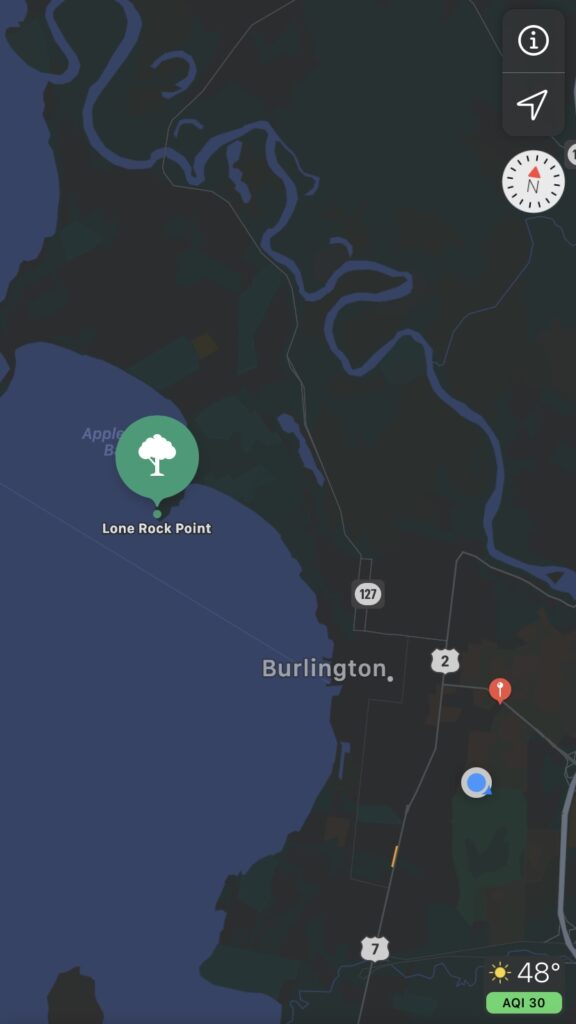
Rock Point is full of life, with a plethora of cedar, birch, and oak trees. Being so close to Lake Champlain, calcium is an abundant nutrient that allows for these trees to thrive. As well as that, There is an abundance of eastern serviceberry, maple, and American beech saplings growing all around. Closer to the water, the primary woody plants, Cedars, are growing out of the cliff face and the rocky ground. It’s astounding to see such plants growing in areas where one would think nothing could grow out of.
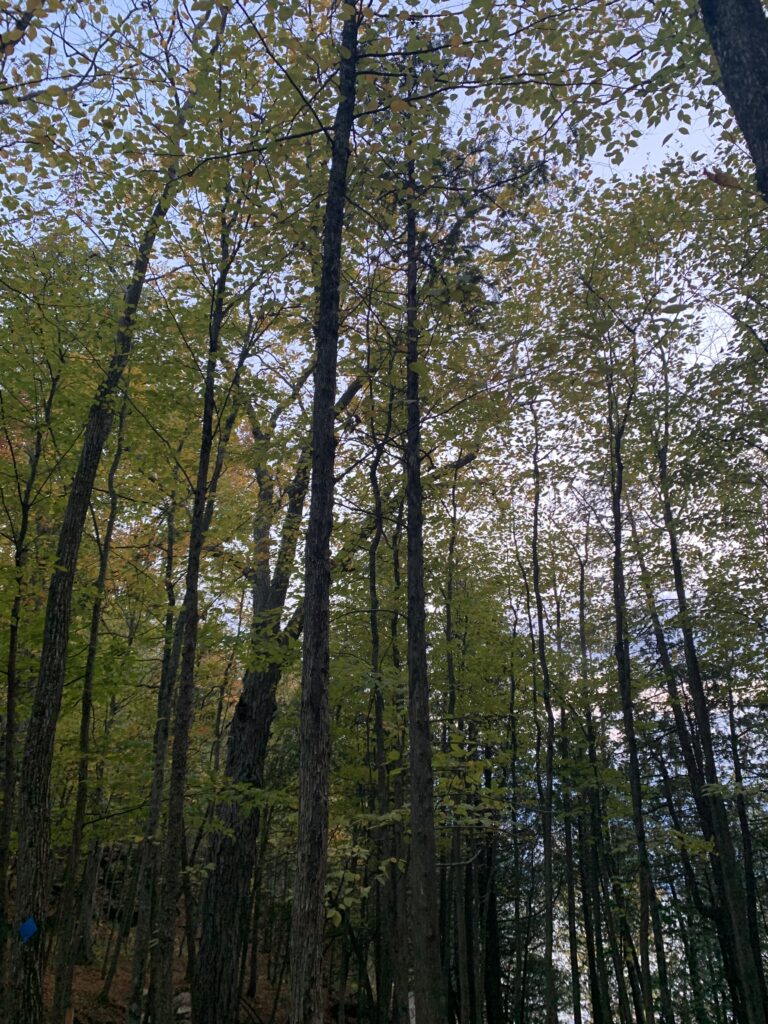
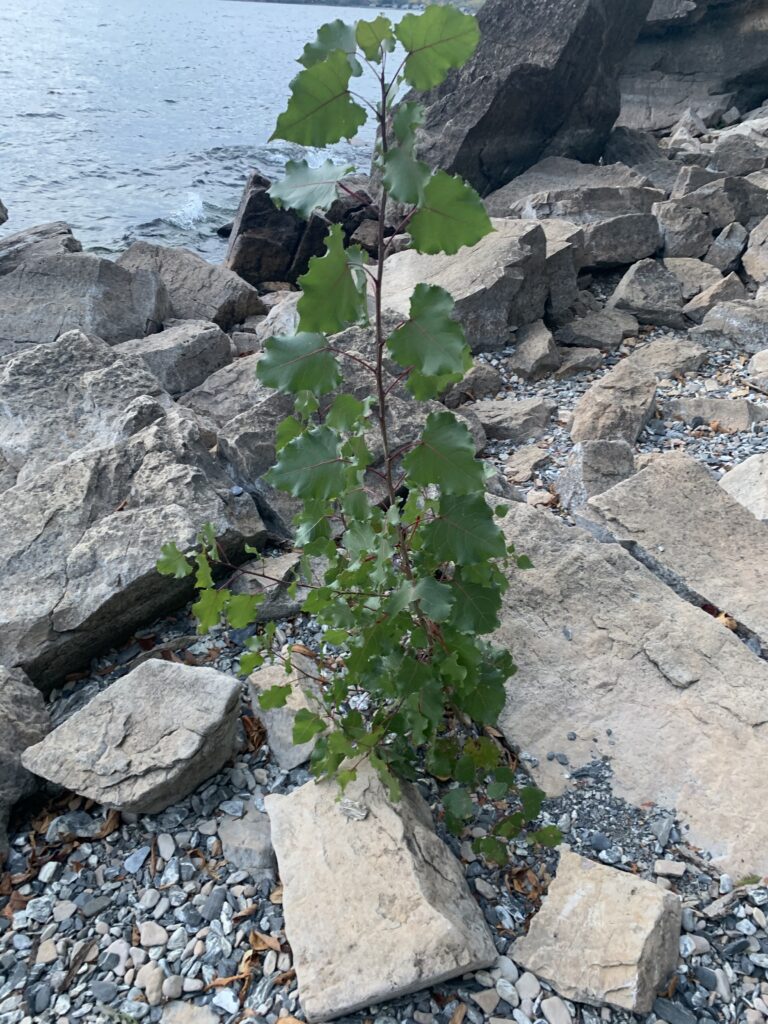
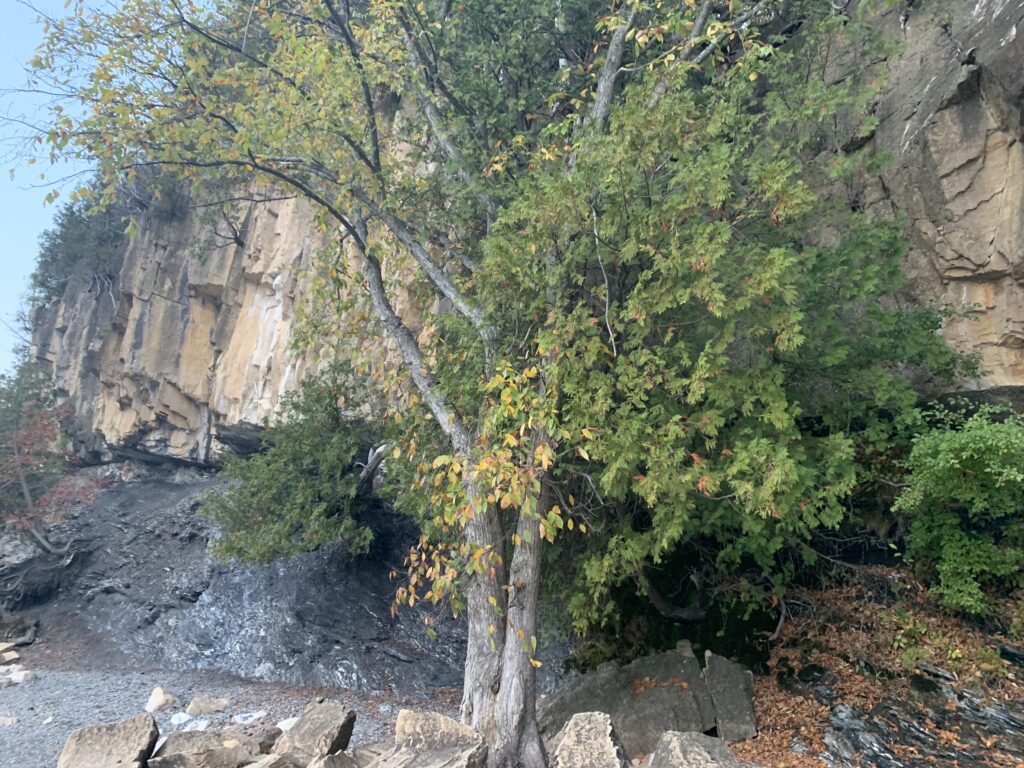
Some common woody plants include:
- Cedar
- White Oaks
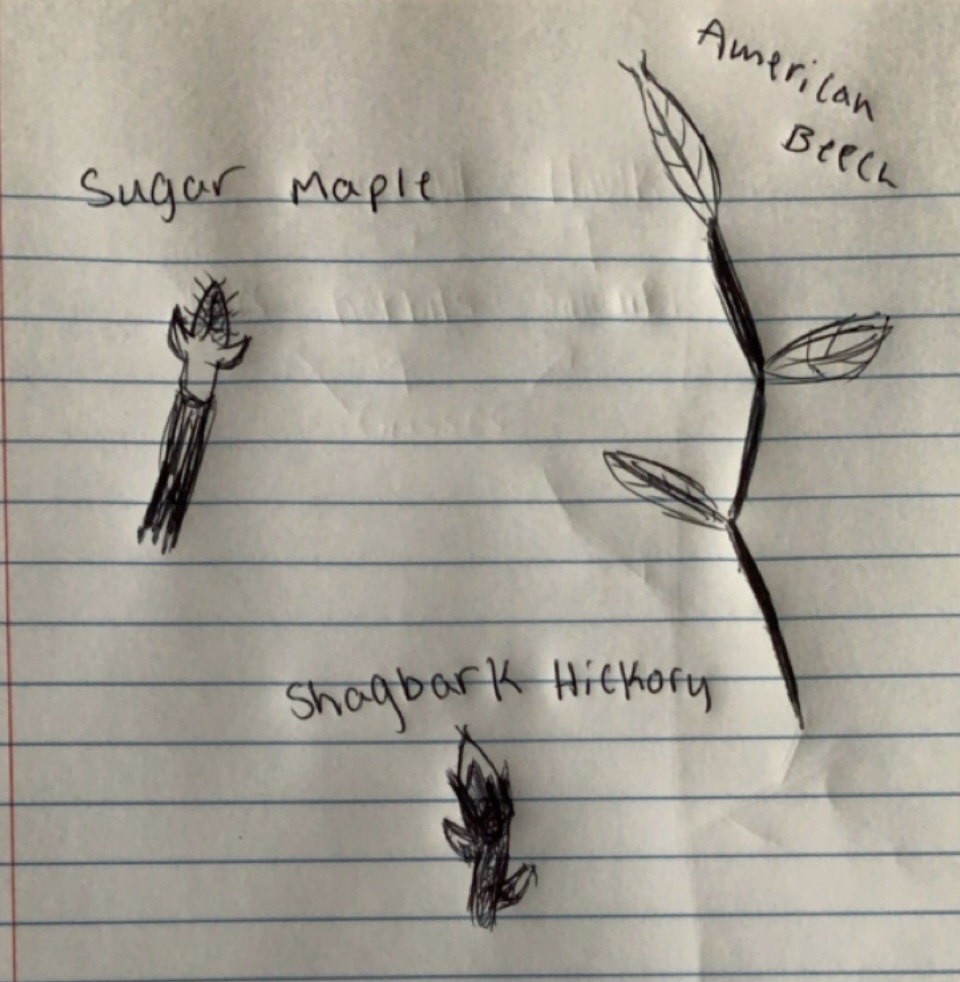
- Sugar Maple
- Red Pine
- Shagbark Hickory