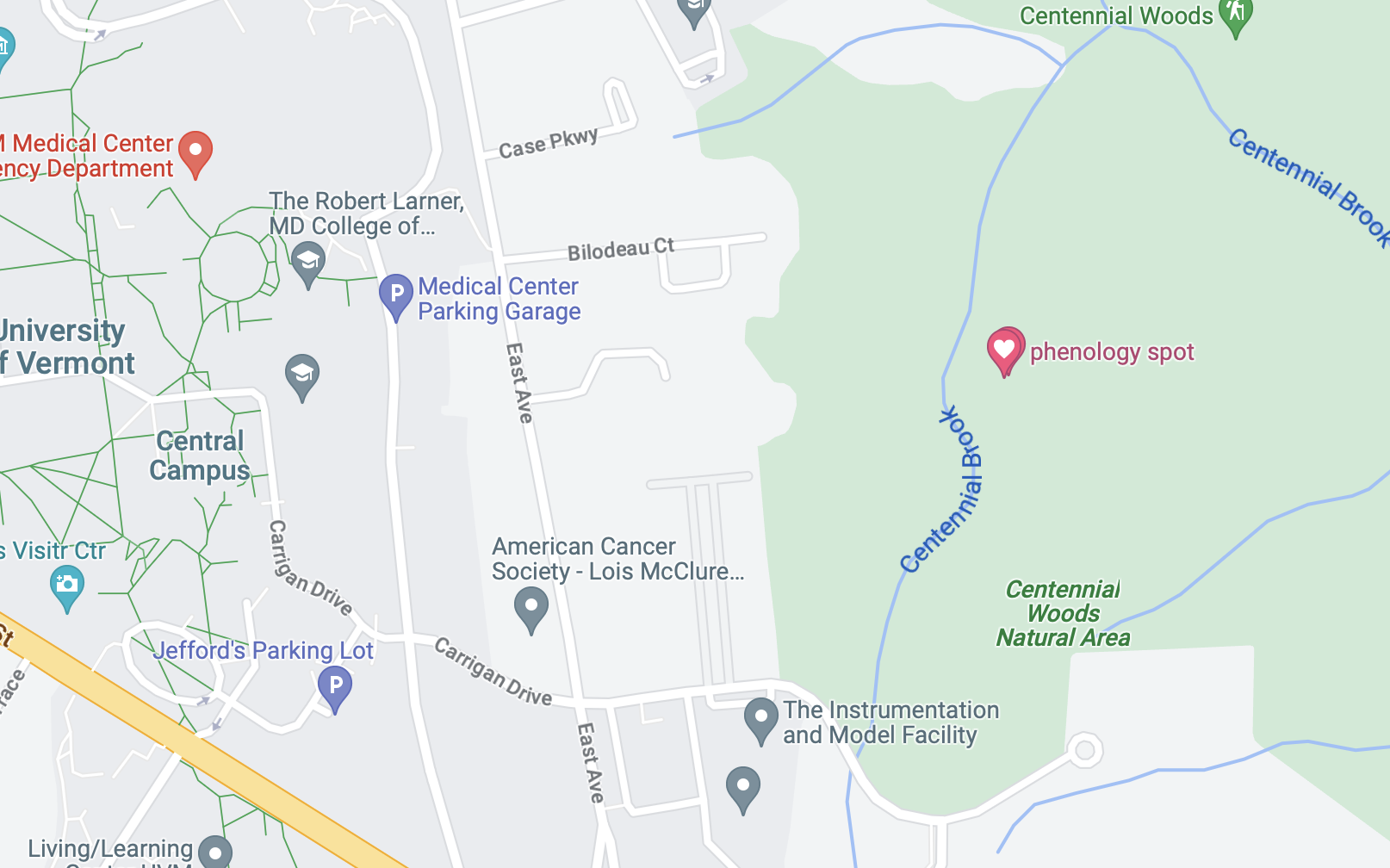
For this year’s BioBlitz, myself and my friends decided to walk around campus and walk towards Centennial Woods. We thought that the walk over to Centennial Woods will have other species to observe and record, and when we arrive at Centennial, there will be even more.
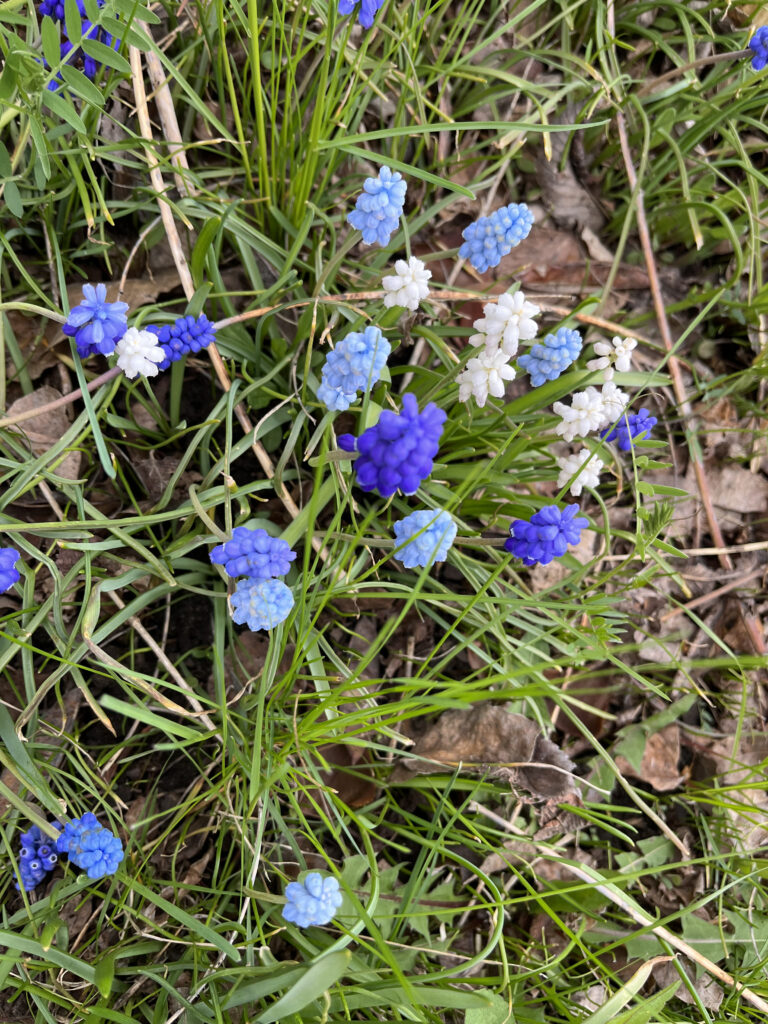
I have used iNaturalist before for other blog posts and lab assignments, so I was fairly familiar with the application on my phone. When I checked the leaderboard for NR 2, my lab section was third in place. Although third isn’t bad, I knew that my friends and I could rally together some observations.
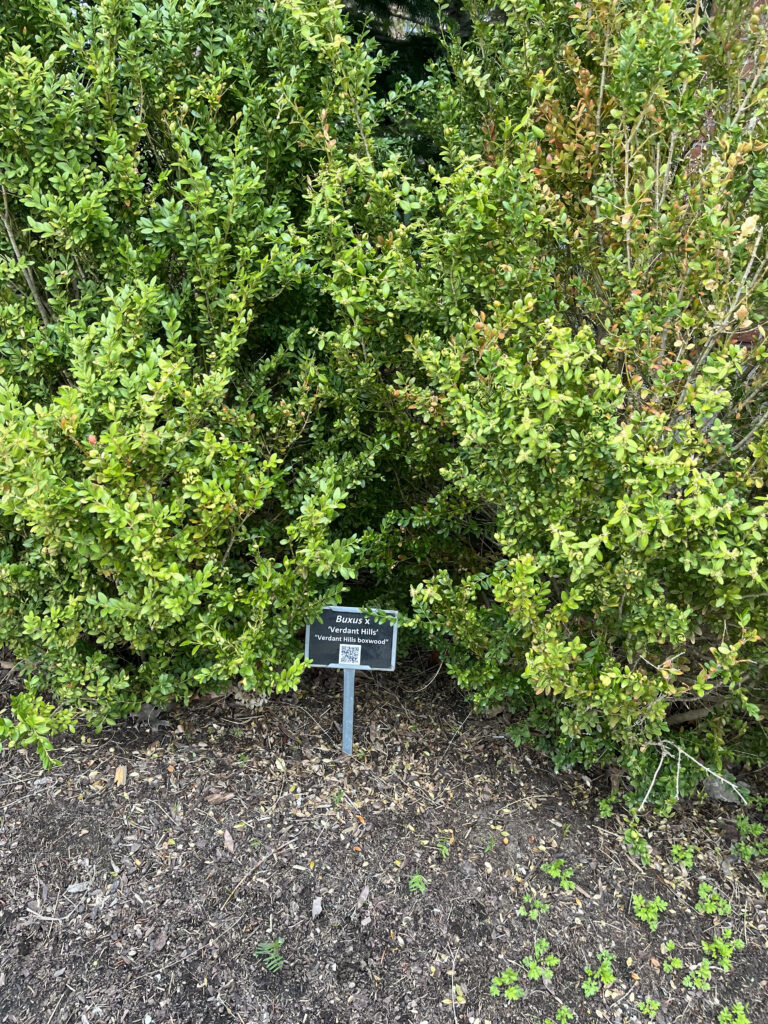
I was able to encounter about twenty species, maybe more. My friends and I did not want to overlap our observations so we found plants that others had not photographed yet. I encounter a lot of mosses, ferns, trees, and even some birds. It had rained the night before we went to Centennial, but the trail was dry so there was not a lot of prints in the ground.
When I looked at the City Nature Challenge globally, a lot of American cities were in the higher ranks, but were overshadowed by Cape Town and La Paz. I think that the city from Bolivia, South America is in first place because they are closer to the equator, where more biodiversity is found than other places. There is also lesser areas of metropolises and cities, and larger spaces between populated areas. The third place city is the city of Cape Town, which is found in South Africa. Their observations consisted of a lot of tropical flowers and birds.