
Casey Benderoth Wonder Blog Post 3
Cranford, NJ
6 July 2021
Today is Tuesday, July 6 at 1:00 pm. The past week has been very hot and has been given heat advisories until at least Thursday. With few clouds in the sky, the sun beamed down onto the surface, warming the surrounding area and providing minimal shade coverage. The heat has brought out many bugs like flies and mosquitos who like the find warm environments and stick around for the decaying materials like warm fruit.
This week’s discoveries include robin fledging, analysis of sunlight exposure, and the effects of heat on wildlife. The robin’s nest that I had previously noted in a past Wonder Blog entry is now empty as the baby birds have fledged, or left the nest. The nest now lay empty in the tree with no mother robin laying in it to protect her babies nor are there any remnants of hatchlings, as if they were never even there. The sunlight plays a large role in the ecosystem services of various organisms. Some plants, like non-native succulents or native crabgrass, are soaking in the great sunlight exposure from the lack of clouds. Other plants, like ferns, are negatively reacting to the high levels of direct sunlight that has been common in this area the past few days. Along with the direct sunlight, high levels of heat are affecting the local organisms. Birds can be heard singing in the morning but are relatively quiet during the day when it is hottest. Some bugs are more frequent in their appearances due to the warm temperatures.
One thing I have continuously noticed is the resiliency of clovers. Wherever I look, there seems to be some kind of clump of clover in a corner or in a pile of dirt. While the clovers are not typically found in the grass, I can point out a bunch anywhere there is varying environmental conditions. Are clovers suitable for all habitats? With some research, it is clear that clovers can out-compete other weeds to become the dominant sprouting weed in a yard. Low nitrogen levels are favorable for clovers, thus areas with low nutrients seem to have the most clovers growing. For example, an area with a thick layer of mulch and little soil has a large amount of clovers because of the lack of nitrogen. While clovers do not grow in just any condition, they can adapt to many different environments depending on soil nutrients, sunlight exposure, or pH levels.
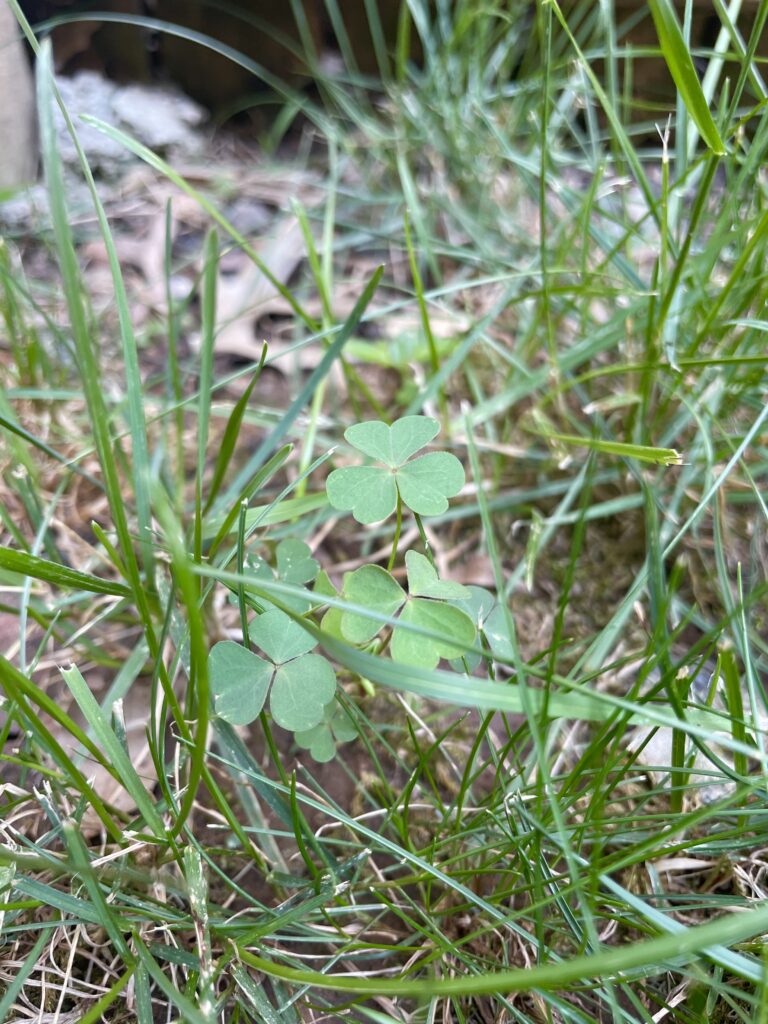
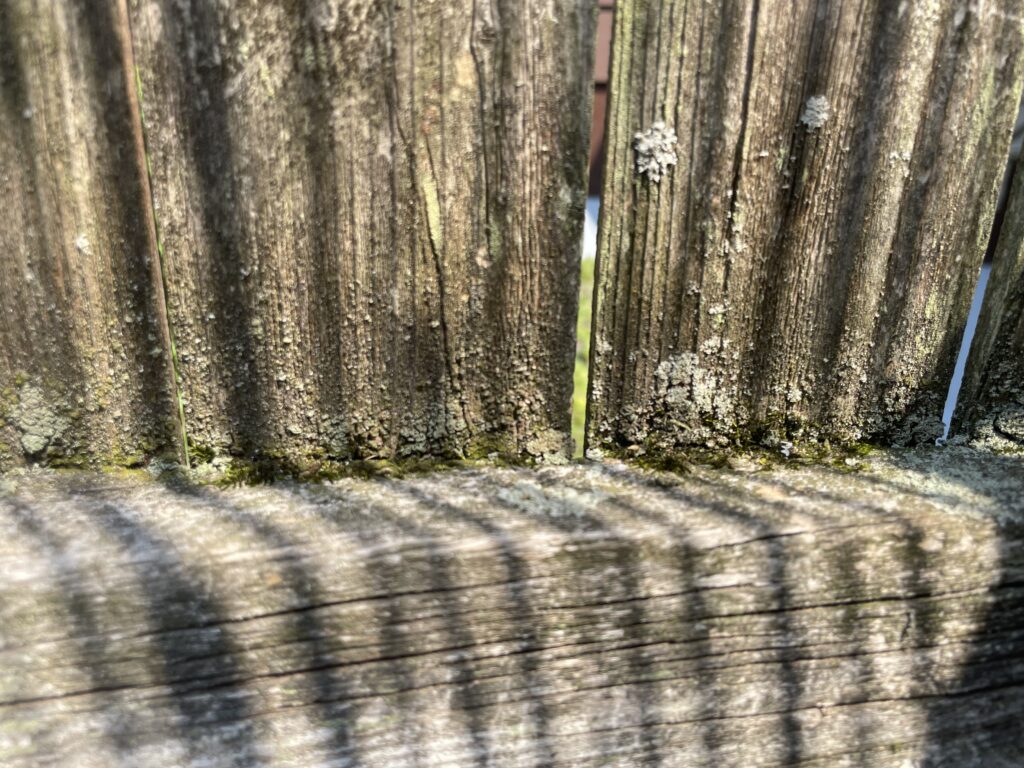
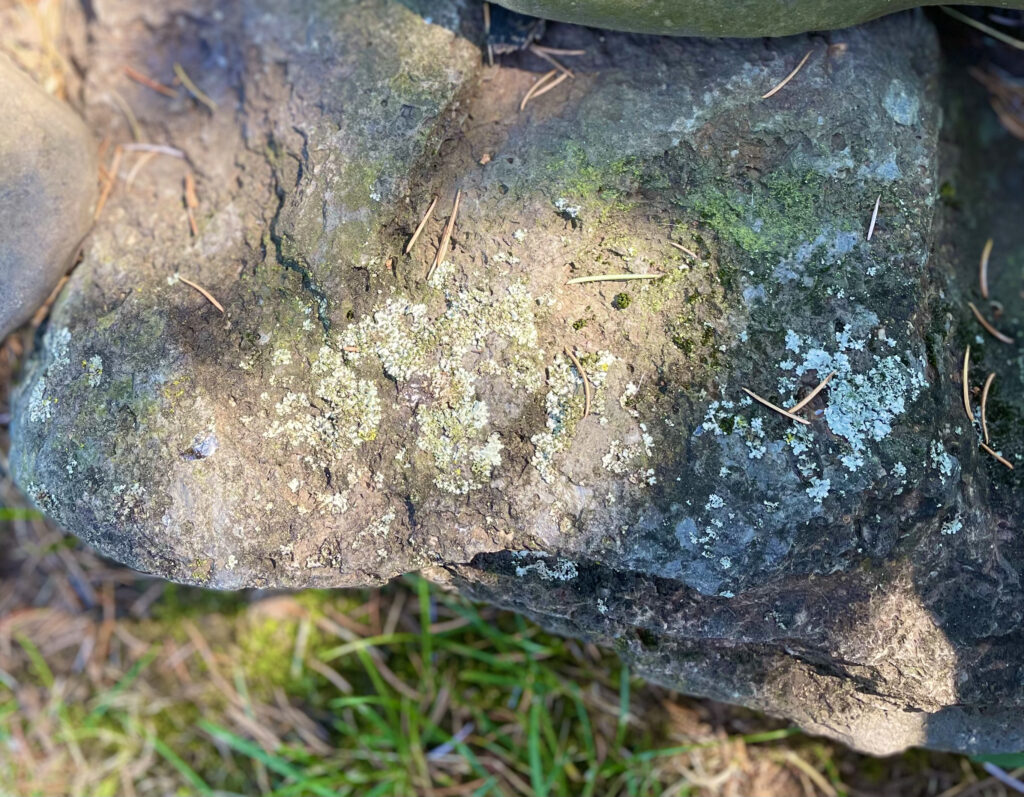
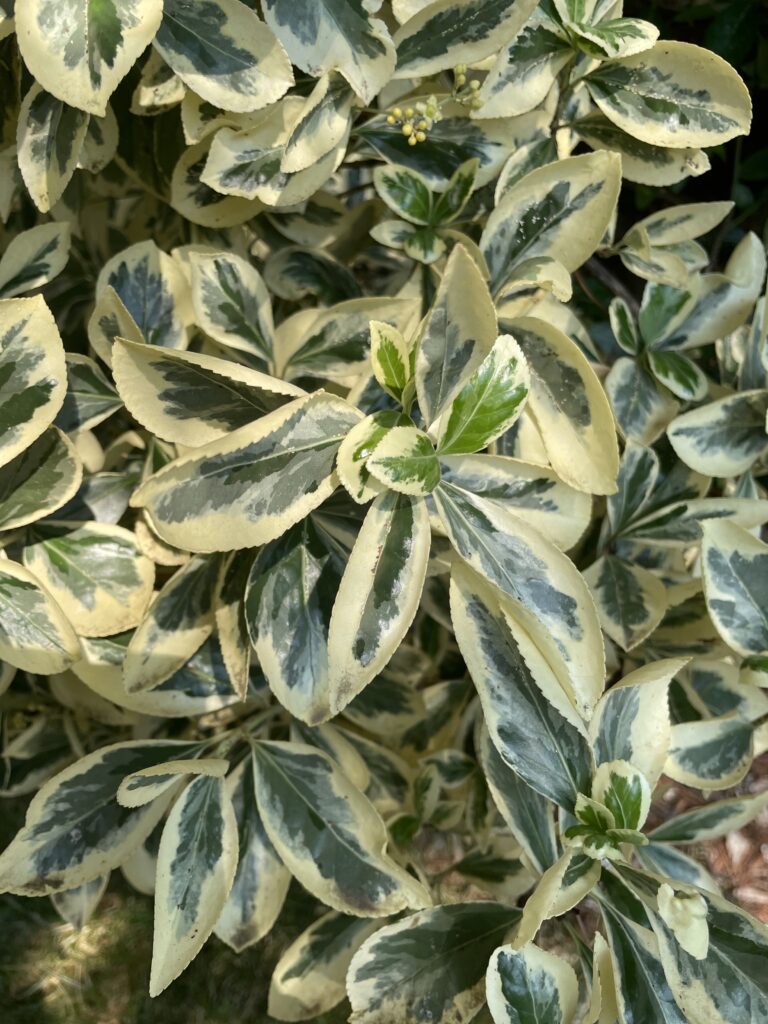
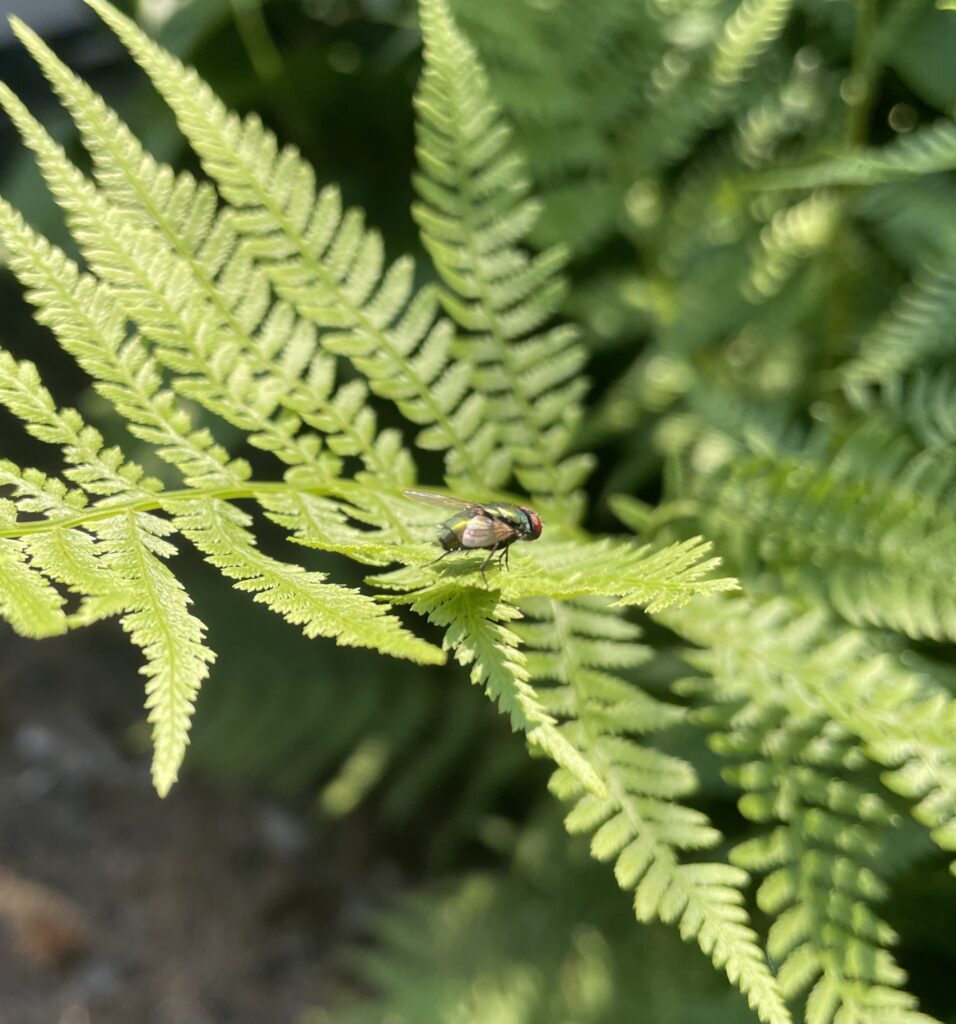
Viewing plants from a different angle to take pictures was certainly unique. Rather than looking for perfection, I looked for pattern or outliers to make different subjects stand out. In sketching, I tried to find minute details that made something inherently unique. Photographing was similar in choosing the subject, though I wished to identify a subject that was both unique and uniform so I could find patterns or similarities between other subjects. Taking photos of the nature around me has provided me with a new perspective of things and a different eye in which I can interpret organisms.