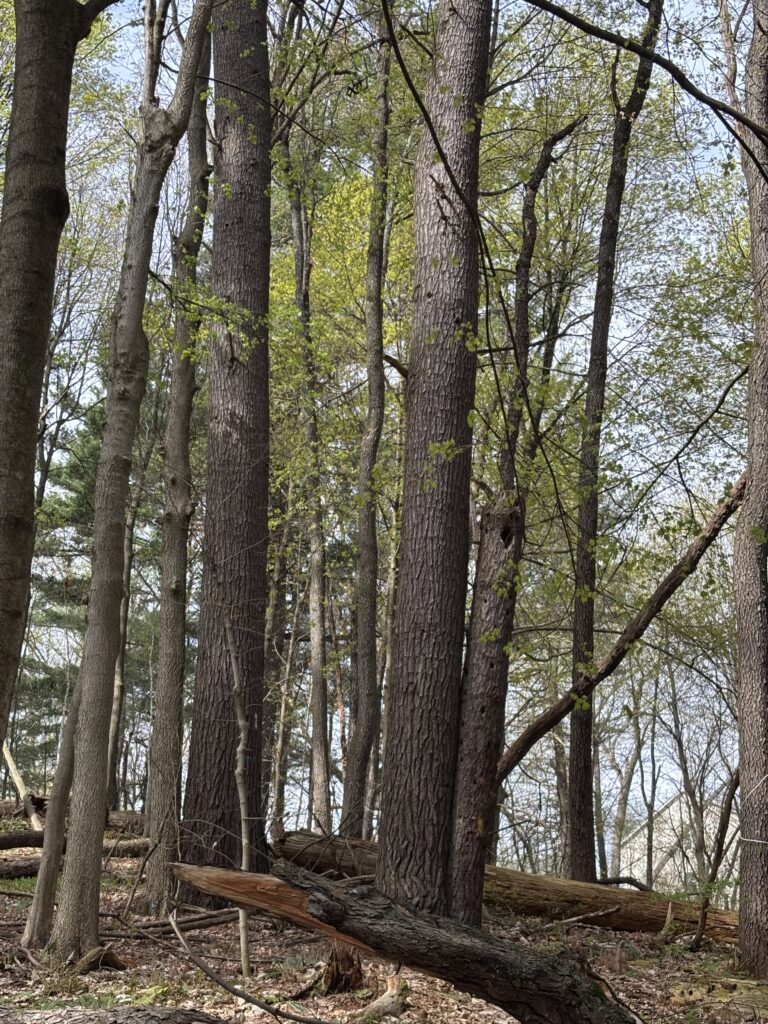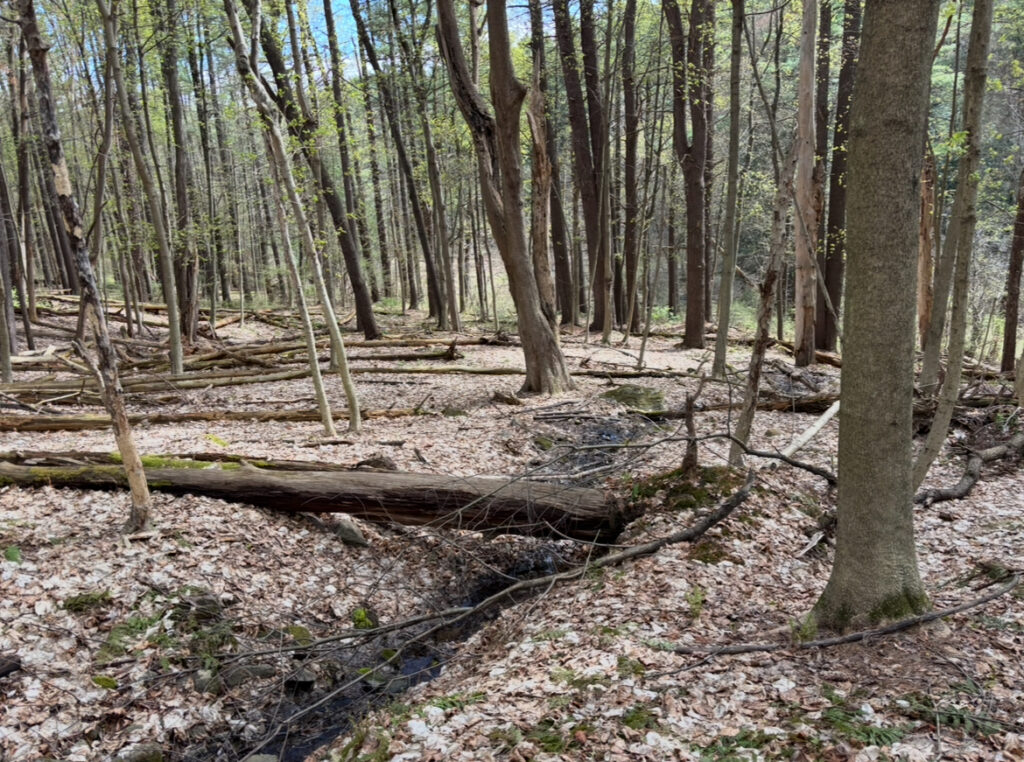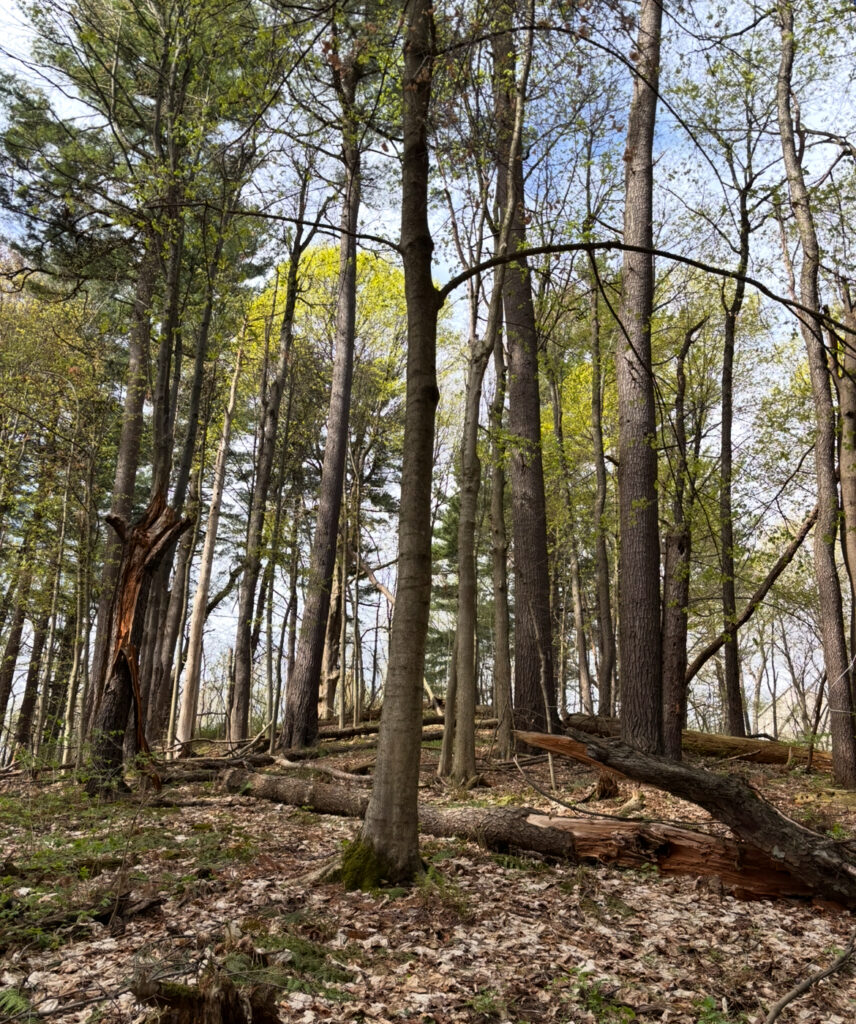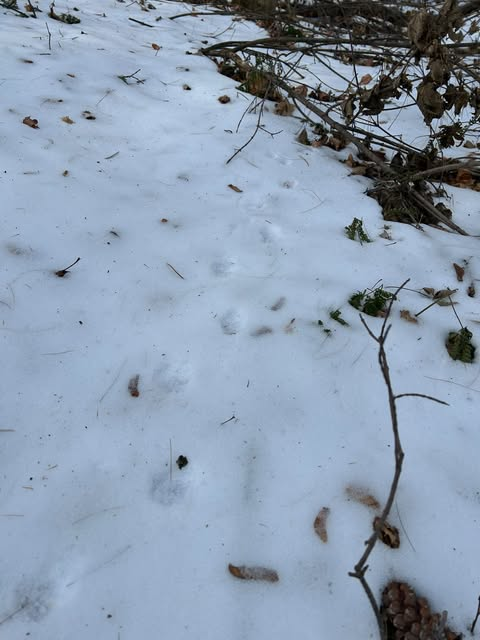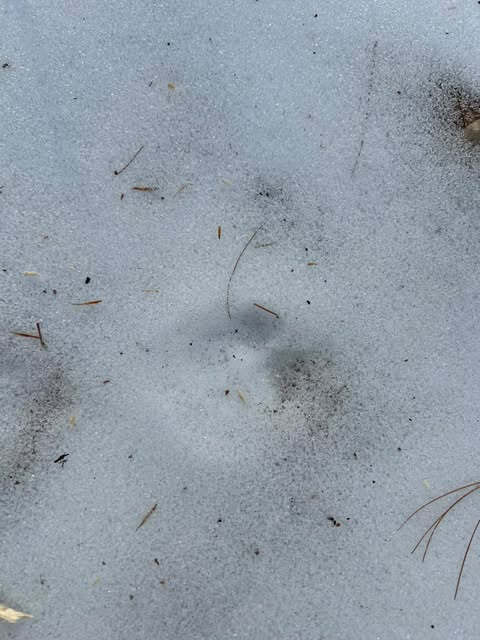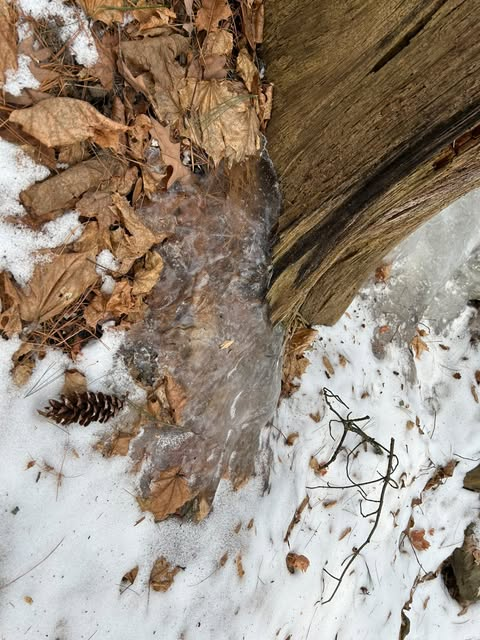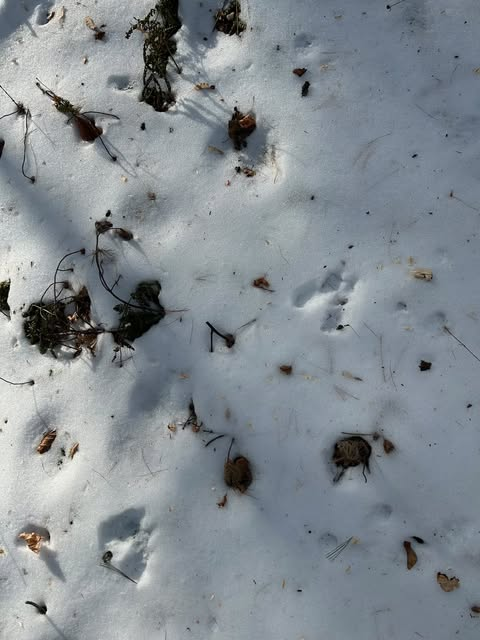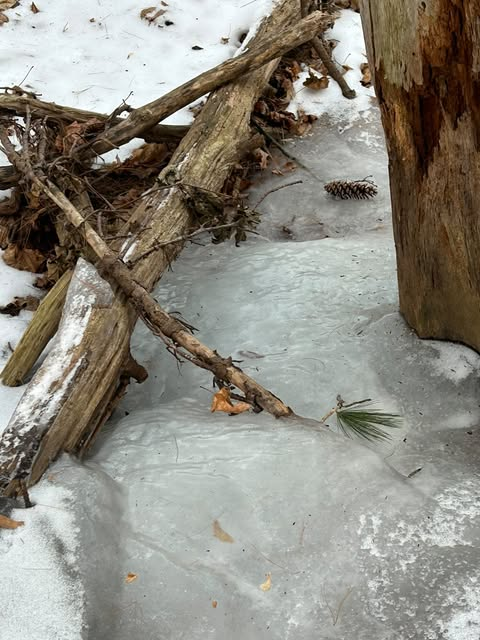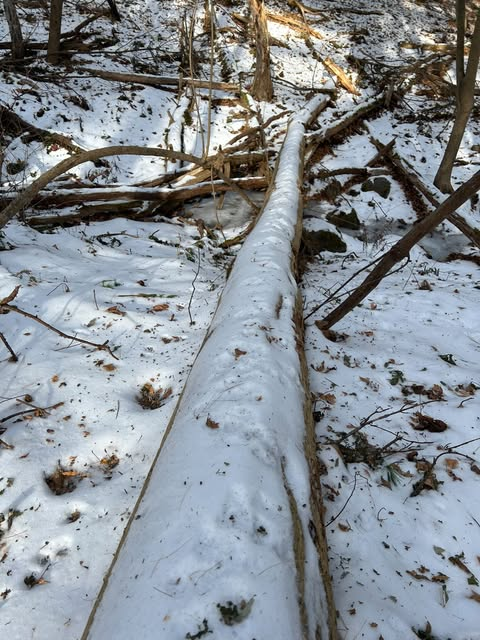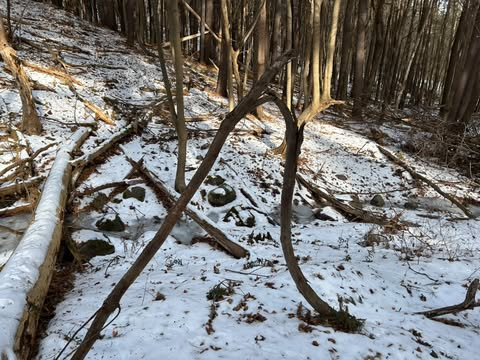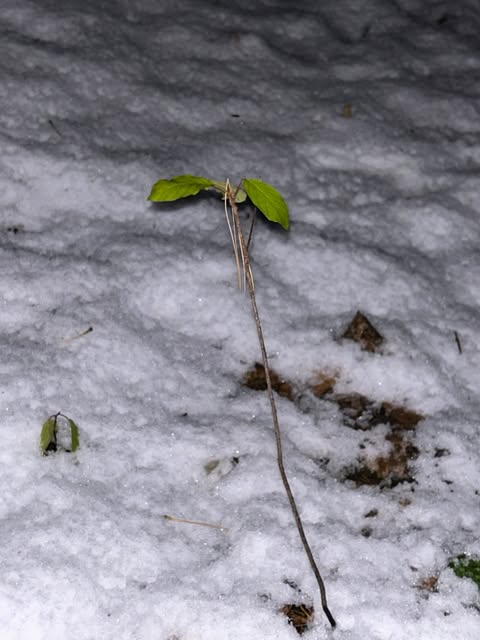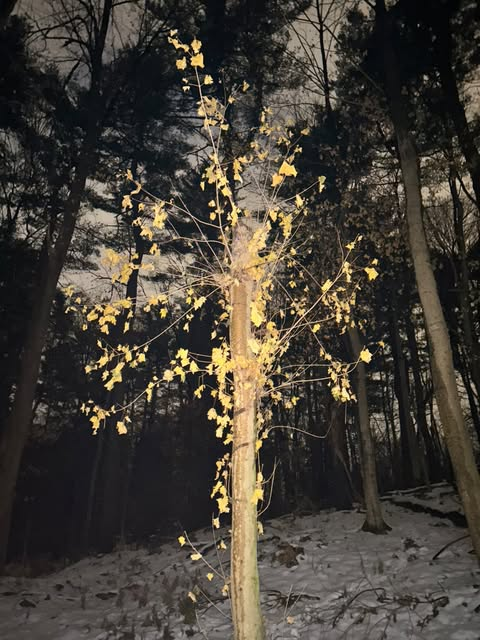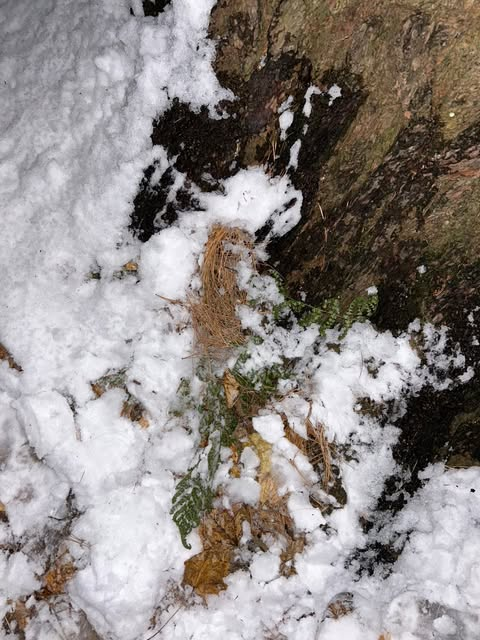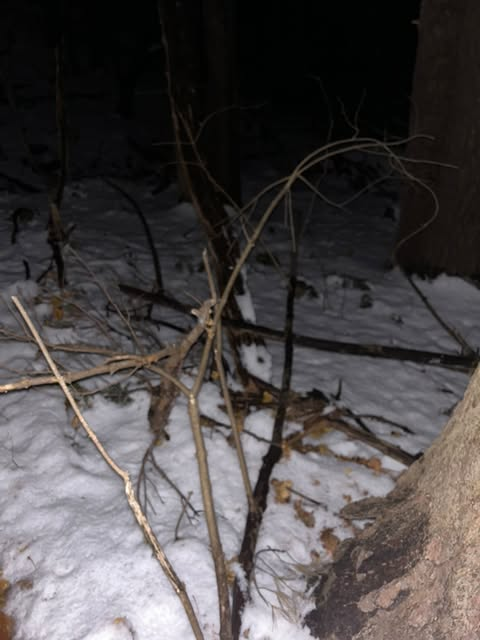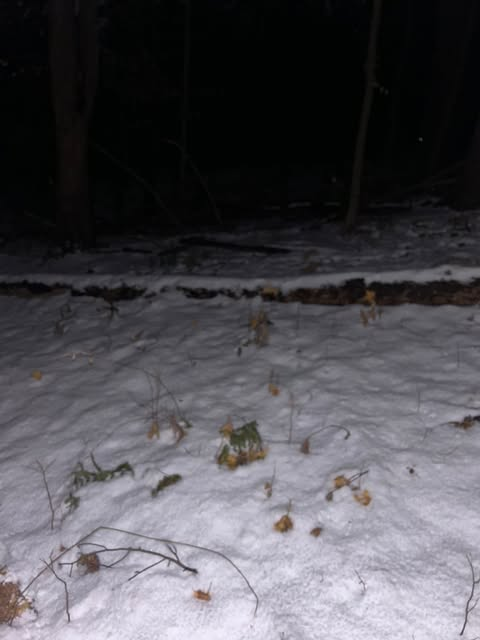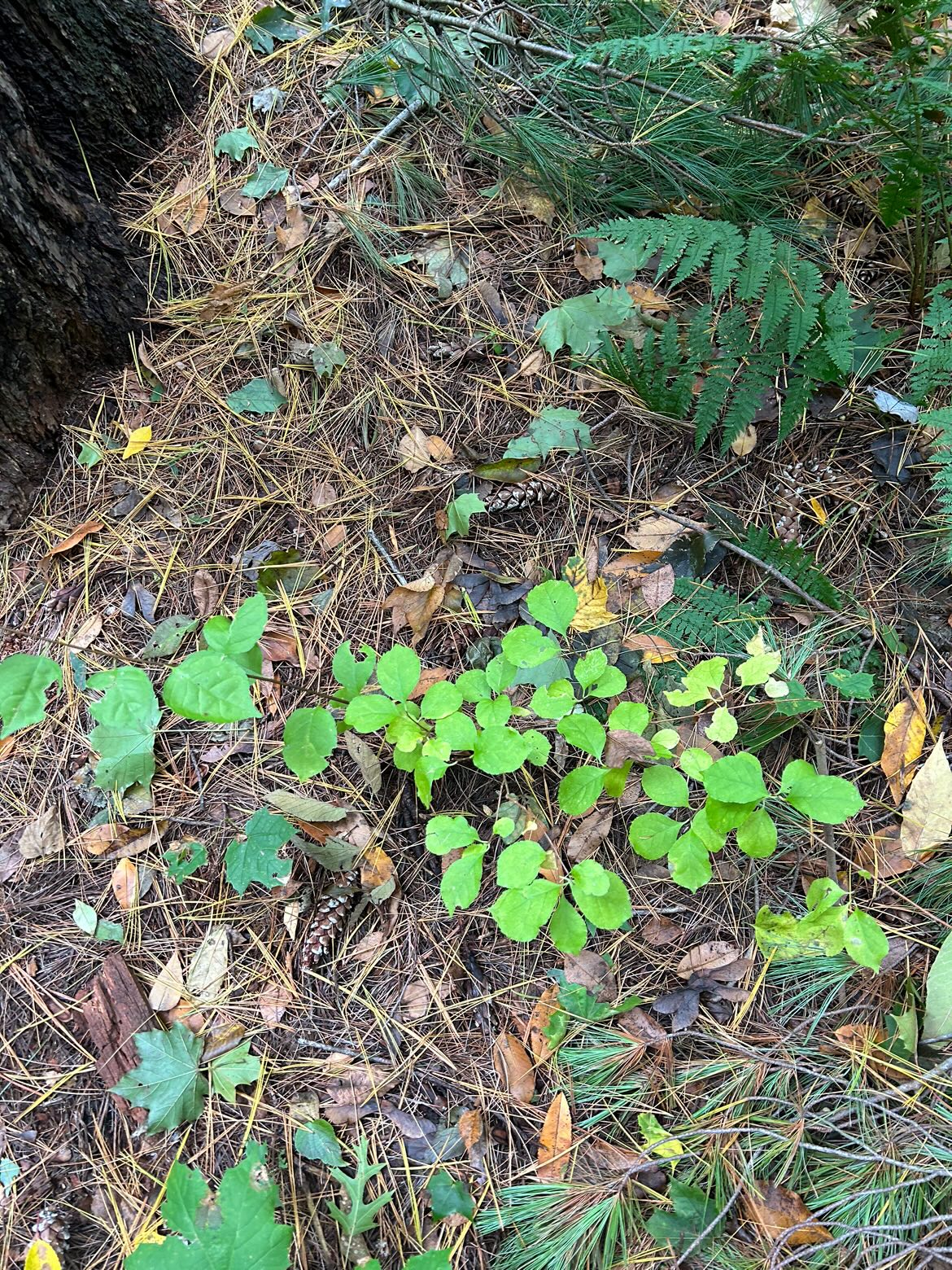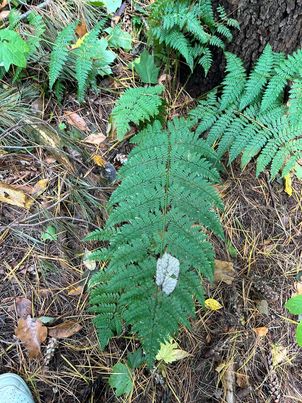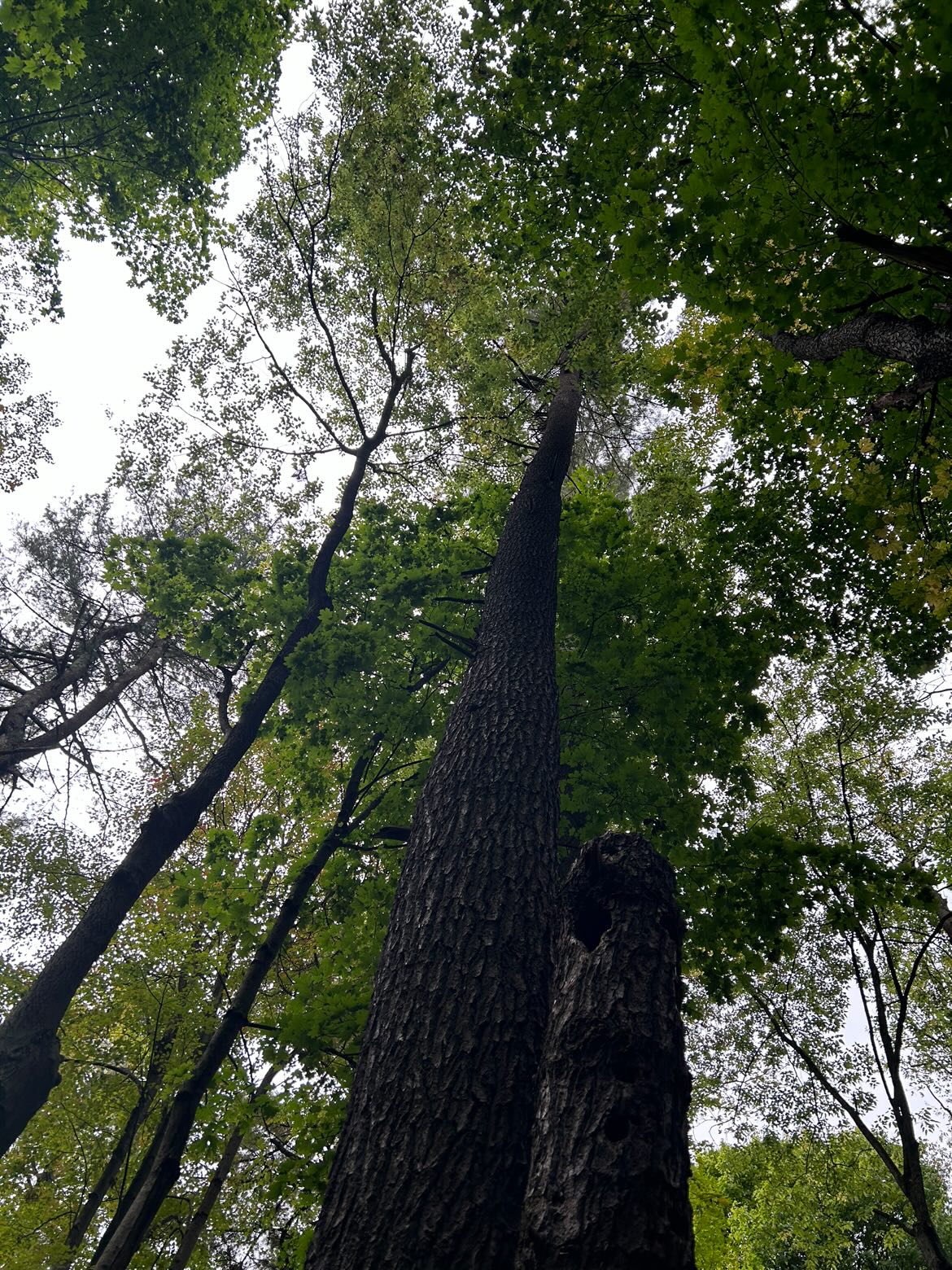
From the first time I stepped foot on this piece of land to now, it has changed greatly. I have watched the flowers bloom and die, leaves fall, the river freeze and thaw, and i’ve watched it all sprout once again. Some trees have fallen and logs have decayed, and the composition of the streams bank has changed to be slightly less sandy at parts.
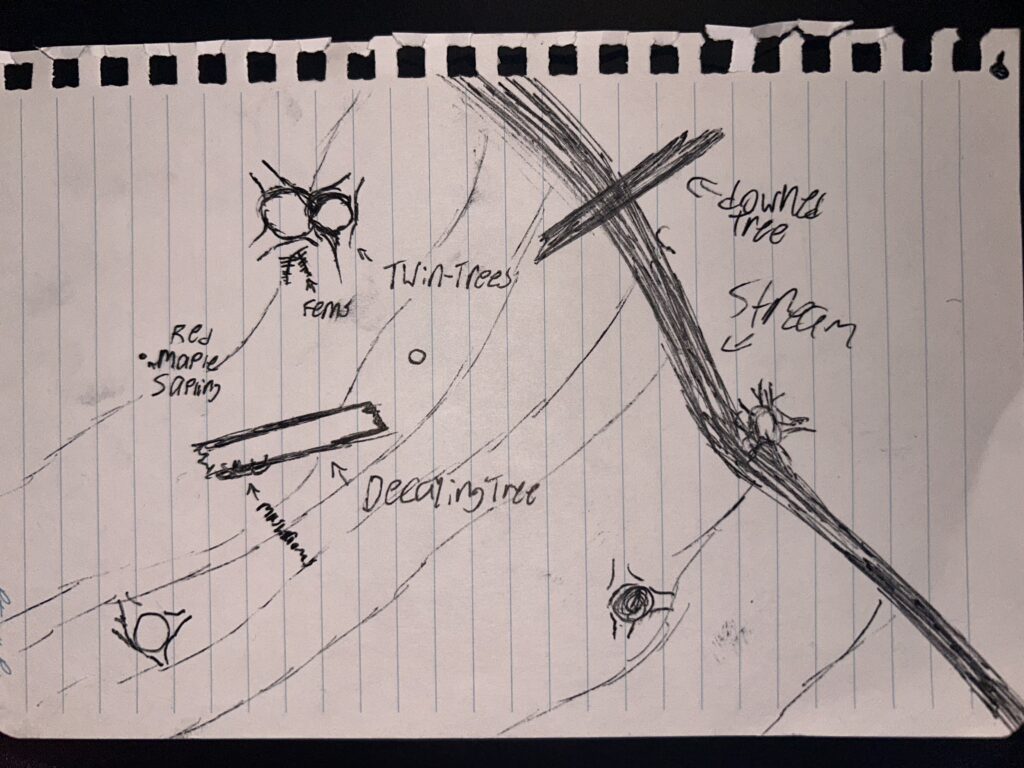
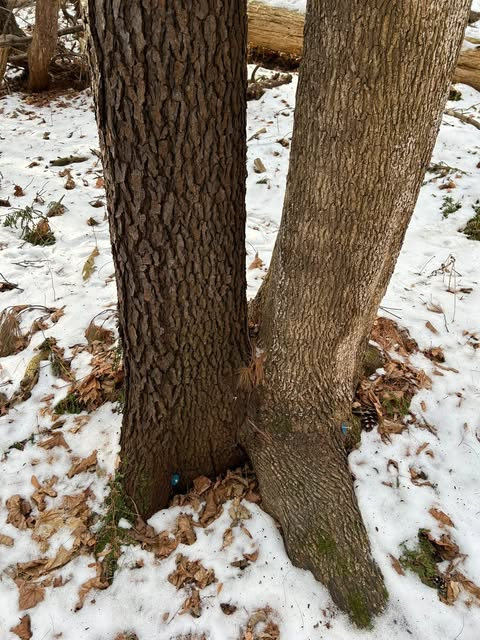
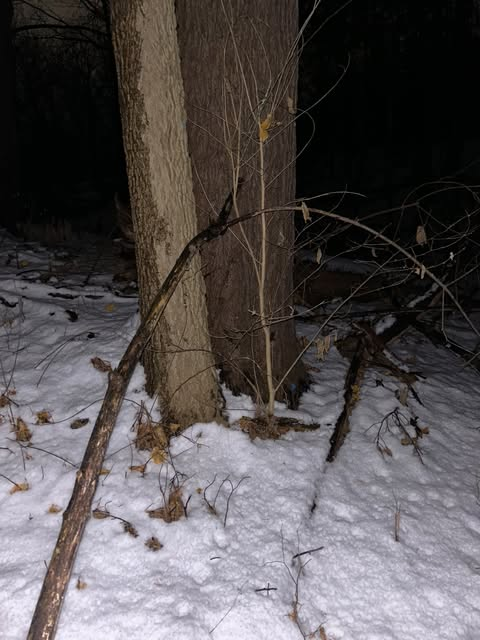
I have come to know my place well, the two twin-trees of different species that have grown into each-other, and the river that flows down the steep hill are the two that I think of first. There are countless downed logs that are strewn about, some have decayed, some have weathered the winter.
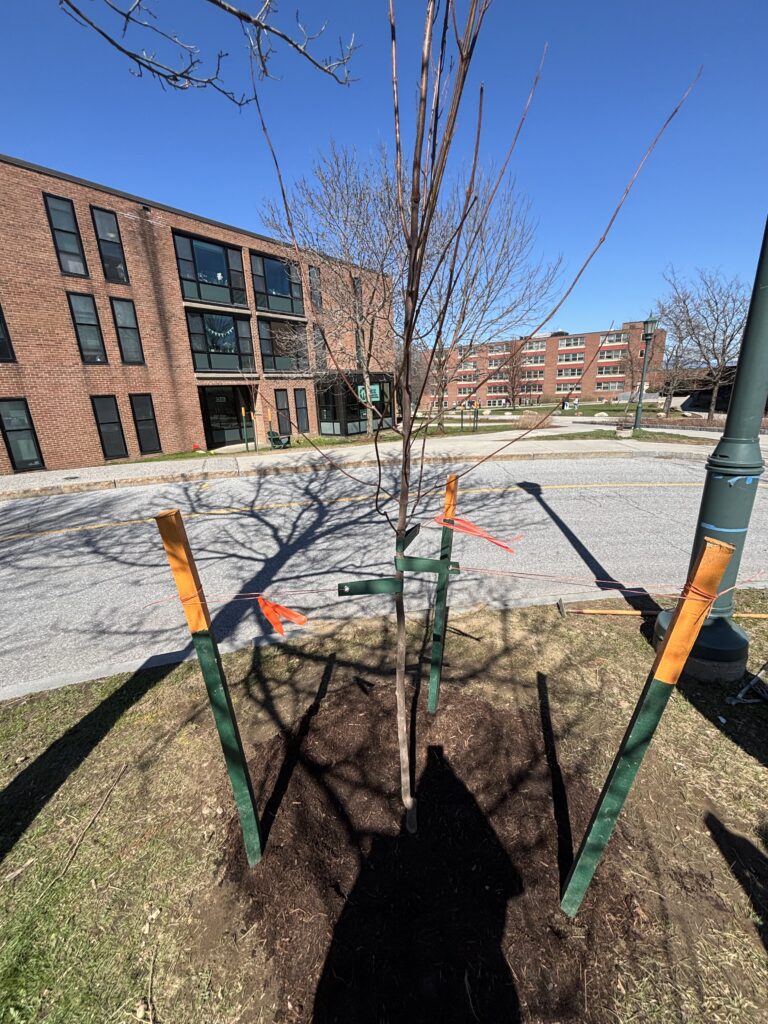
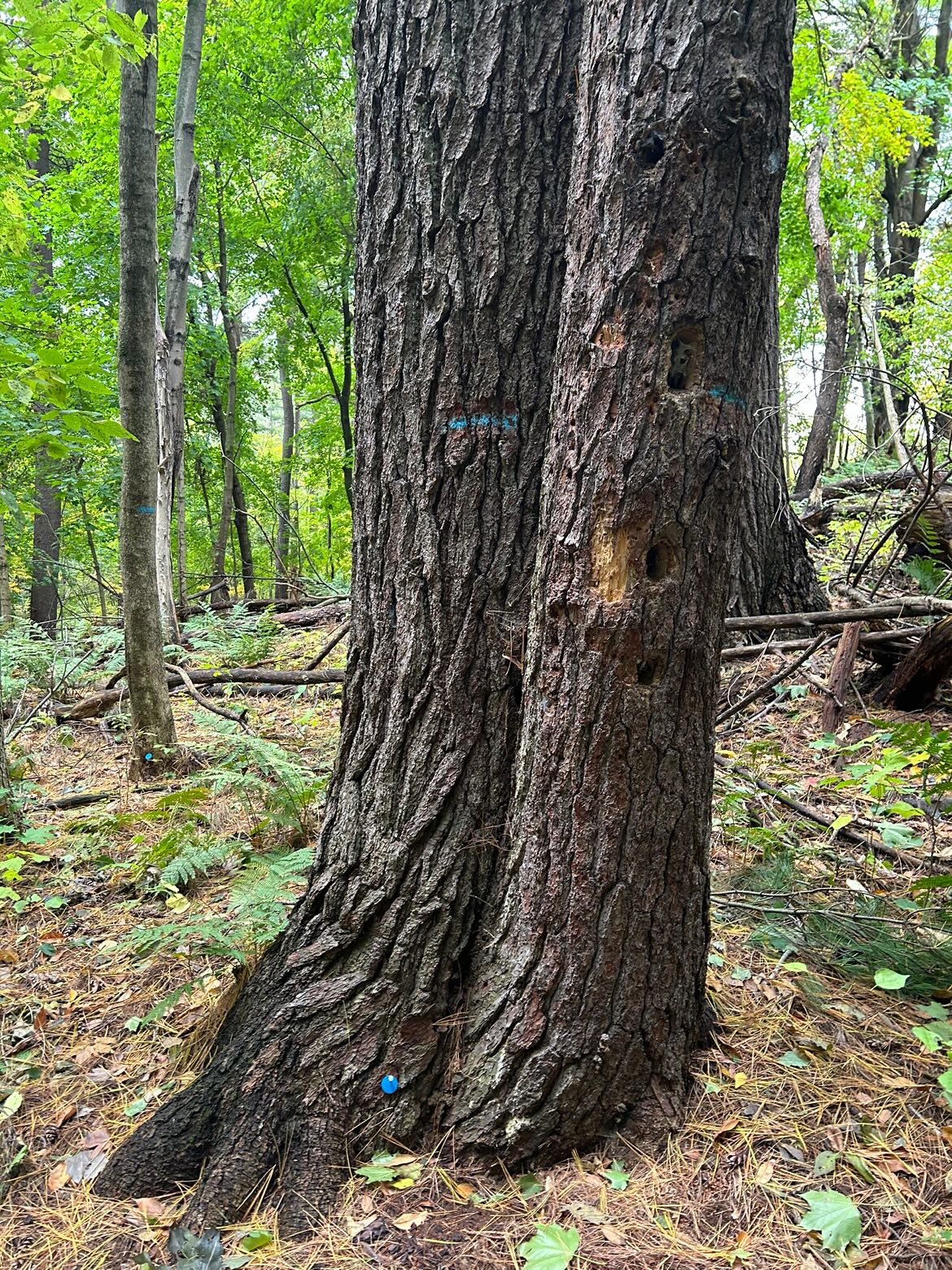
My place is downhill from a large neighborhood, and resides in land owned and maintained by the University. All parts of the human impact can be seen in my place, the trees are tagged for research purposes and invasive species’ are seldom seen. The culture of Vermont shines through in my space, despite being next to a developed neighborhood, you can’t see any negative impacts. This shows how much Burlington and the university values maintaining the beauty of nature.
If you asked me at the beginning if the semester if I considered myself part of my spot, or let alone nature, I would say no. In my brain there was a clean line between myself and nature, I was one of the people who believed that the ideal world in the context of nature is one where humans don’t touch the wild world. But now, I know humans are undeniably part of nature. We are animals, and, although many of our impacts are negative, we still have an impact. That impact has changed nature in a way that, if we were to leave nature alone forever from this day forward, more harm would be done than good.