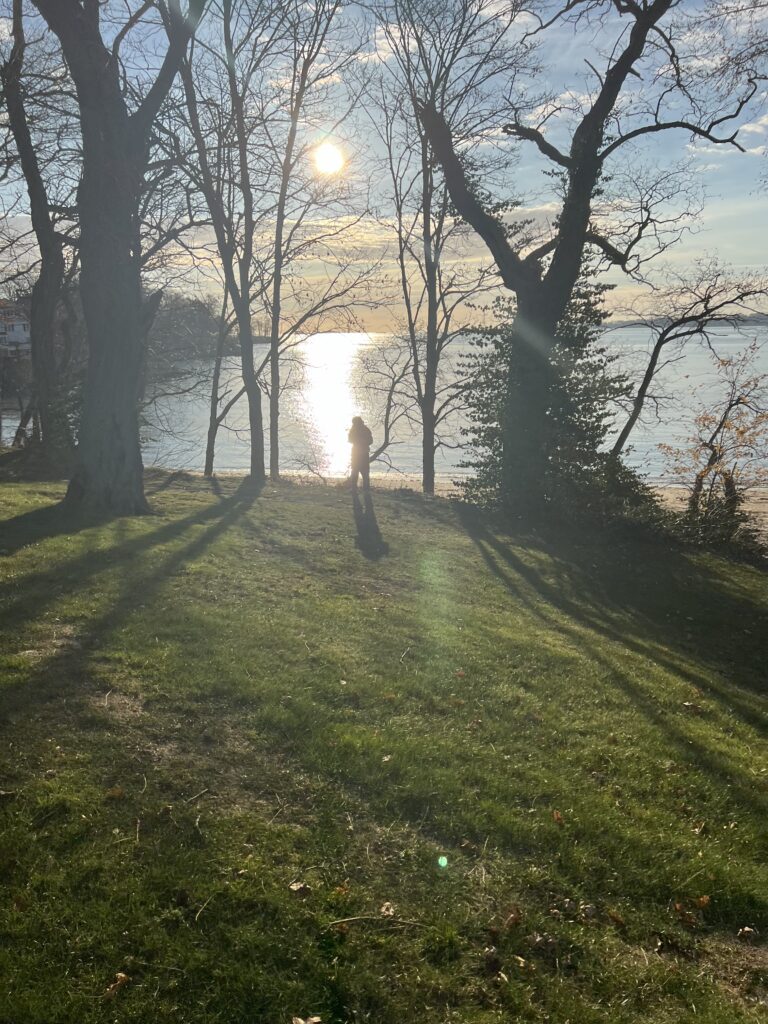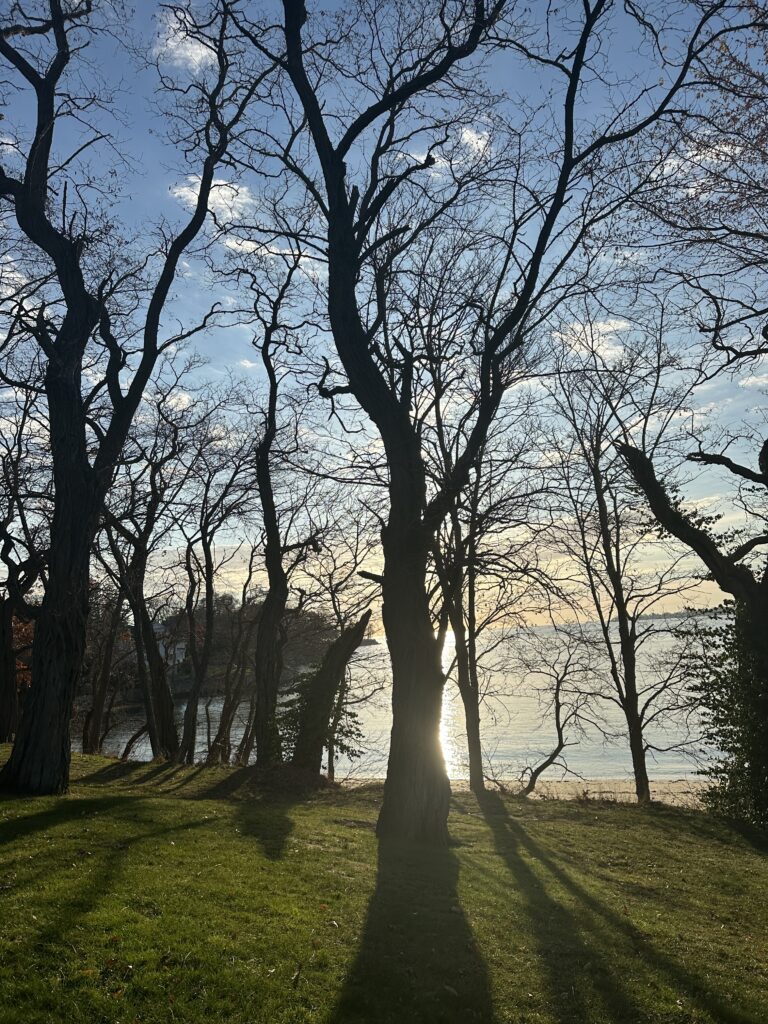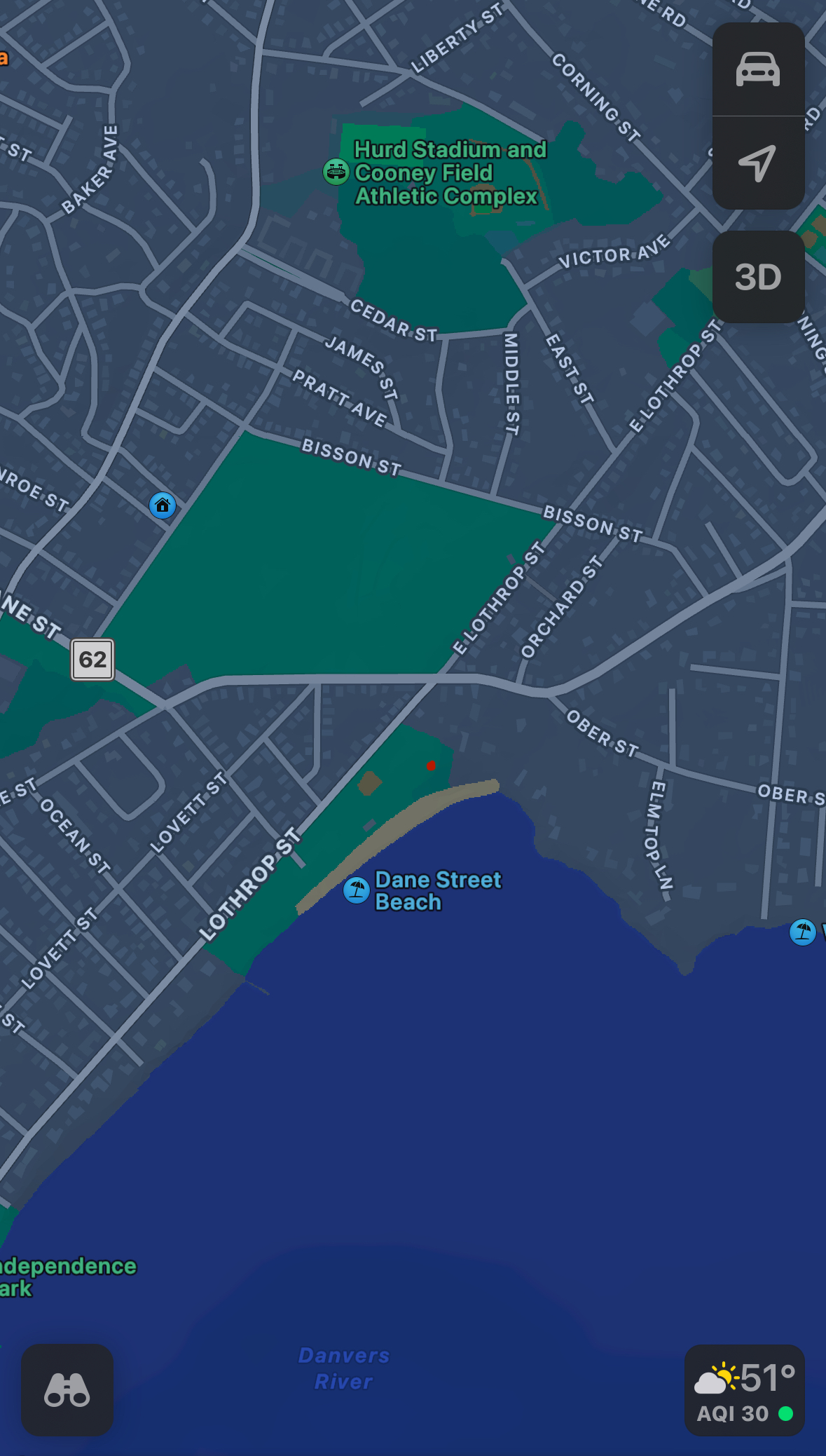
During Thanksgiving Break I went back home to Beverly, Massachusetts! While I was at home I chose to visit my favorite location, Dane Street Beach. This urban natural area is only a five minute walk from my house and contains some beautiful scenery, full of life.
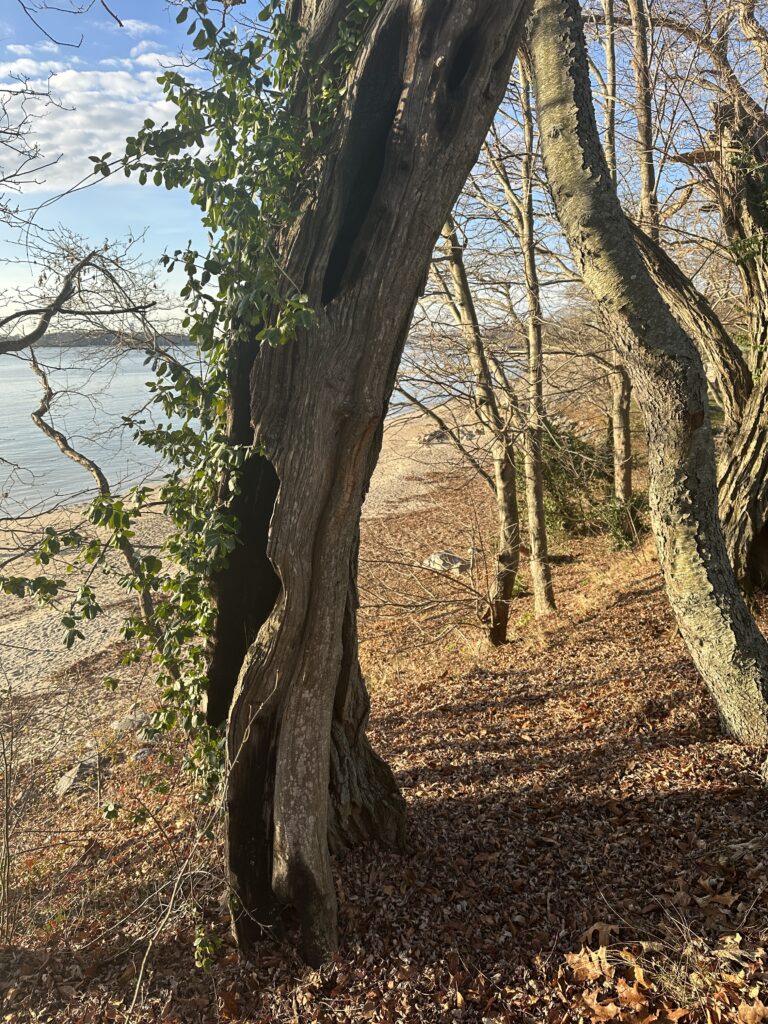
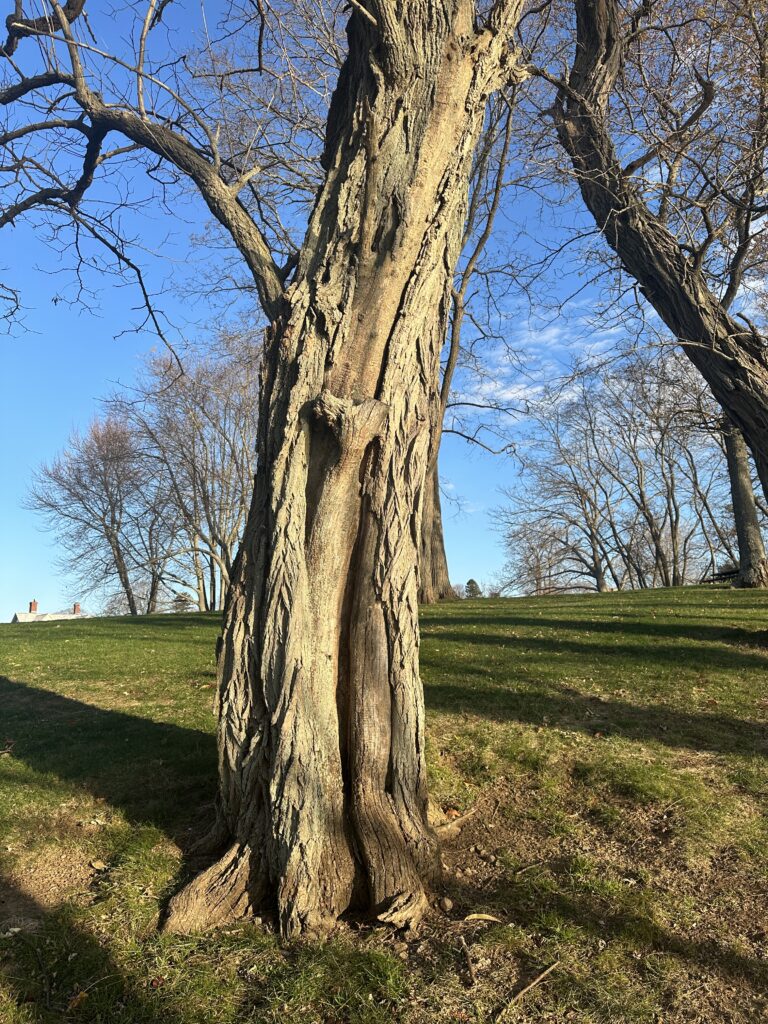
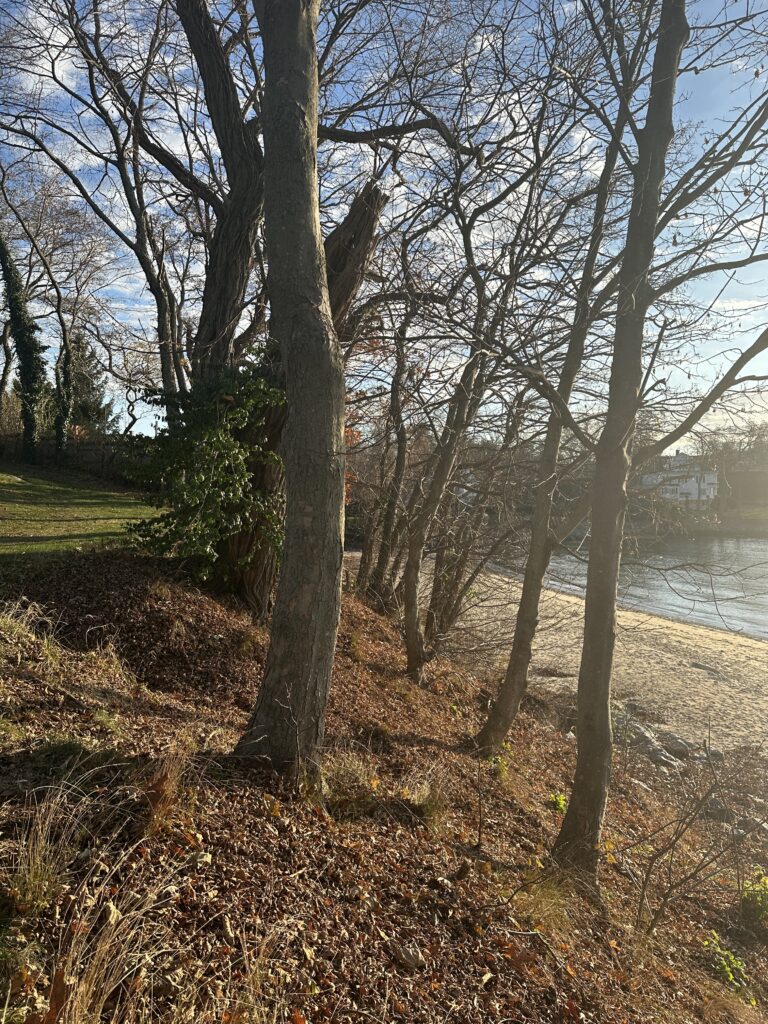
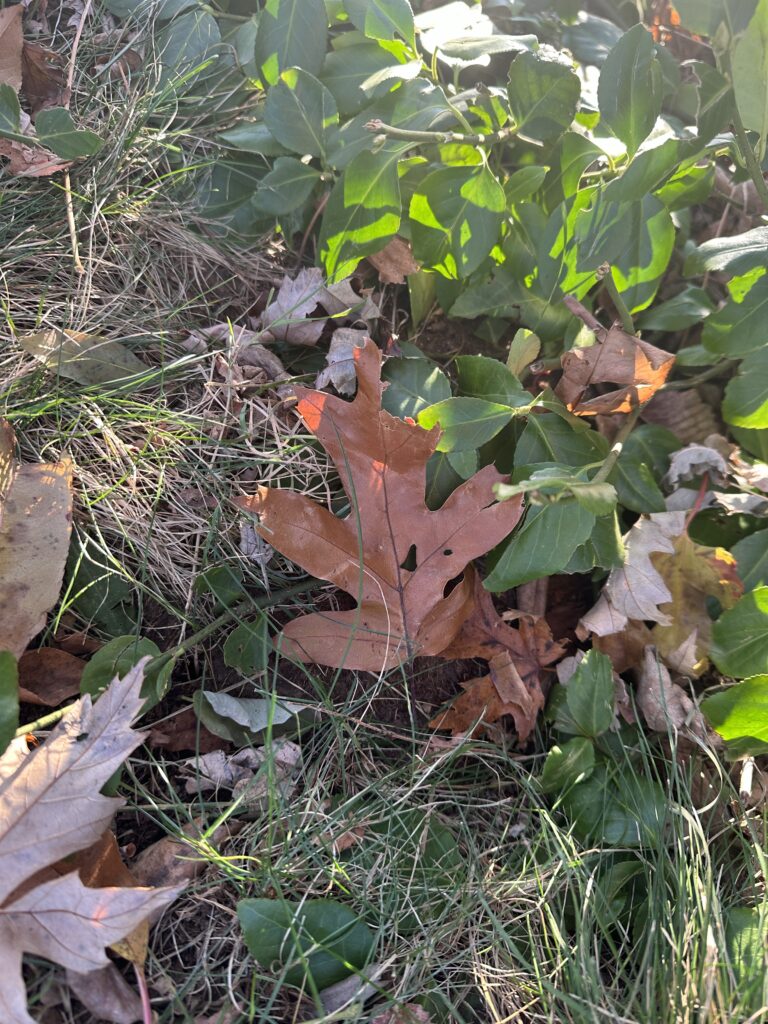
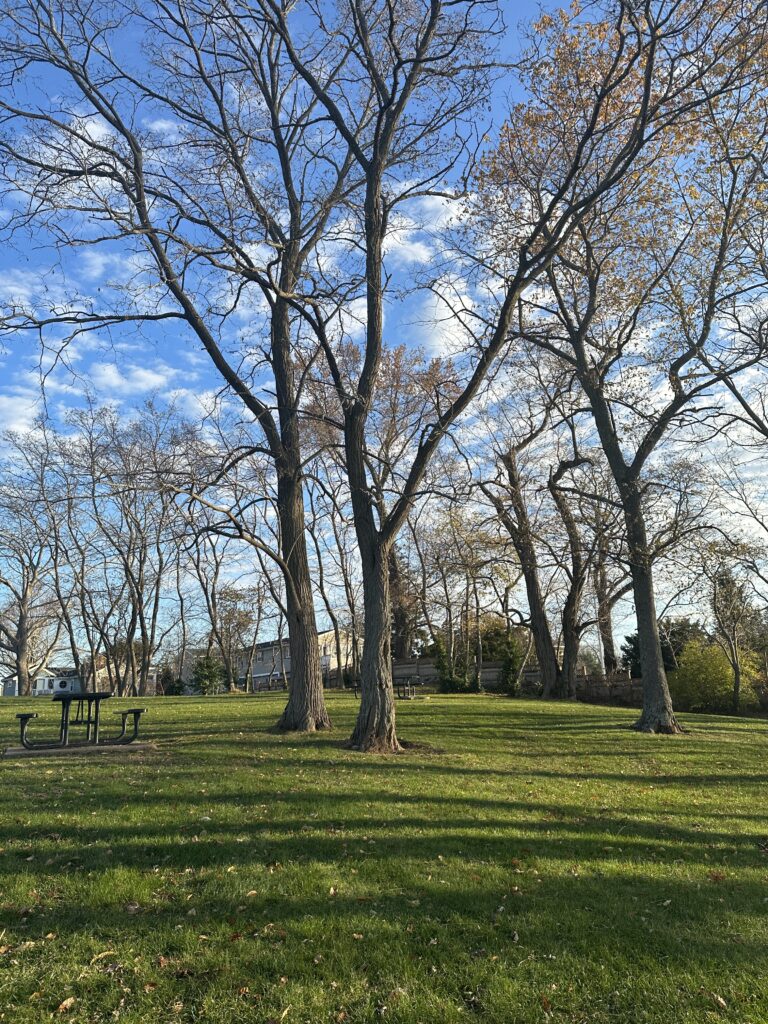
Dane Street Beach presents an ecological tapestry noticeably less diverse than the vibrant ecosystem of Salmon Hole. This coastal expanse appears largely shaped by human intervention, visible by the manmade features. The absence of an understory diminishes its capacity to support diverse wildlife, limiting the habitat to a sparse selection of intentionally planted species, some of which show signs of degradation. Despite this, their crucial role in erosion prevention, particularly along the beachside, underscores the delicate balance between human landscaping priorities and ecological resilience.
A significant concern arises about the city of Beverly’s heightened susceptibility to summer Cyanobacteria blooms. These blooms may be linked to the lack of understory in this highly urbanized location. This ecological imbalance highlights the need for a holistic approach to urban planning, which we have been talking about in my NR1010 course at the University of Vermont. The aesthetic and functional aspects of landscaping must converge to foster biodiversity, mitigate environmental issues, and promote a healthier coexistence between urban development and nature.
Likewise, Salmon Hole faces some degradation from human interaction. The fish that are caught at Salmon Hole are often impacted by water quality which comes from urban runoff. However, most of Salmon Hole is left to its own diverse measures.