Posts

The Final Assignment

April 27th, 2025

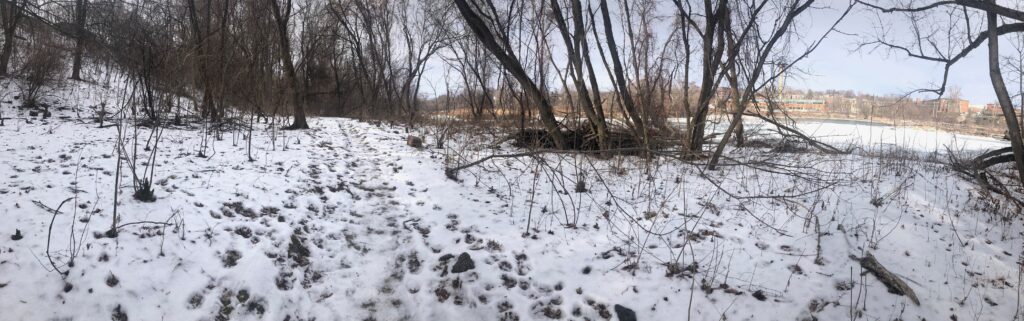
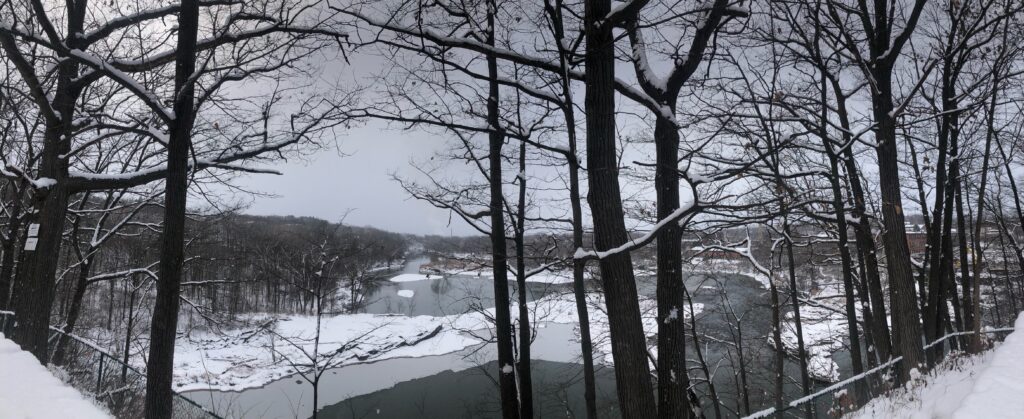
Hello! Today my friends and I made our last trek to Salmon Hole. Unfortunately it was rainy and 40 degrees Fahrenheit so we didn’t stay for long.
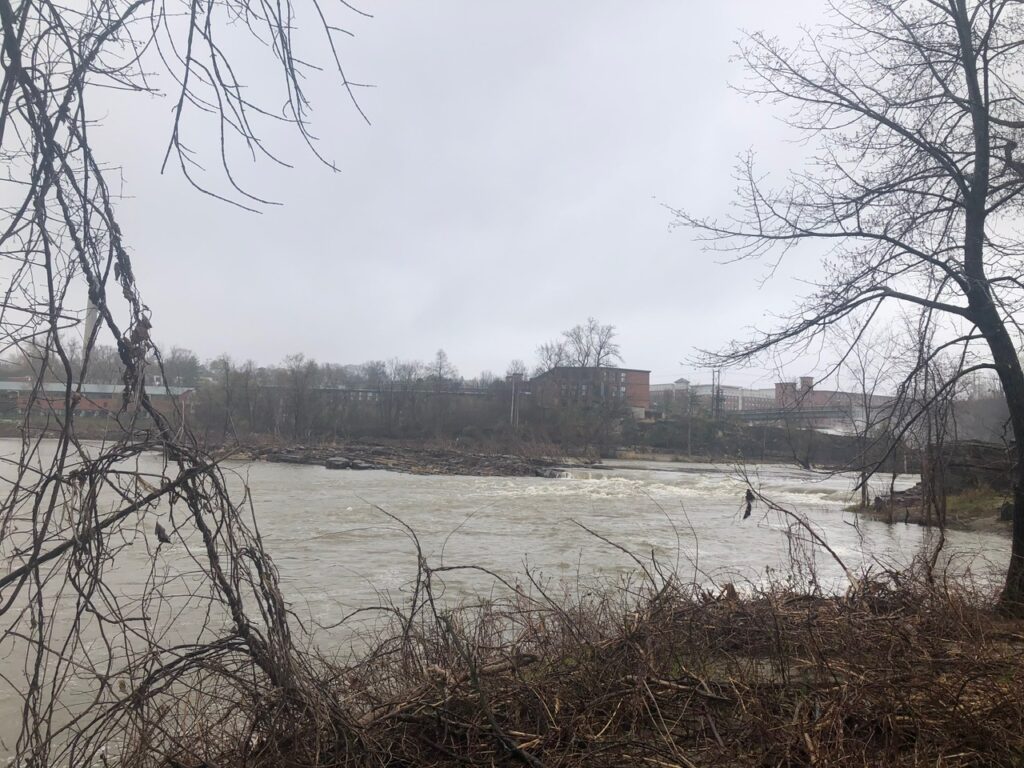
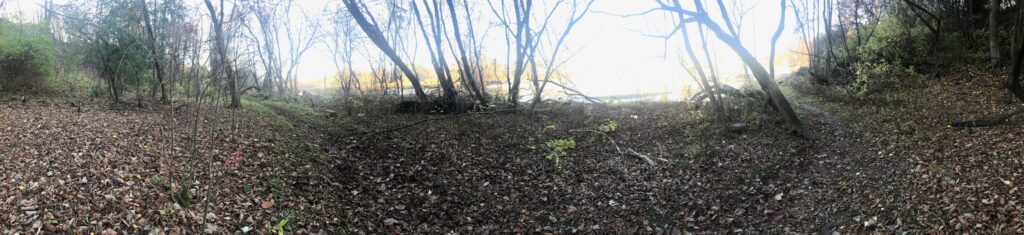
^A view of the Winooski River from my spot^

^Early spring plants popping up!^

My site has changed a lot since I first visited in September– the fallen leaves from fall have decomposed and there are tons of small green plants popping up, signifying the start of spring. The trees that had their leaves in September have lost them and are starting to grow new ones from the buds. The understory plants like honeysuckle and buckthorn no longer have their leaves, but their buds will start breaking soon.

^My site in September^
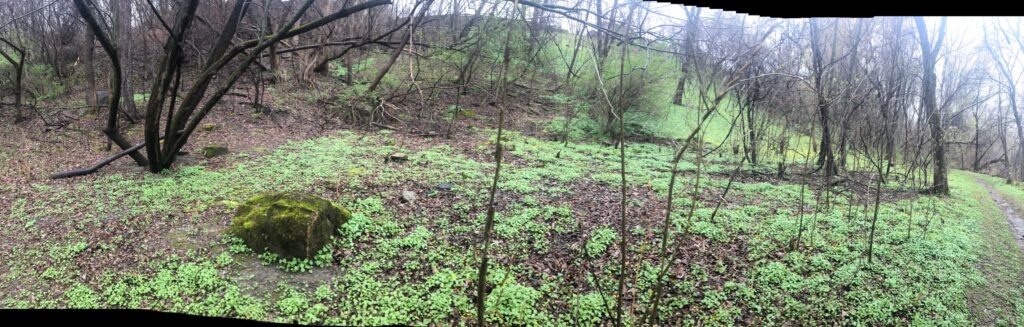
^My site in April^

Here are some of the landmarks I have become very familiar with during my time at Salmon Hole:

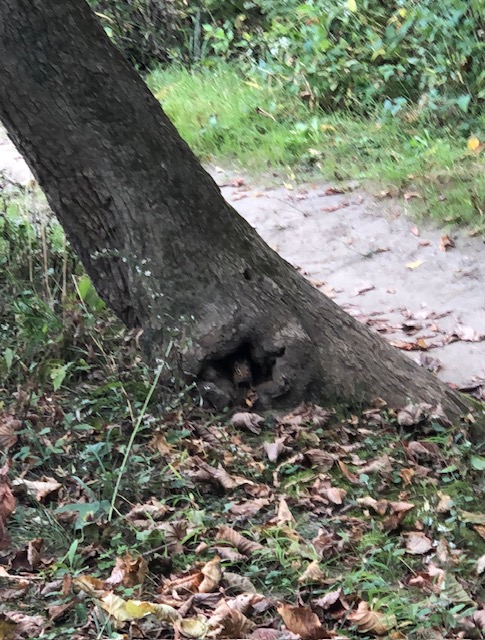
The chipmunk tree:
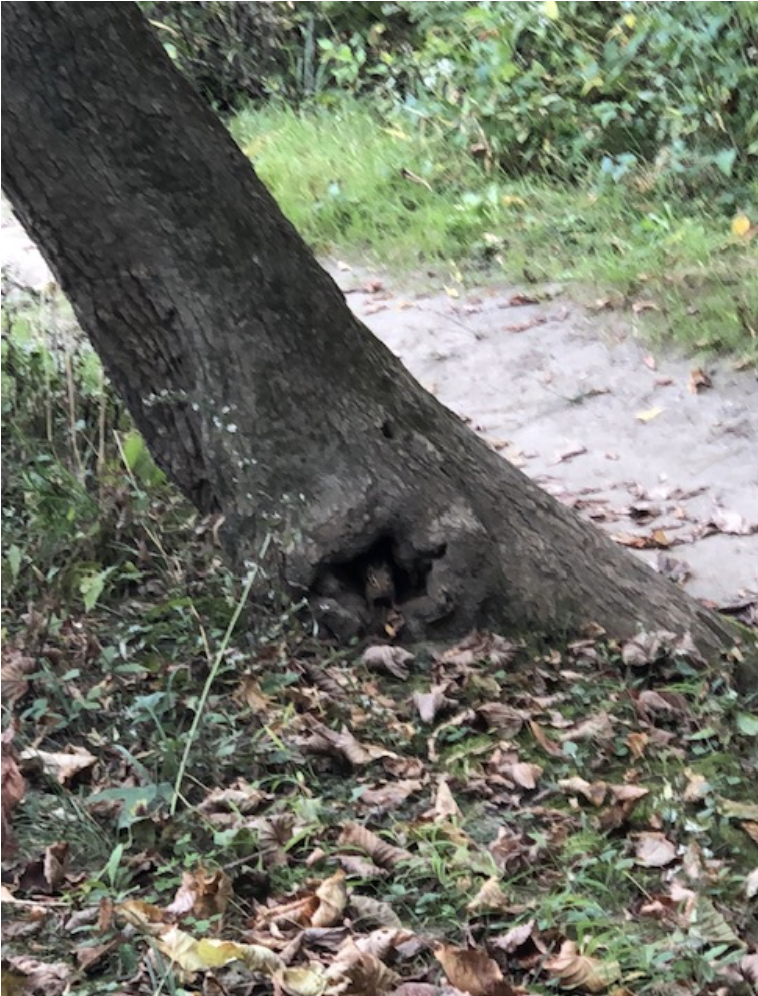
ˆSeptemberˆ
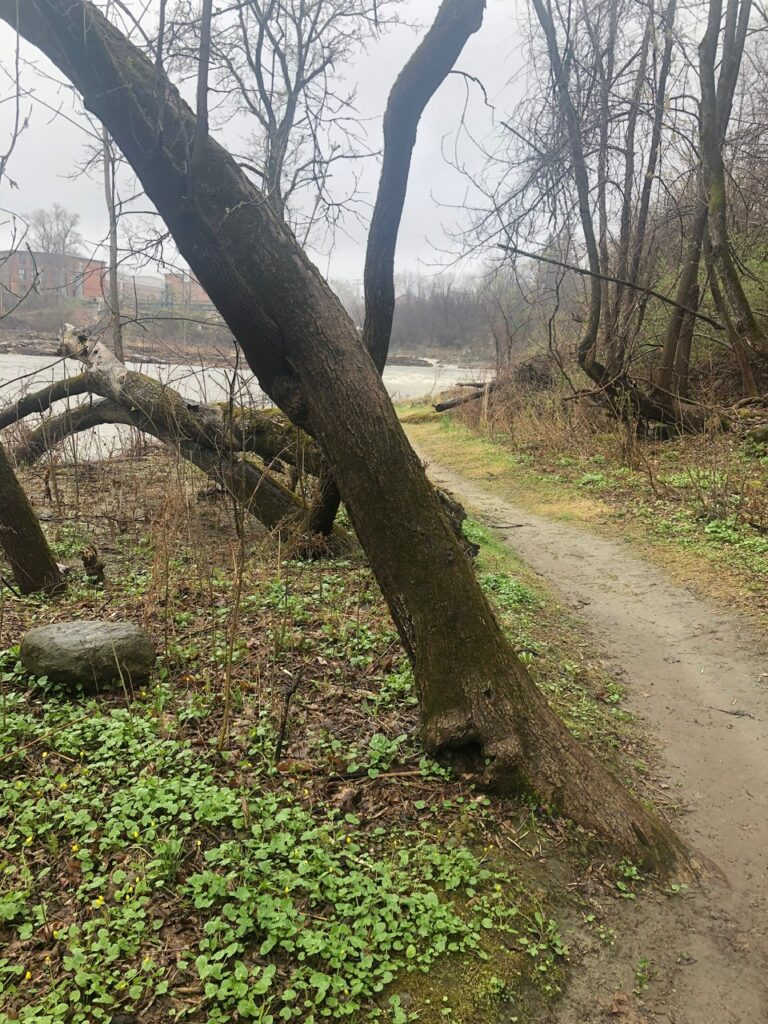
ˆAprilˆ

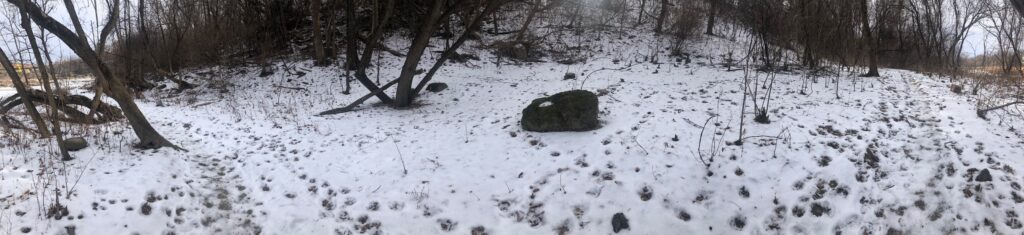
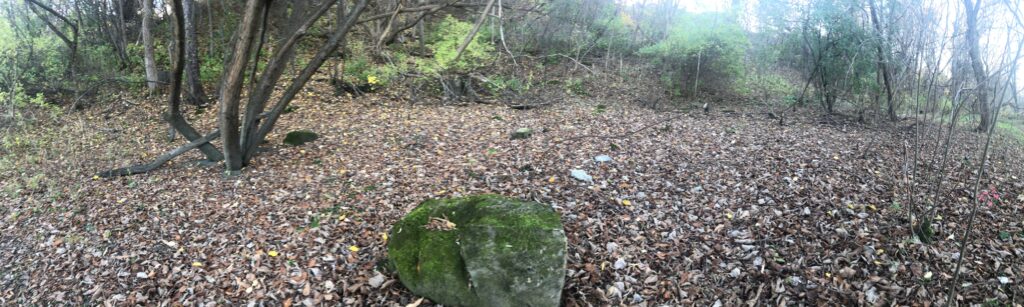
The rock

^October^
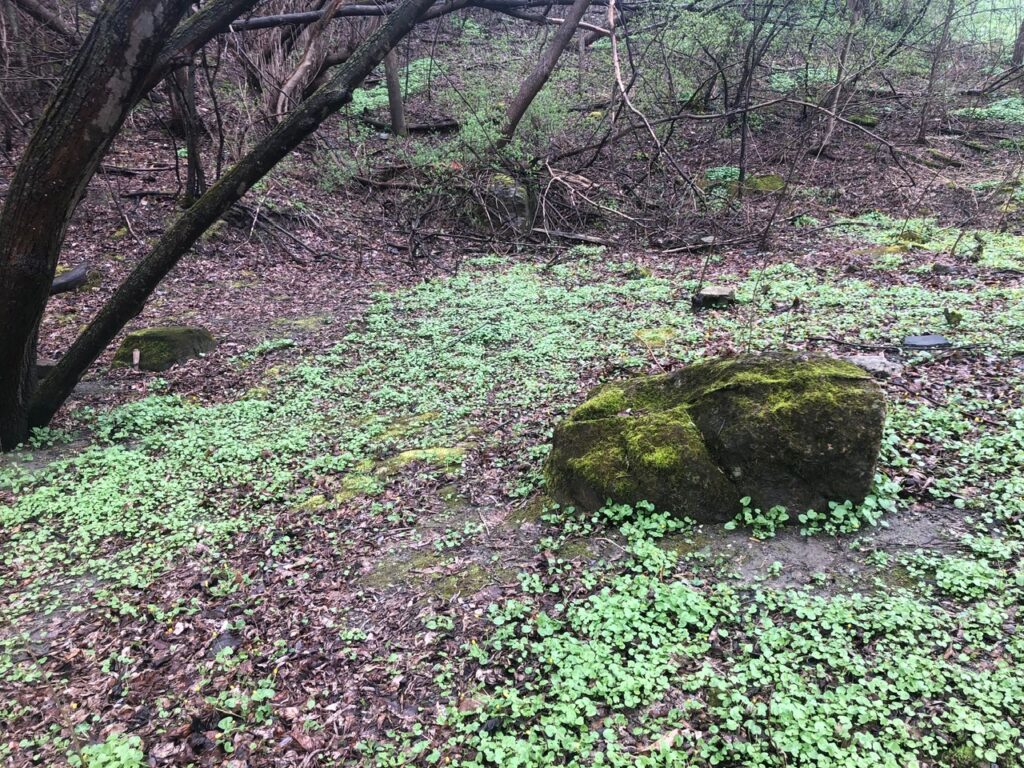
^April^

The American basswood
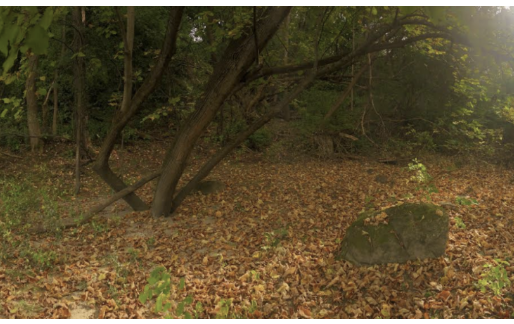
^September^

^April^

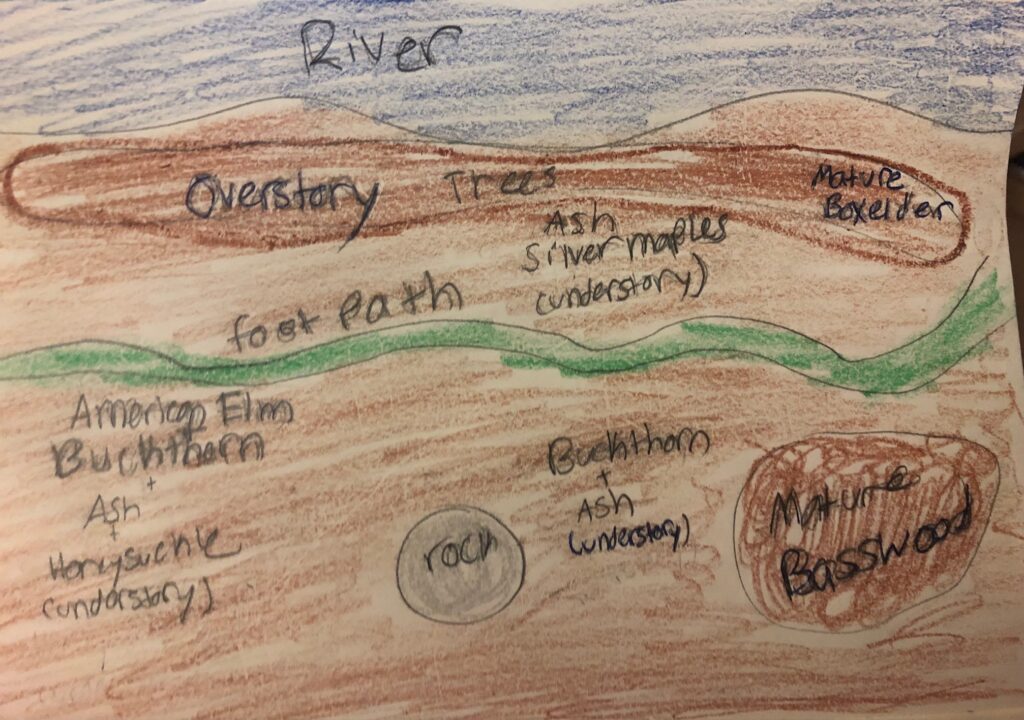
I also made a drawing of my site with all of these landmarks… I know it’s not the best but hopefully I still managed to capture its likeness!
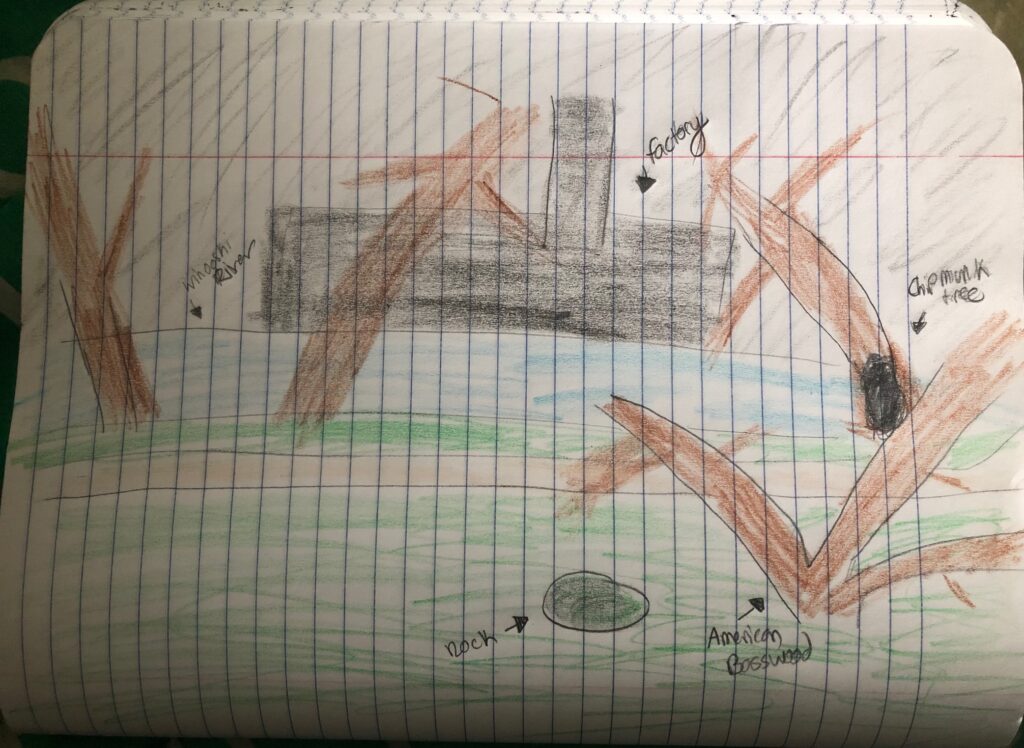
I’ve noticed many signs of human life here throughout my visits– from footprints and dog paw prints to trails and tents. There is also a lot of intervention with the river nearby since the dam can be seen from my site. In this way, I think that humans and our culture interact with this place through many different ways and for many different reasons–from people walking dogs, to those needing a safe place to sleep, to those looking to use the river for its energy potential. Lastly, some people come here just to be part of it. All of these people leave signs of themselves and, in doing so, contribute to the atmosphere here.

While I still see myself as a visitor to Salmon Hole since I don’t come here often, I’ve become more and more familiar with it, to the point of me feeling at home here. I think if I keep visiting (which I plan to do), I will soon feel like part of it, just like the trees and the birds and chipmunks.

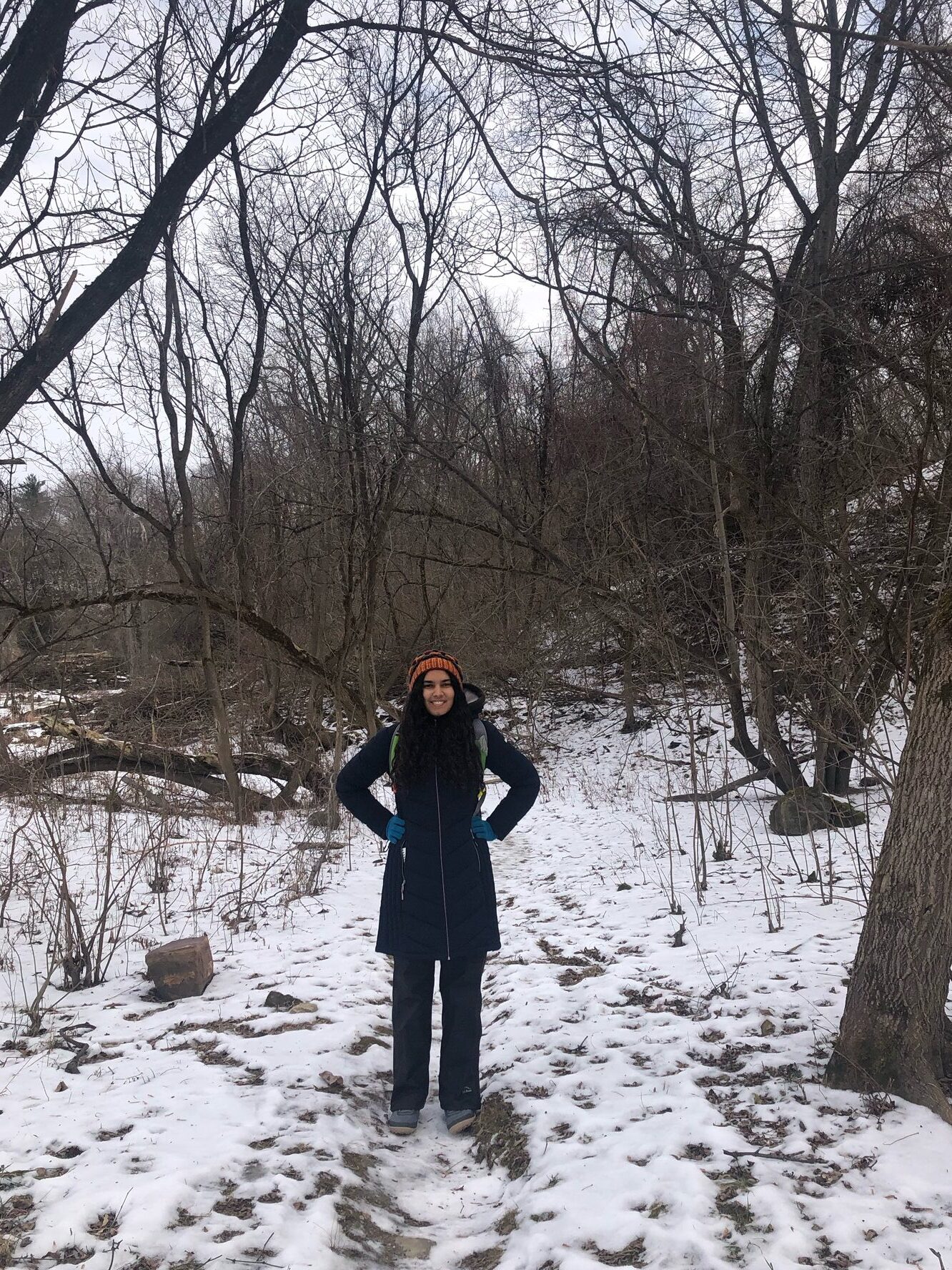
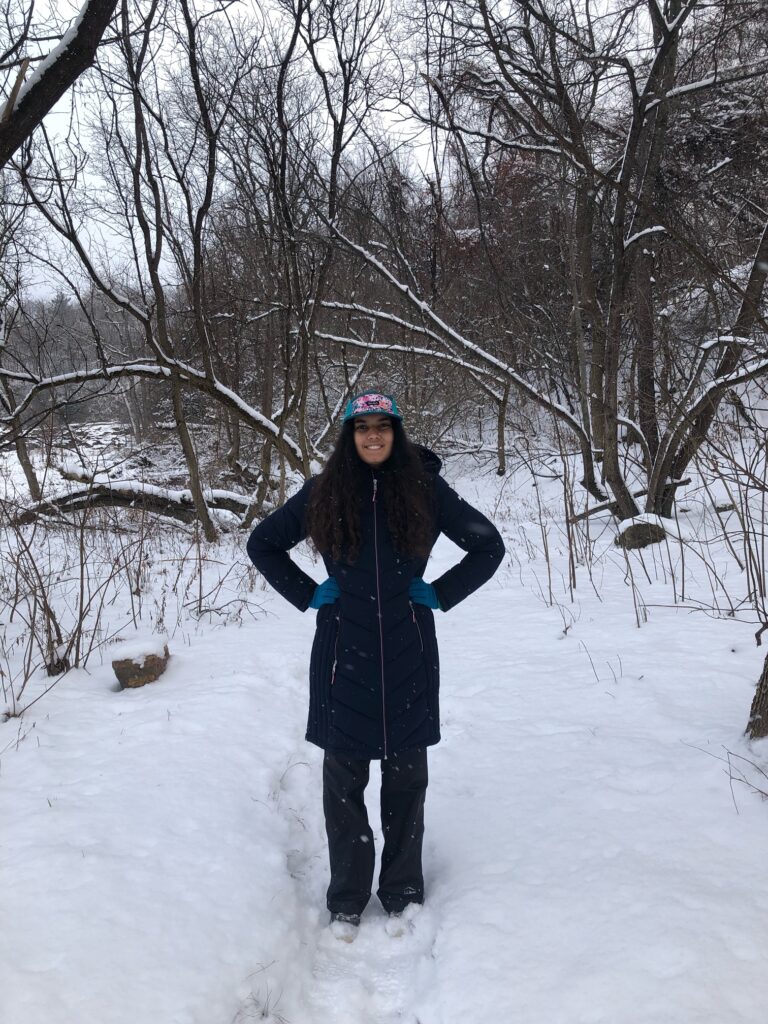
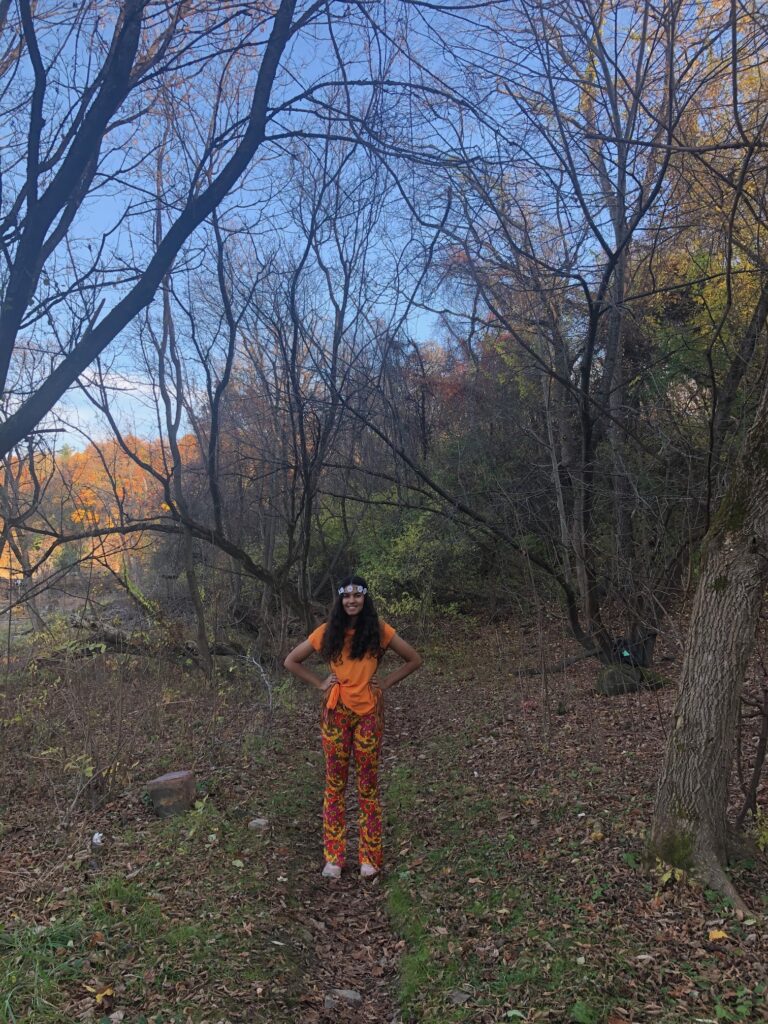
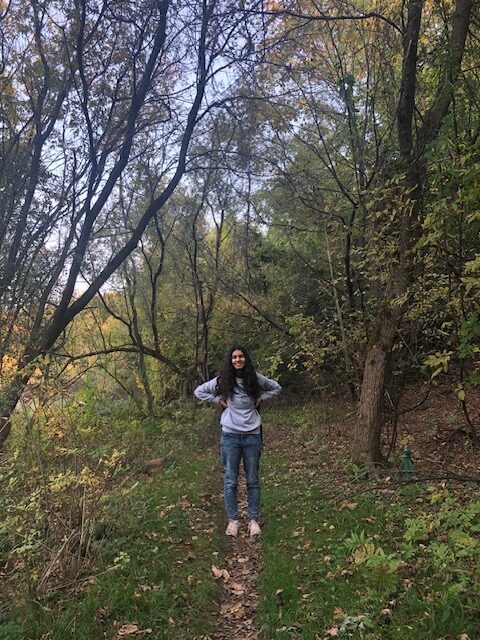
I want to finish this blog with a timeline of pictures, showing how I have changed along with Salmon Hole.
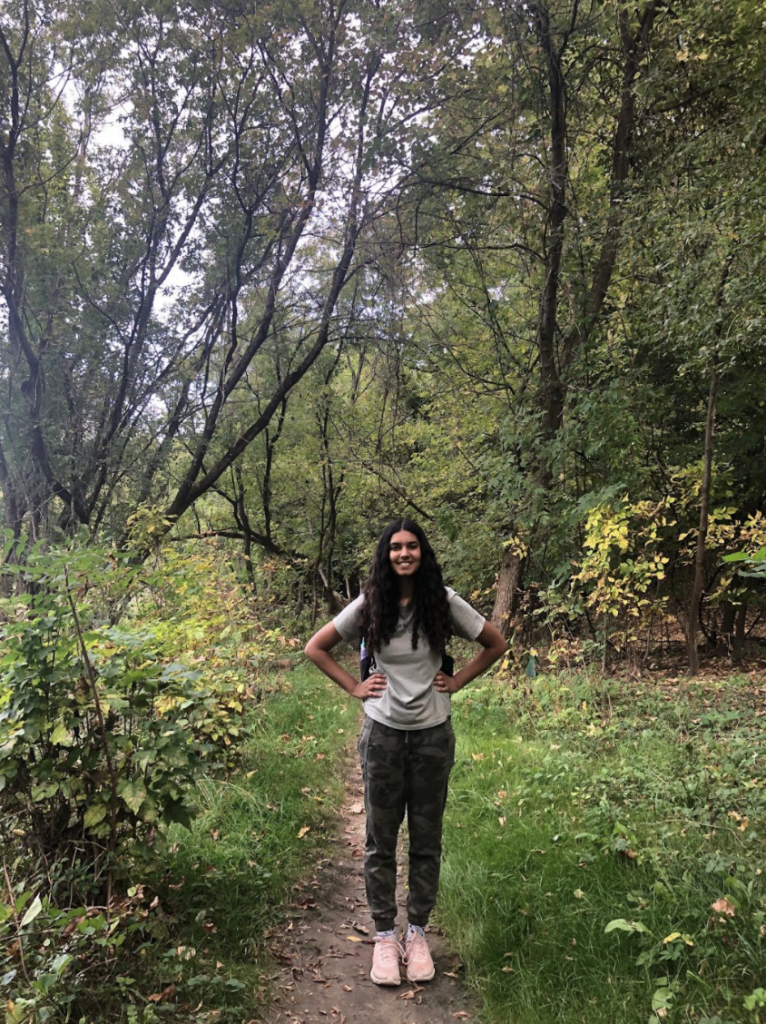
^September^
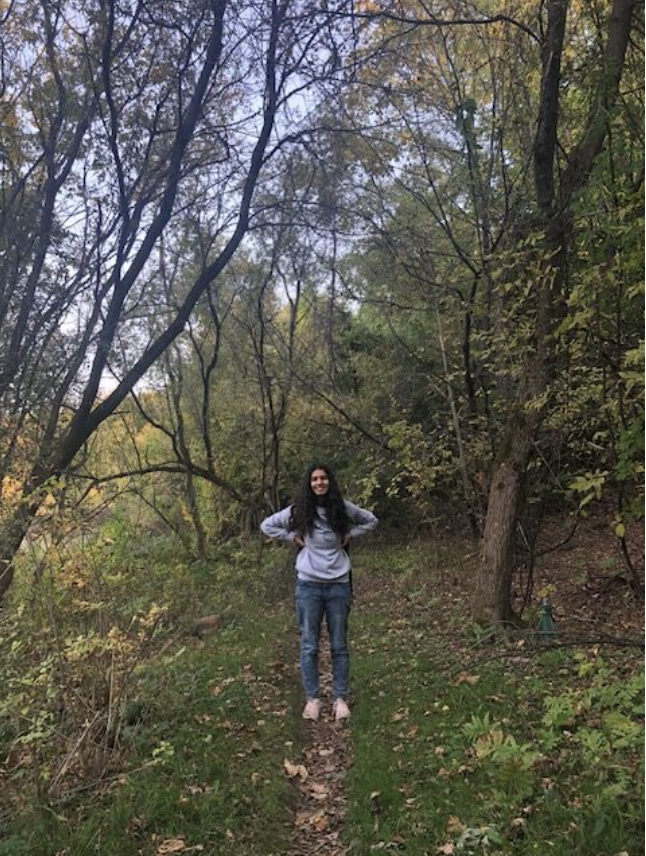
^October^
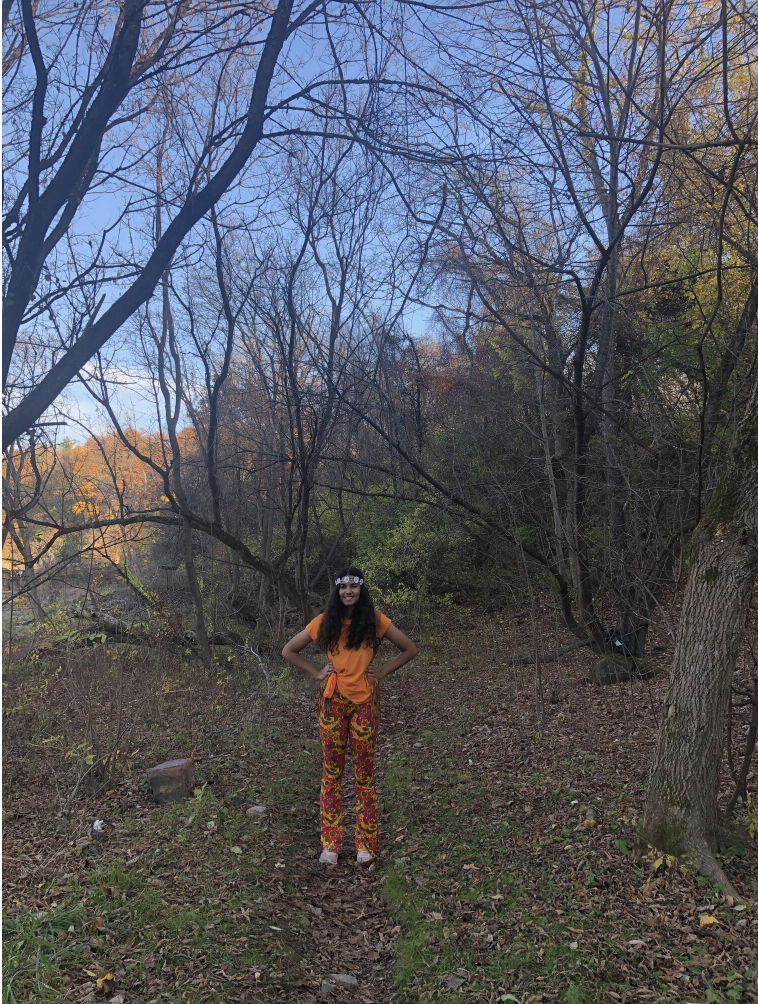
^Halloween^

^December^

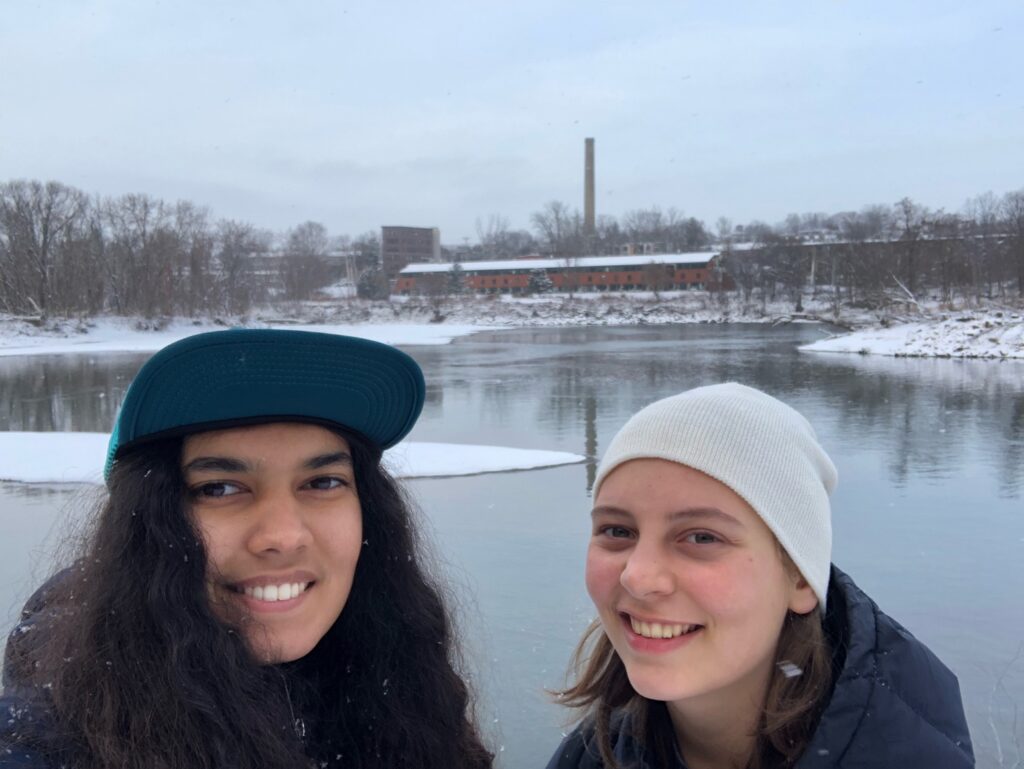
^January^

^April^

This has been a fun and rewarding project! I hope to come back to Salmon Hole soon.

Bye!
Assignment #4 2025: iNaturalist City Nature Challenge!
April 27th, 2025

Hello!
The past few days, starting on Friday, April 25th, I’ve been posting species observations to iNaturalist (here’s the link to my page: https://www.inaturalist.org/observations?user_id=brookeharrison)! I’ve been to many different places, including the parking lot next to Cohen, the Waterman green, Central Campus, Athletic Campus, Redstone, the bike path behind the gym, and Salmon Hole.

Here are some of my favorite observations so far:

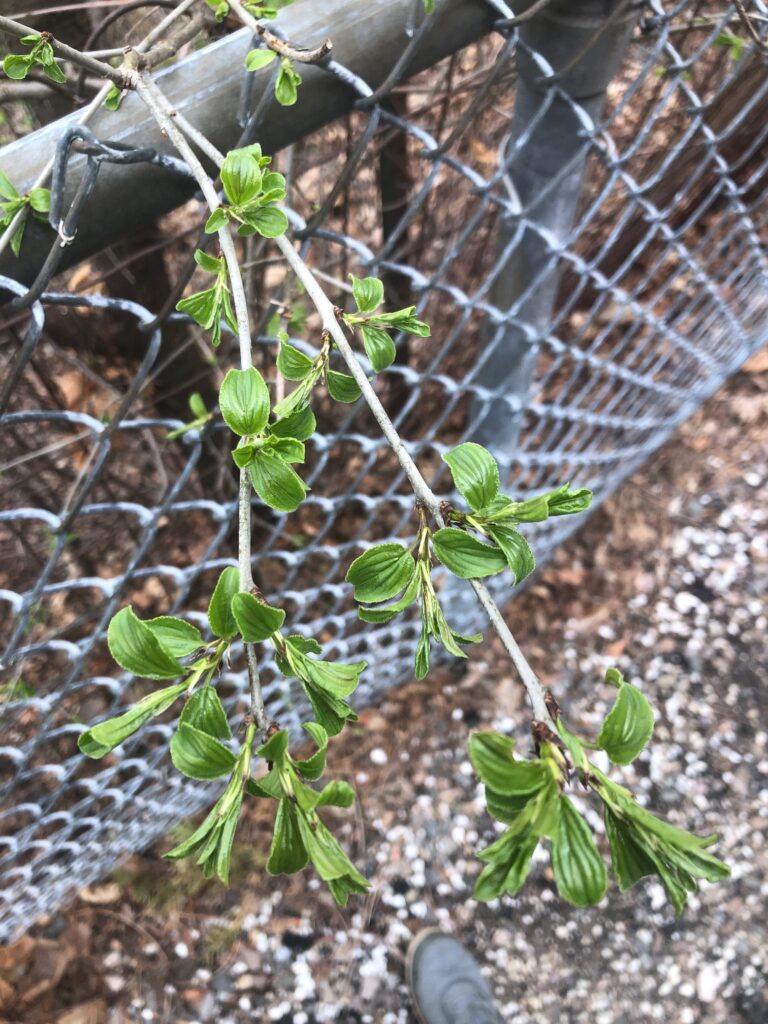
^My first observation—common buckthorn found near Cohen!^

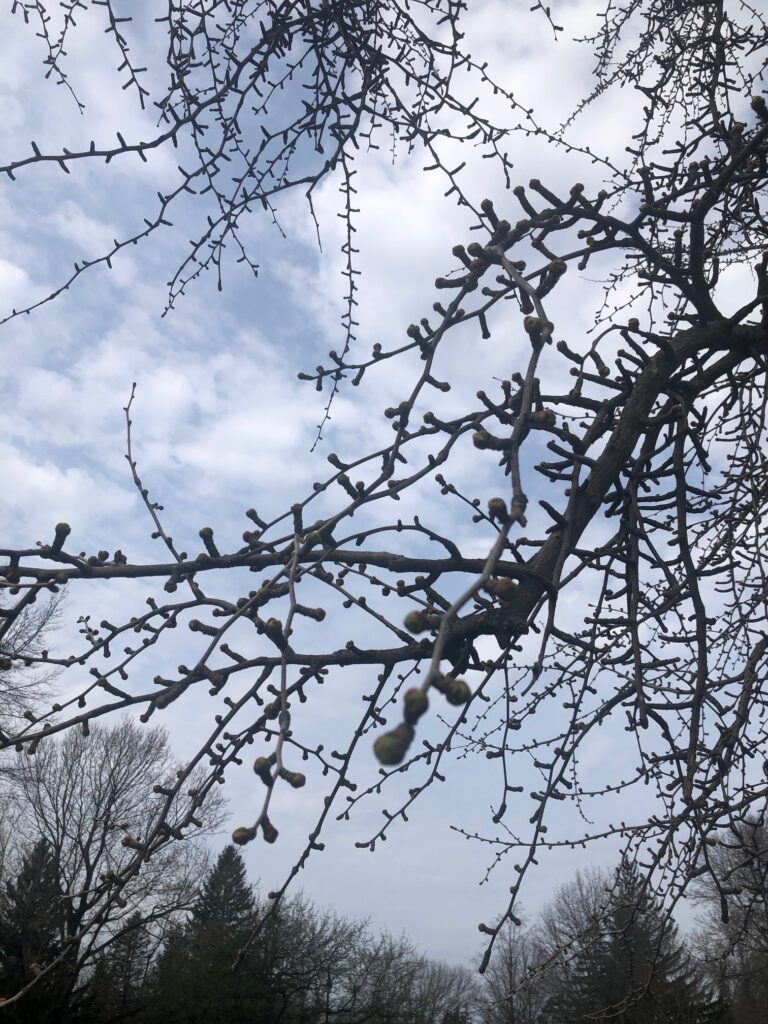
^Ginkgo biloba near Howe Library^

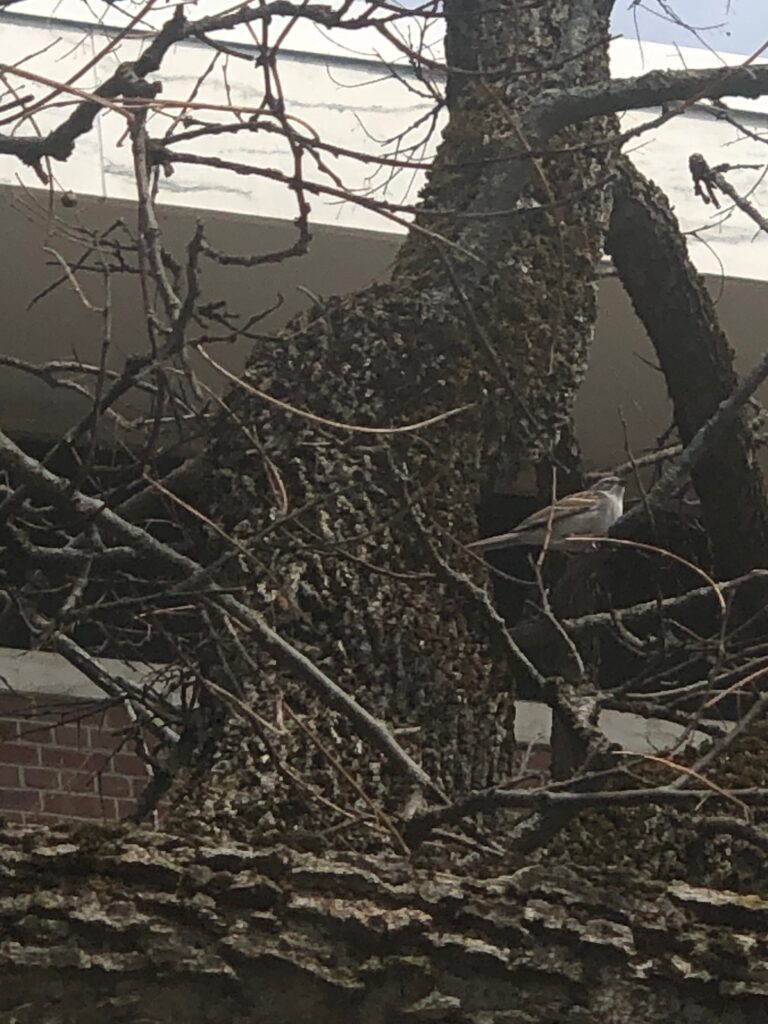
^A chipping sparrow on the Andrew Harris green^

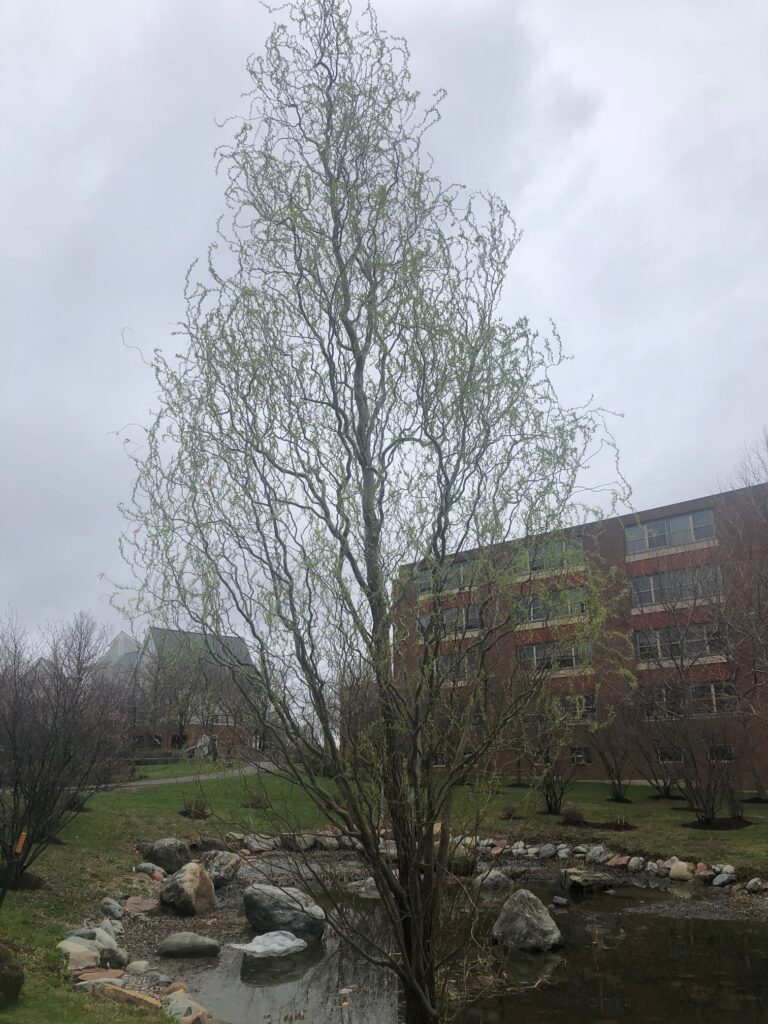
^Possible corkscrew willow next to MAT^

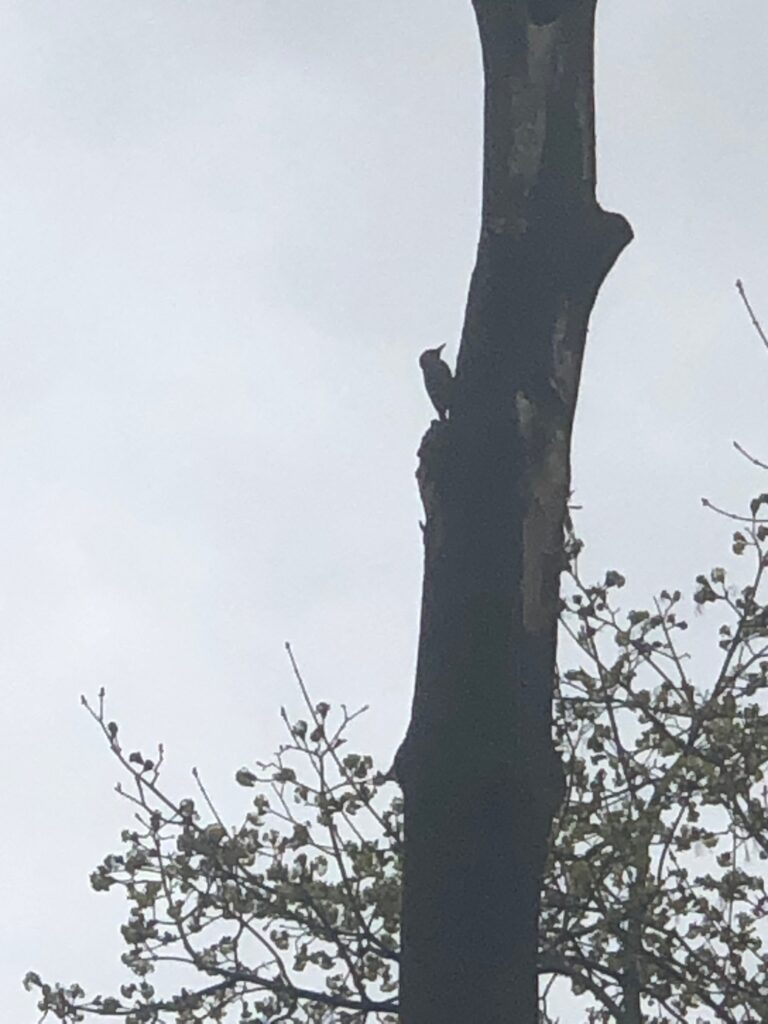
^Woodpecker on a snag at the pine forest on Redstone^

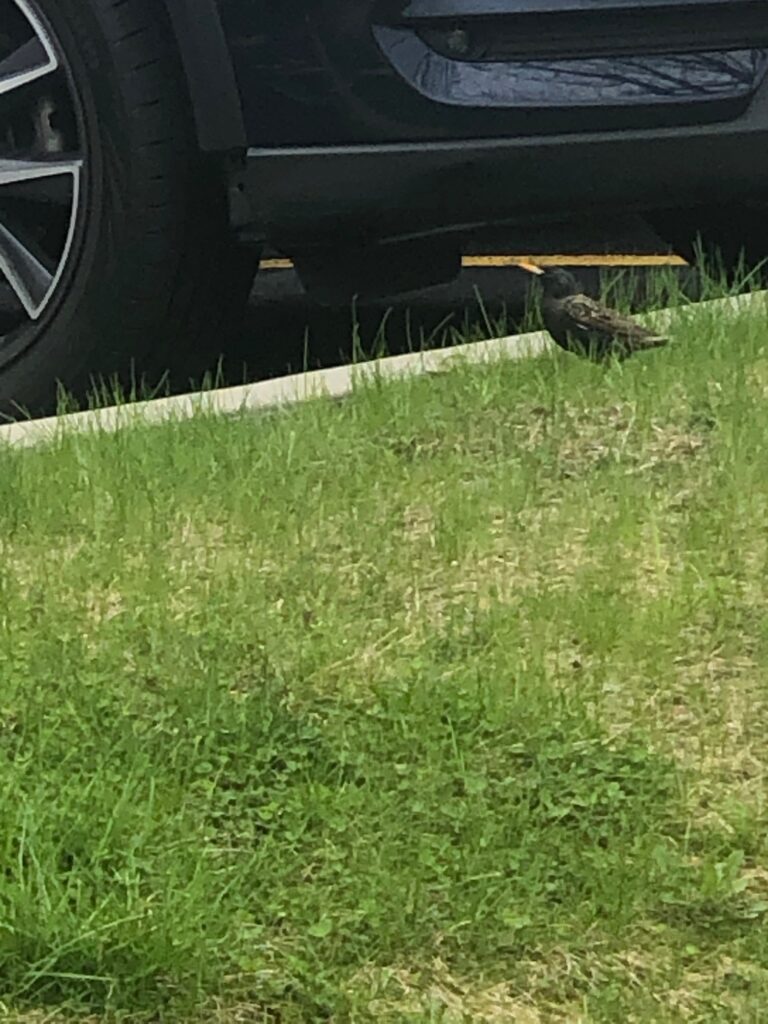
^European starling next to bike path behind the gym^

So far I’ve found about 67 species of plants, animals, and various fungi.

I really enjoy using iNaturalist because it’s easy to upload pictures, and makes me feel like part of the community when people help me identify an observation and when I do the same for them! It’s also amazing to see the diversity of species that people encounter just in Burlington.

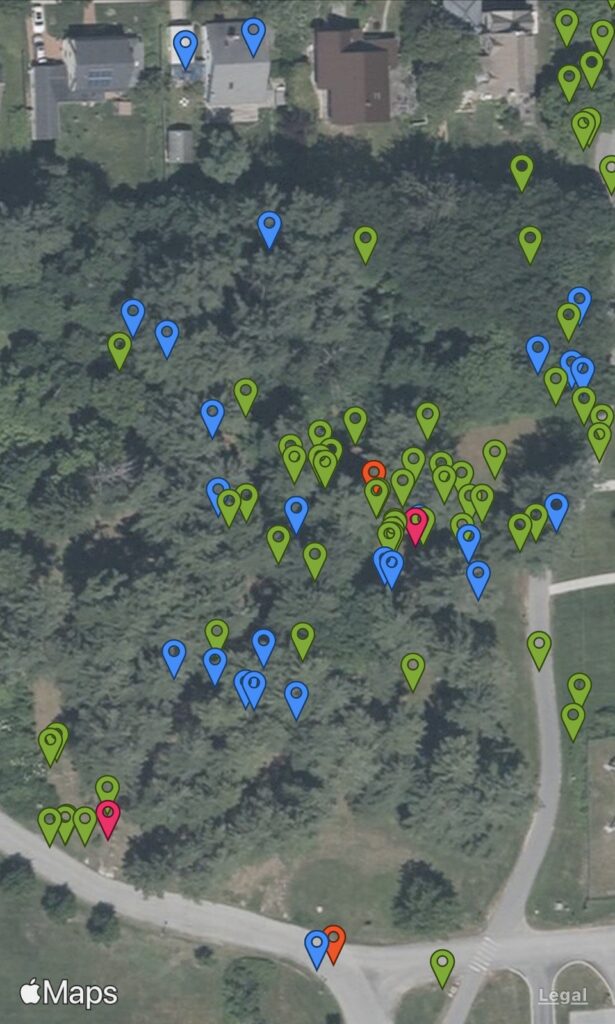
For example, here’s a map of all of the observations from the pine forest on Redstone (there’s so many of them!):

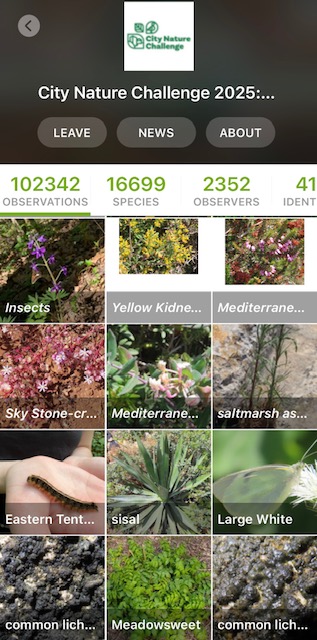
It’s also super cool to see the observations people have made around the world! It’s so interesting to see how common species differ in different landscapes, countries, and continents. I love seeing how diverse the organisms of the world are. I also found a lot of familiar species amongst the foreign ones. Here’s a screenshot of some of the different species people have found so far:

All this to say, I had a really good time doing this project! I think I’ll be using iNaturalist a lot during the summer for fun to learn more about the species of North Carolina 🙂

See you next time!

Assignment #3 2025: Phenology Walk

March 27th, 2025

Today my friend Katie and I completed the phenology walk assignment! Unfortunately we didn’t get any pictures 🙁 .

We noticed that none of the trees had breaking buds (apart from white oak which only had a few), and that none of them showed signs of new or expanding leaves or pollen production. We did notice that in the red oak and white oak dead leaves from the previous season were still retained. I’m not sure if this counts as a phenophase but it was common amongst the oaks! We also saw that other trees that weren’t the specific ones assigned had flowers and breaking buds; notably silver maples and red maples had very clear signs of these changes.

It was very nice to walk around and just notice and observe the trees closer than usual.

On NPN’s website I read an article titled “Are plant and animal species responding differently to climate change?” The article was very relevant to what we have been learning in class about phenological mismatches. I learned that, in general, plants are phenologically responding more to climate change than animals. For example, flowers are blooming earlier but in a time period where pollinating insects aren’t out and about. Going off of this information, as climate change worsens this problem could be exacerbated and soon enough basic organismal interactions could be out of whack.

Wow. that got a bit dark.

Overall this experience made me think a lot more about the small changes that are always happening and that make a big difference in our daily experience of the world.

See ya next time!

Assignment #2 2025

February 23rd, 2025

Yesterday four of my friends and I walked around campus to find some animal tracks in the snow! I posted many of our findings to my iNaturalist page.

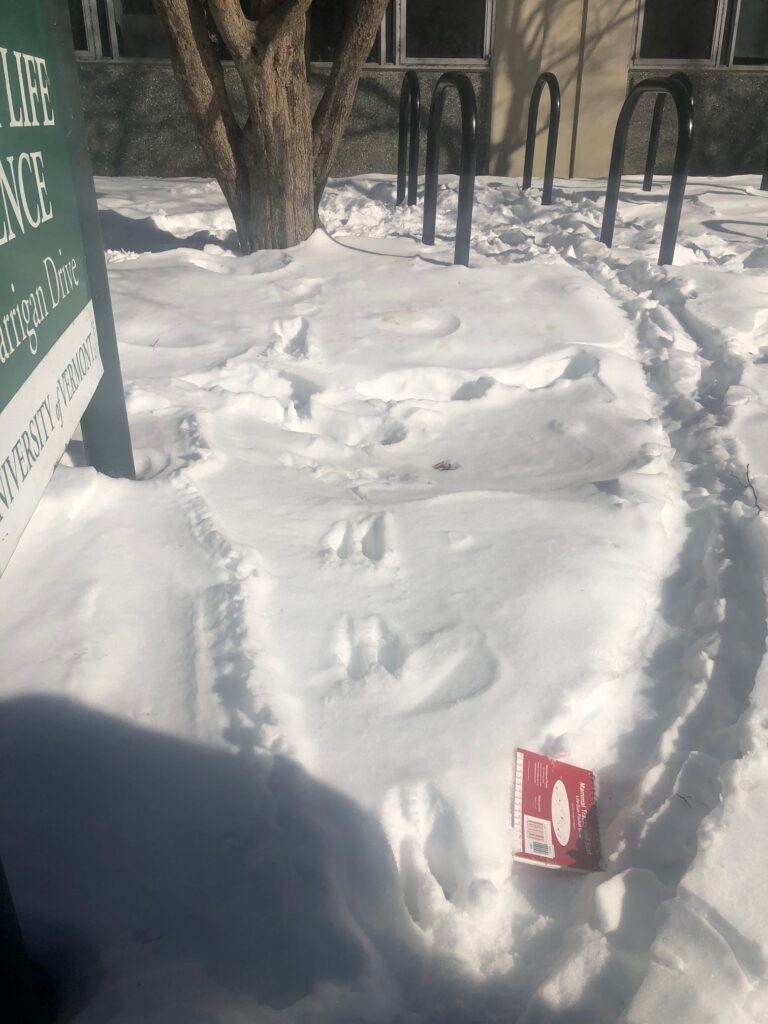
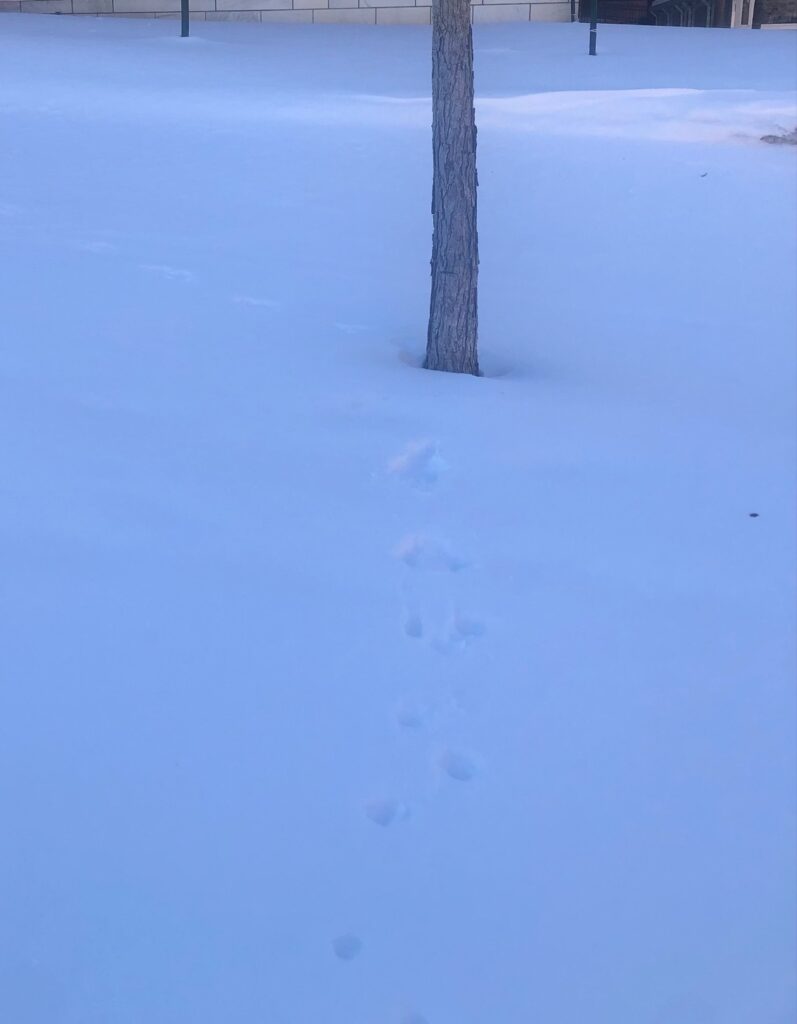
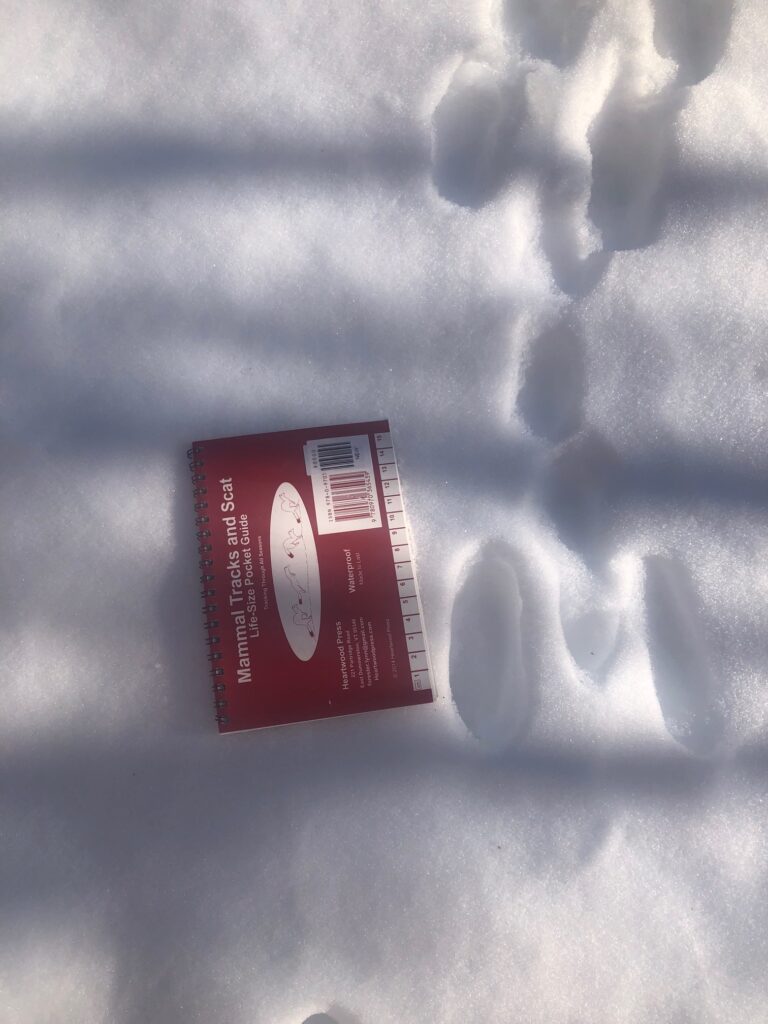
First we walked along the pathway between Marsh Life Science and Howe Library. There we saw multiple tracks that looked very similar. They looked like bounder tracks because of their grouping, and based on the fact that they all led directly to trees, we assumed that they were Eastern gray squirrel tracks.

ˆProbable Eastern gray squirrel tracksˆ

ˆMore probable Eastern gray squirrel tracksˆ

We also saw some strange-looking tracks; it looked like an animal had fallen from a tree and then walked away. The print pattern was diagonal but also looked strangely like squirrel prints at some points. We’re still not quite sure what this was. Maybe it was a squirrel walking strangely due to disorientation after falling out of the tree.

ˆStrange potential Eastern gray squirrel tracksˆ

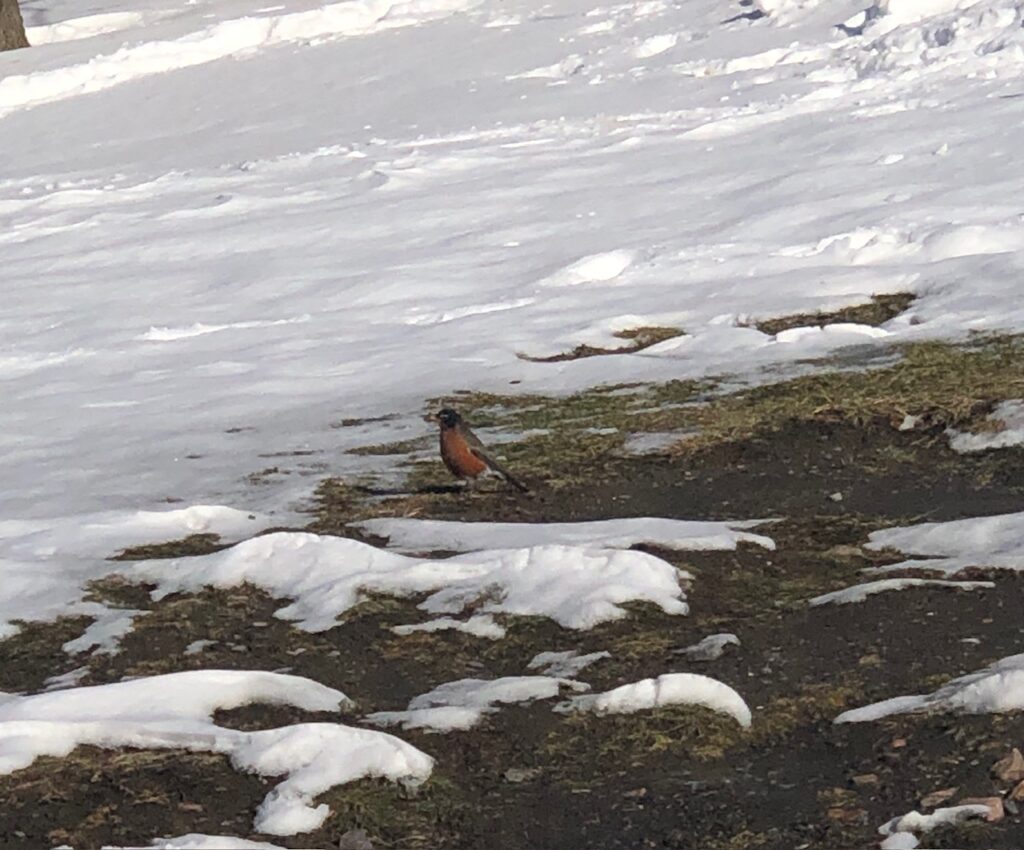
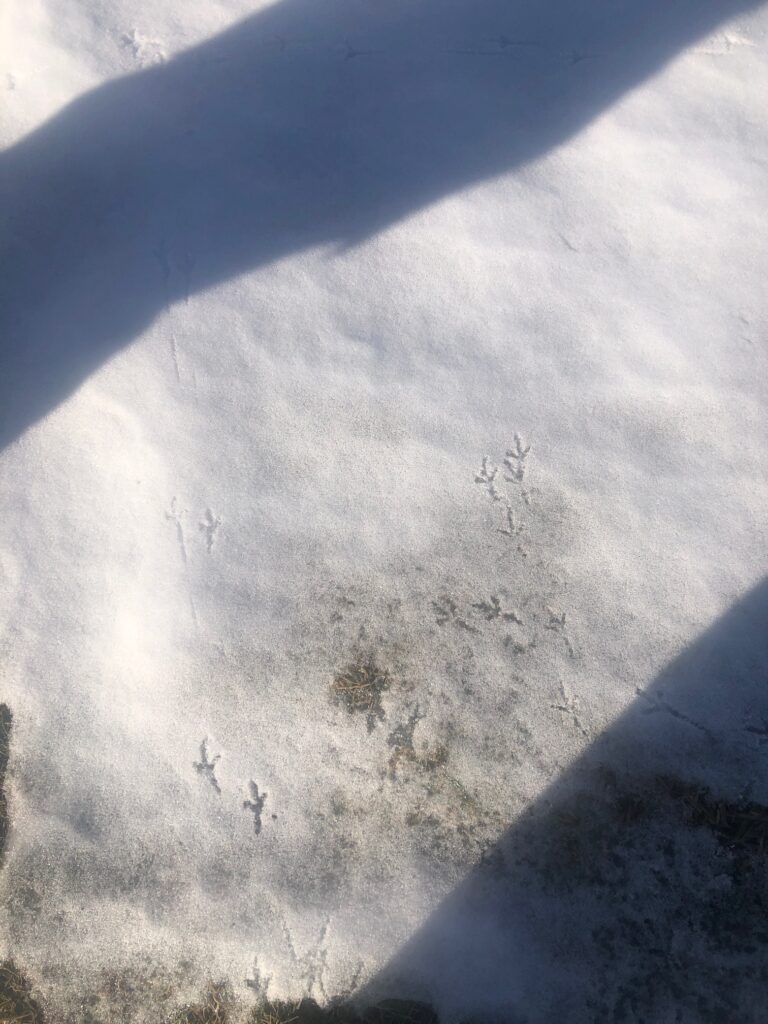
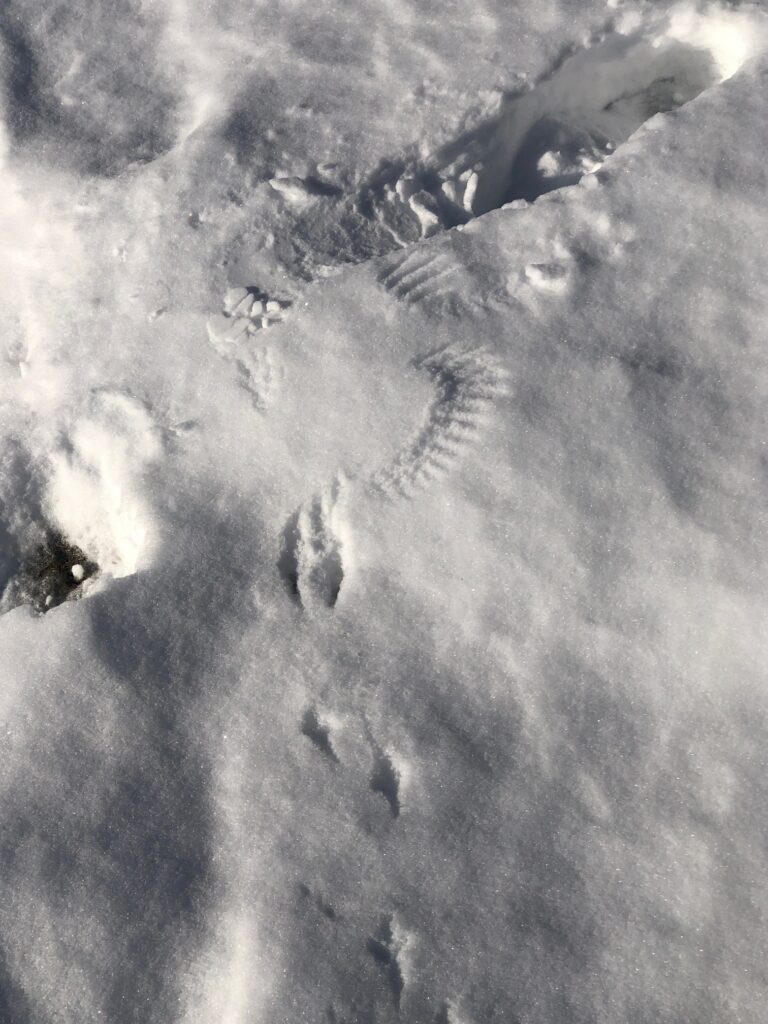
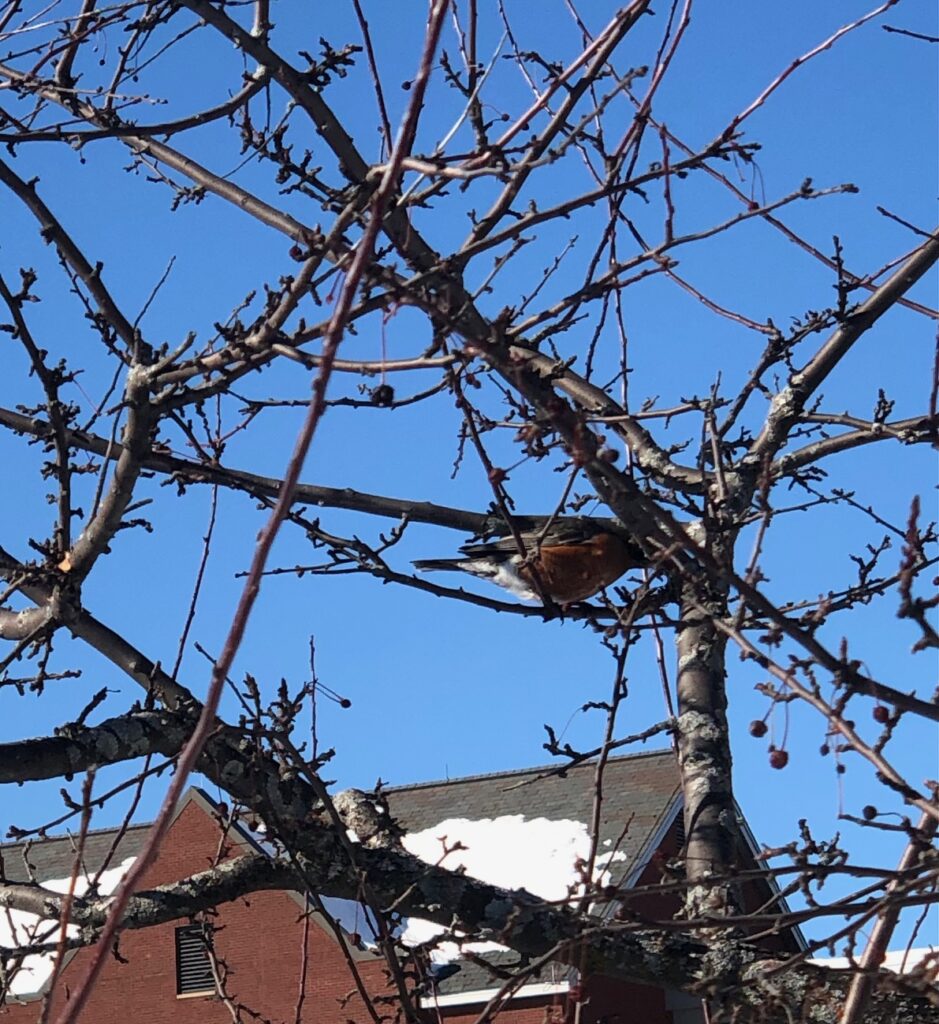
Closer to the Patrick Leahy building, we saw some American robins. They were in the trees and hopping about in the snow. They left some pretty cool tracks, including some wing marks; based on their positioning, the wing marks could be from a robin landing and the foot marks could be the bird walking away.

American Robin
Footprints
Wing marks and footprints
American robin in a tree

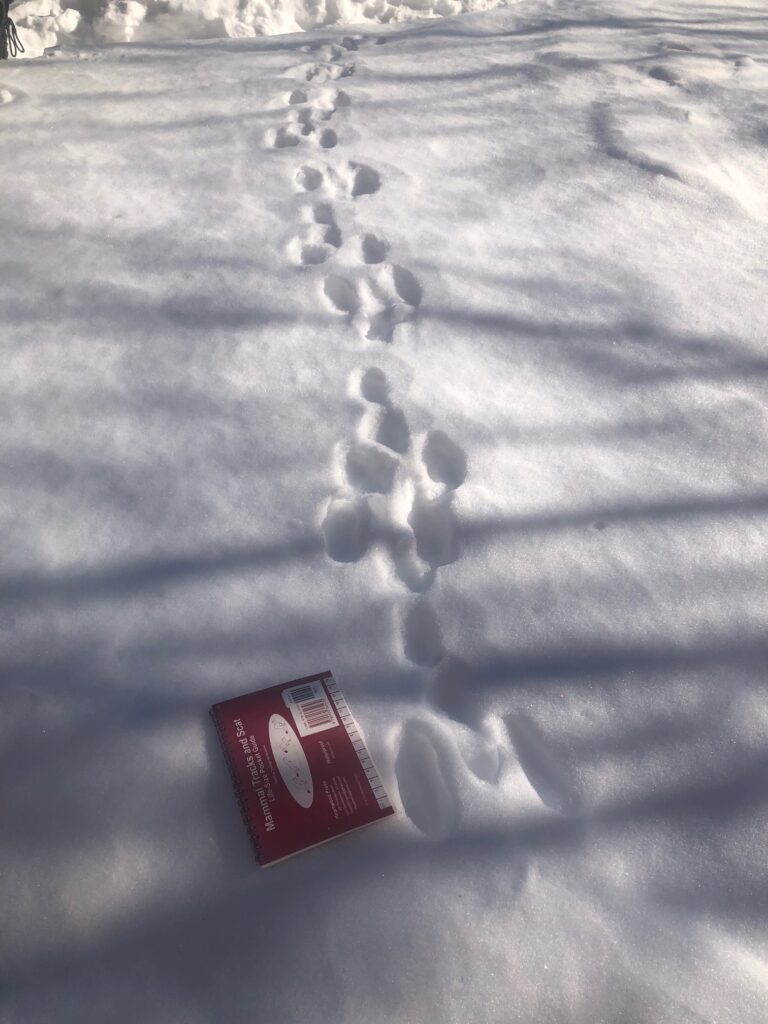
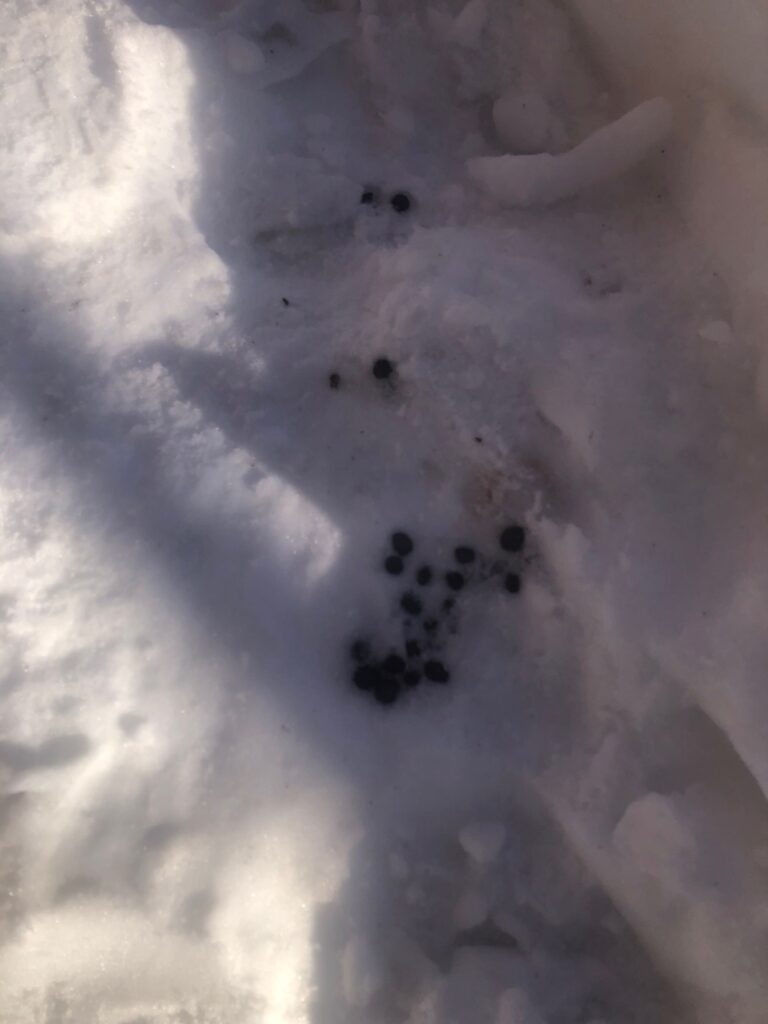
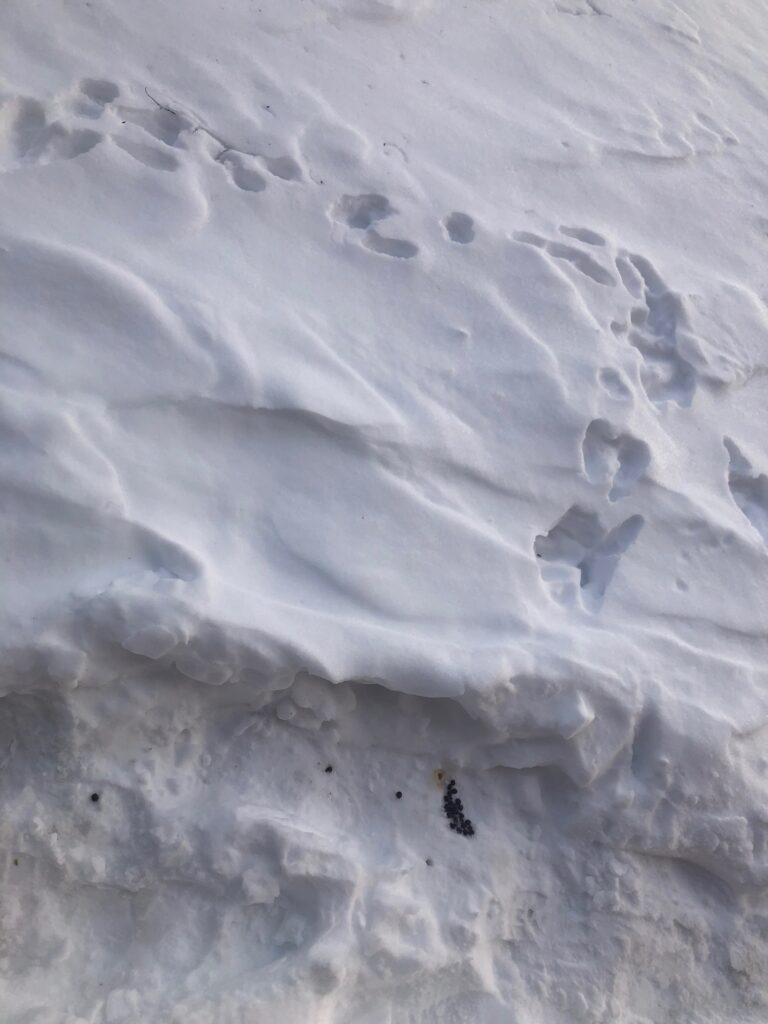
My friends and I then walked to the MAT complex on athletic campus because we had seen some pretty cool tracks there a few days before. We saw many of what seemed like rabbit tracks– they had the distinct bigger hind feet and unique hopping pattern. From the closeness of the tracks the rabbit was probably moving relatively slowly. We also found some scat that, based on its small size and spherical shape, probably belongs to a rabbit. Both of these signs together indicate that rabbits were in the area.

ˆProbable rabbit tracksˆ

Probable rabbit scat

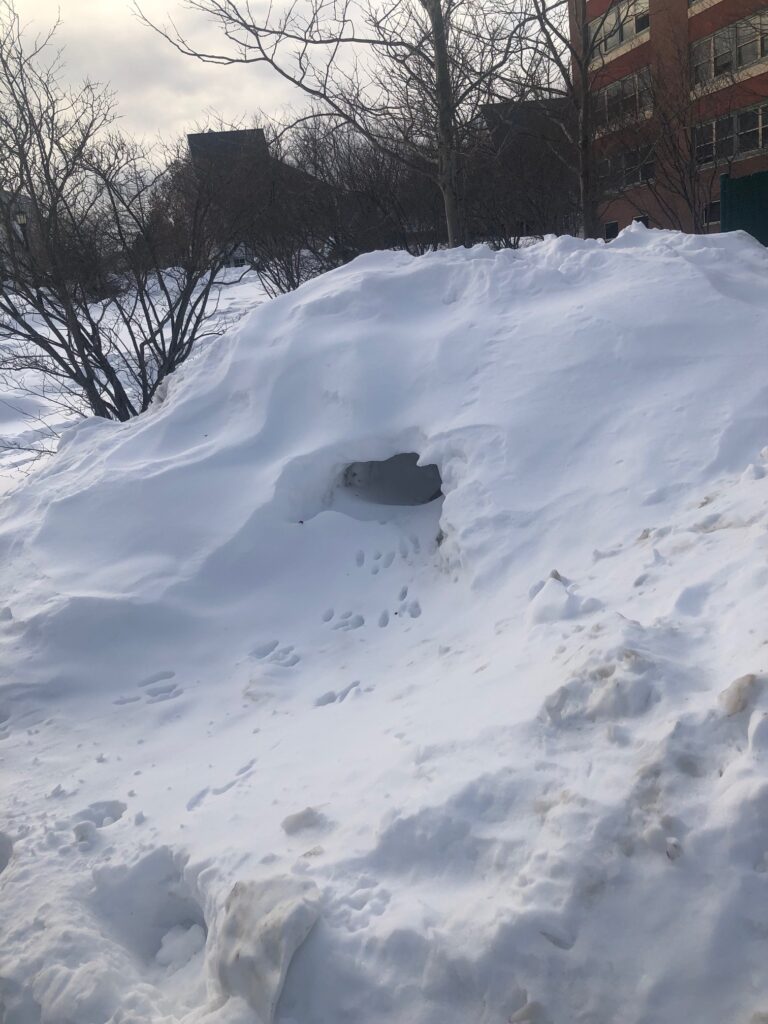
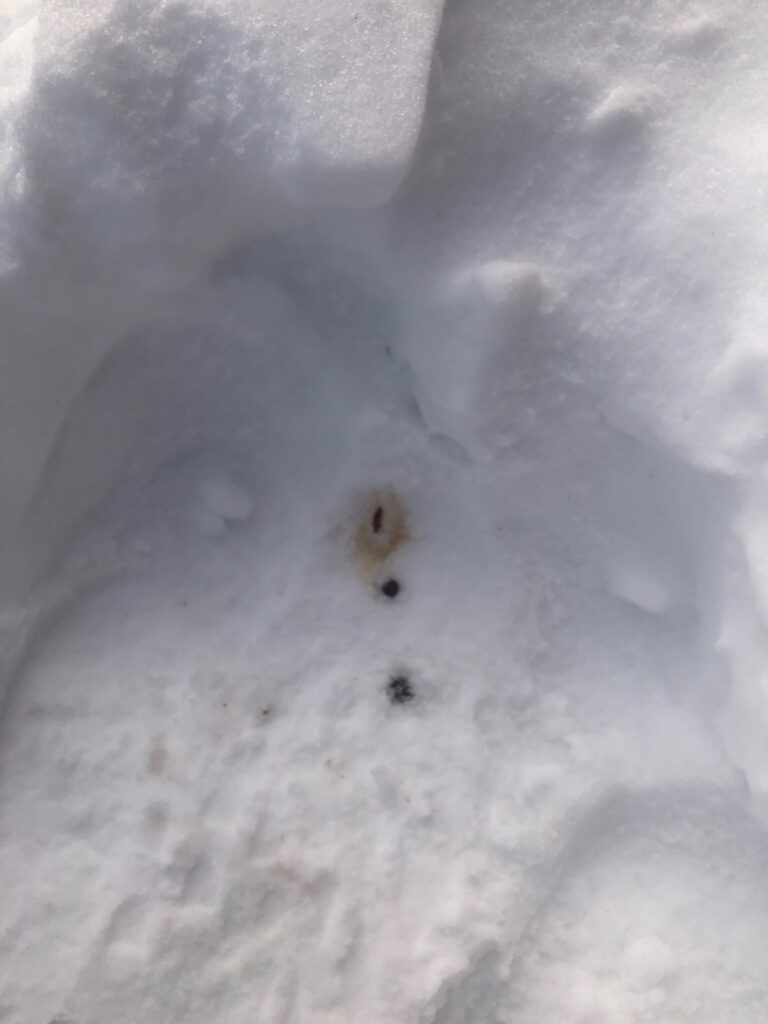
I also have some picture from the same area a few days ago. There were some probable rabbit tracks heading into a small snow den– I couldn’t tell if it was human-made or rabbit-made, however. We also found some scat and possible urine.

Probable rabbit tracks leading to snow den

ˆProbable rabbit tracks and scatˆ

Overall my experience using iNaturalist was pretty great! It isn’t great at identifying animal tracks but community input and our tracking books make up for that. iNaturalist is really easy to upload images to, and easy to navigate as well!

This was a fun project, and I look forward to doing some more tracking in the future! See you next time!

Assignment #1 2025

January 19th, 2025

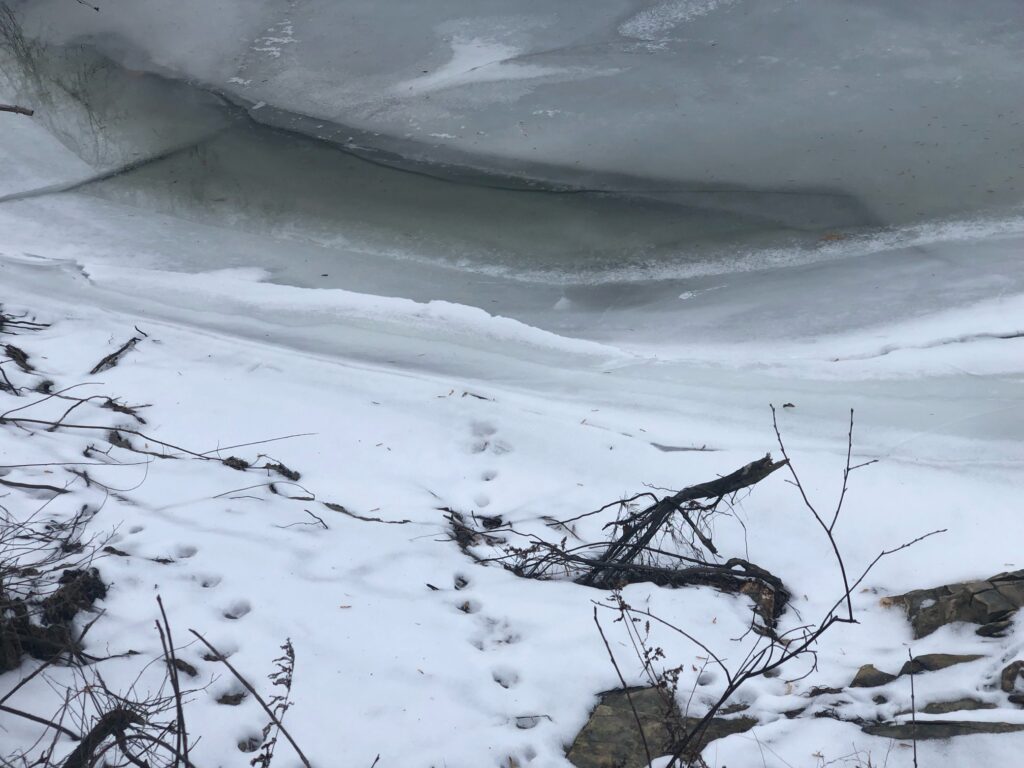
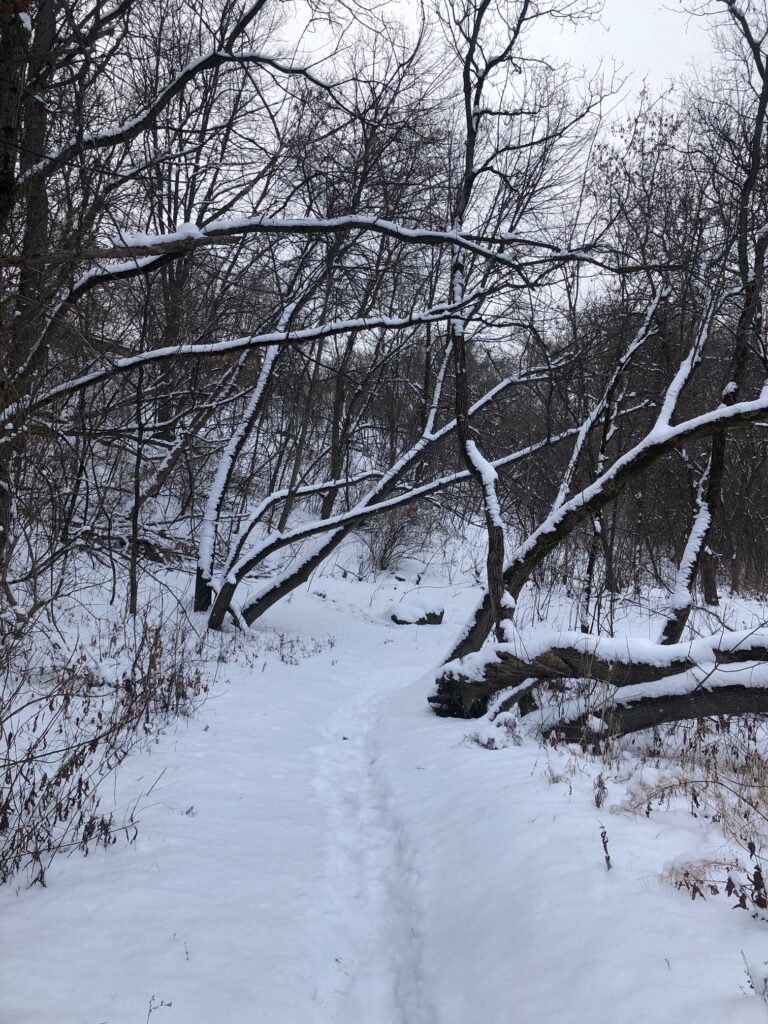
Today was my first time going back to Salmon Hole since 2024. My friend Marina and I made the trek through the cold to complete the first project of the second semester. The first thing that we noticed was that, since it was a lot colder this time, the river had mostly frozen. The ice was actually pretty thick at some parts!

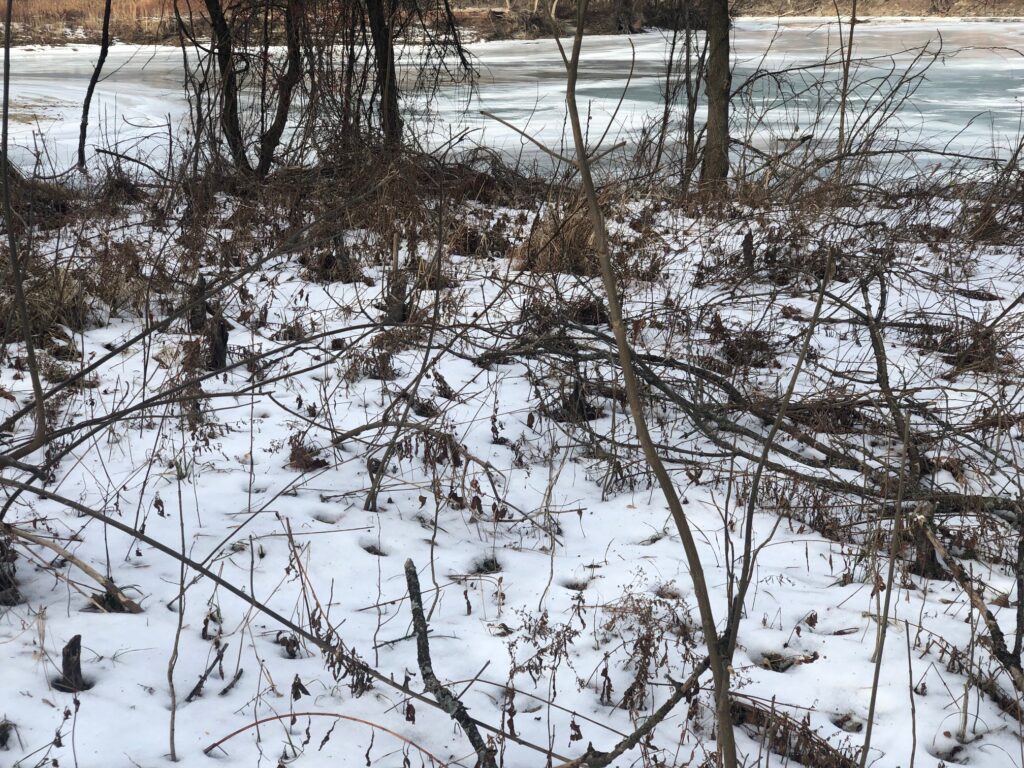
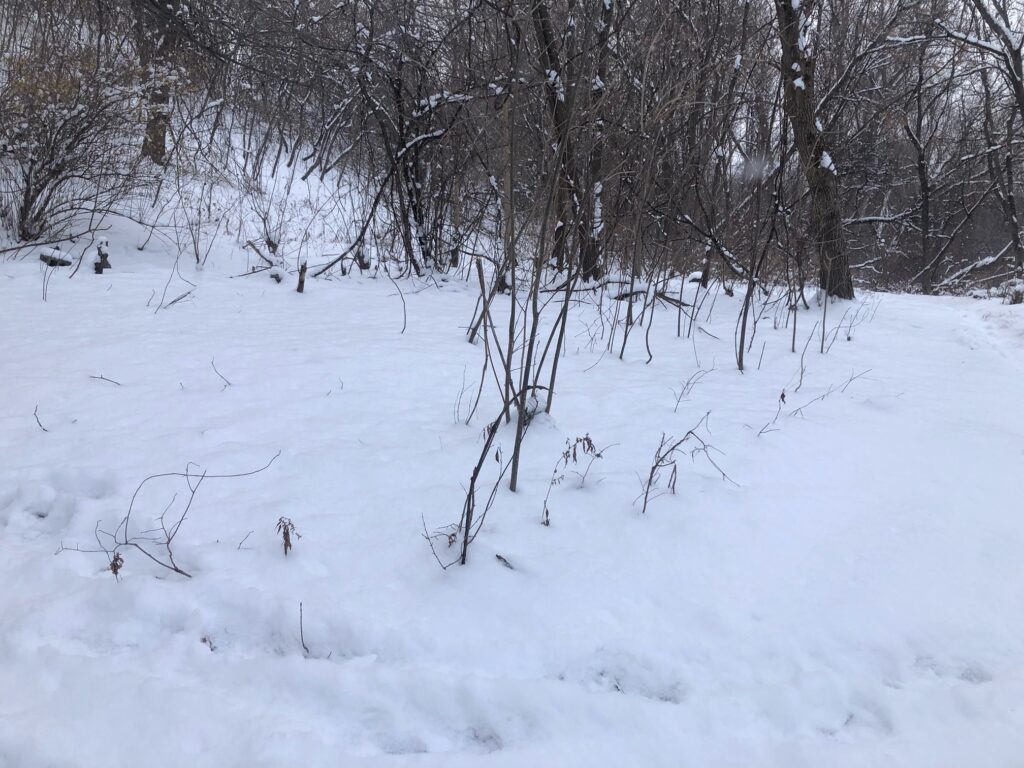
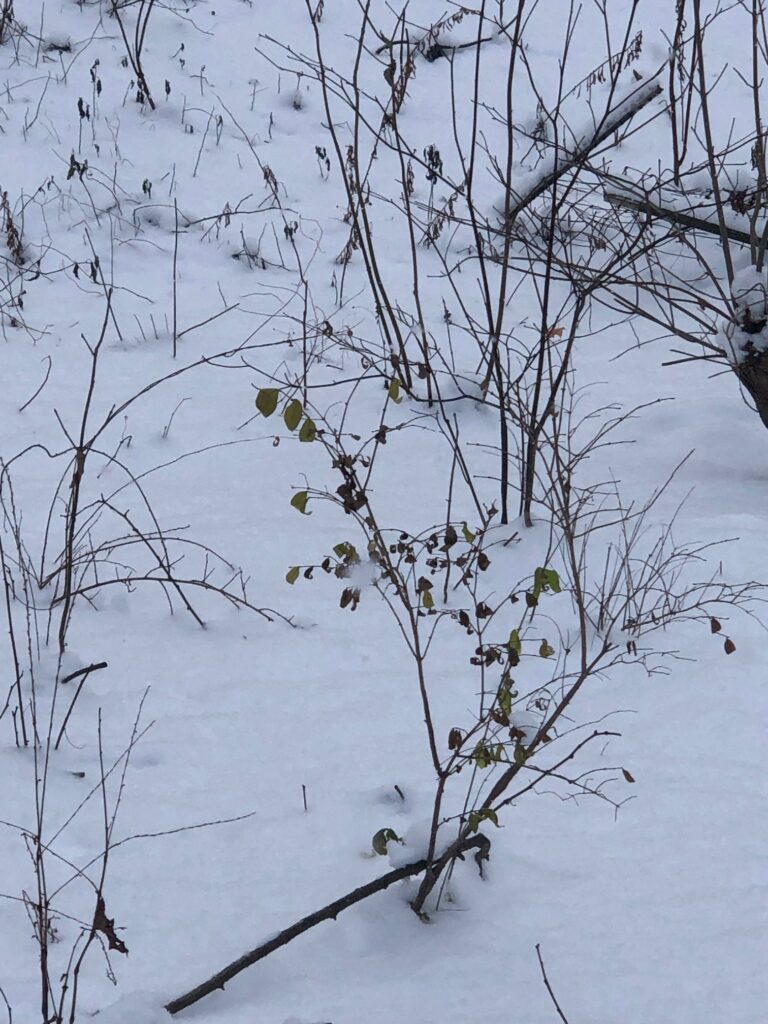
When I arrived at my spot, it looked mostly the same except that all of the woody understory plants’ leaves were now brown. I didn’t see any green buckthorn leaves this time.

My phenology spot
Shriveled understory

The only plants that were not shriveled were grassy/weedy understory plants and Asiatic bittersweet.

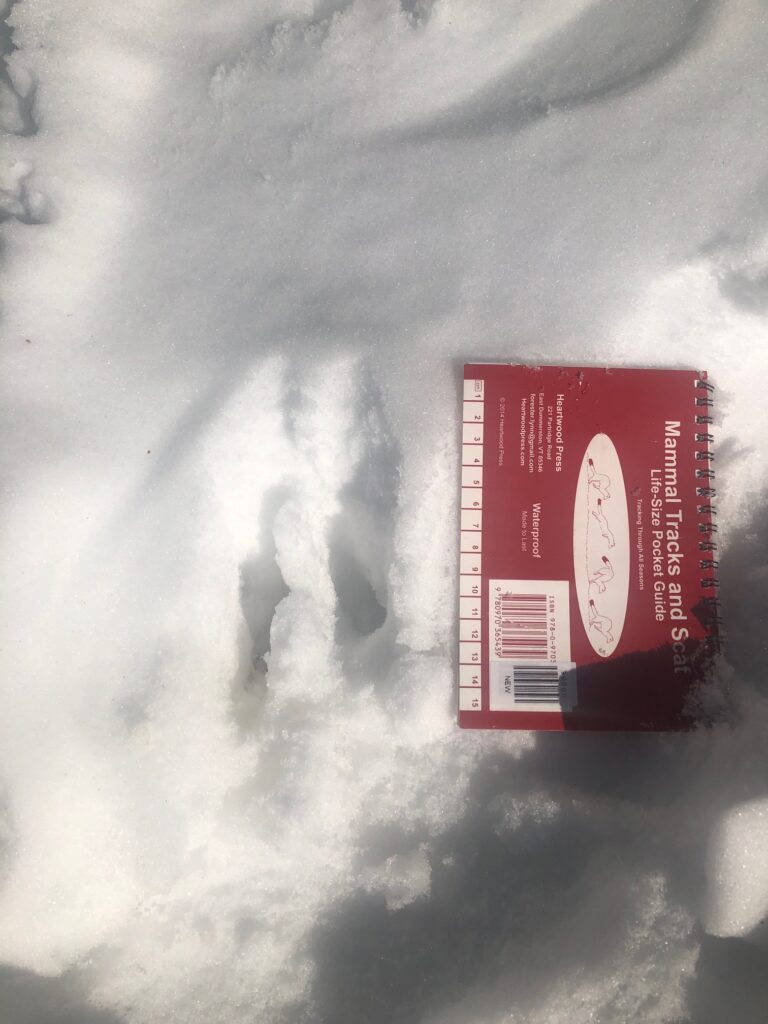
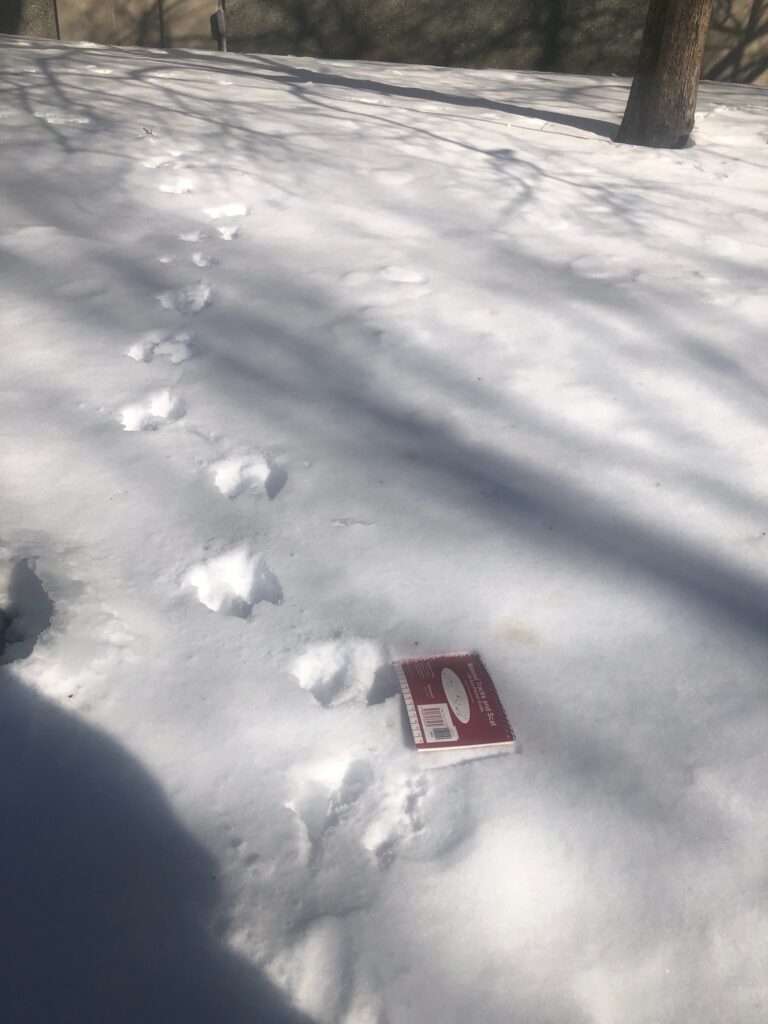
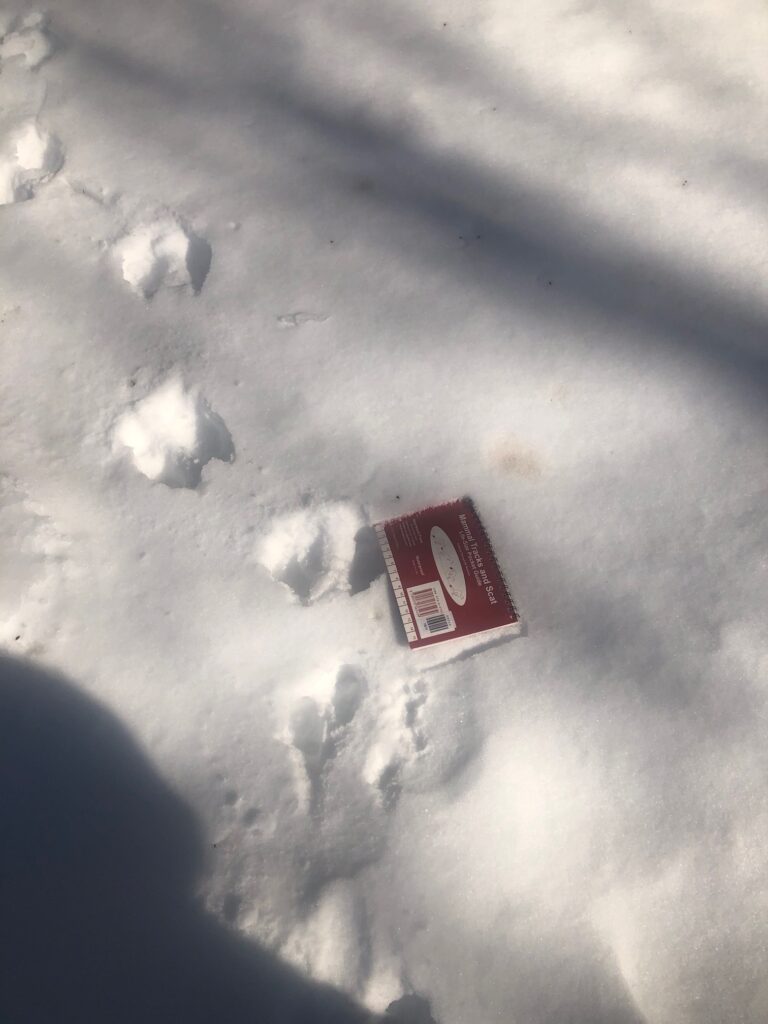
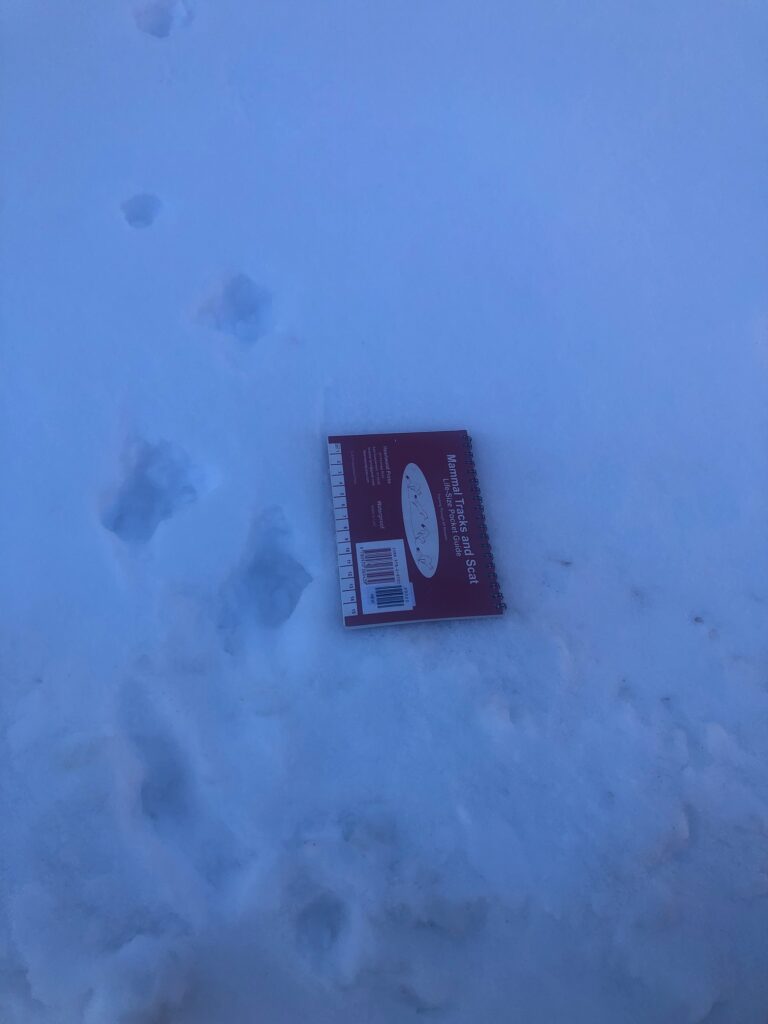
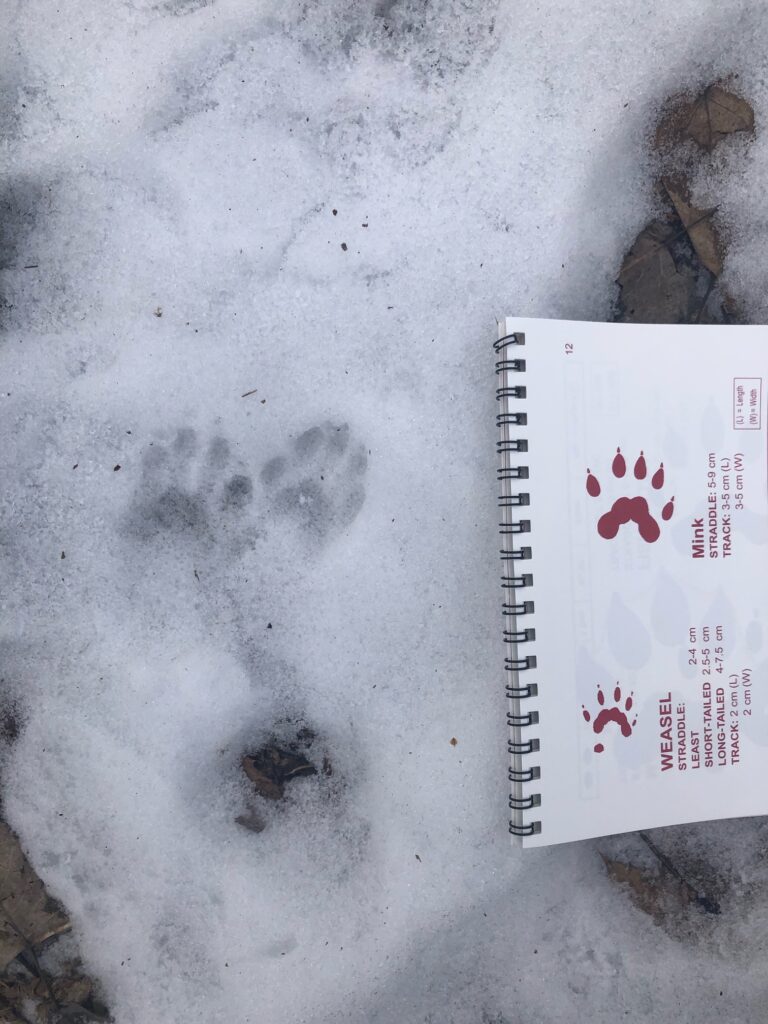
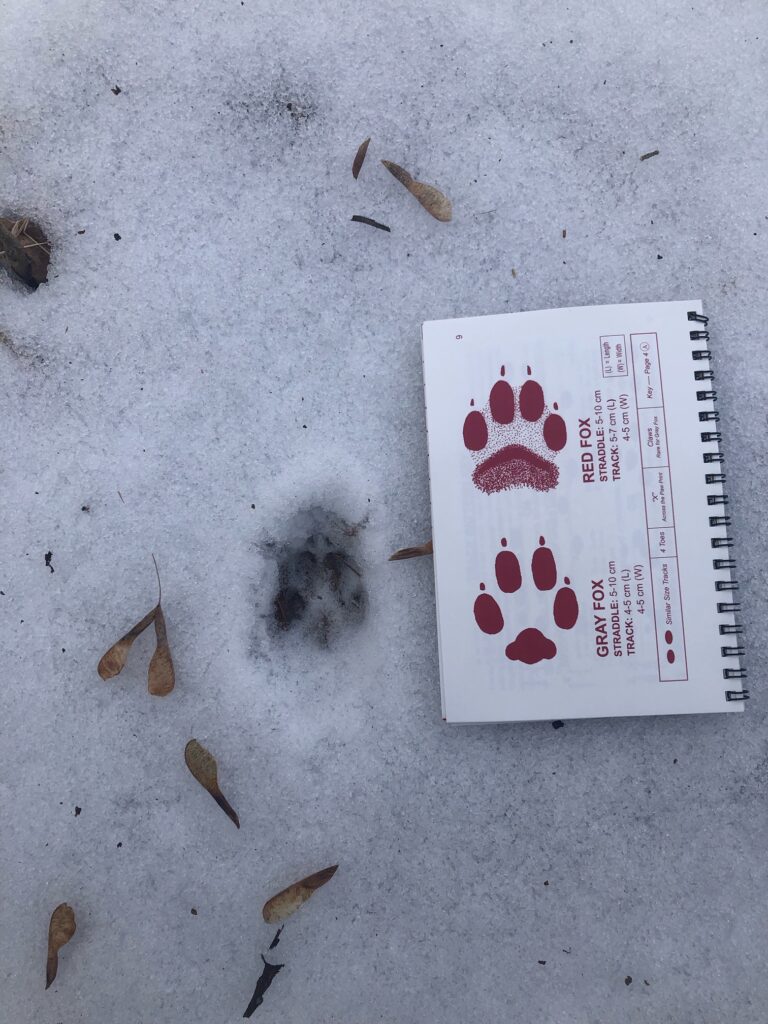
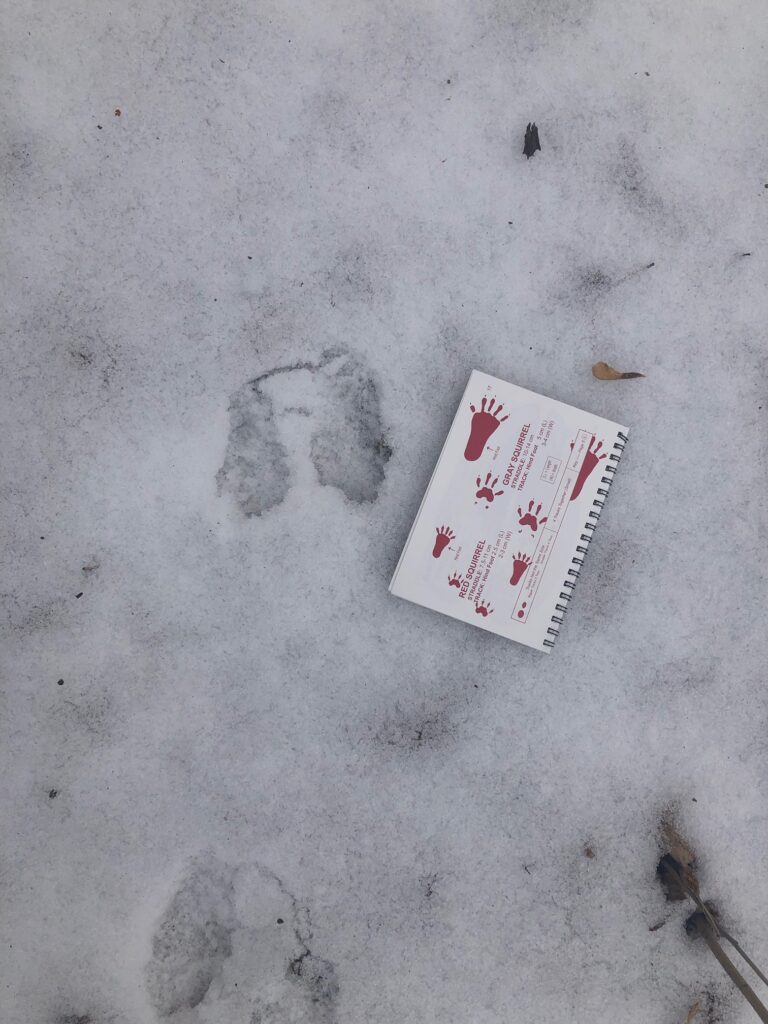
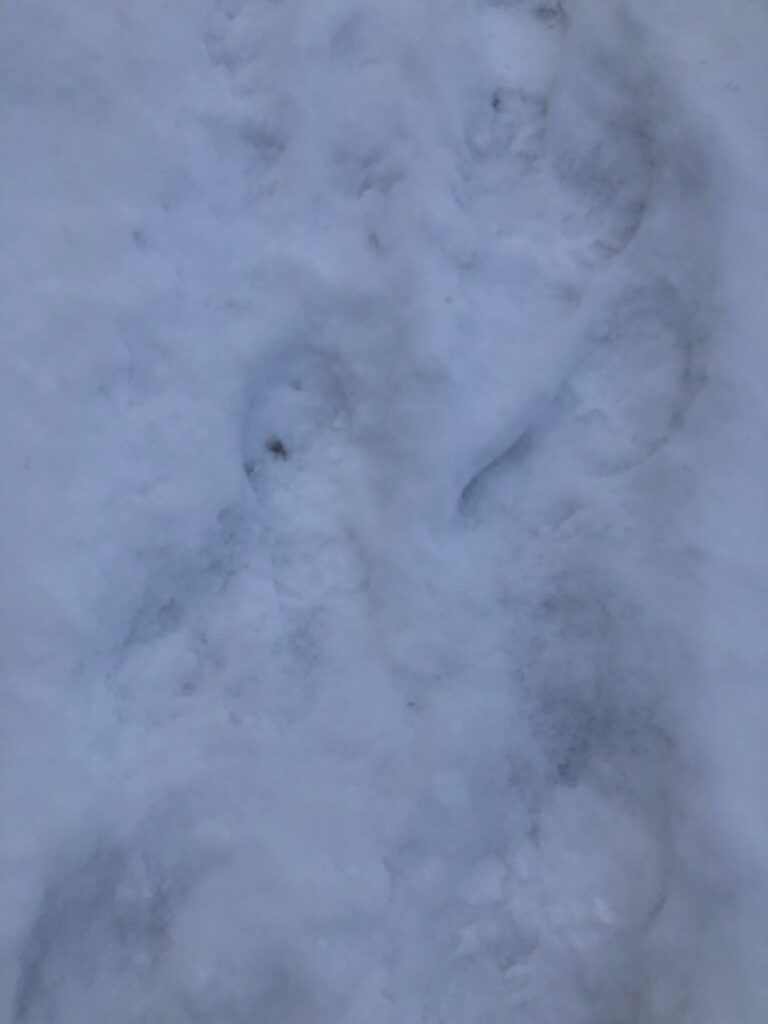
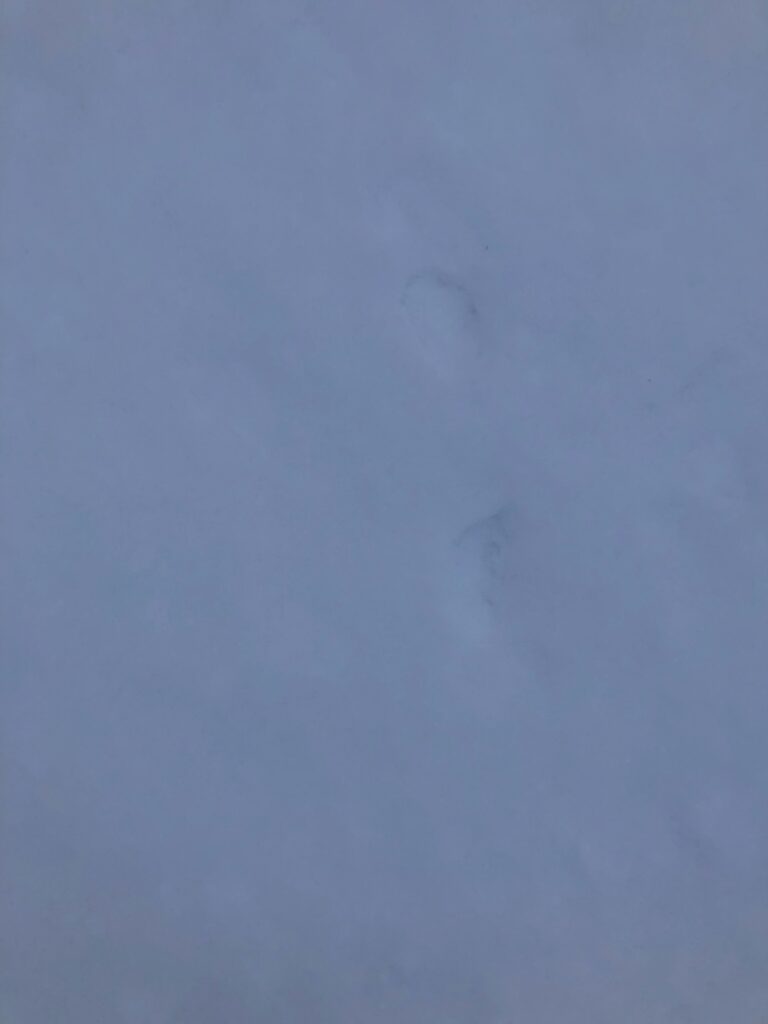
Marina and I also found plenty of animal tracks at and near my spot at Salmon Hole. We tried to identify them and found it pretty hard since the snow was old and the prints were therefore somewhat faded. Here are our best attempts:

Potential mink prints
Potential gray fox prints
Potential squirrel prints

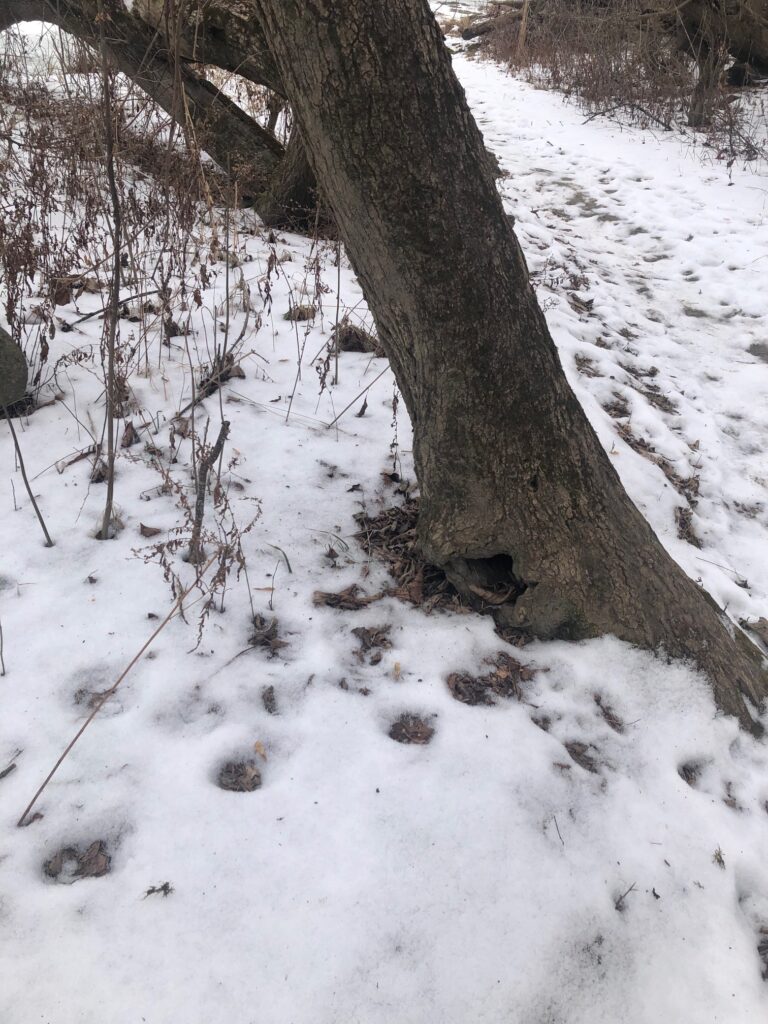
Though there were plenty of animal tracks, there were no animals to be seen, consistent with my last visit. I still didn’t see any chipmunks, and the hollow tree where I had previously seen one seemed empty.

Tree where a chipmunk had previously been spotted

One change from my last post is that I don’t recall hearing birds singing this time. Overall, I think the bitter winter cold has driven most animals into their hiding places (apart from the occasional mammal), shriveled the remaining leaves of woody plants, and frozen the river more than I’ve seen before.

This was a fun and freezing visit to Salmon Hole! See you next time!

Assignment #5

December 8th, 2024

Welcome to the last post of 2024! Yesterday was the first true snow day of the season, and Marina and I decided to visit our spots in the wintery weather. For the last post, I decided to change up the formatting!
The first thing that I noticed regarding phenology is that all of the overstory trees almost completely lacked leaves-- only a few brown, shriveled basswood leaves remained. 
As for the understory, only two types of plants had leaves-- one was what I presumed to be from the tribe Astereae based on my past iNaturalist uploads. 
The other plant left with leaves is most likely buckthorn. Its leaves were still green!
The only fruit that I saw remaining was that of Asiatic bittersweet. 
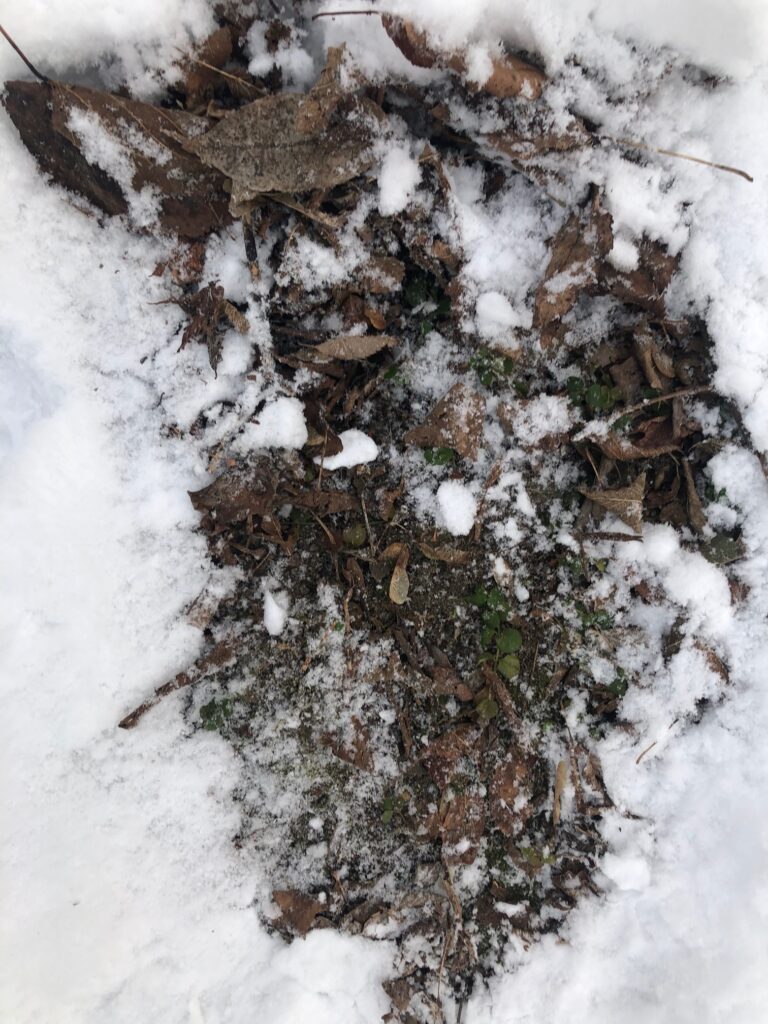
In order to check the decomposition of the leaf litter, I had to scrape aside some snow. I still had a bit of a hard time seeing, but it looked to me like there were very small bits of leaf now, along with some still whole ones. 
This indicated to me that this layer is starting to decompose. However, I didn't see much sign of any decomposers. 
As for signs of animals, I could still hear the birds chirping in the trees, though I didn't see any. I did see some tracks in the snow, but apart from the human ones I couldn't quite identify what they were because it had snowed since they were made. My best guess is rabbit, squirrel, or chipmunk. The latter would make sense because I've seen plenty of chipmunks in the area on past visits.
Human Tracks
Possible chipmunk tracks
Animal activity at Salmon Hole has decreased based on the lack of chipmunk spottings. That is the only species that I saw regularly before.
I've really enjoyed getting to explore Salmon Hole this semester! My favorite aspect of it is its serenity; even though it's near a lot of busy places, it's quiet and peaceful, and the water is calming to look at. I also love the sound of the water as it flows. Salmon Hole is such a unique place and it makes me feel more connected to nature when I spend time there. Thank you Salmon Hole!

Assignment #4– Home!

November 24th, 2024

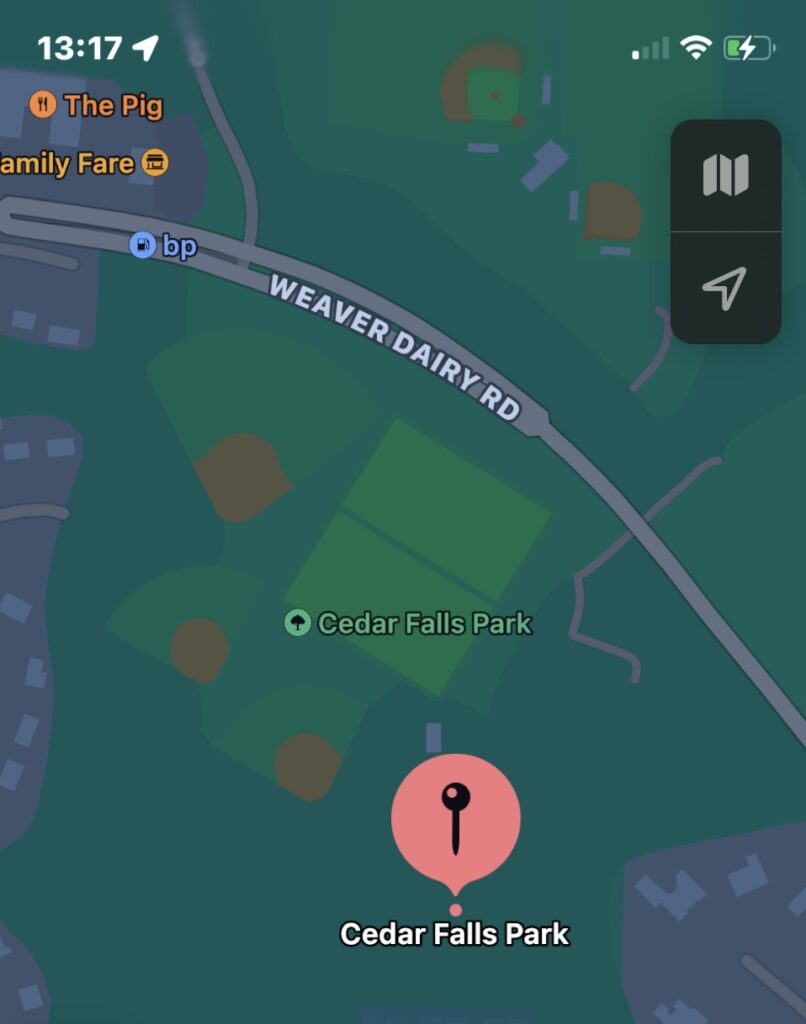
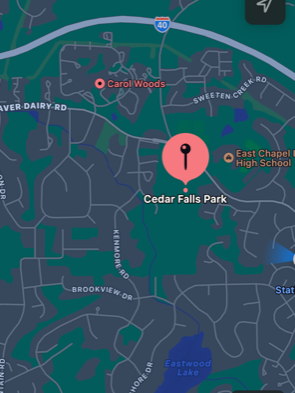
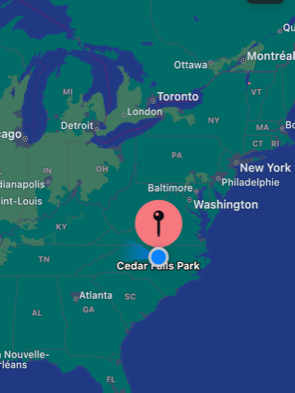
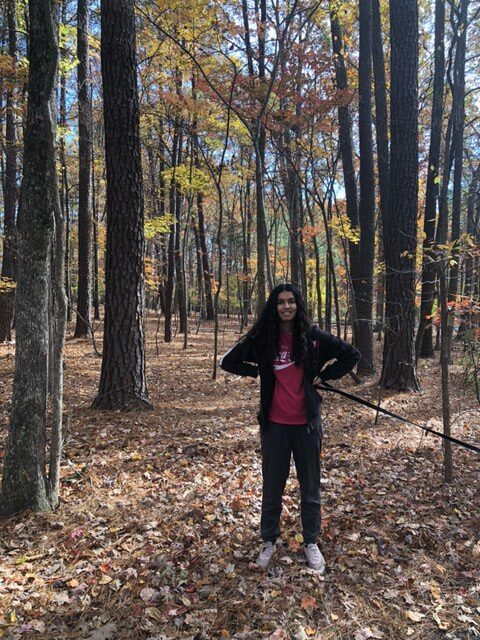
I’m back in North Carolina for the first time since going to Vermont! I decided to use Cedar Falls, a park near my house, for my new site.

Link to new site

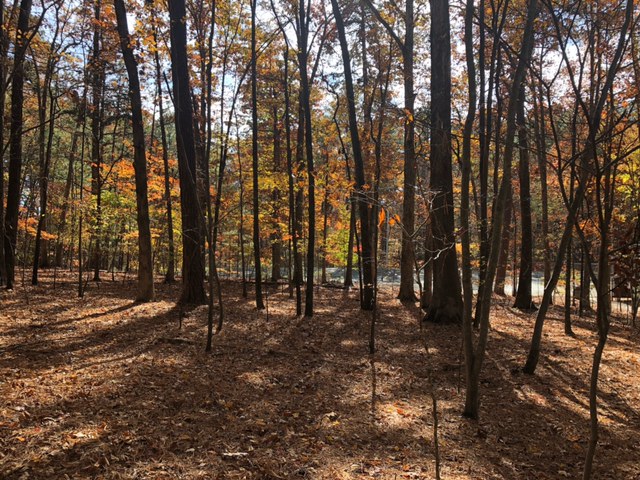
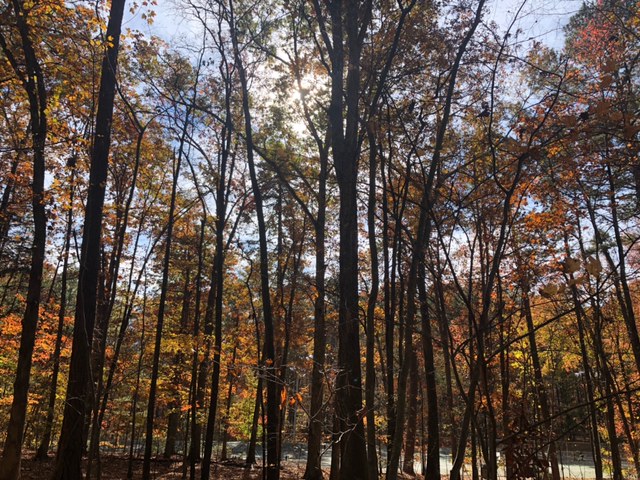
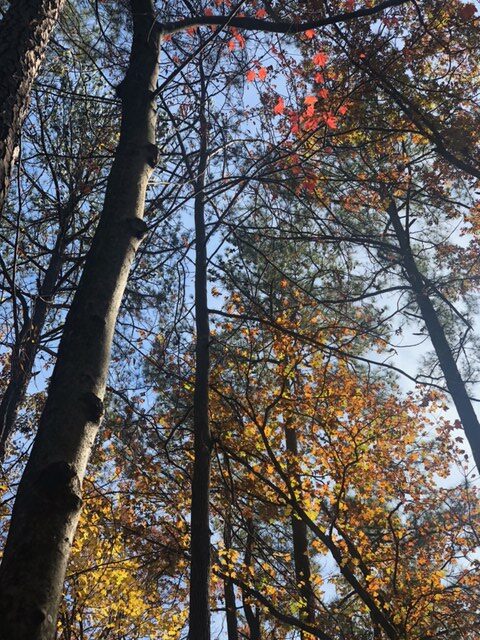
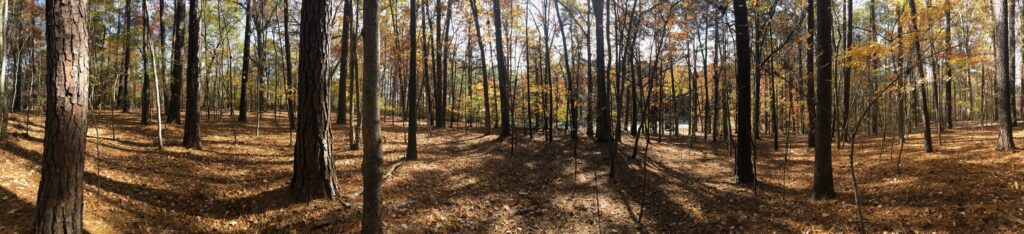
I think this place is special because it is an area where people can walk amongst the trees, but is relatively undisturbed in terms of logging. It seems to be a medium-age forest; the ground isn’t too lumpy, there are relatively few fallen trees, there isn’t much of an understory, and the trees don’t seem very old but are still a significant size. One of the main differences that I noticed between this spot and my Burlington spot was the lack of understory; there were few small plants and most of them were maple as opposed to invasives like buckthorn.
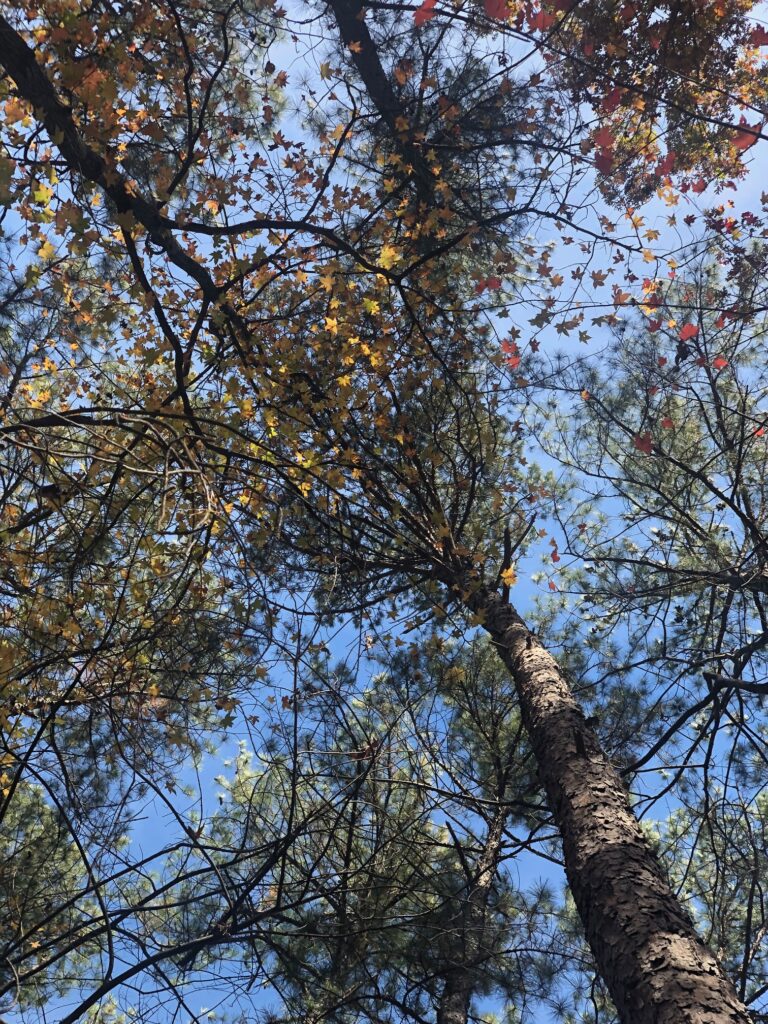
Another thing that I noticed is that most of the trees still had leaves as opposed to the bare branches in Vermont. One last difference is the abundance of American sweetgum, which I have noticed is everywhere in my neighborhood, and which is visible in the picture below.
Here are some species that I ID’d! From my phenology site:
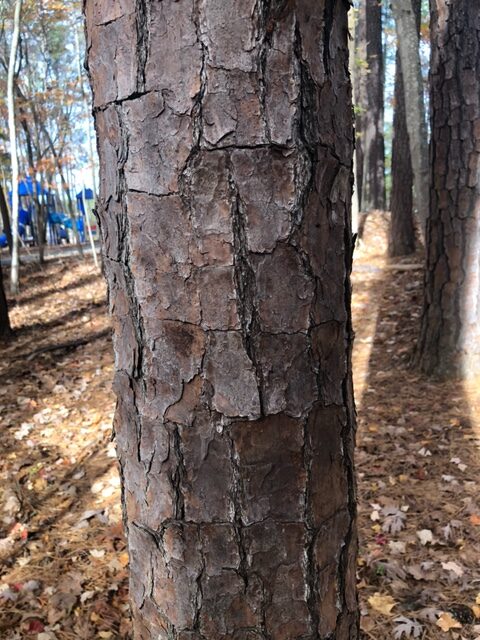
Loblolly Pine (Pinus taeda)
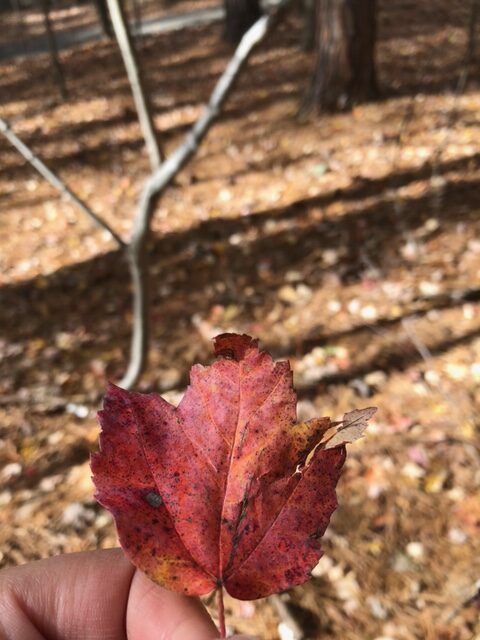
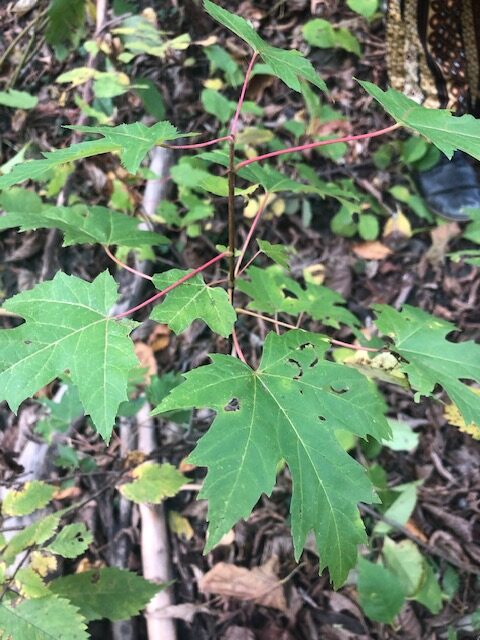
Red maple (?) (Acer rubrum)– the leaves on the trees had 5 lobes and were serrated, which was a bit confusing

From my backyard:

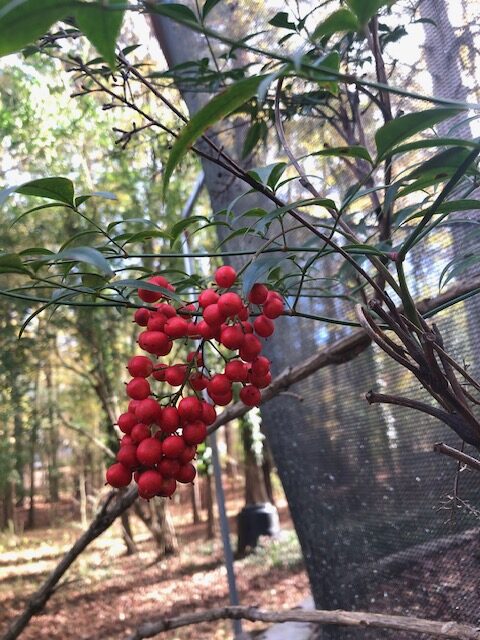
Heavenly Bamboo (Nandina domestica)– this one is actually invasive and very poisonous so I got my dad to cut it down 🙂
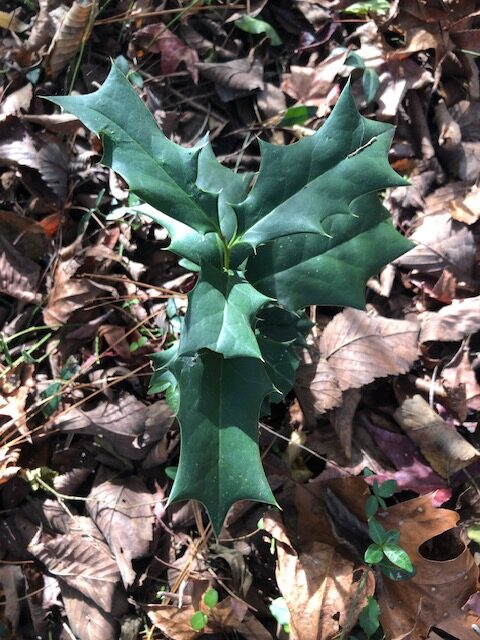
American holly (?) (Ilex opaca)
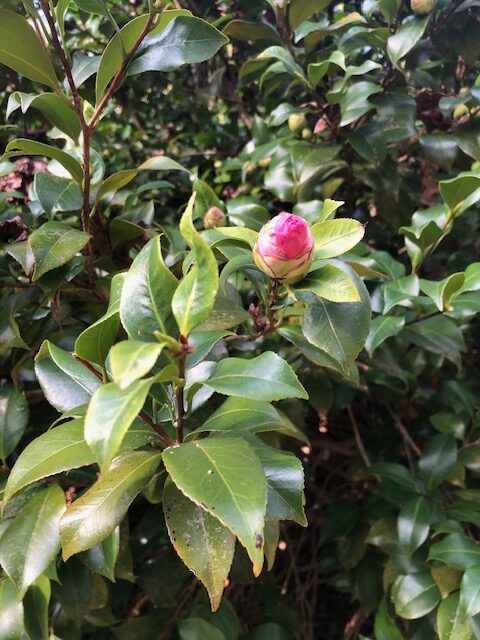
Camellia (Camellia japonica)
I had a fun time visiting Cedar Falls! I’m glad that I’m better able to understand the landscape now. See you next time!
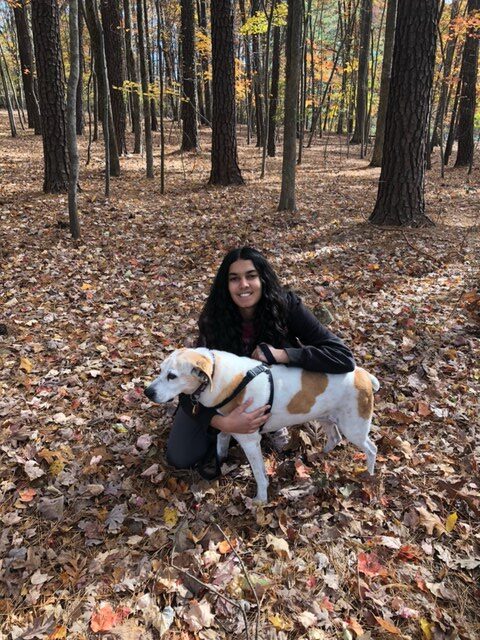
Me and my dog Hilda 🙂

Assignment #3– Halloween!

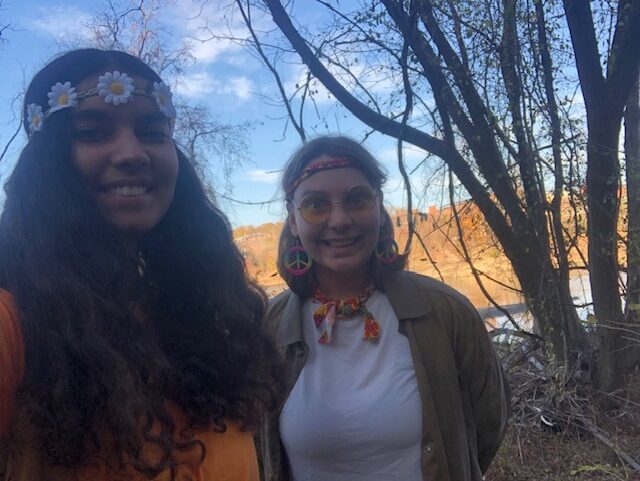
Today my friend Marina and I visited our phenology spots in costume for Halloween!

It was a fun time. While there, I drew a map including prominent species and landmarks.

I also sat quietly for 15 minutes to observe my surroundings. During this time, I heard the rushing water of the river, the wind in the branches, the chirping of birds, and the roar of cars passing by. I saw the sparkling of the water in the sun, the movement of the trees’ branches, and the natural colors of the dead leaves littering the ground. I felt a sense of peace and appreciation for the nature around me.

I also had a lot of time to reflect on how my spot looked different than last time. All of the leaves of the overstory trees (such as basswood and boxelder) had fallen, and the branches and twigs were now bare. The understory plants hadn’t quite lost their leaves yet, but I noticed that they were changing color. Specifically, the buckthorn leaves were browning and the silver maple leaves were yellow. Dead leaves completely covered the ground. I didn’t see any chipmunks, which I saw on both of my past visits.

This was a fun visit!

October 11th, 2024–Common Woody Plants

Hi again! Today I visited Salmon Hole for the second time, this time to find out what woody species grow. Using iNaturalist and my own knowledge, I was able to identify several! Here is the link to my iNaturalist profile: https://www.inaturalist.org/observations?user_id=brookeharrison (Note that most, but not all, observations on my profile are from my specific phenology spot)

Here are the species that I identified at my phenology spot and links to those observations on iNaturalist:

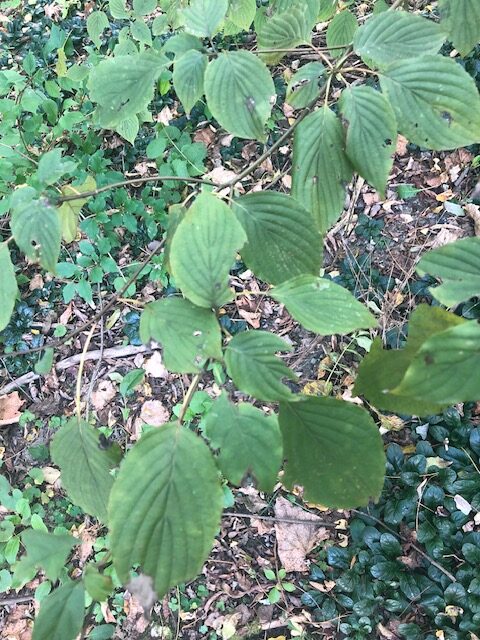
Dogwood– Link
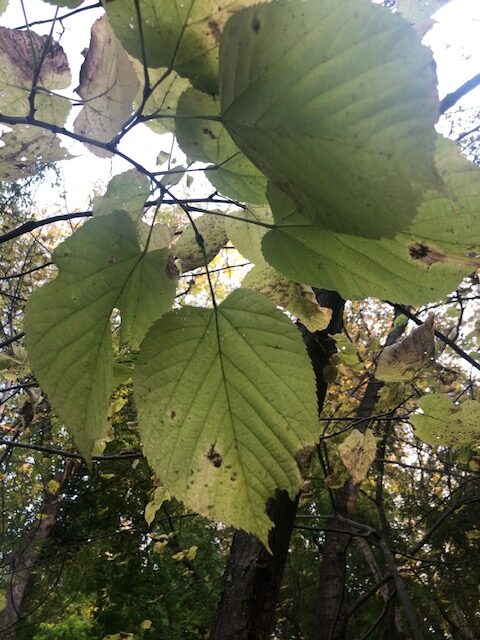
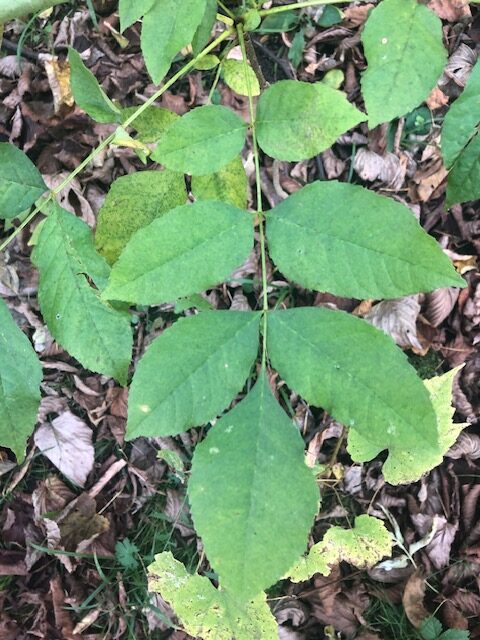
American Basswood– Link
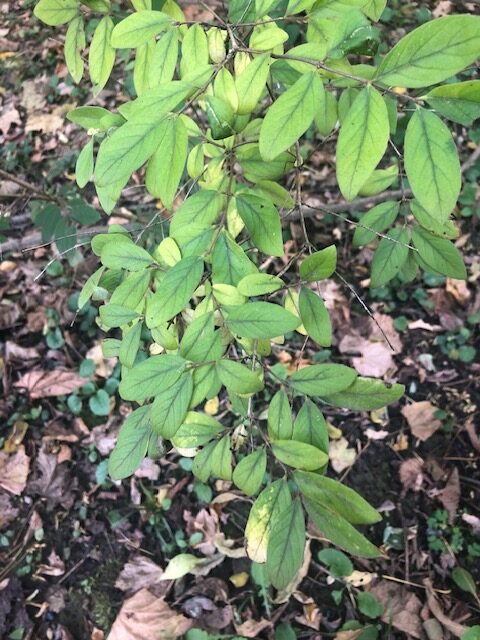
Honeysuckle– Link
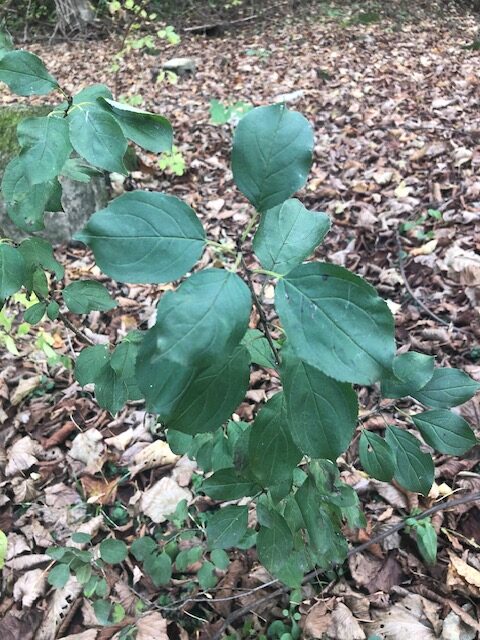
Common Buckthorn– Link
Silver Maple– Link
Green Ash– Link

One thing that noticed is that most of the woody species were immature and part of the understory, except for an American basswood and a few ashes. There was also moss and many herbaceous plants.

In relation to phenology, there were many more dead leaves littering the ground than my first visit here, and the ones that were still on were a yellowish-greenish-brown color.

Here are a few more pictures:

Chipmunk in ash tree (from my first visit)

See ya next time!

First post– September 24th, 2024

Hello everyone! This is a blog dedicated to my NR1010 phenology project, for which students choose a natural area somewhere around Burlington, VT, and observe its changes throughout the seasons.

For my spot, I chose an area in Salmon Hole, which is along the Winooski River.

Salmon Hole’s location. The small red pin on the left side is my chosen area.

I selected this place because of its beautiful views of the river, its peacefulness, and the rockiness of the surrounding area. Plus there were a few tree species that I was familiar with.

Here is the link to my spot’s location within Salmon Hole:

https://maps.app.goo.gl/CBGvhjKuwEuzdqPi9

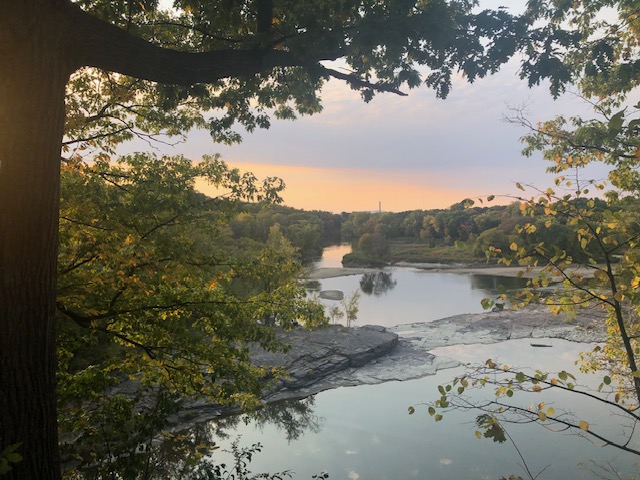
Below are some pictures that I took on my first visit.

Salmon Hole Area

My Spot

Skip to toolbar