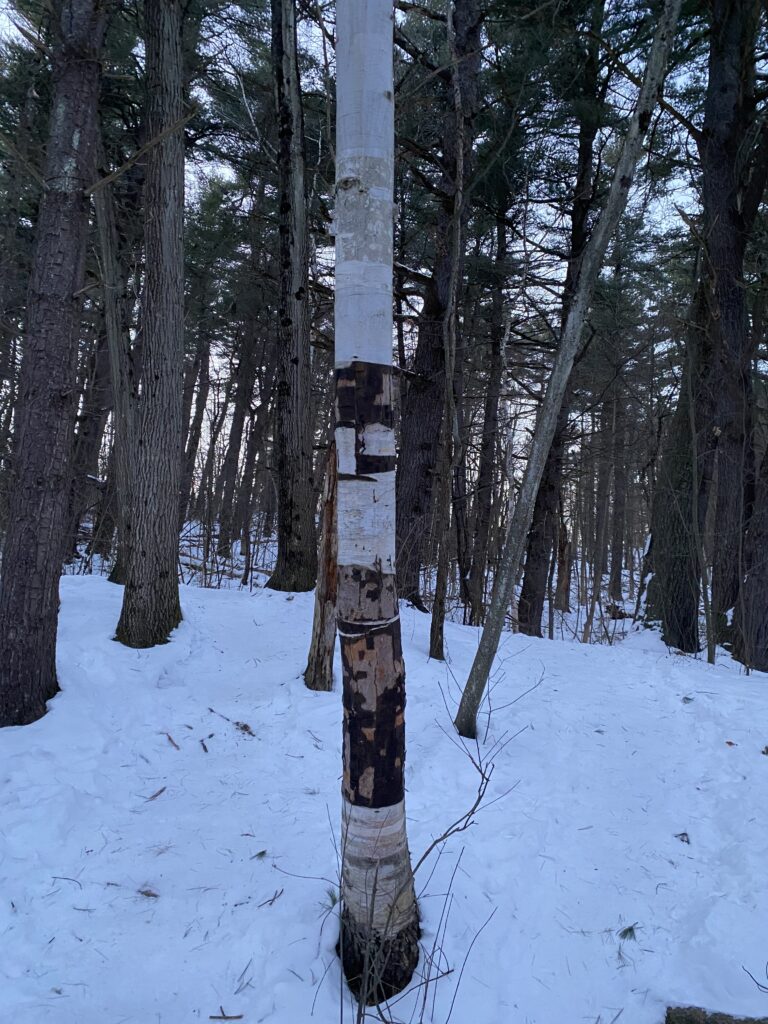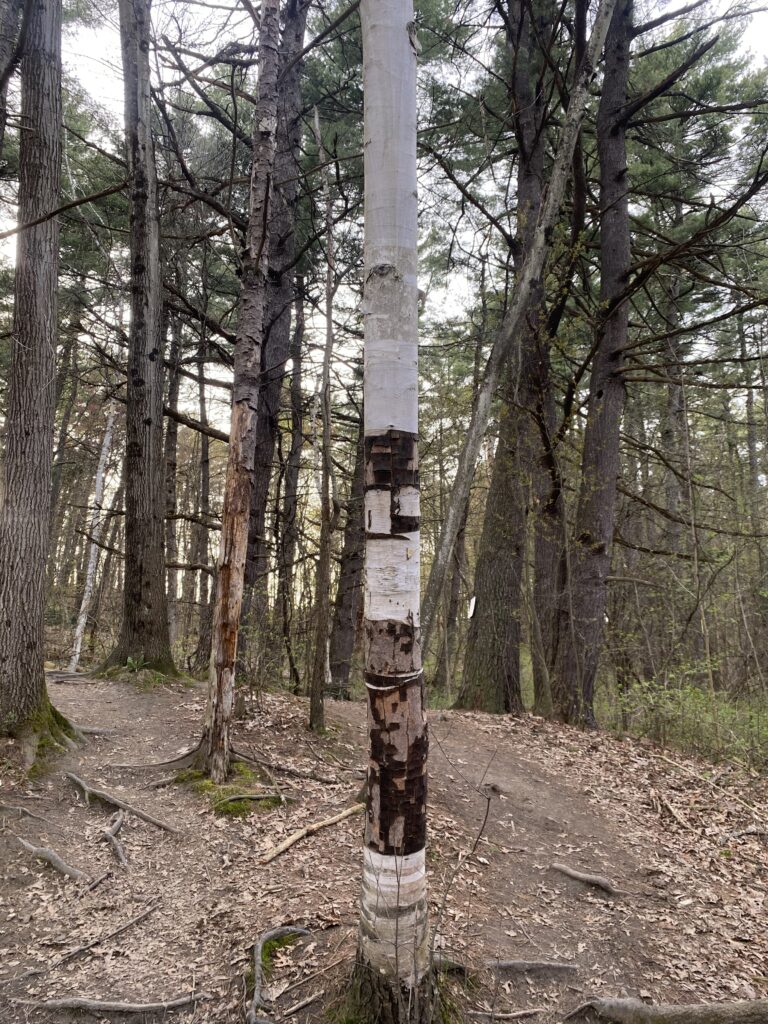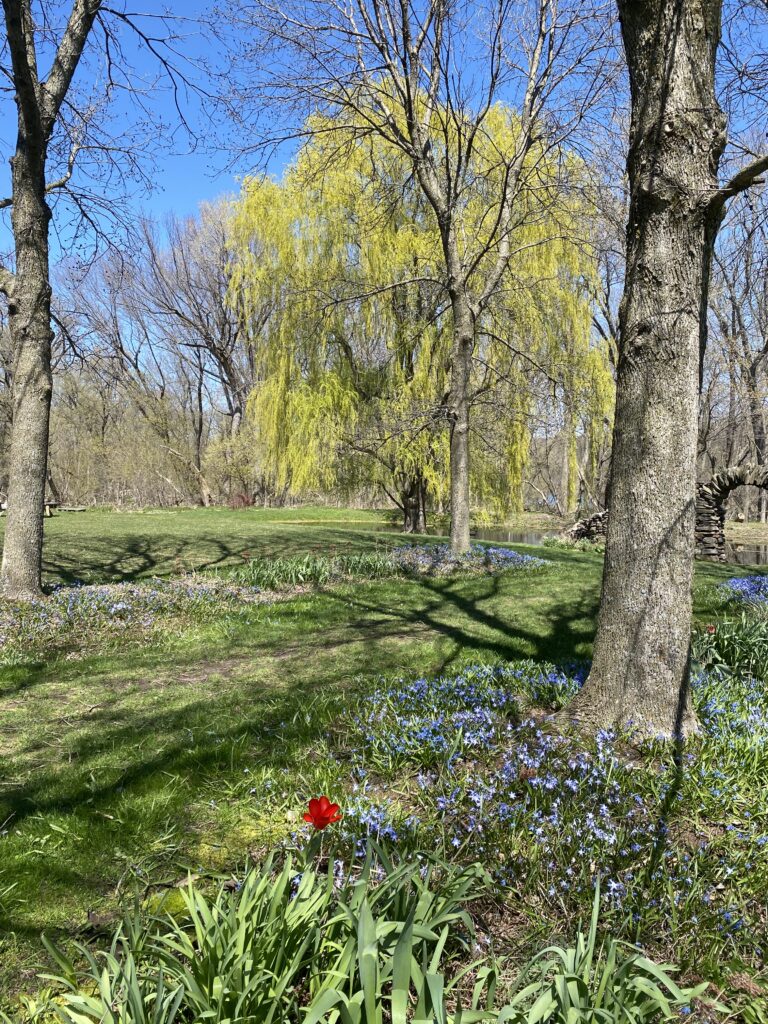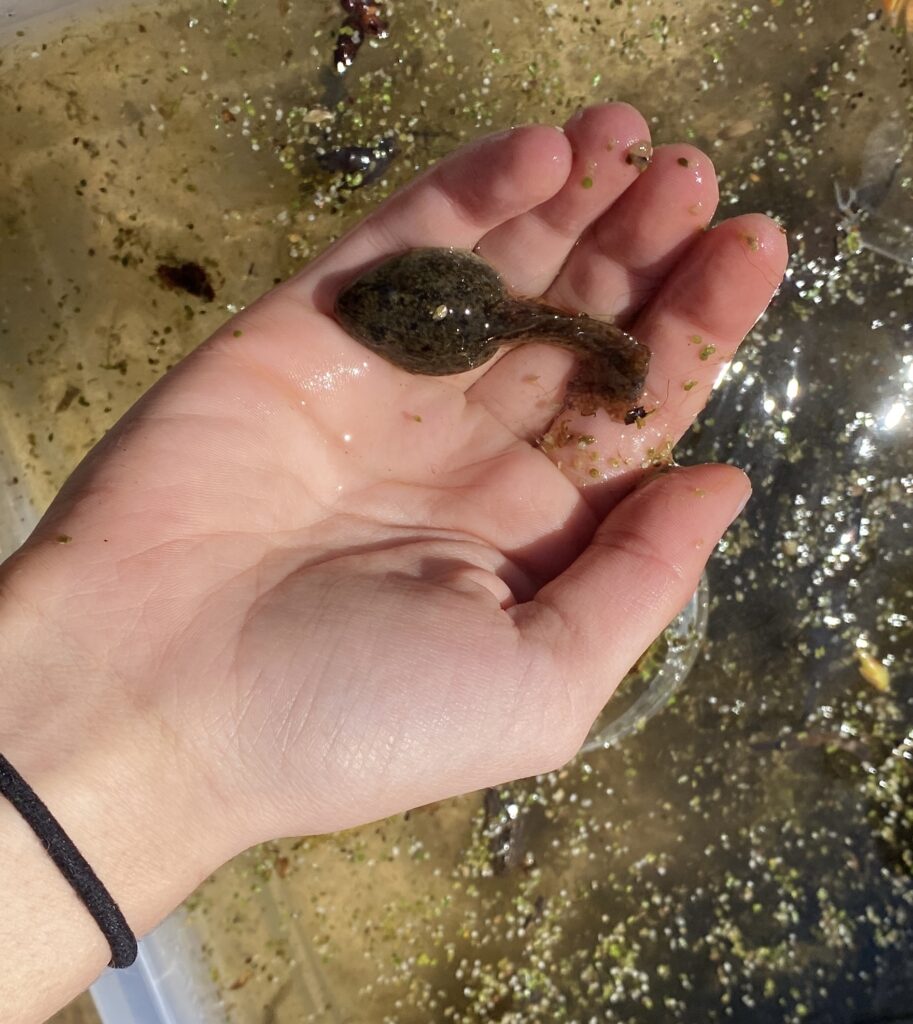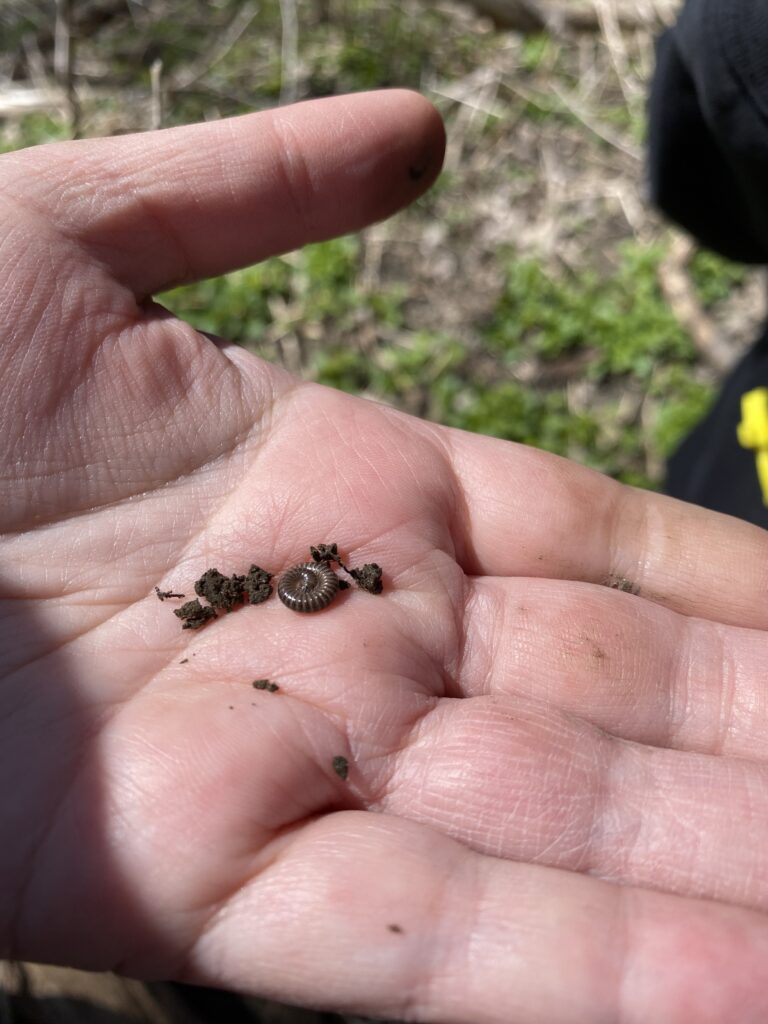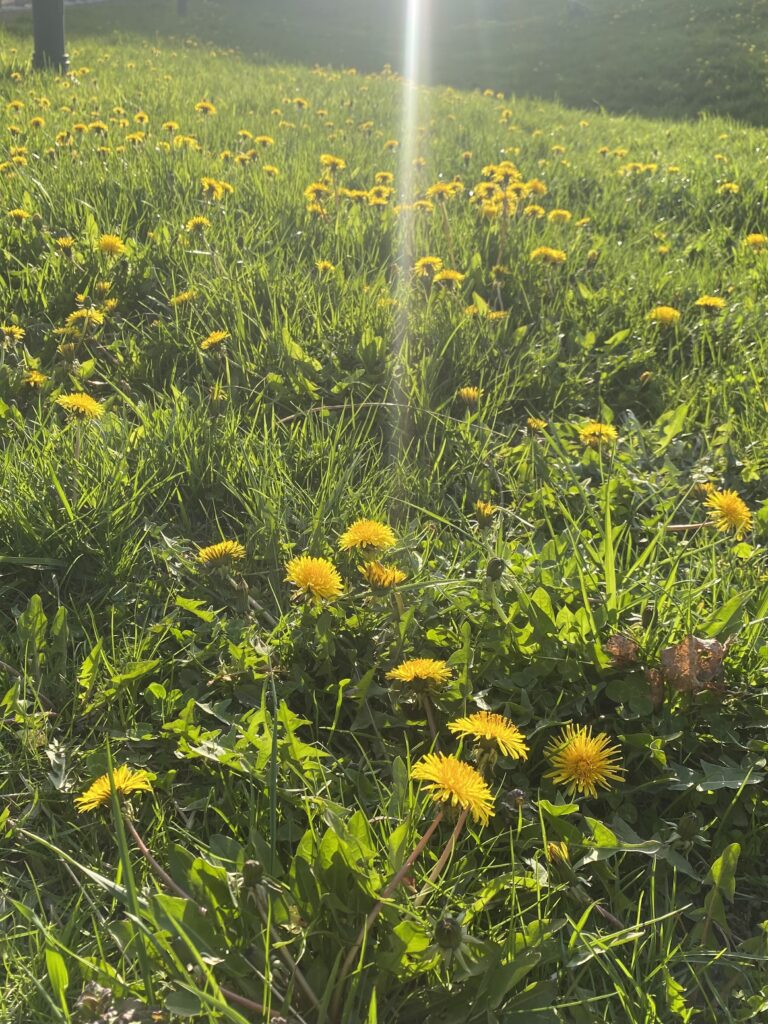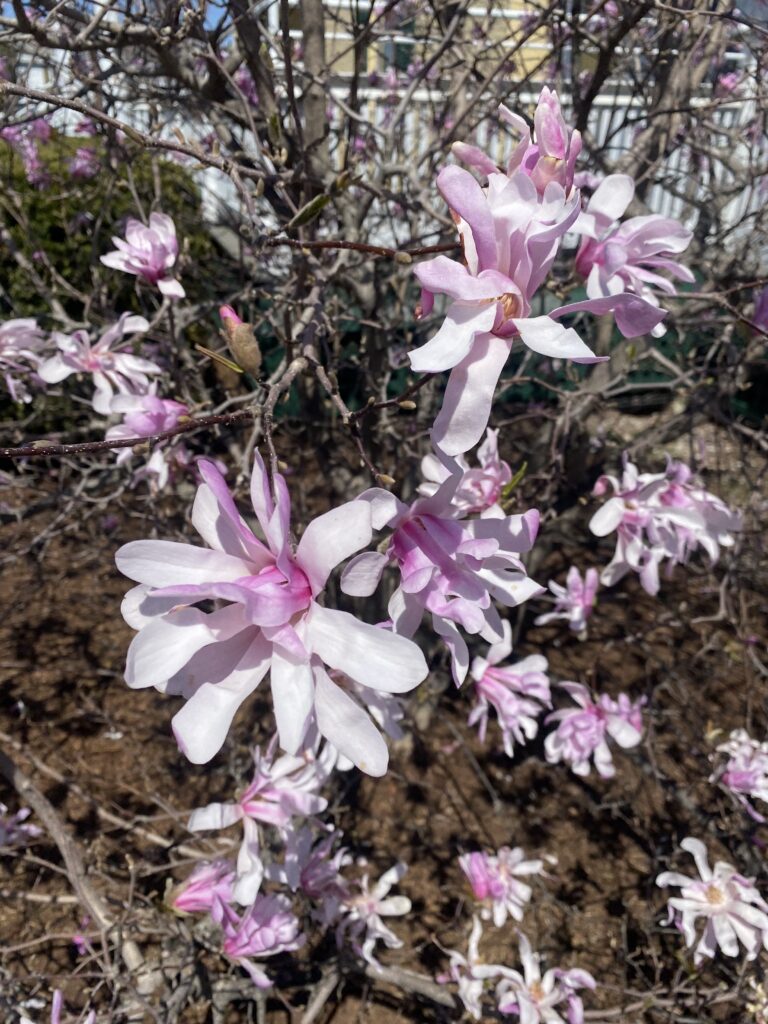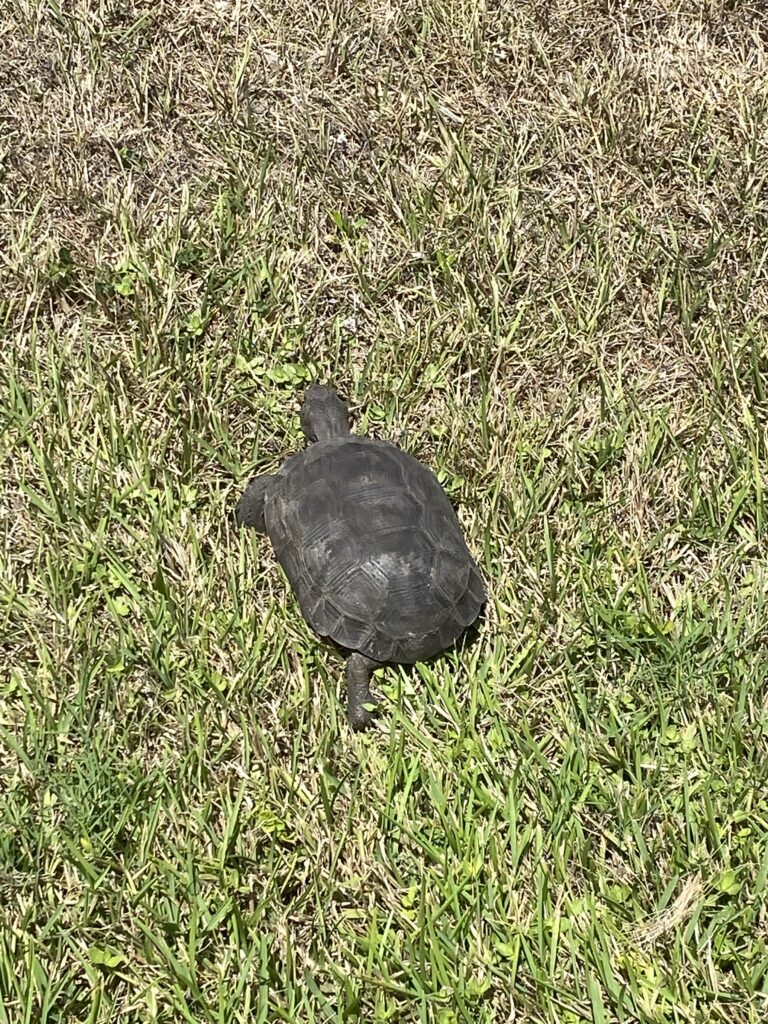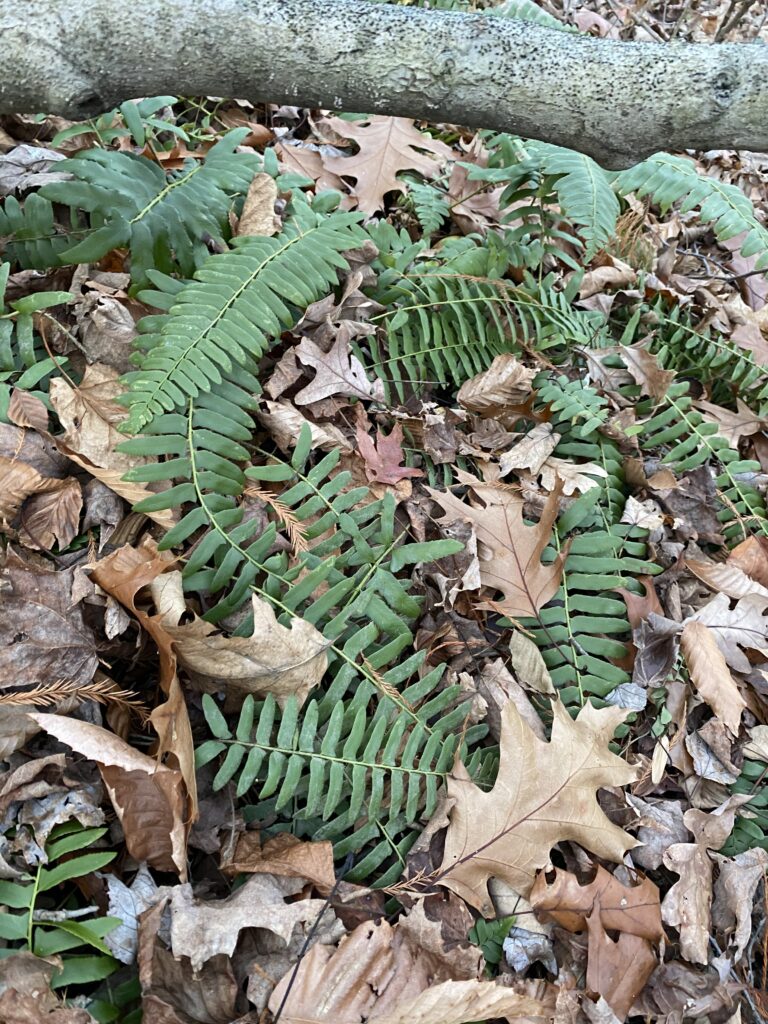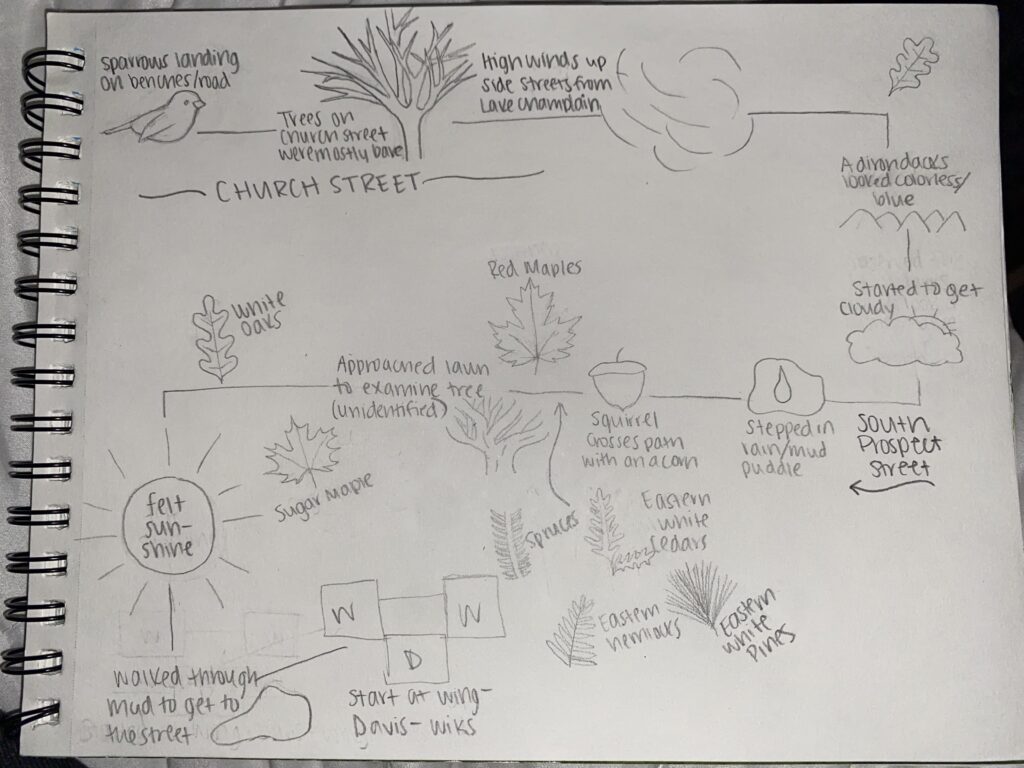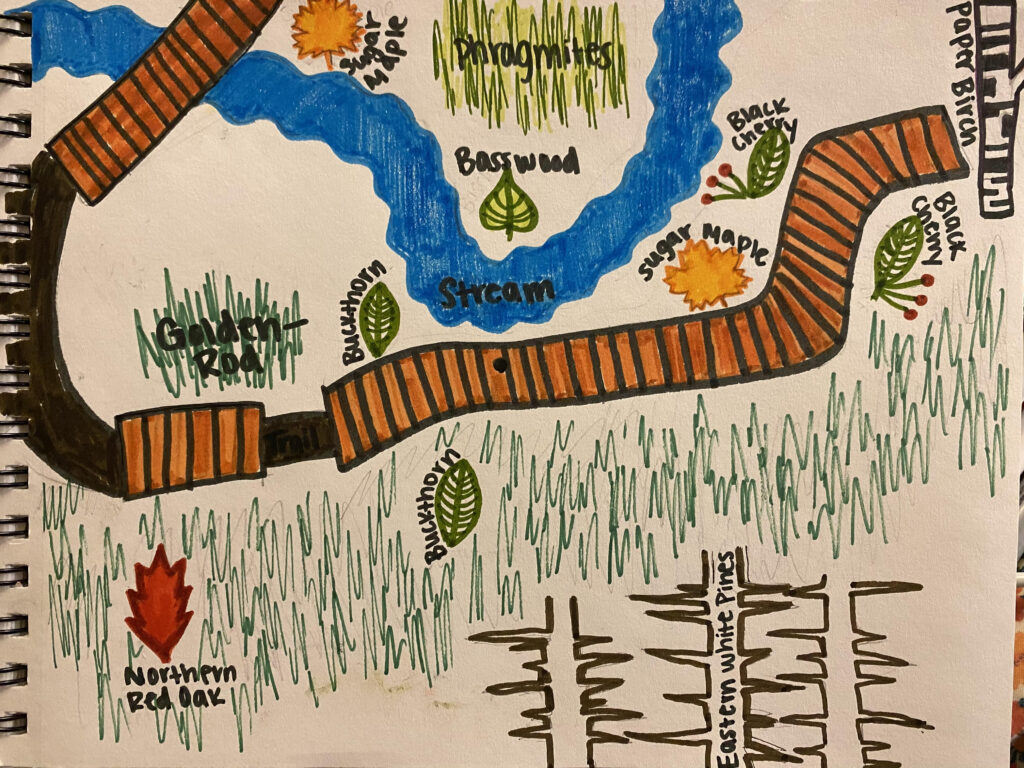
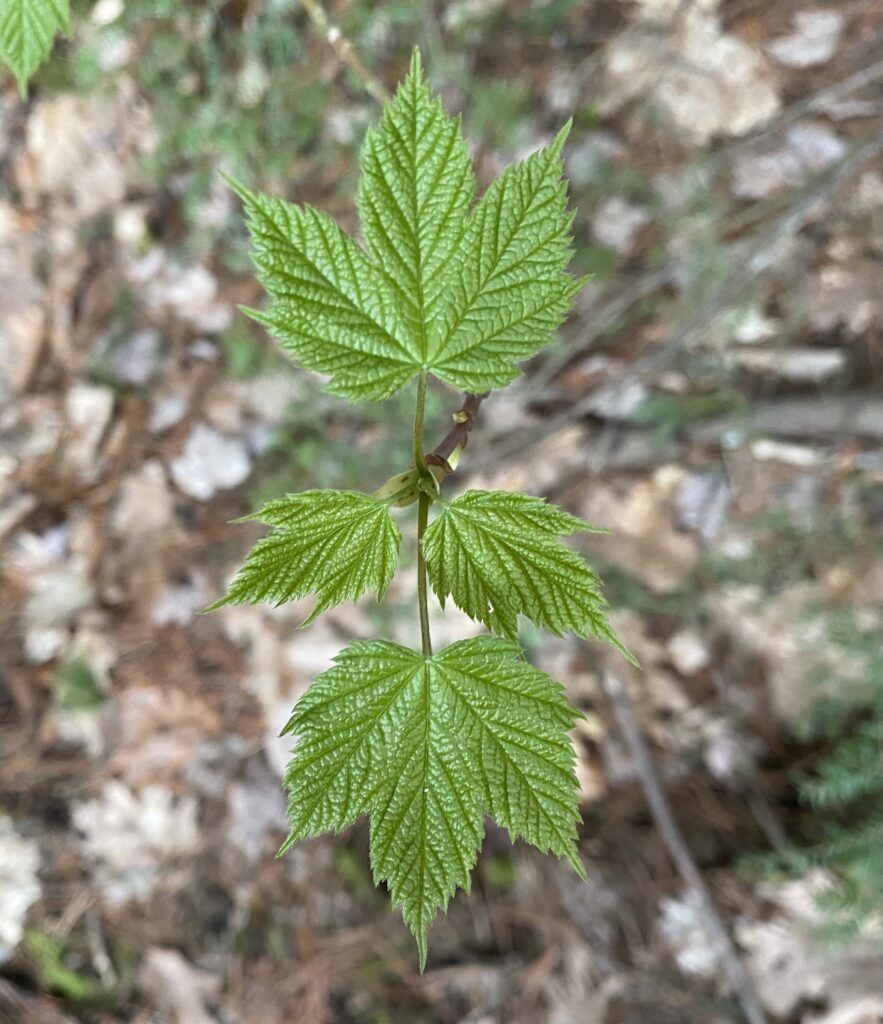
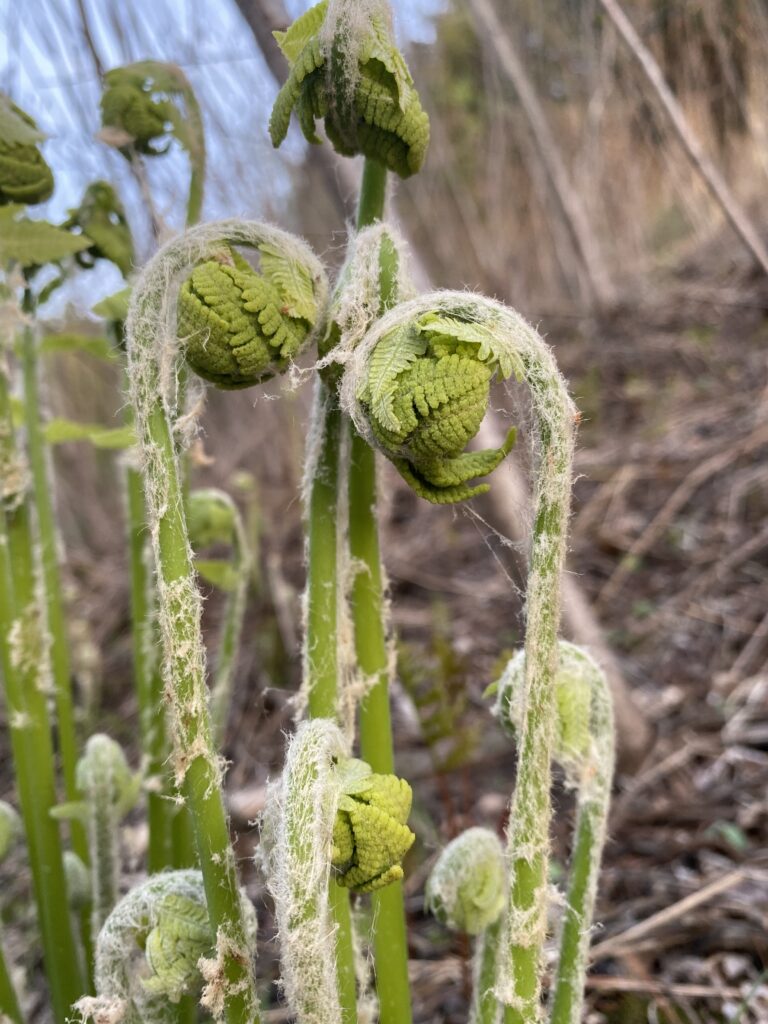
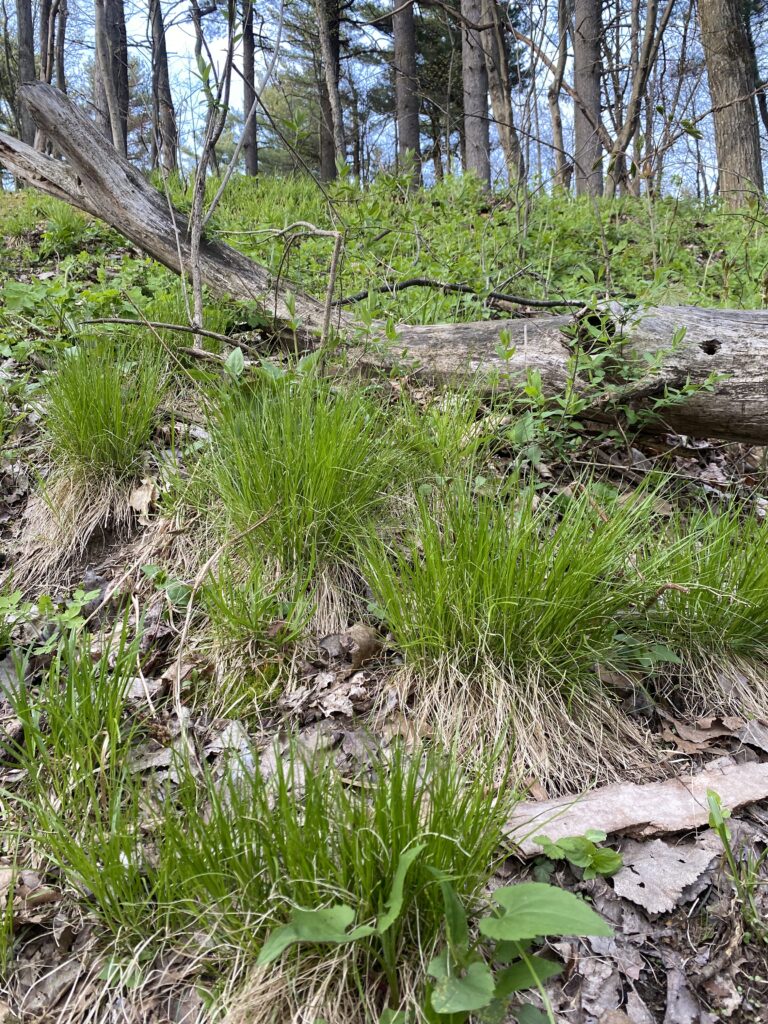
Happy Spring! Yesterday I made my last visit to Centennial Woods for the year. I was surprised and so excited to see how green everything was, and to hear hundreds of birds singing together. New life was everywhere, from emerging fiddleheads to baby Maples to reborn perennial grasses.
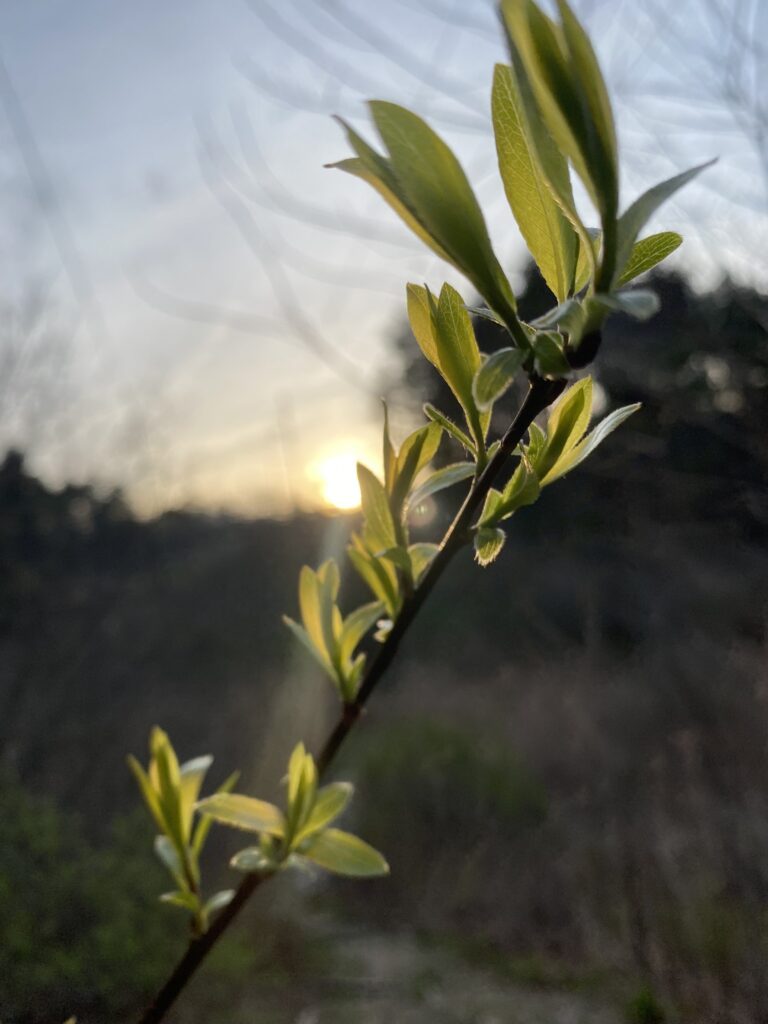
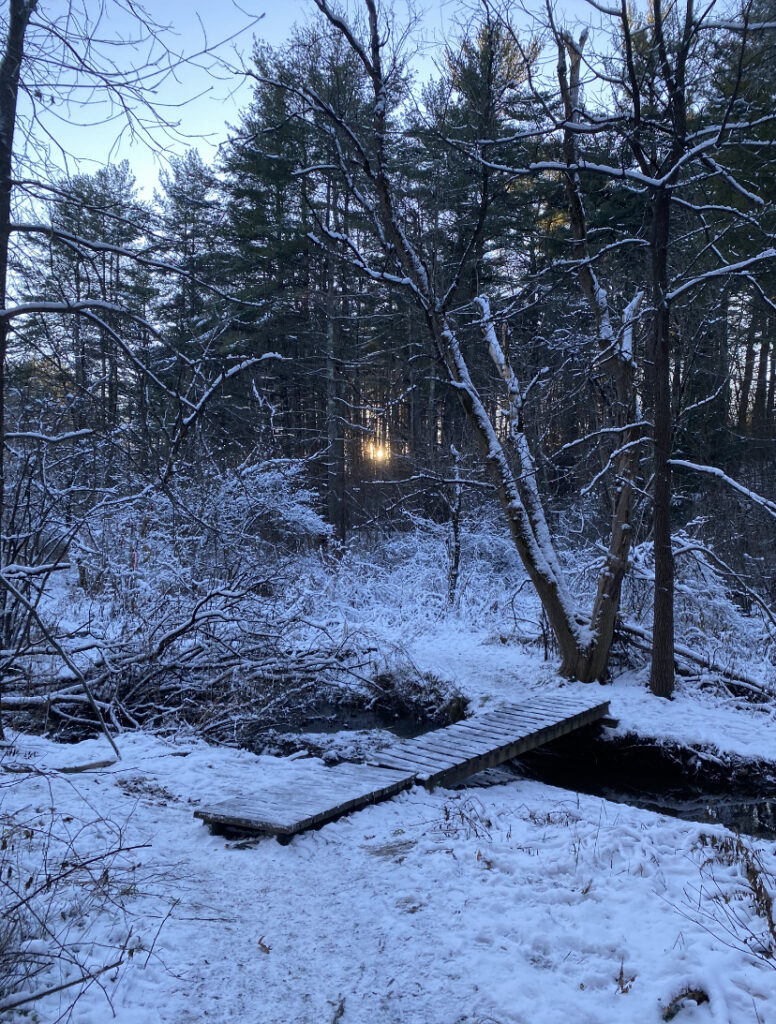
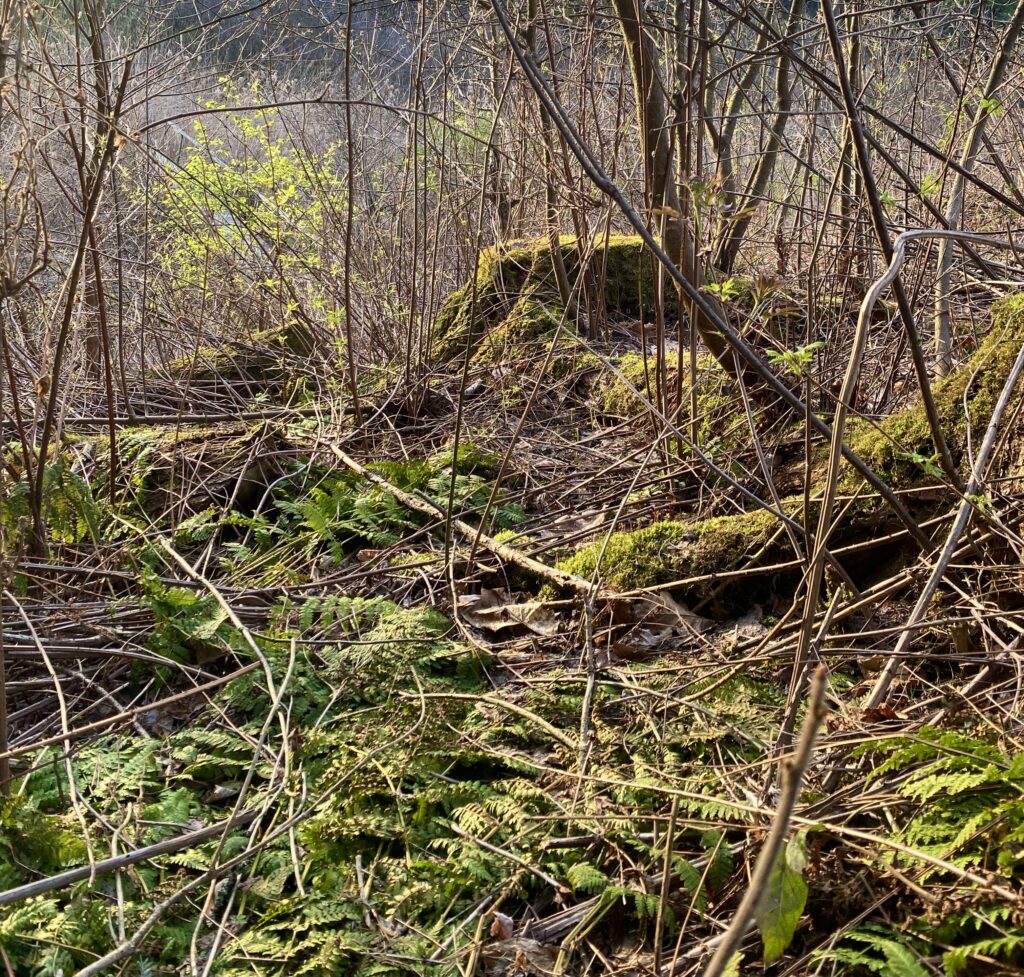
The stream was flowing again after a long winter’s ice. Sun shone through new leaves and made the moss glow. The ground beneath my feat was soft as it thawed, and I met other visitors enjoying the scene.
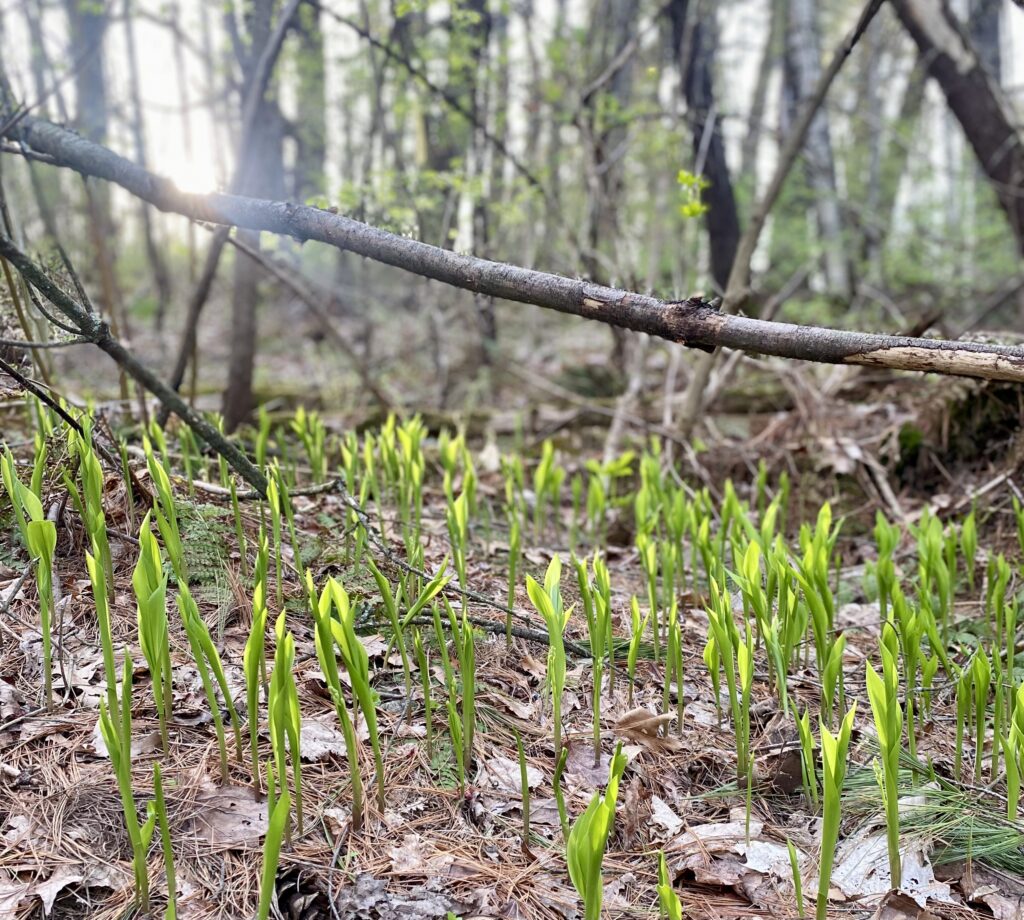
At Centennial Woods, nature and culture are uniquely intertwined. The place itself has bustling ecosystems with countless species and interactions. These magnificent ecosystems provide excellent opportunities for recreation, education, and other regulating services. Locals take to Centennial Woods for adventure or for relaxation, and families use this place to raise future eco-enthusiasts. It lies next to roads and the interstate, filtering runoff, purifying our water, and supporting our quality of life. The culture of greater Burlington benefits from Centennial Woods in many different ways, although we could do better on our part to give back to it.
The species interaction diagram shown below represents the interactions between Northern Red Oak, Red-tailed Hawk, American Beaver, Eastern Gray Squirrel, Song Sparrow, Pileated Woodpecker, and Spring Peeper.
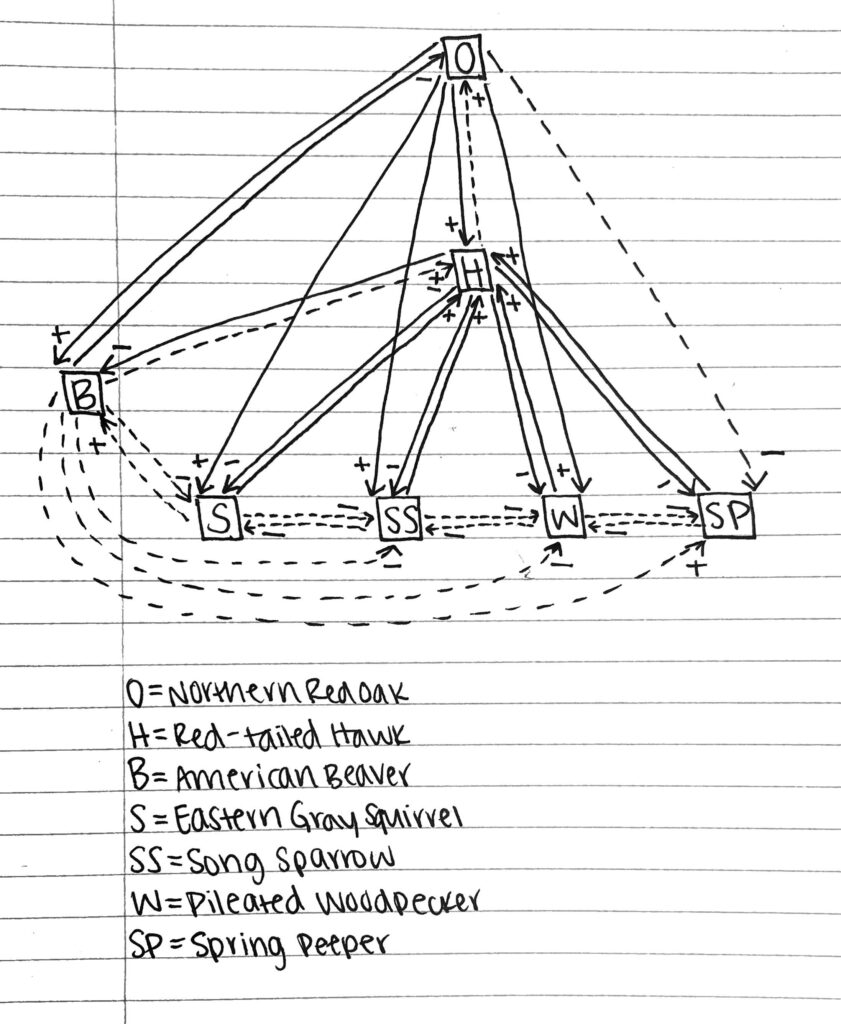
Here is a breakdown:
- Oak trees have a positive impact on red-tailed hawks, squirrels, sparrows, and woodpeckers because they provide nesting habitat.
- Squirrels have a positive impact on oak trees because they disperse their acorns.
- Red-tailed hawks have a negative impact on squirrels, sparrows, woodpeckers, and spring peepers because they prey on them.
- Oak trees have a negative indirect impact on spring peepers because they provide nesting habitat to their predators.
- Beavers have a negative impact on oak trees because they feed on their bark.
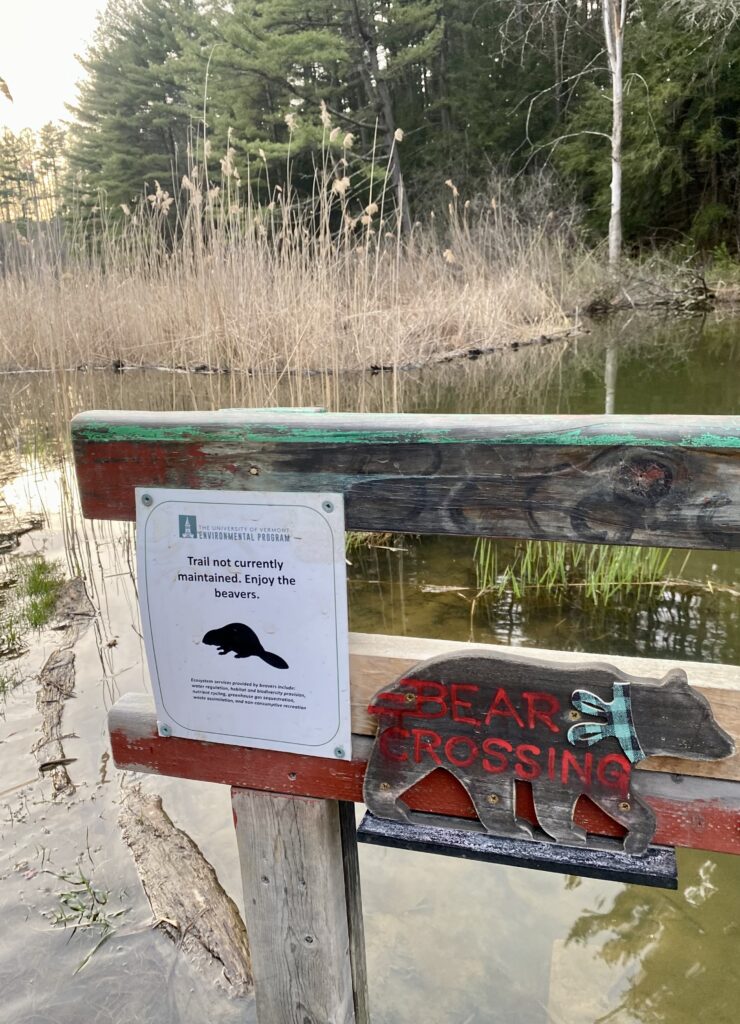
- Beavers have a negative indirect impact on red-tailed hawks, squirrels, sparrows, and woodpeckers because they feed on their nesting habitat.
- Beavers have a positive indirect impact on spring peepers because they feed on their predator’s nesting habitat.
- Squirrels, sparrows, and woodpeckers compete with each other for nesting habitat.
- Squirrels, sparrows, woodpeckers, and spring peepers compete with each other for insects, berries, nuts, and other food.
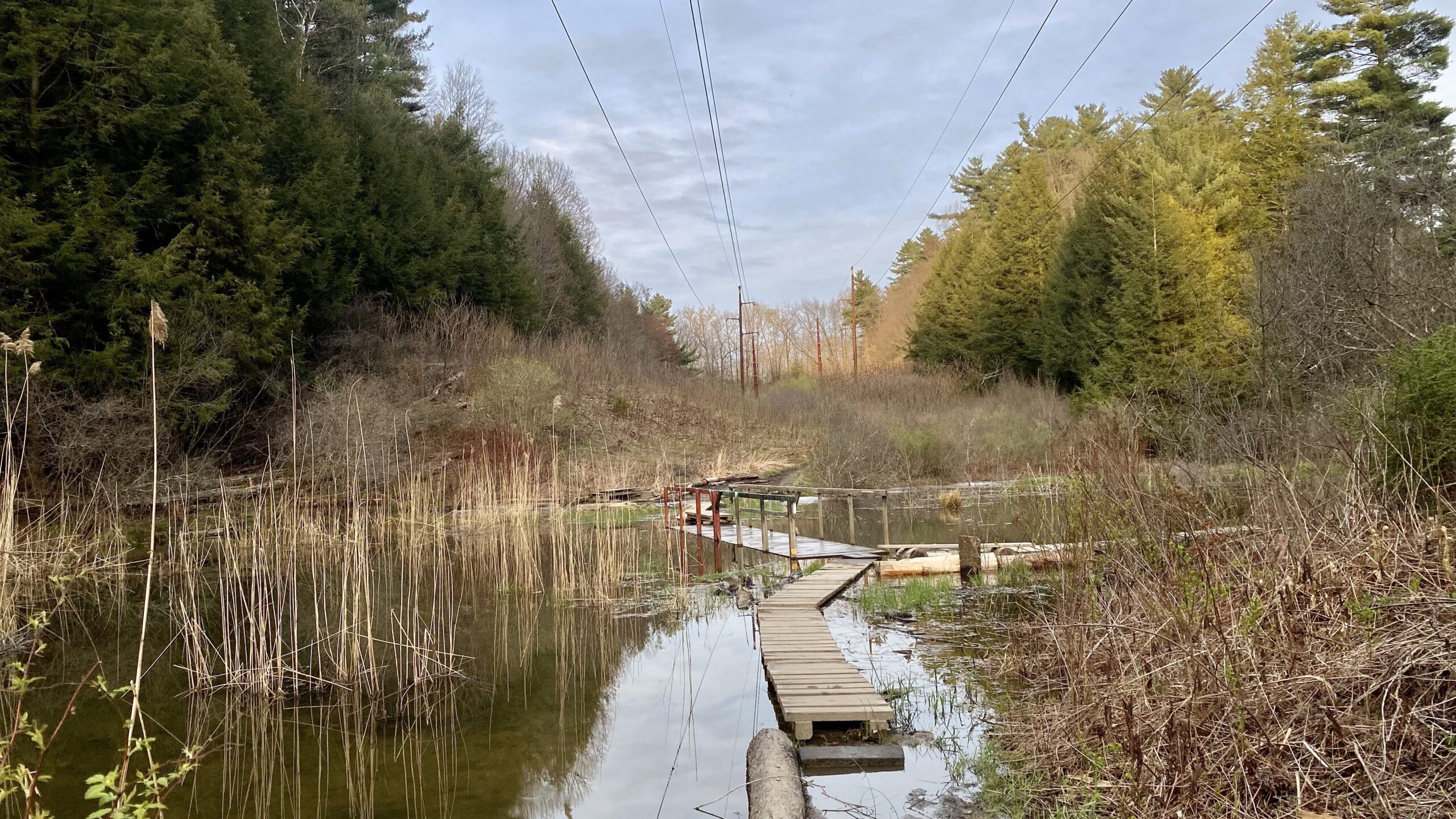
The first time I visited Centennial Woods, I felt a little out of place. I had grown so connected to and familiar with the natural areas near my home in Connecticut, but I felt like a stranger here. However, over the past year making regular visits to Centennial Woods for this blog and for labs, I now feel like I am a part of it. As I walk through it, I make noise, I displace leaves and twigs, I run my hands through the grass, I climb trees, I pick flowers, I get up close with birds, and I dip my feet in the water. All these things are bound to have an effect on the surrounding life of the ecosystem. In class and at home, I draft proposals to improve the health of the landscape, and I educate my friends on how to reduce their impact on it. I participate in environmental awareness and stewardship events and do what I can to make our relationship with the earth more reciprocal. All these actions affect Centennial Woods and all the life it hosts. I consider myself a part of this place.
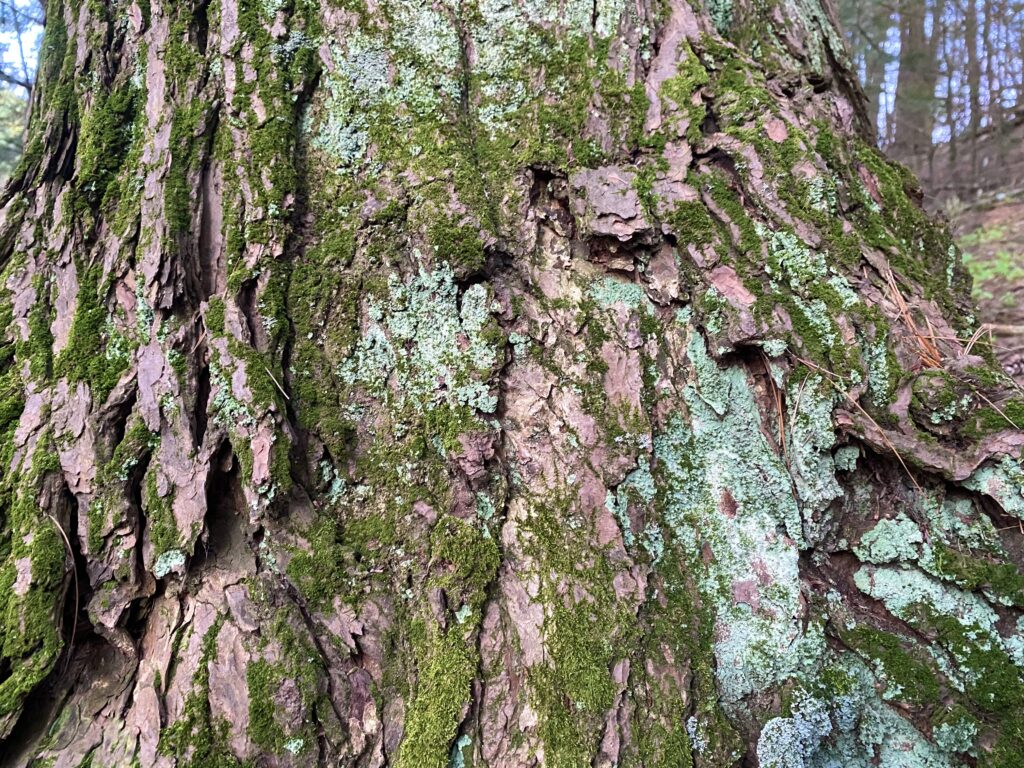
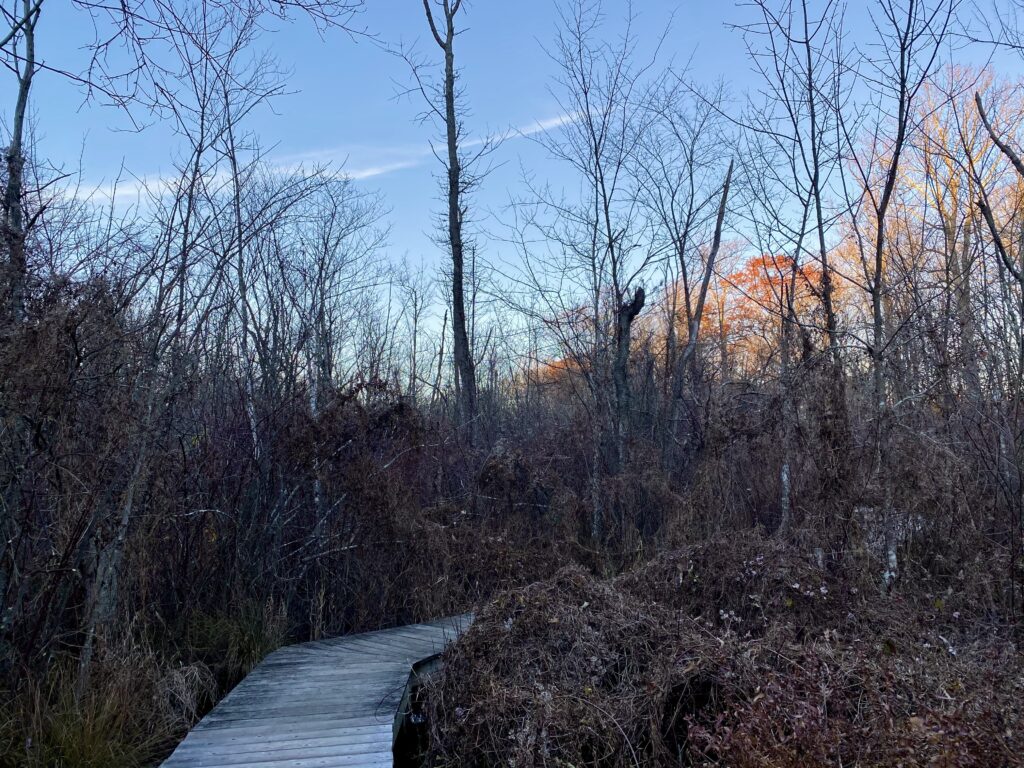
It has been a tough winter, especially with Vermont’s spring so behind track. My past visits were freezing, unwelcoming, silent, and lifeless, but experiencing the new growth yesterday at Centennial Woods was a perfect closing.