April 26, 2024
Last Sunday, I joined the tens of thousands of participants around the world in the City Nature Challenge. Started in California in 2016, this now global annual encourages people in cities worldwide to find and document local wildlife. From April 25th to April 28th, the goal is to take as many photos of wild plants and animals as possible as a kind of friendly competition between cities. Then, from April 29 to May 4, the scientific community works to identify what has been found. Pretty much anyone can participate and contribute to our understanding of biodiversity. I think its a great opportunity for people to reconnect with the natural world and notice all the beautiful organisms that surround us.
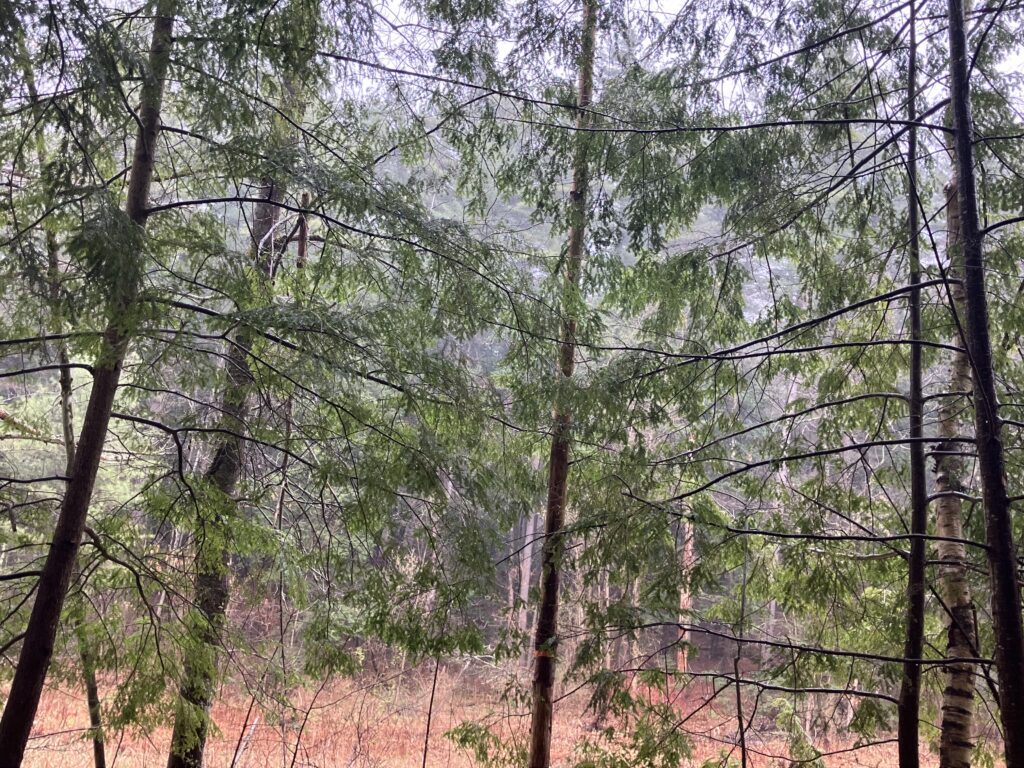
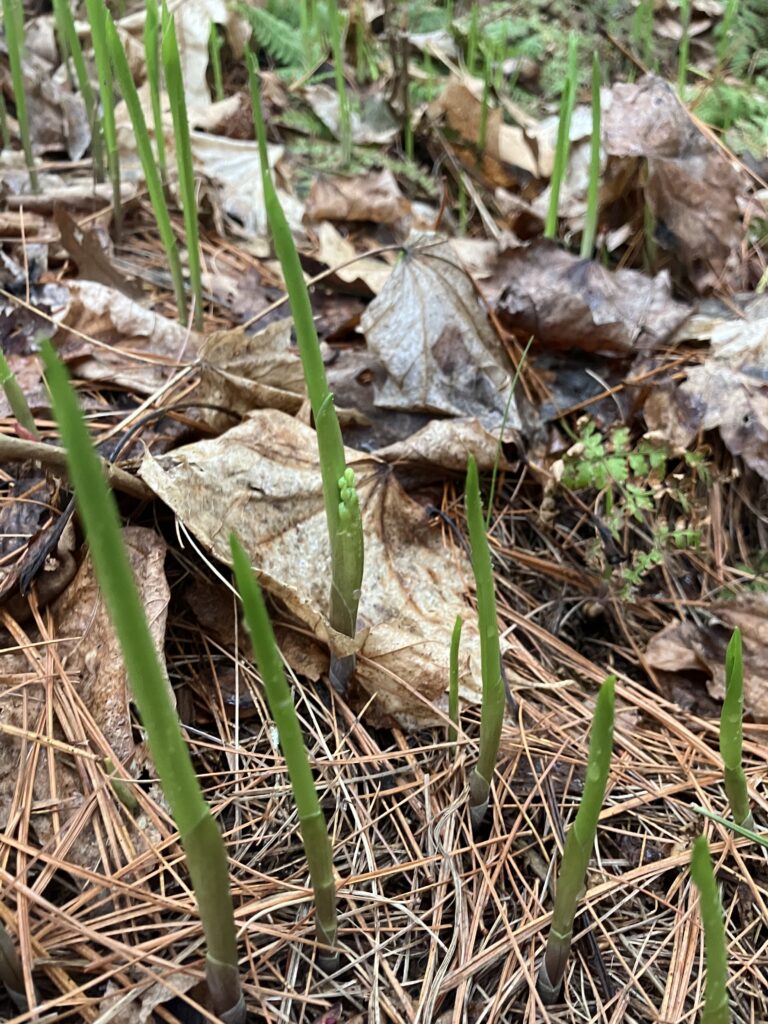
I made observations through the iNaturalist app, mostly of plants and animals in Centennial Woods. While I had used iNaturalist before, I found it super easy to use even as someone who isn’t great with technology. What’s particularly nice to me is that you don’t have to be able to confidently ID something, or ID it at all in order to record it. This makes it really accessible even for amateurs like me. The app allows other people to suggest possible ID’s and either confirm or fact check other’s identifications. iNaturalist combines many individual’s expertise along with the much needed manpower of amateurs to gather a lot of data without compromising its accuracy too much. I really appreciated that I could log cool plants I found even without being able to identify them. The best part is in a week or so, there will probably be several suggestions from others for what they might be. You can also just label the genus or family of a plant if that is as far as you are able to identify. I often find myself in this position and it is satisfying to not have to take an all or nothing approach when logging. Additionally, the evidence can come in audio form as well as photo. I used this to log a couple of birds for the project. I think it’s an important feature since taking a picture of a bird is significantly harder than a plant and many birds are identified through audio only.
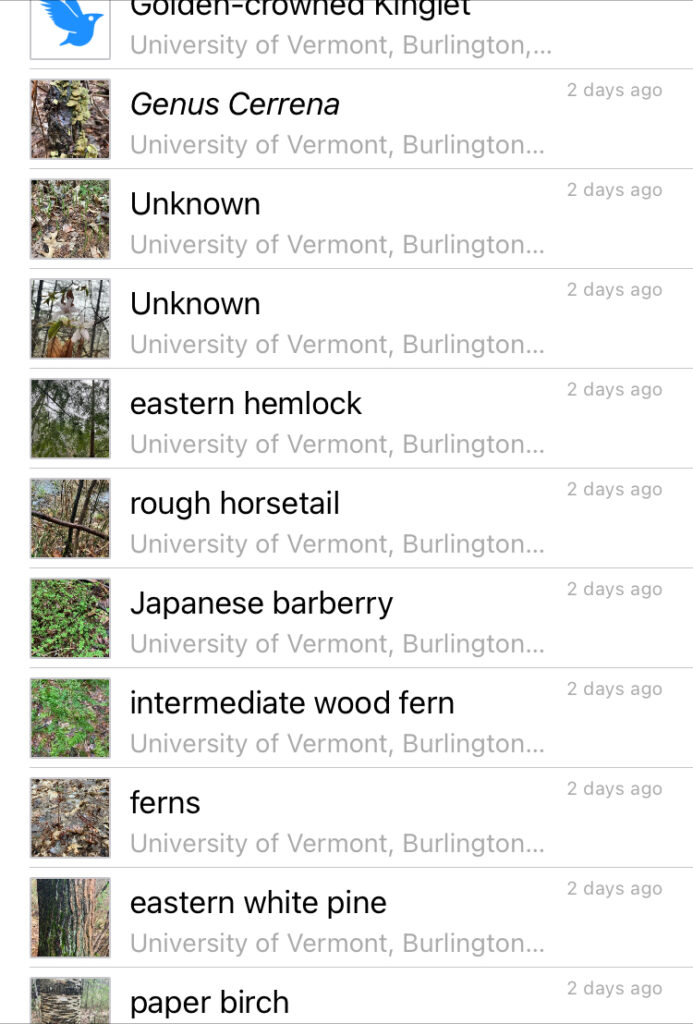
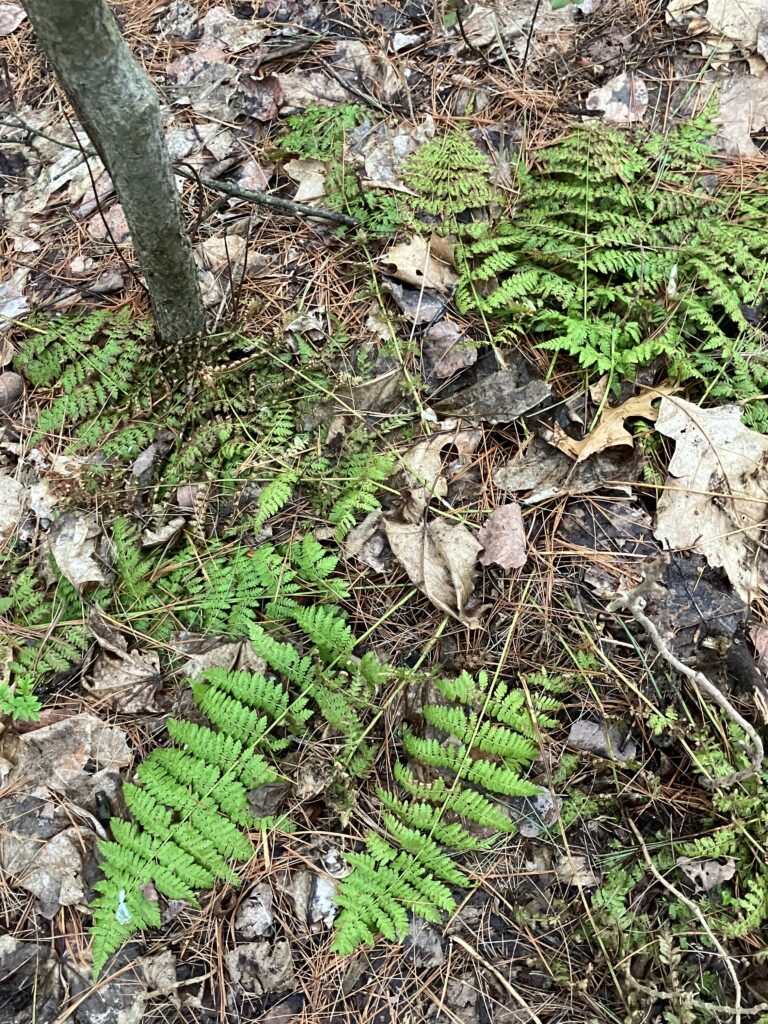
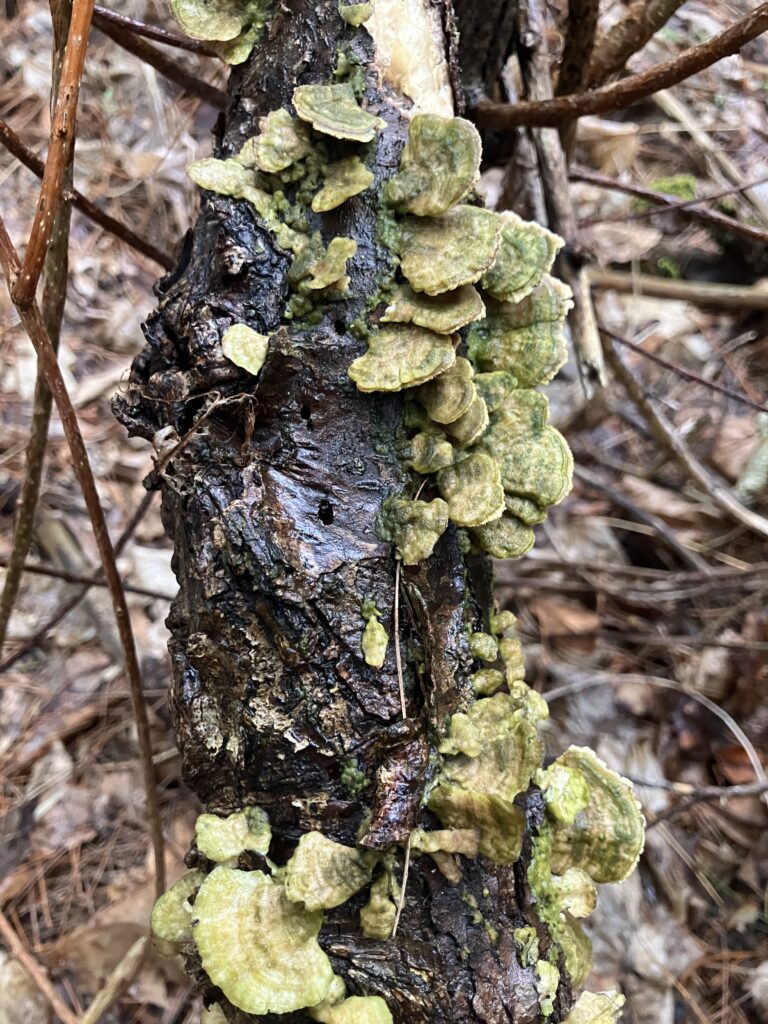
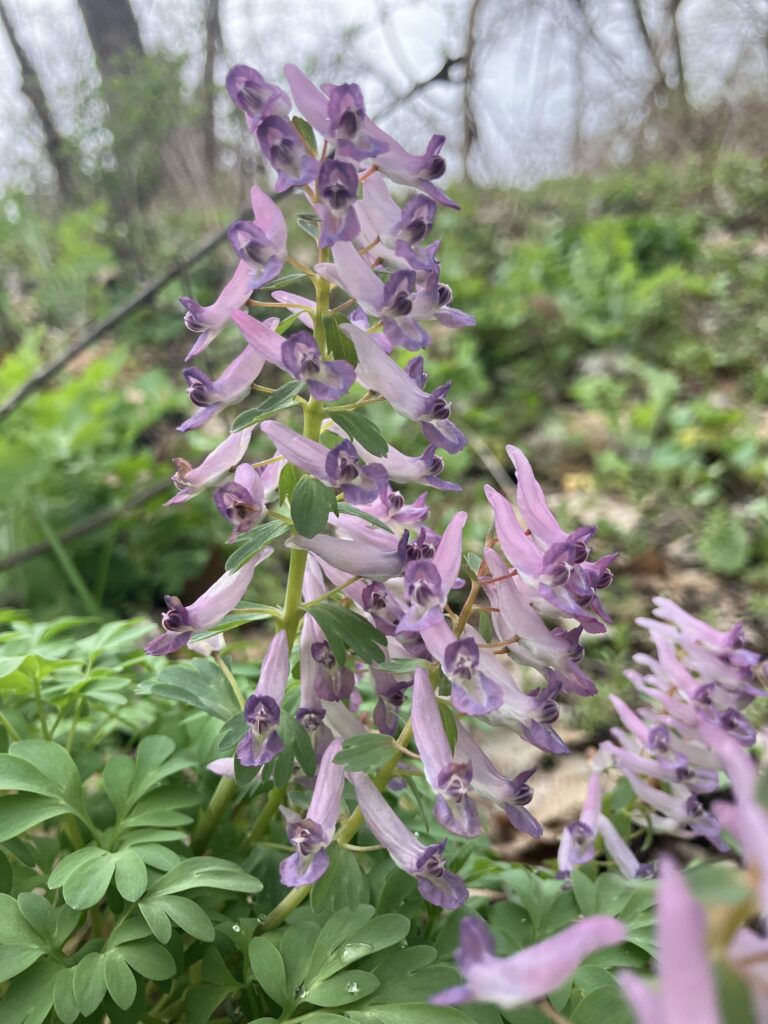
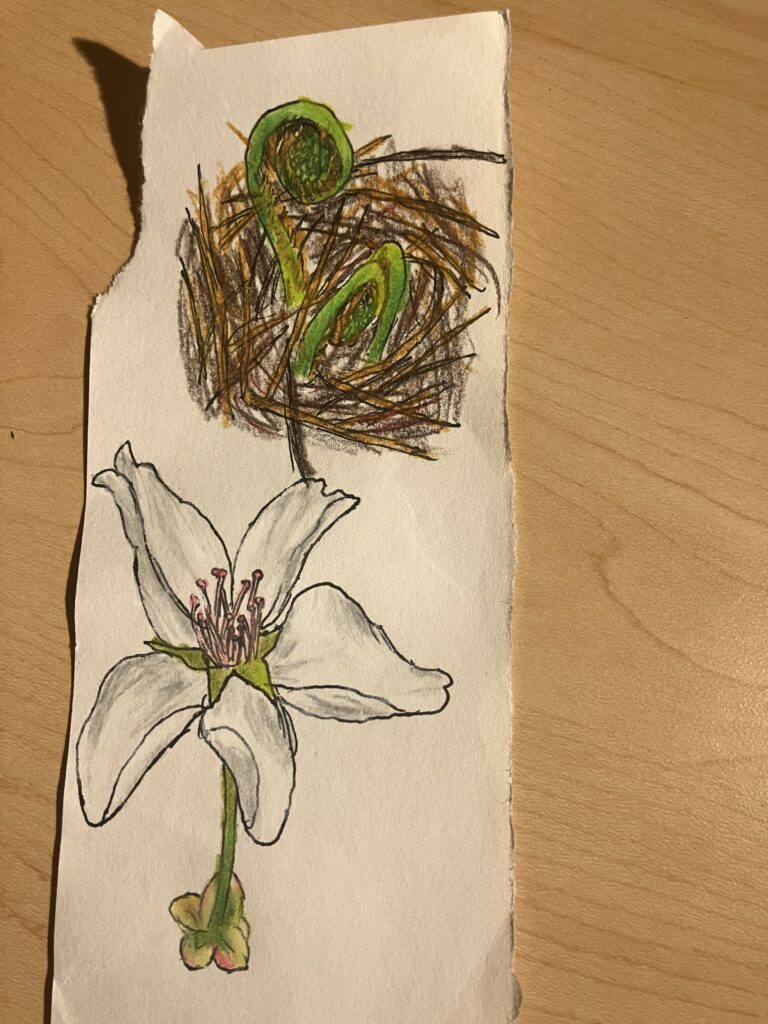
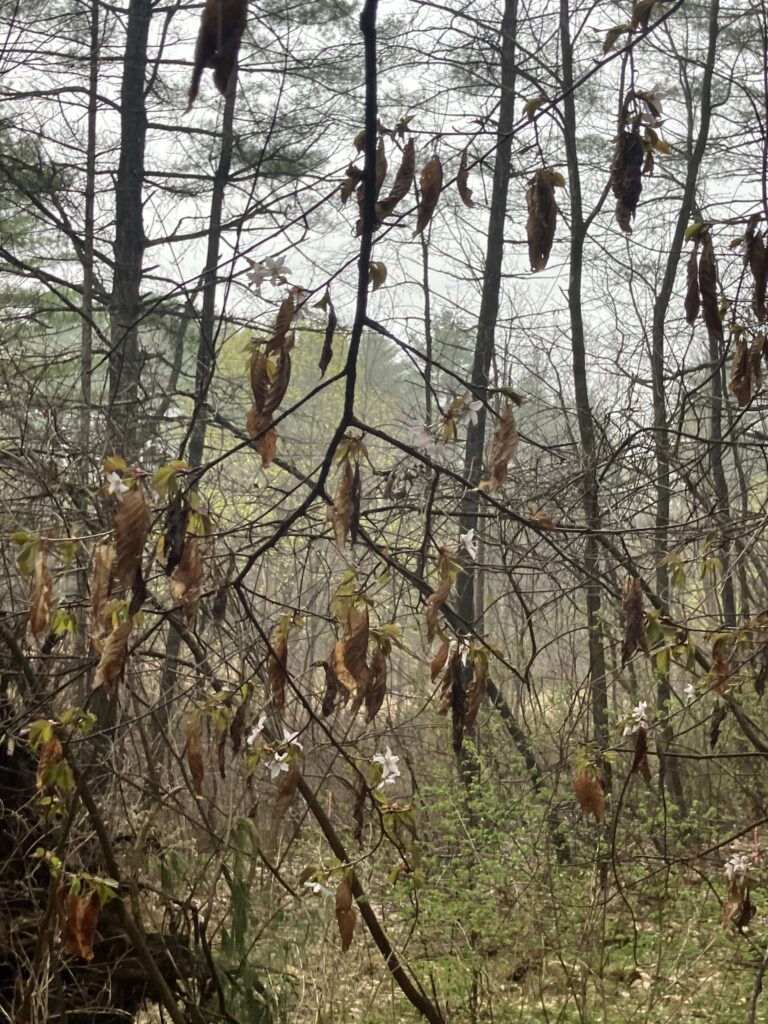
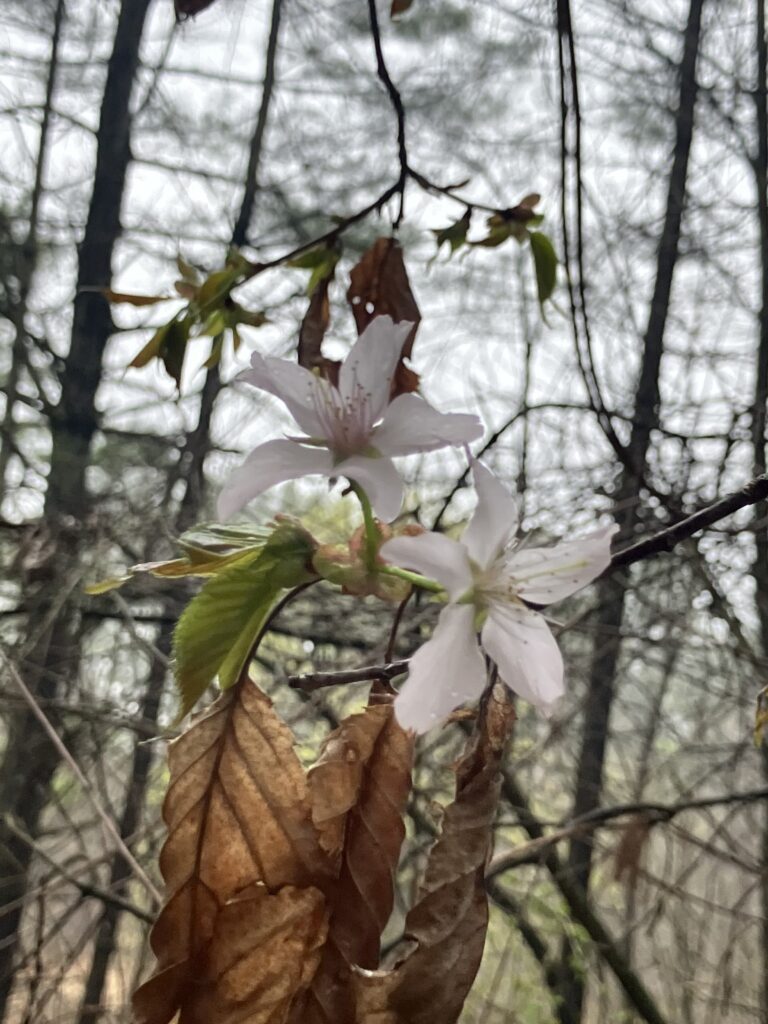
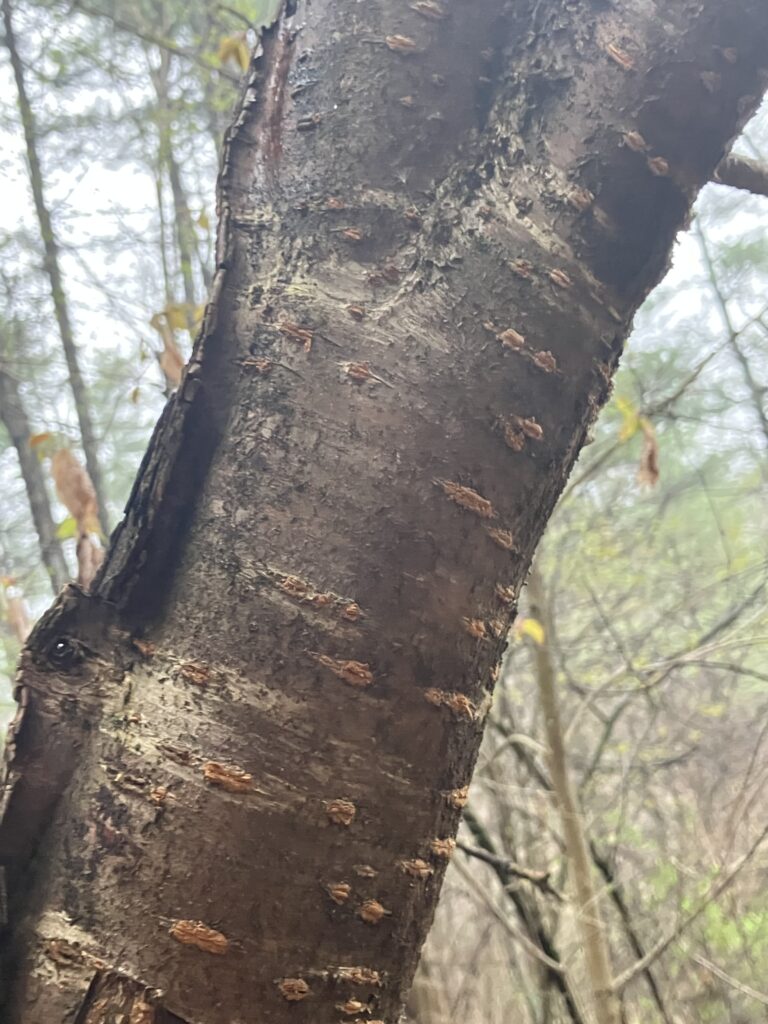
I probably recorded around 15-20 different species in Centennial Woods. Most of these were plants but a few were birds or fungi. This was just a fraction of the species I actually saw. I felt inspired to come back later to the woods and try to document more so I can learn more about what I see. My favorite plant I observed was this flowering tree pictured below. I had never noticed the tree before despite it being near the trail entrance. I’m not sure what kind of tree it is but thought the flowers were beautiful.
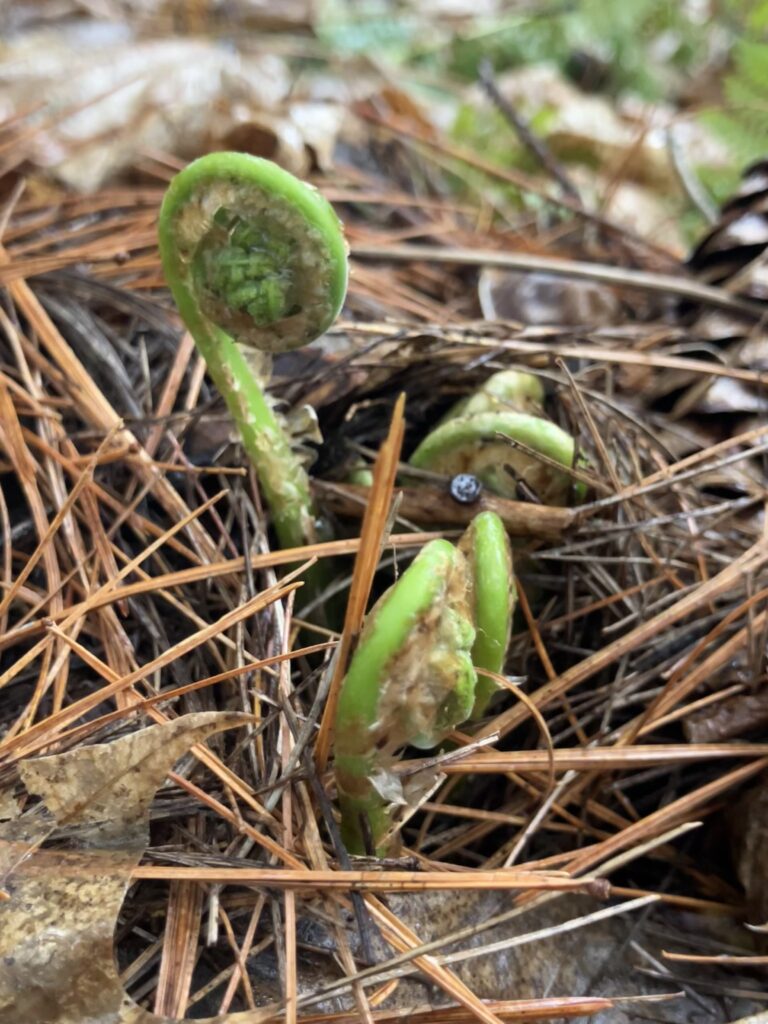
If you go to City Nature Challange’s Website you can see the long list of participating cities. You can click on any of the cities from Paris to Athens and see all the observations logged there and species seen. I loved that I was able to compare the observations from here in Burlington to those in my hometown of Chicago. I liked that even cities or regions with under 50 observations such Bhavnagar, India were still included. Every observation matters and seeing the diversity of wildlife in people’s observations was really interesting. A plant that might feel boring and commonplace to someone in one city might be exciting to someone in a different place. On the contrary, cities across the world might share a species. For example, I learned that ostrich ferns can be found in both Burlington flooded forests and Amsterdam.