
I chose Shelburne Farms because my father came up to visit me and was exploring and found it. This place seems to be a big agricultural hub that not only produces food, but is also working to educate others on sustainable farming, tourism and products. They offer programs, like summer camps and dinners that teach their practices. Coming from Florida, where my family has a small cattle ranch, this is very interesting to me and I’m excited to learn more about the way Shelburne farms uses their land and their history.
How to get there
I Ubered there which costed about $30 total, there is a bus stop not too far from the entrance, however I think Ubering or driving is the best way.

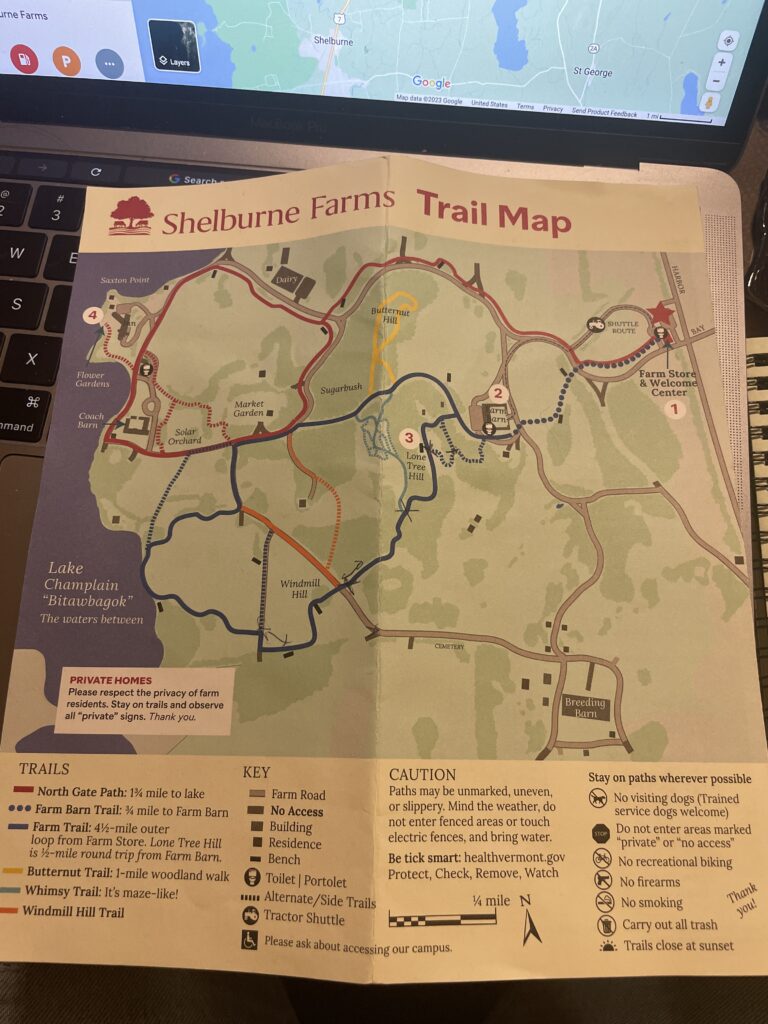
The day I went out was beautiful and sunny. The area is quite big, with many natural buffers between pastures with farms animals that include, pigs, goats, mule, horse, sheep and Swiss dairy cows. Between pastures holds mature forests that have many staple Vermont trees, including American beech, red oak, white oak, red maple, Norway maple, eastern white cedar and the invasive buckthorn. I used the trail map as my guide and took myself onto the north gate pass, onto the Farm trail, onto the windmill hill trail and then back to the welcome center on the farm trail again. I did almost get lost, but theres a map on every road so It’s pretty navigable.
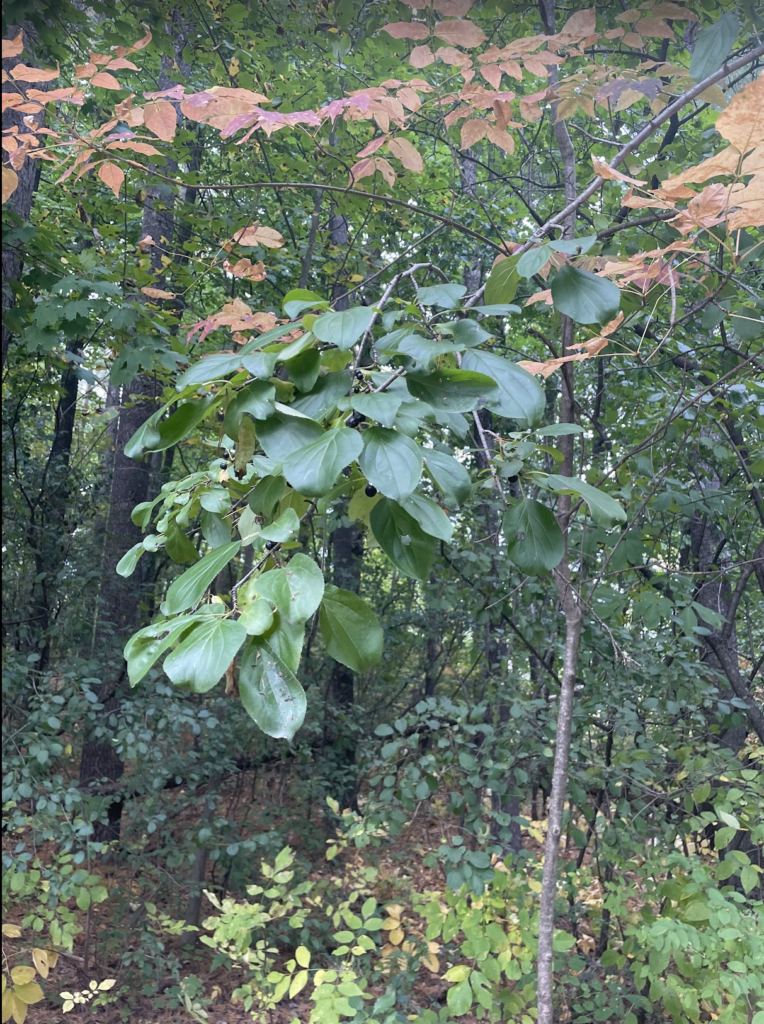
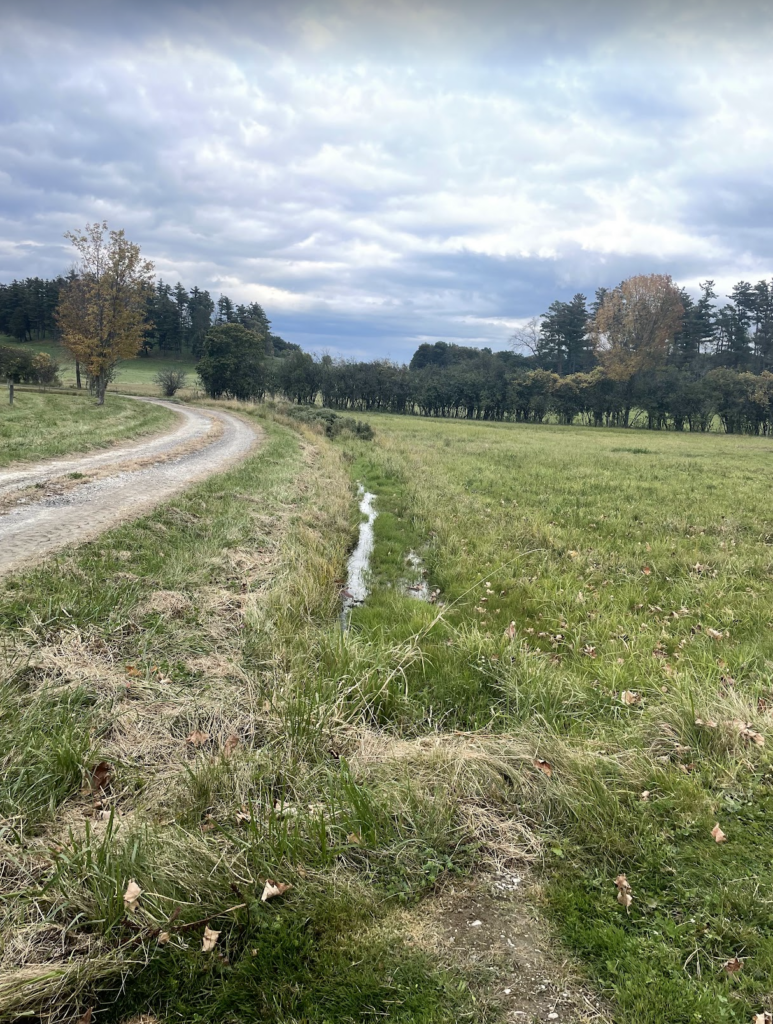
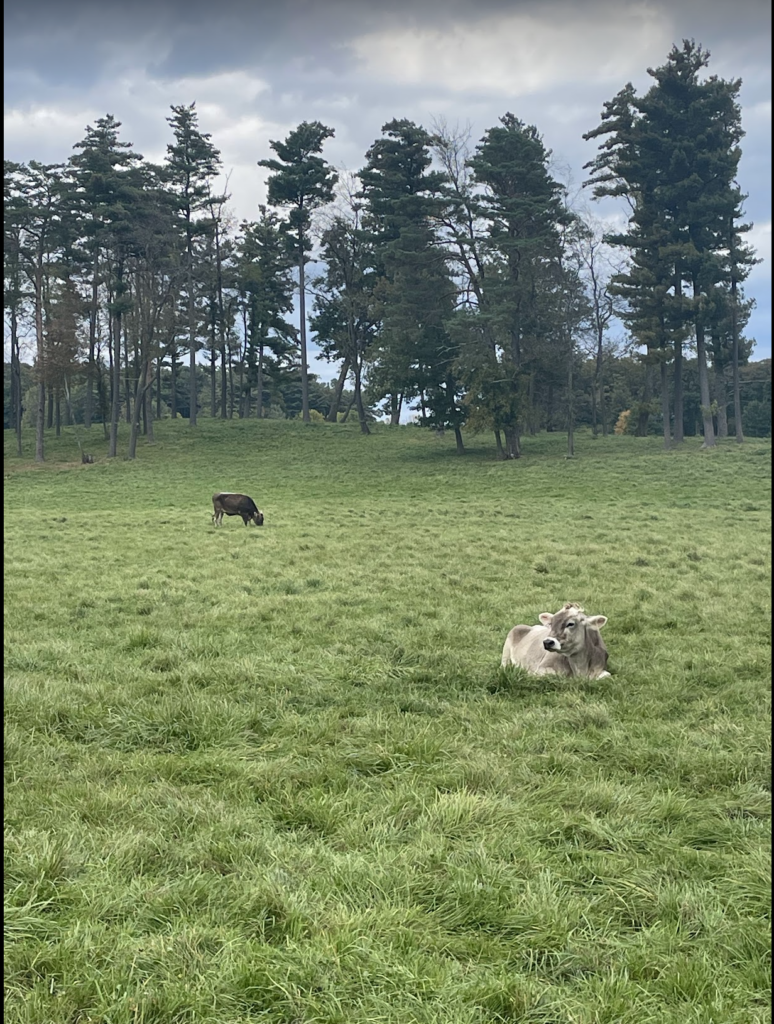
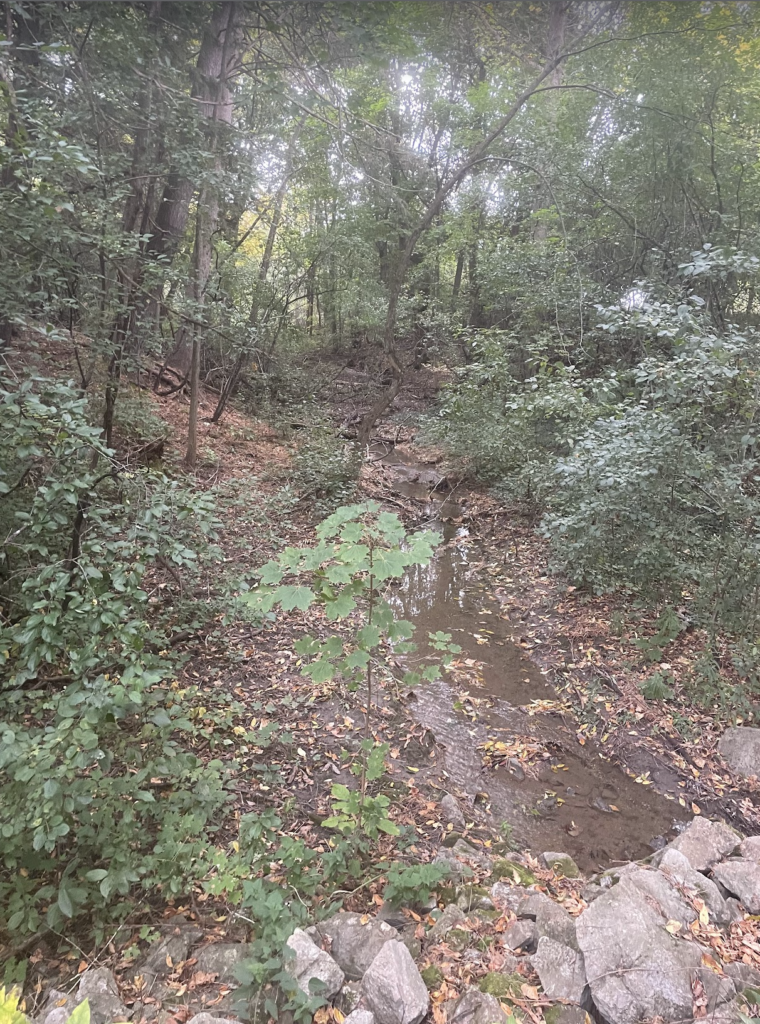
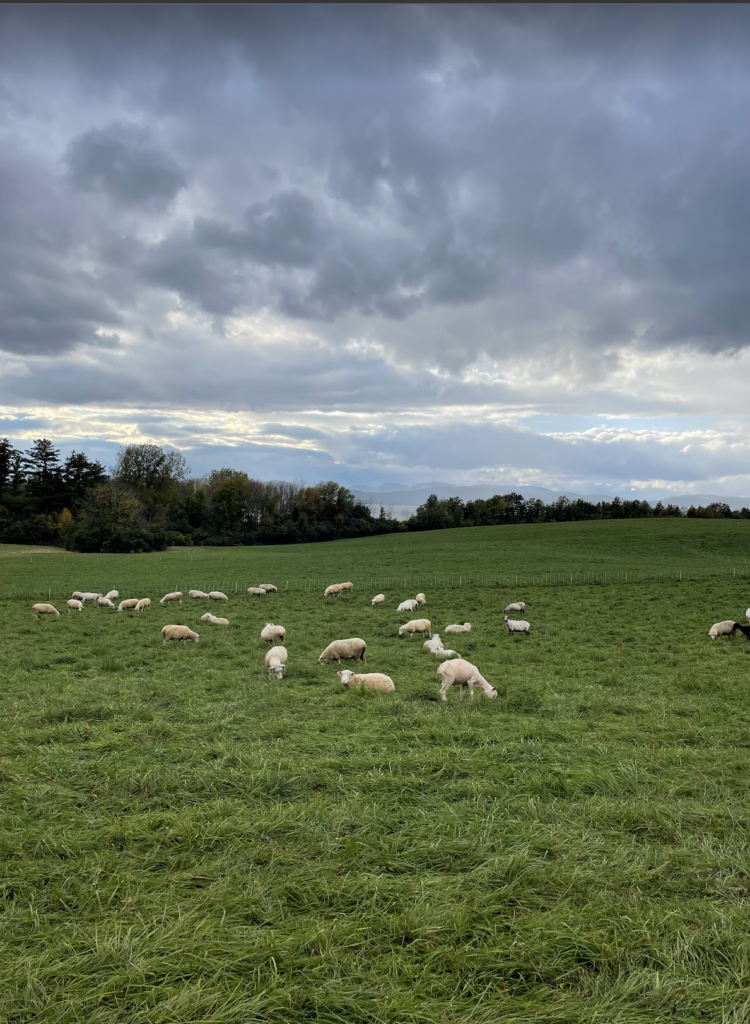
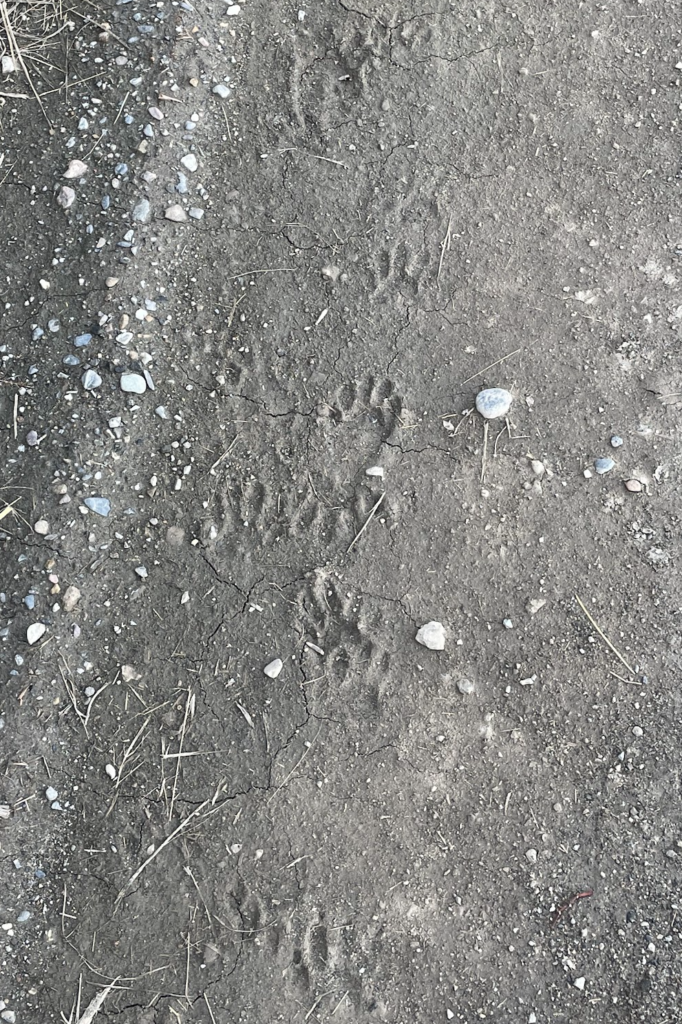
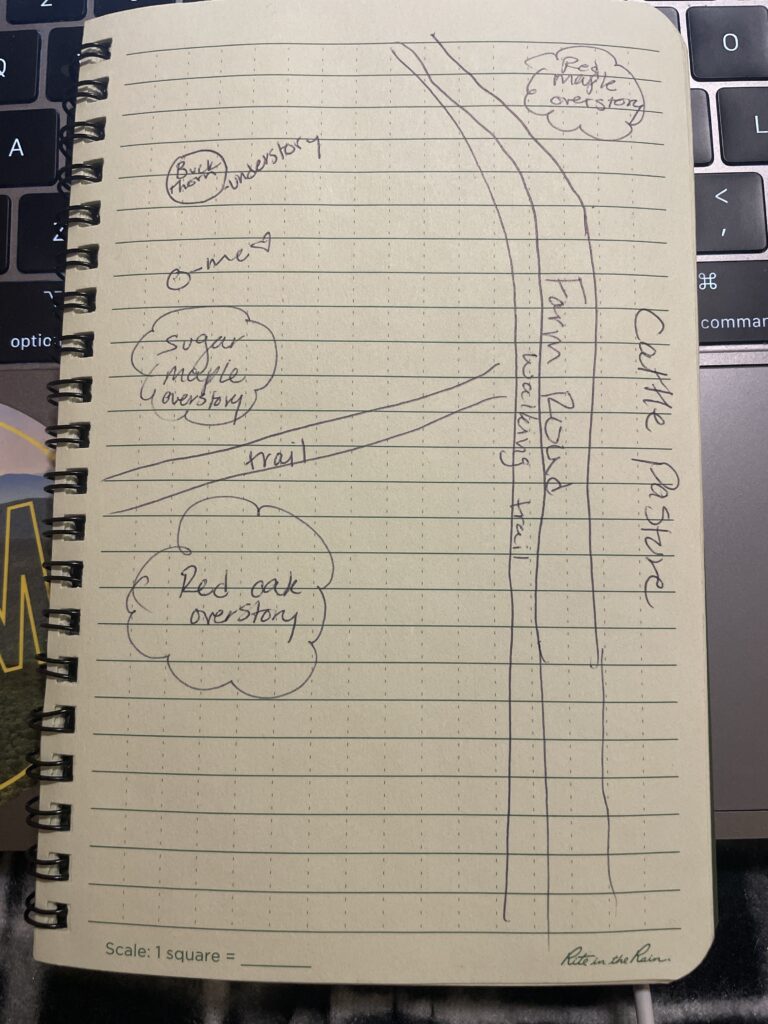
The Trees have changed leaf colors and dropped many leaves. Many sugar maples have turned a beautiful yellow, while red oak have turned a vibrant red. The temperature is cooler and the cows and other farm animals are being moved around to prepare for winter.