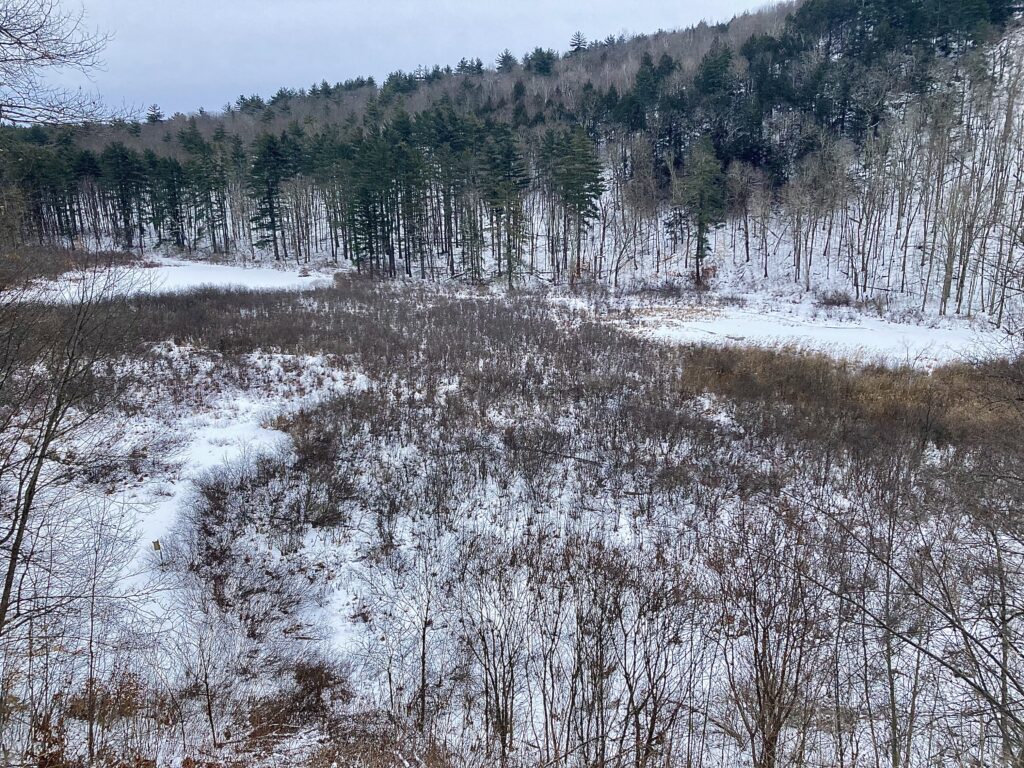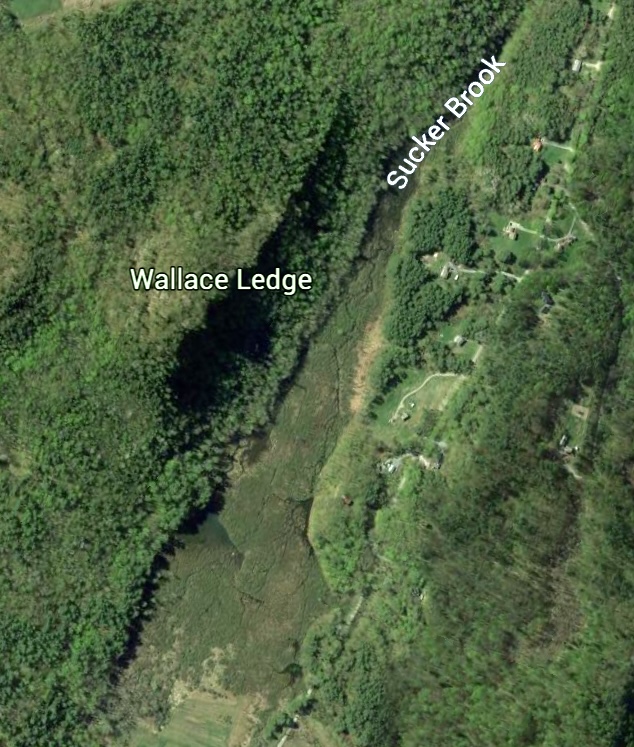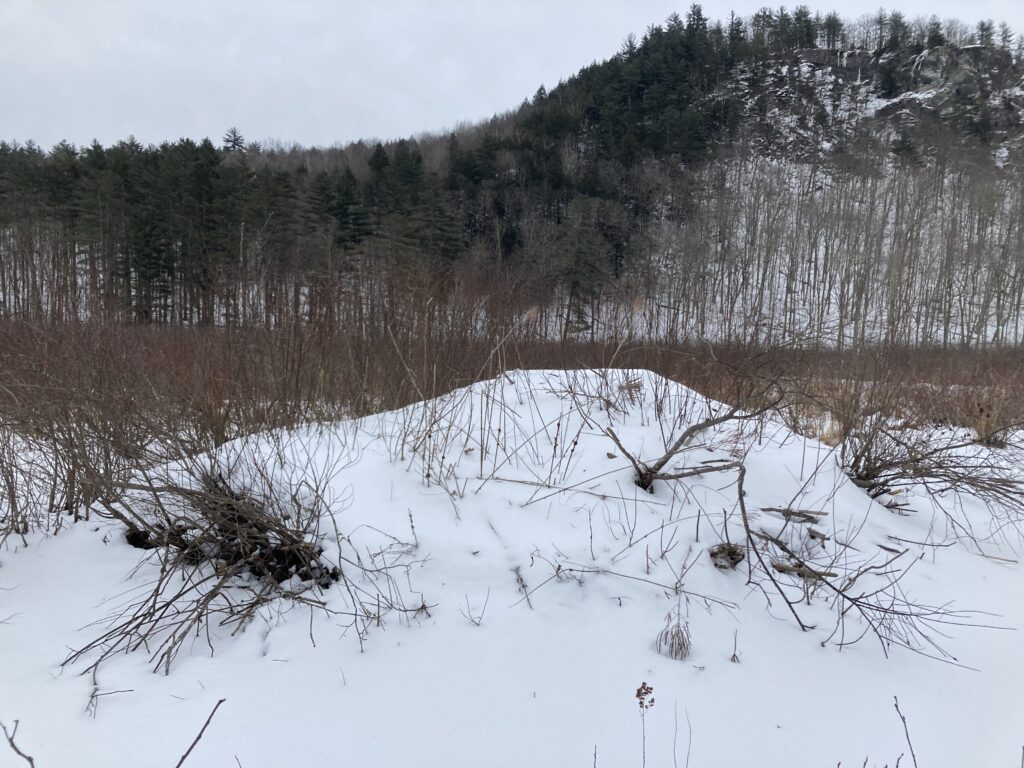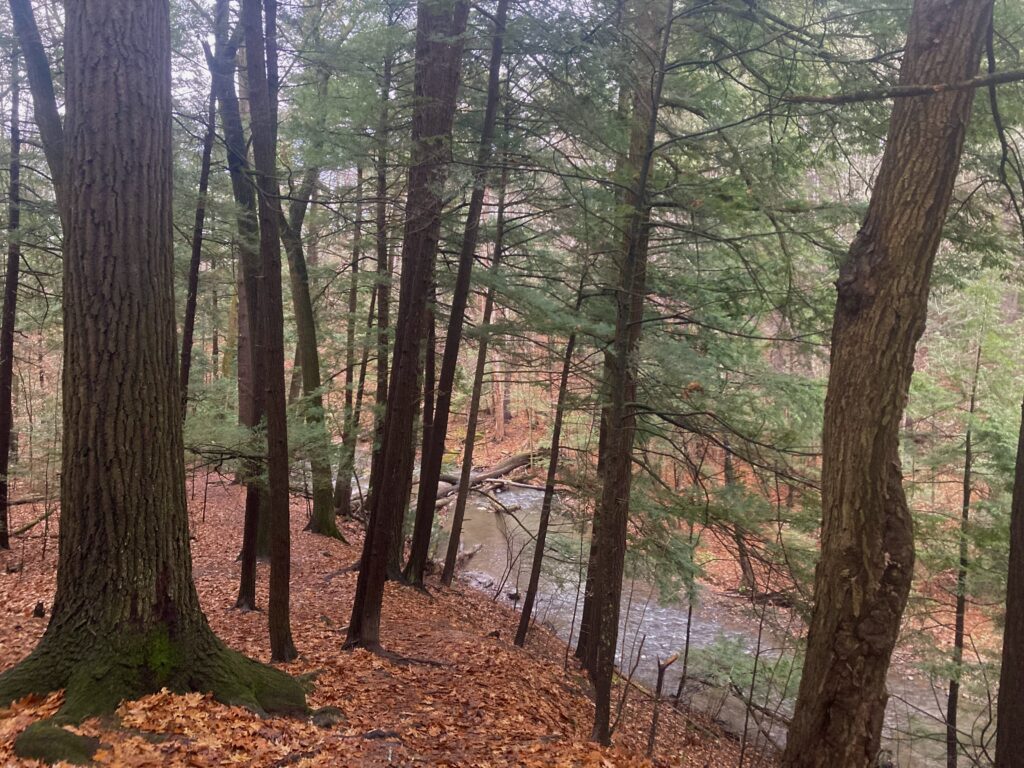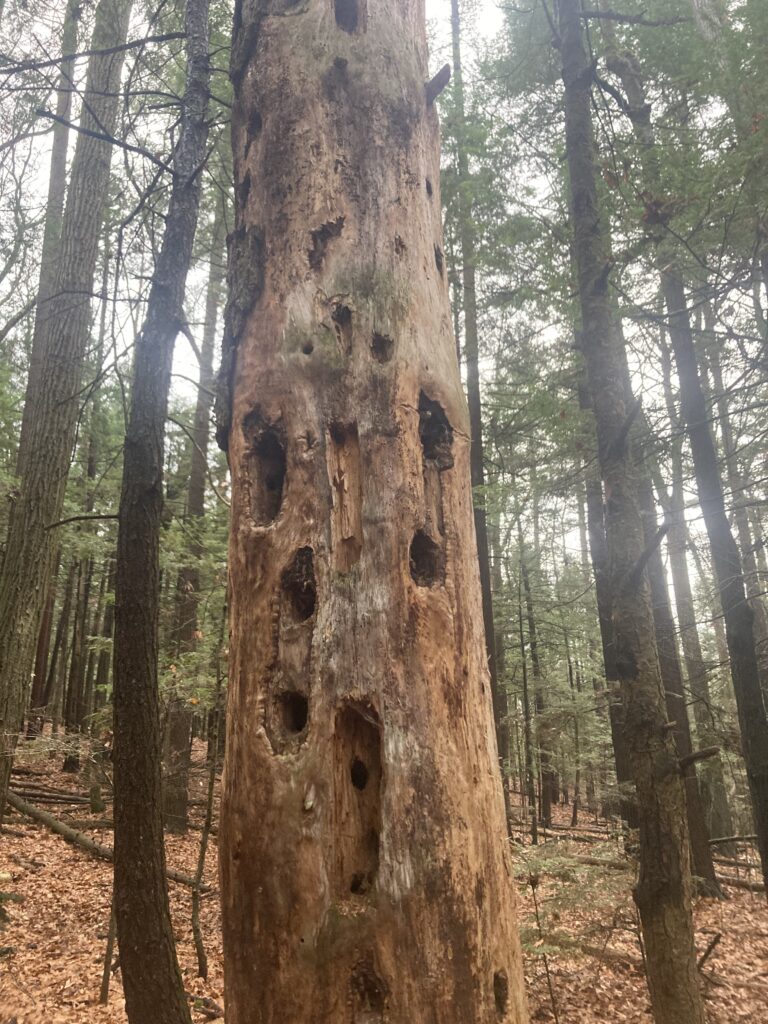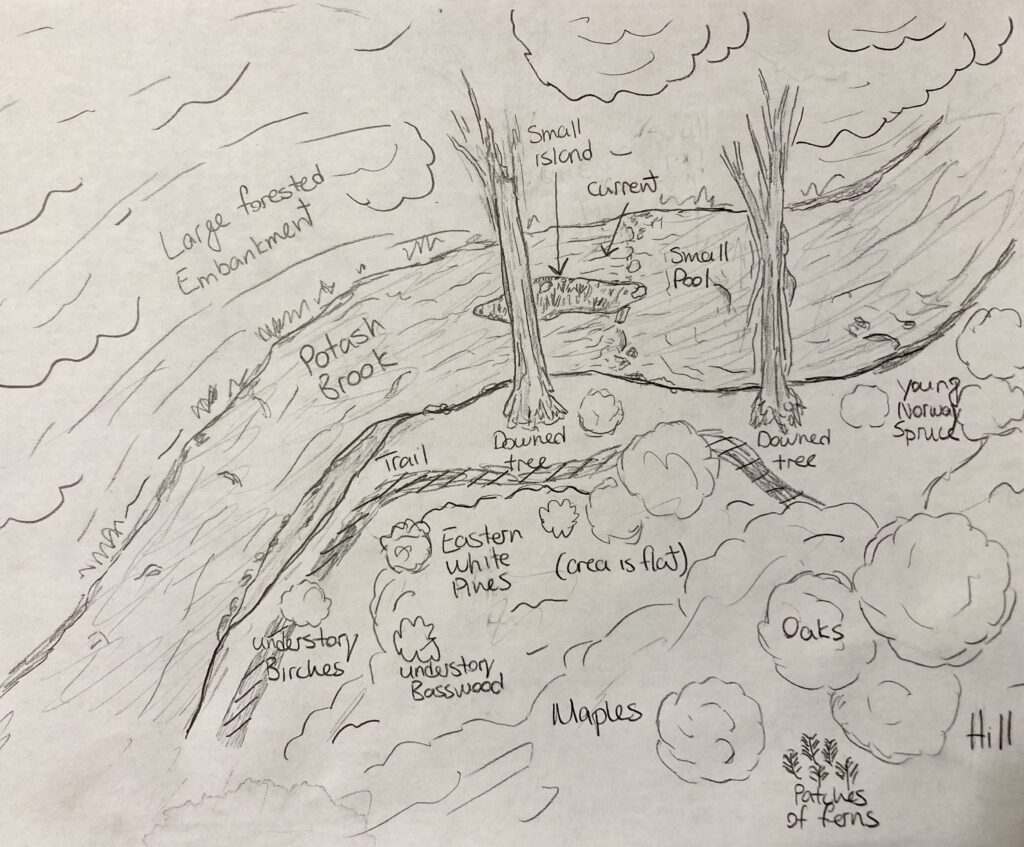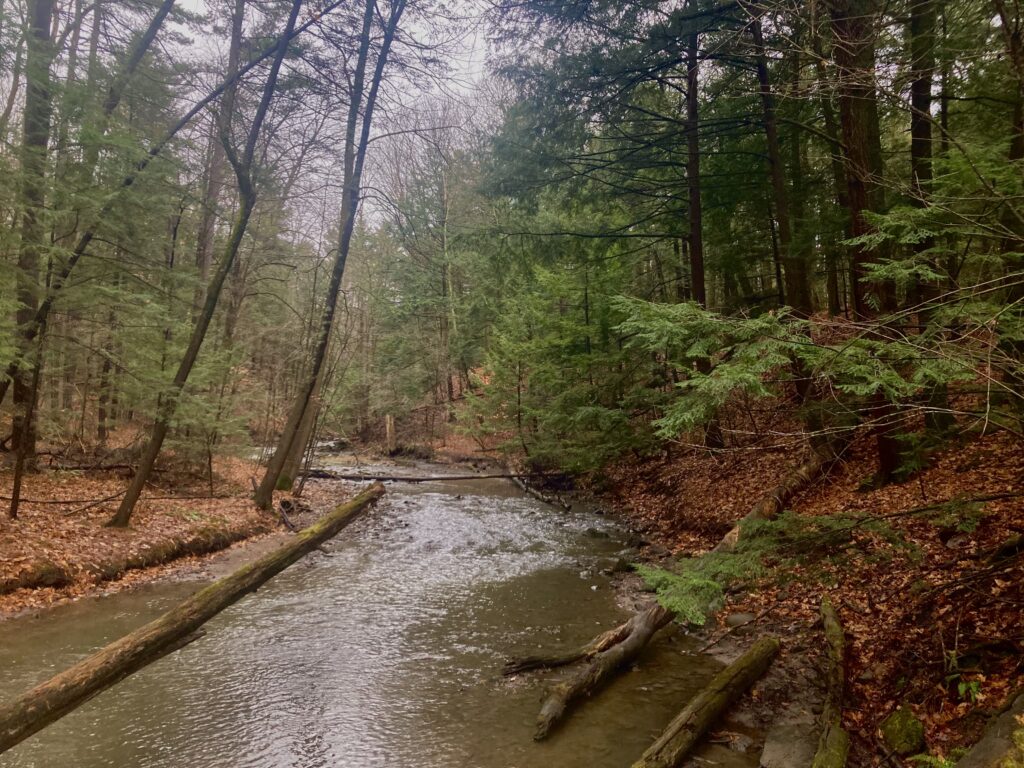
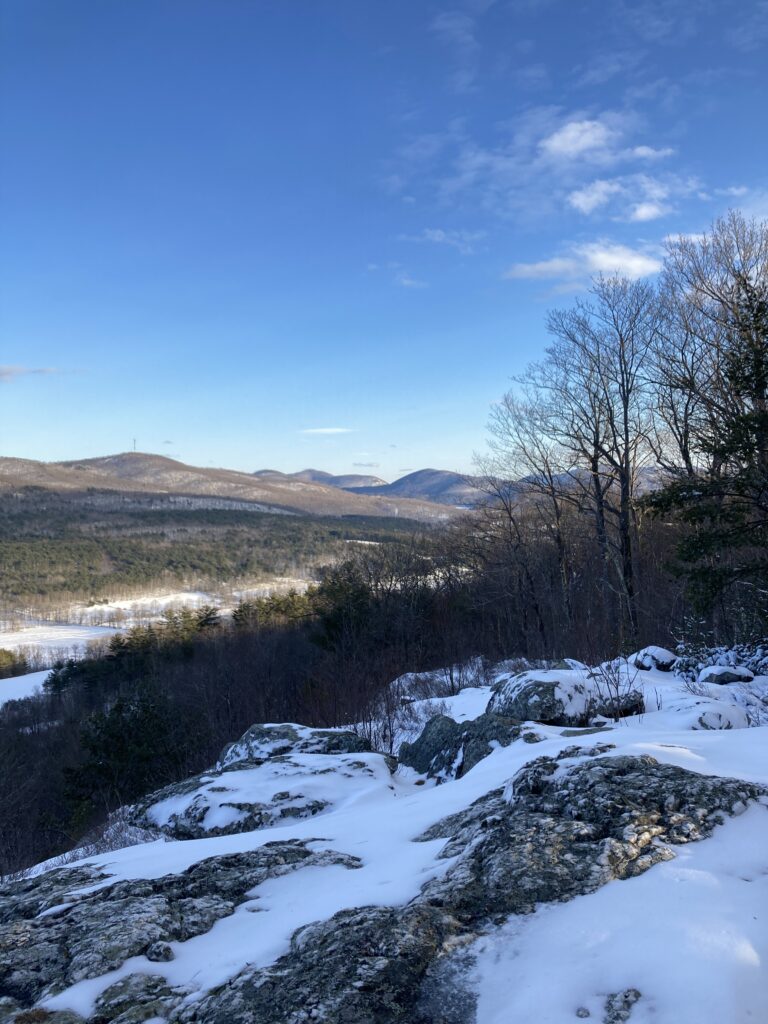
My new phenology place for March was Taconic Ramble State Park. It’s a relatively small 200 acre area of land within the Northern Taconics located in Hubbardton, Vermont about 5 minutes down the road from my house. It was established in 2016 after the late film maker Carson Davidson donated the land to the State, making it Vermont’s newest state park. The area has an extensive collection of hiking trails that wind through a variety of different forest types, up to beautiful overlooks, and along a river with multiple waterfalls. Like most of Vermont, the land was once largely cleared for agriculture as evidenced by the sections of new growth forest that are criss-crossed with decrepit outlines of stone walls. There’s a field in the middle of the park that has continued to be used for hay production to this day, as well as being actively managed for bobolink and meadow-lark nesting habitat in the early summer. Adjacent to the field there’s a sizable eastern white pine stand full of almost exclusively large mature pine trees, while the rest of the park is primarily covered with mixed northern hardwoods and areas of young birch, beech, and aspen. The geology of the area is largely made up of regions of schistose rocks and shale/slate, the land then transitions into chiefly calcareous rock going north up into the Champlain Valley.
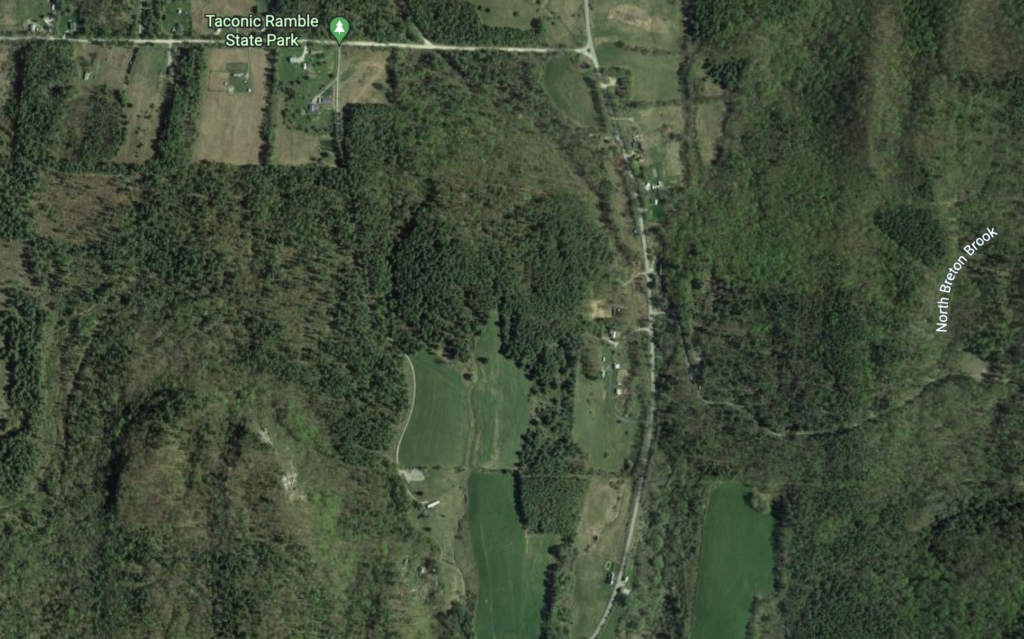
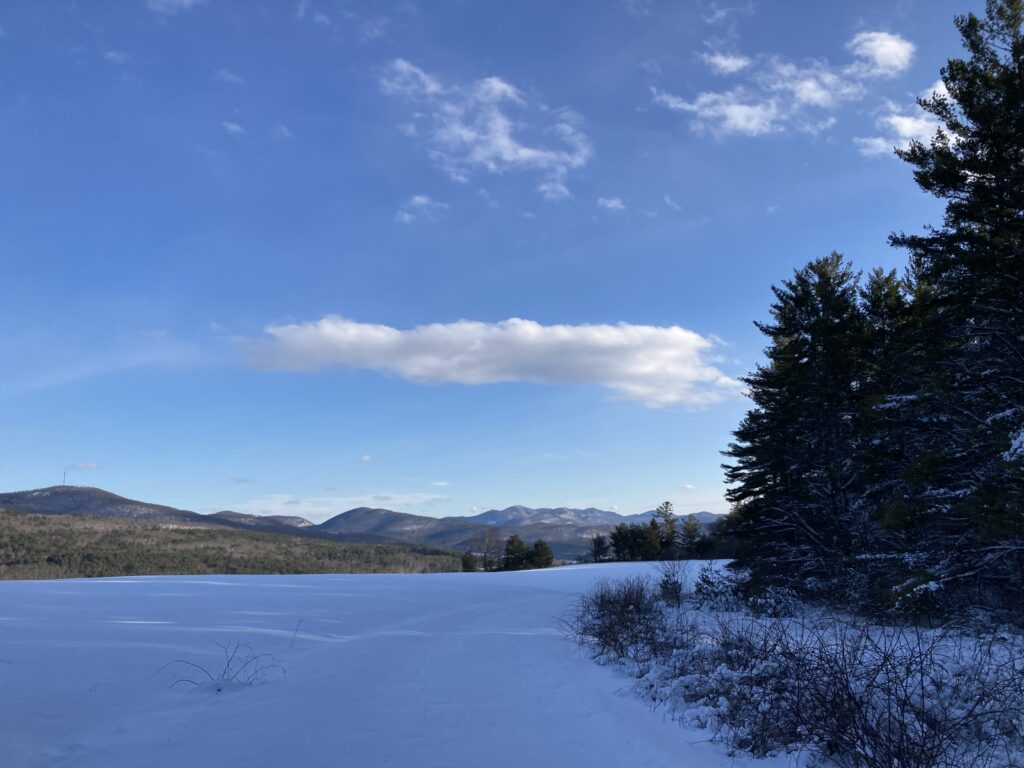

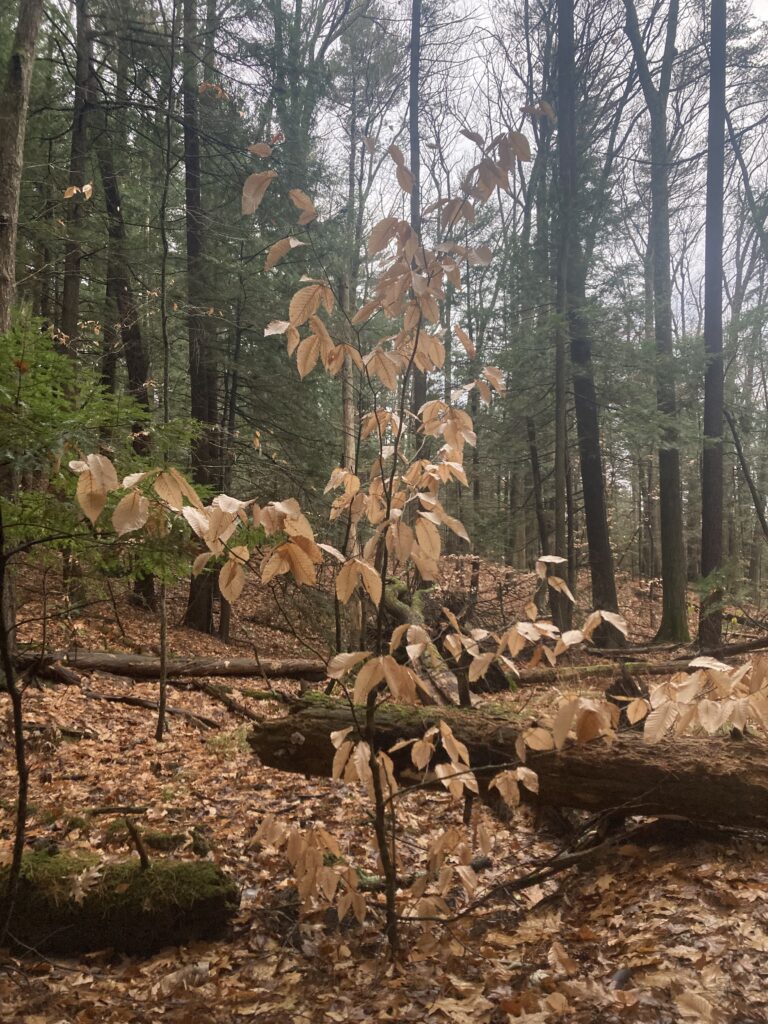
The most obvious and significant difference between this site and Burlington is in the level of urbanization. While there are a few small homesteads and cleared fields scattered across the park, it’s otherwise almost entirely forested. In contrast, Burlington is largely developed and so the natural areas are interspersed between busy roads, parking lots, and buildings/houses, resulting in a distinct natural community. The early successional sections of forest in the state park are comparable to many of the wooded areas in Burlington as they’re only about 60 miles apart and are both relatively recently recovering from deforestation and/or development. Additionally, the white pine stand reminded me of some sections within Centennial Woods that are similarly dominated by pines and other coniferous species like eastern hemlock. Just like in Burlington, although there had previously been some warm days, the trees had not yet started to bloom and the only sign of hardwood leaves were the dead American beech leaves that were still hanging on from last year.
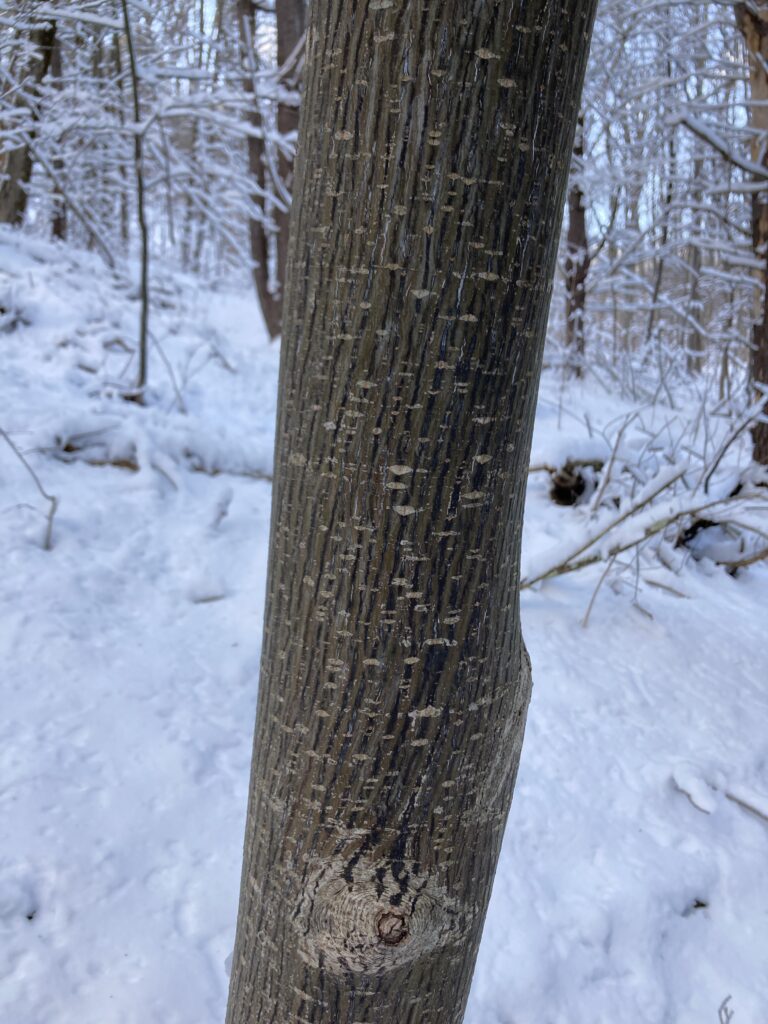
Similarly to many places in the Burlington area, striped maples were very common throughout sections of the forest and made up a significant portion of the understory.
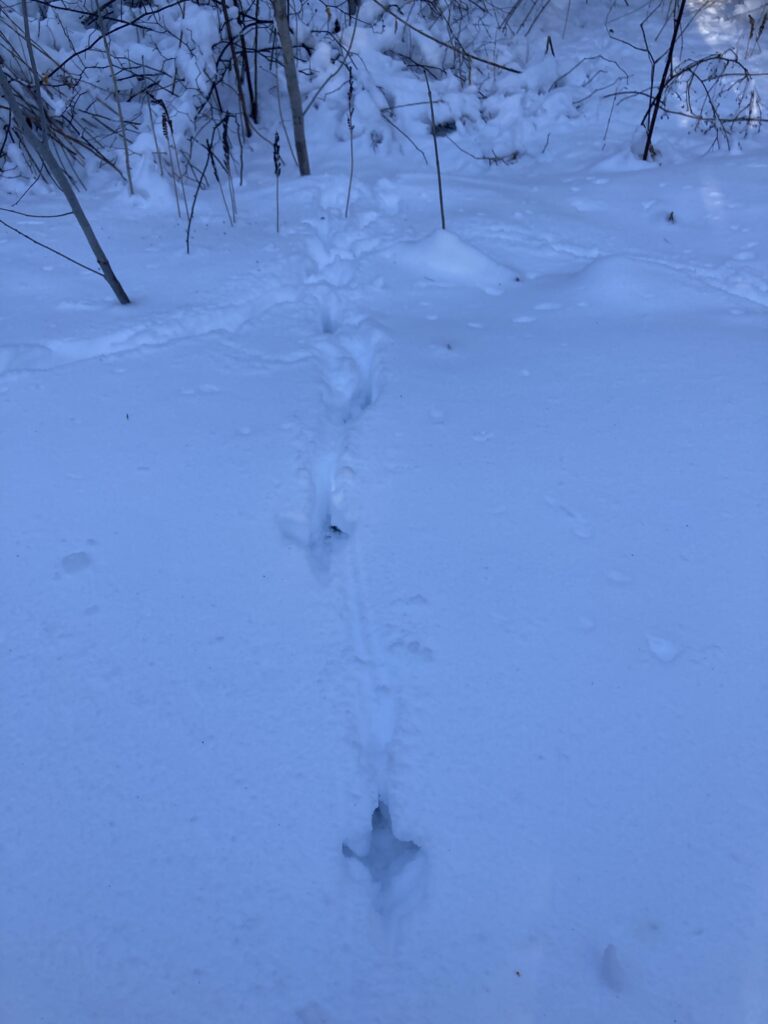
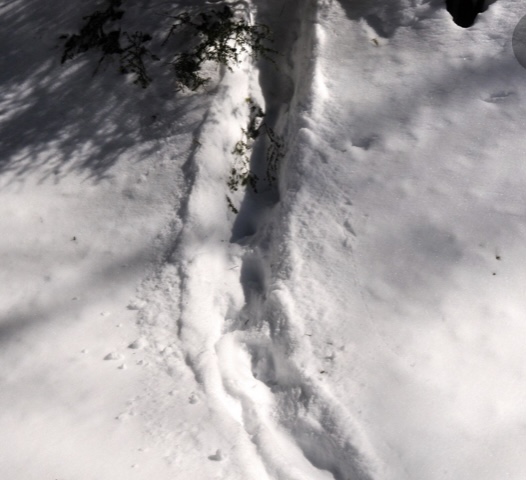
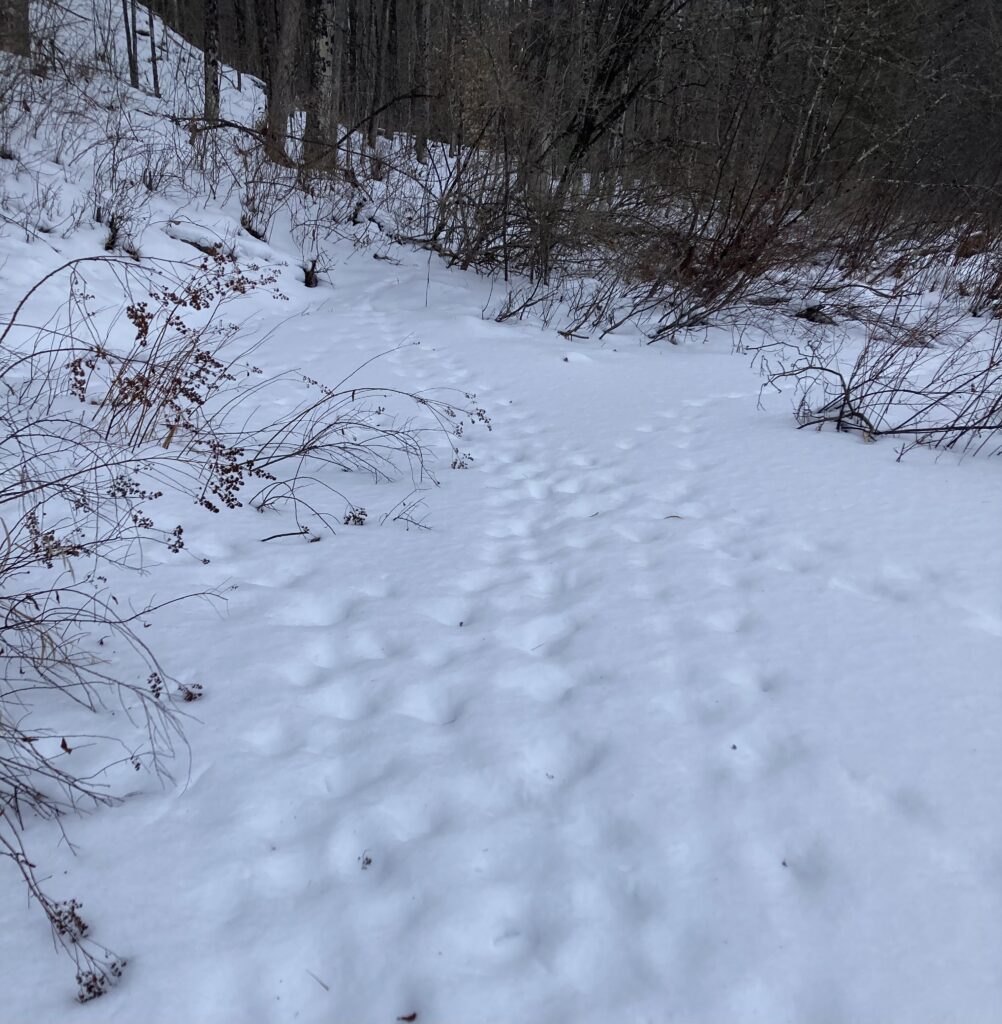
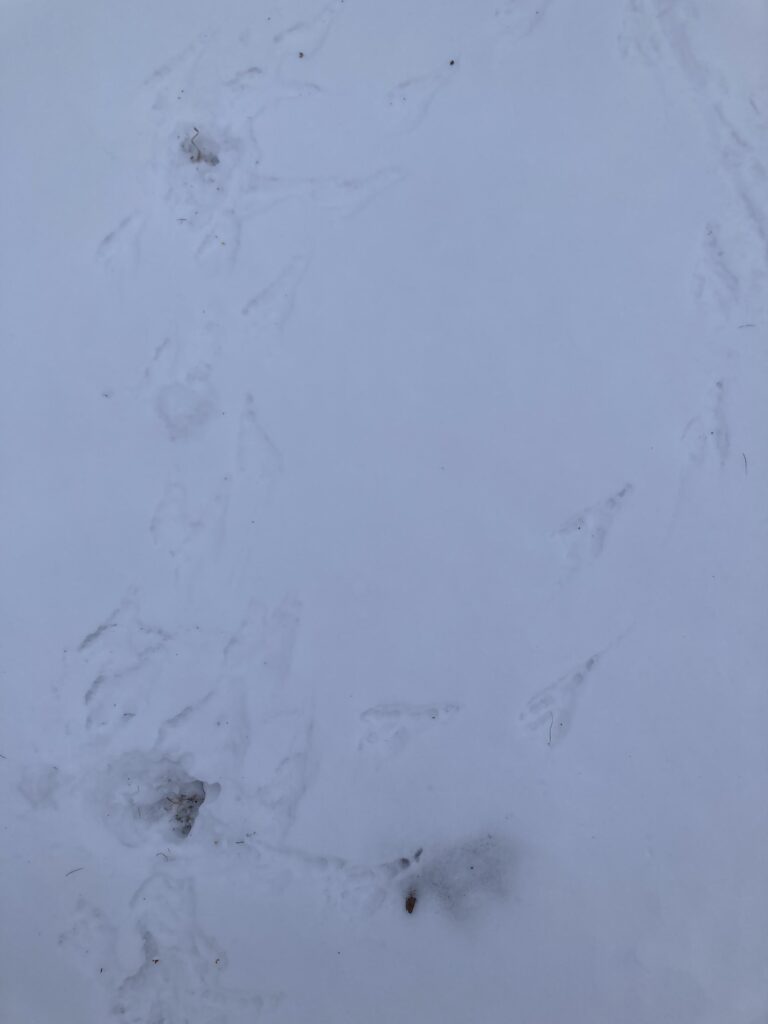
It had snowed the day before and the temperatures were just above freezing, so the conditions were great for noticing animal signs and following tracks. I saw and heard many Chickadees while on the trails, saw lots of Turkey tracks, and noticed a few ravens flying overhead, all of which stay in Vermont throughout the winter. In terms of early migratory birds, I heard the songs/calls of many Red-wing blackbirds up in the trees, and saw a Turkey Vulture high above circling in the sky.

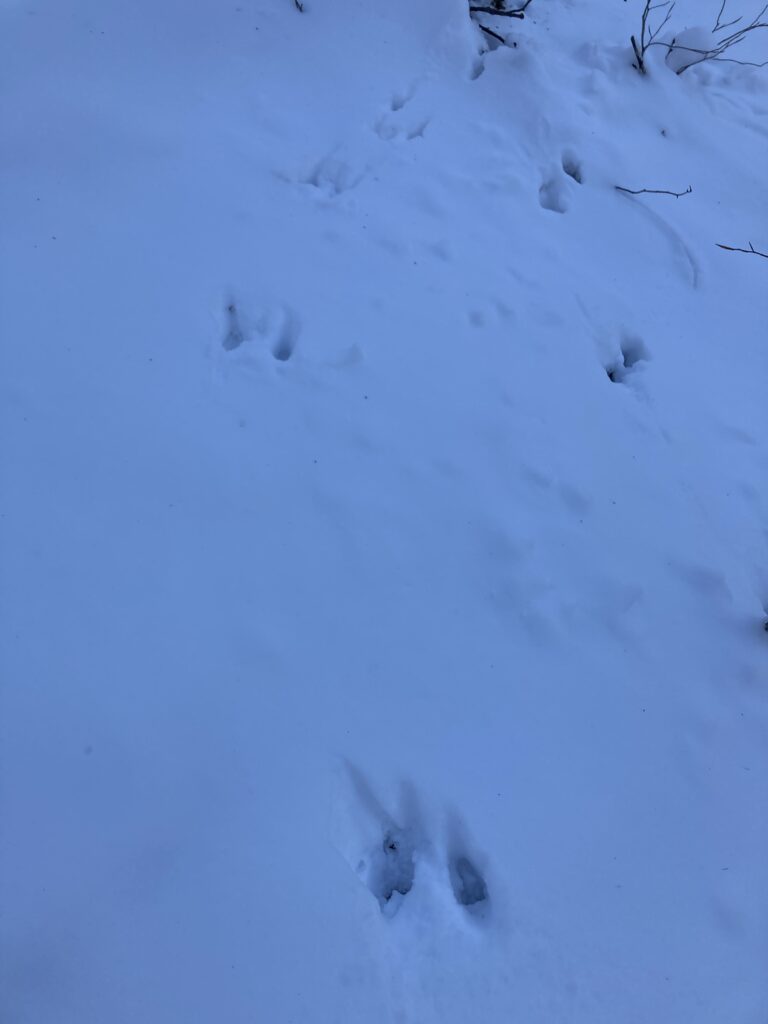
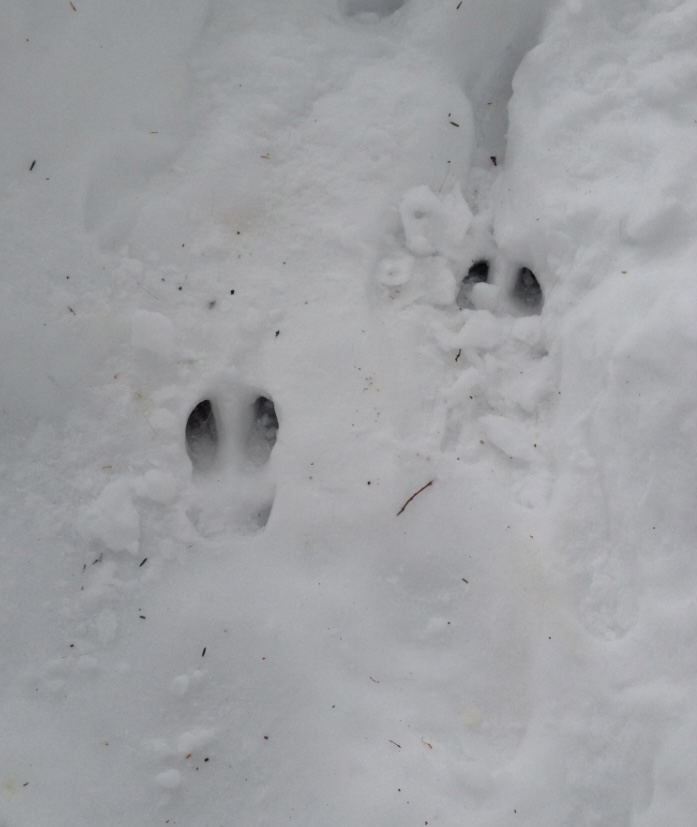
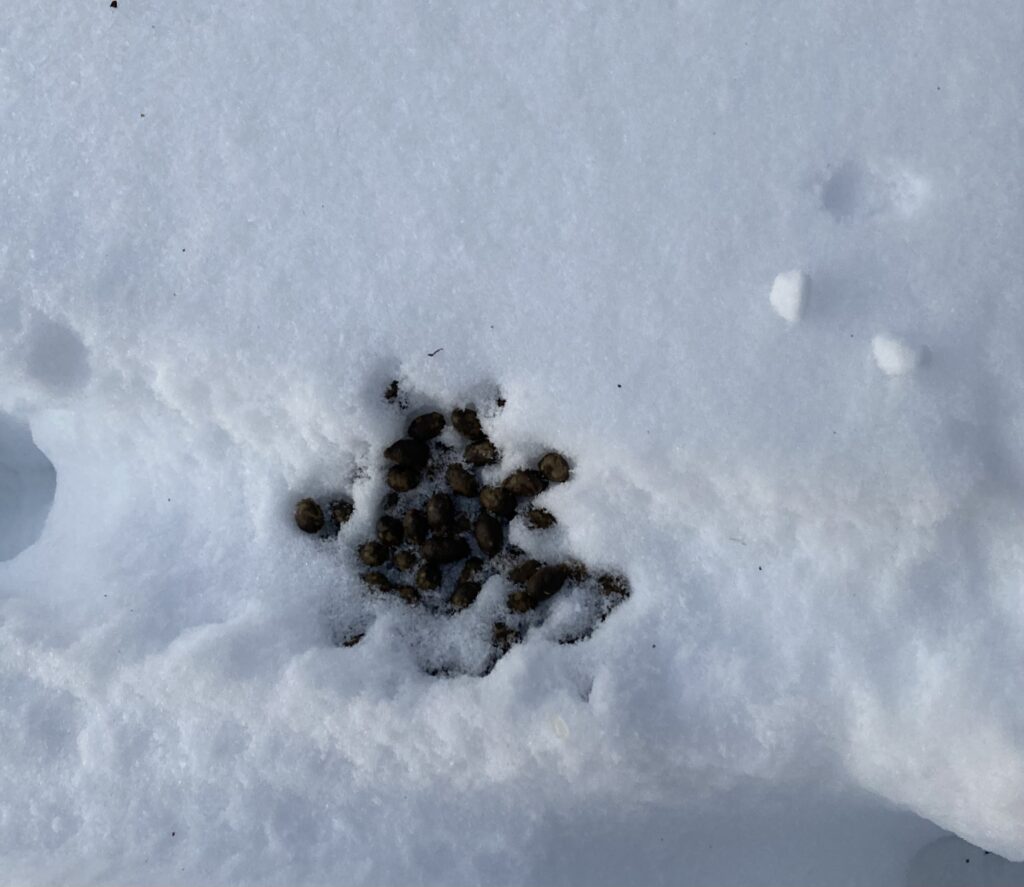
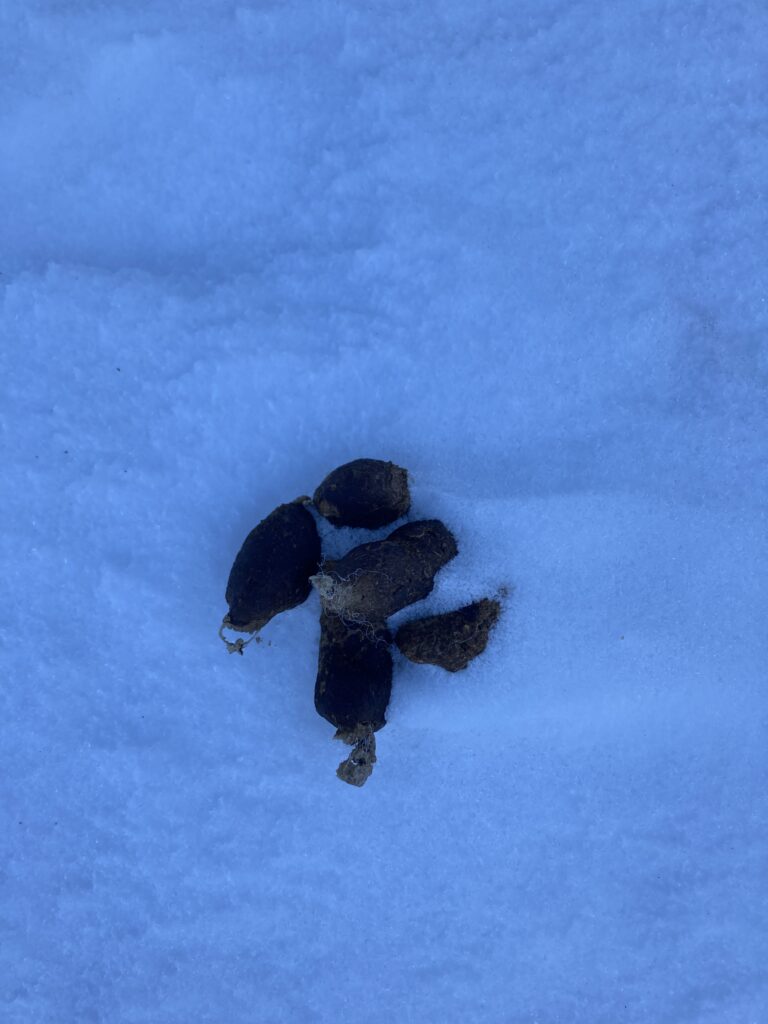
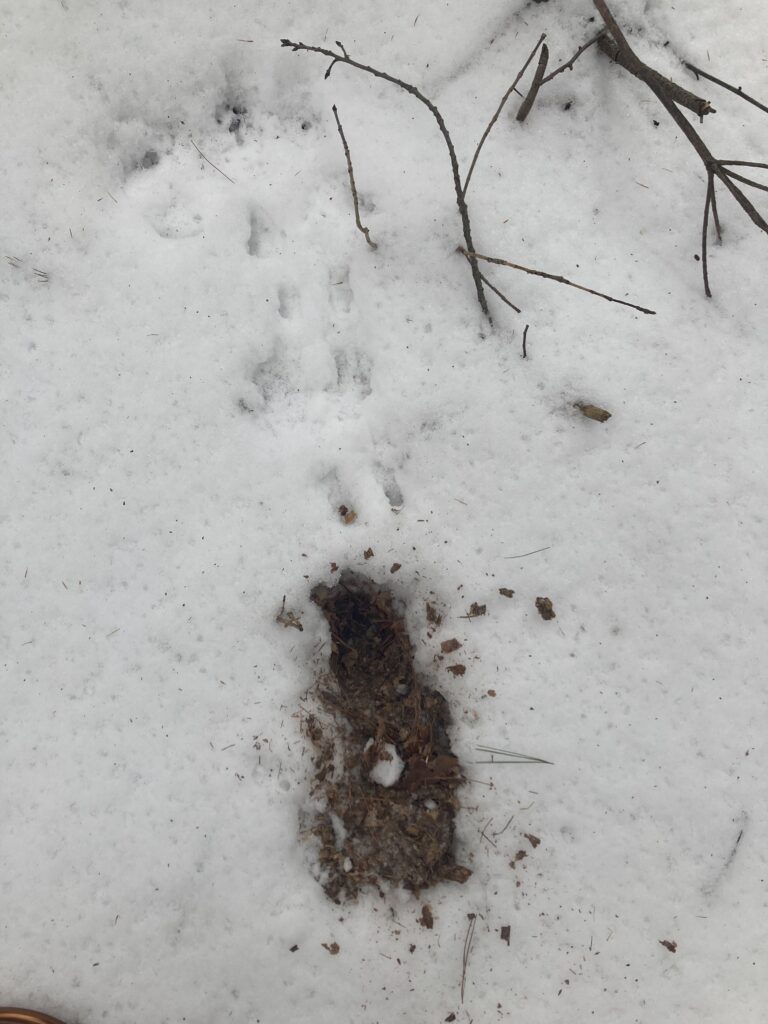
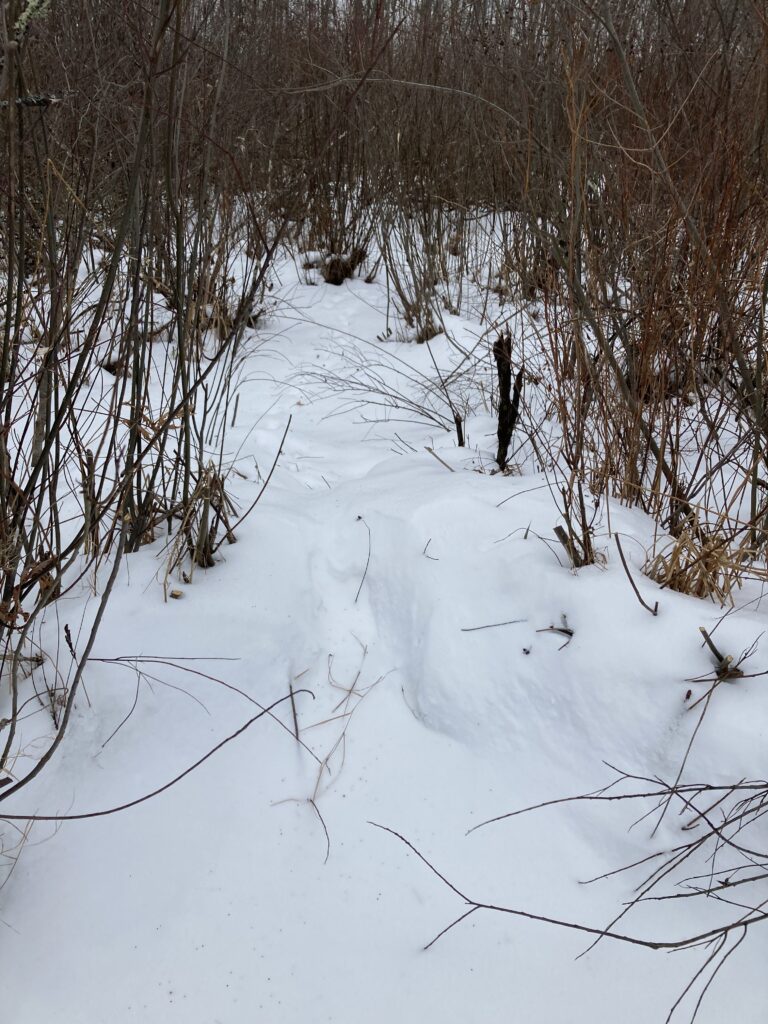
While hiking the trail network I saw signs of various animals such as white-tailed deer tracks, squirrel tracks and dug up caches, and the collapsed tunnels of meadow voles, all of which are also common in Burlington.