
P1)
I observed the front yard of my house again on July 5, 2024, at 5pm. The weather was hot and extremely humid.
P2)
Around 5pm I observed a skunk in my front yard on College Street. The skunk emerged from the side of the yard, initially rummaging through a large dogwood bush. The bush, known for its dense foliage, seemed to attract the skunk as it rustled through the leaves, likely searching for insects or small rodents hidden within.
After a few minutes, the skunk’s attention shifted towards the trash bins placed near the driveway. Drawn by the scent of discarded food, it began to investigate the area around the bins. The skunk displayed typical behavior, cautiously moving, and occasionally pausing to sniff the ground, ensuring the area was safe.
This afternoon observation provided a glimpse into the foraging habits of urban wildlife, highlighting how skunks adapt to suburban environments by exploring both natural vegetation and human refuse for sustenance.
P3) Identification of Hoary Alyssum
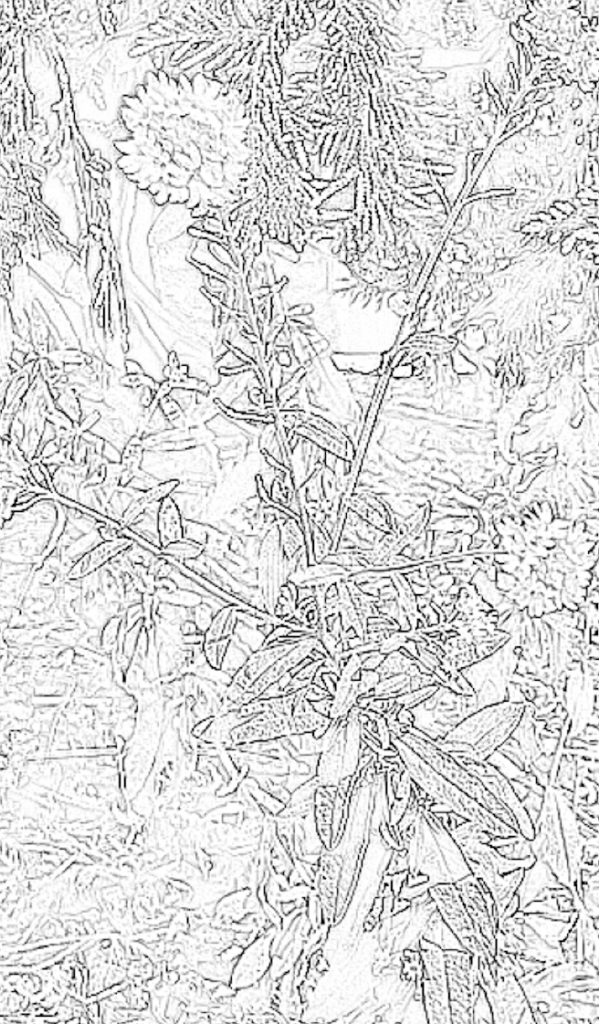
Common Name: Hoary Alyssum
Scientific Name: Berteroa incana
Process of Identification
- Initial Observation:
- The plant was observed to have clusters of small, white flowers and grayish-green leaves covered in fine hairs.
- The plant’s habitat was noted, growing in disturbed soils and areas with full sunlight, which are typical environments for Hoary Alyssum.
- Consulting Plant Guides and Online Resources:
- I referred to regional plant identification guides and online databases such as the USDA Plants Database and iNaturalist to cross-reference the observed characteristics.
- Key identifiers such as flower shape, leaf texture, and growth pattern were matched with descriptions and images of Hoary Alyssum.
Fascinating Fact about Hoary Alyssum
Hoary Alyssum has a unique relationship with the soil: it can accumulate heavy metals from contaminated soils without being harmed. This characteristic makes it a plant of interest for phytoremediation efforts, where plants are used to clean up polluted environments. Its ability to thrive in poor soils also makes it a resilient, although sometimes invasive, species in various regions.
P4) Sketches
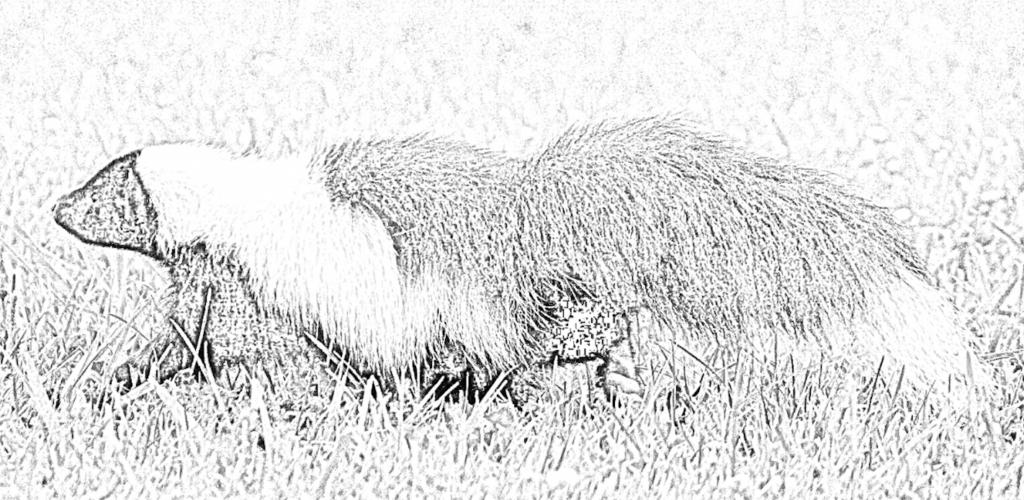
mephitis mephitis – striped skunk
- I picked to sketch this skunk because it has been around my house for weeks and seems to thrive off of its environment.
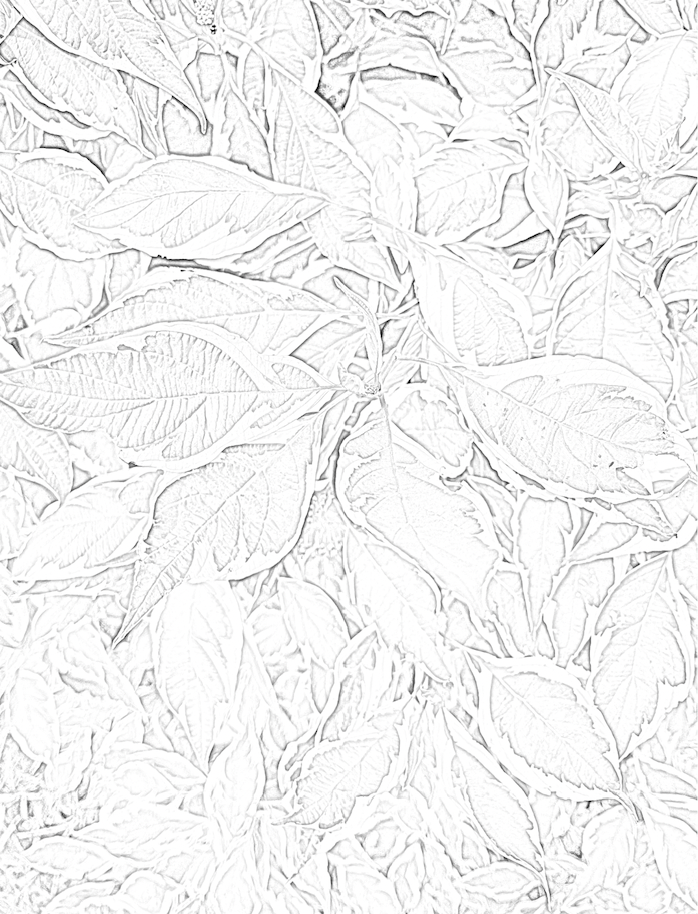
Cornus sericea – Red-Osier Dogwood
- I picked to sketch this because it is a hub for so many different animals and insects.

Berberis thunbergii – Royal Burgundy
- I was interested in this because it was one that i have never seen before. drawing it allowed me to focus on it more and learn about the plant.
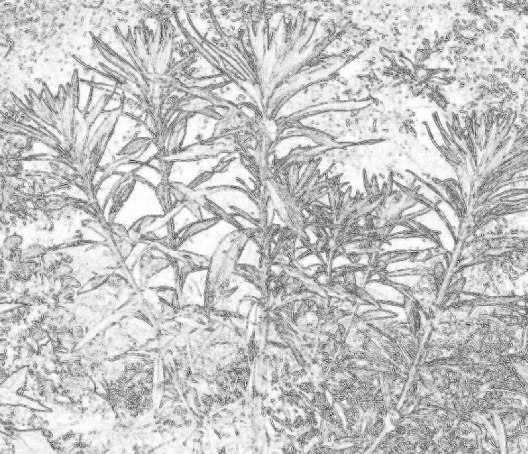
Erigeron Canadensis – horseweed
- I chose this plant because I thought it was very cool looking. After further research I believe it is a weed.
P5)
I found the sketching to be very beneficial in my observations. It allowed me to take an even closer look at the species residing in my front yard. By. Focusing on just one species at a time and trying to sketch it, it allowed me to notice things about them that I wouldn’t have before. My biggest challenge was honestly the heat sitting outside in the high 80s and the insane humidity was far from enjoyable. Next visit I would like to focus on the huge tree in my front yard and learn more about it.