Posts

Wonder Blog Mini-Project – The Journey to my Site

For this Wonder Blog Mini-Project, I decided to create a photo journal documenting my journey from home to my site on College Street in Burlington, Vermont. My goal with these photographs is to illustrate how nature thrives and weaves its way through urban and residential environments, no matter where you are. By capturing the diverse flora and fauna along my route, I hope to highlight the resilience and beauty of nature in everyday settings.
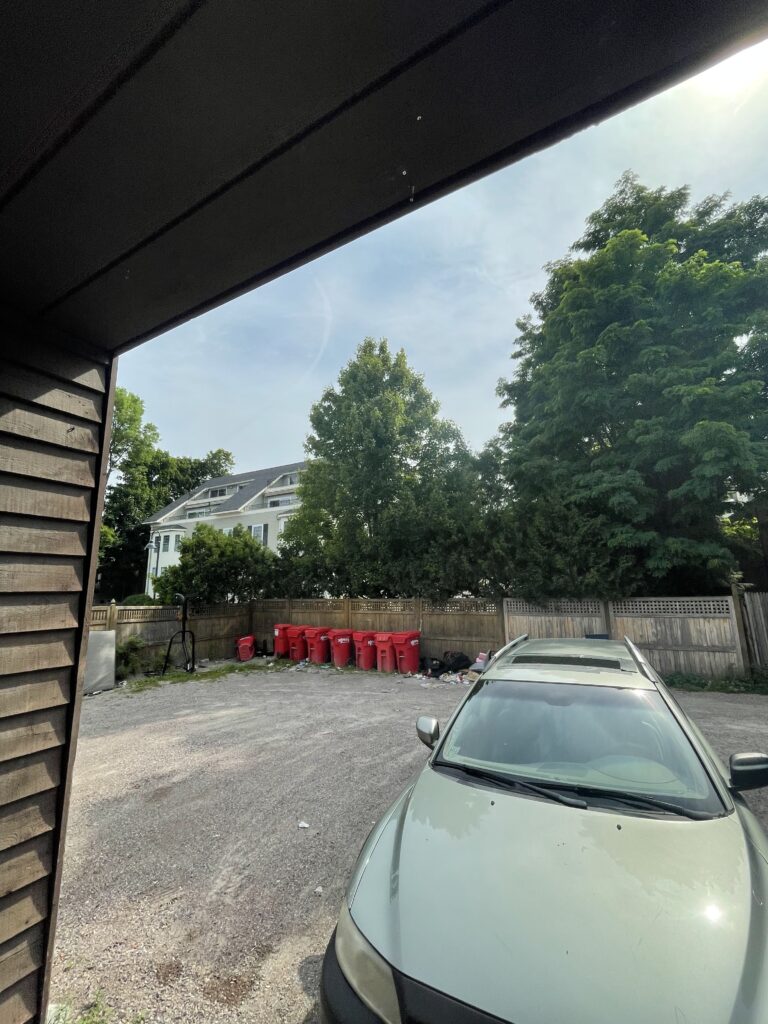
exiting the front door of my apartment into the shared parking complex. Although there is trash from all the other units back here and its fairly gross, there are still plants growing everywhere as well as animals visiting (for better or worse), such as birds chipmunks, raccoons, and skunks.
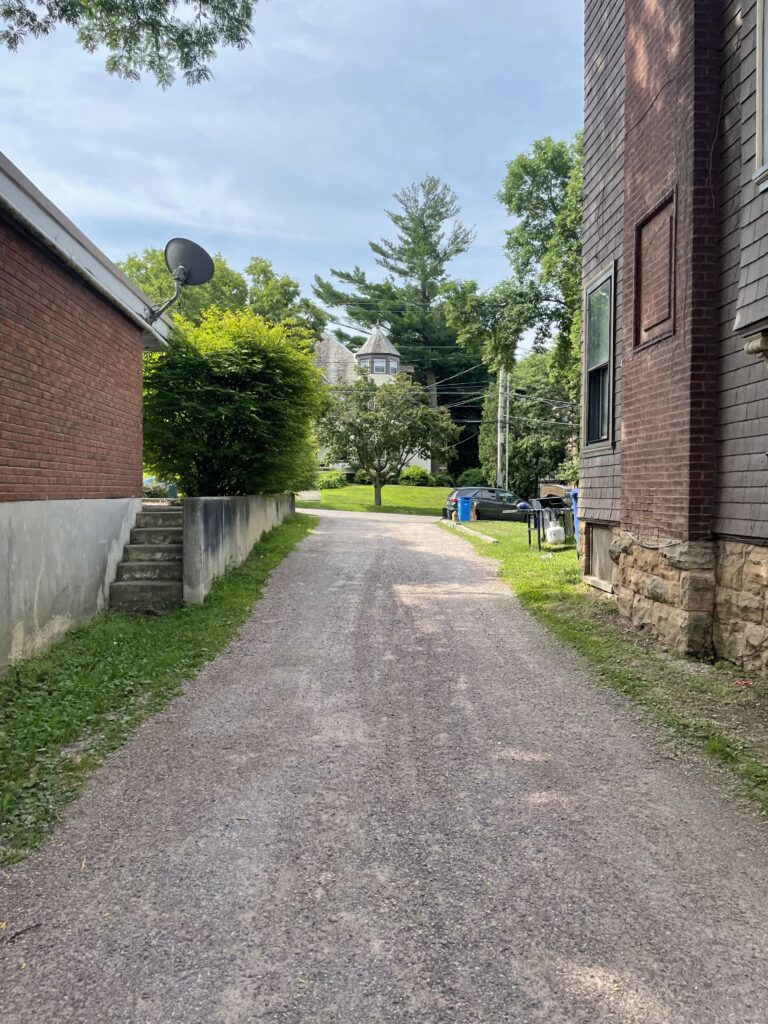
Walking down the driveway it leads you towards college street and a shared front yard.
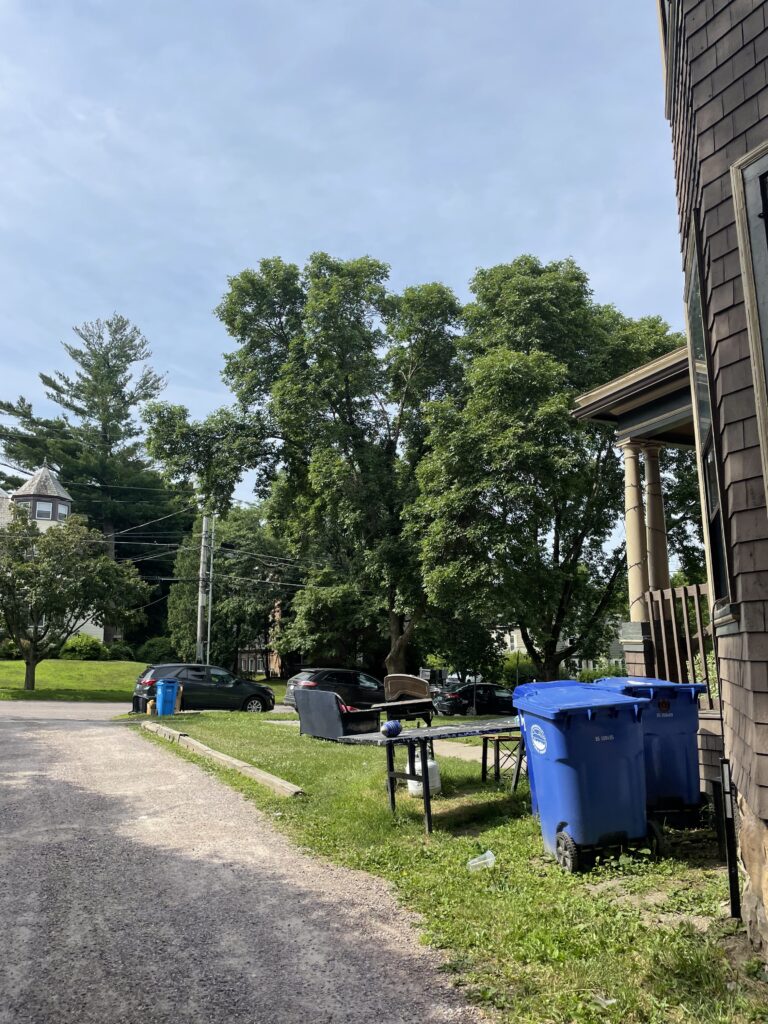
As you approach the end of the driveway you being to see a mixture of urban development and a large array of flora and fauna.
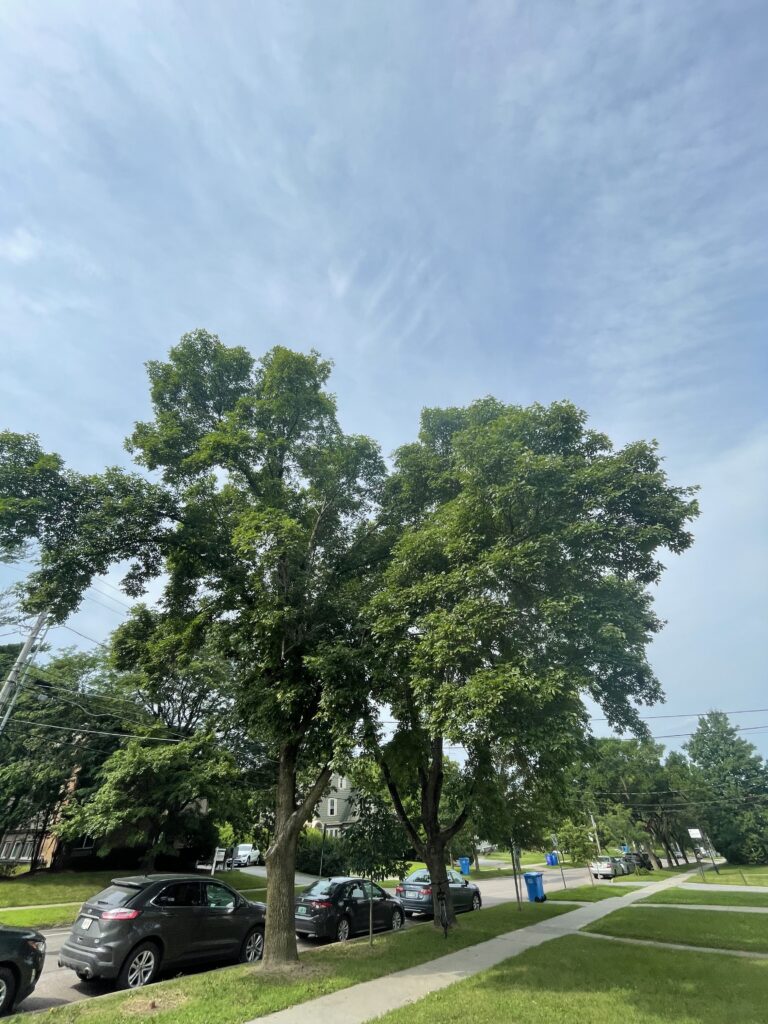
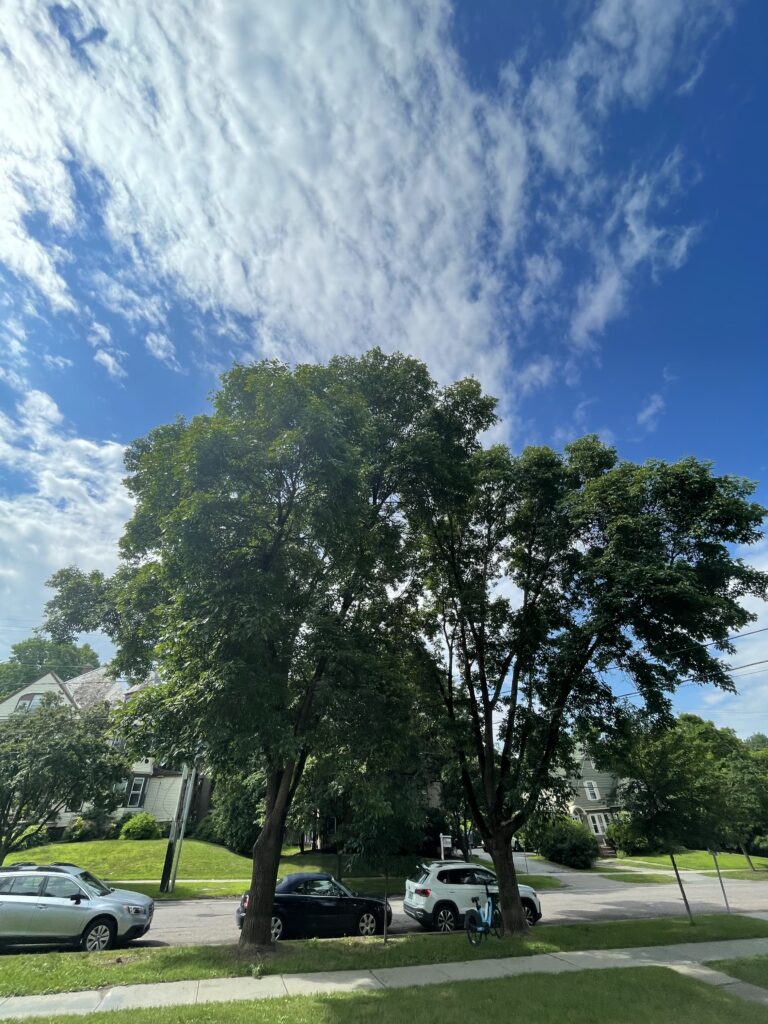
Finally you reach the end of the driveway where you are met by a large front yard shaded by two massive trees that act as a home for so many different species of birds.
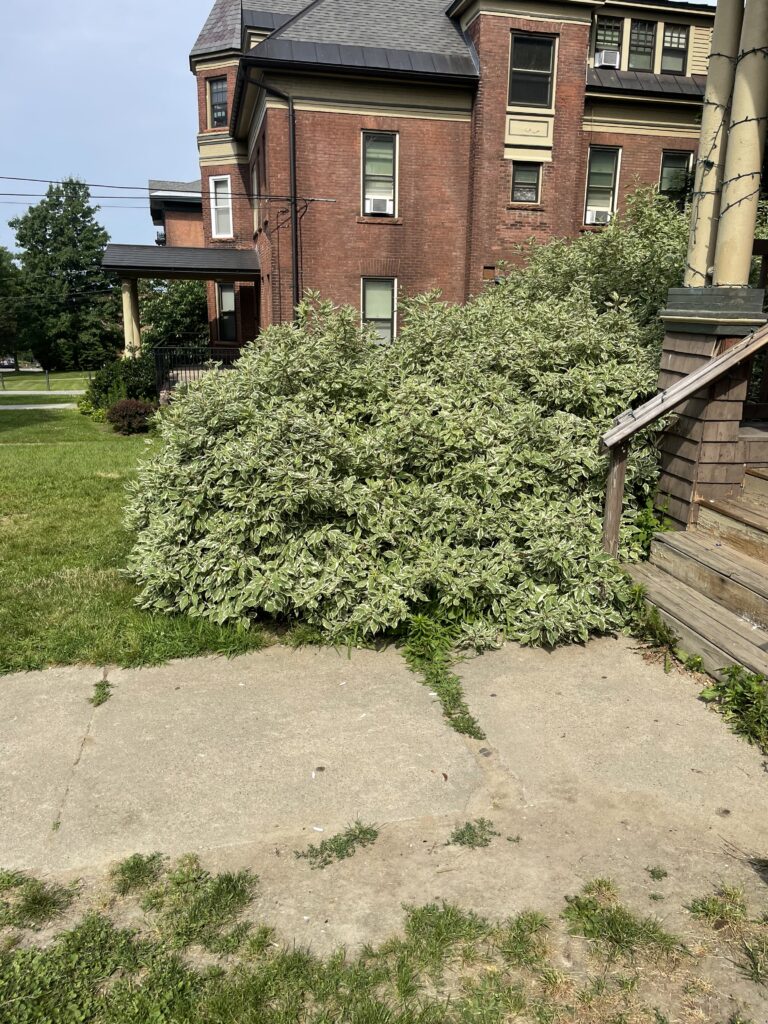
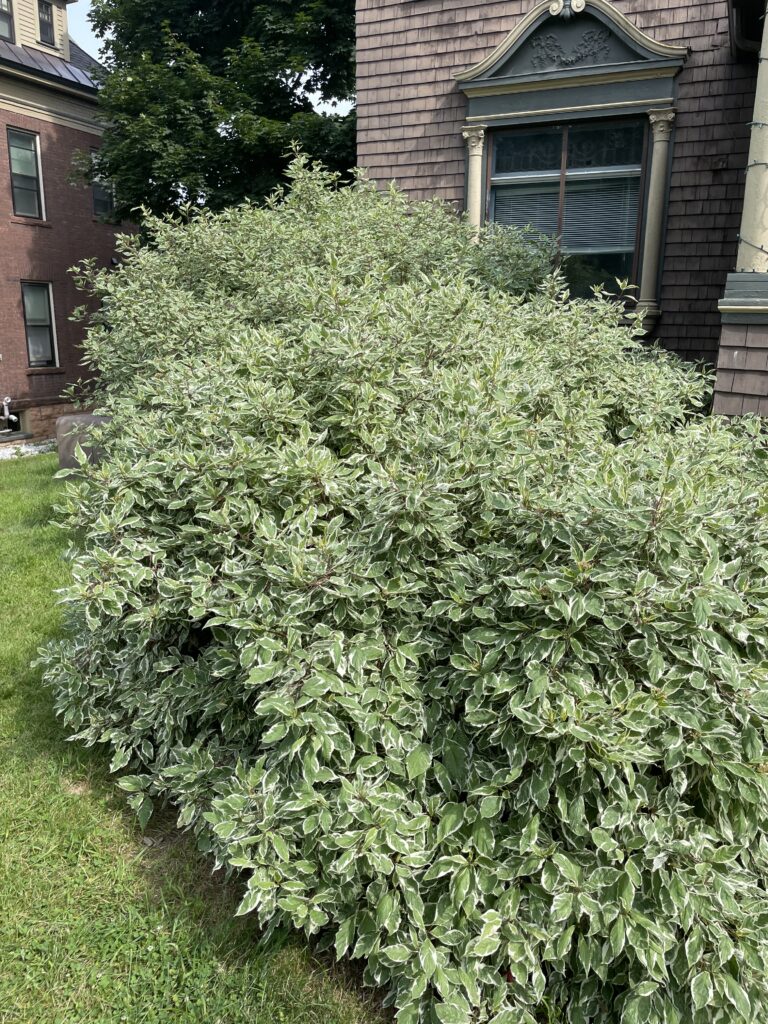
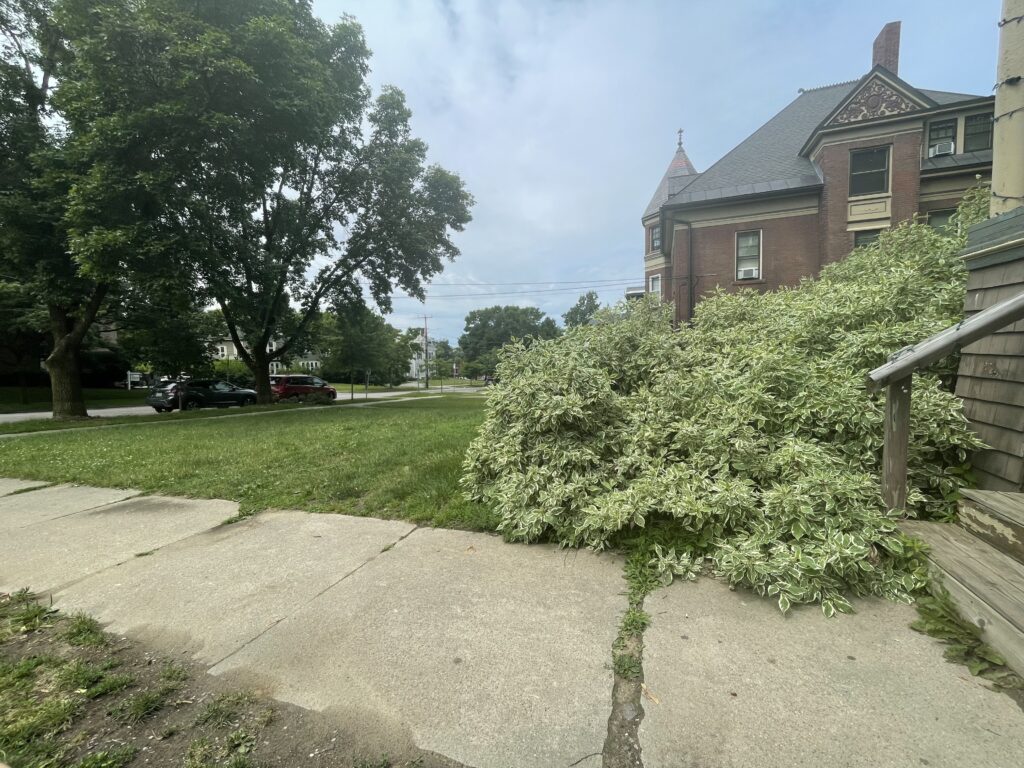
One of the main things in the yard is a massive red-osier dogwood. This bush is full of life, from small bugs and insects to birds rummaging around to the occasional skunk looking for a hiding spot.
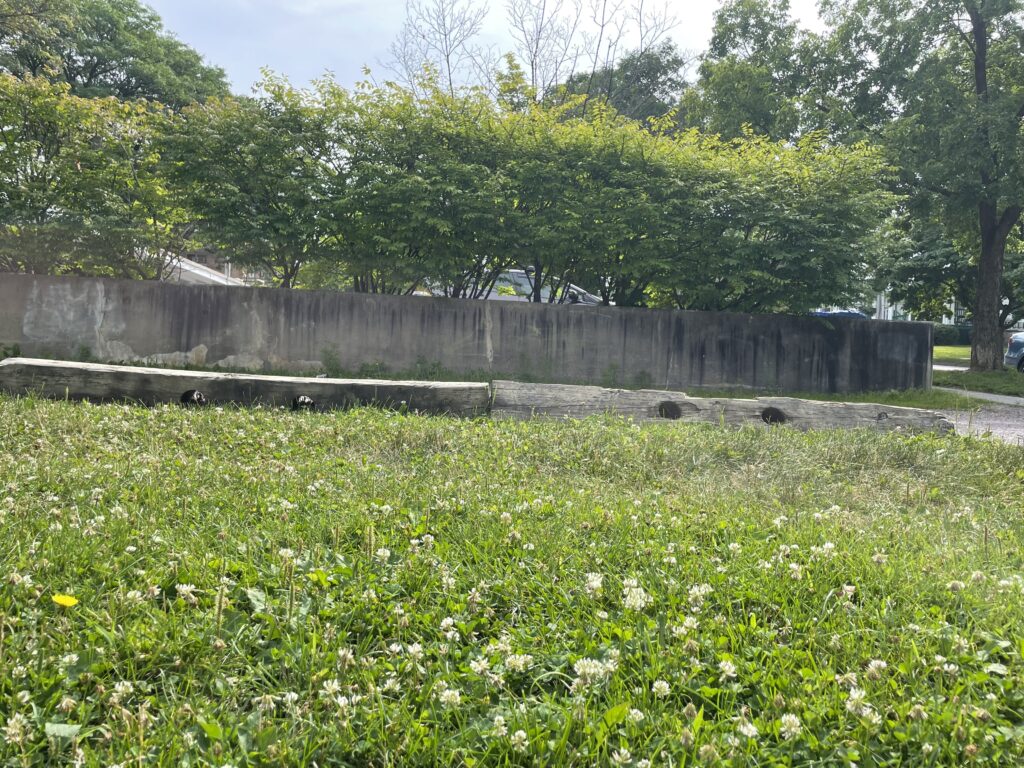
This image showcases how nature can thrive almost anywhere. amongst the long gravel driveway and weathered cement wall flora and fauna can grow freely.

Creating this photo journal has been a rewarding and eye-opening experience. It allowed me to see and appreciate the subtle and often overlooked interactions between urban life and nature. Through my journey from my apartment to my site, I captured moments that demonstrate nature’s remarkable ability to adapt and flourish in various environments. This project not only deepened my understanding and connection to my surroundings but also inspired a greater appreciation for the resilience and beauty of the natural world, even in the midst of city life. I hope these photographs encourage others to look more closely at their own environments and recognize the hidden pockets of nature that exist all around us.
Wonder Journal – Assignment #3– Photography College ST

 P1) For this Wonder Blog I expanded my area slightly and focused on the entirety of my block on College Street. I started my observations at 10am on July 6th. The weather way a nice mild temperature, and it had just finished pouring rain and the sun began to peak out of the clouds.

P2) Today, I observed that the large tree at the edge of my yard on College Street in Burlington, Vermont, has become a hub of activity for various birds. The canopy, with its dense foliage, provides ample shelter and nesting opportunities. Birds are frequently seen darting through the branches, creating a lively and dynamic environment. I noticed a pair actively building a nest in a high crook of the tree. The tree’s bark, rich with insects, offers a plentiful food source, and the seeds scattered around the base attract even more birds. The combination of shelter, food, and protection from predators makes this tree an ideal spot for avian life.

P3) Why does the lichen on this tree form intricate patterns and predominantly grow on the north side?

The intricate patterns and growth preference of lichen on the north side of the tree are likely due to a combination of factors related to light, moisture, wind protection, air quality, and bark characteristics.

P4)

Tree at edge of my yard. I picked this due to the vast amount of wildlife that uses the tree. I find it amusing how mush one tree can contribute to the surrounding ecosystem.

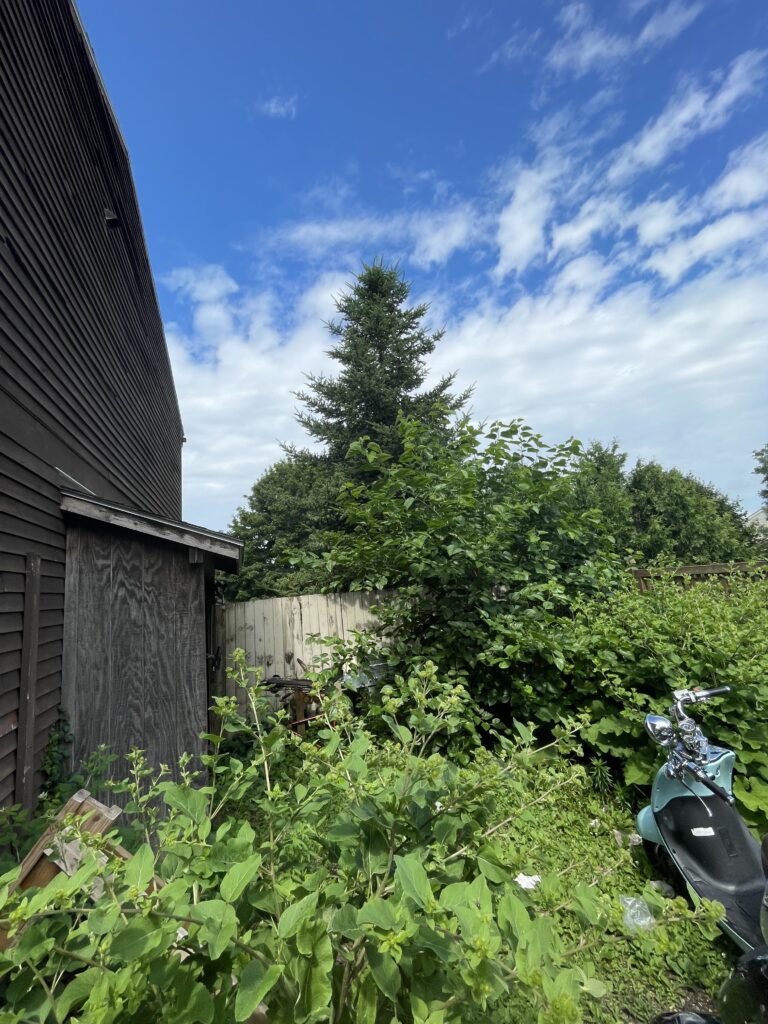
Small lot behind my house that us been taken over by vegetation.
This showed me when nature is left untouched how it can grow and flourish

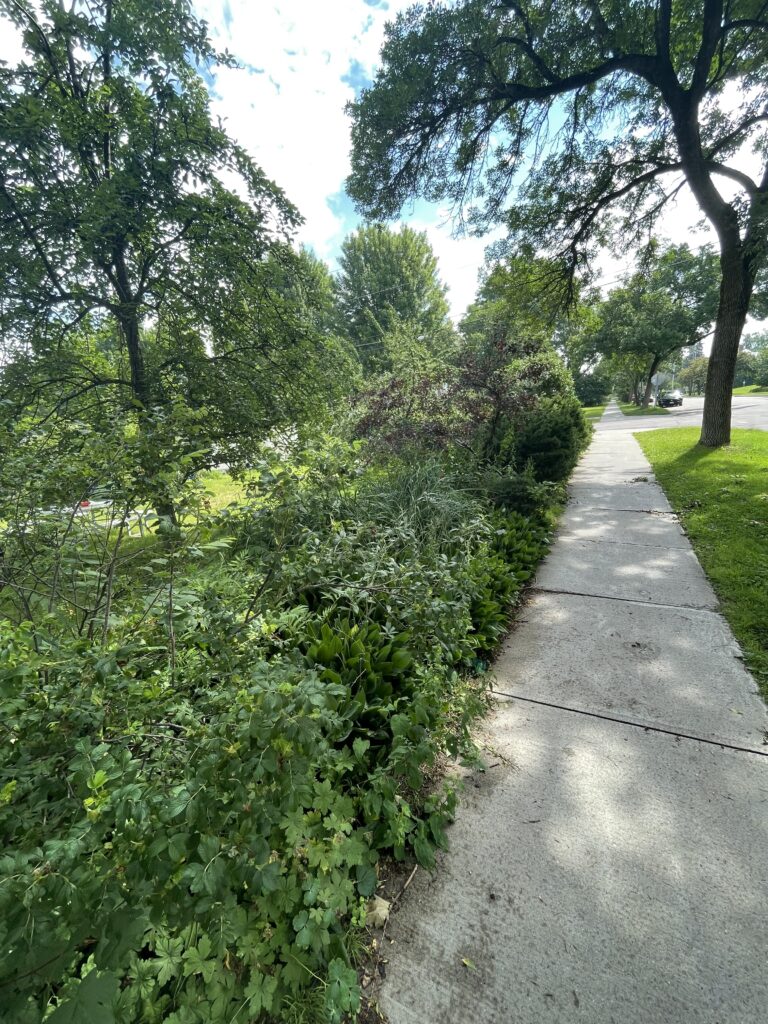
This is halfway up my block in front of a neighbors house. This picture shows how in such a small area how many different plants are able to grow and flourish.

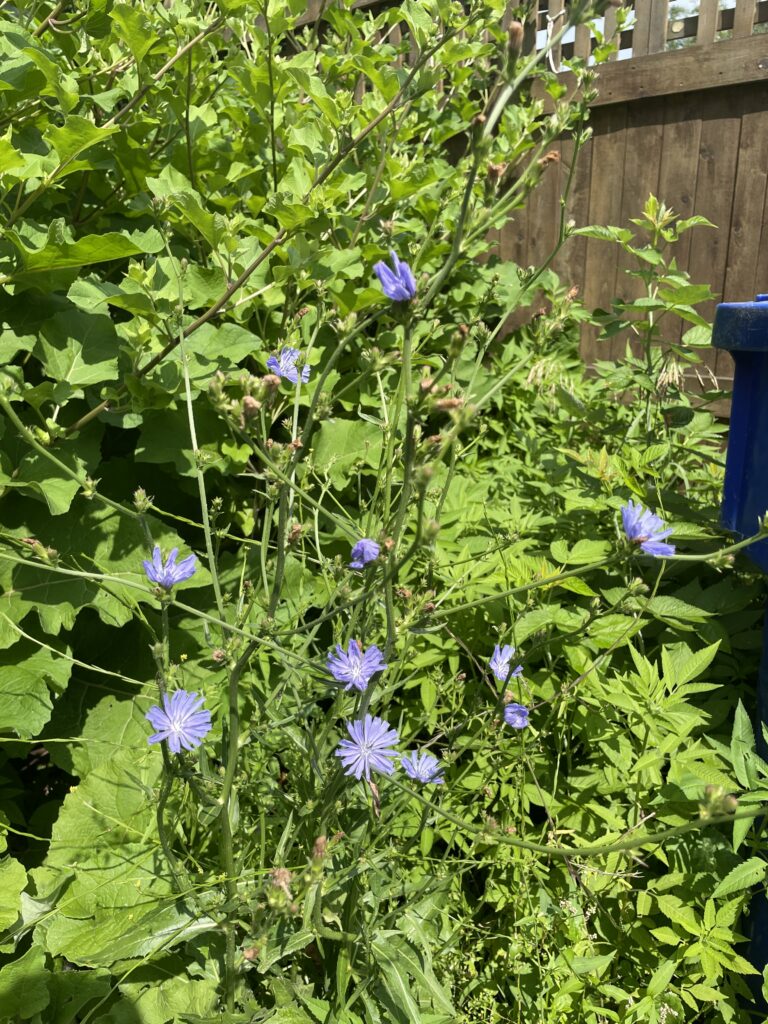
Flowers on a bush. I picked this because amongst all these weeds and nasty looking plants these beautiful flowers were able to grow and flourish.

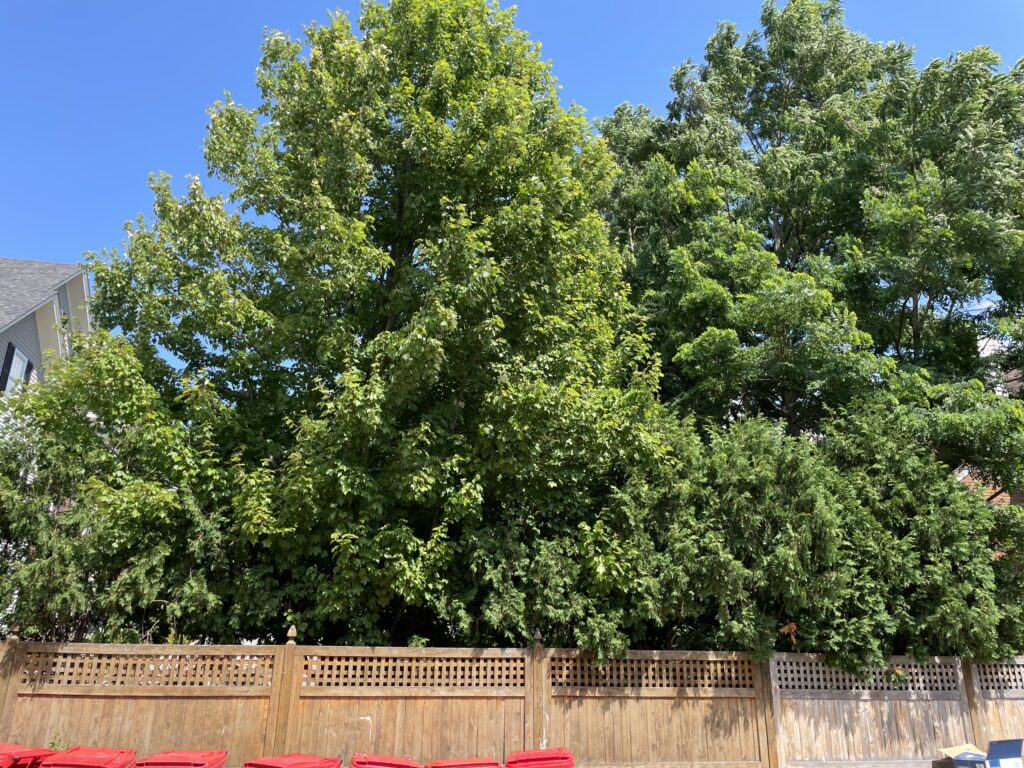
Along the fence in the driveway behind my house are these two massive trees. Just while standing and observing it for a few minutes I saw a handful of different birds throughout it, a squirrel run through the libs of them. Similar to the tree in my front yard it offers protection to so many different animals.

P5)

As I took photos of my yard on College Street in Burlington, Vermont, I noticed several new details that I had previously overlooked. The process of framing each shot forced me to pay closer attention to the smaller aspects of the entire scene. I saw tiny insects on various plants, the subtle gradient of colors in the leaves, and the intricate patterns of wildflowers growing near the base of the fence. Photographing the site made me realize how dynamic and alive this part of my yard truly is. The light changed rapidly, casting different shadows and highlights, which brought out the textures and layers of the vegetation and ground in ways I hadn’t noticed before. In a way it was similar to sketching it allowed me to hone in on smaller things. Overall, this exercise has reinforced the value of combining different methods of observation to fully appreciate and understand the complexity of the natural world around us.

Wonder Blog – Assignment #2

P1)

I observed the front yard of my house again on July 5, 2024, at 5pm. The weather was hot and extremely humid.

P2)

Around 5pm I observed a skunk in my front yard on College Street. The skunk emerged from the side of the yard, initially rummaging through a large dogwood bush. The bush, known for its dense foliage, seemed to attract the skunk as it rustled through the leaves, likely searching for insects or small rodents hidden within.

After a few minutes, the skunk’s attention shifted towards the trash bins placed near the driveway. Drawn by the scent of discarded food, it began to investigate the area around the bins. The skunk displayed typical behavior, cautiously moving, and occasionally pausing to sniff the ground, ensuring the area was safe.

This afternoon observation provided a glimpse into the foraging habits of urban wildlife, highlighting how skunks adapt to suburban environments by exploring both natural vegetation and human refuse for sustenance.

P3) Identification of Hoary Alyssum

Common Name: Hoary Alyssum
Scientific Name: Berteroa incana

Process of Identification

  1. Initial Observation:
    1. The plant was observed to have clusters of small, white flowers and grayish-green leaves covered in fine hairs.
    1. The plant’s habitat was noted, growing in disturbed soils and areas with full sunlight, which are typical environments for Hoary Alyssum.
  2. Consulting Plant Guides and Online Resources:
    1. I referred to regional plant identification guides and online databases such as the USDA Plants Database and iNaturalist to cross-reference the observed characteristics.
    1. Key identifiers such as flower shape, leaf texture, and growth pattern were matched with descriptions and images of Hoary Alyssum.

Fascinating Fact about Hoary Alyssum

Hoary Alyssum has a unique relationship with the soil: it can accumulate heavy metals from contaminated soils without being harmed. This characteristic makes it a plant of interest for phytoremediation efforts, where plants are used to clean up polluted environments. Its ability to thrive in poor soils also makes it a resilient, although sometimes invasive, species in various regions.

P4) Sketches

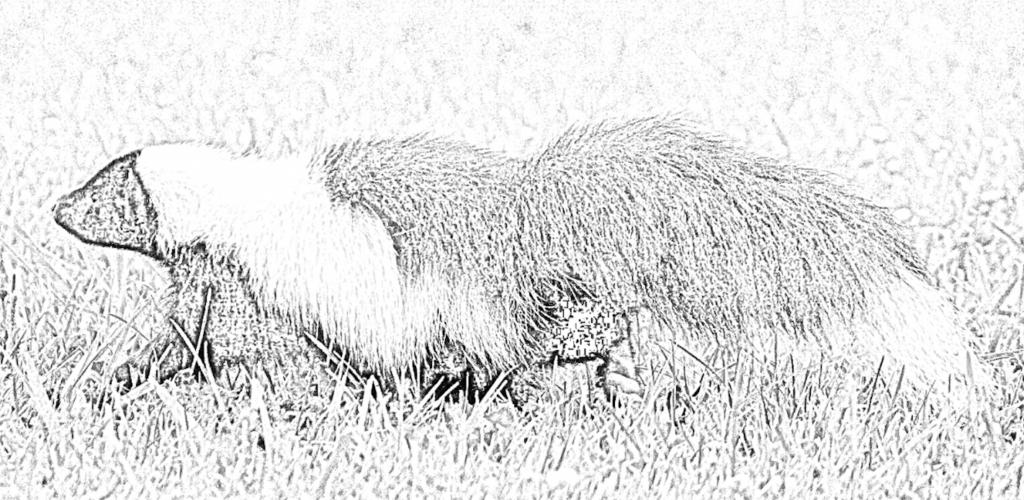
mephitis mephitis – striped skunk

  • I picked to sketch this skunk because it has been around my house for weeks and seems to thrive off of its environment.

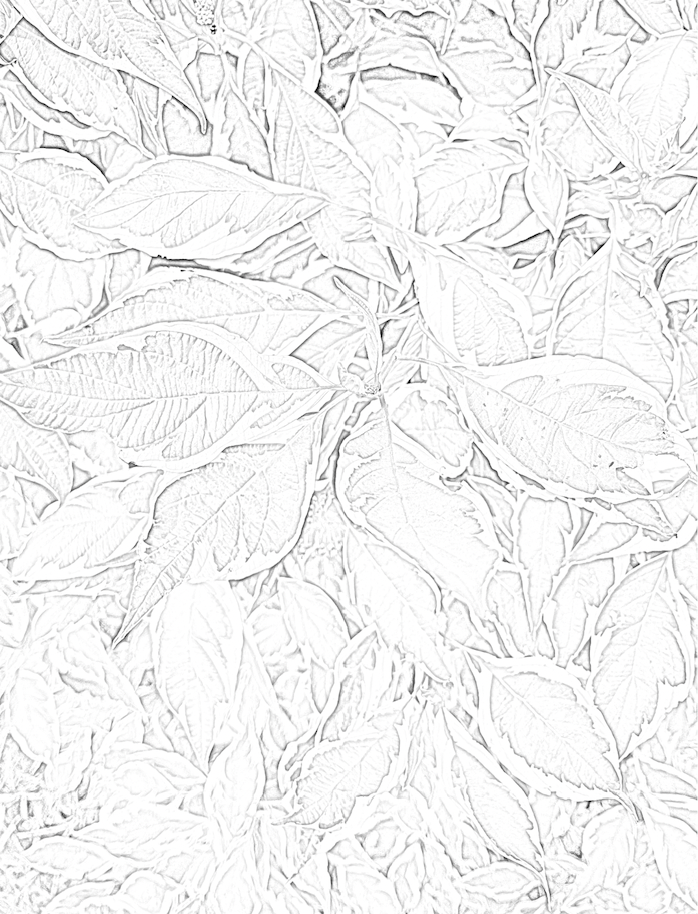
Cornus sericea – Red-Osier Dogwood

  • I picked to sketch this because it is a hub for so many different animals and insects.

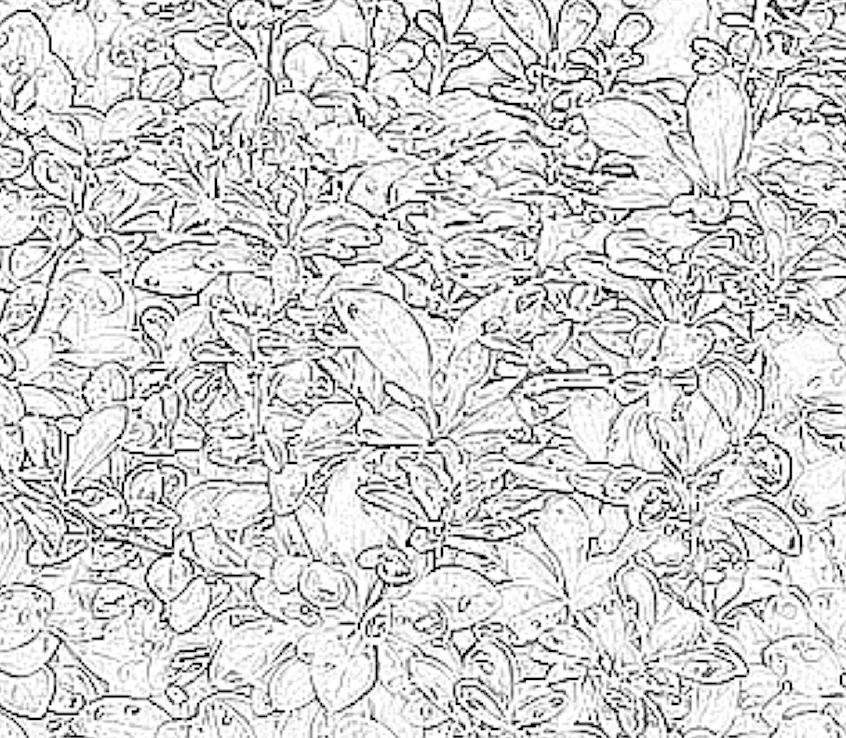
Berberis thunbergii – Royal Burgundy 

  • I was interested in this because it was one that i have never seen before. drawing it allowed me to focus on it more and learn about the plant.

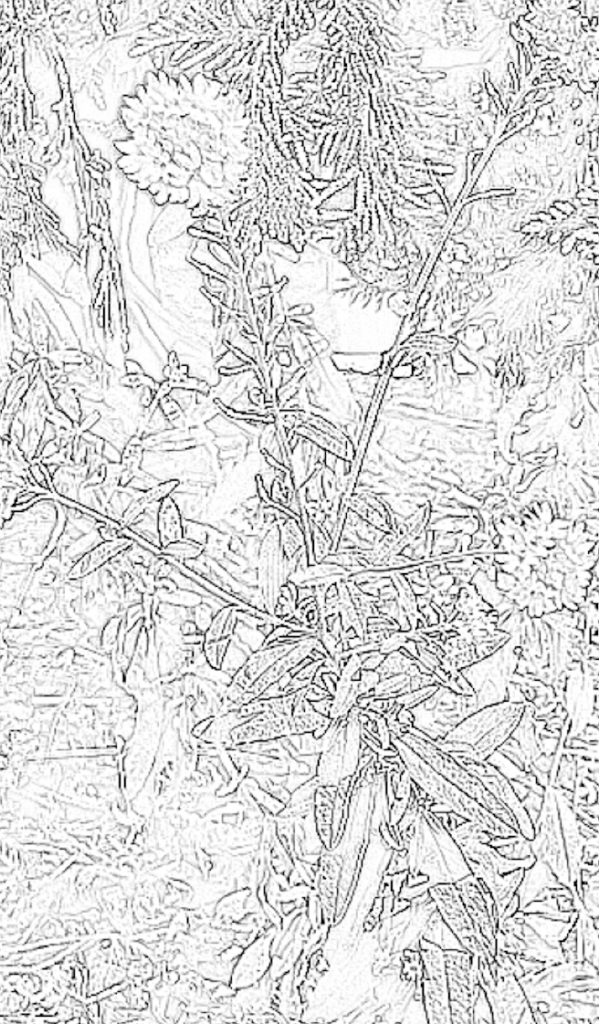
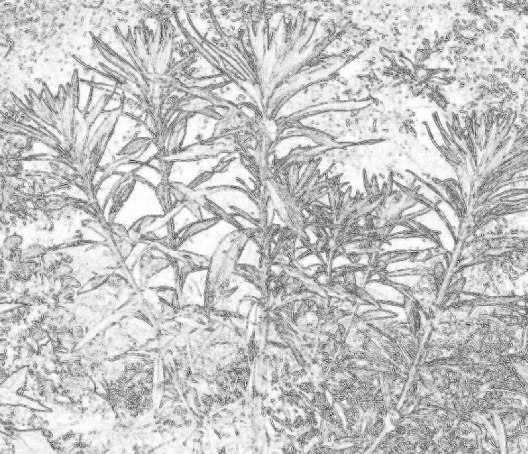
Erigeron Canadensis – horseweed

  • I chose this plant because I thought it was very cool looking. After further research I believe it is a weed.

P5)

I found the sketching to be very beneficial in my observations. It allowed me to take an even closer look at the species residing in my front yard. By. Focusing on just one species at a time and trying to sketch it, it allowed me to notice things about them that I wouldn’t have before. My biggest challenge was honestly the heat sitting outside in the high 80s and the insane humidity was far from enjoyable. Next visit I would like to focus on the huge tree in my front yard and learn more about it.

Avery Colwell – Wonder Blog #1 My Front Yard June 20th

Part 1)

On Thursday June 20th I sat in a chair in my front yard located on college street and observed my surrounding area. My observation began at 3:30pm, over the course of this time the weather went from near 90s and sunny to thunderstorms and insane showers.

Part 2)

My front yard is located about two blocks down from the University of Vermont Waterman Green. It is a large yard looking out towards College st, but surrounded by a wide array of vegetation. Sitting in my front yard I heard countless species of birds. Many of the birds I was unable to see, but could hear very well. I could hear and see birds as well as a skunk rummage through a bush right next to me (which was very startling when a skunk came running by). many birds would land in my front yard and dig through the grass for small insects to eat. as I walked around my front yard I could see many flowers close to blossoming. the smell was hot and wet from the approaching thunderstorm. As the rain began to fall the smells changed to a more fresh and earthy scent. The sounds changed as well the occasional sounds of thunder crashing, or the squawking of birds trying to escape the crashing rain. At this point I ran to escape the rain as well .

Part 3) Picture from the chair I was sitting in

Part 4) Questions About Bush in my Yard (pictured above).

What type of dogwood bush is growing in my front yard?How old is the dogwood bush?How tall is the dogwood bush?What is the diameter of the main stems at the base?What color are the flowers on the dogwood bush?When does the dogwood bush typically bloom?How long do the flowers on the dogwood bush stay in bloom?What color are the leaves on the dogwood bush in the summer?Do the leaves change color in the fall, and if so, what colors do they turn?Does the dogwood bush produce berries, and if so, what color are they?Are the berries on the dogwood bush edible for humans or animals?What type of soil is the dogwood bush planted in?How much sunlight does the dogwood bush receive daily?How often is the dogwood bush watered?Has the dogwood bush ever been pruned, and if so, how often?What other plants or trees are near the dogwood bush?Has the dogwood bush ever experienced any diseases or pest infestations?Do birds or other wildlife frequent the dogwood bush?How does the dogwood bush contribute to the overall landscape of the front yard?Has any mulch or fertilizer been added around the dogwood bush?Has the dogwood bush ever been damaged by storms or heavy snow?Are there any noticeable changes in the dogwood bush’s health or appearance over the years?Are there any ground cover or flowers planted around the base of the dogwood bush?What inspired the choice of a dogwood bush for the front yard?How does the dogwood bush enhance the curb appeal of the home?

Part 5) How long do Flowers on a Dogwood Bush stay in bloom?

Flowers on a dogwood bush typically remain in bloom for about two to four weeks, depending on weather conditions and the specific variety of dogwood. According to USDA Plant Database, dogwood bushes like Cornus sericea (red osier dogwood) or Cornus alba (Tatarian dogwood) often bloom from late spring into early summer, with their showy clusters of flowers attracting pollinators during this period. The duration of blooming can vary slightly based on local climate factors such as temperature and precipitation levels, but generally, these bushes provide a vibrant display for a few weeks each year.

Part 6) Final Thoughts

After this first visit the Dogwood bush is what really caught my attention. The vast variety of wildlife from rodents to birds to insects, that interacted with the bush really sparked my interest. As I revisit this spot I would like to dive deeper into the Dogwood bush and observe and answer more questions about it.

Skip to toolbar