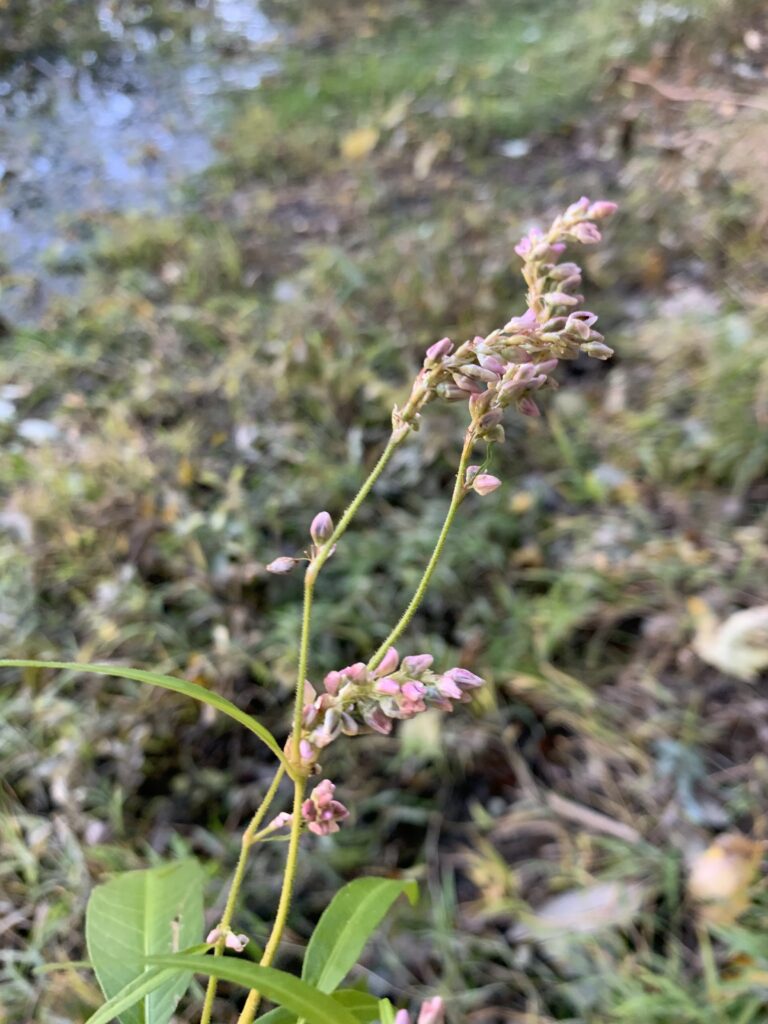
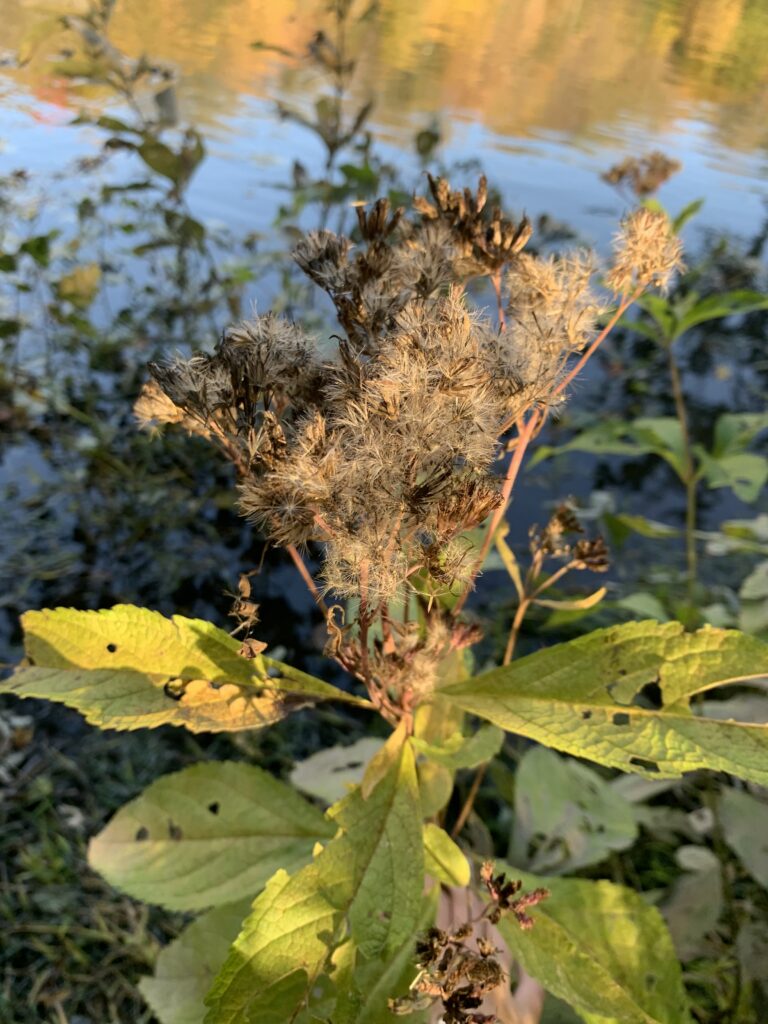
Hi guys! This week, during Thanksgiving break, my phenology assignment was to find a spot near my home and to observant the natural environment there. I am lucky enough to live in the woods, and so I choose to find a spot somewhere on the land where my family lives.
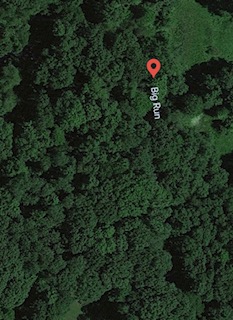
The spot I ended up choosing was very familiar to me. As a child, I spent countless hours in the woods by my house, participating in a variety of activities that ranged from climbing trees to building stick forts to seeing how far my brother and I could travel down the creek while catching crayfish. The spot I chose is right along that same creek, whose formal name is Slippery Rock Creek. My area is rather large, as I wanted to include both sides of the water. In total, I would estimate the area to have a diameter of about 15 meters. My new spot near my house is very different from my phenology spot in Burlington, mostly because it is a drastically different climate and also it is not by a large river that largely shapes the land. My new phenology spot is much less of a disturbed area than my phenology spot back at UVM.
Vegetation
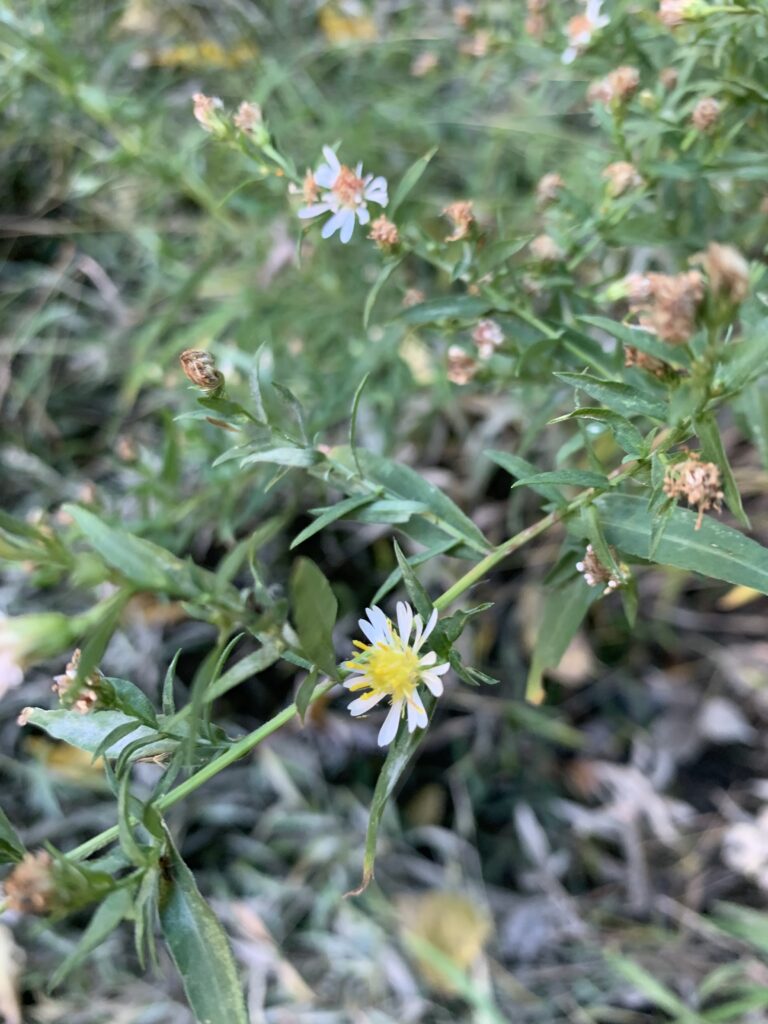
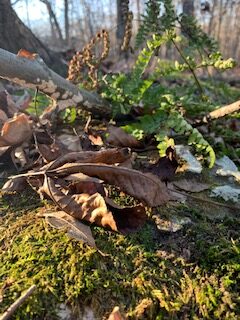
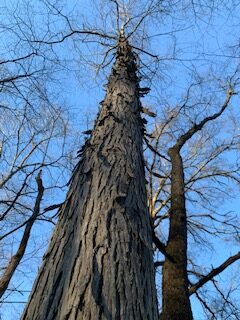
Being right along a creek, lots of the plants in this new spot of mine thrive in moist soils, such as shagbark hickory, red osier dogwood, and calico aster. There are several invasive species in my area, as well, such as Japanese barberry, oriental bittersweet, and common buckthorn. Due to the time of year, the ground was mostly covered in leaves and other decaying debris, however I did document the few ground cover plants that managed to poke their way through. The overstory consisted mostly of black cherry, shagbark hickory, and quaking aspen. The understory is much more diverse, and consists of numerous plant types, including, but certainly not limited to, Japanese barberry, multiflora rosa, and American hophornbeam.
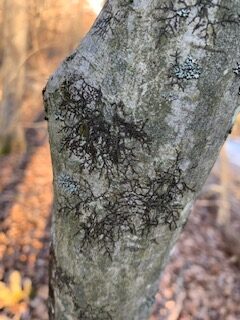
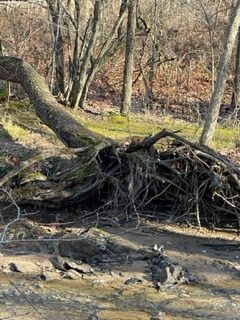
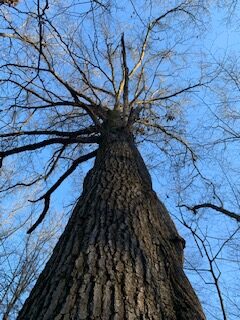
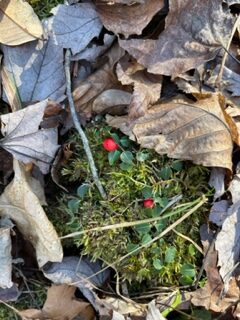
Types of Woody Plants + Herbaceous Ground Cover
- Japanese barberry (Berberis thunbergii)
- Shagbark hickory (Carya ovata)
- American hophornbeam (Ostrya virginiana)
- Intermediate wood fern (Dryopteris intermedia)
- American hornbeam (Carpinus caroliniana)
- Black tupelo (Nyssa sylvatica)
- Oriental bittersweet (Celastrus orbiculatus)
- Common buckthorn (Rhamnus cathartica)
- Multiflora rose (Rosa multiflora)
- Calico aster (Symphyotrichum lateriflorum)
- Red osier dogwood (Cornus sericea)
- Deertongue (Dichanthelium clandestinum)
- Stout wood reed (Cinna arundinacea)
- Purple nutsedge (Cyperus rotundus)
- Witch hazel (Hamamelis virginiana)
- Chickweed (Stellaria media)
- Black cherry (Prunus serotina)
- Northern red oak (Quercus rubra)
- Quaking aspen (Populus tremuloides)
- Partridgeberry (Mitchella repens)
Creatures!
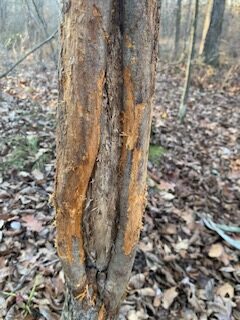
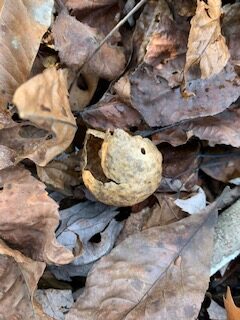
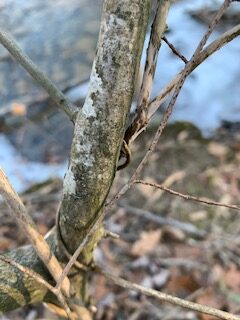
I also spotted a few creatures or signs of them at my new phenology spot! There was some white-tailed deer scat (Odocoileus virginianus) and I also spotted a gray squirrel (Sciurus carolinensis), but I unfortunately did not manage to get a photo of it. There was also one tree that was noticeably scraped up, and I believe that it is from a white-tailed deer who was likely either trying to mark their territory and keep another buck away from their home, as it is not antler shedding season for white-tailed deer yet. Throughout my time at my phenology spot on one of the days I visited it (11/22/2022), there was constant noise from many common grackles (Quiscalus quiscula), although I never actually saw any of them. In my opinion, common grackles have a very distinct call. I am very familiar with these birds as I have grown up around them. Several of my neighbors farm, and I would often hear them express their anger towards the grackles that frequently ate their corn. The final sign of animal life that I stumbled across during my time at my spot was a few decaying spongy oak apple galls. These are produced by gall wasps (Amphibolips confluenta) on scarlet, red, and black oaks. This makes sense considering there were a few towering red oaks in my phenology spot.