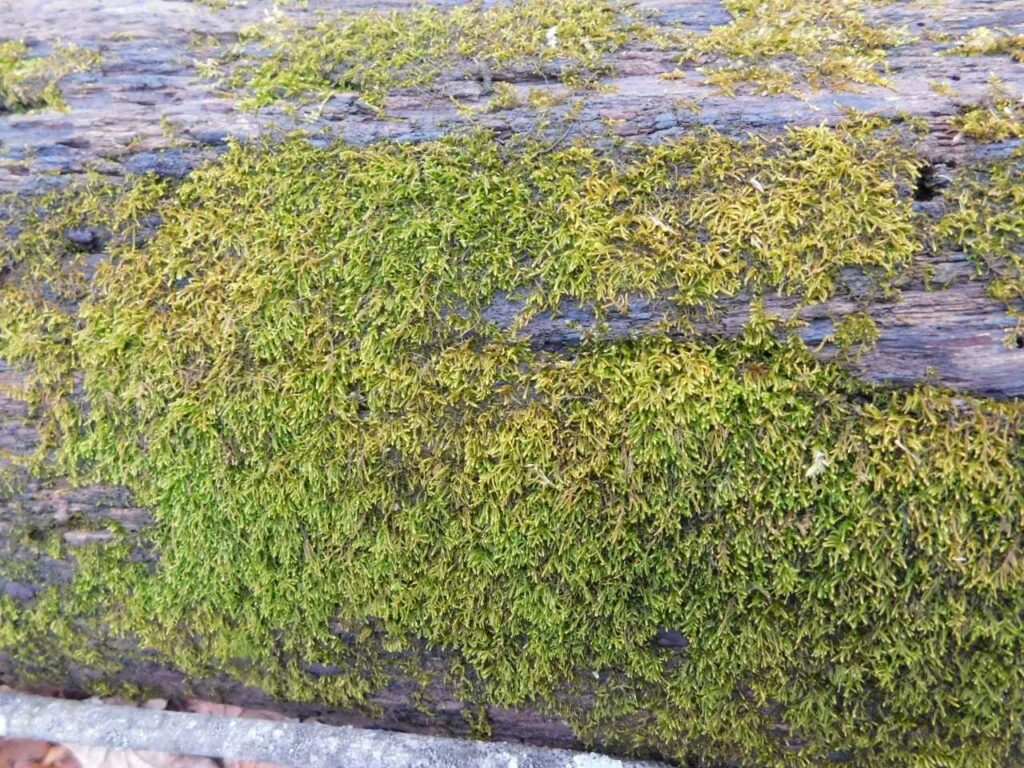
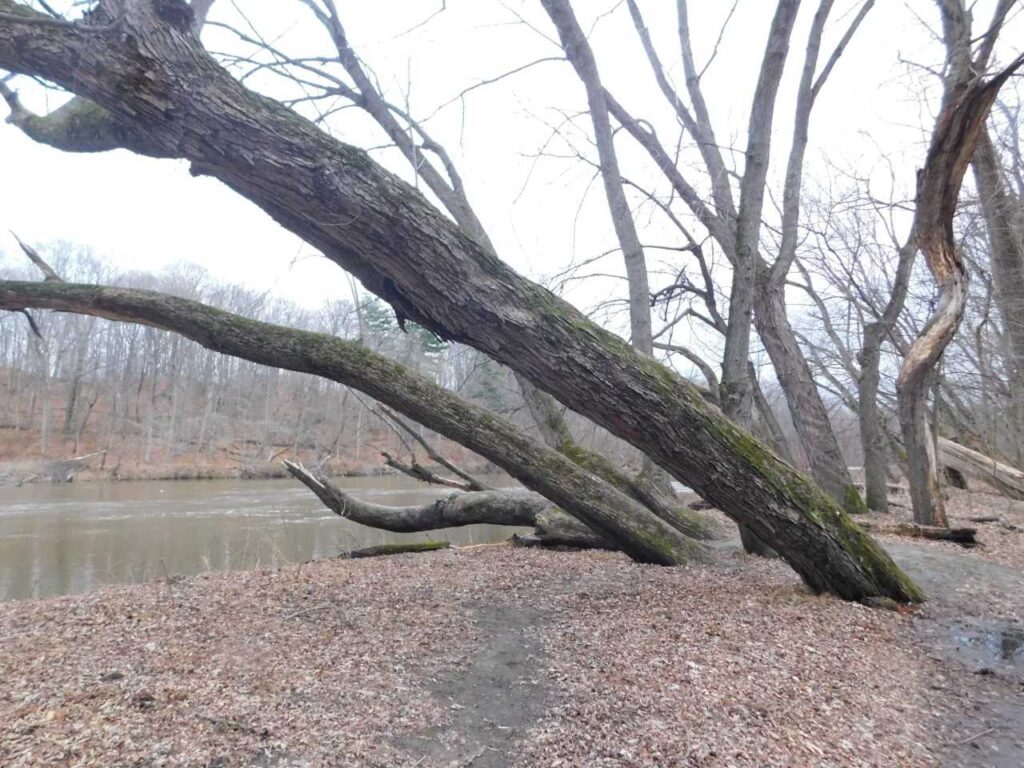
When I visited my phenology spot this last Thursday, it was clear that winter was near. There was barely any green, save for the moss lining some of the dead wood. The leaves were almost completely gone, leaving behind barren branches that just two months ago held dozens upon dozens of leaves in the stunning array of fall colors.
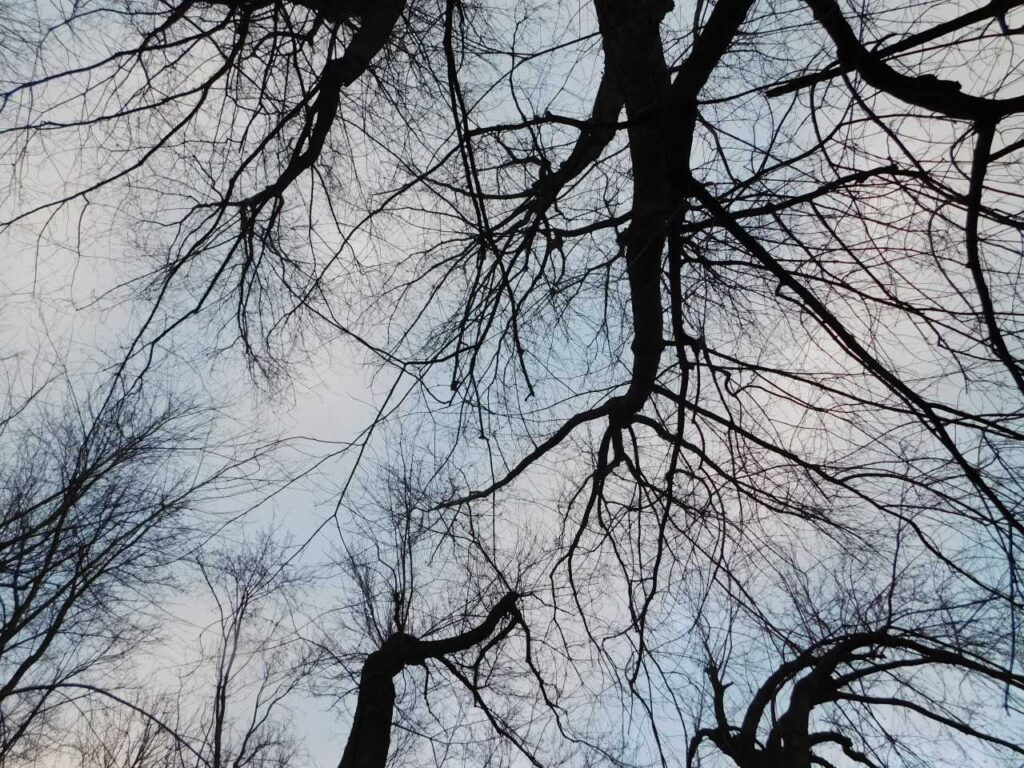
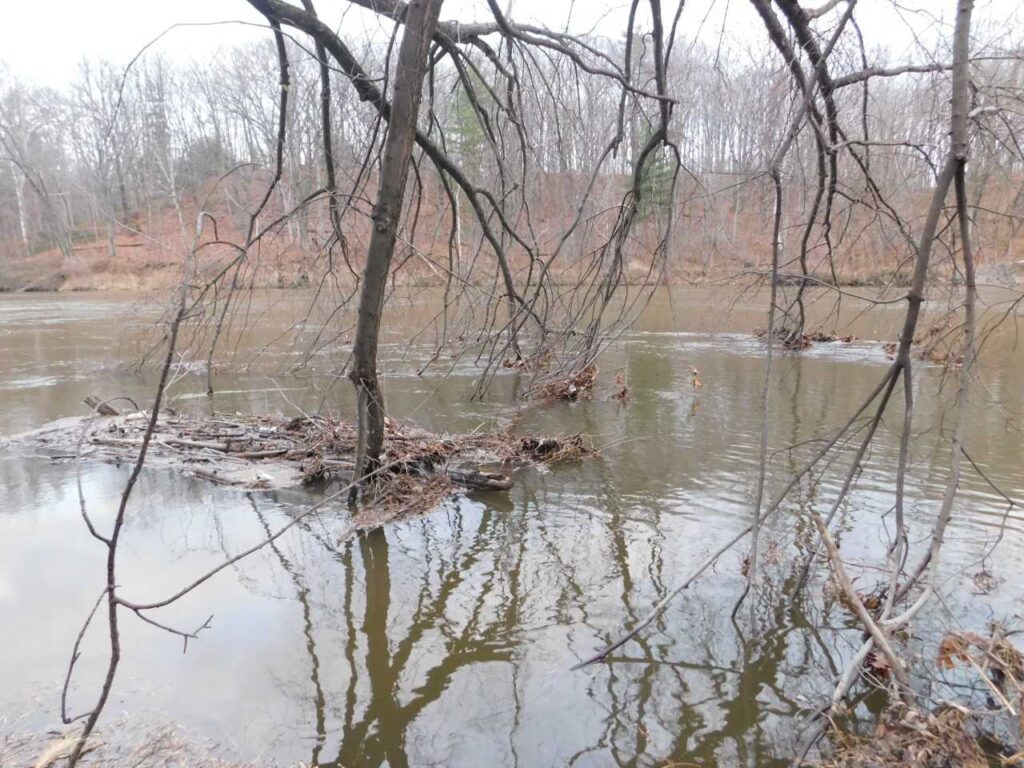
The skies were gray and dreary in the Intervale, and, although it was not raining at the moment, there had been nearly continuous rainfall for the last two days. As a result, the water level, which had been unusually low during my last visit before Thanksgiving break, was now much higher than normal. Several plants and areas of lying dead wood were either fully or partially submerged by the water.

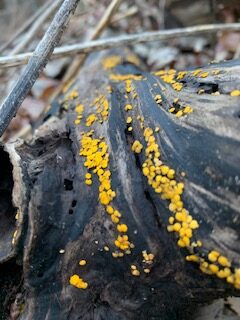
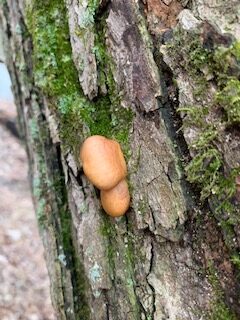
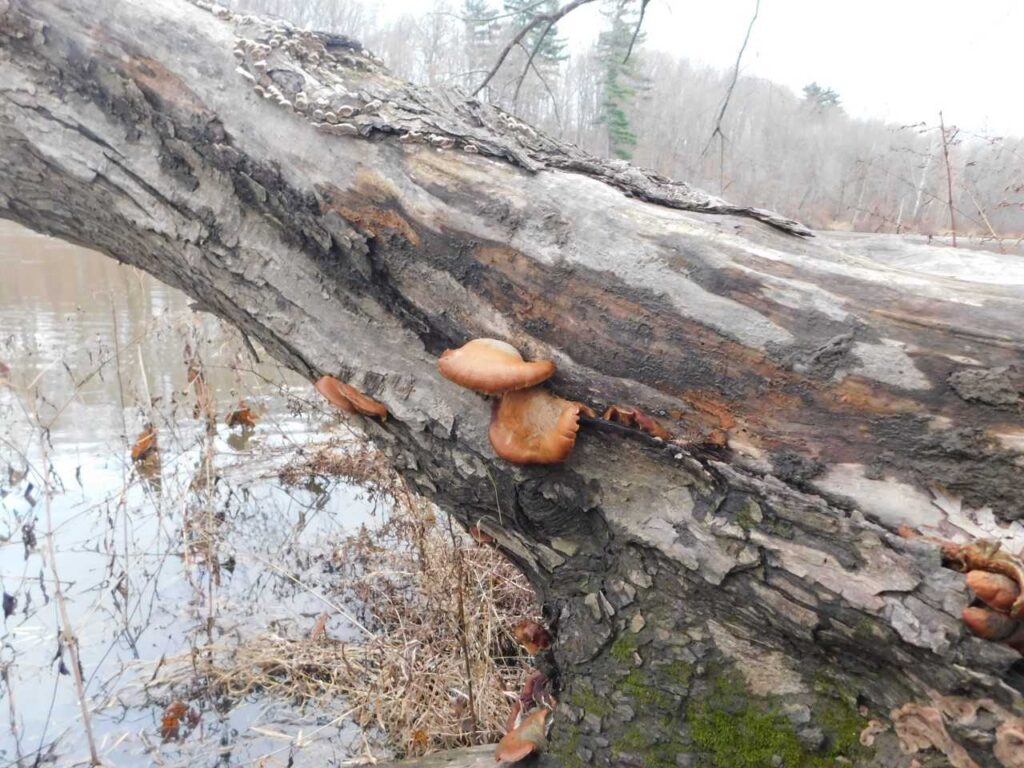
The recent downfall of rain had also led to the appearance of a variety of fungi, some of which were especially interesting. Despite the cold, these organisms were still managing to thrive, and in some spots it even seemed that the fungi were more prevalent than I had noticed in earlier months, although that could just have to do with the fact that there is not much to observe besides the fungi. One especially interesting fungus was found under a leaning branch. Oddly enough, the fungus seemed to be growing inside of several hollowed out portions of the tree. It was super cool to see, and I cannot wait to see how this fungus continues to impact its surroundings, or how the surrounding environment continues to impact how and where the fungus grows.


The ground, formerly home to such a large amount of jewelweed that I originally missed some intriguing aspects of my phenology spot, was now almost completely barren, save for a few stubborn, withering plant stalks. The ground was covered in leaf-litter. My phenology spot is also much quieter now, as there are far less birds fluttering around, and the squirrels, frogs, and cool slugs and snails that I previously spoke about are now nowhere to be seen. There were, however, a few scattered bird calls that I did hear, and was able to identify as the calls of American tree sparrows, white-throated sparrows, and the occasional crow.
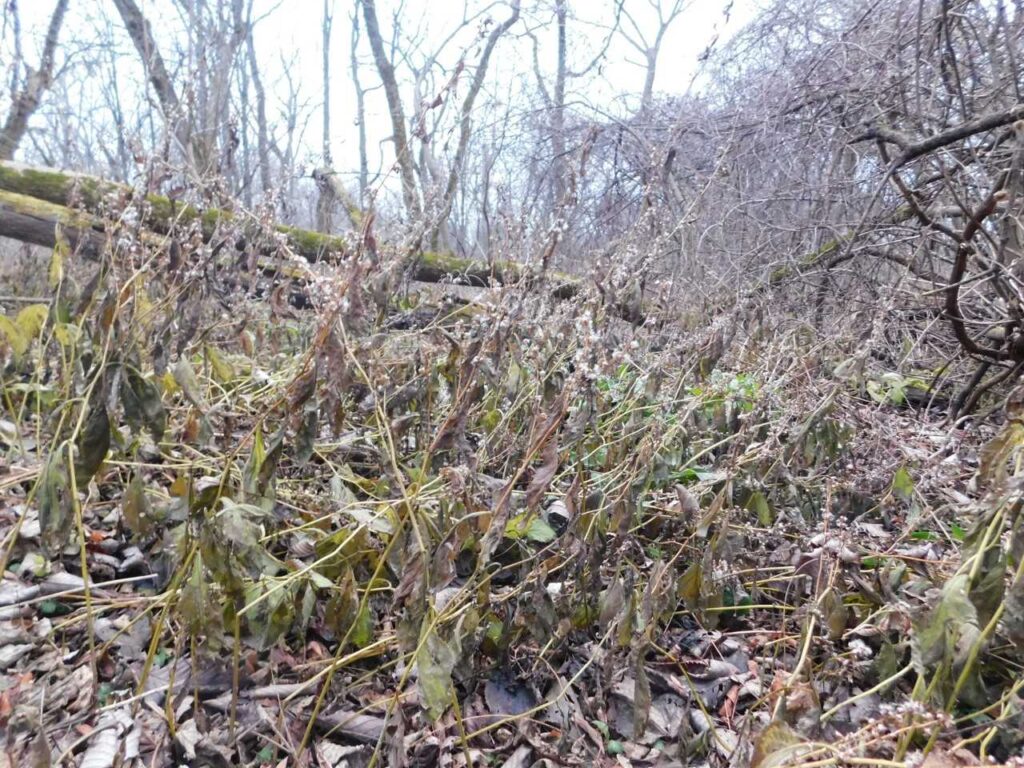
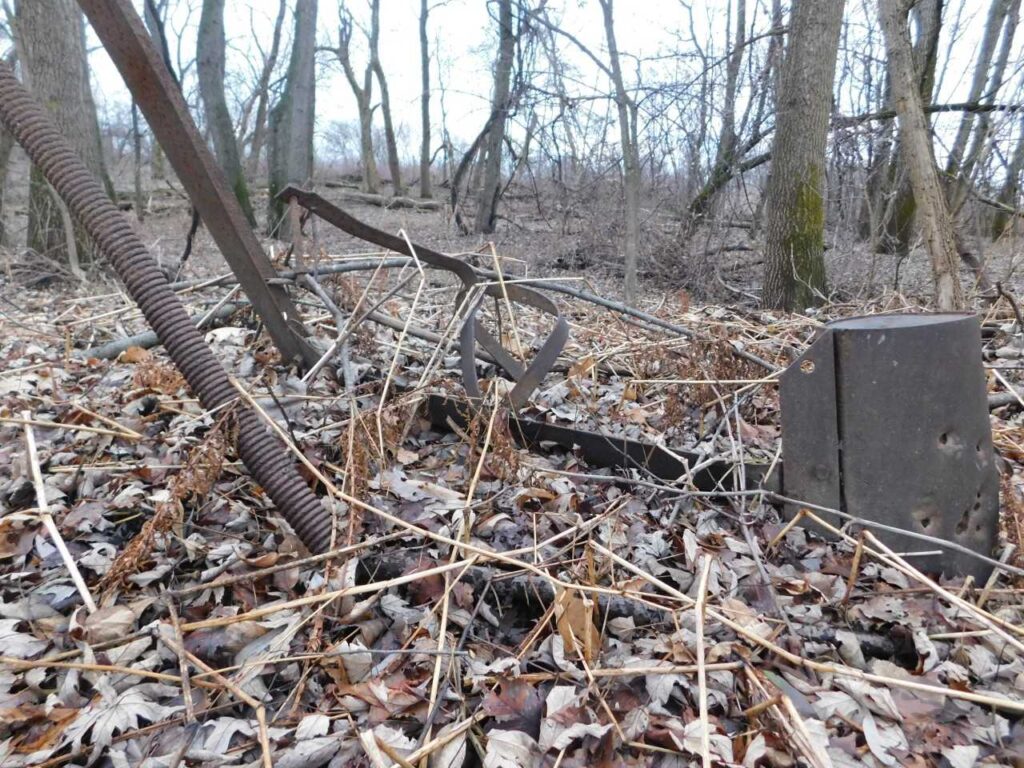
This lack of vegetation, especially jewelweed, led to a rather unexpected discovery. I could now easily see easier into the forest beside the trail, and I was shocked to notice a few pieces of scrap metal lying among the leaf-litter. I am unsure what the scrap metal was originally a part of, but the Intervale was previously used as an unofficial junkyard before it was restored into a floodplain forest, and it is surely not the first piece of oddly placed scrap metal I have located in the Intervale. It is really cool to think that the jewelweed was so prevalent in the late summer and fall that it could obscure my view of the scrap metal though, and I cannot wait to see if I can successfully sight this same scrap metal again in the spring and early summer, when the jewelweed is just beginning to grow again.
This will likely be the last time I visit my phenology spot before mid-January, and I cannot wait to see what changes the snow brings to the area.