Posts

March 25

Returning to my sit-spot for the first time in a while, there looks to be quite minimal difference from my last visit in February. While the weather today was actually quite pleasant, it has been bitingly cold the past few days, as well as heavy snow falling a few days prior. The deciduous trees bear no leaves at the moment, and their buds have not yet started swelling up. The understory is similarly bare, with only the remnants of a few ferns offering sustenance to the primary consumers. Despite the winter appearance of the forest, there are squirrels scrambling up and down trees and sap is flowing from the Sugar maples. While the snow melts and trees start flourishing, I hope to see more birds and animals around during my next visit.
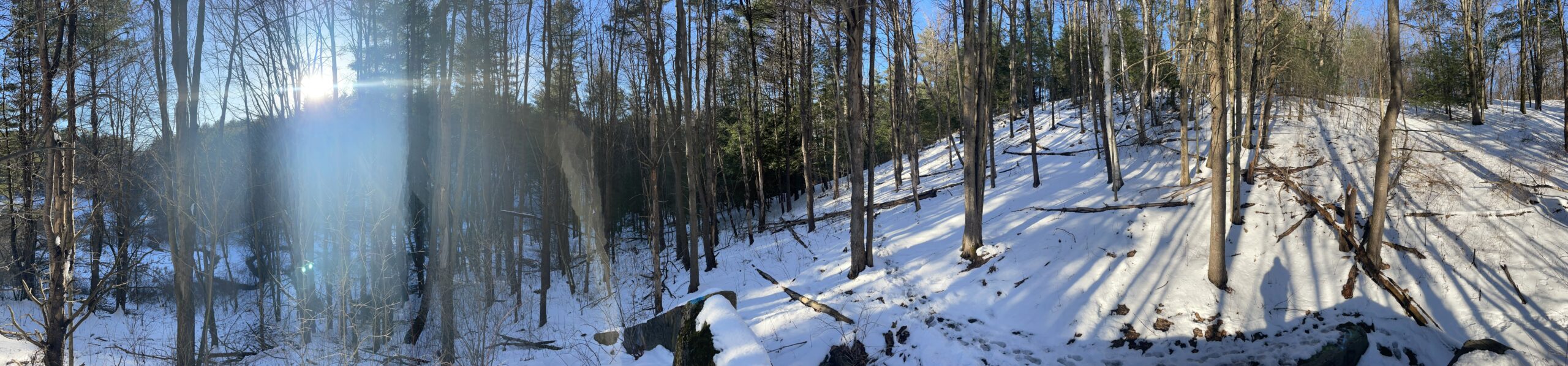
End of January

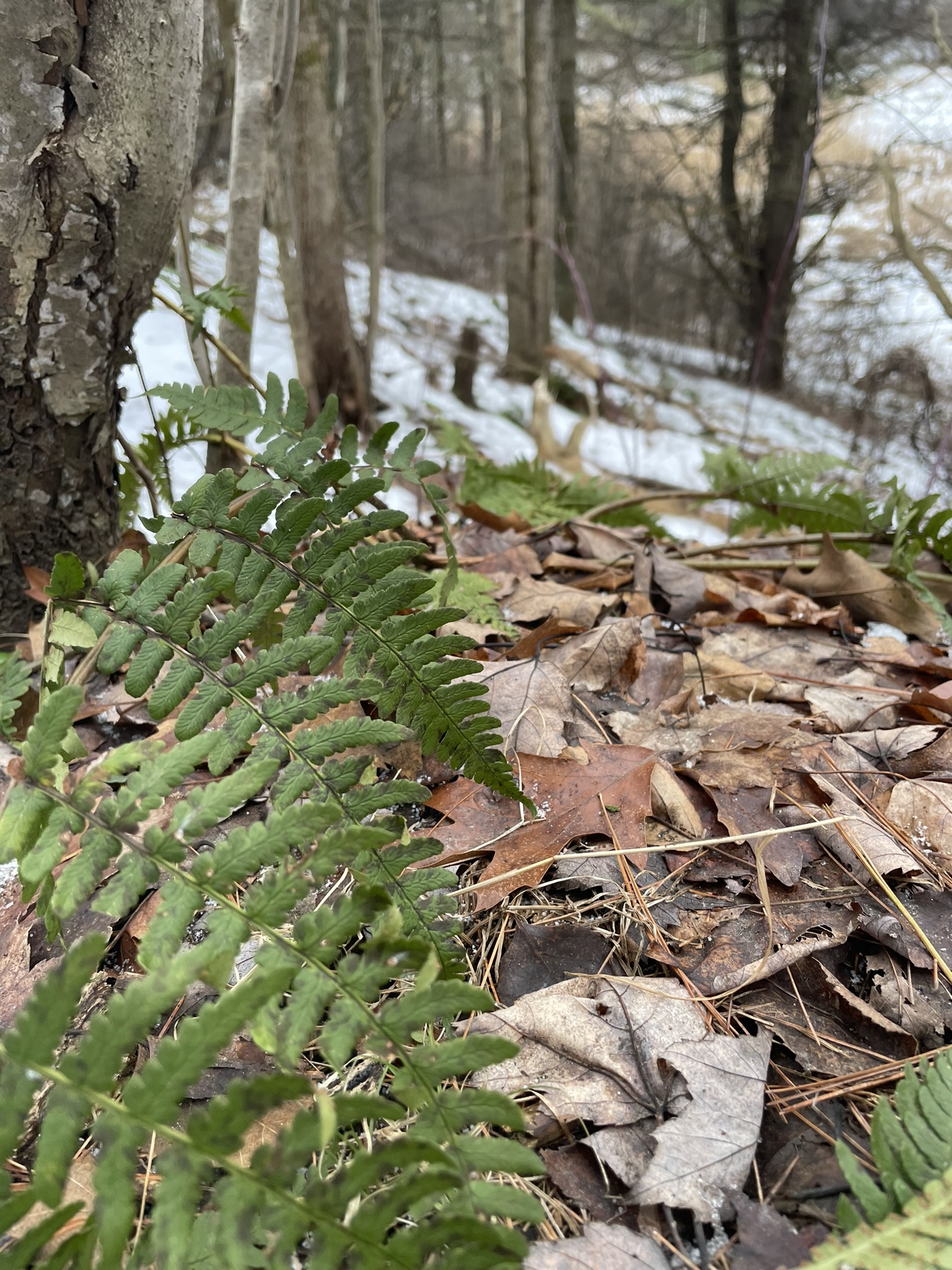
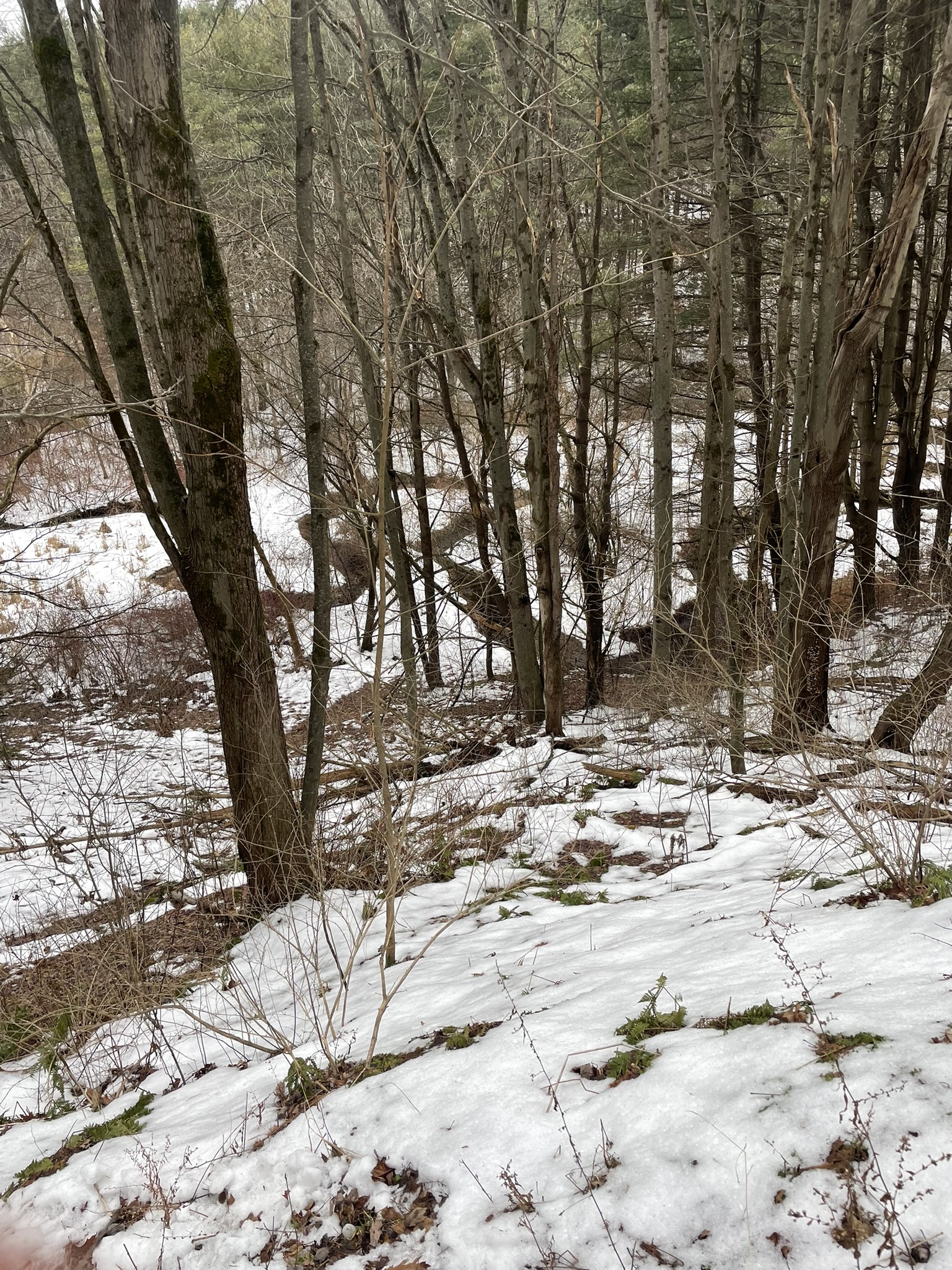
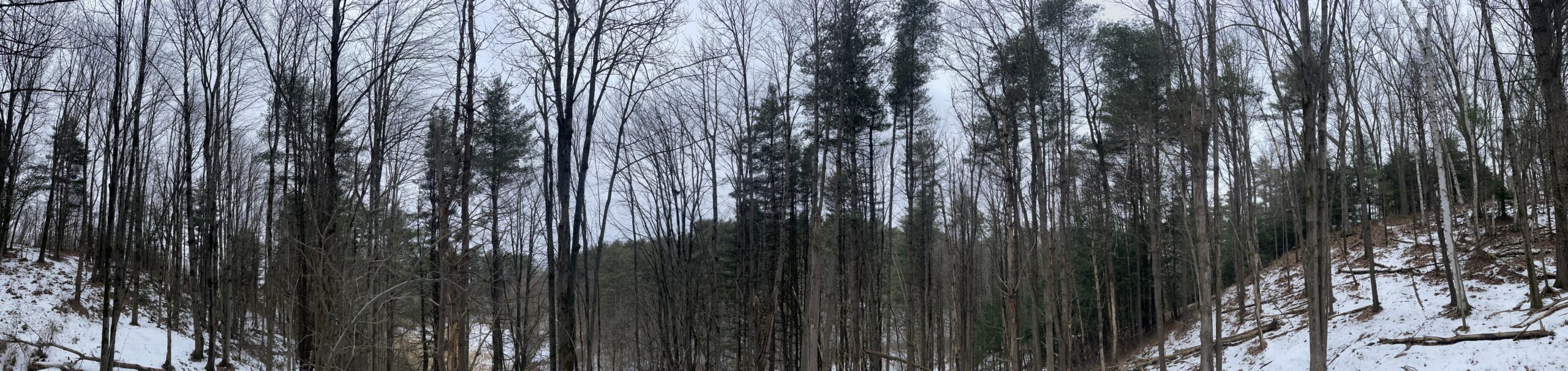
As I was making my way to my location in Centennial Woods, I was walking on a sheet of ice over frozen mud. This level of ice is newly frozen from rain just the past day, and made a slippery walking surface. There is a small amount of green on the ground in the holes of the snow with a few wilted ferns supplying nourishment for the foragers in the winter. Unfortunately due to the rain and overnight freezing, there were no tracks or prints that I could distinguish near my sit spot. The lack of leaves on the hardwoods makes the Eastern White Pines and the Hemlocks stand out and make themselves very present. This has made the trees easier to see through, and now I can clearly make out the shape of the stream carving through the marsh below.

End of Semester 1

The leaves on the hardwoods in Centennial woods are nearly just a memory. The Norway Maples that dominate much of the woods are barely holding on to most of their yellow leaves. Much of the woods are in “stick season”, to refence my favorite piece of Vermont vernacular. The ground, when not frozen, is muddy and wet, and I would recommend proper boots to anyone trying to spend time here this time of year. The small dirt slope to reach my sit-spot is actually quite perilous in these conditions, so if you’re planning a visit make sure the ground is frozen. The leaf litter with the moisture has formed it’s own layer, and I wouldn’t be surprised if decomposers like worms, pillbugs, and termites are taking advantage of these conditions. Animal life is certainly more scarce, with less small mammals scurrying from place to place and almost no birds to account for. Since starting this assignment, I have most enjoyed the connection I’ve made with this place in centennial woods. I’ve began to feel a sense of familiarity with my sit-spot and Centennial woods, and I think that it is similar in my heart to some of my sit-spots in my hometown. I am very grateful for Centennial Woods and my time within it has inspired me to connect to more places.

Marshfield, MA Sit Spot

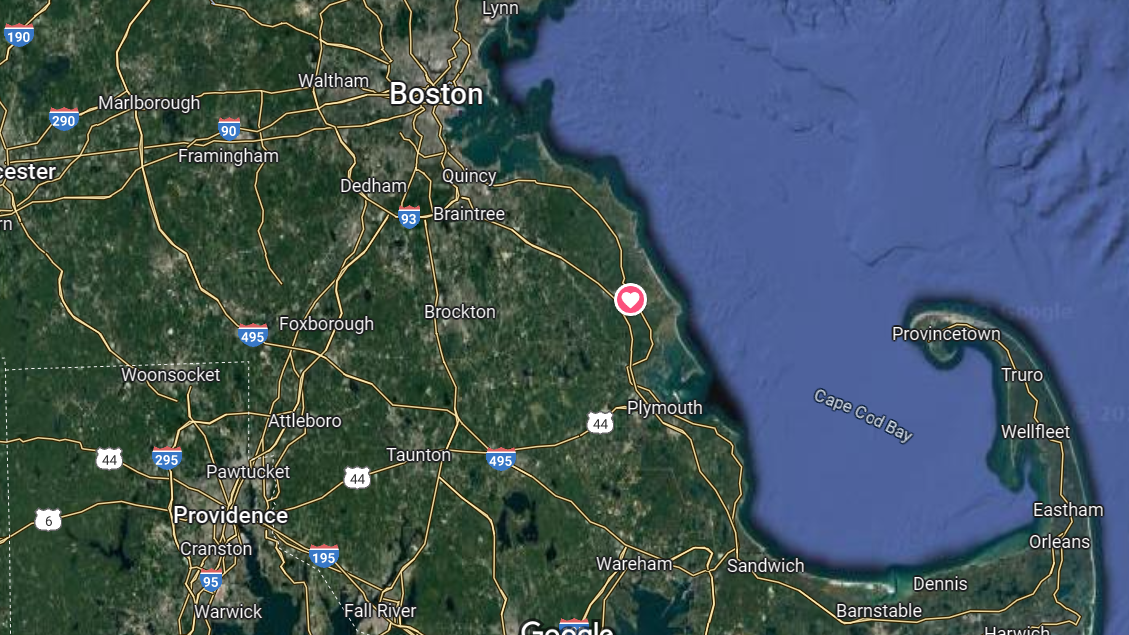
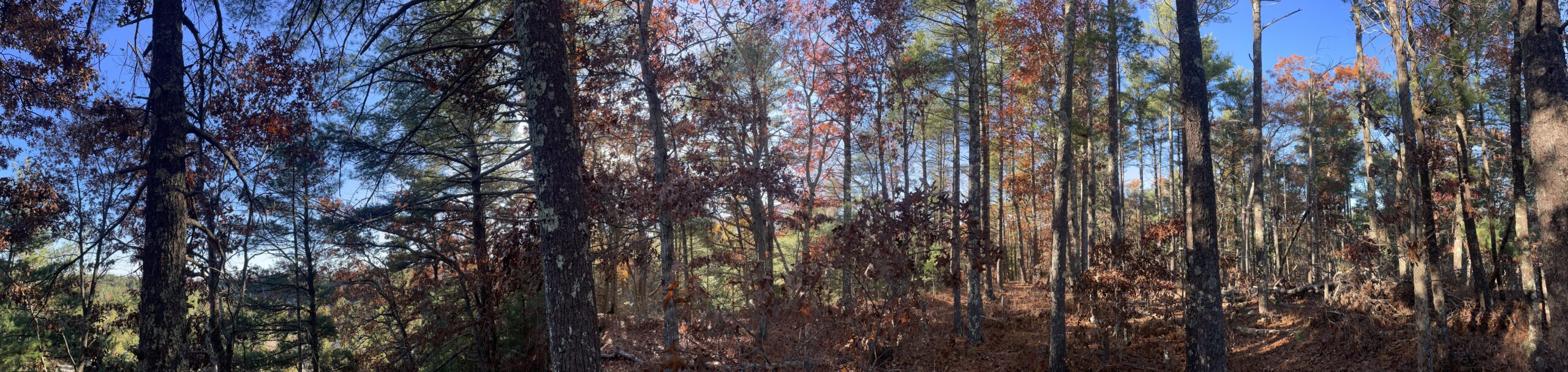
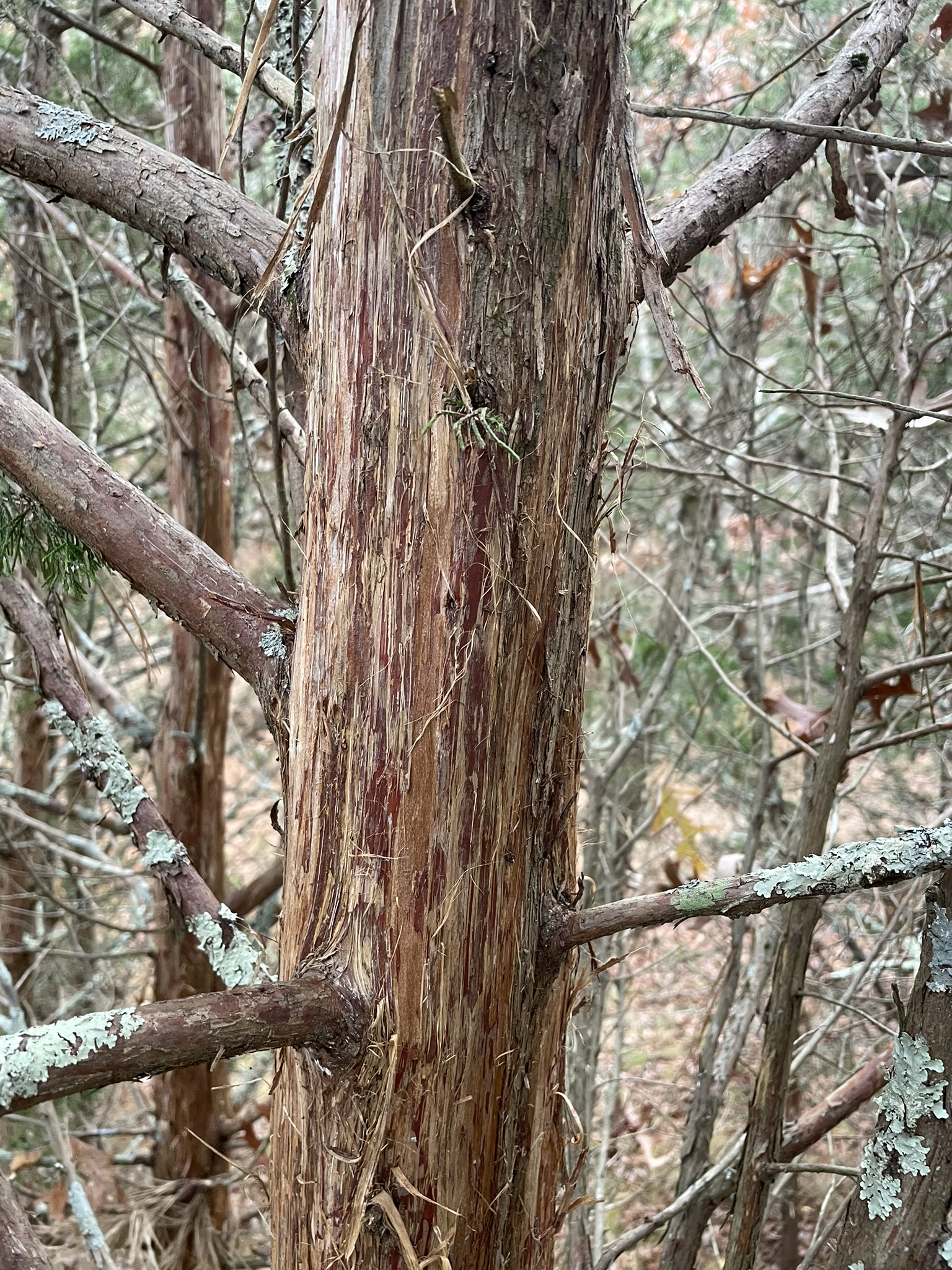
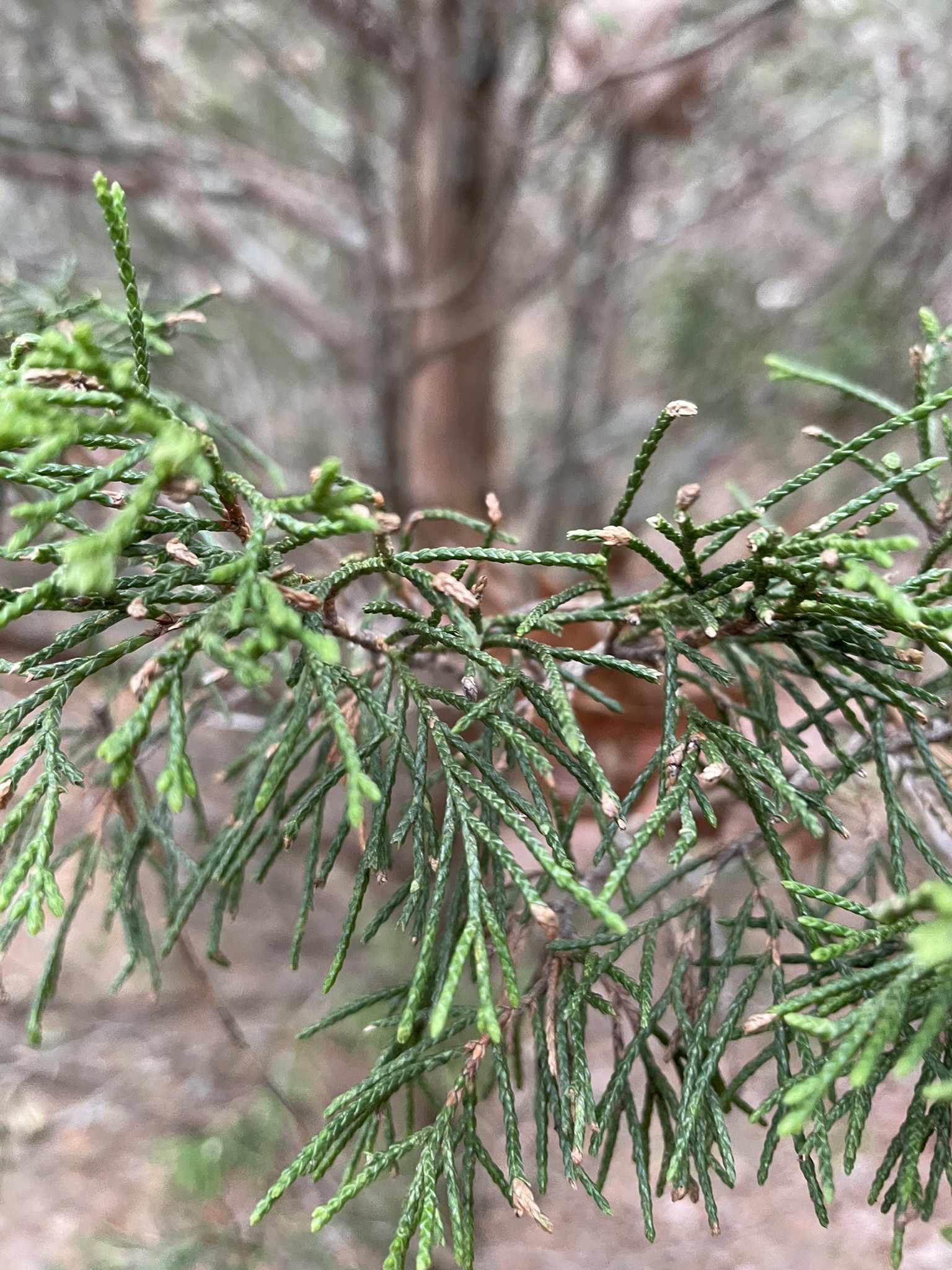
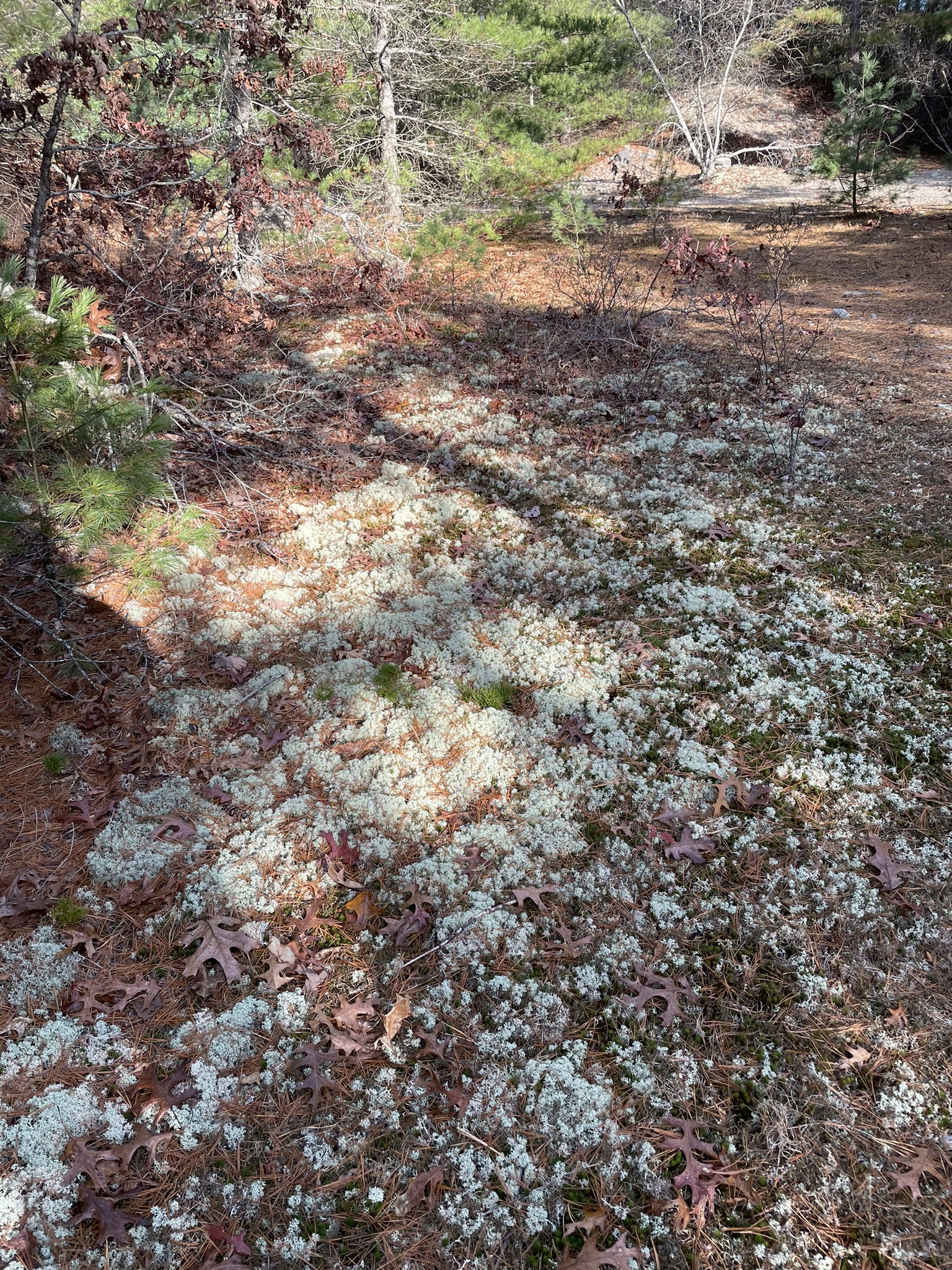
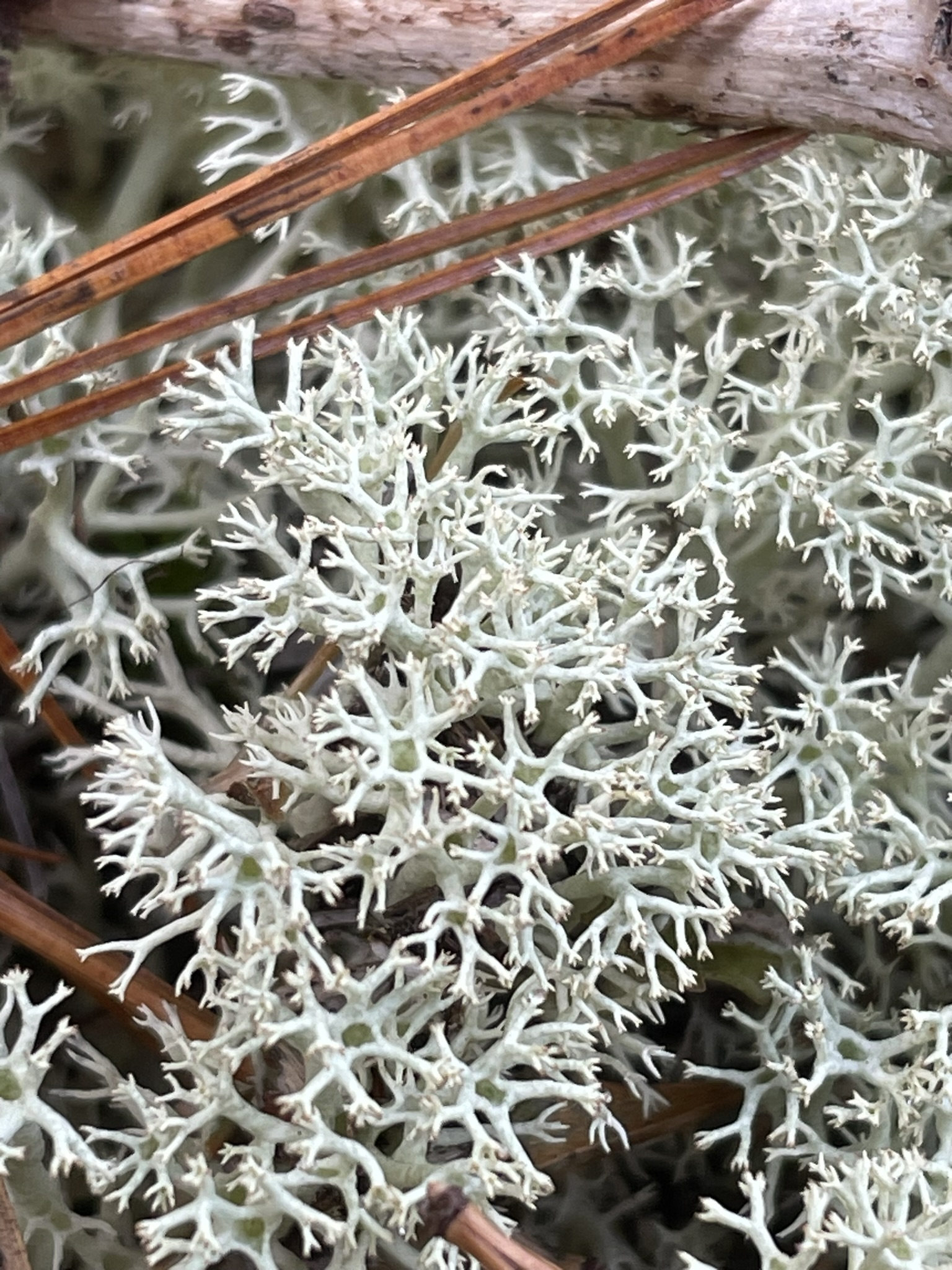
Over Thanksgiving break, I returned to my hometown of Marshfield, MA on the South Shore of Massachusetts right between Boston and Cape Cod. Here, there is primarily Northern Red Oak and Eastern White Pine in the overstory, with White Oaks present in much lesser quantity. Unlike Burlington, there aren’t any Maples, Hemlocks, or Ash trees anywhere. My spot overlooks a large sandy pit about 100×550 yards with islands of 3-needled pitch pines. The soil here is quite sandy and likely slightly acidic due to the large concentration of pine detritus on the forest floor. I love this particular ecosystem because it is very nostalgic and familiar to me. Some of my favorite parts are the Eastern Red Cedar trees that grow abundantly off-trail and the unique mosses native to here (both pictured below). In lieu of leaving something here, I cleaned up trash that I found on the trail on the way out.

Welcome to Alex Robinson’s Phenology Blog!

October 16, 2023

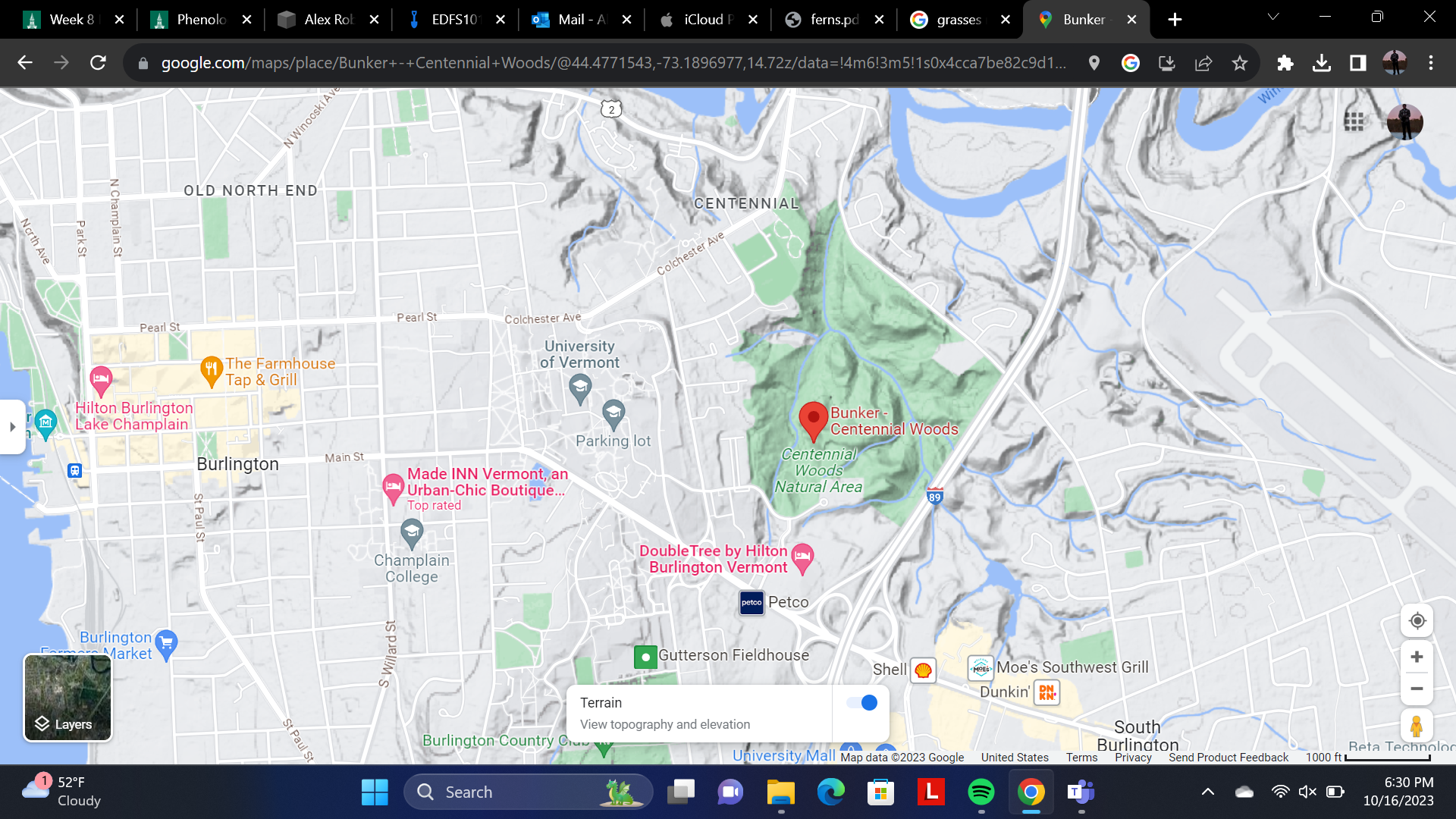
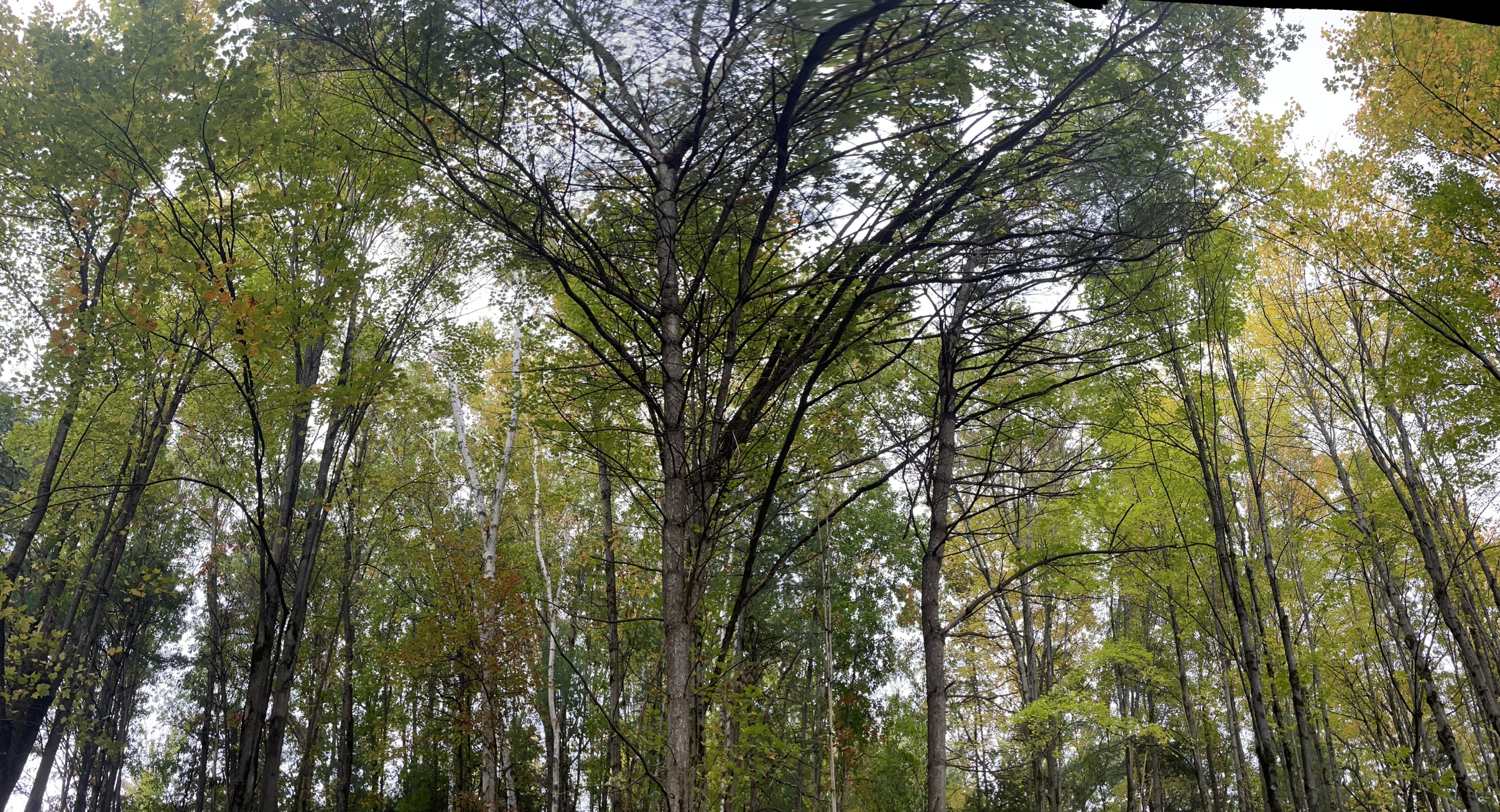
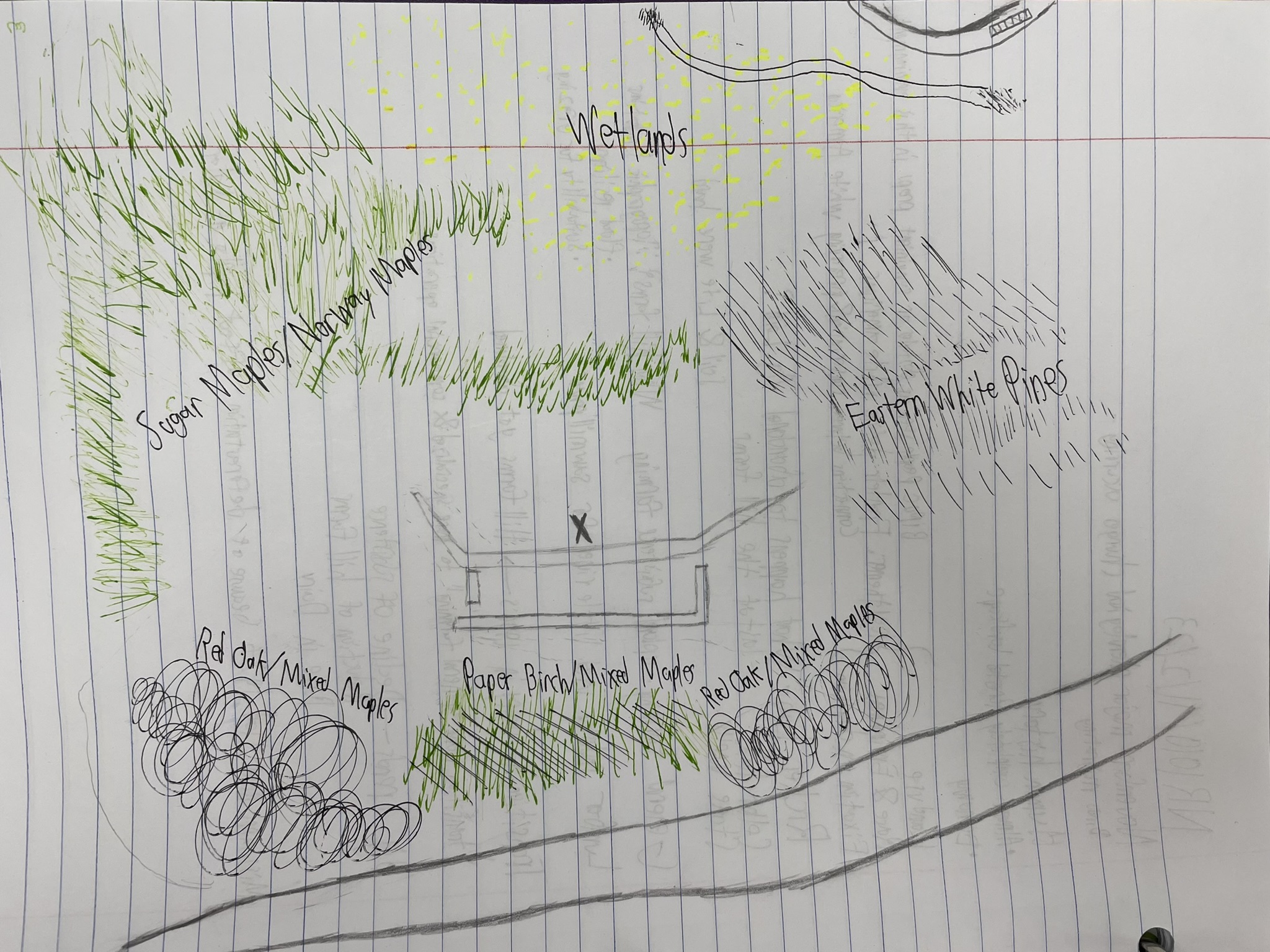
Welcome to my site! To access this spot, enter Centennial Woods at the trailhead and continue straight until you reach the intersection point of the main trails. From there, continue towards the steep uphill portion but do not go all the way up. On your right, there will be a small side-trail leading to a dilapidated cement structure covered in graffiti; you have arrived! At this site there are mostly Norway Maples and White Birches. Interspersed are an even mix of Red Maples, Eastern White Pines, and Hemlocks. The forest floor is heavy in ferns, wild raspberry vines, and native grasses.

November 6, 2023

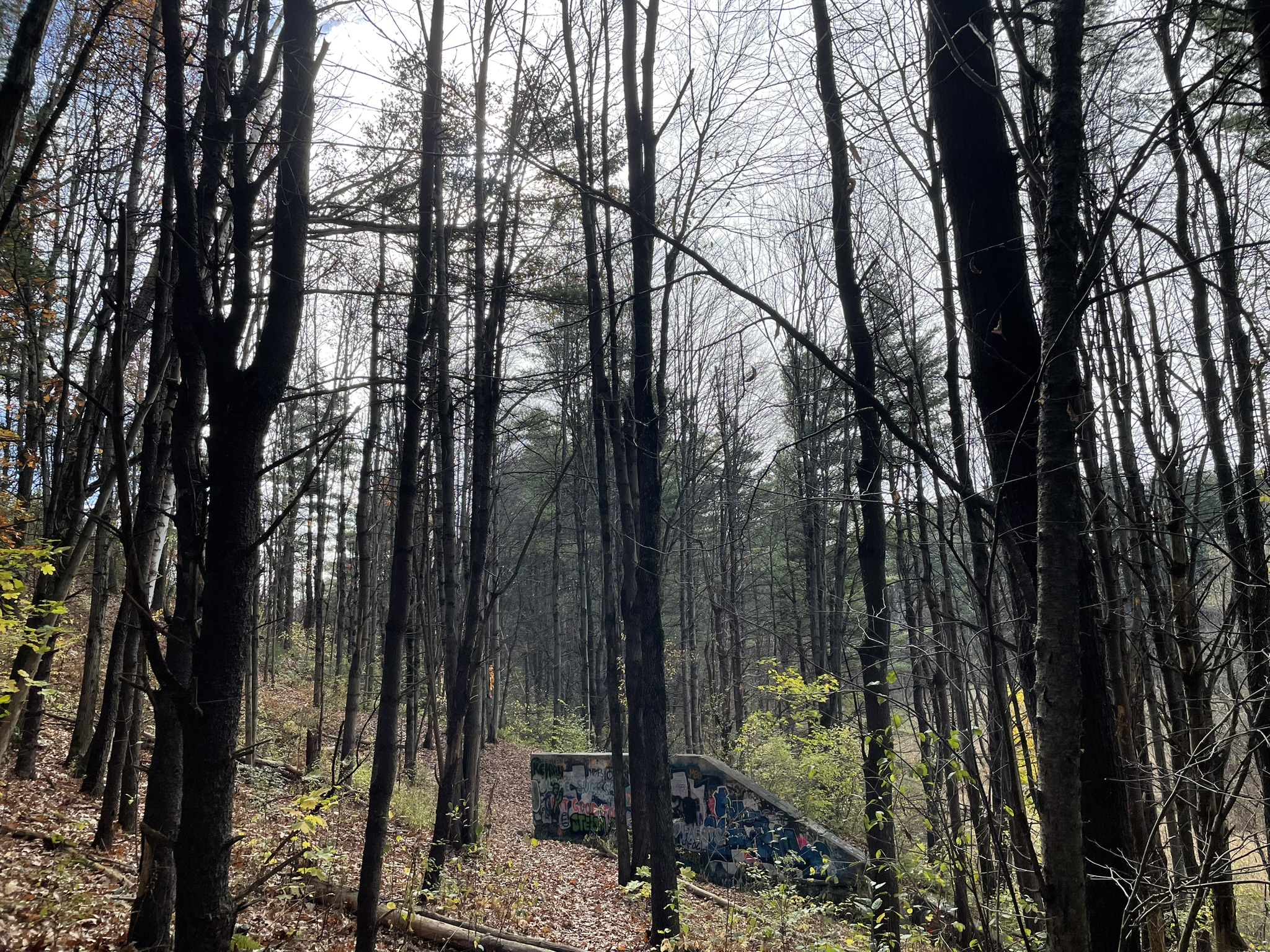
Post-peak foliage in my site has opened up the tree line and allows me to be able to see towards the trails to the Southwest. The above image (taken 11/6/2023) shows my site from the Northwest direction. I was originally drawn to this site because of this structure, and the Autumn foliage has given it a different kind of contrast with the surrounding environment. Most of the Paper Birch and Sugar Maples have lost almost all of their leaves already, with the Norway Maples still holding on and giving the area a nice last piece of bright green. The Eastern White Pines and Hemlocks still have all of their leaves and continue to keep the overstory green. On the ground, many small plants have withered to stems, with the exception of most of the ferns.

Skip to toolbar