Posts

Final Salmon Hole Visit

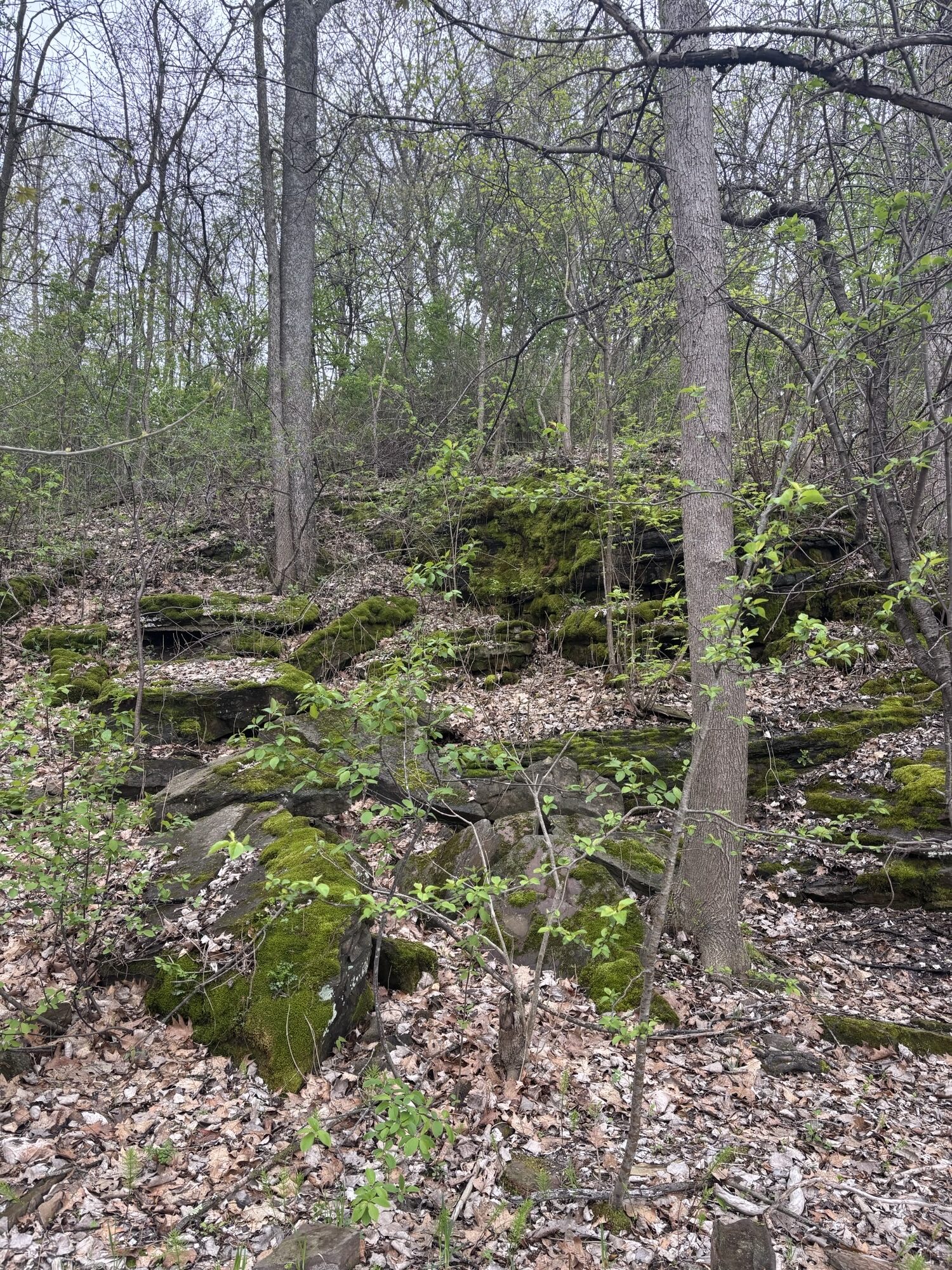
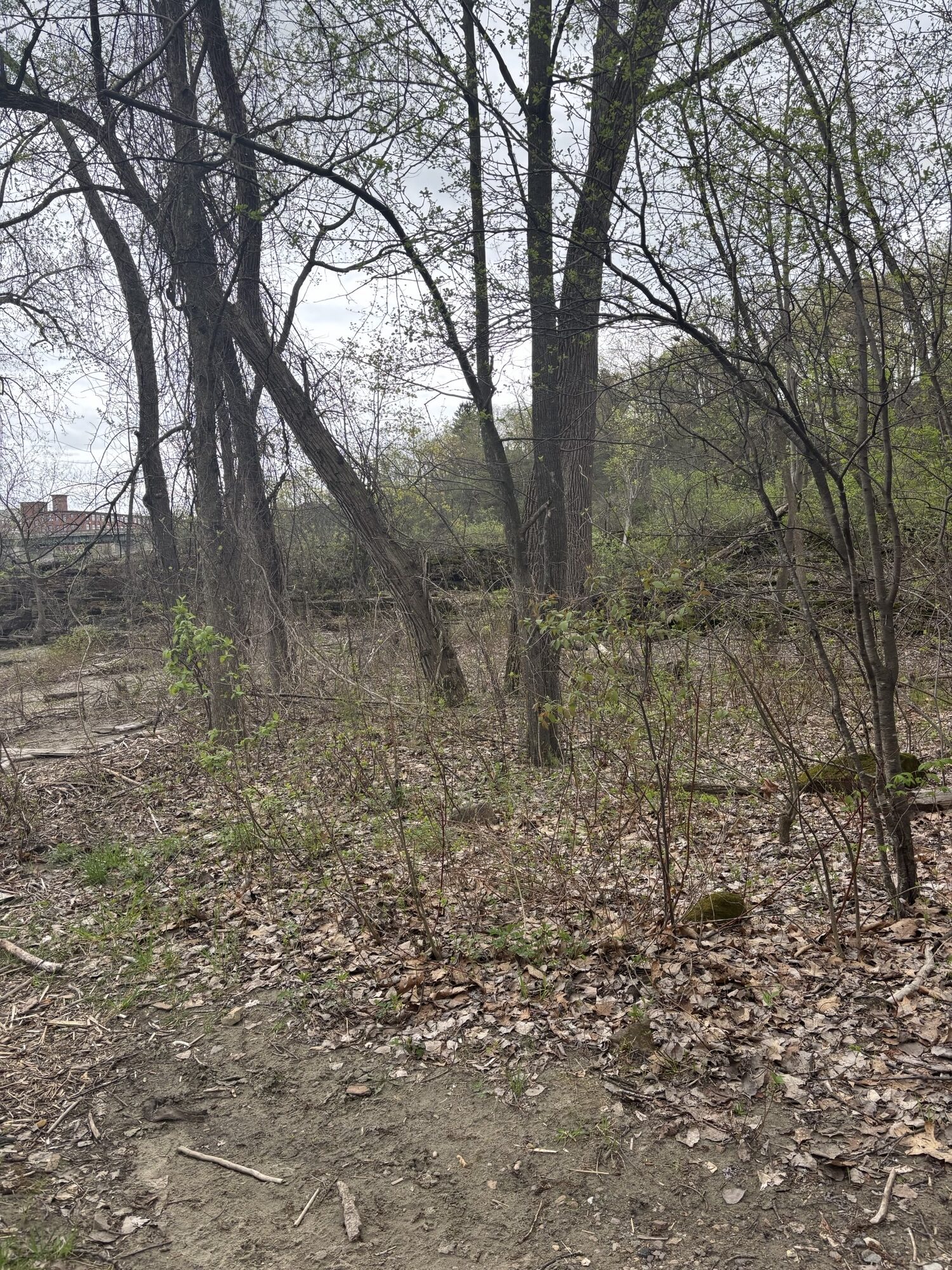
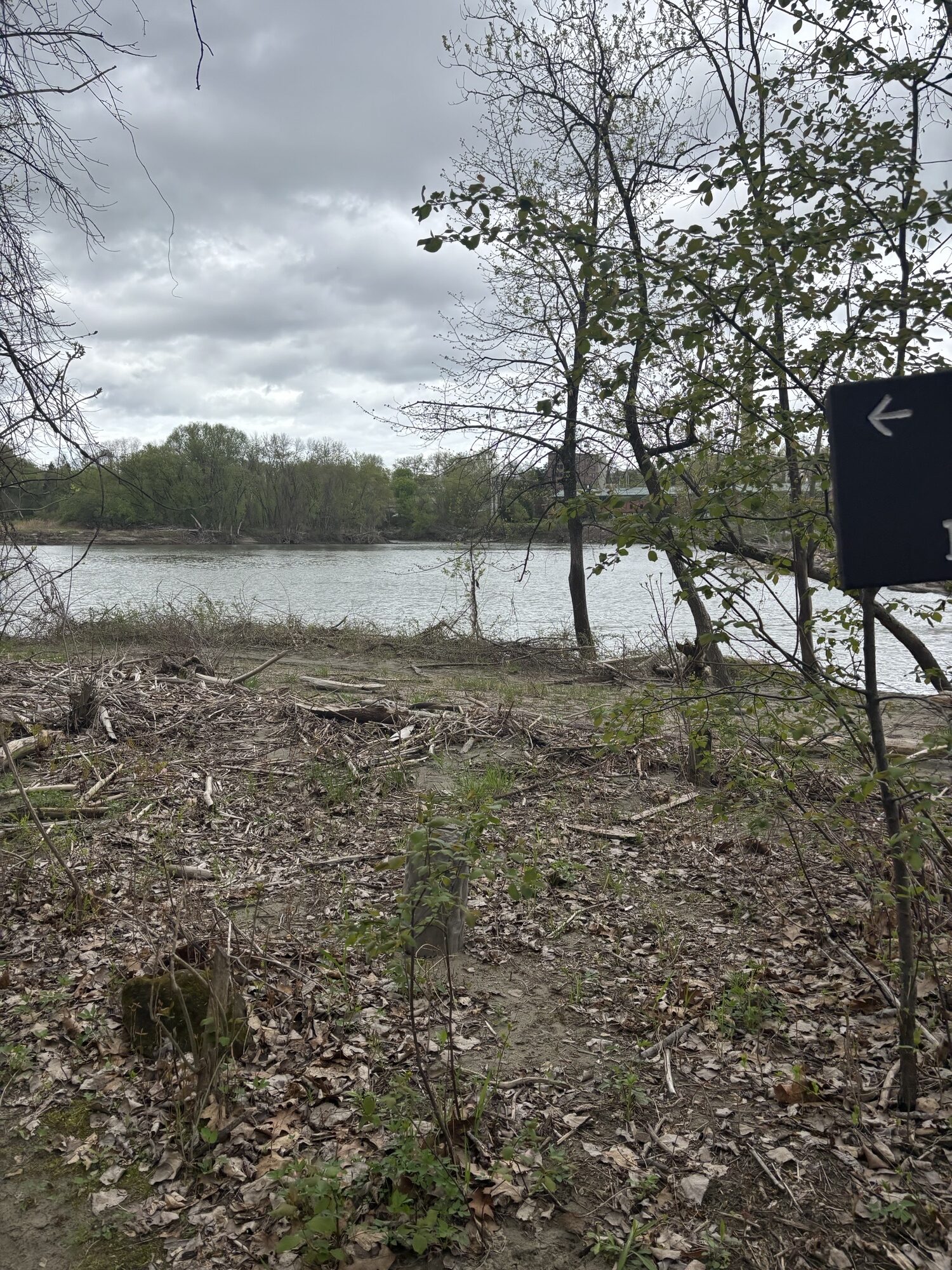
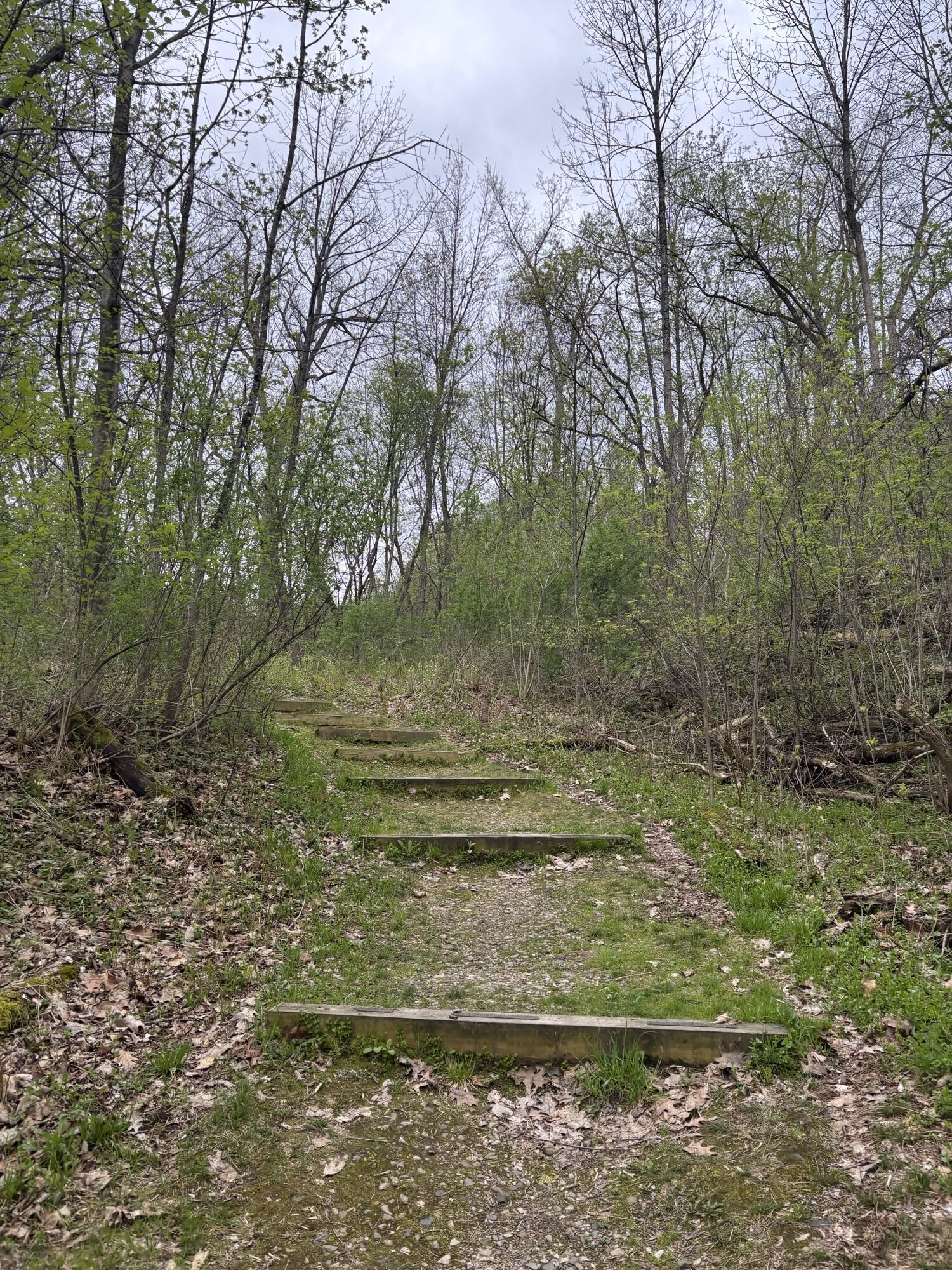
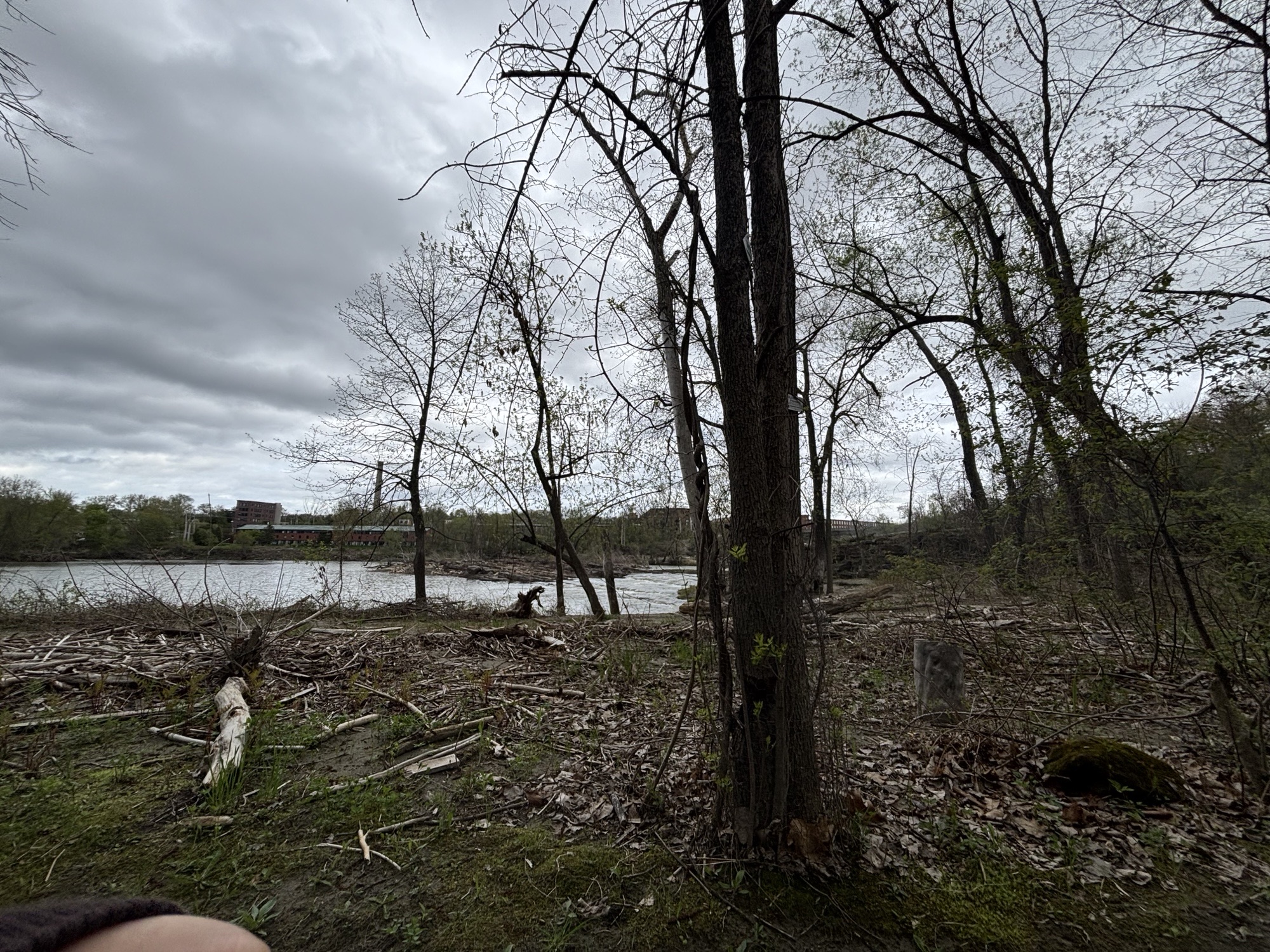
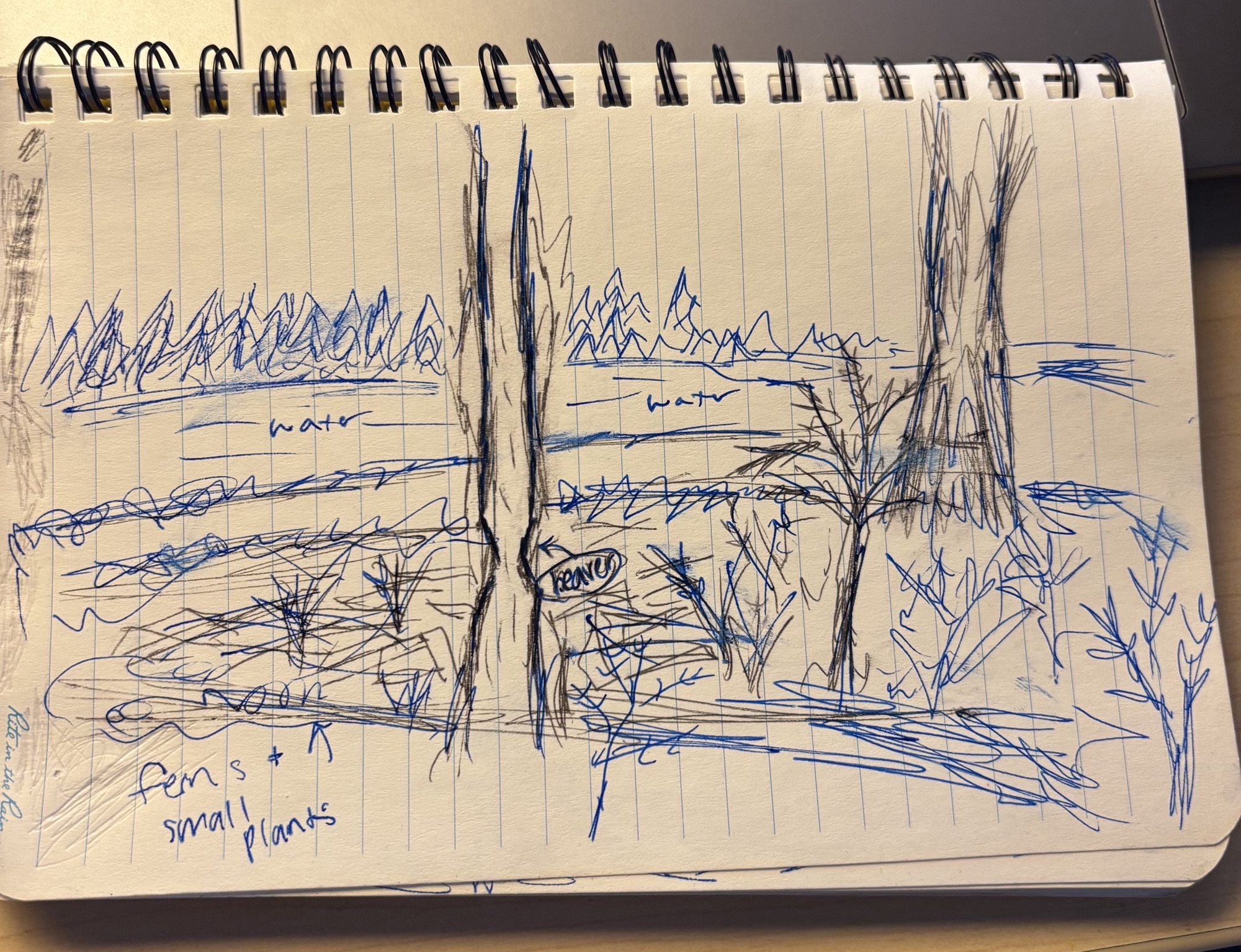
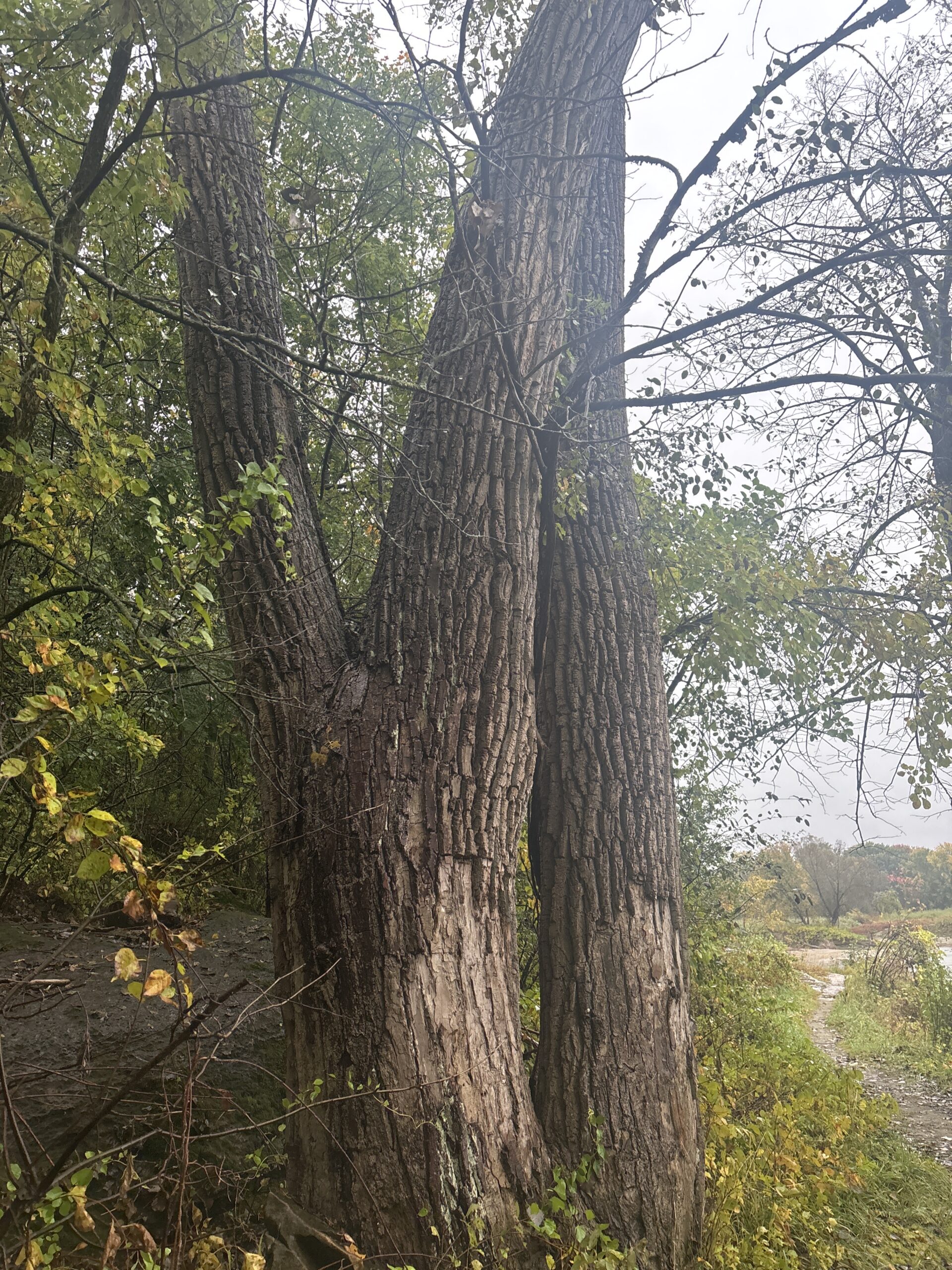
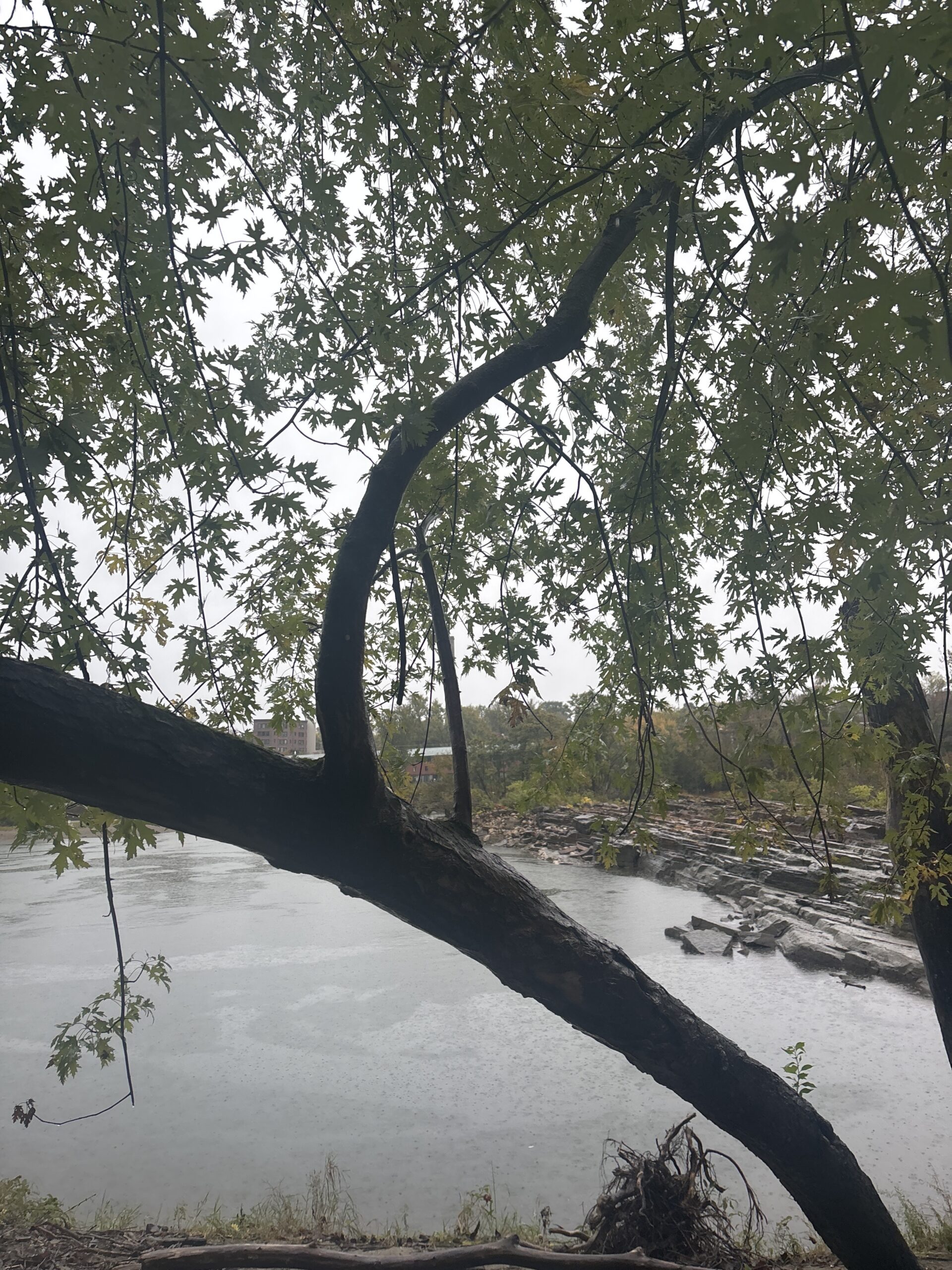
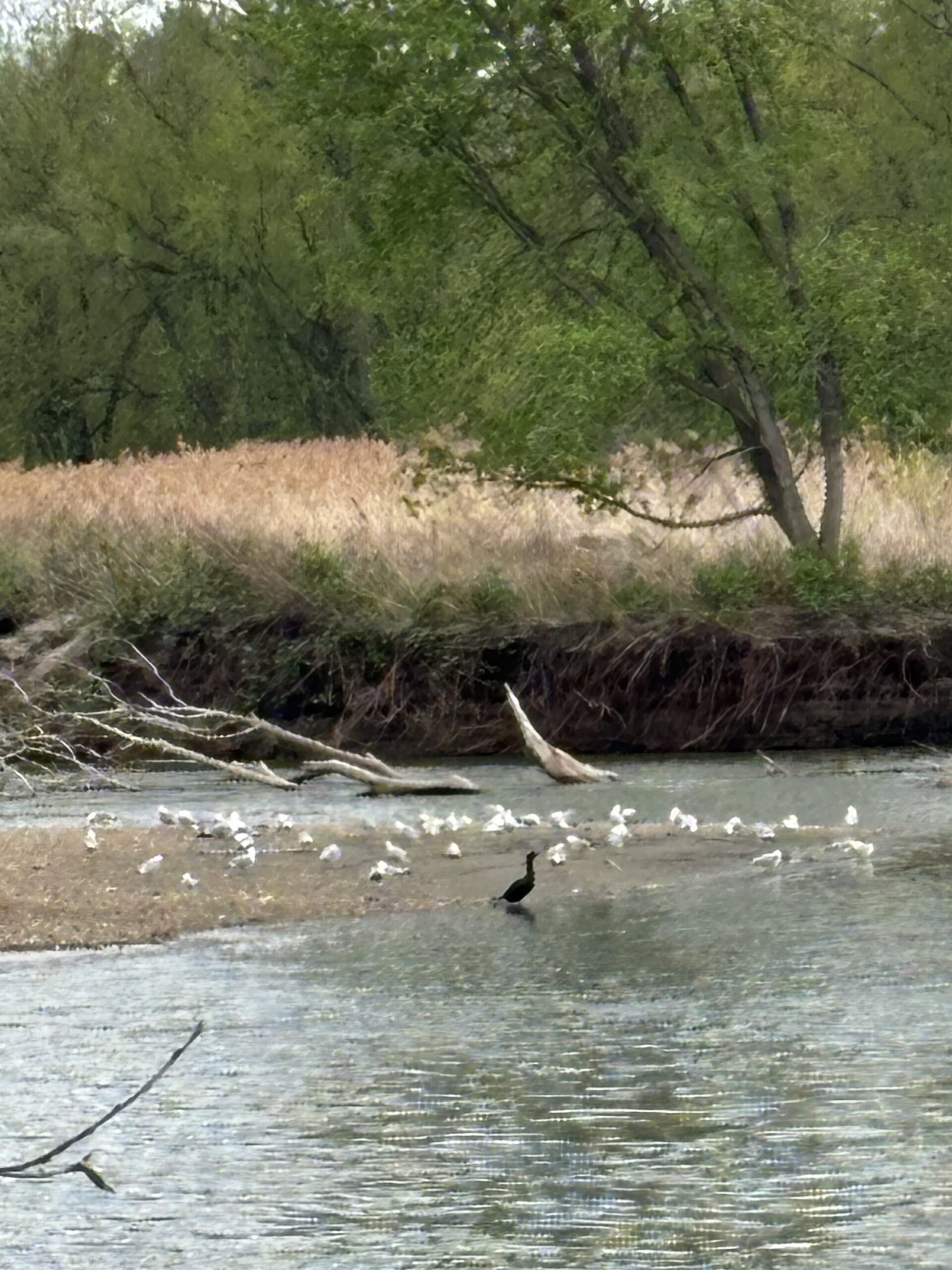
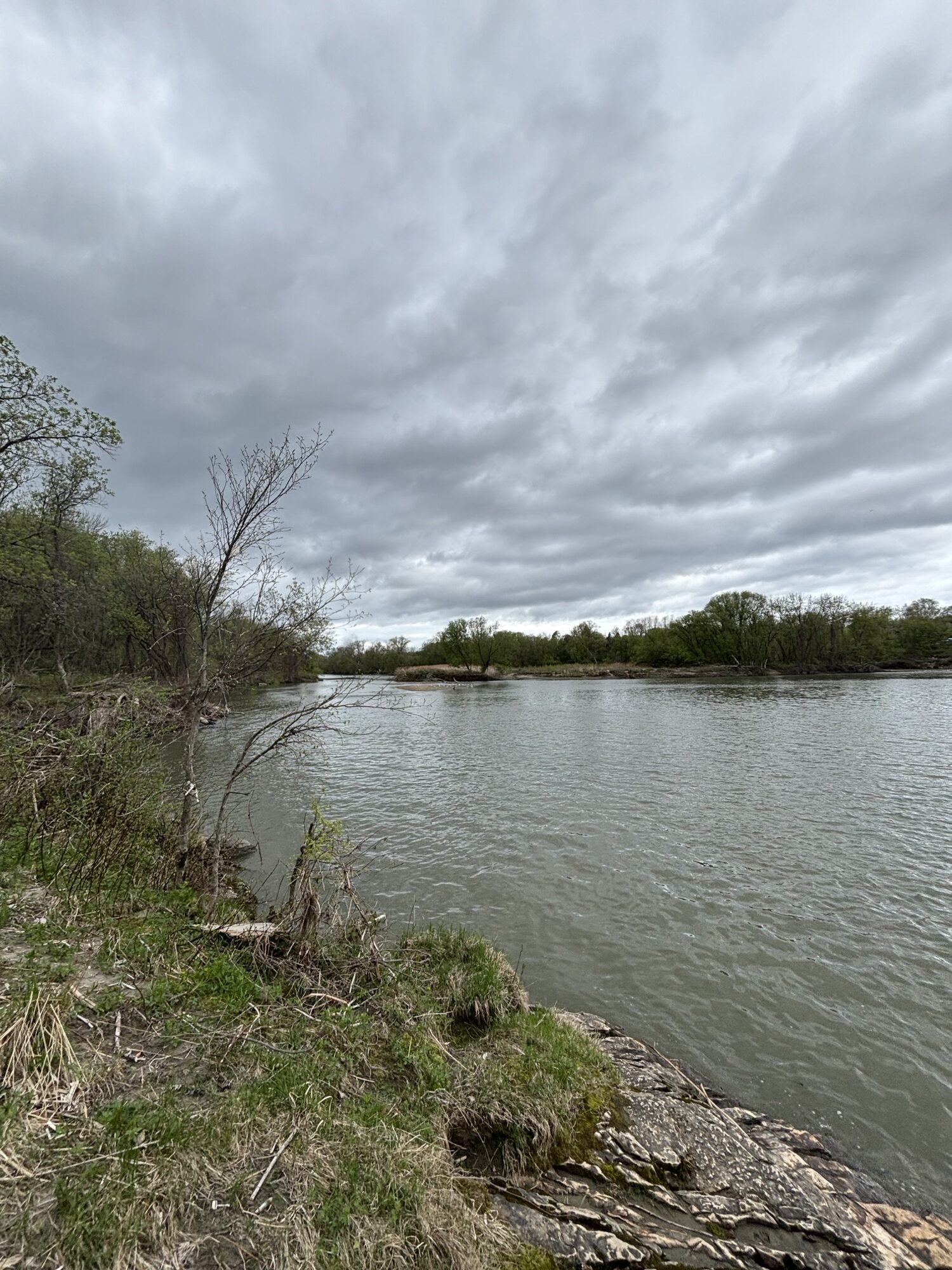
My last visit to my phenology spot felt very full circle. The leaves have started coming back, there are some flowers, and there were plenty of birds. I’m very glad to have had the opportunity to see Salmon Hole in every season and track the changes throughout the year. Sitting in my spot during my sketch brought me right back to my first time there and made me feel grateful to know this place. There is now a lot of moss and ferns growing and a lot of the younger trees are growing leaves (a lot of the bigger ones don’t have a lot of leaves). One big change that was not here before (even in the beginning of the year) was that there was a lot of driftwood around my spot. I am not exactly sure what caused this, but I’m guessing it was from a big storm that caused the wood to wash up. I think the wood may be negatively impacting the underbrush because there is not a lot growing in that area right now and its definitely less than it was in the fall. The landmarks around my spot include the small triangle of grass in between the trails (which is how I mark where my spot exactly is), the rocks towards the right of my spot, and a patch of sand where the birds hang out.

Culture and Nature intertwine here in a very interesting way in my opinion. First of all, there are multiple no hunting or fishing signs posted, but I have seen many people fishing. However, there are a lot of educational signs about endangered species and the importance of conserving them, which is beneficial. This place also is a great place to walk and experience the Winooski River. Also, this area is never crowded so it is usually very peaceful. Lastly, in the fall, I saw a few homeless people camping out around the park, which complicates the human-nature interactions and possibly defer more people from visiting here.

I wouldn’t necessarily consider myself as a part of this place, but I am very glad to have been able to be experience it. I feel like to be a part of it I would need to have an impact on it or feel extremely emotionally connected to it, but to me, it’s just a cool place in nature that I like to visit. I do plan on continuing visiting this spot next year because I have grown to like it a lot.
City Nature Challenge BioBlitz

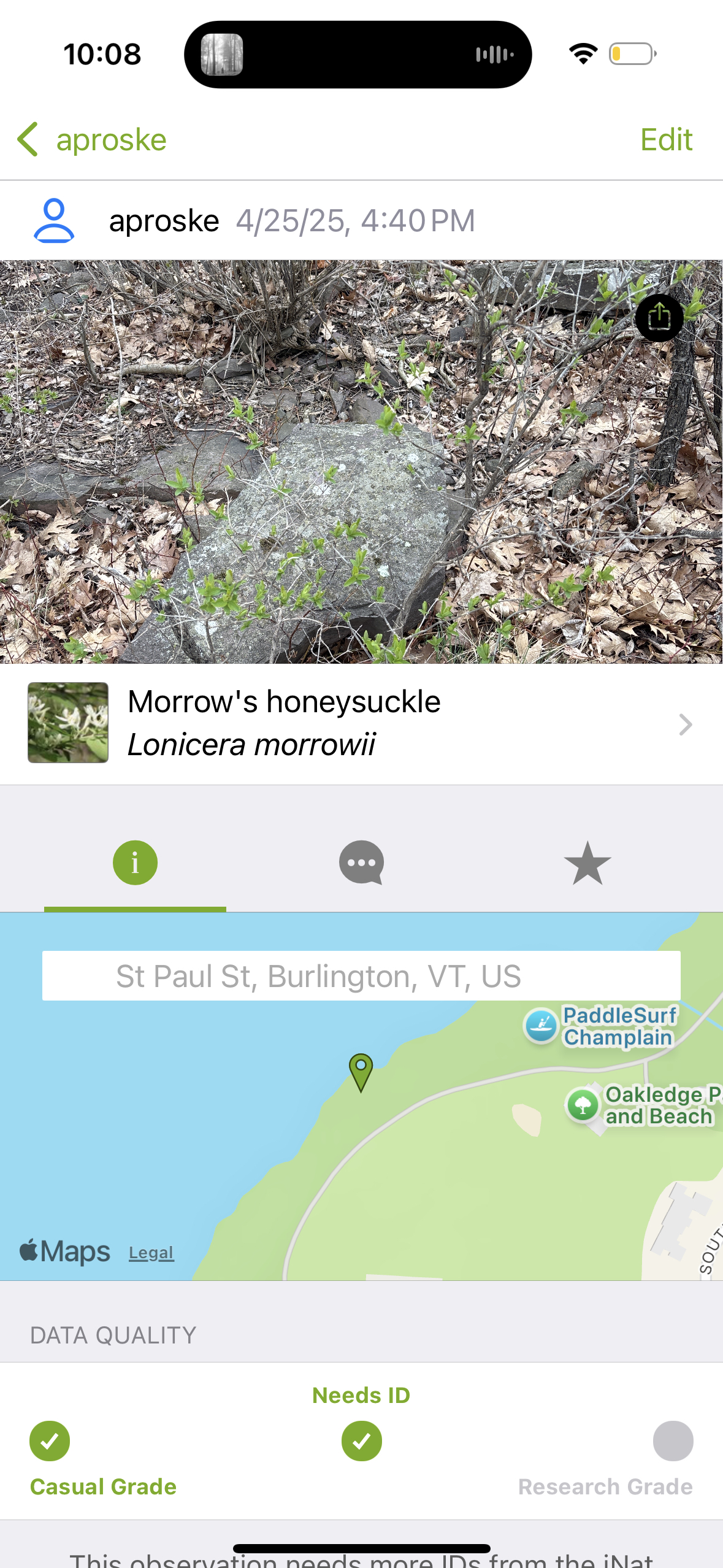
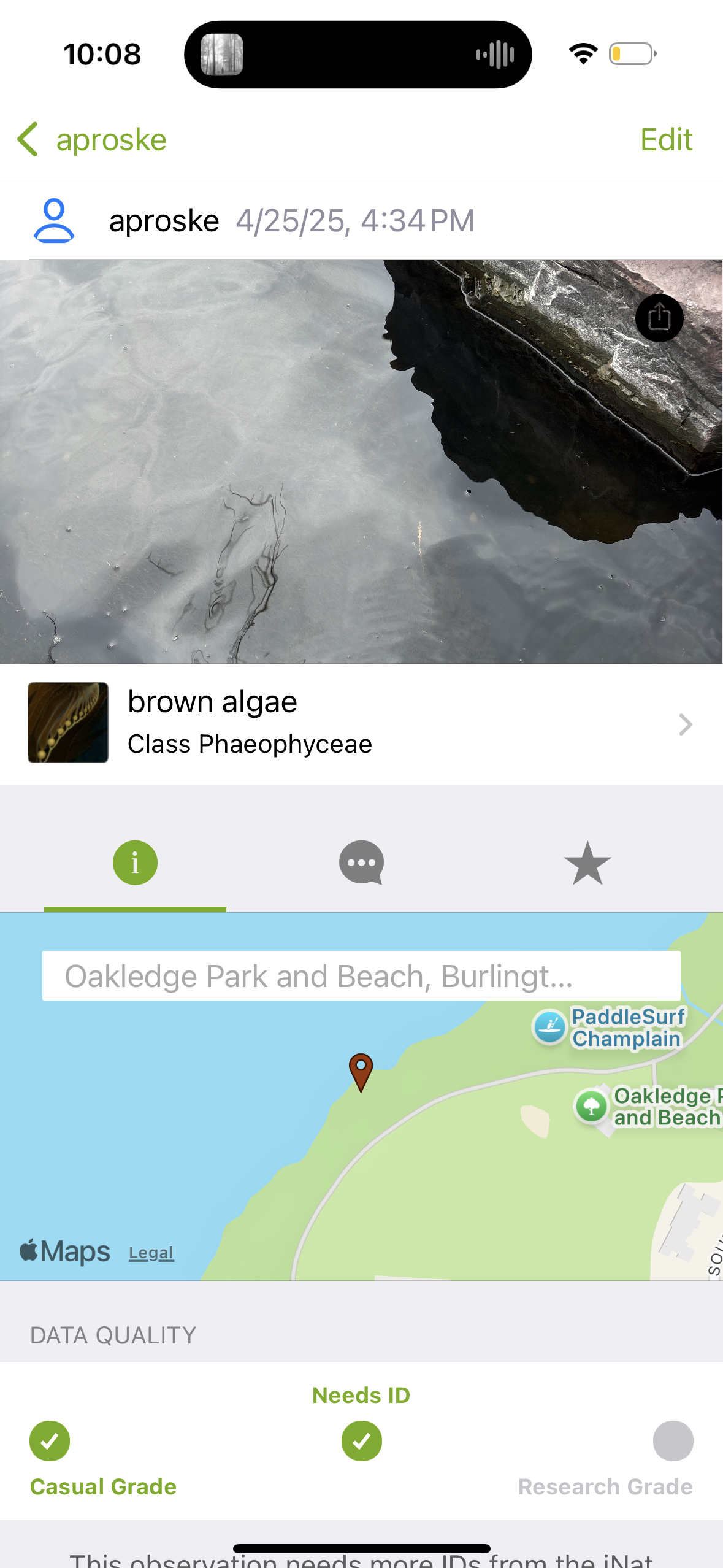
First, I went back to Oakledge park and explored off the path near the lake. There was a lot of brown algae on the rocks near the shore (that I struggled to take pictures of). I also noticed some budding on nearby trees including honeysuckle, but some trees still had no signs of budding. The wildlife consisted mostly of birds; I used the iNaturalist app to ID a red cardinal, but there were many other bird sounds that I couldn’t identify. There were also ducks in the water pretty far away that I couldn’t quite get a good picture of. Overall, the iNaturalist app was helpful in organizing all the species I found and helpful to see other observations in similar areas to where I was.

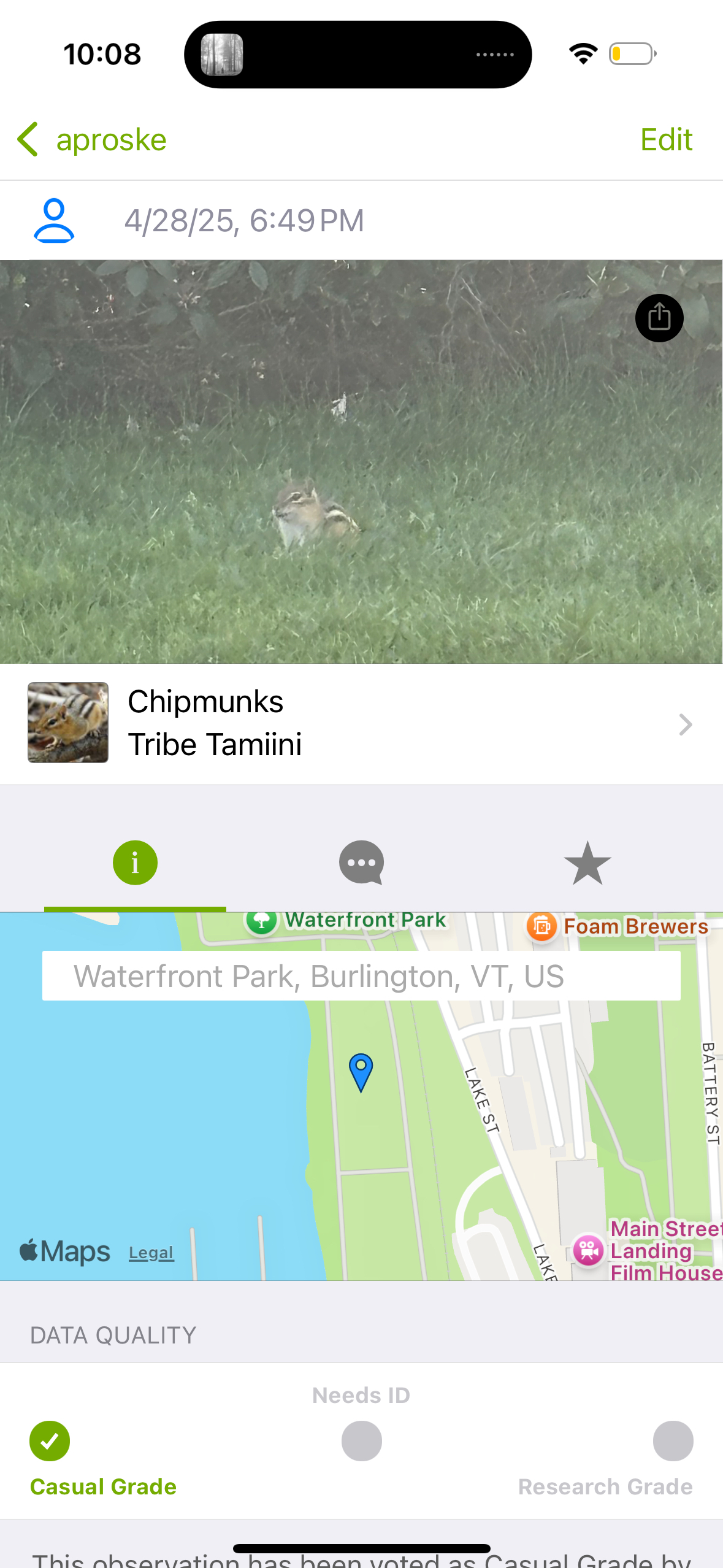
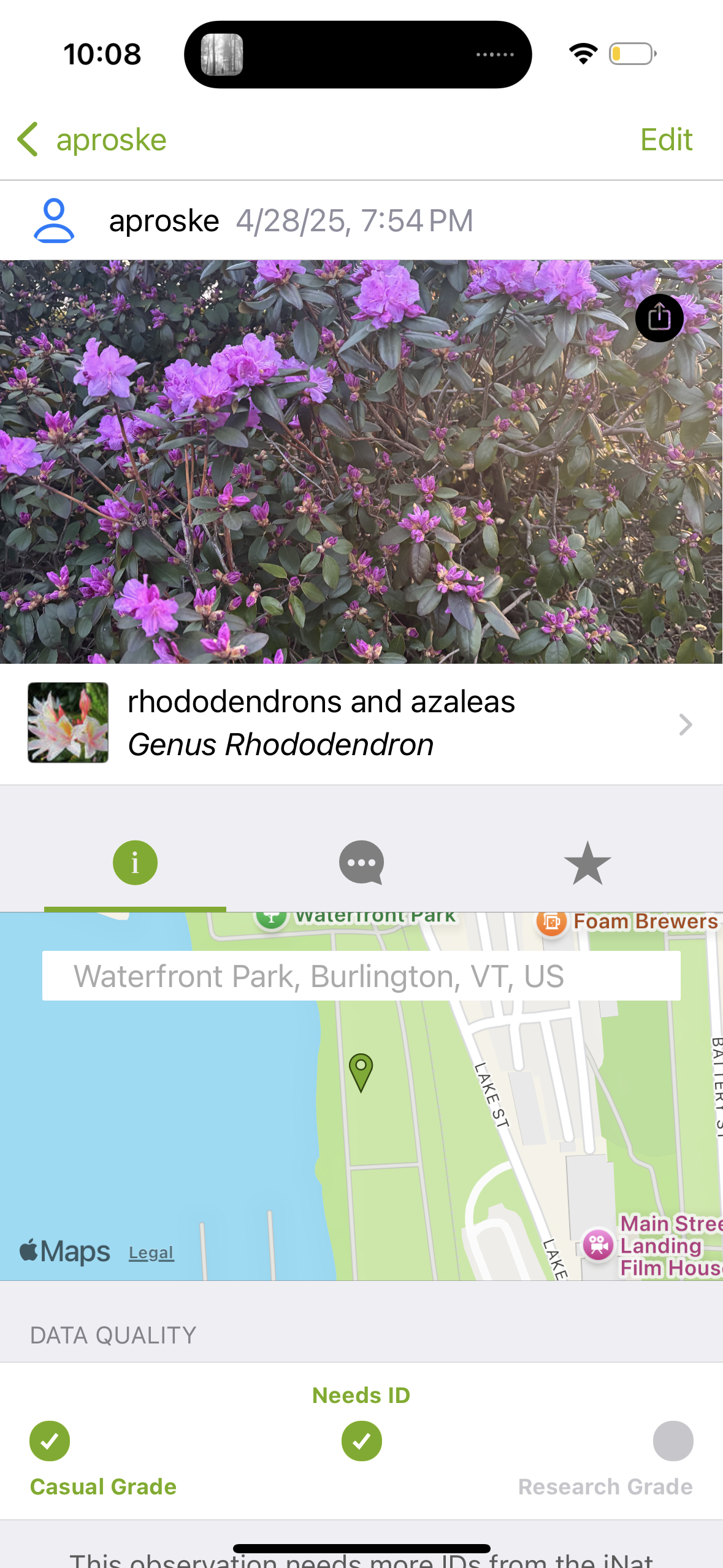
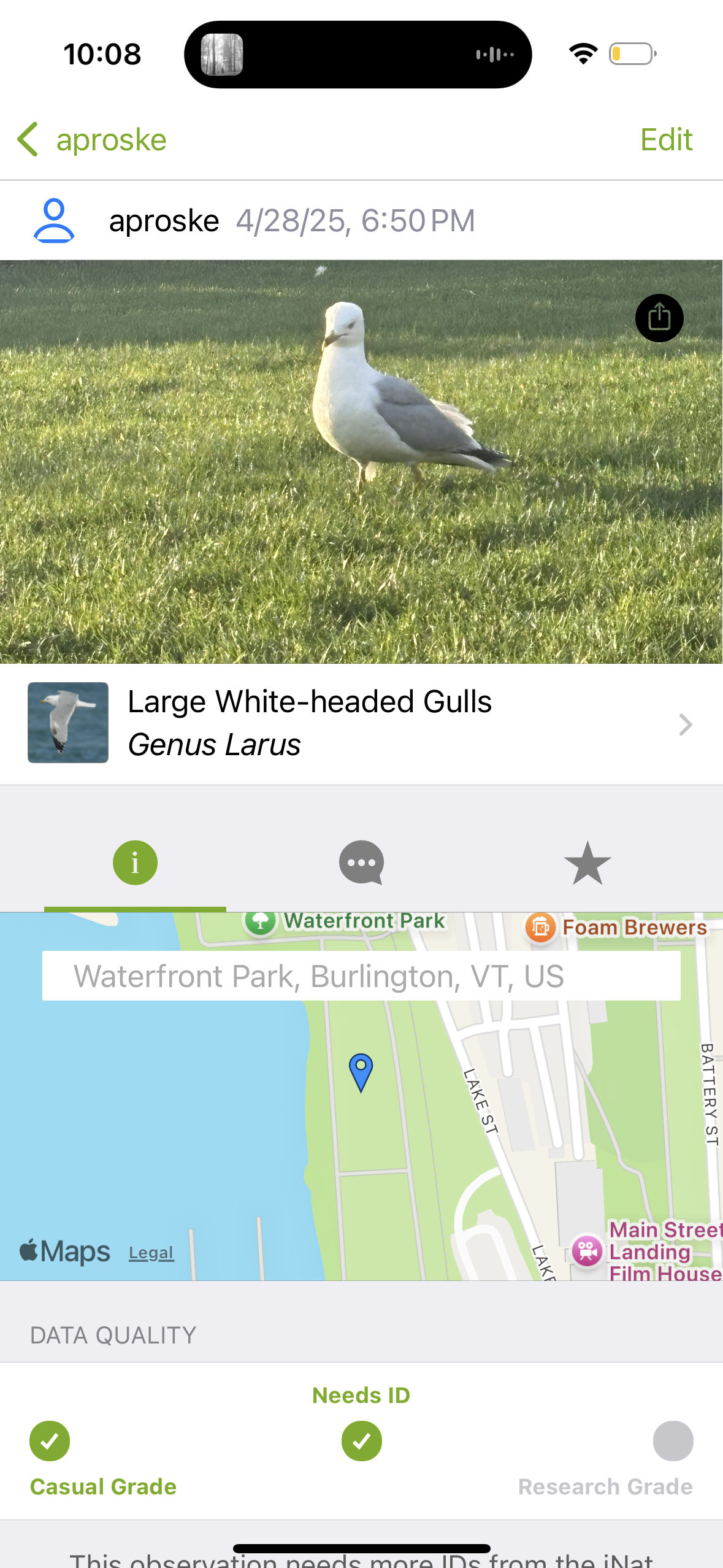
Another area I explored was the waterfront park near the Echo Center. Here, I saw and heard more birds, such as seagulls, and saw many chipmunks. I used the iNaturalist app to ID some plants like rhododendron, but I was unable to ID any bird sounds because of the human noises such as music and talking. I probably encountered at least 10 different species in my little area including all the trees and little shrubs (and so many little gnats).

I think that it was especially interesting to see all the flowering plants posted from different areas because we don’t have that much flowering yet. I also really liked seeing different pictures of wildlife. For example, someone posted a Coati, and I didn’t even know what that was before seeing the picture. Lastly, all the different insects were cool to see and there were a very wide variety of them posted.

Phenology Assignment- the greater Burlington area

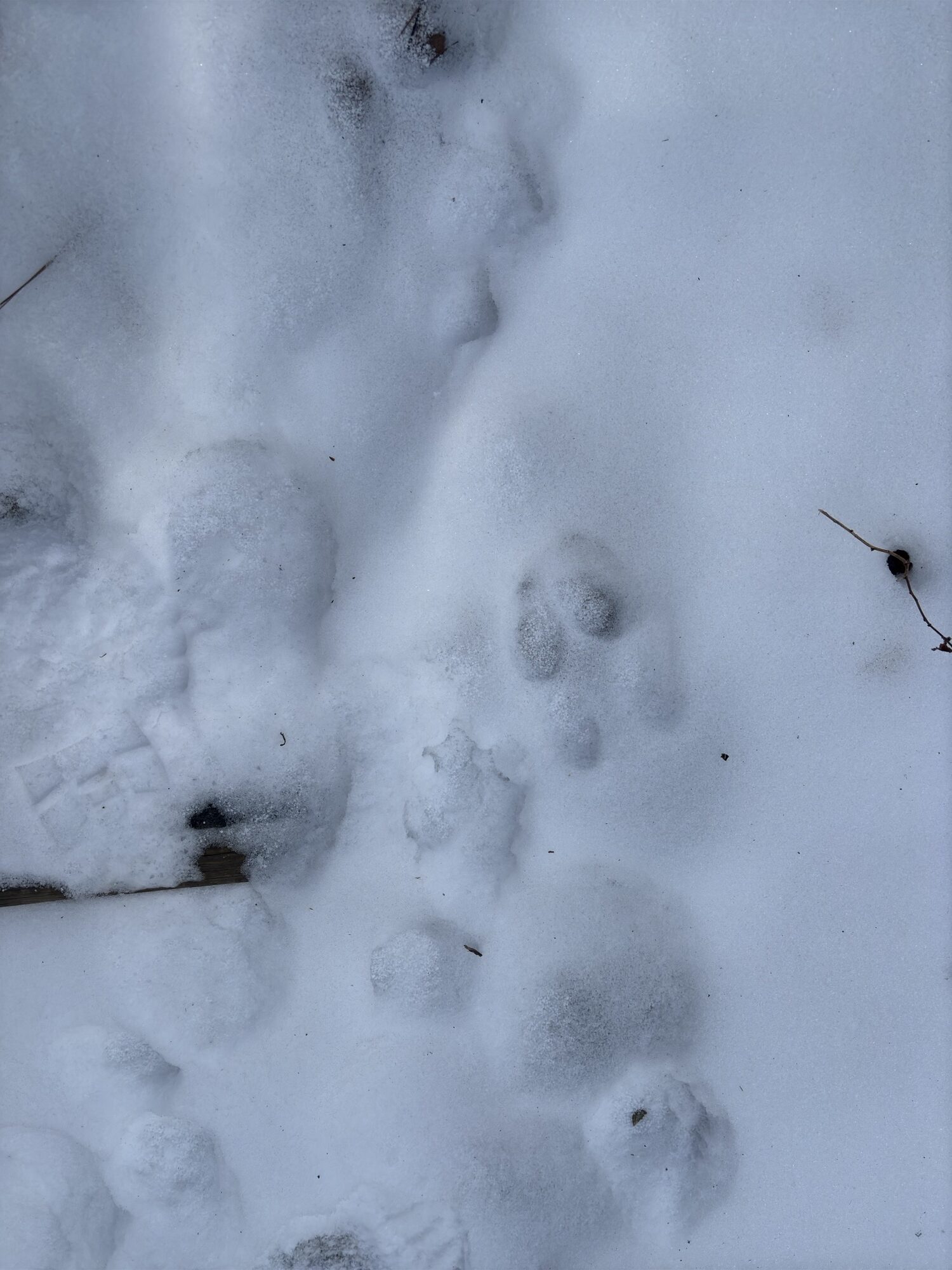
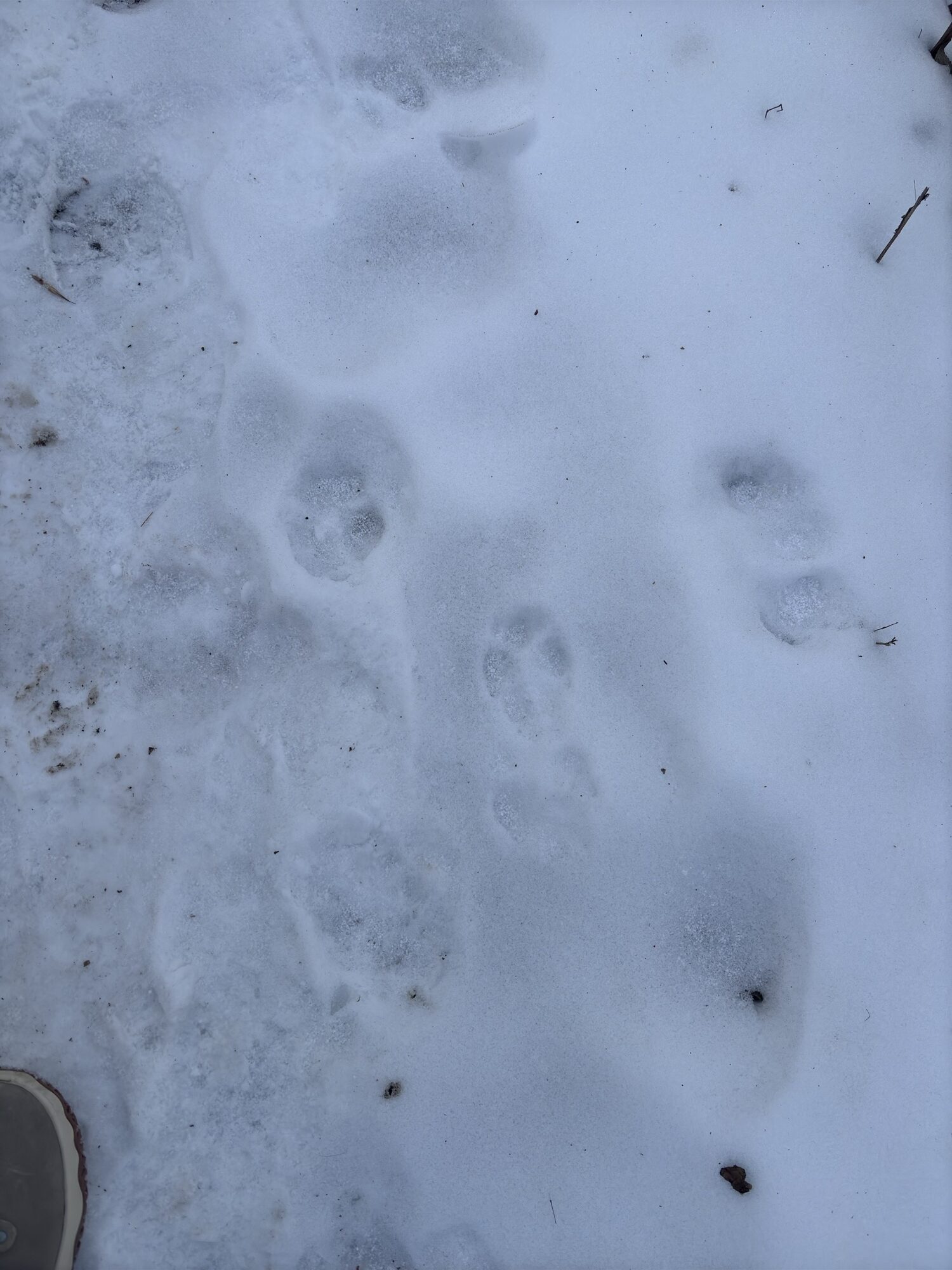
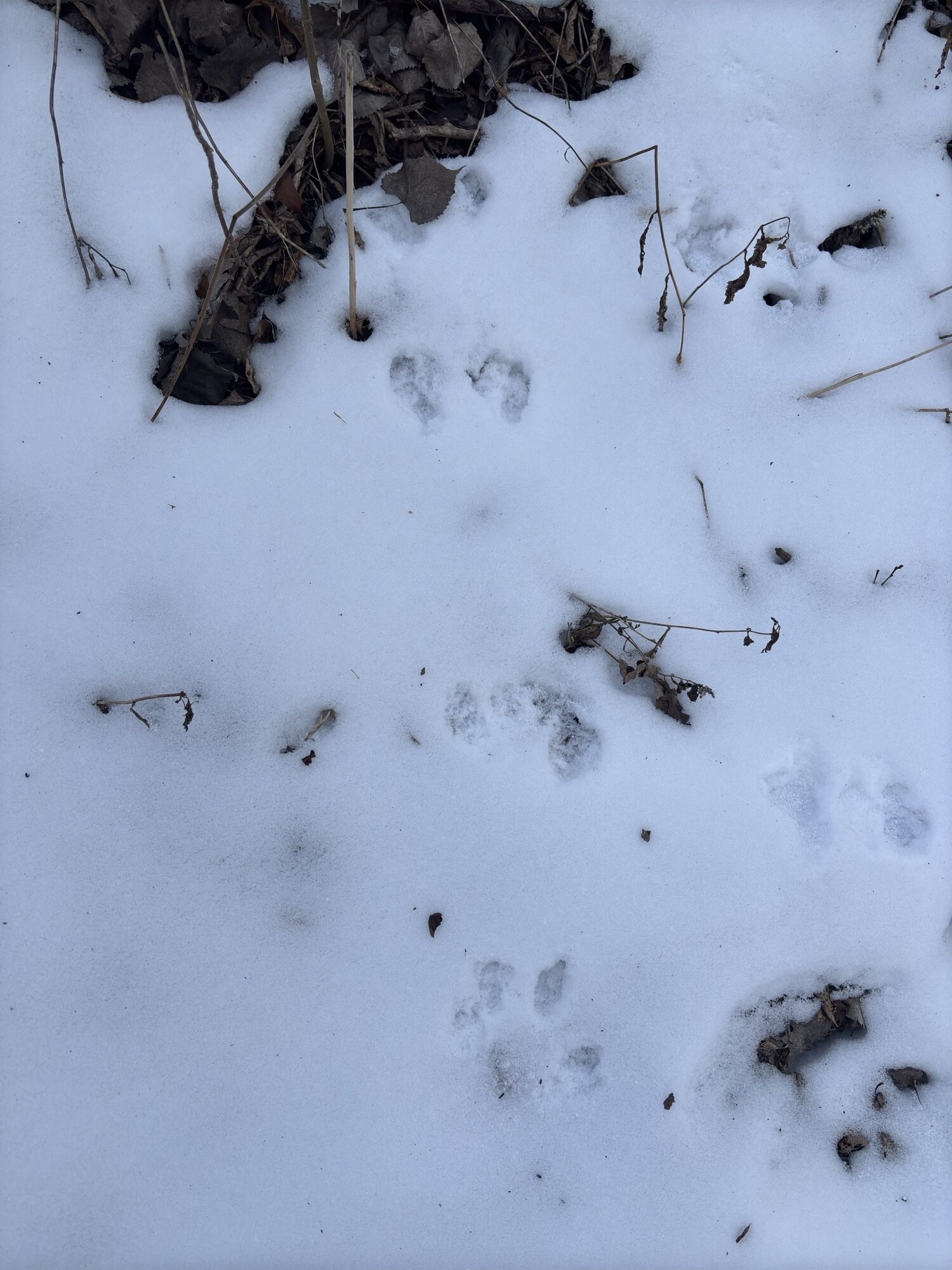
For this assignment, I walked to Centennial woods and found various tracks there and some on the way as well. I surprisingly didn’t find any scat or nests, but I did see two different squirrels running, but I couldn’t catch them on camera. I liked using the INaturalist app to organize all my observations, but I didn’t really get a lot of feedback about the tracks I found (probably because I did this late). I also liked seeing everybody else’s observations around Burlington and I think it was cool to see people responding to and discussing the wildlife signs. 

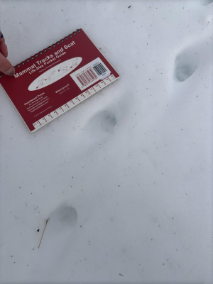
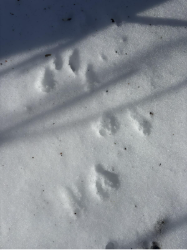
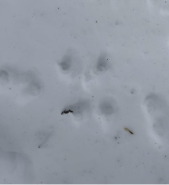
For this set of tracks (above), some of the tracks looked like there were 5 toes, so I was thinking it could be a weasel of some sort. It also looked kind of like fox prints, but they were too small.  

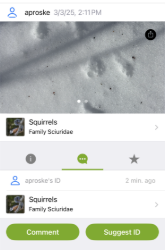
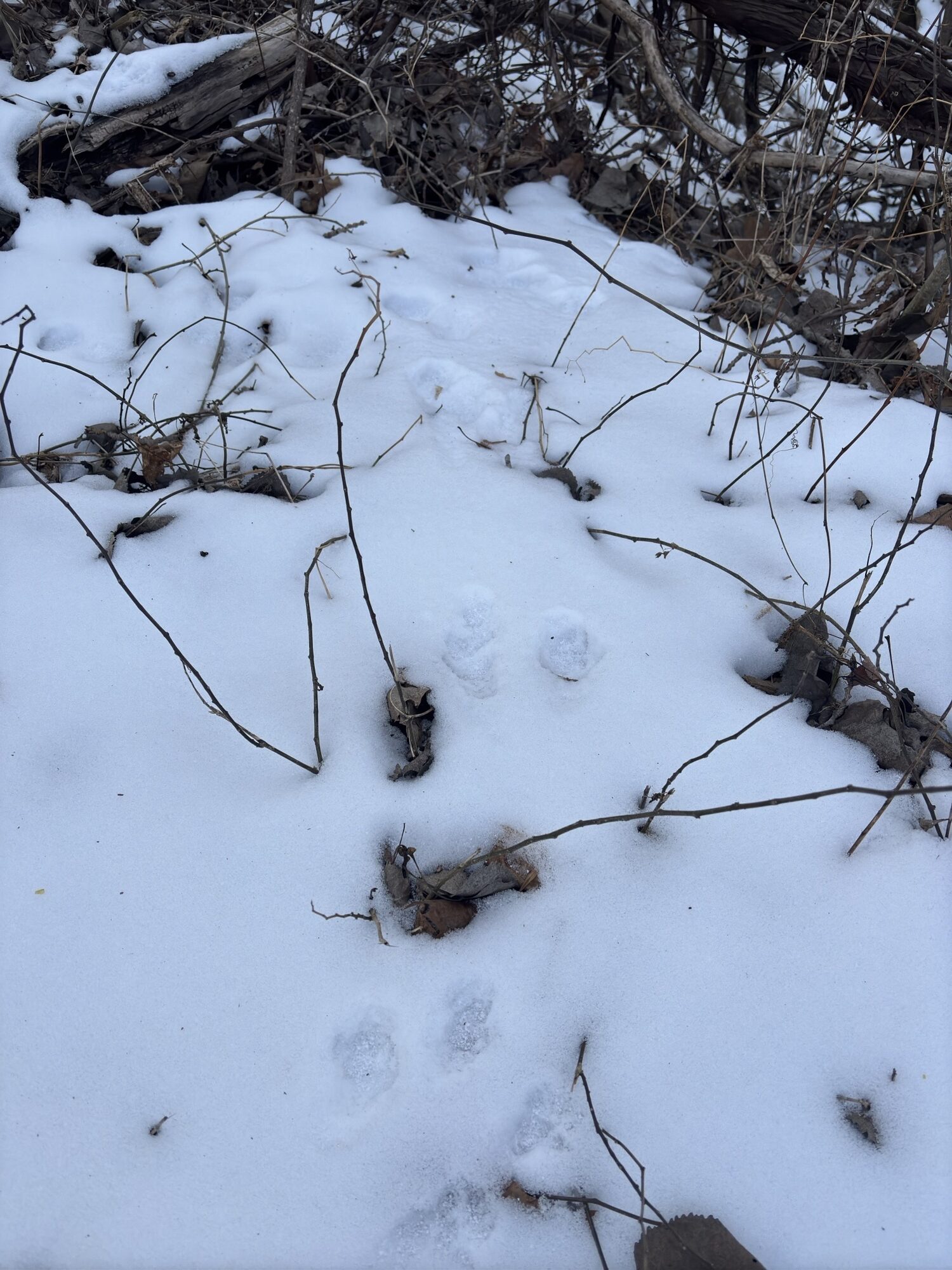
When I put this in INaturalist, I put these tracks down as squirrel but I’m not very confident about that identification. The tracks seem too big to be squirrel and the tracks are bounding, so maybe it could be a fisher?  

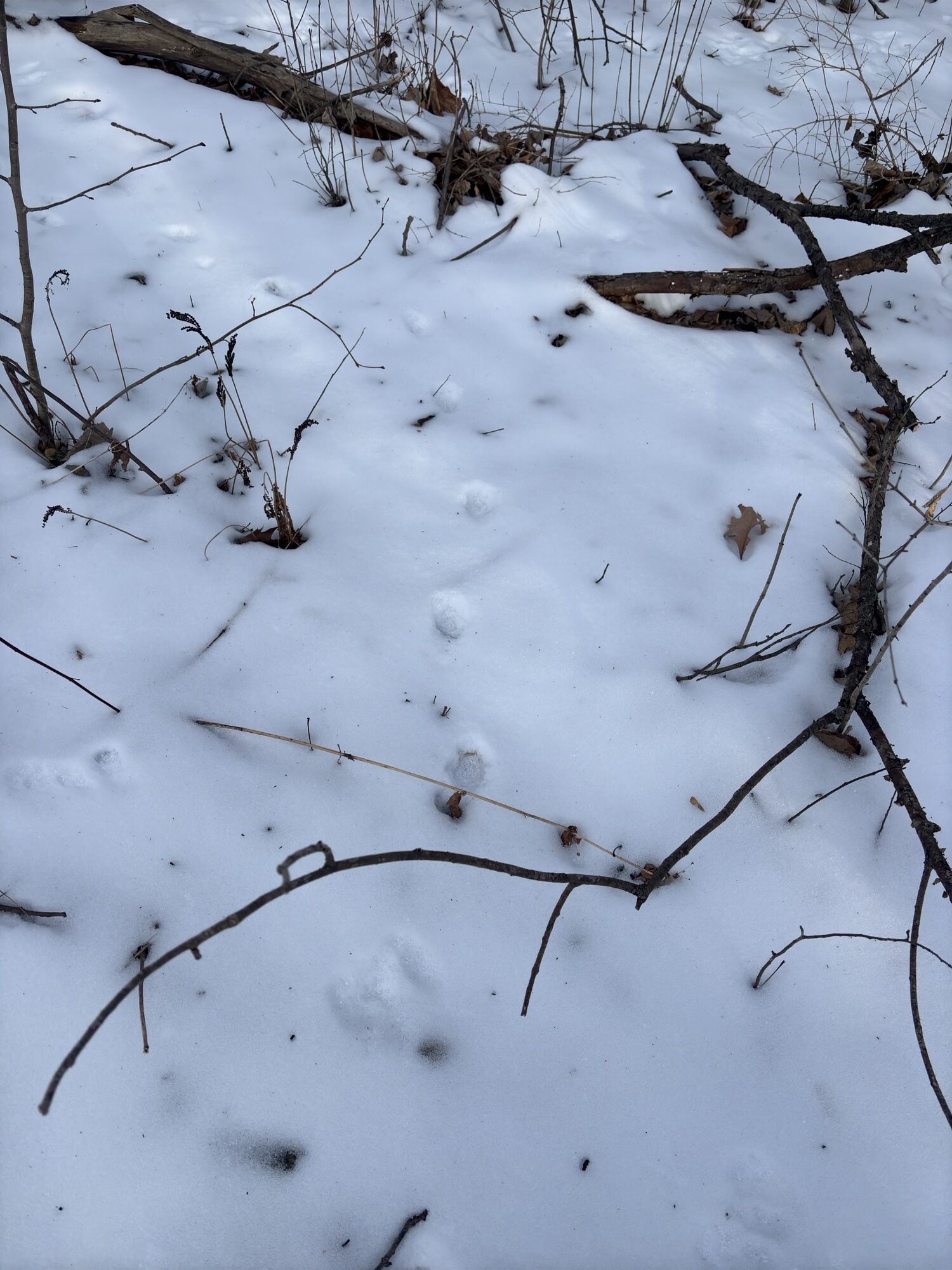
I think these tracks could be either squirrel or rabbit, but I was leaning towards squirrel since I was seeing multiple squirrels in the area. The pattern seems like a gallop but then gets more sporadic towards the bottom of the picture, which made the identification more confusing.  

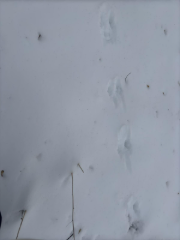
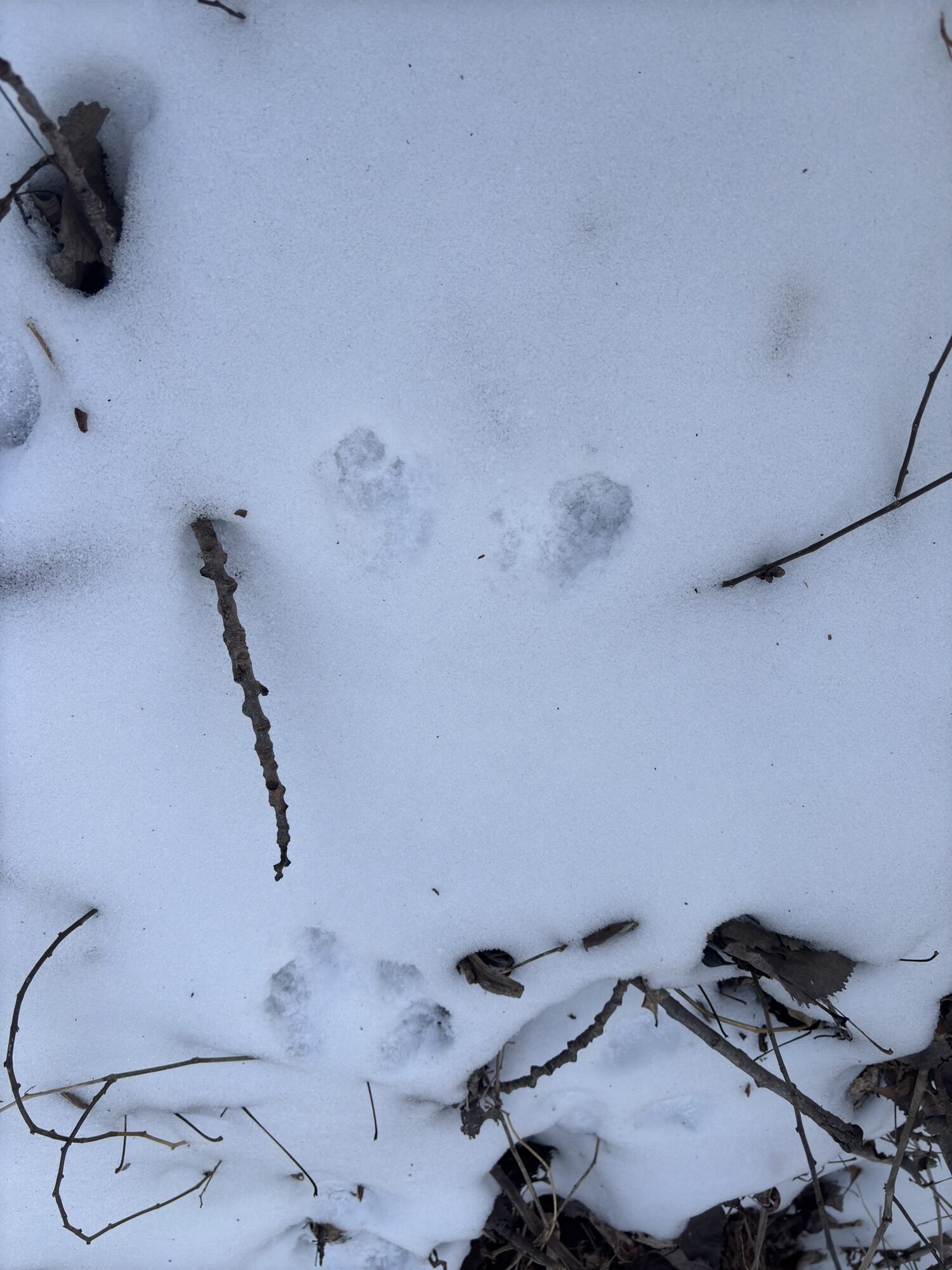
Both of these tracks were kind of hard to see the details of the prints, but we were leaning towards fisher or weasel again for the left. The right ones were throwing me off too because its a perfect square and didn’t have a full trail of tracks to really look at the pattern.   

January Visit

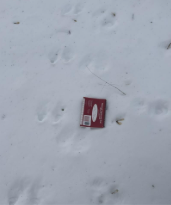
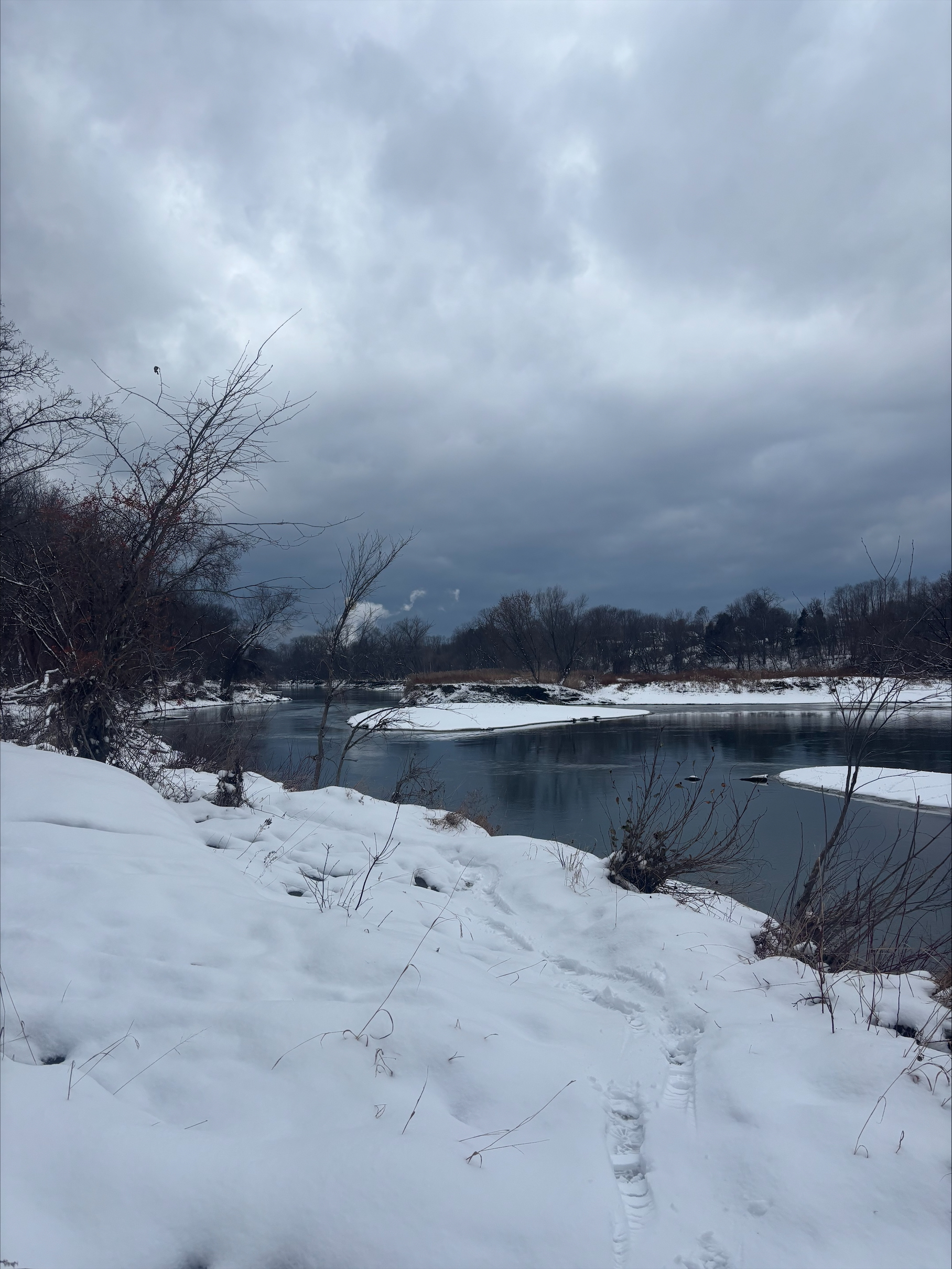
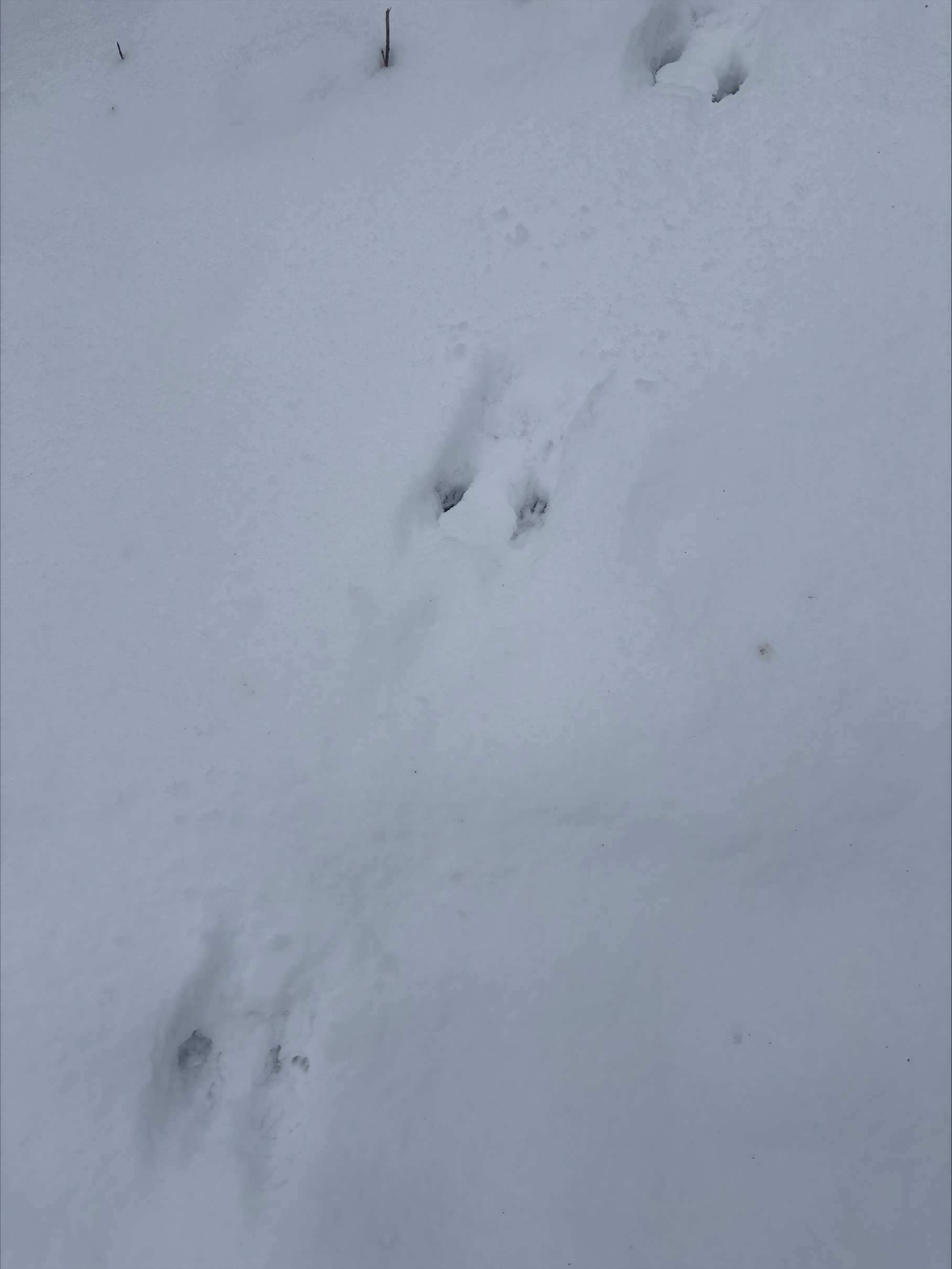
I went back to Salmon Hole Park for the first time since break and it is now covered in snow. I was able to find some animal tracks that I am not very sure what they are, but I am assuming they are some sort of small animal (possibly a squirrel or skunk??). Most of the tracks were not very distinct or detailed so it was hard for me to tell. Other than that, and some dog paw prints, I didn’t find any other signs or markers of wildlife, nor did I see any actual wildlife when I went. Not much else changed in the spot since last semester, except the snow and ice that covered the park, including the water which was very pretty.

December Phenology Visit

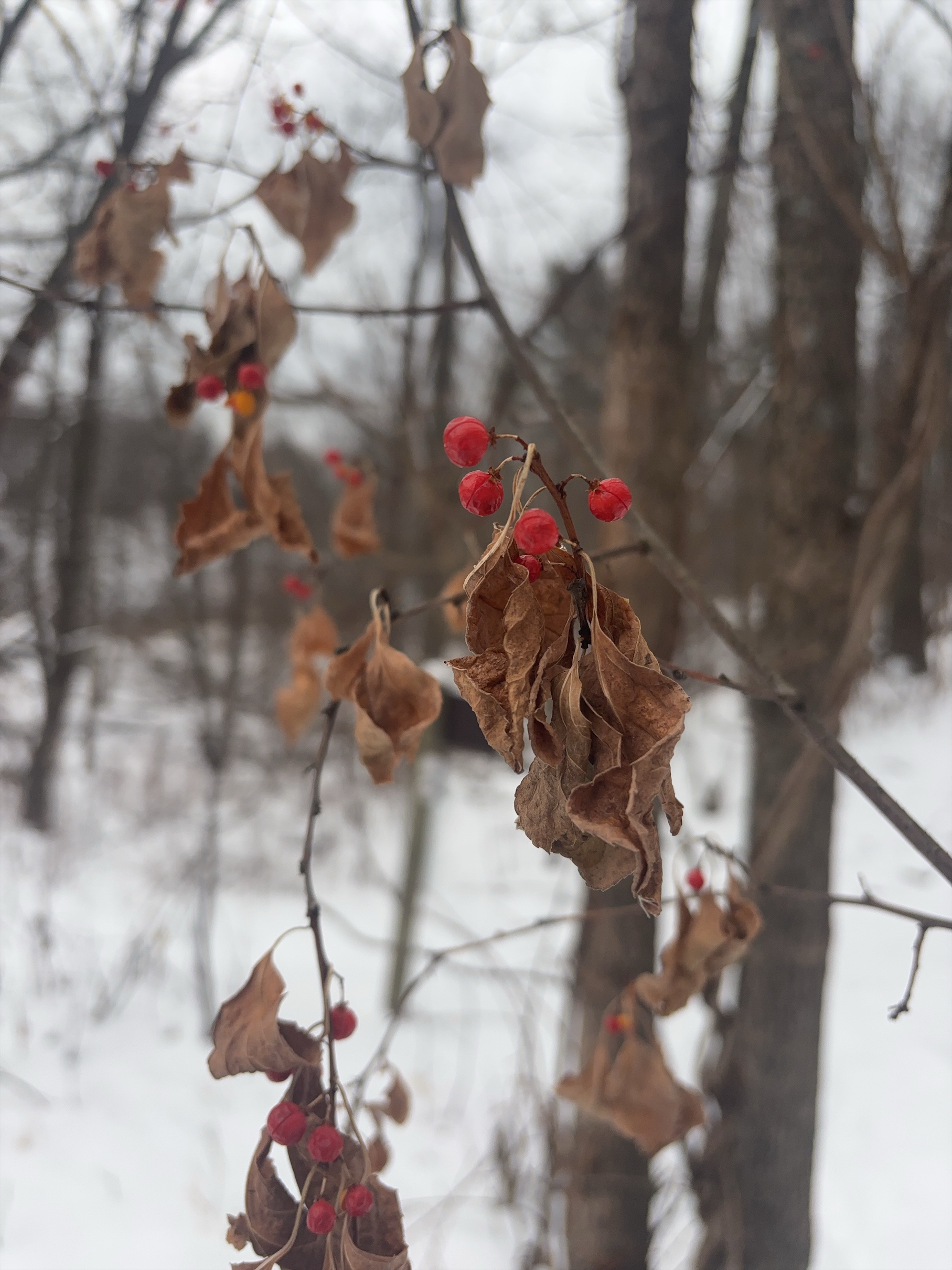
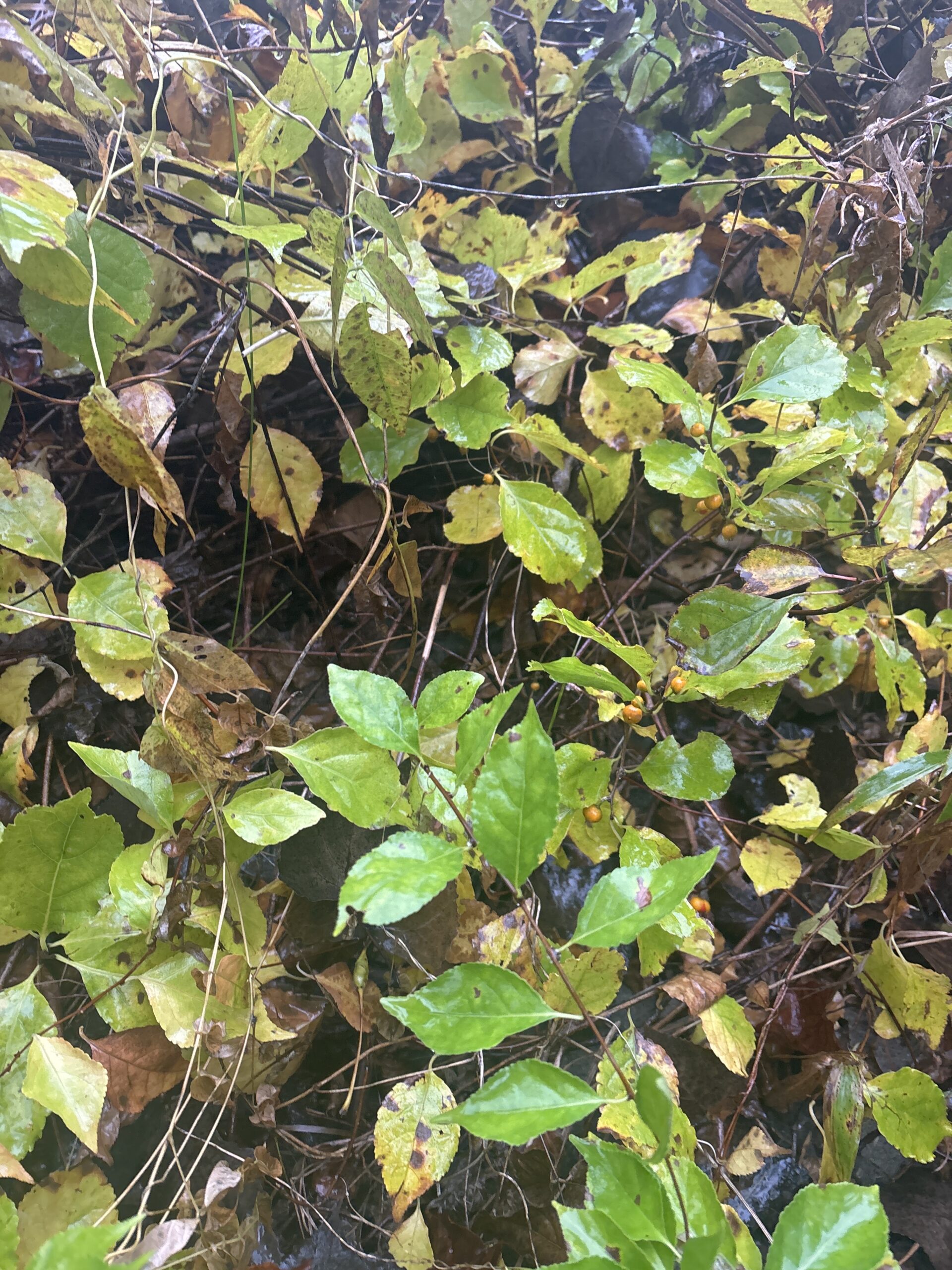
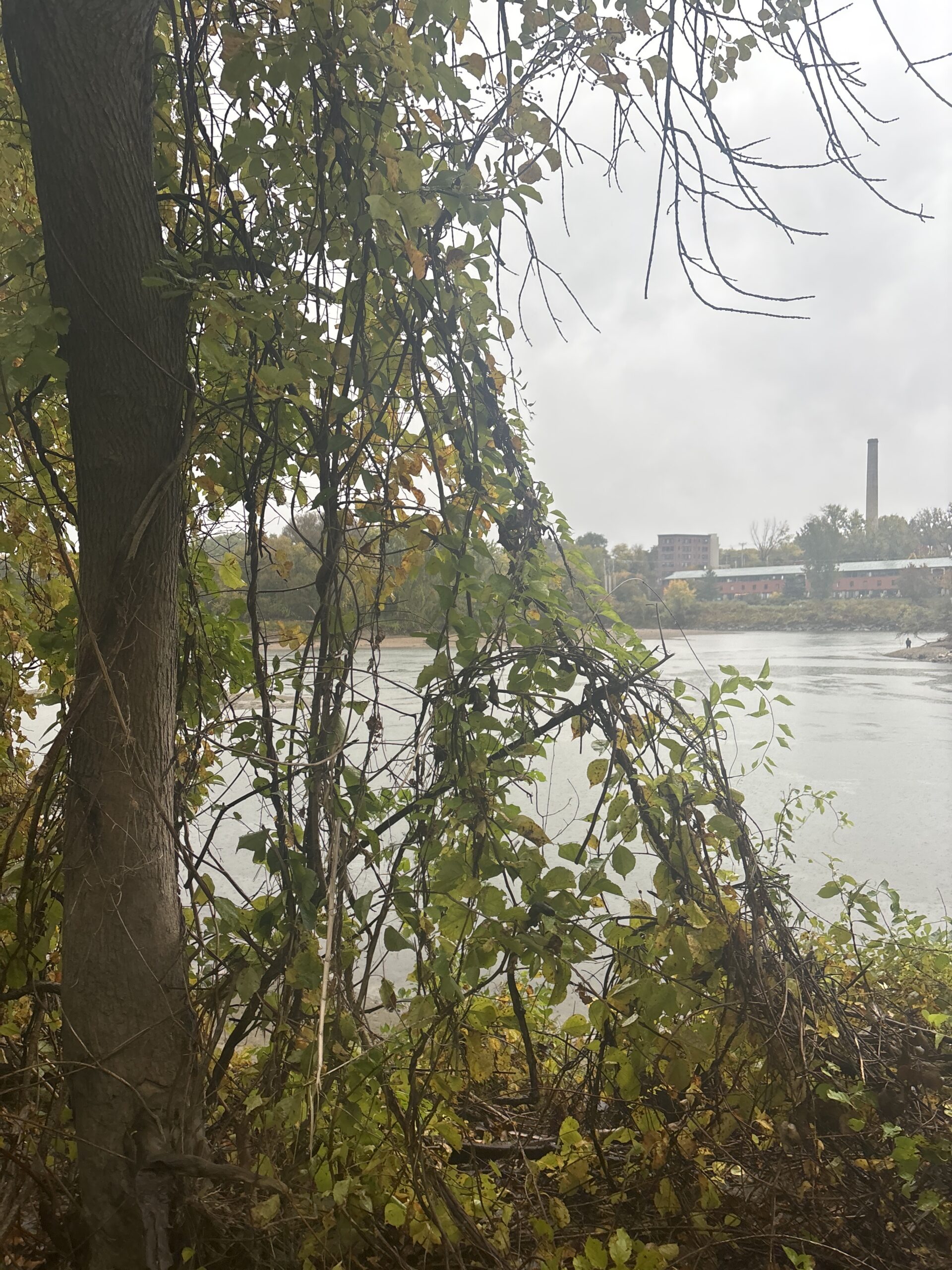
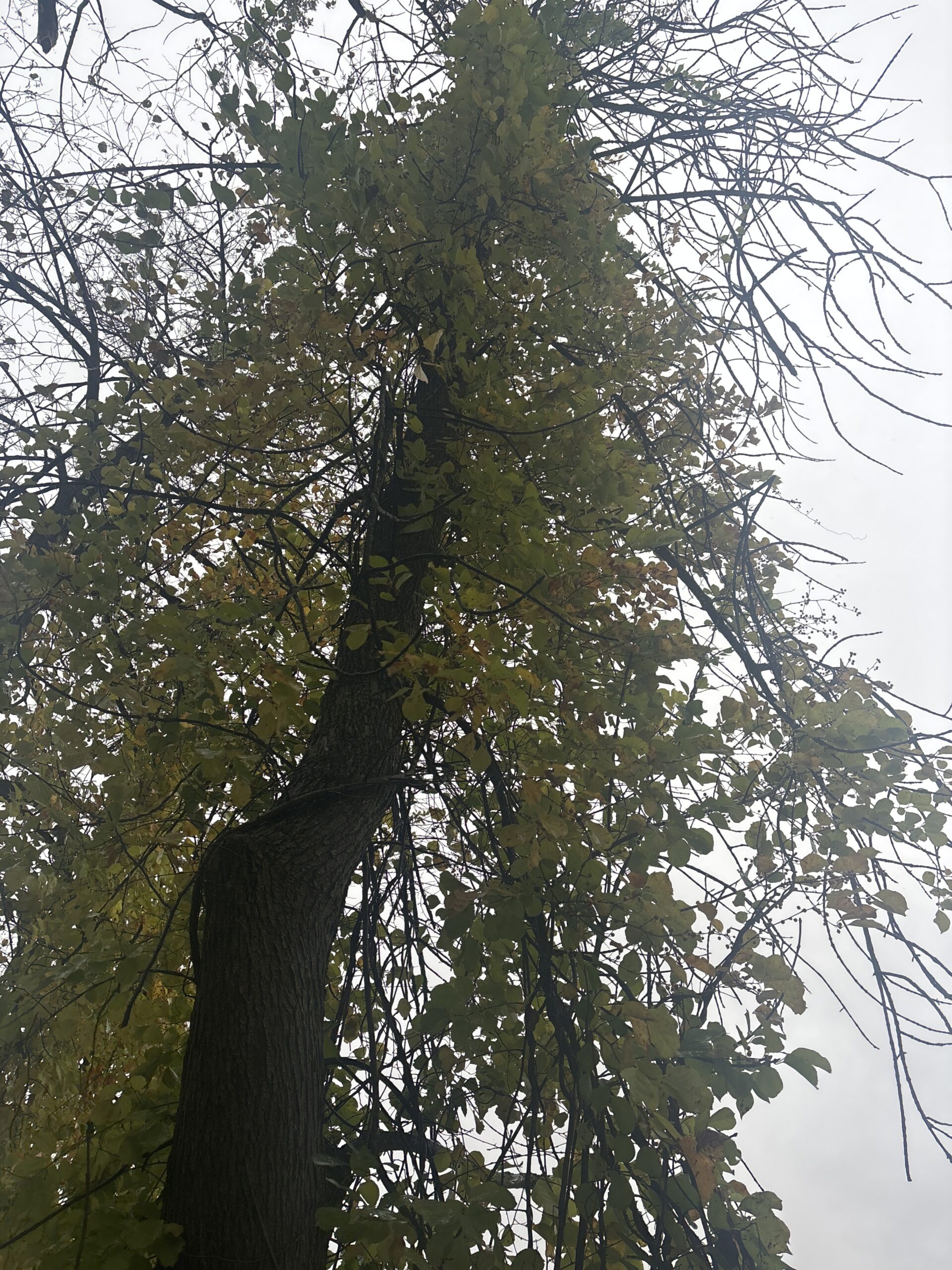
It was a great opportunity to visit Salmon Hole after the one of the first snows of the season. During the last visit, there were some trees left with leaves, but this time there were none left except for the fruit of bittersweets (there were quite a few bittersweets around my spot that still had fruit and some leaves). As for wildlife, I didn’t see any squirrels or chipmunks while I was there, which was very different from last time. However, I found one set of tracks that I think could be from a squirrel but I’m not completely sure. There were a few tiny birds flying and chirping above the trees, which I had noticed before, but the dozens of geese I saw the very first time I went have been long gone. I wasn’t able to observe the fall leaf litter because of the snow, but last time there was a very thick layer of leaves on the ground so it will be interesting to see what it looks like after the snow melts.

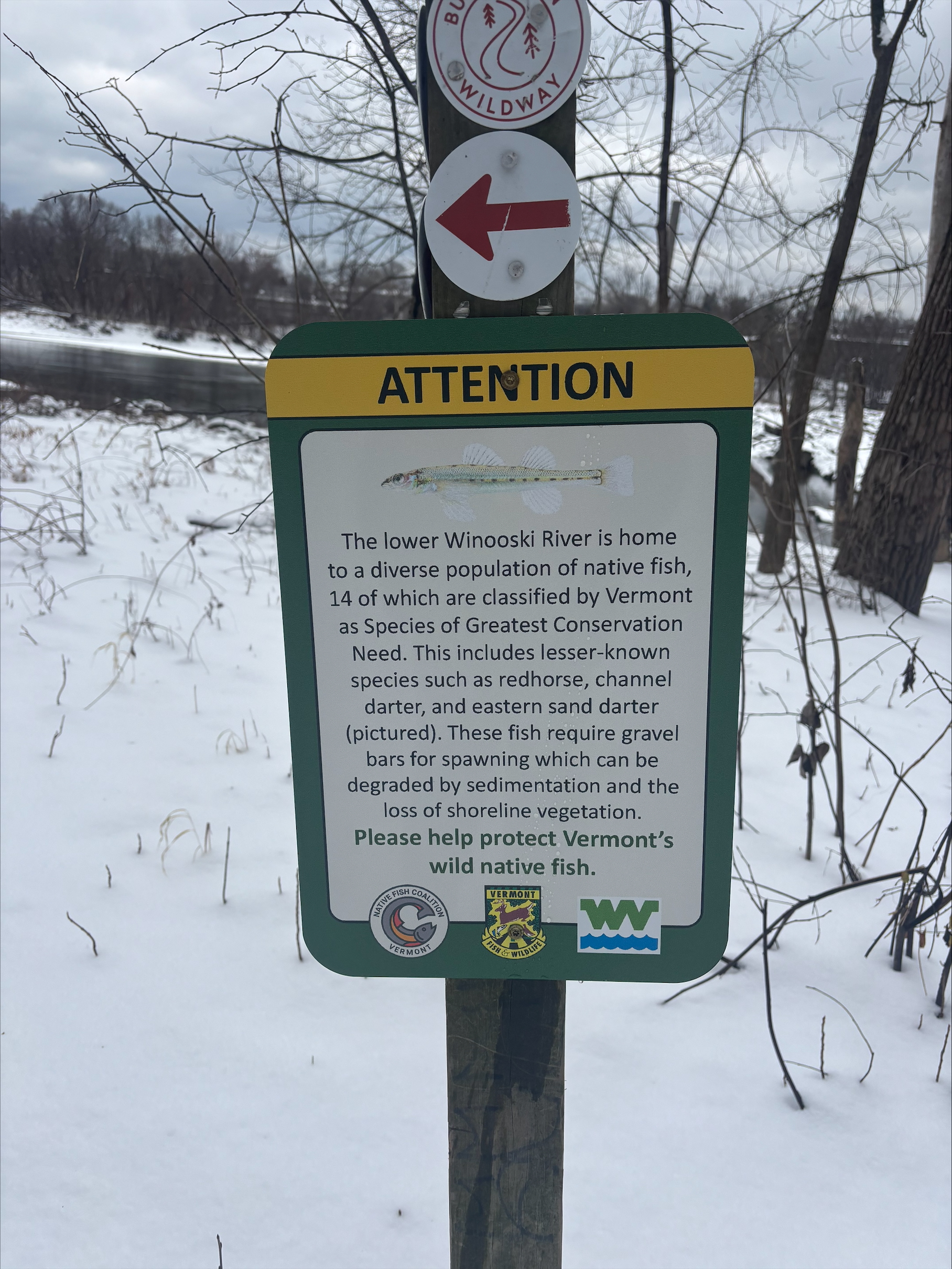
I also took a closer look at one of the signs posted and realized that it was a great example of advocacy to protect native fish species.

I am including a video from this visit along with one from the first visit because I think it is very cool to see the major differences between them and appreciate its beauty in multiple ways.

As I reflect on this long-term phenology project, I am very glad to have been a part of this and experience a deeper understanding of the land. One of my favorite parts about this place is the different speeds of the water. I think it is very cool that some sections of the water are very fast moving while others are almost completely still. I also really enjoy looking at the rock structures (especially when there were birds near there) because I think they are very unique. I love that this place feels like a hidden gem even though it is right off of a busy road, and that I was able to feel connected to the land just by visiting and observing.

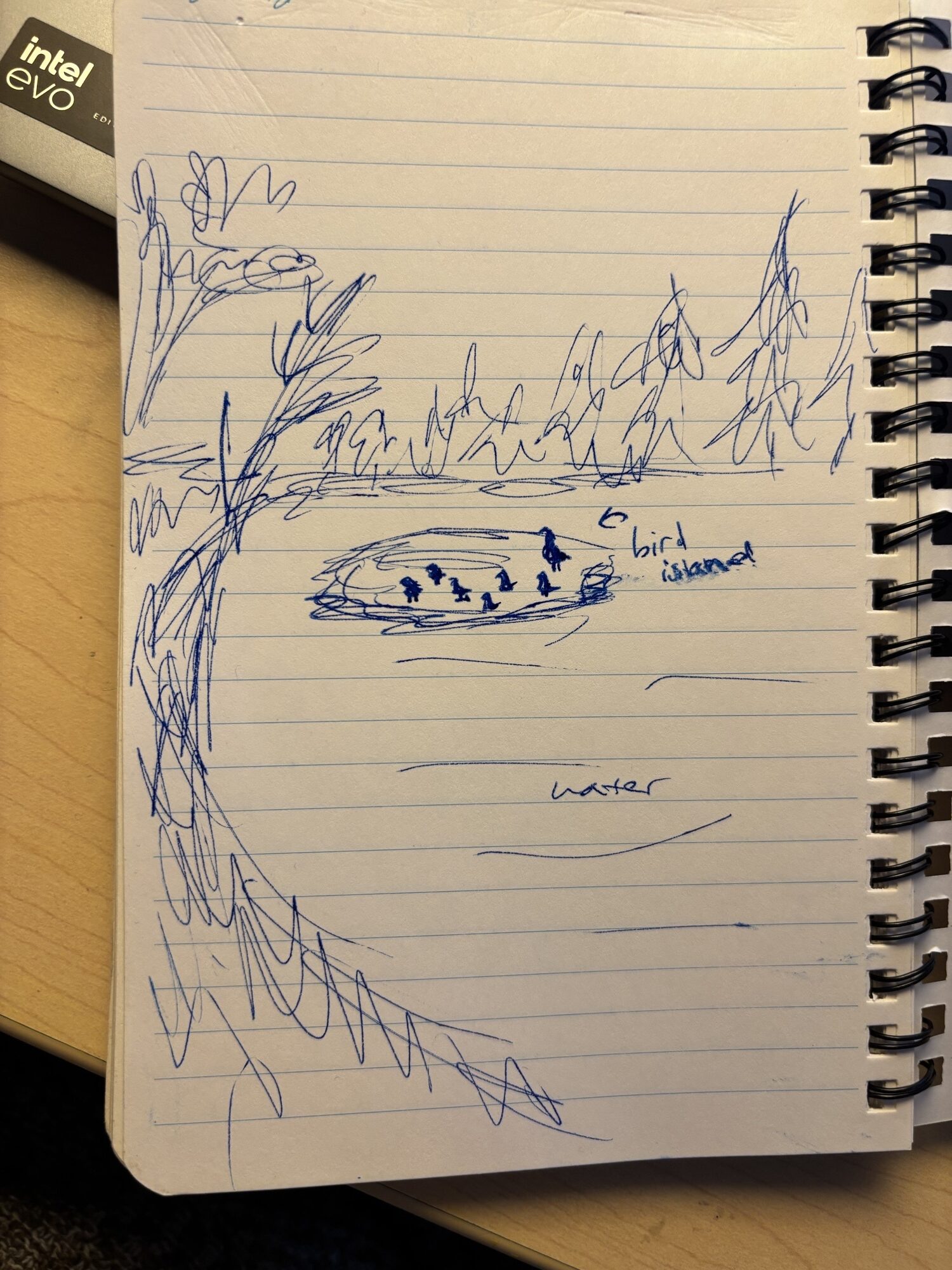
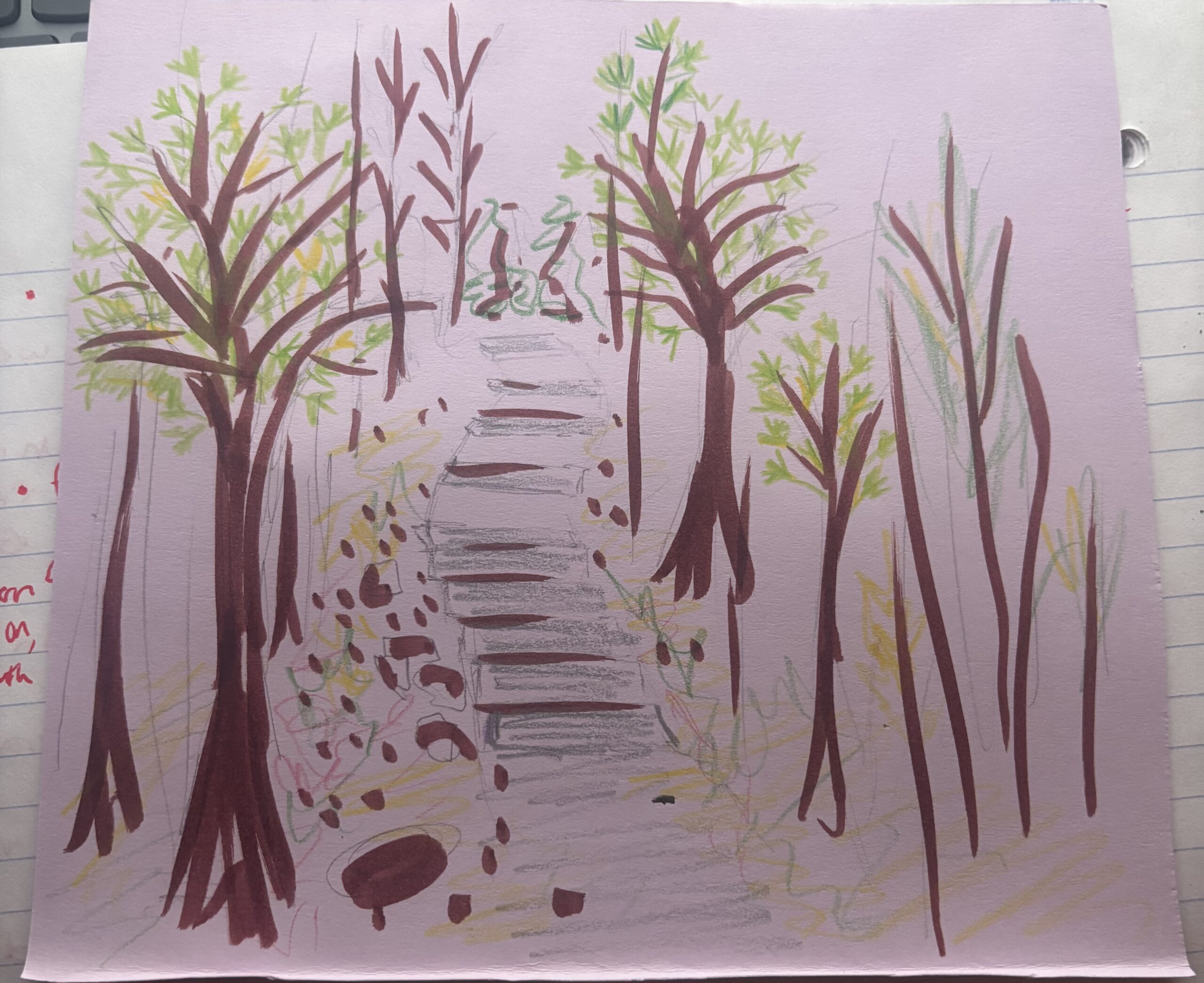
I also found a quick sketch from one of the earlier visits that I never posted so I included it here:

NJ Phenology Spot

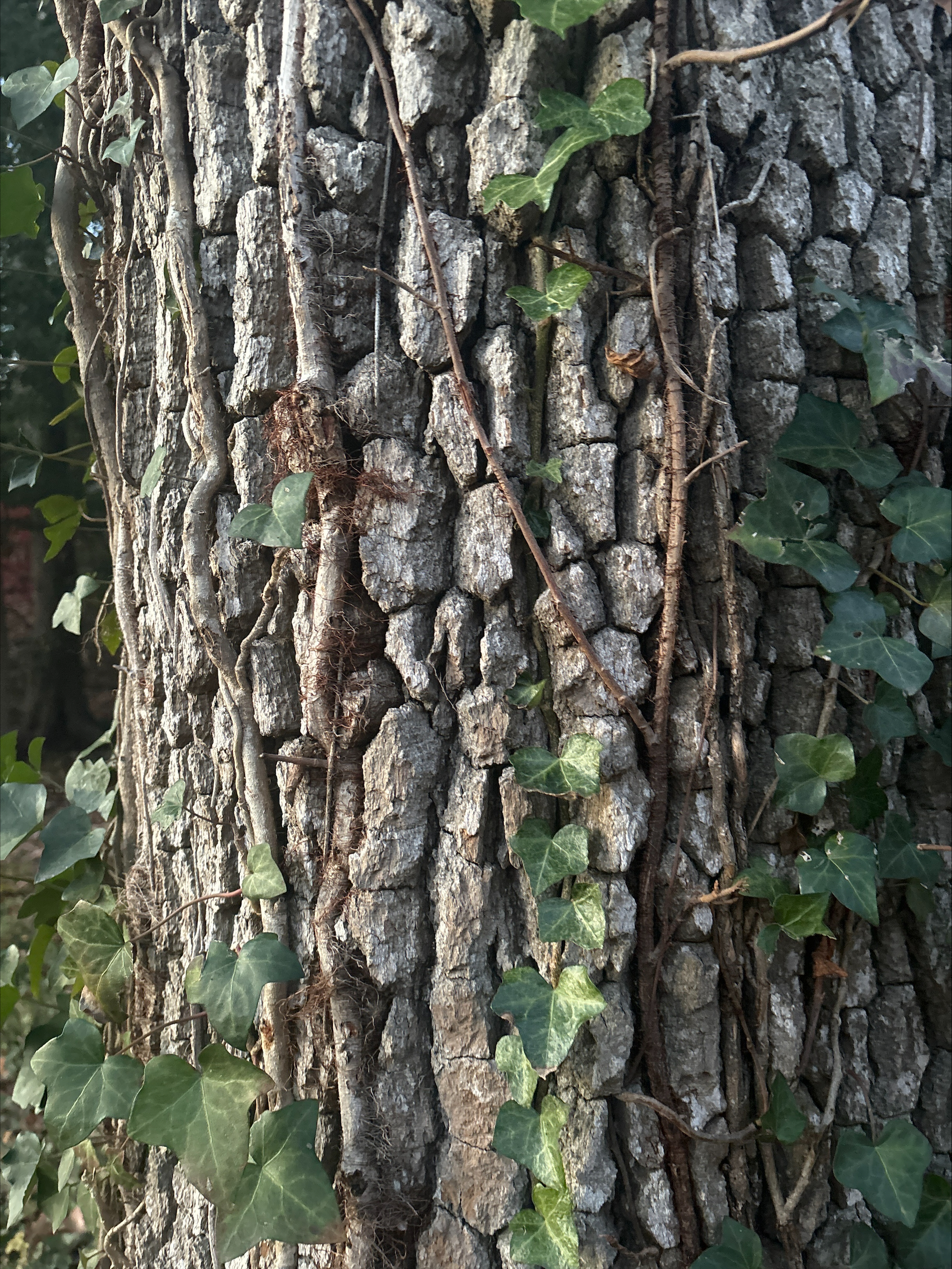
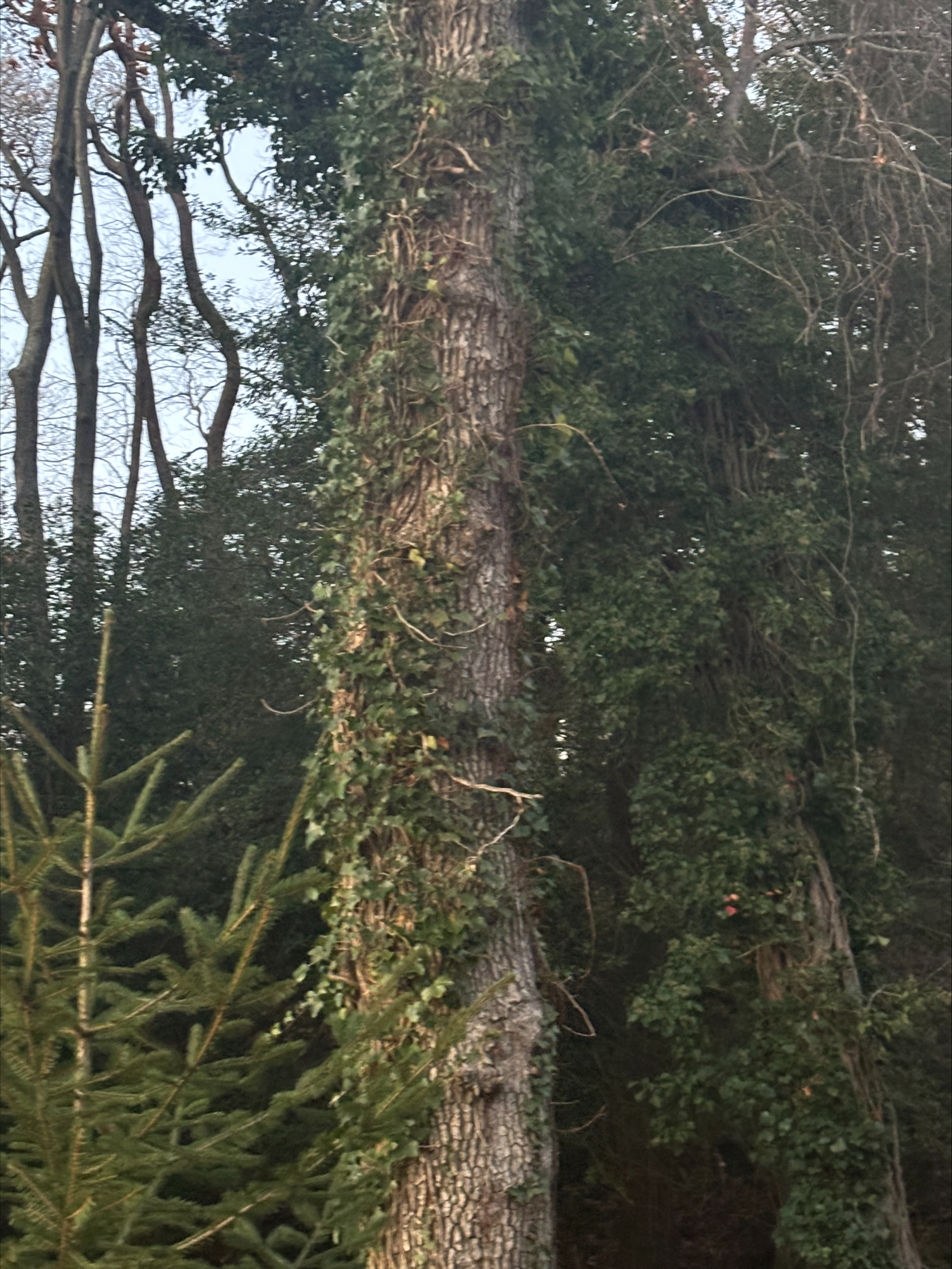
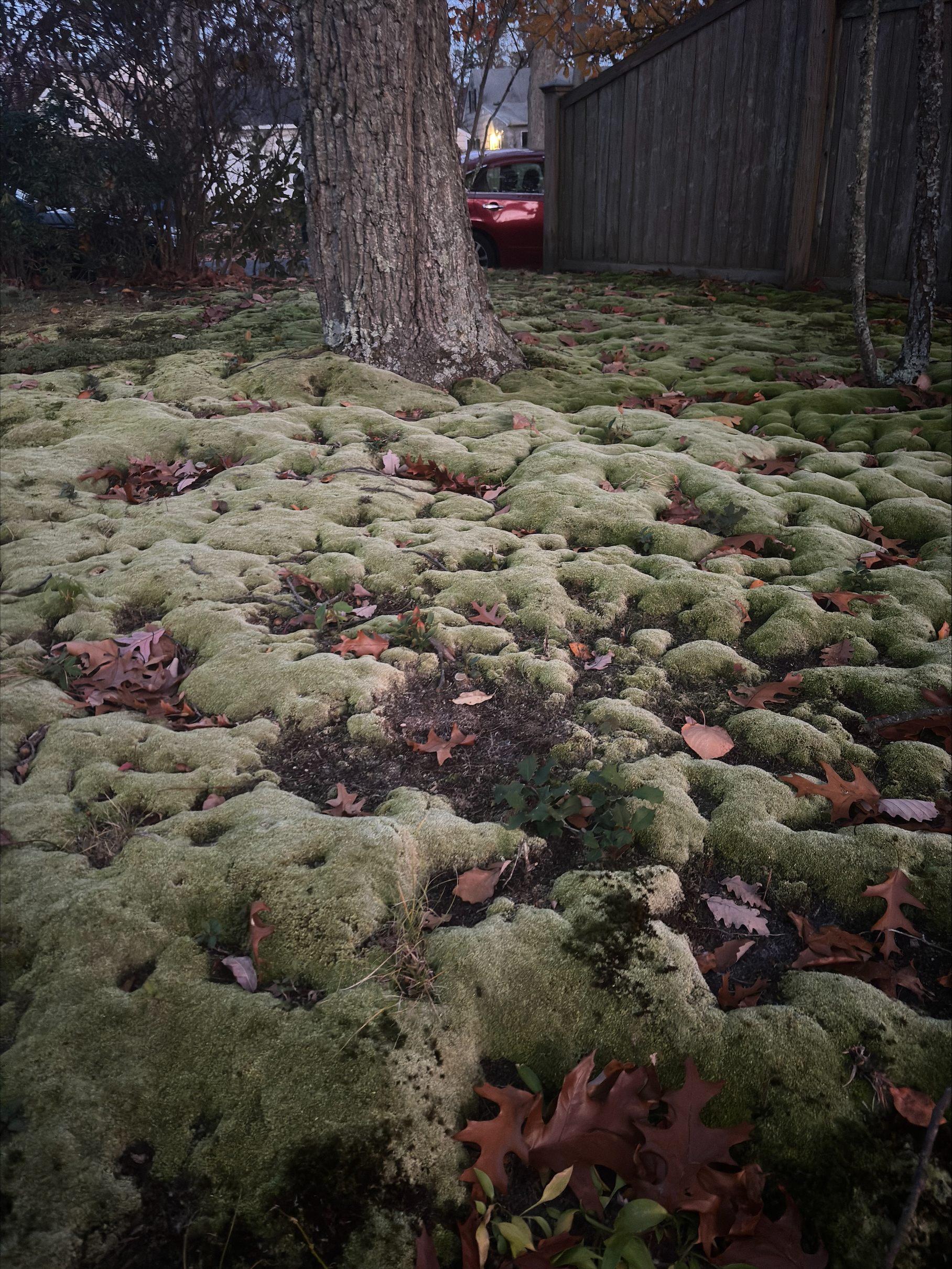
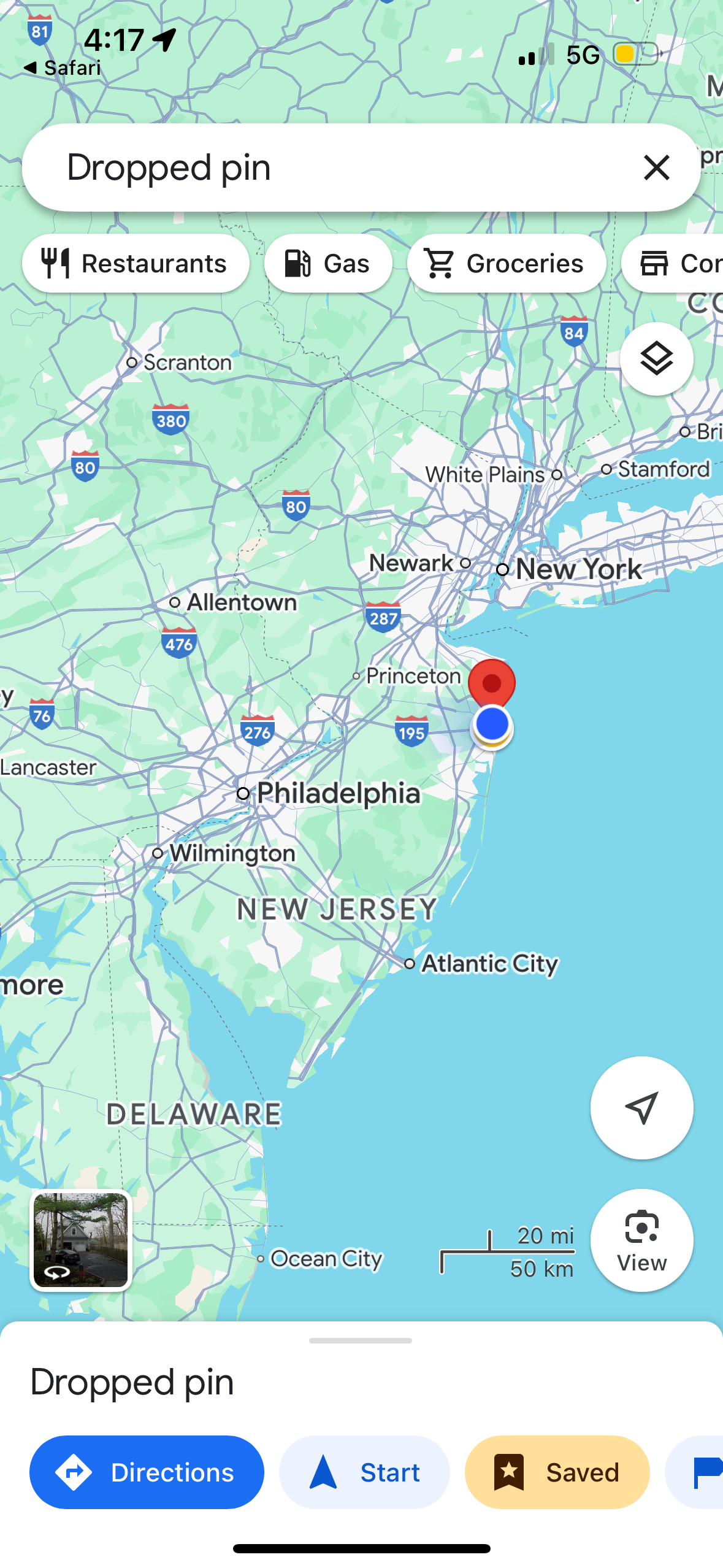
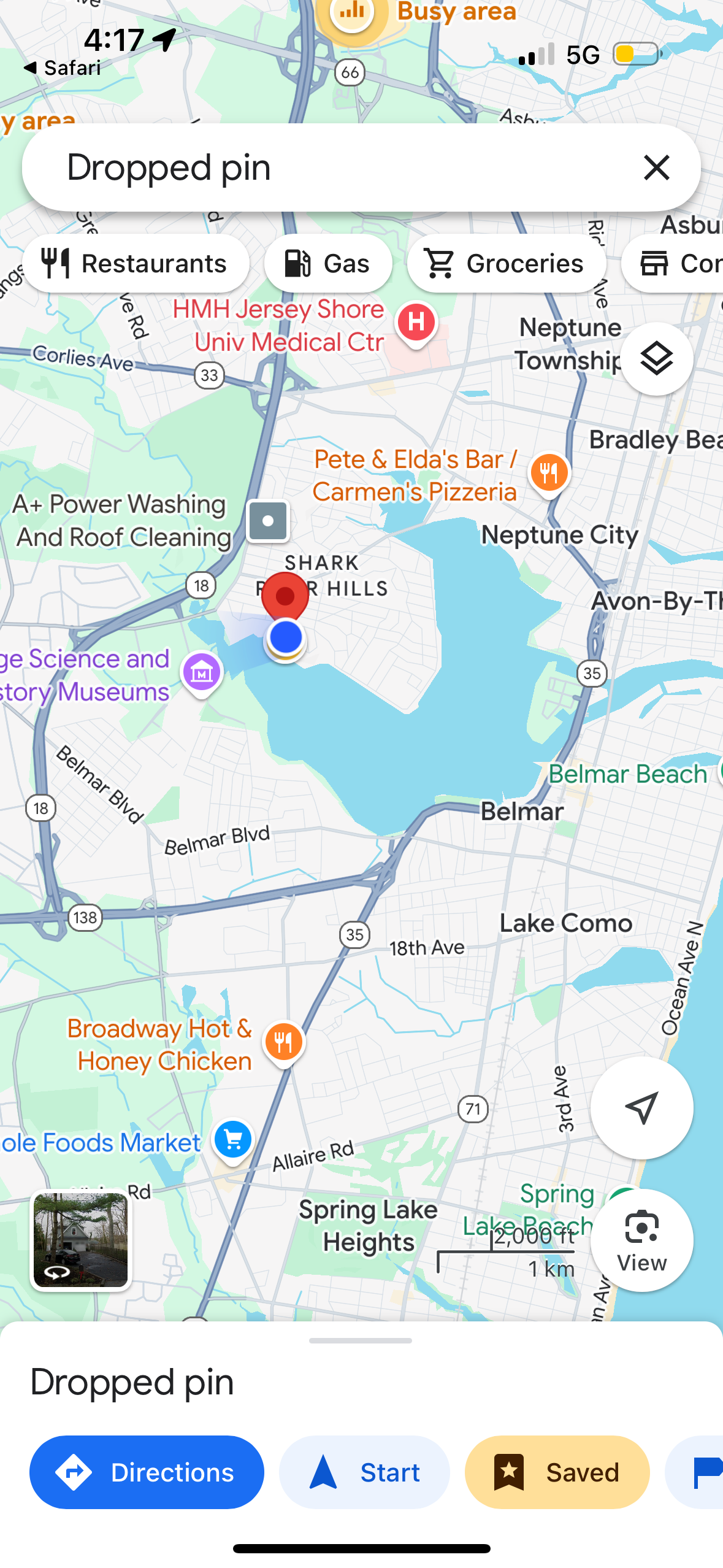
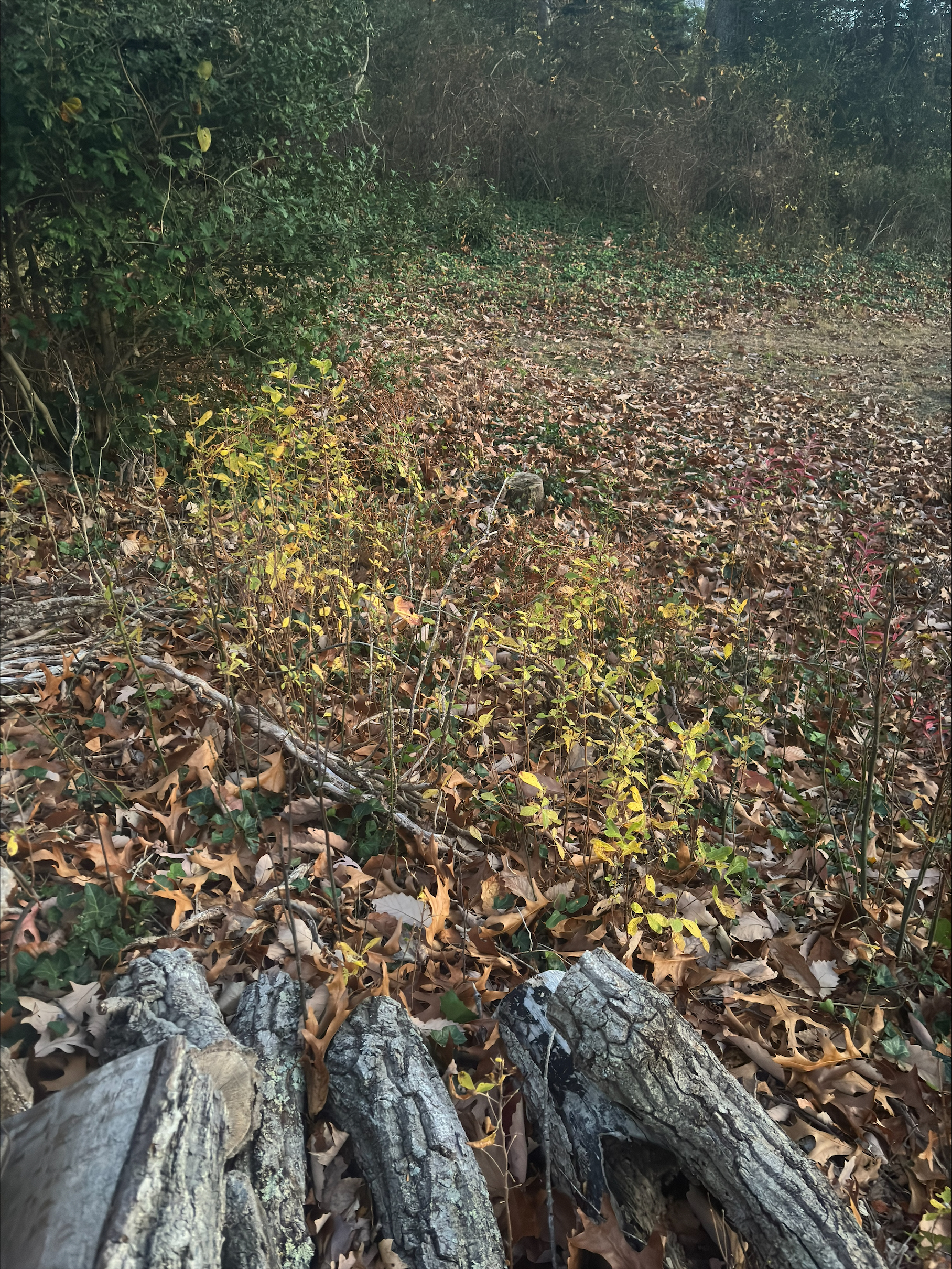
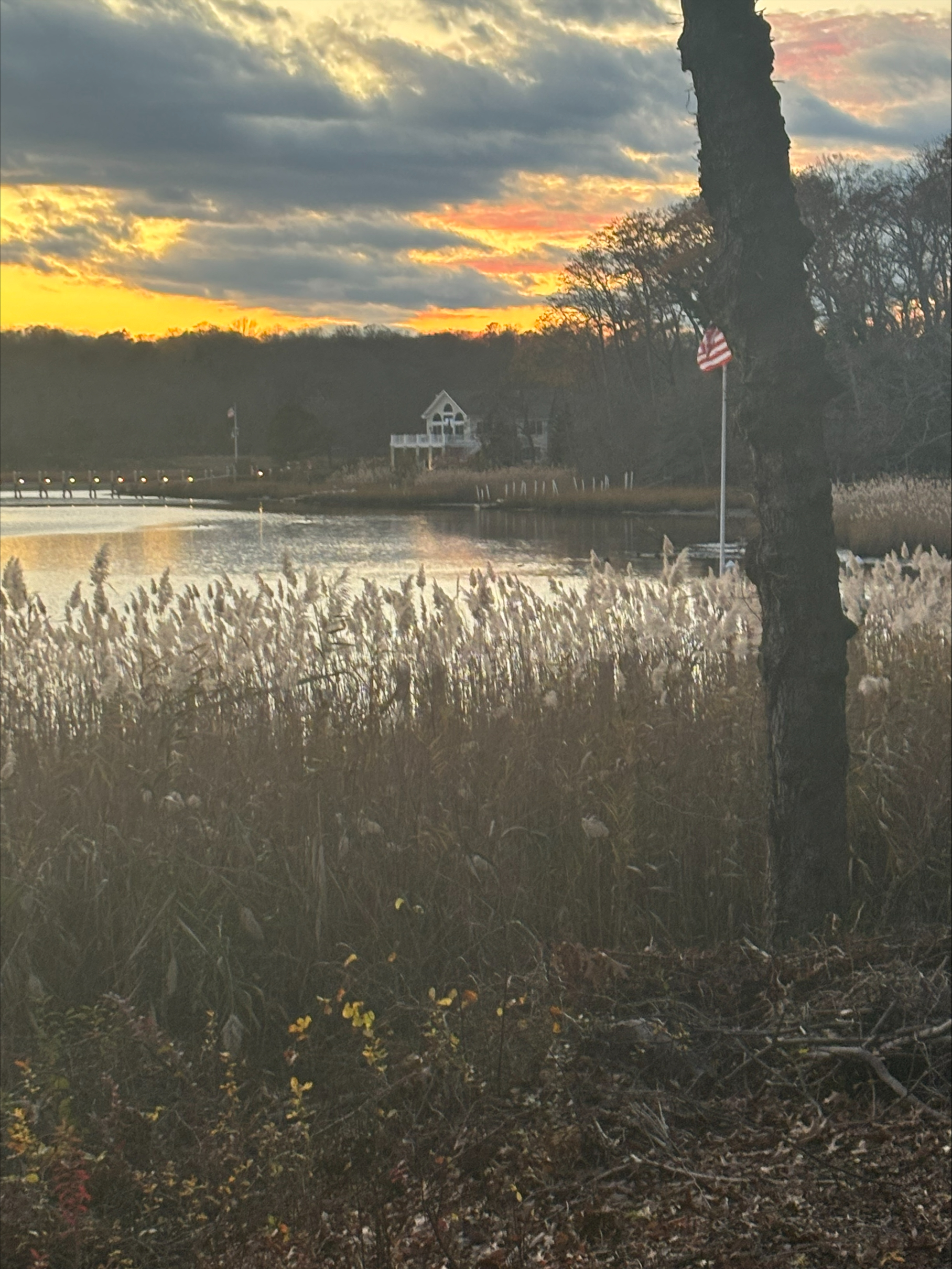
This spot is behind a family member’s house in Neptune, New Jersey, and borders a small lake. I think this area is beautiful and I enjoyed observing it on a deeper level for this post. The bigger trees consisted of spruce and oak, and many had a lot of ivy growing up them. The leaves of the oak were mostly gone except one tree, which had quite a few left. The understory was patchy and consisted of sweet pepperbush (I think) that seemed almost dead or the leaves almost falling off. There was a very clear buffer next to the lake of common reed, that probably preserves the health of the lake and land around it. The only animal species I saw was a few squirrels and a bird off in the distance. This place is not that different from my place in Vermont; they both border a body of water and they both have hardwood trees like oak. However, my place does not have any spruce trees or ivy. The soils of the places are also very different because Salmon Hole Park is very sandy while this place is not. I also found this really cool moss (last picture) on the other side of their house that was very thick, soft, and spans across a huge area of their yard. It is clear that it has been there for a long time (before my family moved there).
Update

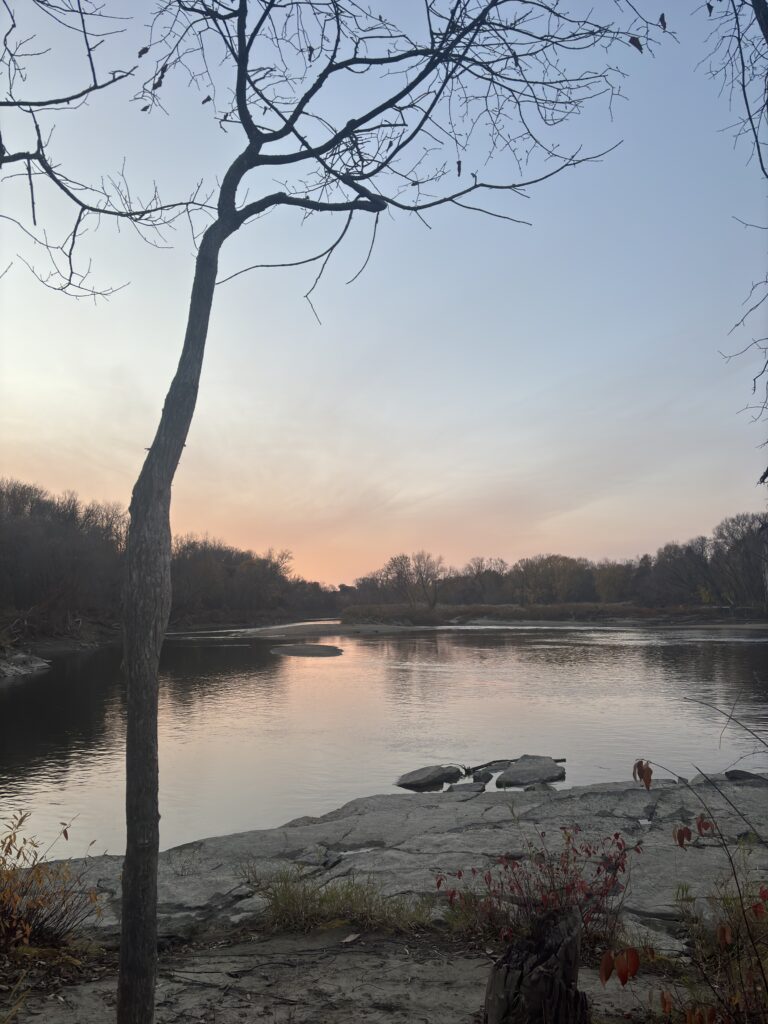
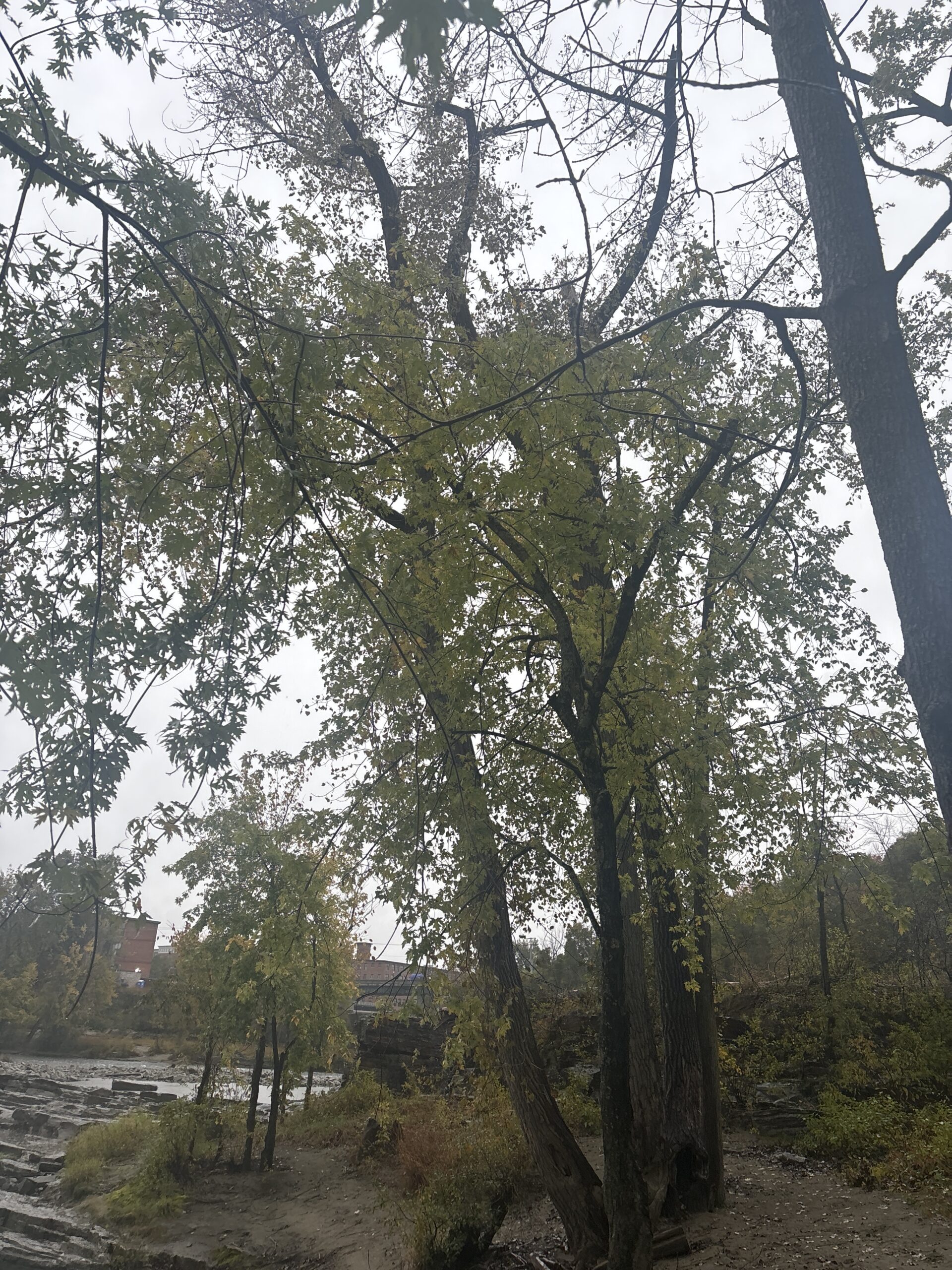
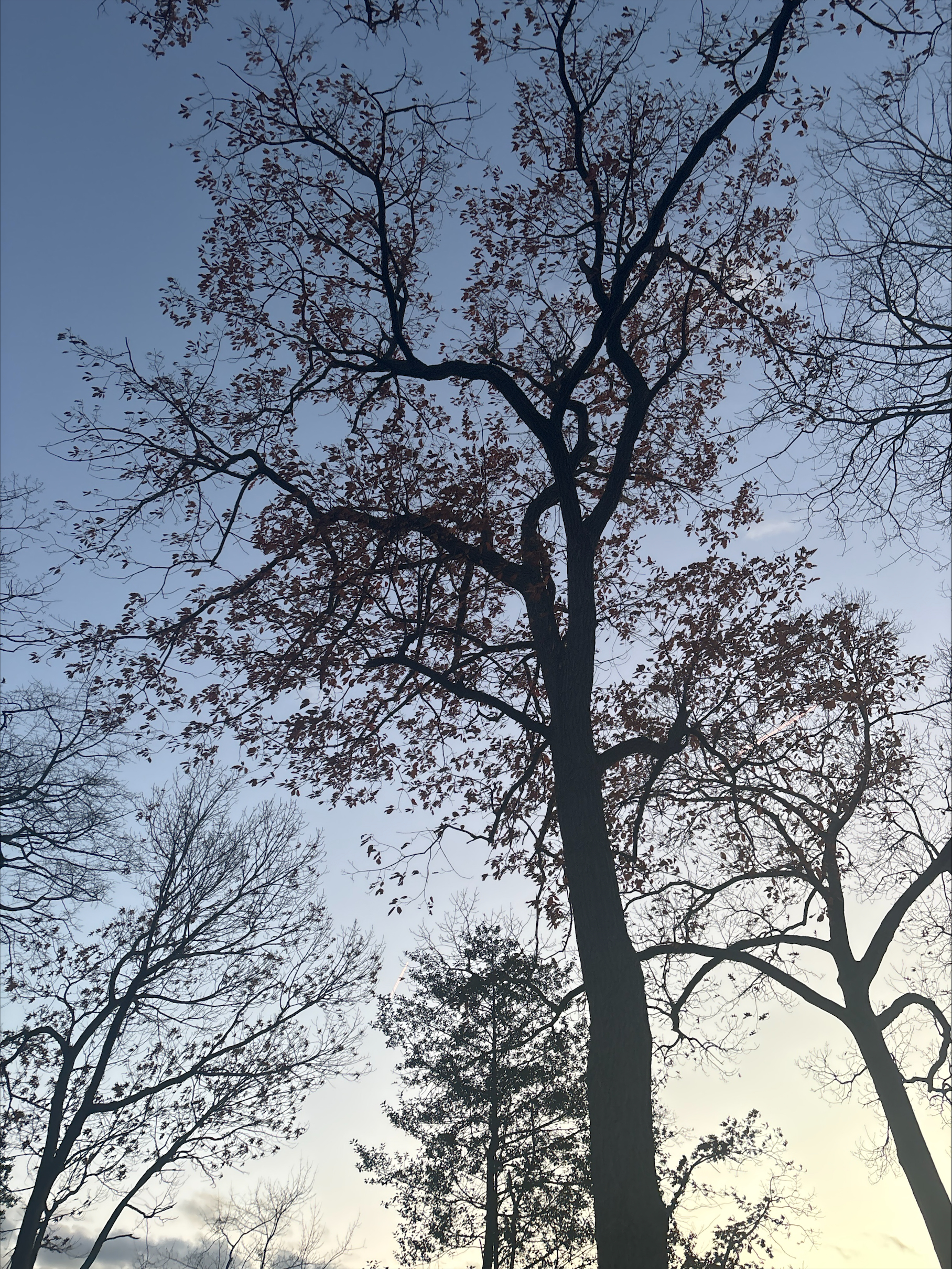
After coming back to my phenology place again about 2 weeks later, most of the trees have no leaves left. However, there were still a few Sugar Maples that seemed to have almost all of their leaves left, and a basswood that had quite a few left. All the bittersweet that previously wrapped around other trees and bordered the path near the sand where all leaf-less as well. Something Interesting I observed is the velocity of the water. The section of the pond that is closest to my spot is significantly calmer, while where it is connected to the Winooski River it is very fast and has white water. During this visit, I came later in the day and got to see the sunset over the pond.
Skip to toolbar