Welcome Back Guys!
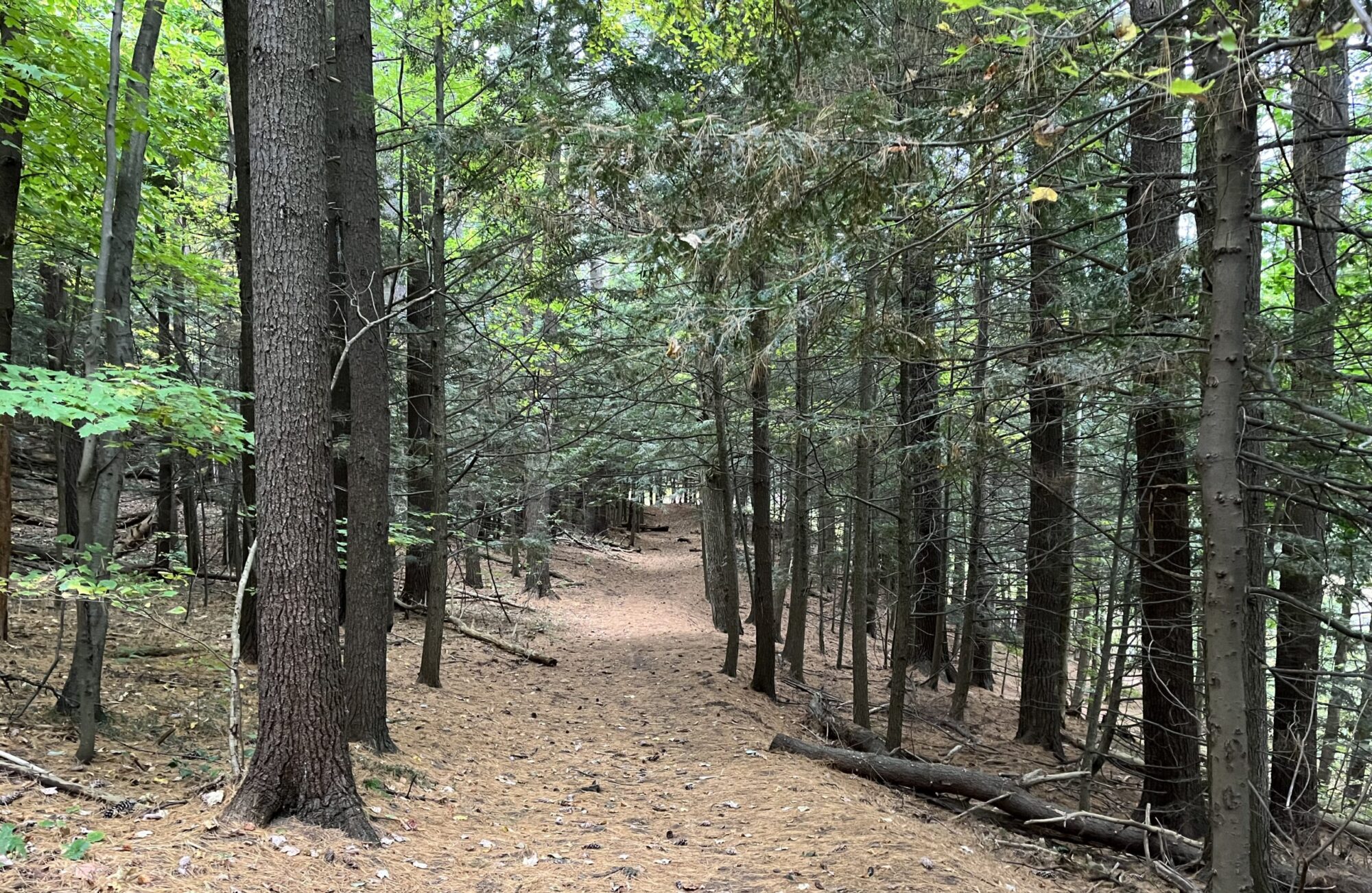
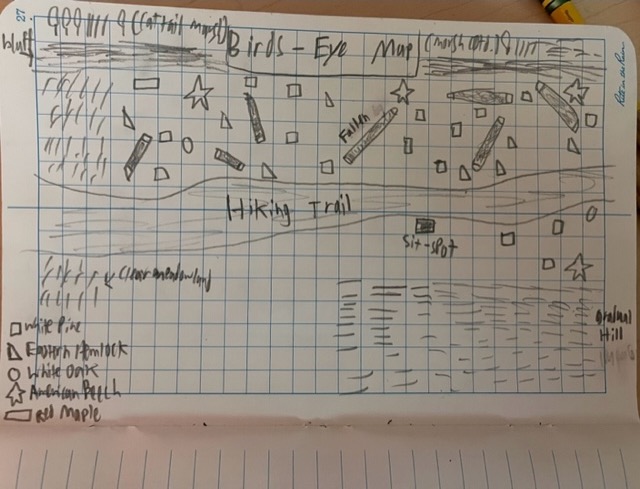
This week for my second phenology assignment, I visited my site within Centennial Woods and took some observations and feelings away following the 15 minutes I spent simply being present and centered at my chosen assignment location. It was a late Sunday afternoon, so there was nothing too crazy going on around me at my phenology site, yet still there were so many signs of life and movement that enveloped me. Having chosen a spot situated in Centennial Woods, something that I am always picking up on when I visit, regardless of the duration, is the lull of traffic in the distance. This is a fact that comes with visiting any urban green space, but a sound that I found especially noticeable during my visit this past Sunday, like the constant hum of a machine that cannot be turned off. Something else that I observed which was very enjoyable to watch was the activity of the squirrels and chipmunks which call Centennial Woods home. A few minutes after arriving at my spot and taking a seat, I began to notice multiple squirrels, both Eastern Grey Squirrels and Red Squirrels, running to different places with purpose, whether that be in search of food to cache or simply to eat at the moment. By sitting and observing the daily tasks of small mammals like squirrels and chipmunks, I felt like I was better able to appreciate the role of every organism in an ecosystem, even if it is such an urbanized setting like Centennial Woods. Something else that I noticed during my experience on Sunday was the stark change in the understory and smaller woody plants as the seasons change, especially within a region like Vermont. When I first visited my phenology in mid-October, there was still such a lush green spread throughout Centennial Woods, but that has now been replaced by perpetual leaf cover and a coinciding sense of desolation. This disappearance of the once-obvious signs of life just further put me in the mindset of winter and the metaphorical silence that will soon envelop Centennial Woods and my phenology site. This loss of small broadleaf woody plants was the most noticeable shift in vegetation since my last visit to the site. Because my phenology spot is dominated by evergreens like White Pine and Eastern Hemlock, there was not necessarily a huge amount of change in the vegetation, as they do not lose their needles as seasons change. However, there were a few younger American Beech, White Oak, and Red Maple trees scattered around my site, and those have all lost their leaves for the most part by now. Ultimately, I could see a lack of greenery in the understory and in the deciduous species which indicated a shift in the seasons, but the domination of evergreens at my phenology sites leaves the overstory vegetation largely unaltered. Attached to this post is also a picture of a hand-drawn bird’s eye map of my site in Centennial Woods.
Until Next Time!