
Welcome to the phenology blog of Aris Kurtz-Papadopoulos (me!). Here I will be bringing you all on the journey to watch this beautiful location change throughout the remaining weeks of the semester (and maybe even longer!).
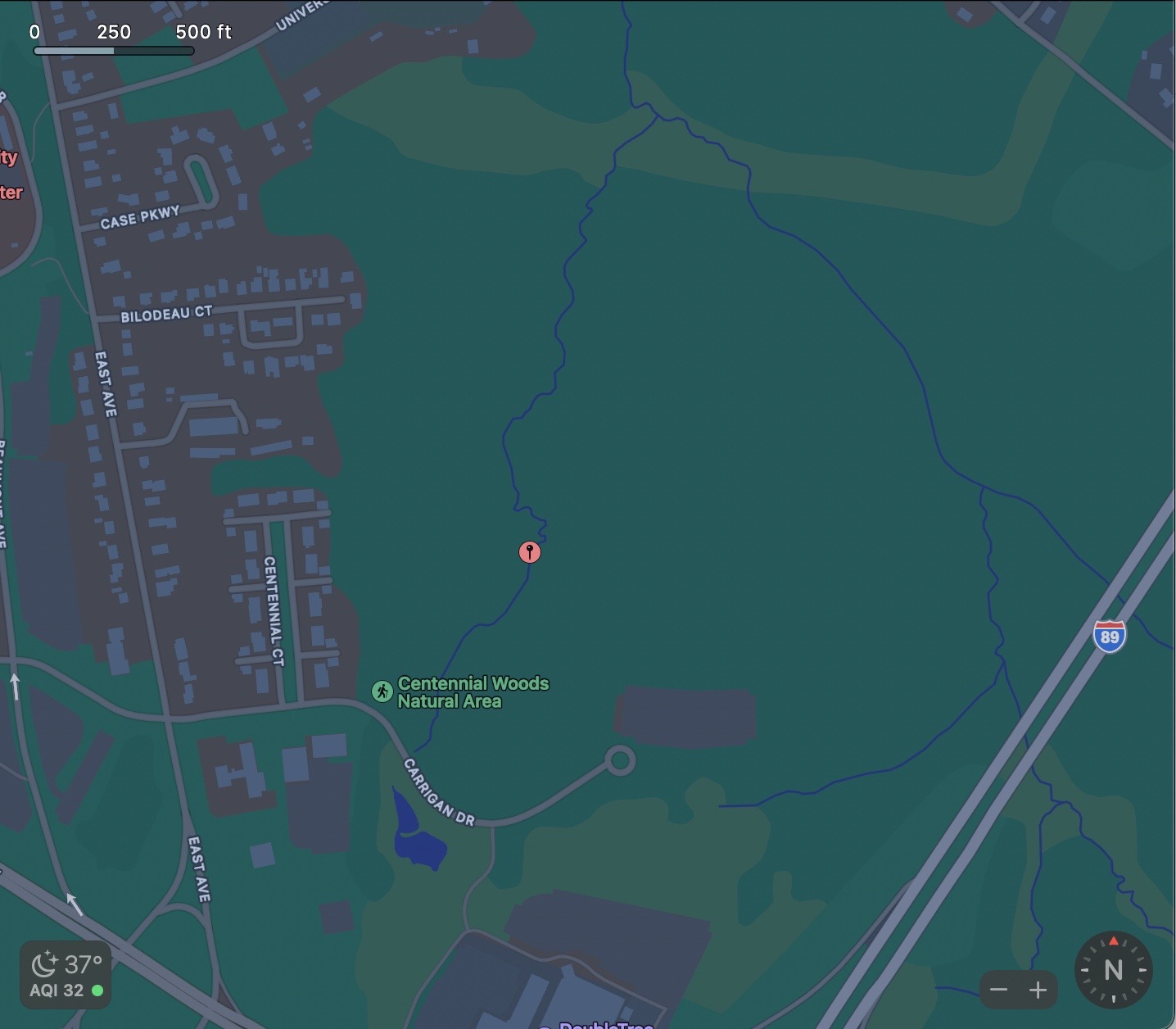
(44.47648° N, 73.18642° W) the coordinates and map location of the secret slab on the creek. To get to this mysterious mineral, one must take the centennial woods main trail down about two minutes. After walking for a bit you can look to your right to see an opening to the creek to your right. Walk down about a hundred feet, duck your head under some shrubbery, and there you will find her, in all her magnificence.
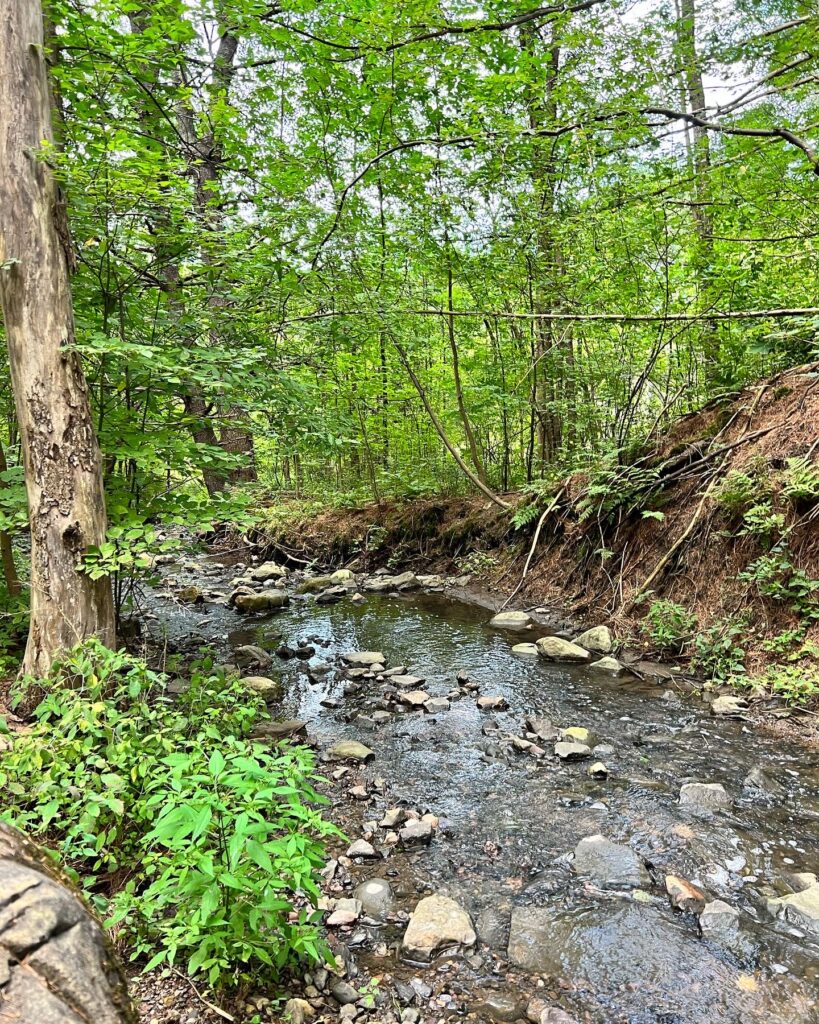
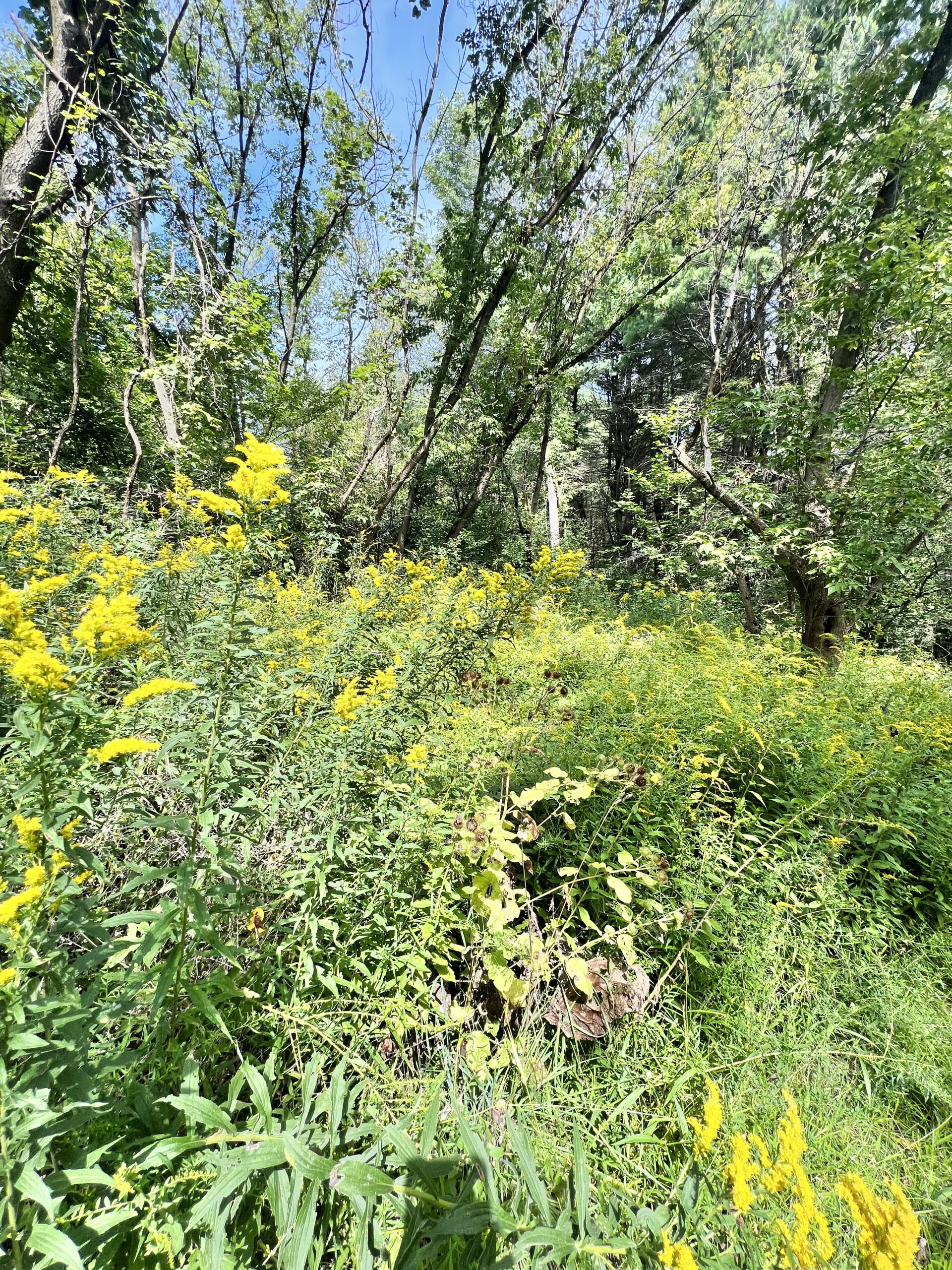
my first visit to this solitary stone ( September 17th, 2022). The vegetation was still in full swing, with some Canada Goldenrod shows in the left picture. The creek was crystal clear with a bustle of ferns and smaller leafy plants lining the banks.
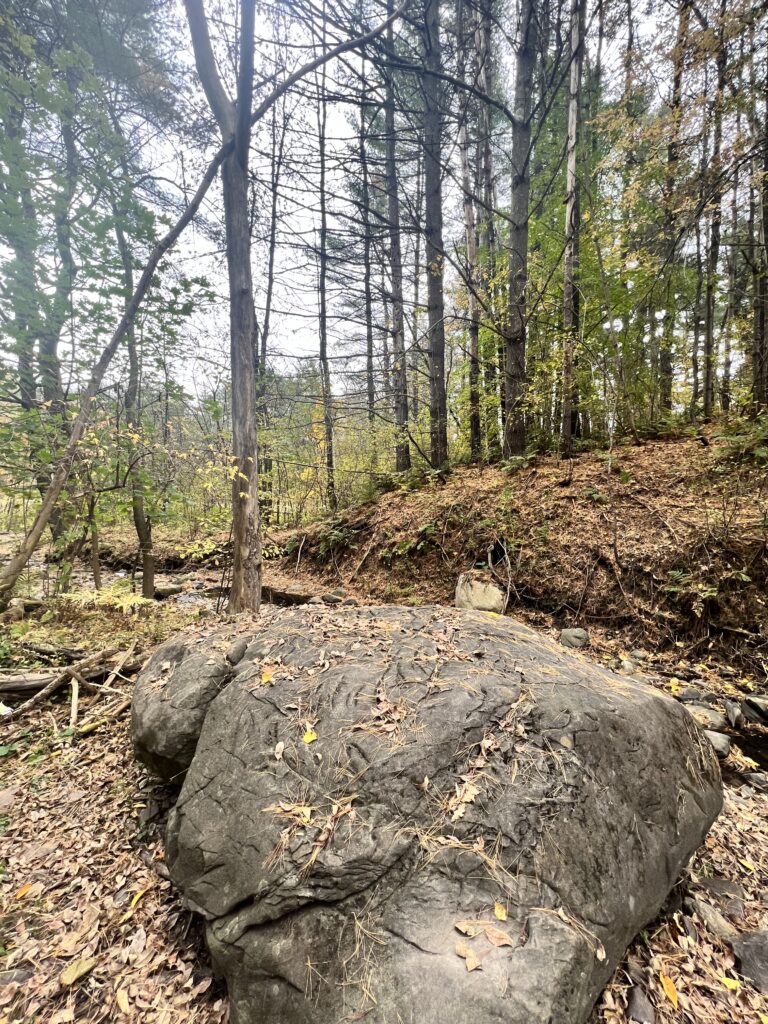
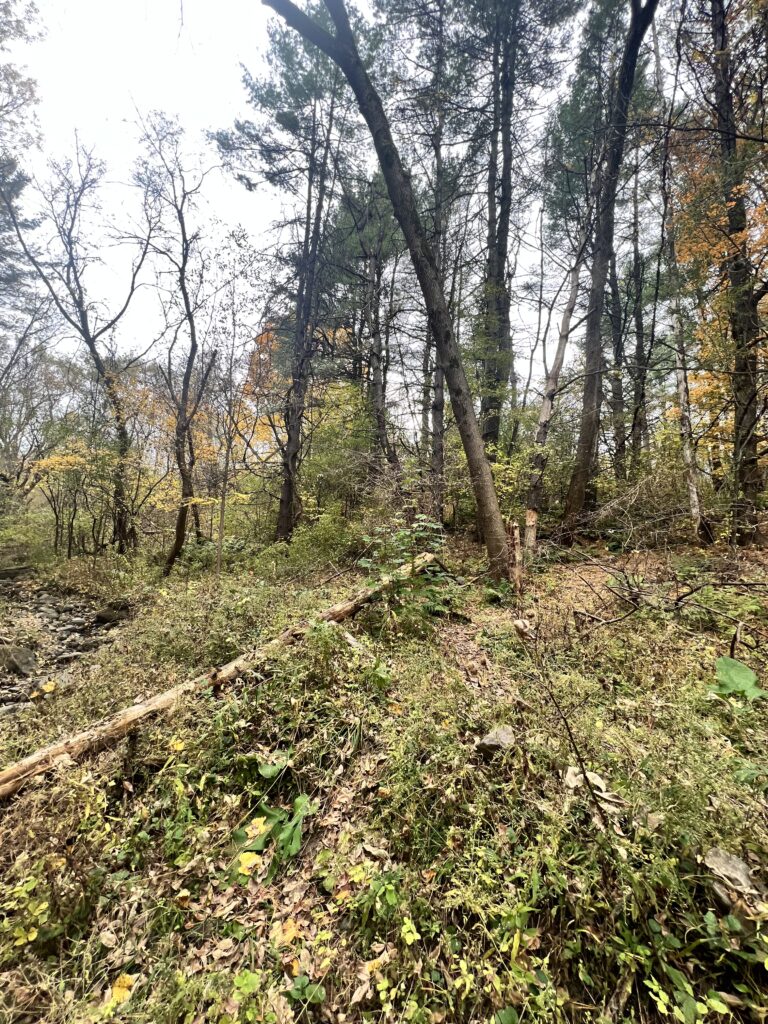
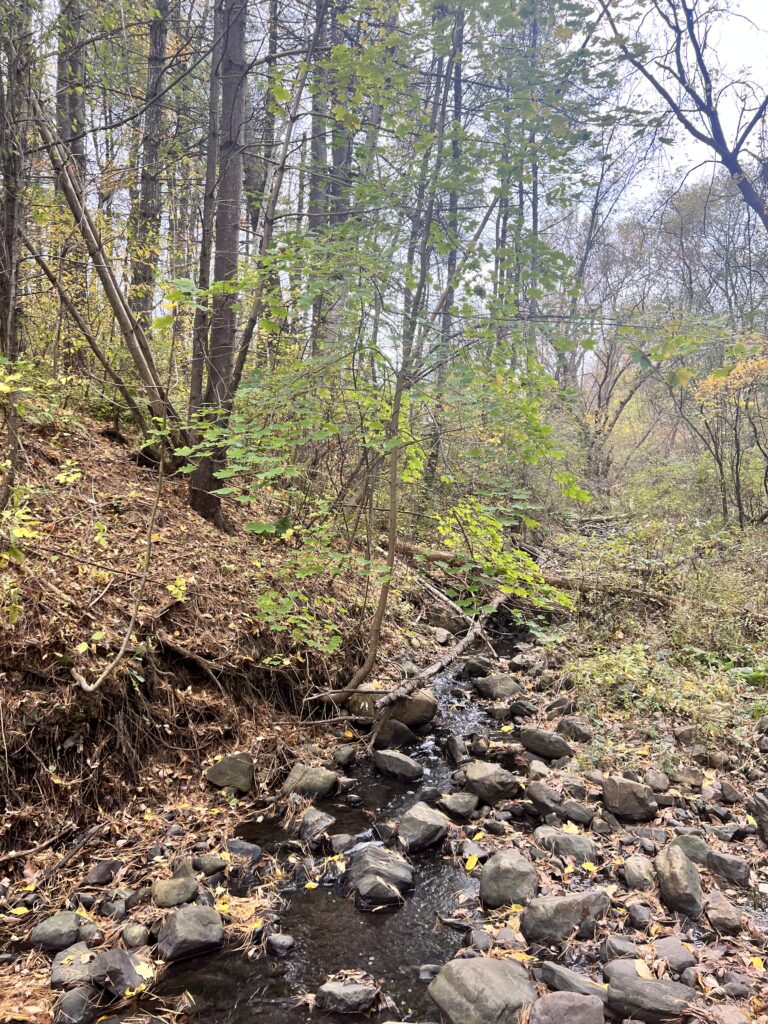

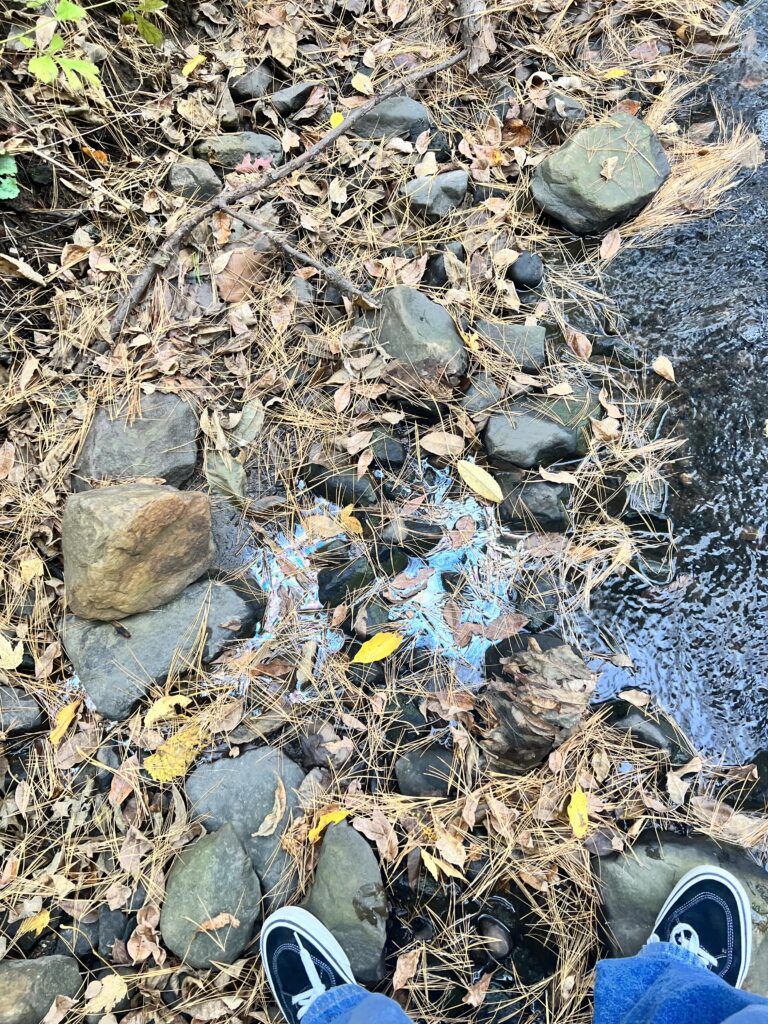
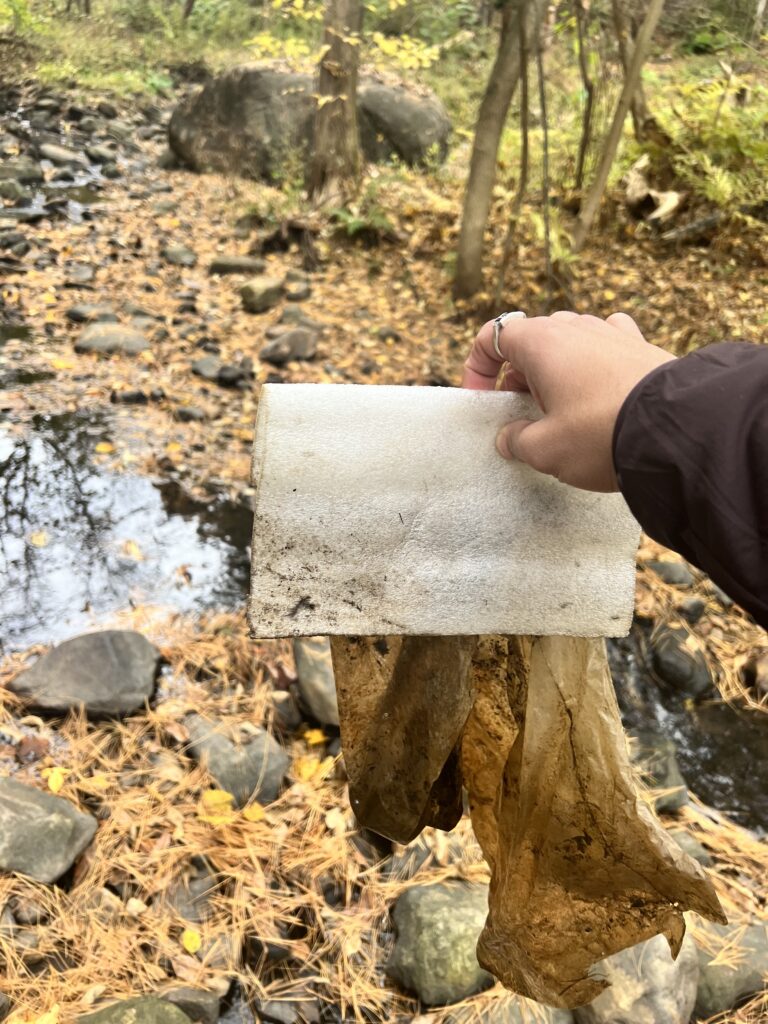
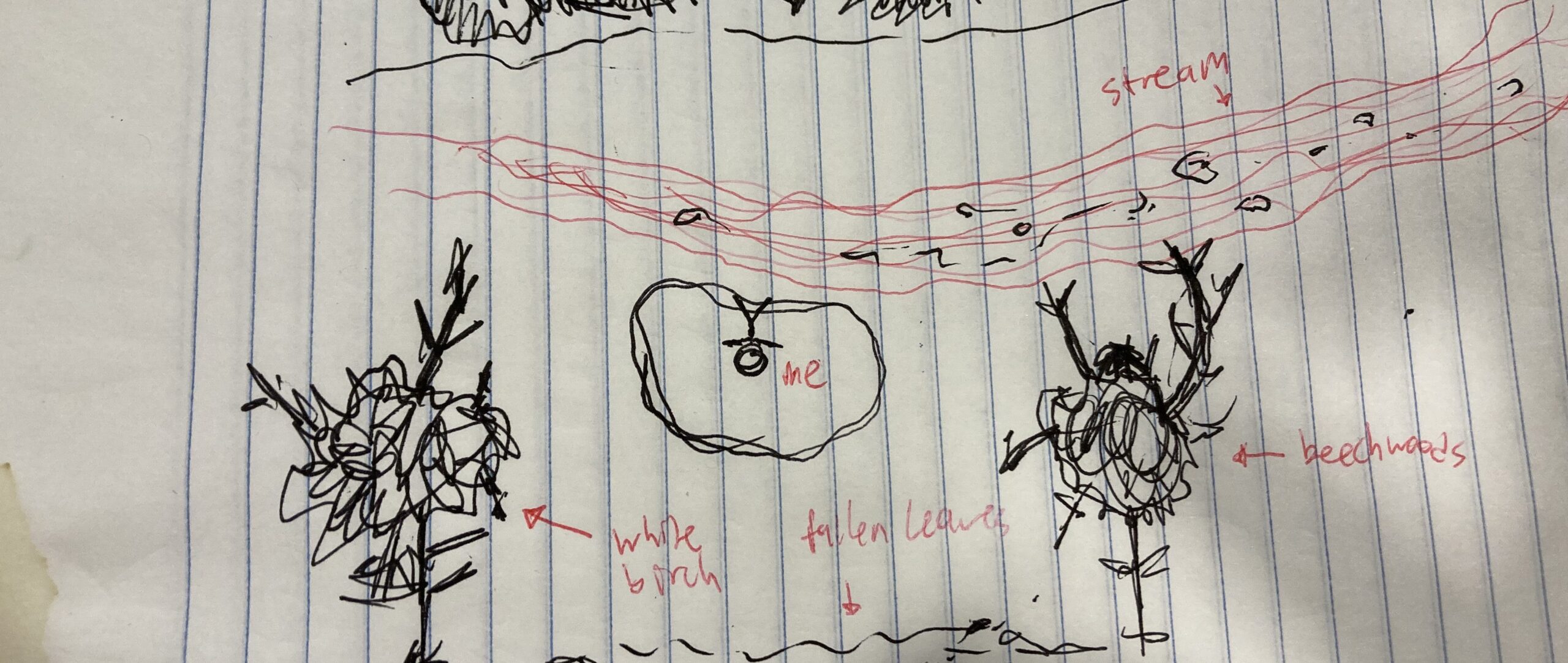
When I sat and closed my eyes while sitting on the mysterious marble I listened to the flowing of the creek. It was a sound that overcame most of the other wildlife chatter such as the birds and the creaking of the branches from the trees above me. I heard the creek flow, and I as I sat for longer and longer I thought I could hear when it picked up pace from time to time. Then I focused on the animal noises, not many but a few birds I could hear every so often would catch my (ear??) and it was extremely pleasant. I heard pine needles and leaves brushing against one another when the wind picked up and their dried corpses lied on the ground, tumbling and falling over each other. This takes me to the changed I observed as I returned to my sacred stone in the woods. During my last visit, most of the leaves had fallen from the surrounding vegetation but still kept their yellow and red tinted color as they lay on the forest floor. To my disappointment, when I returned today, they had all turned a sickly brown, rotting color- becoming part of the forest once again.
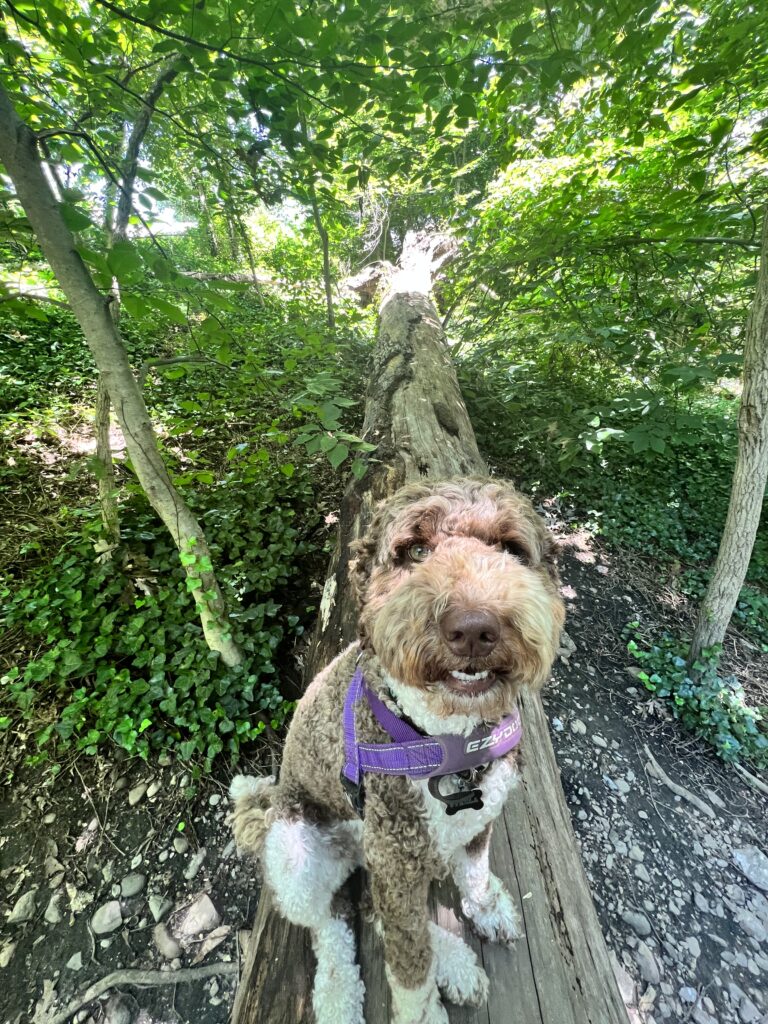
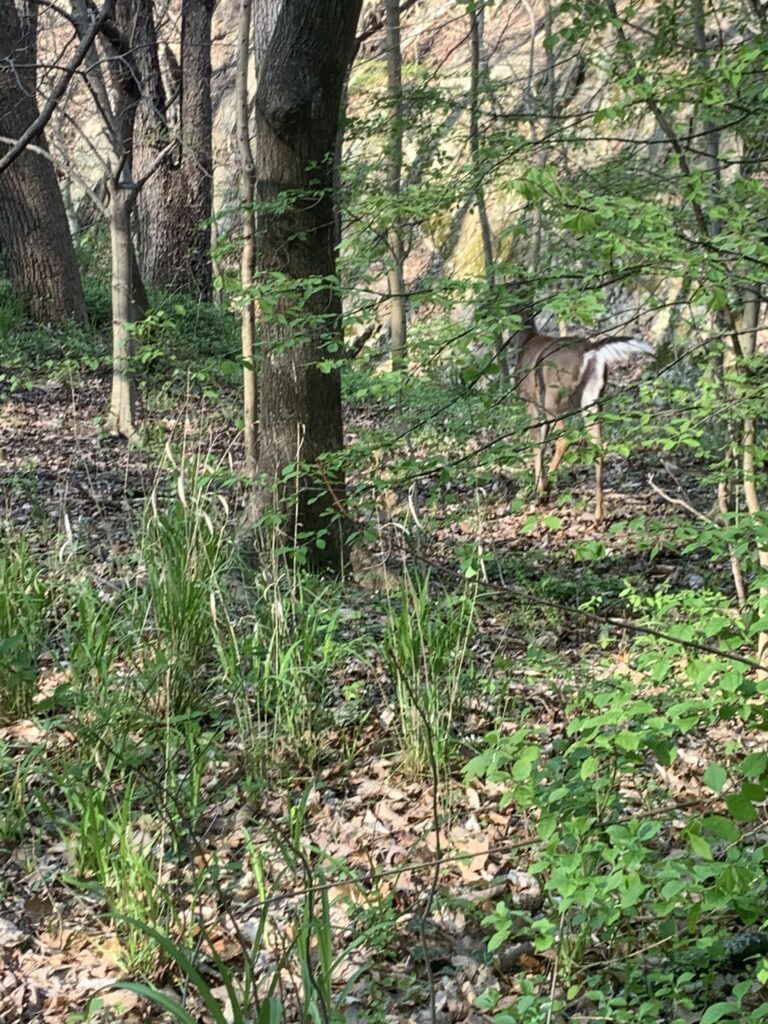
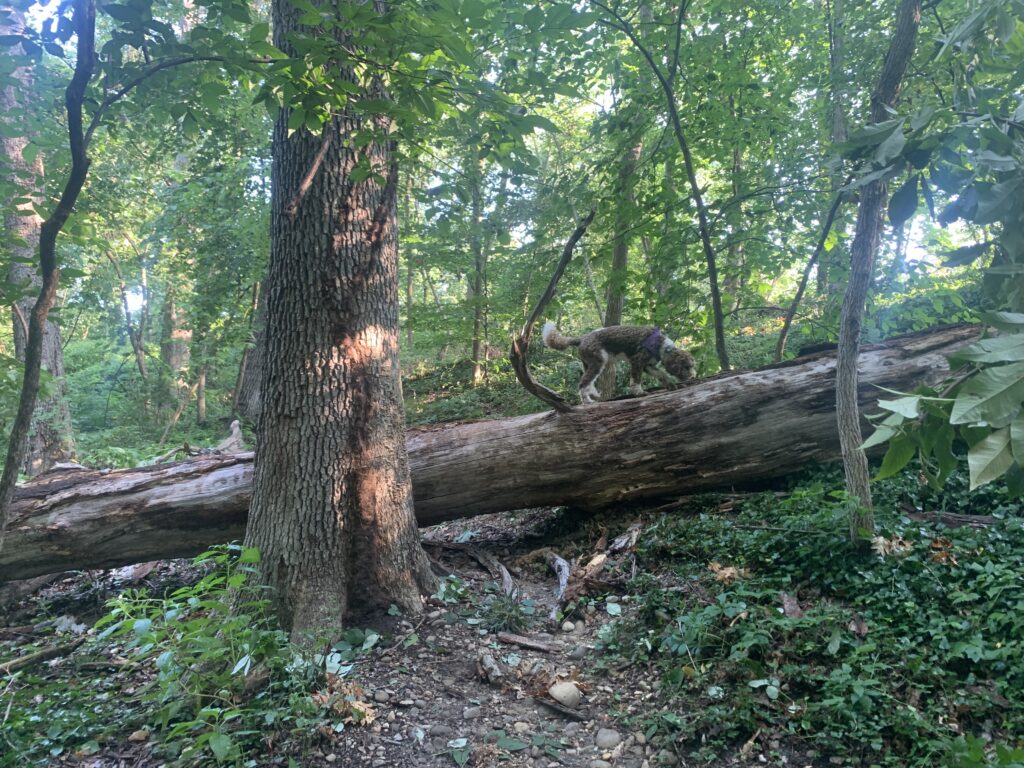
This is my phenology location for my hometown of Washington, DC! This fallen tree is a landmark on the hike that I like to take with my dog almost every day. This little section of the huge natural area that runs through all of DC called Rock Creek Park is only a few blocks from my house and very accessible to my neighborhood. This tree has been here for the past three years, ever since we have had my dog, and I remember when she was a puppy and I would have to lift her over the tree so we could keep walking. Now we usually sit on the tree for a little and I take a picture of her (shown above) and we both stop to look at the beautiful forest-scape surrounding us. Compared to my phenology location in Centennial Woods here in Burlington, there is much more undergrowth, possibly because it is less up-kept area and the only area that does not have undergrowth is the path area. There are many tall, older oak and maple trees and very few evergreen trees such as the pines that are more common in my VT location. I hope you guys liked seeing some pictures of Stella and a deer that we saw one time!
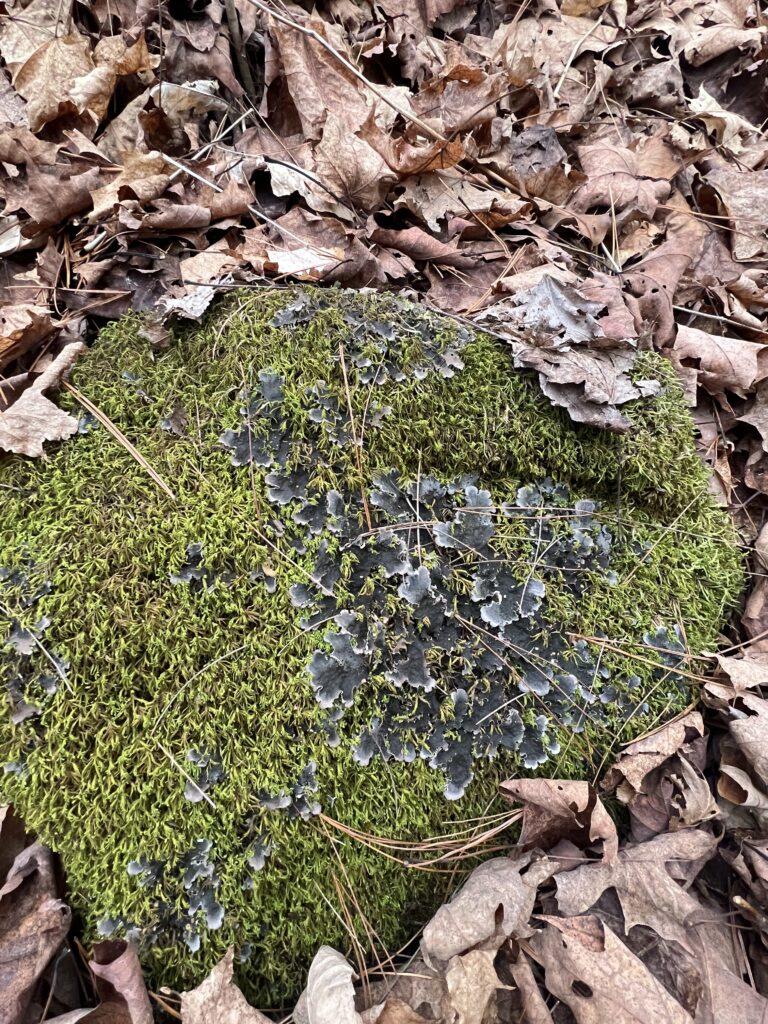
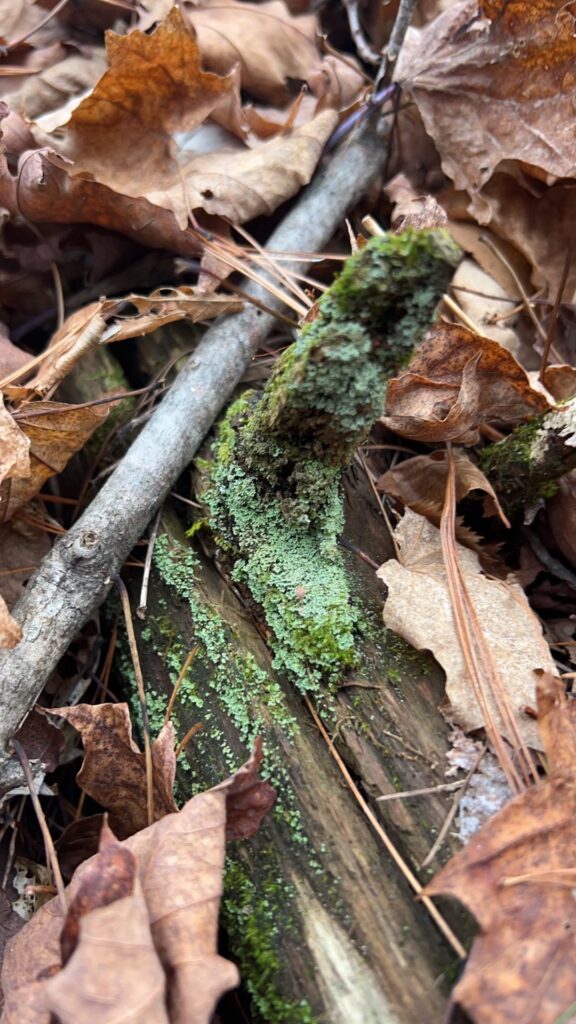
The foliage at secret rock has changed quite a bit since the start of this project. All of the leaves on the surrounding deciduous trees like the maples and beech’s have now fallen to the ground creating a carpeting on the forest floor. The stream is still flowing, but it is less strong since the large amount of leaf blockages throughout it. With less time looking up at the trees I was able to observe some very interesting moss on the forest floor with an image of what appears to be Pelt Lichens on the left and pixie cup lichens on the left. These mosses are signs of decomposers entering the ecosystem during this time where all of the leaves are starting to decompose into the soil. With this being my final post I would like to talk about my favorite aspect to this phenology project. Without a doubt, the best part of this project was being able to go into a nearby, ecologically diverse area that held species that embody the natural ecology of this new place that I live. When I first came here I was unfamiliar with the area, but coming back to this place every so often made it nice to have a place in my new home that I knew so well .
WHAT’S UP GUYS I’M BACK AND BETTER, SEMESTER 2 HIDDEN ROCK BLOG LET’S GOOOOOOOOOOOOOOOOOO
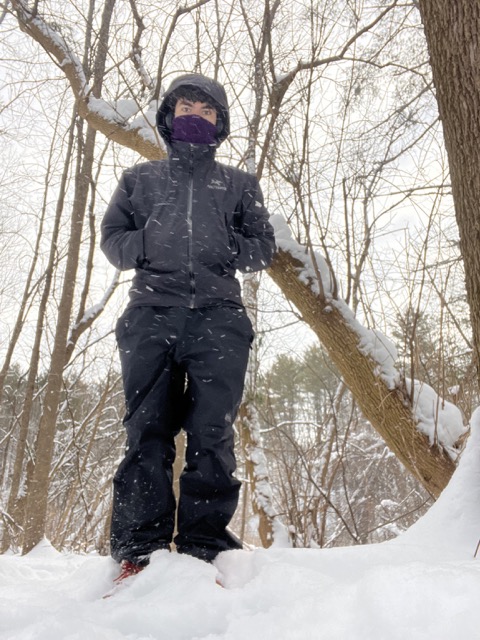
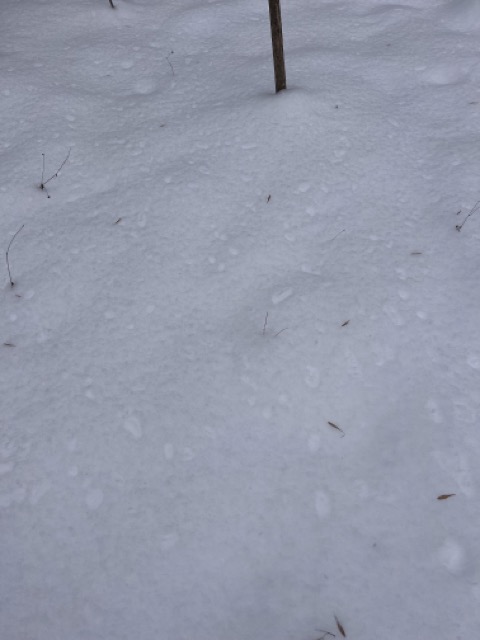
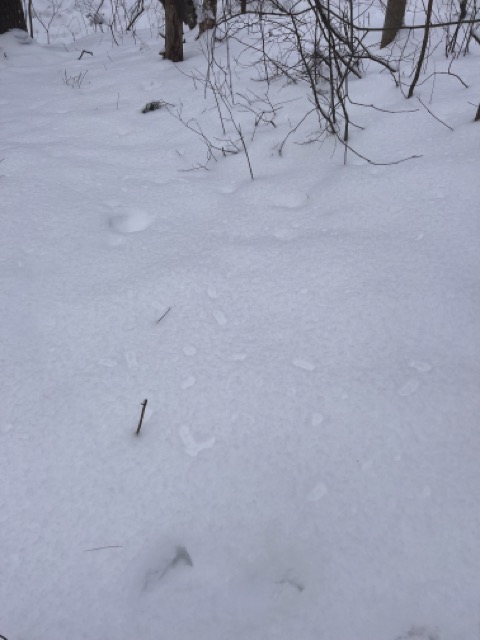
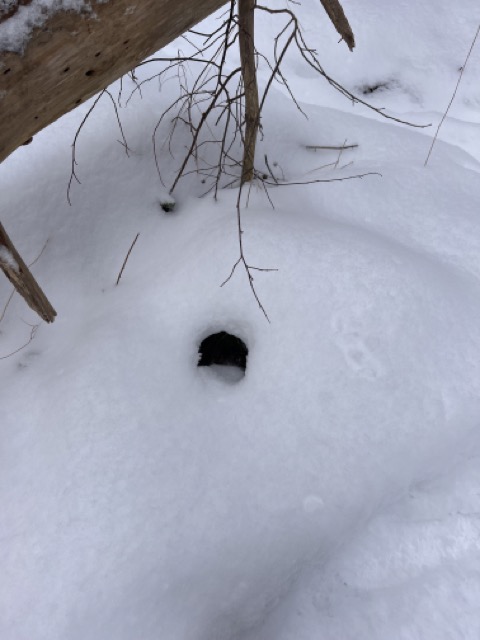
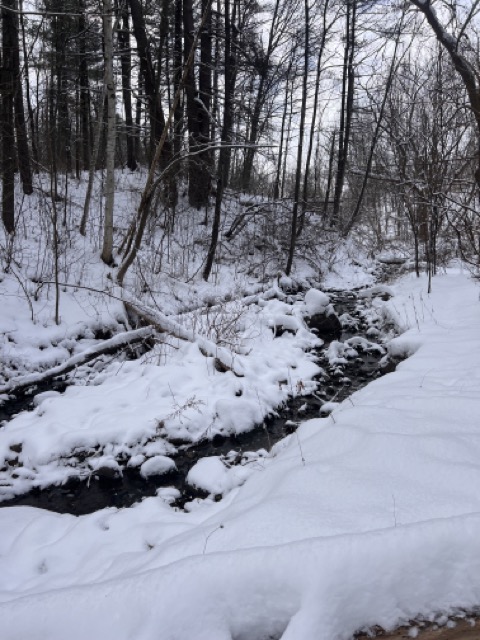
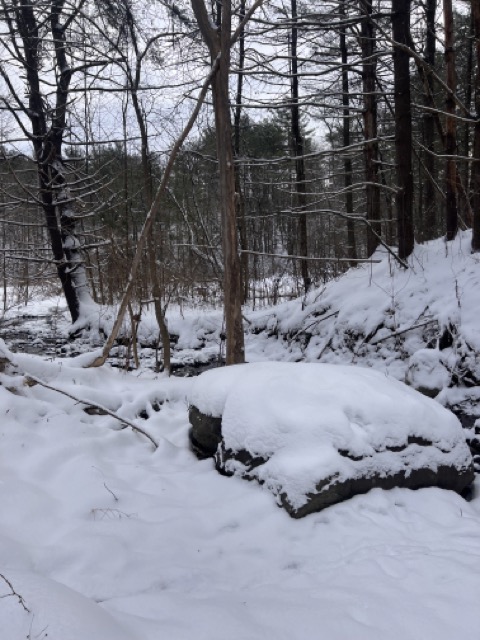
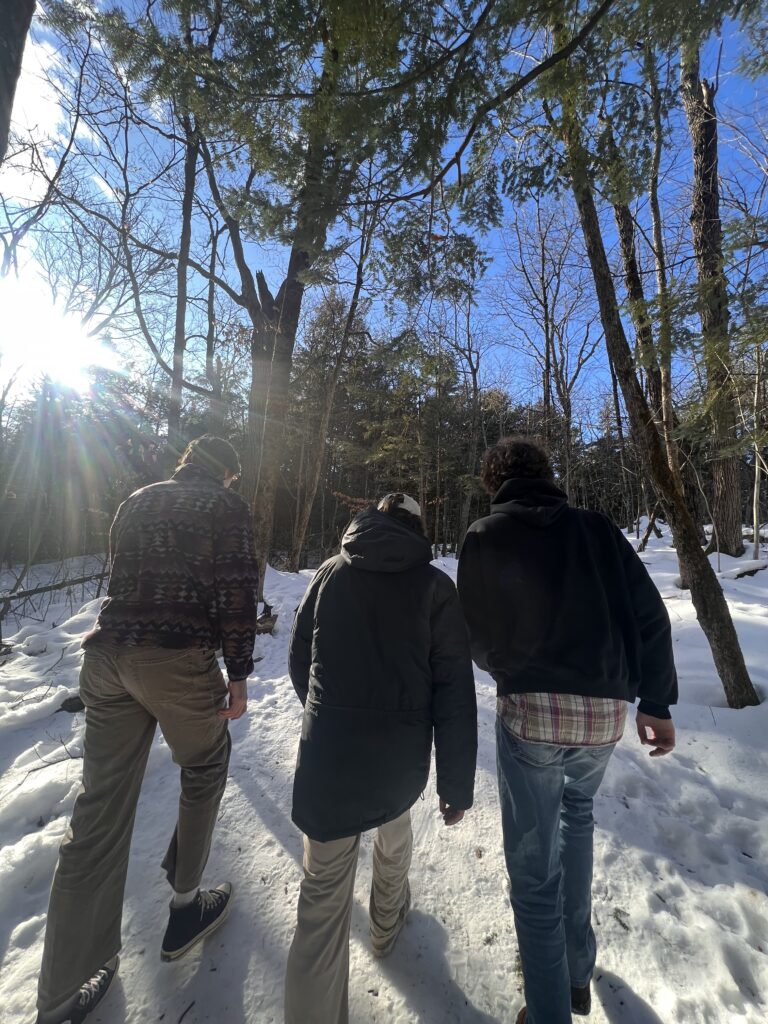
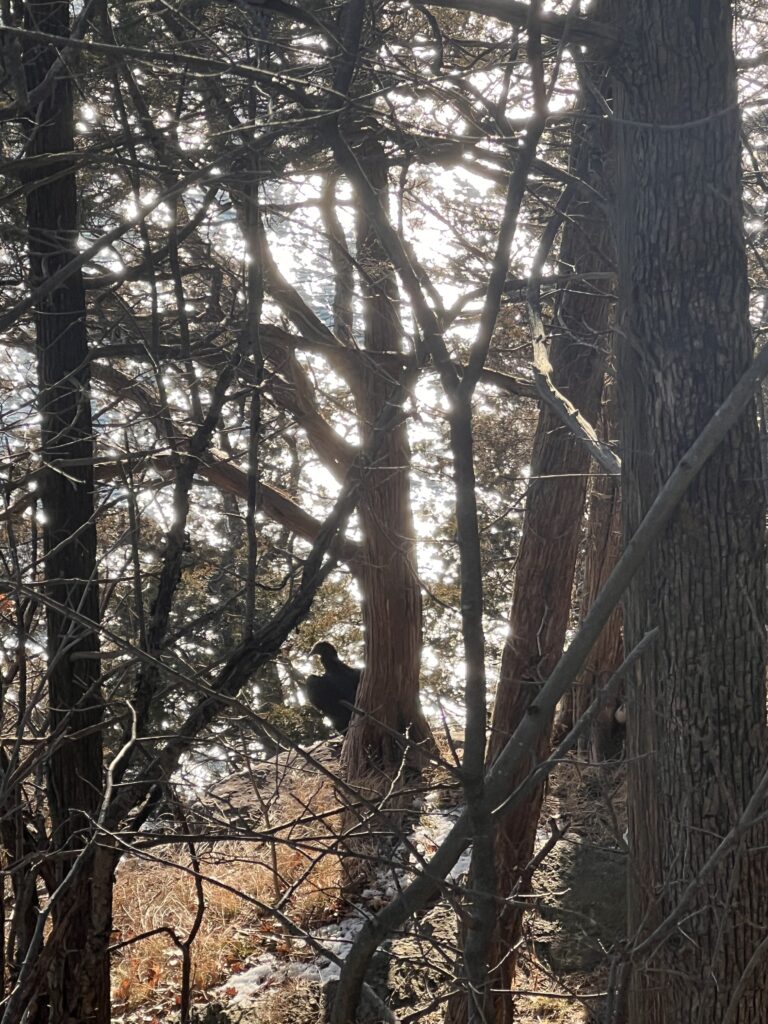
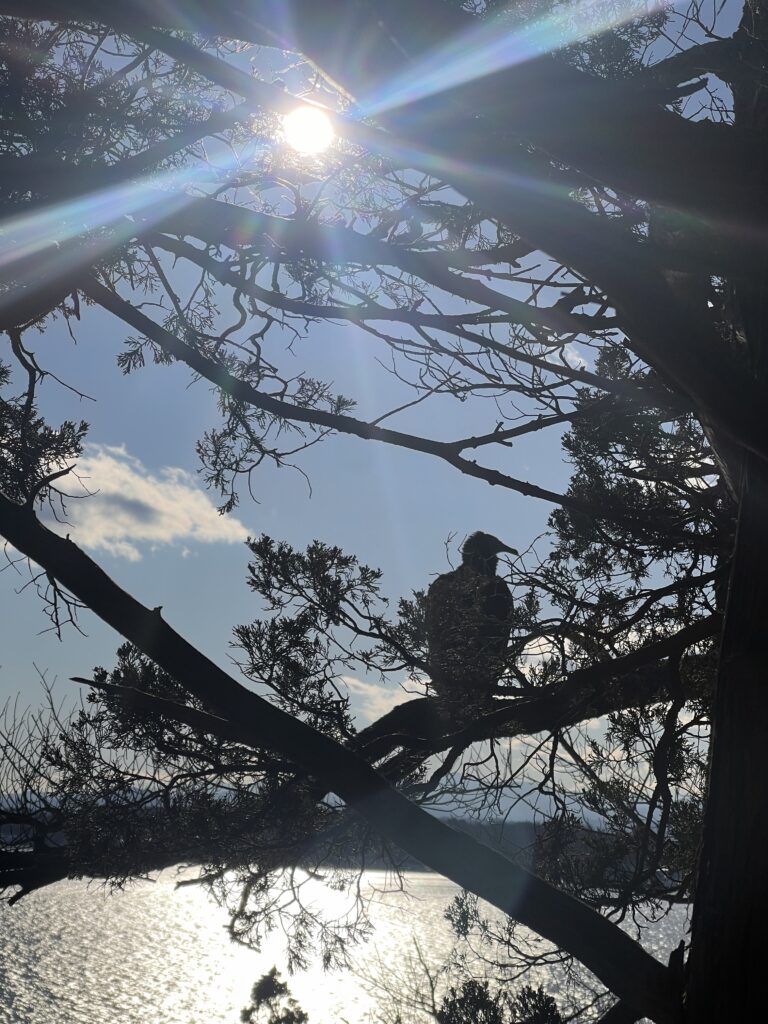
Me and some friends took a journey to Red Rocks and found a large bird. We took a picture of the bird and put it into iNaturalist to find out it was most likely a black vulture, which are common in wooded areas of vermont. We got very close to the bird and realized it would not back down off of its branch, which led us to believe it had its eggs in that very tree and was protecting them.
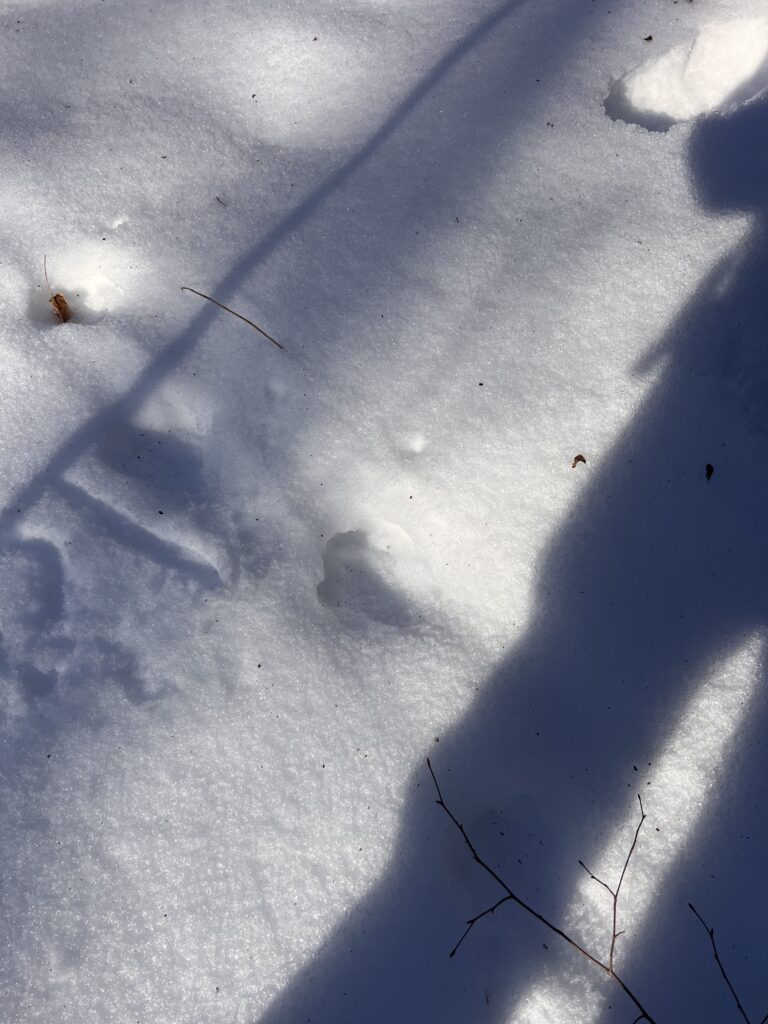
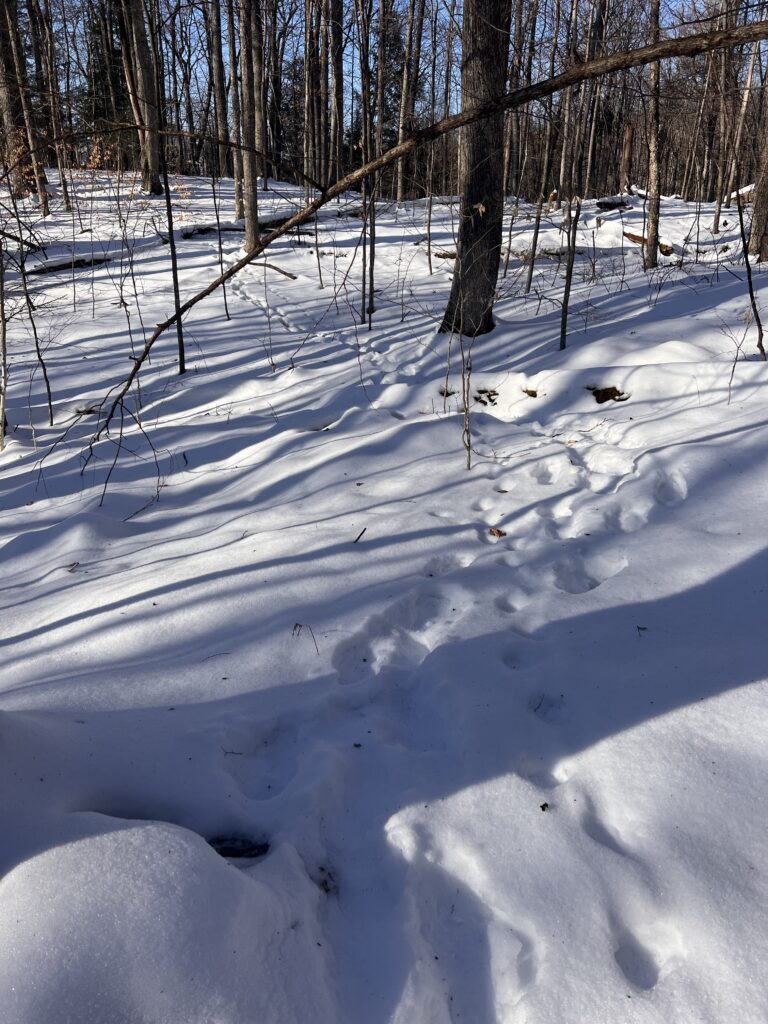
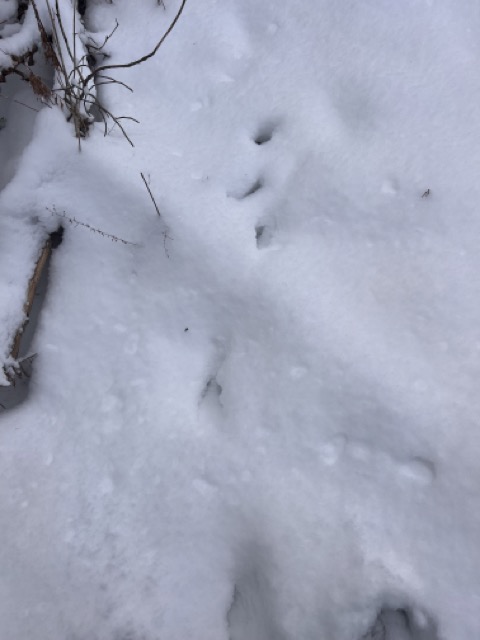
I went out to Lone Rock and found prints which I cross checked with both iNaturalist and our tracking guide and found to be an eastern coyote.
Tree species deep-dive
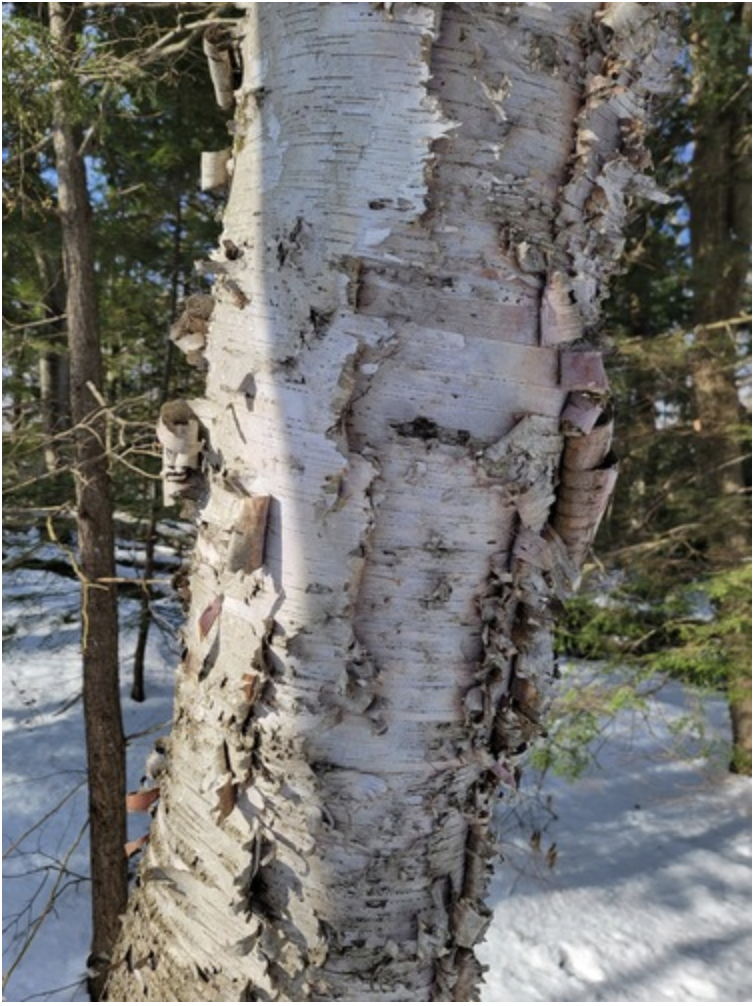
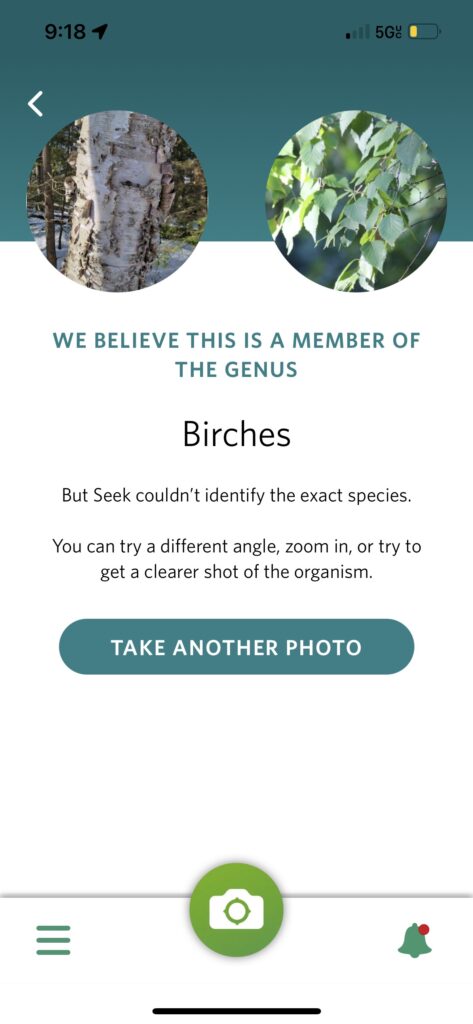
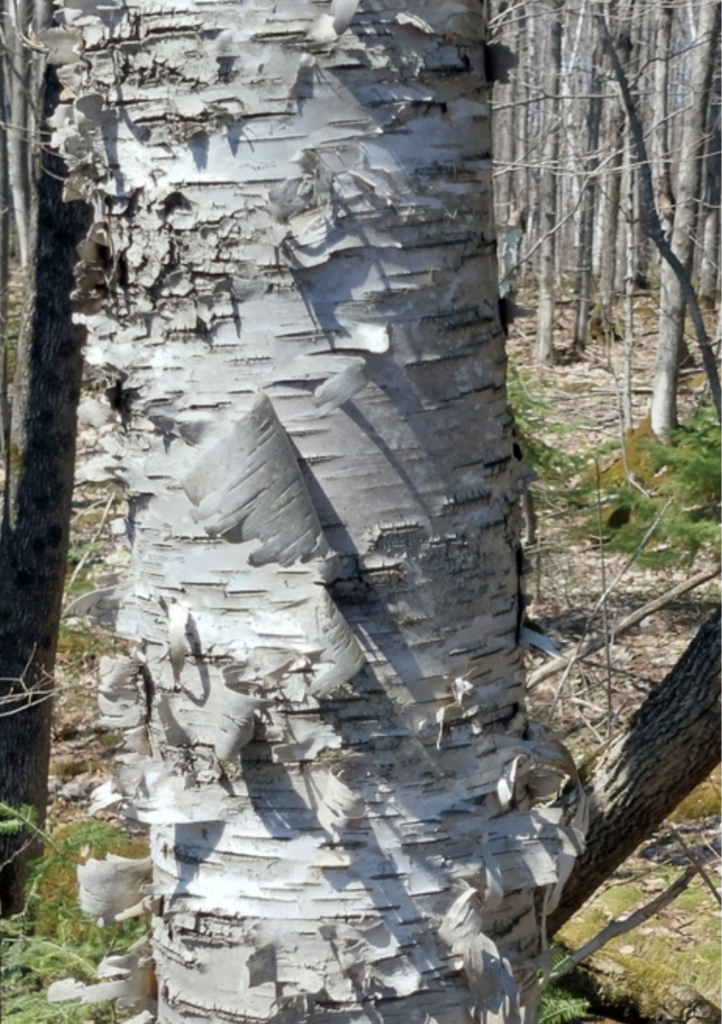
Here is a paper birch that I found in Centennial woods right behind my phenology location. I have actually admired this beautiful birch since the moment I picked the secret rock as my spot. It had stood tall through the months and I am completely enraptured by its elegance. The reason I know this is a paper birch and not any other kind of birch is because of the unique color of the white curling bark. iNaturalist saw that this was a birch but apparently could not identify the specific kind.
TREE UPDATE! APRIL