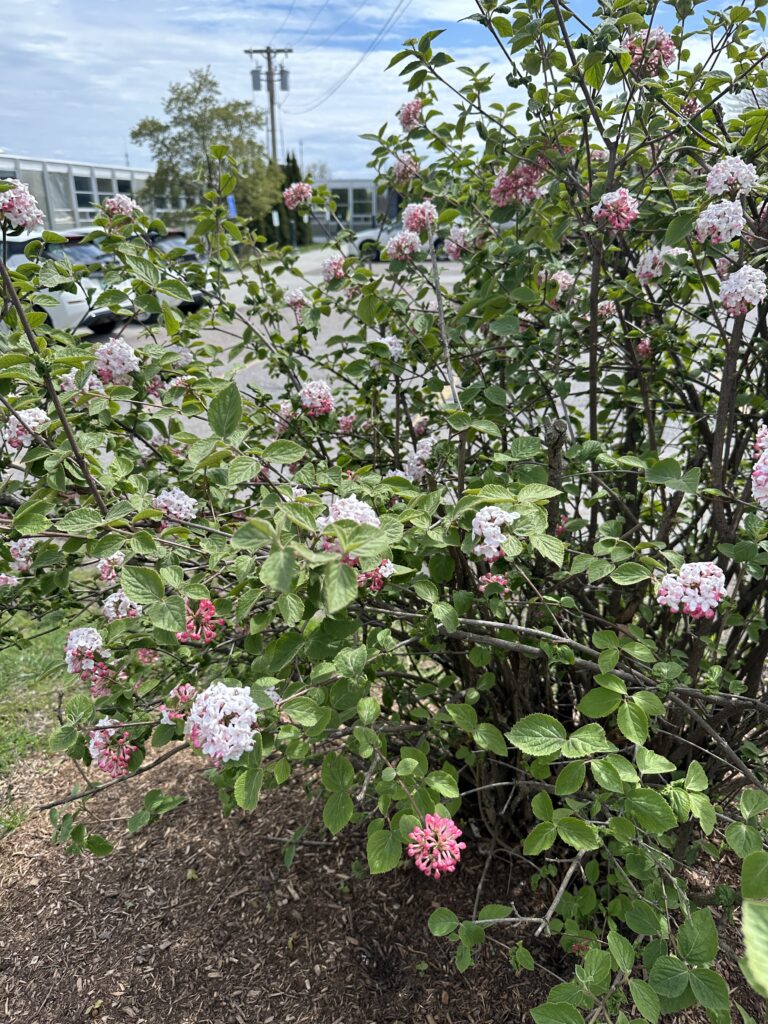
On the way to my spot today, I got hit by a rush of nostalgia. Outside the campus police station, there’s a Korean spice viburnum bush in full bloom. It has a strong floral scent, and it reminded me of playing outside when I was younger and building fairy houses. As I think about connection to place, it’s interesting to think about how different places can conjure the same emotions.
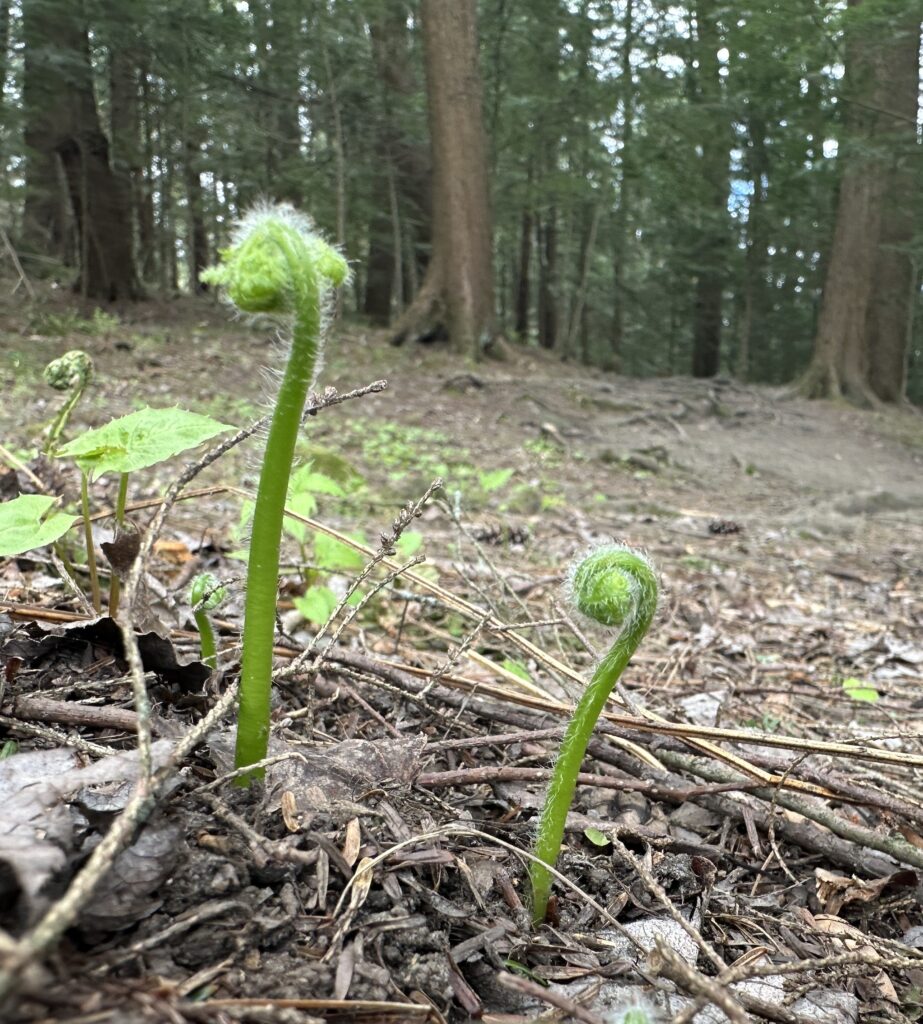
My site has changed pretty dramatically since my first visit in the fall, since a lot of trees got cut down around January. But also, I’ve seen it go through much of the seasons, from late summer through spring. I’ve watched the sprawling ferns wilt and shrivel, and I’ve watched them unfurl once again.
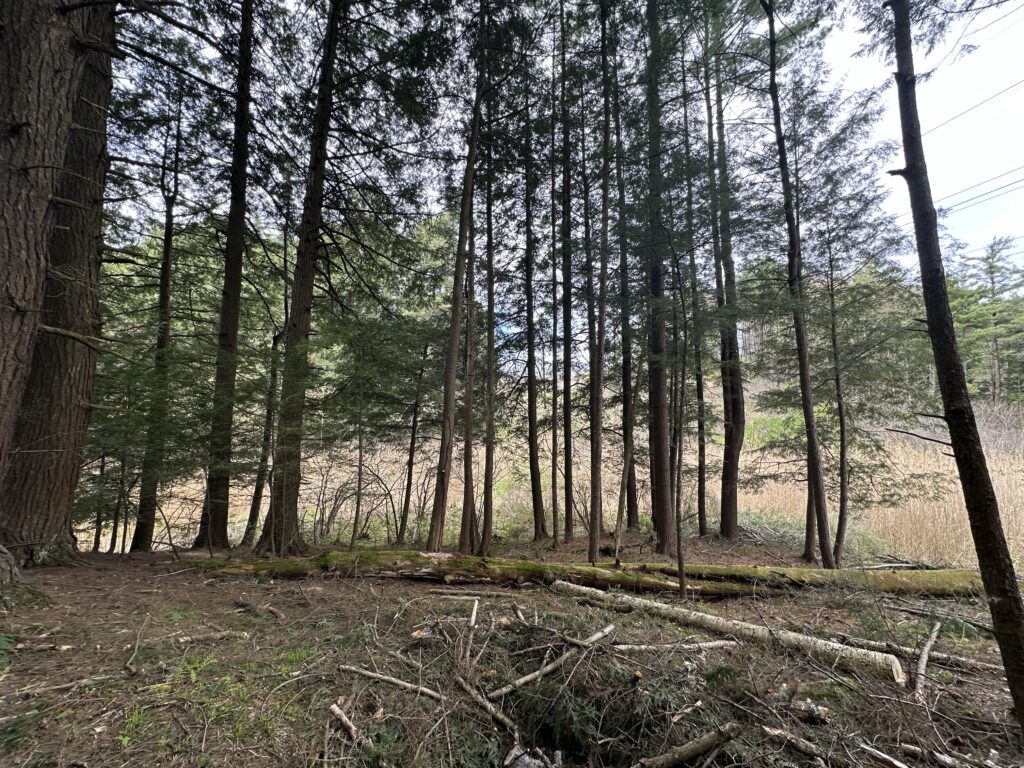
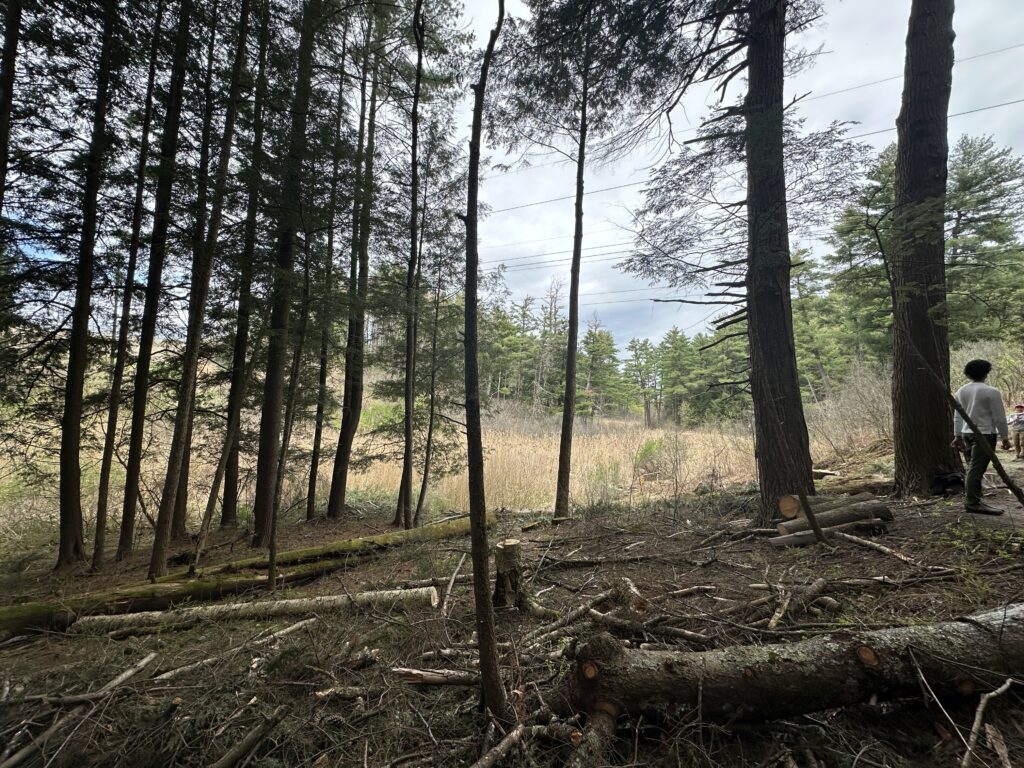
Since a lot of trees got cut down, some of my minor landmarks, like the paper birch snag, have changed. However, some of them, like the big mossy fallen log running parallel to the trail that’s a great snack spot for squirrels, have stayed the same.
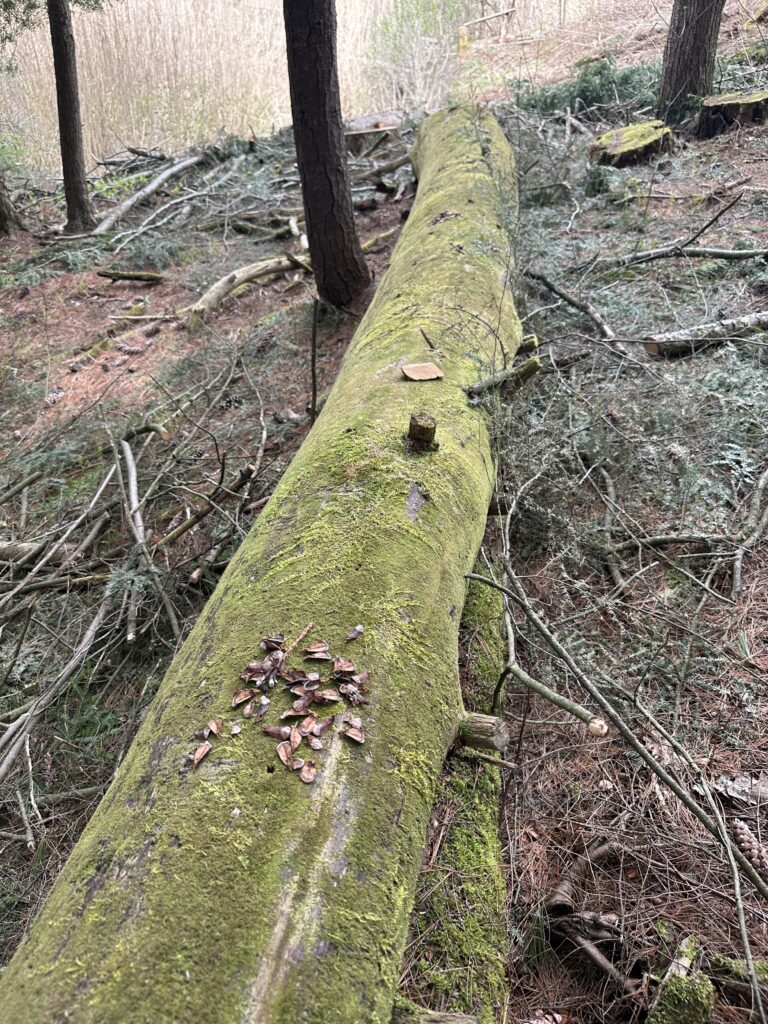
The major landmarks, like the marsh and stream, have stayed the same. The last time I visited my spot, the stream was still partially frozen, but today, I could hear it’s gentle rush.
I love listening to the sounds of my site. Today I heard:
- The reeds rustling
- tired but happy students returning from trail restoration work
- the constant buzz of frogs
- Planes overhead and traffic
- The quiet rush of the stream
- Crows, white-throated sparrows, song sparrows, a brown-headed cowbird, black-capped chickadees, and American goldfinches
- I hadn’t heard the brown-headed cowbird at my site before
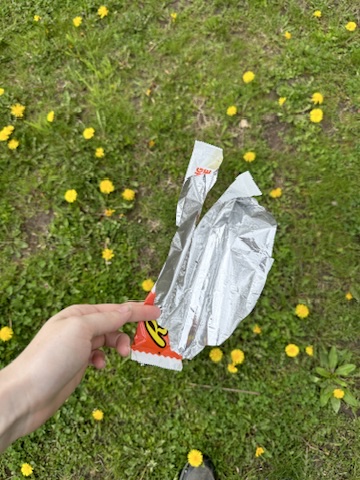
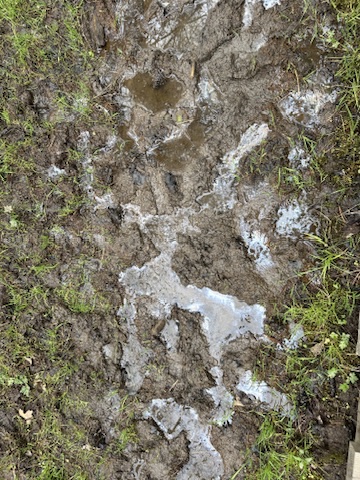
There are many ways in which nature and culture interact in Centennial Woods. Our culture of consumption is present here, in the trash I pick up, in the rainbow-y pools of oil by the stream as I cross deeper into the woods, and in the cars and planes I can hear from my site.
There’s the invasive species like buckthorn that were brought over because we treated plants like inanimate things and not dynamic beings that interact with our ecosystems.
But there’s also the hikers who appreciate nature more every time they go outside, and the people who value the outdoors are a large part of the reason why Centennial Woods still exists today.

And there’s also the students who spent their Saturday morning choosing to restore the trails, both for the benefits of other people, but also to prevent further degradation of the ecosystem. There’s the people who planted new saplings to help create a diverse, healthy forest.
Humans and nature don’t have to live in conflict. That’s not to say it will be easy, but it’s possible, and I see glimpses of it whenever I see people in the woods taking care of it.
But it’s hard to say whether I consider myself a part of my place. While I have had some impacts on it, (ex: contributing to trail erosion as I hike and pollutants in the stream from my usage of vehicles) I feel like they were too one-dimensional and infrequent for me to consider myself a part of the site. I think I would have had to go there a lot more frequently to feel like I belonged, to know every tree and note every little change, to figure out the birds’ routines and pick apart their songs and their warning calls.
I do hope to return, likely this summer, and definitely next school year. Maybe someday I’ll confidently be able to say that I’m a part of this corner of Centennial Woods, or some other natural space.