Entry #1: Friday, 23 June 2023, 11:30AM-12:30PM
Riverbend Recreation Area, Findlay OH.
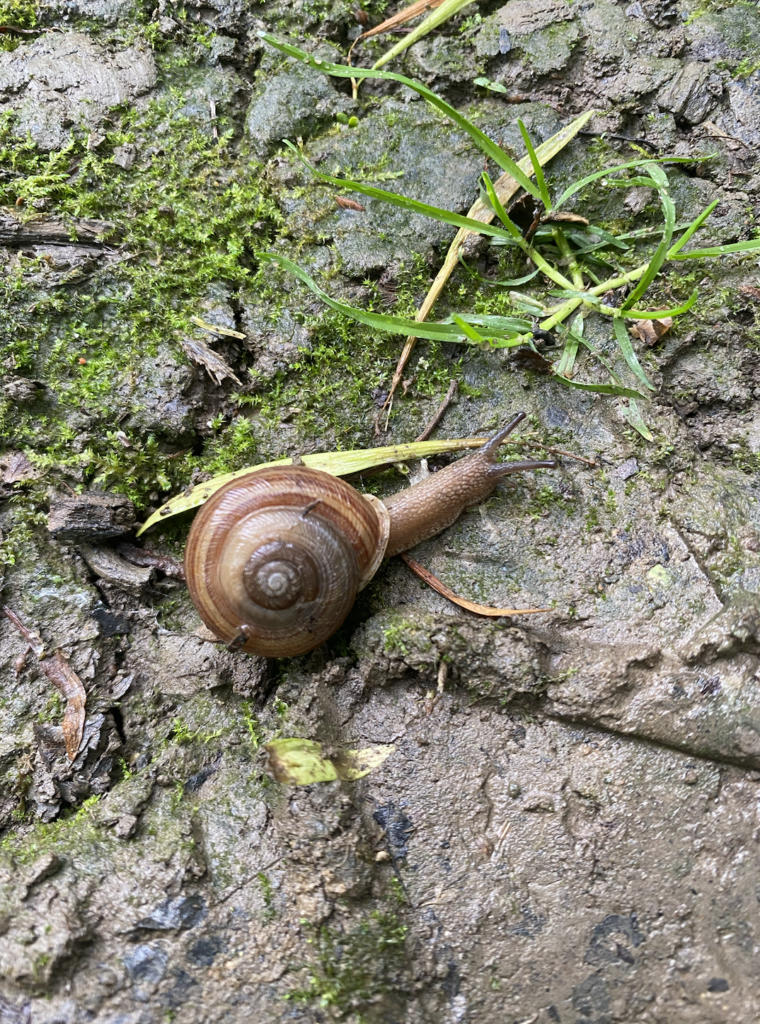
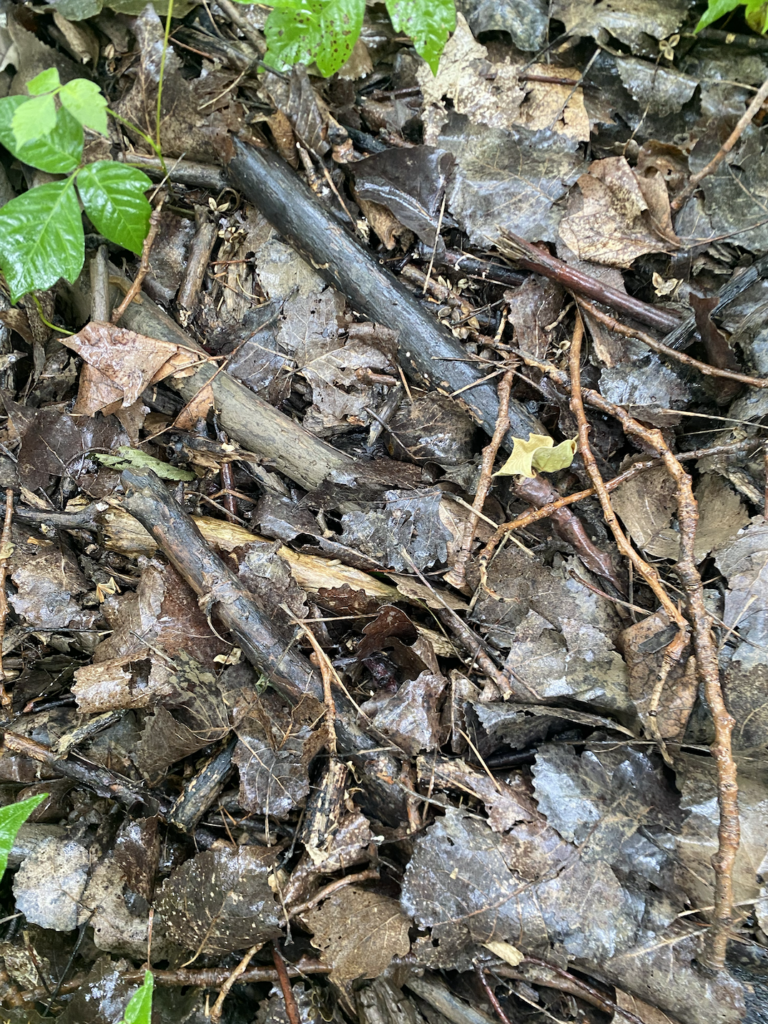
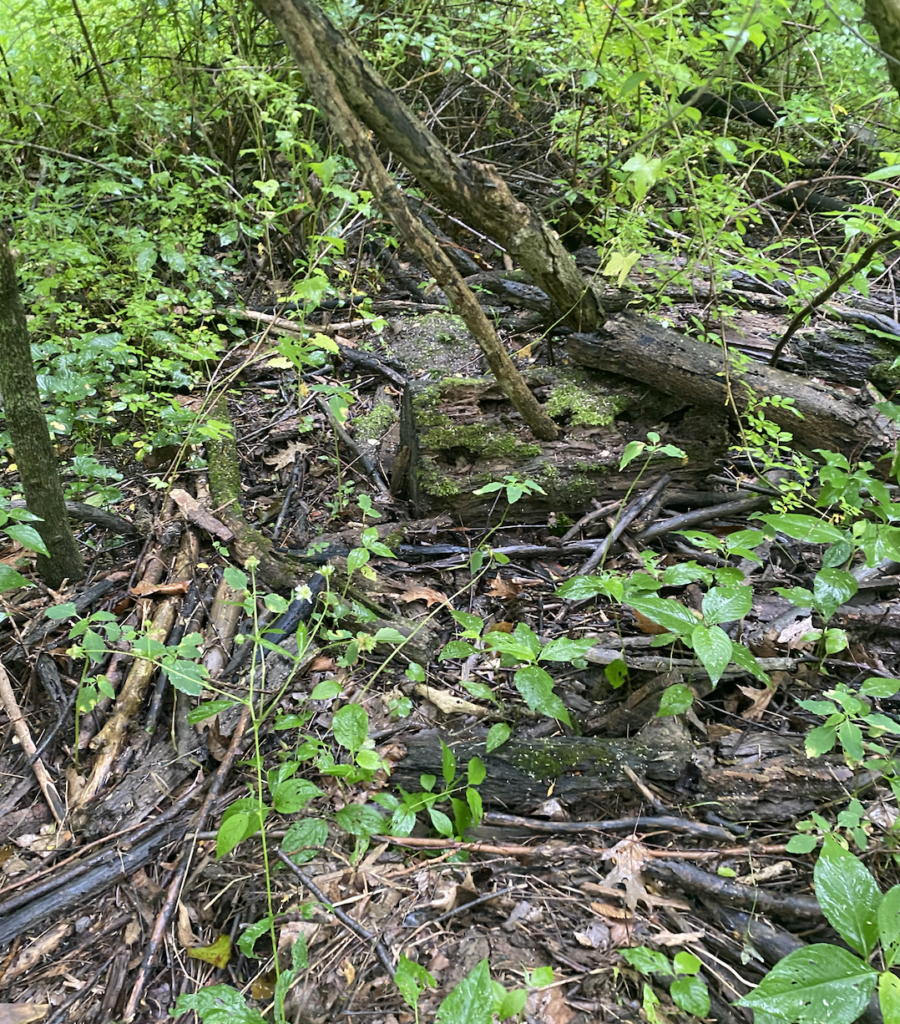
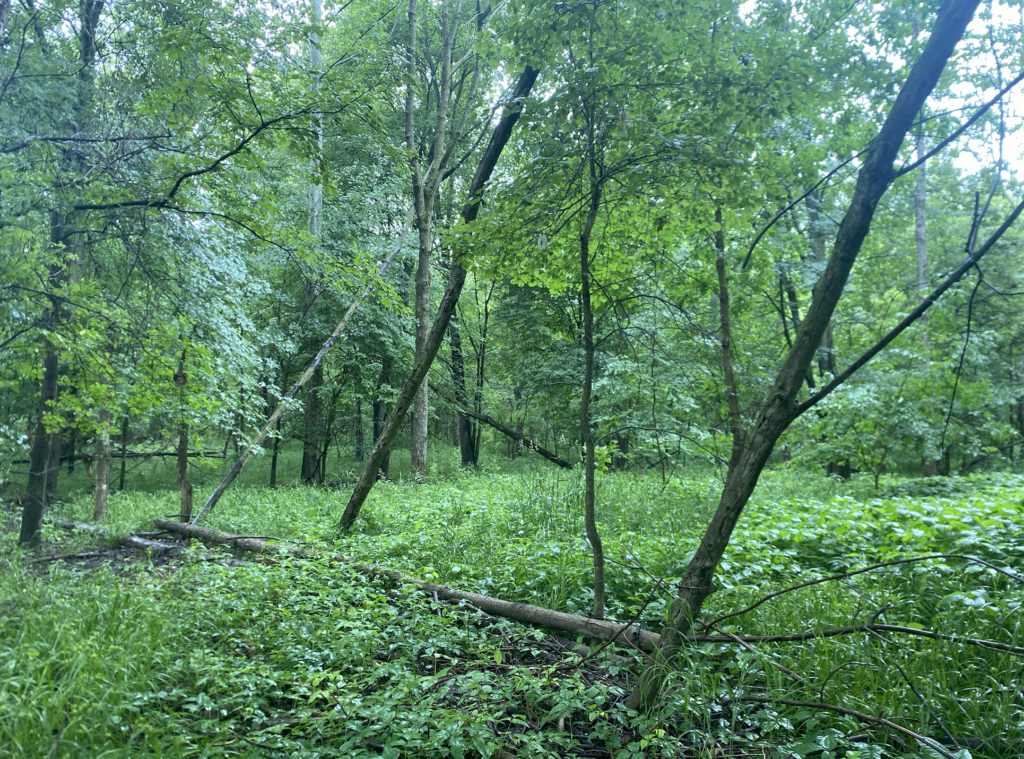
The Riverbend Recreation Area is a small park filled with hiking trails, ponds, meadows, campsites, and other recreational activities. The weather today here was quite overcast and a little bit rainy. Everything was wet and it smelled very fresh. The location I was in had lots of coverage with many different grasses, trees, and shrubs. A lot of organic matter lay on the forest floor (twigs, dead trees, leaves, etc.). There was also a river near my site. Many birds could be heard but not as much seen, meanwhile I saw plenty of slugs, snails, spiders, dragonflies, and a raccoon.
Question I Researched: How does having a river in a woodland benefit the environment?
Having a river within a woodland habitat helps to prevent flooding and pollution. It can also aid in connecting habitats to each other that have been separated. The trees along the riverbank offer protection to the fish as they hide in the shade of tree branches or fallen logs and twigs. Many different animal species within the woodlands rely on fish and small aquatic organisms as a food source.
Woodland Trust. “Help Us Create More River Woodland.” Accessed 23 June 2023. Woodland Trust, www.woodlandtrust.org.uk/plant-trees/river-woodland/.
Questions I Asked Today:
How does lack of sunlight on the forest floor affect smaller, younger plants?
What is the difference between snails/slugs?
Where do some animals go when it rains?
What species come out in the rain?
How does a nearby river affect what resides?
What species live in the organic matter?
Why is so much organic matter present?
What species rely on the larger, dead trees?
How do smaller, underground species react to flooding?
Where are most species in woodlands located?
When are deer most active?
Do different species prefer different bark?
How does having a river in the woodland benefit the environment?
What kind of forestry (if any) occurs here?
Which moss grows on the trees/are there many different moss?
What lives in the many small holes in the ground?
How does time of day affect the presence of species?
What invasive species are here?
How do these invasive species alter the environment?
What is the most abundant food source here?
What bird species live in the woodlands vs wetlands?
Which trees are fungi most attracted to?
Why are some areas so grown in while other areas are more cleared?
When was the last time a disturbance changed the area?
How does rainfall affect the woodlands vs. where the river is located?
Overall, due to the rain I am assuming, I did not really observe many animal species other than smaller bugs/insects. It was wet and muddy in most of the parts I walked. Something that did catch my attention during my visit today was the river nearby the site. I did not take much time observing the area closer to this river, so in future visits I plan to more deeply observe the river area as well as woodland area at my site.