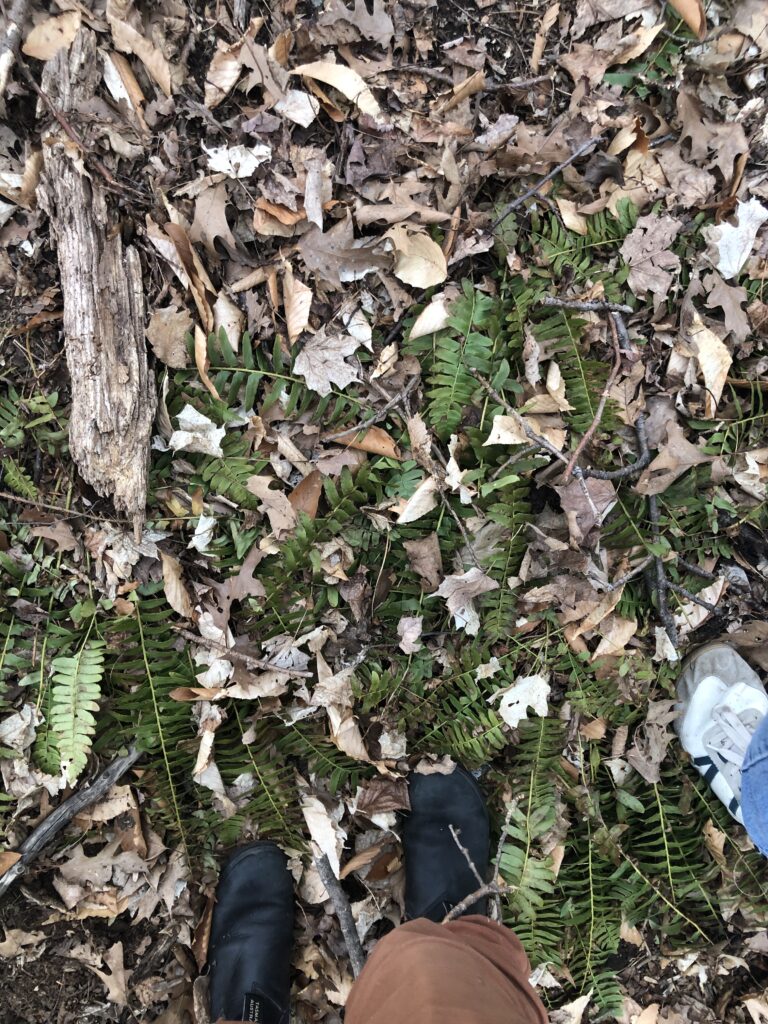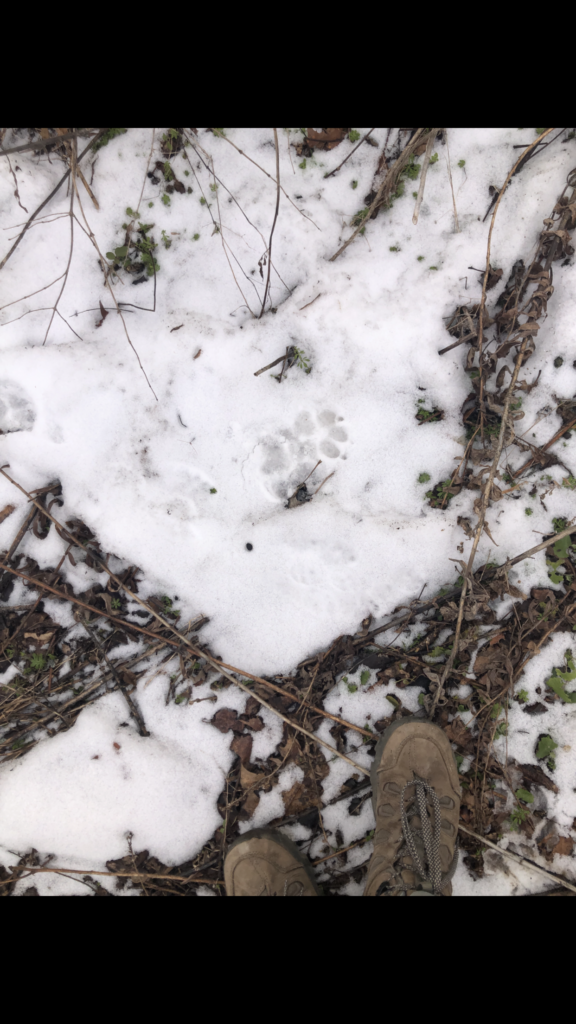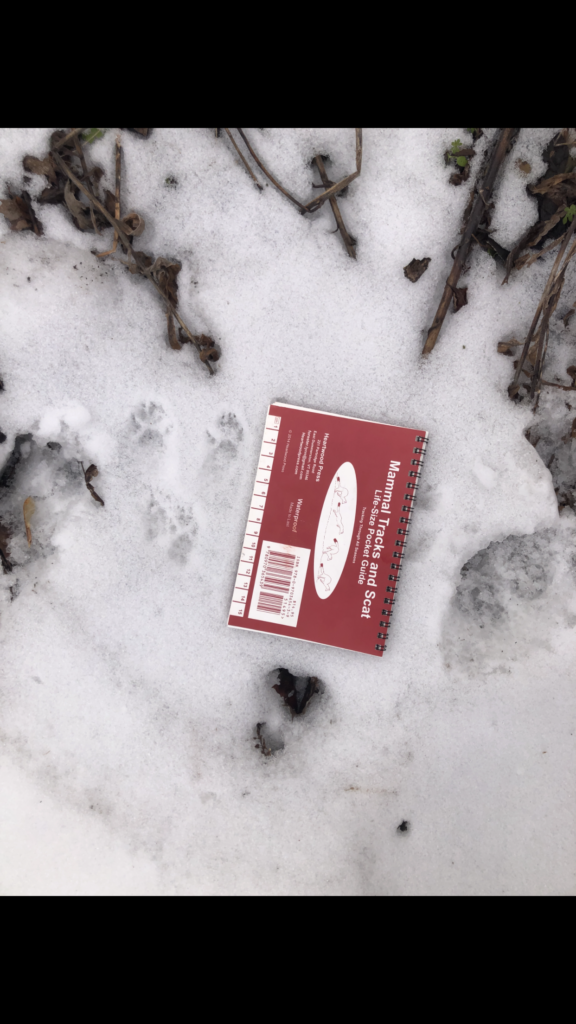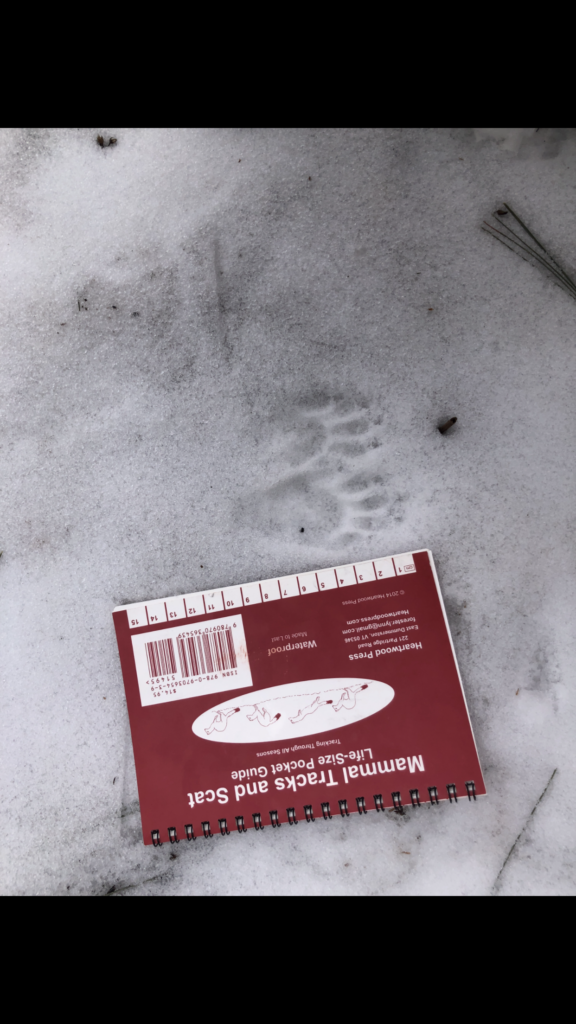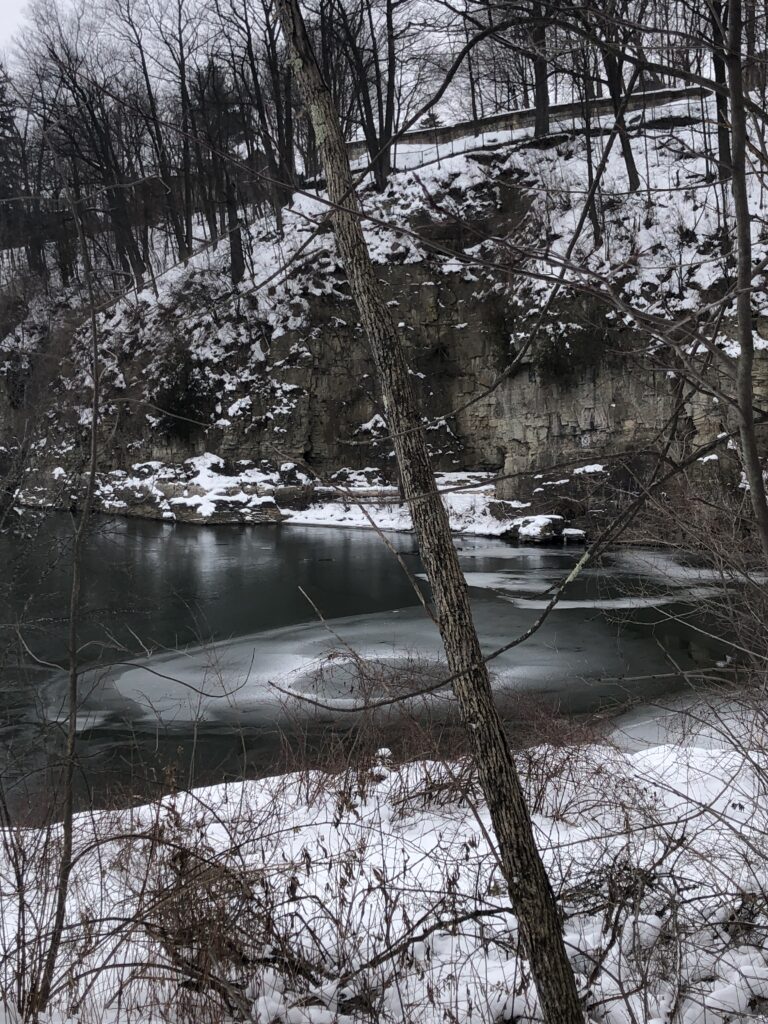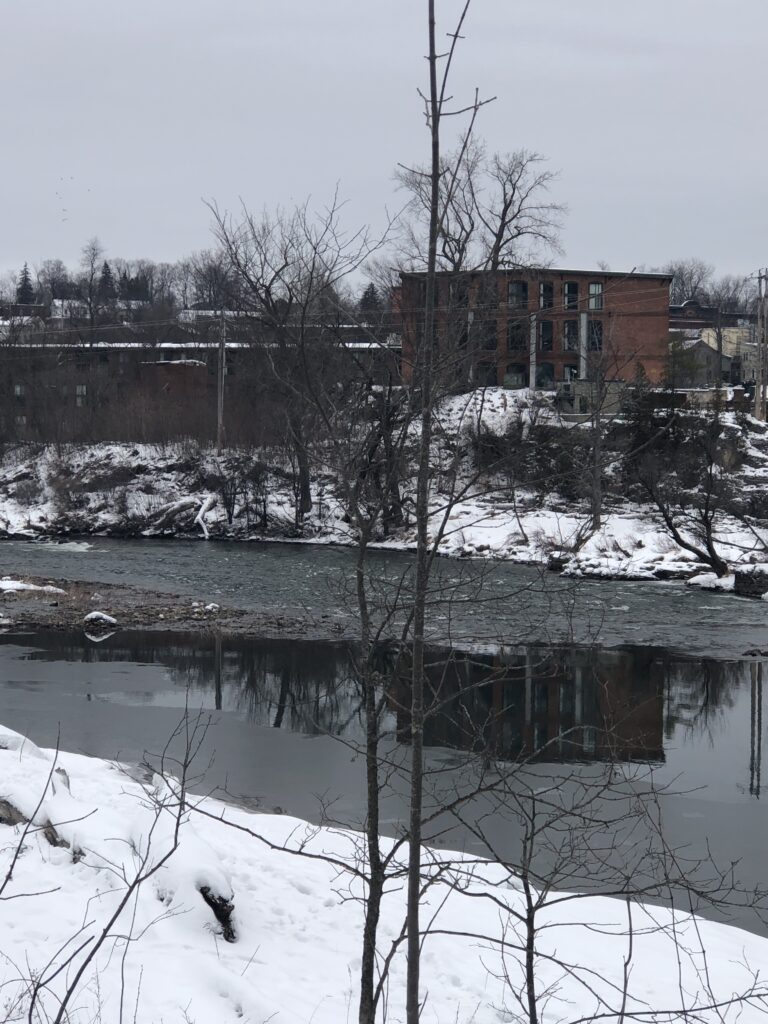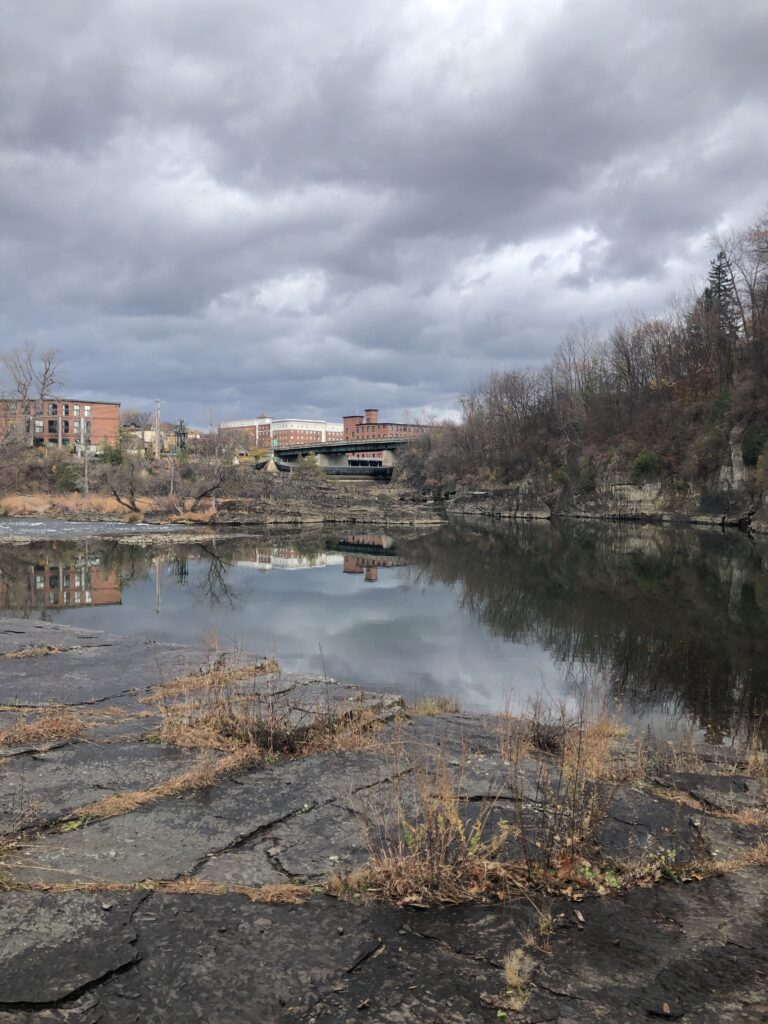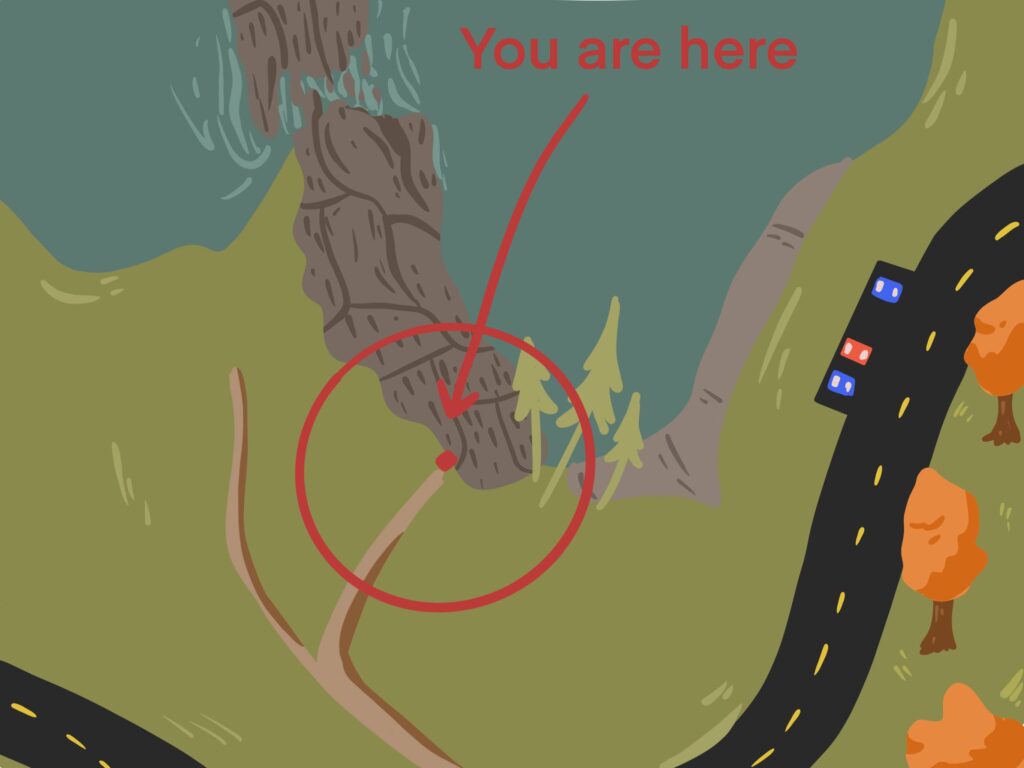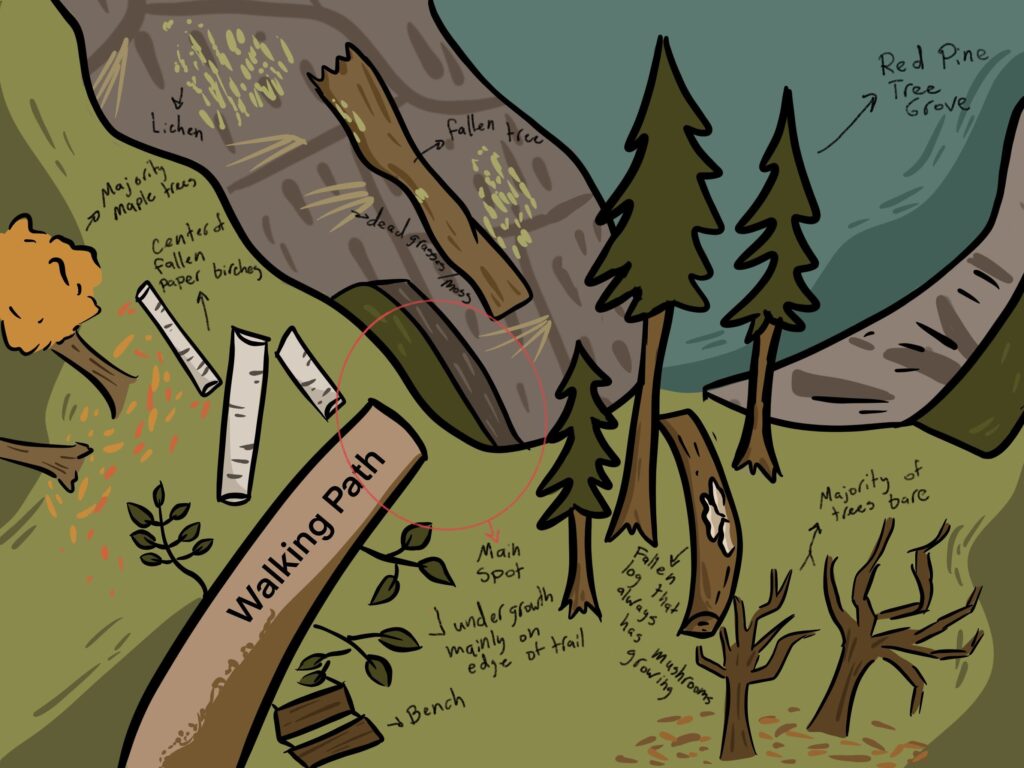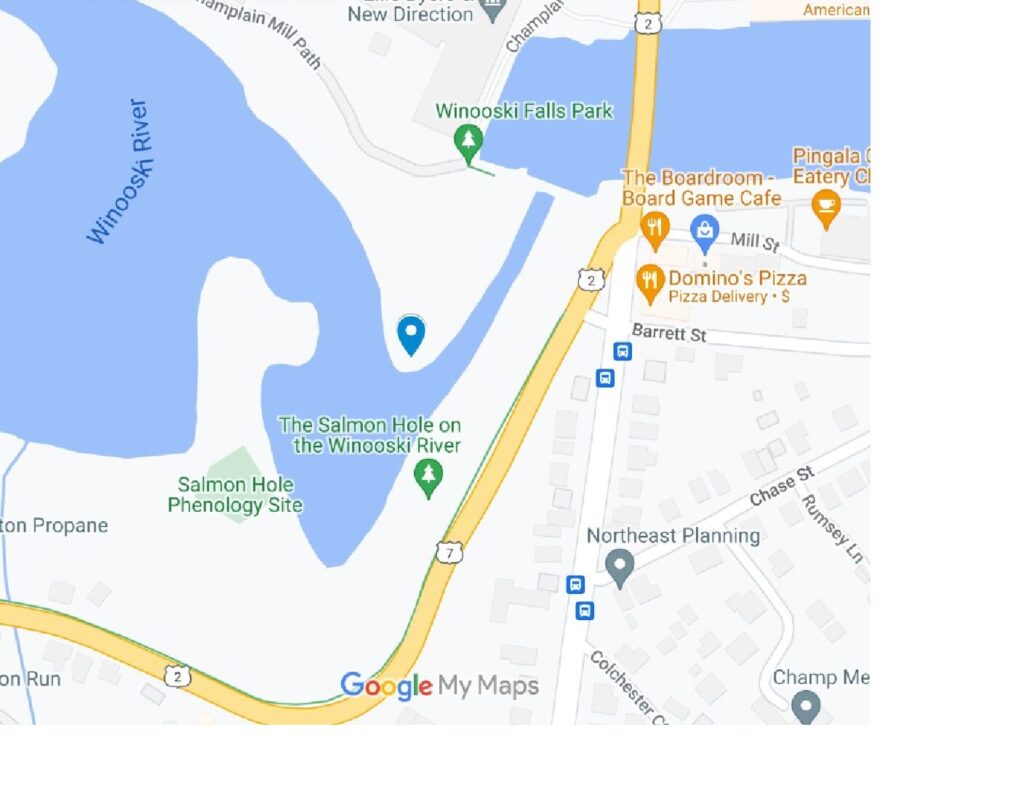
My final visit to Salmon Hole has to be one of my favorites. I started visiting this site at the beginning of the first year. It has become one of the points in Burlington that I have become very familiar with. When looking at my original phenology post, I can see the physiological changes that have occurred over time in this area and my work. I did not go down to the water when I initially visited because I had yet to learn where the trail was. In this area, I have consistently observed human activity through the dam towering over the river to all the trash pulled up to the rocks from the water. On my initial visit, I noted a lot of wildflowers in the area and a substantial understory. When I visited this time, I saw the understory start to come back up, and green leaves were growing. My favorite portion was seeing all the ferns unrolling.
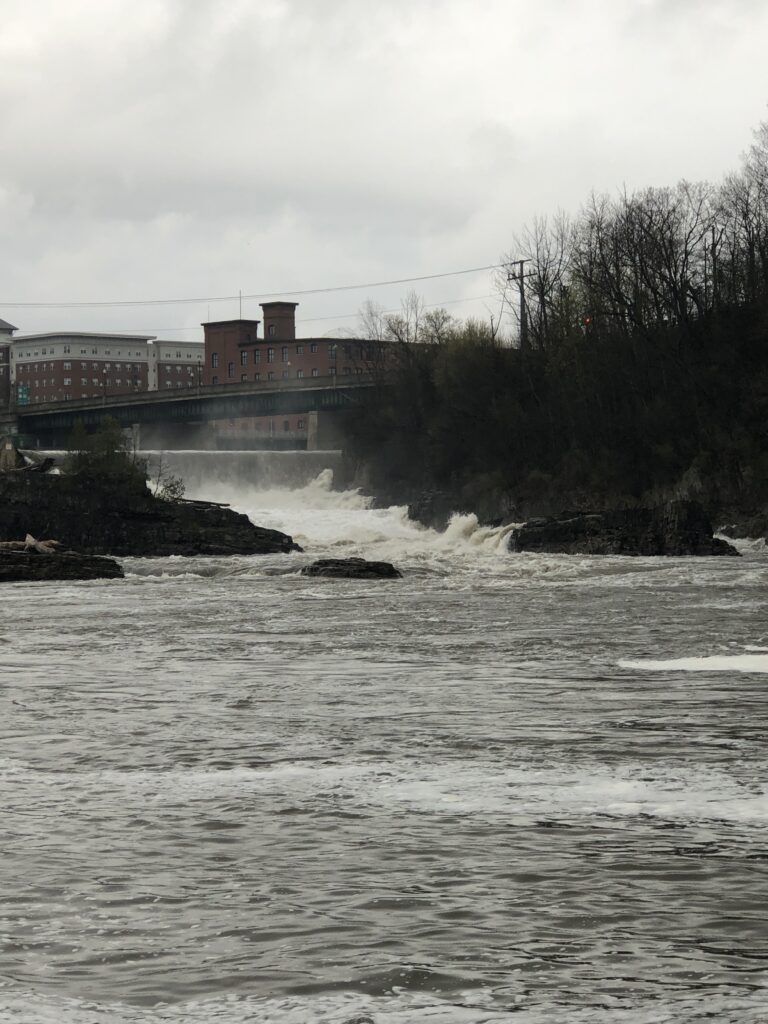
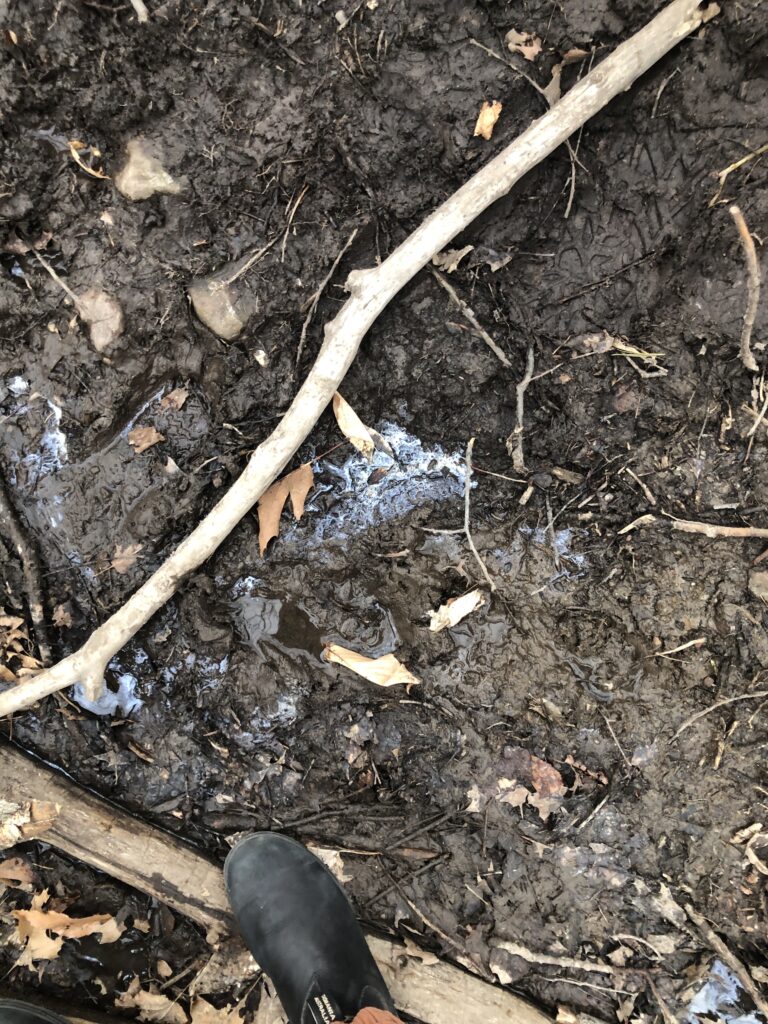
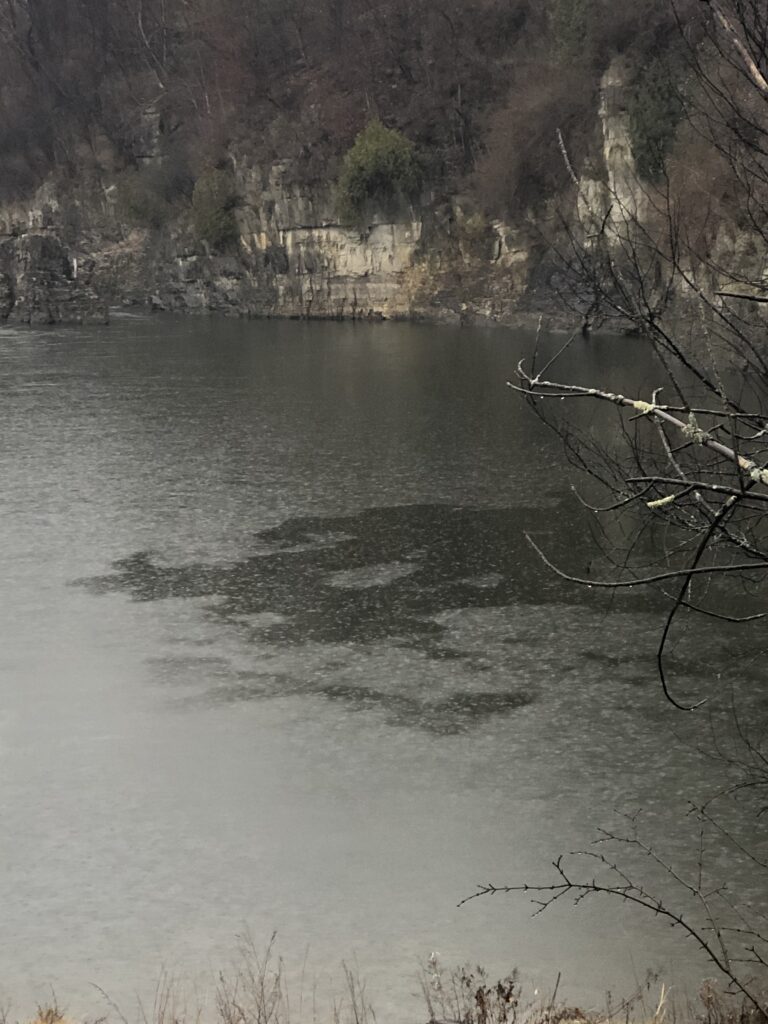
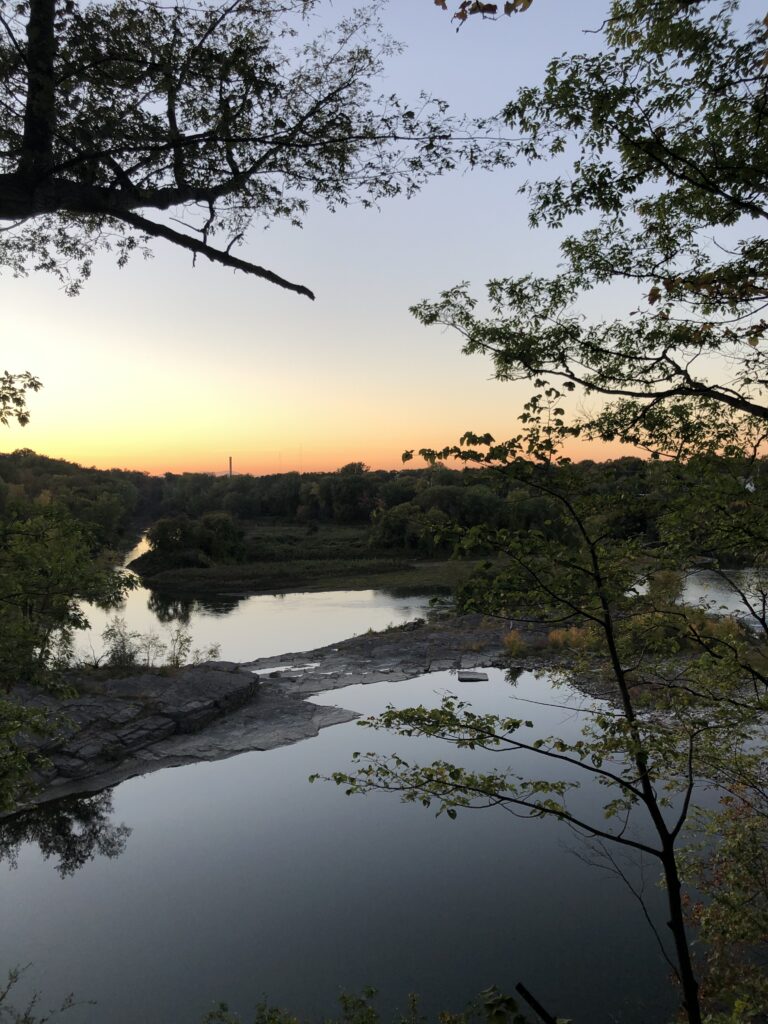
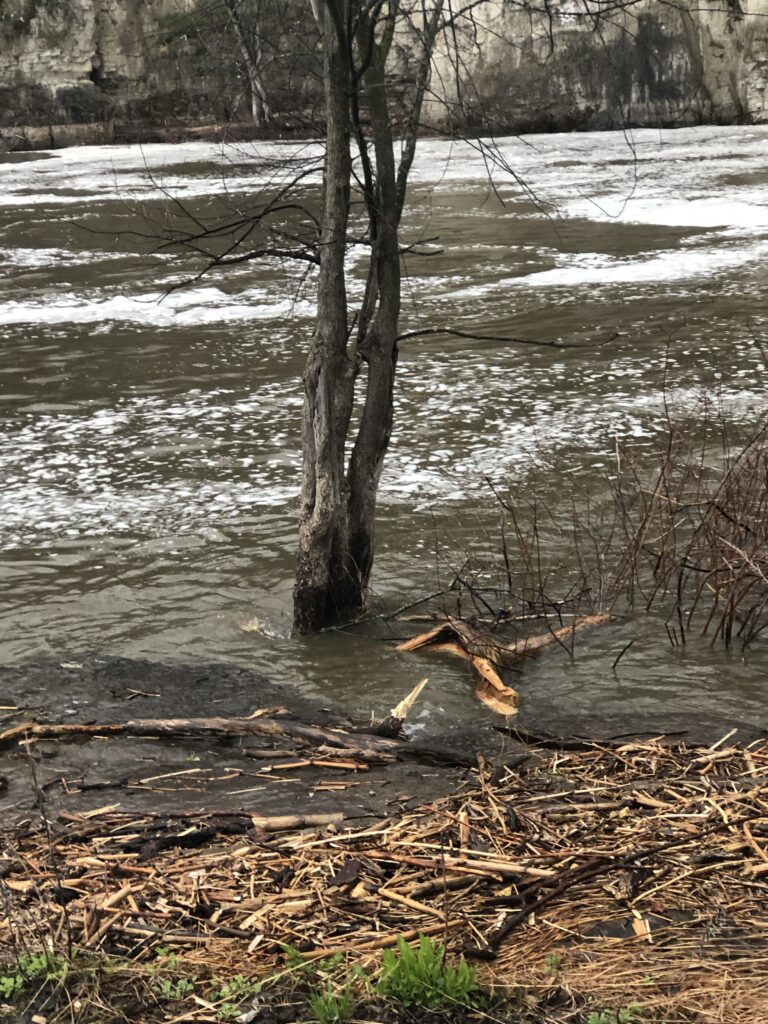
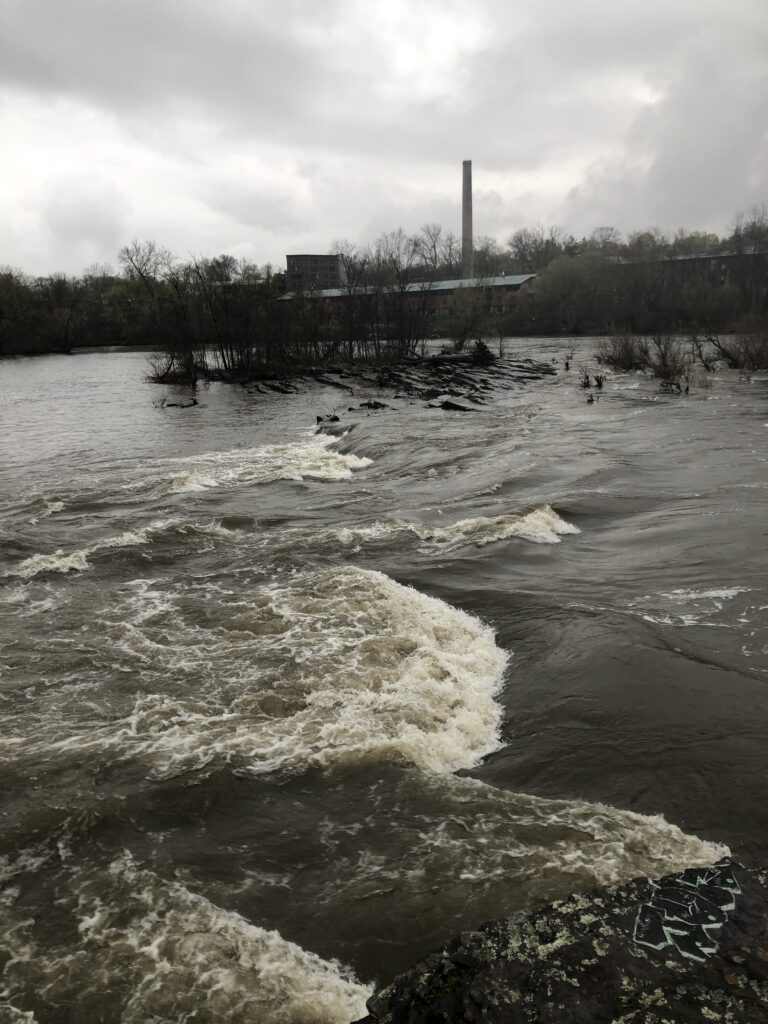
What was truly intriguing about this visit was seeing the water level, and I could observe this change when seeing the water levels from my original photos. Now the dam was releasing way more water than was expected. This is probably due to all the recent snow melt and the rainy conditions that have been occurring lately. The water was rushing over rocks that it usually could not even touch, and the power of this flow was so strong it almost created a push and pull on the rock I was standing on. It looked like rapids were in the area. This pressure made a lot of foam pushed into the slower-moving area. Now at the end of the rock, I usually walk to the rocks connecting that section to the middle rock section entirely consumed by the river. The rocks exposed at the beginning of the year were encased in a river, giving no opportunity to see them. The portion had such a strong river flow that it began to look like a rapid had always been there.
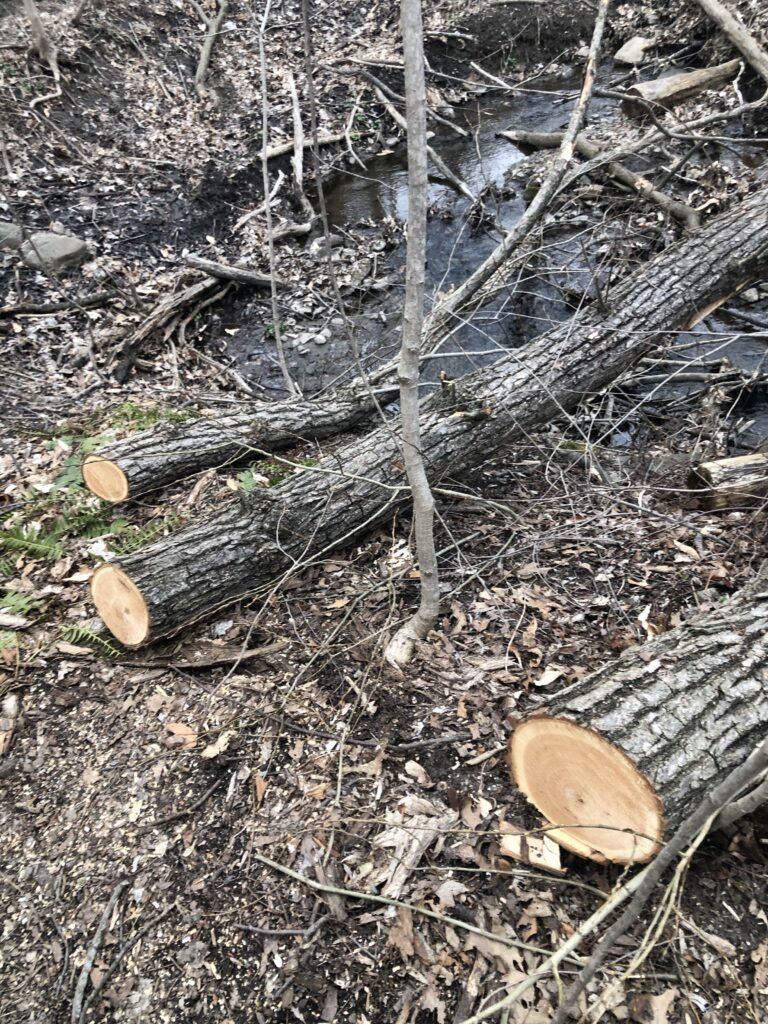
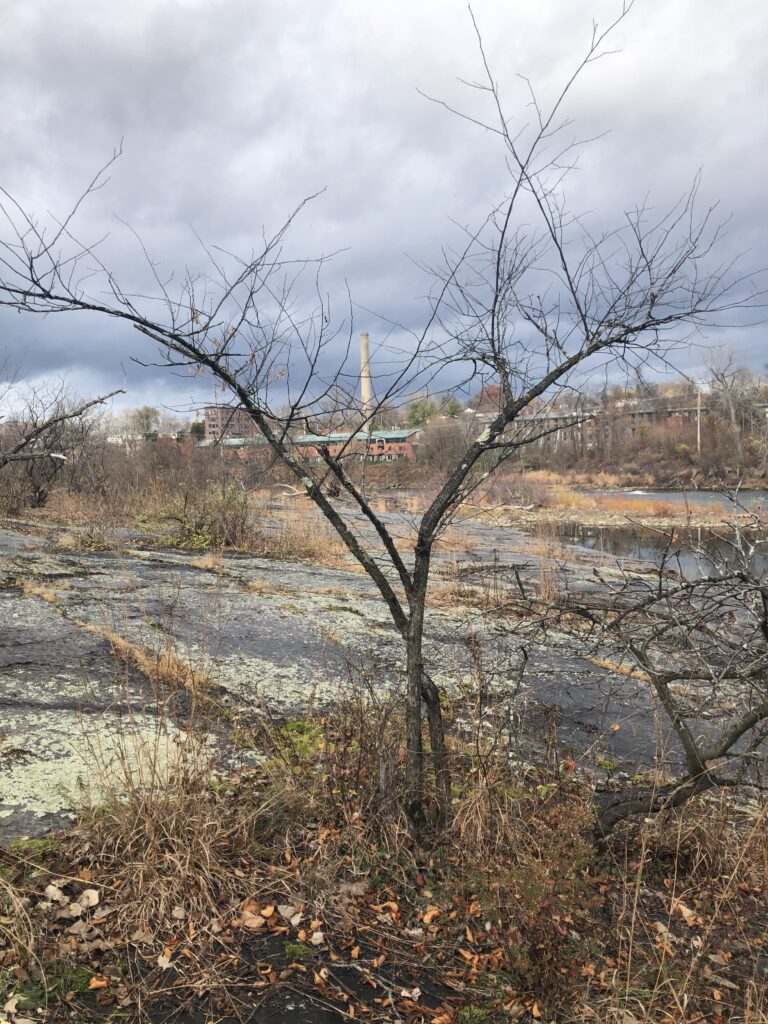
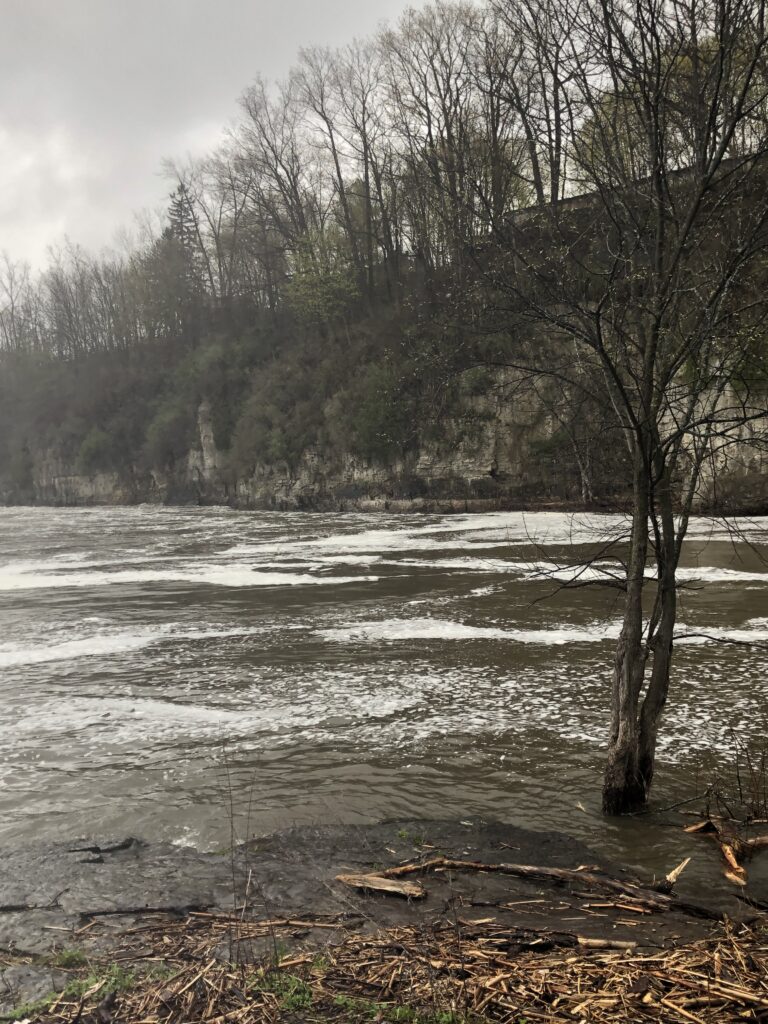
I first noticed the high rise of the water when I saw a tree that was generally on land consumed by the water. This occurred with other trees down the path that was a good couple of inches in the water.
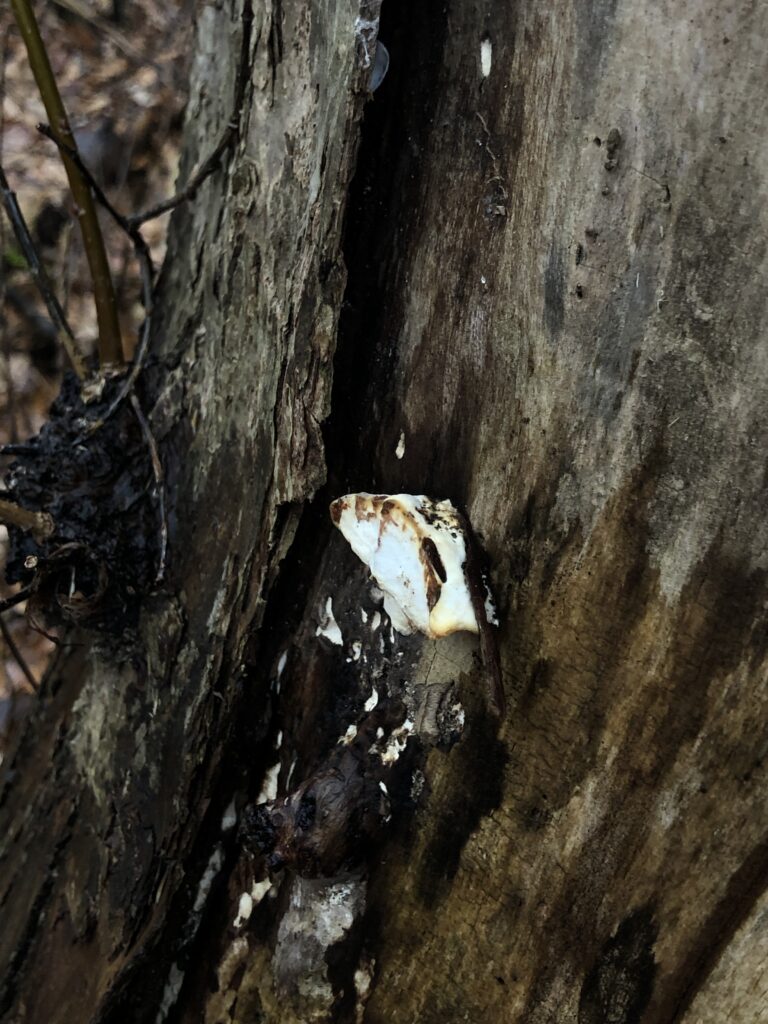
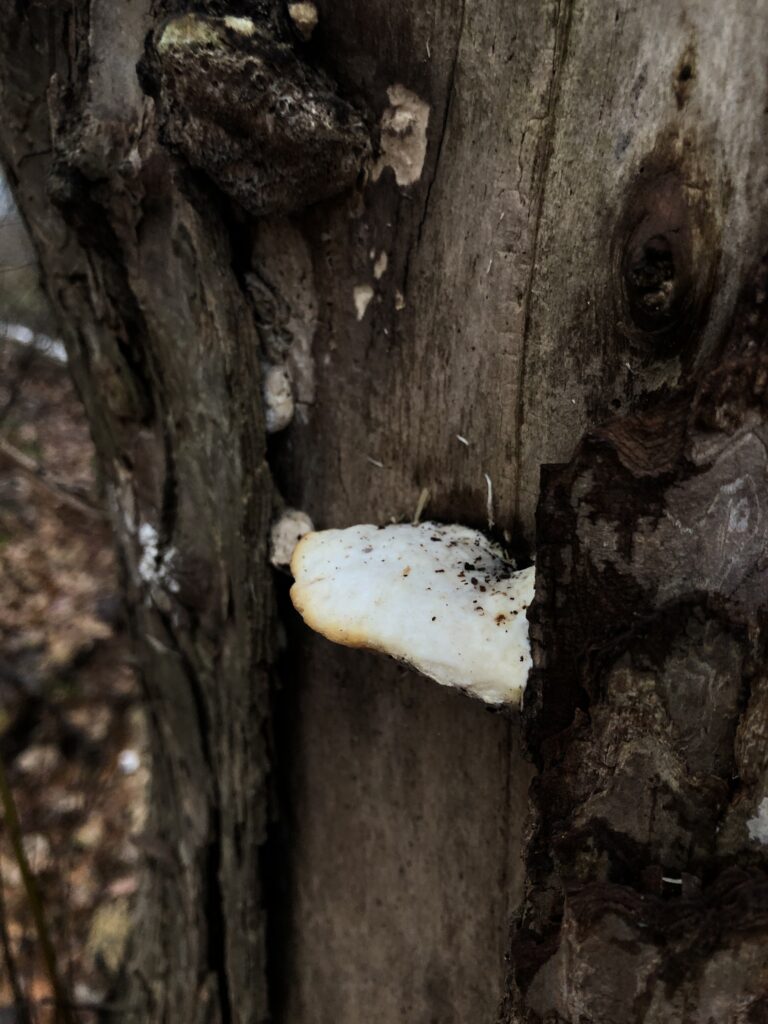
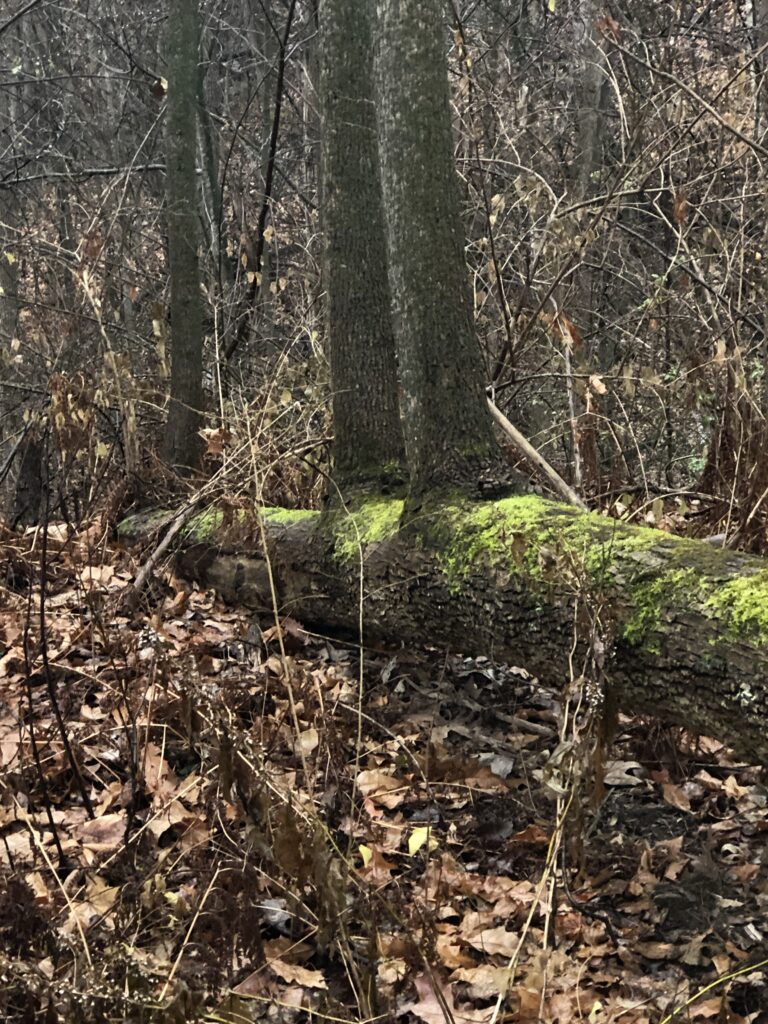
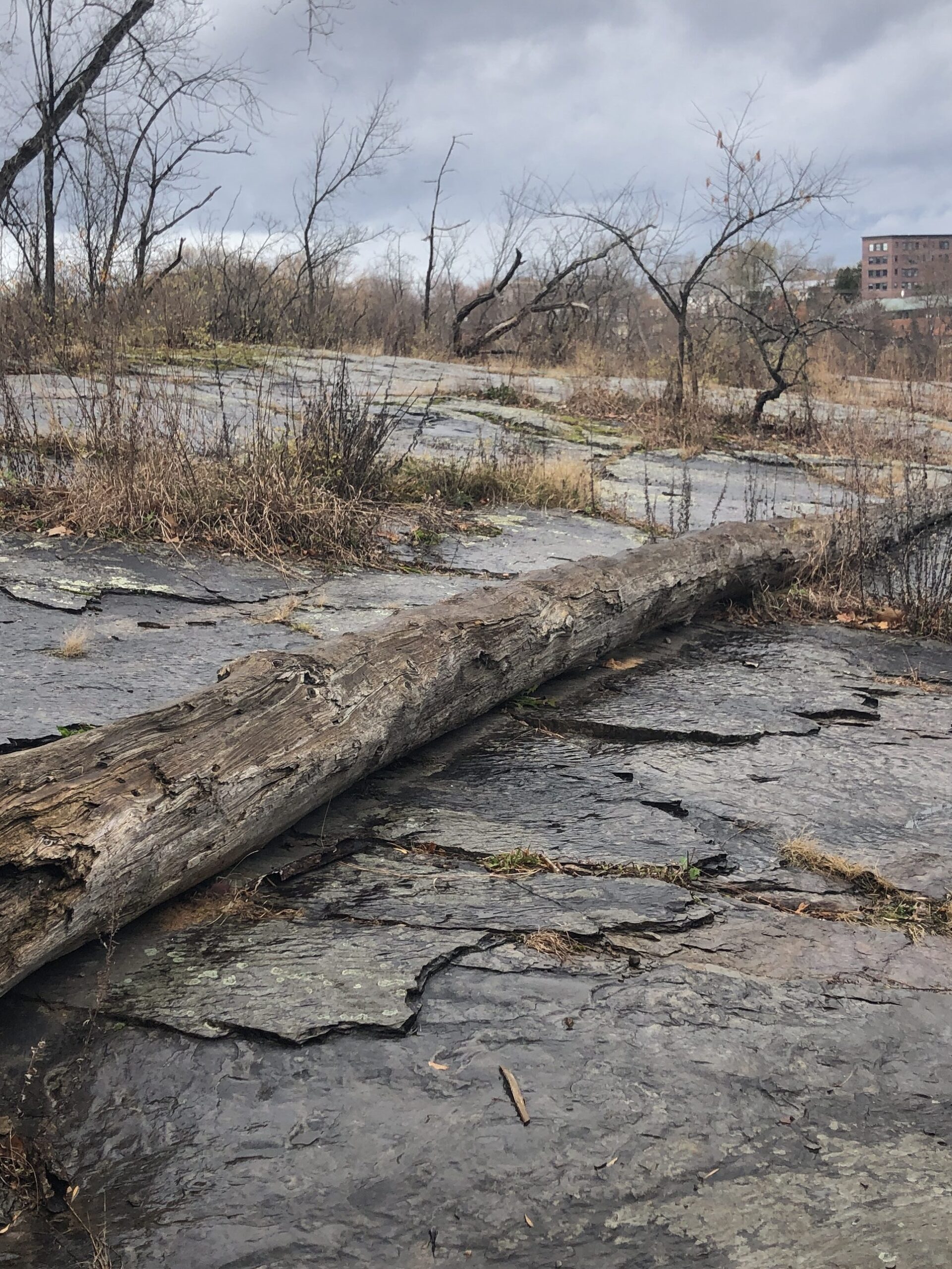
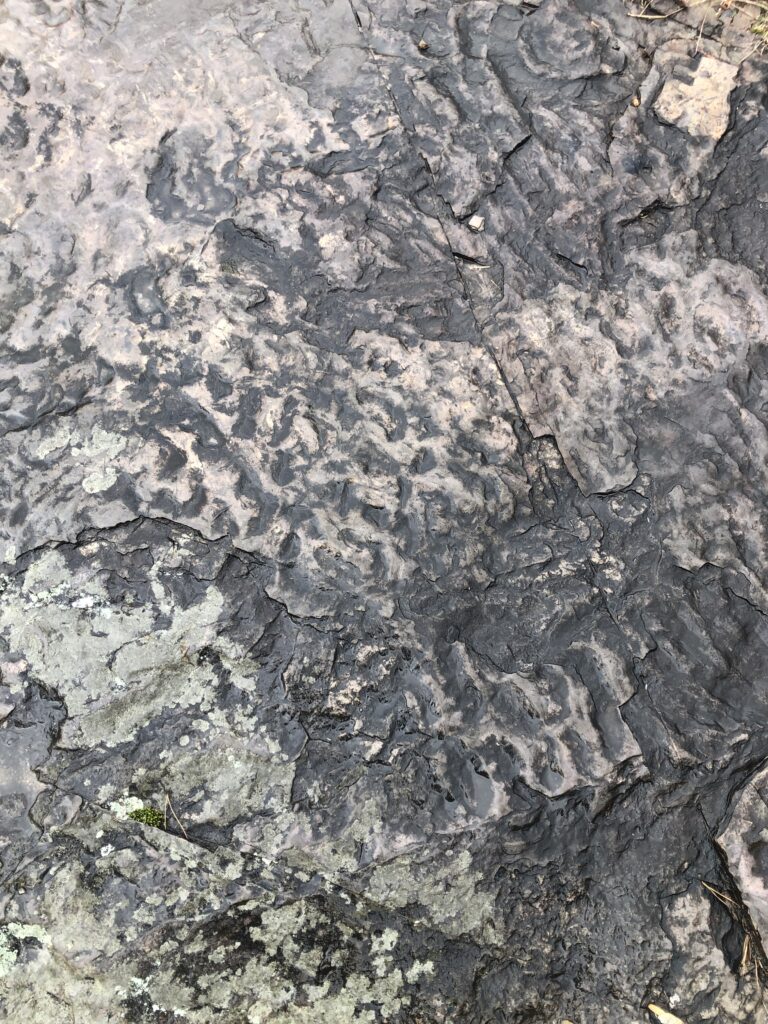
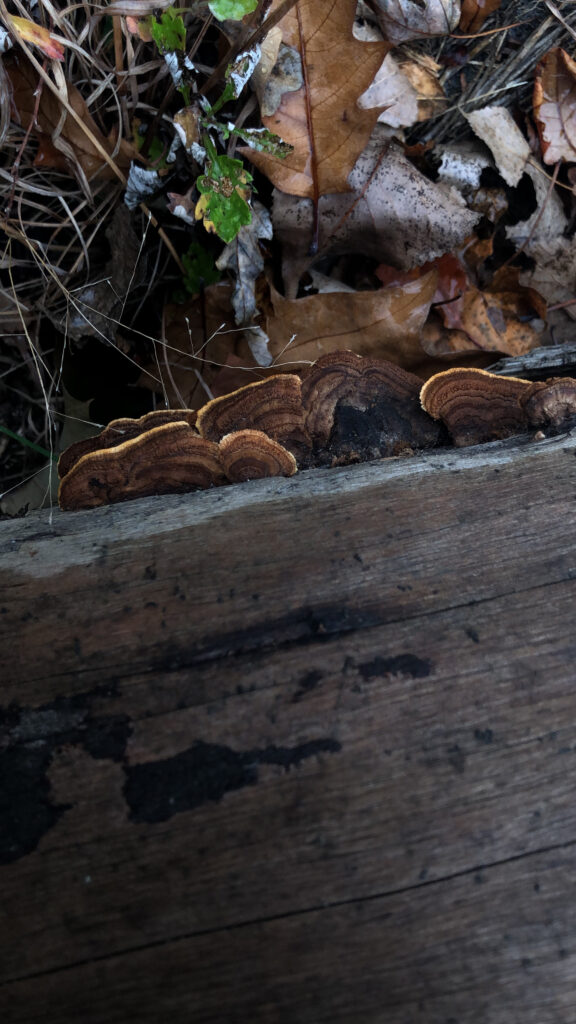
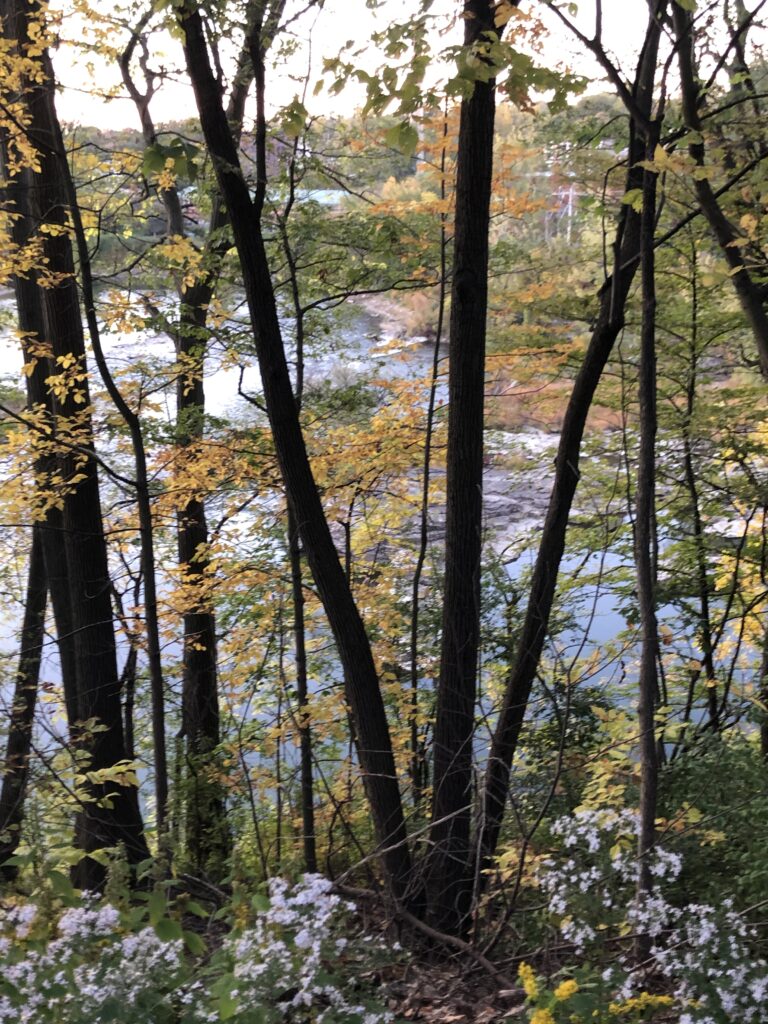
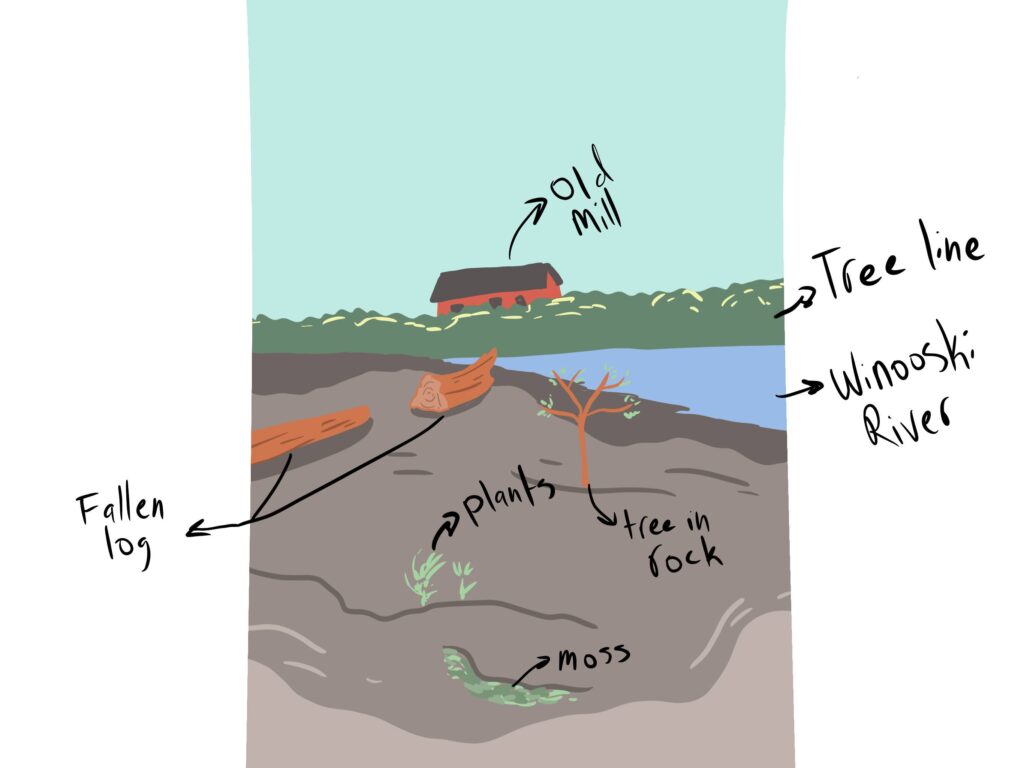
A significant landmark I have become familiar with is the log that rests on the rocks in Salmon Hole. In the fall, when I first visited, mushrooms were growing on it, and plants surrounded it. But as the year has gone on, this growth has stilted. The rocky area in Salmon Hole has a very prominent organization. The waves in the rocks and all the trees grow in the cracks.
This area shows precisely the way culture and nature intertwine. This is the beginning of Burlington Wildways, which has Vermont’s culture of protecting the natural land and trying to get more people out there and exploring. It’s impressive how well taken care of these sections are; benches encourage people to sit and enjoy their surroundings. On a more negative note, Salmon Hole also shows the culture of trying to control and use nature, such as the dam. This prevents the water from being released, causing effects in the lower lands if there is a flood. Along with this, interviews with the salmon travel upstream. At the same time, this dam needs to be maintained because it can not just be destroyed, as that would cause a lot of houses along the shore to be flooded.
Overall I consider myself a part of this place. This area is inconvenient for me to get to as I live on the Redstone campus. So when I would wander down to Salmon Hole, I would have to be willing to spend a couple of hours on my travels. The most recent time, I got caught in the rain for about three hours. I have found this spot significant to me, and even if I am not a part of this place, it is a part of me.
Visiting Salmon Hole reminded me of preserving our natural resources and caring for the planet we call home. It reminded us to step back from our busy lives and appreciate nature’s simple yet profound beauty.