Final Phenology Blog

Visit to Centennial Woods

BioBlitz experience

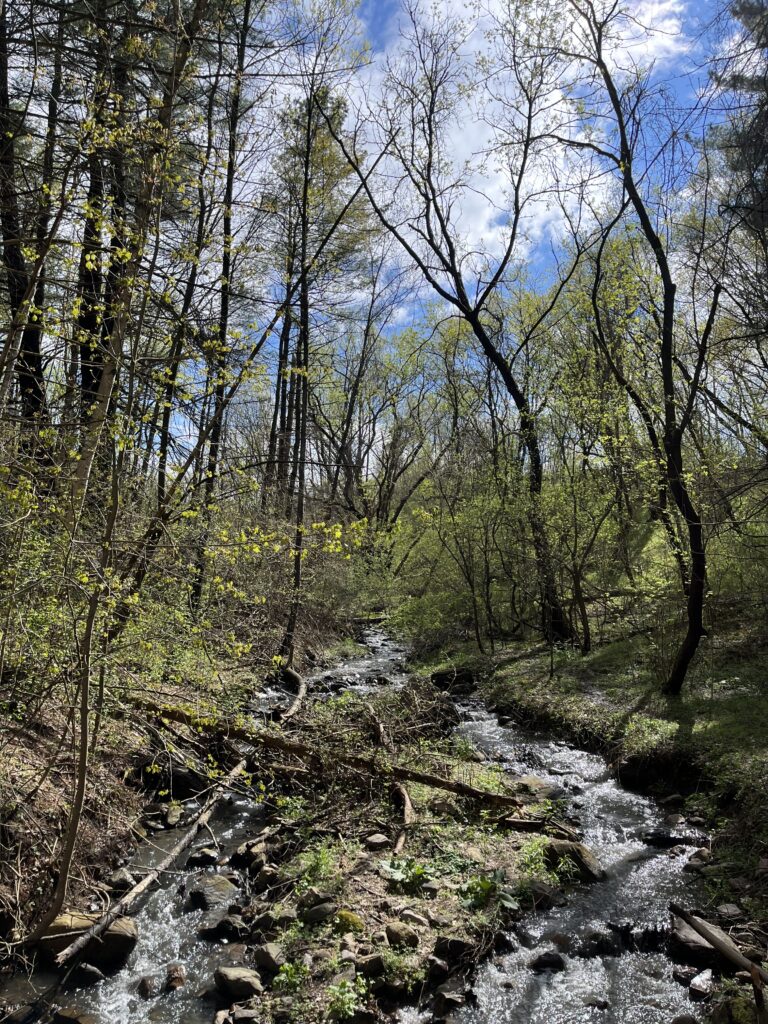
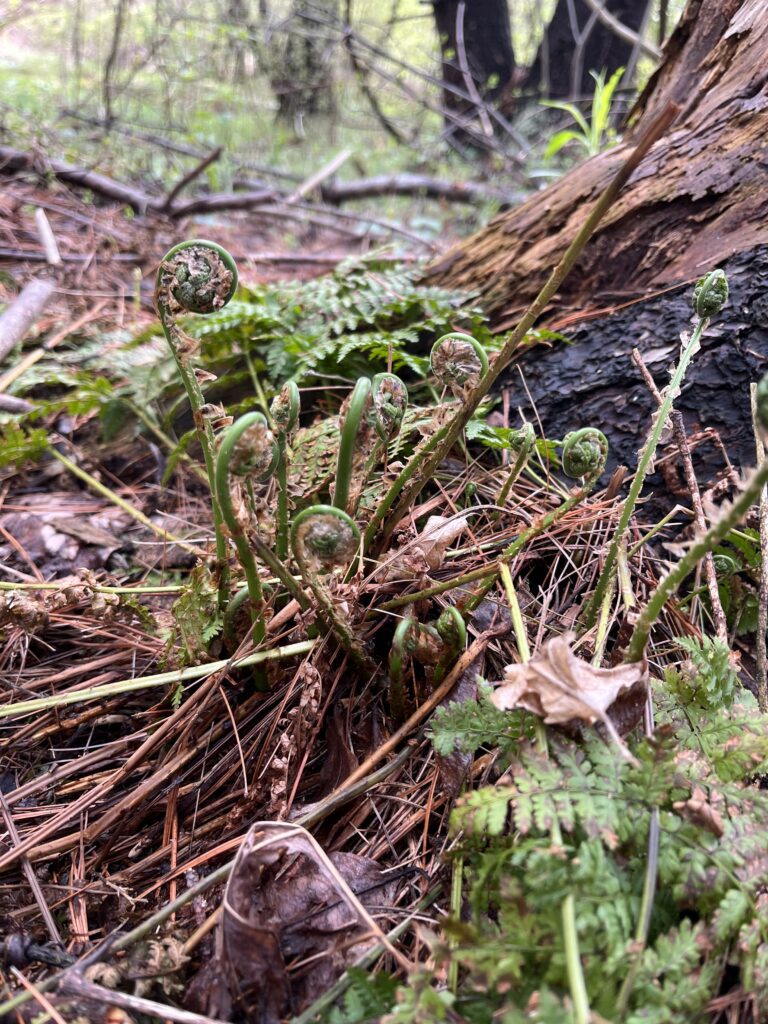
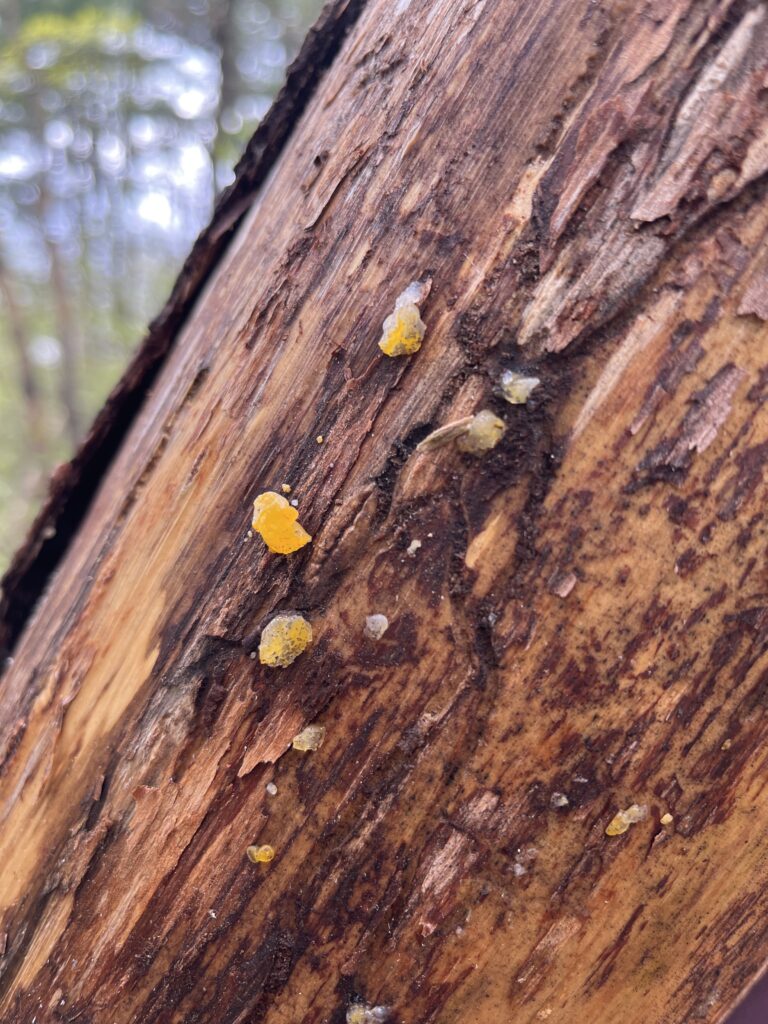
For the BioBlitz, I tried to take observations in different areas across Burlington. I went down to the waterfront to take observations, I made observations on campus, and took many observations at Centennial Woods. Centennial Woods was the best place to take observations because it had the most variety and abundance of species. It was hard to identify the exact species for my observations on iNaturalist. I mostly just put the observations into their classes because I was afraid to misidentify a species. However, I would guess that I encountered about 15 different species with 8 observations posted on iNaturalist. It was interesting to see the global activity of the City Nature Challenge. It made me feel connected to all of these communities because it shows that we share a common interest. I didn’t know about this challenge before but I will be sure to participate in it for the rest of my time at college.
Posted in Uncategorized | Leave a comment

Final Visit to my Phenology Spot

Phenological Changes

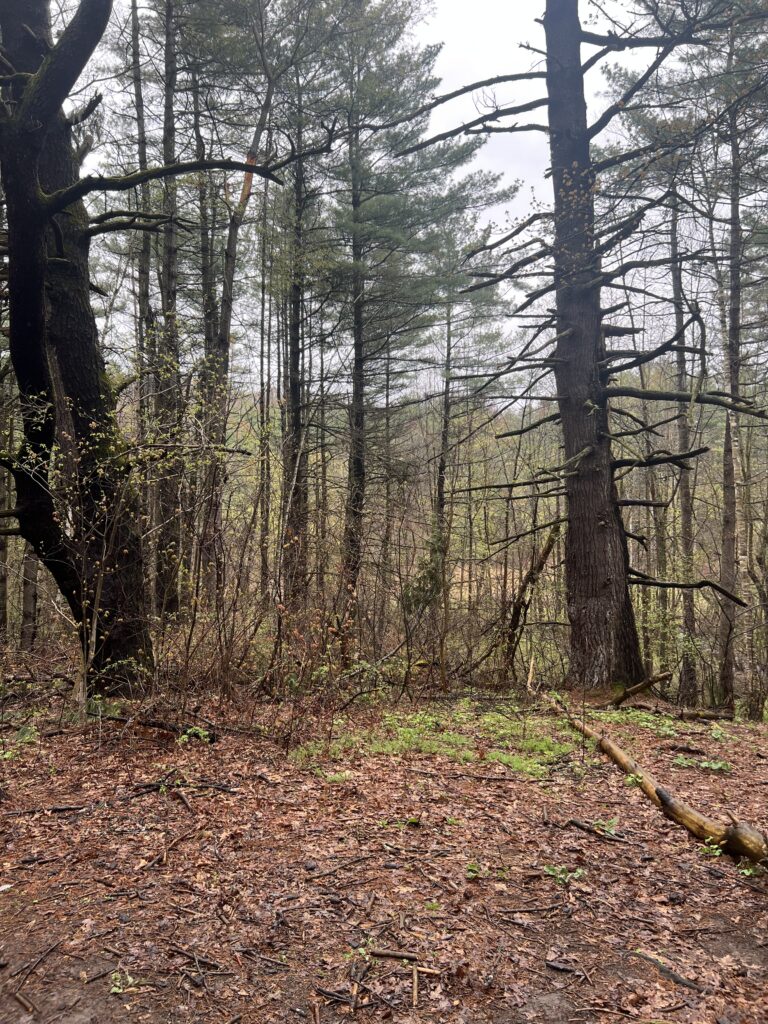
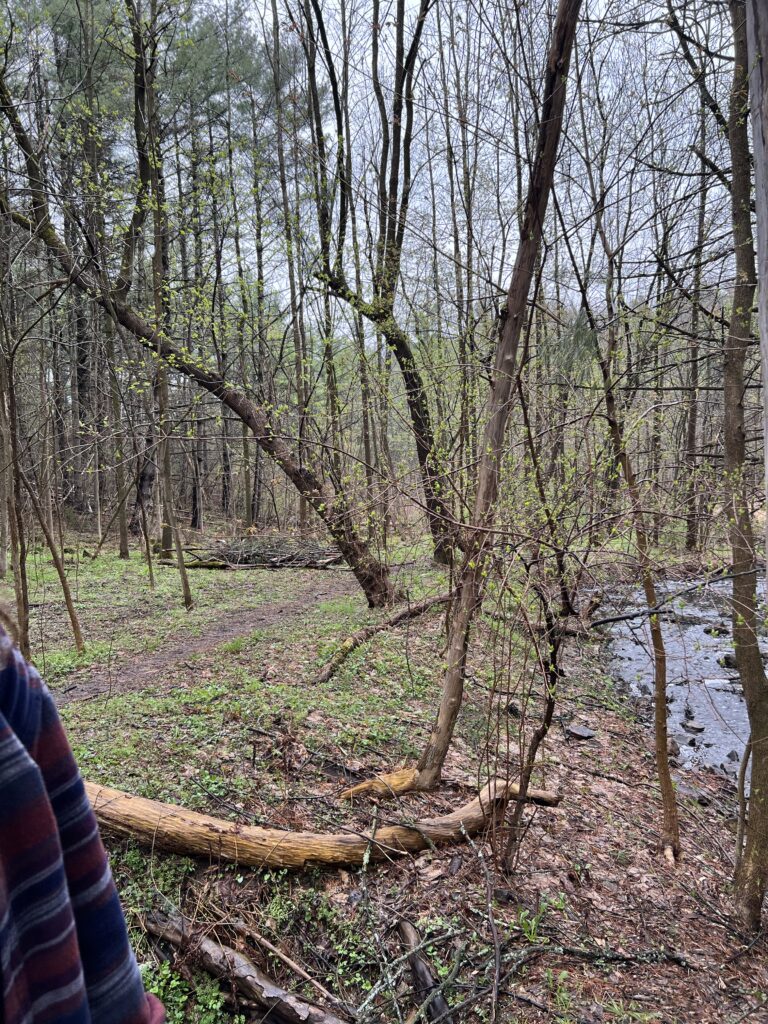
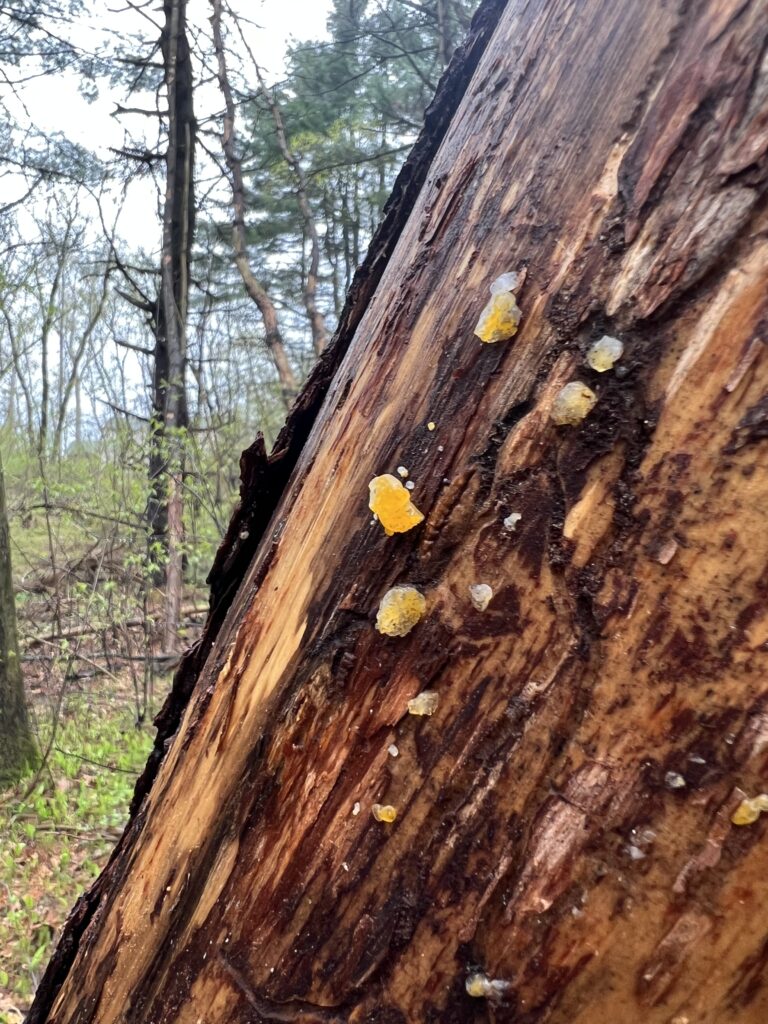
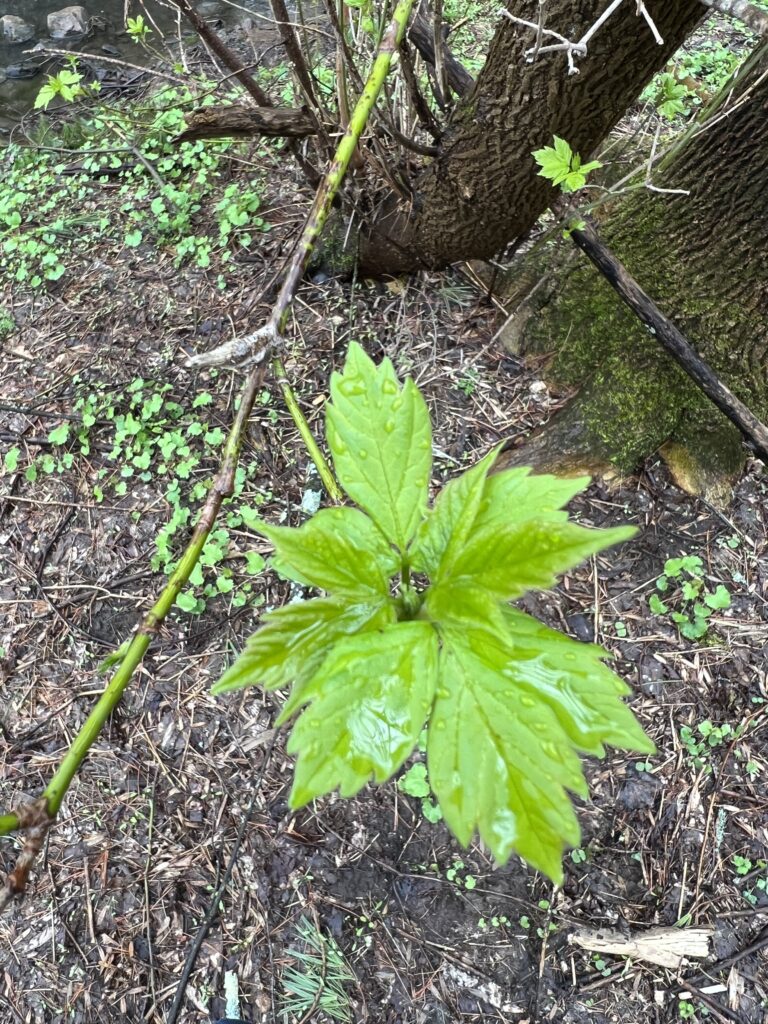
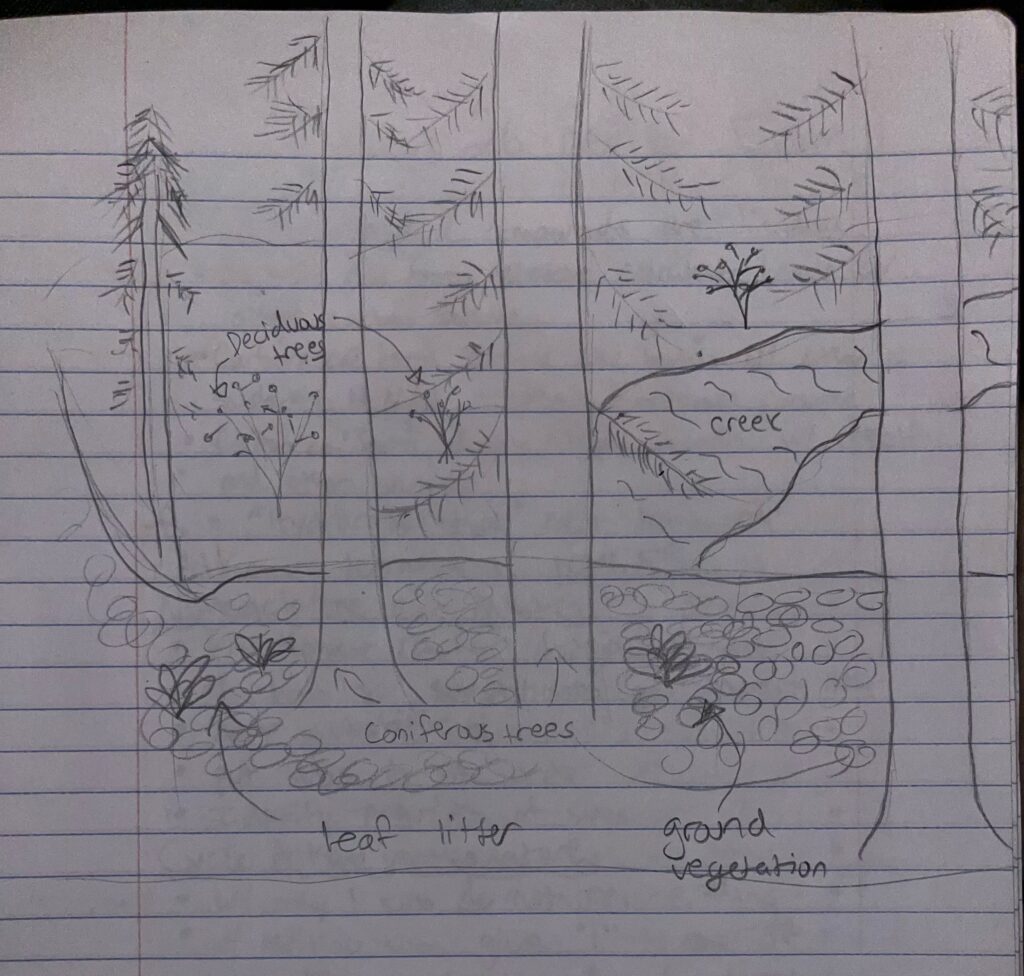
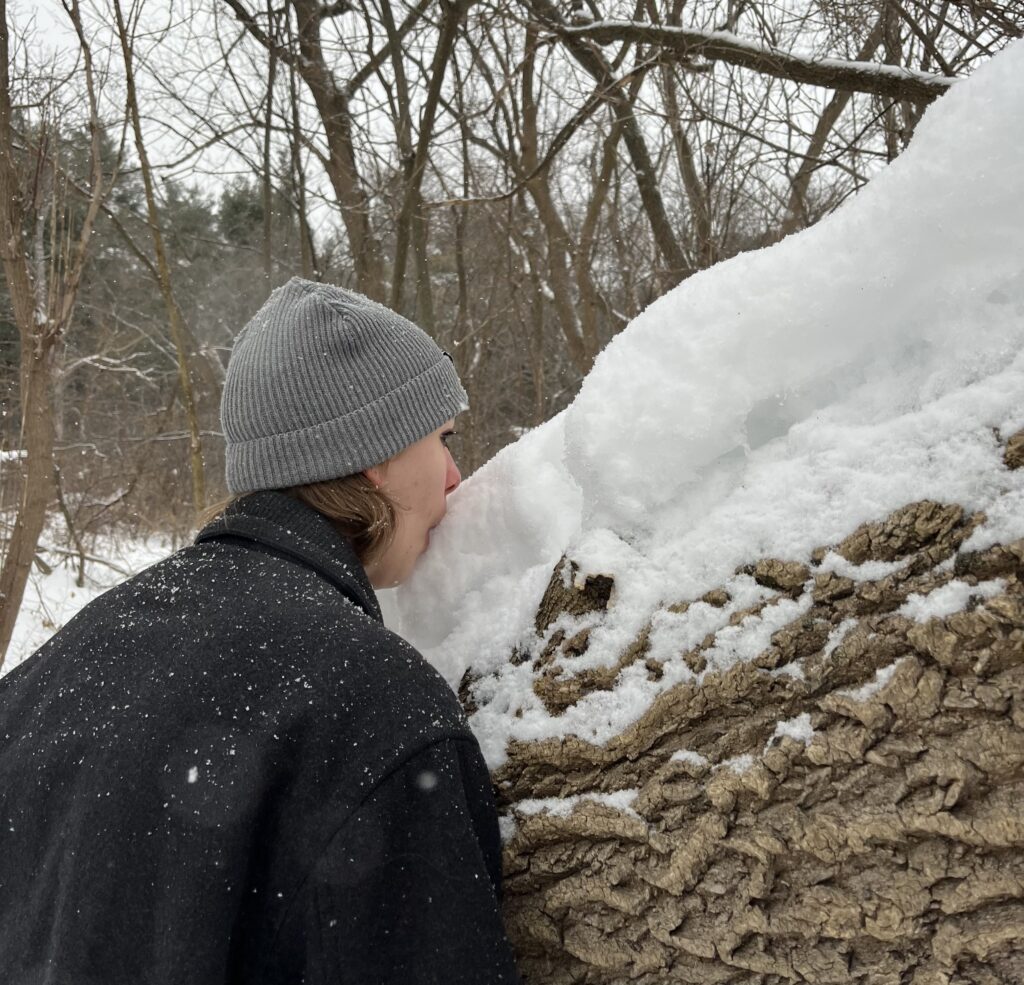
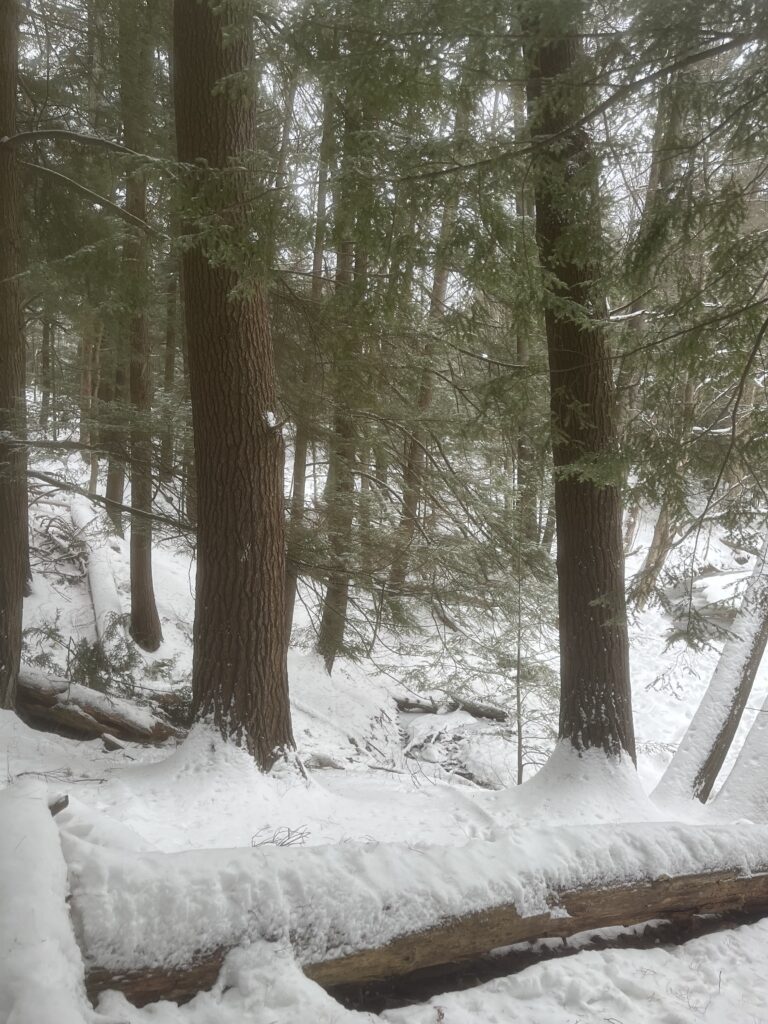
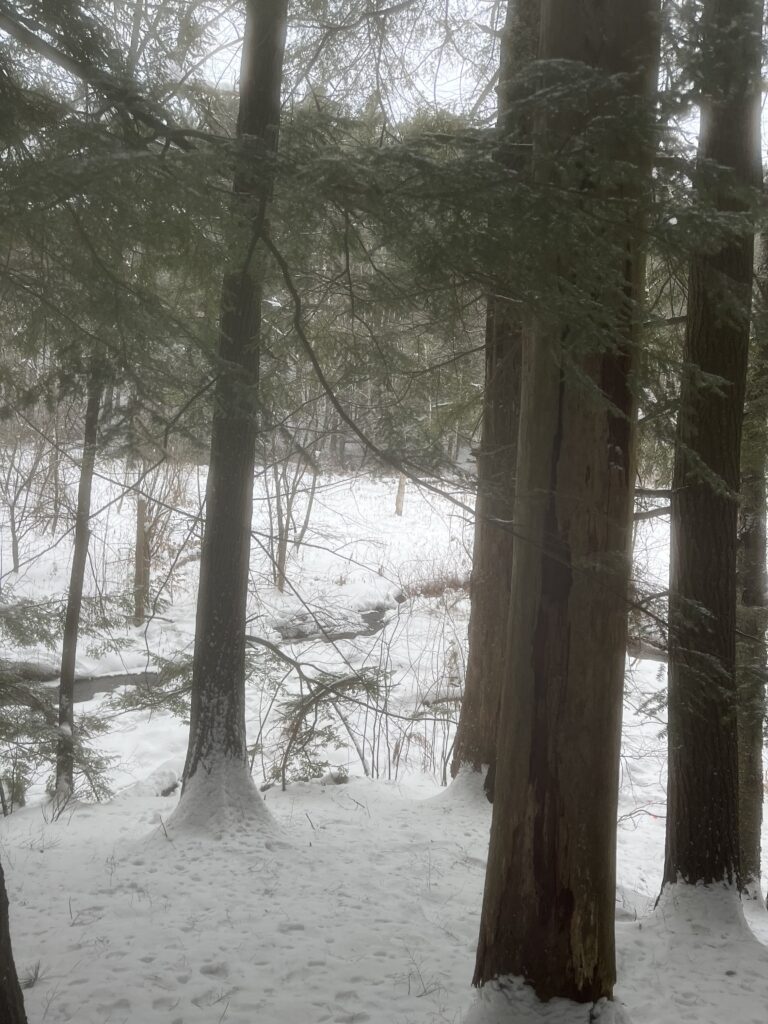
The last time I visited Centennial Woods it was covered in snow. Today, it is covered in a damp leaf litter and scattered ground vegetation. Also, there is evident signs of deciduous trees, especially younglings, starting to flower and grow their leaves. Also, there are many more signs of decomposers.

Sense of Place

I feel as though I do consider myself to be a part of this place. Especially as the first year of being a UVM student comes to an end, I feel very connected to Centennial Woods. It is here that I had my first outdoor lab and it is here that I have watched the environment change throughout almost an entire year. I have become very familiar with the tottering boardwalks that lay out my path to my spot. I have become familiar with the big opening of tall trees when you finally make it past the creek. Centennial Woods feels like I’m stepping into another classroom with my fellow Rubenstein classmates, and I can’t wait to come back next semester.
Sketch of Spot

Posted in Uncategorized | Leave a comment

Red Maple Phenology Pt 3

Scarlet looking beautiful

Changes in the Red Maple Tree

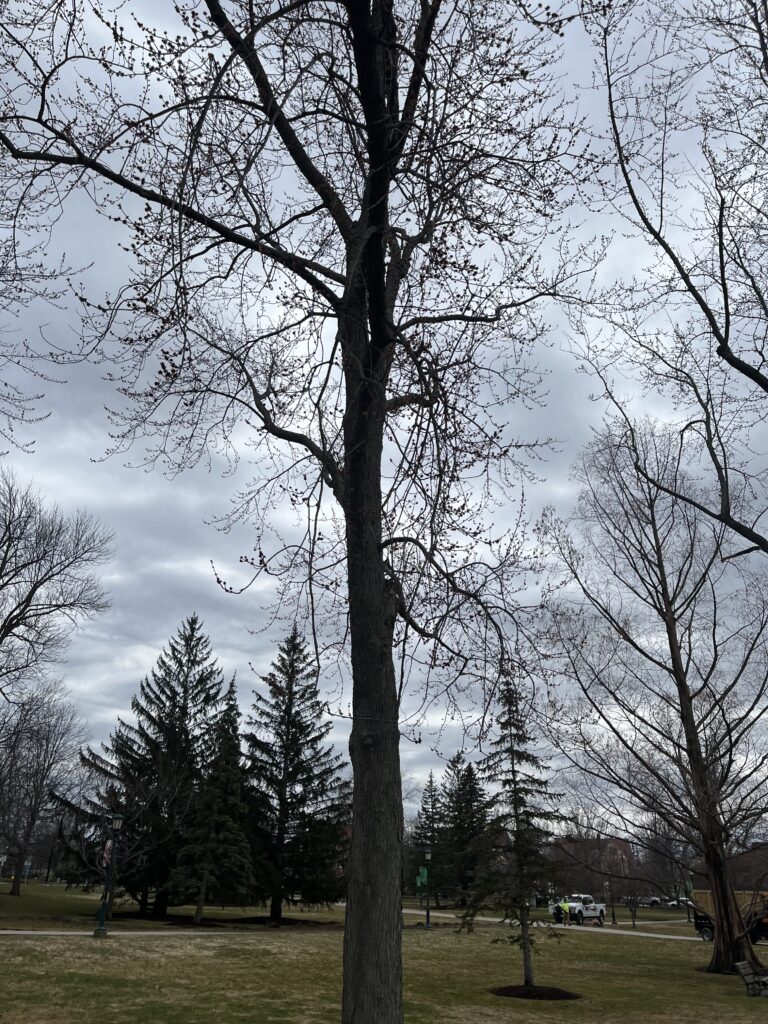
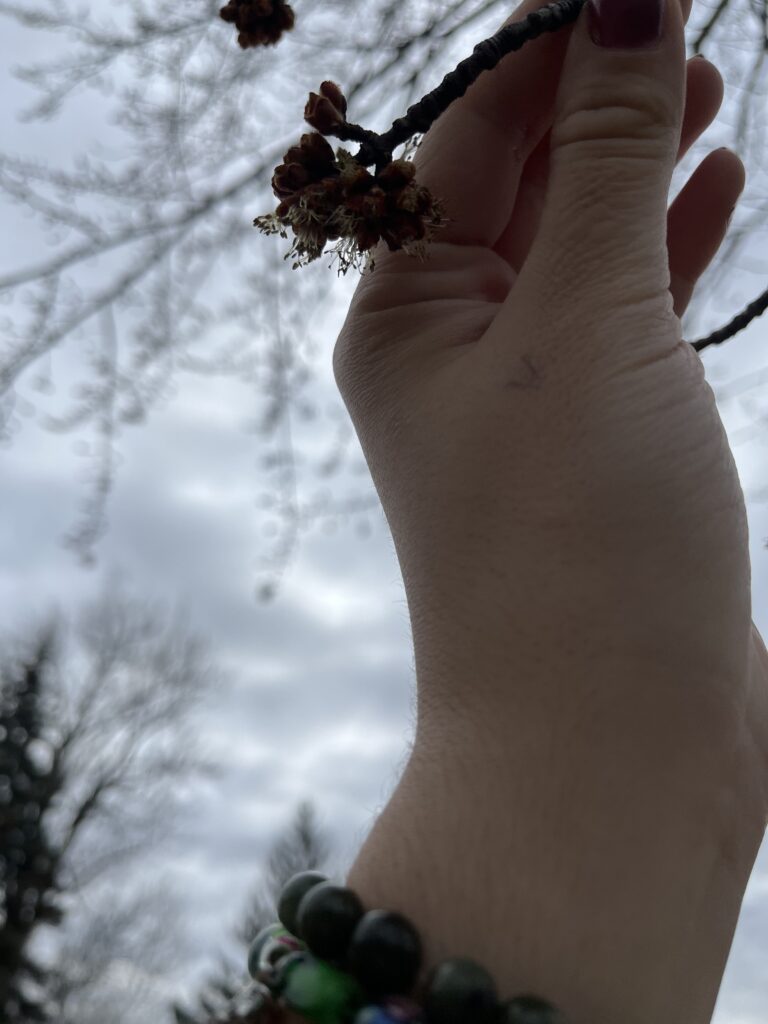
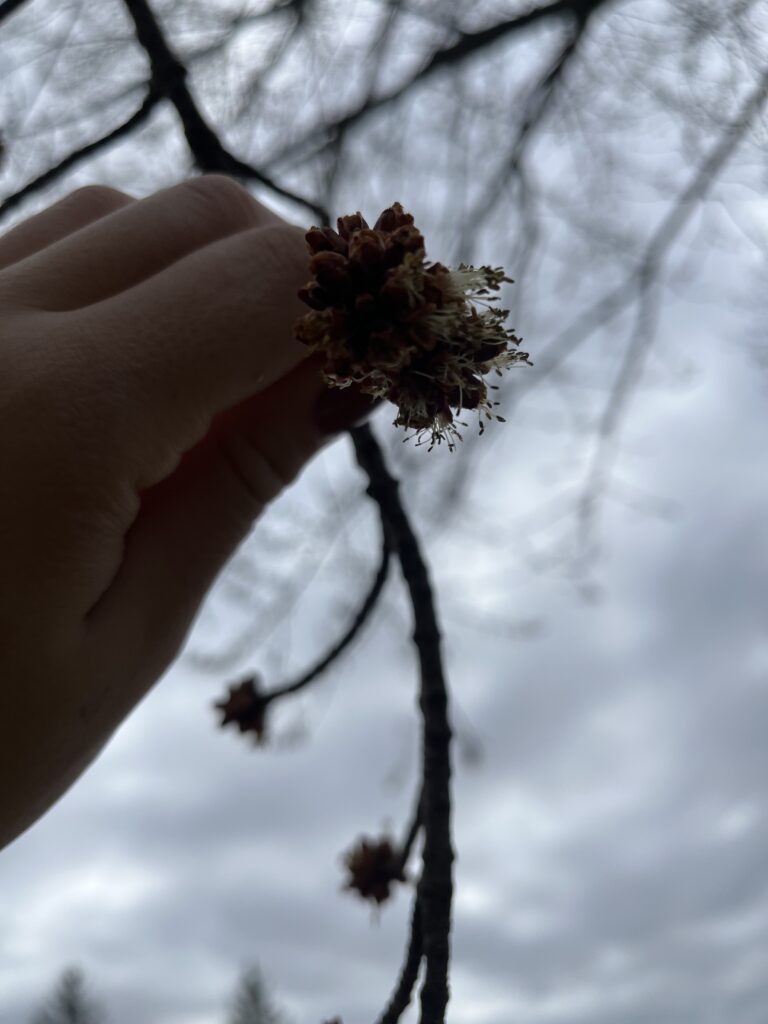
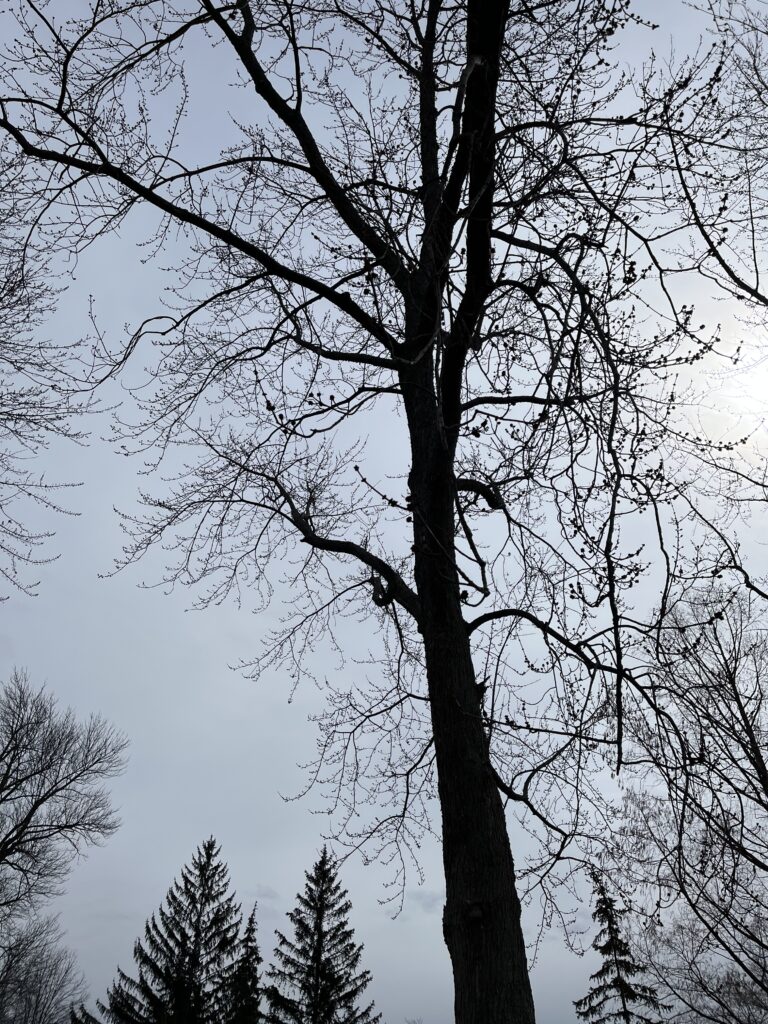
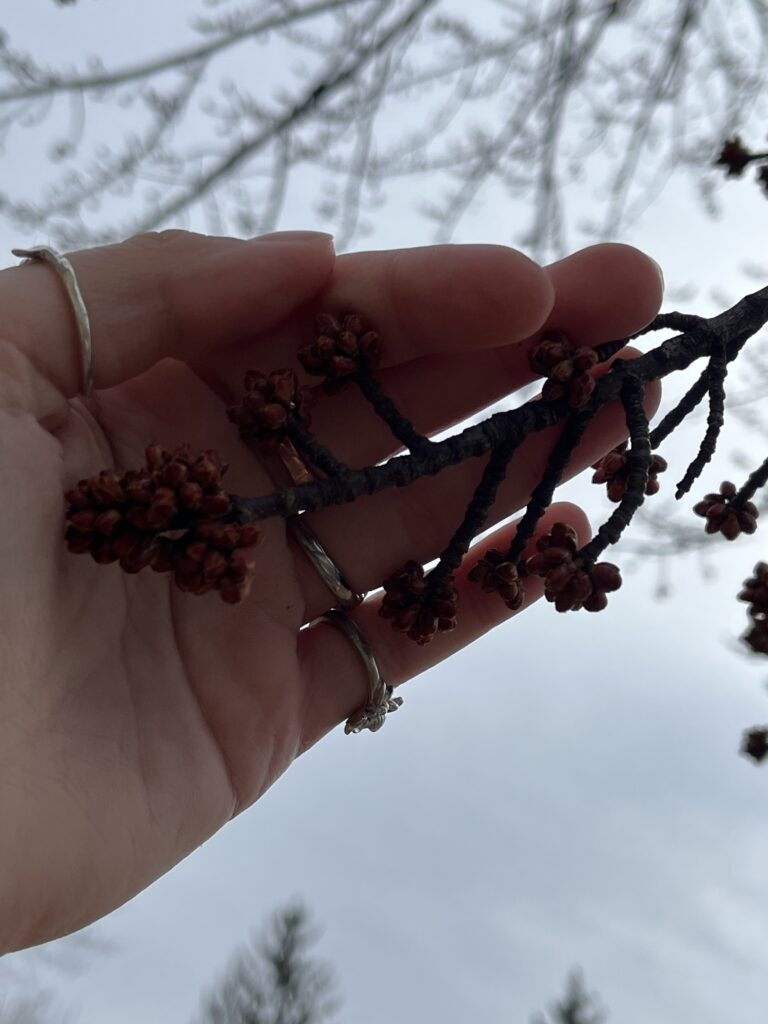
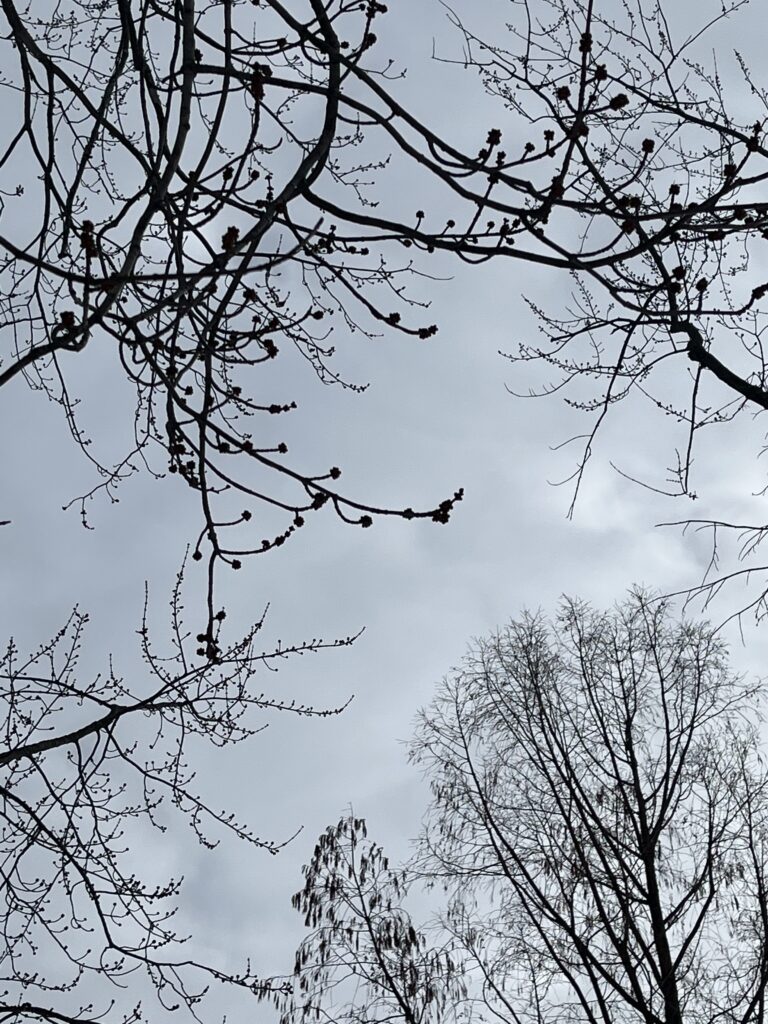
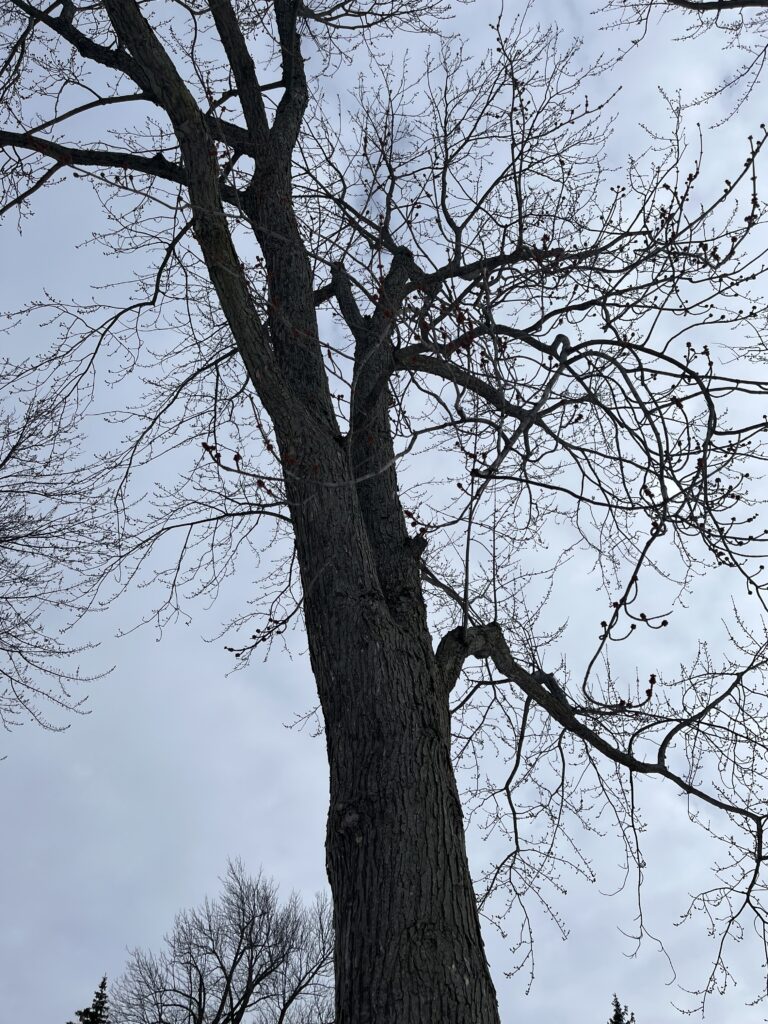
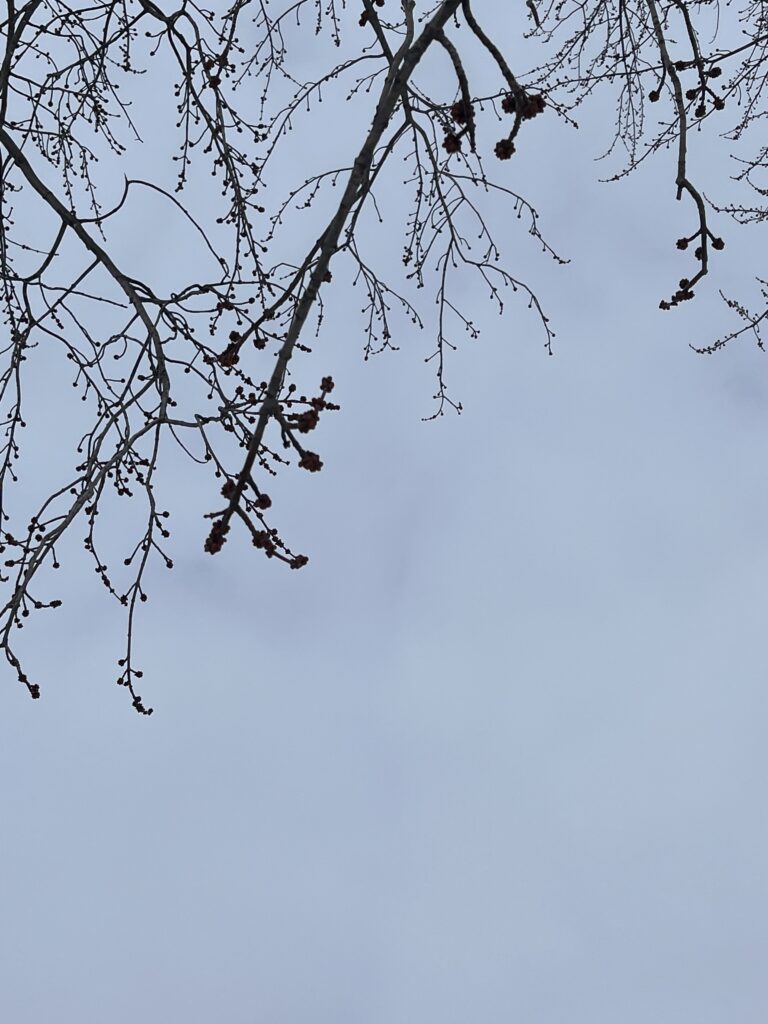
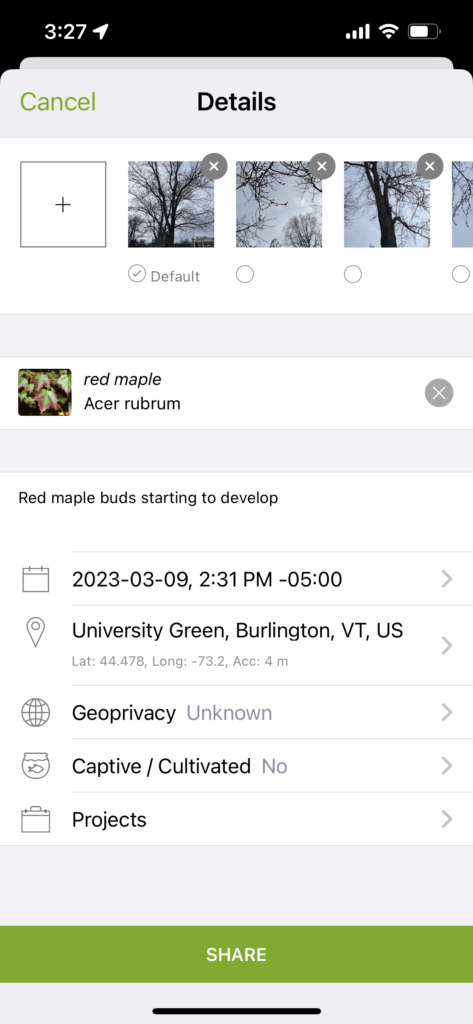
The red maple has started flowering! The flowering is clearly visible from far away and up close. Other than the progression of the flowering, there are no other significant phenological changes. It is nice visiting the tree now that it is getting warmer and greener out.

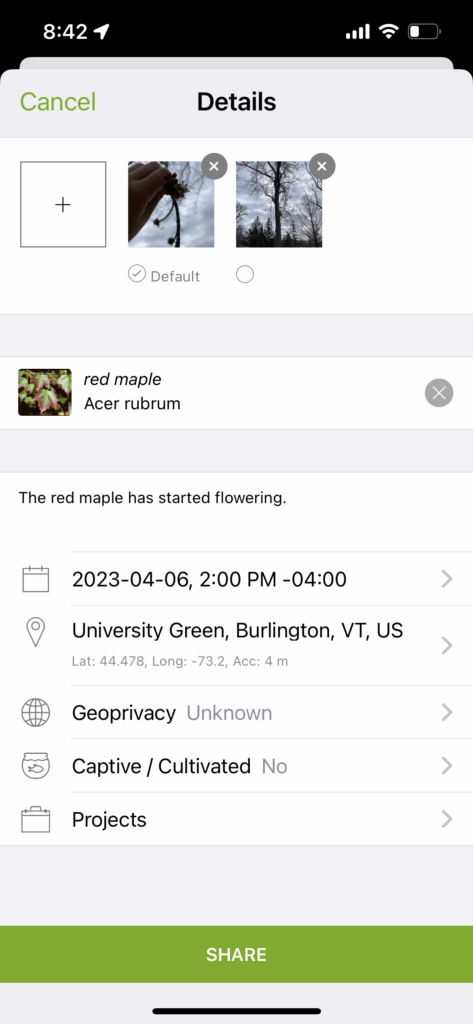
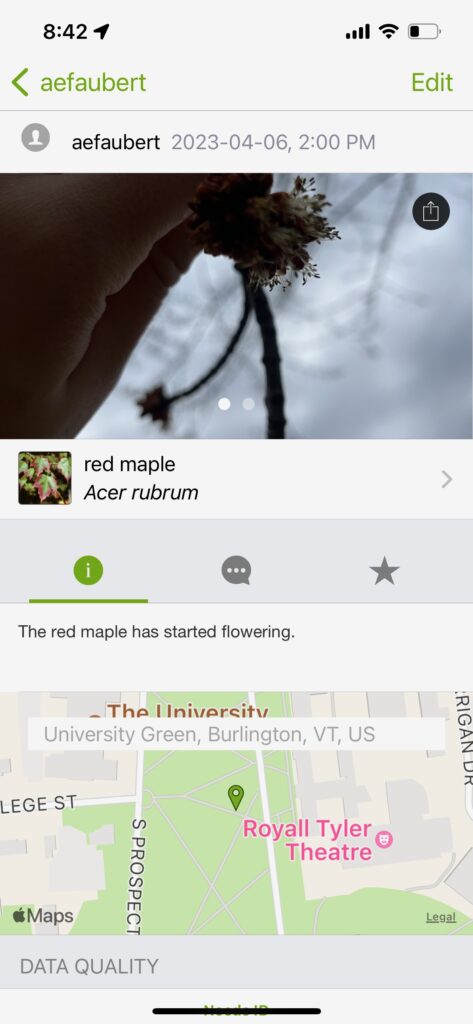
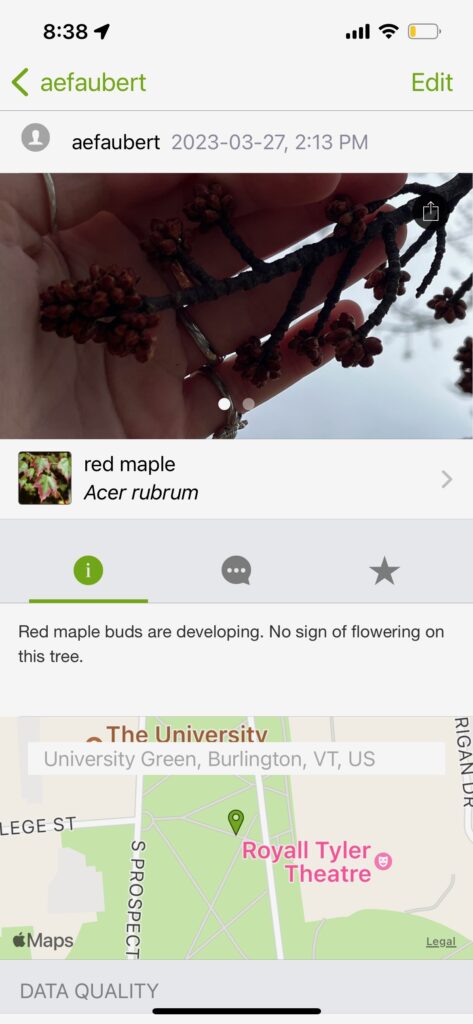
iNaturalist Post

Posted in Uncategorized | Leave a comment

Red Maple Phenology Pt 2

Changes in the Red Maple Tree

The red maple tree, who I have decided to name Scarlet, has not had many major phenological changes since the last time I visited. The red buds on the twigs have definitely grown larger in size. I have not see any signs of flowering yet. The red maple seems to be the only tree in the area that is significantly budding.

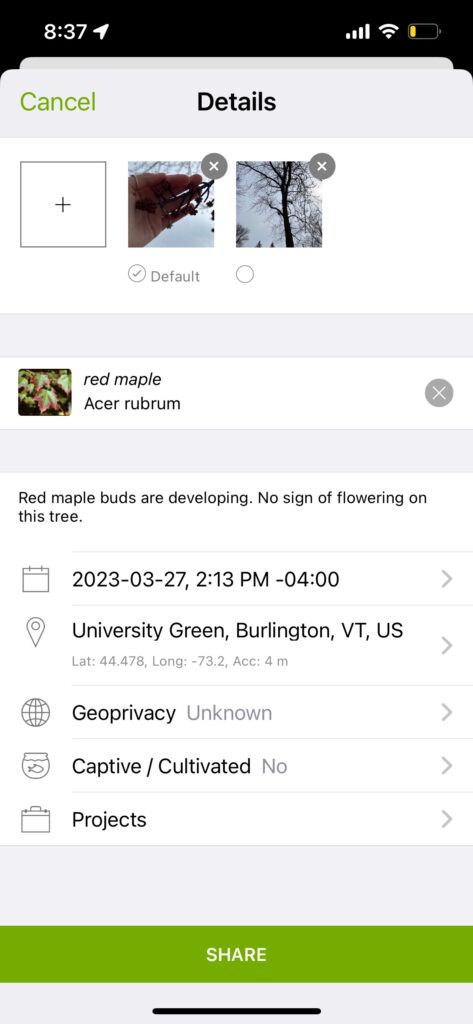
iNaturalist Post

Experience re-visiting

Visiting Scarlet this time around was a lot warmer. The ground was mushy as all the snow had just melted. It was easy to get to the tree but hard to get a close up picture of the buds. The last visit I had, the foot of snow allowed me to reach a branch. This time around, with no snow, I have to use a stick to pull the branch down.

Posted in Uncategorized | Leave a comment

Spring Break Phenology – Norris Reservation

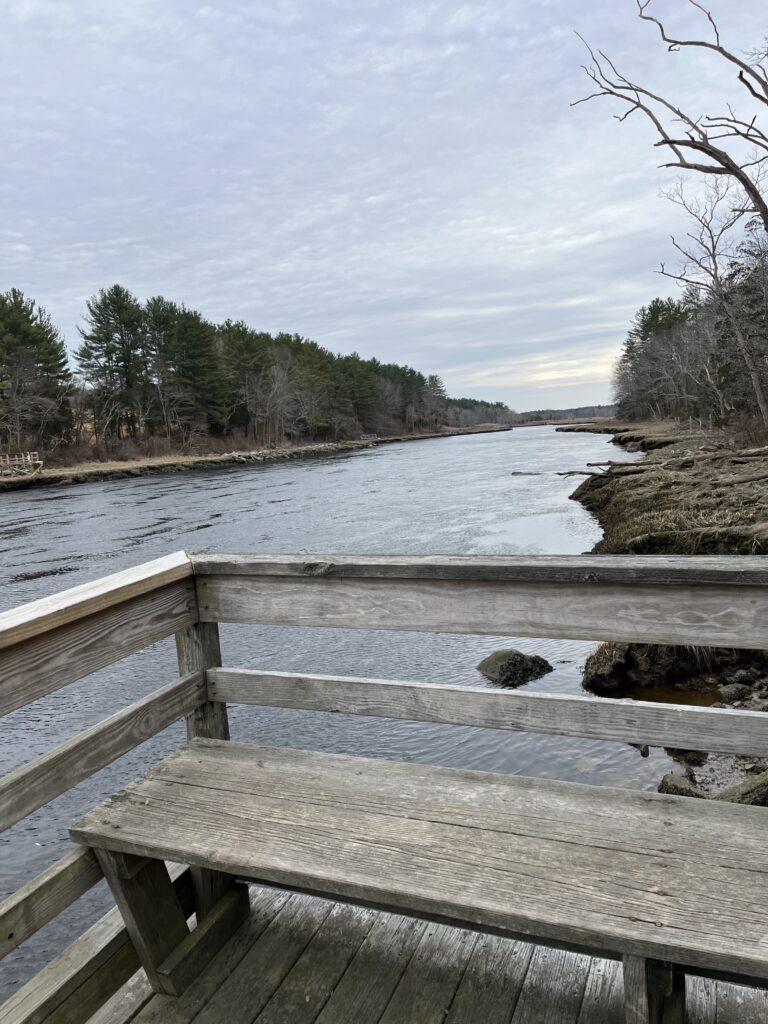
Norris Reservation compared to Centennial Woods

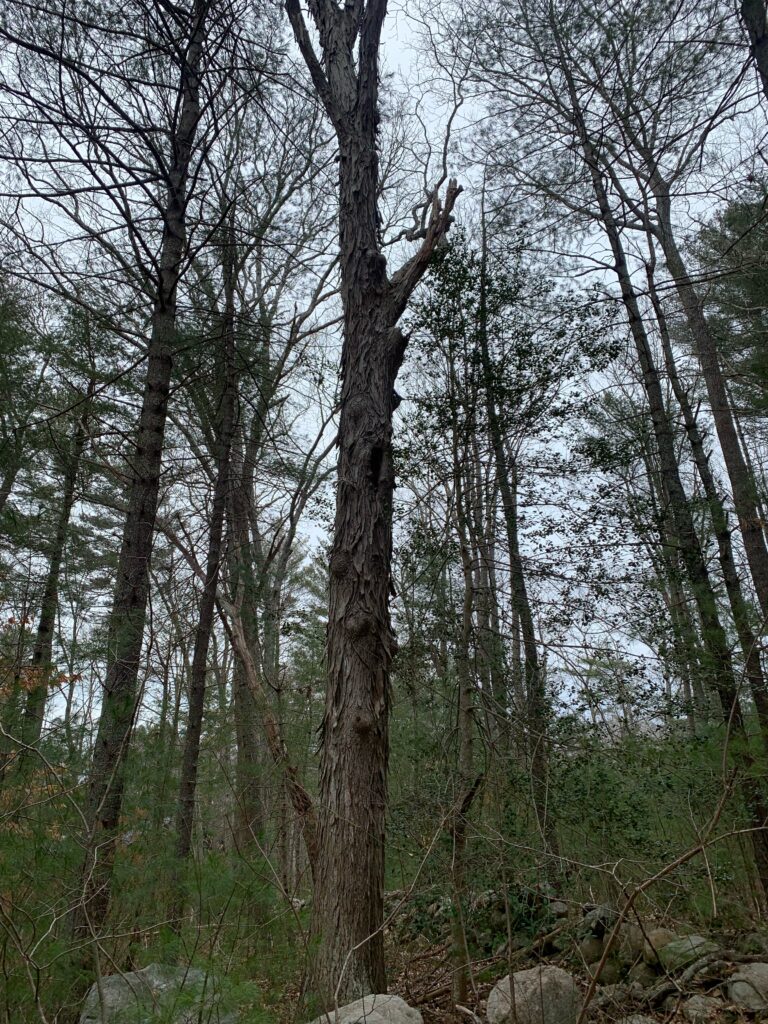
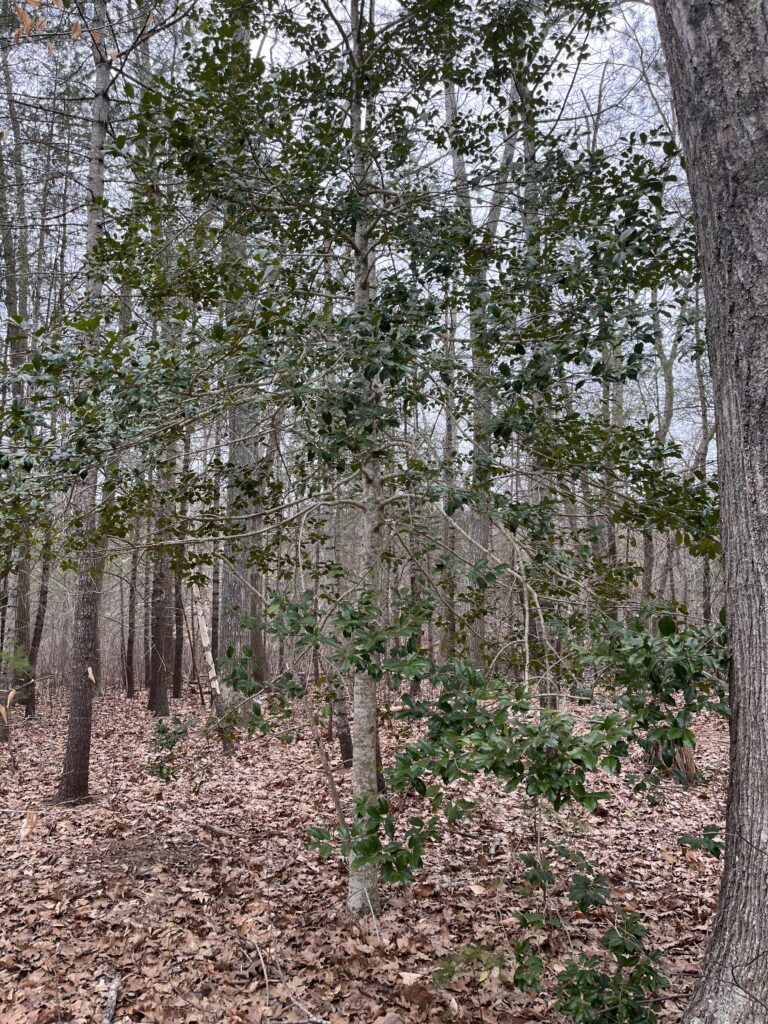
Norris Reservation and Centennial woods are similar in that they both have well maintained walking trails. They are also both wooded areas with interlacing streams. However, Norris Reservation also includes a marsh area and a river in its boundaries. Also, the tree composition of Norris Reservation differs as there are more holly trees and hickories than in Centennial.

Phenology of the Trees

As it is a similar winter at Norris Reservation as it is in Burlington, the phenological status of the trees are similar too. The coniferous trees still have their needles. The deciduous trees have all lost their leaves although there are already signs of budding coming from some species.

Natural History of Norris Reservation

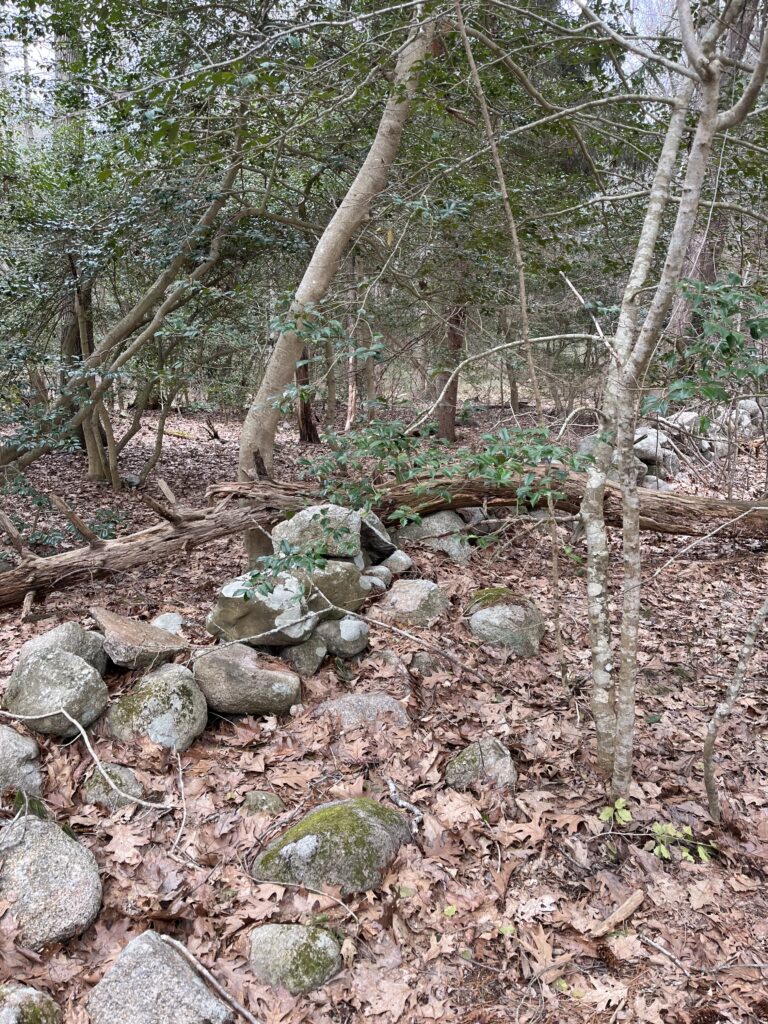
Norris Reservation used to be a major center for shipbuilding during the colonial period where pines and oaks were cut down. The area then became an area of mill ponds and cropland. The original stonewalls that identified property lines are still intertwined in the forest trails. In the early 1900’s the Norris couple purchased the land and turned it into a wildlife sanctuary.

Stonewall remnants

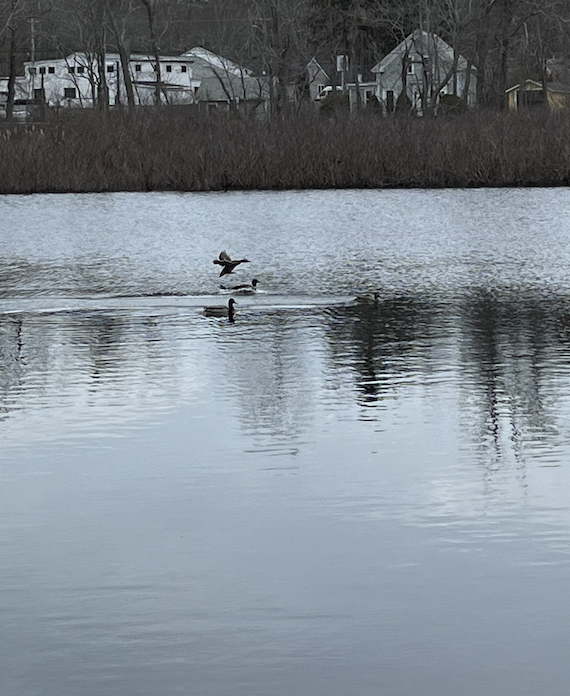
Bird Activity

Mallard Ducks in the mill pond
Posted in Uncategorized | Leave a comment

Red Maple Phenology

Identifying Process

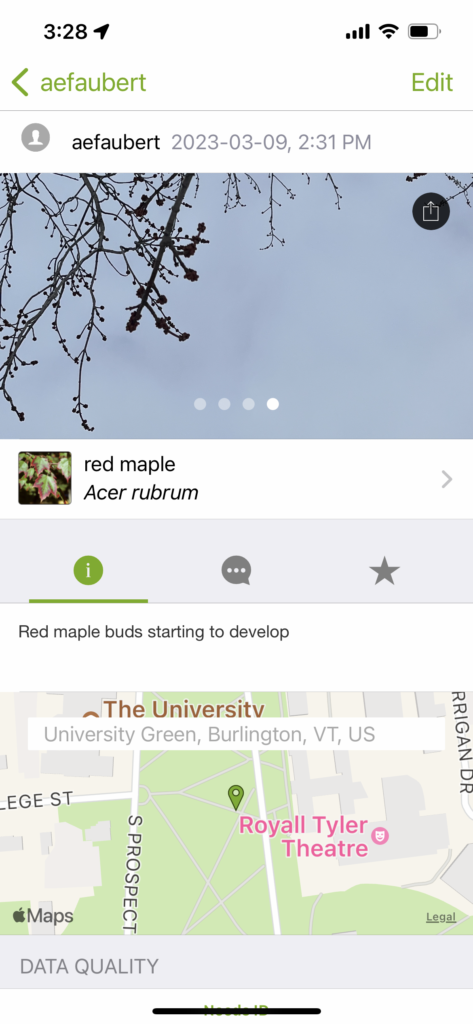
I came upon this tree on the University of Vermont common grounds. I identified it as a red maple mostly due to its early bud development and the bark. The buds are red and already quite large in the last weeks of winter. The bark is grey and scaly. This tree is not a sugar maple because sugar maple buds and twigs are brown and the bark has deeper furrows. It is not a Norway maple because a Norway maple’s twigs are brown, buds are greenish purple, and bark is less scaly and more interlaced.

Location of the Red Maple

iNaturalist post

Posted in Uncategorized | Leave a comment

Wildlife Signs in Burlington

Where we went

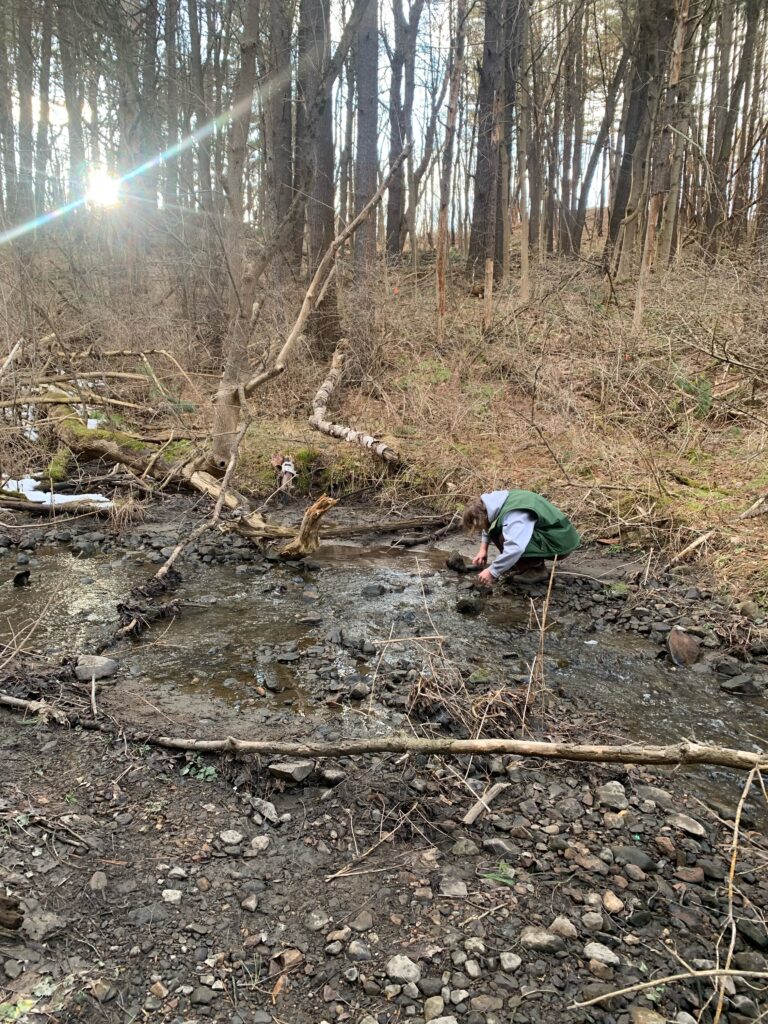
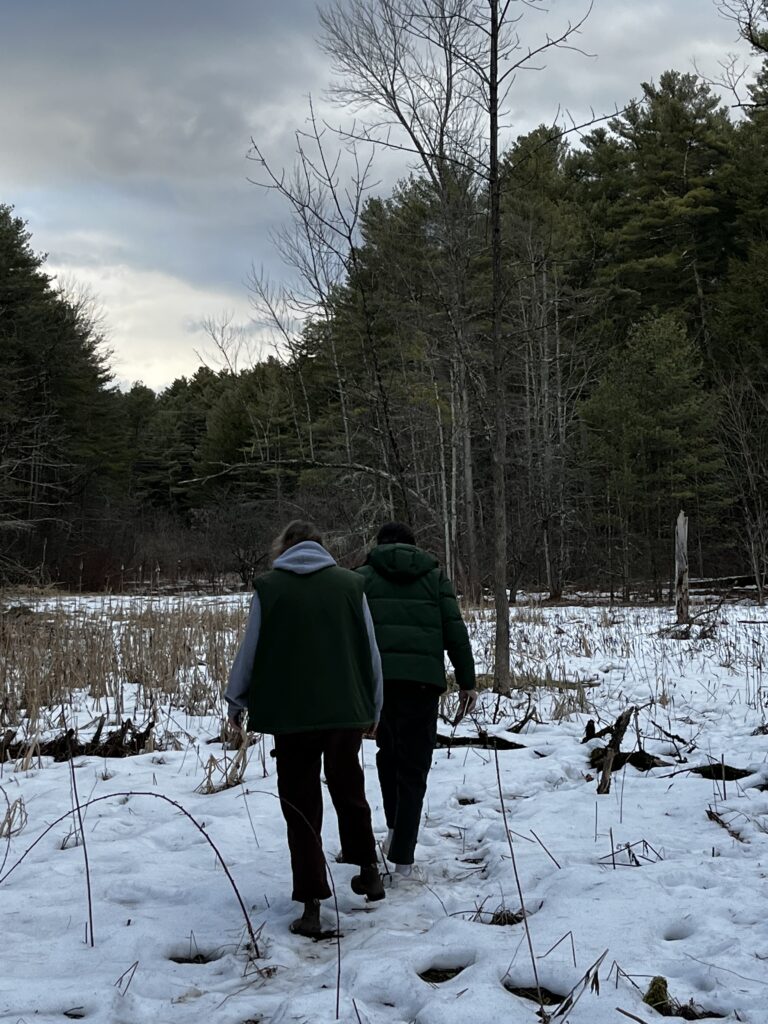
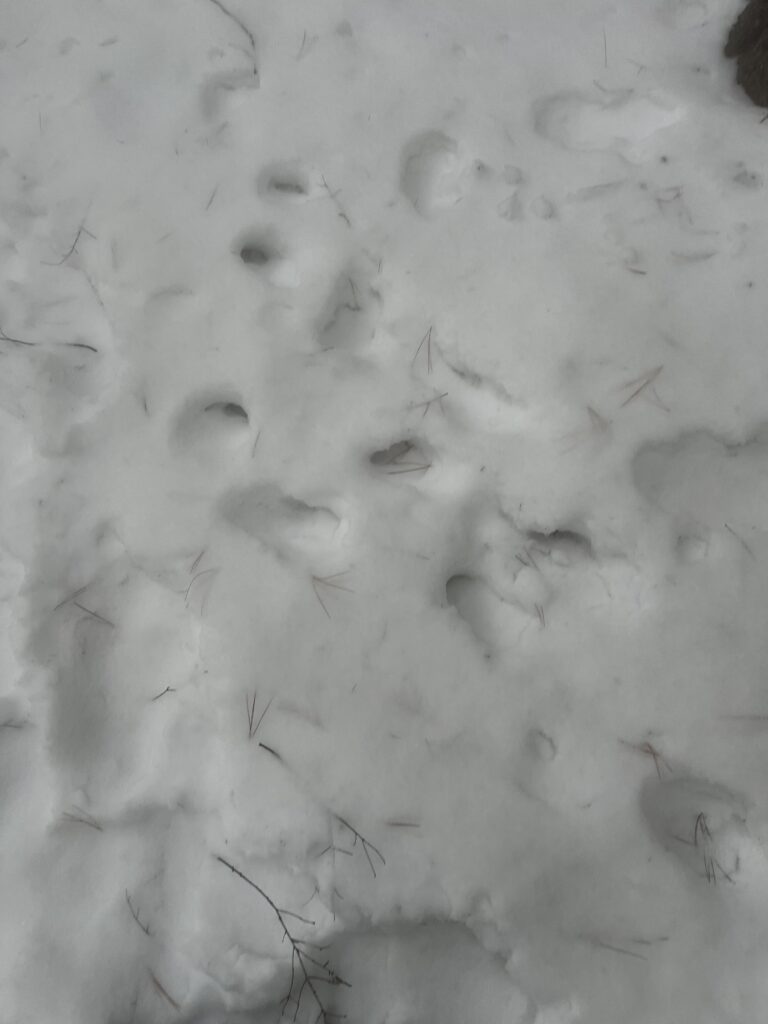
We went to Centennial woods and explored areas near the stream that were more covered in snow. It was hard to pick up wildlife signs as most of the snow had melted when we visited so the number of tracks we found were minimal.

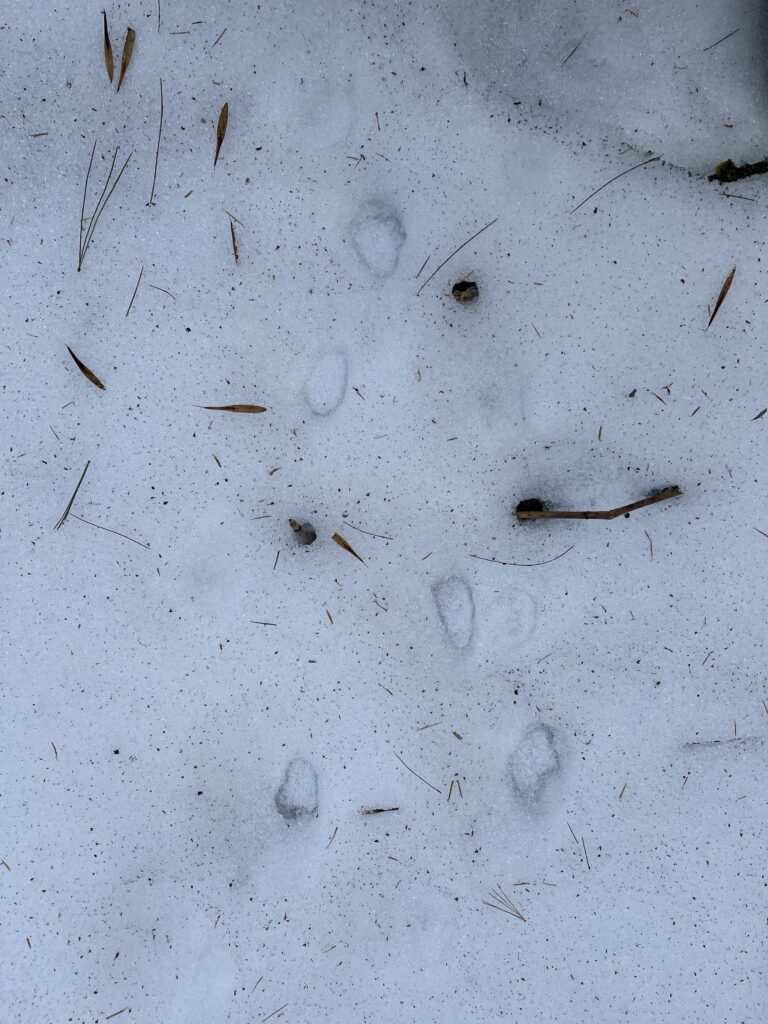
Signs of Wildlife

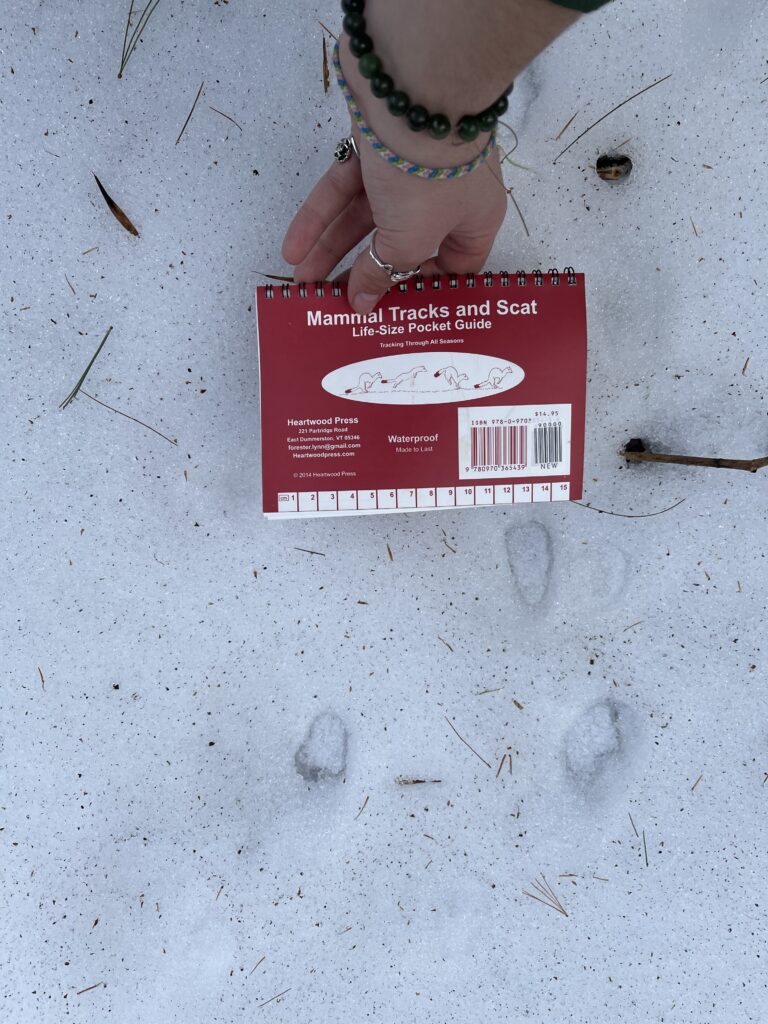
I hypothesize these to be possible tracks of a weasel. I was between a weasel or a squirrel because of the small size of the tracks. However, I believe it is a weasel due to the bounding pattern of the tracks and the 2 cm width of the tracks.

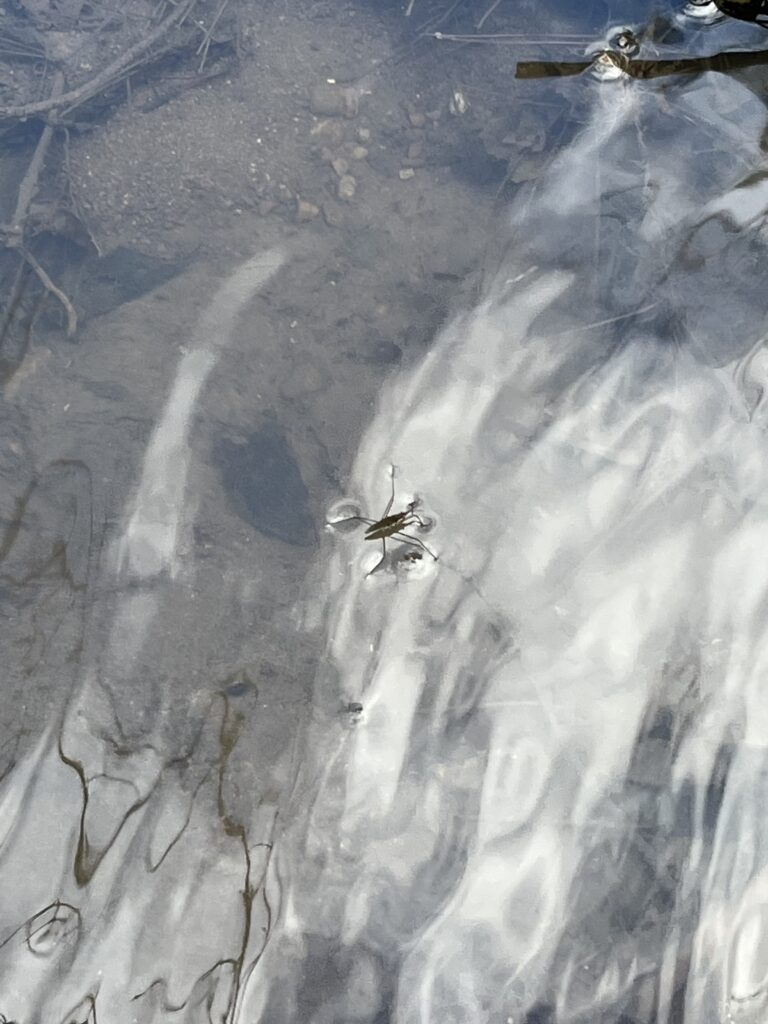
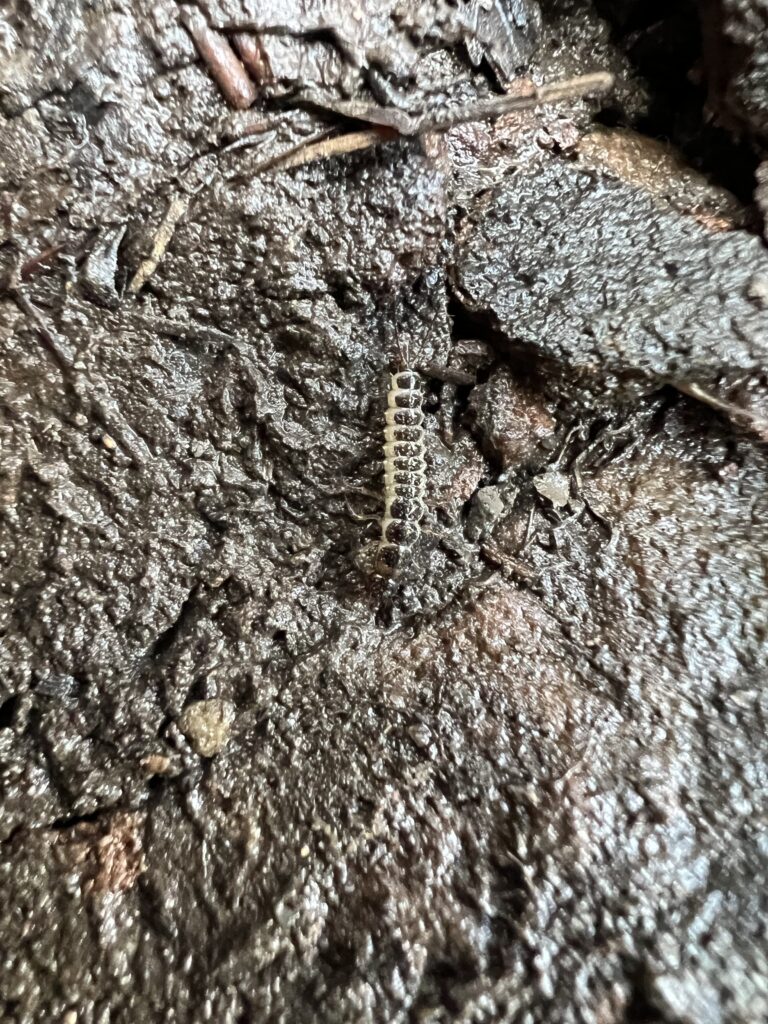
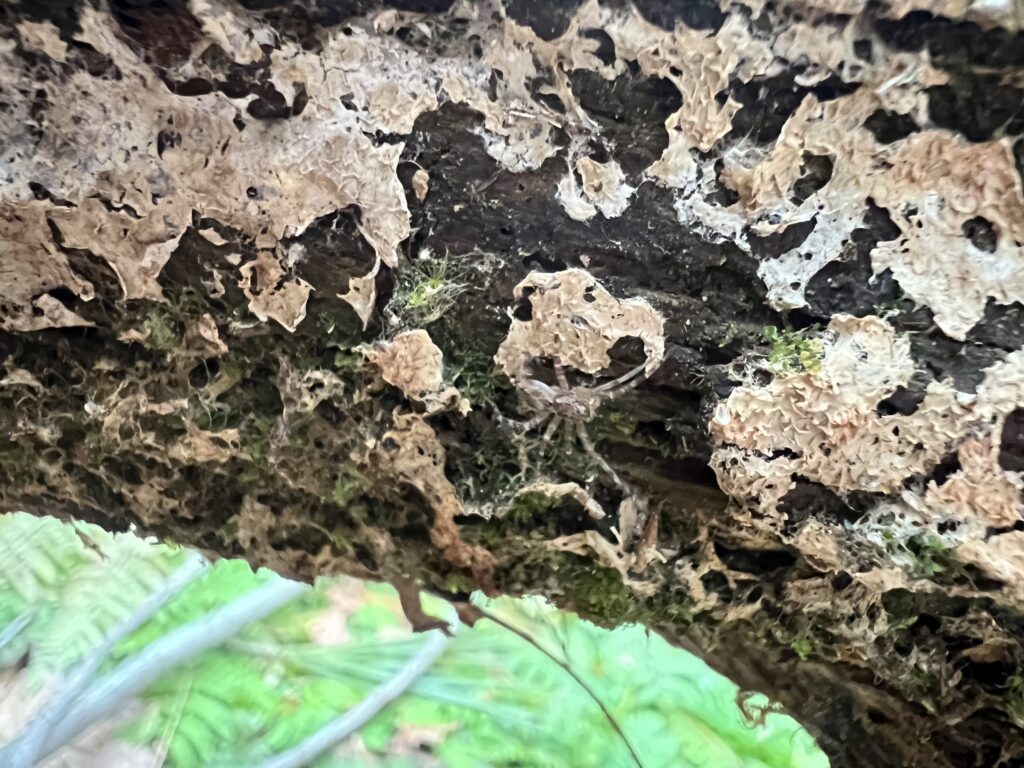
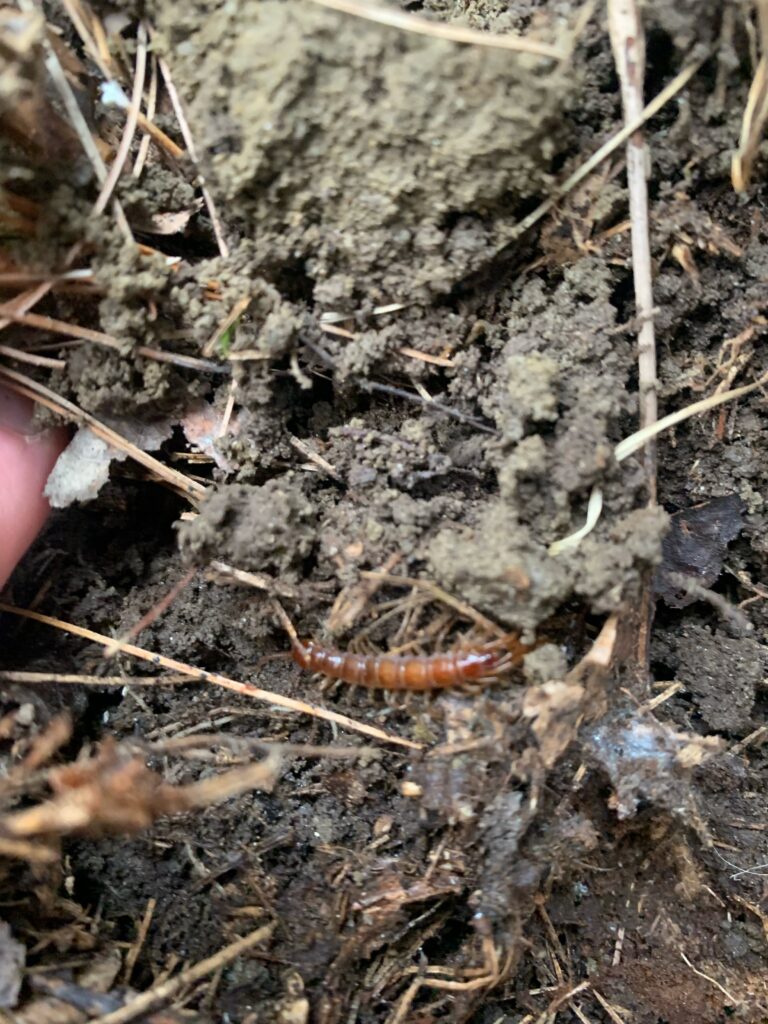
Tiny critters found

iNaturalist experience

It was a little confusing honestly figuring out how to record observations on the iNaturalist app. It was hard for the iNaturalist app to suggest species from my photos because of the not so clear and muddy tracks I found. I did, however, enjoy looking through others observations around the Burlington area. Looking at these observations helped me visualize a variety of tracks of different species in the area whose tracks I had not seen before.

Posted in Uncategorized | Leave a comment

First visit to Centennial Woods

I decided to switch my phenology spot from Arthur Park to Centennial Woods for the semester. I made this decision because Centennial Woods is a lot more accessible and less of an inconvenience to get to. Also, I feel Centennial Woods has a lot more to offer in terms of wildlife and plant diversity.

Signs of Wildlife

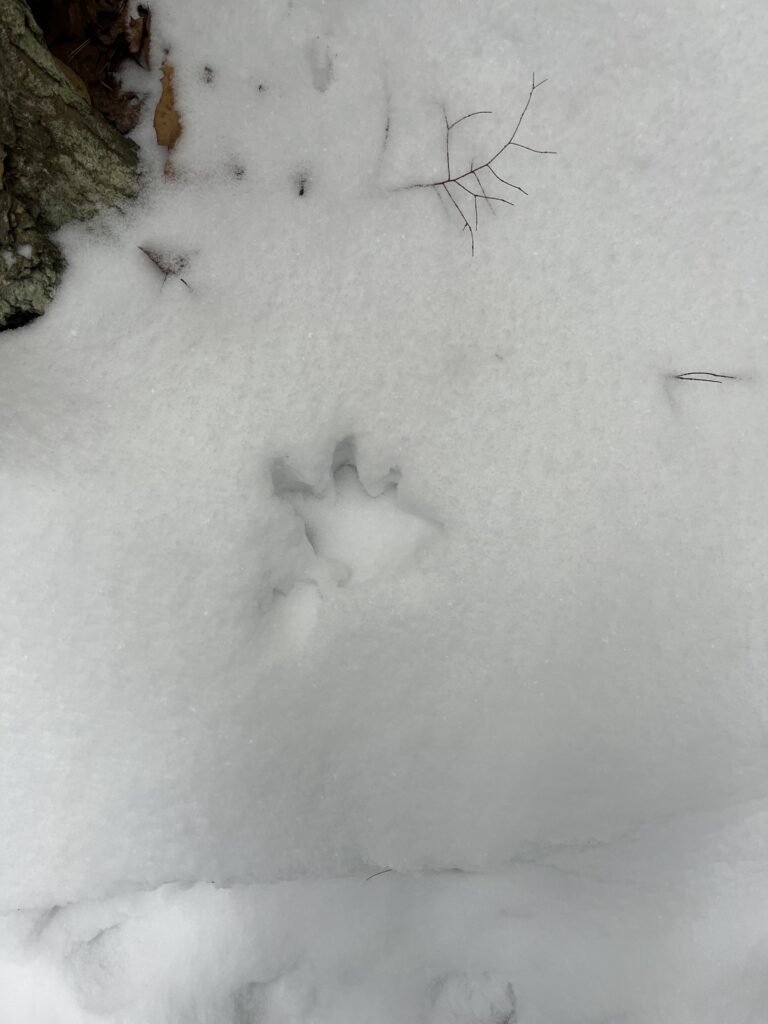
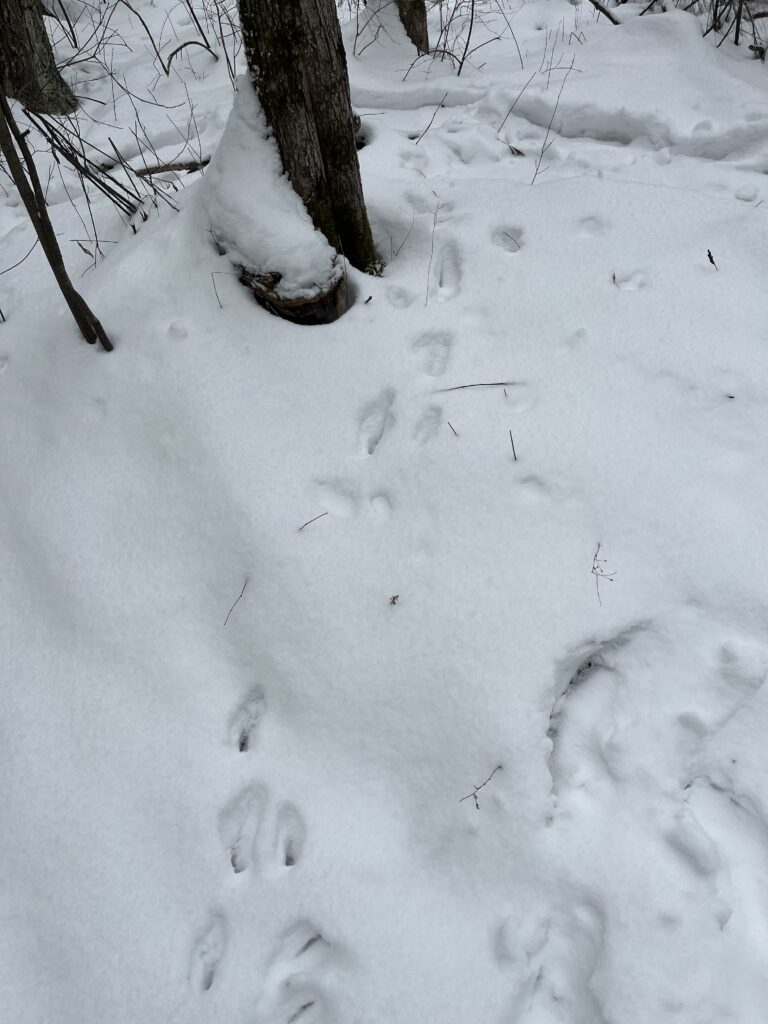
These images show possible animal tracks I found in the snow at Centennial Woods. It was very difficult to make out tracks as it was snowing when I visited and the fresh snow was covering the tracks.

  1. This photo shows what could possibly be the track of a Muskrat or Opossum just from looking at the shape of it.
  2. This photo appears to show a track of hooves. These are possibly from a deer or moose.
  3. Based on the smaller size of these tracks, I infer that these were left by a squirrel.

Location of my spot

How to get there

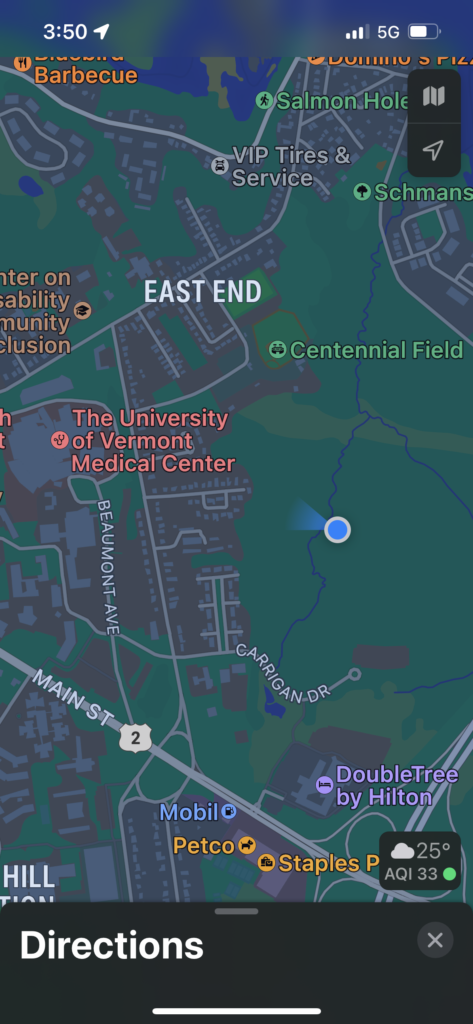
From Central campus, I walked east along Carrigan Drive past the water tower. I then went straight across East Ave and continued walking along Carrigan Drive until I got to the sign for Centennial Woods. From there, I went straight along the trail. Once in the large opening past the creek, I went right to a spot overlooking the creek.

Posted in Uncategorized | Leave a comment

Last Visit to Arthur Park of the Fall Semester – 12/9

Change in Foliage

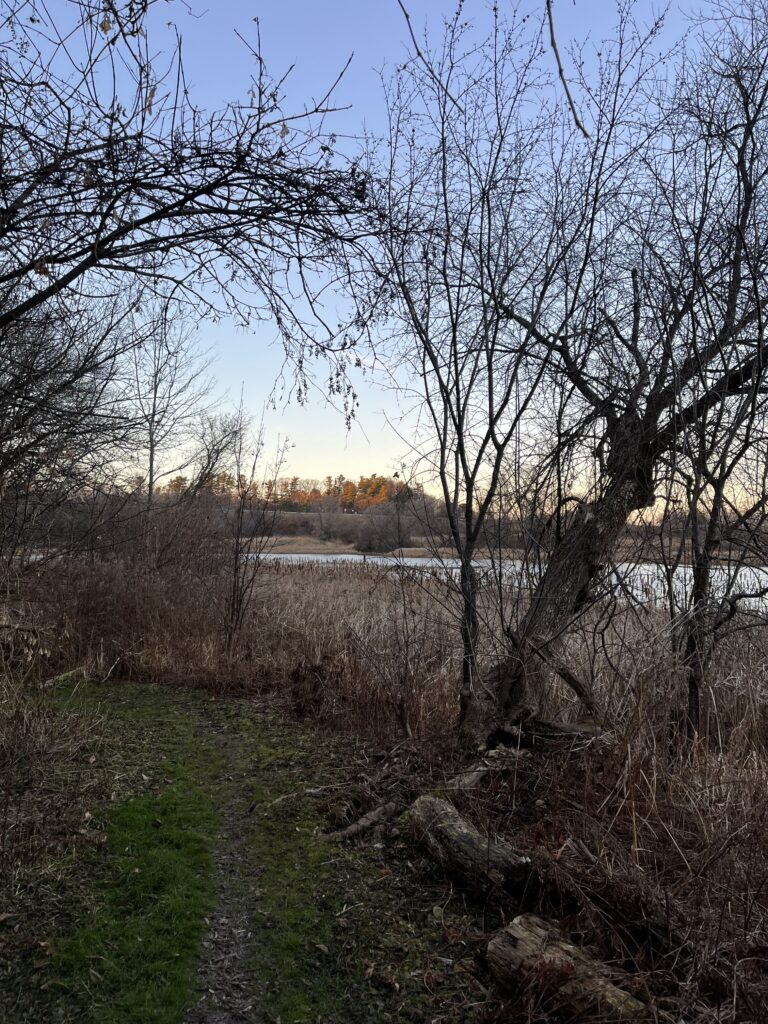
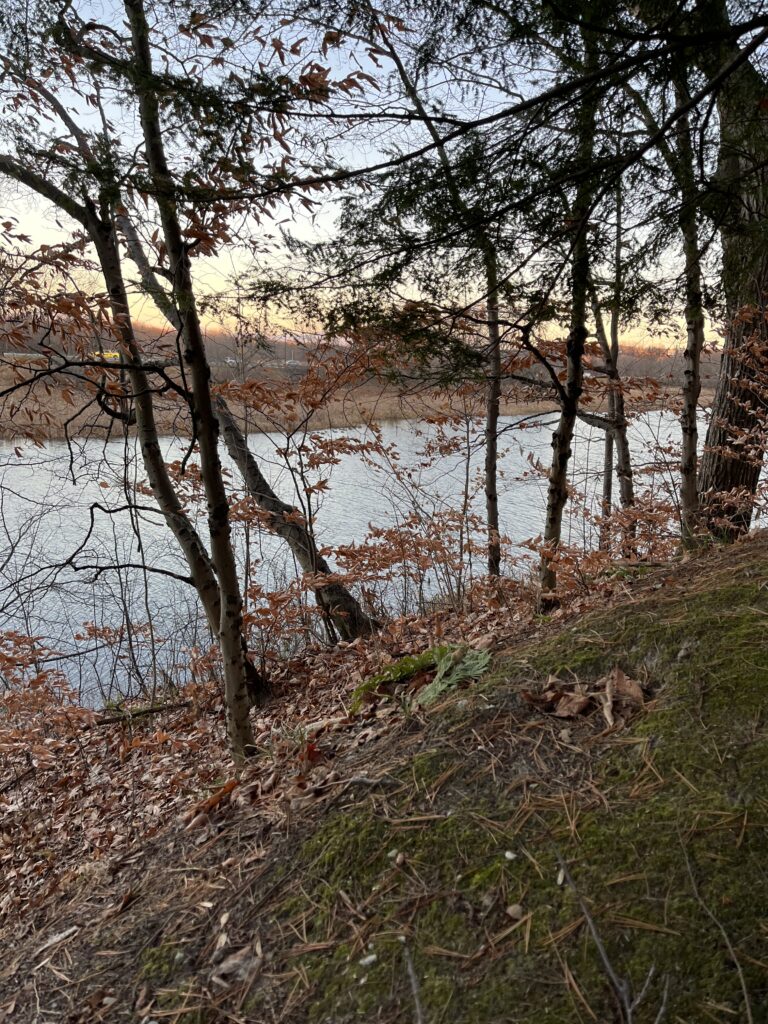
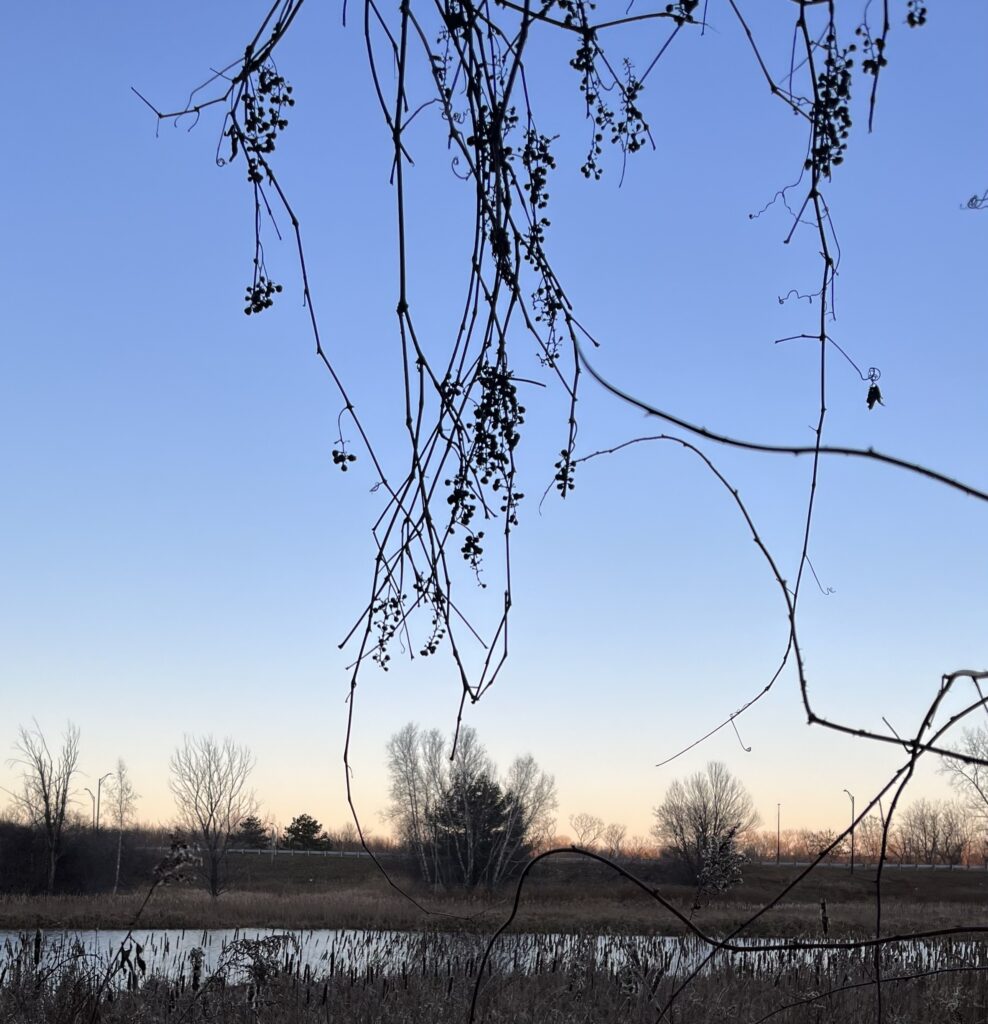
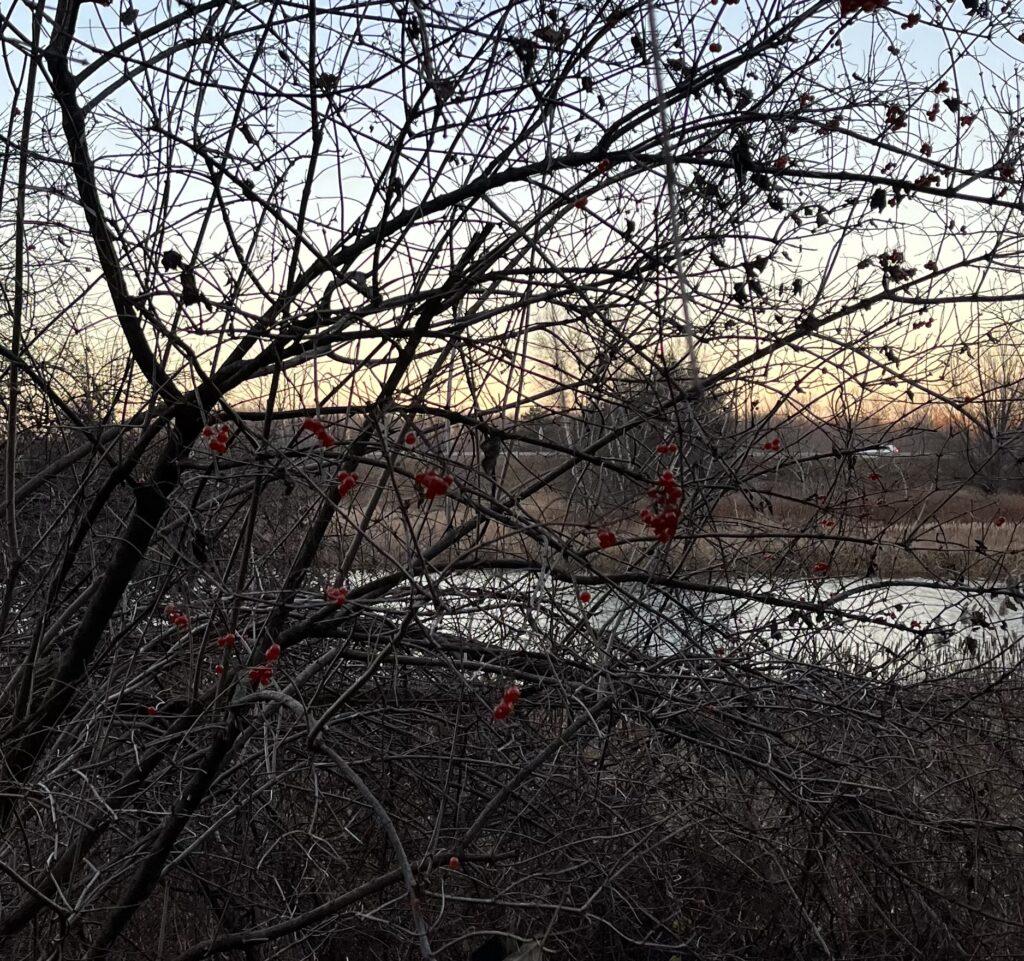
There has been significant phenological changes in the foliage of my spot since I last visited. Almost every deciduous tree has lost all of its leaves. All that remains on the maple trees are a few seed pod stragglers. The only species with some dried leaves still on the trees are the paper birch trees. There are only a few spots where I sighted berries hanging from trees. There is not a lot of leaf litter covering the trail, most likely because of the high wind in the area picking up the leaves.

Remaining leaves on some Paper Birch trees

Wildlife in the Area

It was hard to track any evidence of animal activity as the trail and surrounding ground vegetation was frozen solid. The only evidence of animals in the area were a few bird chirps and a sighting of a gaggle of geese resting in the pond. This is very different from the animal activity I observed when I first visited the sight. There were significantly more bird calls in my hearing range and a lot of insects scattered throughout the vegetation.There were a few decomposers sighted on less frozen ground breaking down dead leaves.

A gaggle of geese

What I have enjoyed about Arthur Park

Observing the phenology of Arthur Park these past few months has been an enlightening experience. From seeing the leaves fall to watching the wildlife disappear, I have learned so much as to how nature’s clock operates. My favorite aspect of Arthur Park has to be how diverse the ecosystems are. Within such a small spot, there are many different types of environments. There are the marshes, the forest, and the pond, all interacting and changing together.

Goodbye for now Arthur Park!!

Posted in Uncategorized | Leave a comment

Kensington Gardens

Location

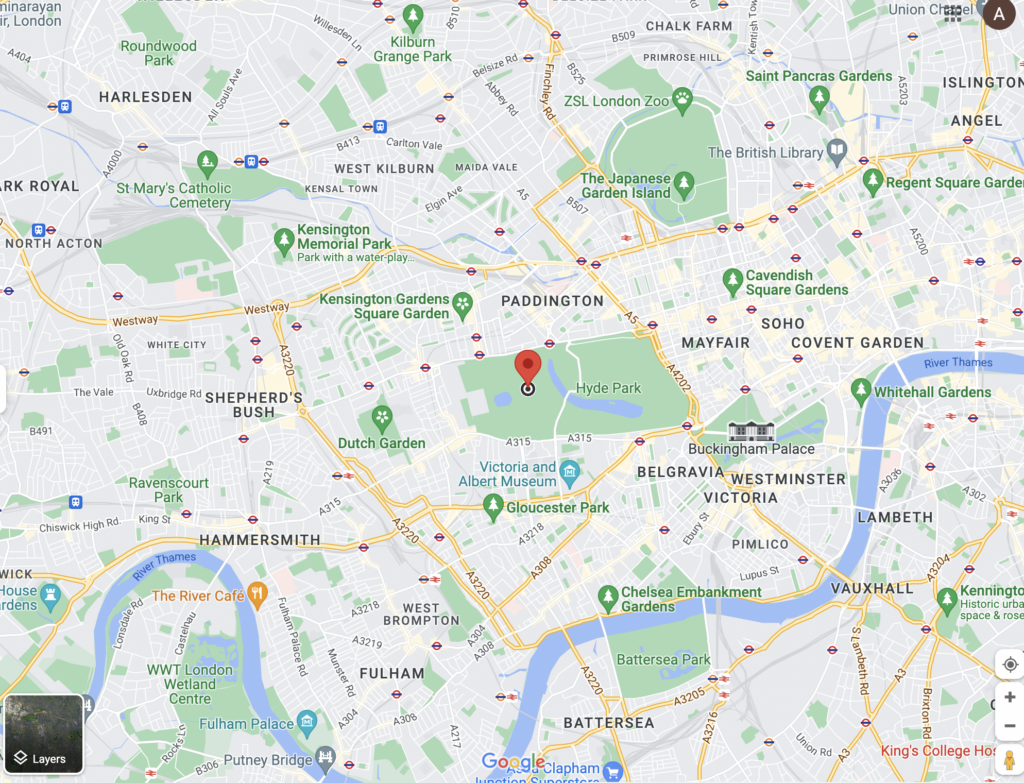
Location of Kensington Gardens in London, United Kingdom

Ecology and Phenology of Kensington Gardens

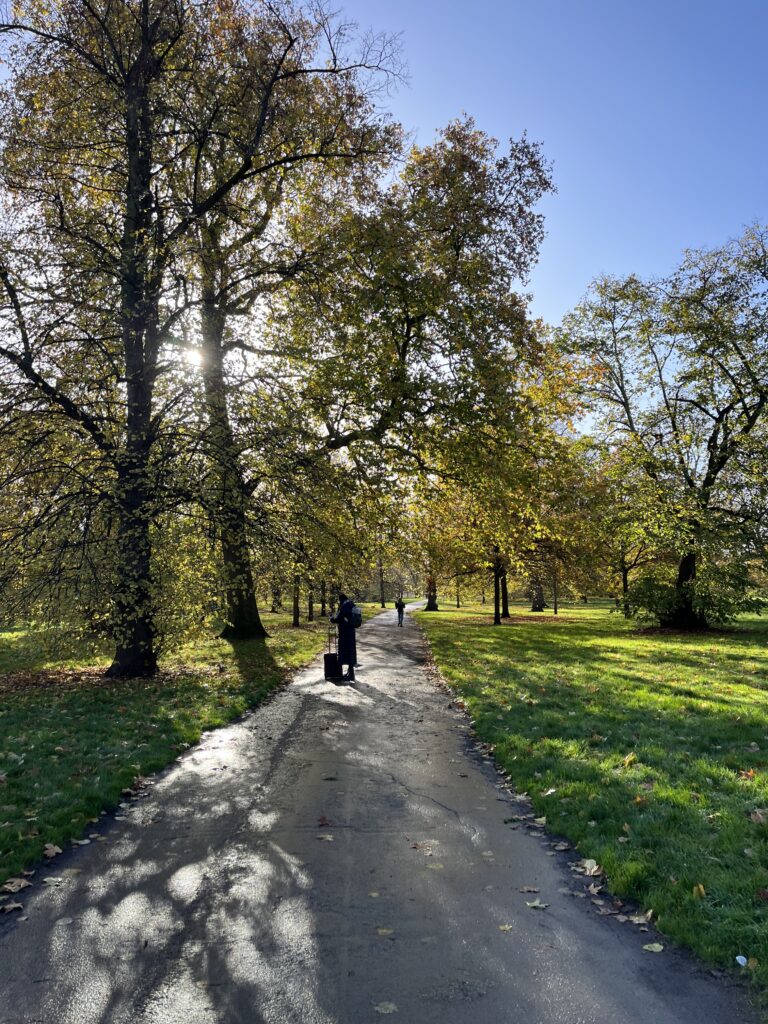
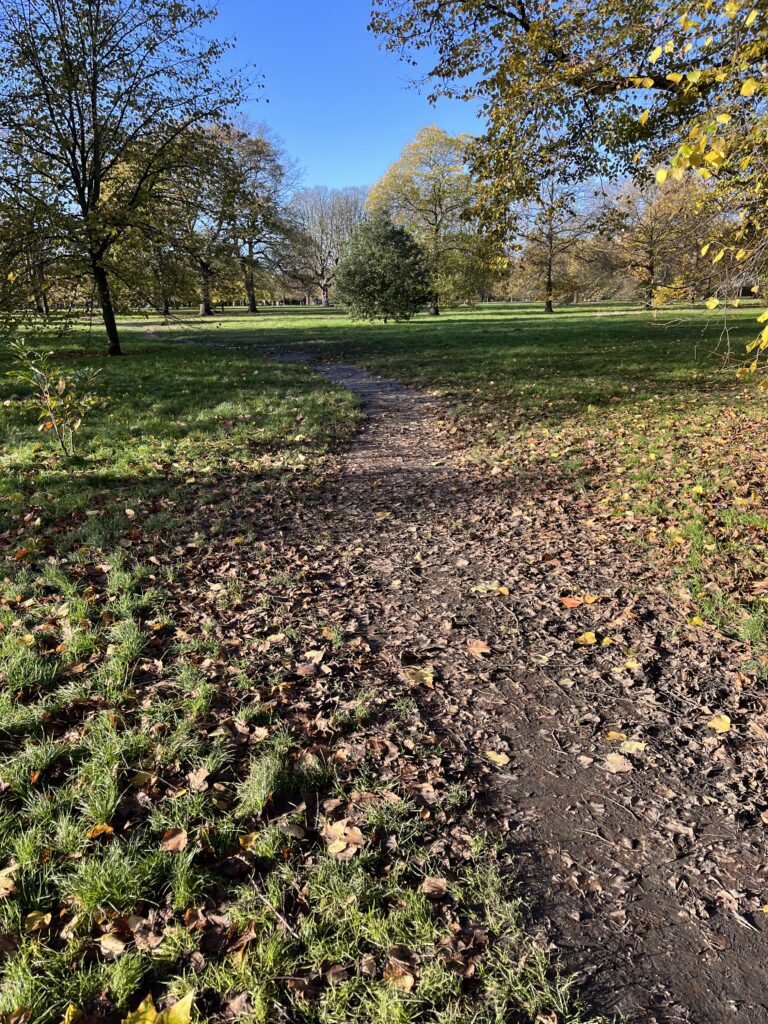
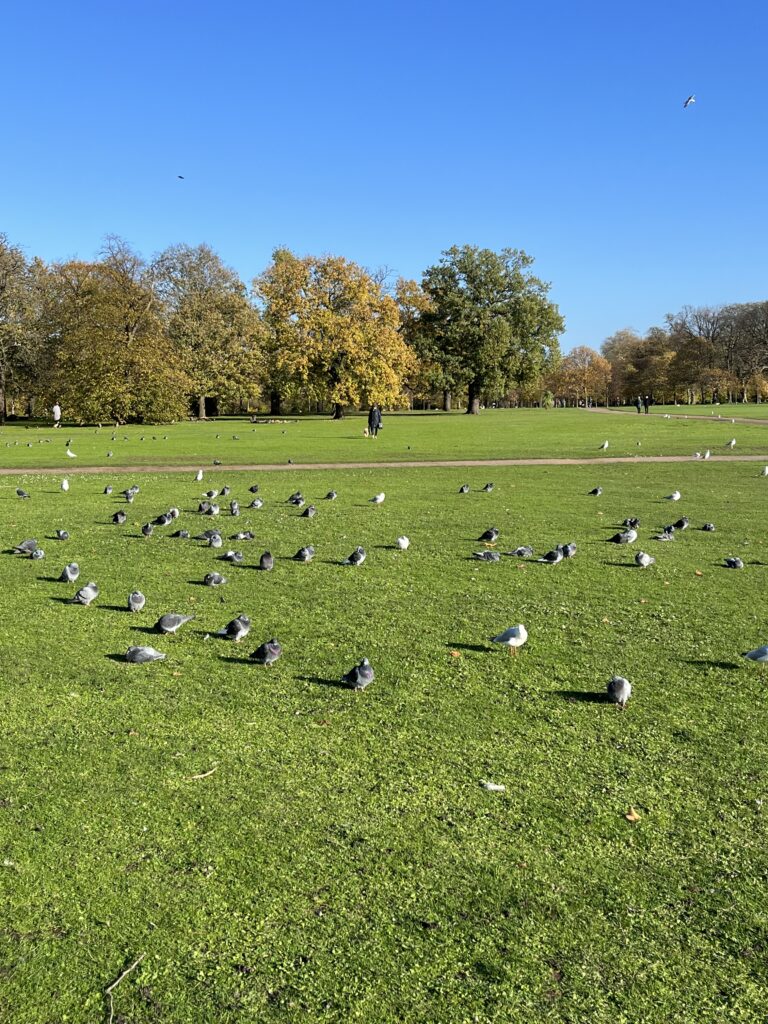
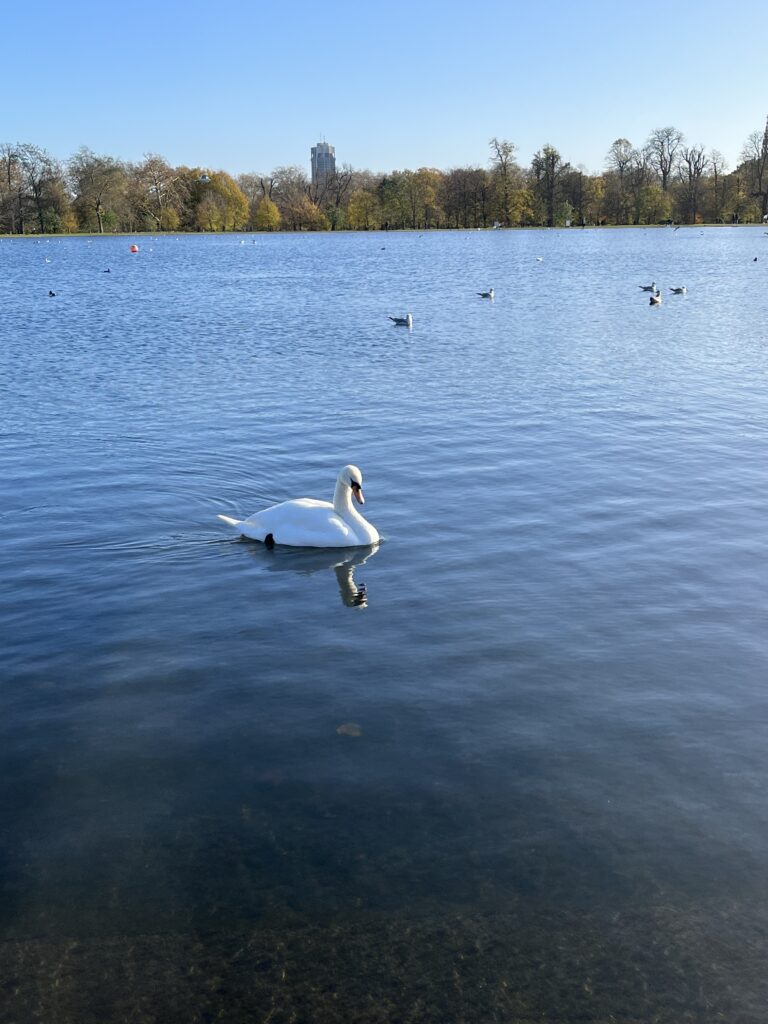
Kensington Gardens is a very grassy area with trees sparsely dispersed throughout. It has a much more spread out landscape than Arthur Park although similarly to Arthur Park it also has a pond. All of the trees in the area are deciduous and still have leaves on the trees, while the leaves at Arthur Park have all fallen. Most of the wildlife in the area is composed of a variety of birds including pigeons, geese, and swans. Human impact of the area is definitely visible as the gardens are in a very urban area where there is much pollution and human-made trails through the grass.

Photos of the Gardens

A human-made trail through the grass
A group of pigeons
The pond full of swans and geese
Posted in Uncategorized | Leave a comment