Posts

Human History of Mt. Glory-12/5

Mt. Glory sits on top of Teton Pass, which has been a very important corridor for travel for 10,000 years. The pass is a windy, connecting road between Wyoming and Idaho that allows people to travel through the mountains vs. taking the long road around. The pass peaks at 8,431 ft of elevation, and often deals with large avalanches that can cover and close the entire road for hours even days.

Rock quarries in the pass used to make it very valuable for obsidian mining to make tools in the late 1800s. First settlers and mountain men would travel by Wagon over the pass, taking weeks to get family and livestock across. In 1928 the official old pass road was built, and in 1969 the newer (now used) road was built.

Mt. Glory is a mountain right off the side of the pass, and starting in the early 1900s people began to ski the pass and this mountain as the terrain was phenomenal for skiing and very accessible compared to other mountains in the valley.
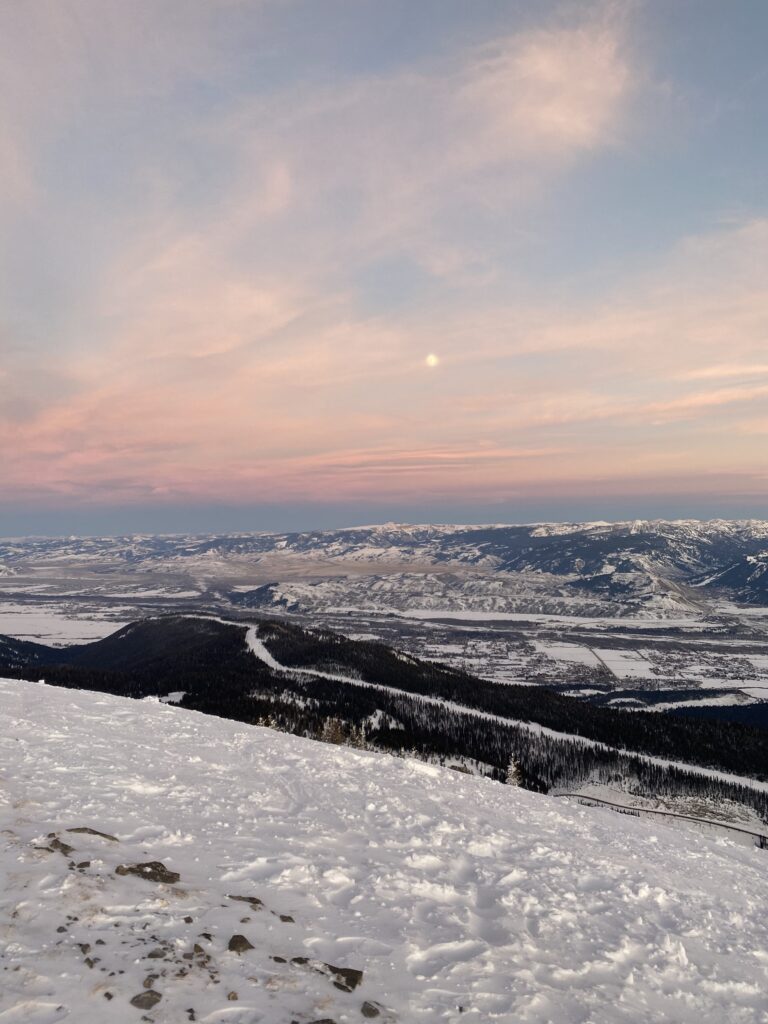
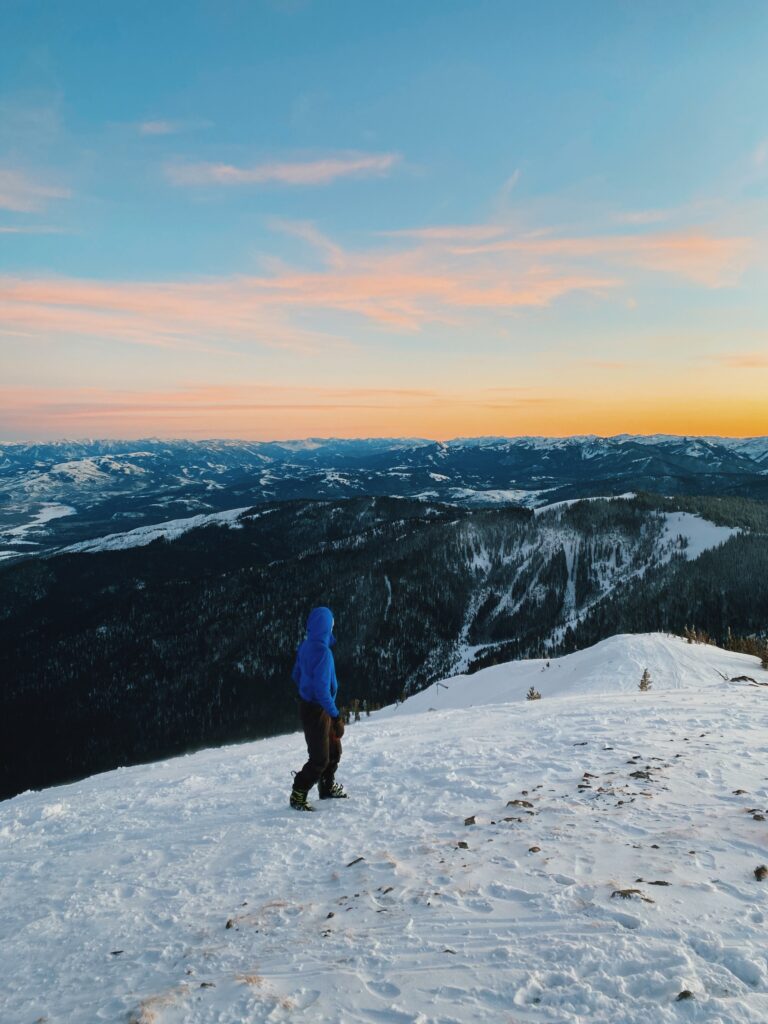
View from the top of Mt. Glory (taken by me).

SOURCE:

Home | US Forest Service. (n.d.). Retrieved December 6, 2020, from https://www.fs.usda.gov/Internet/FSE_DOCUMENTS/stelprd3826216.pdf
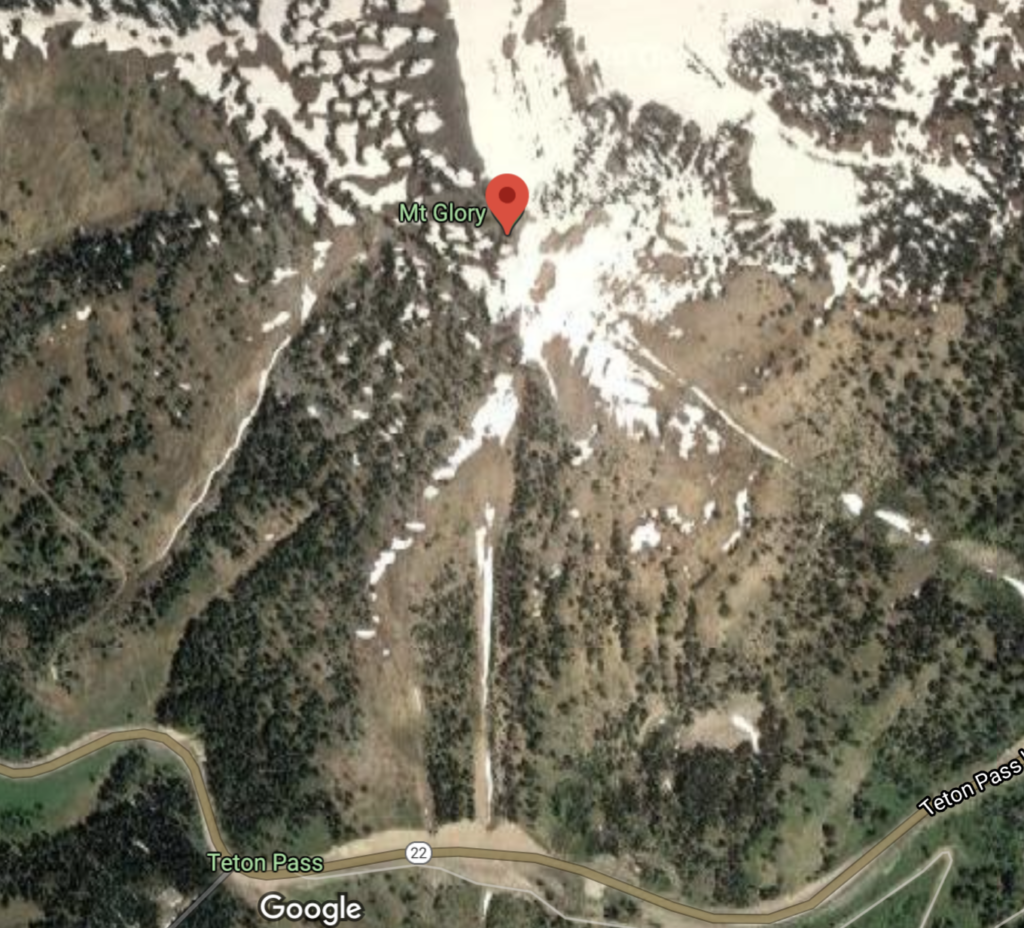
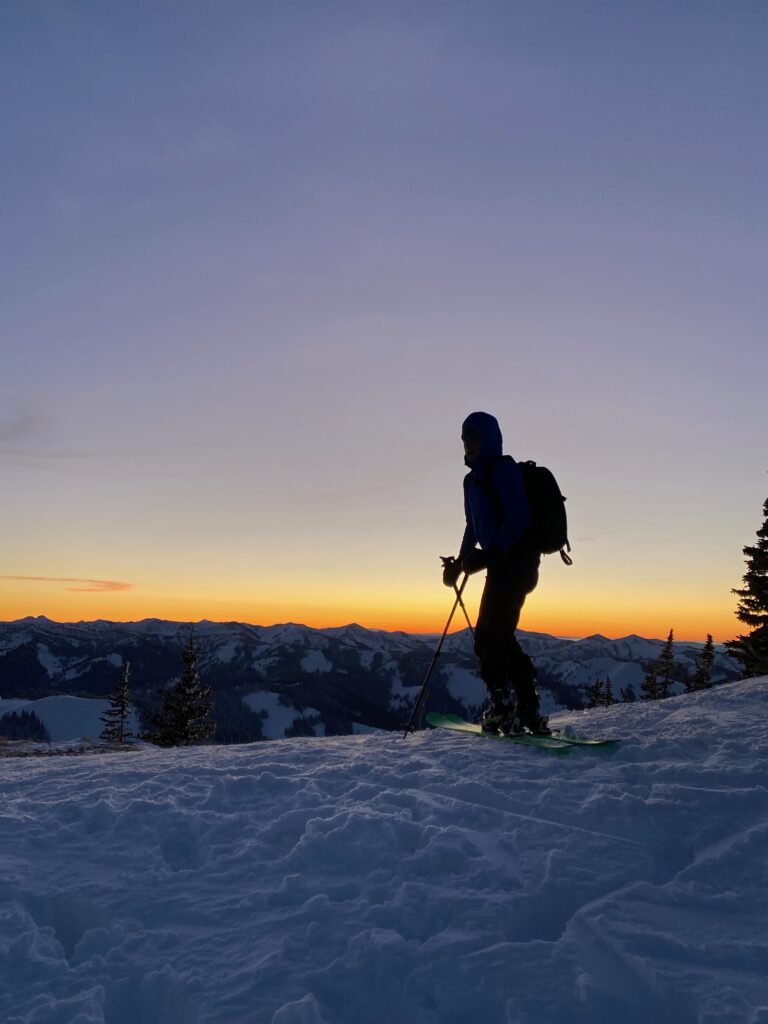
Phenology Spot-Mt. Glory

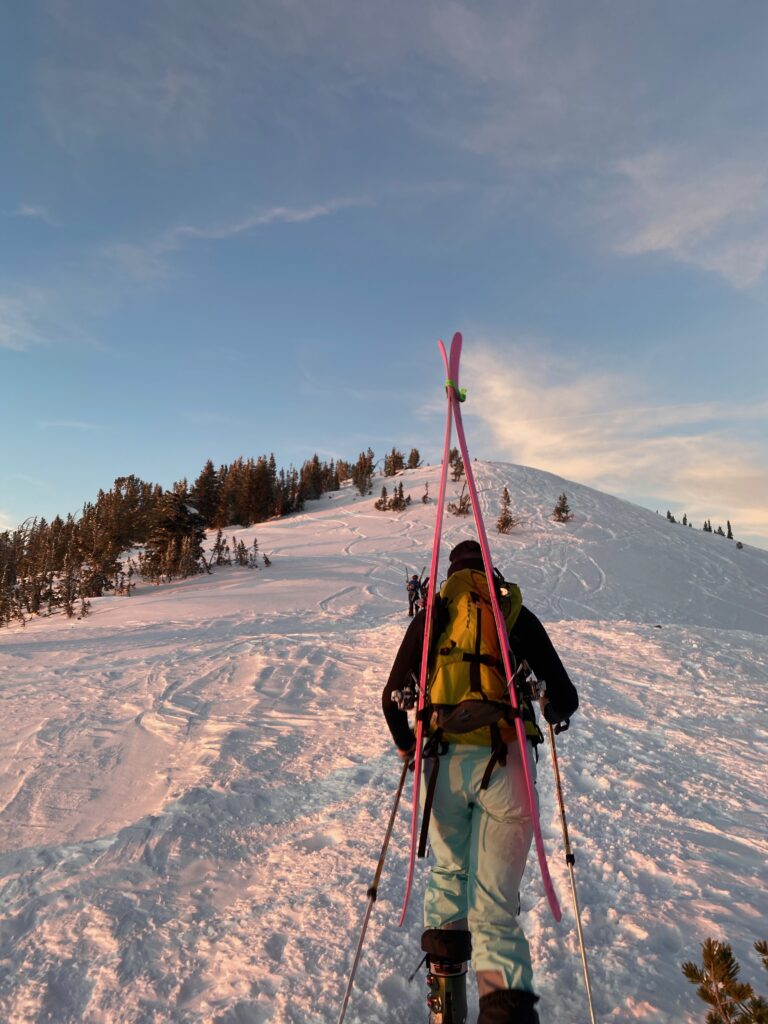
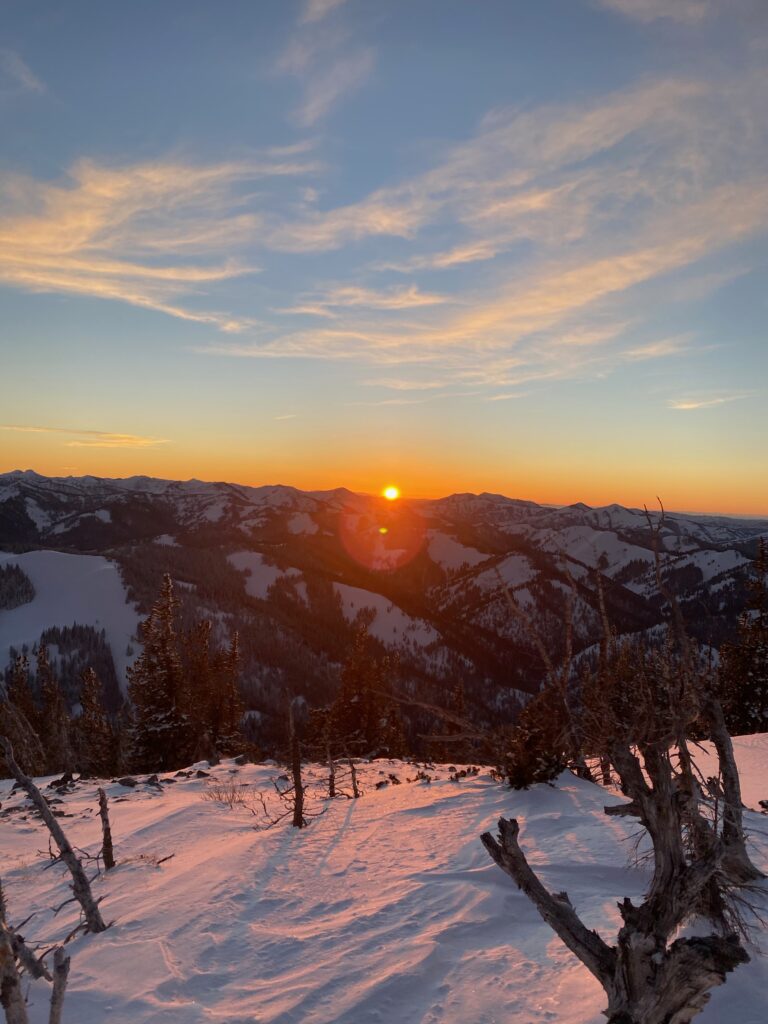
Mt. Glory: one of my favorite mountains to backcountry ski at the top of Teton Pass (a pass that goes from Jackson, WY to Victor, ID)

CLICK HERE FOR EMBEDDED MAP

Mt. Glory is a well-known route for backcountry skiers and outdoor enthusiasts in Wyoming/Idaho. At the top of Teton Pass, it peaks at an elevation of 10,033 ft. This is very different to centennial woods as it is above alpine, vs the ~200ft of elevation Centennial sits at. Therefore, the phenology is very different as species on this mountain must be able to withstand cold temperatures and high wind. Therefore, there are a lot of small bushes, mosses, and shrubs at the top, and as you descend you are surrounded by Pine Trees. Unlike Centennial Woods, there are no Oaks, Maples, or Birches and no trees that exhibit foliage in the autumn. This spot is trafficked by skiers in the winter, hikers in the summer, and offers panoramic views of the Valley. Unlike Centennial Woods, it is not easily accessible and requires about a 1000 ft elevation gain hike. The Western mountains tend to be much larger and dramatic in sight, and offer habitat to mainly pines as they are capable of living at such high elevations. However, like Centennial Woods, this spot is more trafficked than surrounding natural areas as it has gained fame from skiers and hikers for its beautiful views and accessibility for good turns.

https://www.google.com/maps/d/u/0/edit?hl=en&mid=1noY6DTFo3RBqOu4eBMAKzmfdmMFByY8H&ll=43.50819138397398%2C-110.9532411&z=18

NOVEMBER VISIT-EVENT MAP

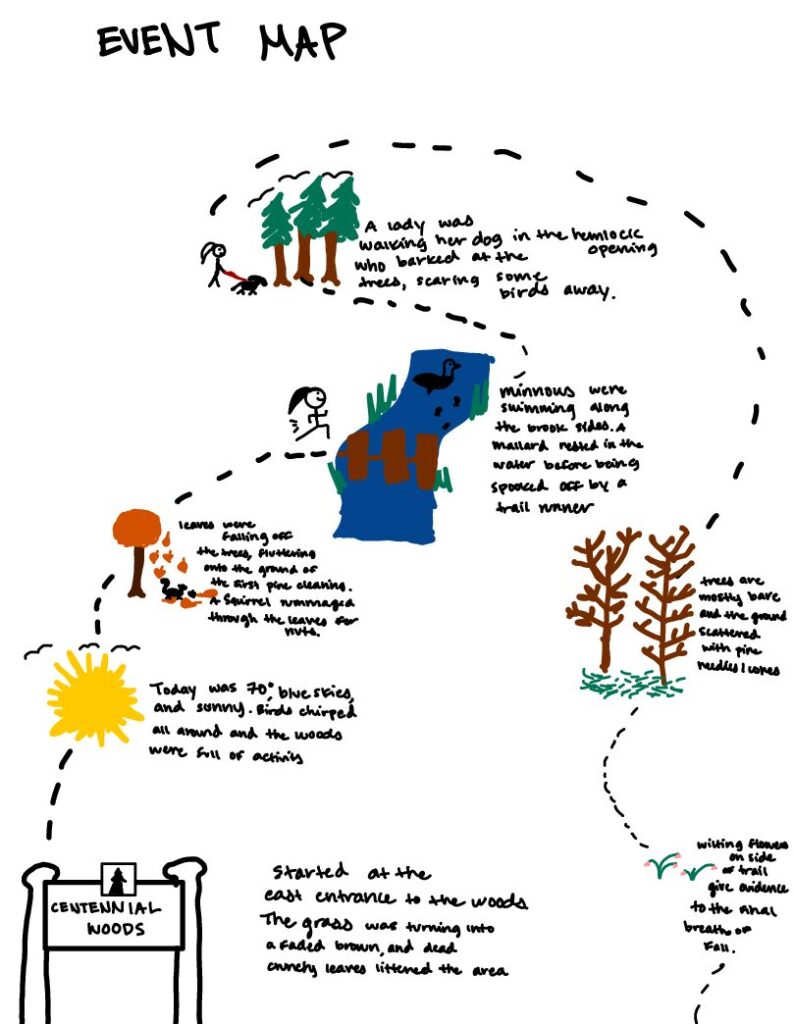
Event Map of a Day in Centennial Woods

Since my last visit in October, the woods have begun taking their final breaths of fall and prepared for Winter. My visit was on one of what may be the last sunny blue bird warm fall days of this year. More dead leaves and twigs scattered the ground, and squirrels and chipmunks seemed more frantic to gather nuts for the long winter ahead. There was much more human activity in the woods as people are eager to enjoy the last bits of sunshine before the cold. The woods are no longer filled with golds, yellows, oranges and reds, giving it more of an eerie feel. Winter is coming, and the grounds are preparing for snow.

POEM

Last Breath

Leaves flutter swiftly to the ground, doing the final dance of autumn

The woods no longer spread and aura of golden yellow, and the trees are bare and ominous.

The brook moves swiftly through the field, and animals of all sorts come to visit in hopes of enjoying their last moments of sun.

The branches of the trees and long grasses sway in unison as if the earth is taking its last breath fall in preparation for the cold winter ahead

A summer of life and chaos has transitioned into a crisp fall day of solemn and silence as humans and animals prepare for what lies ahead

OCTOBER VISIT

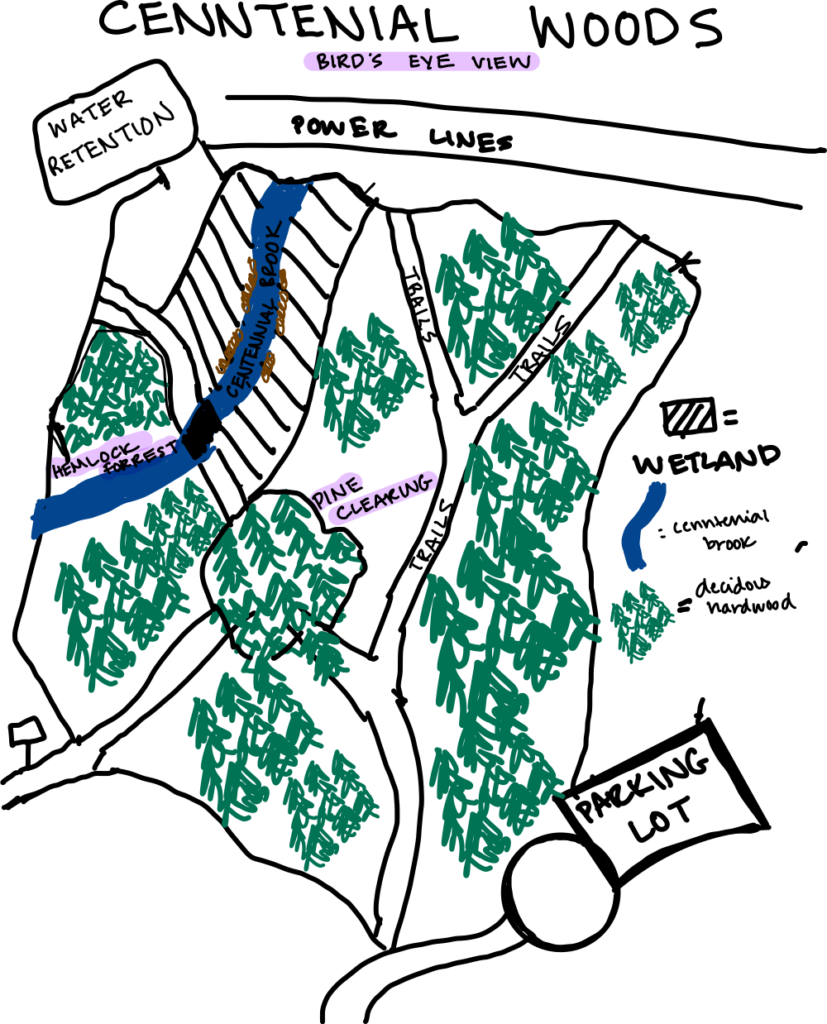
Bird’s Eye Map of Centennial Woods

After visiting the woods, it has become evident that autumn is coming to an end. The canopy of oranges and yellows have mostly fallen to the ground and cover the trails. Some maples are still in the process of changing, yet most of the hardwoods have reached their peak and are cleared of leaves. The ground cover is still existent and most shrubs in the understory are still alive, but covered in dead leaves.

Squirrels and chipmunks are seen gathering nuts and scurrying in the trees, yet activity is minimal. Few birds were seen at the tree tops and flying above canopy, however no larger game or animals were seen.

INTRO

INTRO TO CENTENNIAL WOODS

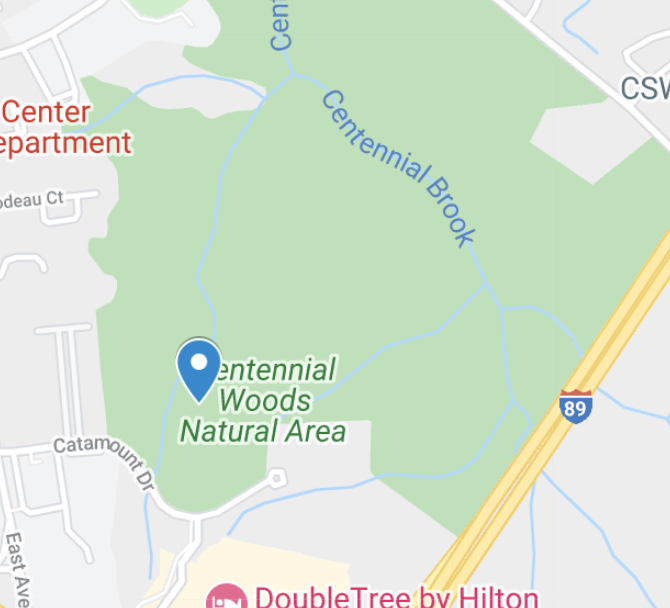
Located within the city limits of Burlington, these woods contain over 65 acres of hardwood, conifer, and evergreen trees. Habitats also include streams, wetlands, and field areas. Due to its diversity in species, it serves as an important place for education on Vermont’s biodiversity and cultural history. Many classes at the University rely on these woods for labs and research projects, as well as is enjoyed by the local community for outdoor recreation. It it managed and maintained by the University, and therefore characterized as one of UVM’s 10 natural areas. The East entrance to the woods is located directly off of East Avenue, behind the UVM police station.

Centennial Woods provides a direct insight to the unique history of Vermont’s lands. In the 1800s, these woods were completely clear cut and used for sheep and dairy farming. Stone walls and barbed wire left behind give insight to this farming history. The forrest is a young forrest, due to the clearing, yet offers diversity in vegetation.

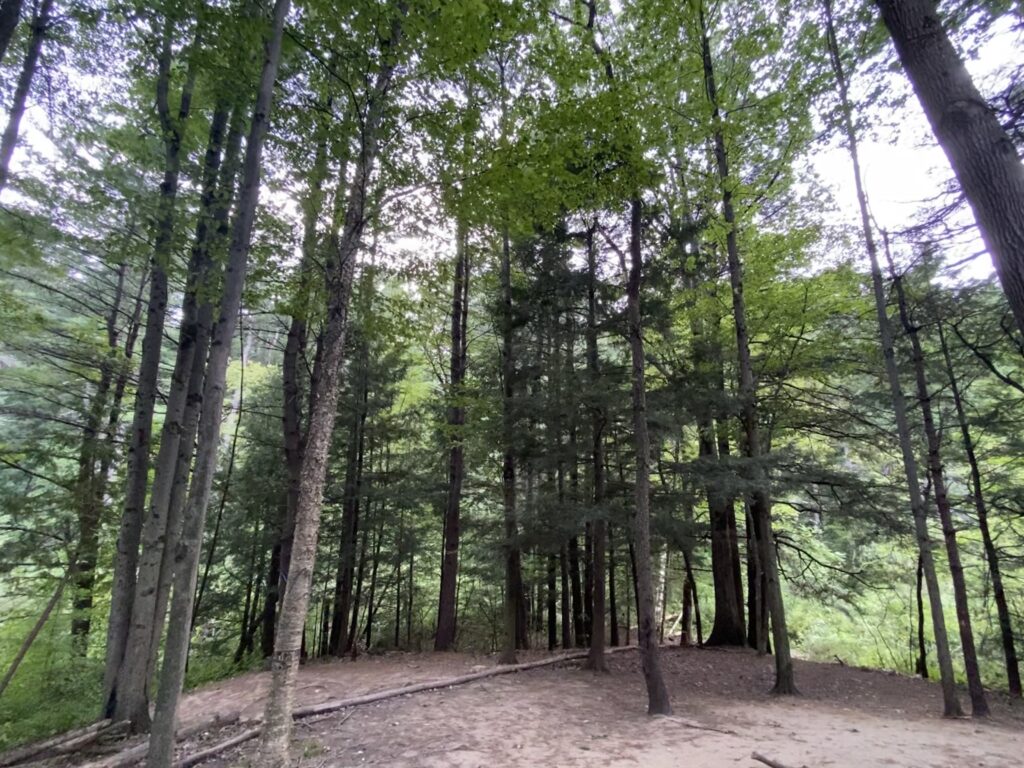
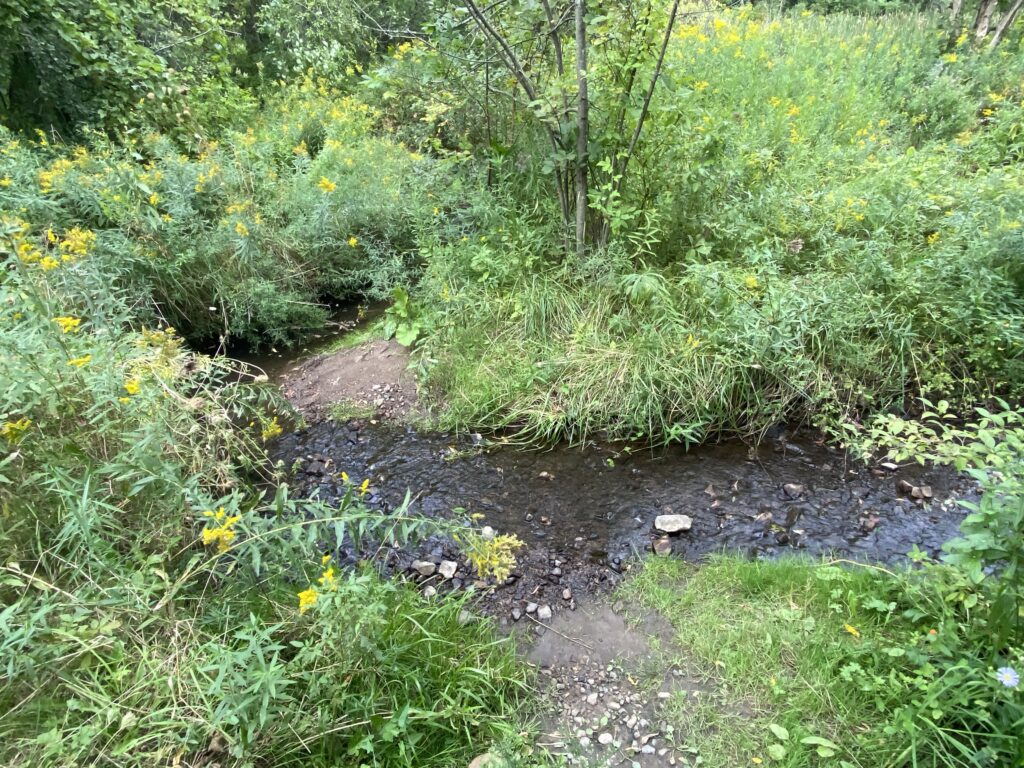
This vegetation is heavily dependent on location in the woods. The open fields are full with grasses, milkweed, and non-woody plants. The marsh area consist of grasses, horsetails, and cattails. The more woody areas consists of different sections of hardwoods that are growing together. There were many hemlock forests which consist of eastern white hemlocks, paper and white birch, and green ash. Eastern white pine are also very prevalent, as well as red and white oaks. Norway, sugar, and red maples also grow in these forests.

Google Maps Location
Hemlock Forest: Original Photo
Stream: Original Photo

Citations:

Natural Areas, University of Vermont: a resolution of the Board of Trustees [PDF].University of Vermont Natural Areas. University of Vermont Environmental Program, http://www.uvm.edu/~uvmsc/Centennial%20Woods/UVM_Natural_Areas_1974001.pdf

Centennial Woods Natural Area: Home. (n.d.). Retrieved October 12, 2020, from https://researchguides.uvm.edu/centennialwoods

Skip to toolbar