March 19th, 2022 (46°)
The assignment for our newest phenology post was to explore a new natural area. What better natural area to examine than Bolton Valley.
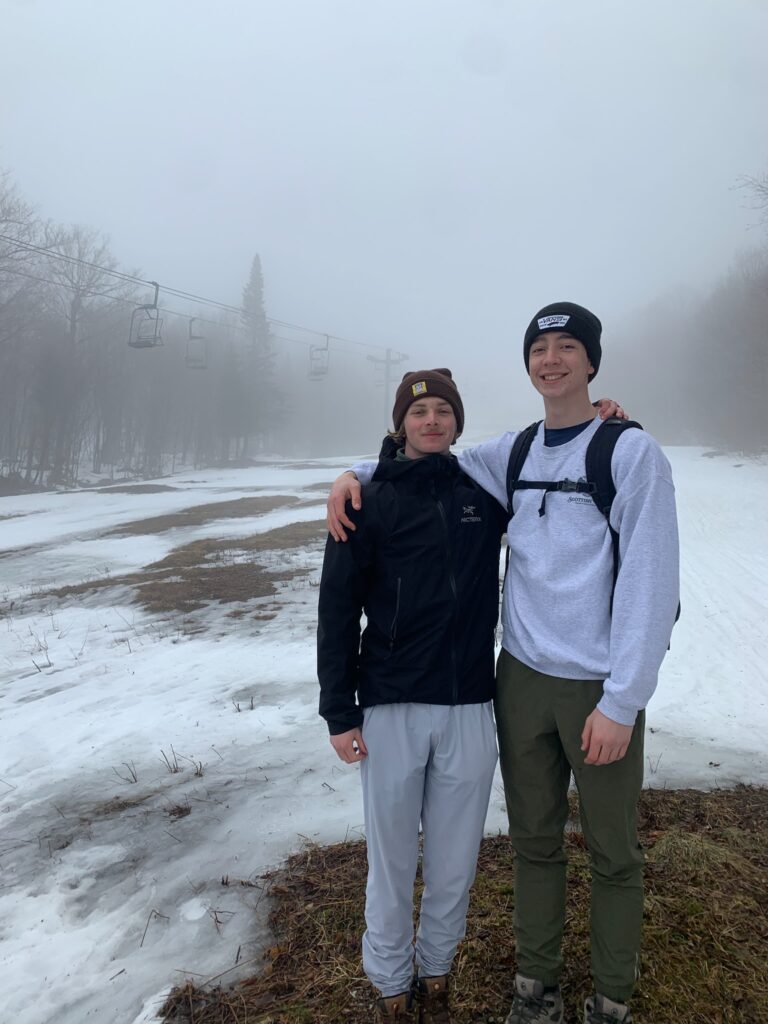
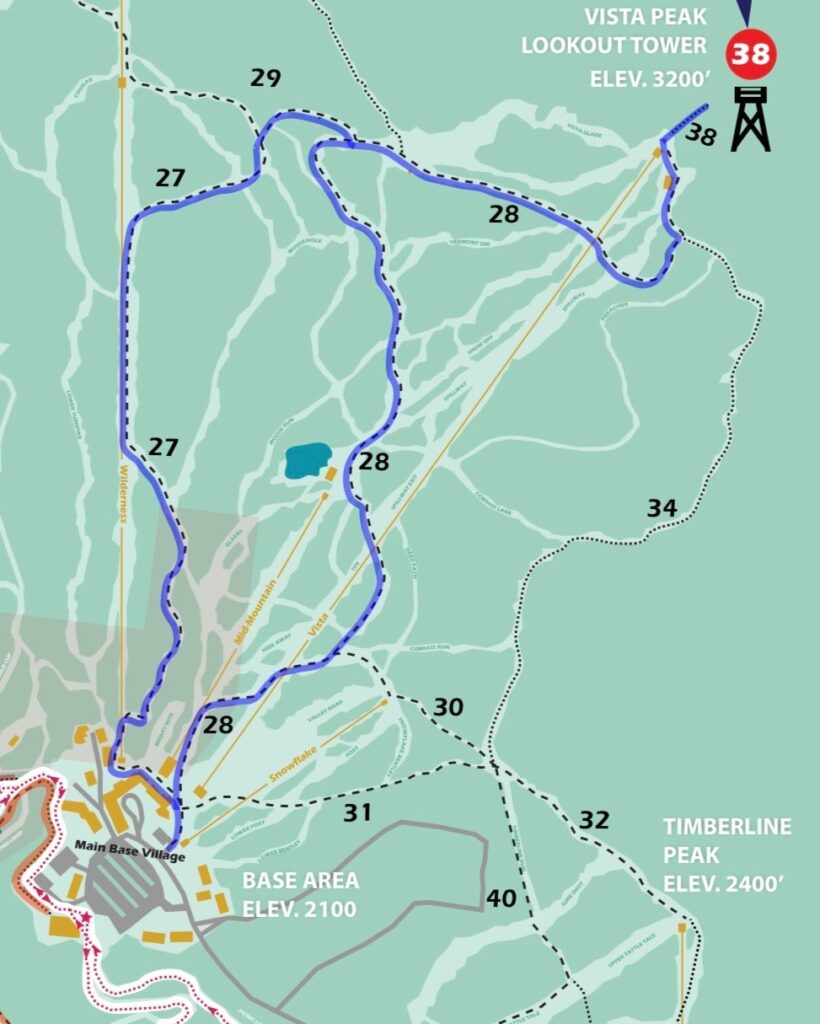
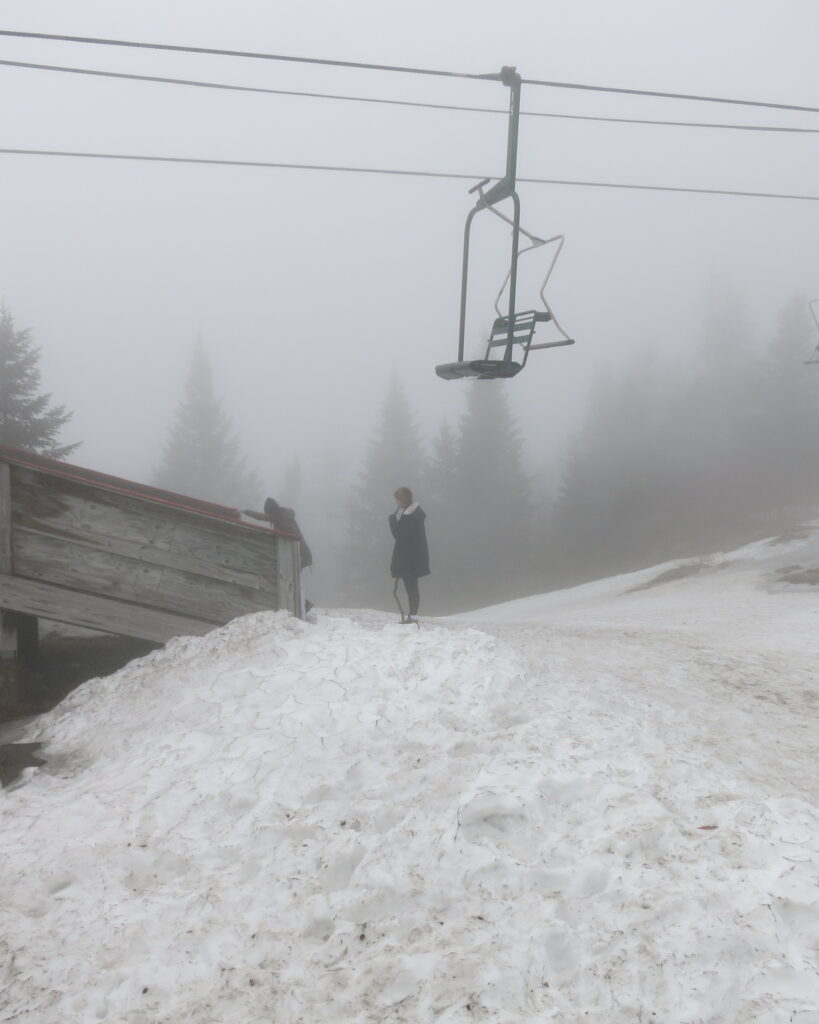
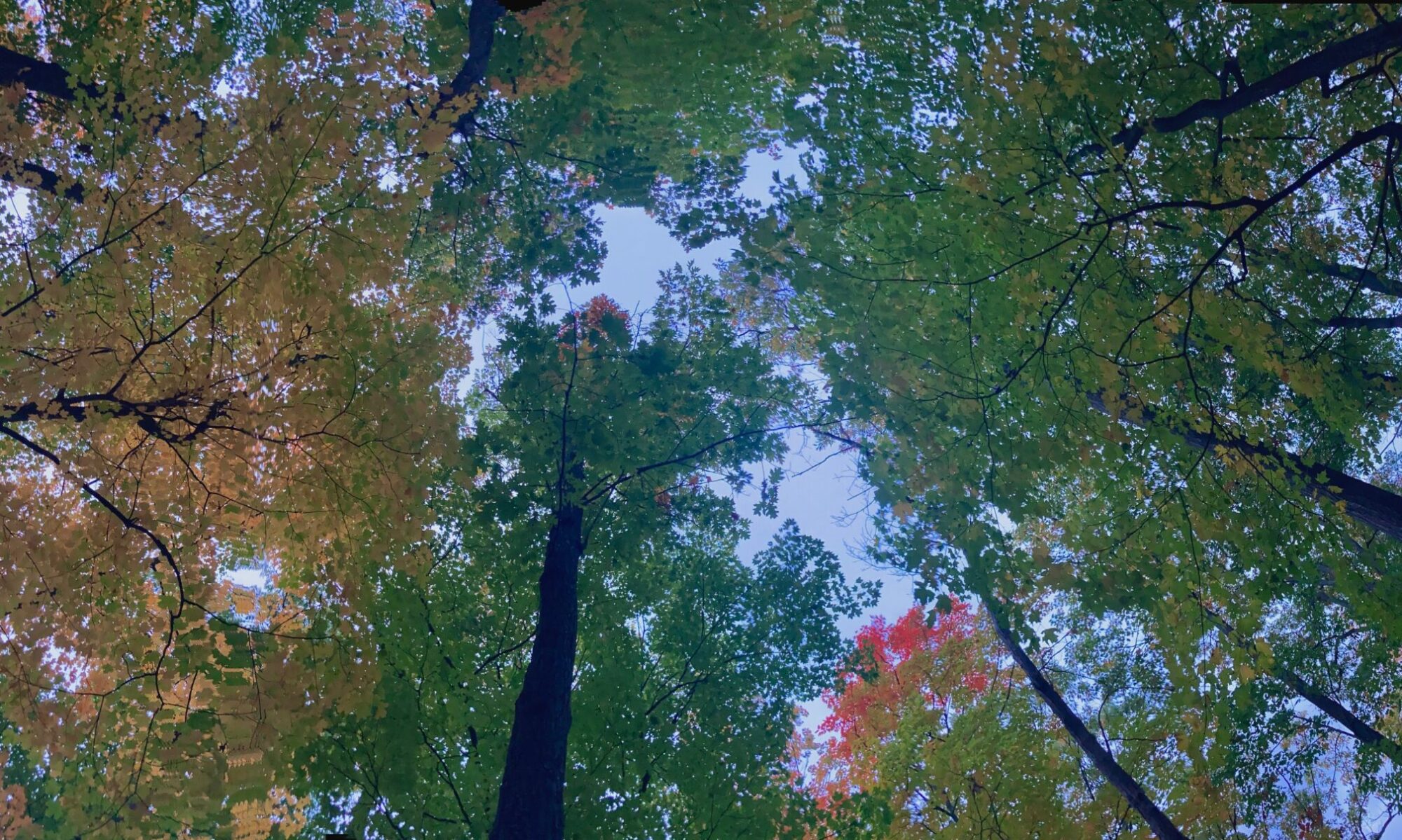
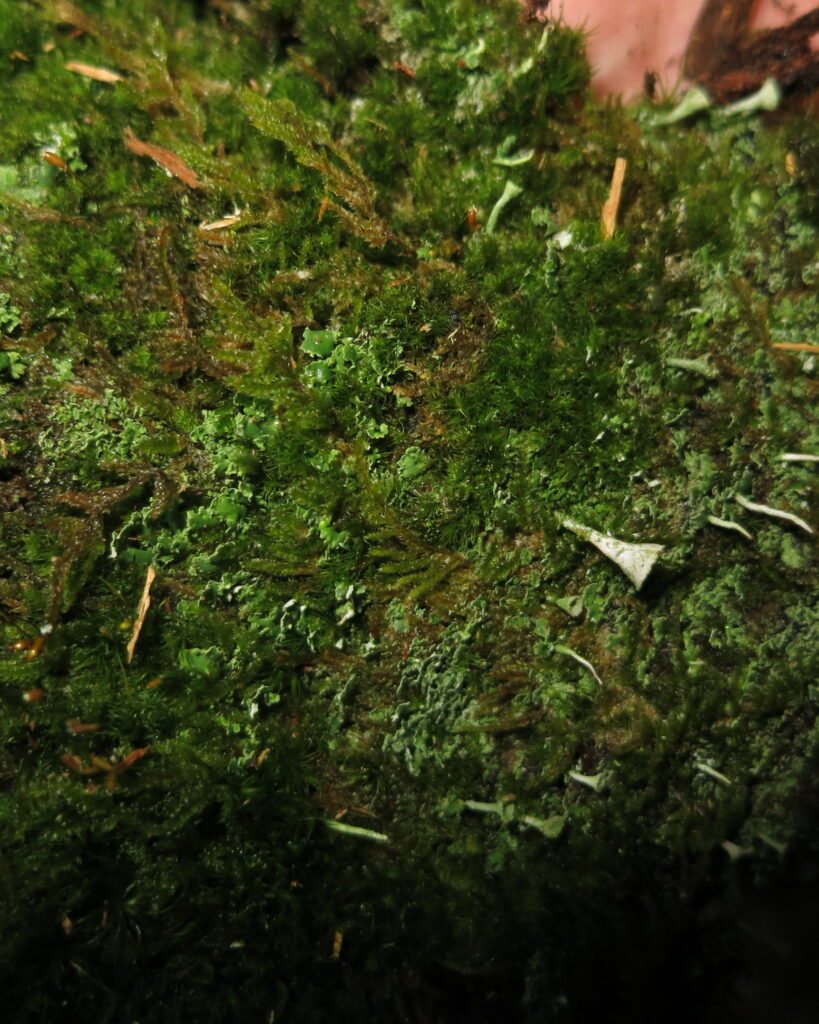
My friends and I started our hike at the base of Bolton. The first thing I noticed when we arrived was the large amounts of fog. There was still snow on the ground, but mostly mud in places where there wasn’t. As much as I love seeing the weather get warmer, it is always a shame to see the ski season leave us. As we trekked upwards I was observant of the phenology alongside me. Although some of the deciduous trees were difficult to identify due to the lack of leaves, I was easily able to spot a large population of American Beech, Yellow Birch, and Paper Birch. Some of the leaves on the ground also showed signs of Sugar Maple. There was plenty of natural forest, but the area of Bolton is obviously commercialized for the purpose of human recreation. There were many paths through the woods, glades, groomed trails, and mountain biking trails within the resort’s property; all of these directly impacting the natural community – both plant and animal. I saw little animal life but I did hear birds chirping for the first time in a long time. Despite the lack of animal sightings, it seemed as though the plants were ready to burst into full bloom and growth because of the warm weather and rain.
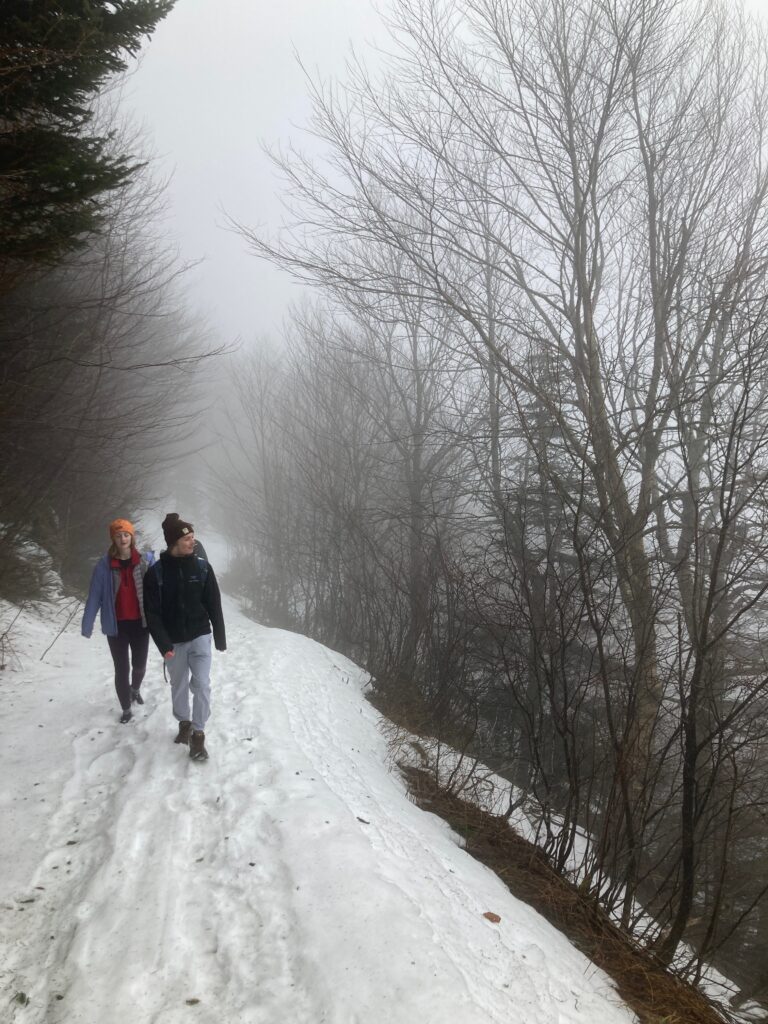
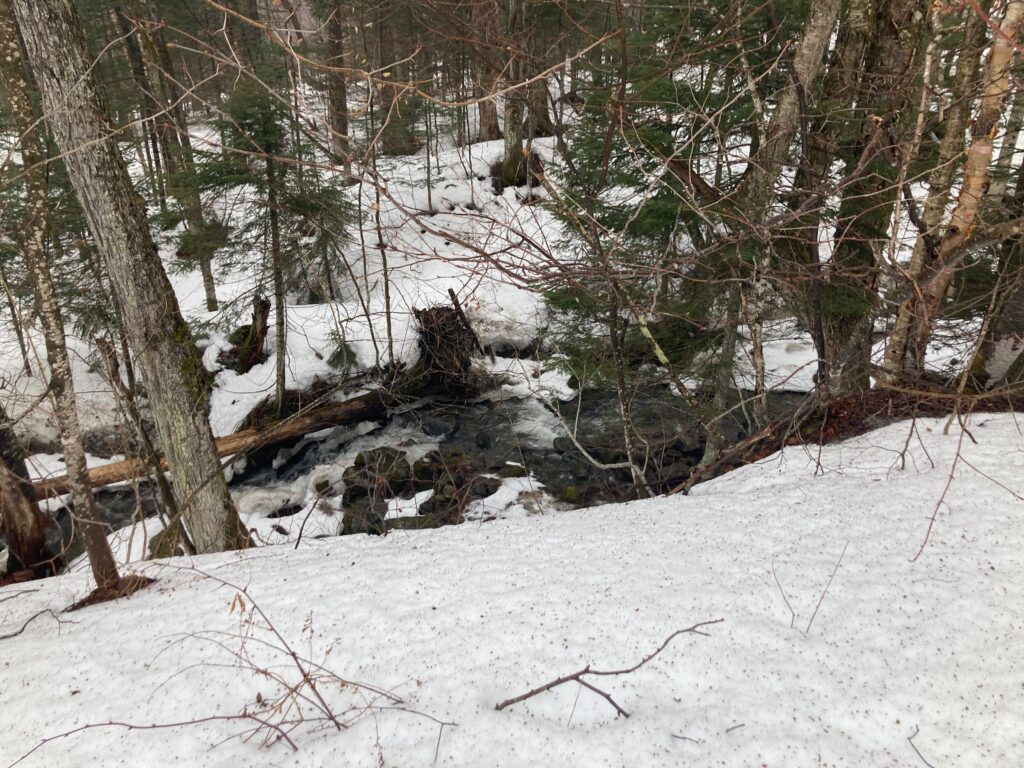
As we climbed higher in altitude I noticed two things: 1. The fog’s desnisty increased. 2. The population density of coniferous tree increased. I assumed the weather changed due to our higher elevation. Because of this we were closer to the elevation of evaporated water (clouds). I was not surprised by the increase in conifers. We had discussed this occurrence in lab when we went to Mount Mansfield and saw the same thing. In areas of higher elevation, there are more harsh conditions. These conditions suit species that typically use less energy – coniferous trees.
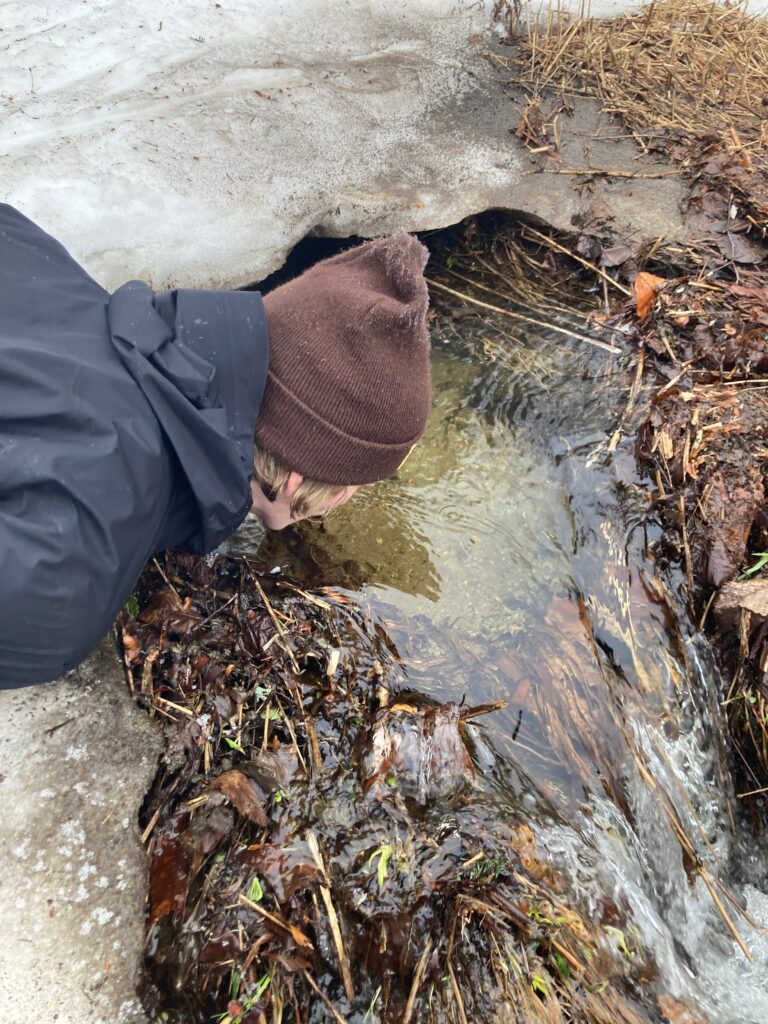
Overall, I had a great time on the hike, drinking cold stream water, getting some fulfilling exercise, and exploring all this new natural area had to offer.