January 25th, 2022 (21°)
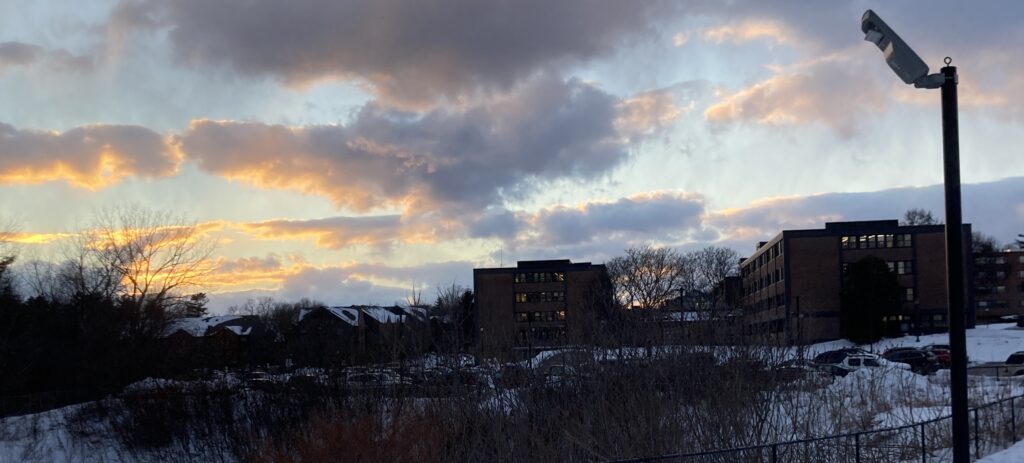
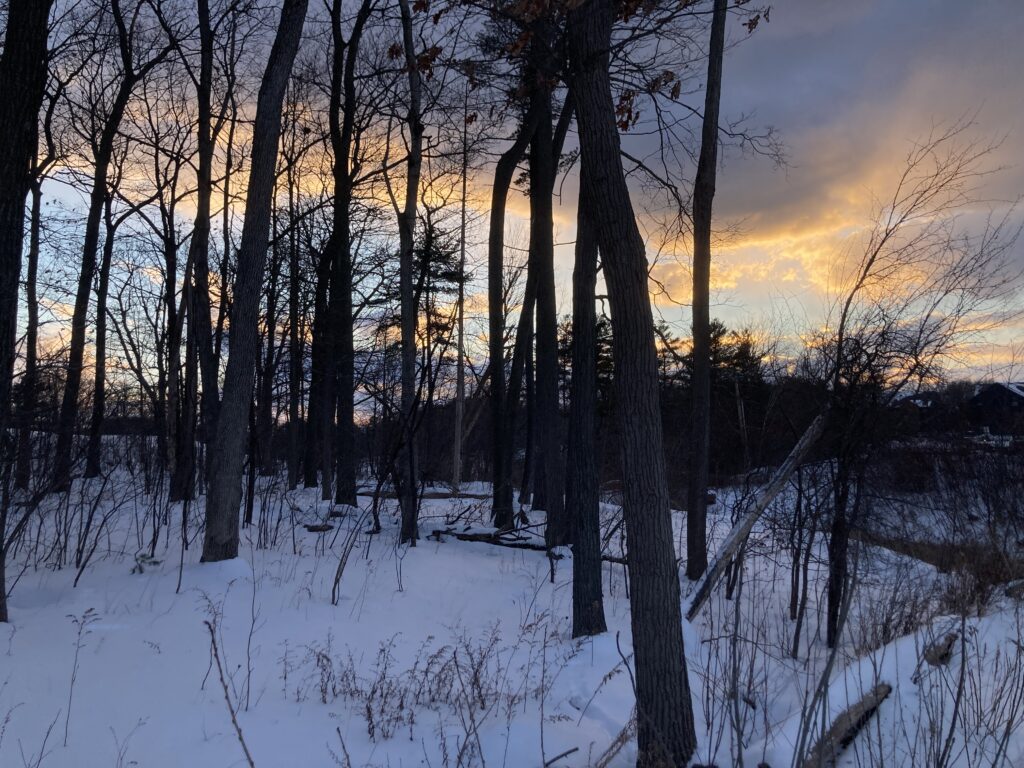
It was quite the thrill to hear Walt announce that we would continue to blog about our phenology sites within the second semester. It was refreshing, entering my beloved site that I had previously said my goodbyes to. This was the first time I could view my site with decent amounts of snow on the ground. The past few weeks have been bitterly cold with temperatures constantly dropping below 0°F at night. It is easy to tell my piece of research land has reaped the consequences presented by this relentless gelid weather. I reached the border of my area and observed the forest before me. Predictably, very little had changed since I had last visited.
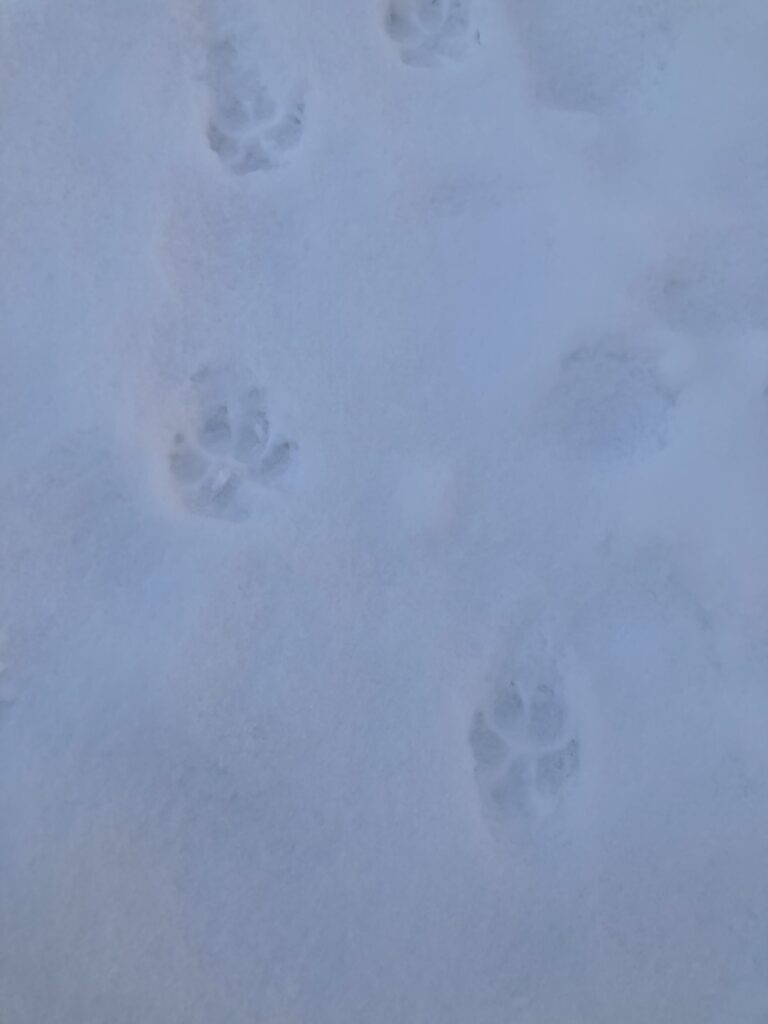
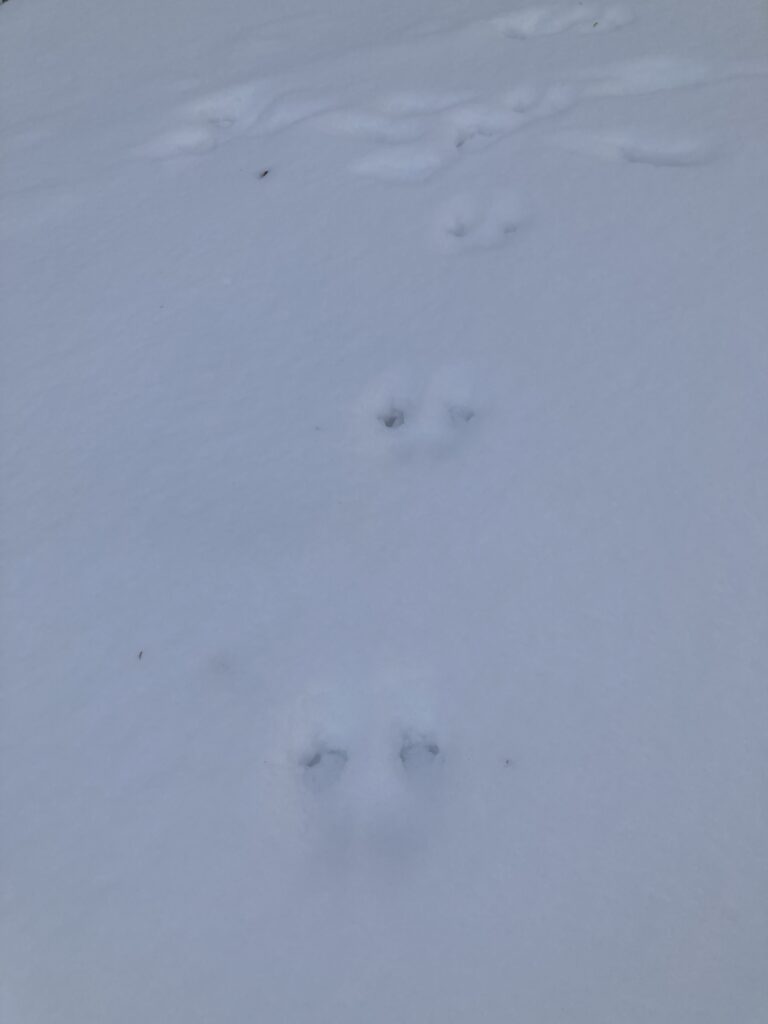
Nature slows down during this time of year. Organisms grow, move, and reproduce in a lethargic manner. Although my walk around my site was vacant of animals, there were still other ways to recognize life. Snow, the opaque sheet of powder that causes drastic changes in the seasonal biodiversity, is a great tool to spot wild tracks and attacks. Although I saw no attack imprints today (I do wish to witness one soon), I was able to discover many tracks on my site. The expected tracks of humans were by far the most populated within the site’s parameters. I could also spot tracks of dogs (see above – top left). Lastly, I came across a track of which I did not know of its origin (see above – top right). It was presented as a synchronized, hopping-like pattern, of two imprints at a time; maybe a rabbit.
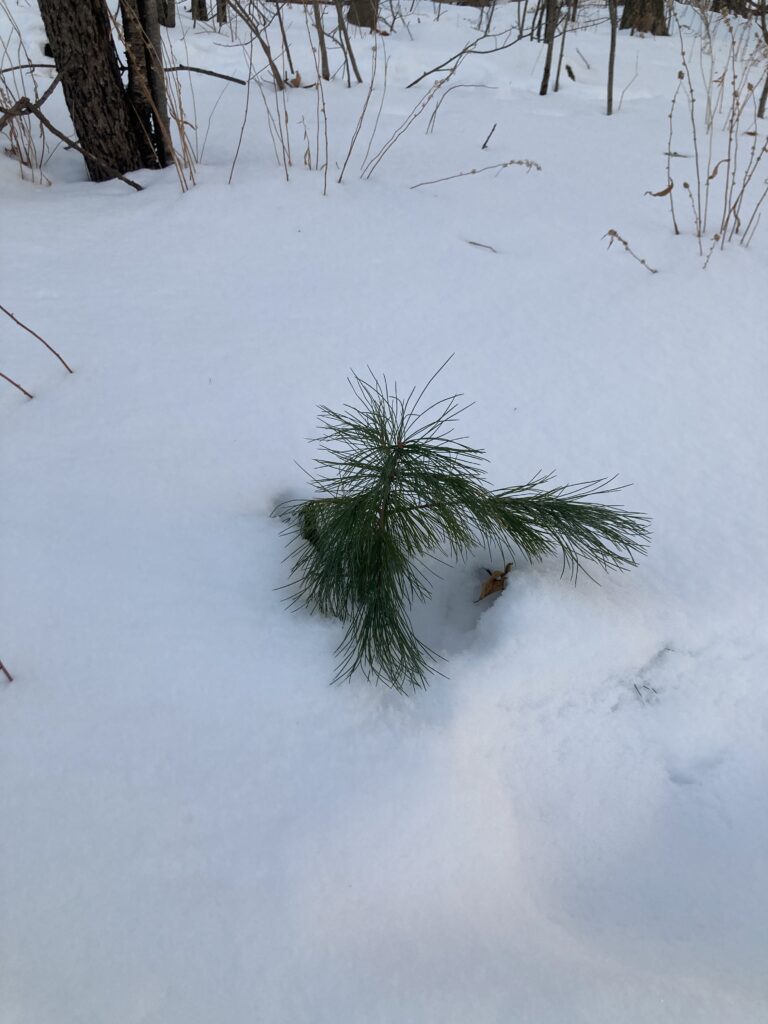
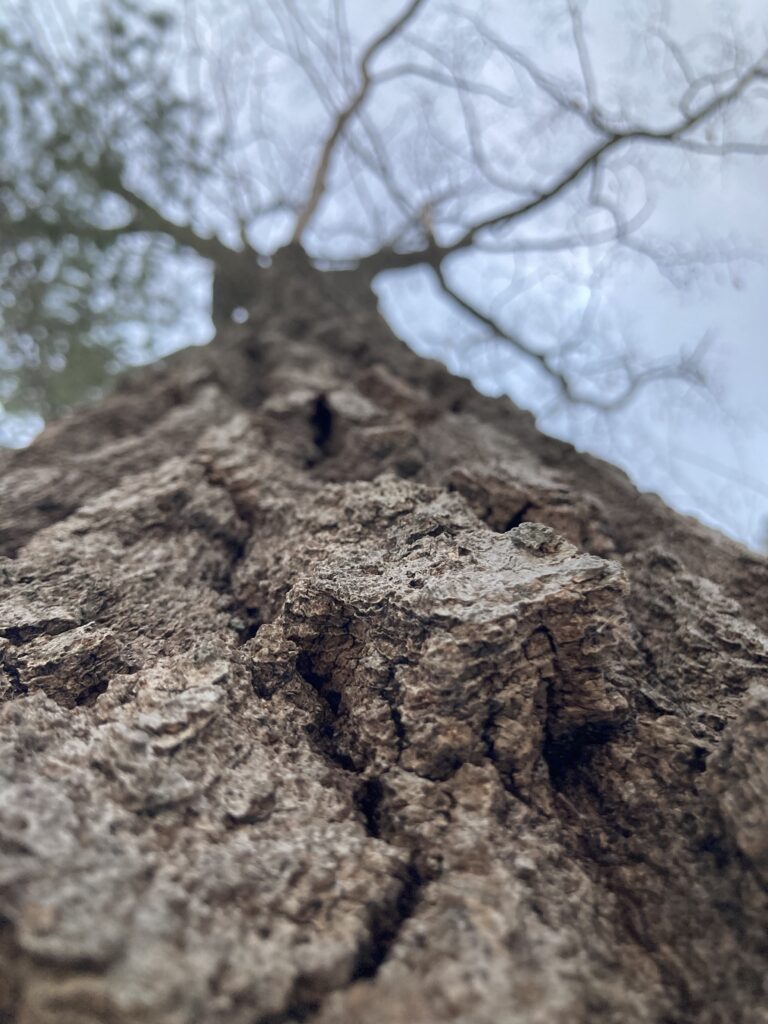
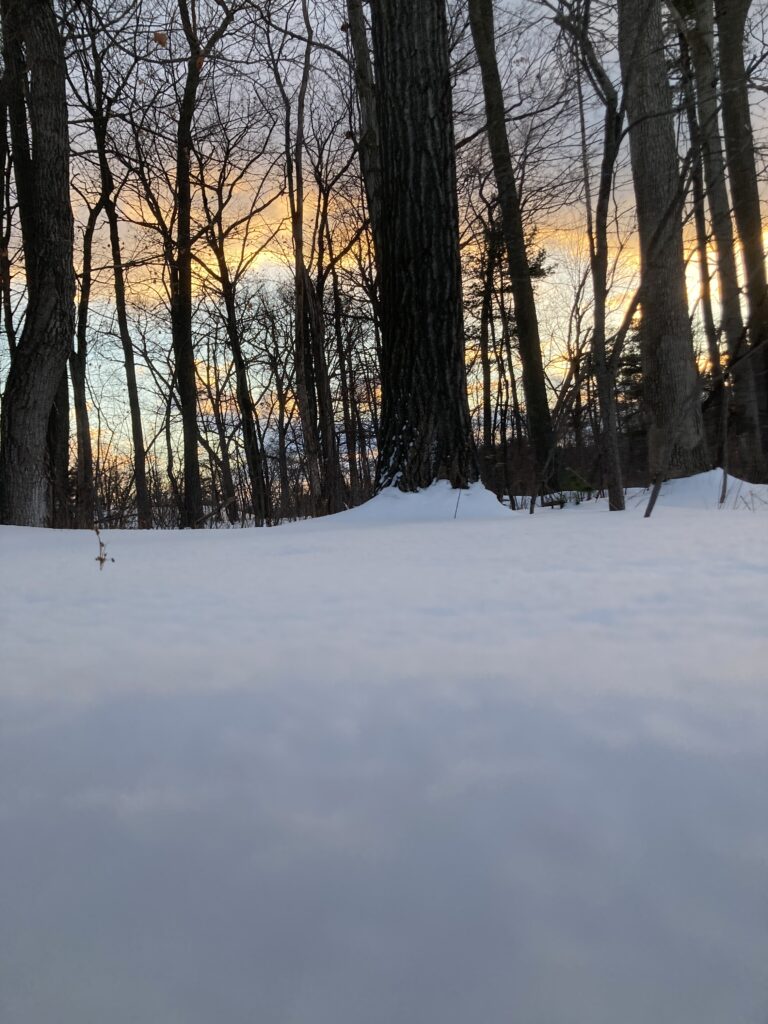
My site, which is most likely overlooked by its common pedestrians, is a masterpiece. Even in the depths of frost, its inconspicuous saplings stand strong, and its large oaks hold true. It creates a natural area that can be used for recreation and hospitality among all sorts of organisms. I am delighted to know I will revisit my spot once again in the future, and examine all of the pulchritude it has to offer.