December 10th, 2021 (31°)
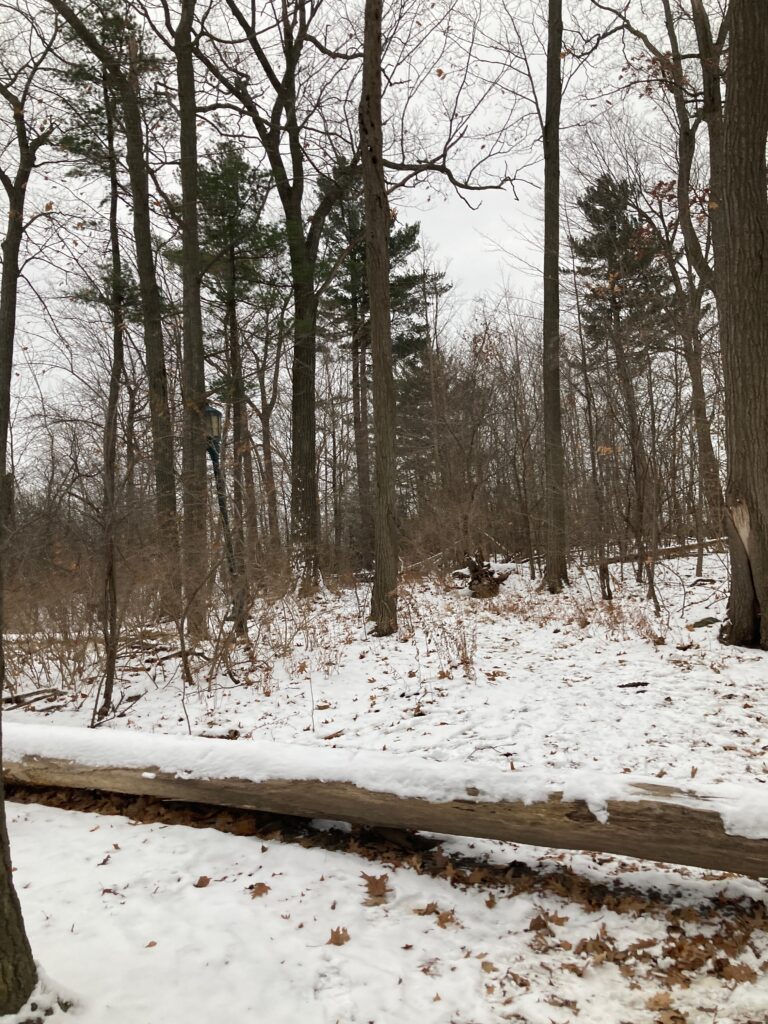
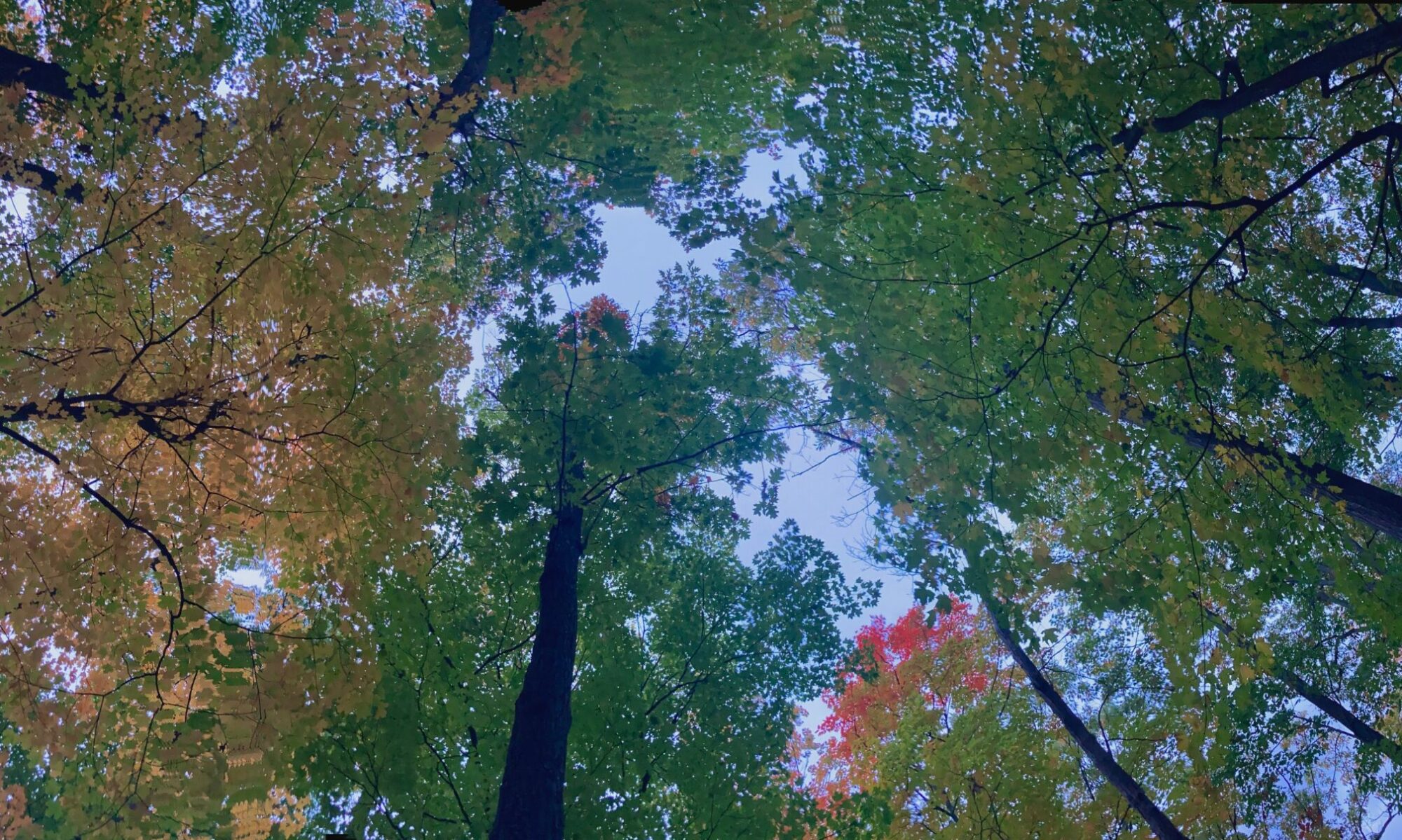
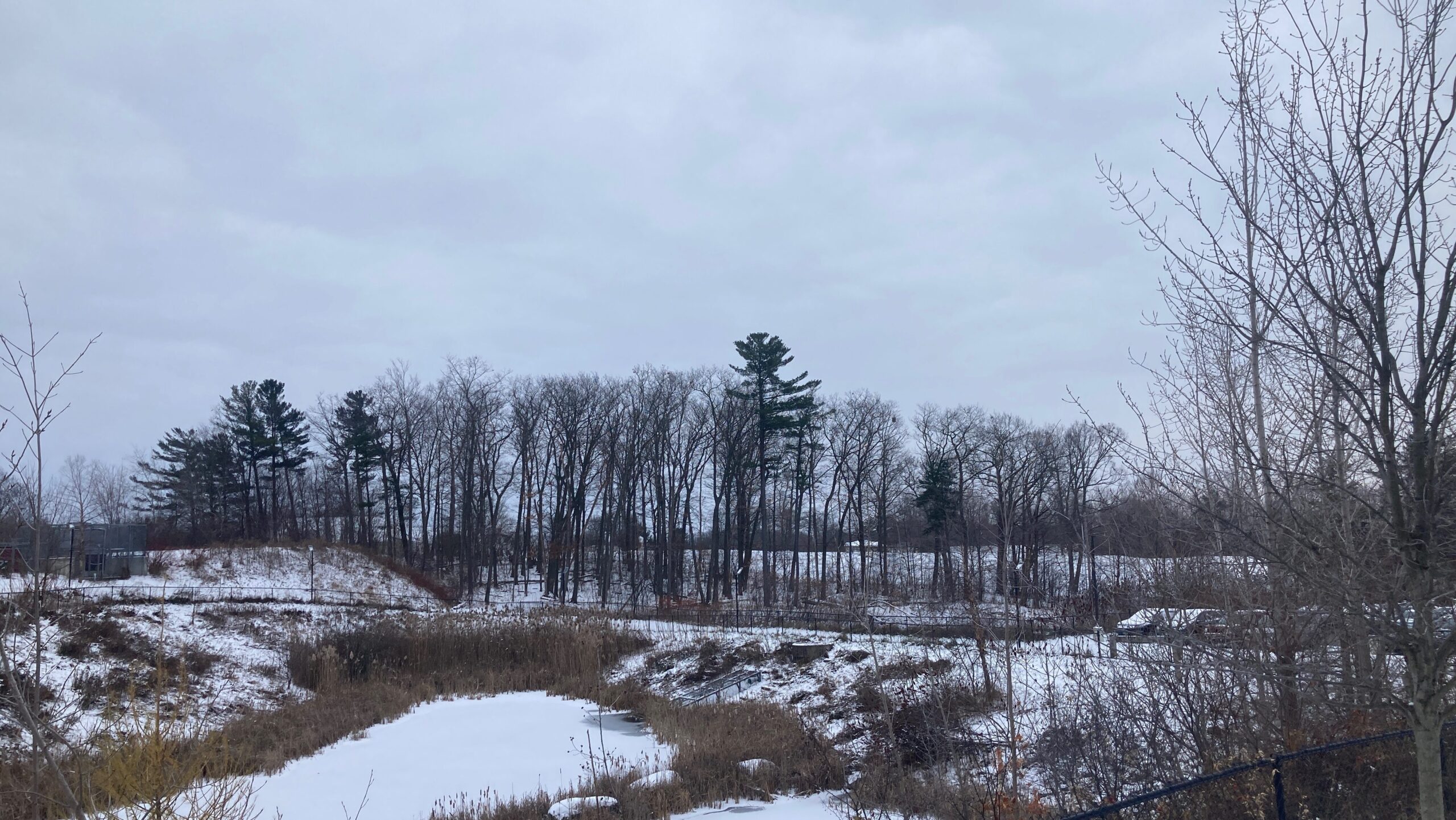
Today, with a hat and gloves on, I walked to my phenology site with a crunch of snow under each step. Winter is finally upon us. As I gazed at my site from afar, I was presented with the raw skeleton of my forest. An x-rayed version of the same sight from just two months prior during my first blog post. It is crazy to see how much a place can change over a brief duration of time.
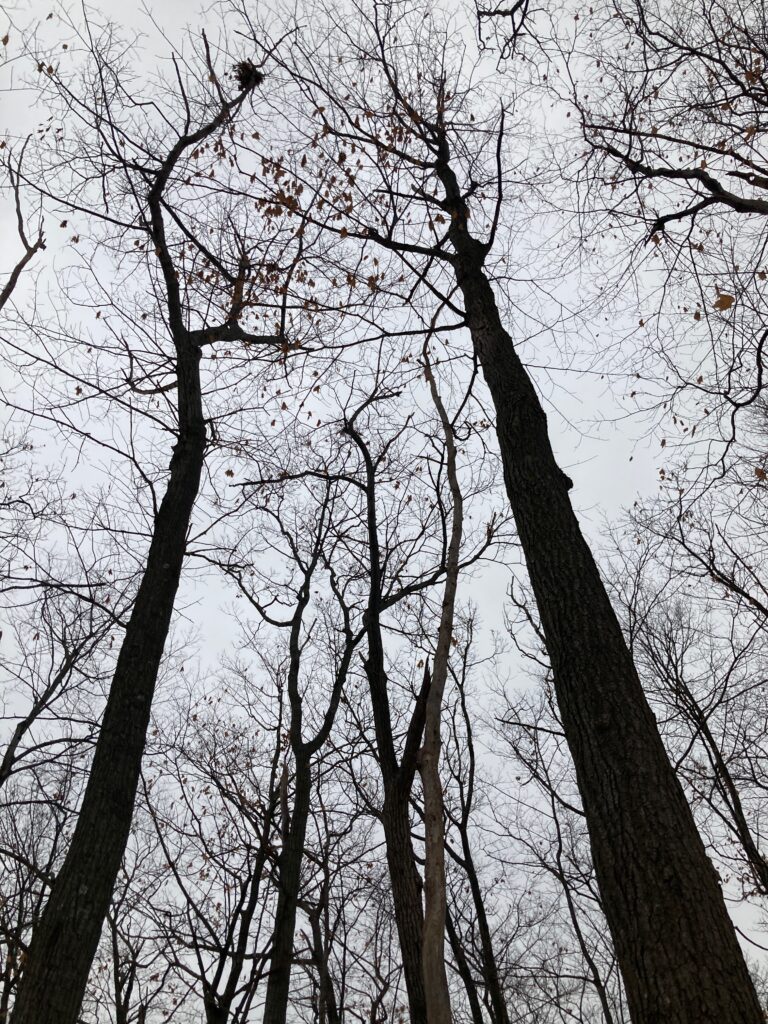
As I entered my area, the snow was firm due to others’ steps before me. It was compelling to witness all of the human-made tracks within the limits of my area. I never knew it had received that much traffic, whether it was recreational use or simply to walk through. Sitting at my “sit spot” and looking up allowed me to view a spiderweb canopy of dark synchronized branches contrasting the light gray sky of the day. The recently cold climate has presented me with new areas within eyeshot. Through the natural framework of the overstory, I spotted a few large nests. I assume they hold no life, but I was fortunate I was given the opportunity to see my site from a new point of view.
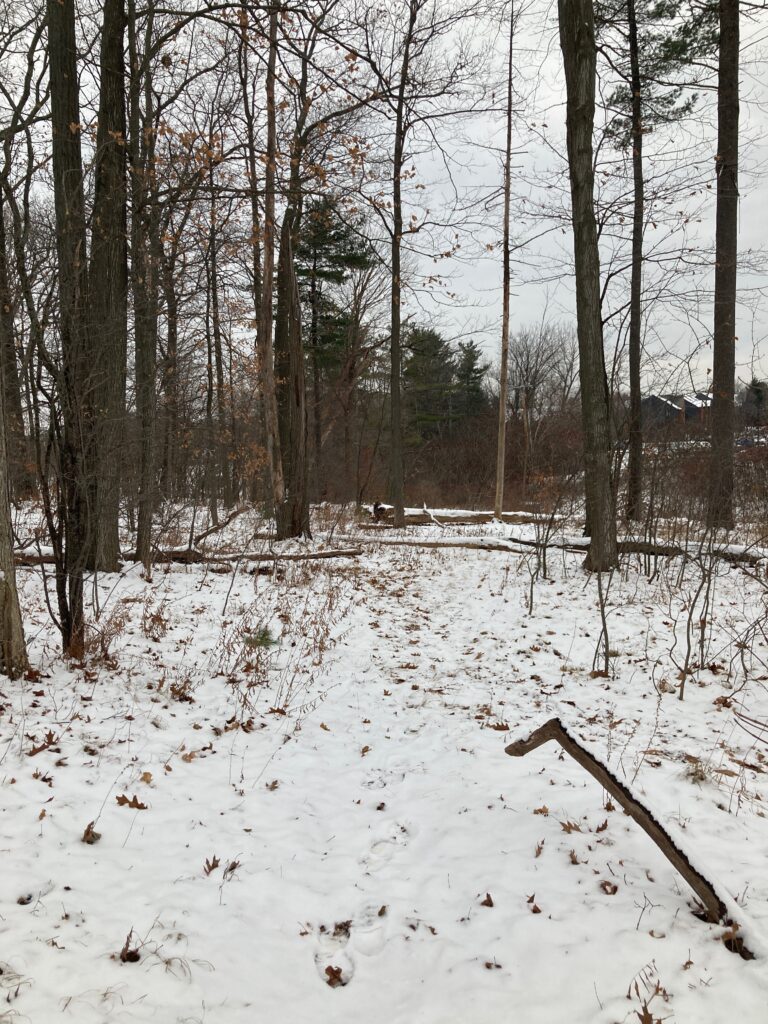
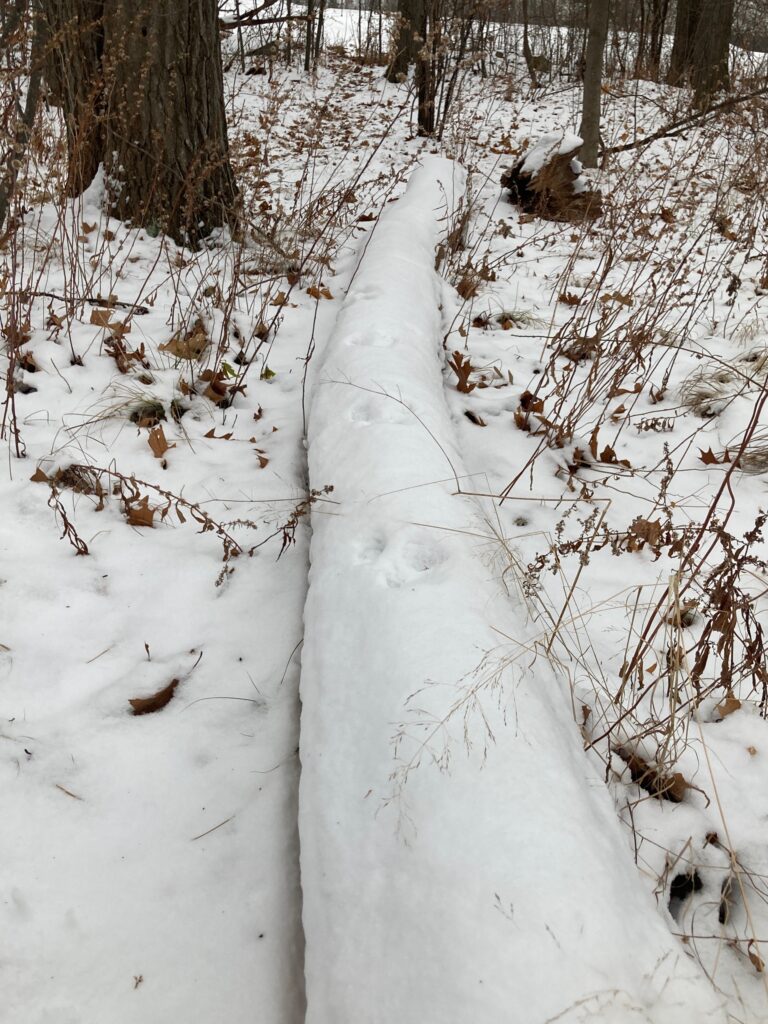
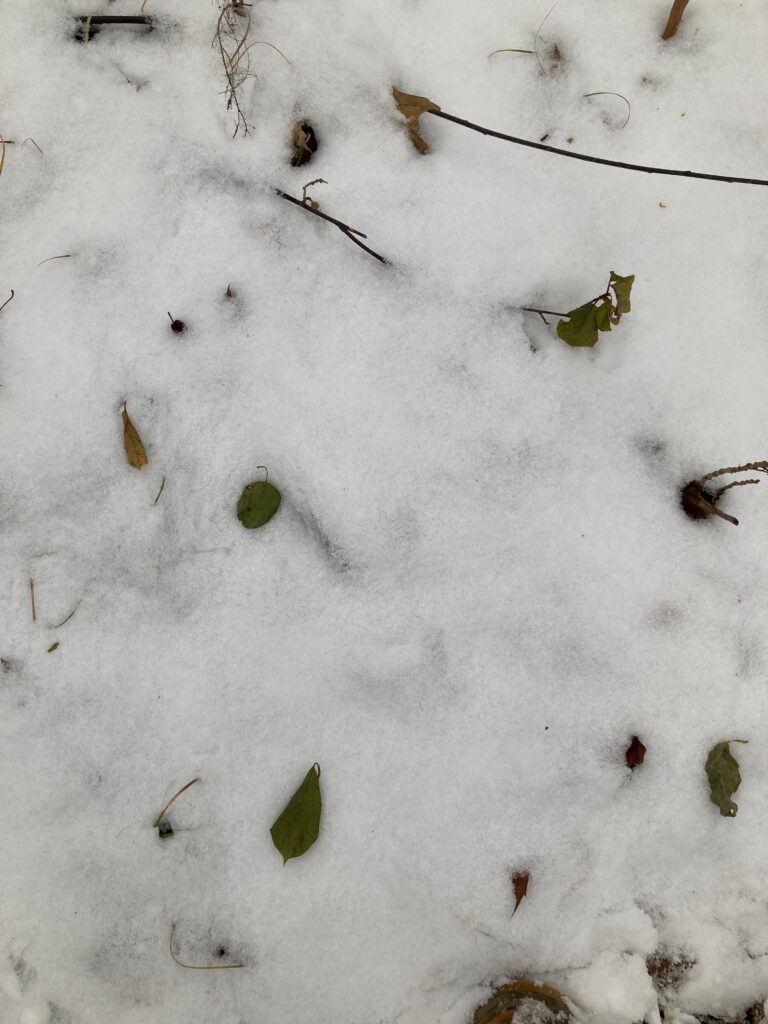
The only signs of color came from the Eastern White Pines, still bearing their dark green needles; these trees few and far between. Animal tracks were unfortunately scarce other than the occasion domestic animal print within the snow. I did observe an organized set of tracks of which I could not associate with a species (view below.) The majority of the understory stood barren with the exception of a few surprisingly green leaves grown by the invasive Buckthorn. It is obvious that things have slowed down within my phenology site. The environment is cold. Life is primarily dormant. But that is just winter in Vermont. I walked out of my phenology site content, knowing it is healthy and will one day flourish yet again with color and welcoming branches for all life to inhabit. But for now, all we can do is appreciate the pristine winterscape that is given before us.