
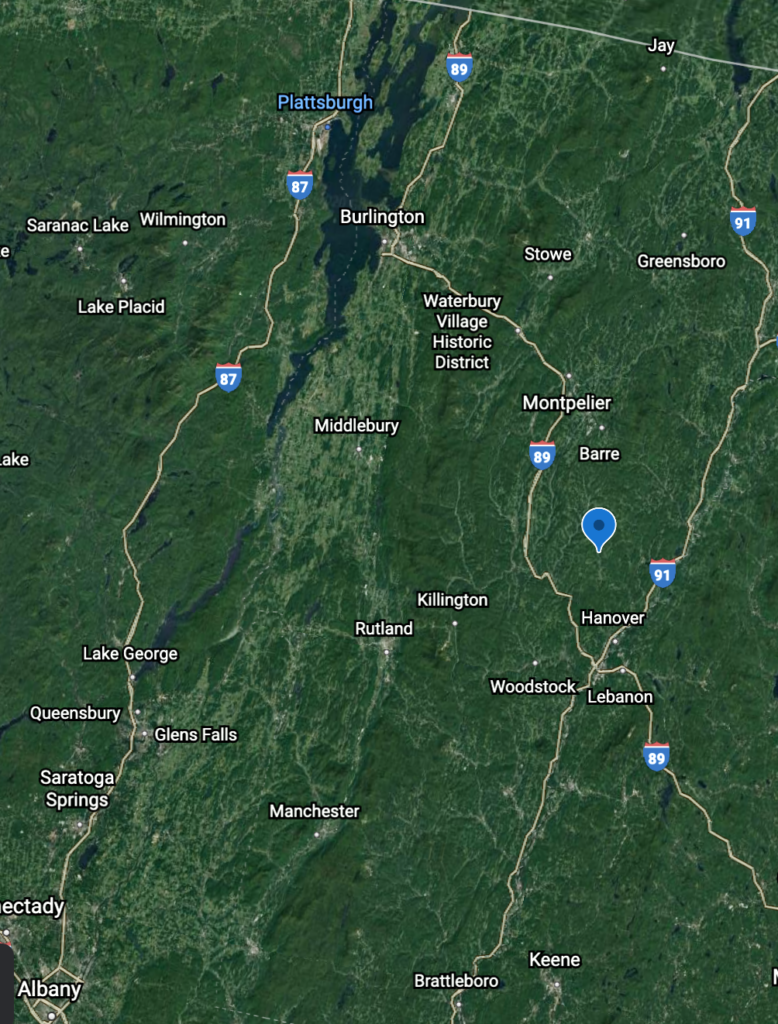
I was fortunate to go home this Thanksgiving. I quarantined, got tested, and could finally hug my mom after so many months of social distance and masks. While our house is in the valley, our property extends up the hill. My junior year in high school we read Thoreau, and I began building a tiny 8×12 cabin (shed) in a field up there which I finally finished this summer. It’s a great place to watch the seasons unfold.
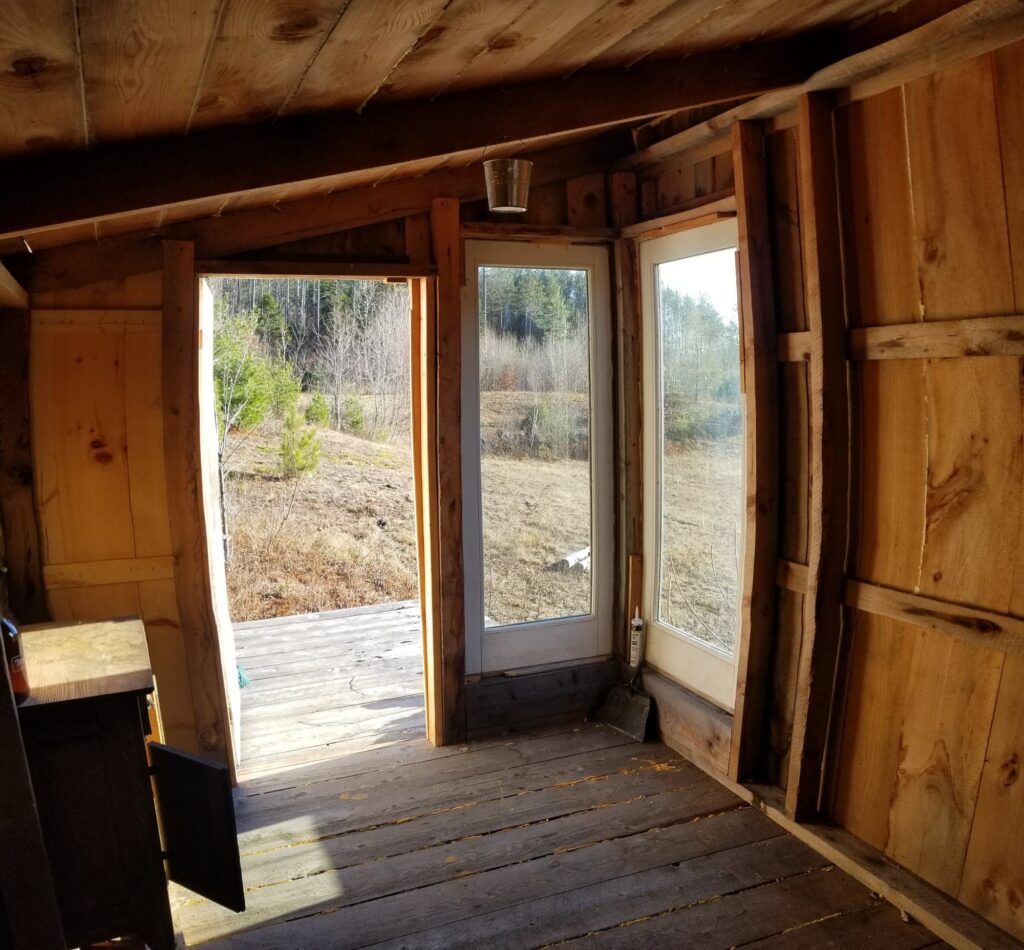
The cabin looks across the valley (to the right of the picture above), so I could see the different forest vegetation. Unlike Lone Rock, the forests here are eastern hardwood forests, with rich soil and a wide variety of deciduous and evergreen species. Although there is a pocket of cedars along the river, planted a hundred years ago by a previous owner who was thinking generations ahead. The sun beams through the bare branches of trees on the hillside across the valley. I looked at the trees upside down (through my legs), and the branches give the illusion that the trees are drooping towards the sky, barely holding on to the ground. We should all take pride in our phenomenal efforts against gravity.
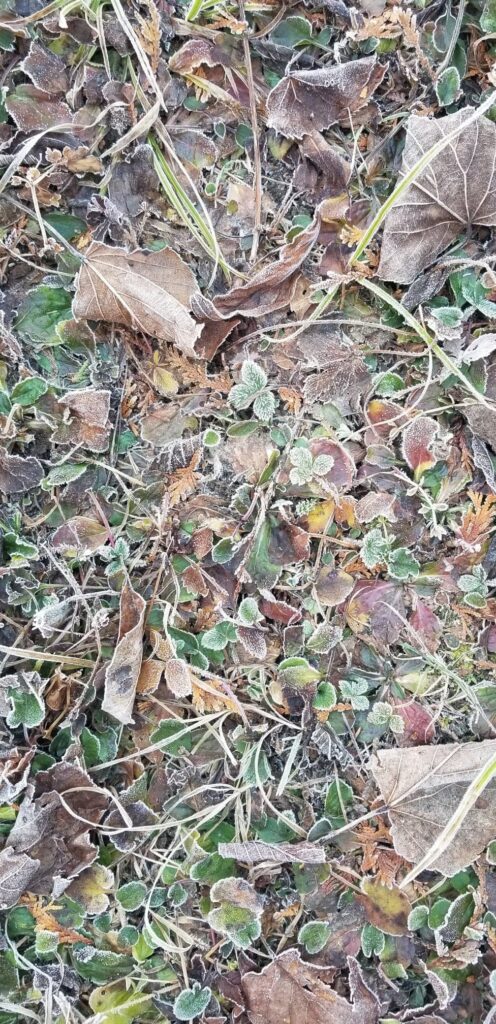
Decades ago the area around the cabin was cleared, and so the land has a smooth successional transition from established forest to more a tangle of mid sized trees, to small trees, to brambles and ferns, and finally grassland. While Lone Rock Point has a lot of mosses and exposed stones, the ground here is a textured stew of green mulch and cover species (see image).
Overall, while both natural communities share similar climates and generalities, the eastern hardwood forests tucked into the rolling hills are starkly different than the rugged wind-blown limestone cedar bluffs that line Lone Rock Point.