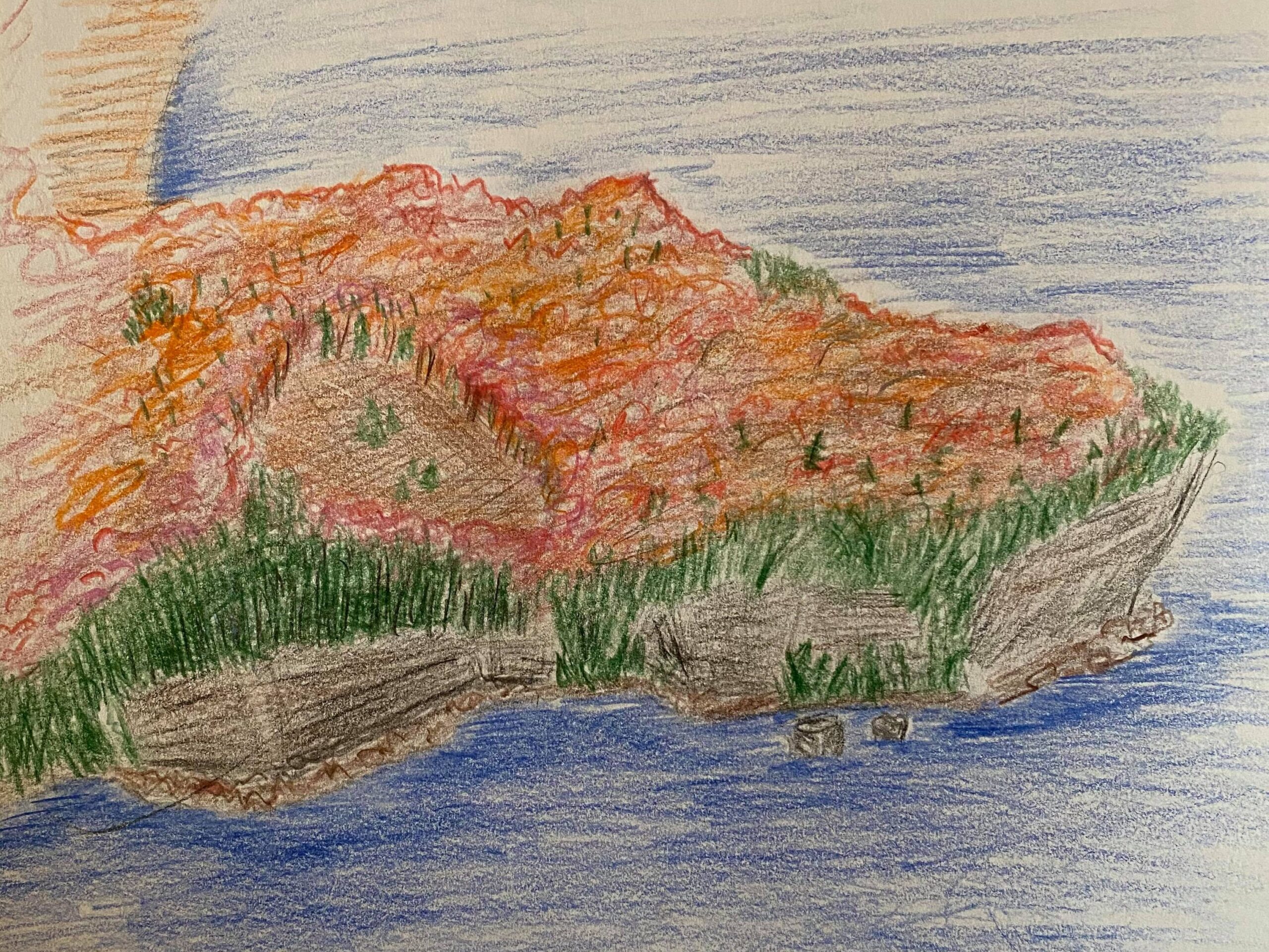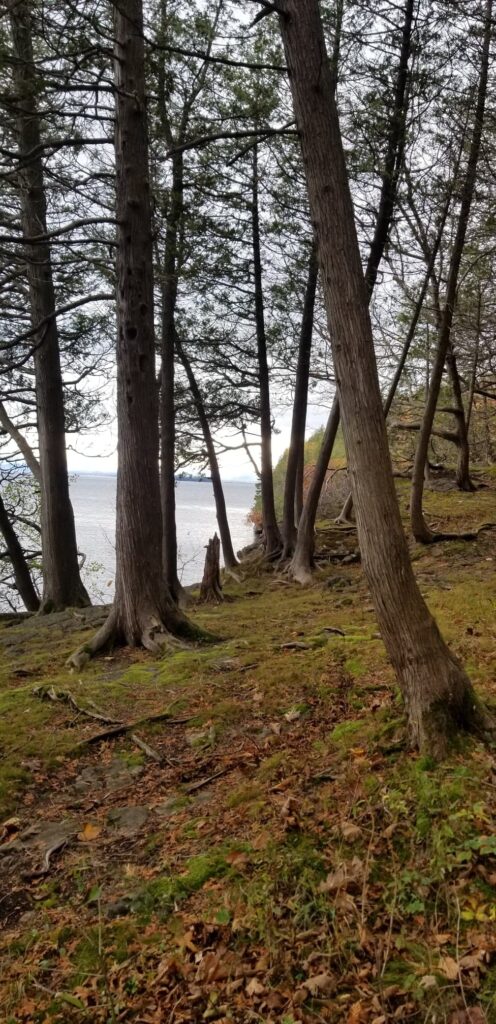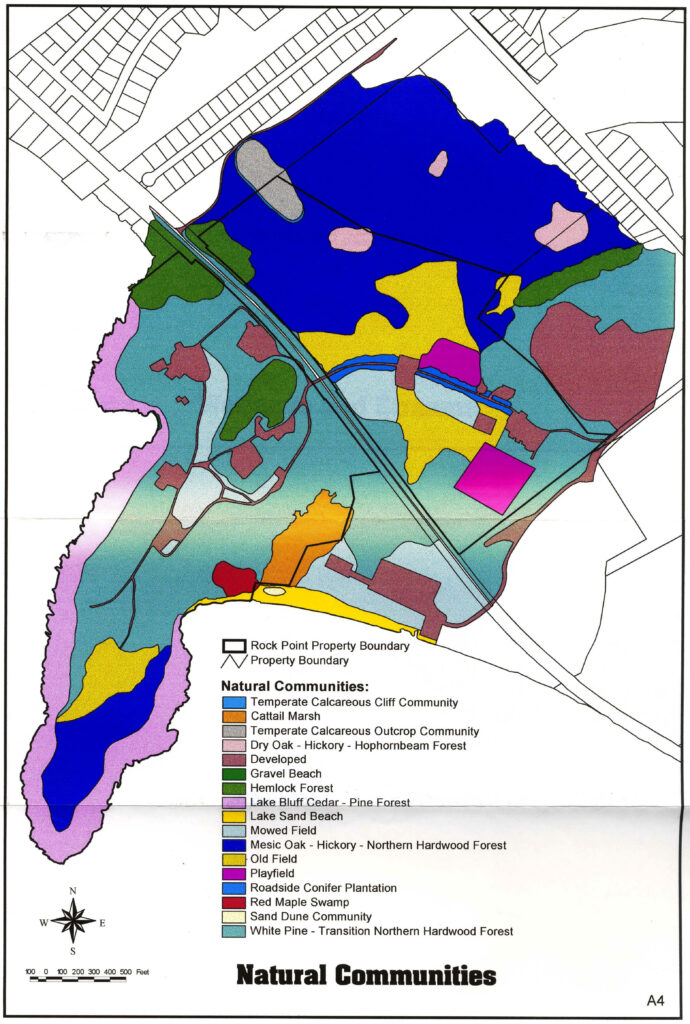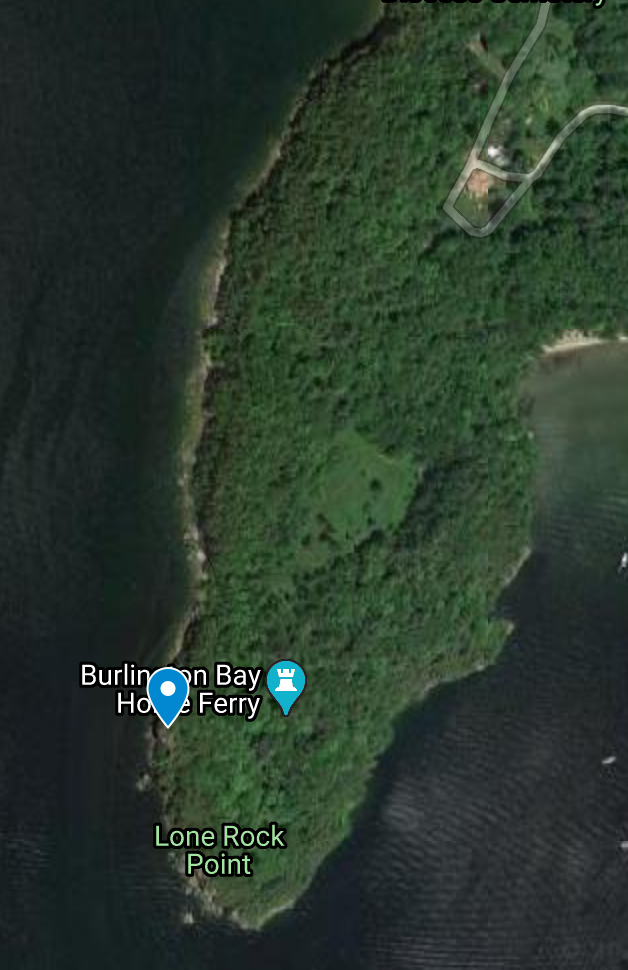
In modern times, many Burlingtonians walk the open trails of lone rock point enjoying the rich variety of ecosystems and incredible views. People travel using wild new technology like automobiles and planes to see the thrust fault. You might work for a company who has rented out the conference center, or be a kid at summer camp there. Many people stay in the rental cabins available near the bishop’s house. If you are the Bishop and live in his house, congratulations.
One hundred years ago things wouldn’t have been all that different. The dolomite Rock Point School was running as it does now, though with a more Gothic aesthetic. The area had already been turned into a center for education with public walking trails.
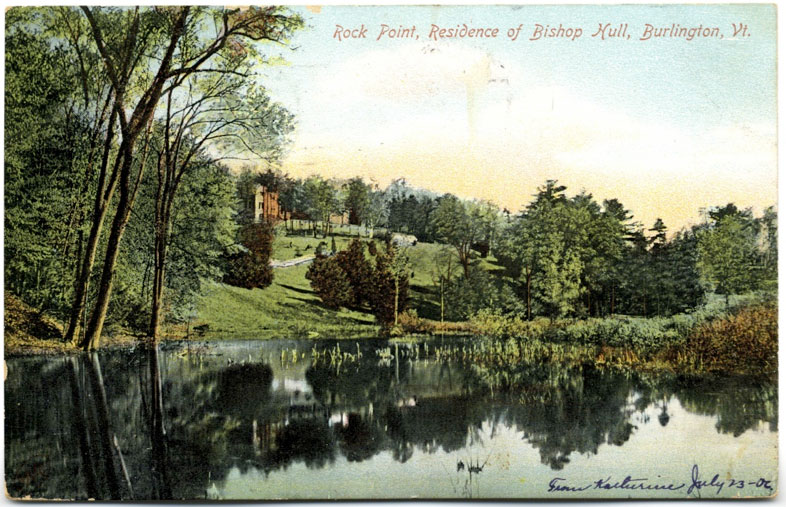
Things changed during the civil war, when the Rock Point School became a military school, and the parade grounds were used for drills. This period conjures dramatic imagery of soldiers marching around the fault, thankfully the war never came this far north, and we won.
Reaching back further to 1841, and the land is purchased by the first Bishop of the Diocese of Vermont, Bishop Hopkins. Hopkins recognized the value of the sight immediately. He and his thirteen children (eleven of whom survived to adulthood) set to work farming the land until 1854, when the transition to education center began.
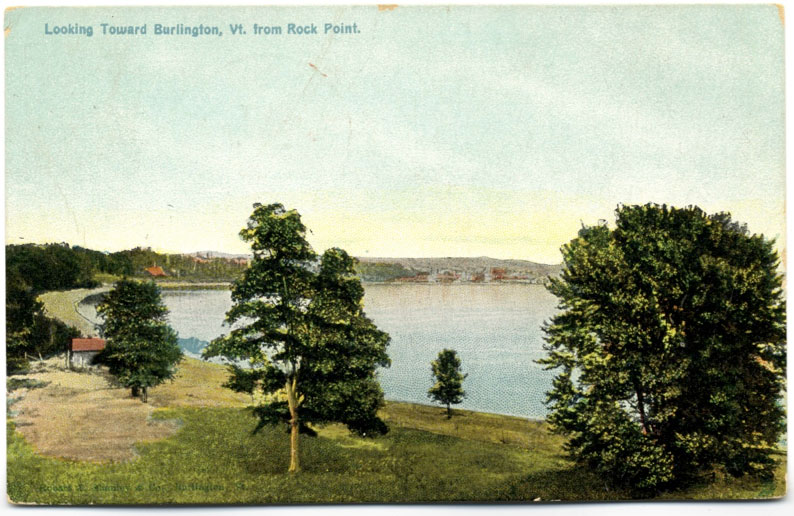
Early 1800s and Vermonters do what we did everywhere, clear cut Rock Point. To be fair, they left the northern peninsula alone, and it was likely the stunning vista they created that led the Bishop to purchase it and make it what it is today. But still, generations of ecological and land-use history before that point were lost.
Pre-colonialism it is speculated that Lone Rock Point was a center of Abenaki activity, do to its location on the shore of the lake and it’s grandeur. Chert projectice points were found on North Beach. Unfortunately a few arrow heads are all we have, after decimating their culture and flattening the land.
In summary, Lone Rock Point is privately owned by the Diocese. Dominion has been claimed over the beautiful territory. Non-human life is allowed to exist within the confines of man. The land use history of the colonizer has had a narrowing effect on the sublime awe of the site. It’s hard to get perspective when we’ve tried our best to make everything smaller than us. Having said that, Lone Rock Point remains a beautiful sight that inspires plenty of awe in travelers. Even from my view on the wooden walkways, built so I don’t roll my ankle or have to step in the mud, Lone Rock Point will continue to inspire reverence in me every time I visit.
All information and imagery gathered from:
Berrizbeitia, I. (n.d.). Rock Point: Human Land-Use History. Retrieved December 05, 2020, from https://www.uvm.edu/place. /burlingtongeographic/focalplaces/rp-landuse.php