Posts

Final Phenology Post 5/25/23

My site has changed most noticeably with the vegetation in the surrounding area. In the beginning of the fall, most of the plants were still green and thriving, and obviously those leaves died and fell off during the winter. Now in the spring, most of the trees are not back to their “normal” state with only a few trees that are still regrowing their leaves

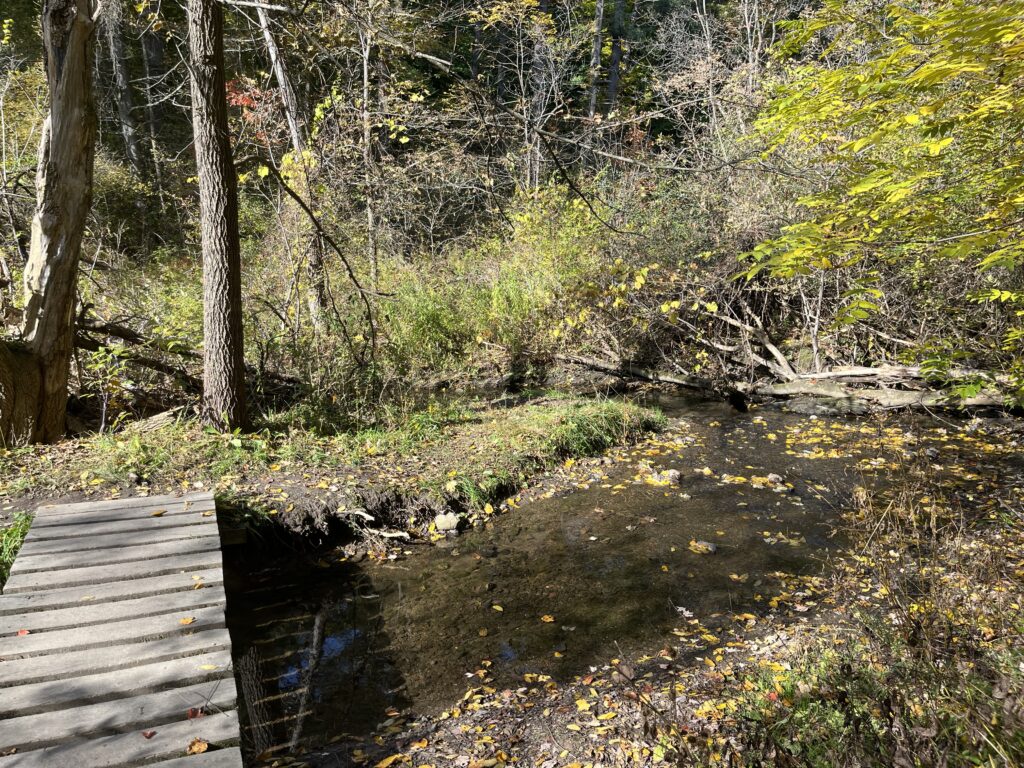
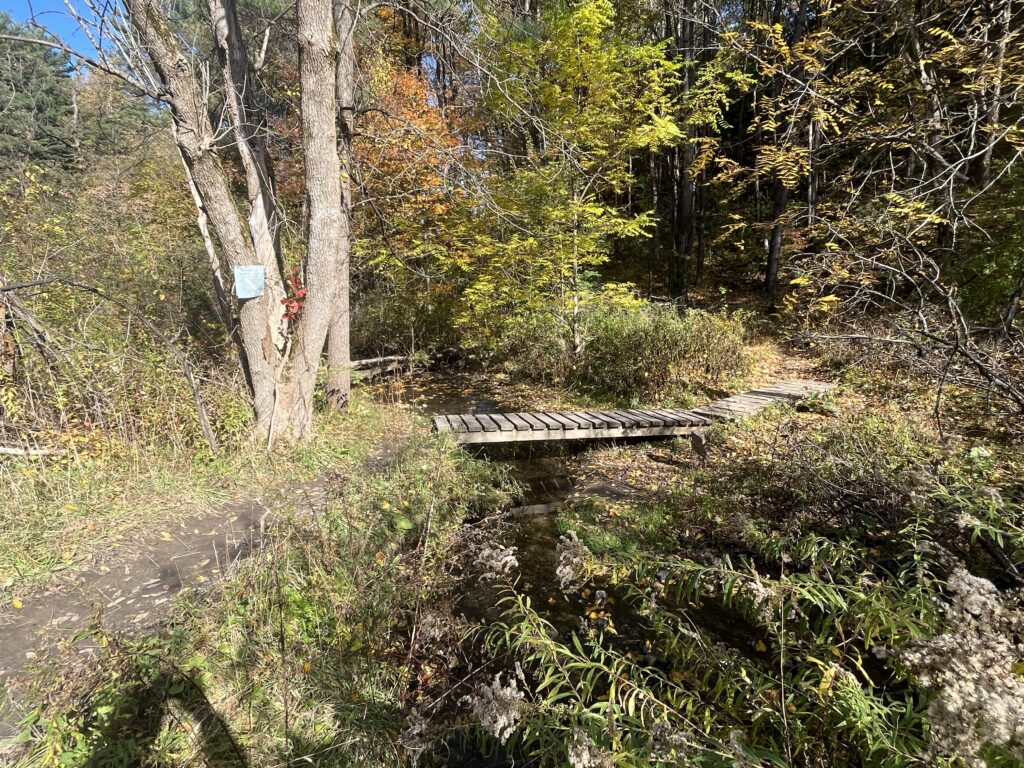
The major landmarks I’ve become familiar with in my spot is the bridge crossing the stream, the tree standing kind of alone next to it, and the smaller tree on the side of the path leading up to it. I didn’t go much deeper to look at the smaller shrubs in the area, so those are the ones that stood out the most

There is clear signs of human impact in the area, since the spot is on a path through the woods. Like I mentioned above, there is a man made bridge over the stream, and a tree nearby has a sign pinned to it. There is also a lack of vegetation on the path itself, but I don’t know whether that was just due to people walking over it again and again or people actually removed the plants themselves

I don’t think I feel like a part of my place. I’ve obviously spent a fair amount of time in my spot, but tons of people walk through it daily, some of whom probably have spent more time there than me. So I don’t feel like I have any more special of a connection with it than anyone else who walks the trail. I probably did pay closer attention to my spot in particular compared to other people, but I don’t feel like that makes me a part of the place either
Phenology Visits 3/26/23 and 4/9/23

These are from my visits to my phenology spot on March 26th and April 9th

March 26th:

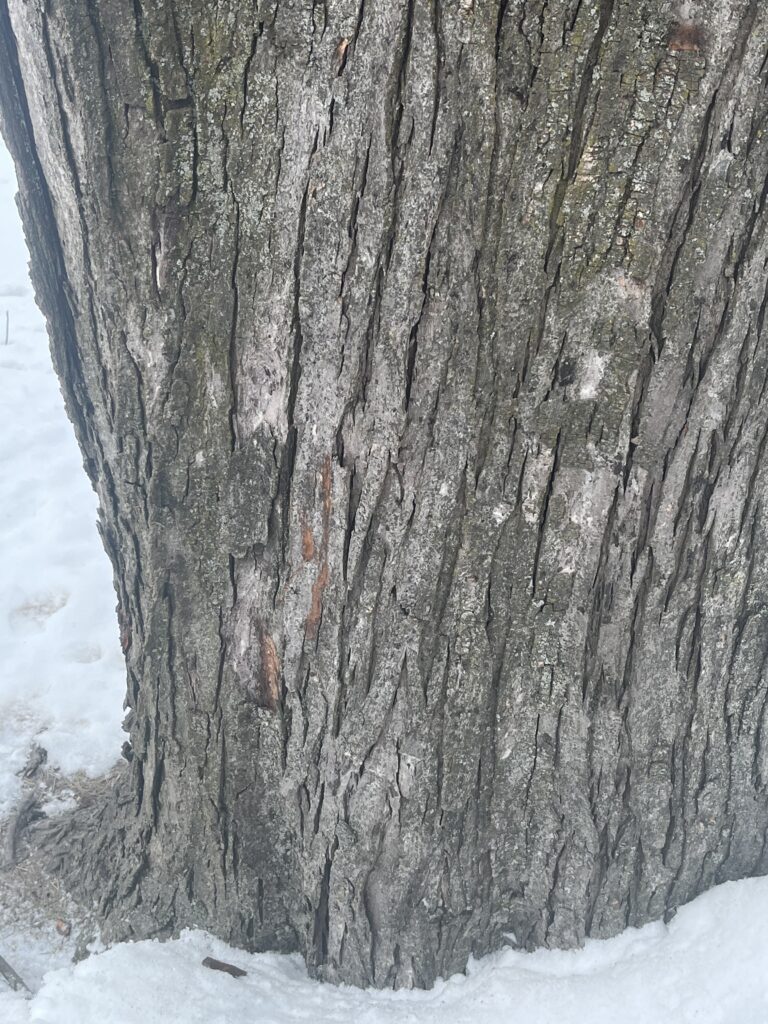
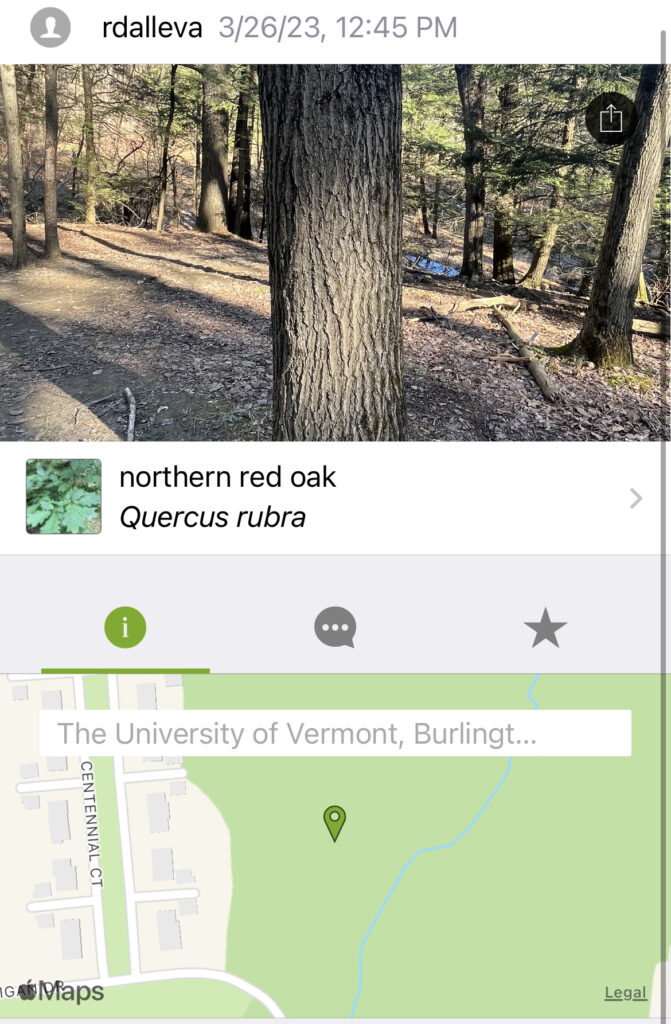
Not much really changed from my last visit. I did manage to find a tree that I was sure was a Northern Red Oak, which I’m not sure how I missed it last time. So I will be using that tree for future visits. There has not been any signs of budding on the trees low to the ground. I did hear some birds during my visit, but I’m not sure what type it was.

April 9th:

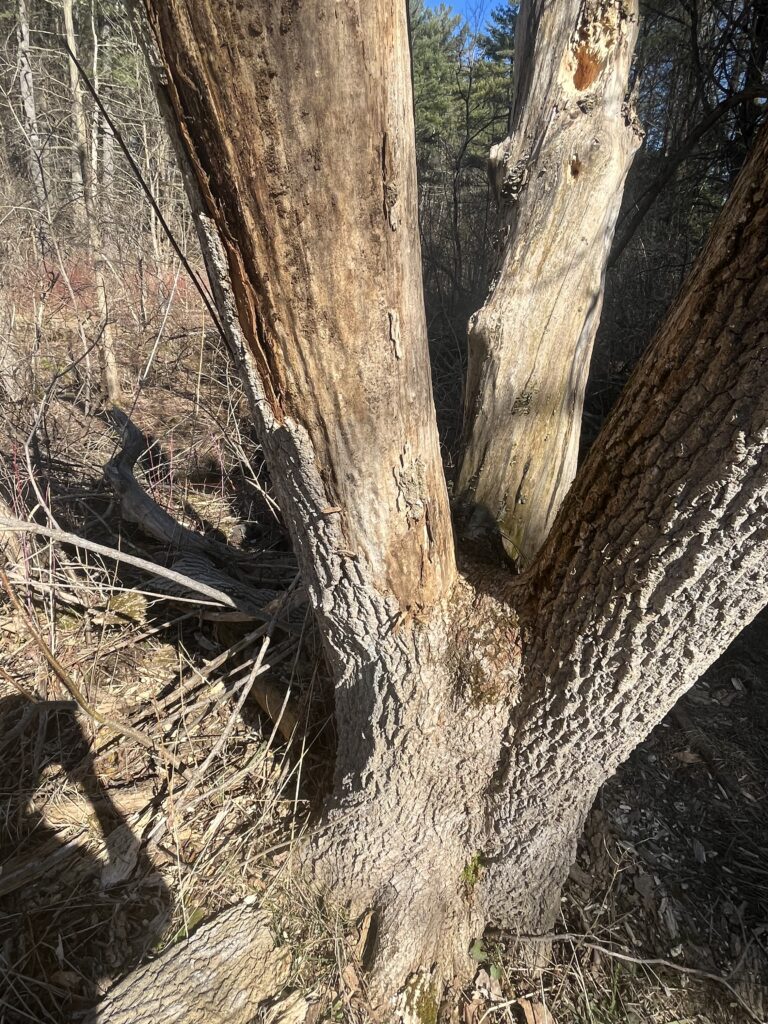
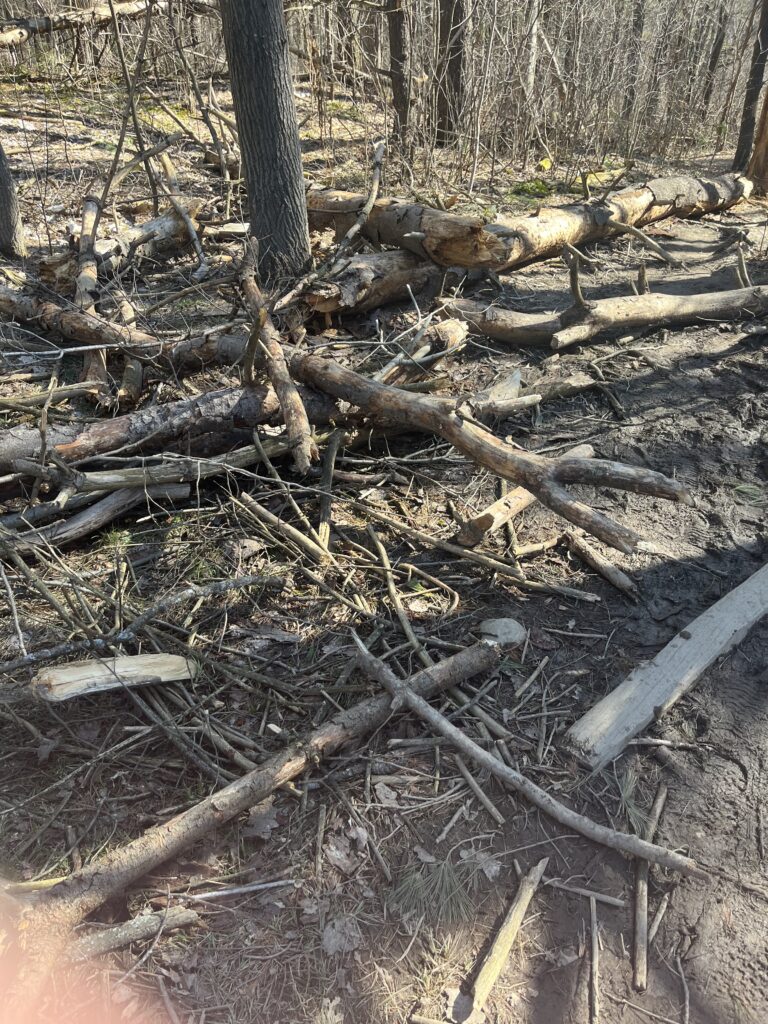
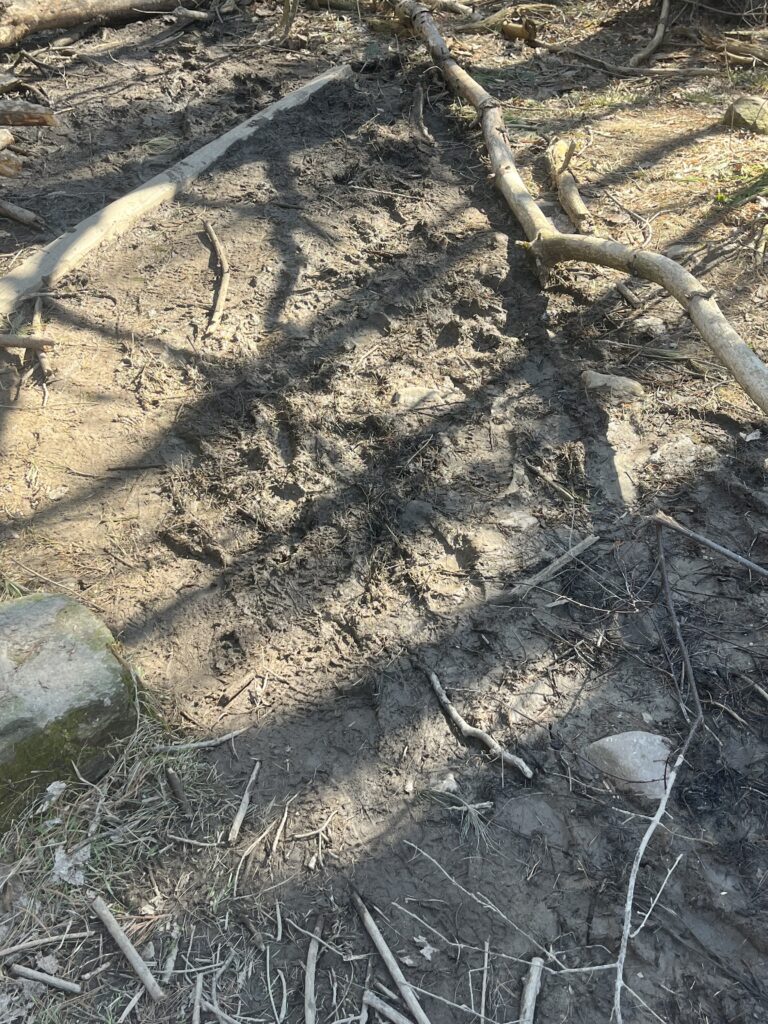
The main difference I saw during this visit was that the terrain had been changed. It had rained pretty hard the previous day, so the ground was very muddy and there were a lot of fallen sticks and branches along the ground. Some trees had fallen over or had some bark stripped off, one of which was right next to the trail leading to my spot. I also saw a lot of human tracks in the mud on the trail as well. My tree had still not changed aside from the bark being damp

Tree Identification

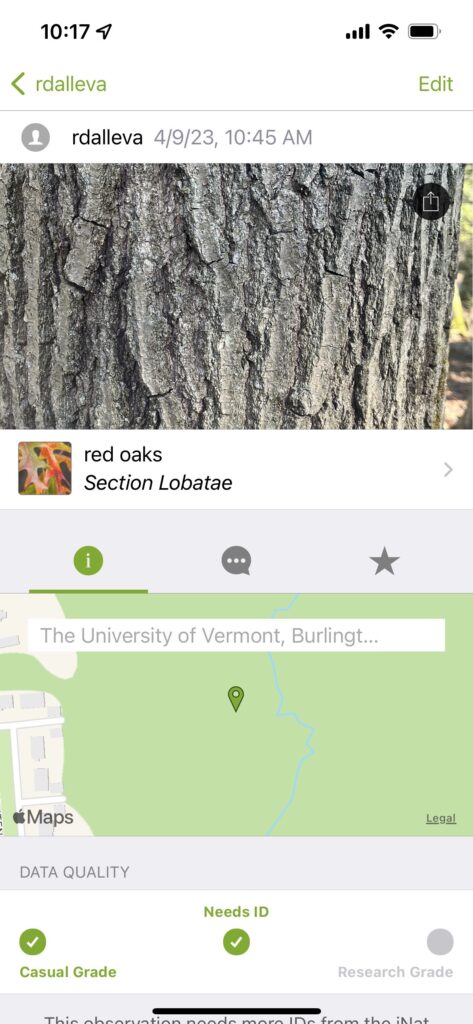
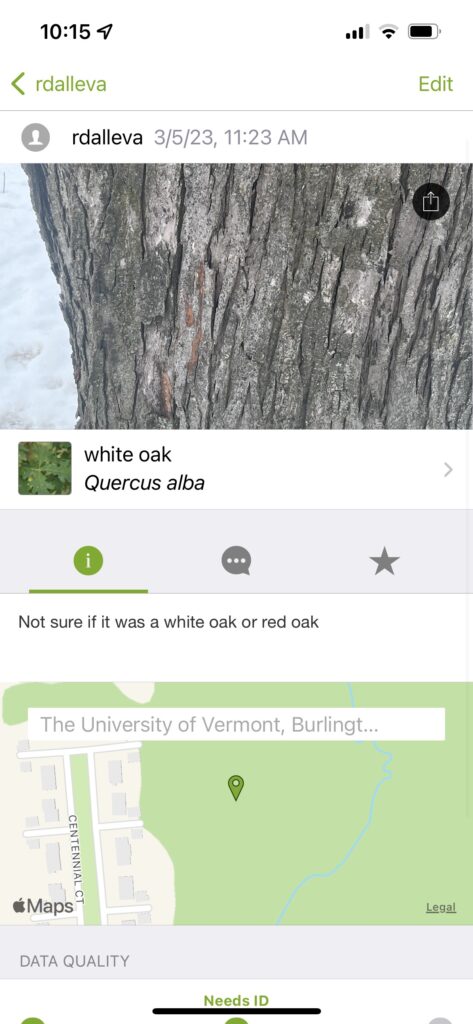
I had some trouble finding any of the species that we were supposed to look for as the trees either had no leaves or were too high up for me to properly look at. That also meant I couldn’t reach the twigs of the tree either which did not help. I did end up finding a tree that I could not tell if it was a Red or White Oak, which is the one I chose to upload to INaturalist

Phenology Assignment 2/18/23

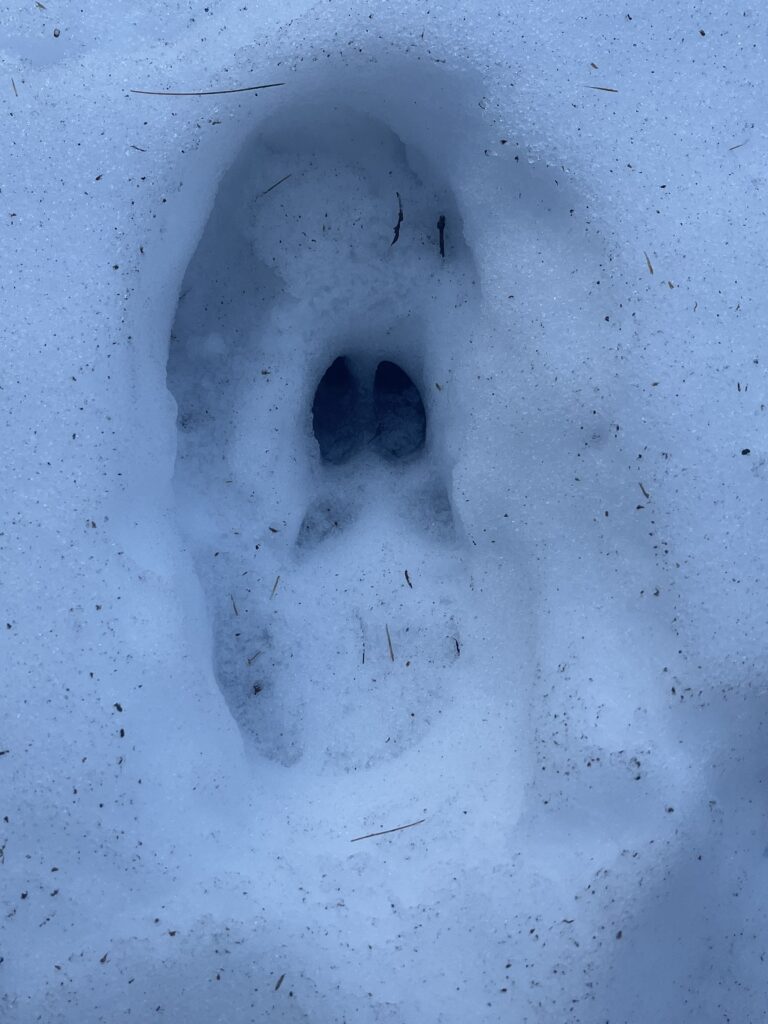
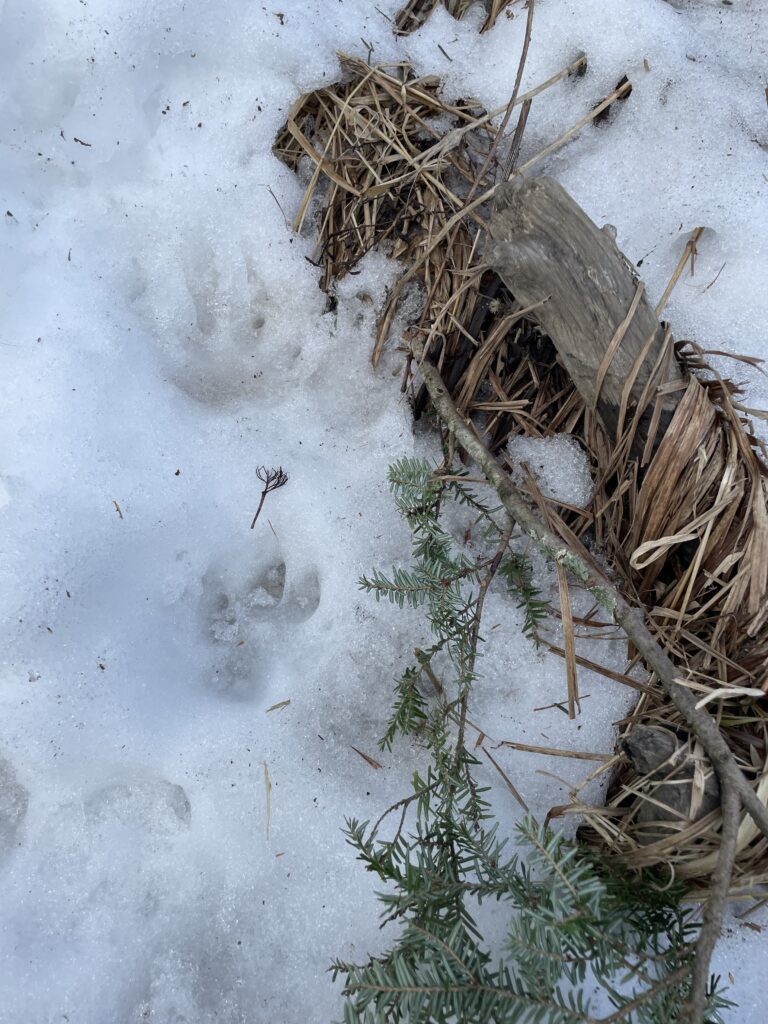
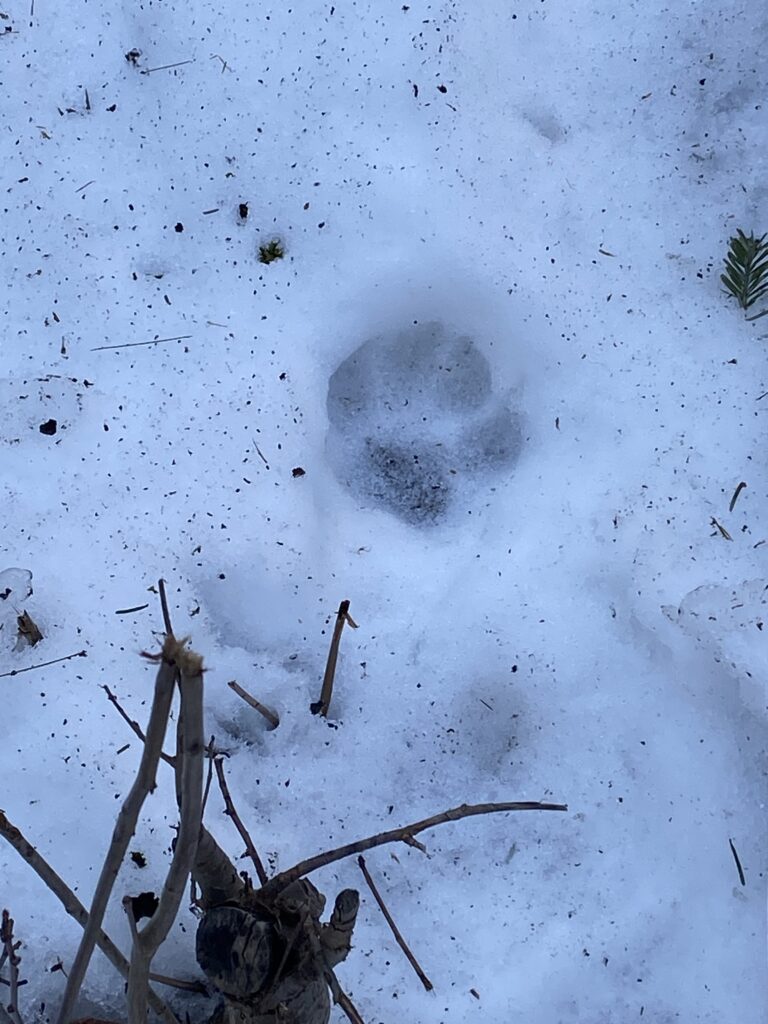
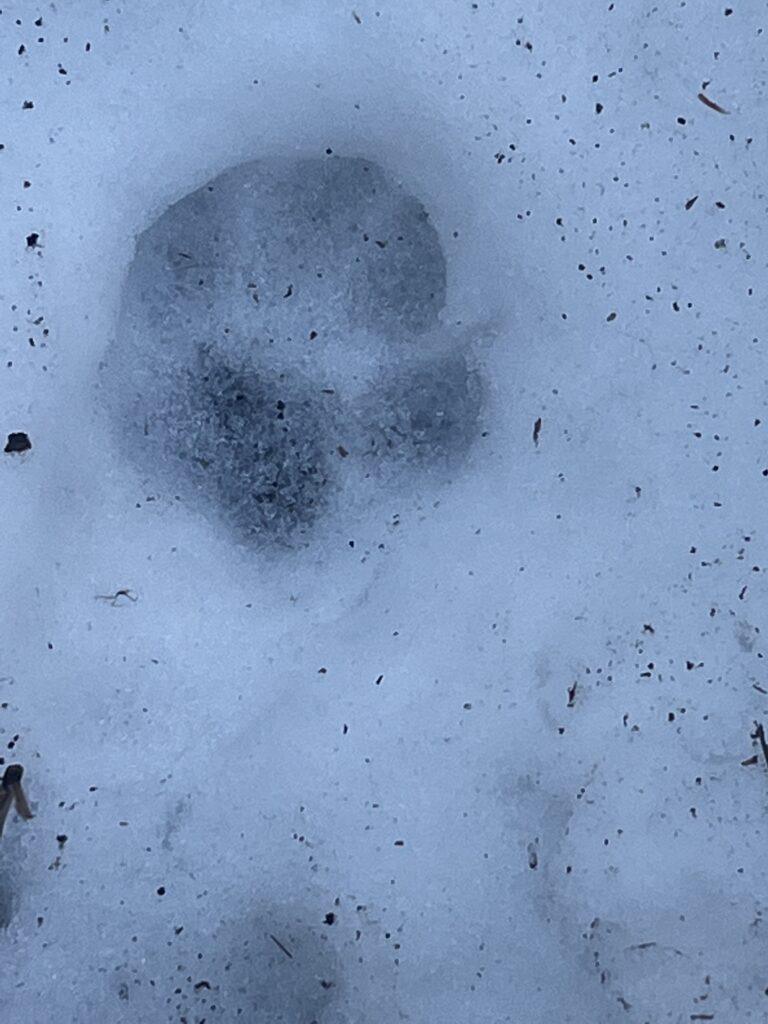
My group and I explored Centennial Woods and found tracks of deer, dogs, a skunk, and either a coyote or fox. We did have some trouble with getting INaturalist to work, but we did end up getting an answer for most of our tracks. Deer tracks were easy to identify as they no other animals in the area share similar tracks. The ones we decided were dogs were because of their smaller size and negative space of the paw pads. The coyote/fox tracks we couldn’t decide on because the tracks were worn away and looked like a bit of a mix of a red fox and a coyote.

Final Check In for 2022

Compared to my first time at my phenology spot, the area has changed a lot. None of the trees within my area have leaves left and the stream running through it has begun to freeze over on the edges. There are a few shrubs that still have some of their foliage, but I could not tell what species they were. I did not see or hear any animals during my visit, but I had not seen any previously so that was not much of a difference.

Week of 11/1/22

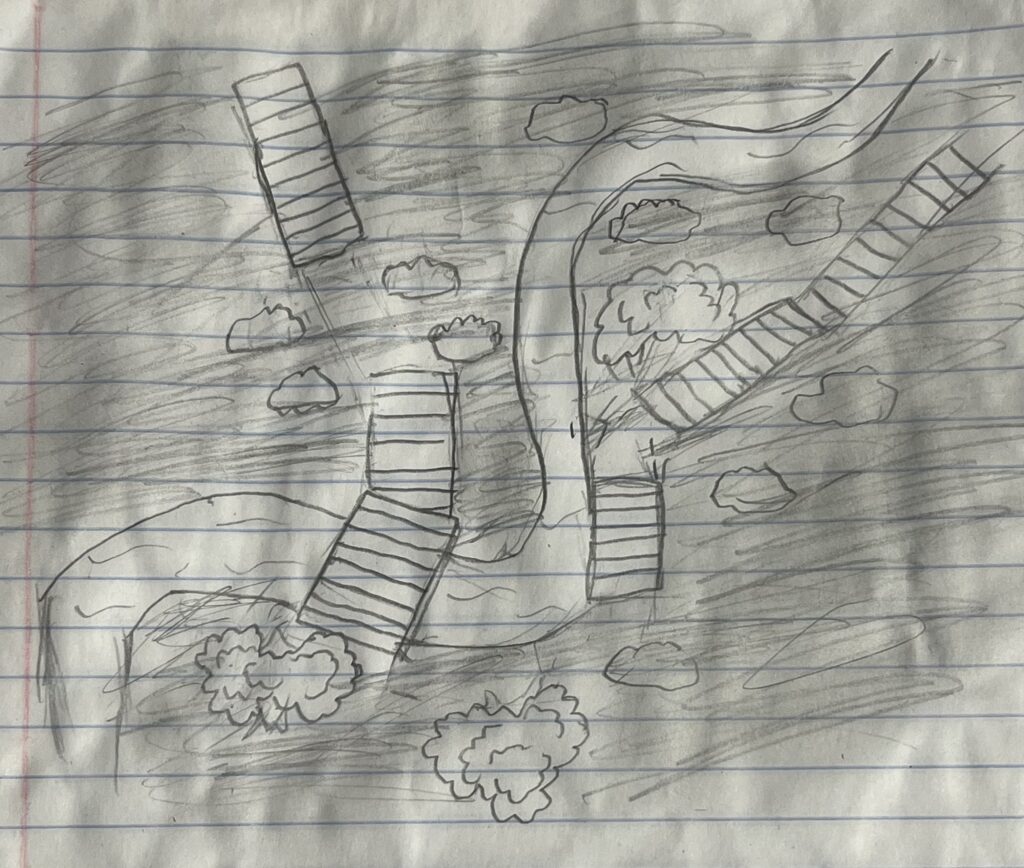
I made the mistake of not checking the weather when I went to visit my spot this week, and it ended up raining a few minutes after I arrived, so my sketch had to be a bit hastily done. The most noticeably change during this visit was the foliage. Even with only one week between visits the difference in the leaves on the trees was substantial. The trees the week prior were the classic oranges and browns of fall, but almost all of the leaves were gone during this visit.

Week 1

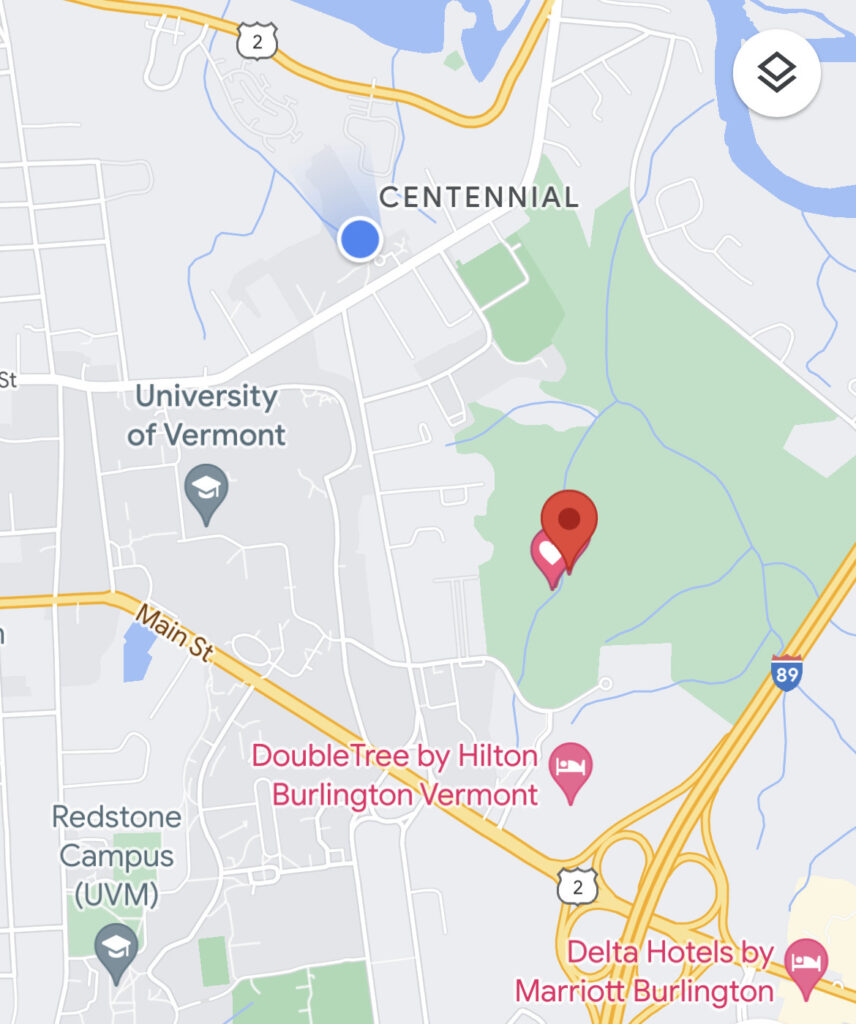
This was my first week visiting my phenology site. In case anyone was wondering how to get there, you pretty much just follow the trail through Centennial Woods and take a left at the first fork, and then you just continue on down the wooden walkways until you reach the stream.

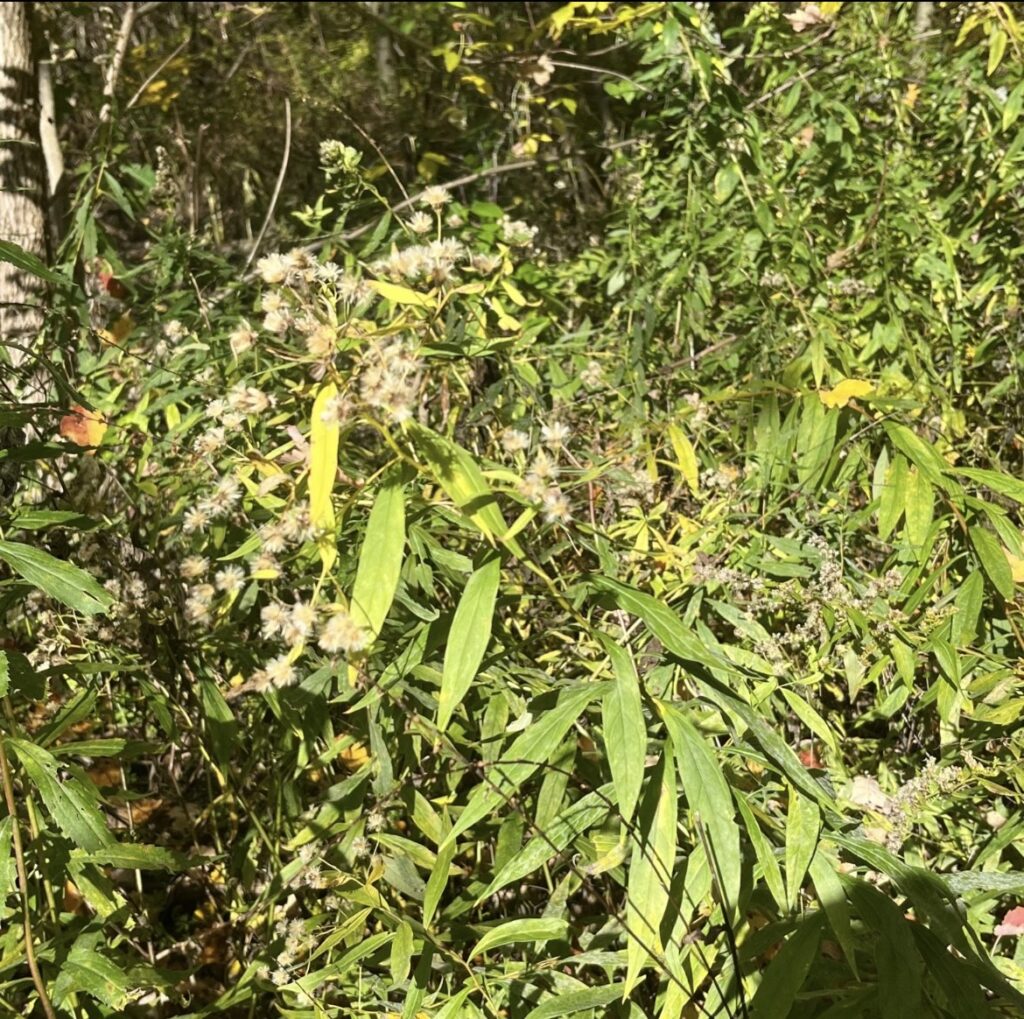
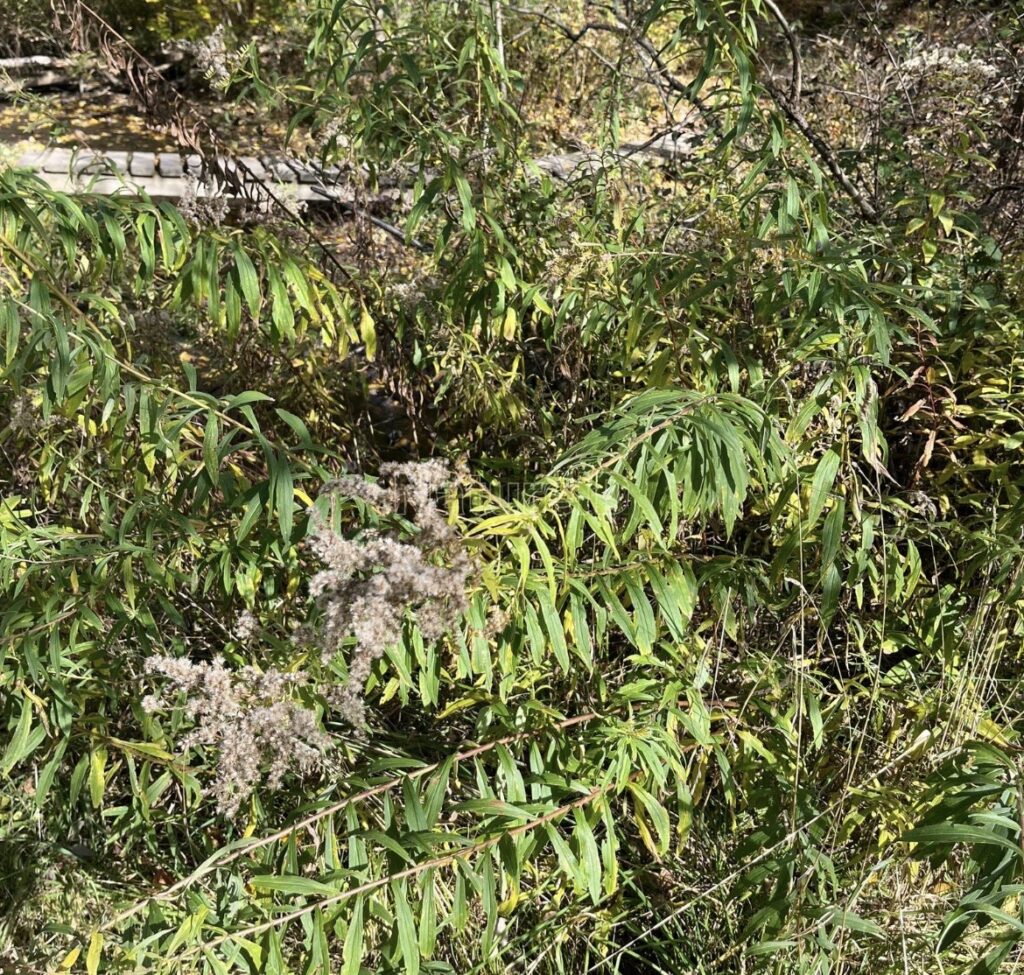
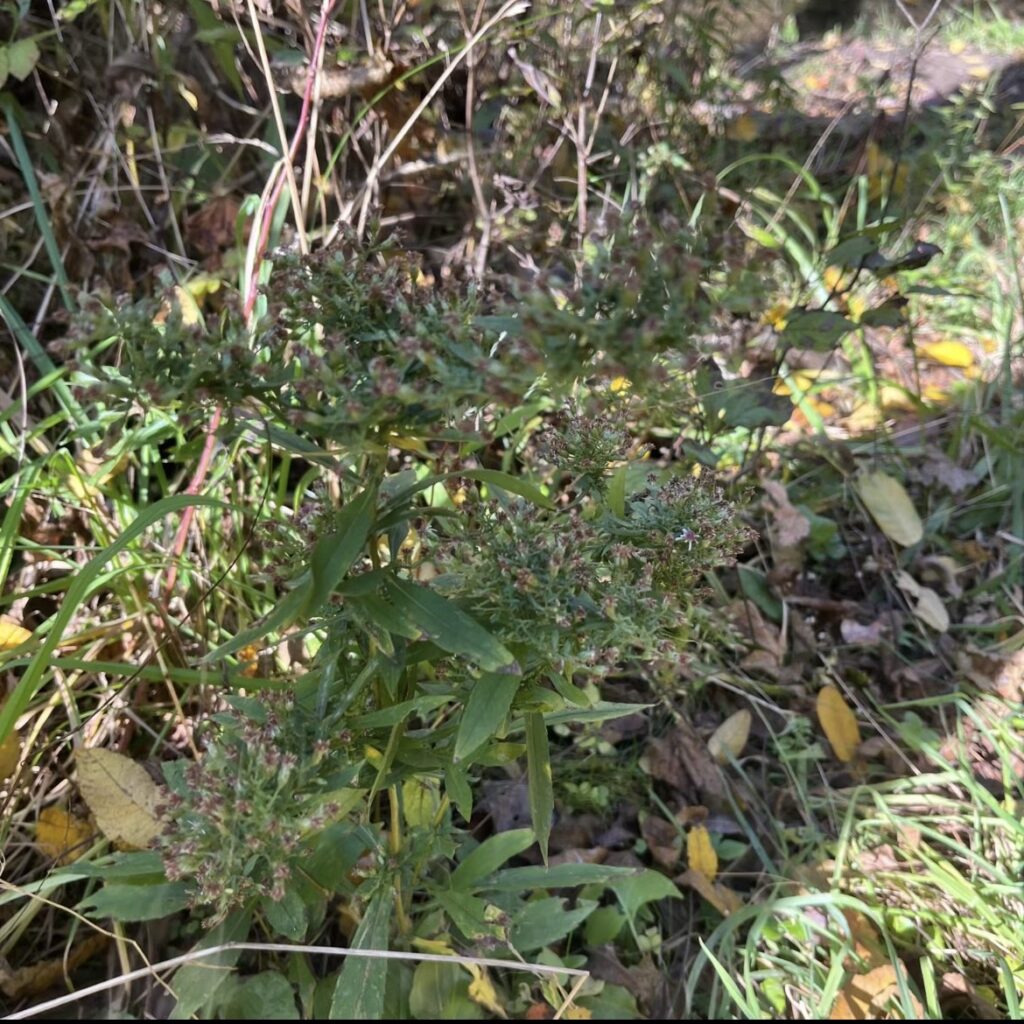
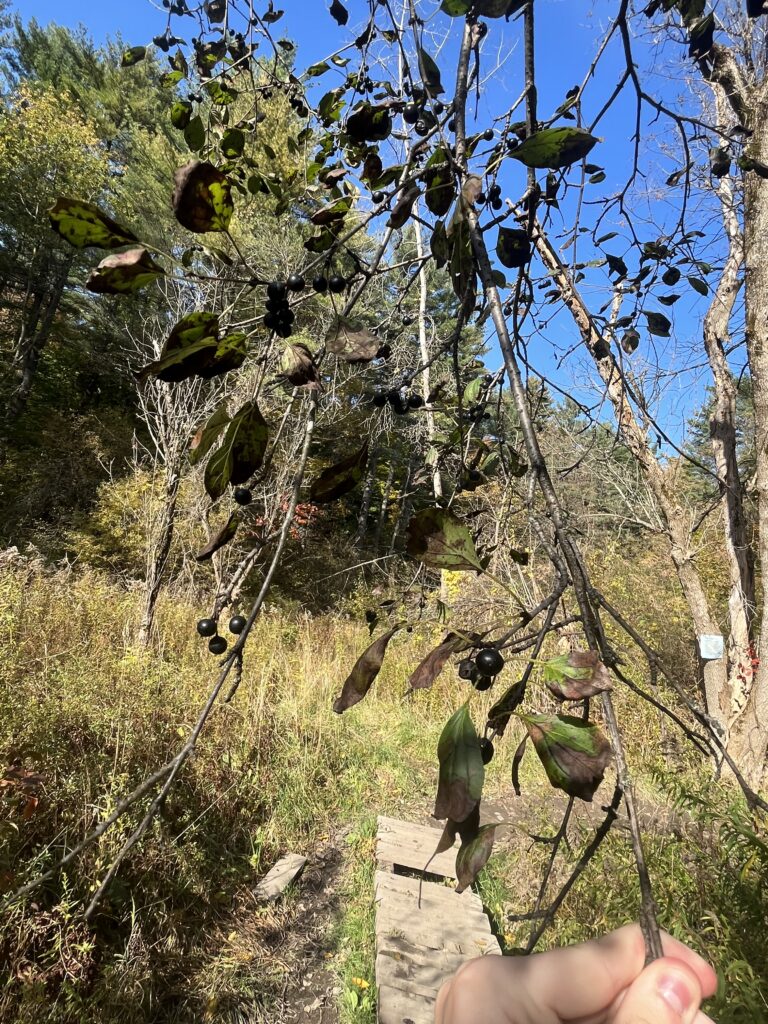
Anyway, I identified some trees and plant species while I was there. Most of the area was covered by White Aster plants, as well as a fair amount of Canadian Goldenrod. Both of those species grew alongside the river on it’s riparian buffer. There were not many woody plants in the area, but I did see a buckthorn tree and another tree that I could not identify. I’ll have to go back later with my notes.

White Aster
Canadian Goldenrod
Buckthorn
Skip to toolbar