Feeds:
Posts
Comments

Final Blog Post

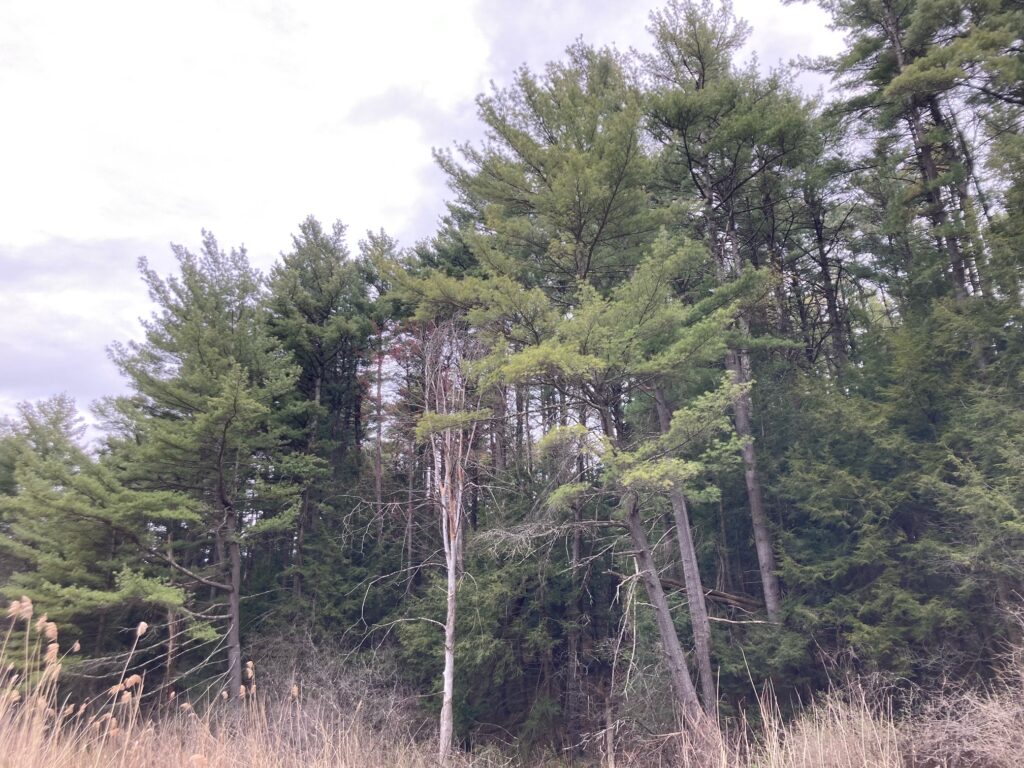
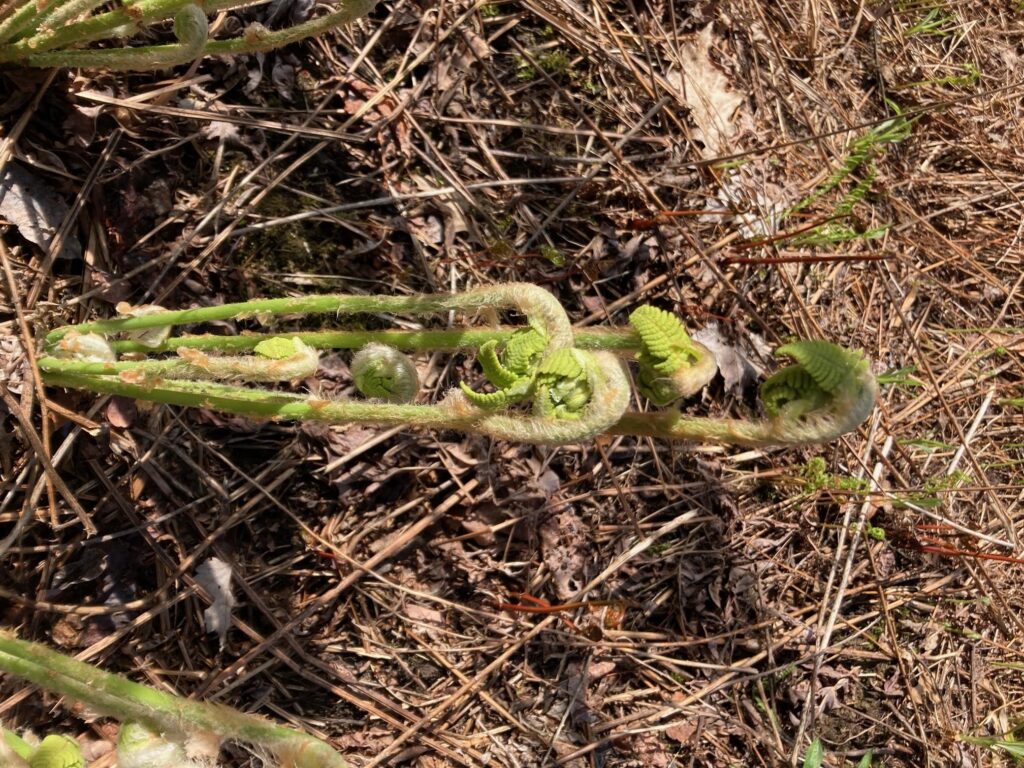
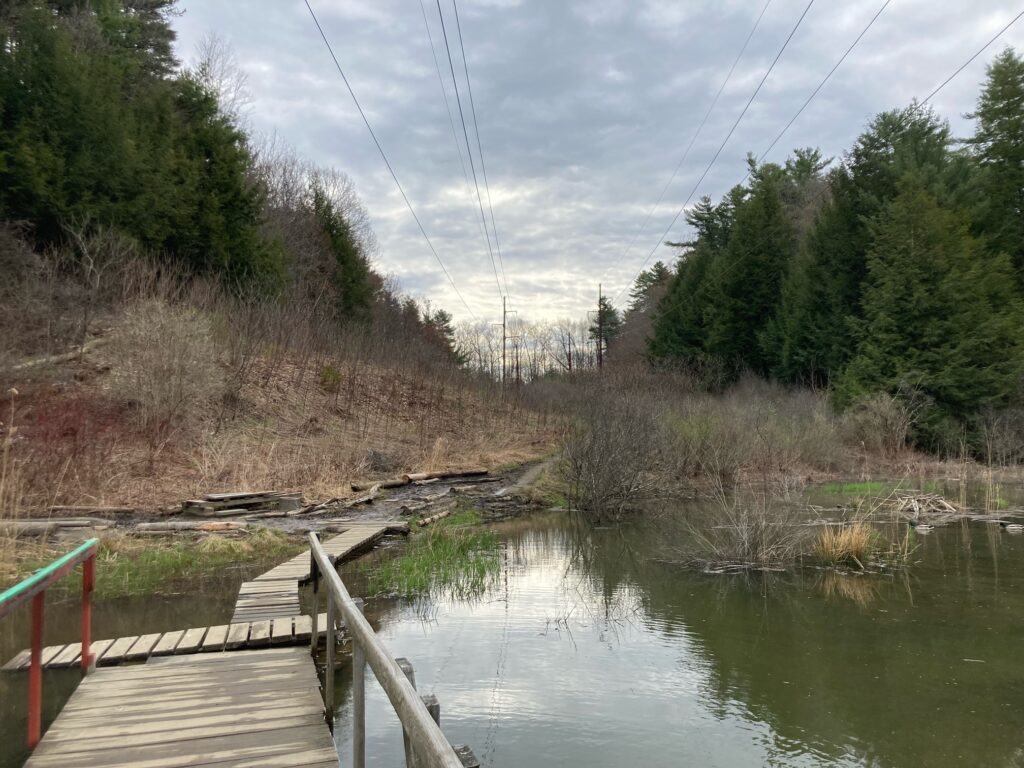
It is my favorite time of the year. Thousands of miles south of me, billions of birds are reacting to a deep ancient urge to bulk up for an upcoming journey. They slowly creep up through Mexico and into Texas before following their instincts up the Atlantic coast. They begin to drop down and some happen to find refuge in Centennial Woods. There, they act as entertainment to a few individuals who seek them out. I haven’t experienced spring migration in Burlington yet and I figured that my yearlong phenology spot would be the perfect option. I came over the sumac lined hill and stared down at the bog I had written about for the year. As expected it continues to be a little hotspot of biodiversity in the forest. The combination of wetland, streamside thickets, and hemlock trees make for an abundance of species. Mallards swim around the bog while Winter Wrens deliver their famously long unbroken song. I stop on the bridge and take pictures of my surrounding area. I then raise my binoculars to find Ruby-crowned Kinglets and beautiful Yellow-rumped Warbler. The deciduous trees are starting to look alive and most excitingly, the fiddleheads have popped up in spectacular fashion.

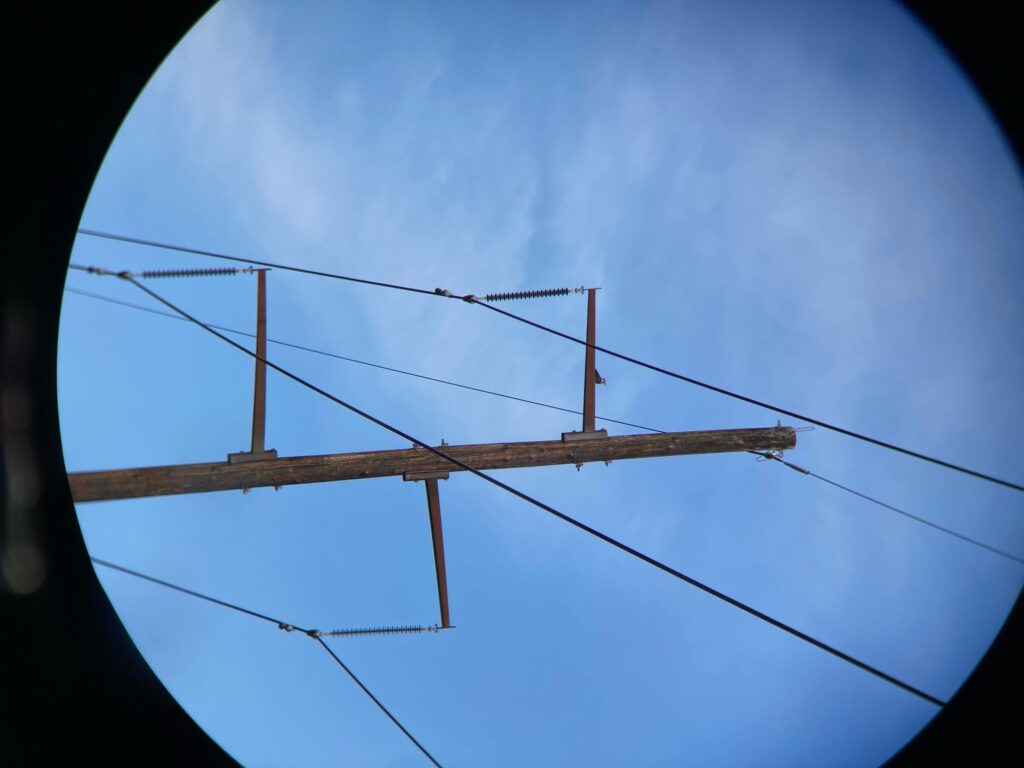
I went back out this morning with a fellow NR 2 student for another bird walk. We were hoping to see more warbler species and add to the growing list of migrants we have seen. When we arrived at our phenology spot the life there seemed to explode. We had dozens of White-throated Sparrows as well as more Winter Wrens. The highlights of the trip included a Pileated Woodpecker that was pecking at the metal part of an electrical pole, Pine Warblers, and a first of the year Great Crested Flycatcher. We will be going out tomorrow and hopefully I am able to see more warbler species.

It was a good year in NR 2. I watched my phenology spot morph and change and it really made me appreciate how this one plot of land could undergo so many changes and support so many different species. Every time I ventured into the woods to enjoy explore the spot I found something new and exciting. I might even continue this type of project at home where I might be able to purchase a trail cam to see all the different animals that show up when I am not around.

Thank you for a great year!!

UPDATE: We saw two new warbler species for the year. Black-throated Green Warbler and Ovenbird.
City Nature Challenge

This was not my first time using iNaturalist. I have used it several times before on hikes in my hometown and at places like Mt. Mansfield. I personally think it is a very helpful tool for attempting to identify plant and animal species that are not easily identified by amateur naturalists. However, I did not enjoy my experience with iNaturalist for the city nature challenge. Part of it is my fault. I did not get the memo that you had to submit photo of audio evidence of the species you were seeing. So, I set out on a bird walk to try and get as many species as I could for the group. I am a bit spoiled with my use of eBird, which I consider to be one of the most user friendly citizen science websites I know of. I am able to checklists and all of my data is kept in easy to reach places and presented in cool metrics and comparisons. I finished the bird walk and went to submit the species I saw as well as a few plants I took pictures of. When I went to submit it would never show up in the class collection. I got confused about the dates in which the program runs from Walt’s email and was trying to submit things a day late. The main problem I have with the city nature challenge is the fact that everything has to have an audio or a recording. I had well over 25 species of birds that I was ready to submit but I wasn’t able to count them. I feel like for a citizen science project they would want every possible species they could get and the limit of having to have photo or audio drastically lowers who can participate fully and the amount of species that can be counted.

With all this being said, I will still use the app in the future. I have a running tally of the bird species I have seen but it would be nice to extend that to plants, insects, herptiles, and others.

March trip to Charlotte

Over March vacation I went on a trip to Charlotte, North Carolina. My sister moved down there a few months ago and we decided it was time to visit her new apartment and get to see the new city she is calling home. She stayed in an apartment complex in NoDa which is a part of Charlotte known for its art and entertainment. I can tell you this much… it certainly is not known for its wildlife. It was hard to find parks within easy walking distance and the ones that did exist didn’t offer much. I ended up settling on a nice stretch of trees that bordered her complex. The trees featured there were Red Maples, a few oaks, and some other trees and shrubs I didn’t recognize. What I did recognize, however, was the bird life that inhabited the small parcel of trees. Carolina Wrens, Mourning Doves, Northern Cardinals, and Song Sparrows are all birds that I can witness in CT and VT. However, there was something really cool about seeing the birds that inhabit my backyard, in someone else’s. The two highlights of the walk came when I heard and saw and Eastern Towhee. It is a bird I will see and here quite regularly in CT but it was awesome to see it a few months ahead of schedule. The other was a life list bird for me. A Brown Thrasher singly proudly atop a dead tree. Not many species were seen but definitely put me in the mood for spring migration.

Phenology Update 2/21/22

After 3 days in a row at Sugarbush this week, I decided that a fitting phenology blog would be one that compares the winter phenology of Sugarbush to the winter phenology I have previously seen in the Burlington Area. The main difference that I was quick to notice was the difference in tree species. In Centennial Woods I am treated to a wide range of deciduous trees such as maples, oaks, and beeches. However, in the higher elevation of Mt. Ellen you notice that those trees don’t exist past a certain point. Instead, I saw a large population of birch trees. Eventually, those too ceased to appear and I was greeted by Montane Spruce-Fir forest. I wasn’t able to make out any tracks besides human ones. It was interesting to see how this natural space has been cleared for a human activity. I left behind my own tracks in the woods as I skied down the glade. Even in this man made entertainment area I was able to see plentiful wildlife. I saw gray squirrels as well as Downy Woodpeckers, Hairy Woodpeckers, and many Black-capped Chickadees. In a previous visit I have been able to see Red-breasted Nuthatches. It is hard to remember when you are skiing with many people around you that you are in a natural setting. I was on the same mountain with hundreds of people and yet bird life was plentiful. This is pretty similar to what I have seen in Centennial Woods. Birds do respond to elevation but the difference between Sugarbush and Cent. Woods was not enough to deter these bird species. In the other seasons there will be a species that primarily inhabits the higher elevations. That is the Bicknell’s Thrush.

The iNaturalist app was certainly interesting to use. I have used it in the past as a plant ID app. However, I have never used it in its citizen science capacity. My main app of choice for that type of activity is eBird which is what I used for my Great Backyard Bird Count. However, for someone who wants to increase their involvement in citizen science and branch out into other species I will definitely be using this app again.

First Visit Since Break

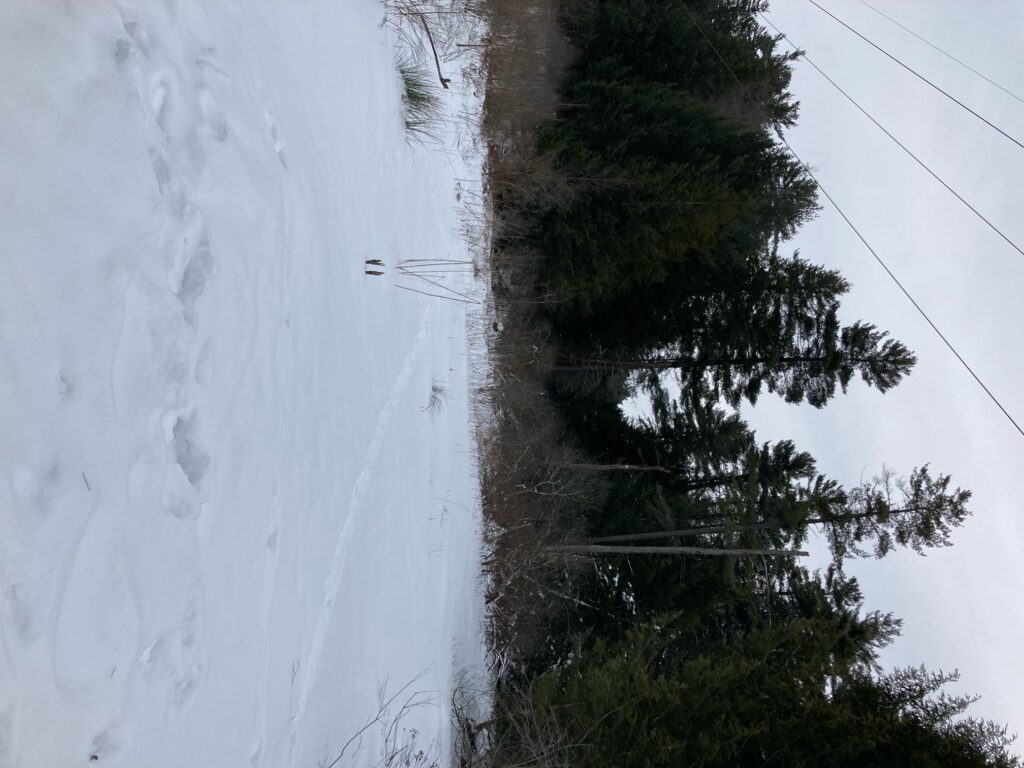
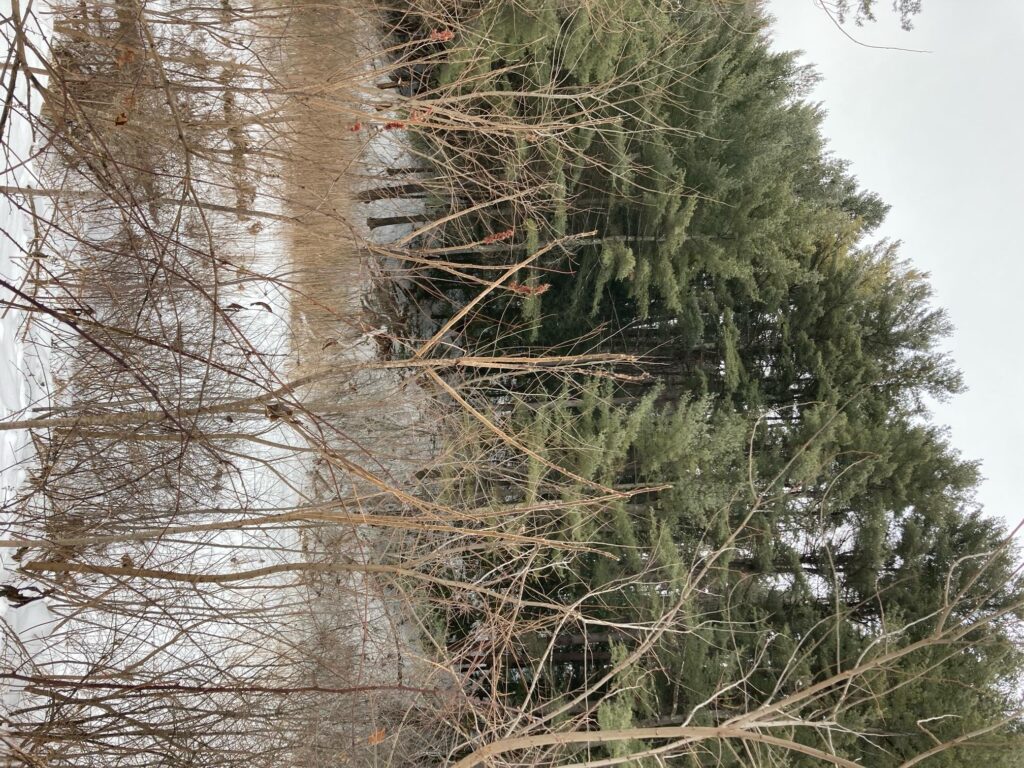
It has been more than a month since I have visited my phenology spot and the difference is quite interesting to see. The first thing I noticed was the bog that is on the site had changed significantly in water level. The ice had formed quite unevenly with sudden depressions. Snow completely blanketed the ground and frozen water and of course, all the trees were completely missing their leaves. However, the hemlock that surround the plot of land were completely green and beautiful and housed several Black-capped Chickadees that were searching for food in the harsh cold. The phragmites was tan and waiting for the warm air to return and the Staghorn Sumac still had their red cones present.

As for the wildlife that was seen I was able to see Black-capped Chickadees, White-breasted Nuthatches, American Crows, American Robins, and one singular Great-Black-backed Gull that passed over head.

Haikus

Birds

Black-capped Chickadee

Flies to a hemlock quickly

Dodging the winter mix

Phragmites

An invasive plant

Sprawing from the muddy bog

Choking other life

Phenological Trip in Burlington

I will admit that my picture for the phenological tour of Burlington was not my best work. To make up for it, I decided to write out a history of my walk down to the water with my two friends from NR 1. We originally started out making our way through the campus green which is where we saw several focal species in addition to a few other species not on our core list for the class such as Tulip Polar. We ventured down towards Church Street and saw a cool side of phenology. We were able to see how humans react to different times of the year. Thicker jackets were seen and lights were going up that signified the holiday season. We then continued down to a hotel by the waterfront where we sat and enjoyed a fire, a nice break from the otherwise chilly temperatures and wind. The wind by the waterfront was quite strong and without any leaves on the trees there was nothing to stop it from hitting us.

I enjoyed envisioning what was going on beneath the surface. From my fishing knowledge I imagined the trout that normally spend time in the depths of the lake, feeding close to the shore along with the Large and Smallmouth Bass that also inhabit the chilly water.

We then continued back up towards the cross walk that bridges Central and Athletic Campus. It was dark but I could make out what I thought was a Cottonwood tree and right at the top of the hill I imagined the snow capped Camel’s Hump.

December 7th

The phenology spot in Centennial Woods has changed quite a bit since the last time I ventured out there. This time the leaves have completely left the trees and the air was quite a bit colder. I entered on the side by the Staghorn Sumac and wandered through. Instead of the changing leaves I saw hang there before was replaced by the bare branches and red pine cone looking structures. Ice now covers the path leading down to the bridge making it a little bit harder to get to. The little pond itself is now covered with ice, which, in some places, is thick enough for you to stand on. I look around the pond and I see that the Hemlock and Eastern White Pines have retained their green color. I focus on the marsh section and see dead and dried up phragmites which in the warmer months would house Common Yellowthroats.

Dead branches all around protrude from the water which in the spring, summer, and fall would have active reptiles and amphibians. I move to the path along the pond and see that the only big of green on the ground comes from ferns. On the hill overlooking the pond I am able to see more tree diversity. In addition to the White Pine and Hemlocks I see the following: White Ash, White Oak, Red Oak, Red Maple, and the occasional Black Cherry. The bird life seemed pretty central to the Hemlock trees. The most commonly seen bird on the walk was the Black-capped Chickadee. They tended to stick to the behavior of hanging upside down as they attempt to get the seeds within. Also seen or heard throughout the hike were American Crows, Tufted Titmouse, White-breasted Nuthatch, and Downy Woodpecker. Any migratory birds that were in the area the last time I went to the spot have now gone. It is now just wintering birds trying to bulk before the winter gets harsher.

I looked for different animal tracks but there weren’t as much snow as I would have hoped. On the hike over to my spot, however, I caught squirrel tracks and the tracks of Dark-eyed Junco which I had observed feeding from the ground a few moments prior.

Changes- November 1st

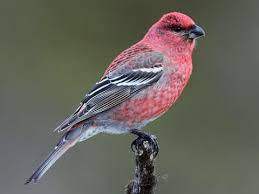
The leaves are reaching their final stages on the deciduous trees. The Staghorn Sumacs have all of their leaves absent from the tree so only the red tufts remain. The wildflowers have died and left brown shadows of what they once were. The Hemlocks and White Pines remain strong and regal. The ferns still hold on for a bit longer around the swamp and path. The air and the water are continuing to dip lower and lower and time goes on. I can hear the calls of chickadees as all of the warblers and vireos have flown down south for the winter. A flock of Canada Geese flies over head. I can almost smell the cold as it brings a certain sweetness to the air. The same goes for the taste. It is a certain taste that has been implanted in my head through childhood. I walk along the path and feel the fresh mud at my feet (my dad slipped in it). Soon the water will be frozen and the chickadees and titmice will be searching for any food they can find. If I am lucky I might see some Pine Grosbeaks or Redpolls.

Hello world!

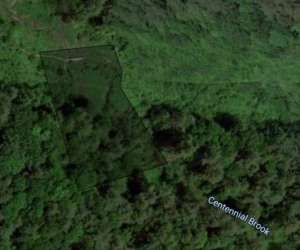
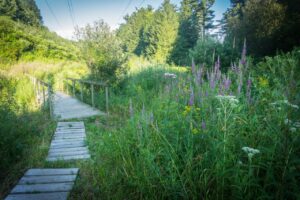
My Phenology spot is located in Centennial Woods in a marsh/wetland section. I discovered it for the first when I went running with my friend in Centennial Woods. I then returned twice in the next few days to go birdwatching. It has a good mix of birds for the timing of migration such as Black-capped Chickadees, Common Yellowthroats, Blue-headed Vireos, Swamp Sparrows, Yellow-rumped Warblers, Winter Wrens, and Golden-crowned Kinglet to name a few. Other animals I saw included Gray Squirrels and Chipmunks but I imagine in the warmer months the wetland holds various amphibian and reptile species. It has an interesting blend of trees that mostly includes Hemlocks and White Pine on the periphery of the wetland but if you go further into the wood you will start to notice a wider range of deciduous trees such as Maples, Oaks, and Yellow Birches. Lining the path through the wetland appear to be sumac. Plant species include Phragmites, Ferns, and various types of shrubs. Lining the path are various types of wildflowers which I wasn’t able to identify.

The water in the surrounding area does not have great visibility. In one of the labs we learned that pines are very acidic. I believe that the low water visibility is due to decomposing needles and leaves that leave the water heavily acidic. The same thing happened at my job in a heavily Hemlock concentrated area. The water in the forest was stained brown and had little to no visibility.

Skip to toolbar